Sustainability reporting in ASEAN is reaching a pivotal moment, driven by tightening regulations and growing investor demands. Frameworks such as the International Sustainability Standards Board (ISSB) and Global Reporting Initiative (GRI) are increasingly setting the standard for ESG disclosures worldwide. Yet many businesses in the region, especially those embedded in supply chains, are still grappling with how to keep pace with shifting expectations. Under growing scrutiny, vague commitments and inconsistent disclosures can be seen as greenwashing — eroding public trust and undermining investor confidence.
Why Ethics Matter as Much as Compliance
To move from intent to impact, companies must do more than comply. For ESG to drive lasting value, ethical leadership, transparency, and robust governance are essential. Ellie Wild, a member of The Institute of Chartered Accountants in England and Wales (ICAEW) and Sustainability Manager at Forvis Mazars, believes high-quality sustainability reporting starts with a strong ethical foundation — one that empowers professionals to identify, assess, and communicate risks with integrity.
“Balanced reporting is at the crux of building trust,” Wild states. “Companies must avoid the temptation to report only ESG opportunities, or to exaggerate their ESG maturity. Stakeholders expect a mixed picture, and the best way to build trust is transparent reporting of both current position and future goals.”
“ESG information should be subject to the same rigour as financial information. Regulatory frameworks contribute to fortifying the ESG control environment by mandating granular disclosure on governance and risk management processes. We are also seeing a critical shift towards assurance over ESG information. In some jurisdictions this is voluntary, while in others, such as Malaysia and Singapore, regulators have signalled a phased move toward mandatory assurance, with details currently under consultation.”
ASEAN’s Fragmented Landscape
While global frameworks offer consistency, ASEAN jurisdictions differ widely in how they interpret and implement ESG reporting. Some, like Malaysia, have taken bold steps to lead, including its National Sustainability Reporting Framework, aligning directly with ISSB’s IFRS S1 and S2. The framework introduces a phased rollout prioritising climate, with deferred Scope 3 disclosures aligned to Malaysia’s readiness.
This momentum has not gone unnoticed. Malaysia is currently the only ASEAN jurisdiction formally recognised by the IFRS Foundation for adopting ISSB standards with limited transition. Its regulatory leadership and regional influence make it a fitting host for the upcoming ICAEW ASEAN Sustainability Summit in November 2025 at the Securities Commission of Malaysia.
Taking place under the theme ASEAN RISING: The Net Zero Playbook, the summit aligns with Malaysia’s ASEAN 2025 Chairmanship focus on “Inclusivity and Sustainability” and will spotlight regional action on ethical governance, transparent reporting, sustainable finance, and climate resilience.
“The greatest challenge is creating structured processes for managing sustainability risks,” according to Wild. “ISSB requires companies to show how sustainability is integrated into strategy and governance. Those treating it as peripheral will struggle. Finance and risk teams should be trained in sustainability frameworks so they can embed accountability into processes and oversee risk management effectively. For SMEs, tools such as carbon calculators help ease the reporting burden by keeping emission factors up to date.”
From Frameworks to Practical Action
Even in relatively mature markets, many companies still grapple with overlapping regulations, evolving standards, and capacity constraints. To address these gaps, the ASEAN Sustainability Reporting Advocacy Collaborative (ASRAC) encourages jurisdictions to adopt ISSB as a global foundation while using a “building-blocks” approach that accommodates local policy objectives. ASRAC also advocates for proportionality and scalability so that ESG reporting remains feasible for the SMEs that populate the large majority of businesses across the region.
To support companies across the spectrum, the ASEAN Simplified ESG Disclosure Guide (ASEDG) combines ISSB, GRI, and local frameworks into 38 disclosures suited to different maturity levels. Complementing this, Capital Markets Malaysia also recently launched a greenhouse gas emissions calculator to help businesses measure Scope 1 and 2 emissions and make ESG reporting more practical.
The Big Tiny story started in 2016, during Adrian’s family trip along Australia’s iconic Great Ocean Road. As his family journeyed through the coastal vistas and rural retreats, an idea began to take shape: What if this sense of calmness could be made accessible to others, anywhere in the world through sustainable and mobile living?
Pioneering eco-friendly getaways: Dave Ng, Adrian Chia and Jeff Yeo.
Upon returning to Singapore, Adrian shared his idea with two long-time friends and soon-to-be co-founders at Big Tiny, Dave Ng and Jeff Yeo, both former Singapore Army and Navy scholars respectively. Together, they envisioned crafting tiny houses on wheels that would bring this same restorative clarity to others while simultaneously empowering communities.
A Product Designed for Shared Success
Comfortable and cosy – inside a quaint tiny house.
Big Tiny was officially launched in 2017. Its product derives from a simple concept which made perfect sense—travel and leave a positive impact on a place and its people.
The founders believe that the modern life-style, for all its conveniences, often distracts people from the basics—nature, simplicity and meaningful moments. With that, its brand mandate is centred around helping people to reconnect with themselves and nature.
The company and its products are defined by three robust core values:
Connection with Nature: Locations are carefully selected where guests can wake up to wide open skies, immerse themselves in pristine landscapes and experience the quiet beauty of the outdoors. Big Tiny’s low-impact builds are designed to preserve the integrity of these natural environments.
Simplicity with Purpose: Every Big Tiny stay is intentionally minimal yet complete, removing the noise of modern living while ensuring comfort and functionality. From the design of tiny houses to the curated experiences offered, Big Tiny champions the idea that less can be more—more meaningful, more sustainable and more fulfilling.
Sustainability through Experience: Rather than preaching eco-consciousness, tiny houses invite its guests to experience it through the stillness of a stay, the satisfaction of living with less and the joy of discovering the surroundings. These tiny houses are not just a place to sleep; they are vessels for a lifestyle shift—subtle, but lasting.
These values are woven into the very fabric of a Big Tiny experience, from the layout of a tiny house to the way it partners with landowners and communities. Ultimately, the brand doesn’t just offer accommodation—it’s a chance to pause, reflect and return to what’s essential.
As a proud pioneer in this niche eco-tourism space, Big Tiny designs, builds and manages eco-conscious tiny houses on underutilised lands—transforming idle plots into revenue-generating destinations. These tiny homes are then placed within its Tiny Away web platform (tinyaway.com) for bookings, alongside 11 other online travel sites.
But the company doesn’t do it alone, of course, as it involves strategic partners along the process. Its ecosystem brings together landowners, tiny house buyers and travellers on a single beneficial model for all parties.
“Basically, there are three external core parties involved in the equation with us being the linchpin that pulls together everyone. Let’s say you own a piece of land which you don’t have any plans for but is the perfect spot for our tiny houses. So, hosting a tiny house on your land naturally unlocks a revenue stream for you while guests can have access to a unique, nature-immersive stay. The landowners are not the only income earners; a tiny house buyer too can earn passive income through our tiny house sale and management programme,” explained Adrian.
As for Big Tiny, it holds critical roles for its end-to-end capability—from land activation to architectural design to operations—the company’s full-stack solution gives it greater control over quality, scalability and sustainability. Big Tiny’s position as a curator of experiences evokes emotional resonance for guests, backed by operational efficiency and proven returns. This is what truly sets Big Tiny’s unique selling proposition.
Apart from being positioned as an accommodation, tiny houses too can function as:
A comfortable home office, studio or workshops venue.
An outstanding pop-up cart or a Farmer’s Market Stall.
A guest house or even a holiday home—an affordable luxury indeed!
Tiny Houses Everywhere!
A tiny house perched on the pastures of Glenlyon, Australia.
Since its first in Australia, Big Tiny is gradually taking over the globe, despite its business being disrupted during the pandemic. Today, the brand operates in Australia, New Zealand, Japan, Malaysia, Taiwan, Singapore, China and Europe, building a thriving ecosystem and establishing itself as a key player in the alternative accommodation space. In many ways, Big Tiny has exceeded its initial expectations for brand traction, buyer interest and global reach.
Scattered across 19 countries, each market presents its own unique landscape and audience for the tiny home experience:
In Australia where its journey began, the concept of tiny house strongly resonates with both domestic and international travellers seeking authentic, nature-based getaways. The expansive rural terrain, paired with growing interest in sustainable travel, created a fertile ground for the brand to grow.
Big Tiny’s minimalist concept strikes a chord with New Zealand and Japan as it aligns with their respective cultural values—connection with nature through its refined, thoughtful designs.
A tiny house in Malaysia.
In Malaysia, the brand is seeing growing interest from both eco-conscious millennials and families looking for unique, short-haul experiences, especially as awareness of sustainability and experiential travel continues to rise. In December 2024, Big Tiny and IOI Properties Group Berhad embarked on a strategic collaboration with the placement of tiny homes at the Amigo Clubhouse @ 16 Sierra in Puchong. This partnership supports both entities’ environmental, social and governance (ESG) vision towards sustainable, eco-living, while offering guests immersive, nature-inspired experiences.
Singapore, despite being its headquarters and an urban market, has shown strong interest and demand for nearby, nature-based escapes—especially with Big Tiny’s expansion into Lazarus Island.
Europe’s entry has been more exploratory at this stage but promising, with pilot activations in scenic regions sparking conversation and demand for low-impact, mobile-friendly tourism infrastructure.
Additionally for this year, its footprint continues to expand with profound milestones achieved during the first half of 2025. Big Tiny has entered the China market beginning with Guangzhou, on top of enhancing its portfolio in Australia, raising its profile in Taiwan and Singapore’s Mandarin-speaking communities. Each presence and initiative are a bold move reaffirming the borderless resonance of sustainable, experiential-led travel.
Its official presence in China as one of Asia’s most dynamic tourism markets has generated strong traction through its tiny house owner-ship programme, and the brand is preparing for Shenzhen next.
Juggling Dream and Reality
Establishing Big Tiny came with its fair share of obstacles. While the concept made perfect sense, it was anyhow, one that was still nascent.
Adrian reveals its biggest road-block, “Convincing both ends of the spectrum—landowners and travellers—to embrace a new way of experiencing nature through compact homes on wheels against the backdrop of remote landscapes. As an unconventional and almost un-heard-of concept, it demanded persistence, thoughtful education and clear articulation of our vision to gain trust and build traction”.
It also stretched logistical capabilities as Big Tiny needed to source sustainable materials and design both on- and off-grid systems, all while ensuring regulatory compliance across different countries was met.
“With a problem-solving mindset, we undertook the strategy of engaging partnerships. Supported by the right parties, we were able to scale our vision—from securing scenic plots, refining operations, increasing footprints and delivering nature-based stays that integrate and balance eco-conscious values with comfort and accessibility,” said Adrian.
More importantly, Big Tiny resiliently kept to its belief that it wasn’t just building tiny houses, instead it is essentially reshaping human-nature interaction, one stay at a time. Naturally, this belief continues to drive the brand forward today.
The Next Big Tiny Stride
The future is promising, as the company believes that eco-conscious travel will shift from doing less harm to actively giving back.
“Our guests will continue seeking regenerative experiences that will positively impact local ecosystems and communities, and this movement is likely to grow amongst the travel community,” explained Adrian.
Big Tiny foresees travellers expecting:
Personalised Sustainability: Data driven choices (from energy use to local sourcing) tailored to each guest’s values.
Deep Cultural Immersion: Hands on conservation, farm-to-table dining and authentic storytelling with local partners.
Tech-enabled Transparency: Real-time carbon and water use tracking, renewable energy dashboards and blockchain-backed supply chains.
With its projection, Big Tiny is adopting a ‘living lab’ model to stay at the forefront of its game. This model is propelled by piloting various environmental technology solutions, circular material construction and AI-powered guest experience platforms.
Additionally, it continues to forge strategic alliances with conservation groups and smart-tech startups to co-create the next generation of tiny house modules that are not just low in impact but ultimately net positive.
At the end of the day, by continuously iterating on de-sign, embedding real-time sustainability and amplifying local community benefits, Big Tiny is positive that the brand will lead the transformation from eco-friendly stays to re-generative travel destinations.
For more information on Big Tiny, visit www.bigtiny.com.my.
This article is featured as the Cover Story for The SmartInvestor’s September/October 2025 issue.
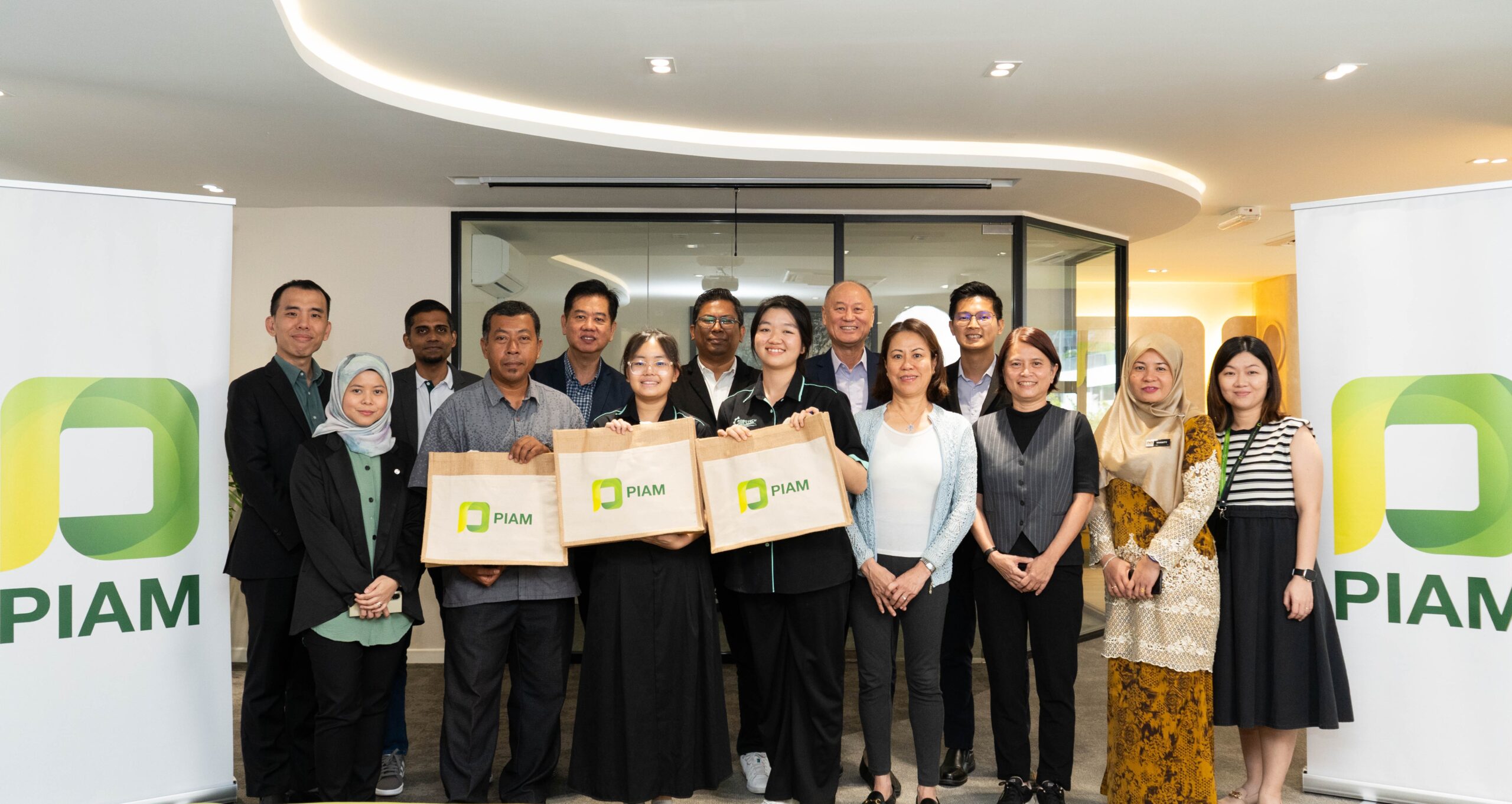
In a bid to cultivate environmental awareness among Malaysian youth, the Persatuan Insurans Am Malaysia (PIAM) celebrated the achievements of tertiary students from across the country at a recent prize-giving ceremony held at its headquarters. The event honoured nine winners whose creative, inspiring and authentic submissions showcased how they incorporate the practices of 3R into their daily life. This was the first nationwide initiative under PIAM’s #GoGreenWithPIAM 3R Campaign.
The campaign, which took place between May and June 2025, invited Malaysian tertiary students to submit short, creative videos showing how they incorporate the principles of 3R – Reduce, Reuse, and Recycle – in their daily lives. Open to tertiary students, the campaign was designed to encourage personal reflection and storytelling on sustainable living.
PIAM’s Chief Executive Officer, Chua Kim Soon, shared that the initiative came at a time when environmental issues are increasingly affecting the general insurance industry. He explained that, “We have seen how floods and storms are becoming more frequent and severe. As insurers, we help with the aftermath, but we also feel a responsibility to be part of the solution. Through the 3R Campaign under our #GoGreenWithPIAM initiative, we are hoping to bring back simple habits from the past, like using tiffin carriers instead of plastic containers, that can help protect the environment and ourselves.”
He also highlighted how the younger generation brings fresh energy and creativity to such efforts, saying, “What made many of the video entries stand out was how personal and authentic they were. These students didn’t just talk about recycling, they showed how it fits into their lifestyle. Their sincerity, combined with strong editing and storytelling, was impressive and inspiring.”
One of those standout voices came from the Grand Prize winner, Nur Aqilah Binti Noor Hisyam from Perlis, whose video was praised for its creativity and heartfelt message. “It has been a passion of mine for some time now, and this campaign gave me the platform to showcase my commitment to sustainable living,” she said. “Organising a community recycling drive and seeing young children learn about waste really stuck with me, it showed how small actions can spark bigger change. Climate change can feel overwhelming, but I have learnt that simple habits, like using reusables or encouraging others to recycle, do make a difference.” She shared that the prize money will go towards her studies in environmental science and, if possible, a small eco-project like a compost bin or mini garden to keep the campaign’s spirit alive.
The campaign was led by Lee Chiew Lai, Programme Leader of the 3R Campaign and member of PIAM’s Climate Change Action Committee (CCAC). He explained that this first initiative is part of a broader, long-term goal to drive behaviour change starting with young people. “We believe tertiary students are future leaders. If they start building sustainable habits now, they will influence their peers, families, and eventually the wider community,” he said.
Lee added that the campaign was not just about promoting recycling, but about encouraging deeper thinking around reducing waste and reusing materials in practical, everyday ways. “Our goal is to encourage a circular economy mindset. It’s not just about what we throw away, but how we can reduce what we use in the first place,” he said. “This is only the beginning of our #GoGreenWithPIAM journey, and we are excited to continue building on this momentum.”
The campaign received submissions from across the country, with students showcasing a mix of creativity, storytelling and technical skill. Prizes were awarded to nine winners, including a Grand Prize of RM3,000, three Runner-Up prizes of RM750 each, and five Consolation Prizes of RM350.
PIAM hopes to continue engaging the youth through more campaigns in the future, while also expanding outreach to schools and local communities. Chua emphasised that the association is focused on long-term change, not just short-term impact. “Our aim is to encourage lasting habits of environmental responsibility. Through education and awareness, we hope to inspire a mindset shift that stays with people for life,” he said.
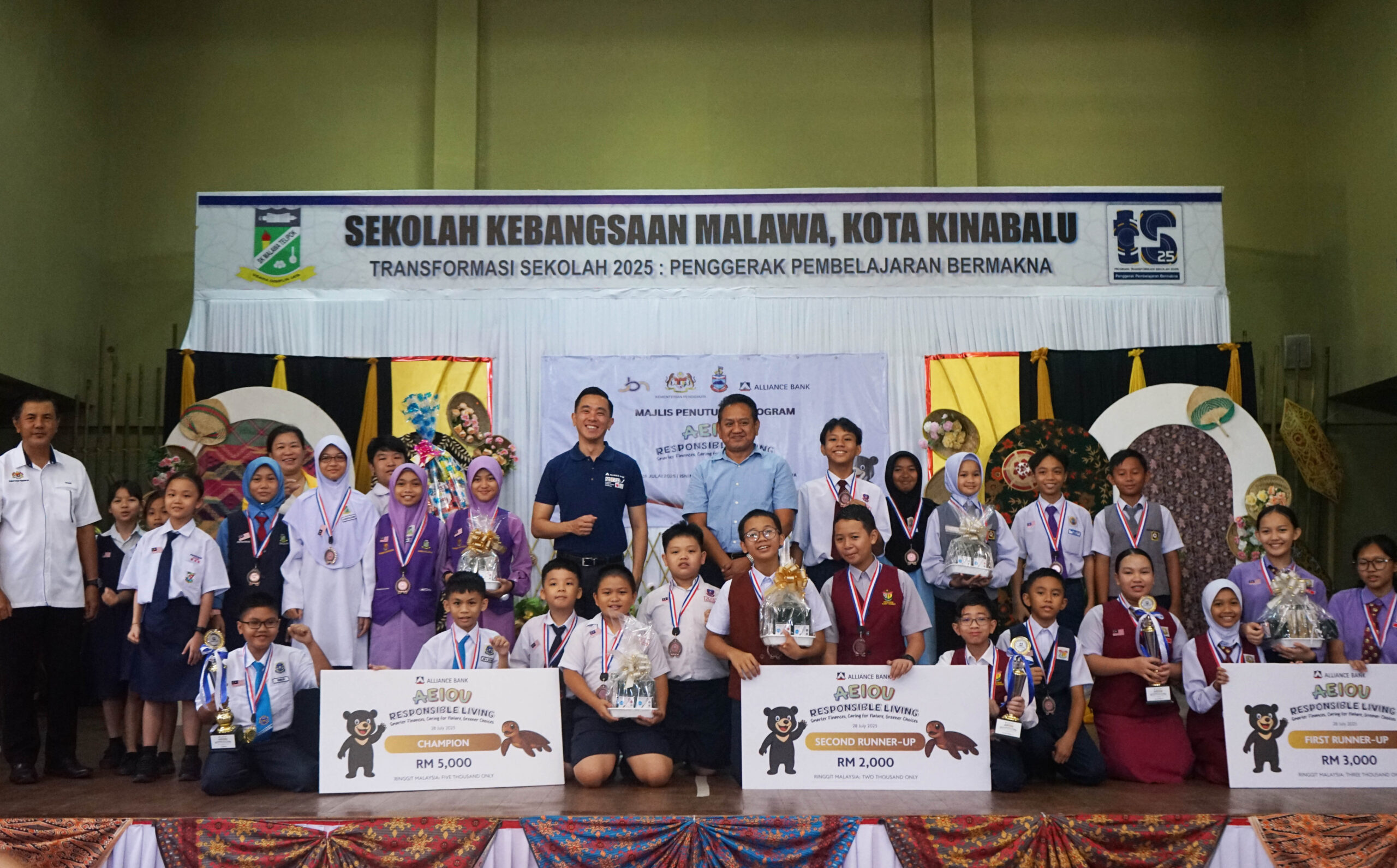
The introduction of the biodiversity module into Alliance Bank’s AEIOU Financial Literacy Programme to primary school students in Sabah was attended by 128 primary school students from 17 schools across Kota Kinabalu, Penampang and Tuaran.
Carrying the theme ‘AEIOU for Responsible Living: Smarter Finances, Caring for Nature, Greener Choices’, the biodiversity module of the programme was delivered in collaboration with Jane Goodall’s Roots & Shoots Malaysia and supported by the Sabah State Treasury Department (JBNS) and the Ministry of Education.
The programme, which began on July 5 and ended on July 26, was conducted through practical workshops and interactive simulations that provided students with the opportunity to explore the field of environmentally friendly entrepreneurship, better known as ‘ecopreneurship’.
The highlight of the programme was the AEIOU Sabah Biodiversity Challenge’ where students aged 9-12 competed fiercely to win the competition. The finalists successfully demonstrated their knowledge while playing the ‘Eco Heroes’ board game, where their creativity, understanding of money management and sustainability awareness were put to the test.
SK St Catherine from Kota Kinabalu, was crowned the champion of the Biodiversity Challenge and won a cash prize of RM5,000, a trophy, a medal, and a certificate of achievement for presenting an interesting story on the concept of money management and biodiversity preservation through their recycling program of reusing milk boxes.
SK St Anthony came in second place and took home a cash prize of RM3,000, a trophy, a medal, and a certificate of participation. While SK St Agnes came in third place and took home RM1,000, a trophy, a medal, and a certificate.
The AEIOU programme, which was launched in 2015, is recognised by the Ministry of Education Malaysia and supported by Bank Negara Malaysia, based on the concept of fostering financial skills among young Malaysians.
The prize-giving ceremony was officiated by Yang Berhormat Tuan Wong Kah Woh, Deputy Minister of Education, and was attended by nearly 142 students and 38 teachers.
According to YB Wong, “The overwhelming response from the students and the encouraging number of participation is proof that the message of nature conservation has truly touched their hearts.”
He added, “I would like to commend Alliance Bank for its continued commitment to fostering biodiversity awareness among the younger generation. As the saying goes, “As the twig is bent, so grows the tree”, it is important for us to provide knowledge and awareness about the importance of preserving biodiversity from a young age so that they can become responsible environmental stewards in the future.”
Meanwhile, Alliance Bank Chief Strategy and Transformation Officer. Dr. Aaron Sum said, “I am confident that with this kind of programme, students will realise that their daily activities and decisions have an impact on the environment and through this understanding, they will be able to develop a responsible attitude towards the environment.”
He added, “I am very proud of all the students who participated in the AEIOU Sabah Biodiversity Challenge and hope that what they have learned will be put into practice and shared with other friends and family.”
The prize giving ceremony was also attended by representatives from Jane Goodall’s Roots and Shoots Malaysia. Its President, TP Lim conveyed his appreciation and said, “We are pleased to share the success of the recently concluded biodiversity module developed in collaboration with Alliance Bank. This partnership has been instrumental in expanding environmental awareness among schoolchildren and strengthening our commitment to biodiversity conservation.
Since its launch in 2015, the AEIOU Challenge Programme has reached over 180,000 primary school students through its seven editions. The programme also provides community outreach, ensuring that all children have access to financial education resources. Students can continue their financial learning journey through the AEIOU mobile app, which provides financial education videos and digital comics. The acquisition of these resources supports the key objectives of the Ministry of Education’s 2027 School Curriculum framework, prioritising the importance of lifelong learning.
Maybank announced it is granting a Sustainability-Linked Loan (SLL) amounting to USD150 million to Austria Technologie & Systemtechnik Malaysia (AT&S Malaysia). This landmark transaction marks the first SLL issued by a Malaysian and Southeast Asian commercial bank to AT&S, and notably the first such facility by a local lender to a multinational company in Malaysia’s semiconductor sector. This deal follows a USD250 million loan provided to AT&S Malaysia by International Finance Corporation (IFC) in March 2025 and concludes the parallel loan arranged by IFC under the same agreement.
AT&S Malaysia is the subsidiary of Austria Technologie & Systemtechnik Aktiengesellschaft (AT&S), a public listed company in Vienna and a leading global manufacturer of high-end printed circuit boards (PCB) and integrated circuit (IC) substrates.
The said financing will support the development of AT&S’ first high-end IC substrate plant in Kulim Hi-Tech Park, Malaysia, that will include state-of-the-art equipment and closed-loop recycling systems, adhering to AT&S’ comprehensive sustainable energy framework. The facility will produce advanced IC substrates, essential components to meet surging demand for high-performance data processors, data centres, and AI infrastructure. Its clients include among others, AMD for data centre processors. With over USD1 billion committed to Malaysia, this represents AT&S Group’s largest initial investment.
The targets attached to the SLL include reducing annual greenhouse gas emissions by 31% by March 31, 2028, using fiscal year 2022 as the baseline.
Dato’ John Chong, Group Chief Executive Officer, Global Banking of Maybank said, “We are pleased to back AT&S in developing its first IC substrate facility in Kulim that further strengthens Malaysia’s role in the global semiconductor value chain. The financing aligns with our strategic focus on the semiconductor ecosystem in Southeast Asia where we have identified financing opportunities. The SLL structure also strengthens our commitment to mobilising sustainable finance and powering the region’s green transition. This transaction is also a reaffirmation of our growing collaboration with the International Finance Corporation.” From 2021 to the end of Q1 2025, Maybank mobilised RM125.46 billion in sustainable finance across ASEAN, surpassing its RM80 billion target by 2025.
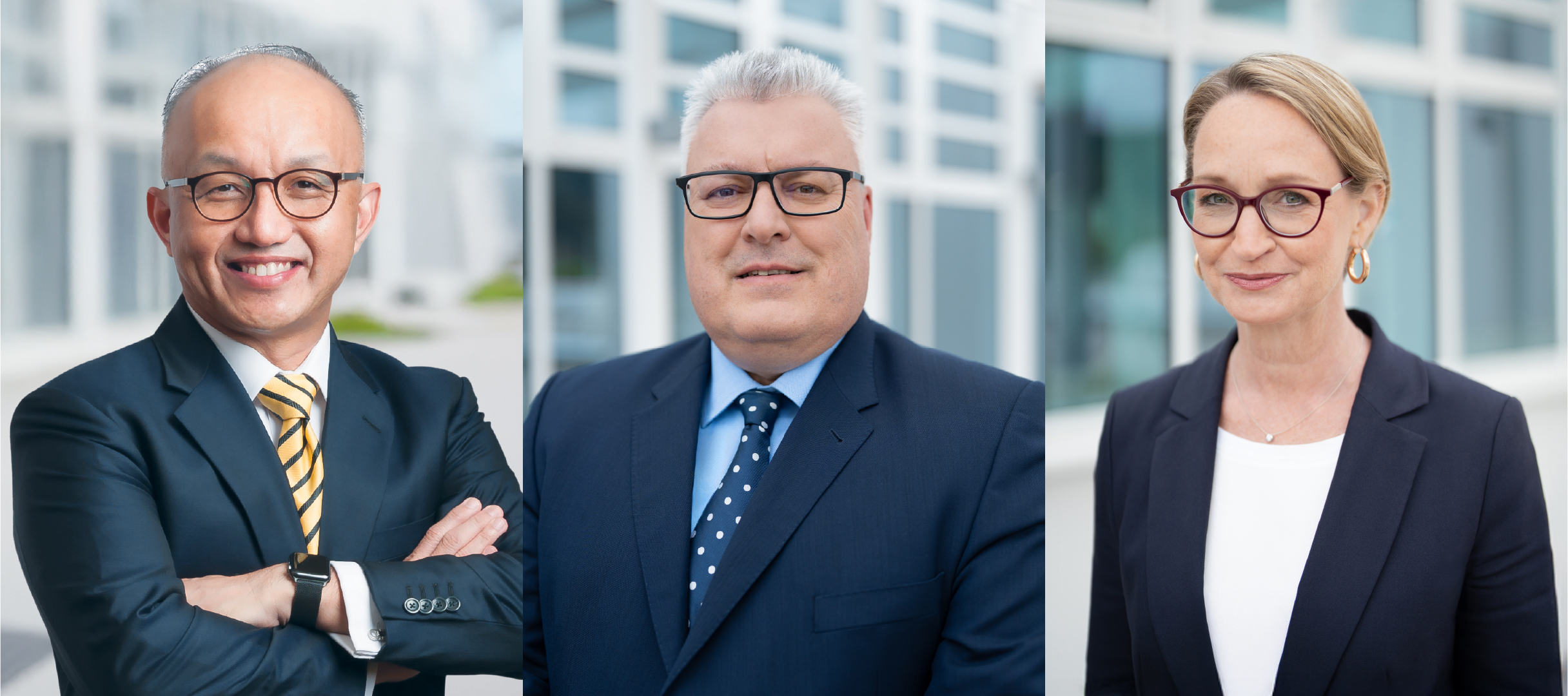
Petra Preining, Chief Financial Officer, AT&S said, “We welcome Maybank as a valued financing partner in our investment in the Kulim facility. This transaction is a milestone for both Maybank and AT&S as it represents the first time AT&S has raised financing at its Malaysian subsidiary level.”
“Our sizeable investment of over USD1 billion in Malaysia follows the demand from our global clients, and reflects our confidence in Malaysia’s semiconductor ecosystem and its growth trajectory. It also aligns with the ambitions of Malaysia’s National Semiconductor Strategy and the New Industrial Master Plan 2030 to position the country as a leading hub for advanced manufacturing,” said Michael Mertin, President and CEO, AT&S. “For AT&S the new facility is an important foundation for our profitable growth path based on superior technology, experience and our global leading customers.”
AT&S ranks sixth in high-end PCBs market and fifth in IC substrates market globally in terms of revenue. The company is also the only non-Asian company producing IC-substrates in significant volumes and one of two non-Asian companies among the top 50 PCB companies in the world.
As Malaysia prepares for Kurikulum 2027’s shift to values-based, student-centred learning, targeted teacher training is building capacity through practical strategies that nurture empathy, emotional growth, and stronger teacher-student bonds.
For the first time, 70 teachers from across the country have completed formal training in building Emotional Intelligence through Program Guru KARISMA (Karakter Inspirasi Masyarakat)—a year-long initiative designed and led by Arus Academy, with full funding from Yayasan Hasanah, a foundation under Khazanah Nasional, and Ministry of Finance Malaysia. The initiative is part of broader efforts to prepare educators for Kurikulum 2027—Malaysia’s next major curriculum reform that emphasises holistic development, including values, emotional intelligence, and responsible citizenship.
Character education and Social and Emotional Learning (SEL) is a proactive educational approach that helps students understand and manage their emotions, build empathy, communicate effectively, resolve conflicts, and collaborate with others—skills that support academic success, mental well-being, and positive lifelong behaviours.
Held in conjunction with the Sidang Guru Kemuncak KARISMA 2025, the culmination of the programme brought together 300 educators, including the 70 trained participants, for a one-day national summit that blended expert-led workshops, classroom showcases, and panel discussions focused on holistic education. Teachers explored how to embed SEL into academic subjects—an increasingly vital competency under Kurikulum 2027.
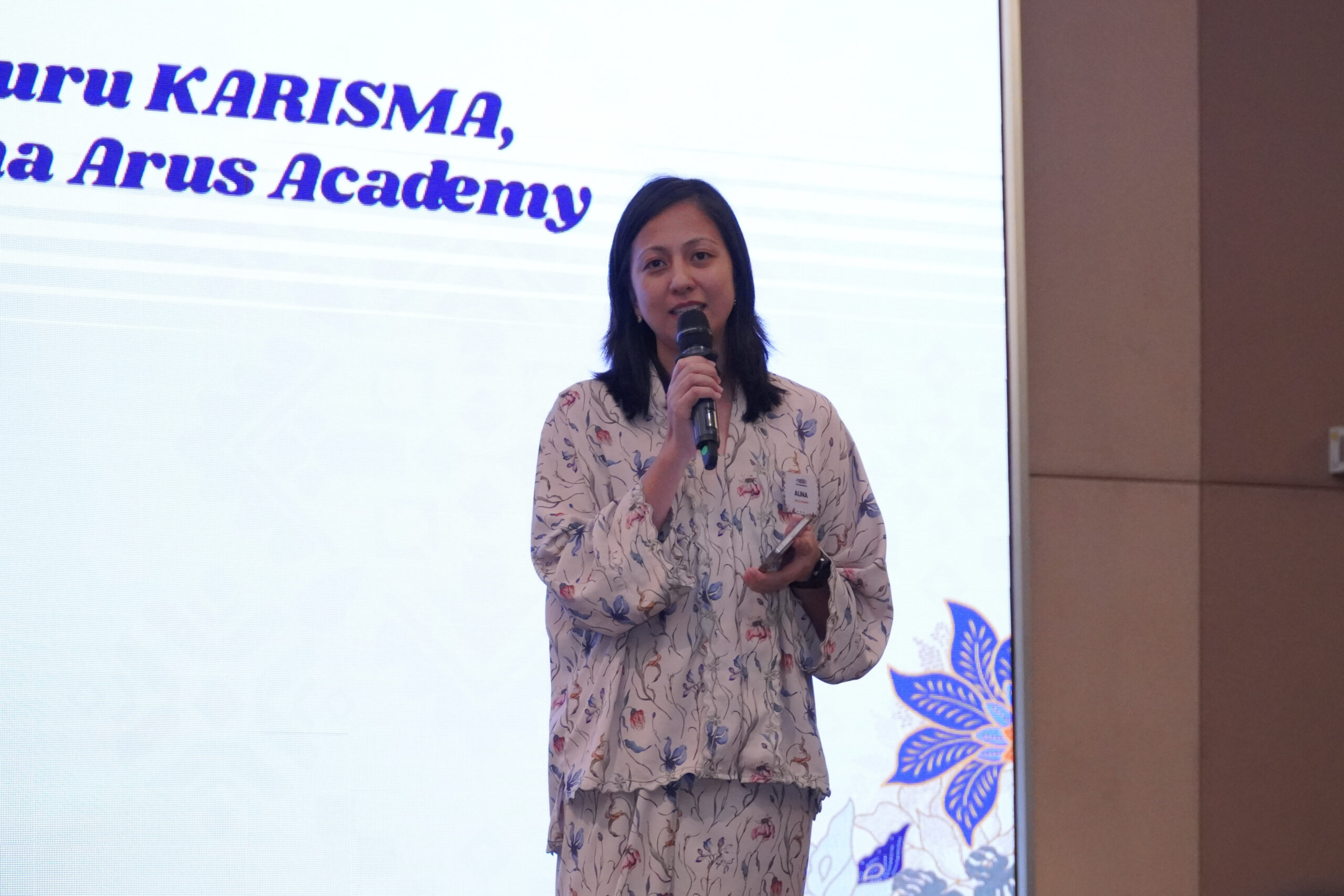
“Kurikulum 2027 will shift the role of teachers beyond content delivery—it’s about nurturing emotionally grounded, values-driven young people,” said Alina Amir, Co-founder of Arus Academy. “Program Guru KARISMA equips teachers with the tools and mindset to create meaningful learning environments that reflect this shift. This is about elevating the teaching profession—preparing educators to meet the emotional and social needs of today’s learners with confidence and care.”
The summit featured a national showcase of over 125 classroom activities and 70 action research projects led by the KARISMA cohort. These highlighted how SEL practices can boost student engagement, reduce classroom conflict, and build stronger interpersonal connections in the learning environment.
International SEL expert Keeth Matheny, founder of SEL Launchpad, also participated in the Summit, leading sessions alongside interactive masterclasses on SEL-integrated pedagogy, teacher wellbeing, and holistic student assessment. A multidisciplinary panel of experts from education, corporate, and civil society sectors also convened to discuss new models of student assessment that measure not just academic outcomes, but also empathy, collaboration, and social responsibility.
“When we equip teachers to lead with empathy and intention, we’re not just transforming classrooms—we’re shaping a more compassionate and resilient education system for Malaysia,” said Siti Kamariah Ahmad Subki, Trustee & Managing Director at Yayasan Hasanah. “As a catalyst foundation, Yayasan Hasanah is committed to enabling systemic, people-centred reforms in education. Through Program Guru KARISMA, we’re investing in teachers as agents of change – a vital part of the wider ecosystem that supports our children’s growth. Alongside families, communities, and the whole-of-nation effort, teachers will be equipped with the skills and confidence to nurture a generation of empathetic, socially conscious learners.”
This initiative aligns with the Malaysian Education Blueprint 2013–2025 and supports the global education commitments under the United Nations Sustainable Development Goal (SDG) 4.7. This target calls for the integration of global citizenship, human rights, peace, and sustainability into education policy, curriculum, teacher training, and assessment. Program Guru KARISMA supports this by helping teachers deliver on the three learning domains of Global Citizenship Education (GCED)—cognitive, socio-emotional, and behavioural—through interactive, student-centred pedagogy, teacher wellbeing training, and more holistic approaches to student assessment.
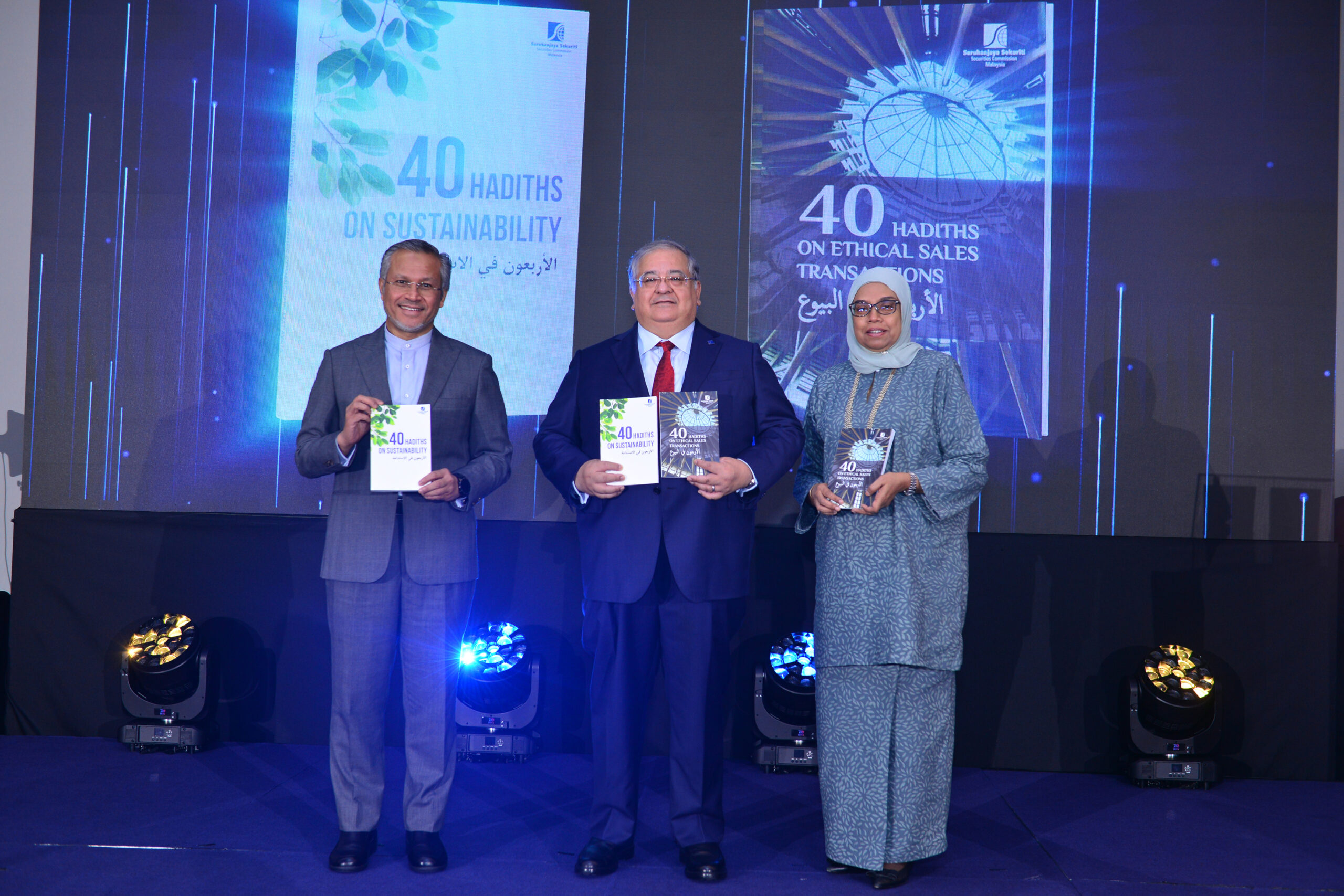
The Securities Commission Malaysia (SC) today launched the 40 Hadiths book series on sustainability and ethical sales transactions to promote a deeper understanding of the Islamic perspective on sustainability and Islamic ethics in commercial transactions.
The publications, launched during the 3rd SC Nadwah of Shariah Advisers in Islamic capital market (ICM) (SC Nadwah), aim to enhance industry awareness and practical implementation. They mark a significant milestone in raising industry awareness on embedding the principles of Maqasid al-Shariah Guidance (Guidance) in ICM, specifically in areas such as environmental stewardship, responsible business, and trade practices.
The SC Chairman Dato’ Mohammad Faiz Azmi said internalising the Guidance encapsulated in these hadiths contributes to the development of a just, inclusive and sustainable economy.
“More importantly, the SC is committed to making Maqasid al-Shariah a fundamental framework for business dealings in ICM,” he said. “The outcomes that we are witnessing today is one of the approaches towards ensuring Islamic financial products and services are designed and implemented in a way that promotes the welfare of society and the environment,’’ he added.
The SC also announced the establishment of the Maqasid al-Shariah Task Force for ICM (MaTF), that will drive and streamline adoption of the Guidance across the Malaysian ICM. This includes identifying areas for strategic collaboration and innovation between regulatory bodies and industry players.
Members of the task force include Bursa Malaysia Berhad, the Malaysian Association of Asset Managers (MAAM), the Federation of Investment Managers Malaysia (FIMM), Malaysian Investment Banking Association (MIBA), the Association of Islamic Banking and Financial Institutions Malaysia (AIBIM), the Islamic Banking and Finance Institute Malaysia (IBFIM), and the International Council of Islamic Finance Educators (ICIFE).
Established in 2023, the SC Nadwah serves as a convening platform for intellectual discourse on applied Shariah knowledge sharing and charting the next wave of innovative Shariah solutions among Shariah advisers and market practitioners.
This year’s SC Nadwah brought together over 200 stakeholders from the Shariah advisory ecosystem, including policy makers, government agencies, academia, Shariah advisers, State Islamic Religious Councils, State Mufti Departments and Islamic finance practitioners.
Speakers were renowned industry leaders in the Islamic finance space. They include esteemed Shariah scholar Sheikh Dr. Nizam Yaquby and Chairman of SC’s Shariah Advisory Council Professor Dato’ Dr. Aznan Hasan. Sheikh Dr. Nizam Yaquby, who serves on more than 30 Shariah boards globally, including the Accounting and Auditing Organization for Islamic Financial Institutions (AAOIFI) and Islamic Development Bank (IDB), commended the SC’s efforts in organising the SC Nadwah.
He said the SC should continue with this initiative, which he says is an invaluable platform for fostering strategic dialogue and knowledge-sharing in advancing Islamic finance and in facilitating the growth and readiness of the industry to navigate future challenges.
The 40 Hadiths book series are now available for download at https://www.sc.com.my/resources/publications-and-research.
The Islamic Financial Services Board (IFSB) has released the 13th edition of its flagship Islamic Financial Services Industry (IFSI) Stability Report. This year’s report reflects a renewed momentum across the industry, with total global assets reaching USD 3.88 trillion in 2024—a 14.9% increase year-on-year.
Themed “Navigating Shallow Waters: Addressing Structural Vulnerabilities and Shoring Up Resilience to Global Shocks,”, the report also observed broad-based growth across Islamic banking, ṣukūk, and Islamic insurance, signalling deepening market participation, growing global relevance, and broadening geographical reach.
Key takeaways from the report includes:
Renewed growth momentum of the IFSI: High year-on-year growth across key sectors of the IFSI, registering double-digit growth rates. In 2024, total asset growth for the Islamic banking and Islamic insurance grew by 17.05% and 16.9% respectively, while sukuk issuances increased by 25.6%.
Emerging markets opening new frontiers: Africa and Central Asia posted the highest growth rates globally, representing important opportunities to deepen local financial markets and expanding the industry’s global footprint.
Financial soundness indicators remained broadly stable: Capital, leverage, liquidity, and asset quality positions in both the banking and insurance sectors remain broadly sound. This is reflecting the positive impact of strengthened regulatory frameworks, wider adoption of IFSB standards, and growing investor confidence.
While outlook remains positive, some structural vulnerabilities remain: The report underscores the need to address long-standing structural imbalances, particularly the underdevelopment of capital markets and insurance sectors, which can constrain the industry’s scalability and its ability to fully support investment, funding, and liquidity needs across sectors.
Critical need to address structural limitations in ṣukūk markets: A key conclusion of the report is the need to deepen ṣukūk markets, which plays a vital role in strengthening financial intermediation and supporting macro-financial stability. While 2024 saw a surge in ṣukūk issuance and growing issuer diversity, structural limitations remain, including underdeveloped market infrastructure, complex ṣukūk structures and limited local-currency sovereign issuances, investor concentration, and low trading volumes, among other factors. If unaddressed, these structural limitations may constrain the IFSI’s long-term growth and pose broader financial stability risks, while also affecting other segments of the industry that depend on capital markets to manage their funding, investment portfolios, and liquidity positions.
The report further outlines a forward-looking set of policy priorities to address these limitations and unlock the potential growth of Islamic finance. It calls for coordinated action among regulators, policymakers, and industry stakeholders to address these challenges, to ensure the sound development of the Islamic financial services industry.
First published in 2010, the IFSI Stability Report has become a key reference for global stakeholders, regulators, and market participants. It offers in-depth insights into industry trends, vulnerabilities, and evolving policy priorities shaping the future of Islamic finance.
The IFSB Islamic Financial Services Industry Stability Report 2025 is now available at https://www.ifsb.org/wp-content/uploads/2025/05/IFSI-Stability-Report-May-2025.pdf.
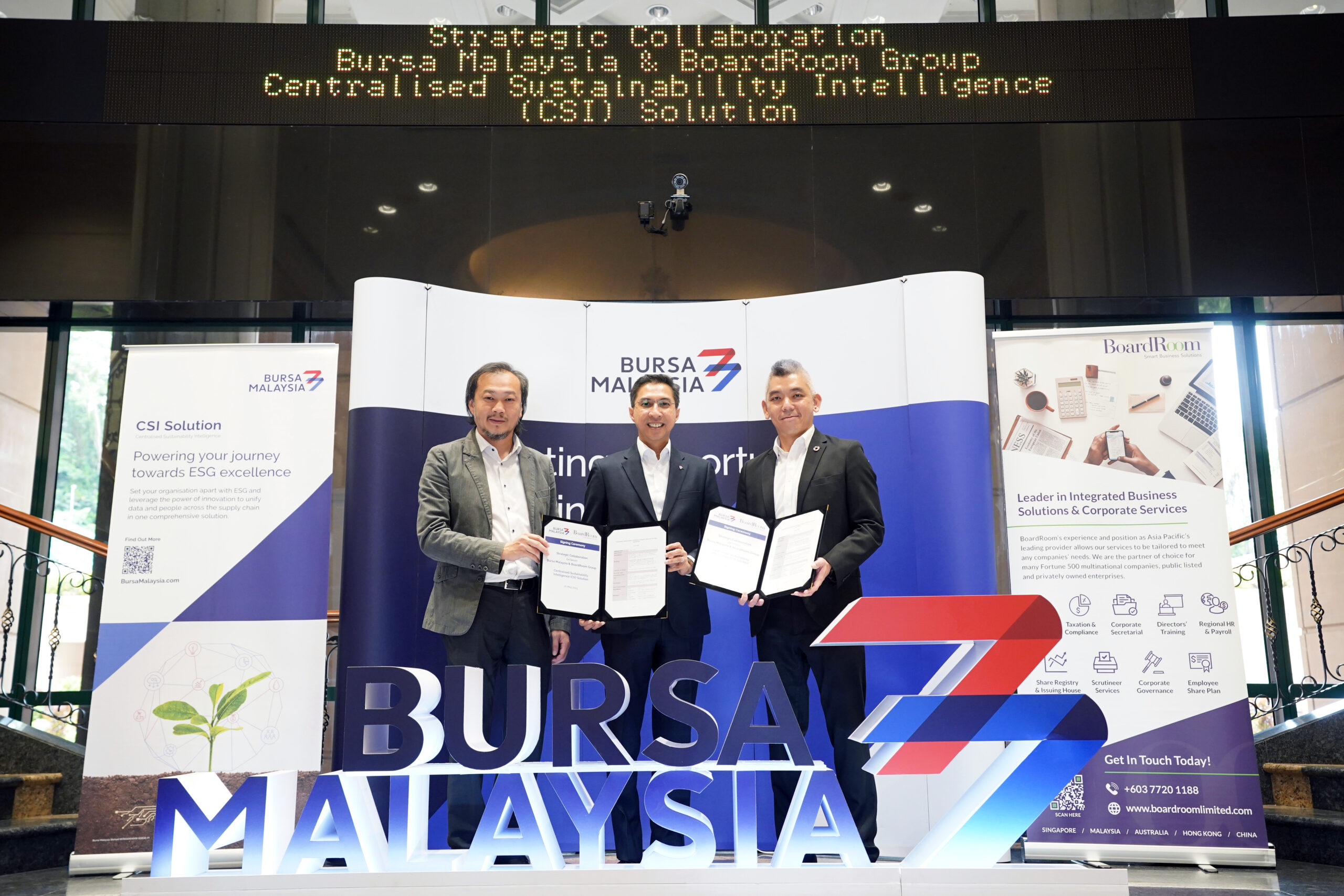
Bursa Malaysia Berhad (Bursa Malaysia or the Exchange) announces its collaboration withthe BoardRoom Group (BoardRoom), a leading provider of corporate and advisory services in the Asia-Pacific region. The collaboration seeks to encourage wider adoption of the Centralised Sustainability Intelligence (CSI) Solution among Malaysian public listed companies (PLCs), with the goal of enhancing the quality of sustainability disclosures across the corporate sector.
The CSI Solution was developed by Bursa Malaysia in support of Malaysia’s transition to a low-carbon economy. It enables companies — listed and non-listed — streamline sustainability reporting. Following its designation in March 2025 as the Exchange’s official sustainability reporting channel, the CSI Solution’s disclosure module now supports the International Sustainability Standards Board (ISSB) IFRS S1 General Requirements for Disclosure of Sustainability-related Financial Information and IFRS S2 Climate-related Disclosures under the National Sustainability Reporting Framework (NSRF).
Commenting on the collaboration, Dato’ Fad’l Mohamed, Chief Executive Officer of Bursa Malaysia, said “Bursa Malaysia is committed to supporting Malaysian companies in their decarbonisation journey and lowering their climate impact. This commitment is reflected in our decision to make CSI reporting tools, aligned with IFRS S1 and S2, accessible at no charge to all public listed companies.”
“Our collaboration with BoardRoom will extend the CSI Solution’s reach. Leveraging Boardroom’s established presence and sustainability advisory expertise in the corporate advisory space, we hope to support more companies in navigating evolving disclosure requirements and enhancing the quality of their sustainability reporting with greater confidence.”
Angeline Aw, Group Chief Executive Officer of BoardRoom Group, said, “We are proud to partner with Bursa Malaysia, to scale the CSI Solution across the corporate sector. This collaboration builds on our strong and long-standing relationship with the Exchange, underpinned by our shared commitment to strengthening corporate governance and regulatory readiness. With our deep experience in serving public listed companies and expertise in Sustainability Reporting and Advisory, BoardRoom is well-positioned to support clients in adopting the CSI Solution and producing impactful sustainability reports.”
Since its launch in June 2024, around 180 PLCs have onboarded onto the CSI Platform. All companies, not just PLCs but also mid-tier companies (MTCs) and small-medium enterprises (SMEs) are encouraged to adopt the CSI Solution to strengthen their sustainability journey. By leveraging its comprehensive suite of services, including an emissions calculator, a supplier management module, and a range of complementary value-added services delivered through a network of ecosystem partners, businesses can enhance their environmental performance and drive long-term value.
For more information regarding the CSI Solution and its value-added services, please visit Bursa Malaysia CSI Solution or contact csi@bursamalaysia.com.
Zurich Insurance Group (Zurich) releases the “Climate Risks: Strategies for Building Resilience in a More Volatile World,” report emphasising the urgent need for coordinated action against the rising threats posed by extreme weather and natural catastrophes. The report outlines the increasing costs of these events, highlights the role of insurance, and offers recommendations for policymakers to build resilient societies and economies.
Extreme weather events such as hurricanes, floods and wildfires caused about USD2 trillion in economic losses over the past decade according to the International Chamber of Commerce. The frequency and intensity of these events are increasing, potentially exacerbated by long-term climate shifts like temperature variations, rising sea levels and changes in precipitation patterns.
“The insurance industry is uniquely positioned to help strengthen resilience to physical climate risks,” said Alison Martin, CEO EMEA and Bank Distribution. “However, addressing the escalating costs of extreme weather and natural catastrophes requires collective and immediate action. Our paper provides a roadmap for how governments, insurers and communities can collaborate to meet the growing challenges posed by extreme weather and natural catastrophes.”
Insurance is crucial in protecting households, businesses and governments, helping them recover financially from the effects of natural catastrophes. However, insurance coverage is not keeping up with growing losses, leading to more underinsured or uninsured households and businesses.
Zurich advocates for a new approach that focuses on risk reduction and extending insurance coverage to protect communities and businesses. The insurance industry can provide risk management insights and capabilities to strengthen resilience to physical climate risks. By de-risking capital flows, the industry can also help unlock the necessary finance to build the infrastructure required to deliver that resilience, enhancing the protection provided by insurance.
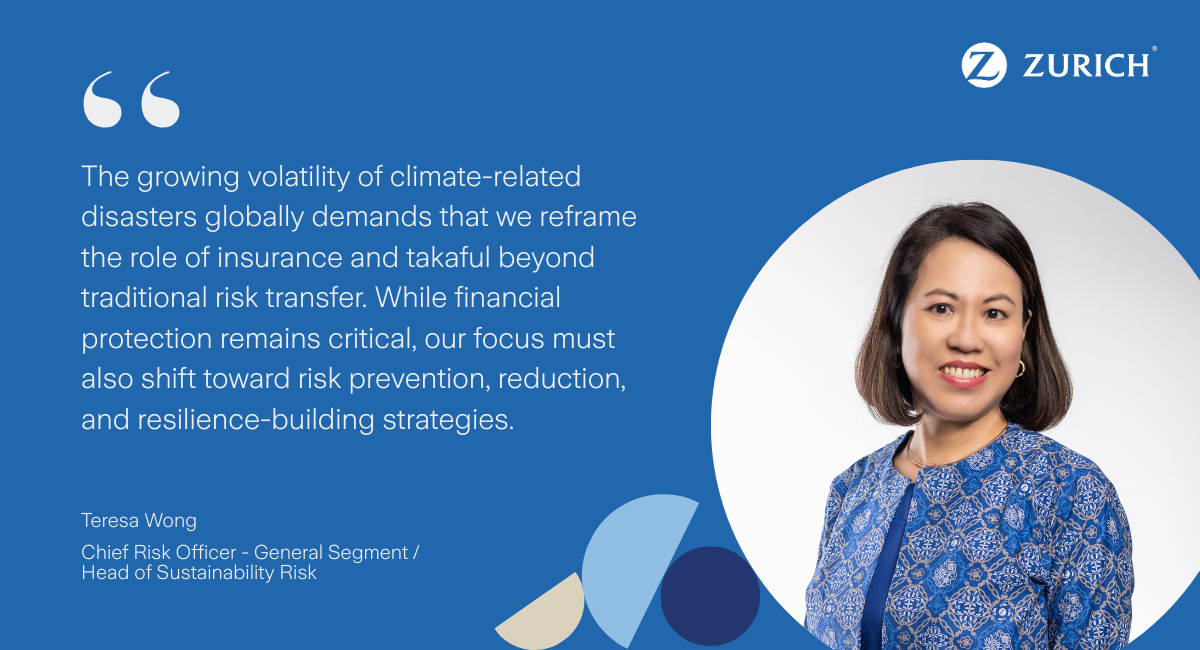
Teresa Wong, Chief Risk Officer – General Segment / Head of Sustainability Risk at Zurich Malaysia, emphasises “The growing volatility of climate-related disasters globally demands that we reframe the role of insurance and takaful beyond traditional risk transfer. While financial protection remains critical, our focus must also shift towards risk prevention, reduction, and resilience-building strategies. This is particularly relevant in Malaysia, where our Climate Resilience Survey highlights that more than half of respondents feel unprepared, with many citing financial constraints as a key barrier to readiness. As insurers, we must harness our risk expertise to support customers and communities not just in recovery, but in building long-term adaptive capacity. Now more than ever, strengthening climate resilience is fundamental to ensuring protection remains accessible and sustainable in the face of escalating risks.”
However, the insurance industry cannot tackle this challenge alone. A coordinated effort between the private and public sectors is needed. This paper makes three recommendations for policymakers:
Invest in risk prevention and reduction: Governments should make formal commitments to strengthen climate resilience through robust strategies and the implementation of building codes and urban planning regulations. Measures include building climate resilience into national planning, establishing national centres of competence, and making more effective use of technology, data analytics and scientific research.
Enhance insurance accessibility and affordability through supportive policy frameworks: Governments can raise awareness of extreme weather risks and offer incentives for households and businesses to obtain adequate insurance. This can be achieved by establishing a regulatory environment that sustains market capacity, attracts new entrants, and fosters competition and innovation to broaden coverage options for consumers.
Develop public-private risk-sharing solutions to raise finance climate resilience: Innovative solutions such as blended finance and (re)insurance pools can help share resources and distribute risks, improving affordability and preventing the development of “insurance deserts.” Public-private partnerships (PPPs) can enhance insurance accessibility and affordability, especially in higher-risk areas.
Zurich remains committed to working with stakeholders worldwide to build a more resilient future, ensuring that communities and economies can thrive despite the growing challenges posed by climate risks.
For more information on Zurich Malaysia’s insurance and takaful plans, please visit zurich.com.my.