Category: ESG

  • Zurich Malaysia reaffirms commitment to caring for the planet through Climate Month 2024

    Zurich Malaysia reaffirms commitment to caring for the planet through Climate Month 2024


    KUALA LUMPUR, 2 October 2024
    – Zurich Malaysia recently concluded its fourth annual Climate
    Month, reaffirming the brand’s sustainability commitments in care for the planet. Held every
    September since 2021, Zurich’s group-wide Climate Month reflects the brand’s ongoing mission to
    create awareness on the importance of climate change impacts, as well as actionable steps taken to
    create a brighter and greener future for everyone.

    Speaking on the range of Zurich Malaysia’s sustainability touchpoints, Erin Hwang, Zurich Malaysia’s
    Head of Brand Marketing and Communications, said “As we conclude this year’s Climate Month, we
    reflect on the progress we have made in striving towards a more sustainable future. From
    empowering communities through sustainable home-building initiatives to environmental restoration
    projects, we remain focused on taking meaningful, impactful, and lasting actions. Through consistent
    efforts, we can and will witness a positive progress in the quality of life of our communities and the
    health of our planet, in our mission to care for what matters most to Malaysians.”

    Charting towards net-zero by 2050 through Zurich’s Climate Transition Plan
    The effects of climate change are expected to become even more frequent and severe in the next
    years. As a global insurer, tackling the causes of climate change and building resilience to its effects
    are a core pillar of Zurich’s mission in building a better future for next generations. As such, Zurich
    Insurance Group has launched its Climate Transition Plan, reaffirming the brand’s commitment
    towards achieving net-zero emissions by 2050 across its protection plans, investments, and
    operations.

    The plan outlines how Zurich will support an economy-wide transition to a net-zero future,
    strengthening societal resilience against climate risks, advocating for policies on the economy’s
    transition, and by evolving Zurich’s operations through decarbonisation efforts as well as people and
    culture investments.
    Building resilient communities with EPIC Homes
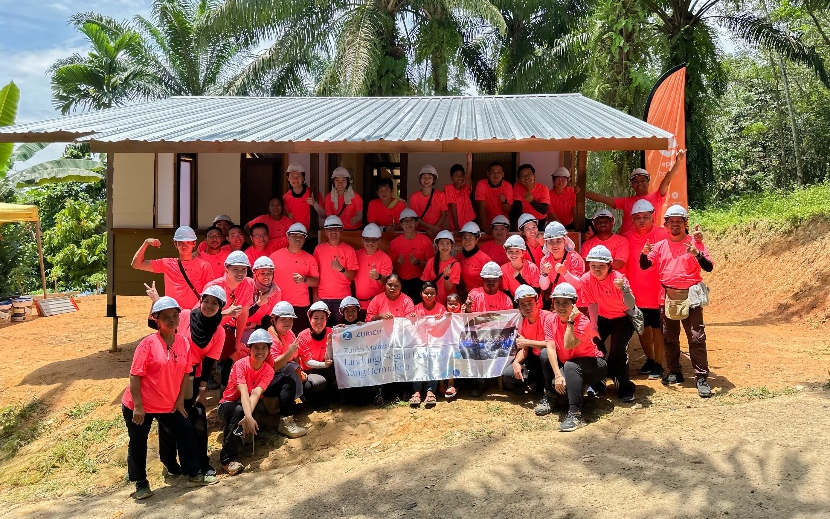
    Continuing collaborations with EPIC Homes since 2019, Zurich has expanded its journey in building
    sustainable homes for underserved communities. This year’s Climate Month features two house
    builds for local communities in Kampung Orang Asli Bukit Manchung, Bukit Beruntung.

    Over 50 Zurich Malaysia employees participated in the project, working to build safer and more
    secure homes for those in-need. This effort showcases Zurich Malaysia’s commitment to making a
    positive impact and fostering a strong sense of community. As of September 2024, Zurich Malaysia
    has completed a total of six houses, demonstrating dedication not only to its products and services,
    but also to community well-being, and emphasising on the importance of coming together to care for
    what truly matters. A second house is planned to be built in October 2024.
    Protecting and securing the nation’s coastlines
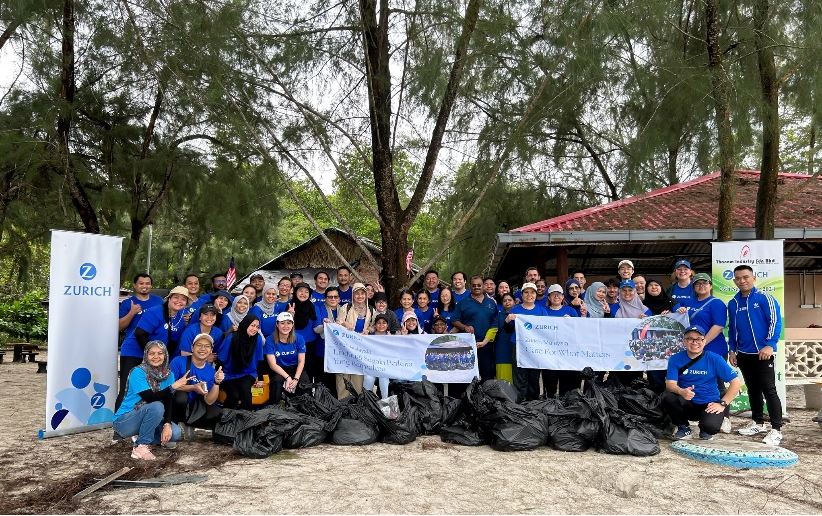
    As part of Climate Month, Zurich Malaysia also organised a beach cleanup at Pantai Cunang, where
    the volunteers worked tirelessly to restore the natural beauty of the Malaysian coastline. By focusing
    on waste collection and recycling, this initiative went beyond a surface-level cleanup, aiming to revive
    the area’s natural environment. This activity not only showcased Zurich Malaysia’s commitment to
    environmental conservation, but also highlighted the importance of community involvement in
    sustainable practices.
    Changing the world, one tree at a time
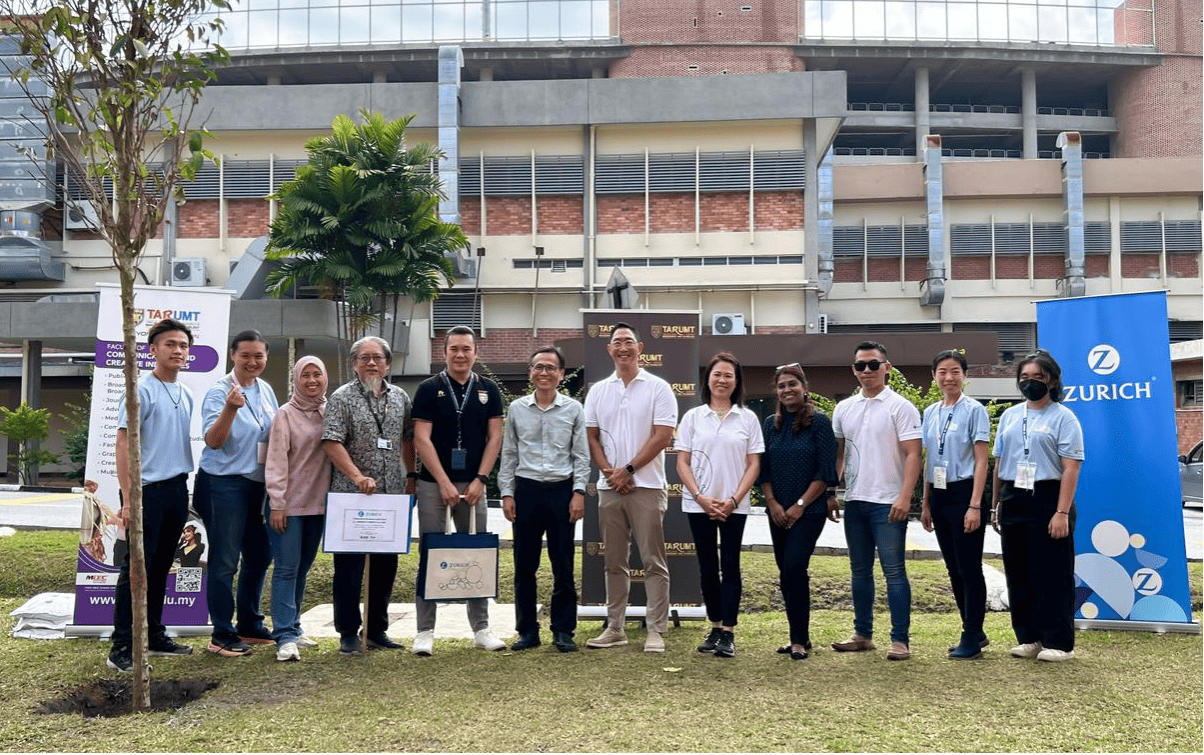
    In nurturing a deeper consideration for sustainability amongst future generations, Zurich Malaysia also
    furthered its environmental initiatives through collaboration with the Tunku Abdul Rahman University
    of Management and Technology (TARUMT). Aligned in their environmental advocacy, Zurich Malaysia
    employees and student volunteers gathered for a tree-planting event, emphasising on the importance
    of proactive steps in charting towards a greener future.

    Through the university initiative, Zurich Malaysia strengthens its commitment in highlighting and
    addressing climate risks, by exposing future leaders to the importance of taking climate action. As an
    expansion of the collaboration on the social front, Zurich Malaysia also entered a strategic
    arrangement on career placement opportunities for TARUMT students, providing them with a
    professional pathway in the insurance and takaful sector.

    For further insights into Zurich Malaysia’s holistic approach to building a brighter tomorrow, please
    visit www.zurich.com.my/CareForWhatMatters.

    About Zurich Malaysia  
    Zurich Malaysia is a collective reference term for the Zurich Insurance Group (Zurich) business
    subsidiaries operating in Malaysia: Zurich General Insurance Malaysia Berhad, Zurich Life Insurance
    Malaysia Berhad, Zurich General Takaful Malaysia Berhad and Zurich Takaful Malaysia Berhad.
    Zurich Malaysia offers a broad range of comprehensive insurance and takaful solutions; helping
    individuals as well as business owners understand and protect themselves, their businesses and their
    assets from risk. Zurich Malaysia has an integrated branch network in major cities nationwide as well
    as dedicated agency and distribution channels nationwide to serve the needs of its customers. For
    further information on Zurich Malaysia

  • National Sustainability Reporting Framework to Enhance Sustainability Disclosures

    National Sustainability Reporting Framework to Enhance Sustainability Disclosures

    The National Sustainability Reporting Framework (NSRF), developed by the Advisory
    Committee on Sustainability Reporting (ACSR)1, is set to enhance the state of

    sustainability disclosures in Malaysia.
    The NSRF addresses the use of the IFRS® Sustainability Disclosure Standards issued
    by the International Sustainability Standards Board (ISSB) as the baseline for
    companies in Malaysia.

    The aim is to enhance transparency and accountability of how businesses manage
    sustainability risks and opportunities, improve business resilience and contribute to
    the nation’s broader sustainability agenda.

    The NSRF also addresses the needs of stakeholders especially investors for consistent,
    comparable and reliable disclosures.

    Following the launch of the NSRF by Finance Minister II YB Senator Datuk Seri Amir
    Hamzah Azizan at the Securities Commission Malaysia (SC) today, Malaysia joins more
    than 20 jurisdictions2, which have decided or are taking steps to use the standards.

    Developed through extensive public consultations with various stakeholders, including
    local and foreign investors, various industry and professional associations, the NSRF
    meets the growing demand for sustainability information.
    The SC Chairman Dato’ Mohammad Faiz Azmi emphasised that the NSRF aligns with
    both investor expectations and the need to act on the climate crisis.
    “As a major trading country and an open economy that has an important role in the
    global supply chain, it is important we adopt these requirements in an open way to
    reap the benefit of being an adopter”.

    Listed issuers on Bursa Malaysia’s Main and ACE Markets, as well as large non-listed
    companies (NLCos) with annual revenue of RM2 billion and above will have to comply
    with the new reporting requirements in a phased approach:

    • Large-listed issuers on the Main Market with market capitalisation of RM2 billion
    and above will begin using the ISSB Standards in 2025 (Group 1);
    • This will extend to other Main Market listed issuers in 2026 (Group 2), followed
    by;
    • Listed issuers on the ACE Market as well as large NLCos in 2027 (Group 3).

    In relation to climate disclosures, the recommendations of the Taskforce on Climate-
    related Financial Disclosures (TCFD) which are incorporated in the Bursa Malaysia
    Listing Requirements are fully embedded in the ISSB’s standards for climate-
    disclosures.

    The ISSB standards builds on the same pillars of the TCFD i.e. governance, strategy,
    risk management, as well as metrics and targets. Thus, listed issuers have a degree
    of familiarity with the disclosure requirements under the standards.

    Subject to further consultations and engagements, the ACSR aims to mandate
    reasonable assurance of sustainability information commencing in 2027.

    To support implementation of the NSRF, the ACSR’s PACE (Policy, Assumptions,
    Calculators and Education) initiative will offer capacity building programmes, resources
    and toolkits to help preparers, including those which are focused on addressing the
    needs of medium and smaller companies.

    Following the launch of the NSRF, Bursa Malaysia has also issued a public consultation
    on the proposed amendments to align its Listing Requirements. Further information
    on the NSRF is available at www.sc.com.my/nsrf

  • BURSA CARBON EXCHANGE (BCX) NOW OFFERS CONTINUOUS TRADING FOR RENEWABLE ENERGY CERTIFICATES (RECS)

    BURSA CARBON EXCHANGE (BCX) NOW OFFERS CONTINUOUS TRADING FOR RENEWABLE ENERGY CERTIFICATES (RECS)

    Kuala Lumpur, 17 September 2024 – Bursa Carbon Exchange (“BCX”), a wholly-owned
    subsidiary of Bursa Malaysia Berhad (“Bursa Malaysia” or the “Exchange”), is pleased to
    announce the successful go-live of its renewable energy certificates (RECs) continuous
    trading on 9 September 2024. This extends its previous RECs auction capability and
    includes the facilitation of off-market transactions on its platform.

    This development marks a significant milestone as BCX expands its trading offering from
    voluntary carbon credits to now include voluntary unbundled RECs. It reinforces BCX as a
    one-stop, Shariah-compliant, multi-environmental product exchange, democratising
    access and creating new opportunities for the market through additional asset classes,
    investment, and trading choices.

    Additionally, BCX’s offering of Malaysian RECs has grown from only hydropower REC
    previously, and will also include RECs generated from solar photovoltaic, bioenergy and
    small-hydropower sources. This diversification in the RECs-product range will allow local
    corporates to select RECs based on their specific preferences based on their Scope 2
    emissions reduction needs. All RECs are issued under the I-REC Standard, a globally
    recognised standard body, and adhere to the International Attribute Tracking Standard,
    managed by the I-TRACK Foundation (formerly known as the I-REC Standard). The BCX
    trading platform is accredited by the I-TRACK Foundation, with BCX being the first
    Malaysian trading platform operator, and one of only eight globally, to receive this
    accreditation.

    The platform will enable participants to conveniently trade both carbon credits and RECs.
    “We are pleased to offer this opportunity for companies to take proactive steps in their
    sustainability journey,” said Datuk Muhamad Umar Swift, Chief Executive Officer of Bursa
    Malaysia. “The BCX platform provides a seamless and efficient way for businesses to
    procure environmental assets such as RECs and carbon credits, supporting their
    commitment to reducing carbon footprints and promoting renewable energy and
    decarbonisation projects.”

    “The availability of RECs continuous trading facilitates the increased adoption of
    renewable energy in Malaysia, contributing towards objectives in Malaysia’s National
    Energy Transition Roadmap (NETR),” added Datuk Muhamad Umar. “Enabling the trading
    of RECs encourages more renewable energy projects by making them more financially
    viable and attractive to investors, which supports accelerating the nation’s transition
    towards a low-carbon economy.”

    The healthy interest and price signals shown by the domestic corporate sector during the
    inaugural auction of RECs1, and commencement of continuous RECs trading, has
    demonstrated local market demand for a transparent pricing mechanism and enhanced
    accessibility to unbundled RECs.

    The Exchange encourages corporates to onboard onto the BCX platform without delay.
    Early onboarding provides benefits such as competitive trading fees, and positions
    corporates to be well-prepared for their emissions reduction plans and year-end
    sustainability reporting.

    For more information on how to onboard and to start trading, contact BCX at
    https://bcx.bursamalaysia.com/web/contactus

    About Bursa Malaysia
    Bursa Malaysia is an Exchange holding company incorporated in 1976 and listed in 2005.
    It has grown to be one of the largest bourses in ASEAN. Today, Bursa Malaysia operates
    and regulates a multi-asset exchange, offering a comprehensive range of investment,
    capital raising, and exchange-related facilities. Bursa Malaysia is committed to its mission
    of Creating Opportunities, Growing Value for the Malaysian capital market, economy, and
    society. Learn more at bursamalaysia.com.

    About Bursa Carbon Exchange
    Bursa Carbon Exchange (BCX), a subsidiary of Bursa Malaysia, is a global spot exchange
    that enables corporates to take practical climate mitigation action through the trading of
    carbon credits and RECs from projects with measurable climate action outcomes that
    adhere to the international standards. The carbon exchange was incorporated in 2022 and
    is operated by Bursa Malaysia Carbon Market Sdn. Bhd.
    Visit https://bcx.bursamalaysia.com for more information.

  • BMW Group Malaysia Introduces New EV Charging Facilities Across the Klang Valley, Negeri Sembilan and Pahang.

    BMW Group Malaysia Introduces New EV Charging Facilities Across the Klang Valley, Negeri Sembilan and Pahang.

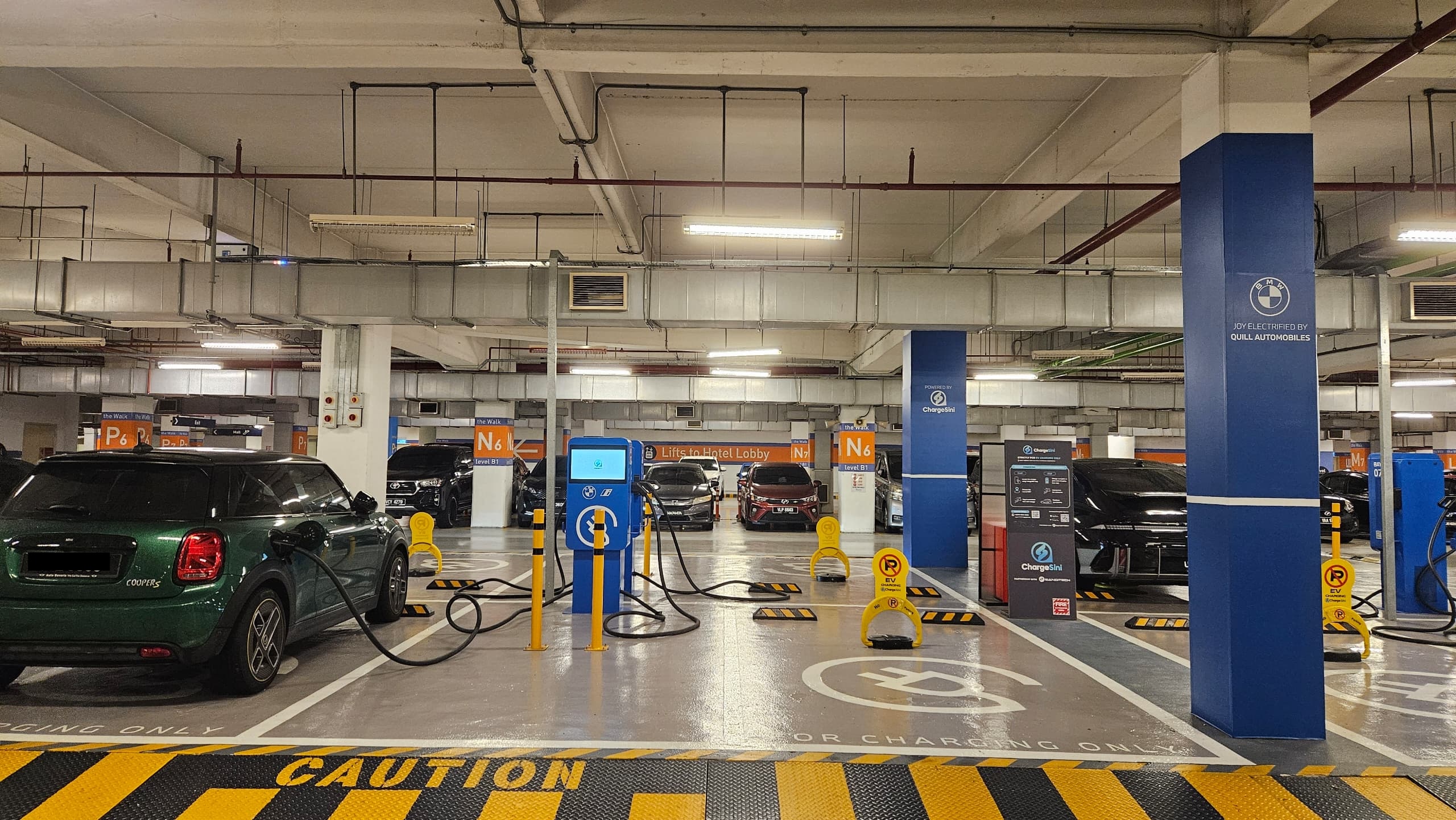
    BMW Group Malaysia, in partnership with its authorised dealers and key charge point operators, unveils four new EV charging facilities across the Klang Valley, Negeri Sembilan and Pahang. The introduction of these new charging facilities across various key locations aims to provide all EV owners with greater peace of mind for interstate travel, while ensuring convenient and accessible charging options within key regions.

    “By introducing more state-of-the-art charging facilities across the country, we are emphasising our commitment to an Electrified Future for Malaysia, which has also been well-represented by the rapid unveiling of more fully electrified models from both BMW and MINI within just the first half of 2024. As the Number One Premium Electric Vehicle Provider in Malaysia, we believe that these facilities do more than serve our customers; they form the backbone of a nation moving towards embracing comprehensive Electrified Mobility,” said Benjamin Nagel, Managing Director at BMW Group Malaysia.

    Within the Klang Valley, BMW Group Malaysia introduces two new charging facilities. The first facility, located at The Curve in Mutiara Damansara, is established in partnership with Quill Automobiles and ChargeSini. The facility is equipped with 47 kW DC chargers, with charging rates priced at RM1.39/kWh. The second facility, established in partnership with Millennium Welt and ChargeSini, brings three 22 kW AC chargers to Imperial Lexis in Kuala Lumpur, with a charging rate starting from RM1.00/kWh.

    In Negeri Sembilan, BMW Group Malaysia, in partnership with Millennium Welt, is introducing two BMW i Wallbox units at CMH Specialist Hospital in Seremban. Each Wallbox provides an AC output of 7.4 kW, providing complimentary charging for hospital staff. Lastly, in Pahang, Zenith Hotel Kuantan is now equipped with a 160 kW DC fast charger, priced at RM1.69/kWh, courtesy of the partnership with Millennium Welt Kuantan and EL Charge.

    The new charging facilities are part of BMW Group Malaysia’s strategy to develop the comprehensive infrastructure needed for the charging of electric vehicles, together with like-minded local partners, dealers and key charging providers. Over 2,020 charging facilities have been made available by BMW Group Malaysia for EV owners here so far, through strategic partnerships with various EV charging providers in Malaysia. Over 100 BMW i and MINI charging facilities are also available at most authorised dealerships, as well as partnering venues across the country, with more to come as part of the strategic infrastructure expansion plan set for the year ahead.

    For more information on the BMW Group Malaysia’s charging solutions, visit https://www.bmw.com.my/en/topics/bmw-owners/bmw-charging-solution.html.

    The BMW Group
    With its four brands BMW, MINI, Rolls-Royce and BMW Motorrad, the BMW Group is the world’s leading premium manufacturer of automobiles and motorcycles and also provides premium financial and mobility services. The BMW Group production network comprises over 30 production sites worldwide; the company has a global sales network in more than 140 countries. In 2023, the BMW Group sold over 2.55 million passenger vehicles and more than 209,000 motorcycles worldwide. The profit before tax in the financial year 2023 was € 17.1 billion on revenues amounting to € 155.5 billion. As of 31 December 2023, the BMW Group had a workforce of 154,950 employees. The success of the BMW Group has always been based on long-term thinking and responsible action. The company set the course for the future at an early stage and consistently makes sustainability and efficient resource management central to its strategic direction, from the supply chain through production to the end of the use phase of all products.

    Website: www.bmwgroup.com
    LinkedIn: http://www.linkedin.com/company/bmw-group/
    YouTube: https://www.youtube.com/bmwgroup
    Instagram: https://www.instagram.com/bmwgroup
    Facebook: https://www.facebook.com/bmwgroup
    X: https://www.x.com/bmwgroup


  • Malaysia’s Journey Towards Self-sufficiency

    By Jonathan Di Rollo  

    Independence has been cherished by Malaysians for decades but in a rapidly changing world creating sustainability through economic self-sufficiency has become an increasingly important priority. With sustainable independence as a new priority, the questions of how to achieve this and in what time frame are important and need-considered answers.  

    Malaysia’s government has ongoing development plans to address these issues and answer these questions but every nation depends on, and serves, all of its people.  

    Public and private sector decision-makers are faced with leading and managing local talents and global partnerships in different sectors requiring different governance for achieving optimal outcomes. Leaders in each field have diverse experience to offer that can be used to keep independence going in sustainable directions through self-sufficiency that protects the country from global fluctuations and shocks. 

    Malaysia’s Self-sufficiency Milestones 

    1. Early Development (1957-1970)
    • 1957: Independence from British colonial rule. 
    • 1963: Formation of Malaysia, including Malaya, Sabah, Sarawak, and Singapore (until 1965 when Singapore separated). 
    • 1965: Establishment of Bank Negara Malaysia to manage the country’s monetary policy. 
    1. New Economic Policy (1971-1990)
    • 1971: Introduction of the New Economic Policy (NEP) aimed at reducing poverty and restructuring society to eliminate the identification of race with economic function. 
    • 1974: Establishment of Petronas, the national oil and gas company, marking a significant step towards energy self-sufficiency. 
    • 1981: Launch of the Proton car project, Malaysia’s first national car manufacturer, to reduce dependency on imported vehicles. 
    1. Industrialisation and Modernisation (1991-2000)
    • 1991: Introduction of Vision 2020 by Prime Minister Mahathir Mohamad, aiming for Malaysia to become a fully developed nation by 2020. 
    • 1994: Completion of the North-South Expressway, enhancing transportation infrastructure and boosting economic growth. 
    • 1996: Launch of the Multimedia Super Corridor (MSC) to transform Malaysia into a knowledge-based economy. 
    1. Economic Diversification and Innovation (2001-2010)
    • 2001: Implementation of the Third Industrial Master Plan, focusing on strengthening the manufacturing sector and developing new growth areas. 
    • 2005: Malaysia becomes a net exporter of oil and gas, achieving significant energy self-sufficiency. 
    • 2007: Introduction of the Ninth Malaysia Plan, emphasising human capital development and innovation. 
    1. High-Income Economy and Sustainability (2011-2020)
    • 2010: Launch of the Economic Transformation Programme (ETP) with the goal of making Malaysia a high-income economy by 2020. 
    • 2012: Introduction of the National Automotive Policy to further develop the automotive industry and encourage the production of energy-efficient vehicles. 
    • 2015: Implementation of the Goods and Services Tax (GST) to diversify government revenue sources. 
    • 2020: Achievement of several Vision 2020 goals, although not fully reaching high-income status, significant progress in economic development and self-sufficiency. 
    1. Post-2020 Initiatives and Ongoing Efforts
    • 2021: Introduction of the 12th Malaysia Plan, focusing on sustainable growth and enhancing the resilience of the economy post-COVID-19. 
    • 2022: Continued efforts in renewable energy adoption, aiming for 31% renewable energy capacity by 2025. 
    • 2023: Strengthening food security measures to reduce dependency on imported food products. 

     Malaysia’s Brand Ambassadors 

    Ambassadors perform as diplomats for their country all over the world but a country is a brand too and brand ambassadors represent the soul of the nation and embody all points of contact with the rest of the world.  

    Independent countries are still dependent on their people; their politicians, business people, artists, lawyers, scientists and inventors. High profile brand ambassadors for Malaysia include Datuk Lee Chong Wei, the celebrated Olympic medallist turned corporate and educational brand ambassador who embodies how a country will always depend on its people as leaders to carry on global partnerships that benefit themselves as well as the country. Leading in sport then business and education shows connectivity and influence in independence.  

    There are many more worthy Malaysians who have and continue to contribute to brand Malaysia in different ways in different sectors. The influence of these leaders to self-sufficiency is achieved through economic policies, development programs and well-managed resources. These key people are also role models for others showing us that we are always in dependence.  

    Food Security 

    In a country whose economy depends greatly on for agriculture, self-sufficiency in food is a top priority. In 2023 Malaysia’s self-sufficiency rate (SSR) for rice was at 62.6%, vegetables 44.7%, and fruits 78.1%, according to Datuk Chan Foong Hin, Deputy Agriculture and Food Security Minister. These headline figures for food security are just one part of the story in Malaysia’s self-sufficiency journey.  

    Ramly Processing Sdn. Bhd.  the renowned Malaysian frozen and fast-food company, founded by Ramly bin Mokni, tells an equally important story. From humble beginnings starting in 1984 with the aim of developing a clean and good-quality halal Western fast-food chain in Malaysia, Ramly began selling burgers with his wife. He discovered that it was unknown whether most fresh-meat sources were halal or not and decided to produce a halal-certified meat source for all Muslim consumers in Malaysia. With the halal economy expanding they increased production whilst maintaining stringent quality control. The Ramly Burger brand began to gain recognition not only for its halal certification but also for its taste and affordability becoming a national success story before starting to export to neighbouring countries of Singapore, Brunei, and Indonesia.  

    Halal certification contributes towards self-sufficiency by implementing legal frameworks and enforcement to promote the halal industry as a source of economic growth. Integration between halal finance and halal foods can create a new source of growth. Implementing halal standards and obtaining halal certification is crucial for industry players to export their products to Muslim markets and attract Muslim-friendly tourism.  

    Tech: Towards a Knowledge-Based Economy (K-Economy)  

    Malaysia has been embracing digital transformation for decades and continues to transition towards becoming a k-economy. With the government continuing to recognise that self-sufficient economic growth requires innovation, technology, and human capital development, initiatives taken include the Multimedia Super Corridor (MSC) started in 1979, followed by the Malaysia Digital Economy Blueprint. These technological advancements are pivotal for Malaysia to achieve greater self-sufficiency by reducing its dependency on external resources and foster innovation-driven growth. Former MDEC CEO Surina Shukri left a legacy through the development and execution of the Malaysia Digital initiative, which aims to create substantial digital economic spillovers through equitable access to digital tools, knowledge, and income opportunities.  

    “Predicated on a new framework built upon three primary components – Agility, Flexibility, and Relevance – the blueprint is set to enhance Malaysia’s value proposition to attract digital investments, firmly establishing Malaysia as the digital hub of ASEAN,” Shukri said during her tenure.  

    This strategy was validated by attracting major global tech investors, including Alibaba, which established its first regional e-commerce and logistics hub in Kuala Lumpur and more recently award-winning e-wallet provider Boost. These technological advances have also assisted SMEs in reducing transaction costs and expanding marketing enabling more self-sufficient business.  

    Most recently digital services have expanded to include telemedicine and E-Government and policies and strategies for adopting and using technology have also been applied to agriculture, fisheries and renewable energy in Malaysia reflecting the broad reach and impact of technology and its influence on self-sufficiency. 

    Internationalising Malaysia 

    One of the most high-profile Brand Ambassadors in Malaysia, Tan Sri Tony Fernandez, Capital A Sdn Bhd’ CEO, is an aspirational leader for Malaysians and foreigners alike. Air Asia has not only allowed more people to fly to more destinations than ever before but has also contributed to internationalising the nation.  

    Internationalising countries that lead the world can be seen by the boom in the Japanese economy, followed by China, turning them into world leading countries. However, these gains come with costs, and this is now a hot topic for sustainability. The environmental impact of air travel is closely watched by all airlines with transportation companies being major global contributors to carbon emissions. Addressing sustainability, Fernandez recently called on governments and aviation regulators in the region to improve air traffic management at airports so that airlines can burn less fuel instead of mandating them to use green fuel or sustainable aviation fuel (SAF) that are currently low in production. 

    “SAF is not going to change the world any time soon but there are things that we all can do now…SAF is just too expensive at the moment. There has to be a bigger supply…One per cent (of SAF) is not going to change a lot of things and passengers would have to fund this. Every passenger coming in has to pay a surcharge for SAF.”I would urge (the) governments inclusive of the Singapore government to sort out air traffic control. That’ll be a great place to start in terms of conserving fuel,” he said in a recent interview with local newspaper, New Straits Times.  

    The spill-overs from internationalising Malaysia may be difficult to quantify but there are strong arguments towards contributing to self-sufficiency. 

    Energy and the Environment 

    Any economic activity comes with costs as well as benefits and, with Oil & Gas contributing up to 30% of Malaysia’s GDP, strategies for sustainability in the energy sector have become a top priority. Given the importance of the oil price and its instability, the strategies of key energy sector players are influenced by national as well as international governance. Compliance with global sustainability goals has influenced decision-making and the dependence of the energy producing sector on self-sufficiency.  

    Strategies that diversify economic dependence may be equally important on the nation’s journey to self-sufficiency but these now include legal compliance and investor satisfaction which mean that economic independence is not the former only goal and sustainability is now an essential aspect of creating self-sufficiency. 

    Malaysia’s former Minister of Energy, Science, Technology and Climate Change (MESTECC) who did much during her tenure for adopting sustainable elements to Malaysia famously said, “Malaysia will not be the dumping ground of the world” in the Netflix documentary “Broken” that highlighted Malaysia’s plastic dumping problem. Another initiative by the ex-minister included setting-up a pollution monitoring system in Pasir Gudang Johor in 2019, following the incident where 4,000 people there experienced breathing difficulties. It was discovered that the main cause was due to gases released by chemical industries in the area. Lynas, a rare-earth processing company was also regulated after concerns were raised on radioactive waste.  

    These actions highlight that different levels of action on regulation are required even within the same economic sector and that self-sufficiency and independence are deeply intertwined. 

    Future self-sufficiency 

    Despite many milestones and significant progress made to date, Malaysia still faces challenges on its path to self-sufficiency. Economic inequality, regional disparities, and the need for continuous innovation are some of the issues that require ongoing attention.  

    External shocks such as the COVID-19 pandemic have highlighted vulnerabilities in global supply chains, underscoring the importance of building a resilient and self-sufficient economy. Investing in education, technology, and sustainable practices to remain relevant are key as well as managing the impact of these developments on enhancing social safety nets and addressing regional inequalities.  

    The Malaysian government’s commitment to the Shared Prosperity Vision 2030 (SPV 2030) is part of a vision that emphasises inclusivity and sustainability and by focusing on high-value industries, innovation, and human capital development, SPV 2030 can contribute to achieving self-sufficiency for Malaysia.  

    On the journey Malaysia will still rely on its people to make all these actions effective. National strategies, coupled with the contributions of individuals across various sectors, have laid the foundation for a self-sufficient, knowledge-based country that is globally connected.  

    As Malaysia and its people celebrate Merdeka month, reflecting on past achievements can yield lessons for future guidance that help clarify the path to self-sufficiency. The stories of entrepreneurs, educators, and environmentalists illustrate the human power of Malaysia’s economic vitality. Each individual’s contributions must be considered a source of inspiration, embodying the values of independence, innovation, and resilience that define Malaysia’s journey towards a prosperous and self-sufficient future. – (TSI) 

  • Overcoming Economic Fragmentation for Progress

    By Dr Carmelo Ferlito 

    “In essence, technological development can occur when Keynesian animal spirits, or positive profit expectations, are awakened and find the right environment for meaningful competition. Within these competitive processes, concentration dynamics emerge, enabling further technical progress through the exploitation of economies of scale.” 

    One of the main weaknesses, although not extensively discussed in policy debates, is the fragmented nature of Malaysian capitalism, encapsulated by the dichotomy between Micro, Small and Medium Enterprises (MSMEs) and large corporations. 

    In 2021, Malaysia had a total of 1,259,234 registered firms, with 1,226,494 being MSMEs (97.4%). This implies that, in terms of numbers, MSMEs nearly encompass the entire landscape of operating firms in Malaysia. Notably, 964,495 firms (76.59% of the total and 78.64% of MSMEs) were microenterprises, 242,540 (19.26%) were small firms, and only 19,459 (1.55%) were medium-sized enterprises. 

    MSMEs Snapshot 

    MSMEs play a crucial role, with the majority operating in services and employing nearly half of the workforce across various industries. 

    Sector Distribution 

    Service Sector: 83.85% 

    Construction: 8.01% 

    Manufacturing: 5.84% 

    Agriculture: 1.93% 

    Mining: 0.37% 


    Workforce Impact (2021) 

    Overall MSME Employment: 47.2% 

    Agriculture: 42.2% 

    Construction: 48.2% 

    Services: 49.5% 

    Manufacturing: 46.2% 

    Mining & Quarrying: 27.9% 

    The partial picture that emerges so far is that a country’s economy is dominated, in terms of the number of firms, by microbusinesses. MSMEs, in their entirety, represent more than 97% of the registered firms and employ almost half of the workforce. However, the question remains: How much do these MSMEs contribute to the national economy? 

    When we look at MSMEs’ contribution to the Gross Domestic Product (GDP), the figures tell a distinct story. In 2021, MSMEs accounted for 37.36% of Malaysia’s GDP, slightly down from 38.13% in 2020 and 38.86% in 2019. Notably, their impact was more significant in agriculture (55.25%) and construction (48.27%), while their contribution was less than 40% in services and manufacturing and just 2.79% in mining. 

    The data is straightforward: 97.4% of Malaysian firms contributed 37.36% to the GDP, while the remaining 2.6% (large enterprises) generated 62.64%. 

    The dispersed nature of Malaysian capitalismwhich I would define as an archipelago—is confirmed by one of the most used indexes to measure industrial concentration, the Herfindahl–Hirschman Index (HHI). According to the guidelines of the United States Department of Justice, an industry is highly concentrated when HHI is above 2,500 (and up to the maximum level of 10,000), moderately concentrated with an HHI between 1,500 and 2,500, and an index below 1,500 characterises a low level of concentration. 

    According to the data collected by the World Integrated Trade Solution (WITS), provided by the World Bank, the Herfindahl-Hirschman (HH) market concentration index for Malaysia was 800 between 2015 and 2018. However, it increased to 900 in 2019 and further rose to 1,000 in 2020. Therefore, despite experiencing an upward trend in recent years, the level of market concentration in Malaysia remains low. This aligns with the depiction of a dispersed archipelago of firms emerging from the data provided by the Department of Statistics Malaysia (DOSM) mentioned above. 

    Following the traditional textbook definition of competition, an economist should be pleased to observe the low level of concentration within Malaysian capitalism and the prevalence of a model of semi-perfect competition. However, my stance is critical in this regard. 

    In fact, I believe that such a capitalistic structure poses an obstacle to addressing some of the most debated topics in policy conversations. The first concern is related to low wages and social mobility: as per the ongoing debate, Malaysia faces challenges with low and stagnant wages, and this condition acts as an incentive for the phenomenon of brain drain. 

    The situation is accompanied by a rise in skill-related underemployment. The upward trend in skill-related underemployment predates the Great Lockdown, and, although moderating, it remained high at 36.7% in Q2-2022, significantly exceeding the 31.4% recorded in 2017. 

    However, a fragmented structure of capitalism is not solely a barrier to wage increases and social mobility. Two additional challenges that necessitate the promotion of industrial concentration are social protection and technical progress. These issues also hold considerable significance in policy discussions. 

    The Malaysian social protection system is often deemed inadequate and a hindrance in the battle against poverty. While global experience teaches us that large-scale government-run welfare systems are inefficient and economically unsustainable, the only path for employees to access better social protection conditions is to work for large enterprises. These companies, generally more resilient to economic crises, are better positioned to provide comprehensive protection, including medical coverage. 

    In the current stage of capitalism’s evolution, as described by Joseph A. Schumpeter (Business Cycles, 1939; Capitalism, Socialism and Democracy, 1942) and later by his disciple Paolo Sylos Labini (Oligopoly and Technical Progress, 1957), technological leaps are conceivable only within the process of industrial concentration. These advancements occur not as a result of government planning but rather emerge from economies of scale precisely fostered by the competitive process. 

    Furthermore, and precisely for this reason, technological leaps cannot be enforced through centralised policy decisions. New production techniques, ceteris paribus, will only be adopted if they are anticipated to yield a greater “return from a given investment of factors” (F.A. Hayek, The Pure Theory of Capital, 1941). 

    From a policy perspective, the initial step should involve removing policy-induced obstacles to the process of industrial concentration. A case in point is the rice industry, which is artificially kept fragmented and underdeveloped due to unfavourable policies. 

    Strategies to Boost Entrepreneurial Growth  

    Trade Liberalisation 

    Why? Access to a broader market leads to higher demand. 

    How? It motivates enterprises to grow and fosters international competition through economies of scale. 

    Entrepreneurial Networks 

    What? Cooperative partnerships among companies via a “Contract of Network.” 

    Why? Enhances collaboration, facilitates sharing of information and provides mutual support. 

    Benefit: Special fiscal treatment to encourage and reward entrepreneurial collaboration. 

    Implementing these strategies can empower entrepreneurs, facilitate market access and create a supportive environment for business growth. 

    In essence, technological development can occur when Keynesian animal spirits, or positive profit expectations, are awakened and find the right environment for meaningful competition. Within these competitive processes, concentration dynamics emerge, enabling further technical progress through the exploitation of economies of scale. 


    ABOUT THE WRITER

    Dr Carmelo Ferlito (born in Verona, Italy, in 1978) serves as the CEO of the Center for Market Education (CME) and is a senior fellow at the Institute for Democracy and Economic Affairs (IDEAS) in Kuala Lumpur, Malaysia. Additionally, Dr Ferlito works as a research advisor for Provalindo Nusa Property in Jakarta, Indonesia. He holds the position of visiting professor at Taylor’s University in Subang Jaya, Malaysia, and is a Senior Fellow (Southeast Asia) at the Property Rights Alliance in Washington, DC, USA. 

  • Funding Societies and STACS ESGpedia Empower SMEs for  Sustainable Growth

    Funding Societies and STACS ESGpedia Empower SMEs for Sustainable Growth

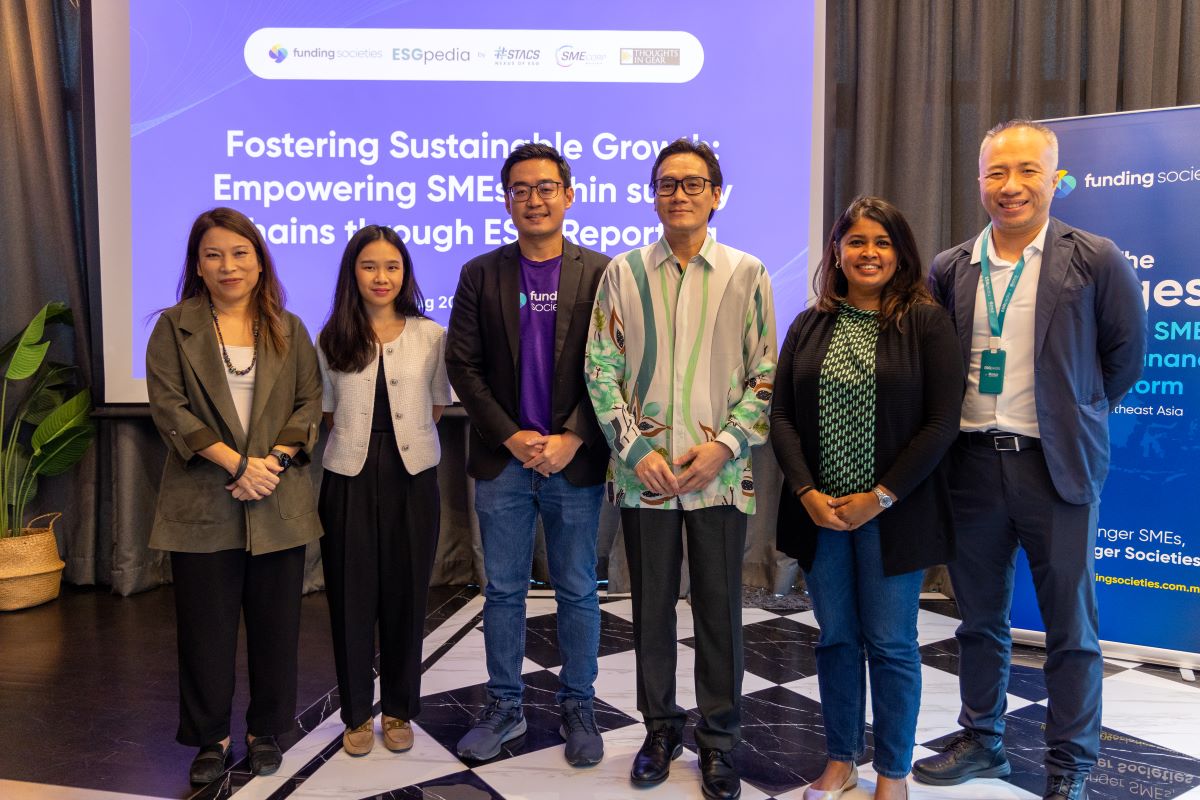
    KUALA LUMPUR, 15 August 2024 – Funding Societies, Southeast Asia’s largest unified digital
    finance platform for small and medium enterprises (“SMEs”), in collaboration with STACS
    ESGpedia, Asia’s leading ESG data and technology company, successfully hosted an ESG
    Gathering titled “Fostering Sustainable Growth: Empowering SMEs within Supply Chains
    Through ESG Reporting.” The event aimed to equip SMEs with the necessary tools and guidance
    to navigate the complex landscape of ESG reporting, thereby advancing their sustainability
    practices and enhancing business resilience.

    Mr Rizal Dato’ Nainy, CEO of SME Corp. Malaysia delivered the keynote speech, focusing on the
    critical role of ESG for SMEs and highlighted the government’s ongoing support for sustainability
    initiatives. He noted that integrating ESG principles into business operations is now essential for
    SMEs to remain competitive and resilient. Besides Funding Societies and STACS ESGpedia,
    the event also features speakers from Capital Markets Malaysia (“CMM”) and Thoughts in Gear (“TIG”), underscoring the importance of collective action in driving sustainable growth. Speakers from CMM and TIG also contributed valuable insights into how SMEs can adopt and benefit from
    ESG practices.

    The importance of ESG reporting was further underscored by discussions on how it can drive
    innovation, enhance brand reputation, and attract investment opportunities. In an increasingly
    competitive market, SMEs that integrate ESG practices stand to benefit from stronger business
    resilience and improved access to capital. The gathering highlighted that the growing demand for
    transparent ESG disclosures from financial institutions, consumers, and regulatory bodies is not
    just a trend but a fundamental shift in how businesses operate in future.

    Chai Kien Poon, Country Head, Funding Societies Malaysia, remarked,” 97% of businesses
    in Malaysia are SMEs. A common misconception persists that ESG is only relevant to large
    corporations and multinational companies (“MNCs”). However, SMEs within the corporate supply
    chain must also deal with more complex regulations, meet higher quality standards and adjust to
    specific demands of the corporate partners. SMEs often overlook the impact of ESG to their
    businesses. It is clear that SMEs must choose new and innovative strategies that allow their
    businesses to stay agile and collaborative. Especially, in the midst of increased regulatory and
    investor requirements for listed companies and MNCs to act on climate change and other
    environmental issues.”

    “Funding Societies is committed to provide Malaysian SMEs with access to financing and support
    their journey towards adopting sustainable business practices. We are excited to extend our
    partnership with STACS ESGpedia in Malaysia to advance our mission. We hope this event will
    help to empower Malaysian SMEs to become more mindful of their activities and equip them with
    the resources needed to start their ESG journey.

    Benjamin Soh, Founder and Managing Director at STACS ESGpedia, said: “As an ESG
    reporting platform in the Capital Markets Malaysia’s Simplified ESG Disclosure Guide (“SEDG”)
    Adopter Programme, we are delighted to be furthering our partnership with Funding Societies to
    facilitate ESG reporting amongst Malaysian SMEs. This will help SMEs in the country better
    position themselves and manage the increasing ESG regulatory requirements today. With SMEs
    contributing largely to Asia’s supply chains, digital enablement will be a key factor affecting the
    region’s supply chain competitiveness, especially for carbon-intensive markets.”

    The ESG Gathering served as a significant step towards closing the ESG data gap among
    Malaysian SMEs, highlighting the importance of sustainable practices and providing the
    necessary tools to help SMEs thrive in an increasingly ESG-focused world.


  • Malton and RHB Collaborate to Offer Attractive Financing for Green-Certified River Park

    Malton and RHB Collaborate to Offer Attractive Financing for Green-Certified River Park

    Kuala Lumpur, 20 June 2024 – Malton Berhad (Malton or Group) has partnered with RHB Banking Group (RHB or the Bank) to offer attractive green home financing options for River Park homebuyers at Bangsar South. This partnership aims to make ecofriendly living more accessible for Malaysians seeking a sustainable lifestyle.

    Through RHB’s innovative Green Home Financing programme, River Park buyers can enjoy a loan margin of up to 95%, along with a 5% MRTA/MRTT/FEC (Mortgage Reducing Term Assurance/Mortgage Reducing Takaful Term/Finance Entry Cost).

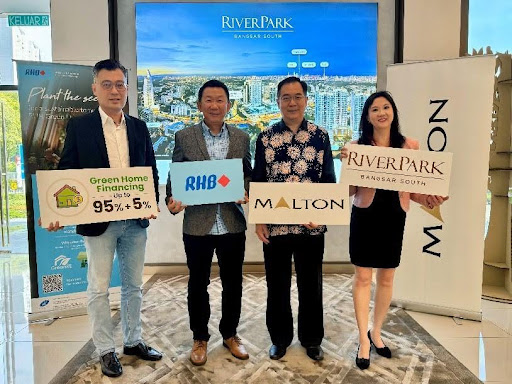
    (from left) Fong Weng Chuin (Head, Developer & Realtor Management, RHB Banking Group), Jeffrey Ng (Managing Director, Group Community Banking, RHB Banking Group), Kelvin Choo (CEO – Property Development of Malton Berhad) and Angela Ong (General Manager, Sales & Marketing, Malton Berhad) formed a strategic partnership to promote sustainable living at River Park.

    Targeting firsttime homebuyers, this easyentry financial program aims to incentivise their purchase decisions and provide them with the flexibility to own a sustainable urban home. Awarded a provisional GreenRE Bronze certification and integrated with EV charging stations, River Park attracts many urban professionals and young families looking for sustainable urban living surrounded by vibrant hubs. We will also to incorporate more green features into our upcoming projects, such as Park Green at Bukit Jalil City and Mutiara Lake Puchong,” stated Mr. Kelvin Choo, CEO of Malton Property Development.

    Mr. Jeffrey Ng Eow Oo, Managing Director of Group Community Banking, RHB Banking Group, added, “RHB recognises the crucial role of providing sustainable financing to support Malaysia’s transition to a low-carbon future. In 2023, we provided financing of close to RM700 million to support the development and certification of green buildings in Malaysia. We are pleased to partner with Malton to contribute to the growth of the green economy and progress towards a more sustainable future for all.”

    River Park offers a stunning view of Kuala Lumpur City Centre and great connectivity to nearby schools, medical institutions, and retail hubs such as Mid Valley, Bangsar Village and The Sphere. Malton has also invested RM10 million in constructing a new ingress from the NPEFederal Highway link for enhanced accessibility. The welldeveloped infrastructure, including the nearby Angkasapuri KTM station and easy access to public transportation, leads to a significant carbon footprint reduction, aligning with Malton’s sustainability journey.

    The three tower blocks of River Park condominium, with Tower B being the latest release, have achieved a healthy takeup rate of 65%. The development comprises 1,332 units across three towers, offering a variety of welldesigned, ecofriendly two—and three-bedroom layouts ranging from 812 sq ft to 1180 sq ft. With an estimated gross development value of RM1 billion, this project is slated for completion in 2026. – TSI

  • ESG Reporting

    In the ever-evolving landscape of corporate practices, the emergence of ESG reporting has become a beacon of sustainability, transparency, and accountability. However, navigating the intricate terrain of ESG comes with its fair share of challenges. From the potential for misrepresentation to the spectre of fraud, the journey toward ESG excellence is a complex one.

    In the heart of the Asia-Pacific region, Bursa Malaysia has taken the lead in championing ESG initiatives. The FTSE4Good Bursa Malaysia (F4GBM) Index, a collaborative effort with FTSE Russell, stands as a testament to Malaysia’s commitment to sustainable practices. It serves not just as an index but as a catalyst, guiding investor decisions, enhancing visibility for high-performing companies, and advocating for transparency. The objective is clear – to pave the way for a transition toward a sustainable economy.

    Yet, as these initiatives unfold, a question lingers: Are governments, industries, society, and individuals truly ready for ESG? While sceptics may dismiss ESG as a passing trend, there is a growing consensus that it represents a fundamental shift in how businesses approach sustainability and responsibility.

    The journey is not without its hurdles. Inconsistent and complicated standards pose a challenge, making it difficult to compare the performance of different companies. The remedy lies in engaging subject matter experts and empowering in-house talent to champion the cause. Training and internalization of ESG principles are crucial, for they will be the evangelists shaping the organization’s journey.

    Enter the peril of “greenwashing,” where organizations exaggerate or misrepresent their ESG initiatives for a positive public image. The antidote? Transparent data, a shield against the vulnerabilities of deceptive claims. In the realm of ESG, accurate and complete data reigns supreme. Manipulation, cherry-picking, or selective reporting is a risky game that leads to dire consequences. Amidst these challenges, the call is for a balance between short-term gains and long-term sustainability goals. Organizations must fortify themselves against environmental, social, and governance risks to avoid sustained financial underperformance. The complexity of ESG factors adds another layer of difficulty. The interrelated issues demand effective identification, measurement, and reporting.

    Stakeholder engagement emerges as a linchpin. Limited communication with investors, employees, and communities hampers the effectiveness of ESG reporting. The call is for a combination of top-down and bottom-up approaches, with leadership understanding and appreciating the purpose of ESG. Yet, amid challenges, there is an opportunity to demystify ESG concepts. Engagement with ESG principles becomes a long-haul game, emphasizing sustained commitment and strategic planning. The key is simplification, making complex concepts accessible to a broad audience.

    Use plain language, devoid of technical jargon, to ensure a common understanding. Tell compelling stories that bring abstract concepts to life. Visual representation through infographics and charts simplifies complexity. Focus on key metrics, avoiding information overload. Relate ESG to everyday life, connecting it to core values and using analogies for clarity.

    Concrete examples become the embodiment of ESG practices within the organization. Interactive learning opportunities, educational campaigns, and stakeholder engagement become integral. The narrative becomes dynamic, with stakeholders actively participating in the dialogue about ESG.

    As organizations move forward, the path becomes clearer. Evaluation of operational aspects, determination of specific data, and formulation of clear targets become essential steps. Customized ESG strategies, stakeholder consultations, and robust data systems ensure the journey is not just navigable but purposeful.

    Technology becomes an ally, with machine learning and artificial intelligence streamlining processes. ESG principles infuse into the very fabric of business strategy and organizational structure. Understanding ESG regulations and clear reporting become non[1]negotiables, presenting transparent reports that resonate with stakeholders.

    The call is not just for individual organizations but for collective action. Malaysia’s journey toward ESG excellence necessitates the development of local ESG standards. Collaboration with local stakeholders, supported by global subject matter experts, becomes imperative. A standard that is locally relevant and globally recognized becomes the lodestar for governments, multi-sectors, corporations, and enterprises.

    Transparent ESG reporting becomes more than a corporate obligation; it becomes a powerful tool for showcasing commitment to sustainability, building trust, and driving positive change. The change begins here, now. Embrace transparent ESG reporting, not just as a corporate responsibility but as a beacon guiding the way toward a sustainable future.


    ESG ENGAGEMENT MAKING IT DIGESTIBLE

    Engaging with ESG principles requires sustained commitment and strategic planning. Simplifying complex concepts is key:

    • Use Plain Language: Avoid technical terms and use accessible language for a broad audience. In-house training ensures a common understanding of ESG.
    • Tell Compelling Stories: Real-life examples make abstract concepts tangible, fostering a personal connection with ESG principles.
    • Visual Representation: Infographics, charts, and diagrams simplify complex data, enhancing understanding for stakeholders.
    • Focus on Key Metrics: Highlighting relevant ESG metrics prevents information overload, focusing on the most impactful indicators.
    • Relate to Everyday Life: Draw parallels between ESG principles and everyday experiences, making them relatable.
    • Connect to Core Values: Emphasize how ESG aligns with core values, showcasing an organization’s commitment to positive impact.
    • Use Analogies: Employ analogies to explain complex ESG concepts, making them easier to grasp.
    • Provide Practical Examples: Concrete examples of ESG practices within the organization demonstrate commitment.
    • 9Interactive Learning: Engage stakeholders through workshops or webinars for dynamic discussions and idea exchange.
    • Educational Campaigns: Launch campaigns using various channels to raise awareness about ESG, making it fun and engaging.

    MOVING FORWARD

    Implementing these strategies demystifies ESG concepts, making them approachable for a broad range of stakeholders:

    • Evaluate Operational Aspects: Identify material environmental, social, and governance elements for your organization.
    • Determine Specific Data: Focus on material topics and ensure data veracity.
    • Formulate Clear Targets: Align ESG targets with values, objectives, and reporting standards.
    • Construct Customised Strategy: Develop a roadmap and relatable communication for stakeholders.
    • Stakeholder Consultations: Involve stakeholders in strategy development.
    • Establish Robust Data Systems: Implement agile data collection and management systems.
    • Utilise Technology: Leverage machine learning and AI for streamlined processes.
    • Infuse ESG into Business Strategy: Embed ESG principles into the organizational structure. 10 Clear Rep.
    • Understand ESG Regulations: Ensure compliance with applicable regulations.
    • Clear Reporting: Present transparent reports to stakeholders, emphasizing organizational achievements and goals.


    Rizal Kamaruzzaman is Executive Director of Tindakan Strategi Sdn Bhd a homegrown organisation and a strategic bespoke consulting firm focusing on international business development, ESG, policies, business intelligence analytics, people development and organisation reengineering. He is also the Chief Business Officer at LC Wakaful Digital Sdn Bhd the creator of GoBarakah a ground-breaking Social Assistance Platform designed to transform the way social assistance is distributed. At the international stage he is the Executive Secretary to the World Zakat and Waqf Forum (2023 – 2026), a 43 nation member caucus focussing on zakat and waqf development and diplomacy.

  • Unmasking the GREENWASH

    The climate sirens blare, demanding attention from corporations and their environmental practices. While eco-conscious consumers and investors chant the mantra of “sustainability,” a cunning adversary lurks behind the shiny facade: greenwashing. This deceptive art form uses misleading claims and superficial gestures to paint a picture of environmental friendliness, masking the dark reality of unsustainable practices.

    In Southeast Asia, greenwash brushstrokes are as prevalent as monsoon rains. From misleading labels touting “biodegradable” plastics that crumble instead of decomposing, to vague whispers of “carbon neutrality” devoid of concrete reduction strategies, businesses manipulate consumer perception with a magician’s sleight of hand. A 2020 Malaysian study by the Centre for Governance and Political Affairs (CGPA) revealed a shocking truth: over 40% of surveyed companies indulged in greenwashing. They cherry-picked positive environmental data while ignoring the negative, threw around ambiguous terms like “eco-friendly” without evidence, and focused on marketing campaigns instead of actual sustainability initiatives.

    The consequences of this greenwashing charade are far-reaching. Misled consumers, armed with false information, make purchasing decisions that hinder progress towards a truly sustainable future. Meanwhile, genuinely environmentally conscious businesses are unfairly disadvantaged by their greenwashed competitors, creating a market rife with unfair competition.

    But amidst this deceptive darkness, beacons of hope illuminate the path towards authentic sustainability. Businesses across Southeast Asia are taking genuine steps towards environmental and social responsibility, embracing the principles of Environmental, Social, and Governance (ESG) practices. In Indonesia, PT Unilever Indonesia’s “Pengepulan Minyak Jelantah” program collects and recycles used cooking oil, preventing harmful waste from polluting the environment. Singapore’s DBS Bank has integrated sustainability into its core, with initiatives like green financing solutions and partnerships with renewable energy projects.

    However, genuine sustainability cannot be confined to mere compliance with ESG frameworks. It demands a deep commitment to responsible business practices, unwavering transparency, and meaningful stakeholder engagement. Businesses must ditch token gestures and focus on systemic change, weaving sustainability into the very fabric of their value chains.

    Malaysia shines a bright light on authentic sustainability practices with companies like Sime Darby Plantation and Eco-Friend leading the charge. Sime Darby Plantation, a major agribusiness player, has carved a path towards a deforestation-free future with its unwavering commitment since 2014. They’ve gone beyond mere promises, earning accreditation from the Roundtable on Sustainable Palm Oil (RSPO) and setting ambitious goals like achieving net-zero emissions by 2050. Their dedication extends beyond policies, impacting local communities through partnerships with indigenous groups for conservation efforts and empowering farmers through sustainable agricultural practices. This commitment has earned them well-deserved recognition, including the prestigious Forest Heroes Award in 2022.

    Meanwhile, Eco-Friend, a social enterprise, paints a vibrant picture of sustainability with its upcycling initiative. Transforming discarded plastic bottles into stunning, handcrafted home décor and accessories, they not only divert waste from landfills but also empower marginalized communities. Eco-Friend’s dedication has breathed new life into over 500,000 plastic bottles, providing fair wages and valuable skill development to over 100 women from underprivileged backgrounds. Their story is a testament to the transformative power of sustainability, where environmental responsibility beautifully intertwines with social empowerment.

    These Malaysian champions showcase that genuine sustainability is not just an abstract concept but a tangible force capable of shaping a brighter future. Their successes demonstrate that environmental responsibility and economic prosperity can coexist, attracting investment, enhancing brand reputation, and ultimately driving long-term success for both businesses and communities. Their stories ignite a spark of hope, urging others to join the movement and illuminate the path towards a more sustainable Malaysia, and by extension, a more sustainable world.

    Yet, the greenwash bite extends far beyond misleading consumers. It directly impacts local communities, particularly in Southeast Asia, where vulnerable populations bear the brunt of unsustainable practices. False promises of “clean” energy, like mining “clean coal” or building supposedly “eco-friendly” hydropower dams, can displace indigenous communities, destroy ecosystems, and pollute vital water sources. Greenwashed waste management, with misleading claims about “biodegradable” products or inadequate recycling initiatives, leads to increased waste accumulation in villages and towns, posing health risks and environmental hazards. Even under the guise of “sustainability,” harmful practices like land grabs and unfair labour conditions in agricultural supply chains can exploit local communities, trapping them in poverty cycles.

    Recognizing the detrimental effects of greenwashing, Southeast Asian countries are taking steps, albeit uneven, to strengthen regulations and enforcement. In Malaysia, a beacon of progress shines with the Securities Commission Malaysia (SC) introducing comprehensive sustainability reporting requirements for publicly listed companies in 2022. These mandatory regulations, effective for financial years starting from June 2023, demand transparency in environmental and social performance, marking a significant step towards holding businesses accountable for their sustainability claims.

    Indonesia also showed promise with its Ministry of Environment and Forestry establishing the “Ecolabel” system in 2011. This green labelling system certifies products based on their environmental performance, empowering consumers with informed choices. However, the system’s effectiveness faces challenges due to limited awareness and enforcement capacity, highlighting the need for further development and support.

    Meanwhile, Singapore’s Environmental Protection Agency remains active in raising awareness about greenwashing through various campaigns and initiatives, contributing to a more informed consumer base. Though pinpointing a specific campaign requires further details, the agency’s ongoing efforts undoubtedly play a crucial role in combating greenwashing’s deceptive reach.

    However, challenges remain. Regulatory frameworks across the region are uneven and riddled with loopholes and inconsistencies that greenwashing perpetrators can exploit. Additionally, a lack of resources and enforcement capacity hinders effective implementation.

    Addressing greenwashing requires a multi-pronged approach, a collective symphony played by consumers, businesses, governments, and NGOs. Consumers must become informed, equipping themselves with knowledge about greenwashing tactics and reliable verification platforms like the Rainforest Alliance and Forest Stewardship Council (FSC). They must demand transparency, asking businesses for concrete data and evidence to support their sustainability claims. Supporting genuine efforts and empowering their voices through social media and community engagement are crucial actions consumers can take.

    Businesses, on the other hand, must embrace genuine sustainability. Token gestures have no place in this orchestra; integrating sustainability into core operations and decision[1]making is the key melody. Prioritizing transparency by publishing accurate and accessible environmental and social data, undergoing independent audits when necessary, and collaborating with stakeholders to develop and implement effective sustainability solutions are vital chords in this symphony.

    Finally, leading by example and inspiring others to follow suit can create a harmonious shift towards a more sustainable business landscape. Governments must strengthen regulations, crafting and enforcing comprehensive regulations that address greenwashing tactics across different industries. Holding perpetrators accountable with penalties and sanctions for misleading claims and non-compliance with sustainability standards is like tuning the instruments for better performance. Fostering regional cooperation, sharing best practices, and harmonizing regulations across Southeast Asia create a united chorus against greenwashing. Finally, investing in enforcement, allocating resources and training enforcement personnel to effectively monitor and implement regulations, ensures the entire symphony operates in rhythm.

    NGOs, the conductors of this transformative ensemble, must educate and raise awareness through workshops, campaigns, and educational programs, empowering consumers to recognize and combat greenwashing. Advocating for stronger regulations by collaborating with policymakers and government agencies ensures the score aligns with ethical principles.

    Supporting and partnering with businesses to develop and implement authentic sustainability initiatives showcase successful models of collaboration, setting the perfect tempo for change. Finally, monitoring and reporting greenwashing practices through research, investigations, and public campaigns shine a spotlight on the disharmonious notes, ensuring accountability and continuous improvement.

    By working together, consumers, businesses, governments, and NGOs can create a powerful force for change. It’s time to move beyond the greenwashed facade and embrace genuine sustainability, building a future where environmental responsibility is not just a marketing ploy but a core principle driving our economies and societies towards a brighter, healthier planet.

    Remember, the fight against greenwashing is an ongoing performance, and your voice is a critical instrument in shaping a greener, more responsible future for Southeast Asia and beyond. Let’s orchestrate a future where genuine sustainability takes center stage, and the curtain falls on greenwashing once and for all. Remember, the fight for authentic sustainability is an ongoing performance, and your voice is a vital instrument in shaping a brighter future.