Category: Governance

  • CTDC, BGMC and reNIKOLA form green energy alliance

    CTDC, BGMC and reNIKOLA form green energy alliance

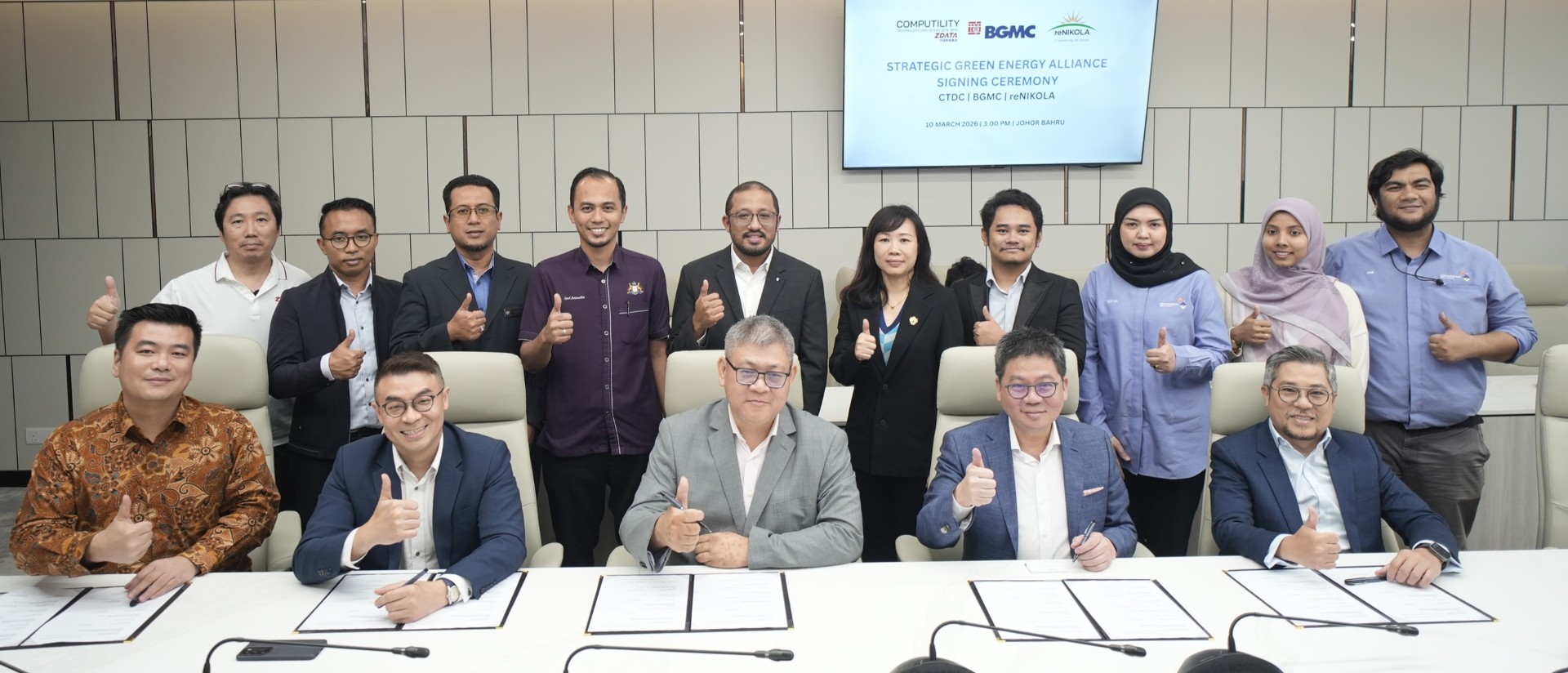
    Computility Technology (Malaysia) Sdn Bhd (CTDC), BGMC Energy Holdings Sdn Bhd (BGMC), and reNIKOLA has signed a strategic term sheet for a large-scale, long-term green energy supply programme.

    Under the agreement, CTDC, a fully-owned subsidiary of ZDATA, will utilise the renewable energy
    generated by BGMC’s solar farm assets to power ZDATA’s first AI-data centre at Gelang Patah. Scheduled to commence in 2028, the program is projected to deliver approximately 630,000 MWh of renewable energy annually. This partnership represents a significant milestone in decarbonising industrial infrastructure and directly supports Malaysia’s national energy transition goals.

    The collaboration underscores a collective commitment to embedding ESG principles into the heart of large-scale digital and industrial ecosystems.

    Achieving Water Independence: A Parallel Sustainability Milestone
    In a simultaneous breakthrough for environmental stewardship, CTDC announced it has officially
    eliminated its reliance on municipal water for its cooling systems.
    Key benefits of the water initiative include:

    • Resource Resilience: Establishing a self-sustaining cooling loop independent of the public
      water grid.
    • Reduced Local Impact: Significantly alleviating pressure on Johor’s municipal water
      resources.
    • Operational Autonomy: Resolving previous third-party infrastructure challenges through
      direct investment in proprietary recycling technology.

    Building the Infrastructure of Tomorrow
    Together, the renewable energy alliance and the move toward water circularity position CTDC and its
    partners at the forefront of responsible development. These initiatives are designed to meet the
    rigorous demands of the modern digital economy while ensuring a minimal environmental footprint.
    With the signing of the Green Energy Alliance, all parties now enter the primary implementation phase
    to ensure project delivery ahead of the 2028 operational target.

  • Maybank and TNB Electron launch EV charging pilot

    Maybank and TNB Electron launch EV charging pilot

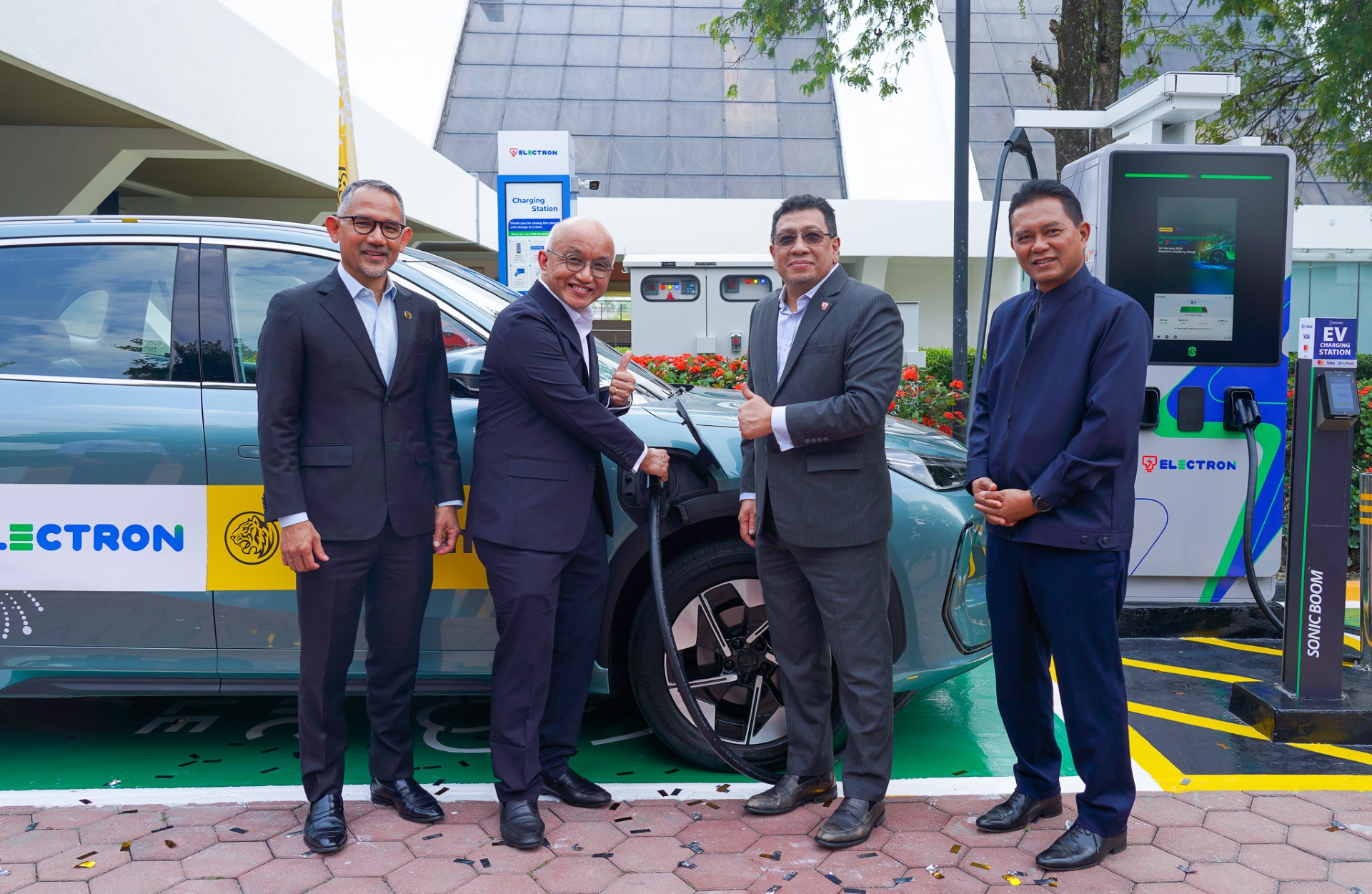
    Maybank and Tenaga Nasional Berhad (TNB), through its electric vehicle (EV) charging arm, TNB Electron, today announced the launch of a strategic EV charging pilot at Maybank Academy, Bangi, marking the first collaboration between TNB Electron and a financial institution to support Malaysia’s sustainability agenda.

    The initiative builds on a broader collaboration in sustainable finance and energy transition initiatives, including Maybank’s support for TNB’s Transition Finance Framework, translating strategic alignment into practical, on-ground implementation.

    Dato’ Sri Khairussaleh Ramli, President and Group CEO of Maybank said: “This partnership underscores Maybank’s ROAR30 New Economy pillar that focuses on advancing urban and smart city solutions, as well as Maybank’s sustainability commitments. By making EV charging more accessible and convenient, we are supporting clients in shifting to cleaner mobility while addressing a key barrier to wider full EV adoption. With significant headroom for growth, Malaysia’s EV ecosystem still remains at an early but promising stage. In 2025, Maybank disbursed over RM1 billion for EV and qualified hybrid car financing.”

    Malaysia’s EV industry is surging, with registrations up 106% year-on-year, led by hotspots like the Klang Valley, Johor Bahru, and Penang. With over 5,700 public charge points nationwide, drivers can charge conveniently for daily, weekend, and festive balik kampung travel. TNB Electron also offered a 25% per kWh discount during school holidays and peak festive periods to support adoption. TNB’s charging network points are strategically located at highways, trunk roads, commercial areas and TNB’s premises to support confident nationwide travel.

    Under the partnership, TNB Electron will install, operate and maintain the charging facilities, leveraging TNB’s nationwide EV infrastructure expertise and Maybank’s network to support low-carbon mobility through a scalable and reliable model.

    Datuk Ir. Megat Jalaluddin Megat Hassan, President/Chief Executive Officer of TNB added: “This collaboration marks a significant step forward in strengthening TNB Electron’s role as a key enabler of Malaysia’s EV ecosystem. With more than 260 EV charge points deployed nationwide, we are advancing grid readiness, enhancing system reliability and supporting long-term sustainability through partnerships with forward-looking organisations such as Maybank.”

    With insights gained from this pilot, Maybank and TNB Electron will continue to explore opportunities for deploying EV charging facilities at selected Maybank branches across Peninsular Malaysia, focusing on strategically located sites to enhance accessibility and support the growing adoption of EVs nationwide.

  • TQ WULING officially launched in Malaysia

    TQ WULING officially launched in Malaysia

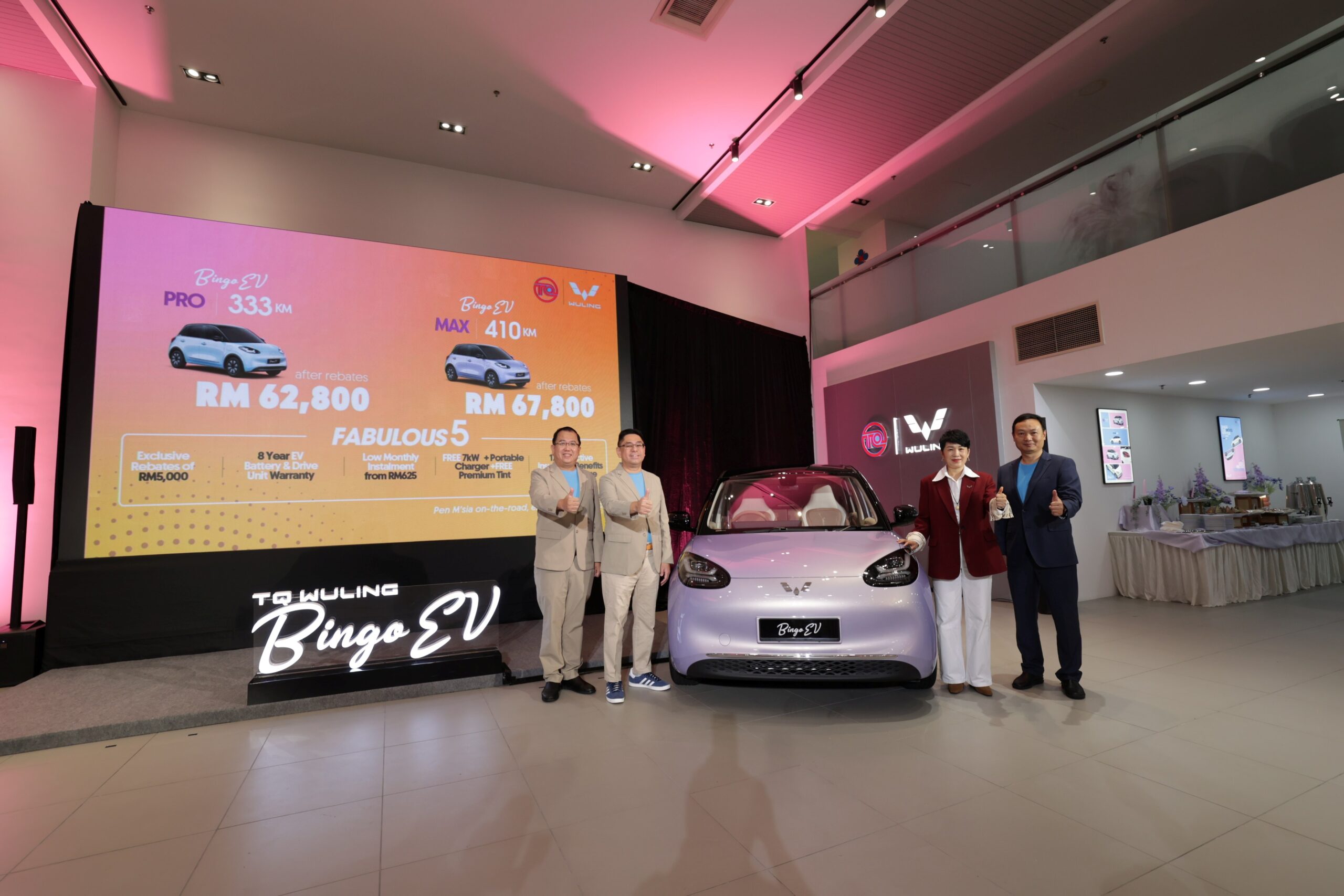
    TQ WULING has launched the TQ WULING Bingo EV (electric vehicle) in Malaysia, with its locally assembled compact electric hatchback in two variants namely the Bingo PRO priced at RM67,800 and the Bingo MAX at RM72,800.

    The TQ WULING Bingo is the first model introduced under the TQ WULING brand, which stems from a strategic collaboration between Tan Chong Motor Holdings Berhad (TCMH) and SAIC-GM-Wuling (SGMW). This partnership brings together Tan Chong’s decades of local market and manufacturing experience and distribution strength, and SGMW’s proven leadership in global electric vehicle technology.

    “This launch represents a significant milestone for Tan Chong Group as we proudly introduce a highly affordable electric vehicle option for all Malaysians. As the first EV to be locally assembled at the Tan Chong Plant – built on nearly 50 years of automotive manufacturing and assembly heritage – the Bingo EV reflects our commitment towards advancing the nation’s electric mobility landscape. We are honoured to play a humble role in driving Malaysia’s automotive ecosystem forward,” said Daniel Ho, Group CEO of Tan Chong Motor Holdings.

    “By combining global EV technology with local manufacturing expertise, the Bingo EV brings world-class electric mobility to Malaysia at an attainable price point,” Ho added.

    Lisa Li, Chief Operating Officer of the Overseas Business Department of the Overseas Division of SAIC-GM-Wuling expressed confidence in the brand’s expansion in Malaysia. “With our expertise in EVs, combined with Tan Chong Group’s strong market presence and manufacturing strength, we are excited to support Malaysia’s green mobility transition and bring sustainable driving solutions to local consumers. The ASEAN region is a key market for SGMW’s overall strategic plan, with key focus on Indonesia, Malaysia and Thailand,” said Li.

    For more information about TQ WULING and the TQ WULING Bingo EV, visit www.tqwuling.my or follow the TQ WULING social media channels on Facebook, Instagram and TikTok.

  • Built to Thrive: Big Tiny’s Model for Shared Success

    Built to Thrive: Big Tiny’s Model for Shared Success

    For those who are keen to be part of the hospitality industry and the real estate market, Big Tiny presents a truly unique proposition that will unlock long-term financial value through sustainable living experiences. Launched in 2017 by Singaporean entrepreneurs Adrian Chia, Dave Ng and Jeff Yeo, Big Tiny’s robust business model has been making waves in the eco-tourism sector while steadily gaining strides in the real estate market.

    Big Tiny’s products are statements made on behalf of eco-tourism. Each tiny house is built using light gauge steel (LGS) frames that are stronger and fully recyclable. Its exterior cladding combines wood plastic composite (WPC) and aluminium for superior weather resistance, insulation and recyclability, while interiors feature WPC made from recycled bamboo fibre and PVC for long-lasting quality. Eco-friendly materials such as stone plastic composite (SPC) flooring and mineral wool insulation further enhance energy efficiency, fire safety and indoor air quality.

    Designed with a minimal carbon footprint, these modular units are easy to assemble and require no permanent foundations, reducing environmental disturbance.

    A tiny house is a compact dwelling measuring under 400 square feet in size and up to 4.2 metres in height. It may be constructed on a fixed foundation or mounted on a trailer base, offering flexibility in placement. The unit can operate off-grid or be connected to conventional power supply, and is equipped with a composting toilet, with the option to connect to a standard sewage system if required.

    A Well-Structured 3-Way Ecosystem
    Big Tiny operates on a vertically integrated, asset-light model that combines hospitality, property technology and sustainable tourism. Operating from an end-to-end capacity, the company ensures that its internal arms are specialised in every aspect of the process. Its tiny houses are designed and built by Build Tiny, the innovative arm that pioneered the Tiny House Recreational Vehicle (RV) industry. Then it moves to the Tiny Away platform, which is responsible for listing and marketing all tiny houses, alongside other major booking sites.

    Big Tiny brings together landowners, tiny house owners, and travellers within a thoughtfully designed alternative accommodation ecosystem. Landowners can monetise their land with minimal capital outlay by hosting guests and offering curated, meaningful experiences, while tiny house owners benefit from a fully managed, hassle-free model that delivers professional maintenance, global exposure through Tiny Away, and attractive annual returns with clear exit options. For guests, Tiny Away offers immersive nature-based stays across 16 countries, providing distinctive settings that encourage rest, reflection, and a deeper reconnection with what truly matters.

    Flexibility at its Best

    Tiny house owners can be assured a peace of mind as the tiny houses are modular and relocatable. This means that if there is a change in regulations, these properties can be moved to another location and it is essentially business as usual. Big Tiny will be part of the process in sourcing for another location as well as moving the property for the tiny house owner.

    Big Tiny also ensures that the company further mitigates these risks through strong stakeholder relations—it works closely with local councils, tourism authorities and land partners to stay within compliance policies for smooth operations.

    Tiny house owners can retain full ownership of their assets which can be relocated, easily repurposed or sold, while landowners can opt for clear exits at the end of the agreed terms with the ability to renew, transfer or conclude their participation.

    This flexibility is placed to ensure that all parties have control and choice while maintaining Big Tiny’s ecosystem.

    Calling Malaysia Home

    Big Tiny entered the Malaysian market in 2022, making it viable for Malaysian to be part of its hospitality and real estate eco-system. Locally, the brand continues to solidify its brand presence through its 2025 collaboration with IOI Properties Group Berhad. Aligned with the Group’s sustainability values, Big Tiny has deployed two of their tiny houses at the Amigo Club @ 16 Sierra, slated to enhance guests’ experience with the clubhouse’s amenities.
     

  • NCT Group, Ecorise Solar and Yingli Group forms strategic collaboration for solar farm development

    NCT Group, Ecorise Solar and Yingli Group forms strategic collaboration for solar farm development

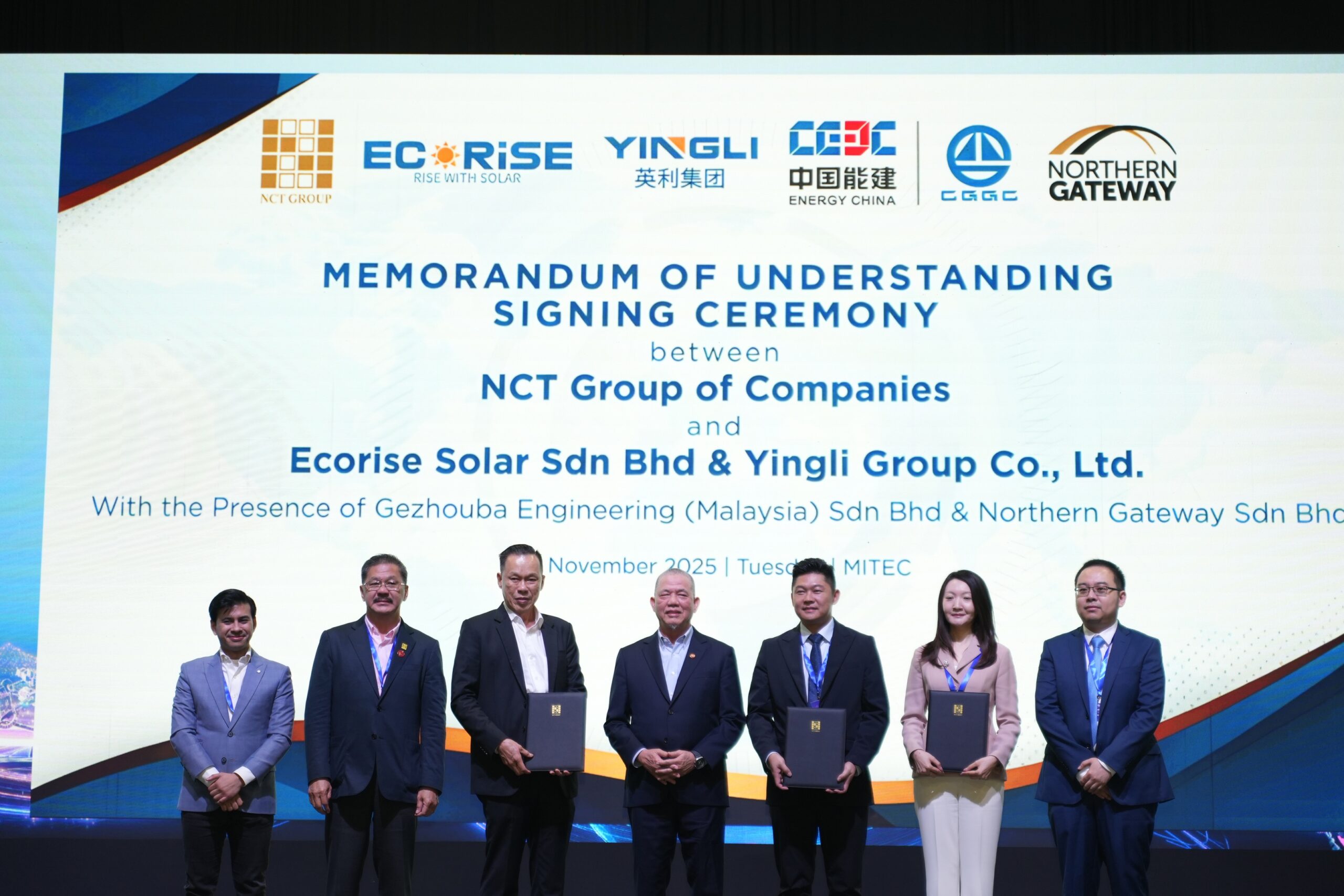
    As part of its ongoing commitment to sustainable development, NCT Group of Companies (NCT Group), through its subsidiary NCT Century Sdn Bhd, announces a strategic collaboration with Ecorise Solar Sdn Bhd and Yingli Group Co., Ltd (China) to advance large-scale renewable energy development in the northern region of Malaysia. The collaboration reinforces NCT Group’s ambition to shape future-ready industrial ecosystems by driving innovative and low-carbon solutions for the region.

    A Memorandum of Understanding (MoU) was exchanged, paving way for the development of a 150MWp Solar Photovoltaic (PV) Farm integrated with a 200MWh Battery Energy Storage System (BESS) in Delapan Special Border Economic Zone (SBEZ), Bukit Kayu Hitam, Kedah. The project aims to enhance clean energy availability in Peninsular Malaysia and support the growing demand for renewable electricity among enterprises transitioning to low-carbon operations.

    Under the agreement, NCT Group will coordinate land matters with Northern Gateway (NGX) and oversee all regulatory requirements. Ecorise Solar and Yingli Group will jointly undertake the Engineering, Procurement, Construction and Commissioning (EPCC) as well as long-term Operations and Maintenance (O&M), supported by Yingli’s global solar expertise and Ecorise’s local technical capabilities. A Special Purpose Vehicle (SPV) will be established to drive project implementation and investment participation.

    Dato’ Sri Yap Ngan Choy, Founder and Group Managing Director of NCT Group, said, “The development of a large-scale solar and storage facility in Delapan SBEZ will create tangible opportunities for investors and industries seeking cleaner and more resilient power solutions. This collaboration directly supports our mission to elevate the northern corridor as a strategic destination for advanced manufacturing, logistics and cross-border growth, particularly as we expand our ecosystem through our industrial park, NCT InnoSphere (NIS).”

    The collaboration also complements NCT Group’s ongoing development of NIS within the Delapan SBEZ, undertaken in collaboration with NGX. As Kedah’s first Managed Industrial Park focused on high-value, sustainable and cross-border industries, NIS enhances the region’s competitiveness through its strategic location and supports NCT Group’s broader strategy to integrate renewable energy and green infrastructure across its industrial developments.

    NIS is NCT Group’s second industrial park venture, strategically located in Delapan SBEZ, adjacent to the Malaysia-Thailand border and near Penang Port. Launched in September 2025, the project spans 137 acres of free-zone land and is being developed in partnership with NGX, with an estimated gross development value (GDV) of RM1.10 billion.

  • Halal SMEs to receive full ESG Support under new MBSB–Asia CarbonX partnership

    Halal SMEs to receive full ESG Support under new MBSB–Asia CarbonX partnership

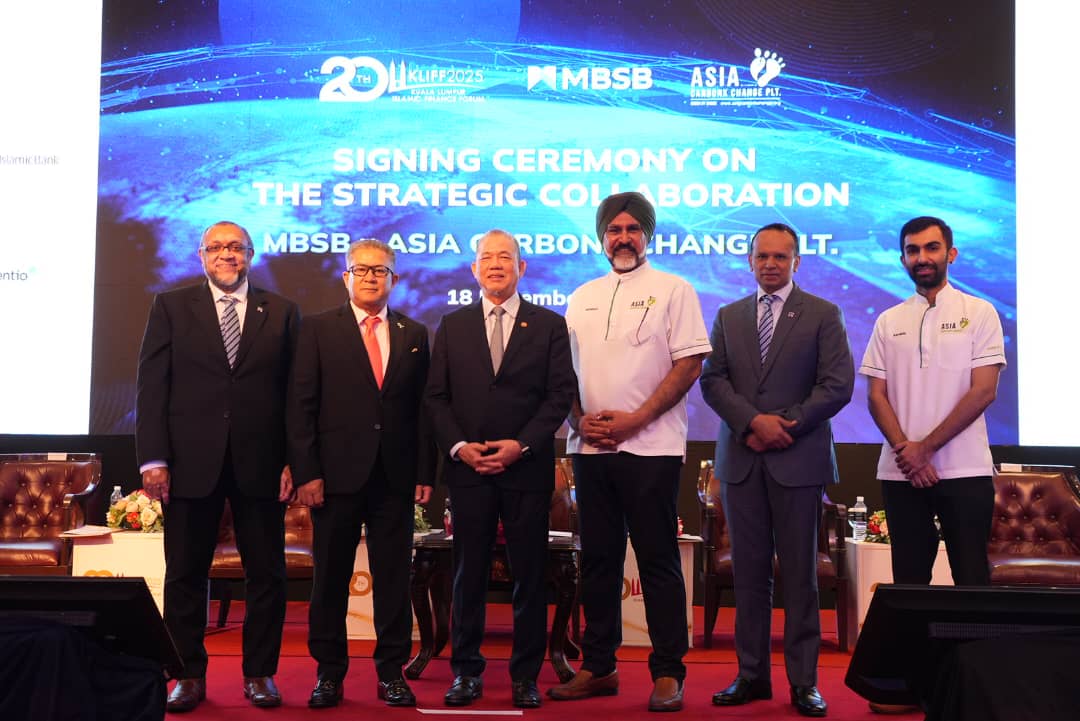
    MBSB Berhad (MBSB) today formalised a strategic collaboration with Asia Carbonx Change Plt (Asia Carbonx Change or ACCP) to provide Halal SMEs with a clearer and more practical pathway to meet ESG expectations. Through this partnership, Halal-certified and Halal-focused businesses will gain access to recognised renewable energy tools and support that help them prepare for certification, strengthen compliance and remain competitive as sustainability standards continue to evolve.

    This collaboration focuses on helping Halal SMEs improve their ESG practices through practical actions, including better energy management and recognized sustainability reporting tools. By integrating Renewable Energy Certificate (REC) solutions into MBSB’s Islamic Sustainability Financing Programme, the partnership enables businesses, particularly those adopting solar energy to access verified renewable energy attributes that help reduce Scope 2 emissions and strengthen sustainability reporting.
    Asia Carbonx Change Plt will serve as MBSB’s appointed intermediary to register, issue, manage and redeem RECs on behalf of solar asset owners and eligible MBSB customers.

    This includes asset onboarding and compliance with the internationally recognised I-REC(E) and I-Track standards, ensuring each certificate redeemed is traceable and credible.
    This partnership strengthens MBSB’s value proposition to SMEs by offering:

    • Up to 100% financing margin
    • Zero upfront capital for qualifying customers
    • Access to RECs for decarbonization reporting
    • Opportunities for REC monetization for eligible solar customers

    This follows MBSB’s latest initiative pursuant to its RM1 billion solar financing commitment and supports the Group’s broader goal of mobilizing RM10 billion in sustainable and transition finance by 2026 under its Sustainable and Transition Finance Framework. To date, MBSB has already mobilised RM4.73 billion in sustainable financing, representing 47% of its 2026 target.

    Asia Carbonx Change Plt, a Malaysia-based renewable energy solutions company, facilitates the creation, monetization and trading of Renewable Energy Certificates (RECs) that are internationally recognised. These certificates allow organisations to claim renewable electricity usage and offset Scope 2 emissions, reinforcing their sustainability credentials while supporting Malaysia’s clean energy transition.

  • Tiny footprints, Big impact on eco-tourism

    Tiny footprints, Big impact on eco-tourism

    Big Tiny was founded on a simple but ambitious purpose: enable people to rediscover the joy of simple living while protecting the landscapes that make these experiences possible. Since introducing its first tiny houses in Australia in 2017, the Singapore-born brand has grown across the region—including Malaysia—championing a model of tourism that treads lightly yet delivers enriching experiences.

    Sustainability was not an afterthought for Big Tiny. From the beginning, its founders set out to reimagine how people can experience travel by creating a model that reduces impact, restores balance and reconnects people with nature. This experience is made accessible through its Tiny Away booking platform, where travellers discover curated eco-conscious stays across the region.

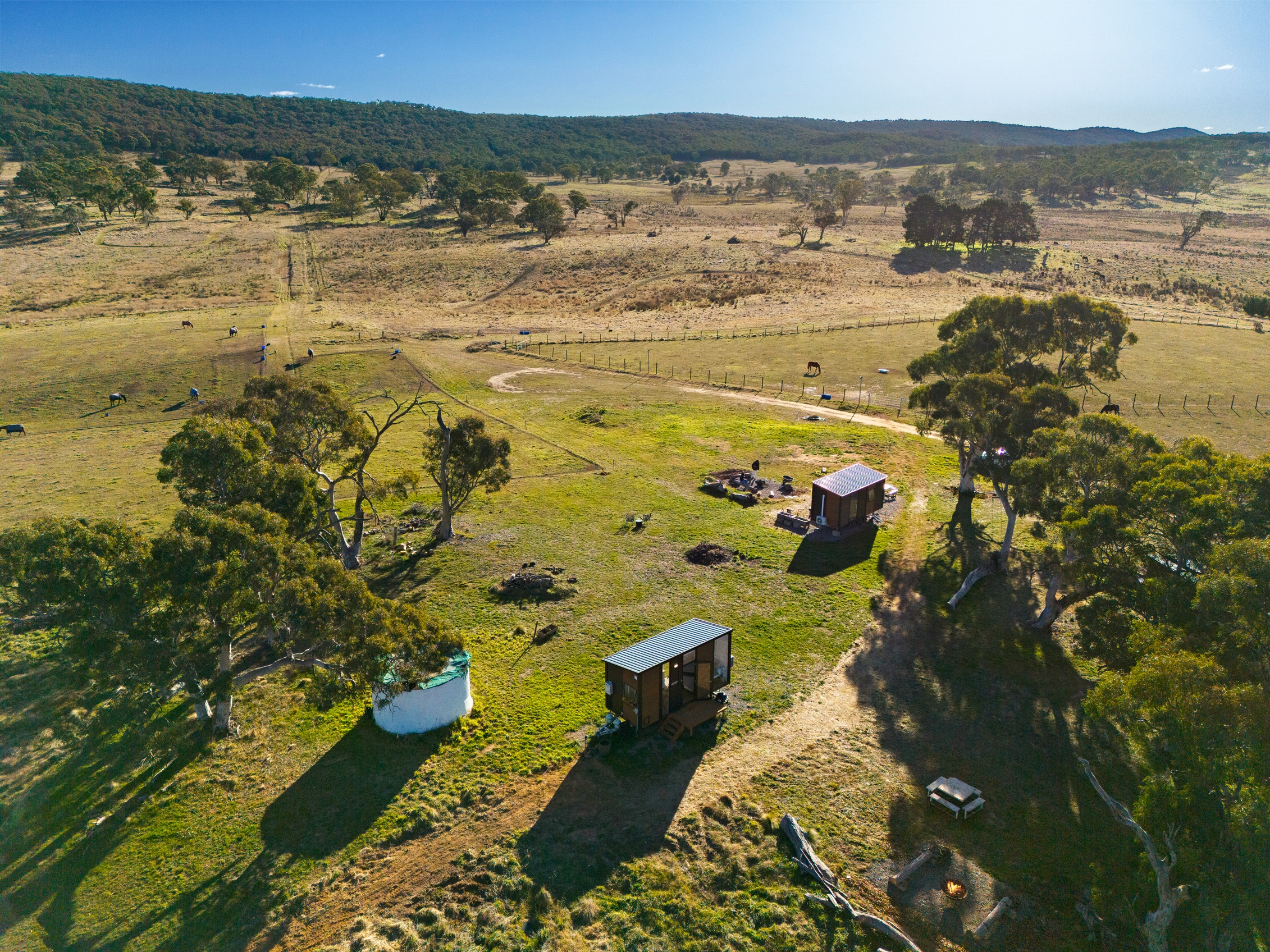
    Tiny houses seamlessly blend with nature.

    Big Tiny believes that its products can assist in making better use of land, limit overdevelopment and offer a meaningful alternative to the resource-heavy, high-footfall model of mass tourism. The company does so via thoughtful systems including the way its tiny houses are built and deployed to how resources are managed, its partnership with landowners and engagements with the local communities. Every tiny house is built with light gauge steel, durable composite materials and modular construction to reduce waste. Across its global portfolio of more than 650 units, off-grid and hybrid models rely on solar energy, rainwater harvesting and composting systems, ensuring minimal disturbance to the land.

    “We view our efforts as part of an evolving commitment to operationalise sustainability and accountability, and we are confident that with consistency and improvements, a better tomorrow is within reach,” – Adrian, CEO and Co-Founder, Big Tiny.

    In 2025, Big Tiny advanced this promise by achieving Global Sustainable Tourism Council (GSTC) recognition for its Lazarus Island project, with more sites worldwide aiming for certification by 2026. Building on this achievement, Big Tiny is also working towards including its other global projects under the GSTC Industry Criteria for Hotels certification by 2026, for a consistent benchmark across its portfolio. Additionally, it has also initiated environmental impact assessments at Grampians Edge and Granite Belt in Australia.

    One with nature, sustainable living in tiny houses.

    Big Tiny’s impact extends beyond environmental stewardship as everywhere the brand sets foot in, it believes that local relevance and global consistency can co-exist. Its tiny houses support local economies by engaging over 1,200 stakeholders—from land hosts to owners—and partnering with 300 organisations. The company also collaborates with local artisans, brands, producers, merchants and landowners to infuse authenticity into each stay—whether through region-specific furnishings, community partnerships or curated experiences.

    Soon, the brand looks to strengthen its advocacy for regenerative tourism, as guests’ sustainability expectations continue to rise. Efforts in the pipeline include increasing its green procurement with a goal of ensuring at least 15% of materials come from recycled sources by 2030. Big Tiny is also exploring solar-wind hybrid systems that can generate power even at night which will increase the usage of natural sources by another 10%, come 2030. It is also exploring ways to adopt even more energy-efficient appliances to further reduce overall consumption.

    For Malaysia, Big Tiny looks to offer a sustainable alternative to traditional travel experience by activating underutilised rural or natural spaces, converting them into low-impact, eco-conscious getaways. With abundance of land and natural landscapes, Big Tiny sees vast potential for growth while simultaneously playing a role setting a benchmark for the country’s eco-tourism landscape and in time, shaping its regenerative tourism industry. Malaysians can also purchase entire tiny homes or share ownership, enjoying passive income from these sustainable stays.

    All tiny houses are listed for stays through Big Tiny’s Tiny Away platform (tinyaway.com), alongside other major booking sites.

  • SC empowers women through investED for Returning Women

    The Securities Commission Malaysia (SC) officially launches investED for Returning Women, a training and re-entry programme designed to support women seeking to rejoin the capital market after a career break.

    The programme will provide returning women with the essential knowledge, skills and opportunities to thrive in the capital market.

    First announced in October this year, investED for Returning Women has received over 600 applications, reflecting strong interest and demand among women seeking structured pathways back into professional employment.

    Applicants’ ages range from mid 30s to late 40s, with many coming from the oil & gas, banking, finance and insurance sectors. Most applicants cited family responsibilities and caregiving as the primary reasons for the career break.
    investED for Returning Women is designed to support women re-entering the workforce after a career break, particularly into the capital market sector. It is delivered in two phases:

    1. REFRESH (professional & personal readiness)
    Focuses on building confidence, reintroducing workplace culture, and enhancing soft skills through career clinics, personalised guidance, and networking to prepare participants for job placement.

    2. RESKILL (technical & market competence)
    Equips participants with updated technical skills and industry knowledge relevant to today’s capital market, supported by structured training, industry exposure, and follow-up support during the first six months of employment.

    These phases provide a comprehensive pathway for women to successfully return to the workforce. Participants who complete both phases will receive RM2,000 in incentive and a certificate.

    SC Chairman Dato’ Mohammad Faiz Azmi said the programme aligns with the SC’s efforts to enhance diversity and inclusion in the capital market workforce, where women represent a substantial part of the talent pool.

    “Among the top 100 listed companies on Bursa Malaysia, over 34% of board positions are held by women as at 1 Oct 2025. With the capital market’s growing sophistication and facing a talent shortage, this programme aims to tap into the experience and expertise of returning professionals to strengthen the market’s depth and resilience,” he said.

    Similar to the approach taken for SC’s investED Leadership Programme, investED for Returning Women combines classroom learning, mentorship, and industry placements.

    The SC will also facilitate potential employment by connecting participants with partner companies. Participants will also receive guidance from seasoned professionals in leading firms.

    The programme is supported by the 30% Club Malaysia, LeadWomen Sdn Bhd, Securities Industry Development Corporation (SIDC), PricewaterhouseCoopers Malaysia Holdings Sdn Bhd (PwC) and Talent Corporation Malaysia Berhad. These partners play an active role in designing training modules and offering workplace placements.

  • Malaysia tops emerging ASEAN banking benchmark on climate action

    Malaysia’s banks have emerged as the strongest climate performers amongst the 14 ASEAN Banks assessed, according to Bridging the Gap: Have ASEAN Banks Caught Up on Climate Action?, a new report launched by Asia Research & Engagement (ARE).

    The study finds that ASEAN banks in Malaysia, Indonesia, Thailand, and the Philippines are making measurable progress, with 11 of 14 setting long-term net-zero goals for financed emissions—up from three in 2022—but they still trail banks in Japan, Singapore, and South Korea, where decarbonisation targets are broader, deeper, and aligned with national net-zero goals for 2050.

    Within emerging ASEAN, Malaysia stands out. The assessment of CIMB, Maybank, and Hong Leong Bank (HLB) underscores the country’s leadership:

    • CIMB has one of the region’s most advanced decarbonisation frameworks, with sectoral targets across coal, cement, palm oil, oil & gas, and real estate.
    • Maybank has embedded climate KPIs into executive pay, phased out coal financing across lending and underwriting, and disclosed detailed financed emissions.
    • HLB has pioneered client transition risk categorisation, engaging directly with high-emitting sectors.

    Based on public disclosure, sustainable finance now represents a growing proportion of lending of the Malaysian banks, although the definitions vary so the numbers are not fully comparable.

    • Maybank: USD 39.3bn (24.4% of loans)
    • IMB: USD 33.8bn (33.4%)
    • HLB: USD 5.3bn (11.6%)

    Yet challenges remain. Heavy financing exposure to palm oil and limited policies on upstream oil & gas leave gaps.

    “Malaysia’s banks have raised the bar for emerging ASEAN, but credibility will rest on closing loopholes in palm oil and for gas finance,” said Ben McCarron, Founder and Managing Director of ARE.

    Across the region, banks in Thailand, Indonesia, and the Philippines are rapidly improving governance and disclosure, while counterparts in Japan, Singapore, and South Korea continue to set the global benchmark with broader sectoral policies and 2050-aligned net-zero goals.

    Opportunities Ahead for Malaysia
    Malaysia’s leadership in ASEAN positions its banks to capture new opportunities:

    • Shape regional policy standards by extending strong frameworks beyond coal into gas-fired power and high-carbon sectors.
    • Set a governance benchmark by formalising climate-linked KPIs in remuneration and nomination processes.
    • Pioneer advanced risk practices by expanding financed-emissions disclosures and scaling client-level transition planning.

    Accelerate sustainable finance growth by channelling capital into industrial decarbonisation and grid-enabling investments, turning current ambition into system-level impact.

    Commenting further on the findings, McCarron, said, “Malaysia’s banks are setting the pace in emerging ASEAN with stronger policies, governance, and disclosures. The challenge now is to expand this leadership into broader sector coverage and 2050-aligned targets so the region can meet the demands of a low-carbon economy.”

  • MBSB Bank commits RM1 billion to solar financing

    MBSB Bank commits RM1 billion to solar financing

    MBSB Bank Berhad (“MBSB Bank”) announces a dedicated RM1 billion allocation for solar financing, with RM104 million already in the process of disbursement, reinforcing its role as a catalyst in Malaysia’s renewable energy transformation and in advancing the objectives outlined under the National Energy Transition Roadmap (NETR).

    “Our RM1 billion allocation for solar financing is designed to empower SMEs and industry players to invest in renewable energy projects that can accelerate Malaysia’s transition to a low-carbon future,” said Jesleigh Johari, Chief Operating Officer of MBSB Bank.

    Under its Sustainable and Transition Finance Framework, MBSB Bank has already mobilised over RM4.7 billion in sustainable and transition financing — nearly halfway to its RM10 billion target by 2026.
    Through a dual-financing model with MIDF, MBSB Bank offers SMEs a structured pathway to growth via facilities such as the High Tech and Green Facility (HTG), All Economic Sectors (AES), and Low Carbon Transition Facility (LCTF).

    Recently, MBSB Bank reached a major milestone by formalising RM1.3 billion in Islamic Financing Facilities for Cypark Resources Berhad, Malaysia’s leading renewable energy and environmental solutions provider
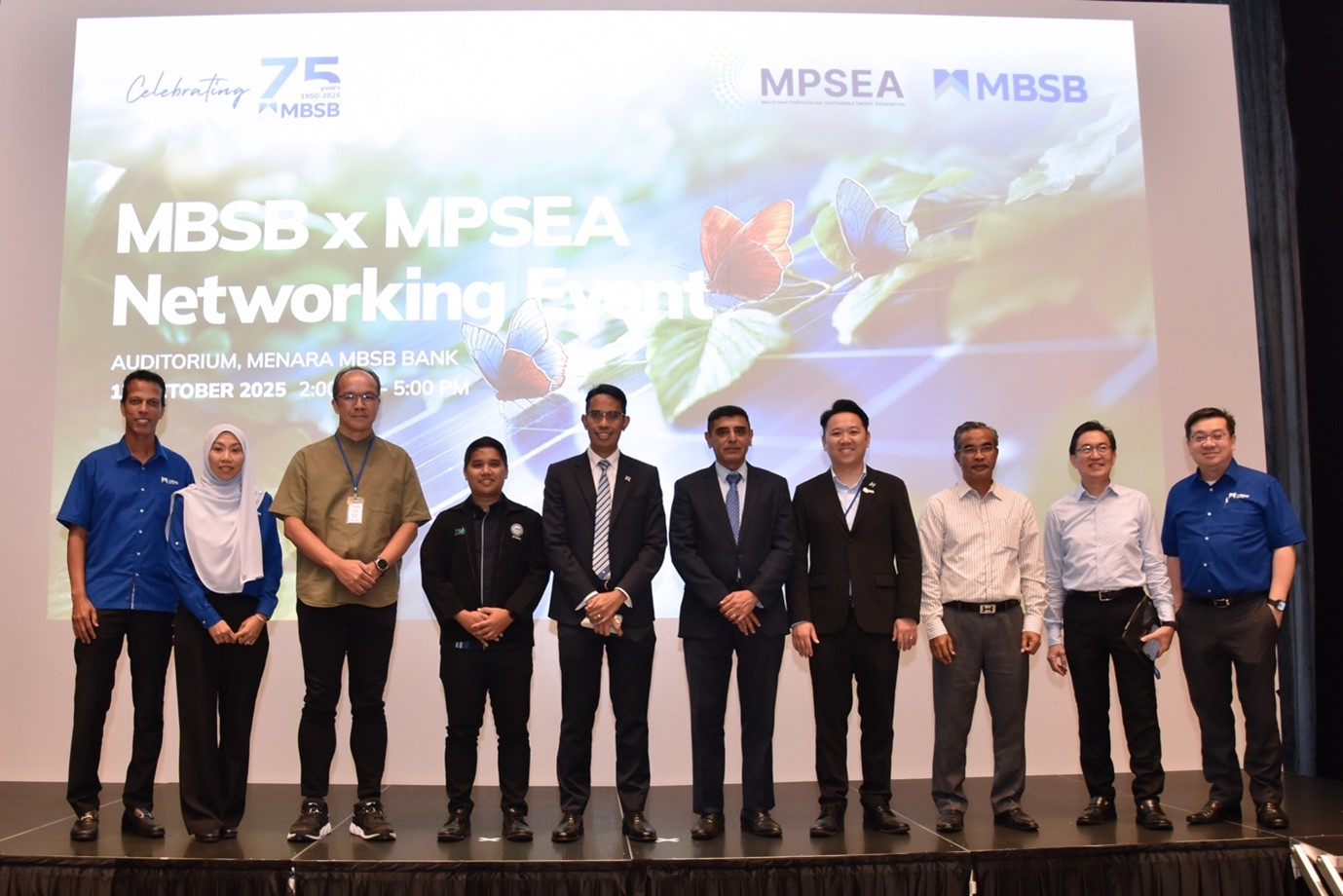
    Jesleigh added, “Beyond financing, transformation happens when industries collaborate and share ideas. Our partnership with MPSEA reflects our shared vision of a resilient, low-carbon Malaysia powered by innovation, purpose, and responsible finance.”

    MBSB Bank remains steadfast in its commitment to support the nation’s energy transition, empowering businesses and communities to embrace a future powered by innovation, collaboration, and responsible growth.