Category: Impactful Stories

  • Sarawak school team named Malaysia’s champion in VIA Safe Mobility

    Sarawak school team named Malaysia’s champion in VIA Safe Mobility

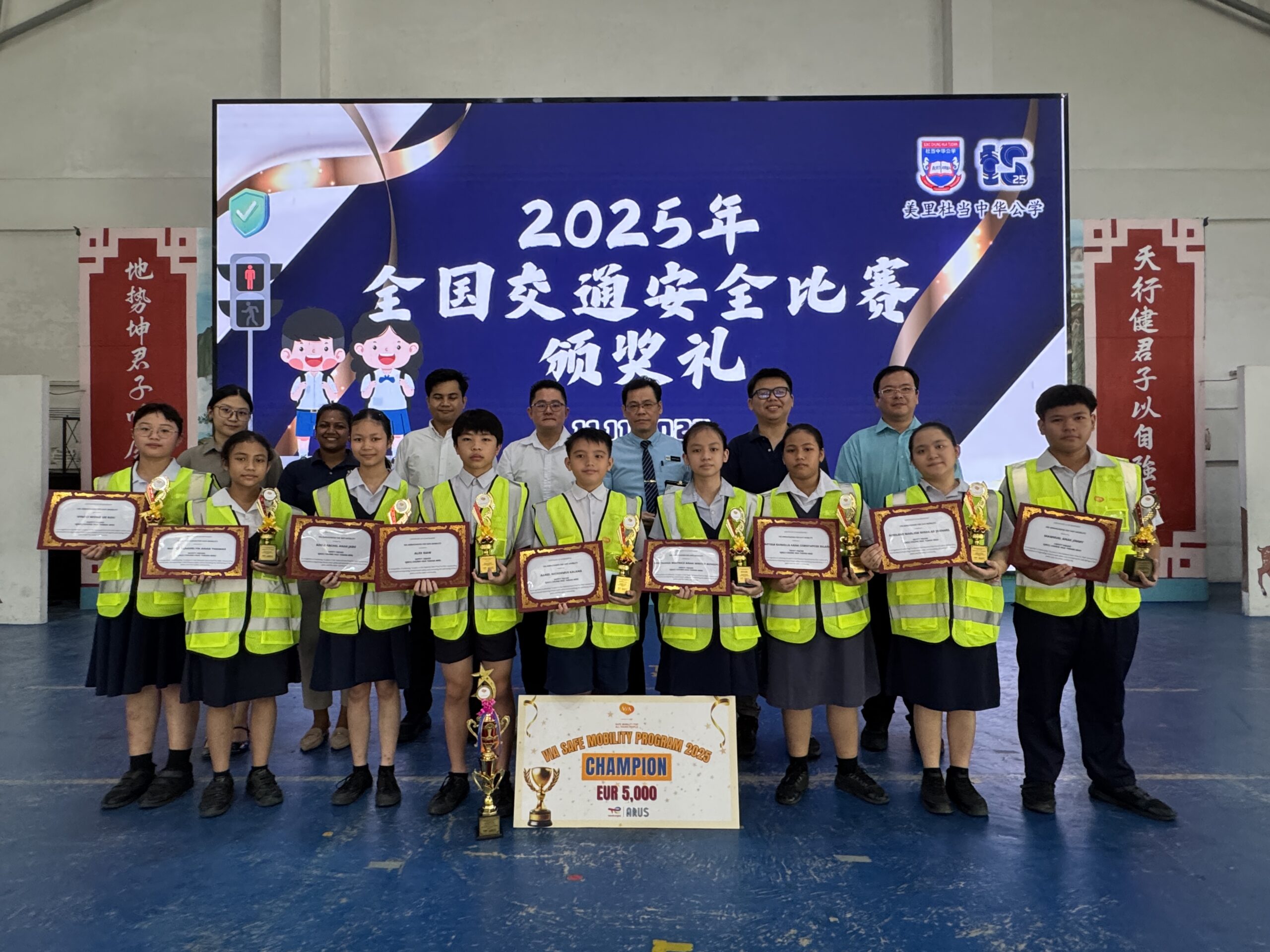
    TotalEnergies, together with Arus Academy, continue to strengthen student learning and leadership through the VIA Safe Mobility, a global educational initiative aimed at improving mobility conditions for young people. Now in its fourth year in Malaysia, the 2025 edition saw Team Safety Squad from SJKC Chung Hua Tudan, Miri, Sarawak, emerge as the Malaysian Champion for their strong school-wide engagement and impactful advocacy work. As national winners, the school secured a
    EUR 5,000 grant from TotalEnergies to implement and advocate their road-safety initiatives.

    Their participation also marked a proud moment for Malaysia at the VIA Safe Mobility Regional International Finals, where they competed in a group with champions from India, Iraq, and Romania — part of a broader field of 24 VIA-participating countries across the region.

    “Safety is a fundamental value at TotalEnergies, especially when it comes to the communities where we operate,” said Patricia Law, Sales Director of TotalEnergies Marketing Malaysia. “The VIA Safe Mobility programme reflects our commitment to equipping young people with practical knowledge and responsible habits that support safer journeys every day. We hope to continue empowering students to build safer school environments and be advocates for positive change.”

    “At Arus Academy, we believe that students learn best when they are given the opportunity to solve real problems that matter to them,” said David Chak, Co-Founder of Arus Academy. “The VIA Safe Mobility programme has shown how powerful this approach can be. Each year, we see students taking ownership of their projects, building critical thinking skills, and working collaboratively to advocate for safer mobility in their communities. Team Safety Squad’s effort is a strong example of how authentic learning can create meaningful impact.”

    Situated beside the high-speed Jalan Kuala Baram Bypass—officially recognised as one of Miri’s top five accident-prone roads—SJKC Chung Hua Tudan serves a large primary-school community. Its close proximity to fast-moving traffic makes road safety an urgent, daily concern for students and teachers alike.

    Against this backdrop, Team Safety Squad anchored their VIA project on the mobility challenges surrounding the school. Guided by teachers, the 10-member team conducted an on-site observational audit of the drop-off area and pedestrian zones, documenting vehicle flow and foot traffic during peak hours. Their recommendations included establishing a crosswalk directly in front of the school. They also identified critical behavioural risks, such as low helmet-safety awareness among Year 1 to Year 3 pupils and the use of old or damaged helmets among younger riders.

    To translate their findings into concrete action, the students submitted an official written request to the Miri City Council, calling for the installation of a designated zebra crossing outside the school.

    Team Safety Squad then rolled out a wide-reaching safety campaign under the theme “See + Go = Safe. Helmet On, Worries Gone,” combining school-based education with community engagement. This included the “VIA Safe Mobility Camp” reaching more than 1,200 pupils, drawing competitions, an interactive road-safety assembly attended by more than 60 teachers, a community Road Safety Carnival, a Walk for Safe Mobility at Taman Bulatan Miri involving parents and staff, and peer-to-peer engagement sessions at SMK Pujut Miri, which reached an additional 1,000 high school students.

    A key development has followed, with the city council initiating technical assessments for a designated crosswalk in front of SJKC Chung Hua Tudan. Engineers have already completed initial site measurements in response to the students’ request.

  • WCT launches new CSR initiative

    WCT launches new CSR initiative

    WCT Holdings Berhad (WCT) has launched its latest CSR initiative, “Uniting Communities, Building the Nation” (Mengeratkan Komuniti Bersama Membina Negara), at Kampung Sungai Kembong Hilir, Kajang.

    Organised under WCTGives and guided by its pillars of #WeCareTogether and #EducationForAll, the initiative aims to revitalise the village’s balai raya and enhance facilities that support learning, social development, and community well-being.

    As part of the initiative, WCT contributed funds and volunteer support to refurbish the hall’s adjoining toilet, upgrade the badminton court into a multipurpose space, enhance the kitchen, and provide new tables, chairs, and a reading corner equipped with 300 books for local children. These improvements will enable the balai raya to once again serve as a venue for community meetings, cooking classes, tuition sessions, and recreational activities – fostering learning and connection across generations.

    The 80-year-old hall, which had been closed since 2017 due to ageing structures and roof damage, was recently restored by the Hulu Langat District Office and the local community. Building on these efforts, WCT’s contribution further strengthens the hall’s role as the heart of the village, benefitting the 2,000 residents in Kampung Sungai Kembong Hilir.

    In addition, WCT extended its support to 100 families from nearby villages – Kampung Sungai Kembong Hilir, Kampung Rinching Hilir, and Kampung Sungai Kembong Hulu by providing Kotak Rezeki packages containing essential groceries worth RM100 each.

    Launched in 2022, WCTGives embodies WCT’s commitment to balancing profitability with purpose — creating shared value for both business and society through its three core pillars: #WeCareTogether, #AGreenerTomorrow, and #EducationForAll.


  • SC celebrates investED Leadership second cohort graduation

    SC celebrates investED Leadership second cohort graduation

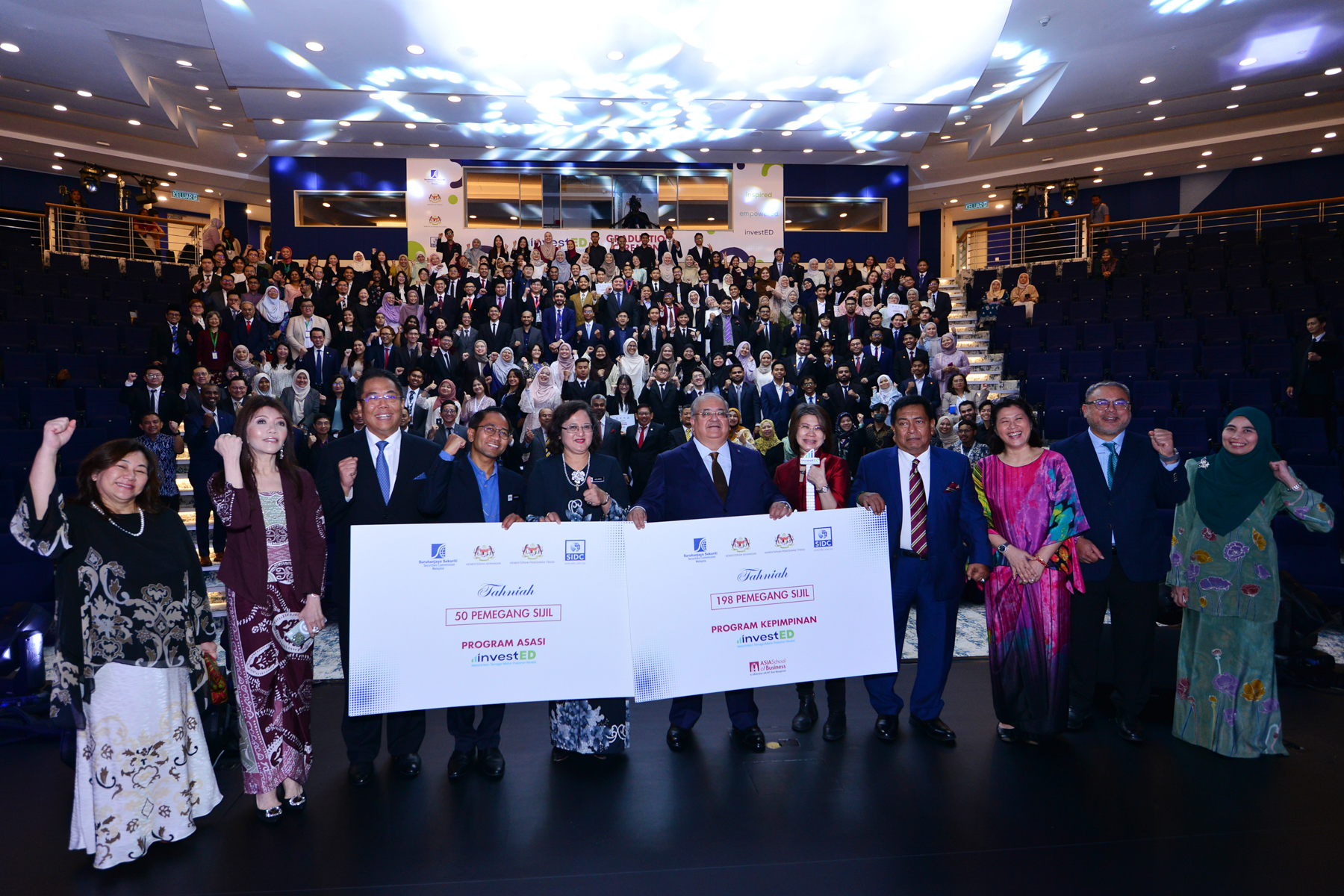
    The Securities Commission Malaysia (SC) today marked a key milestone in its talent development journey with more than 190 graduates completing the second cycle of the investED Leadership Programme.
    Officiated by Director General of Higher Education, Datuk Professor Dr. Azlinda Azman, the initiative continues to gain strong momentum as a key capital market initiative for nurturing skilled, future-ready talent for the industry.

    Announced by Prime Minister Dato’ Seri Anwar Ibrahim in June 2023, this flagship graduate programme is designed to boost local graduates’ employability across various disciplines.

    It also marks the first-ever collaboration of its kind between the SC, the Ministry of Finance, the Ministry of Higher Education, the capital market industry, and universities—reflecting a shared commitment to strengthening Malaysia’s human capital and future workforce.

    In the span of just two years, the investED Leadership programme has trained 368 young graduates through close collaboration with industry and university partners. Of this, 233 graduates have been employed.

    The second cohort of the Leadership programme, which began in August 2024, received 1,200 applications. Following a month of intensive classroom training at the Asia School of Business, selected participants were placed with various capital market firms for six months of on-the-job experience.
    The SC Chairman Dato’ Mohammad Faiz Azmi said that investED is more than just a training programme – it is a bridge between classroom learning and career building.

    “Beyond equipping our young talent with skills, the programme also builds their confidence, drives industry growth, and nurtures a new generation of professionals for Malaysia’s capital market,” he added.
    The SC is now inviting applications for the third cohort of the investED Leadership Programme, now open until 30 June 2025. Apart from a potential career in the capital market industry, trainees also receive a monthly allowance of RM2,400 during the training period.
    Separately, the investED Foundation Programme, delivered by the SC’s learning arm, the Securities Industry Development Corporation (SIDC), also saw continued progress. Last year, more than 1,000 students enrolled, exceeding the annual target of 800 by 25%.

    In addition, investED has organised 44 career talks and 13 career fairs nationwide, reaching over 110,600 students in the last two years. Of this, 13,500 students have attended the career talks, surpassing the three-year target of 9,000 students in just under two years.

    For more information, visit www.invested.my.

  • Hong Leong Islamic Bank distributes 1,000 food packets to foodpanda riders

    Hong Leong Islamic Bank distributes 1,000 food packets to foodpanda riders

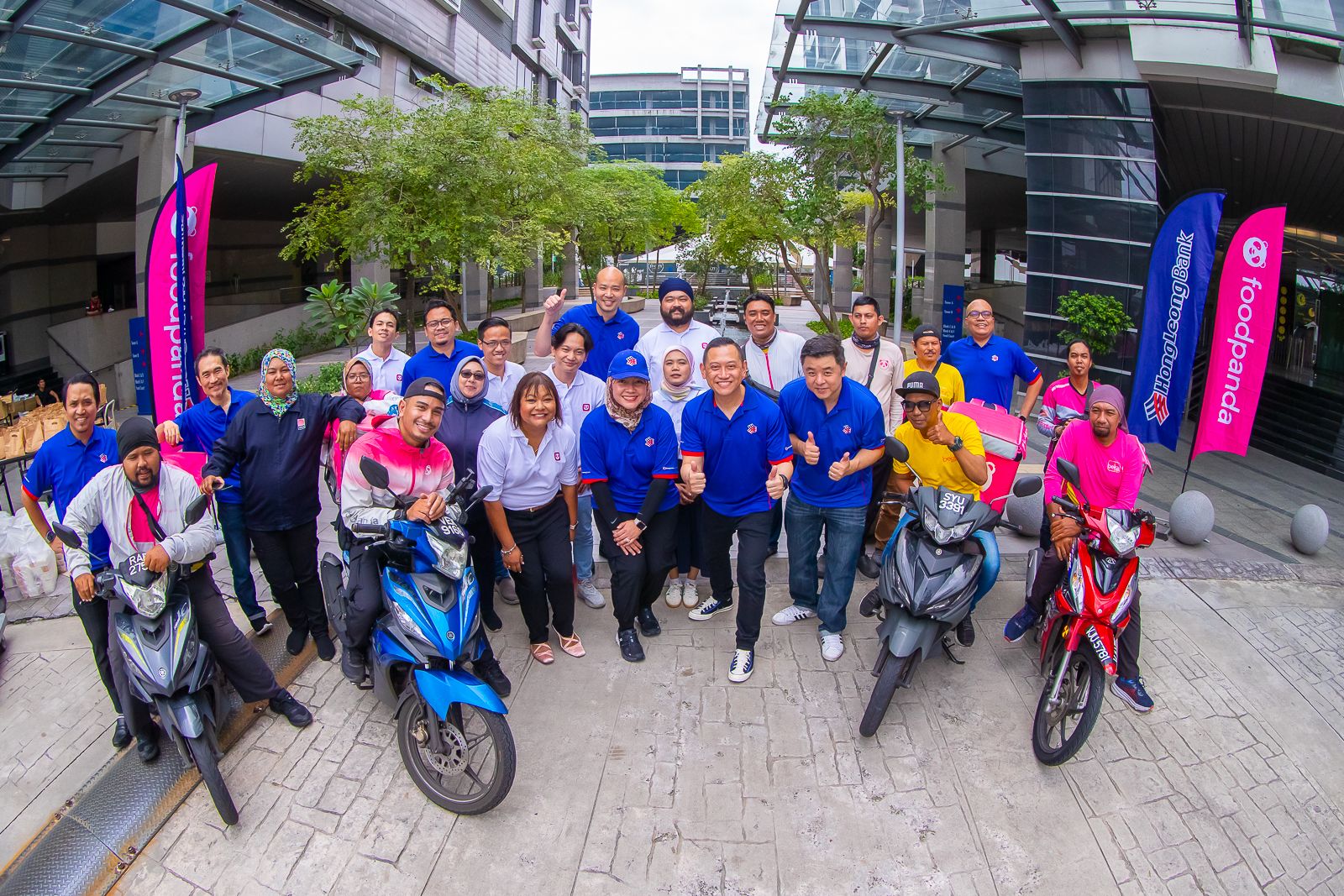
    In conjunction with the holy month of Ramadhan, Hong Leong Islamic Bank (HLISB/Bank) distributed 1,000 buka puasa meals to foodpanda e-hailing delivery riders in its ‘Senyum-Senyum Ramadhan’ initiative, bringing the festive spirit and putting smiles on the faces of foodpanda riders as they continue to deliver food to Malaysians throughout the month of Ramadhan.

    Through its partnership with foodpanda, the Bank has also sponsored buka puasa meals for over 300 foodpanda riders and their families in Melaka, Terengganu, Negeri Sembilan and Perak, spreading warmth, positivity, and appreciation in the community.

    Dafinah Ahmed Hilmi, Chief Executive Officer of HLISB commented on the impactful event, “Ramadhan is a time for gratitude and appreciation, and for many Muslims, it represents an opportunity to give back to the community. This year, we wanted to recognise the sacrifice and dedication of our e-hailing delivery riders, who in many ways are the unsung heroes of our country, especially during festive seasons. During Ramadhan, they brave the heavy traffic and face high volumes of orders, with a majority of them fasting themselves. At HLISB, we wanted to find a way to appreciate their sacrifices, give back to this community, and bring a smile to these riders, which led to us forging our partnership with foodpanda.”

    The Bank’s partnership with foodpanda to sponsor and distribute buka puasa meals to delivery riders is aligned with its Raya theme of “Amal”, where it encourages Malaysians to engage in good deeds which will lead to positive outcomes and multiplied rewards. This concept of “Amal” extends beyond doing good, and also includes inculcating healthy financial habits. The Bank highlights that robust financial habits such as consistent savings, regular investing, and smart protection strategies can set Malaysians up for a brighter financial future.

    Zalman Zainal, Hong Leong Bank’s (HLB) Chief Marketing and Communications Officer, who also heads the Bank’s CSR department, commented, “We at HLB and HLISB have always been committed to engaging in community investment initiatives, where we not only give back to the community but also actively work to uplift and empower them towards a brighter future. With the spirit of “Amal”, we want to continue putting our words to action and engage in more community-centric initiatives such as this one with foodpanda, bringing the Raya spirit and recognising the hardships of these unsung heroes. We believe that good habits, generosity, and kindness are important values to instill, which are the reasons for our smiles as we reap the rewards of a brighter future ahead.”

    HLB and HLISB have a proud tradition of community service during festive seasons, with the Bank organizing Employee Donation Drives where employees donate meal kits and essential goods to welfare homes across the country. Since its inception in 2019, the Bank’s employees have donated more than RM100,000 worth of food, goods, and household items to welfare homes. Employees also regularly engage in spring cleaning initiatives at welfare homes, ensuring that these underserved communities receive the help and support they need.

    In conjunction with the Raya season and to highlight its “Amal” theme, the Bank recently unveiled its Raya campaign with brand ambassador Alif Satar, which features a Raya song and music video titled ‘Senyum-Senyum Raya’, presented by Alif Satar & The Locos. Besides bringing about a positive Raya spirit, the song also emphasises on the importance of good deeds that can multiply and be the reason for your smile this Raya season.

    Senyum-Senyum Raya is available to stream on Spotify and Apple Music, and the music video can be seen on HLB’s YouTube Channel. You may watch the music video here: https://youtu.be/3Tm4O0uNxxA?si=GY1xPTeEFz1R_st7

  • SC collaborates with OCIS to advance Islamic finance

    The Securities Commission Malaysia (SC) is collaborating with the Oxford Centre for Islamic Studies (OCIS) to launch the Sultan Nazrin Shah1 Fellowship, a distinguished academic position aimed at driving thought leadership and innovation in Islamic finance.

    The Sultan Nazrin Shah Fellowship offers the selected fellow a unique opportunity to work and engage with global scholars and industry leaders to shape the future of Islamic finance.

    Beyond research on emerging trends and innovations, the fellowship will focus on strengthening strategic partnerships, joint projects, and knowledge sharing for the advancement of the industry.

    SC Chairman Dato’ Mohammad Faiz Azmi said, “As a global leader in Islamic finance, the SC is committed to shaping the future of the industry through knowledge, innovation, and collaboration. This fellowship will serve as a catalyst for pioneering research and fresh ideas to drive meaningful progress in Islamic finance.”

    The ideal candidate should possess a doctorate in a relevant field2 with extensive research experience. Experience in securing funding for research projects and partnership development would be an added advantage.

    Applications at OCIS are open until 5 May 2025. The full-time fellowship will be based at OCIS, with placement expected to commence by Q3 2025, in line with OCIS’s academic year.

  • Social Enterprises: Proven, Effective Poverty Eradication Partners,  Ready for Nationwide Rollout

    Social Enterprises: Proven, Effective Poverty Eradication Partners, Ready for Nationwide Rollout

    4 October 2024, Kuala Lumpur –

    Over the past five years, social enterprises have been working closely with the government to
    address absolute poverty in Malaysia, with rates has dropping from from 8.2% in 2021 to 6.2% in
    2022.

    Government initiatives including grants and programmes such as the MRANTI Impact Challenge
    Accelerator (MICA), Social Enterprise Accreditation certification and the zero-interest loans from
    the Hasanah Social Enterprise Fund (HSEF) and social procurement initiatives – are among the
    key instruments that have enabled social enterprises to grow and strengthen their offerings to
    serve the needy.

    For example, since 2019, accredited social enterprises such as Pepper Labs have been entrusted
    with piloting several B40 community projects – which have generated measurable, high impact.
    To date, Pepper Labs has re-invested over RM 7 million in social projects, impacting over
    4,000 beneficiaries. Over this period, we have grown to be a trusted partner and effective
    operator and a creative social innovator, bridging the gap between policy and grassroots
    economic enablement.

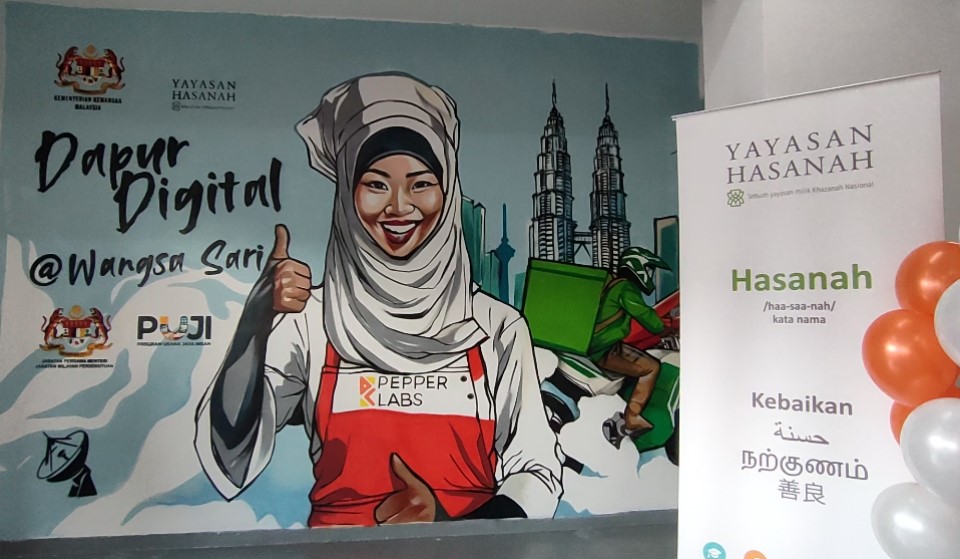
    Caption: Dapur Digital at PPR Wangsa Sari, refurbished with fully-fitted kitchen

    Dapur Digital: Cloud Kitchen Pilot Programme Ready To Scale Nationwide

    Recently, we rolled out a unique initiative called Dapur Digital – Malaysia’s first public-private-
    philanthropy project in partnership with the Ministry of Finance, Jabatan Wilayah Persekutuan,
    DBKL and Yayasan Hasanah.

    Dapur Digital’s pilot programme involves several aspects of economic enablement. In addition to
    refurbishing five PPR flats in Kuala Lumpur into cloud kitchens within six months, 50
    individuals have been trained with a Micro-Credential Programme on how to operate a cloud
    kitchen business. Each of the five Dapur Digital locales which have a high concentration of the
    urban poor, have been given a target of RM10,000 in monthly sales. Within a week from its launch,
    Kampung Limau Kitchen participants under the Dapur Digital programme made RM3,000 in
    business. Their products are promoted and delivered through three food delivery platforms
    altogether making this a uniquely designed programme for transforming livelihoods.

    With Budget 2025 coming up, we would like to put forward some considerations to the
    government, given Dapur Digital’s potential to serve in closing the gap on poverty nationwide:

    1) Tax Incentives for Public-Private Partnership Investments
    a) Tax exemptions to GLCs or corporations which invest in social enterprises such
    as Dapur Digital which will enable it to scale to more locations, accelerate the
    equipping programme, while reaching and benefiting more underserved
    communities nationwide.
    b) Tax reliefs are extended to organisations and individuals making bulk
    purchases from Dapur Digital and other social enterprises which have
    demonstrated their capability and capacity to deliver to requirements. This
    provides a means for enterprises to track and report the impact of their social
    contributions – particularly with Scope 3 ESG reporting requirements already
    coming onstream.

    2) Social Procurement Acceleration
    The government could also include accredited social enterprises in its e-procurement
    database and list, particularly as Malaysia takes on the ASEAN Presidency in 2025, with
    an expected hike in commercial, tourism and social activities. Many social enterprises
    serve in these areas to equip and enable underserved communities.

    Stronger public-private-philanthropy partnerships and collaborations can turn the MADANI
    aspirations and RMK-12 goals into reality for the rakyat. We have demonstrated this is achievable,
    measurable, timely – and ready to scale.


  • ESG Evolution: COP27 to Carbon Stocks Insights

    In an era defined by mounting environmental concerns, social responsibility, and ethical governance, the rise of Environmental, Social, and Governance (ESG) principles has been nothing short of transformative. As the world grapples with the urgent need to address climate change and promote sustainable practices, ESG has emerged as a critical framework guiding both businesses and governments towards a greener and more equitable future.

    THE GENESIS OF ESG: PAVING THE PATH TO COP27
    The inception of ESG can be traced back to the mounting awareness about the consequences of unchecked environmental degradation and social inequality. ESG’s roots lie in the early sustainability movements that championed the need for responsible business practices, community engagement, and ethical corporate governance. At COP27, the trajectory reached a significant milestone, where nations congregated to address the accelerating climate crisis. COP27 heralded a renewed commitment to curbing greenhouse gas emissions, with a growing emphasis on collaborative global eff orts. This conference placed ESG’s relevance on the international stage, with environmental stewardship, social equity, and transparent governance at the forefront of policy discussions.

    ESG INTEGRATION IN MALAYSIAN BUSINESSES
    ESG’s imprint extends far beyond policy considerations, effectively permeating and reshaping the
    entire business landscape in Malaysia. Companies of all scales, ranging from industry giants to small enterprises, have astutely recognised that embracing and integrating ESG practices goes beyond aligning with global imperatives—it becomes a strategic decision that significantly influences
    brand reputation, financial performance, and long-term sustainability.

    In a study conducted by the Malaysia Institute for Supply Chain Innovation, it was revealed that businesses that prioritise ESG principles tend to outperform their peers in terms of financial performance. Notably, companies that demonstrated robust environmental and social practices experienced an average of 25% higher return on equity (ROE) compared to their counterparts who did not prioritise ESG considerations.

    Furthermore, a survey conducted by the Malaysia Business Ethics Institute (MBEI) disclosed that over 80% of consumers in Malaysia consider a company’s commitment to environmental and social responsibility when making purchasing decisions. This consumer sentiment highlights the pivotal role ESG plays in shaping brand perception and influencing consumer choices.

    Large corporations in Malaysia, such as Petronas, have proactively integrated ESG into their business strategies. Petronas’ initiatives to reduce carbon emissions through energy-efficient practices not only contribute to environmental goals but have also resulted in significant cost savings. The company’s investments in renewable energy and sustainable technology have not only earned it recognition as a responsible corporate citizen but have also attracted eco-conscious investors.

    In the realm of small and medium-sized enterprises (SMEs), a survey by the Sustainable Energy Development Authority Malaysia (SEDA) unveiled that over 70% of SMEs are actively seeking to enhance energy efficiency and adopt cleaner technologies. These efforts not only reduce the carbon footprint but also position SMEs as forward-thinking entities aligned with global sustainability trends.

    The Malaysian government’s efforts to incentivise ESG practices have also bolstered the integration of these principles. The introduction of tax incentives and grants for businesses engaged in eco-friendly
    initiatives has garnered increased interest and engagement from the corporate sector. This intersection of government support and business initiative demonstrates the growing recognition of ESG’s impact on
    long-term profitability.

    In essence, ESG integration in Malaysia transcends being a superficial trend, resonating deeply with both consumer preferences and financial realities. The data and statistics outlined above indicate that companies embracing ESG practices are not only meeting global ethical standards but are also carving a competitive edge in the market. As businesses continue to navigate an ever-evolving landscape, the significance of ESG in enhancing brand reputation, financial performance, and overall sustainability becomes irrefutable.

    MALAYSIA’S ESG JOURNEY: A PARADIGM SHIFT FOR SUSTAINABILITY
    Malaysia’s stride towards COP27 was marked by a series of proactive measures to align its policies and industries with ESG principles. A notable endeavour was the launch of the Bursa Carbon Exchange (BCX), Malaysia’s voluntary carbon market exchange. BCX not only embodies the nation’s commitment to net-zero emissions by 2050 but also symbolises Malaysia’s emergence as a key player in the global carbon credit ecosystem.

    According to Tan Sri Abdul Wahid Omar, Chairman of Bursa Malaysia Berhad, “The launch of Bursa Carbon Exchange is momentous as it will play a significant role in supporting the nation’s, and indeed the world’s, voluntary carbon market ecosystem.” This initiative positions Malaysia at the forefront of sustainable finance, marrying its role as a global Islamic financial marketplace with innovative carbon credit offerings.

    INVESTING IN CARBON STOCKS: NAVIGATING PROFITABLE SUSTAINABILITY
    Investing in carbon stocks has emerged as a compelling avenue for both environmentally conscious investors and those seeking lucrative opportunities. As the global drive towards sustainability gains momentum, carbon stocks present a unique convergence of responsible investing and financial growth. These stocks offer investors the chance to not only contribute to carbon reduction initiatives but also to reap potential financial rewards. Below, we delve into the top-performing carbon stocks of 2023 that exemplify the blend of sustainability and profitability.

    1. Carbon Streaming Corporation (NETZ.NEO and OFSTF.OTC)
    Carbon Streaming Corporation stands as a trailblazer in the carbon credit landscape, focusing on offset credits and securing high-quality carbon credits due to its early-mover advantage. Trading on the
    NEO exchange in Canada and the OTC market in the U.S., the company’s vision extends to listing on the NASDAQ in the near future. Analysts from institutions like TD, Bank of Nova Scotia, BMO, and H.C. Wainwright have endorsed Carbon Streaming’s potential, with an average price target of around US$4.50. Carbon Streaming’s strategic approach highlights its role as a leveraged play on the increasing demand and value of carbon credits within the voluntary carbon market.

    2. DevvStream (DESG.NEO)
    DevvStream, a new entrant in the arena, offers financing for green projects in exchange for carbon credit rights. Partnering with its parent company, Devvio, DevvStream leverages an advanced blockchain-based ESG platform. This B2B service provides a framework for global-scale enterprise management, ensuring regulatory-compliant transaction management, ESG reporting, and recordkeeping. DevvStream’s unique positioning within the ESG ecosystem makes it a compelling player with access to an expanding market.

    3. Base Carbon (BCBN.NEO)
    Base Carbon, akin to Carbon Streaming Corp., channels its efforts into financing carbon projects generating voluntary carbon credits. The company’s executed project agreements are poised to generate an estimated 34 million carbon credits, equivalent to approximately 3 million tonnes annually at full production. With a commitment of US$29.6 million for projects in Rwanda and Vietnam, Base Carbon tackles household energy inefficiencies through initiatives like fuel-efficient cookstoves and safe-drinking water purifiers. The company’s robust balance sheet, strong cash position, and strategic partnerships position it favourably for the projected growth in the voluntary carbon market.

    4. Brookfield Renewable Partners (BEP)
    Brookfield Renewable Partners stands out as a global leader in renewable energy and decarbonisation technologies. With an exclusive focus on clean energy, BEP’s portfolio comprises hydroelectric plants, wind farms, solar power plants, and other sustainable energy solutions. Their development pipeline, targeting a 46% increase in power capacity over three years, showcases their dedication to renewable expansion. BEP’s proven track record, stable business model, and extensive global presence make it a go-to choice for investors seeking exposure to carbon markets. With a strong dividend yield, consistent growth in distributions, and an emphasis on clean energy, BEP aligns seamlessly with the growing trend toward responsible investing.

    CARBON STOCKS ARE PAVING THE WAY TO A SUSTAINABLE FUTURE
    As more and more public companies declare their net-zero ambitions and disclose their carbon emissions, responsible investing is becoming a hot topic in financial markets. Big money is pouring into renewable energy and offsetting emissions using carbon credits. Meta, Apple, and Netflix are among the tech giants leading the charge towards net-zero targets by 2030. Meanwhile, major mining companies
    like Barrick and Newmont, as well as energy giants like Saudi Aramco, Exxon, and Shell, are also making similar commitments.

    These developments will likely increase investor interest in all things carbon-related in 2023 and beyond. And as 2030 draw closer, we can expect this trend to accelerate even further. Carbon stocks could prove a valuable addition to an investor’s portfolio as the world heads towards net-zero targets.

    ANTICIPATING COP28 AND BEYOND: A SUSTAINABLE TRAJECTORY
    As COP28 approaches, the world is poised to build upon the achievements of COP27. The momentum created by ESG initiatives, including the rise of carbon stocks, will likely shape discussions and actions at COP28. The success of these endeavours hinges on the concerted efforts of governments, businesses, and individuals to embrace ESG as an integral part of their strategies.

    The evolution of ESG from a concept to a driving force shaping sustainability and responsible governance is painting a promising picture of a world that acknowledges its responsibilities. With that, it is also taking proactive steps towards a greener, more equitable future.

  • ESG Resilience: Is Green the New Gold?

    ESG Resilience: Is Green the New Gold?

    As the COVID-19 pandemic continues to dampen financial markets, funds with Environmental, Social and Governance (ESG) strategies have seen their fortunes rise.

    In fact, major ESG funds have outperformed classic indices like the S&P 500 during the first weeks of the pandemic, and several ESG funds were able to soften the blow to loss in value as compared to standard non-ESG benchmarks.

    This is bolstered by the fact that worldwide investors had poured US$45.6 bil into ESG funds in the first quarter of 2020 as compared to outflows of US$384.7 bil for the overall fund universe, according to research firm Morningstar.

    To capitalise on this growing demand for ESG funds, Affin Hwang Asset Management Bhd recently unveiled the Affin Hwang World Series – Global Sustainability Fund (the fund). Launched on 14 September, it feeds into the Allianz Global Sustainability Fund (Target Fund).

    As a feeder fund, it will invest at least 80% of its net asset value (NAV) into its collaborating partner’s Allianz Global Sustainability Fund with the remaining 20% of its NAV into money market instruments, deposits and/or cash. The Target Fund is a Luxembourg domiciled fund managed by Allianz Global Investors.

    For context, ESG funds are portfolios of equities and/or bonds for which environmental, social and governance factors have been integrated into the investment process.

    Changing Demographics and Trends

    Affin Hwang Asset Management chief marketing & distribution officer Chan Ai Mei says the new ESG fund provides an avenue for investors to buy into global quality stocks with sustainable growth, whilst investing according to their own principles and beliefs.

    “Changing demographics and trends, coupled with the unprecedented impact of the Covid-19 pandemic, have only accelerated the adoption of ESG by both businesses and the investing community in their decision-making.

    “Our belief is that good governance ultimately leads to better financial performance, with industry research showing positive correlation between ESG and stronger returns over the long-term,” Chan adds.

    The base currency of the fund is the US dollar. The fund is offered in four currency classes, namely USD Class, MYR-Hedged Class, SGD-Hedged Class and AUD Hedged-Class. The minimum investment amount is $5,000 for all listed currency classes.

    Commenting on how the ESG space has fared in the aftermath of the coronavirus-related financial crisis, Allianz Global Sustainability Fund lead portfolio manager Paul Schofield says the pandemic in and of itself may not have huge issues on ESG investing. Rather, it may highlight some areas and downplay others.

    “The trend for ESG has long been established and has been increasing year on year. ESG is just one tool in the toolbox that investors may use when analysing companies. We do not believe Covid-19 will change that; the trend was already in place and it is only going one way,” he tells Smart Investor.

    “I have been told again and again by people on the other side of the table that ‘ESG is a bull market phenomenon’ and ‘no one will care when markets are under stress’. Hence, the year 2020 has certainly been a good opportunity to test those theories!”

    Shifting the Focus to ESG

    Despite the existing trends surrounding ESG investing, there is no doubt that the focus has shifted a little in the face of the pandemic.

    According to Schofield, the governance element of ESG was always the easiest one to talk about, as everyone understood this and was  comfortable that good corporate governance is a ‘good thing’.

    However, in the past few years, the clear focus of ESG was the ‘E’ – the environmental benefits. In particular, climate change was the area that clients had a particular connection with. The ‘S’ – the social part of the equation – has always been the difficult one to discuss with people, and the pandemic has helped to highlight some of the social factors a little more, he adds.

    “The need to get the economy back and firing means working conditions, for example, will need to be managed closely all around the world. Companies will have to convince its employees, trade unions and regulators that workers will be kept safe.

    “This will be much discussed going forward, and topics will include healthcare, access to medicine, education, and health and safety – all of which were areas that were less discussed pre-pandemic,” Schofield explains.

    The Investment Strategy

    The Allianz Global Sustainability strategy invests in a diversified mix of companies on the global stock market that aims to generate long-term out-performance and a positive, measurable impact on society.

    The investment process is a collaborative effort consisting of four stages: SRI Ratings; Idea Generation; Team Stock Selection; and Portfolio Construction.

    The strategy takes a ‘Best in Class’ approach to SRI, seeking to own companies which outperform sector peers on ESG criteria. ESG performance is assessed using AllianzGI’s proprietary SRI Ratings model.

    The strategy also aims to avoid stocks with reputational risks, excluding stocks with significant revenues from coal, tobacco, alcohol, weapons, gambling and/or pornography.

    The model ranks stocks as Best in Class, Average or Worst in Class. Thereafter, using bottom-up fundamental analysis, the portfolio managers construct a concentrated, diversified and long-only portfolio of c.50 stocks with superior financial and ESG performance.

    The team analyses all potential investments from the bottom up, considering stocks in terms of their quality, growth and valuation characteristics. The focus is on high quality companies generating returns sustainably above the cost of capital, with a clear growth trajectory, on reasonable valuations.

    These stocks tend to be excellent franchises, operating in sectors with low competitive intensity and high barriers to entry. The valuation discipline is based on reverse discounted cash-flow analysis.

    “The strategy invests primarily (at least 75% of portfolios) in companies that are considered ‘Best in Class’ according to our SRI ratings. It can also invest up to 25% of the portfolio in ‘Average’ rated stocks that have demonstrated a commitment to improving ESG performance,” explains Schofield.

    This flexibility incentivises the portfolio managers to engage with investee company managements to press for continued ESG improvements.

    “We believe that superior ESG performance may ultimately translate into share price appreciation. As a result, this mechanism is an important source of alpha for the strategy, as well as positive, societal impact. The strategy cannot hold any worst-in-class rated names.”

    By Bernie Yeo


    This article was first published in the November-December 2020 issue of Smart Investor.