Category: Investments

  • NCT Group establishes RM1 billion Sukuk Wakalah programme

    NCT Group establishes RM1 billion Sukuk Wakalah programme

    NCT Group of Companies (NCT Group) marks a significant double milestone — the launch of its maiden RM1 billion Sukuk Wakalah Programme, with Maybank participating in the first tranche up to RM390 million in unrated Sukuk, alongside the ground-breaking ceremony for Phase 2 of its flagship NCT Smart Industrial Park (NSIP) in Selangor.

    The award-winning developer established the RM1 billion Sukuk Wakalah Programme to enhance funding flexibility for its working capital needs and support the Group’s long-term growth strategy, while broadening its access to the domestic debt capital market.

    Dato’ Sri Yap Ngan Choy, Founder and Group Managing Director of NCT Group, said “We are delighted to work with Maybank as our valued partner in our Sukuk Wakalah Programme, a key initiative that strengthens our financial foundation. The Sukuk Programme will provide us with greater flexibility to pursue new opportunities, driving us into the next phase of growth as we continue to deliver developments that generate sustainable value for our stakeholders.”

    The Group has appointed Maybank Investment Bank Berhad as the Sole Principal Adviser and Sole Lead Arranger for the establishment of the Sukuk Wakalah Programme, as well as the Sole Lead Manager for the first tranche of the unrated Sukuk.

    Following the Sukuk announcement, NCT Group also celebrated the ground-breaking of Phase 2 of its 732.5-acre NCT Smart Industrial Park (NSIP) in Selangor.

    With a gross development value of RM2.5 billion, the ground-breaking of Phase 2 underscores NCT Group’s strong commitment to driving industrial transformation and promoting economic growth in the state through world-class development built on the pillars of innovation, digitalisation and sustainability.

    The new phase will build upon the success of Phase 1, featuring similar industrial components with larger plots and enhanced infrastructure to meet the evolving needs of high-technology, logistics, and manufacturing industries. Maintaining NSIP’s core focus on smart and sustainability-driven development, Phase 2 will further strengthen the park’s integrated ecosystem with improved connectivity, upgraded utilities, and advanced digital systems that support automation and future-ready operations for long-term industrial growth. Completion of Phase 2 is scheduled for 2029.

    Dato’ Sri Yap added, “Another key milestone has been achieved today with this ground-breaking. Given the scale and expectations of this project, we are determined to ensure that each phase is completed well within its timeline as we continue to shape the nation’s industrial future. This next chapter brings us closer to realising a smart, sustainable, and globally competitive ecosystem that will elevate the sector.”

    Located within the Integrated Development Region in South Selangor (IDRISS), NSIP is NCT Group’s flagship project and one of Malaysia’s most advanced managed industrial ecosystems that is redefining industrial development in the region while meeting global ESG standards. Once fully developed, NSIP will serve as a key catalyst for the progress of Selangor and the broader IDRISS corridor.


  • Malaysia tops emerging ASEAN banking benchmark on climate action

    Malaysia’s banks have emerged as the strongest climate performers amongst the 14 ASEAN Banks assessed, according to Bridging the Gap: Have ASEAN Banks Caught Up on Climate Action?, a new report launched by Asia Research & Engagement (ARE).

    The study finds that ASEAN banks in Malaysia, Indonesia, Thailand, and the Philippines are making measurable progress, with 11 of 14 setting long-term net-zero goals for financed emissions—up from three in 2022—but they still trail banks in Japan, Singapore, and South Korea, where decarbonisation targets are broader, deeper, and aligned with national net-zero goals for 2050.

    Within emerging ASEAN, Malaysia stands out. The assessment of CIMB, Maybank, and Hong Leong Bank (HLB) underscores the country’s leadership:

    • CIMB has one of the region’s most advanced decarbonisation frameworks, with sectoral targets across coal, cement, palm oil, oil & gas, and real estate.
    • Maybank has embedded climate KPIs into executive pay, phased out coal financing across lending and underwriting, and disclosed detailed financed emissions.
    • HLB has pioneered client transition risk categorisation, engaging directly with high-emitting sectors.

    Based on public disclosure, sustainable finance now represents a growing proportion of lending of the Malaysian banks, although the definitions vary so the numbers are not fully comparable.

    • Maybank: USD 39.3bn (24.4% of loans)
    • IMB: USD 33.8bn (33.4%)
    • HLB: USD 5.3bn (11.6%)

    Yet challenges remain. Heavy financing exposure to palm oil and limited policies on upstream oil & gas leave gaps.

    “Malaysia’s banks have raised the bar for emerging ASEAN, but credibility will rest on closing loopholes in palm oil and for gas finance,” said Ben McCarron, Founder and Managing Director of ARE.

    Across the region, banks in Thailand, Indonesia, and the Philippines are rapidly improving governance and disclosure, while counterparts in Japan, Singapore, and South Korea continue to set the global benchmark with broader sectoral policies and 2050-aligned net-zero goals.

    Opportunities Ahead for Malaysia
    Malaysia’s leadership in ASEAN positions its banks to capture new opportunities:

    • Shape regional policy standards by extending strong frameworks beyond coal into gas-fired power and high-carbon sectors.
    • Set a governance benchmark by formalising climate-linked KPIs in remuneration and nomination processes.
    • Pioneer advanced risk practices by expanding financed-emissions disclosures and scaling client-level transition planning.

    Accelerate sustainable finance growth by channelling capital into industrial decarbonisation and grid-enabling investments, turning current ambition into system-level impact.

    Commenting further on the findings, McCarron, said, “Malaysia’s banks are setting the pace in emerging ASEAN with stronger policies, governance, and disclosures. The challenge now is to expand this leadership into broader sector coverage and 2050-aligned targets so the region can meet the demands of a low-carbon economy.”

  • MBSB Bank commits RM1 billion to solar financing

    MBSB Bank commits RM1 billion to solar financing

    MBSB Bank Berhad (“MBSB Bank”) announces a dedicated RM1 billion allocation for solar financing, with RM104 million already in the process of disbursement, reinforcing its role as a catalyst in Malaysia’s renewable energy transformation and in advancing the objectives outlined under the National Energy Transition Roadmap (NETR).

    “Our RM1 billion allocation for solar financing is designed to empower SMEs and industry players to invest in renewable energy projects that can accelerate Malaysia’s transition to a low-carbon future,” said Jesleigh Johari, Chief Operating Officer of MBSB Bank.

    Under its Sustainable and Transition Finance Framework, MBSB Bank has already mobilised over RM4.7 billion in sustainable and transition financing — nearly halfway to its RM10 billion target by 2026.
    Through a dual-financing model with MIDF, MBSB Bank offers SMEs a structured pathway to growth via facilities such as the High Tech and Green Facility (HTG), All Economic Sectors (AES), and Low Carbon Transition Facility (LCTF).

    Recently, MBSB Bank reached a major milestone by formalising RM1.3 billion in Islamic Financing Facilities for Cypark Resources Berhad, Malaysia’s leading renewable energy and environmental solutions provider
    Jesleigh added, “Beyond financing, transformation happens when industries collaborate and share ideas. Our partnership with MPSEA reflects our shared vision of a resilient, low-carbon Malaysia powered by innovation, purpose, and responsible finance.”

    MBSB Bank remains steadfast in its commitment to support the nation’s energy transition, empowering businesses and communities to embrace a future powered by innovation, collaboration, and responsible growth.

  • Manulife and Bank of China Malaysia launch global income fund to strengthen retirement readiness

    Manulife and Bank of China Malaysia launch global income fund to strengthen retirement readiness

    Financial wellbeing is increasingly recognised as a key pillar of long-term health and longevity, with many acknowledging that financial fitness can significantly influence their quality of life as they age. In response to this growing awareness – and the pressing need to help investors in Malaysia better prepare for retirement – Manulife Investments and Bank of China (Malaysia) Berhad (BOCM) announced that they are offering BOCM clients the Manulife Global Multi-Asset Diversified Income Fund (the Fund). The Fund invests at least 85% of its net asset value into the Manulife Global Fund – Global Multi-Asset Diversified Income Fund (the Target Fund).

    The Manulife Global Multi-Asset Diversified Income Fund is suitable for investors who seek regular income, and wish to participate in a diversified portfolio of assets in the global markets, and have a medium to long-term investment horizon.

    A recent survey[1] conducted by Manulife revealed that only 58% of Malaysians believe they have sufficient funds for retirement – raising concerns that the remaining 42% may face health and longevity challenges post-retirement. Additionally, over half (56%) believe it is critical to have a steady income stream after retirement, while nearly one-third say a diversified investment portfolio helps bridge their financial gap.

    The Manulife Global Multi-Asset Diversified Income Fund takes a differentiated approach to income generation, focusing less on equity appreciation and more on delivering yield through fixed income and an option writing strategy. A key feature of the strategy is the tactical use of option writing, which may provide a steady income stream in both rising and falling markets. Option premiums tend to increase with market volatility, making this approach particularly valuable during market downturns – when traditional capital payouts may be under pressure.

    Yan Ye, Deputy Chief Executive of BOCM, said “BOCM understands that the country will become an aged nation earlier than expected by 2040, with those who are 60 years old and above accounting for 17% of the population[2] . According to a public mandatory retirement scheme, most Malaysians do not have enough savings for their retirement. Therefore, planning for retirement should start early to enable individuals to adopt suitable strategy. As a financial service provider, BOCM provides banking solutions that bridge the financial needs of Malaysians. Leveraging the Fund’s objective and Manulife Investments’ fund management expertise over the years, we are onboarding the Fund on our platform to enhance the range of options available for our customers’ selection.”

    Grace Ho, Head of Retail Wealth Distribution and Direct Digital Business, Asia, Manulife Investments said: “We are pleased to offer the Manulife Global Multi-Asset Diversified Income Fund to the valued customers of BOCM. Across Asia, we continue to see rising demand for income solutions that can help investors navigate longer lifespans, shifting retirement expectations, and evolving market conditions. Bringing this established strategy to Malaysia reflects our commitment to supporting local investors with proven, globally diversified approaches that align with their long-term financial goals.”

    BOCM customers can subscribe to the Manulife Global Multi-Asset Diversified Income Fund through bank branches and mobile banking (eWealth Banking) platform.

  • RHB-OSK property partnership expands Malaysians’ access to prime overseas properties

    RHB-OSK property partnership expands Malaysians’ access to prime overseas properties

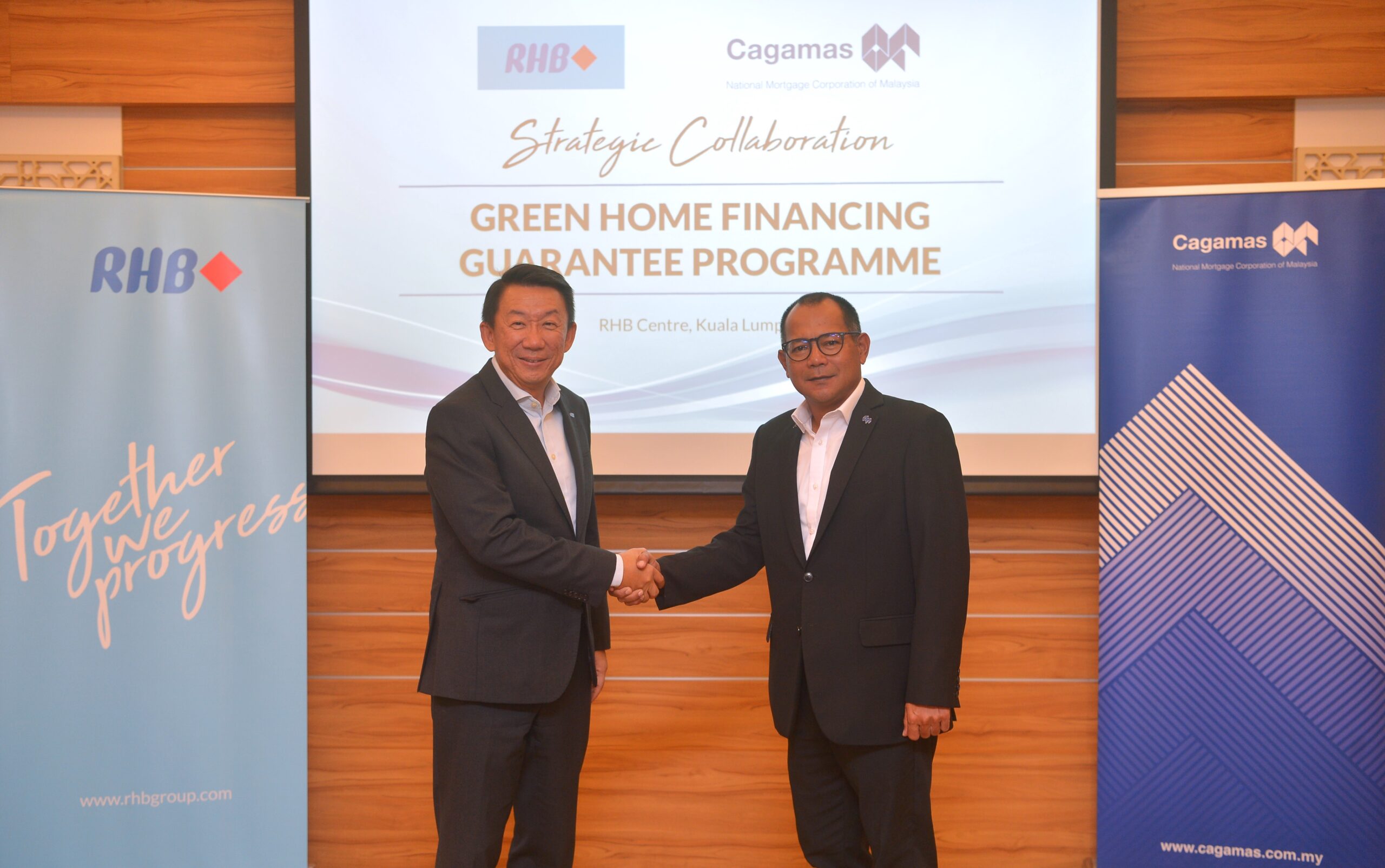
    RHB Banking Group (RHB or the Group) recently announced a strategic collaboration with OSK Property to offer Malaysians greater access to overseas residential properties through the launch of the RHB Overseas Property Financing solution. This offering debuts with Melbourne Square, OSK Property’s landmark development in Southbank, Melbourne, Australia.

    Melbourne Square is a mixed-use precinct offering spacious residences with panoramic city views, extensive green spaces, and convenient proximity to universities, retail hubs, and cultural attractions. This makes it an attractive choice for Malaysian seeking to secure an alternate residence with long-term capital appreciation.

    Under this strategic partnership, RHB Premier clients now access Malaysian Ringgit (MYR)-denominated full flexi housing loans for overseas residential properties in Australia. The RHB Overseas Property Financing solution, designed for Malaysians who are neither permanent residents nor citizens of Australia, is applicable for properties in Melbourne and Sydney, Australia (within a 30km radius of the Central Business District). The financing comes with flexible repayment terms, no-cost redraw facilities, and early release options during the construction phase.

    The financing solution is also applicable for properties in London, UK (Zones 1-3). This offering is part of the Group’s plan to expand its overseas property financing to key global cities, aligning with market trends and the aspirations of its Premier clients. The product’s features are designed for clients to manage foreign exchange exposure while complying with Bank Negara Malaysia’s regulations.

    Dato’ Mohd Rashid Mohamad, RHB Banking Group Managing Director / Group Chief Executive Officer said “RHB remains committed to being the trusted partner for our Premier clients as they diversify and expand their residential real estate portfolios beyond Malaysia’s borders. Property continues to be a time-tested, resilient asset class, offering long-term value and a natural hedge against inflation. Through this partnership with OSK Property, we are offering our clients with seamless financing solutions that enable them to confidently capitalise on premium overseas opportunities like Melbourne Square.”

    Ong Ju Yan, Group Managing Director, OSK Property Group, added, “RHB Bank has introduced an innovative and flexible financing product for Malaysians to acquire properties overseas. This unique product can help Malaysian investors and families to fulfil their dreams of owning a property in a prime location like Melbourne Square.”

    The partnership was launched at Beyond Borders: Australia Property Investment Outlook, an exclusive event that brought together property experts and investors. Dominic Heaton-Watson, Associate Director of the International Residential Property at Knight Frank Malaysia, delivered the keynote presentation, highlighting Melbourne’s robust economic fundamentals and rising popularity among buyers seeking property for their children’s education.

    RHB plans to expand its overseas property financing to include more Australian cities and outer zones of London, aligned with market trends and client needs. The RHB Premier proposition reinforces the Group’s commitment to delivering financial solutions that help clients grow their international real estate investments.

  • RHB, Tokio Marine Life and Takaful Malaysia forge exclusive banca partnerships

    RHB Banking Group (RHB or the Group) has entered into bancassurance and bancatakaful partnerships with Tokio Marine Life Insurance Malaysia Bhd. (Tokio Marine Life) and its takaful partners – Syarikat Takaful Malaysia Keluarga Berhad (STMKB), and its wholly owned subsidiary, Syarikat Takaful Malaysia Am Berhad (STMAB) (collectively referred to as Takaful Malaysia). These partnerships are formalised through separate Distribution Agreements – between RHB Bank and Tokio Marine Life, and between RHB Islamic and Takaful Malaysia, as well as the Framework Agreement entered into by all parties.

    Under the Distribution Agreements, RHB will exclusively sell, distribute, market and promote the conventional life insurance products, the family takaful products and the general takaful products developed by Tokio Marine Life and Takaful Malaysia, in Malaysia. The Framework Agreement is entered into as part of the overall joint operating and governance framework for the banca partnerships.

    The exclusive Distribution Agreements will be for a period of 20 years (commenced 1 August 2025), at a Total Access Fee payable to RHB of up to RM1.6 billion. The Total Access Fee reflects the projected insurance and takaful business volume that RHB is expected to generate over the tenure of the Distribution Agreements, including anticipated sales of products through RHB’s network of branches and digital channels. These will contribute positively to the Group’s profit before tax.

    Dato’ Mohd Rashid Mohamad, Group Managing Director/Group Chief Executive Officer of RHB Banking Group said, “This long term and exclusive banca partnerships reinforces our commitment to staying relevant to our customers, diversifying our income streams and driving sustainable long-term growth. By deepening our collaboration, we are able to deliver tailored financial solutions, enhance customer experience and unlock meaningful value for RHB as well as our banca partners. This aligns with our PROGRESS27 strategic priorities, which is already in motion, enabling us to deliver broader value to our stakeholders while driving our non-interest income streams.”

    “This reflects the strength, resilience and maturity of our partnership. One that we have built over the years of collaboration and shared ambition. We are confident that this next chapter will see us deliver even greater value to the community, combining Tokio Marine’s global insurance expertise with RHB’s local reach and customer trust,” said Toi See Jong, Chief Executive Officer of Tokio Marine Life Insurance Malaysia Bhd.

    Additionally, Nor Azman Zainal, Group Chief Executive Officer of Takaful Malaysia said, “This collaboration positions us to scale our takaful offerings and broaden our footprint within the Islamic financial ecosystem. It reflects our ongoing commitment to making ethical, Shariah-compliant protection more accessible to a wider base of consumers across our key markets.”

    The product portfolio will continue to evolve in response to customer needs and emerging market trends.

  • Execution remains key for 13th Malaysia Plan

    The recently tabled 13th Malaysia Plan (13MP) continues the government’s dual-focus approach of fiscal consolidation alongside sustained support for growth. The headline development expenditure (DevEx) allocation of RM430 bil over five years represents a marked step-up in investment. This translates to an average allocation of RM86 bil per annum from 2026 to 2030, well above the RM79 bil annual average recorded from 2021 to 2024 and nearly double the pre-pandemic average of RM48 bil between 2015 and 2019. Spread evenly, this roughly works out to the government spending at least 3% of GDP on DevEx each year, with more than half of the total allocation (52.8%) directed to the economic sector. This should underpin the much needed infrastructure build-out, human-capital development and innovation-driven projects under the 13MP.

    Realistic Growth Ambition
    The plan targets an average annual GDP growth of 4.5%–5.5% over 2026–2030, a range close to the 5.2% average growth recorded between 2021–2024. We believe that this target is both realistic and achievable, and is also similar to our baseline medium-term GDP growth expectation of circa 5.0%, provided global headwinds remain manageable and domestic policy support continues.

    Fiscal Consolidation Remains on Track
    The 13MP reiterated its commitment to narrow the fiscal deficit to below 3% of GDP by 2030, from the 4.1% recorded in 2024. Assuming the total development expenditure is somewhat evenly spread across 2026–2030 and real GDP grows within the targeted range of 4.5%–5.5%, the deficit ratio should be on track to decline toward the sub-3% objective.

    This fiscal consolidation is important to help lower the government’s debt load, which climbed to 64.6% of GDP as at end-2024 from 52.4% in 2019, and in turn ease its debt-servicing burden. Interest payments reached 15.6% of government revenue as of end-2024, up from 12.5% in 2019, which suggests that for every RM100 in government revenue earned, about RM16 is used to pay interest on borrowing. Sustained deficit reduction, therefore, helps avoid the crowding out of productive spending and frees up resources for development priorities over the long run.

    Human-Capital and Income Targets
    The 13MP aspires to raise compensation of employees (CE) to 40% of GDP by 2030, a commendable target in order to resolve Malaysia’s widely talked about issue of ‘stagnant’ wages. However, this would require an average annual CE growth of 11.1% between 2026 and 2030, more than double the 5.3% pace under the 12MP and higher than the pre-pandemic (2016-2019) average of 7.1%. With CE share at only 33.6% in 2024, achieving this will demand effective wage policies, including continued minimum-wage adjustments, stronger graduate and TVET wage progression, and broad-based productivity enhancements.

    The Plan also addresses investments in human capital and preparation as the nation transitions into an aged nation. Latest projections by the Department of Statistics Malaysia indicate that the country will transition into an “aged society” by around 2050, with the working-age population share expected to fall from 70% in 2025 to 68%. Coupled with declining birth rates (total fertility rate of 1.7 in 2023 versus 2.0 in 2013), Malaysia faces a shrinking labour force. The review of the mandatory retirement age, alongside a comprehensive strategy for workforce upskilling and an emphasis on Technical and Vocational Education and Training (TVET) to address skill mismatch issues under 13MP, should help mitigate some of the labour market challenges ahead.

    Execution Remains Key
    As with previous plans, execution remains the linchpin. The enhanced Policy Implementation Plan and monitoring system known as MyRMK will oversee integrated implementation across ministries. The enhanced transparency, which enables timely course corrections, provides the necessary tools for success. Whether the 13MP targets can be met will depend heavily on the effectiveness of execution and the discipline to follow through with the plans.

    The 13MP strikes a prudent balance between fiscal consolidation and growth support, with a sizeable and well-targeted DE envelope and a realistic growth target. While sectoral allocations and digital-innovation drivers are well calibrated, execution capacity and human-capital challenges, particularly the ambitious income share goal, will be decisive. Strong implementation governance, more effective measures to minimise leakages and ensure efficient use of public funds, coupled with supportive policies for wages and innovation, will be critical to realising the 13MP’s 2030 vision.

  • Standard Chartered and Alibaba Group partners to propel AI development

    Standard Chartered and Alibaba Group partners to propel AI development

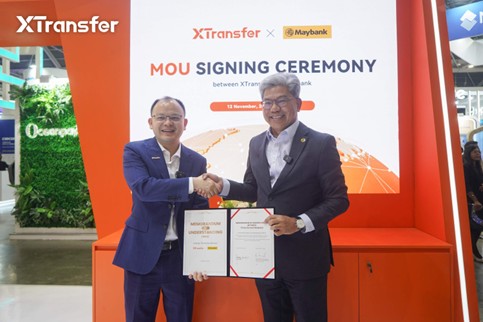
    Standard Chartered (“the Bank”) and Alibaba Group Holding Limited (“Alibaba” or “Alibaba Group”) have entered into a strategic partnership, utilising Alibaba Cloud’s AI technologies to accelerate the pace at which the financial services sector embraces Artificial Intelligence (AI).

    According to the Memorandum of Understanding, Standard Chartered will work with Alibaba Cloud as its strategic partner for AI technologies to enhance operational efficiency and elevate the customer experience. Leveraging Alibaba Cloud’s intelligent solutions and AI technologies, the collaboration aims to help the Bank elevate its competitive edge. This includes developing AI-powered customer service and sales intelligence to raise the bar on customer engagement, automating AI-driven risk management and compliance, and upskilling its talents through AI workshops and certifications.

    The partnership will also support Alibaba Group’s strategic development globally, with Standard Chartered providing a comprehensive range of banking services that is tailored to meet Alibaba Group’s business needs, from financial support, supply chain financing support, cross border fund management solutions, to deepening the collaboration in financial market. Both parties will also actively enhance cooperation in the areas of sustainable development and sustainable finance.

    Bill Winters, Group Chief Executive of Standard Chartered, said: “We are investing heavily in cutting-edge technologies like AI, which are transforming our own business model and reshaping the future of finance. I am excited to build on our existing relationship with Alibaba Group – a global leader in AI and other areas including e-commerce and retail – and advance our shared commitment to transformative innovation. By combining Alibaba Group’s technological prowess with our financial expertise, we look to harness the full potential of AI technologies to advance on our innovation agenda while also creating long-term value for our clients, colleagues, and communities.”

    Eddie Wu, CEO of Alibaba Group, added: “From education to healthcare and scientific research, AI has already shown its potential to drive transformational change. We are thrilled to partner with Standard Chartered, a global leader in financial services, to shape the transformation in the financial sector. Through this strategic alliance, we will combine Alibaba’s technological expertise with Standard Chartered’s deep industry knowledge to unlock new possibilities.”

  • Manulife Investments launches Shariah Dynamic Leaders Fund

    Manulife Investments announced today the launch of the Manulife Shariah Dynamic Leaders Fund (“the Fund”), the firm’s first Shariah-compliant global equity fund in Malaysia. The Fund focuses on investing in the world’s industry-leading companies that can generate consistent quality growth, aiming to help investors capture potential equity market upside and strong risk-adjusted returns.

    Through an actively managed strategy, the Manulife Shariah Dynamic Leaders Fund seeks current and future industry leaders in their respective sectors amid a dynamic business and economic environment. It targets companies with strong brand recognition, attractive growth profiles, and the ability to deliver consistent margins and profitability – traits that support long-term capital appreciation with appropriate levels of risk. This active approach is essential in selecting the 40 to 60 large cap companies for the portfolio, while aligning with Shariah Principles of investing. The Fund also combines top-down macro views, bottom-up insights, and in-depth risk and factor positioning to manage market weakness.

    Jason Chong, CEO, Manulife Investments, Malaysia, said: “At Manulife Investments, we are committed to bringing the most appropriate solutions that can help investors in Malaysia achieve their long-term financial goals, while also addressing their investment preference. As markets continue to evolve, building a portfolio that seeks to participate in market upside while managing downside risk has become increasingly important. This fund is designed to identify resilient companies with strong fundamentals and sustainable growth drivers, guided by the disciplined approach of our experienced investment team.”

    “The Fund’s unconstrained approach aims to maximize returns across varying market cycles by dynamically allocating into secular, cyclical, and stable growth companies. The selection of companies will also be determined by the continuous evaluation of the effectiveness of the portfolio in turning risk into reward. As such, we believe the fund could potentially deliver consistent and better investment outcomes for investors in Malaysia,” he also added.

    The Manulife Shariah Dynamic Leaders Fund strives to achieve greater capital growth by investing at least 80% of its net assets in a concentrated portfolio of equity and equity related securities of large capitalisation companies (i.e. companies with a minimum market capitalisation of US$10 billion) listed globally (including in emerging markets from time to time), including, but not limited to, common stocks and depositary receipts.

  • Kenanga Investment Bank’s NagaWarrants unlocks new trading frontiers with HSCEI and HSTECH warrants

    Kenanga Investment Bank’s NagaWarrants unlocks new trading frontiers with HSCEI and HSTECH warrants

    Kenanga Investment Bank Berhad (Kenanga Group or The Group), announces the launch of its first-ever Hang Seng China Enterprises Index (HSCEI) structured warrants – HSCEI-CAA and HSCEI-HBA – and Hang Seng TECH Index (HSTECH) structured warrants – HSTECH-C30 and HSTECH-H27 – under its flagship brand, NagaWarrants by Kenanga (NagaWarrants).

    This launch marks a strategic expansion of the Group’s East Asia footprint, following the successful introduction of Hang Seng Index (“HSI”) structured warrants – HSI-CIW and HSI-HMO – in 2021. With HSCEI and HSTECH now listed on Bursa Malaysia, Malaysian investors will gain diversified access to two of Hong Kong’s most influential indices, offering new opportunities to tap into China’s financial and technology sectors.

    The HSCEI tracks heavyweight mainland enterprises listed in Hong Kong, including financial and infrastructure giants such as ICBC, China Construction Bank, PetroChina, and Ping An Insurance. It serves as a key benchmark for tracking the performance of China’s largest state-owned enterprises.

    The HSTECH, on the other hand, captures the growth of China’s leading tech innovators such as Tencent, Meituan, Xiaomi, and JD.com. With its focus on fast-evolving technology and innovation, HSTECH is ideal for traders with higher risk appetites looking for volatility and growth potential.

    Kenanga Group’s presence in the structured warrants market is underscored by its 64% market share in HSI warrants. In 2024, the structured warrants segment on Bursa Malaysia recorded a turnover of RM30.3 billion, contributing approximately 4% to the exchange’s total market turnover of RM848.7 billion.

    The launch of HSCEI and HSTECH structured warrants is expected to broaden market participation, diversify product offerings, and boost overall liquidity – particularly among retail traders already familiar with Hang Seng Index warrants.

    “The launch of HSCEI and HSTECH structured warrants marks a pivotal step in our mission to democratise access to global markets. As Malaysia’s leading issuer, Kenanga Group remains committed to driving innovation, expanding investor opportunities, and shaping the future of structured warrants. This initiative reflects our long-term vision to empower a new generation of traders while reinforcing our leadership in the region’s capital markets,” said Datuk Chay Wai Leong, Group Managing Director of Kenanga Investment Bank Berhad.

    “In 2024, NagaWarrants achieved a record-breaking market share of 52%, with a total turnover of RM15.7 billion. This milestone also marks our 300th Hang Seng-listed structured warrant on Bursa Malaysia – a testament to our relentless drive to innovate and serve the evolving needs of Malaysian traders,” added Datuk Lee Kok Khee, Executive Director, Head of Group Equity Business of Kenanga Investment Bank Berhad.

    Beyond product innovation, NagaWarrants continues to empower investors through a blend of educational outreach and advanced analytics. In 2024, it hosted over 50 webinars and events, earning the SRP Asia Pacific Award for Best Educational Initiative in 2022, 2023 and 2025. At the same time, its adoption of machine learning models – which analyse interest rate movements, market trends, and regional dynamics to anticipate demand fluctuations – has enhanced precision in warrant issuance.

    In recognition of its leadership and innovation, Kenanga Group has received several prestigious accolades, including:
    • Bursa Excellence Awards: Best Structured Warrants Issuer (2021 and 2024) (Equity and Index)
    • Global Banking & Finance Awards (UK): Best Warrants Issuer & Best Market Maker (2024 and 2025)
    • FinanceAsia (HK): Most Innovative Use of Technology (2024 and 2025)

    Looking ahead, Kenanga Group remains committed to supporting investors through innovation, education and access to global markets. To explore trading opportunities and stay informed, visit www.nagawarrants.com or join our Telegram community (@NagaWarrants).