Category: Investments

  • Forest City Special Financial Zone to Catalyse Johor’s Economic Transformation and Boost Development in Iskandar Puteri

    Forest City Special Financial Zone to Catalyse Johor’s Economic Transformation and Boost Development in Iskandar Puteri

    Iskandar Puteri, 23 September 2024 – Iskandar Investment Berhad (IIB) views the establishment of the Forest City Special Financial Zone (SFZ) as a landmark development that will significantly boost Johor’s economy. The SFZ’s introduction comes at a crucial time, when the state is poised to capitalise on its strategic location and growing infrastructure, cementing its role as a vital financial and economic hub in Southeast Asia.

    Dato’ Idzham Mohd Hashim, President/Chief Executive Officer of IIB, expressed his enthusiasm about the upcoming Johor’s SFZ and its potential to propel the region’s growth and strengthen its connection with Singapore, “We are incredibly excited about the launch of the Forest City SFZ, which is set to attract high-value investments through enticing incentives like a concessionary corporate tax rate of 0% to 5%, a flat 15% income tax rate for knowledge workers, and fast-tracked immigration processes. We anticipate that these benefits will make Johor a highly appealing destination for multinational corporations and global financial institutions, driving job creation and growth in sectors such as financial services, technology, and logistics. The Forest City SFZ will be a game changer, fuelling sustainable economic development, fostering innovation, and enhancing cross-border collaboration in the region.”

    The long-awaited revival of Forest City through the SFZ is also poised to further catalyse Johor’s development trajectory. Its proximity to Singapore, one of the world’s foremost financial centres, strengthens its appeal to global investors and positions Johor as a key player in the regional economy. The SFZ will be a game-changer that unlocks opportunities for local businesses while enhancing Johor’s regional and international competitiveness.

    IIB sees this as an exciting opportunity for Iskandar Puteri, where we play a strategic role as the master developer. Iskandar Puteri’s proximity to Forest City places it in an ideal position to benefit directly from the economic spillover of this initiative. With our existing projects, such as Tech Medini and GBS Iskandar @ Medini, Iskandar Puteri is already thriving as a hub for technology and innovation. The Forest City SFZ will complement these efforts by attracting a new wave of businesses, increasing demand for high-quality commercial space, and driving further investments in infrastructure. This will accelerate Iskandar Puteri’s transformation into a world-class business district and a centre for high-skilled jobs.

    Additionally, Johor’s upcoming transport infrastructure projects – including the Rapid Transit System (RTS), the Autonomous Rapid Transit (ART), and the potential revival of the High-Speed Rail (HSR) – will enhance connectivity between the SFZ, Iskandar Puteri, and Singapore. These transport links will further boost the attractiveness of Iskandar Puteri to global investors and businesses, making it an even more accessible and competitive destination.

    Global examples of similar economic zones, such as Dubai’s free trade zones  and the UAE’s financial districts which demonstrate the immense potential of strategically located financial hubs. The Dubai Multi Commodities Centre (DMCC), in particular, has become a benchmark for success, attracting a broad range of industries from the diamond trade to emerging sectors like Electric Vehicles (EV). With more Chinese companies registered in DMCC by the end of 2023 and Dubai’s ability to offer specialised services, high-quality commercial spaces, and government-backed incentives has made it a key player in global business. This growth indicates how well-structured zones can support international business expansion, especially by offering tailored ecosystems for specific industries.

    Johor’s SFZ can similarly position itself as a financial and business gateway in Southeast Asia by adopting elements from Dubai’s model. With enhanced connectivity and integration into larger regional initiatives, Johor can attract global players by offering strategic incentives and creating customised business environments, Johor’s SFZ can accelerate its own economic transformation, fostering innovation and driving sustainable growth for the region.

    IIB is committed to building an inclusive and sustainable metropolis of the future in Johor, and the Forest City SFZ will play a critical role in helping to realise this vision. As Johor develops as a model for sustainable urban growth, IIB will continue to play a crucial role in amplifying Johor as the preferred investment destination for growth in ASEAN.

  • The Rise of SPACs as a Strategic Listing Option

    Entrepreneurs build companies to see their companies grow and prosper. Once commercially de-risked, with revenue traction and profitability, further funding may be required to take growth to the next level prompting some embark on listing exercises.

    There are several methods where a business can begin its journey towards listing. The traditional way to go public is through an Initial Public Offering (IPO), where a company collaborates with an investment bank to underwrite and prepare an IPO prospectus. This document, after thorough due diligence, is submitted to the securities regulator and stock exchange for approval.

    In most jurisdictions, the prospectus is a “liability document” to ensure proper disclosure rather than promote the company as a “sales document”. It is almost always “backward looking” in that information is historic, and forward-looking statements are not allowed. Once approved, investors can subscribe to the shares, which are then traded on the listing date. The IPO process, involving multiple stakeholders, typically takes six to 12 months with non-approval risks even if listing criteria are met.

    Another option in going public for a privately held company is through a Reverse Takeover (RTO) or a “backdoor listing.” In this process, the private company arranges with an investment bank to be “acquired” by an existing listed company, often one in a declining industry or a distressed state. The private company then injects itself into the listed company in exchange for shares, making its shareholders the largest or controlling block post-RTO. This allows the private company to utilise the listed company’s status to achieve a public listing.

    Due diligence is crucial in an RTO to uncover hidden liabilities or litigation in the listed company. Some stock exchanges require industry similarity between the companies or impose time restrictions on ownership changes. While RTOs can be less costly and faster than IPOs, they may face regulatory challenges and risk non-approval by securities regulators.

    Special Purpose Acquisition Company (“SPAC”) – An Alternative RTO

    The SPAC concept was invented in the U.S. in 1993 and is today allowed in some major stock exchanges such as the New York Stock Exchange (“NYSE”), the NASDAQ Stock Exchange, the London Stock Exchange (“LSE”), the Hong Kong Exchanges (“HKEx”), Bursa Malaysia, the Singapore Stock Exchange (“SGX”), the Korea Stock Exchange (“KSE”) and more.

    To read the full article, kindly subscribe at Subscribe – Smart Investor Malaysia

  • INVEST MALAYSIA HONG KONG SHOWCASES MALAYSIA’S ‘INDUSTRIAL DIPLOMACY’ TO DRIVE NATION’S SUSTAINABLE GROWTH

    INVEST MALAYSIA HONG KONG SHOWCASES MALAYSIA’S ‘INDUSTRIAL DIPLOMACY’ TO DRIVE NATION’S SUSTAINABLE GROWTH

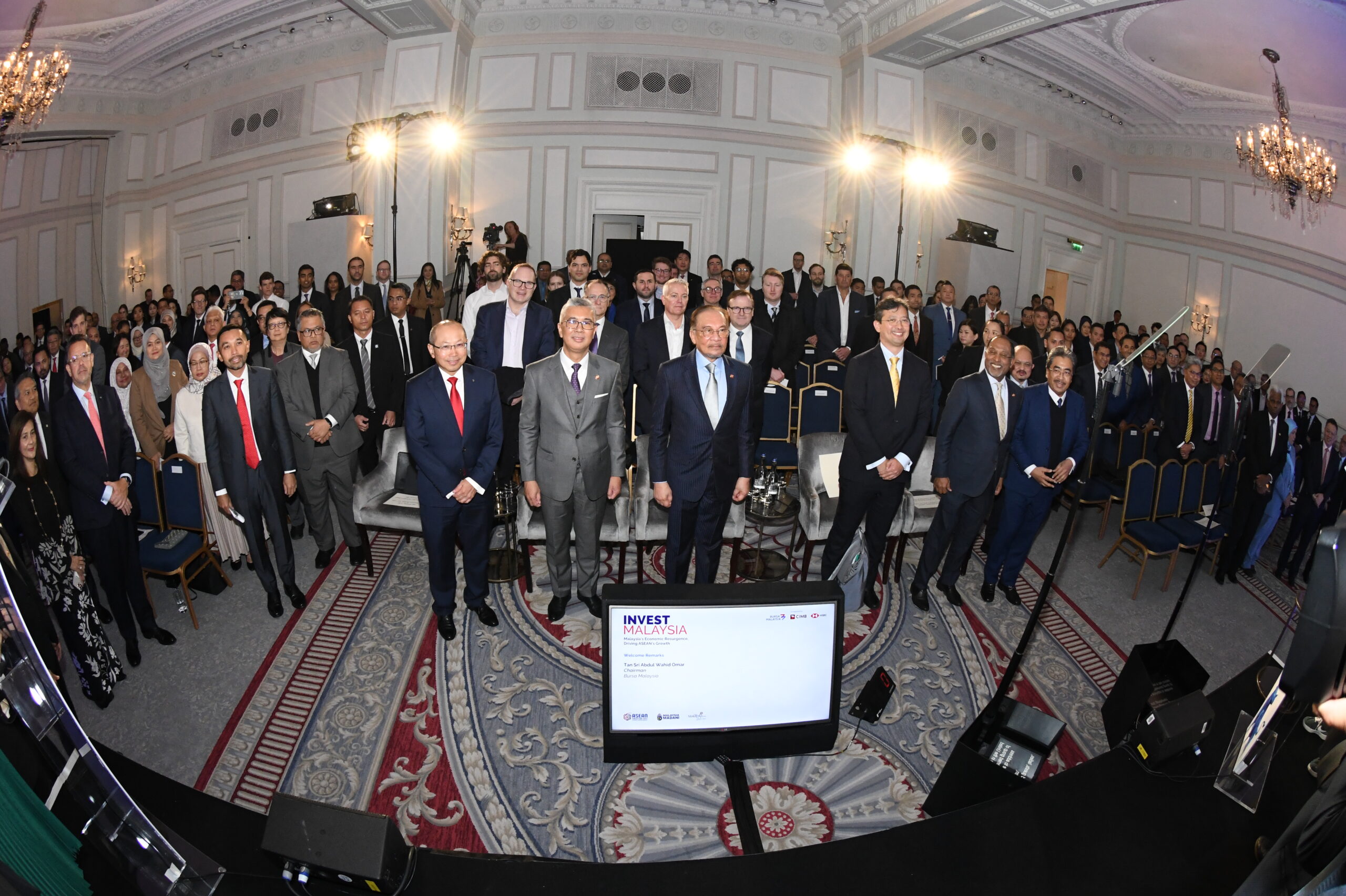
    Kuala Lumpur, 12 September 2024 – Bursa Malaysia Berhad (“Bursa Malaysia” or the
    “Exchange”) today hosted the Invest Malaysia 2024 (“IM2024”) in Hong Kong, as part of the
    Exchange’s Invest Malaysia series for this year.

    YB Senator Tengku Datuk Seri Utama Zafrul Tengku Abdul Aziz, Malaysia’s Minister of
    International Trade & Industry (“MITI”), officiated the event and delivered the keynote
    address which focused on Malaysia’s industrial reform policies centred around the New
    Industrial Master plan 2030 (“NIMP 2030”) and National Energy Transition Roadmap
    (“NETR”). Tengku Zafrul also made a specific reference to Malaysia’s National
    Semiconductor Strategy (“NSS”) to sharpen the sector’s competitive edge, and the Green
    Investment Strategy (“GIS”), to attract sustainability-themed investments, in propelling the
    nation’s resilient growth.

    IM2024 in Hong Kong represents the third major financial city in Bursa Malaysia’s
    engagement session with equities investors across the region. The FBM KLCI has
    appreciated 12.7 per cent as at YTD 11 September 2024 and looks set to grow further on
    the back of Malaysia’s strong macroeconomic indicators such as commendable GDP
    growth, encouraging uptick in investments and exports, as well as a currency that is at its
    strongest in 18 months.

    In his address, YB Senator Tengku Zafrul elaborated that through the NSS, Malaysia is
    building on its strengths in the back-end process and Outsourced Assembly and Testing
    (“OSAT”) component of the global industry value chain, to advance towards higher-value
    activities such as integrated circuit design, advanced packaging and equipment
    manufacturing.

    Tengku Zafrul said, “MITI understand that investors – whether in industries or in our stock
    market – are looking for two key criteria: clarity of policies, and strength of implementation
    of those policies. Our efforts on both fronts appear to have paid off, judging from the 18
    per cent increase in approved investments for 1H2024, and the 12.7 per cent rise in our
    equities market in the past year. Coupled with our strong economic fundamentals,
    Malaysia is fast becoming be the preferred regional destination for high quality
    investments under the MADANI economy framework.”

    Invest Malaysia 2024 in Hong Kong focused on the investment opportunities available
    under the NSS and GIS, both of which are aimed at enhancing Malaysia’s long-term
    industrial resilience and sustainability, while positioning the country as a regional leader in
    green manufacturing and technology. This would, in turn, make Malaysia a more
    competitive trading nation. Investors’ confidence has also been earned through MITI’s
    efforts in enhancing the ease of doing business, as well as strong public-private
    collaboration to address key issues such as skilled industrial talent pipeline.

    Following the keynote address, Tengku Zafrul engaged in a fireside chat moderated by
    Datuk Muhamad Umar Swift, Chief Executive Officer (CEO) of Bursa Malaysia. During the
    session, the Minister shared how the NSS serves in the 3-phase roadmap1for Malaysia’s
    semiconductor industry to move up the value chain in the next decade, towards meeting
    headline targets such as attracting RM500 billion worth of investments; establishing 10
    Malaysian companies in design and advanced packaging; developing Malaysia as a global
    R&D hub for semiconductors; and training and upskilling 60,000 high-skilled Malaysian
    engineers.

    The Minister also elaborated on MITI’s role in supporting the implementation of the GIS
    towards the realisation of Malaysia’s Net Zero target by 2050, as outlined by the NIMP
    2030 and the NETR.

    Tengku Zafrul added, “Invest Malaysia continues to be one of the best platforms to
    effectively communicate our policies and implementation updates to make Malaysia the
    preferred investment destination for high quality investors.”

    Datuk Muhamad Umar Swift, CEO, Bursa Malaysia, said, “It is an honour to have the Minister
    of MITI, alongside key Malaysian public listed companies participate in Invest Malaysia
    2024 in Hong Kong. Their collective presence exemplifies the synergistic approach
    between the government and Corporate Malaysia, working together to achieve the
    growth plans and aspirations under the MADANI economy framework.”

    He added, “Invest Malaysia continues to be the leading capital market conversation
    platform for the global investment community to fully appreciate Malaysia’s growing
    position as an attractive and sustainable investment destination. Our next Invest Malaysia
    will be organised in Iskandar Puteri, Johor on 26 September 2024 to highlight the Johor-
    Singapore Special Economic Zone propositions.”

    Invest Malaysia 2024 Hong Kong attracted over 350 investors including fixed income,
    equity and private equity investors with combined Asset Under Management (“AUM”) of
    over USD3 trillion (approximately RM13 trillion).

    About Bursa Malaysia
    Bursa Malaysia is an Exchange holding company incorporated in 1976 and listed in 2005.
    It has grown to be one of the largest bourses in ASEAN. Today, Bursa Malaysia operates
    and regulates a multi-asset exchange, offering a comprehensive range of investment,
    capital raising, and exchange-related facilities. Bursa Malaysia is committed to its mission
    of Creating Opportunities, Growing Value for the Malaysian capital market, economy, and
    society. Learn more at BursaMalaysia.com.

  • Get Moo-ving with Moomoo MY at the #MerdekaBersamaMoofest: A  Journey Towards Financial Independence

    Get Moo-ving with Moomoo MY at the #MerdekaBersamaMoofest: A Journey Towards Financial Independence

    Get ready to Get Moo-ving with Moomoo Malaysia’s inaugural #MerdekaBersamaMoofest — a three-day celebration of Malaysia’s independence, taking place from 13-15 September 2024 at Pavilion Bukit Jalil!

    This exciting event is designed to empower Malaysians to take control of their financial
    futures through smart investing, featuring a range of engaging activities and exclusive
    opportunities to learn from industry experts.

    MooFit Bootcamp and Moomoo MasterClass – Mastering Financial Fitness and App
    Expertise
    Dive into our MooFit Bootcamp sessions, where seasoned financial experts will guide you
    through essential investment strategies, sharing their knowledge and experience to help you
    elevate your financial fitness. Whether you’re a seasoned investor or just starting out, these
    sessions are tailored to equip you with the skills needed to navigate the investment
    landscape confidently.

    Don’t miss the Moomoo MasterClass — a deep dive into the moomoo MY app. This session
    will provide you with a comprehensive tutorial on maximizing the app’s powerful features,
    ensuring you unlock its full potential for smart investing.

    Details of the MooFit Bootcamp and Moomoo Masterclass are as follows:

    Moomoo Experience Zone and Finance Fun Zone
    Explore the ‘Moomoo Experience Zones’ for an educational journey into the Malaysian, US,
    and Singapore markets. This interactive space is designed to provide you with valuable
    insights into these key markets, helping you uncover potential investment opportunities. Our
    expert team will be on hand to guide you through the process, ensuring you gain a deeper
    understanding of market dynamics and how to strategically position your portfolio for
    success.

    For those who love a challenge, the Finance Fun Zone is the place to be! Engage in
    interactive games like the Life Size Financial Freedom Jenga, test your financial knowledge,
    and compete for exclusive Moomoo merchandise. It’s a fun and engaging way to learn about
    investing, combining entertainment with education in a dynamic and enjoyable setting—you
    won’t want to miss it!

    #MerdekaBersamaMoofest Campaign Promotions
    Join us at our #MerdekaBersamaMoofest event, where Moomoo MY is excited to offer
    exclusive promotions and rewards that you won’t want to miss!

    What’s in Store?

    – Daily Lucky Draws: Stand a chance to win 2 x Free Cisco shares a day + exclusive
    moomoo merchandise!
    -New Users: Sign up & deposit to win exclusive rewards. Those who deposit
    RM30,000 will get RM500 cash + 1 NVIDIA share! Plus, enjoy extra rewards like
    cash coupons and merchandise when you sign up at the event.
    -Existing Users: Subscribe to Moomoo Cash Plus at the event and get 30 days of
    daily rewards worth up to RM60 cash + 8,000 Moopoints!
    -Invest in Malaysia’s ETFs: Get cash rewards for ALL buy trades (no minimum!) – be
    one of the first 100, 800, or 1,200 to trade and earn RM20, RM15, or RM10
    respectively.

    Don’t miss out on this chance to boost your financial fitness and celebrate Merdeka with
    Moomoo MY! Sign up now and take advantage of these incredible rewards.

    Event Details are as below:
    Date: 13th – 15th September 2024 (Friday – Sunday)
    Time: 10:00AM – 9:00PM
    Venue: Pavilion Bukit Jalil, Level 2 (In front of Tsutaya Books)

    To join us at the #MerdekaBersamaMoofest and be part of a movement towards financial
    independence, kindly visit the link HERE to register your interest!

    About Moomoo Malaysia
    Moomoo Securities Malaysia Sdn. Bhd. ("Moomoo Malaysia") is a Capital Markets Services
    Licence (Licence No. eCMSL/A0397/2024) holder. Moomoo MY is a cutting-edge digital
    investment platform designed to empower investors of all levels with professional-grade
    tools, in-depth market data, and expert insights. As a subsidiary of a Nasdaq-listed company
    and global partner of the NYSE and Nasdaq, Moomoo MY brings world-class financial
    technology to Malaysia.

    As the largest retail securities firm with the largest number of clients in Hong Kong and
    Singapore, moomoo has swiftly become Malaysias No. 1 most-downloaded financial app
    since its debut in February 2024 1 . The platforms blend of innovative features and ease-of-
    use has earned it numerous international accolades from Benzinga, Fintech Breakthrough,
    and more, including Best Trading Technology, Best Investment Research Tech, Best
    Trading Platform; awards, and "Best Retail Broker" in Singapore, recognised by the
    Securities Investors Association (Singapore).

  • BURSA MALAYSIA DERIVATIVES AND MALAYSIAN PALM OIL COUNCIL SUCCESSFULLY CO-HOST EAST MALAYSIA PALM OIL FORUM

    BURSA MALAYSIA DERIVATIVES AND MALAYSIAN PALM OIL COUNCIL SUCCESSFULLY CO-HOST EAST MALAYSIA PALM OIL FORUM

    Kuala Lumpur, 30 August 2024 – Bursa Malaysia Derivatives Berhad (“Bursa Malaysia
    Derivatives” or the “Exchange”) and the Malaysian Palm Oil Council (“MPOC”) recently co-
    hosted the East Malaysia Palm Oil Forum (“EMPOF”) on 20 and 22 August 2024 in Kota
    Kinabalu, Sabah and Kuching, Sarawak.The forum featured a series of educational
    workshops and paper presentations by industry thought leaders and technical experts,
    addressing the latest developments, challenges and opportunities surrounding the palm
    oil sector in East Malaysia and globally.

    Commenting on the significance of EMPOF, Datuk Muhamad Umar Swift, Chairman of
    Bursa Malaysia Derivatives and Chief Executive Officer of Bursa Malaysia said, “Sabah and
    Sarawak are important to Malaysia’s palm oil industry. Collectively, the two states in East
    Malaysia dedicate 3 million hectares to oil palm cultivation and account for 56% of the
    nation’s palm oil production in 20231

    . As the global centre for palm oil price discovery, the
    Exchange is pleased to collaborate with the Malaysian Palm Oil Council to drive impactful
    dialogue and forge strategic partnerships aimed at enhancing the competitiveness of East
    Malaysia’s palm oil sector. Insights from the forum will be instrumental in shaping
    strategies, equipping participants with the knowledge needed to navigate the ever-
    evolving market dynamics.”

    Ms. Belvinder Sron, CEO of Malaysian Palm Oil Council added, ”The East Malaysia Palm Oil
    Forum marks an important milestone in fostering collaboration across the region’s palm
    oil industry. MPOC is pleased to collaborate with Bursa Malaysia Derivatives to bring
    stakeholders together to address the critical challenges related to the EU Deforestation
    Regulation (EUDR), and to discuss how the Malaysian Sustainable Palm Oil (MSPO)
    certification scheme can help meet these regulatory requirements.”

    EMPOF key highlights

    The forum spotlighted East Malaysia’s strides in sustainability, particularly Sabah’s
    increased adoption of MSPO certification and advancements in precision agriculture and
    biomass utilisation. Sarawak’s commitment to sustainable practices and compliance with
    international standards were also emphasised, addressing common issues such as labour
    shortages and rising production costs. In addition, the forum covered analysts’ market
    outlook for the palm oil market, indicating that prices are likely to remain under pressure
    throughout the remainder of the year due to peak production cycles in mid-2024.

    EMPOF brought to the fore Malaysia’s strategic efforts in meeting EUDR requirements,
    with MSPO certification serving as a key differentiator for global market positioning. There
    were also discussions on improving support for oil palm smallholders and fostering
    greater international collaboration. Technological advancements such as digital
    traceability infrastructure were also explored to improve supply chain transparency, with
    EUDR compliance seen as an opportunity to enter high-value markets and reduce export
    dependency.

    To assist East Malaysian palm oil players in navigating hurdles and seizing market
    opportunities, EMPOF held a practical workshop featuring simulation exercises on futures
    trading. The workshop provided know-how on utilising the Bursa Malaysia Crude Palm Oil
    Futures (FCPO) contract to manage price risk amid market volatility, to enhance business
    performance.
    The forum attracted over 200 delegates, comprising traders, finance and investment
    professionals, risk managers, analysts and researchers. Bursa Malaysia and MPOC extend
    their sincere appreciation to all delegates, speakers and sponsors for their contributions
    and support. Other key partners for EMPOF include The East Malaysia Planters’
    Association, Sarawak Oil Palm Plantation Owners Association, and Sarawak Dayak Oil Palm
    Planters Association.

    Bursa Malaysia and MPOC reaffirmed their commitment to advancing the crude palm oil
    industry, following the forum’ success. Datuk Muhamad Umar Swift said, “Bursa Malaysia
    Derivatives remains dedicated to strengthening Malaysia’s position as the global hub for
    edible oil price discovery. To this end, the Exchange will intensify its efforts to develop
    anattractive marketplace via an expanded range of product offerings, and continued
    collaboration with key stakeholders.”

    Belvinder Sron added, “MPOC remains committed to expanding Malaysian palm oil
    exports worldwide, leveraging our network of offices across key regions promoting
    sustainable palm oil on a global scale. Beyond the East Malaysia Palm Oil Forum, we strive
    to drive more dialogue sessions that reinforce Malaysia’s leadership in sustainable palm
    oil production.”

    About Bursa Malaysia
    Bursa Malaysia is an Exchange holding company incorporated in 1976 and listed in 2005.
    It has grown to be one of the largest bourses in ASEAN. Today, Bursa Malaysia operates
    and regulates a multi-asset exchange, offering a comprehensive range of investment,
    capital raising, and exchange-related facilities. Bursa Malaysia is committed to its mission
    of Creating Opportunities, Growing Value for the Malaysian capital market, economy, and
    society.
    Learn more at bursamalaysia.com.

    About Malaysian Palm Oil Council
    The Malaysian Palm Oil Council (MPOC) is dedicated to promoting Malaysia as a global
    leader in certified sustainable palm oil. MPOC focuses on positioning Malaysian palm oil
    as a healthy, sustainable, and ethical choice for consumers worldwide by engaging with
    stakeholders, improving market access, and promoting the MSPO certification. MPOC has
    a network of regional offices in various international locations and plays a crucial role in
    expanding Malaysia’s palm oil industry by identifying and capitalising on market trends.
    For more information on MPOC and Malaysian palm oil, visit www.mpoc.org.my

  • Valuation Creation in ESG Investing

    Valuation Creation in ESG Investing

    ESG investing involves integrating environmental, social and governance factors into investment decisions, with the possibility of aligning financial returns with sustainability considerations.  These factors may cover a broad range of issues as well, and some may even overlap with one another.  As most businesses are intertwined with ESG concerns in one way or another, it is opportune to explore how ESG investing creates value and impacts value creation.


    Let us take a closer look at some of the factors and its impacts:


    Risk Management

    ESG factors may help identify and mitigate risks that conventional financial analysis may overlook.  Factors such as climate change, labour practices, corporate ethics, and more, may have implications in the long run, and adds a different dimension to traditional analysis.  As an example, companies with strong environmental practices may be less likely to face environmental disasters, while those with robust governance structures may be less prone to mismanagement.


    Enhanced Performance

    ESG initiatives may lead to increased operational efficiencies.  For example, switching to energy-efficient technologies or even turning off electricity when not in use, can reduce cost.  Efficient resource management such as reduction in printing can lead to savings and improved productivity.  In addition, companies which place an emphasis on ESG considerations can harness market opportunities such as the growing demand for renewable energy, sustainable products and ethical business practices.


    Reputation

    Companies with strong ESG profiles may be perceived as being more responsible, and this facilitates in enhancing their reputation among clients, peers and other stakeholders.  Ethical and sustainable practices can also nurture greater customer loyalty, as consumers may prefer to engage with companies that align with their values.


    Capital Attraction

    With ESG investing gaining traction, companies with a stable ESG presence may attract more interest from investors seeking to align their portfolios with responsible investment practices.  This may lead to higher visibility and an increase in capital inflows.  Furthermore, it may be less challenging for companies to command a premium, as they are recognised for their potential for long-term value creation.


    Innovation

    As companies strive to incorporate ESG factors in their businesses and operations, they might be driven to innovate as well, given that they might need to develop new processes, products and services to address ESG challenges.  This may result in new and alternative revenue streams.  At the same time, sound ESG practices can differentiate a company from its competitors and thus, positioning itself to stand out as being more attractive and credible to clients, investors, suppliers, industry peers, etc.


    Compliance

    Companies that prioritise ESG factors might be better prepared and positioned to comply with regulations.  This will likely reduce the risk of legal issues and its associated costs.  In addition, consistent adherence to high standards of governance may lead to avoidance of fines, penalties and lawsuits, which can negatively impact their financial performance.


    Stakeholder Engagement

    Having robust ESG practices in place often allows for stronger relationships with key stakeholders, such as clients, industry players, regulators etc.  This can lead to improved cooperation, trust, visibility and support.  Frequent stakeholder engagement and consideration of their perspectives can lead to more optimal decision-making and more sustainable business practices.


    Positive Impact

    As companies delve into ESG investing, they are indirectly supporting companies that contribute positively to society, environment, sustainable development practices and those which address global challenges.  By extension, in promoting sustainable and ethical business practices, ESG investing can contribute to the stability and resilience of the wider economic system.


    Challenges and Emphasis

    Despite the numerous advantages of ESG investing, it does not come without challenges that need to be addressed.  One of the primary challenges in ESG investing is the lack of a standardised metrics and framework.  A lack of uniform standards makes it challenging to compare ESG performances across companies.


    Another challenge comes in the form of obtaining reliable and comprehensive ESG data for informed decision-making, as it often relies on self-reported information from companies which would have likely generated its own data.  Investors also need to balance financial returns with ESG goals.  This is because some are of the opinion that ESG investing is concerned with social outcomes only, which could be disconnected from financial returns and as such, are willing to sacrifice profit to achieve the intended social outcomes.  In addition, navigating the evolving regulatory ESG landscape is complex and daunting.


    The increasing emphasis placed on ESG investing reflects a growing importance that financial success and societal impact are connected.  It may or may not be a moral obligation yet, but the commitment towards sustainability and governance – no matter how small – can and will pave the way for resilient businesses to thrive.  By incorporating ESG factors into asset allocation and risk decisions, it is hoped that companies can enhance their competitive edge, achieve long-term financial returns and contribute to a more sustainable world.  Success is not defined merely by financial metrics alone, but by the positive impact that is created.  It is never too late to embark on the journey towards a sustainable future; this ought to be a purposeful one, as ESG investing is set to play a pivotal role in shaping the things to come. – (TSI)


    About the Writer


    Ng Phaik May is currently a Senior Relationship Manager at Opus Asset Management Sdn Bhd. She serves as a primary point of contact for clients, ensuring their needs and objectives are effectively met through a client-focused approach and tailored investment solutions.


    The Company is a fund management company specialising on fixed income investments for more than 19 years, with its vision to help people in achieving their financial goals and life aspirations. The Company offers an online platform that ensures a smooth investing experience for investors interested in fixed income unit trust funds.

  • Evaluating Corporate Insurance in Today’s Market

    Evaluating Corporate Insurance in Today’s Market

    By CH Goh

    Every business, irrespective of size, must safeguard itself against potential risks to ensure long-term viability.

    Amidst the rapid changes in the business landscape, entrepreneurs and business owners grapple with a multitude of challenges and uncertainties. In this dynamic environment, corporate insurance emerges as a crucial tool for mitigating risks and safeguarding businesses.

    Corporate insurance has become indispensable for ensuring the safety and continuity of businesses amidst the ever-changing landscape. It serves as a critical shield against uncertainties and unforeseen events that could jeopardise a business’s survival and competitiveness. With the risks inherent in daily operations, mitigating these uncertainties becomes paramount for sustained growth and success.

    The escalating demand for corporate insurance reflects the escalating risks and uncertainties pervasive in today’s business environment. By implementing tailored policies, businesses can effectively mitigate financial losses stemming from unexpected occurrences. Often referred to as commercial insurance, corporate insurance offers vital financial protection against potential catastrophes, thereby fortifying businesses against substantial losses.

    Importance of Regular Assessment

    Every business, irrespective of size, must safeguard itself against potential risks to ensure long-term viability. Merely purchasing insurance coverage may not suffice; instead, consistent and comprehensive evaluation of insurance policies is increasingly vital for the business’s welfare. Furthermore, this helps the business adjust to changes in the business environment.

    Regular assessment of insurance coverage is essential for effective risk mitigation and ensuring the long-term resilience of businesses. In a rapidly changing business environment filled with uncertainties and risks, it is crucial for companies to remain vigilant and adaptable in order to safeguard their interests and ensure their long-term viability.

    The changing nature of the business environment necessitates the continuous evaluation and adjustment of insurance strategies. Factors such as regulatory changes, technological advancements and emerging risks constantly reshape the risk landscape, making it imperative for businesses to regularly reassess their insurance coverage.

    By conducting thorough assessments, businesses can identify potential gaps in coverage, anticipate evolving risks and align their insurance strategies with their overarching business objectives and industry trends.

    One of the key reasons for ongoing assessment is the rapidly changing business landscape. Regulatory updates, technological innovations and shifts in consumer preferences can significantly impact the risks faced by businesses.

    For example, the increasing reliance on digital technologies has led to new risks such as cyber threats and data breaches, which can have severe financial and reputational consequences. By regularly evaluating their insurance coverage, businesses can ensure that they are adequately protected against these emerging threats and adapt their strategies accordingly.

    Moreover, ongoing assessment enables businesses to stay ahead of evolving risks. As industries evolve and new challenges emerge, businesses must be proactive in identifying and mitigating potential risks.

    For instance, climate change-related events, such as extreme weather events and natural disasters, are becoming more frequent and severe, posing a growing threat to businesses across various sectors. By regularly reassessing their insurance coverage, businesses can identify emerging risks associated with climate change and take proactive measures to mitigate their impact.

    In addition to addressing evolving risks, regular assessment also helps businesses navigate compliance requirements effectively. Regulatory frameworks are constantly evolving, with new laws and regulations being introduced to address emerging risks and protect consumer interests.

    Failure to comply with these regulations can result in significant penalties and legal liabilities, potentially jeopardising the financial stability and reputation of businesses. By regularly evaluating their insurance coverage in light of evolving regulatory standards, businesses can ensure compliance and mitigate the risk of costly penalties.

    Regular assessment of insurance coverage is paramount in today’s rapidly changing business environment. By staying vigilant, proactive, and adaptable, businesses can effectively mitigate risks, protect their interests, and ensure their long-term success and sustainability in an increasingly uncertain world.

    Aligning Coverage with Business Objectives

    As businesses navigate the dynamic market landscape, it is crucial to ensure that their insurance coverage aligns with their overarching strategic goals and priorities. This alignment is essential for maximising the value and effectiveness of insurance policies.

    By carefully evaluating how insurance coverage supports the achievement of key business objectives, such as revenue growth, operational efficiency or risk mitigation, companies can make informed decisions about their insurance portfolio.

    This process may involve reassessing coverage limits, adjusting deductibles or exploring alternative insurance products that better address emerging risks and complement the organisation’s long-term vision. Maintaining this strategic alignment allows businesses to leverage their insurance strategies as a strategic tool for enhancing resilience, driving innovation and securing a competitive edge in the marketplace.

    Staying Ahead of the Curve with Comprehensive Corporate Insurance

    As the business world continues to transform at a breakneck pace, the importance of maintaining a robust and adaptable corporate insurance strategy cannot be overstated. By regularly evaluating their coverage and aligning it with their strategic priorities, companies can position themselves to weather the storms of an unpredictable future. Through proactive risk assessment, targeted policy selection and diligent monitoring, organisations can fortify their operations, safeguard their assets and enhance their long-term resilience. In an era marked by escalating uncertainties, comprehensive corporate insurance serves as a vital safeguard, empowering businesses to navigate the evolving landscape with confidence and agility.


    Before settling on a specific insurance coverage, it is crucial for businesses to conduct a thorough risk assessment, as the need for comprehensive risk management has never been more critical.

    Effective insurance planning is a cornerstone of this risk management strategy, allowing organisations to protect their assets, operations and financial stability in the face of unforeseen challenges. Here are some key factors for businesses to consider when buying corporate insurance coverage:

    Identify Potential Risks

    • Thoroughly examine your operations, assets, and industry to determine the specific risks you may face, such as natural disasters, cyberattacks, liability claims, equipment breakdowns, etc.
    • Assess the likelihood and potential impact of each risk to prioritize your coverage needs.

    Evaluate Coverage Options

    • Research the various types of corporate insurance policies available, such as general liability, property, workers’ compensation, directors and officers (D&O), cyber, and business interruption.
    • Understand the coverage, exclusions and limits provided by each policy type.

    Determine Appropriate Coverage Limits

    • Evaluate the full replacement value of your assets, potential liability costs, and anticipated business interruption expenses.
    • Set coverage limits high enough to fully protect your operations in a worst-case scenario.

    Consider Specialised Policies

    • Evaluate the need for specialised insurance like cyber liability, professional indemnity or supply chain disruption coverage.
    • These can provide critical protection beyond a standard commercial policy.

    Review Policy Terms and Exclusions

    • Carefully read and understand the fine print of any insurance policy, including coverage limitations, exclusions, and any conditions or requirements.
    • Ensure the policy aligns with your specific business needs and risk profile.

    Consider the Insurance Provider

    • Research the financial stability, reputation and claims-handling track record of potential insurance providers.
    • Choose a reputable and reliable insurer to ensure prompt and fair settlement of claims.

    Review and Update Regularly

    • Reevaluate your insurance needs annually as your business evolves.
    • Make adjustments to coverage as new risks emerge or your operations change.

    Carefully evaluating these factors can help businesses select the right corporate insurance coverage to protect their assets, operations, and financial stability.


    Key Types of Corporate Insurance

    Businesses face a wide array of risks, from natural disasters and cyberattacks to liability issues and operational disruptions. To protect against these diverse threats, companies can consider the following key types of corporate insurance coverage:

    Property Insurance: Covers physical assets like buildings, equipment and inventory against damages from perils like fires, storms and theft.

    Liability Insurance: Protects the organisation from third-party claims of bodily injury, property damage or negligence. This includes general liability, product liability and professional liability.

    Business Interruption Insurance: Provides financial compensation for lost income and increased expenses if operations are disrupted by a covered event like a natural disaster or equipment breakdown.

    Cyber Liability Insurance: Covers the costs associated with data breaches, ransomware attacks and other cyber incidents, including legal fees, regulatory fines and customer notification.

    Directors and Officers (D&O) Insurance: Protects executives and board members from personal liability related to their management decisions and actions on behalf of the company.

    Workers’ Compensation Insurance: Covers medical expenses and lost wages for employees who are injured or become ill on the job.

    By implementing a comprehensive corporate insurance portfolio tailored to their unique risk profile, businesses can safeguard their operations, finances and reputation in the face of an unpredictable business landscape.

  • Steady Returns, Lasting Impact

    Steady Returns, Lasting Impact

    By Heng Jeng Chyan

    Fixed income investments, commonly referred to as bonds, provide a stable and dependable avenue for investors seeking consistent returns and portfolio diversification. While equities often take centre stage in investment discussions, fixed income assets are essential components of many purpose-driven investment strategies.

    Fixed income investments entail investors purchasing debt from governments or corporations, effectively becoming lenders to the issuer. In exchange, investors receive regular interest payments, termed as coupon payments. Conversely, sukuk adheres to Islamic principles and operates akin to bonds, disbursing periodic payments known as dividends.

    This article explores the advantages of purposeful fixed income investing and its potential to yield positive and enduring financial impacts within an individual’s investment portfolio.

    Aligning Financial Decisions with Life Goals

    “Preserving capital is the cornerstone of investing with purpose, ensuring that invested funds retain their value and provide financial security over time, regardless of investors’ varying life goals and stages.”

    Investing with purpose entails extending goals beyond mere wealth accumulation; rather, it involves aligning financial decisions with specific life goals or values.

    Above all, preserving capital is the cornerstone of investing with purpose, ensuring that invested funds retain their value and provide financial security over time, regardless of investors’ varying life goals and stages.

    For investors focusing on short-term financial goals such as purchasing a car or planning a vacation, preserving capital ensures that allocated funds remain intact and readily available, safeguarding against unforeseen expenses or emergencies during periods characterised by career-building and family-starting.

    Likewise, investors with longer investment horizons and higher risk tolerance also require capital-preservation investments. For example, those aiming to finance their children’s education, buy a house or secure retirement need capital preservation to maintain financial stability and security throughout their golden years.

    Ultimately, investors seek to ensure that their life savings aren’t depleted by market volatility or unexpected expenses. By safeguarding invested capital, individuals can create a safety net that shields against unforeseen circumstances, providing peace as they navigate their financial journey to achieve their goals and aspirations.

    Democratising Fixed Income Access Through Unit Trusts

    “Unit trust bond funds provide a convenient and accessible means to diversify portfolios with fixed income securities.”

    Typically, the public is more acquainted with stocks, fixed deposits, equity unit trust funds and real estate investments compared to fixed income options. Consequently, fixed income investments often remain overshadowed by other investment avenues.

    Traditionally, fixed income investments demand substantial minimum investment amounts, such as RM5 million for one standard lot of corporate bonds and RM10 million for one standard lot of government bonds. This restricts access primarily to institutional and ultra-high net worth investors.

    However, alternative avenues exist for individual investors to enter the fixed income market. Unit trust bond funds, for instance, provide a convenient and accessible means to diversify portfolios with fixed income securities. By pooling funds from multiple investors, unit trusts enable individuals to invest in various fixed income assets at lower minimum thresholds (as low as RM100) with greater flexibility compared to direct bond purchases.

    Furthermore, unit trust funds are overseen by professional fund managers who make investment decisions on behalf of investors, leveraging their expertise and research capabilities. These funds also implement risk management strategies, including investment guidelines, diversification requirements and ongoing portfolio monitoring to mitigate risks.

    Investing in unit trusts is straightforward, with many financial institutions, fund management companies, and investment platforms offering user-friendly interfaces and online platforms. These platforms provide educational resources, investment guides, and customer support to assist novice investors in navigating the investment process.

    By simply opening an investment account, individuals can commence investing in fixed income unit trust funds, benefiting from professional management and diversification these investment vehicles offer.

    Providing Steady Returns

    “Fixed income investments offer regular fixed and predictable payments, ensuring investors a steady income stream regardless of market fluctuations.”

    The table below broadly outlines some of the distinctions between fixed income investments and other types, such as fixed deposits and equity securities:

    Fixed Deposit Direct Fixed Income Investments Fixed Income Unit Trust Funds Equities
    Returns Fixed interest rate Regular coupon payments/dividends Regular income distribution Capital appreciation/ share dividends
    Capital preservation Yes Yes Yes No
    Liquidity High * Low High High
    Risk Low Low Low High

    * Fixed deposits typically offer high liquidity, yet investors needing early withdrawal before the maturity date may forfeit some or all of the accrued interest income.

    Fixed income investments offer regular fixed and predictable payments, ensuring investors a steady income stream regardless of market fluctuations. Unlike shares, which may offer dividends subject to market conditions and company performance, fixed income payments are reliable.

    Individual fixed income securities require careful selection for building a diversified portfolio, while fixed income funds provide instant diversification by exposing investors to a broad range of bonds.

    Furthermore, investors in fixed income funds enjoy higher liquidity, enabling them to manage investments according to their financial needs. Conversely, fixed deposits usually entail a minimum lock-in period with penalties or restrictions on early withdrawals, potentially limiting access to funds.

    During periods of market volatility or economic uncertainty, fixed income securities tend to exhibit more stable price movements than equities, offering a buffer against market downturns and stability to the overall portfolio.

    This stability is particularly advantageous for risk-averse investors or those aiming to balance their portfolios with conservative assets. Allocating a portion of the investment portfolio to fixed income securities can mitigate the impact of market downturns and protect capital during turbulent times.

    The Lasting Impact of Fixed Income on Portfolio Returns

    Investors aiming for enduring impact on their portfolio returns should recognise the significance of fixed income investments in their overall strategy. While equities may promise higher potential returns, fixed income securities offer stability and consistency crucial for long-term financial success.

    The provision of a steady stream of income over time can help investors manage liquidity, meet financial needs and fulfil obligations, whether for retirement expenses, daily living costs or other life goals.

    Furthermore, fixed income investments contribute to portfolio diversification, boasting low correlations to equities, thus reducing overall portfolio risk and enhancing risk-adjusted returns. Building a well-balanced portfolio resilient to market fluctuations is key to achieving long-term financial goals.

    In conclusion, purposeful investing through fixed income involves recognising their unique benefits and integrating them into a comprehensive investment strategy. They are critical in constructing resilient portfolios and attaining long-term financial objectives.

    By furnishing steady returns, stability and diversification, fixed income investments significantly impact portfolio returns, enabling investors to reach their financial goals over time.

    Ultimately, the consistent income stream empowers investors with financial flexibility to identify and pursue growth opportunities. Whether expanding portfolios, funding new ventures or seizing market opportunities, the dependable cash flow allows for capitalising on growth prospects without compromising financial stability.

    ABOUT THE WRITER

    Heng Jeng Chyan is currently the Senior Client Investment Services Manager at Opus Asset Management Sdn Bhd. He is responsible for overseeing a team that provides investment solutions and support to clients.

  • Kenanga Futures Launches “Mastering Futures” Campaign to Empower Traders

    Kenanga Futures Launches “Mastering Futures” Campaign to Empower Traders

    The “Mastering Futures” campaign is designed to provide the general public with the knowledge and insights on how Futures trading operates. With the ability to hedge against risks, diversification of portfolio, and leverage market opportunities, the campaign offers participants a unique avenue to enhance their financial strategies.

    Participants in the campaign stand a chance to win exciting prizes, including TNG e-Wallet credit vouchers worth RM100. Most notably, eligible participants will have the opportunity to trade and earn a spot in a prestigious two-day Trading Masterclass, valued at RM20,000. Led by the industry experts, the Masterclass provides participants with advanced techniques, real-time market analysis, and hands-on trading simulations. This initiative aims to make Futures trading more accessible for retail traders, aligning perfectly with the campaign’s mission of Building a Smart Derivatives Trading Community.

    In addition to these rewards, Kenanga Futures is offering new clients the opportunity to open a Futures trading account for just RM10 throughout the campaign period. Successful registrants will also receive access to an exclusive Futures basic e-learning course, equipping them with essential knowledge to accelerate their journey in Derivatives trading.

    “The ‘Mastering Futures’ campaign is a unique initiative designed to make futures trading more mainstream and accessible to the general public. For the first time, we are offering comprehensive training that ranges from basic e-learning courses to an in-depth Masterclass – all aimed in educating and equipping newcomers and novice traders with a solid foundation in futures trading and advance them to the next level,” said Azila Abdul Aziz, Chief Executive Officer/Executive Director & Head of Listed Derivatives at Kenanga Futures.

    “By injecting e-‘learn and trade’ avenues, we simplify the learning process, aligning with our objective in Building a Smart Derivatives Trading Community. We believe this approach will elevate traders to a more mastery levels, contributing to the growth of the K-Economy and shaping the future landscape of derivatives trading,” Azila concluded.

    The campaign welcomes both new and existing Kenanga Futures clients and underscores its dedication to making trading more accessible and fostering a thriving, knowledgeable trading community. Visit www.kenangafutures.com.my/mastering-futures/ to start your journey in futures trading today.

    -Terms and conditions apply

    Kenanga Futures Sdn Bhd
    Kenanga Futures Sdn Bhd is an award-winning Malaysian listed derivatives broker regulated under the Securities Commission Malaysia and Bursa Malaysia Berhad. The company offers clients electronic market access to trade listed products on Bursa Malaysia Derivatives, CME Group and Hong Kong Exchange. Apart from being a direct member of Bursa Malaysia Derivatives Berhad and the clearinghouse, the company is also a registered broker with the U.S. CFTC and was granted exemption relief pursuant to Commission Regulation 30.10 which enables the company to paper directly with entities in the U.S. On the domestic front, the company has an extensive network with 24 branches nationwide licensed to trade listed derivatives.

    Clients can access both U.S. and Malaysian listed derivatives on a single trading platform via the company’s trademarked real-time customised online trading solution, KDF TradeActive™. KDF TradeActive™ is available on both desktop and mobile devices, giving clients easy access to real-time market data and flexibility to trade on-the-go.

    This Press Release was issued by Kenanga Group’s Marketing, Communications & Sustainability Department.

    The issuer is solely responsible for the content of this announcement.

  • SUNWAY PYRAMID’S OASIS TO BOOST TENANT DIVERSITY AND FOOTFALL IN Q4 2024

    SUNWAY PYRAMID’S OASIS TO BOOST TENANT DIVERSITY AND FOOTFALL IN Q4 2024

    Kuala Lumpur, 10 July 2024 – Sunway Pyramid, Malaysia’s prominent retail destination, is set to unveil Oasis, its reconfigured retail space, by Q4 this year. 

    Spanning over 250,000 sq ft across four levels from the Orange Atrium to the Blue Atrium, Oasis is a pivotal component of Sunway Pyramid’s enhancement initiative to attract a diverse array of high-yielding tenants and increase footfall.

    Positioned to be a cornerstone of renowned retail, the reconfiguration will accommodate approximately 100 tenants, including esteemed brands such as H&M Home, Art Toys Cafe by MILOLO and MUJI Flagship Store & Café, expanding the mall’s tenant portfolio to 1,000 in total.

    In a strategic move announced last year, Sunway Pyramid appointed Jaya Grocer as the anchor tenant for the redeveloped space, aiming to elevate asset yield through increased rents per square foot. 

    Presently, the prominent supermarket chain is located at level B2, and will soon relocate to a larger, permanent space with a brand-new concept at LG2.

    “With the upcoming unveiling of Oasis, we are making a critical advancement in our ongoing mission to elevate Sunway Pyramid’s retail experience,” said Jason Chin, Senior General Manager of Sunway Pyramid. 

    “This strategic enhancement not only broadens our tenant mix with leading brands but also positions us to attract higher footfall and drive sustained growth. By reconfiguring this substantial space, we are ensuring that Sunway Pyramid remains at the forefront of Malaysia’s retail landscape, delivering unparalleled value to both our tenants and visitors.”

    With Oasis’ projected NLA of 2 million sq ft, the reconfigured space is set to contribute significantly to Sunway Pyramid’s overall revenue and underscores the mall’s ongoing evolution to be Malaysia’s leading retail destination.

    In addition to Oasis, Sunway Pyramid has several other developments to enhance customer experience. 

    Since 2022, the mall has implemented Malaysia’s first internet-of-toilet (IoT) system, aimed at enhancing toilet facilities into a smart system for both customers and supervisors.

    Building on this innovation, the latest smart toilet addition with a modern neo-Egyptian theme, located behind Crème De La Crème, will serve as a model for future installations across the mall. 

    Key innovations for the smart toilet include: 

    • A traffic light system indicating cubicle occupancy
    • Squat pans with rear and frontal bidet functions
    • Low-level exhausts in urinals and cubicles to eliminate odours
    • Ammonia sensors that trigger housekeeping when high levels are detected
    • A backend system for detecting and rectifying faults
    • An emergency alert button for immediate assistance 

    The toilets will also be equipped with a family room, catering to parents with children and individuals with disabilities.

    Other enhancement initiatives include the mall’s all-in-one interactive self-service kiosk with easy-to-use interface, enhanced Sunway Malls App with features such as Easy Navigation, Deals & Events and Match N Munch, all-new escalators located in between the Blue to Orange Atriums that seamlessly connect from LG2 to F Floors as well as Electric Vehicle and Hybrid charging stations at CP2 Preferred Parking and B1 Preferred Parking.

    Another enhancement initiative is the Terrace, an outdoor space adjacent to Oasis slated for completion by Q2 2025. 

    This upcoming addition will offer a refreshing, nature-inspired environment and accommodate additional high-yielding tenants.

    These redevelopments support Sunway Pyramid’s goal to become the premier retail destination in the nation. 

    For more information about all of Sunway Pyramid’s latest enhancement initiative, visit www.sunwaypyramid.com or stay tuned to Sunway Pyramid’s social media pages for more updates. 

    -END-