WCT Holdings Berhad (WCT/the Group) recorded revenue of RM465.5 million for its fourth quarter ended 31 December 2025 (Q4FY25), compared with RM552.8 million in the preceding year’s corresponding quarter ended 31 December 2024 (Q4FY24). The Group recorded profit attributable to equity holders of RM10.0 million in Q4FY25, compared with RM57.3 million in Q4FY24.
For the financial year ended 31 December 2025 (FY25), the Group recorded higher revenue of RM1.97 billion, compared with RM1.83 billion in the preceding year (FY24), representing an 7.7% increase. The Group’s profit attributable to equity holders decreased to RM47.8 million in FY25, compared with RM227.9 million recorded in FY24. The higher profit in the preceding year was primarily attributable to a net gain after tax on remeasurement of interest in a jointly controlled entity amounting to approximately RM184 million.
For FY25, the Group’s Engineering and Construction Division recorded revenue of RM940.6 million (FY24: RM1.05 billion), representing 47.7% of the Group’s consolidated revenue, and achieved an operating profit of RM2.9 million, reversing from an operating loss of RM25.4 million in FY24.
Meanwhile, the Group’s Property Development Division achieved higher revenue and operating profit of RM806.8 million (FY24: RM516.2 million) and RM133.3 million (FY24: RM36.9 million). The growth in both the revenue and operating profit was primarily attributed to higher sales and billing, as well as land sales. To date, the Group’s unbilled sales stood at RM 959.8 million.
Dato’ Lee Tuck Fook, Group Managing Director, WCT Holdings Berhad said, “The healthy take-up rates for Adison (Phase 1B), W City Larkinton Johor Bahru, comprising residential units and retail shops reflect sustained demand for well-planned developments in strategic locations and reaffirm buyers’ confidence in WCT’s offerings.
The successful handover of The Maple Residences in WCity OUG @ Kuala Lumpur and Adenia apartments in Bandar Parklands, Klang further demonstrates our commitment to timely delivery.”
The Property Investment and Management Division recorded a lower revenue of RM225.6 million and an operating profit of RM67.1 million (FY24: RM268.5 million and RM370.4 million). The decline in revenue was primarily due to the absence of revenue contributions from Paradigm Mall Johor Bahru and Bukit Tinggi Shopping Centre after the injection into Paradigm REIT on 10 June 2025. Operating profit was lower year-on-year mainly due to a gain on dilution of interest in a joint venture amounting to RM184 million recognised in preceding year.
“While the Group continues to see steady contributions across our core divisions, we are well positioned to capitalise on resilient consumer spending and rising tourist arrivals. In line with the momentum of the Visit Malaysia Year 2026 initiative, we anticipate stronger performance across our retail malls and hotel portfolio, driven by higher footfall and increased occupancy rates,” Dato’ Lee concluded.
Eastern & Oriental Berhad (E&O) announced that Laman Embun, its first commercial precinct in City of Elmina, Shah Alam, has achieved 100% take-up. The precinct was fully taken up within the first week of its launch in November 2025, reflecting strong market demand and growing confidence in decentralised, well-planned townships that offer daily convenience, accessibility and long-term liveability beyond traditional city centres.
This milestone also sets the stage for Seri Embun, E&O’s upcoming residential township in Elmina, slated for launch in February 2026.
As Malaysia’s property market adapts to evolving work patterns and lifestyle priorities, buyer behaviour continues to shift in visible ways. Businesses and homeowners are increasingly favouring decentralised townships designed as complete environments where residential, commercial and community elements evolve together to support daily life.
Located within the fast-developing Guthrie Corridor, Seri Embun benefits from strong regional connectivity while maintaining a township-led planning approach. The surrounding area is supported by education hubs, lifestyle amenities and growing commercial activity, the elements that collectively strengthen long-term liveability and sustain consistent day-to-day vibrancy.
More than a single development milestone, the growing interest in Seri Embun reflects a broader shift in how Malaysians evaluate where they live and invest. Designed as an integrated neighbourhood, Seri Embun places emphasis on accessibility, everyday convenience, long-term liveability and community integration — priorities that are increasingly valued over proximity to traditional central business districts alone.
“Seri Embun reflects a more holistic way of thinking about where people live, where daily needs, social spaces, work opportunities and quality of life come together in one coherent environment,” said Mr Kok Tuck Cheong, Managing Director of Eastern & Oriental Berhad. “Today’s buyers are more deliberate about where they commit, and Seri Embun responds to this shift by offering a well-connected township environment that supports daily life, work and community beyond traditional city centres.”
Seri Embun, E&O’s next residential chapter in Elmina, is envisioned as a natural extension of this evolving ecosystem. The development will be guided by E&O’s long-standing placemaking philosophy, focusing on human-scale design, connectivity and long-term adaptability rather than short-term trends.
The upcoming township builds on key community anchors introduced earlier within E&O’s Elmina developments, including the first clubhouse in the area and integrated commercial components designed to support everyday needs. Together, these moves reflect a deliberate sequencing strategy in establishing infrastructure and shared community frameworks ahead of residential development.
Positioned on elevated ground overlooking Elmina, Seri Embun draws character from its natural terrain, where height and openness enhance the lived experience and strengthen the township’s sense of place within its wider context.
With Seri Embun expected to debut in the coming February of 2026, E&O’s focus in Seri Embun in Elmina marks not just the launch of another residential project, but the next phase in a township designed to grow organically with its community.
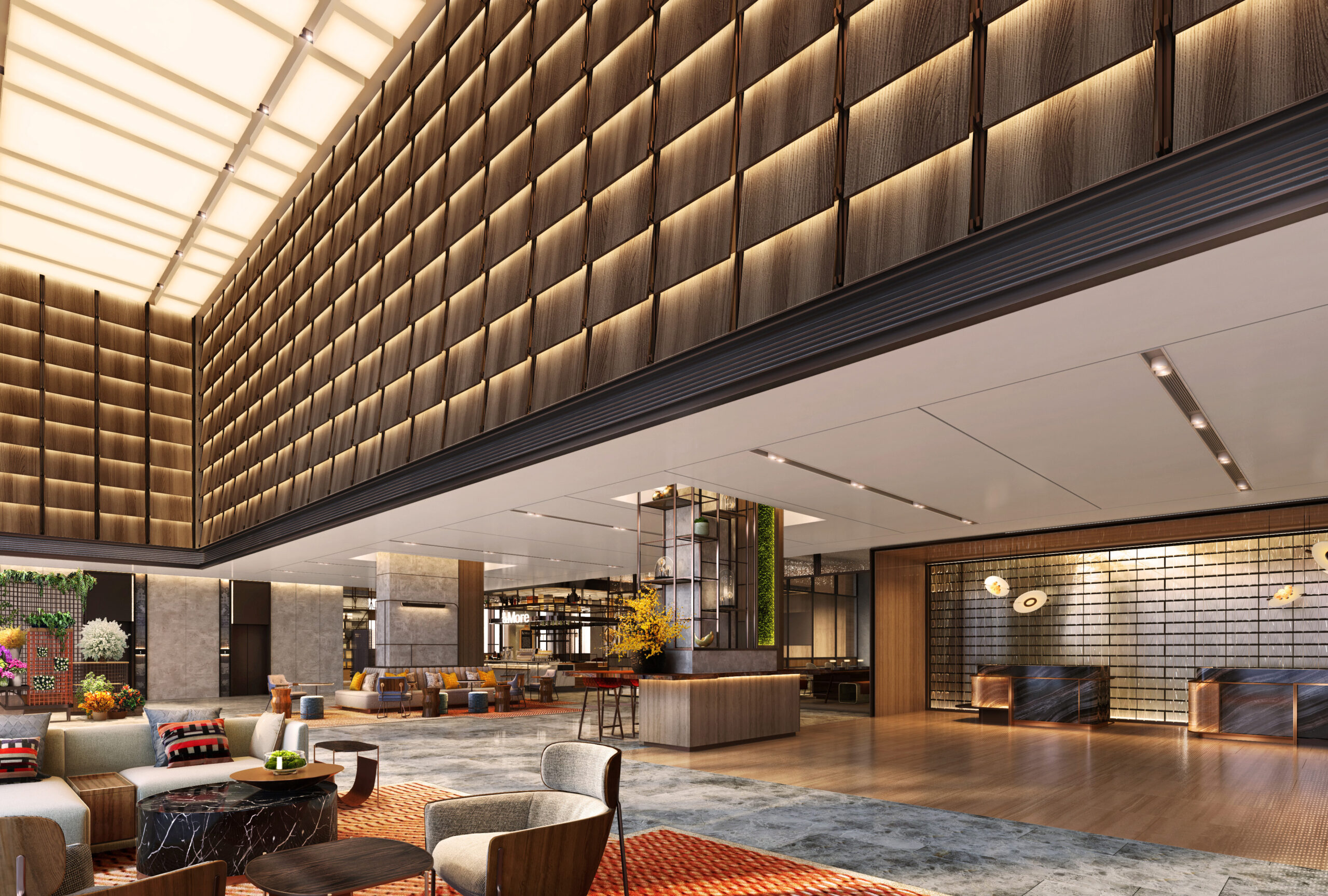
Sheraton Hotels & Resorts proudly announces the opening of Sheraton Kota Kinabalu, a striking destination set to redefine the hospitality landscape of Sabah’s capital city. Rising as one of the tallest towers in Borneo, the 307-room hotel is surrounded by the views of the South China Sea and the majestic Mount Kinabalu range.
“Kota Kinabalu is one of Malaysia’s most inspiring destinations, known for its rich heritage, diverse cultures, and extraordinary natural beauty,” said Ramesh Jackson, Regional Vice President, Indonesia & Malaysia, Marriott International. “The opening of Sheraton Kota Kinabalu marks an exciting milestone as we expand Sheraton’s community-focused design and signature experiences across key destinations in the region. This hotel is more than a place to stay – it’s a vibrant hub for travelers and locals to meet, collaborate, and discover the very best of Sabah.”
Sheraton Kota Kinabalu is located along Jalan Albert Kwok, just steps from the waterfront, retail, dining, and cultural attractions. Sheraton Club guests including Marriott Bonvoy Elite members, Club Floor guests, and Suite room guests can enjoy exclusive access to the Sheraton Club Lounge. The lounge features curated food and beverage offerings, premium amenities, enhanced connectivity, and provides guests 24/7 access to a private environment.
The hotel’s culinary venues serve as vibrant new gathering places in the heart of Kota Kinabalu:
Daily Social – A lively all-day dining venue serving global favorites and local specialities
&More by Sheraton – A dynamic fusion of a coffee shop, market stall, and laidback bar, where guests can seamlessly transition from a morning coffee to an evening cocktail
The Burger Box – A casual, creative space for handcrafted gourmet burgers, snacks, and quick bites
Rooftop Bar – Rising 100 meters above sea level, this stunning sky-high venue offers handcrafted cocktails and coveted views of the coastline, islands, and city skyline.
Designed as a premium destination for gatherings, Sheraton Kota Kinabalu also features an 703-sqm grand ballroom, four flexible meeting rooms, and collaborative event spaces ideal for conferences, celebrations, and milestone moments. Supported by state-of-the-art technology and Sheraton’s dedicated events team, these venues bring to life the brand’s belief – that the best work and the best memories happen when people come together.
The Wedding Pavilion, perched above the city with sweeping views of the sea and surrounding islands, offers a breathtaking backdrop for unforgettable ceremonies and celebrations.
Sheraton Kota Kinabalu participates in Marriott Bonvoy – the award-winning travel programme from Marriott International – allowing members to earn and redeem points for their stay at the new hotel, and at other hotels and resorts across Marriott Bonvoy’s extraordinary portfolio of brands. With the Marriott Bonvoy app, members enjoy a level of personalisation and a contactless experience that allows them to travel with peace of mind.
For those who are keen to be part of the hospitality industry and the real estate market, Big Tiny presents a truly unique proposition that will unlock long-term financial value through sustainable living experiences. Launched in 2017 by Singaporean entrepreneurs Adrian Chia, Dave Ng and Jeff Yeo, Big Tiny’s robust business model has been making waves in the eco-tourism sector while steadily gaining strides in the real estate market.
Big Tiny’s products are statements made on behalf of eco-tourism. Each tiny house is built using light gauge steel (LGS) frames that are stronger and fully recyclable. Its exterior cladding combines wood plastic composite (WPC) and aluminium for superior weather resistance, insulation and recyclability, while interiors feature WPC made from recycled bamboo fibre and PVC for long-lasting quality. Eco-friendly materials such as stone plastic composite (SPC) flooring and mineral wool insulation further enhance energy efficiency, fire safety and indoor air quality.
Designed with a minimal carbon footprint, these modular units are easy to assemble and require no permanent foundations, reducing environmental disturbance.
A tiny house is a compact dwelling measuring under 400 square feet in size and up to 4.2 metres in height. It may be constructed on a fixed foundation or mounted on a trailer base, offering flexibility in placement. The unit can operate off-grid or be connected to conventional power supply, and is equipped with a composting toilet, with the option to connect to a standard sewage system if required.
A Well-Structured 3-Way Ecosystem
Big Tiny operates on a vertically integrated, asset-light model that combines hospitality, property technology and sustainable tourism. Operating from an end-to-end capacity, the company ensures that its internal arms are specialised in every aspect of the process. Its tiny houses are designed and built by Build Tiny, the innovative arm that pioneered the Tiny House Recreational Vehicle (RV) industry. Then it moves to the Tiny Away platform, which is responsible for listing and marketing all tiny houses, alongside other major booking sites.
Big Tiny brings together landowners, tiny house owners, and travellers within a thoughtfully designed alternative accommodation ecosystem. Landowners can monetise their land with minimal capital outlay by hosting guests and offering curated, meaningful experiences, while tiny house owners benefit from a fully managed, hassle-free model that delivers professional maintenance, global exposure through Tiny Away, and attractive annual returns with clear exit options. For guests, Tiny Away offers immersive nature-based stays across 16 countries, providing distinctive settings that encourage rest, reflection, and a deeper reconnection with what truly matters.
Flexibility at its Best
Tiny house owners can be assured a peace of mind as the tiny houses are modular and relocatable. This means that if there is a change in regulations, these properties can be moved to another location and it is essentially business as usual. Big Tiny will be part of the process in sourcing for another location as well as moving the property for the tiny house owner.
Big Tiny also ensures that the company further mitigates these risks through strong stakeholder relations—it works closely with local councils, tourism authorities and land partners to stay within compliance policies for smooth operations.
Tiny house owners can retain full ownership of their assets which can be relocated, easily repurposed or sold, while landowners can opt for clear exits at the end of the agreed terms with the ability to renew, transfer or conclude their participation.
This flexibility is placed to ensure that all parties have control and choice while maintaining Big Tiny’s ecosystem.
Calling Malaysia Home
Big Tiny entered the Malaysian market in 2022, making it viable for Malaysian to be part of its hospitality and real estate eco-system. Locally, the brand continues to solidify its brand presence through its 2025 collaboration with IOI Properties Group Berhad. Aligned with the Group’s sustainability values, Big Tiny has deployed two of their tiny houses at the Amigo Club @ 16 Sierra, slated to enhance guests’ experience with the clubhouse’s amenities.
Big Tiny was founded on a simple but ambitious purpose: enable people to rediscover the joy of simple living while protecting the landscapes that make these experiences possible. Since introducing its first tiny houses in Australia in 2017, the Singapore-born brand has grown across the region—including Malaysia—championing a model of tourism that treads lightly yet delivers enriching experiences.
Sustainability was not an afterthought for Big Tiny. From the beginning, its founders set out to reimagine how people can experience travel by creating a model that reduces impact, restores balance and reconnects people with nature. This experience is made accessible through its Tiny Away booking platform, where travellers discover curated eco-conscious stays across the region.
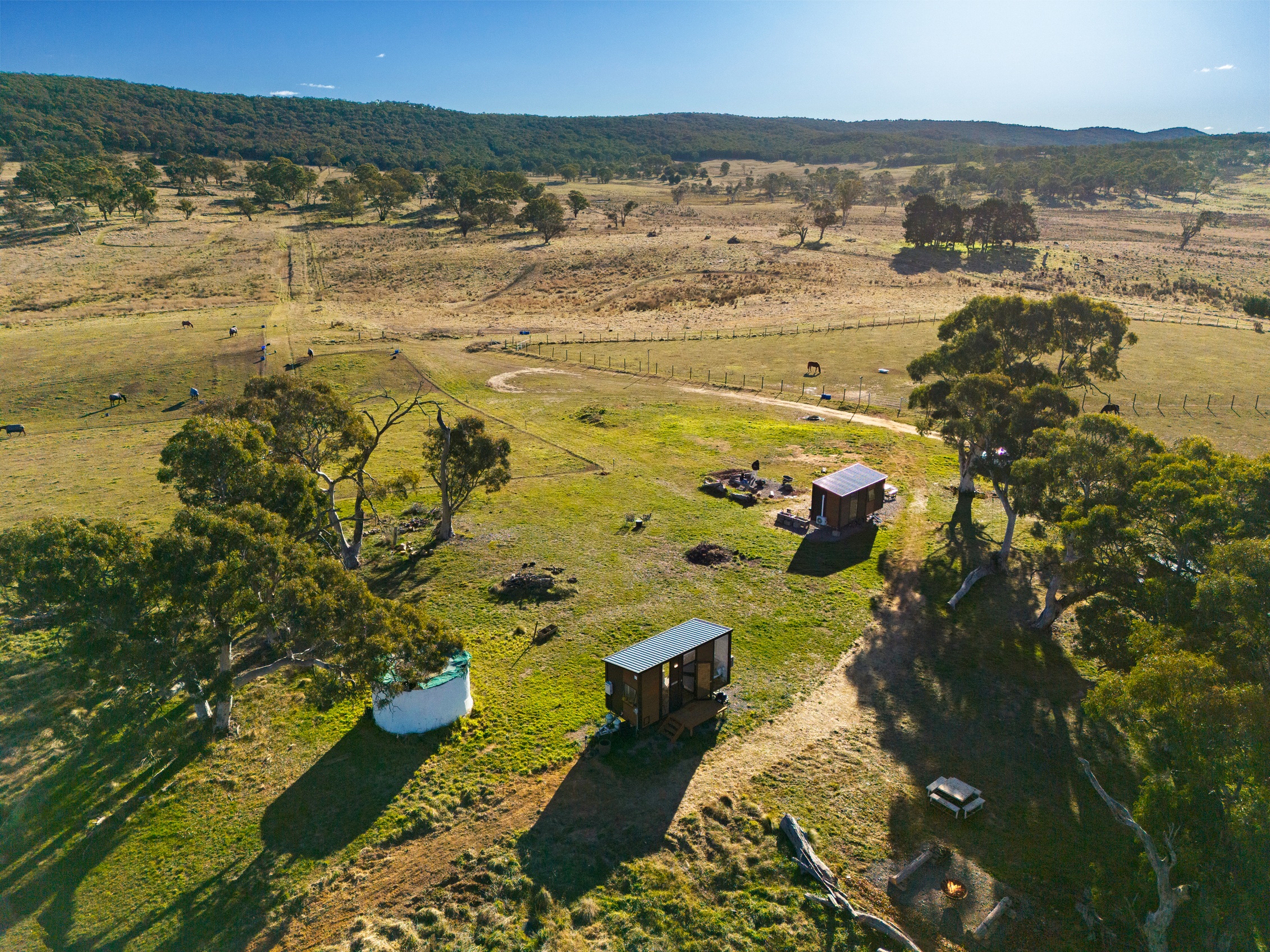
Tiny houses seamlessly blend with nature.
Big Tiny believes that its products can assist in making better use of land, limit overdevelopment and offer a meaningful alternative to the resource-heavy, high-footfall model of mass tourism. The company does so via thoughtful systems including the way its tiny houses are built and deployed to how resources are managed, its partnership with landowners and engagements with the local communities. Every tiny house is built with light gauge steel, durable composite materials and modular construction to reduce waste. Across its global portfolio of more than 650 units, off-grid and hybrid models rely on solar energy, rainwater harvesting and composting systems, ensuring minimal disturbance to the land.
“We view our efforts as part of an evolving commitment to operationalise sustainability and accountability, and we are confident that with consistency and improvements, a better tomorrow is within reach,” – Adrian, CEO and Co-Founder, Big Tiny.
In 2025, Big Tiny advanced this promise by achieving Global Sustainable Tourism Council (GSTC) recognition for its Lazarus Island project, with more sites worldwide aiming for certification by 2026. Building on this achievement, Big Tiny is also working towards including its other global projects under the GSTC Industry Criteria for Hotels certification by 2026, for a consistent benchmark across its portfolio. Additionally, it has also initiated environmental impact assessments at Grampians Edge and Granite Belt in Australia.
One with nature, sustainable living in tiny houses.
Big Tiny’s impact extends beyond environmental stewardship as everywhere the brand sets foot in, it believes that local relevance and global consistency can co-exist. Its tiny houses support local economies by engaging over 1,200 stakeholders—from land hosts to owners—and partnering with 300 organisations. The company also collaborates with local artisans, brands, producers, merchants and landowners to infuse authenticity into each stay—whether through region-specific furnishings, community partnerships or curated experiences.
Soon, the brand looks to strengthen its advocacy for regenerative tourism, as guests’ sustainability expectations continue to rise. Efforts in the pipeline include increasing its green procurement with a goal of ensuring at least 15% of materials come from recycled sources by 2030. Big Tiny is also exploring solar-wind hybrid systems that can generate power even at night which will increase the usage of natural sources by another 10%, come 2030. It is also exploring ways to adopt even more energy-efficient appliances to further reduce overall consumption.
For Malaysia, Big Tiny looks to offer a sustainable alternative to traditional travel experience by activating underutilised rural or natural spaces, converting them into low-impact, eco-conscious getaways. With abundance of land and natural landscapes, Big Tiny sees vast potential for growth while simultaneously playing a role setting a benchmark for the country’s eco-tourism landscape and in time, shaping its regenerative tourism industry. Malaysians can also purchase entire tiny homes or share ownership, enjoying passive income from these sustainable stays.
All tiny houses are listed for stays through Big Tiny’s Tiny Away platform (tinyaway.com), alongside other major booking sites.
NCT Group of Companies (NCT Group) marks a significant double milestone — the launch of its maiden RM1 billion Sukuk Wakalah Programme, with Maybank participating in the first tranche up to RM390 million in unrated Sukuk, alongside the ground-breaking ceremony for Phase 2 of its flagship NCT Smart Industrial Park (NSIP) in Selangor.
The award-winning developer established the RM1 billion Sukuk Wakalah Programme to enhance funding flexibility for its working capital needs and support the Group’s long-term growth strategy, while broadening its access to the domestic debt capital market.
Dato’ Sri Yap Ngan Choy, Founder and Group Managing Director of NCT Group, said “We are delighted to work with Maybank as our valued partner in our Sukuk Wakalah Programme, a key initiative that strengthens our financial foundation. The Sukuk Programme will provide us with greater flexibility to pursue new opportunities, driving us into the next phase of growth as we continue to deliver developments that generate sustainable value for our stakeholders.”
The Group has appointed Maybank Investment Bank Berhad as the Sole Principal Adviser and Sole Lead Arranger for the establishment of the Sukuk Wakalah Programme, as well as the Sole Lead Manager for the first tranche of the unrated Sukuk.
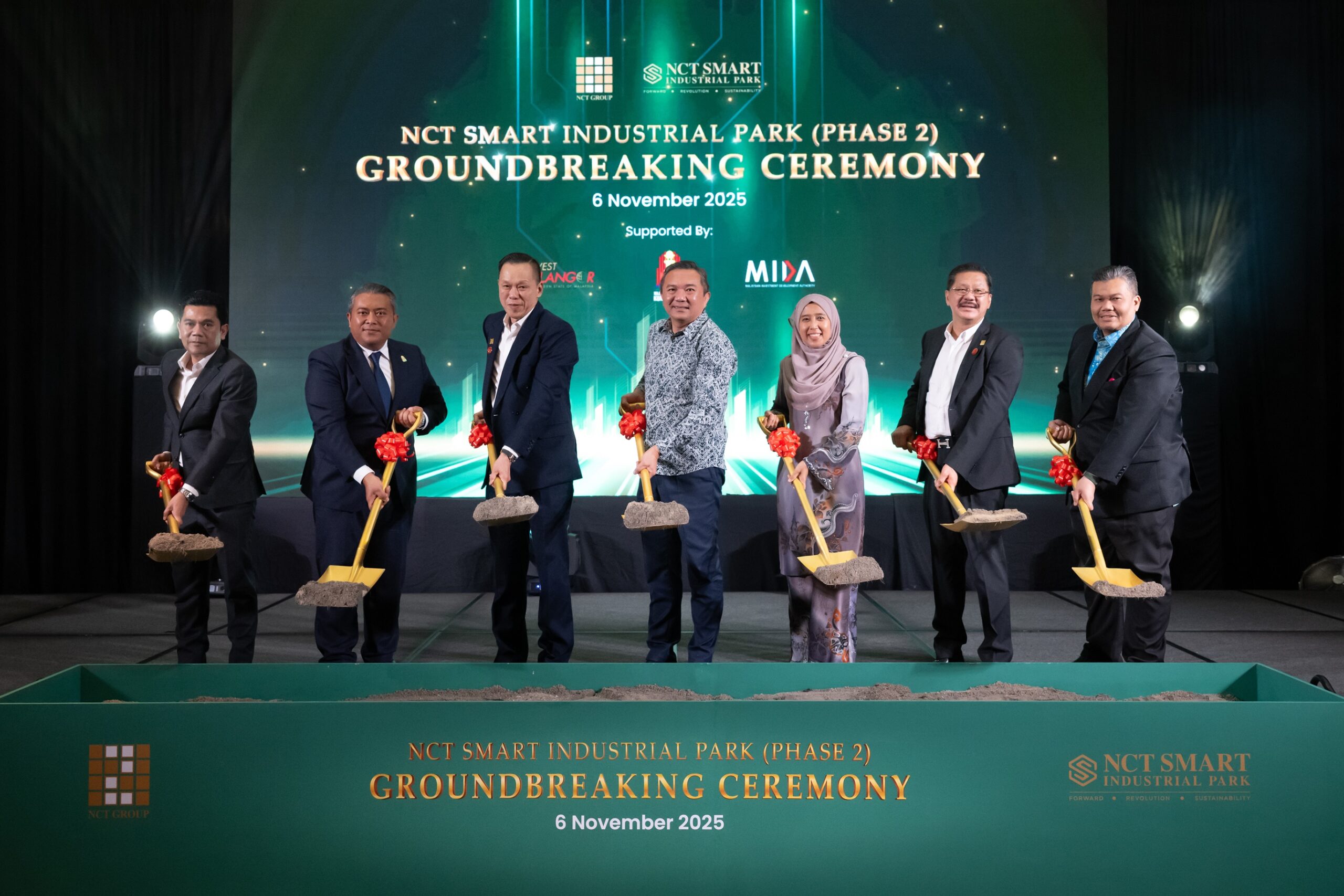
Following the Sukuk announcement, NCT Group also celebrated the ground-breaking of Phase 2 of its 732.5-acre NCT Smart Industrial Park (NSIP) in Selangor.
With a gross development value of RM2.5 billion, the ground-breaking of Phase 2 underscores NCT Group’s strong commitment to driving industrial transformation and promoting economic growth in the state through world-class development built on the pillars of innovation, digitalisation and sustainability.
The new phase will build upon the success of Phase 1, featuring similar industrial components with larger plots and enhanced infrastructure to meet the evolving needs of high-technology, logistics, and manufacturing industries. Maintaining NSIP’s core focus on smart and sustainability-driven development, Phase 2 will further strengthen the park’s integrated ecosystem with improved connectivity, upgraded utilities, and advanced digital systems that support automation and future-ready operations for long-term industrial growth. Completion of Phase 2 is scheduled for 2029.
Dato’ Sri Yap added, “Another key milestone has been achieved today with this ground-breaking. Given the scale and expectations of this project, we are determined to ensure that each phase is completed well within its timeline as we continue to shape the nation’s industrial future. This next chapter brings us closer to realising a smart, sustainable, and globally competitive ecosystem that will elevate the sector.”
Located within the Integrated Development Region in South Selangor (IDRISS), NSIP is NCT Group’s flagship project and one of Malaysia’s most advanced managed industrial ecosystems that is redefining industrial development in the region while meeting global ESG standards. Once fully developed, NSIP will serve as a key catalyst for the progress of Selangor and the broader IDRISS corridor.
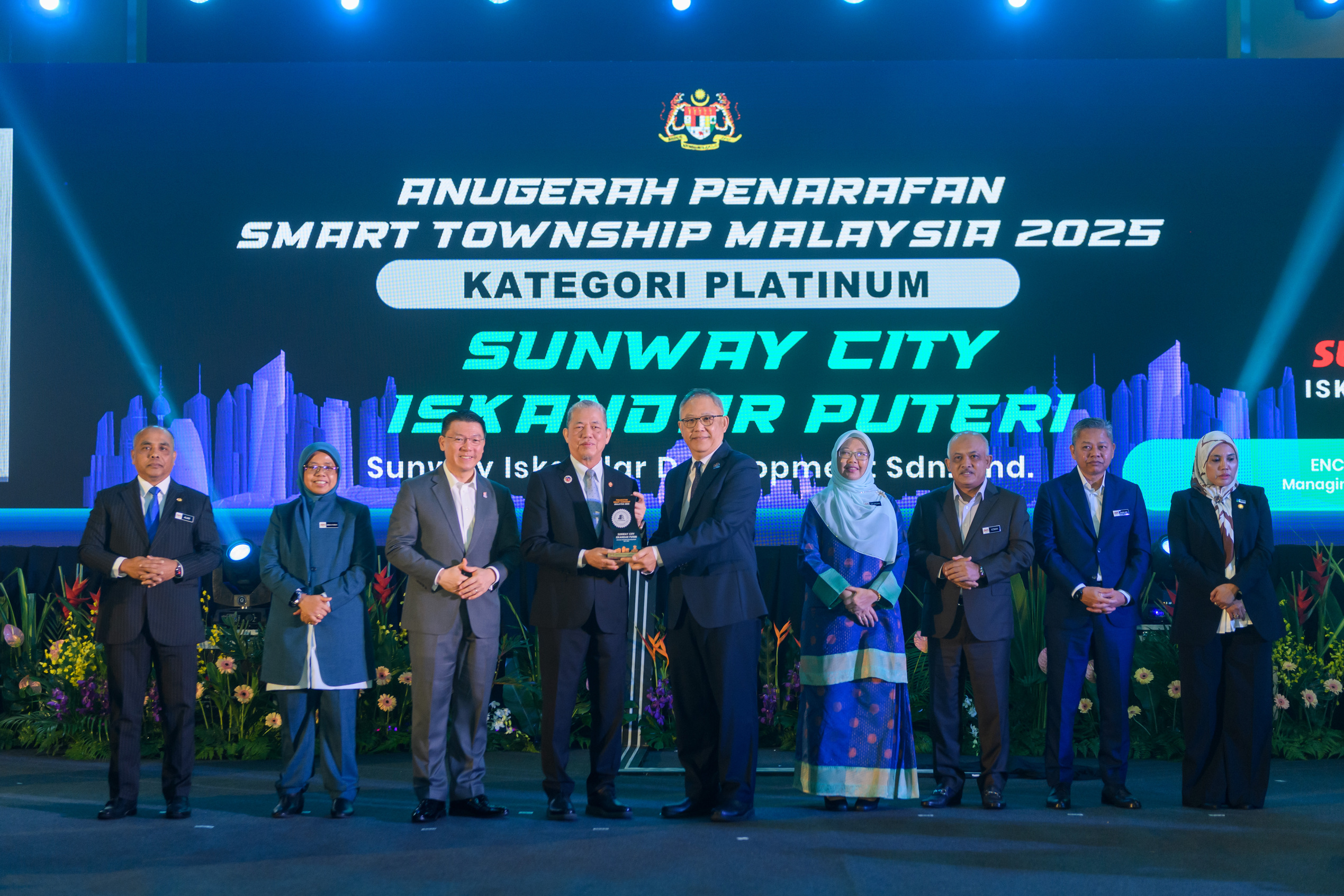
Sunway City Iskandar Puteri (SCIP) has won Platinum distinction at the Smart Township Malaysia 2025 Awards organised by PLANMalaysia (Jabatan Perancangan Bandar dan Desa) under the Ministry of Housing and Local Government (Kementerian Perumahan dan Kerajaan Tempatan [KPKT]), ranking first among 15 participating townships nationwide.
This milestone marks a historic achievement for Malaysia’s urban development landscape as for the first time, a developer-led township has earned Platinum recognition in a programme traditionally reserved for local councils and government agencies.
The Smart Township Malaysia 2025 Awards operate under the Rangka Kerja Bandar Pintar Malaysia (2019–2025), the national benchmark for smart city implementation aligned with Malaysia’s Smart Nation 2040 vision. PLANMalaysia’s evaluation framework – under the Malaysia Standard ISO 37122:2019 – assesses the performance and level of the townships’ initiatives and implementation against seven key pillars: Smart Government, Smart Economy, Smart People, Smart Living, Smart Mobility, Smart Environment, and Smart Digital Infrastructure.
Chung Soo Kiong, Managing Director of Sunway Property, highlighted that the “This Platinum recognition reaffirms Sunway Property’s leadership in driving Malaysia’s next generation of smart townships. Through Sunway City Iskandar Puteri, we’ve successfully brought to life the seven key pillars set by PLANMalaysia of what a truly integrated, future-ready community is. By harnessing the power of AI, technology, and sustainability, we’re creating connected ecosystems that learn, adapt, and thrive — a model for the smart townships of today and tomorrow.”
Gerard Soosay, Chief Executive Officer of Sunway Property (Southern Region), emphasised that sustainability and innovation has always been at the heart of Sunway’s development philosophy.
“At Sunway, sustainability is embedded into every aspect of how we design and build. As the Master Community Developer, our focus goes beyond infrastructure—it’s about creating smart, connected, and inclusive townships that elevate the quality of life for our community. Sunway City Iskandar Puteri reflects this long-term vision, where smart technologies, digital systems, and sustainable design work hand-in-hand to build resilient communities and a better future for generations to come.”
This Platinum distinction positions Sunway City Iskandar Puteri as the blueprint for Malaysia’s next generation of smart and sustainable townships, showcasing how developer-led innovation can complement national urbanisation goals. The recognition also reinforces Sunway Property’s strategic alignment with Malaysia’s Smart City Malaysia 2.0 and Smart Nation 2040 frameworks, opening new avenues for collaboration with federal agencies and setting the pace for sustainable urban transformation.
NCT Group of Companies (NCT Group), in collaboration with Northern Gateway (NGX) has launched the NCT InnoSphere, the first certified project of its kind to be built in the Delapan Special Border Economic Zone (SBEZ) in Bukit Kayu Hitam, Kedah. The project leverages NCT Group’s expertise in bridging technology advancement with environmental sustainability to create an industrial park set to attract global investors and next-generation industries.
NCT InnoSphere, spanning across 137 acres of free zone land, is being developed in partnership with NGX, a wholly owned subsidiary of Minister of Finance Inc. (MOF Inc.) and master developer of SBEZ. The development comes on the heels of the NCT Smart Industrial Park (NSIP) in Selangor, launched by NCT Group in 2023, Malaysia’s first certified MIP, which achieved 80% sales in Phase 1 and is set for vacant possession in Q4 2025. NSIP has been recognised for its green-oriented design and innovation, including a Five‑Diamond rating under the Low Carbon Cities 2030 Challenge for its exemplary low-carbon design, the StarProperty Excellence in Business Estate Award for best industrial park development, and the Asia Pacific CEO Sustainability Awards 2025 for sustainability leadership in industrial development.
Dato’ Sri Yap Ngan Choy, Founder and Group Managing Director of NCT Group, said, “We are honoured to work alongside the Kedah State Government and NGX on this transformative, world-class initiative. NCT InnoSphere will not only unlock long-term economic value creation for the northern region, it will support national efforts to diversify logistics channels and facilitate seamless trade access among regional markets.”
Under the Joint Development Agreement, NCT Group is responsible for the full delivery of the project, including planning, construction, and ecosystem development. NGX, as landowner and facilitator, will oversee the primary infrastructure works, utility provisions, and regulatory coordination to ensure smooth project execution.
Its strategic location adjacent to the Malaysia-Thailand border and in close proximity to Penang Port, positions NCT InnoSphere as a vital land access trade gateway for the Northern Corridor, while also serving as a hub for key industries including logistics, automotive supply chains, food manufacturing, digital and smart technologies, advanced manufacturing, and agriculture and bio-industries.
Dato’ Sri Yap added, “Our second MIP is a strategic leap forward in our commitment to help shape Malaysia’s industrial future with a high-impact ecosystem. NCT InnoSphere is designed to harness the strengths of cross-border trade, logistics efficiency, and smart infrastructure, creating a significant platform for advanced industries such as semiconductors, electrical and electronics, and smart logistics to flourish. As with NSIP, our goal is to foster a resilient environment on a foundation of digital readiness and innovation.”
Razwin Sulairee Hasnan Termizi, Group Chief Executive Officer of NGX further added: “NCT InnoSphere is built at the Zero Mile Zone, the very first point of Malaysia’s supply chain. Each year, nearly 1.3 million trucks cross at Bukit Kayu Hitam–Sadao, carrying close to RM70 billion in annual border trade, making InnoSphere the first touchpoint for consolidation, light assembly, or full-scale manufacturing. This creates what we call the First Load Advantage, where investors capture value in the first mile, as every truck and shipment that flows south begins its journey here. As part of Delapan, InnoSphere also sits at the convergence of more than 60 Free Trade Agreements (FTAs), giving investors seamless access to regional and global markets. Penang becomes a natural stop along a one-flow corridor that ultimately leads to Singapore. Backed by the Bukit Kayu Hitam Inland Port (BKH ICD) and strengthened by Thailand’s role as Malaysia’s natural value chain partner, InnoSphere is an industrial park that will define the cost of supply chains to be competitive, directly tied to the cross-border flows that already drive this region’s economy.”
NCT InnoSphere is planned as an eight-phase development, with each phase equipped with a mix of industrial, commercial, and support components to efficiently facilitate operational, trade and manufacturing activities. The development will feature over 230 units, including semi-detached, detached, cluster, terrace, and built-to-suit configurations, designed to accommodate diverse business needs across sectors, with an estimated Gross Development Value (GDV) of RM1.10 billion.
With a Silver Provisional GreenRE Certification in hand, NCT InnoSphere is the first MIP in Northern Malaysia with this distinction. Aligned with NCT Group’s longstanding sustainability drive, the project will incorporate features that promote environmental responsibility and greener operational efficiency in forward-thinking industrial layouts.
NCT InnoSphere will be a catalyst for industrial advancement in the Northern Corridor. Through its Free Zone designation and collaboration with agencies like MIDA and NCER Malaysia, NCT InnoSphere will provide investors duty exemptions, streamlined customs processes and access to cross-border incentives. Additionally, a dedicated one-stop centre within the park will offer integrated investor services, including licensing support and coordination with relevant government agencies.
Barry Callebaut Group, the world’s leading manufacturer of high-quality chocolate and cocoa solutions, and A.P. Moller – Maersk (Maersk), an integrated logistics company, proudly celebrate the official opening of their Built-To-Suit cocoa bean warehouse in Pasir Gudang, Malaysia. The two companies had entered into a decade-long partnership in 2023 to build and operate this facility.
This is the first multi-storey ramp-up facility in Pasir Gudang, built specifically to store cocoa beans. Spanning over 600,000 square feet, this makes it one of the largest cocoa bean storage facilities in the Asia Pacific region. With a capacity to hold nearly 40,000 MT of cocoa beans, the warehouse is purpose-built to support an integrated supply chain and designed for operational efficiency and responsiveness. It is fully equipped with advanced technology including Maersk’s latest Warehouse Management System, which enables real-time inventory tracking, optimized workflows and enhanced data visibility. It also contains features such as LED lighting, and natural ventilation to reduce energy use.
“This new facility is aligned with the Ministry of Plantation and Commodities, and the Malaysian Cocoa Board national agenda, to strengthen the Agri-commodity sector in this region. It is to sustain our momentum, boosting competitiveness, and reinforcing Malaysia’s stature on the global cocoa map,” said Datuk Dr. Ramle Hj Kasin, Director General of the Malaysian Cocoa Board.
Strategically located near the Port of Tanjung Pelepas, one of Malaysia’s key maritime gateways, and just one kilometer from Barry Callebaut’s cocoa processing factory in Pasir Gudang, the facility is ideally positioned to support both regional and global supply chains. It will serve as a key storage hub for cocoa beans sourced from around the world, including Africa, Latin America, and Asia, supporting the growth ambition of Barry Callebaut to satisfy customers requirements across Asia and beyond.
“This facility is a game-changer for our supply chain in Asia Pacific,” said Alain Freymond, President, Global Cocoa at Barry Callebaut. “In today’s environment, where managing the cocoa value chain has become more critical than ever, it gives us greater control over bean quality and enhances our ability to serve customers across the region with speed and precision. Our partnership with Maersk continues to grow, and this warehouse reflects our shared commitment to building a resilient and future-ready logistics network.”
Since 2022, Maersk has supported Barry Callebaut’s supply chain from cocoa-growing origins globally to processing sites in Asia Pacific through integrated ocean and landside logistics services. In Malaysia, this includes the import of cocoa beans via shipping through the Port of Tanjung Pelepas and trucking services between the port and the warehouse.
Ditlev Blicher, President Asia Pacific at Maersk, commented, “We’re thrilled to celebrate the opening of Barry Callebaut’s new warehouse in Malaysia. Our end-to-end logistics solutions are designed to empower Barry Callebaut with greater supply chain visibility, efficiency, and control—helping them respond faster to market needs and deliver outstanding service to their customers. We look forward to growing together and supporting their continued success with innovative, reliable logistics.”
The official opening ceremony of one of the largest cocoa bean warehouses in Asia Pacific brought together leaders from both organisations, local stakeholders, and partners to celebrate this milestone and reaffirm their commitment to innovation, sustainability, and growth in the region.
The Big Tiny story started in 2016, during Adrian’s family trip along Australia’s iconic Great Ocean Road. As his family journeyed through the coastal vistas and rural retreats, an idea began to take shape: What if this sense of calmness could be made accessible to others, anywhere in the world through sustainable and mobile living?
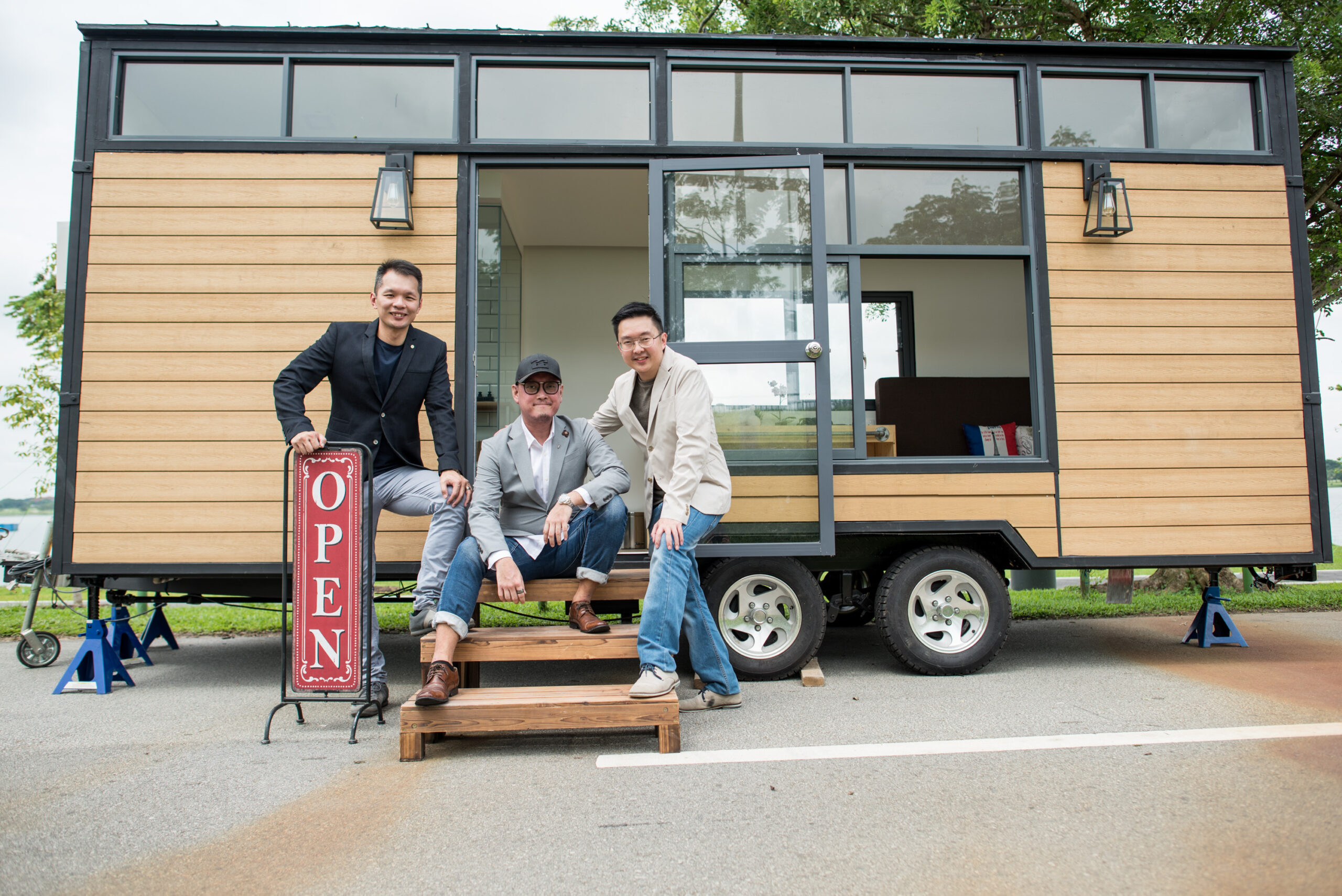
Pioneering eco-friendly getaways: Dave Ng, Adrian Chia and Jeff Yeo.
Upon returning to Singapore, Adrian shared his idea with two long-time friends and soon-to-be co-founders at Big Tiny, Dave Ng and Jeff Yeo, both former Singapore Army and Navy scholars respectively. Together, they envisioned crafting tiny houses on wheels that would bring this same restorative clarity to others while simultaneously empowering communities.
A Product Designed for Shared Success
Comfortable and cosy – inside a quaint tiny house.
Big Tiny was officially launched in 2017. Its product derives from a simple concept which made perfect sense—travel and leave a positive impact on a place and its people.
The founders believe that the modern life-style, for all its conveniences, often distracts people from the basics—nature, simplicity and meaningful moments. With that, its brand mandate is centred around helping people to reconnect with themselves and nature.
The company and its products are defined by three robust core values:
Connection with Nature: Locations are carefully selected where guests can wake up to wide open skies, immerse themselves in pristine landscapes and experience the quiet beauty of the outdoors. Big Tiny’s low-impact builds are designed to preserve the integrity of these natural environments.
Simplicity with Purpose: Every Big Tiny stay is intentionally minimal yet complete, removing the noise of modern living while ensuring comfort and functionality. From the design of tiny houses to the curated experiences offered, Big Tiny champions the idea that less can be more—more meaningful, more sustainable and more fulfilling.
Sustainability through Experience: Rather than preaching eco-consciousness, tiny houses invite its guests to experience it through the stillness of a stay, the satisfaction of living with less and the joy of discovering the surroundings. These tiny houses are not just a place to sleep; they are vessels for a lifestyle shift—subtle, but lasting.
These values are woven into the very fabric of a Big Tiny experience, from the layout of a tiny house to the way it partners with landowners and communities. Ultimately, the brand doesn’t just offer accommodation—it’s a chance to pause, reflect and return to what’s essential.
As a proud pioneer in this niche eco-tourism space, Big Tiny designs, builds and manages eco-conscious tiny houses on underutilised lands—transforming idle plots into revenue-generating destinations. These tiny homes are then placed within its Tiny Away web platform (tinyaway.com) for bookings, alongside 11 other online travel sites.
But the company doesn’t do it alone, of course, as it involves strategic partners along the process. Its ecosystem brings together landowners, tiny house buyers and travellers on a single beneficial model for all parties.
“Basically, there are three external core parties involved in the equation with us being the linchpin that pulls together everyone. Let’s say you own a piece of land which you don’t have any plans for but is the perfect spot for our tiny houses. So, hosting a tiny house on your land naturally unlocks a revenue stream for you while guests can have access to a unique, nature-immersive stay. The landowners are not the only income earners; a tiny house buyer too can earn passive income through our tiny house sale and management programme,” explained Adrian.
As for Big Tiny, it holds critical roles for its end-to-end capability—from land activation to architectural design to operations—the company’s full-stack solution gives it greater control over quality, scalability and sustainability. Big Tiny’s position as a curator of experiences evokes emotional resonance for guests, backed by operational efficiency and proven returns. This is what truly sets Big Tiny’s unique selling proposition.
Apart from being positioned as an accommodation, tiny houses too can function as:
A comfortable home office, studio or workshops venue.
An outstanding pop-up cart or a Farmer’s Market Stall.
A guest house or even a holiday home—an affordable luxury indeed!
Tiny Houses Everywhere!
A tiny house perched on the pastures of Glenlyon, Australia.
Since its first in Australia, Big Tiny is gradually taking over the globe, despite its business being disrupted during the pandemic. Today, the brand operates in Australia, New Zealand, Japan, Malaysia, Taiwan, Singapore, China and Europe, building a thriving ecosystem and establishing itself as a key player in the alternative accommodation space. In many ways, Big Tiny has exceeded its initial expectations for brand traction, buyer interest and global reach.
Scattered across 19 countries, each market presents its own unique landscape and audience for the tiny home experience:
In Australia where its journey began, the concept of tiny house strongly resonates with both domestic and international travellers seeking authentic, nature-based getaways. The expansive rural terrain, paired with growing interest in sustainable travel, created a fertile ground for the brand to grow.
Big Tiny’s minimalist concept strikes a chord with New Zealand and Japan as it aligns with their respective cultural values—connection with nature through its refined, thoughtful designs.
A tiny house in Malaysia.
In Malaysia, the brand is seeing growing interest from both eco-conscious millennials and families looking for unique, short-haul experiences, especially as awareness of sustainability and experiential travel continues to rise. In December 2024, Big Tiny and IOI Properties Group Berhad embarked on a strategic collaboration with the placement of tiny homes at the Amigo Clubhouse @ 16 Sierra in Puchong. This partnership supports both entities’ environmental, social and governance (ESG) vision towards sustainable, eco-living, while offering guests immersive, nature-inspired experiences.
Singapore, despite being its headquarters and an urban market, has shown strong interest and demand for nearby, nature-based escapes—especially with Big Tiny’s expansion into Lazarus Island.
Europe’s entry has been more exploratory at this stage but promising, with pilot activations in scenic regions sparking conversation and demand for low-impact, mobile-friendly tourism infrastructure.
Additionally for this year, its footprint continues to expand with profound milestones achieved during the first half of 2025. Big Tiny has entered the China market beginning with Guangzhou, on top of enhancing its portfolio in Australia, raising its profile in Taiwan and Singapore’s Mandarin-speaking communities. Each presence and initiative are a bold move reaffirming the borderless resonance of sustainable, experiential-led travel.
Its official presence in China as one of Asia’s most dynamic tourism markets has generated strong traction through its tiny house owner-ship programme, and the brand is preparing for Shenzhen next.
Juggling Dream and Reality
Establishing Big Tiny came with its fair share of obstacles. While the concept made perfect sense, it was anyhow, one that was still nascent.
Adrian reveals its biggest road-block, “Convincing both ends of the spectrum—landowners and travellers—to embrace a new way of experiencing nature through compact homes on wheels against the backdrop of remote landscapes. As an unconventional and almost un-heard-of concept, it demanded persistence, thoughtful education and clear articulation of our vision to gain trust and build traction”.
It also stretched logistical capabilities as Big Tiny needed to source sustainable materials and design both on- and off-grid systems, all while ensuring regulatory compliance across different countries was met.
“With a problem-solving mindset, we undertook the strategy of engaging partnerships. Supported by the right parties, we were able to scale our vision—from securing scenic plots, refining operations, increasing footprints and delivering nature-based stays that integrate and balance eco-conscious values with comfort and accessibility,” said Adrian.
More importantly, Big Tiny resiliently kept to its belief that it wasn’t just building tiny houses, instead it is essentially reshaping human-nature interaction, one stay at a time. Naturally, this belief continues to drive the brand forward today.
The Next Big Tiny Stride
The future is promising, as the company believes that eco-conscious travel will shift from doing less harm to actively giving back.
“Our guests will continue seeking regenerative experiences that will positively impact local ecosystems and communities, and this movement is likely to grow amongst the travel community,” explained Adrian.
Big Tiny foresees travellers expecting:
Personalised Sustainability: Data driven choices (from energy use to local sourcing) tailored to each guest’s values.
Deep Cultural Immersion: Hands on conservation, farm-to-table dining and authentic storytelling with local partners.
Tech-enabled Transparency: Real-time carbon and water use tracking, renewable energy dashboards and blockchain-backed supply chains.
With its projection, Big Tiny is adopting a ‘living lab’ model to stay at the forefront of its game. This model is propelled by piloting various environmental technology solutions, circular material construction and AI-powered guest experience platforms.
Additionally, it continues to forge strategic alliances with conservation groups and smart-tech startups to co-create the next generation of tiny house modules that are not just low in impact but ultimately net positive.
At the end of the day, by continuously iterating on de-sign, embedding real-time sustainability and amplifying local community benefits, Big Tiny is positive that the brand will lead the transformation from eco-friendly stays to re-generative travel destinations.
For more information on Big Tiny, visit www.bigtiny.com.my.
This article is featured as the Cover Story for The SmartInvestor’s September/October 2025 issue.