Tag: electric vehicles

  • UMW Toyota Motor to support Ministry of Transport’s green mobility drive

    UMW Toyota Motor Sdn Bhd (UMWT) is taking a major step in driving Malaysia’s clean mobility transition through a strategic collaboration with the Ministry of Transport (MOT). UMWT has extended a fleet of electrified vehicles to the Ministry, bridging cutting-edge product innovation with public policy development.

    The fleet includes five advanced electrified vehicles comprising:
    • Three Hybrid Electric Vehicles (HEVs), namely the Toyota Alphard, Camry and Corolla Cross, and
    • Two Battery Electric Vehicles (BEVs), the Toyota bZ4X and Lexus RZ.

    This initiative enables MOT to evaluate the real-world practicality, performance and benefits of electrified mobility technologies in daily operations, offering critical insights to inform future planning and policymaking.

    “Malaysia’s journey to net-zero emissions by 2050 requires collaboration and action from all sectors,” said Datuk Ravindran K., President of UMW Toyota Motor. “Our support is beyond formality — it enables policymakers to experience the effectiveness of electrified vehicles first-hand. Toyota’s Multipathway approach is inclusive, practical, and tailored to Malaysia’s needs. This ensures that no one is left behind as we move toward a cleaner and more sustainable future.”

    This partnership reflects UMW Toyota’s belief that achieving carbon neutrality requires engagement at every level, from individual consumers to national institutions. By aligning with the National Energy Policy 2022–2040 and the National Energy Transition Roadmap (NETR), the initiative highlights how private-sector innovation can help translate national ambitions into practical, real-world outcomes.

    Bridging Innovation and Public Policy

    UMWT’s experience in hybrid technology reflects its commitment to delivering practical, scalable solutions that meet real-world needs. Through the deployment of its electrified vehicle line-up, UMWT is giving MOT officials the opportunity to experience infrastructure readiness, user interaction and operational dynamics across different electrification platforms. These first-hand learnings will support more informed and evidence-based policymaking as Malaysia moves toward a cleaner, more resilient mobility ecosystem. While full electrification remains a long-term goal, hybrid vehicles continue to offer a swift, accessible pathway to reduce emissions without placing excessive pressure on current infrastructure or consumer behaviour.

    “Hybrid technology continues to be a critical enabler in Toyota’s electrification strategy, especially for markets like Malaysia,” said Mohd Shamsor Mohd Zain, Executive Director of UMW Toyota Motor. “It offers immediate reductions in emissions without the need for sweeping infrastructure changes. This makes it ideal for building mass-market confidence while paving the way toward full electrification.”

    A Shared Commitment to Sustainable Progress

    The collaboration also supports the Low Carbon Mobility Blueprint 2021–2030, which targets 15% xEV adoption by 2030 and 38% by 2040. Through access to a range of electrified drivetrains, the Ministry of Transport can experience these technologies first-hand, offering valuable insights that can inform future planning and infrastructure readiness.

    This effort is part of Toyota’s Multipath way journey, which includes Hybrid and Battery Electric Vehicles (BEVs), as well as Plug-in Hybrids (PHEVs), Fuel Cell Electric Vehicles (FCEVs), and emerging technologies such as hydrogen and synthetic fuels. The company’s approach is grounded in a full well-to-wheel lifecycle view of emissions, ensuring that sustainability progress is meaningful, measurable and grounded in science.

    Rooted in UMWT’s “Move Your World” vision, the collaboration reflects a broader commitment to people-first innovation that delivers practical, inclusive and environmentally responsible progress. This vision is aligned with Toyota’s global mission to ‘Produce Happiness for All’ by creating mobility solutions that go beyond vehicles to improve lives, empower communities, and protect the planet. Through this initiative, UMWT is not only moving people – it is moving policy, mindset, and the nation forward toward a low-carbon, high-impact future.

    UMWT’s ongoing engagement with government, industry and the public is part of a larger movement to build a cleaner, more connected mobility ecosystem for Malaysia. From product deployment to policy dialogue and public education, UMWT continues to play a catalytic role in advancing the nation’s shift toward a sustainable transport future.
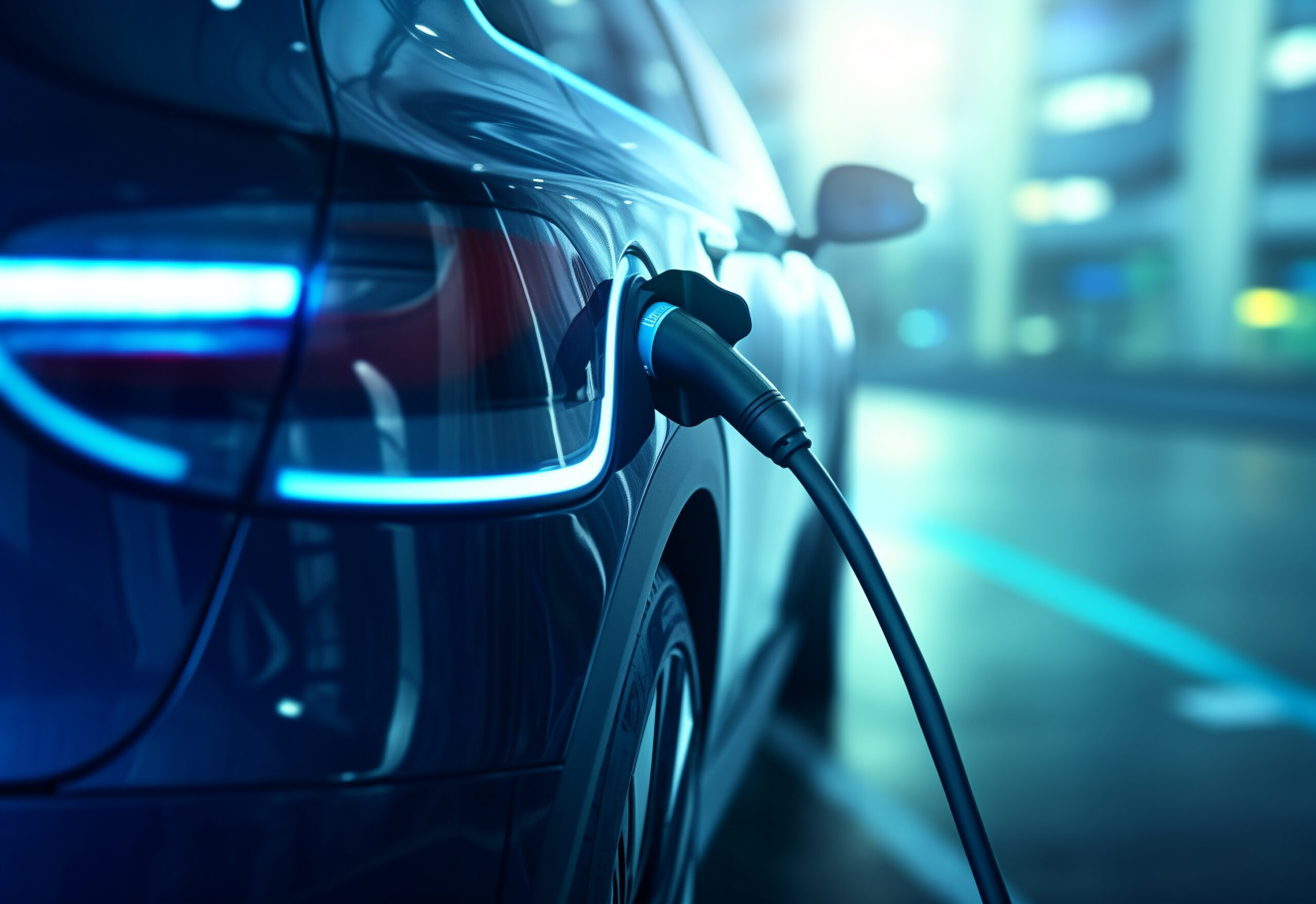
  • TCS Global Study: 64% of consumers likely to choose EV

    TCS Global Study: 64% of consumers likely to choose EV

    A new study by Tata Consultancy Services (TCS) (BSE: 532540, NSE: TCS), reveals that more than six out of 10 (64%) consumers are likely or very likely to consider an electric vehicle (EV) for their next purchase. The TCS Future-Ready eMobility Study 2025, a comprehensive report on how EVs are shaping the future of sustainable mobility, also highlights that while 60% of consumers said charging infrastructure was a major challenge, 56% were ready to pay up to $40K for an EV.

    This study surveyed over 1,300 anonymous respondents across North America (USA, Canada), United Kingdom & Ireland, Continental Europe (Belgium, Denmark, Finland, France, Germany, Netherlands, Norway, Sweden, Switzerland) and APAC (China, India, Japan, ANZ). The respondents for the survey included transport manufacturers, charging infrastructure players, fleet adopters, consumers and EV adoption influencers.

    Sustainability and lower operational costs were key factors driving EV adoption, according to the study. While consumers and influencers highlighted a clear motivation for EV adoption as ‘environmental sustainability’, the environmental benefits did not match the expectations of many EV influencers. Nearly 48% EV influencers said EVs increase the overall carbon output just as much as they reduce it, with 10% even saying EV adoption is negatively impacting the environment. Commercial fleets maintain a positive outlook towards electric mobility, with a sizable percentage—53%—pointing to reducing operational costs as a primary motivation. Fleet adopters were willing to pay a premium for EVs than for traditional internal combustion engine (ICE) vehicles.

    Despite the growing interest in EVs among consumers, significant challenges remain, particularly in the areas of charging infrastructure and technological advancements. While 74% of EV manufacturers said the lack of appropriate charging infrastructure remains the biggest obstacle limiting growth in the EV market, 55% have already started investing in innovation for battery technology advancements. Nearly 78% are making investments to reduce vehicle costs to cater to growing demand for EVs.

    Anupam Singhal, President, Manufacturing, TCS, said, “The EV industry is at a defining crossroad, navigating the complexities of scale and transformation. While nearly two-thirds of consumers are open to choosing electric for their next vehicle, manufacturers face challenges like advancing battery technology, complex vehicle designs, and production economics. At TCS, our Future-Ready Mobility vision focuses on creating an interconnected ecosystem powered by AI and Gen AI to drive smarter decision-making, enhanced customer experiences, and deliver scalable, sustainable solutions. By addressing these critical challenges, we are accelerating the global shift toward electrified and sustainable transportation.”

    The survey indicates that 90% of manufacturers believe that improvements in battery technology will enhance range and charging speed and will significantly impact the design and performance of EVs in the near term compared to other technological advancements.

    Key results from the survey, which can be found at TCS Future-Ready eMobility Study 2025, include-

    • 90% EV manufacturers and 84% of EV Influencers said battery technology improvements to optimise range and charging speed will have a large impact on design and performance of EVs
    • 74% of manufacturers believed charging infrastructure remains the biggest obstacle limiting EV market growth
    • 72% of EV charging infrastructure players are expecting significant mergers in the EV space driven by financial viability and scaling challenges
    • 41% consumers said that an acceptable EV range on a single charge is 200-300 miles, followed by 31% respondents who felt 300-400 miles is a better deal
    • 63% EV influencers said their primary motivation for EV adoption is to achieve net-zero goals and reduce carbon footprint
    • 55% of EV manufacturers are investing in R&D for battery technology advancements, while 78% are investing in vehicle cost reduction
    • 72% US consumers are likely or very likely to purchase an EV as their next vehicle, compared to less than 31% of Japanese consumers

    In a world quickly moving towards electric mobility, TCS’ vision for future-ready mobility combines technological innovation, strategic collaboration, and deep expertise to empower manufacturers and EV stakeholders to navigate change. TCS drives change across the mobility value chain, from vehicle design and gigafactory planning to digital platforms, generative AI, and personalised customer experiences. Focused on sustainable mobility and measurable value, it partners with customers to shape a bold, sustainable future.