Tag: healthcare

  • PMCK Berhad gains Bursa approval for ACE Market IPO listing

    PMCK Berhad gains Bursa approval for ACE Market IPO listing

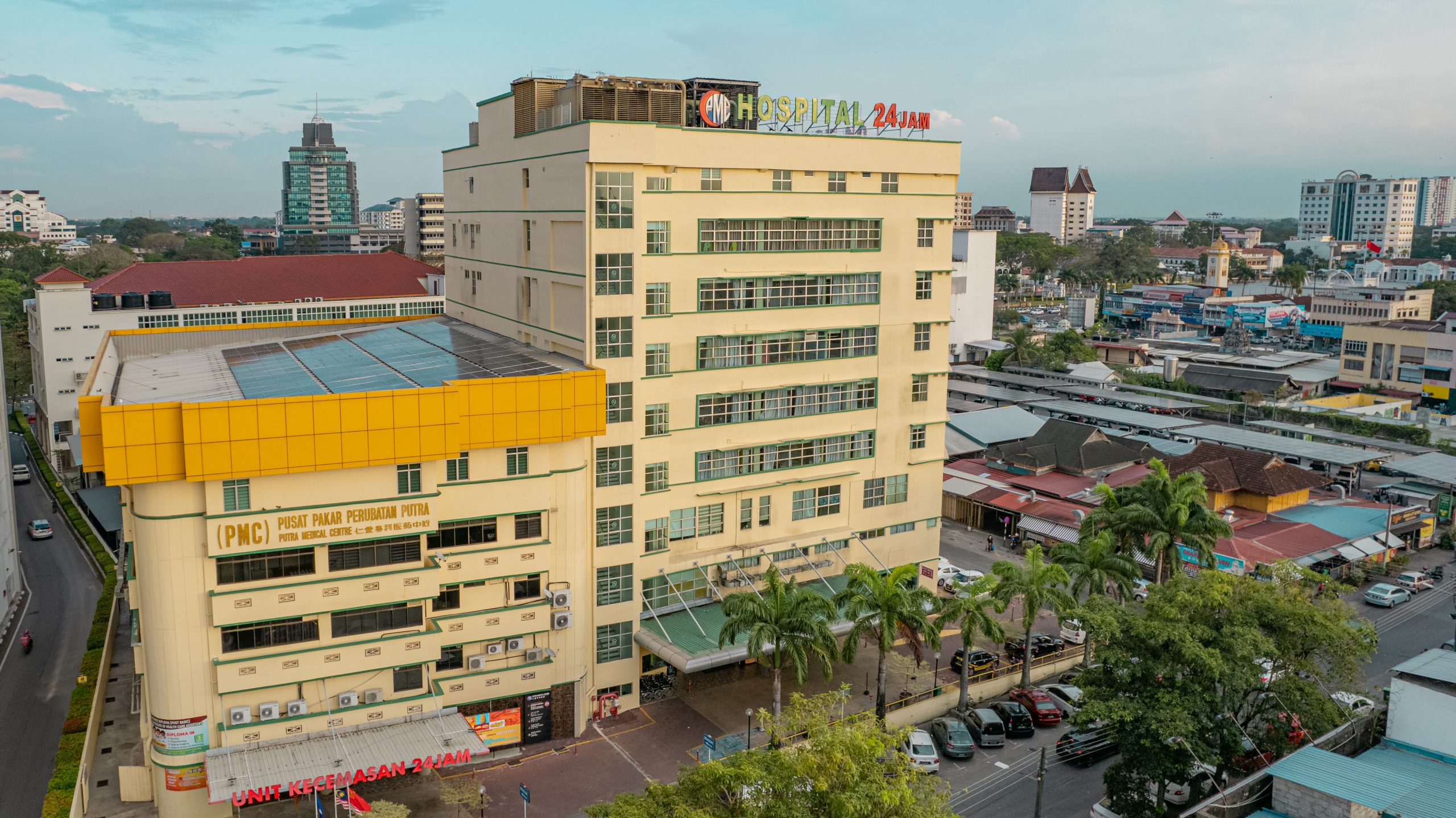
    PMCK Berhad (PMCK), a healthcare services provider in Northern Malaysia, has gained the approval of Bursa Malaysia Securities Berhad (Bursa Securities) to list on the ACE Market of Bursa Securities.

    This milestone underscores PMCK’s strategic focus on expanding its footprint through the development of PMC Kulim, a state-of-the-art private medical centre and mixed-use facility in Kedah, poised to address critical gaps in regional healthcare access.

    The IPO comprises 272.6 million new shares (25% of enlarged issued share capital), with proceeds allocated for:

    1. Repayment of bank borrowings for PMC Kulim’s construction
    2. Acquisition of equipment for PMC
    3. Estimated expenses related to the listing exercises

    “PMC Kulim is not just a hospital. We are a holistic ecosystem designed to elevate healthcare accessibility in the region,” said PMCK Berhad Managing Director, Dato’ Lee Gaik Cheng. “This listing enables us to accelerate our vision while maintaining financial discipline through strategic partnerships and streamlined operations.”

    PMCK reported robust FYE 2024 performance, with revenue rising to RM104.34 million (FYE 2023: RM99.85 million) and net profit climbing almost 40% to RM15.02 million, reflecting strong demand for its specialist consultant services and healthcare support services. The company’s existing PMC in Alor Setar has treated over between 115,000 patients and 128,000 patients over the past three FYEs 2022 to 2024, supported by 40 specialist consultants across 17 specialisations.

    Post-listing, PMCK will consolidate its other businesses in Kulim (Poliklinik Unik and Klinik Pergigian Unik) under PMC Kulim to enhance operational efficiency. The project’s mixed-use component is also expected to diversify revenue streams, contributing to long-term sustainability.

    “Our goal is to bridge the healthcare divide in the Northern region of Malaysia,” added Dato’ Lee. “The approval for our listing marks a significant milestone for PMCK Berhad and we are now poised to deliver world-class care closer to home.”

    Malacca Securities is the IPO’s principal adviser, sponsor, underwriter, and placement agent.

    The listing will propel PMCK’s RM193 million PMC Kulim project, a 12-storey medical centre integrated with a seven-storey mixed-use development (hotel, food court, and amenities). Slated for completion in Q1 2028, the facility will feature:

    • 90 in-patient beds (single and double rooms only), one endoscopic suite, one operating theatre, two labour rooms, two nursery units, and 15 specialist consultation clinics.
    • Strategic amenities for patients’ families and the public, managed by a third-party operator to ensure operational focus on healthcare.

    The project targets underserved populations in Kulim, Bandar Baharu, and neighbouring districts, where private healthcare infrastructure remains sparse.

    With only 7.72 private hospital beds per 10,000 persons in Northern Malaysia (versus 17.71 in Kuala Lumpur), PMC Kulim aims to alleviate the pressure on existing facilities while tapping into demand from Kulim Hi-Tech Park’s industrial workforce and growing middle-class communities.


  • Preventing Cardiac Catastrophe

    Preventing Cardiac Catastrophe

    Dr Chong Yoon Sin, a Consultant Cardiologist at ParkCity Medical Centre highlights the effects of heart disease and the importance of its prevention.

    Heart disease has long been acknowledged as a silent killer in Malaysia, affecting a large number of the population each year. According to the Department of Statistics Malaysia, heart disease is the main cause of death among Malaysians and has remained so for the past fifteen years. In 2019, 16,325 victims of heart attack made up 15 per cent of medically certified deaths. Furthermore, the onset age for heart disease has also alarmingly lowered in recent years, with the disease being the leading cause of death for people aged between 15 and 64 years old.

    Although there are many ways in recent years to catch heart disease quickly and ample treatment options available for patients, the adage “prevention is better than cure” holds true for the disease.

    Understanding Heart Disease

    Ischemic heart disease, also called coronary heart disease (CHD) or coronary artery disease (CAD), is the term given to heart problems caused by narrowed coronary arteries that supply blood to the heart muscle. A heart attack, or myocardial infarction, occurs when the blood supply to part of the heart muscle is severely reduced or stopped. This occurs when one of the coronary arteries is blocked by an obstruction, such as a blood clot that has formed on plaque due to atherosclerosis.

    Dr Chong Yoon Sin
    Dr Chong Yoon Sin

    When the blood supply is cut off drastically or for a long time, the heart’s muscle cells suffer irreversible injury and die, causing disability or death to the patient depending on how much of the heart muscle is damaged.

    “Sometimes, a coronary artery also temporarily contracts and goes into spasm, causing it to narrow and decrease or stop the blood flow to part of the heart muscle. The spasm can occur in blood vessels blocked by atherosclerosis or regular blood vessel, and when severe causes heart attack,” says Dr Chong.

    Effects of Heart Disease

    It is important to know the warning signs of a heart attack: chest pain, breathing difficulty, profuse sweating, giddiness, epigastric pain, and loss of consciousness. If you notice yourself or someone around you experience these symptoms, it is important to immediately rush to the hospital for treatment.

    “Upon treatment, recovering after a cardiac arrest is a process that requires patients to be committed to avoid a repeat of the incident. Most of the time, after a heart attack, there will be some degree of muscle damage. If the damage sustained by the heart is small, patients will be able to return to an almost normal life except for a stricter diet and medication. However, if the damage is significant, the heart will be weak, causing patients unable to exert themselves as much as they were able to before. Other effects even include breathlessness and inability to drink a lot of water immediately,” explains Dr Chong.

    Preventing Heart Disease

    In Malaysia, heart disease is proven to be caused by the sedentary lifestyle led by a large portion of the population. In addition, Malaysians are also prone to various heart disease risk factors, such as smoking, obesity, hypertension, diabetes, and high cholesterol.

    Many scientific studies show that certain characteristics increase the risk of coronary heart disease, with the four major modifiable risk factors being smoking, high blood cholesterol, high blood pressure and physical inactivity. It is crucial that people control their modifiable risk factors to keep heart disease at bay. Furthermore, if you experience chest pain continuously even if you practise a healthy lifestyle, it is vital that you pay a visit to the doctor.

    “Nowadays we’re seeing patients in their 30s with heart disease due to their lifestyle practices. That’s why I always emphasise on the importance of early detection by going for screenings especially if you have lifestyle or genetic risk factors. It is also important to lead a healthy lifestyle by always exercising at least 30 minutes every day, not smoking, practising a healthier diet by eating more vegetables, fruits, lean meat, fish, beans and so on. Also, cut down on high-fat food, always stay hydrated, and manage your stress better. Once you practise a healthy lifestyle and go for screenings consistently, you will be fine,” assures Dr Chong.

  • How COVID-19 Affected Our Favoured Investment Themes

    How COVID-19 Affected Our Favoured Investment Themes

    Schroders identifies eight themes that could transform the world, but how are these being affected by the coronavirus?

    At the core of thematic investing at Schroders is the belief that the most powerful and persistent investment themes are those where human ingenuity ignites innovation to address imbalances in the world. These imbalances may be between populations and resources, or between supply and demand in individual industries.

    As we all know, necessity is the mother of invention. As coronavirus throws the whole world into turmoil, humanity’s ingenuity and powers of innovation are being mobilised to fight the disease, care for our populations and adapt our work and home lives to a new set of economic, political and social realities.

    Covid-19 is exacerbating existing tensions between populations and finite resources and dislocating supply and demand relationships in countless industries. Bearing this is mind, we examine the impact of this crisis on the eight investment themes that we think have the potential to transform the world we live in:

    1.HEALTHCARE INNOVATION

    “Crisis highlights importance of healthcare innovation”

    This pandemic underscores the critical societal importance of healthcare innovation as countries seek to prevent and cure disease while wrestling with ongoing demographic and budgetary challenges. Central to our investment thinking in this area is the belief that science and technology will be crucial as companies harness data, computing power and medical knowledge to meet these goals.

    We believe this will drive further breakthroughs in advanced therapies, medical technology, and healthcare services as well as in digital healthcare where technology in the form of ‘telehealth’ has shown its worth during this crisis as a means of making healthcare provision more responsive and efficient. As governments realise their vulnerability to pandemics, the drive to spend more on healthcare in the future can only intensify.

    2.SMART MANUFACTURING

    “Smart manufacturing essential as demand fluctuates”

    Amid the acute demand and supply shock experienced by the global economy, manufacturers are also having to innovate. We expect to see companies developing local supply lines alongside their existing global networks while investment in data analytics will be imperative as a means of understanding and managing volatile demand and disrupted procurement in the future.

    Investment will also take place in other smart manufacturing themes, including advanced manufacturing such as 3D printing, automation in the shape of robotics, sensors and controls, and advanced materials like lightweight composites as companies harness exciting innovations in hardware, software and materials to deliver greater agility.

    While manufacturers face undoubted short-term headwinds, the disruption caused by Covid-19 demonstrates the importance of manufacturing innovation to ensure responsiveness and productivity in both good times and bad

    3.CHANGING LIFESTYLE

    “E-commerce and well- being are growing lifestyle trends”

    […continue to read this full article HERE ]