Category: events

  • ASEAN Foundation and Google.org drive AI literacy forward

    ASEAN Foundation and Google.org drive AI literacy forward

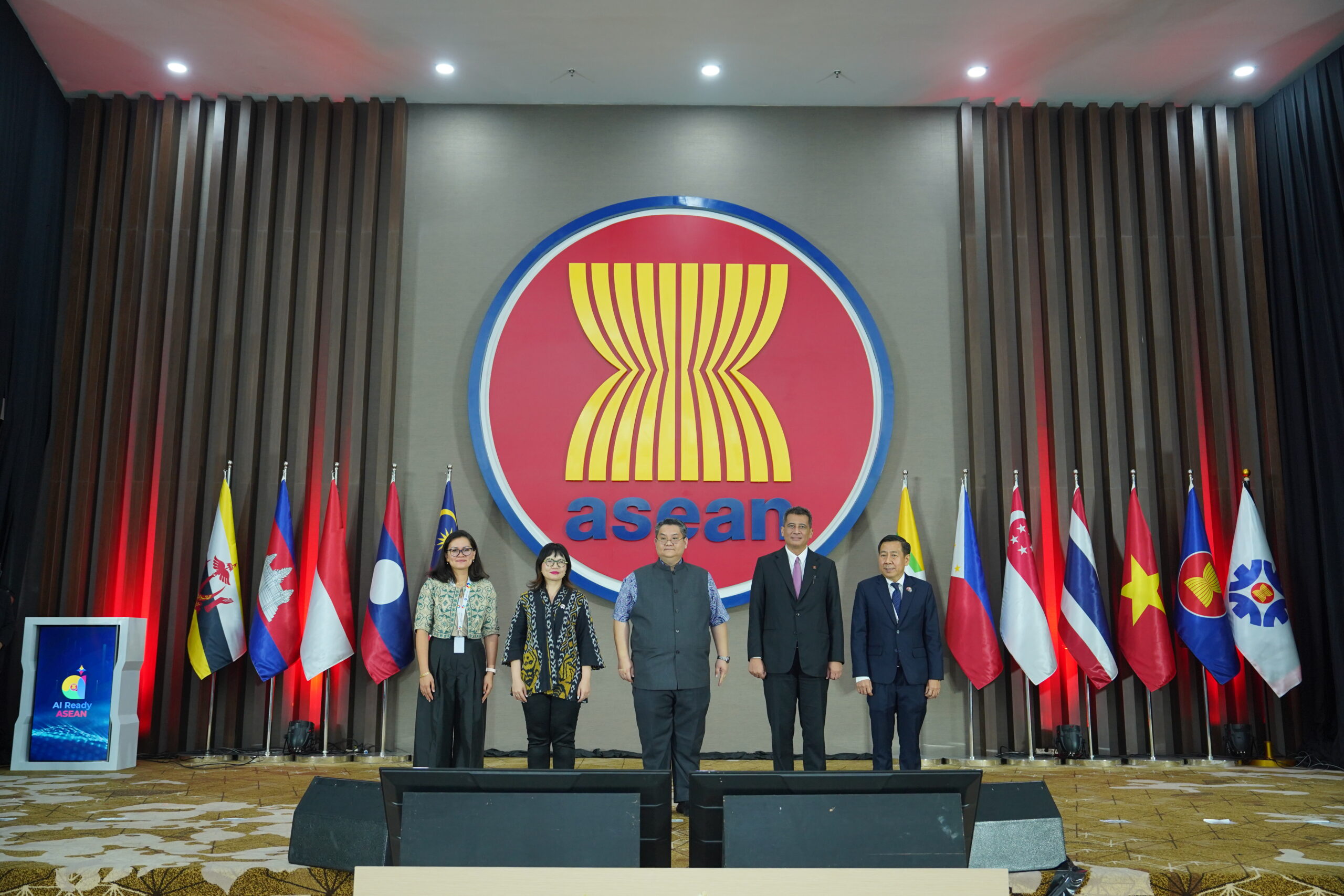
    The ASEAN Foundation, supported by Google.org, successfully hosted the 1st Regional Policy Convening of AI Ready ASEAN at ASEAN Headquarters/ASEAN Secretariat, Jakarta, Indonesia, on 12 February 2025. This event marked a significant milestone in the implementation of the AI Ready ASEAN initiative, a programme that aligns with Malaysia’s ongoing efforts to enhance artificial intelligence (AI) literacy and innovation.

    At the convention, policymakers, AI practitioners, and local implementing partners (LIPs) from across ASEAN explored collaborative approaches to developing regulatory frameworks and policy initiatives aimed at accelerating responsible AI adoption, bridging AI literacy gaps, and unlocking opportunities in Southeast Asia, which align with Malaysia’s National AI Roadmap.

    The LIPs from Malaysia are Universiti Teknologi Petronas’ ASEAN Student Association and Kolej Tingkatan Enam Tun Fatimah. Through AI Awareness Campaigns, Training Sessions, Workshops, and Policy Discussions, they aim to empower students, educators, and professionals with the necessary skills to thrive in an AI-driven future. In response to what they hope to achieve through their involvement in the programme, the LIPs shared that they also seek to advocate for AI-friendly policies that align with Malaysia’s national digital transformation goals and ASEAN’s broader AI development framework.

    Ultimately, their goal is to establish Malaysia as a regional leader in AI innovation, ensuring that AI is leveraged for economic growth, social impact, and sustainable development. Wong Soon Ping, a representative from Universiti Teknologi Petronas’ ASEAN Student Association said: “Through initiatives like the AI Ready ASEAN programme, young people, particularly from underserved communities, gain exposure to AI concepts, coding, and hands-on learning, which opens up new career pathways in fast-growing tech industries such as robotics, data science, and automation. For educators, AI training not only enhances their teaching methods but also allows them to incorporate innovative technology into their classrooms, making lessons more engaging and relevant to the digital age. A key focus is ensuring that underserved communities, including rural populations, indigenous groups, and women, have equitable access to AI education, fostering a more inclusive and diverse AI ecosystem.”

    The event featured panel discussions that explored ASEAN’s AI landscape, the importance of ethical frameworks, and strategies to deliver AI programmes in local communities. In Malaysia, AI literacy is expanding through government initiatives and private sector collaborations. The AI untuk Rakyat (AI for the People) programme, a free online course to increase AI literacy, and the Cikgu Juara Digital programme, which empowers teachers with the skills to teach AI and coding, are central to Malaysia’s commitment to bridging the digital divide and driving inclusive AI adoption nationwide. The Ministry of Education also promotes Hour of Code, a worldwide programme introducing students to basic coding and AI concepts, encouraging computational thinking and problem-solving skills among young learners.

    The convention proved timely, as the growth of AI and the adoption of digital technologies will triple ASEAN’s digital economy, growing from approximately USD 300 billion to almost USD 1 trillion by 2030. Policies in the Digital Economy Framework Agreement (DEFA) are expected to double the projection, boosting the economy to USD 2 trillion.

    Despite the momentum, AI’s maturity in the region remains polarised. In Malaysia, AI literacy is unevenly distributed across different demographics, with many underserved communities, including rural students, indigenous groups, and lower-income populations, still facing limited access to AI training. The digital divide poses challenges such as poor internet connection and lack of digital literacy programs, slowing down the region’s ambitions to become a premier AI hub. This manifests in the region’s varying levels of AI readiness among member states. Singapore leads the ASEAN region and ranks second globally in the Government AI Readiness 2024 Index. Malaysia follows closely, ranking second in ASEAN and 24th globally, a notable improvement from its 29th spot in 2022. In contrast, Lao PDR, Cambodia, and Myanmar remain in the early stages of AI adoption, ranking at 136th, 145th, and 149th, respectively.
    The Regional Policy Convention on AI Readiness marks a pivotal step toward democratising AI across ASEAN. By fostering collaboration, knowledge-sharing, and the development of essential policies, the initiative aims to bridge the AI divide and pave the way for a more inclusive and innovative future.
    This convention marked the official commencement of the AI Ready ASEAN initiative, launched in October 2024, which aims to enhance AI literacy in ASEAN member states. With a USD 5 million grant funded by Google.org, the 2.5-year programme aims to equip 5.5 million individuals with essential AI skills, with Malaysia being a key player in this transformative initiative.

    Over the two-day convention, the LIPs participated in a hands-on masterclass led by Code.org, which explored foundational AI concepts and practical strategies to overcome challenges in AI education. The experience was further enriched by a visit to Google Indonesia’s office, where participants witnessed real-world AI applications, gaining valuable insights and deepening their technical understanding of machine learning.

    Key stakeholders include H.E. Prof. Stella Christie, the Vice Minister of Higher Education, Science and Technology of Indonesia, H.E. Nararya S. Soeprapto, Deputy Secretary-General of ASEAN for Community and Corporate Affairs, H.E. Ambassador Bovonethat Douangchak, Chair of the Board of Trustees of the ASEAN Foundation and Permanent Representative of Lao PDR to ASEAN, Dr. Piti Srisangnam, Executive Director of the ASEAN Foundation, and Putri Alam, Director of Government Affairs and Public Policy at Google Indonesia.

  • Chin Hin Group Property introduces Avalton By The Water

    Chin Hin Group Property introduces Avalton By The Water

    Chin Hin Group Property (CHGP) unveils Avalton By The Water during a special preview event at its new sales gallery, located in Jalan Bandar Hilir, Melaka. This marks CHGP’s first development preview of the year.

    Avalton By The Water is a resort-themed, luxurious development spanning 6.619 acres of leasehold land, facing Malacca Island. The project features 539 units across seven residential blocks—six low-rise and one mid-rise—and offers two layout types, each with three-bedroom options. Unit sizes range from 760 to 850 sq ft, with prices starting at RM508,000.

    With its contemporary design, Avalton By The Water offers an urban sanctuary surrounded by Melaka’s rich historical sites and coastal heritage. The development draws inspiration from the elegance and strength of flowing water, reflecting the beauty and energy of its waterfront setting.

    Ideally located at Jalan Melaka Raya 35, the development provides convenient access to major roads and is just 4 kilometres from Melaka Sentral Bus Terminal and 6.3 kilometres from Malacca International Airport. The North-South Highway is approximately 16 kilometres away, making Avalton By The Water a prime choice for future commutes. Popular tourist attractions, such as A Famosa, Jonker Street, Melaka River Cruise, and Little India, are also within close proximity.

    Avalton By The Water ensures exceptional convenience with easy access to healthcare facilities, educational institutions, and leisure spots. It is located near Mahkota Medical Centre, Melaka Hospital, and top schools such as JT International School, SMK Tinggi Melaka, and MMU University Malaysia. For shopping and entertainment, Aeon Mall Bandaraya Melaka, Mahkota Parade, Plaza Hang Tuah, and The Shore Shopping Gallery are all within arm’s length.

  • Meta Bright drives Malaysia’s energy transition with BESS, EV charging and EE solutions

    Meta Bright drives Malaysia’s energy transition with BESS, EV charging and EE solutions

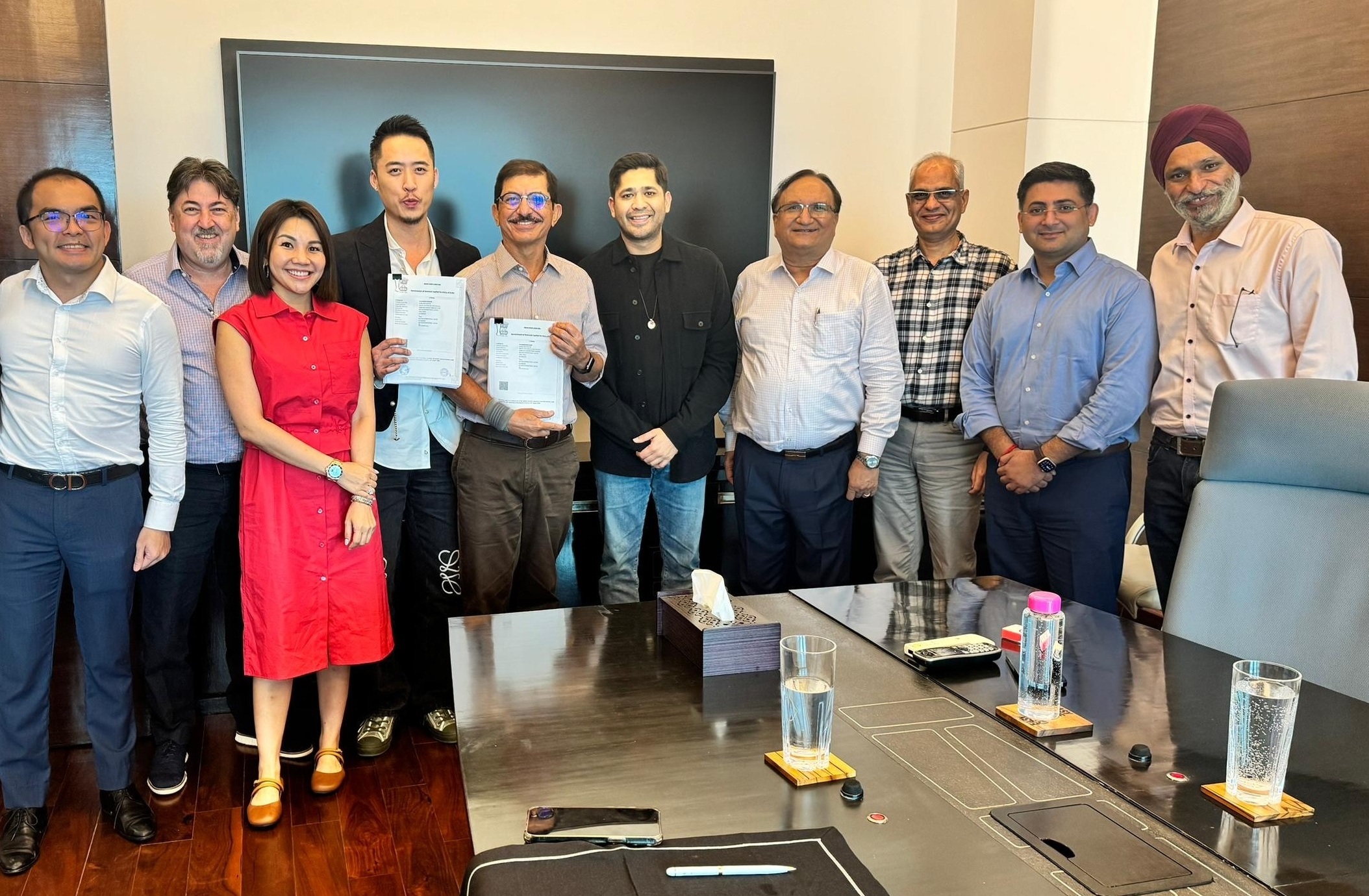
    Meta Bright Group Berhad (“Meta Bright” or “the Group”) is expanding its presence in the renewable energy sector through a strategic joint venture to provide Total Energy Solutions.

    In conjunction with the said expansion, the Group has partnered with United Success Holding Pte. Ltd. and Yang Lei to establish Meta Bright Solutions Sdn. Bhd. (“JVC”) to develop and operate battery energy storage systems (BESS), EV charging infrastructure and energy efficiency solutions (EE) in Malaysia and potentially across Southeast Asia.

    Meta Bright Energy Sdn. Bhd. (“MB Energy”), a wholly-owned subsidiary of Meta Bright Group Berhad will hold a 55% controlling stake in JVC, with United Success and Yang Lei owning 10% and 35%, respectively.
    This initiative aligns with Malaysia’s National Energy Transition Roadmap (NETR), which seeks to increase renewable energy’s GDP contribution to RM220 billion by 2050 while reducing carbon emissions in the energy sector by 32%. With the government’s RM300 million allocations under Budget 2025 for renewable energy, Malaysia is accelerating grid modernisation, energy efficiency initiatives, and renewable energy adoption— Meta Bright is well-positioned to capitalise on the growing demand for BESS EV charging infrastructure and EE solutions.

    To strengthen its technological capabilities, JVC has signed an exclusive technical support agreement with YTKJ. YTKJ is backed by Ningbo Urban Construction Investment Holding Co. Ltd., one of China’s state-backed urban infrastructure developers, reinforcing the JV’s strong technological and financial foundation. YTKJ collaborated with Ningbo Joyson Electronic Co. Ltd. (“Joyson Electronic”) to produce and manufacture Battery Energy Storage Systems (“BESS”).

    Joyson Electronic is a publicly listed company on the Shanghai Stock Exchange (SHA: 600699) and is a global leader in automotive electronics, safety systems, and smart mobility solutions, with a strong presence in new energy applications. In addition to BESS, Joyson Electronic also produces Electric Vehicle (EV) charging products, further strengthening its role in the sustainable energy ecosystem.

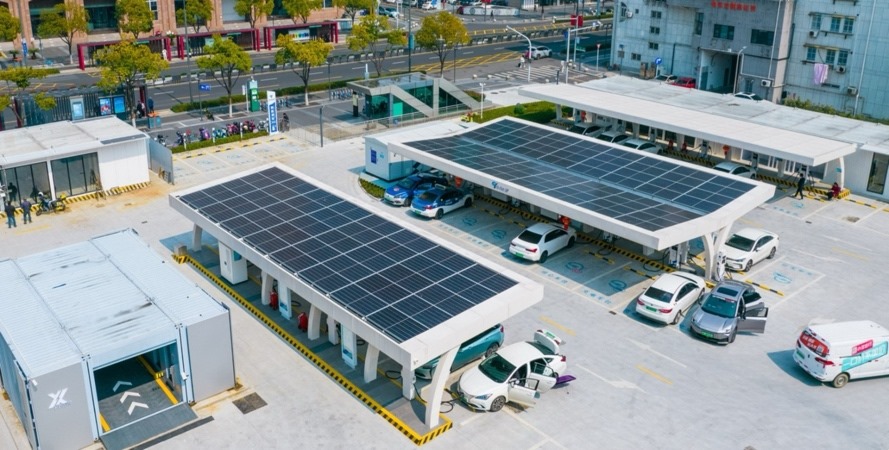
    JVC will actively contribute to the expansion of Malaysia’s EV charging infrastructure, supporting the increasing adoption of electric vehicles nationwide. The company will develop and supply high-speed, smart charging station equipment, ensuring a seamless and energy-efficient charging network. The integration of BESS with charging stations will further optimise energy storage and promote a more sustainable energy ecosystem.

    Derek Phang Kiew Lim, Executive Director of Corporate and Strategic Planning of Meta Bright Group Berhad said, “This joint venture is expected to help contribute the development for Malaysia’s energy landscape. “We are not just building BESS and EV charging infrastructure; we are building a more sustainable and resilient energy future for the nation.”

    “With the rising demand for energy storage and EV charging infrastructure, we see BESS as a crucial enabler of a more stable and efficient energy ecosystem. We aim to develop scalable, high-performance BESS solutions integrated with advanced EV charging stations, positioning Meta Bright at the forefront of Malaysia’s clean energy transition,” Derek added.

  • Tealive partners with Devyani International Limited

    Tealive partners with Devyani International Limited

    Loob Holding Sdn Bhd has signed a master franchise deal with leading Indian Quick Service Restaurant (QSR) operator Devyani International Limited (DIL) to introduce Tealive into India.

    The top regional lifestyle tea brand is now entering one of the world’s largest consumer markets, following its successful penetration of the United Arab Emirates (UAE) in October last year. DIL is India’s largest franchisee for Yum! Brands, operating KFC and Pizza Hut outlets, and the exclusive franchisee for Costa Coffee cafes in the country. In addition, DIL has its own home grown brands, including Vaango, a popular South Indian vegetarian food destination, and The Food Street, a food court concept featuring multiple cuisines under one roof. DIL operates more than 2,000 stores across brands in India, Thailand, Nigeria and Nepal.

    Loob Holding founder and CEO Bryan Loo expressed confidence that DIL’s expansive network and F&B expertise would provide a solid foundation for Tealive to grow in India.

    “Together with our partner, Tealive will bring our innovative lifestyle tea culture to the land of chai. Our partner knows the local market well and we’re planning significant presence in India, beginning with outlets in the major cities this year,” he said.

    India presents a huge market potential for lifestyle tea amongst the young population. This gives Tealive a strategic advantage with its strong branding and Southeast Asian appeal. While India’s tea scene is populated by local brands and individual stores, Tealive’s diverse menu and innovative offerings will cater to evolving consumer preferences.

    Mr. Ravi Jaipuria, Non-Executive Chairman, Devyani International Limited, said: “We are delighted to introduce Tealive, a strong Asian brand, into India, known to have a rich tradition of chai culture. Tealive’s diverse lifestyle tea offerings perfectly align with India’s young and evolving consumer, who are increasingly drawn towards newer categories. Together, we are set to redefine and transform tea experience in the vibrant Indian market.”

    Loo emphasised that Tealive would continue its current regional strategy of starting small and scaling up fast with the right market conditions. “With our partners’ local knowledge, industry experience, and extensive reach, we are well-positioned to rapidly expand and promote our unique lifestyle tea culture across India,” he said.

  • UOB launches Green Lane with Invest Johor to fast-track investments into JS-SEZ

    UOB launches Green Lane with Invest Johor to fast-track investments into JS-SEZ

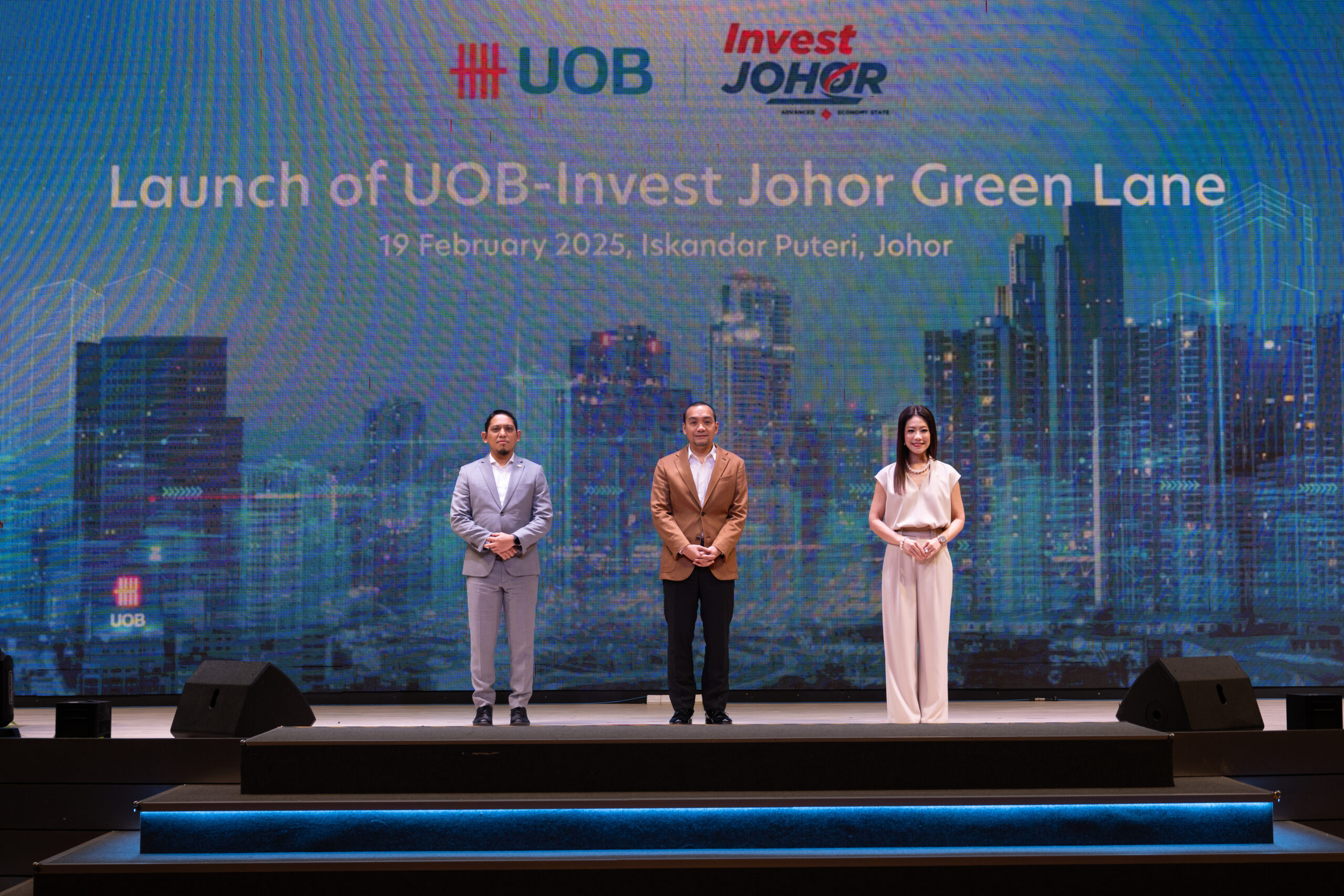
    UOB announces the launch of the Green Lane with Invest Johor which will fast-track investments into the Johor-Singapore Special Economic Zone (JS-SEZ). This is one of the outcomes arising from the Memorandum of Understanding (MoU) signed with Invest Johor at the 2024 ASEAN Conference last August.

    Under the agreement with Invest Johor, UOB will undertake the pre-qualification assessment for customers’ applications for Johor’s Super Lane approval, according to the criteria set out by Invest Johor. This will further accelerate the processing turnaround time.

    To further streamline the process, UOB has introduced a Fast Lane Account Opening service for its Singapore customers looking to expand into the JS-SEZ, ensuring a fast and hassle-free experience. The Bank has also established dedicated JS-SEZ Desks in Johor and Singapore to provide swift support on financial solutions, account opening, and market entry to its customers.

    UOB also introduced its first client under the Green Lane, Gold Peak Technology Group (Gold Peak). Mr Michael Lam, Executive Director and Managing Director of Gold Peak officially presented a Letter of Intent (LOI) to Tuan Haji Natazha Hariss, Chief Executive Officer of Invest Johor.

    Present at the ceremony, YAB Dato’ Onn Hafiz said, “Since the signing of the Johor-Singapore Special Economic Zone (JS-SEZ), we have witnessed remarkable progress in strengthening cross-border trade and investment opportunities. Our partnership with UOB has gained strong momentum, reinforcing our shared vision of creating a seamless and thriving investment ecosystem within the JS-SEZ. This collaboration is a testament to our commitment to turning vision into action.

    “We are also pleased to welcome Gold Peak Technology Group’s investment, which brings advanced manufacturing capabilities, high-quality job opportunities, and sustainable economic growth to Johor. This is yet another milestone that aligns with our commitment to realizing the Maju Johor 2030 vision – transforming Johor into a globally competitive and sustainable economic powerhouse. As we move forward, we remain dedicated to attracting more high-value, future-ready investments that will further cement JS-SEZ’s position as a premier destination for innovation, industry, and sustainable development.”

    UOB will facilitate Gold Peak’s entry into the JS-SEZ, providing market entry advisory, cross-border banking services and financial solutions, as Gold Peak expands in the region. Gold Peak is a global leader in battery technology and energy storage solutions and is listed on the main board of Hong Kong Stock Exchange. Gold Peak’s proposed investment in the JS-SEZ is estimated to be RM670 million (US$150 million), involving the establishment of a state-of-the-art manufacturing and a research and development facility producing batteries with next-generation technologies.

    Gold Peak’s future facility will focus on producing next-generation battery technologies and is expected to play a pivotal role in advancing sustainable energy storage solutions, mainly for data centres, across Southeast Asia. The company’s proposed investment is expected to create approximately 150 to 180 employment opportunities, contributing to the region’s socio-economic development, driving innovation and providing new prospects for local talent. The investment also falls within one of the 11 key sectors the SEZ is promoting.

  • emart24 plans for 5 outlets to be certified halal each month

    emart24 plans for 5 outlets to be certified halal each month

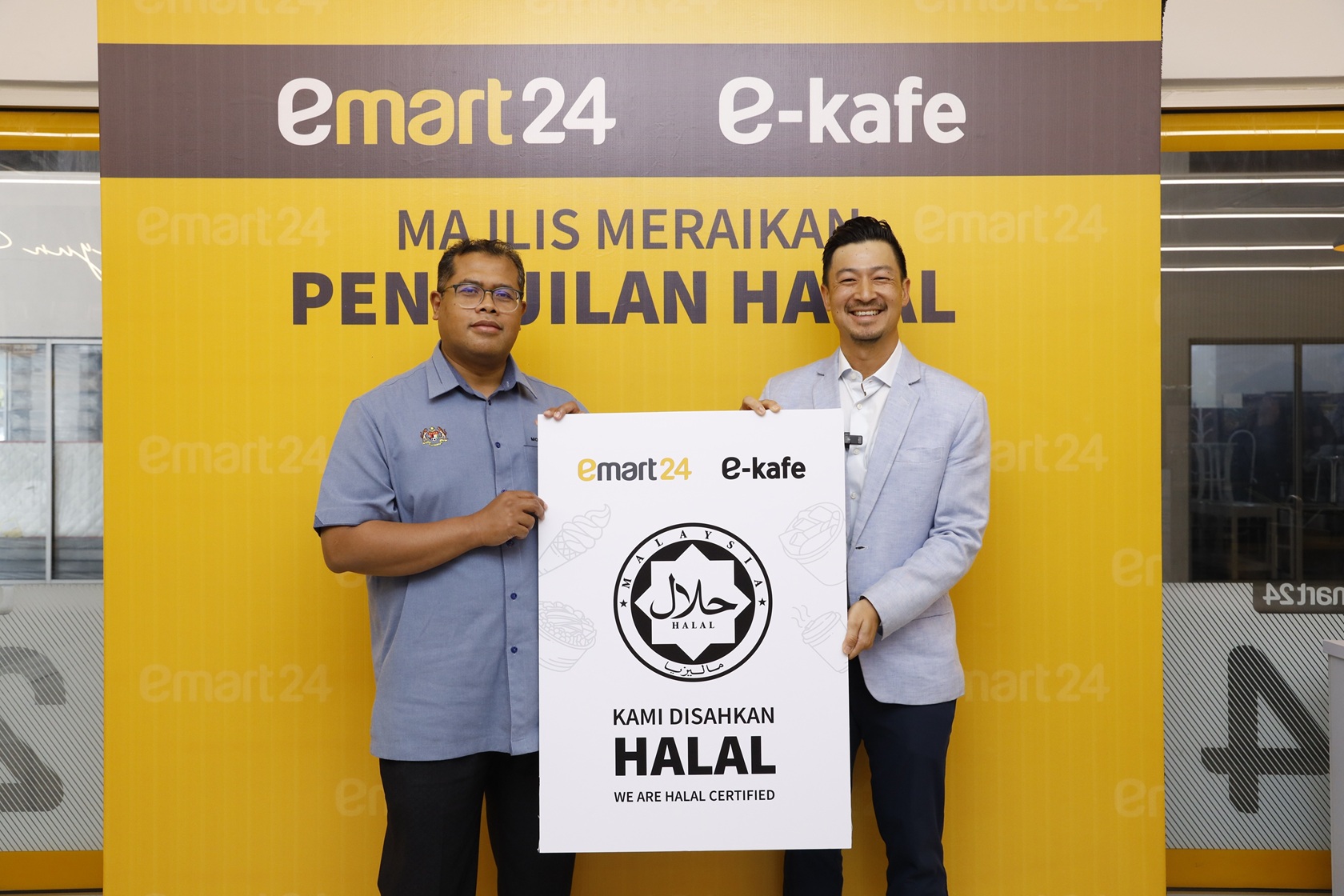
    Popular Korean convenience store chain emart24 announces its plans to roll out five halal-certified outlets every month this year.

    In the recent halal certificate presentation event at emart24 e-kafe, Southville, CEO of emart24 Holdings Sdn Bhd, Vuitton Pang said that besides Southville, emart24 (e-kafé) at Vista Alam in Shah Alam has also received the halal certification by the Malaysian Islamic Development Department (JAKIM).

    “Meeting the needs of our customers has always been at the heart of what we do,” said Pang. “Securing halal certification is a significant step in our commitment to offering trusted, high-quality Korean street food that is Muslim-friendly.”

    Pang said that emart24 was giving priority to get all its current outlets certified halal. “With our internal processes and standard operating procedures already fine-tuned, we are primed to get five outlets certified halal each month. At this rate, we aim to completely get all the outlets certified halal by next year,” he added.

    Also at the ceremony was prominent religious scholar Ustaz Datuk Dr Hj Zahazan bin Mohamed who commended emart24’s unwavering commitment to meeting the needs of the Muslim community. “This halal certification of emart24 reflects its genuine dedication to meeting the highest standards of quality and hygiene while respecting the desires of Muslim consumers.”

    “I am certain this will further strengthen the trust and bond that emart24 has built up with its Muslim customers,” Datuk Dr Zahazan said.

    With over 80 outlets nationwide and over 800,000 monthly transactions, emart24’s halal-certified initiative further solidifies its position in the market, winning over a larger customer base with its adherence to the highest dietary guidelines and standards of halal compliance.

    To meet the rigorous standards of halal certification, emart24 has implemented strict supplier vetting processes, thorough cleanliness protocols, and stringent quality controls. Suppliers are required to submit documentation reviewed by halal executives, with details uploaded to JAKIM’s official portal.

    The certification process reinforces the company’s commitment to maintain the highest standards of compliance and transparency.

  • Corporate bond issuance climbs in 2024, MGS & GII moderate

    Corporate bond issuance swelled to RM124.2 billion in 2024, surpassing the previous year’s RM118.3 billion. The financial (RM51.7 billion) and real estate (RM19.9 billion) sectors continued to be the primary drivers of issuance, mirroring trends observed in 2023. RAM Ratings anticipate some of last year’s strength spilling over into 2025, seeing corporate bond issuance remaining healthy at RM110 billion-RM120 billion. Infrastructure financing and businesses’ funding needs should also support steady corporate bond issuance activity in 2025.

    Gross issuance of MGS and GII moderated to RM176.7 billion in 2024, down from the high of RM190.9 billion in 2023. Looking ahead, RAM Ratings project MGS and GII issuance to ease further to RM155 bil-RM165 billion in 2025. This takes into account the government’s narrower deficit financing requirement in line with its commitment to fiscal consolidation, as well as more moderate needs in the refinancing of debts maturing this year.

    The Malaysian bond market charted a more moderate foreign fund inflow of RM4.8 billion in 2024 (2023: inflow of RM23.6 billion), exacerbated by persistent bond market selloffs throughout most of the year amid heightened uncertainties over the US Federal Reserve’s (Fed) interest rate outlook and the view that rate cuts might not be as forthcoming as initially expected. While the selloff eased towards year-end, the Fed’s less dovish stance and recent downgrade of its rate cut expectations in the December dot-plot suggest the lack of a catalyst in spurring foreign investor demand in 2025.

  • Malaysia faced 27.9 million online threats in 2024

    Malaysia has moved up the global rankings for web threats, a stark reminder of the escalating cyber dangers lurking online. According to the latest Kaspersky Security Network (KSN) report, Malaysia now ranks 30th worldwide, with a staggering 27.9 million web threats detected and blocked by the global cybersecurity company in 2024, a 4% increase compared to the previous year. This alarming data underscores the critical need for enhanced cybersecurity measures to protect individuals and businesses in the country.

    “The rise in web threats detected in Malaysia is a serious concern. Our latest data shows us the growing sophistication of cybercriminals and the urgent need for individuals and businesses to continuously enhance they safeguards against cyberthreats. Neglecting cybersecurity best practices can have severe consequences, from data breaches and financial losses to reputational damage, and event disruption of critical services,” says Yeo Siang Tiong, General Manager for Southeast Asia at Kaspersky.

    The Digital Communications Ministry highlighted that no single entity could address the cybersecurity challenges that Malaysia faces today. The threats are complex, multifaceted and evolve at a pace that demands collective action. The ministry views public and private partnerships as an important synergy to address the cybersecurity concerns.

    Malaysia is the current overall coordinator of the ASEAN Regional Computer Emergency Response Team (ASEAN Regional CERT), with the aim to build a more resilient digital ecosystem for all. The country is also in the midst of joining the Budapest Convention and the United Nations Convention Against Cybercrime, demonstrating the country’s commitment to combat cybercrime both locally and internationally.

    “The Malaysian government’s ongoing efforts to combat cyberthreats are commendable. These steps are crucial in raising public awareness and strengthening the country’s cyber defenses. Staying safe online requires a multi-layered approach, strong passwords, updating software, being vigilant against phishing attempts are just the first steps. You need to utilize robust cybersecurity solutions, so you can significantly enhance your protection against cyberthreats. It is troubling to learn that approximately RM5 billion in losses occurred due to cybercrimes from 2020 to 2024. We urge Malaysians to continue to prioritize online safety and take proactive measures as soon as possible,” adds Yeo.

    Kaspersky experts advice the following for users to reduce some of the online risks:

    • Use strong and unique passwords. The weakest link is often the entry point to the platform, which is the password. This should be unique and not one that you re-use on multiple social media platforms. If you struggle to come up with a unique password, consider using a password manager to generate a unique and strong password.
    • Two-factor authentication. While many people choose to use SMS or email as the source of the second verification, Kaspersky recommend using an authenticator app.
    • People you do not know, do not click to read the direct message. There is no reason for you to assume that you should click on any link sent from people you do not know. It may be a goal to chase the influencer wagon and make fast cash, if something sounds too good to be true, it probably is.
    • Talk to your kids on basic safety on social media networks.
  • FWD Insurance and Arus Academy launch financial literacy programme

    FWD Insurance and Arus Academy launch financial literacy programme

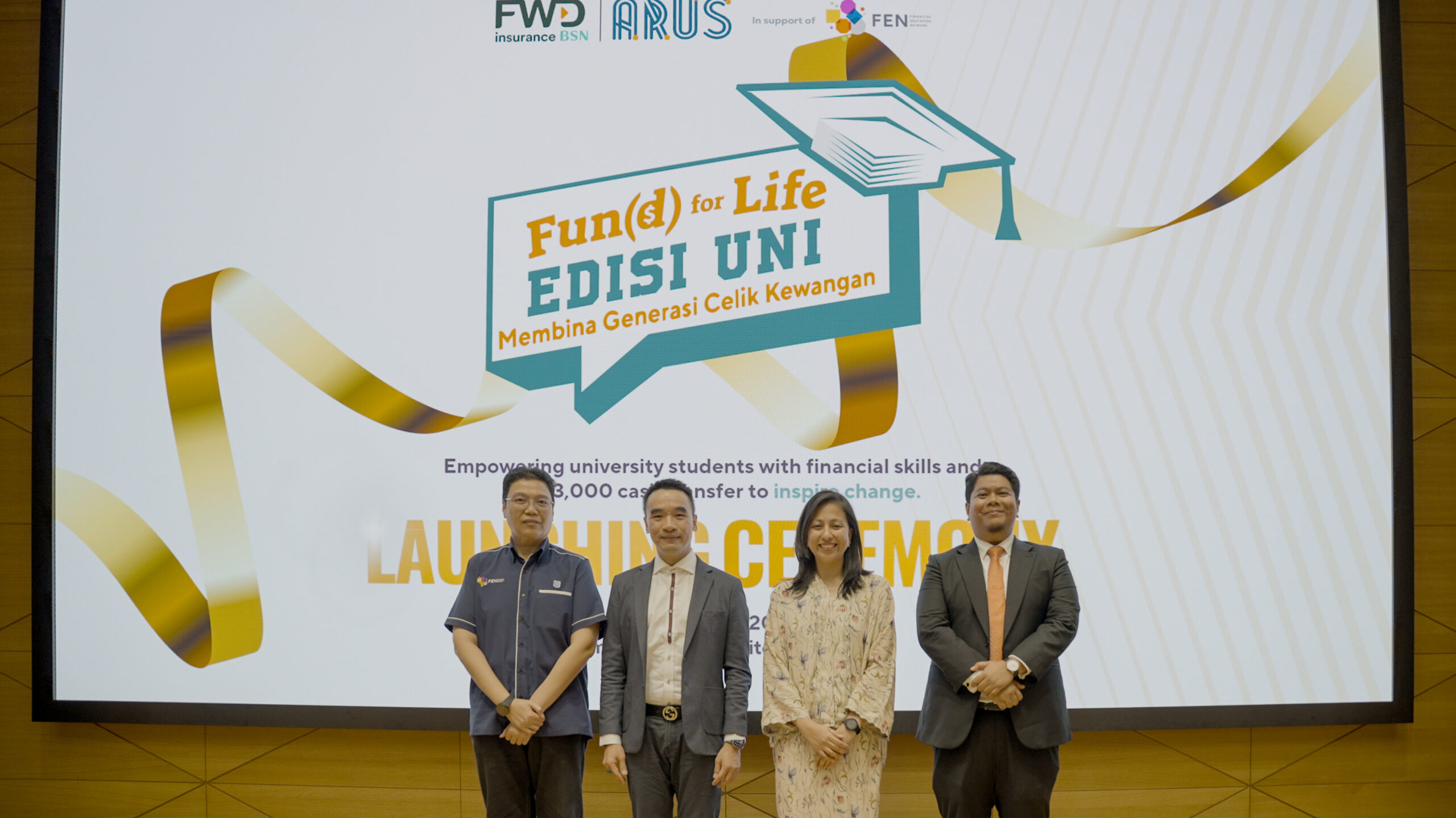
    FWD Insurance Berhad (“FWD Insurance”) partners with Arus Academy to empower university students through the Fun(d) for Life – University Edition (FFL Uni) programme. This initiative aims to equip 500 local university students with essential financial skills through a 3-month curriculum that includes training, coaching, and community service.

    “At FWD Insurance, financial literacy is something very dear to our hearts, recognising it as a fundamental skill everyone should have. Through this programme, we go beyond education by offering a holistic approach that not only equips young people with the skills to manage their finance, but also provides them with the resources to put their learning into practice,” said Mak See Sen, Chief Executive Officer of FWD Insurance. “By investing in their growth, we empower individuals and cultivate a financially literate society, driving Malaysia’s economic progress.”

    “The Fun(d) for Life – University Edition programme equips university students with the financial skills and autonomy to make informed decisions about their futures,” said Alina Amir, CEO and Co-Founder of Arus Academy. “University students are at a pivotal stage of their lives, where building strong financial habits can significantly shape their future careers and personal goals.”

    The 3-month FFL Uni programme begins with a 3-day immersive bootcamp focused on setting financial goals, budgeting, and creating comprehensive financial plans, including savings, protection, and investments. Over the course of the programme, students will receive ongoing coaching and mentoring, alongside tools to track expenses, reflect on their financial habits, and develop actionable financial plans. Participants will also document their journey through weekly diaries to raise awareness about financial literacy.

    A significant component of the initiative includes eight hours of community service, where participants teach financial literacy to at least 20 peers. By the programme’s end, each participant will receive a meaningful RM3,000 grant, deposited into their savings accounts or as fixed deposits, to support their financial goals and foster long-term independence. With an anticipated reach of over 10,000 beneficiaries through direct engagement and community service, the initiative reinforces Malaysia’s vision of fostering a financially literate, resilient, and economically inclusive society.

    Aligned with FWD Insurance’s Environmental, Social, and Governance (ESG) goals to uplift communities, the program seamlessly blends Arus Academy’s innovative teaching methods with FWD Insurance’s dedication to financial inclusion, working hand-in-hand towards a common goal of nurturing a financially savvy generation. By reaching tertiary students, FFL Uni is broadening its impact on youth of all ages, promoting a more inclusive and sustainable future nationwide. Previously, a collaboration between Arus Academy and FWD Takaful Berhad benefited over 47,108 primary and secondary school students from January to December 2024 through comprehensive financial education initiatives, featuring interactive learning portals, financial literacy camps, and design-focused events in 2024.

    The first cohort, comprising 50 students, will begin in February 2025. Interested applicants can submit their application requests to https://arus.cc/FFLUni-registration-of-interest-2025. For more information, visit https://www.instagram.com/fundforlife_uni/.


  • FedEx accelerates delivery of import shipments to Johor

    FedEx accelerates delivery of import shipments to Johor

    Federal Express Corporation (FedEx) is enhancing its inbound shipping service to better serve customers importing into Johor. Importers and local businesses can now receive their packages two hours earlier for inbound shipments from Asia, Europe, and the U.S.

    Import shipments are routed to the FedEx Gateway in Singapore before journeying to the FedEx Senai Gateway, offering customers the benefits of direct clearance at Senai customs. Previously, these shipments were routed through Kuala Lumpur before making a 300-kilometre trip to Senai for processing and delivery. This change is particularly beneficial for industries that rely heavily on timely imports, including manufacturing, retail, and e-commerce.

    “Improving the speed of our services is essential for businesses looking to thrive in today’s competitive environment,” said Tien Long Woon, managing director of FedEx Malaysia. “We understand that time is of the essence, and with faster delivery of imports, we are enhancing the efficiency of local businesses in Johor and improving their flexibility to better serve their own customers.”

    The Johor-Singapore Special Economic Zone (JS-SEZ) is poised to significantly enhance economic connectivity between Johor and Singapore, focusing on key sectors such as electronics, medical equipment, food manufacturing, and data center. In 2023, Johor’s economy demonstrated robust growth, with a 4.1% year-over-year increase in Gross Domestic Product (GDP), surpassing the national average of 3.6%. This growth was primarily driven by the services and manufacturing sectors contributing around 84% of Johor’s GDP. Additionally, Johor accounted for approximately 29% of Malaysia’s total trade in 2023, amounting to RM753.1 billion. The JS-SEZ initiative is expected to attract substantial foreign direct investment, create numerous job opportunities and further solidify Johor’s position as a key economic hub in the region.

    As Johor continues to grow as a key economic hub in Malaysia, FedEx remains dedicated to fostering local businesses’ success and contributing to the regions’ economic development. The accelerated delivery service is just one of many ways FedEx is working to drive growth for its customers.