Category: events

  • TALENTCORP APPLAUDS BUDGET 2025’S FOCUS ON WORKFORCE READINESS, TALENT GROWTH AND INCLUSIVE DEVELOPMENT

    TALENTCORP APPLAUDS BUDGET 2025’S FOCUS ON WORKFORCE READINESS, TALENT GROWTH AND INCLUSIVE DEVELOPMENT

    KUALA LUMPUR, 21 OCTOBER 2024 – Talent Corporation Malaysia Berhad (TalentCorp) welcomes the progressive initiatives presented in Budget 2025, which aim to position Malaysia as a leader in technology, sustainability and innovation. The initiatives strike a crucial balance between driving economic progress and promoting the well-being of the people, ensuring that societal needs remain a priority. With a strong emphasis on government efficiency and improving public services, Budget 2025 sets the foundation for a more resilient nation ready for long-term success.

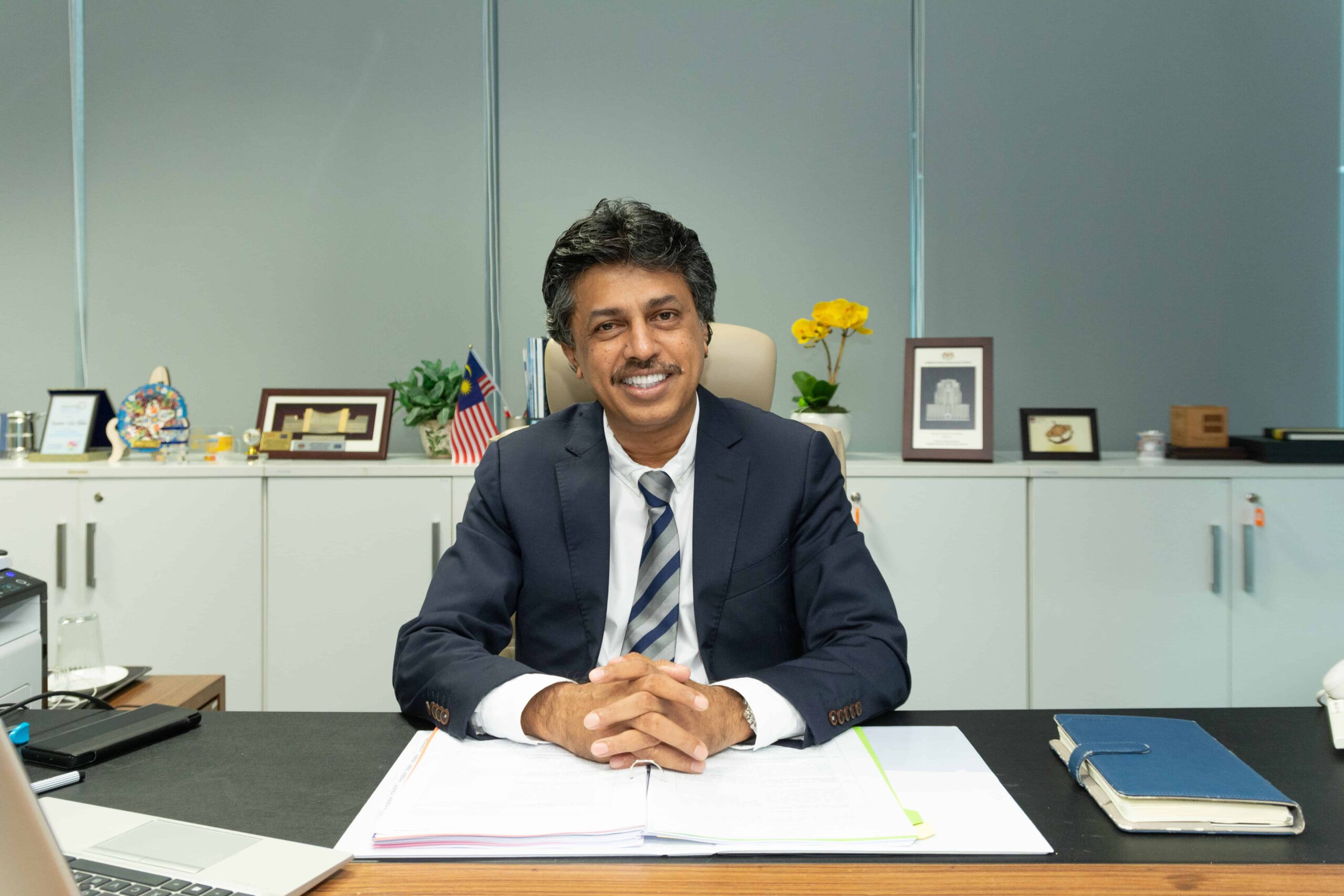
    “Aligned with national goals, allocations in Budget 2025 support TalentCorp’s ongoing efforts to cultivate a skilled and resilient workforce capable of meeting evolving industry needs. As the strategic think tank of the Ministry of Human Resources (KESUMA), we collaborate closely with stakeholders to align Malaysia’s talent development strategies with the nation’s growth ambitions. Initiatives such as the MyMAHIR Future Skills Talent Council (FSTC) and the Malaysia Critical Occupations List (MyCOL) play crucial roles in identifying and addressing skills gaps, and taking steps to build a globally competitive workforce,” commented Thomas Mathew, Group Chief Executive Officer, Talent Corporation Malaysia Berhad.

    Bridging Talent Gaps through Structured Internships

    A prominent measure in Budget 2025 is the extension of the National Structured Internship Programme (MySIP) until 2030, now also incorporating students interning in regulatory bodies. This expansion aims to provide young talents with critical hands-on experience, enhancing their employability and ensuring a stronger alignment between education and industry requirements. The focus on expanding internship opportunities reflects a broader strategy to bridge the gap between academia and the professional world.

    Another key initiative that supports this strategy is the Internship Matching Grant for SMEs and Start-ups (LiKES). Launched in March 2024, LiKES has received an additional RM10 million to support quality internships, particularly in STEM fields. By early October 2024, over 774 companies had registered under LiKES, hiring 6,000 interns across Malaysia. This funding aims to empower SMEs and start-ups, especially those outside major urban areas, providing them with the resources to nurture young talent and drive innovation.

    Preparing the Workforce for a Changing Landscape

    In parallel, the RM7.5 billion allocation towards Technical and Vocational Education and Training (TVET) is evidence of the government’s commitment to workforce readiness, with a focus on key sectors such as Maintenance, Repair and Overhaul (MRO), Electric Vehicles (EV), aerospace, and Artificial Intelligence (AI) to prepare Malaysians for the evolving landscape of emerging industries and economic demands. 

    “By equipping the workforce with specialised skills, the government aims to future-proof Malaysia’s talent pool and strengthen its competitiveness in high-value industries. TalentCorp remains dedicated to supporting these efforts through initiatives that nurture high-value employment opportunities and foster a resilient talent ecosystem,” he added.

    Promoting Work-Life Sustainability and Inclusive Practices

    Budget 2025 extends tax incentives for employers hiring women returning to work after a career break. These incentives, valid for applications from 1 January 2018 to 31 December 2027, offer a 50% additional deduction on employment expenses for a 12-month period, encouraging greater female workforce participation.

    Recognising the challenges faced by working caregivers, the government has introduced a 50% additional deduction for employers who provide paid caregiving leave of up to 12 months. This policy aligns with Malaysia’s broader care economy efforts to support job retention and promote work-life balance for employees fulfilling caregiving responsibilities for children, ill or disabled family members.

    To further enhance workplace flexibility, Budget 2025 offers a one-off tax incentive for employers investing in capacity building and digital tools to implement flexible work arrangements (FWA). The expenses eligible for the incentive are capped at RM500,000 and must be verified by TalentCorp. “We are further playing a part in supporting work-life balance through TalentCorp’s Work-Life Sustainability advocacy programme, where we offer free workshops to assist employers in effectively implementing FWAs, reinforcing our commitment to fostering a healthier and balanced workforce,” Thomas Mathew remarked. 

    Commited to Long-Term Success

    Looking ahead, TalentCorp is geared up to maintain a robust pace in empowering Malaysia’s workforce to adapt and thrive in an evolving economic landscape. “By collaborating with industry leaders and stakeholders, we aim to catalyse a talent ecosystem that integrates innovation, sustainability and inclusivity, positioning Malaysia as a global hub for talent and innovation,” he concluded.

  • Budget 2025: Strengthening Malaysia’s Global Competitiveness

    Budget 2025: Strengthening Malaysia’s Global Competitiveness

    18 October 2024

    As Malaysia gears up for 2025, the need for robust reforms to bolster its position as a leading business hub in Southeast Asia is more pressing than ever. Members of the Institute of Chartered Accountants in England and Wales (ICAEW) Kevin Foo, Elliot Chaw, Anitha Poopalasingam, Dr. Lim Kim-Hwa, and Dato’ Megat Iskandar Shah highlighted key initiatives which could significantly enhance Malaysia’s global competitiveness while ensuring sustainable economic growth.

    Enhancing the Business Environment

    The recently tabled Budget 2025 aims to enhance Malaysia’s global competitiveness by improving the “Ease of Doing Business” and catalysing the areas of emphasis for the New Industrial Master Plan (NIMP) 2030 to attract new businesses and expand existing investments.

    Kevin Foo, Partner at KPMG in Malaysia and Past Chairman of the ICAEW Members’ Society Malaysian Chapter emphasises Malaysia’s strategic advantages as a thriving hub for investment, underscored by its dynamic economy and diverse, multilingual population. However, he cautions that as global markets evolve and competition intensifies, Malaysia must refine its business environment to retain its appeal to multinational corporations. Budget 2025 marks a pivotal opportunity to enact these reforms, advocating for a more streamlined approach to facilitate business growth.

    Elliot Chaw, Associate Director of Corporate Tax Advisory at KPMG in Malaysia adds that one of the standout initiatives is the launch of the Forest City Special Financial Zone, introducing Malaysia’s first family office framework outside Labuan. This initiative aims to attract high-net-worth individuals through a well-structured legal and tax framework, fostering confidence and reinvestment in the national economy. Such a framework could serve as a sandbox for innovative financial solutions, encouraging families to manage their wealth while contributing to Malaysia’s economic growth.


    Clarity and Consistency in Regulations

    The importance of having a stable and transparent regulatory system cannot be overstated. Both Foo and Chaw agree that any inconsistencies in the regulations and practices across states could hinder foreign investments, especially in large-scale developments. They suggest that harmonising processes for licensing, environmental approvals, and land-use permits in a digital, single window platform would reduce delays and create a more favourable investment climate. A stable environment with clear “rules of the game” will bolster investor confidence and attract long-term commitments from both domestic and foreign investors.


    Immigration Reforms: Attracting Global Talent

    Reforming Malaysia’s immigration policies is vital for staying competitive in the global race for talent. Foo and Chaw assert that “Simplifying and expediting work visa and residency programme, particularly for investors and specialised talent, will strengthen Malaysia’s appeal as a business hub.” Drawing parallels with Singapore’s Tech Pass, they suggest a fast-track residency programme for skilled foreign workers, investors, and entrepreneurs which could significantly enhance Malaysia’s competitiveness.


    Streamlining the Investment Processes

    Anitha Poopalasingam, former Senior Director of Group Internal Audit at Maybank stresses the importance of streamlining the investment approval process and establishing a new investment fund to attract foreign direct investment. “Reducing approval times will enhance efficiency, making it easier for investors to navigate regulatory requirements,” she explains. A clear and efficient investment framework will not only boost investor confidence but also drive job creation and economic growth.


    Poopalasingam highlights that targeted investment funds can focus on specific sectors aligned with national priorities, such as technology and renewable energy, creating a diverse business ecosystem. “By promoting sector-specific investments, we can drive growth in key areas and support local SMEs which are vital to Malaysia’s economy,” she states.


    Promoting Sustainability and Green Growth

    In line with the Ekonomi MADANI framework, the Ministry of Finance is spearheading initiatives to synergise efforts across government-linked entities to catalyse growth in key economic sectors. Poopalasingam notes, “The focus on renewable energy helps diversify Malaysia’s economy, making it more resilient to global market fluctuations.” Investments in renewable energy not only address immediate environmental concerns but also ensure long-term economic viability.


    Digital Infrastructure Investment

    As outlined in Mission 2 of NIMP 2030, Budget 2025 also proposes to augment local innovation and technology to enable effective competition on both the regional and global fronts. This involves leveraging automation, artificial intelligence and machine learning to boost productivity, streamline costs and foster sustainable growth across sectors.

    CEO of Cammillion and Fellow in Finance at Cambridge University Dr Lim Kim-Hwa emphasises the importance of staying at the forefront of the digital revolution. “While hardware investment is essential, the application of digital technology is equally important. We must focus on how the digital economy can enhance competitiveness as well as disintermediate and thus reduce time and distance to market,” he explains. Improving digital connectivity, especially in rural areas is crucial for promoting inclusiveness and allowing all sectors of society to benefit from the global digital economy.

    To effectively connect rural areas, Dr Lim advocates for adapting education and training programmes to deliver the required upskilling. “Integrating digital education into the curriculum will prepare the workforce for emerging opportunities in the digital landscape,” he adds.


    Empowering SMEs through Ekonomi MADANI

    Dato’ Megat Iskandar Shah, Partner and Deputy Assurance Leader at Ernst & Young Malaysia, highlights the crucial role that SMEs play under the Ekonomi MADANI framework. “SMEs are the backbone of Malaysia’s economy, representing 97% of businesses and nearly half of the workforce. Ensuring their growth and sustainability is vital to the nation’s economic trajectory, particularly in accessing financing and expanding export readiness.”


    Megat stresses that while existing government initiatives provide support, more innovative financing solutions are needed to bridge current gaps. “Alternative financing options like digital lending platforms and venture capital can better cater to the unique needs of SMEs, helping them access funds more efficiently and participate in high-value sectors aligned with NIMP 2030.”


    On enhancing export readiness, Megat stresses the need to equip SMEs with the right tools and training to compete globally. “Expanding trade facilitation services, improving digital infrastructure, and investing in workforce development, particularly in digital skills, are critical to boosting international competitiveness and driving innovation. By preparing SMEs for the demands of the digital economy, we can unlock new growth opportunities and enhance productivity across sectors.”


    He concludes by emphasising the need for stronger collaboration between SMEs, government agencies, and financial institutions to drive long-term growth. By working together, these entities can ensure that SMEs fully capitalise on the opportunities presented by the Ekonomi MADANI framework, contributing significantly to Malaysia’s future economic success.


    A Call for Decisive Action

    In conclusion, Budget 2025 presents an opportunity for Malaysia to enact crucial reforms that will strengthen its global competitiveness. By simplifying business operations, enhancing regulatory frameworks, and investing in digital infrastructure and sustainability, Malaysia can attract foreign investment, generate jobs, and foster innovation. As the country navigates an increasingly interconnected world, now is the time for decisive action to secure Malaysia’s future as a thriving, competitive economy. ICAEW believes that chartered accountancy can be a force for positive change. By sharing insight, expertise and understanding, the professional organisation hopes to continue helping create sustainable economies and a better future for all.

  • JEFFREY CHEAH FOUNDATION CONTRIBUTES TO NATION BUILDING THROUGH EDUCATION WITH  RM75 MILLION IN SCHOLARSHIPS

    JEFFREY CHEAH FOUNDATION CONTRIBUTES TO NATION BUILDING THROUGH EDUCATION WITH RM75 MILLION IN SCHOLARSHIPS

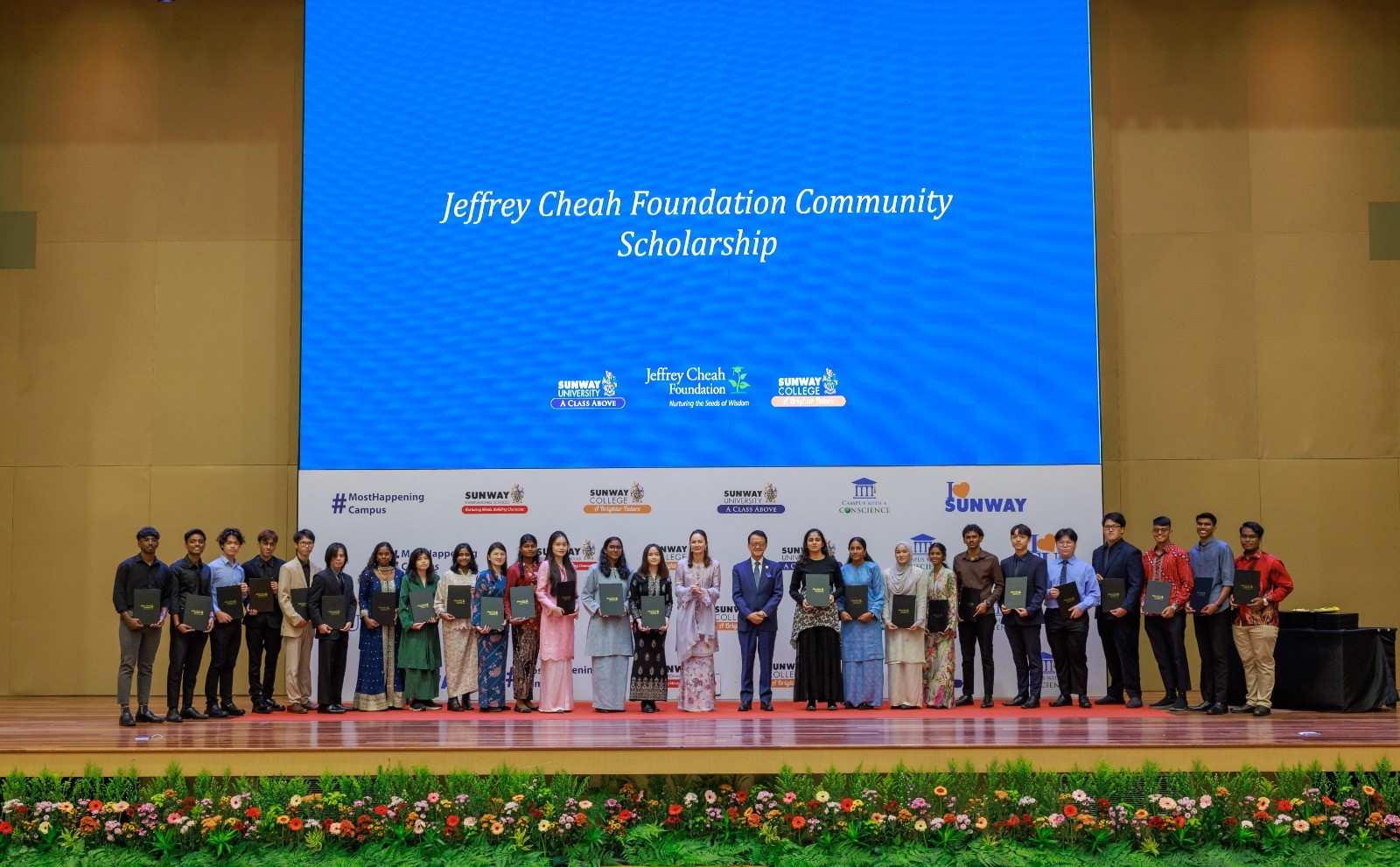
    Sunway City Kuala Lumpur, 22 October 2024 – The Jeffrey Cheah Foundation
    (JCF) today held its Scholarships & Awards Ceremony 2024, awarding RM75 million
    in scholarships this year.

    The foundation, Malaysia’s largest education-focused social enterprise, has
    disbursed more than RM745 million in scholarships to date, benefitting thousands of
    deserving students throughout the years.

    Her Royal Highness Raja Permaisuri of Perak Darul Ridzuan Tuanku Zara Salim,
    and Tan Sri Dato’ Seri Sir Dr. Jeffrey Cheah KBE AO, founder and trustee of Jeffrey
    Cheah Foundation, presented the scholarships and congratulated the recipients on
    their achievement.

    The award ceremony saw the presentation of scholarships in various categories,
    including Sunway University Postgraduate Studentships, Sunway University
    Postgraduate Scholarships, The Chancellors Scholarship, Sunway Excellence
    Scholarship, Tun Dr Siti Hasmah Mohd Ali Scholarship for Creative Arts And Music,
    Jeffrey Cheah Foundation Community Scholarship, as well as Sunway – Victoria
    University Excellence Scholarship.

    “The Jeffrey Cheah Foundation’s commitment to nation building, exemplified by the
    Foundation’s tagline Nurturing the Seeds of Wisdom, is founded on our belief that
    making quality education affordable and accessible is crucial in creating a more
    progressive, sustainable and inclusive future for all Malaysians,” shared Cheah, who
    is also the founder and chairman of Sunway Group.

    As a strong advocate of quality education, world-class research and sustainable
    development, Cheah’s personal aim is to award several billion Ringgit worth of
    scholarships in his lifetime.

    Cheah also paid tribute to Her Royal Highness Raja Permaisuri of Perak Darul
    Ridzuan Tuanku Zara Salim’s firm dedication to elevating the Malaysian education
    system and Tuanku’s promotion of ethical values.

    As part of JCF’s commitment to nation-building through quality education, a teacher
    professional development programme was launched to advance Education for
    Sustainable Development (ESD) in Malaysia, earlier this year.

    JCF is funding the development and delivery of a capacity-building development
    programme on ESD for teachers in national and national-type school nationwide, as
    well as the expansion of the programme to 30 more schools, involving more than
    2,500 teachers nationwide.

    This programme will advance Mission 4.7, a global initiative to advance
    transformative education for the United Nations Sustainable Development Goals
    (SDG), which calls upon governments to ensure learners obtain the necessary
    knowledge, skills, values and attributes to achieve the SDGs.

    In line with JCF’s steadfast commitment to advancing the SDGs, the foundation has
    gifted US$20 million to the United Nations Sustainable Development Solutions
    Network (UN-SDSN) to establish the Jeffrey Sachs Center on Sustainable
    Development at Sunway University, as well as UN-SDSN’s Asia Headquarters in
    Sunway City Kuala Lumpur, which coordinates continent-wide sustainability
    initiatives alongside the New York and Paris offices.

  • SoftwareOne Launches New Cloud Competency Centre in Malaysia to Accelerate Digital Transformation for Clients Across Southeast Asia

    SoftwareOne Holding AG, a leading global software and cloud solutions provider, has launched a SoftwareOne Cloud Competency Centre in collaboration with Amazon Web Services (AWS) in Kuala Lumpur, Malaysia.

    Serving businesses across Southeast Asia, this new centre will provide clients with local expertise and support in AWS cloud services, including generative artificial intelligence (AI) tools Amazon Bedrock, a fully managed service that provides a single API to access and utilise high-performing foundation model from leading AI companies, and Amazon Q, a generative AI-powered assistant for business and developers, to drive digital transformation. By establishing the SoftwareOne Cloud Competency Centre in Malaysia, SoftwareOne further expands its global delivery network across fast-growing technology markets to help local businesses innovate with the latest technology advancements. The SoftwareOne Cloud Competency Centre opening follows AWS’s own recent announcement of cloud infrastructure expansion in Malaysia.

    “As an AWS Premier Tier Services Partner, we are thrilled to continue our collaboration with AWS through the opening of our new SoftwareOne Cloud Competency Centre in Malaysia,” said David Tan, Regional Services Leader, APAC at SoftwareOne. “This is strategically aligned with AWS’s commitment to Asia and will make SoftwareOne’s global expertise and resources readily accessible to local clients. Businesses of all types will be able to accelerate their digital journeys more efficiently, benefiting from on-the-ground support in cloud migration, application modernisation, end-user computing, and FinOps.”

    “AWS is committed to enabling global organisations across industries with the world’s most comprehensive and broadly adopted cloud, and AI technologies to innovate, scale, and achieve their business and digital transformation objectives with efficiency and resilience. The recent launch of our AWS Region in Malaysia deepens that resolve,” said Peter Murray, Country Manager, AWS Malaysia. “As a Premier Tier AWS Partner, SoftwareOne is well-positioned to help businesses adopt and optimise their AWS use. Establishing the SoftwareOne Cloud Competency Centre in Malaysia aligns our goals of expanding cloud accessibility and compliance capabilities locally for customers.”

    The SoftwareOne Cloud Competency Centre experts will guide clients in implementing the SoftwareOne Landing Zone for AWS, a comprehensive pre-configured and automated framework that provides a foundation for building a secure, multi-account AWS environment. Featuring cloud infrastructure, policies, and guardrails, including centrally managed services, it is designed to help organisations quickly set up a secure and scalable environment with a consistent set of AWS best practices.

    Leveraging industry-leading infrastructure as code tool Terraform, SoftwareOne’s Landing Zone for AWS gets clients up and running from a zero footprint to AWS workload deployment within days. It also helps clients improve the operational efficiency of their AWS environments with SoftwareOne’s ongoing management and expertise in implementing patching and updates.

    “The launch of the regional SoftwareOne Cloud Competency Centre demonstrates SoftwareOne’s continued dedication to empowering digital transformation globally,” said Sean Pope, Global Leader, SoftwareOne Centre of Excellence for AWS. “This Centre will be a cornerstone in our global portfolio development, enhancing our ability to deliver cutting-edge solutions and support to businesses in SEA. The innovations and best practices we establish here will also be pillars upon which to build, benefitting other regions by enhancing our global AWS service offerings.”

    For more information about the SoftwareOne Cloud Competency Centre in SEA and its support of digital transformation initiatives, please visit www.softwareone.com.

  • Malaysia’s Budget 2025:  Revitalising the Economy, Generating Change and Ensuring the Welfare of the People

    Malaysia’s Budget 2025: Revitalising the Economy, Generating Change and Ensuring the Welfare of the People

    Budget 2025 was the largest Budget allocation ever at RM421 billion, with the objective of revitalizing the economy, catalyzing transformative change and improving the overall well-being of the Rakyat. The Budget strikes a strategic balance, reinforcing the nation’s commitment to fiscal resilience while navigating the challenges of the global and regional economic landscape and setting the foundation for long-term growth.

    Riding the wave of robust growth from 2.9% in Q4 of 2023 to 5.9% in Q2 of 2024 and with a vision to further invigorate the economy to achieve a leading status in Asia, Budget 2025 has unveiled impactful and targeted measures, charting a course for sustainable prosperity and enhanced competitiveness.

    Fiscal Sustainability, Economic Growth, and Debt Management

    The Government has increasingly demonstrated its commitment to fiscal discipline, as evidenced by the enactment of the Public Finance and Fiscal Responsibility Act in December 2023 and the continued emphasis on reducing the fiscal deficit and national debt levels.

    Following the rationalization of the diesel subsidy, Budget 2025 provides additional clarity on the Government’s approach and timeline for addressing the RON95 petrol subsidy. The RON95 rationalization exercise will be implemented in mid-2025 in a manner similar to the targeted electricity subsidy program, such that 85% of the Rakyat will not be adversely impacted. The savings from this exercise will be channeled to public welfare.  Whilst rationalization is fraught with complexities, we commend the Government for its efforts in taking this necessary and urgent action.

    Broadening the tax base

    In light of the decision not to reintroduce Goods and Services Tax (GST) at this stage, as expected, the Government will mobilize various other levers to bolster revenue collection. These include a 2% tax on dividend income exceeding RM100,000 received by individual shareholders (from the year of assessment 2025) and the expansion of the Sales Tax and Service Tax (SST) (effective May 2025) to encompass additional services and non-essential goods.

    It is encouraging that the Government will involve stakeholders from the relevant industries to seek feedback before finalizing the SST scope expansion and tax rates, which will smoothen the implementation of the progressive SST system and avoid any unintended consequences.

    In addition, there were other proposed tax measures such as carbon tax on iron and steel, and energy sectors (in 2026) and increase in the “sugar tax” starting from 1 January 2025. The revenue from such taxes will be earmarked for specific purposes (e.g. to finance research and green technology programs, cover public health expenditure).

    Competitiveness in the Global Landscape

    One of the key themes of the Budget is to attract more impactful investments, by introducing the New Investment Incentive Framework (NIIF) which focuses on high-value activities with positive economic spillover to the nation, moving away from existing incentives based on specific products. The NIIF is expected to be implemented in the third quarter of 2025.

    Specific focus areas include the diversification of the Electrical and Electronics (E&E) sector through high-value-added activities, creating high-level income job opportunities in the field of artificial intelligence (AI), strengthening the local supply chain and primary sector ecosystems, state-specific economic clusters and ESG-driven investments. Through this more targeted approach, it is hoped that the implementation will attract the right kind of investments. We look forward to the details of the new framework.

    The Government has noted that the introduction of Global Minimum Tax (GMT) rules in Malaysia will result in additional top-up taxes on low-taxed income of large multinational groups of companies, which may negatively impact the investment environment. To address this, the Government has committed to streamlining existing tax incentives, introducing non-tax incentives and studying the introduction of a “Strategic Investment Tax Credit”.  We expect this credit to be designed as a ‘Qualified Refundable Tax Credit’ (QRTC) that would be less affected by GMT rules, to give Malaysia a competitive edge in attracting foreign direct investments.

    In parallel, there is also continued focus on public service reforms and good governance, including the proposed public administration efficiency commitment Bill which will cover three critical areas i.e. reducing bureaucracy, expediting processes, and improving service delivery.

    These initiatives are a continuation of measures from previous MADANI Budgets to enhance Malaysia’s competitiveness. The results of the efforts taken to-date are evident from the increase of foreign direct investment (FDI) numbers, with Malaysia’s ASEAN ranking improving from 6th to 4th between 2020 and 2022.

    Redistributing income and reducing inequality

    Malaysia is poised to enact a series of fiscal reforms to strengthen its economy and advance its vision for sustainable and inclusive growth. In response to the rising cost of living and to narrow the wage gap, the Government plans to increase the minimum wage to RM1,700 and further enhance various cash assistance programs, as well as maintaining the RON95 subsidy for 85% of the Rakyat.

    To boost national productivity and encourage inclusiveness, the Government is introducing incentives to expand the workforce while supporting diverse family and work arrangements. Employers will benefit from a 50% additional tax deduction for hiring women returning to work, implementing flexible work arrangements, and providing additional paid caregiving leave for employees caring for children or ill or disabled family members. We are optimistic that these incentives will accelerate an upward trend in female labor force participation.

    Special tax rates will be introduced in 21 economic sectors in states such as Perlis, Kedah, Kelantan, Terengganu, Sabah and Sarawak, aimed at reducing regional economic disparities and promoting equitable development throughout the country. Various financing facilities are available to support the women, youth and people with disabilities to venture into business. These measures reflect Malaysia’s dedication to creating a robust economy that benefits all citizens.

    Digital economy and Artificial Intelligence

    Budget 2025 marks a significant step in Malaysia’s journey towards a digital future, with a series of initiatives aimed at strengthening the digital economy and accelerating the adoption of AI. These targeted measures, together with the USD16.9 billion of digital investments already secured by the country, will help propel Malaysia to the forefront of the digital economy and AI, ensuring the nation’s readiness for the opportunities and challenges of the digital age.

    Recognizing the importance of digital skills, the proposed NIIF will include incentives to encourage development of qualifying new courses for AI, robotics, Internet of Things (IoT), data science, FinTech, and sustainable technology at Private Higher Education Institutions and private skills training institutions over the next 5 years.

    To support digitalization of various industries, the Government has also announced tax incentives such as accelerated capital allowance to encourage use of drones and AI technology in plantation operations, thereby reducing dependence on foreign labor. Investors in Smart Logistics Complexes (SLCs) will be incentivized with a proposed 60% investment tax allowance for a period of 5 years, to be utilized against 70% of statutory income, aimed at stimulating growth and activity in this critical area. These initiatives underscore Malaysia’s dedication to maintaining a competitive edge in the digital era and equipping its workforce for the future.

    In conclusion, Budget 2025 is a testament to the Government’s decisive policy making. This expansionary budget reflects a strong commitment to steering the nation towards a sustainable and thriving future by catalyzing growth in key sectors, revitalizing the economy and prospering the Rakyat. We look forward to the positive outcomes these initiatives will bring to the nation.

  • Sarawak Signs MoU with MEASAT to Support Space Industry  Development

    Sarawak Signs MoU with MEASAT to Support Space Industry Development

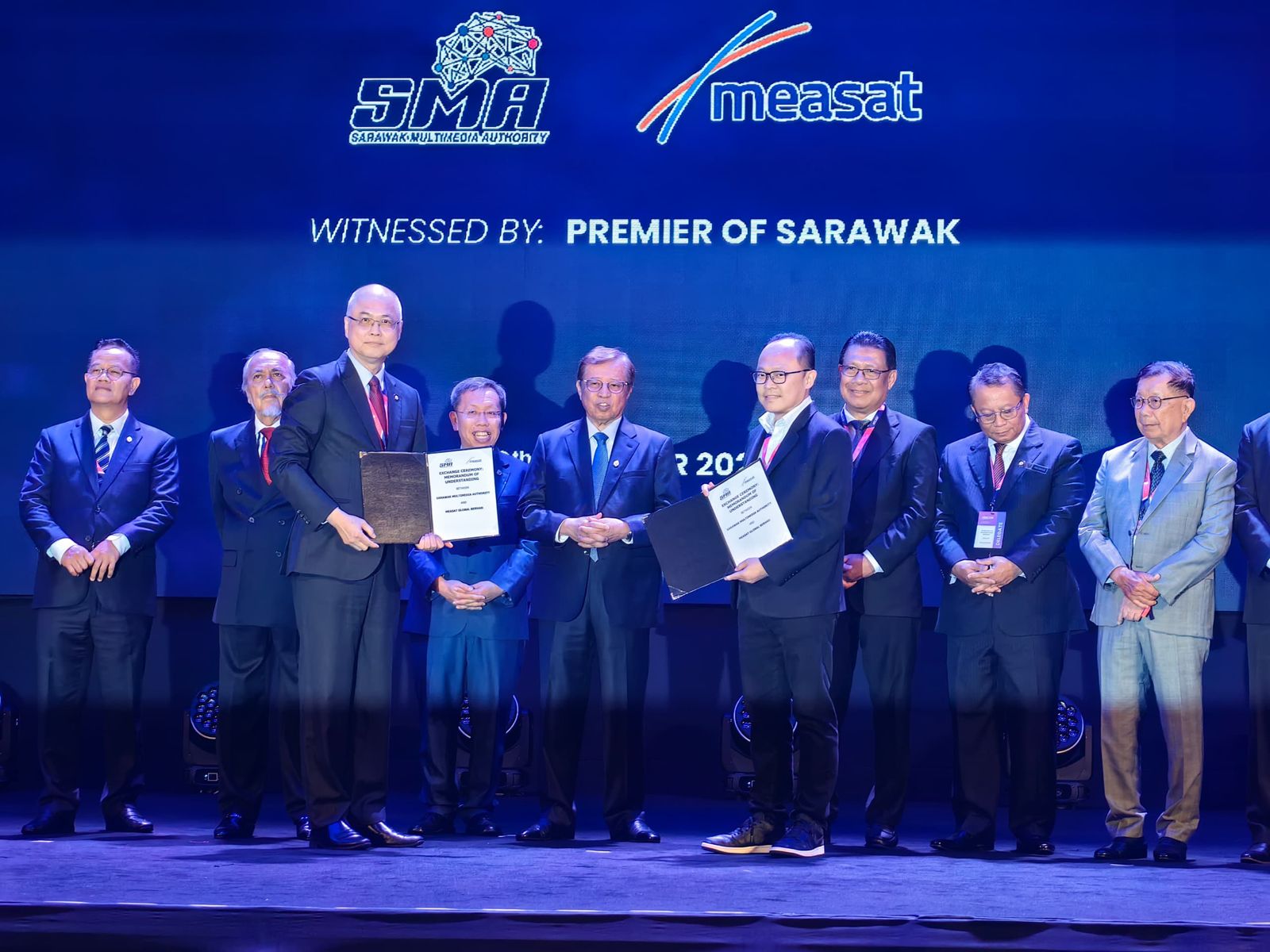
    Kuching, 15 October 2024 – The Sarawak Multimedia Authority (SMA) has signed a
    Memorandum of Understanding (MoU) with MEASAT Global Berhad (MEASAT),
    Malaysia’s premier satellite solutions provider to enhance Sarawak’s space industry
    development. The signing, witnessed by YB Dato Sri Julaihi Narawi, Minister for Utility
    and Telecommunication. The MoU exchange ceremony will follow during the
    International Digital Economy Conference Sarawak (IDECS) 2024 on 16 October 2024,
    officiated by YAB Datuk Patinggi Tan Sri Abang Johari Tun Openg, Premier of Sarawak,
    at the Borneo Convention Centre Kuching.

    Under this MoU, MEASAT will serve as a consultant to the Sarawak Space Industry and
    Satellite Committee (SISCOM) and offer industry expertise to shape policies, guidelines
    and the future of space and satellite industries in Sarawak. This also includes training
    and talent development, leveraging MEASAT’s 30 over years of experience in satellite
    management and service commercialisation.

    As part of the collaboration, SMA and MEASAT will explore joint projects, including
    satellite operations and management, the development of space, satellite, and launching
    policies, guidelines, training, and industry development. The private-public partnership
    will bring economic benefit to the State while enhancing Sarawak’s satellite capabilities.

    “The collaboration between SMA and MEASAT marks a pivotal moment for Sarawak’s
    ambitions in the space industry. By harnessing MEASAT’s satellite expertise, we are
    paving the way for greater connectivity, particularly in rural areas, while laying the
    foundation for Sarawak to manage its own satellite systems. This partnership is key to
    achieving our 2030 goals of satellite self-sufficiency, which will also contribute towards
    elevating our policymaking capabilities with advanced data collection and analysis,”
    commented YB Dato Sri Julaihi Narawi, Minister for Utility and Telecommunication.

    “SMA is committed to fostering open collaboration to explore innovative strategies for
    enhancing Sarawak’s connectivity and strengthening its digital infrastructure. SMA’s
    partnership with MEASAT is a significant step forward in building a robust space industry
    in Sarawak. With MEASAT’s vast experience, this collaboration will allow us to undertake
    joint projects, nurture local talent and expertise in Sarawak’s nascent aerospace sector,
    and position the state as a leader in satellite technology, besides driving overall
    economic growth,” said Dato Dr Anderson Tiong Ing Heng, General Manager, Sarawak
    Multimedia Authority.

    “MEASAT is honoured to be part of this initiative with SMA to advance Sarawak’s space
    ambitions. By providing our industry expertise, we aim to contribute to the development
    of satellite technologies that benefit Sarawak’s communities and government operations,
    ultimately supporting the state’s broader objectives,” added Yau Chyong Lim, Chief
    Operating Officer, MEASAT.

  • FROM HERITAGE TO TOMORROW

    FROM HERITAGE TO TOMORROW

    KUALA LUMPUR, 11 OCTOBER 2024 – Kuala Lumpur’s historic landmark, the Malaysia Tourism Centre (MaTiC) will once again light up in a whole new way as TERANG 2024 returns from October 11th to 20th, 2024, 8:00pm to 11:00pm. In its second edition, this 9-day exhibition will feature 34 competitive showcases of 1 to 1.5-minute projection mapping artworks, all inspired by the theme “Cultural Futurism”. 

    When night falls against the timeless backdrop of the city’s oldest colonial architecture, TERANG 2024 takes the audience on an immersive visual journey, blending vibrant cultural heritage with futuristic elements and innovations, illustrating how our roots continue to evolve brightly in the modern era. 

    TERANG, inspired by the Malay word for “bright”, is an initiative by Filamen, a forward-thinking platform focused on empowering and cultivating the new media talents of tomorrow. Through a projection mapping competition, TERANG encourages both international and local professional artists, as well as students, to exhibit their creations that breathe new life into heritage architectures, sparking public interest in the preservation of these landmarks.  

    The latest edition of TERANG will feature a diverse array of creative submissions from professional artists from Malaysia, Indonesia, Singapore and across the globe. Lling Lling representing Malaysia, a finalist for SOULFEST 2023 and winner of Mapping from Home Malaysia 2021, collaborates with motion designer Brian Cha on “Future Nature”, a thought-provoking piece that juxtaposes nature with human-made environments. Visual artist and architect, Zafree Azhar’s “Halimunan: The Invisible Reverie“ immerses viewers in a melancholic dreamscape where unrequited love and the fleeting nature of existence converges, transforming the heritage site into ghostly reflections of memory and oblivion. Lunartic Studio, the 2023 TERANG Audience Choice Award winner, returns with “Main-Main,” a playful piece inspired by 80s and 90s arcade games, blending Malaysia’s cultural essence with local favourites like the Monopoly-style game, “Millionaire.” Jonathan Lim’s “Night of the Cultural Museum” brings Malaysia’s cultural heritage to life, imagining a vibrant fusion of traditions secretly unfolding after midnight in a museum. 

    International highlights include Ari Dykier from Poland and C.L.V.X from Indonesia, both finalists in the world renowned 1minute Projection Mapping Competition in Japan. Bandung artist Eltria’s “Perseverance” captures the enduring spirit of Malaysian culture through the powerful symbolism of the Malayan tiger and the grace of the wau kite, blending tradition with futuristic elements in a world where both co-exist. Meanwhile, LIVEHUMANSUBJECT, led by Roger Ng and Qin Ai Xin from Singapore, inspired by Legend of Bujang Senang, examines the complex interplay between man, machine, and the cosmos through moving images and automated systems.

    In addition to professional submissions, TERANG 2024 has attracted participation from students at leading institutions such as DASEIN Academy of Art, INTI International University & College, The One Academy, Universiti Teknologi MARA (UiTM), Universiti Tunku Abdul Rahman (UTAR), Bandung Institute of Technology, BINUS University, Multimedia Nusantara University, and Sampoerna University Jakarta. 

    The projection mapping artworks at TERANG 2024 will be evaluated by a distinguished panel of judges, including Fasyali Fadzly, researcher at My Art Memory Project, ASWARA (Malaysia); Ady Setyawan, Festival Director of ITB Light Festival (Indonesia); Pongamorn Olanrungsikul (TUA) Founder and Creative Director of MotionHouse, (Thailand); and Michiyuki Ishita, Creative Director of 1minute Projection Mapping, (Japan). In addition to this, visitors at MaTiC can be part of the creative process by casting their votes for the “People Choice Award”. Simply explore the illuminated MaTiC, scan the on-site QR codes, and vote for the artworks that resonate most with you! 

    “Building on last year’s momentum, TERANG 2024 has gained even stronger support and enthusiasm from our community and partners, both locally and regionally. Alongside showcasing innovative works that are unique to the Southeast Asia narrative, we want to lead the way in creating opportunities for artistic exploration of how our cultural identity could evolve tomorrow through today’s technology,” said Abdul Shakir , organiser of TERANG and co-founder of Filamen.

    TERANG SHOWCASE AT KREATIF KL

    While MaTiC remains the heart of TERANG 2024, the experience extends to the Old High Court next to Masjid Jamek from October 30th until November 3rd, 2024, as part of the Kreatif KL Festival. This special showcase will feature a selection of award-winning and finalist projection mapping works from TERANG 2023, offering visitors a journey from colonial heritage to the Islamic architectural beauty of Masjid Jamek. The continuation reflects TERANG’s commitment to the sustainability and longevity of its artworks. Featured projection artists include Malaysia’s Seeing Arterlier, NEXMedia, Zhonkvision, Lunartic Studio, alongside Indonesia’s Story of Karana and Fearmos. 

    TERANG 2024 is organised by Filamen and Pixel World, co-organised by the Ministry of Tourism, Arts and Culture, ASWARA and the Malaysia Tourism Centre (MaTiC) which has supported TERANG since 2023. This event is also made possible by projection partner EPSON Malaysia and MyCreativeVenture, Think City and RUBIX Communications. 

    The TERANG 2024 is free and open to the public from 8:00pm to 11:00pm until 20 October 2024. Join us on a journey where history, art and innovation converge.  For the latest updates about TERANG, follow us @wearefilamen on Facebook and Instagram.

  • Singapore at a Discount: MITI Deputy Minister Highlights Malaysia’s Strategic Advantages at Rotary Club Event

    Kuala Lumpur — The Deputy Minister of Investment, Trade and Industry (MITI) was present at The Rotary Club of Malaysia’s Group 12 Interclubs Meeting, which seeks to promote a better and deeper understanding on Malaysia’s competitive economic landscape. Attended by more than 100 Rotarians and guests, the event focused on discussing the country’s economic landscape and future prospects, drawing on Liew’s latest publication entitled the Second Takeoff.

    In his keynote address, Liew emphasised the country’s strategic advantages in the shifting global manufacturing paradigm as he pointed out that higher-end manufacturing plants are increasingly establishing operations in Malaysia, which positions the country as a competitive player in Southeast Asia.

    Challenging the perceptions of Malaysia as merely “Vietname plus,” Liew suggested that it should be instead viewed as “Singapore at a discount” due to the country’s strong infrastructure, common law framework, and significantly lower costs of living and doing business compared to Singapore.

    “Knight Frank recently reported that office rentals in Central Prime Territory Kuala Lumpur are just 15% of those in Singapore—an 85% discount,” Liew noted, illustrating Malaysia’s competitive edge.

    Addressing concerns about talent availability in Malaysia, Liew acknowledged that the challenge lies not in a shortage of skilled workers but in wage competitiveness. He argued that as investment flows into the country, companies will be compelled to offer higher wages to attract and retain talent. “When you compete for workers, you’re prepared to pay more,” he stated.

    Liew highlighted that discussions on talent often overlook valuable sources, such as women. With women comprising 65% of public university enrolments and holding a significant portion of civil service and leadership roles, he encouraged a broader perspective on talent cultivation.

    The Deputy Minister also addressed the paradox of over a million Malaysians working in Singapore, often in roles that do not reflect their qualifications. He suggested that Malaysian employers could attract returning talent by offering competitive wages—around two-thirds of what is offered in Singapore. “If a 30-year-old engineer in Penang is offered a comparable salary, many would seriously consider returning,” he remarked.

    The evening concluded with a lively Q&A session, allowing attendees to engage directly with Liew on various topics, reinforcing the Rotary Club’s commitment to fostering dialogue on national and economic issues.

  • VSTECS Unites Technology Leaders at Malaysia’s Premier AI + DC Conference

    VSTECS Unites Technology Leaders at Malaysia’s Premier AI + DC Conference

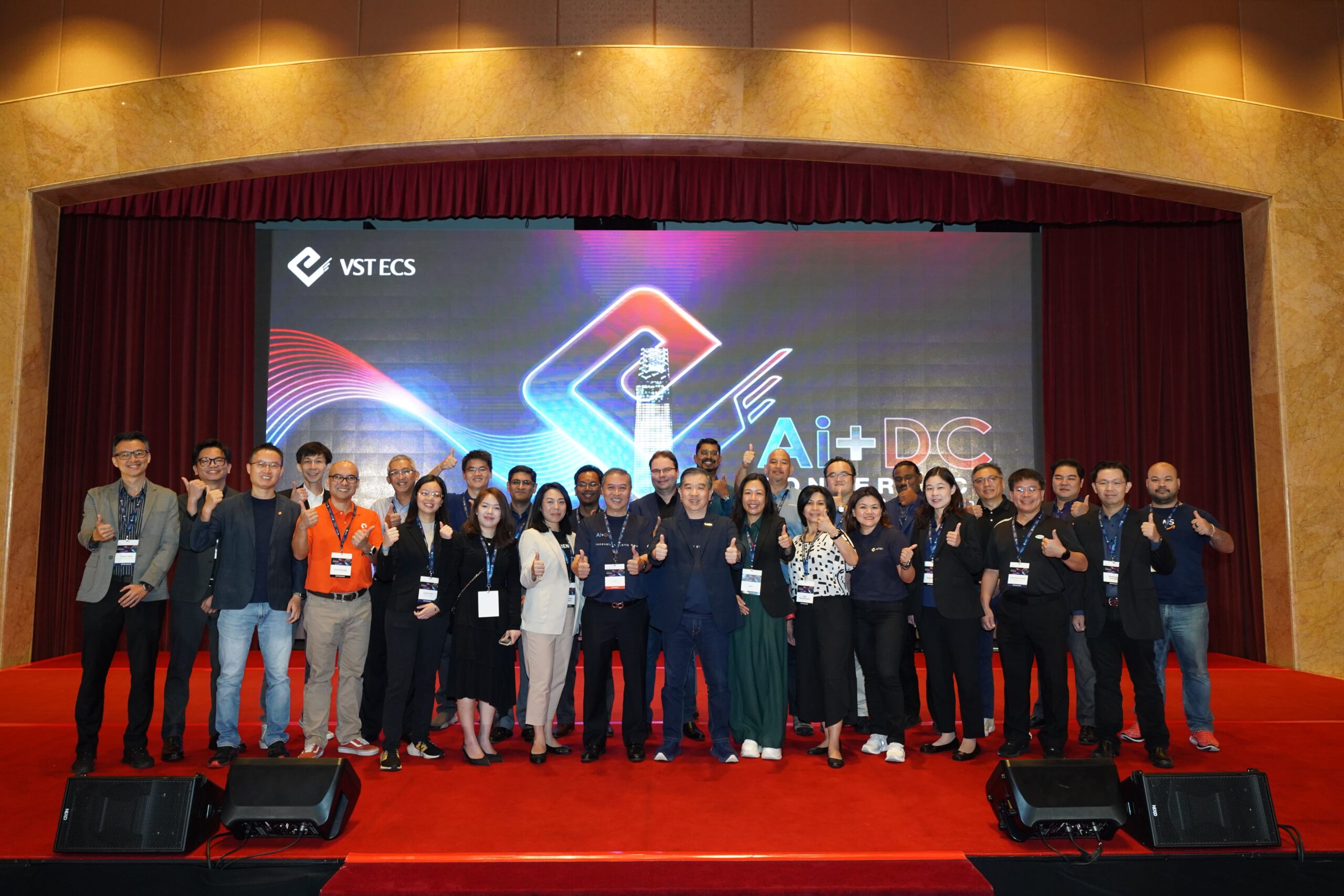
    Kuala Lumpur, 10 October 2024 – VSTECS Berhad (“VSTECS”or the “Company”, 偉
    仕佳杰, Stock Code: 5162), Malaysia’s leading Information & Communications Technology
    (“ICT”) distributor, today hosted the nation’s largest convergence of Artificial Intelligence (“AI”)
    and Data Centre (“DC”) technology leaders. This landmark event gathered industry pioneers
    and thought leaders from global technology giants – such as Nvidia, AWS, Microsoft, VMware,
    AMD, Dell, HPE, Lenovo, IBM, Juniper, Cisco, Huawei, and Alibaba – alongside local
    independent software vendors (“ISVs”) specialising in AI solutions, to share cutting-edge
    advancements and opportunities in AI and DC solutions.

    In his keynote address, JH Soong, CEO of VSTECS, emphasized the Company’s commitment
    to driving digital innovation and enriching the technology ecosystem in Malaysia. He
    highlighted VSTECS’s role in bridging the gap between cutting-edge technology and local
    enterprises, contributing to the country’s digital transformation.

    “AI and DCs are the foundation of the digital revolution, and we are proud to be part of this
    transformation,” said Soong. “VSTECS is committed to fostering collaboration, sharing
    knowledge, and enabling businesses to fully leverage these technologies. Malaysia is not just
    prepared to participate in this global shift—we are poised to be a key player, emerging as a
    regional hub for data centres, the key infrastructure to support and process the massive
    amounts of data that fuel AI algorithms.”

    During the conference, VSTECS also announced its appointment as the authorised server
    partner for Supermicro in Malaysia, further expanding its portfolio of industry-leading solutions.
    “This partnership further enhances VSTECS’s position as the leading distributor in Malaysia’s
    ICT infrastructure space, allowing us to offer high-performance server solutions that meet the
    increasing demands of the market,” added Soong.

    In addition to featuring global tech leaders, numerous local AI ISVs were showcased at the
    conference. This initiative aims to enrich the ecosystem by encouraging local developers to
    market their AI solutions through VSTECS’s extensive channel network, reinforcing the
    Company’s commitment to supporting local talent and innovation. The VSTECS AI + DC
    Conference 2024 proved to be a resounding success, offering an invaluable platform for
    industry leaders to connect, exchange ideas, and form strategic collaborations.

  • Theta Edge Berhad forms Strategic Partnership to Deliver Mobility as a Service

    Theta Edge Berhad forms Strategic Partnership to Deliver Mobility as a Service

    Kuala Lumpur, 07 October 2024 – Theta Edge Berhad (Theta or the Company), a leading ICT company listed on the Main Board of Bursa Malaysia with over 30 years of experience, continues its transformation journey by expanding into urban mobility. In line with the company’s strategic objectives of driving long-term shareholder value, Theta is leveraging its expertise in civil mechanical engineering, telecommunications, and technology to introduce Mobility as a Service (MaaS) with the aim of enhancing urban mobility and sustainability.

    Building a Sustainable Future: LRT & ART Integration

    As part of its commitment to building a sustainable future, Theta, in collaboration with the Nylex Consortium, offers a capex efficient integrated solution in the form of Light Rail Transit (LRT) and Autonomous Rapid Transit (ART) system in Johor Bahru. This innovative hybrid public transport solution is designed to offer efficient, scalable, and flexible mobility options to the city’s growing population. 

    Leveraging Expertise for Impactful Results

    The strategic partners potentially involved in this collaboration bring a wealth of experience and proven expertise in executing large-scale rail projects both locally and internationally. Highlights include:

    1. China Harbour Engineering Company Limited – Currently engaged in building Malaysia’s Rapid Transit System (RTS) and East Coast Rail Link (ECRL).
    2. China Energy International Group Company Limited – Leading the ART pilot project in Istanbul, with a 40 km route and 37 stations, integrating with a metrobus system that serves about 1 million passengers daily.
    3. BTS Group Holdings PCL – A proven leader in Bangkok’s Mass Rapid Transit (MRT) system, operating six MRT Skytrain lines for over 25 years and recognized globally as the most sustainable Transportation & Transportation Services company by the Dow Jones Sustainability Index for four consecutive years.

    Driving Innovation and Collaboration

    Datuk Nuraslina Zainal Abidin, CEO of Theta Edge, commented, “We are excited to collaborate with renowned partners who bring not only their expertise but also cutting-edge technology and experience. Together, we aim to deliver a truly innovative and sustainable Mobility as a Service (MaaS) solution that will positively transform urban mobility. This project is a key part of our vision to create a technologically advanced and connected future.”

    The integration of the LRT and ART systems will complement the upcoming RTS, scheduled to be fully operational by January 2027. This hybrid transport solution is expected to cater to both local and Singaporean ridership, addressing future demand while improving the overall passenger experience.

    Why an Integrated Approach?

    The hybrid LRT-ART system presents several significant advantages:

    1. Efficiency: ART will enhance LRT and RTS by reducing congestion and waiting times.
    2. Accessibility: The system is designed to serve both high- and low-density areas, expanding transport options for a wider range of commuters.
    3. Cost-effectiveness: The hybrid solution reduces construction and operational costs while offering a sustainable long-term transportation strategy.
    4. Scalability: Designed to grow with the city’s population and urban development.

    Contributing to Malaysia’s Sustainable Goals

    Theta Edge’s involvement in this project is aligned with its 5-year strategic value creation plan, which emphasizes continuous innovation, strong partnerships, and sustainability. The Johor Bahru LRT-ART project also supports Malaysia’s Twelfth Malaysia Plan and its commitment to achieving net-zero greenhouse gas emissions by 2050.

    By leveraging the collective expertise within both consortiums, this collaboration is poised to deliver a cutting-edge transportation system that will significantly enhance urban mobility, contribute to economic growth, and improve the quality of life for residents in Johor Bahru.