Be on the lookout for geopolitical uncertainty, rising rates, slowing growth and election uncertainty
Smart Investor: Congratulations! Can you tell us more about your winning fund in the FSMOne Recommended Unit Trusts Awards 2022/2023?
Nor Daliya Mohd Daud: We are honoured to receive this recognition for our AIA PAM Growth Fund. This Fund, which was launched on 16 May 2013, invests in equities with a bias towards equities with potential for growth. The Fund will invest in local and foreign markets as it seeks to provide long-term risk-adjusted returns to its members by integrating rigorous fundamental research with disciplined risk management.
We incorporate Environmental, Social and Governance (ESG) considerations into the investment decision-making process as we believe ESG principles underpin proactive risk management.
Since its inception, the AIA PAM-Growth Fund has recorded a cumulative return of 57.2% as at end March 2022.
SI: What are the challenges you have faced in the past 12 months?
ND: In addition to COVID-related lockdowns within Malaysia and in other major markets which restricted movements and impacted market sentiments over the past year or so, other more recent challenges include Russia’s invasion of Ukraine, soaring commodity prices and supply chain disruptions.
Underperformance in Chinese stocks had also caused equities to decline and bond yields to rise while accelerated monetary policy and quantitative tightening by the US Federal Reserve and Bank Negara Malaysia (BNM) is now a major concern. Notwithstanding the evolving market conditions, we will remain vigilant and adjust our investment strategies accordingly when the need arises.
Asset allocation decision remains the key driver when determining the range of portfolio outcomes amid volatile markets. We may adopt a temporary defensive strategy during adverse market conditions by increasing exposure to lower risk assets.
SI: What are the market trends that an investor should look out for in the near future?
ND: Geopolitical uncertainty. Market volatility is likely to persist in the near term given no signs of the war ending in the Russia – Ukraine conflict. The longer the war drags on, the longer sanctions will be in place with negative implications on commodity supplies and further increased inflation risks.
Rising rates. Bond yields are rising as the market has been repricing due to the number of rate hikes by the US Federal Reserve that should occur in the foreseeable future. The US Federal Reserve and other central banks are moving to normalize monetary policy to tackle inflation. Domestically, Bank Negara Malaysia’s policy measures should remain accommodative in the near term and the supply of sovereign bonds should be well-absorbed by the market. Overall, the domestic financial system liquidity remains ample, which shall remain supportive of the bond market.
Slowing growth. After a strong economic rebound in 2021, a slowdown in the global economy is expected this year amid less favourable market conditions with rising inflation, China COVID-19 lockdowns and geopolitical concerns.
Election uncertainty. There are news that the 15th Malaysian General Election will be held this year. The uncertainty in the general election outcome could trigger volatility in the market. Investors would want to see decisive policy decisions to combat inflation and a slowing economy.
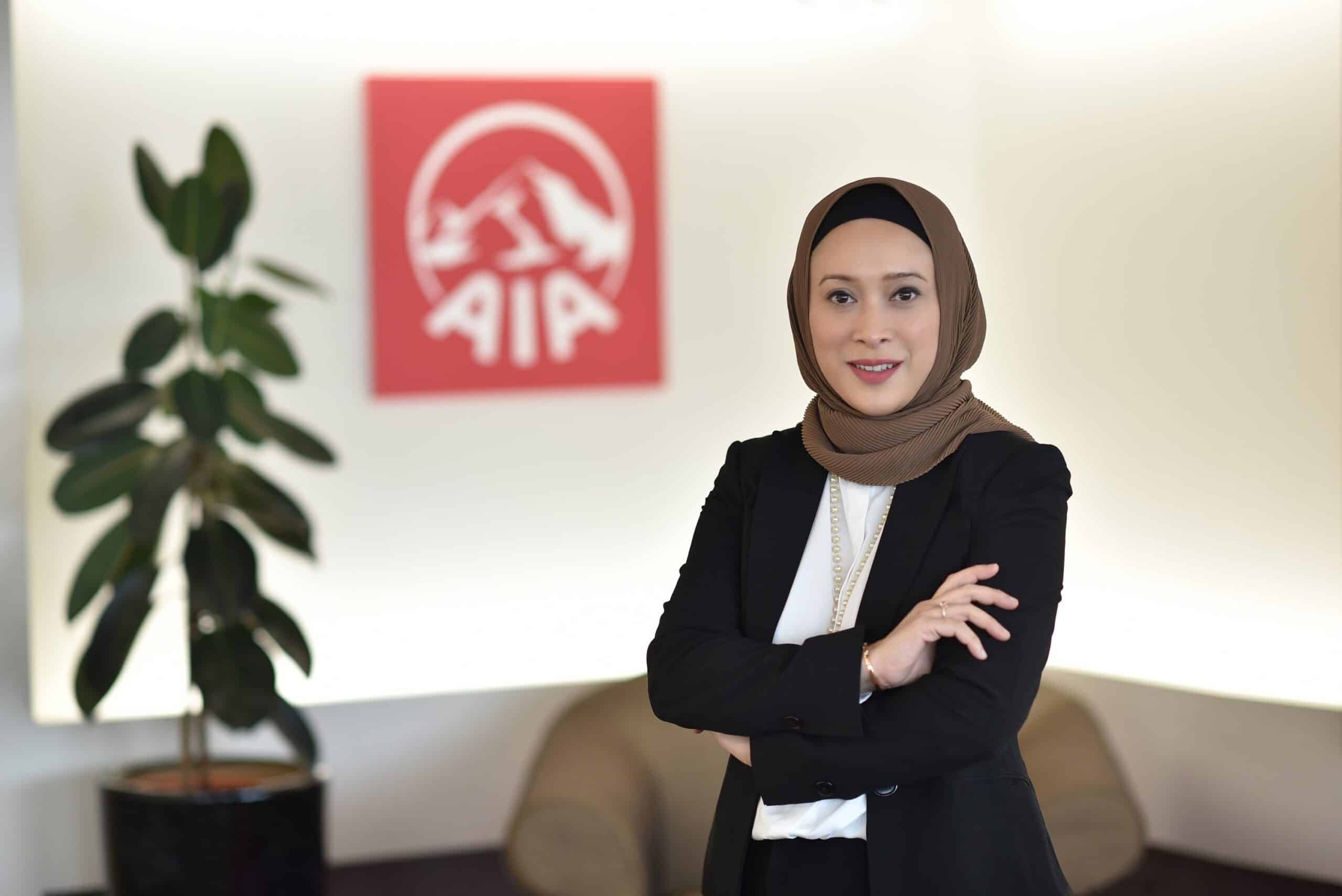
Nor Daliya Mohd Daud, Director, AIA Pension and Asset Management Sdn Bhd
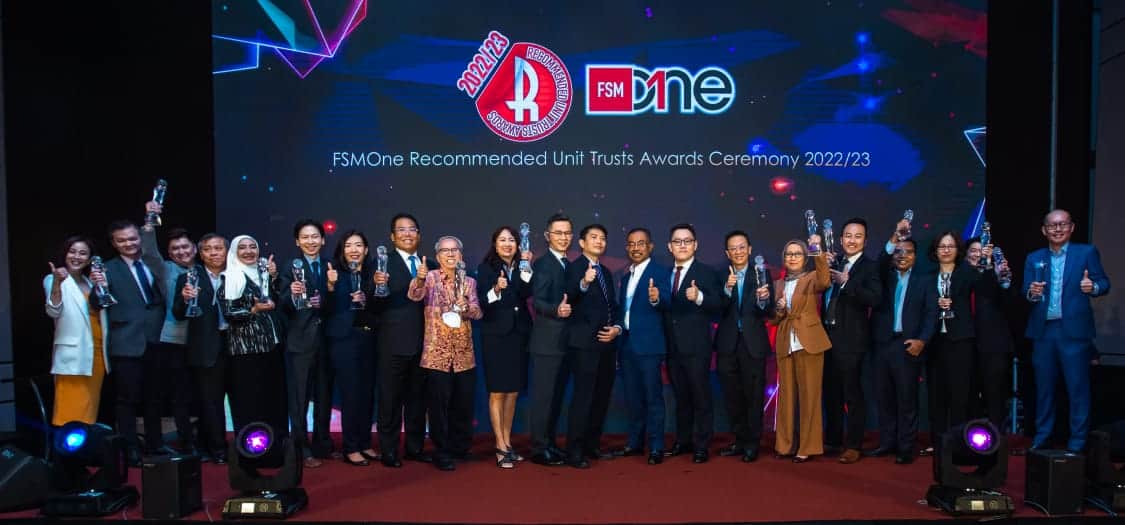
FSMOne Malaysia, a multi-asset investment platform today assured Malaysian investors that unit trusts are still relevant and viable option that can help them achieve medium to long term financial goals. This assurance was reiterated at the FSMOne’s Recommended Unit Trusts Awards 2022/2023 at Pavilion Hotel, Kuala Lumpur earlier today.
The Awards, which are distinguished acknowledgements of outstanding fund managers that have produced best-in-category fund performances, saw 44 Recommended Unit Trusts from 17 fund houses, including Affin Hwang Asset Management Berhad, Manulife Investment Management (M) Berhad, Principal Asset Management Berhad, RHB Asset Management Sdn Bhd, Kenanga Investors Berhad, Eastspring Investments Berhad, and AmFunds Management Berhad, to name a few, make it to the list (see appendix for the full list).
Mr Koh Soo Cheng, General Manager of FSMOne Malaysia during his presentation emphasised that unit trusts continue to be an essential investment vehicle for all investors as they allow investors to build highly personalised and appropriately diversified portfolios to achieve their financial goals.
“From our analysis, we observed that throughout various market cycles over the years, the performances of our Recommended Unit Trusts have consistently been up to the mark against peers within the same category,” said Mr Koh Soo Cheng.
“The huge following of our Recommended Unit Trusts is a testament to the trust that our investors have on our selection methodology,” added Mr Koh Soo Cheng.
The Recommended Unit Trusts were assessed on both quantitative and qualitative parameters. The quantitative parameters included Returns, Risk, and Expense Ratio while the qualitative parameters considered were the consistency of fund managers in their investment approach, stability of the management team, and the departure of key personnel, among others.
“With an increase in our client base for the past 2 years, I believe that financial literacy among our investors is now more evident than ever. Besides FSMOne Recommended Unit Trusts lists which serves as a good point of departure for new investors, they can also get investment ideas from iFAST TV. It is an investment-focused channel committed to creating relevant, informative and engaging video content which was launched last year.”
“We are committed to provide the best of wealth management all under one platform. To that end, FSMOne Malaysia has launched stocks and ETFs trading capabilities supporting Malaysia, US, Hong Kong and Singapore exchanges last year, and will be supporting the China A-Shares exchange on 8 July 2022,” added Mr Koh Soo Cheng.
On the global economic outlook, Mr Jason Wong, Research Manager of FSMOne Malaysia highlighted that he expects global growth to slow in the second half of 2022 amid persistently elevated inflation and monetary policy tightening by major central banks around the world.
In terms of the market outlook, he expects volatility to persist as lingering risks such as slowing growth, recession fears, high inflation, aggressive rate hikes and geopolitical tensions to possibly drag on towards the end of 2022.
“That being said, the market retracement this year has dragged down global equities to much more palatable levels, which could present opportunities for long term investors to take advantage of. With a lot of the negativity priced into markets, we would not rule out a gradual rebound amidst the volatility should things turn out better than expected. Some of the potential catalysts for a swift turnaround include inflation abating, China’s reopening and the end of the Russia-Ukraine war,” Jason Wong added.
Yet, on the other hand, despite the obvious risks, he thinks that the deep sell-off in Chinese stocks could finally be on the cusp of a turnaround. He expects China to roll out more policy measures to help support the economy. In fact, the government has already been rolling out economic support measures and fighting back against plummeting confidence in recent months. Adding to his optimism is the fact that China is emerging from its worst Covid-19 outbreak in more than two years, with daily Covid-19 cases trending down nationwide in recent weeks.
“Amidst the changes in the macroeconomic environment, fund managers have adjusted their portfolios accordingly towards investments that can better weather rising inflation and interest rates. Hence, we advise everyone not to overlook this opportunity for returns that would contribute to better long term wealth accumulation,” Jason Wong elaborated further.
This is the 14th year FSMOne Malaysia hosted its FSMOne Recommended Unit Trusts Awards. FSMOne Malaysia has been established in Malaysia since 2008.
For more information about FSMOne Malaysia and their recommended unit trusts, please visit www.fsmone.com.my.
About FSMOne Malaysia and iFAST Capital Sdn. Bhd.
FSMOne Malaysia (previously known as Fundsupermart.com Malaysia) is a Multi-Asset Investment Platform under iFAST Capital Sdn. Bhd. (“iFAST Capital”), established in Malaysia since 2008.
iFAST Capital is a holder of a Capital Markets Services Licence (CMSL) and is licensed by the Securities Commission to deal in securities (includes Stocks & ETFs, unit trusts and OTC bonds), dealing in private retirement scheme, offer investment advisory services, financial planning services and fund management services in relation to portfolio management.
iFAST Capital is a Federation of Investment Managers Malaysia (FiMM) registered Institutional Unit Trust Adviser (IUTA) and Institutional Private Retirement Scheme Adviser (IPRA). It is also an approved Financial Adviser licensed by the Central Bank of Malaysia to conduct financial advisory business and also a Participating Organisation of Bursa Malaysia Securities Berhad.
iFAST Capital is a subsidiary of iFAST Malaysia Sdn. Bhd. which is wholly owned by iFAST Corporation Ltd. (“iFAST Corporation”). iFAST Corporation is headquartered in Singapore and the iFAST group of companies are also present in Hong Kong, Malaysia and China. The company was incorporated in Singapore on 10 January 2000.
iFAST Corporation was listed on the Singapore Exchange Mainboard in December 2014.
The impact of the pandemic on organisations has been uneven, both in Malaysia and elsewhere. While some adapted well and thrived, others were less fortunate, often at no fault of their own, and had to restructure or shut down their business.
Regarding the trend of digitisation, it is not new given the well known benefits of cost savings and increased customer engagement. However due to lockdowns and business disruptions, this trend became less of an option and more a matter of survival.
We recently got in touch with Inter-City MPC (M) Sdn. Bhd, a homegrown company with over 30 years of experience that focuses on clients’ digital transformation. This includes data document processing, record management services, and many more that can help us embrace the changes caused by the pandemic.
How Has The Pandemic Affected Organisations All Over Malaysia?
“As a service provider of physical and digital end consumers statements, Intercity recognized the opportunity and expanded into digital transformation – that being we work with clients to solve the challenging task of transitioning statements and end consumers from print to digital, including data transition, process improvement across all modes (paper or digital), and omnichannel sending (mail or emails)”, said Nick Liew, Chief Executive Officer of Intercity.
What It Requires To Go Digital?
As a business owner, you will need help to go digital because the transition itself is challenging. There are three things that you need to look at:
Data transition: Going from print to digital requires high-quality data. You need to run a series of campaigns to collect end consumers’ data on behalf of clients, from web links to on-ground surveys.
Record transition: From physical records to digital records. You can do this by scanning, digital archiving and secure destruction of physical records for data privacy.
Process transition: From physical forms to online registration. You will need to run processes such as data entry and call centers to further support end consumers who are not fully digital.
Are The Organisations Now More Open To Go Digital?
According to Brandon Smith, Chief Commercial Officer of Intercity, “Organisations continue to identify specific business processes or operating segments that can shift towards adopting digital methods, especially where there is potential for revenue gains, cost savings, or efficiency improvements.”
Intercity understands these business objectives and tailors our offerings to ensure our digitisation offerings are impactful and deliver real value.
How Does Organizations Transform Themselves?
For example with Majlis Bandaraya Shah Alam, they managed to increase the collection rates of quit rent (cukai pintu) by 30% in 2021. The increased revenue to the local council was crucial to support ongoing frontline services like waste collection and local infrastructure maintenance, especially at a time when many were working from home.
In the case of Majlis Perbandaran Klang, they are able to optimise their mailing of local resident statements and bills, resulting in a 25% cost reduction in 2021, in preparation for further digitisation efforts. These cost savings were then quickly allocated to other crucial services during the pandemic.
“Besides cost savings, digitisation supports the broader goals of environmental sustainability. Given our clients’ focus on impactful ESG actions, from 2020 to 2021 Intercity worked with their clients to save approximately 140,000kg of paper which is the equivalent of saving 3,400 trees,” said Nick Liew.
With The Rise Of Inflation And Interest Rates, How Does Intercity Help Its Clients To Weather The Storm?
As organisations review their operations to adjust to rising costs from inflation and interest rate changes, there is a trend to focus on their core businesses while delegating non-core processes to specialist external service providers to save costs.
In an inflationary environment, Intercity is not immune to supply chain disruptions and rising raw material costs. However as a specialist service provider, Intercity has sufficient scale and ability to manage input costs thus ensuring minimal cost increases for our clients.
To take it one step further and exploit cost savings from digitisation, clients work with Intercity to transform their end consumers’ communication from physical to digital.
Brandon Smith says, “To do this, Intercity runs a digital BPO service on behalf of clients to ensure full communication via print and/or digital channels. The BPO service includes multi-stage data collection, a step-by-step physical-to-digital shift by customer segments, and hands-on technical development & support.”
The story that we are about to share with you is truly an interesting one. It is about an individual who bounces back after a tragic event to reach greater heights.
Let’s meet Mr. Sanz Teoh, Chief Executive Officer and Founder of Jumix and his inspiring story below.
Smart Investor: Thanks for taking the time to talk to Smart Investor. Can you tell us a little bit about yourself, about Jumix, and what makes you started the company?
Sanz Teoh: Hi, I’m founder and CEO of Jumix. In 2014, I was almost murdered by a local gangster group. That inexperienced me was trying to work a side hustle while having a full-time digital marketing job.
It was at that moment, I decided that I have to fully commit my time, effort, and energy to my own business. I promised myself that no one else in this world should go through the same experience as I did, and I set out to make this my business mission.
Combining my educational knowledge in marketing and my personal passion in creating digital products, I founded Jumix. It started off as a web design & digital marketing agency, now we also do Branding and NFTs for businesses.
Smart Investor: We heard about your recent foray into the NFT scene with BeU, care to elaborate on that?
Sanz Teoh: Yes, and I’m very excited about this. There’s a story behind why we are doing NFT. Previously during the MCO, we have a long discussion with a creative agency to come out with a ‘Virtual Influencer’ that is set for a launch in late 2020.
My entire team put a lot of effort and commitment into that project. But due to some contractual dispute, the plan didn’t work out. It is then we decide to take things into our own hands, and is determined that we are going to create something new all by our own instead of working with another agency.
This is why we decided to dive into the NFT scene. Being a seasonal cryptocurrency investor and familiar with blockchain technology myself, I proposed to my team that we can use utilize our creativity to create characters, which will then be a set of collectibles on the blockchain.
Starting from scratch, my team brainstorm, sketch, draw, produce and code the entire BeU NFT project. Throughout the entire journey, we learnt a lot more about NFTs and how NFTs can really help brands and creators to bring a lot more to the table.
People who are interested in an NFT project can ‘own’ it and enjoy the benefits or utilities that the NFT project gives.
For example, people who own BeU NFT will get another NFT for free, which is the ‘egg’ of the original character, which will ‘hatch’ and revealed later on. It would remain a mystery for now.
All owners will also get to involve in the roadmap of BeU project, which include deciding on which charity foundation that we will donate our money to, getting access to exclusive BeU merchandise, stand a chance to win life-size BeU figurine, and ultimately, be the first to access the virtual world that BeU created – BeUtopia.
Smart Investor: How big is the NFT industry in Malaysia and are Malaysians ready to get on board the NFT phenomena?
Sanz Teoh: I would say that the NFT industry in Malaysia is still pretty new. But so far I’ve already seen quite a number of artists, creators and brands that have dived into NFTs.
Things are just going to get more interesting for Malaysians, but just like any other market, there’s always a stigma when it comes to adopting or investing into something new.
I believe with more brands and creators embracing NFT with more following suit, this is why Jumix is going to bring more both brands and creators into this industry, and drive the growth of Malaysia’s market together.
Smart Investor: With the recent crash of the crypto market, does it have an effect on the NFT market?
Sanz Teoh: Crypto market has its ups and downs over the years. While I’m not talking about cryptocurrencies trading, the price crash of crypto does affect the NFT market as well.
When prices of crypto drops, it actually makes NFTs more appealing, as you can now purchase NFTs at a much lower price. This makes collecting or investing in NFTs much more approachable to the public.
Smart Investor: Can you share with us your plans for the future?
Sanz Teoh: BeU is only the first NFT project that Jumix pushes out, we’ll have more NFT projects in collaboration with other brands, which would include more utilities, features and more creative concepts.
For the next 6-12 months, other than growing the BeU community, I’m also looking to work with brands who are interested in NFT to build new projects with them.
Smart Investor: What is your advice to Malaysians out there who wants to get involved with NFT?
Sanz Teoh: There will be two groups of people here. The first ones are the brands and creators.
For brands and creators, my advice is to get involved as soon as possible, as the trend is rising rapidly and the attention in this space is high. But please do not take this opportunity as a money grab, NFT is still very community-driven and it should be created for the community, not for your own profit’s sake.
The second group of people are the owners and investors. For investors, don’t take this as a get-rich-quick investment, but something more like a long-term investment. But before putting in your hard-earned money, make sure that you believe in a particular NFT project and do your own due diligence.
For smaller NFT owners, go ahead and support your favourite creators and brands while enjoying the benefits that the NFTs provides, experience how blockchain and cryptocurrency work, and have fun at the same time.
Smart Investor: Can we really make money from NFT, is NFT a good investment to venture into?
Sanz Teoh: I’m not one to tell people that we can ‘earn money’ from NFT. I would tell them to first, truly understand as to what, why and how cryptocurrency, blockchain and NFT exists.
Once you fully understand the benefits of blockchain and NFT, then, like any venture or business, you have to be creative, committed, and create something that people want, or of interest, to be able to ‘make money’ from it.
For the general public, some NFTs project are really good, and has good utilities, visionary founders, responsible project team and for a good cause. These are NFT projects that you can invest into.
For brand and business owners, investing in creating NFTs is a good way to differentiate your brand and business, raise funds, or to offer additional utilities and benefits to your fans or loyal customers.
The potential of NFT is vast. With proper strategy and ethical purpose, NFT is definitely the way to go.
Insurers in Asia are experiencing above inflation rises in the cost of employer-sponsored medical benefits programs over pre-pandemic levels, according to a report by Mercer Marsh Benefits (MMB). According to findings in MMBHealth Trends, costs in Malaysia decreased by 3% in 2020, but increased by 8% in 2021. Insurers are expecting medical costs to further rise by 12% in 2022 – six times the predicted general inflation rate for Malaysia, the third highest increase in Asia, the report noted.
The MMB Health Trends report surveys 210 insurers globally, including 74 in Asia, and identifies key trends influencing the future of employer-provided medical benefits. The results show that five countries in Asia experienced higher medical trend rates than the regional average (8.8%) in 2021, namely India with the highest medical inflation rate of 14%, followed by China (12%), Indonesia (10%), Vietnam (10%), and the Philippines (9%). Overall, 81% of insurers in Asia indicated an upward trend in medical claims activity in 2021, even though 53% of insurers reported lower medical claims than pre-pandemic levels.
Malaysia’s Ministry of Health has estimated that non-communicable diseases (NCDs) cost the Malaysian economy RM 12.88 billion in terms of productivity losses arising from absenteeism, presenteeism or premature death in persons of working age per year.[i].
The MMB Health Trend report reveals that cancer (55%), diseases of the circulatory system (43%), and COVID-19 (36%) were the top cost drivers of medical claims in Asia in 2021, while respiratory diseases (47%), gastrointestinal diseases (36%) and COVID-19 (34%) are healthcare conditions that experienced the most frequent claims.
Joan Collar, Asia Regional Leader, Mercer Marsh Benefits, commented: “Costs have soared despite lower levels of medical treatment than before the pandemic, a trend exacerbated by deferred healthcare treatments that for many have resulted in more adverse outcomes, leading to higher costs. Reducing NCDs remains a key priority for employers for the health of their employees and their business. More than ever, employer-sponsored medical benefits should be viewed as an investment in employees’ well-being. Employees who feel their employer cares about their health and well-being are more motivated, productive, committed, and loyal.”
Gaps remain in mental health coverage though inclusive benefits increase
Of all global regions, the report identified Asia as having the most inadequate coverage in relation to mental health, with only 34% of insurers providing coverage for outpatient treatments in mental health, and just 21% providing coverage for preventive mental health measures. Moreover, 32% do not offer any coverage for mental health services, reflecting a huge protection gap between access to benefits against the burden of mental health risks.
However, the study shows that 33% of insurers are making changes to facilitate more inclusive medical plan designs by allowing coverage for the non-permanent or full-time workforce with 54% either adding or considering extending eligible expenses that are more inclusive for women.
“Employers need to develop a mental health strategy to enhance the overall well-being of their employees and refine their benefits strategy accordingly to align it to their diversity, equity, and inclusion goals and the different needs of their employees. With a sharp rise in the number of employees experiencing burnout and fatigue, this has become a workplace imperative. Employers need to deploy investments and resources to ensure they maintain a mentally resilient workforce,” Ms. Collar added.
The Mercer Marsh Benefits (MMB) is the service value proposition that Marsh brings to its clients. MMB is not an insurance product. In India, an insurance product can be provided only by a registered insurance company. Insurance is a subject matter of solicitation.
About Marsh
Marsh is the world’s leading insurance broker and risk advisor. With over 45,000 colleagues operating in 130 countries, Marsh serves commercial and individual clients with data-driven risk solutions and advisory services. Marsh is a business of Marsh McLennan (NYSE: MMC), the world’s leading professional services firm in the areas of risk, strategy and people. With annual revenue nearly $20 billion, Marsh McLennan helps clients navigate an increasingly dynamic and complex environment through four market-leading businesses: Marsh, Guy Carpenter, Mercer and Oliver Wyman. For more information, visit mmc.com, follow us on LinkedIn and Twitter or subscribe to BRINK.
[1] The Impact of Noncommunicable Diseases and Their Risk Factors on Malaysia’s Gross Domestic Product (2020). Putrajaya, Malaysia: Ministry of Health Malaysia.
At its meeting today, the Monetary Policy Committee (MPC) of Bank Negara Malaysia decided to increase the Overnight Policy Rate (OPR) by 25 basis points to 2.00 percent. The ceiling and floor rates of the corridor of the OPR are correspondingly increased to 2.25 percent and 1.75 percent, respectively.
The sustained reopening of the global economy and the improvement in labour market conditions continue to support the recovery of economic activity. These have partly cushioned the impact of the military conflict in Ukraine and the strict containment measures in China. Inflationary pressures have increased sharply due to a rise in commodity prices, strained supply chains and strong demand conditions, particularly in the US. Consequently, several central banks are expected to adjust their monetary policy settings at a faster pace to reduce inflationary pressures. The global growth outlook will continue to be affected by the developments surrounding the conflict in Ukraine, COVID-19, global supply chain conditions, commodity price shocks, and financial market volatility.
For the Malaysian economy, latest indicators show that growth is on a firmer footing, driven by strengthening domestic demand amid sustained export growth. The labour market is further lifted by a lower unemployment rate, higher labour participation and better income prospects. The transition to endemicity on 1 April 2022 would strengthen economic activity, in line with further easing of restrictions and the reopening of international borders. Investment activity and prospects have also improved, underpinned by the realisation of multi-year projects and positive growth outlook. However, risks to growth remain, which include a weaker-than-expected global growth, further escalation of geopolitical conflicts, worsening supply chain disruptions, and adverse developments surrounding COVID-19.
Headline inflation is projected to average between 2.2% – 3.2% in 2022. Given the improvement in economic activity amid lingering cost pressures, underlying inflation, as measured by core inflation, is expected to trend higher to average between 2.0% – 3.0% in 2022. Nevertheless, upward pressure on prices would be partly contained by existing price controls and the continued spare capacity in the economy. The inflation outlook continues to be subject to global commodity price developments, arising mainly from the ongoing military conflict in Ukraine and prolonged supply-related disruptions, as well as domestic policy measures on administered prices.
Over the course of the COVID-19 crisis, the OPR was reduced by a cumulative 125 basis points to a historic low of 1.75% to provide support to the economy. The unprecedented conditions that necessitated such actions have since abated. With the domestic growth on a firmer footing, the MPC decided to begin reducing the degree of monetary accommodation. This will be done in a measured and gradual manner, ensuring that monetary policy remains accommodative to support a sustainable economic growth in an environment of price stability.
As of 2020, there are over 1.1 million SMEs registered in Malaysia, making up about 97.2% of total business establishments in the country. Microenterprises make up 78.4% while small businesses account for 20% and medium ones are 1.6%.
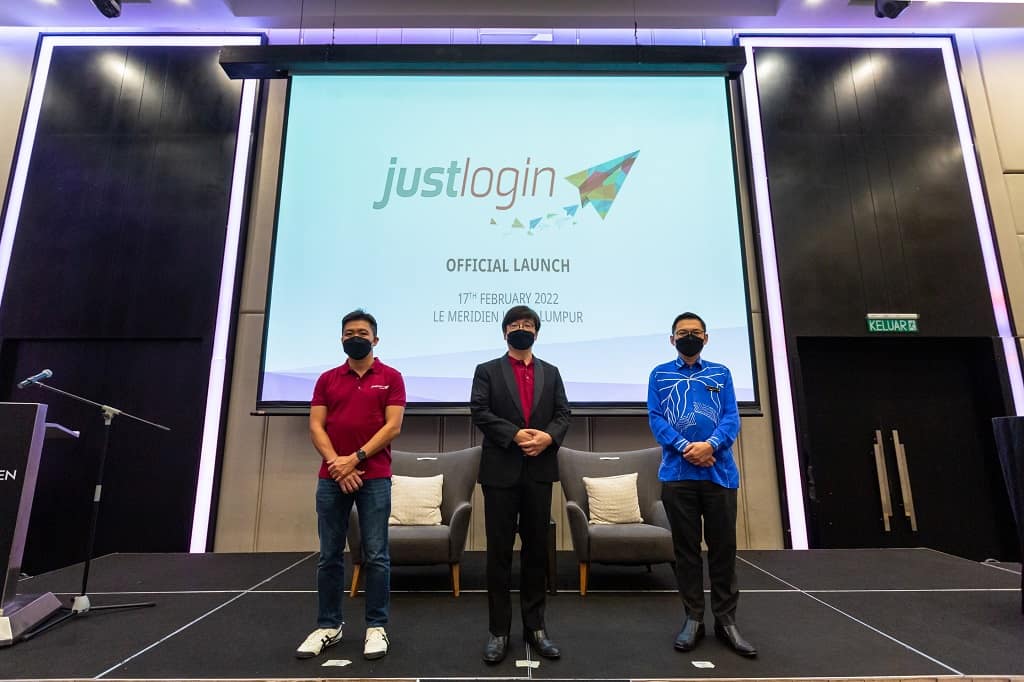
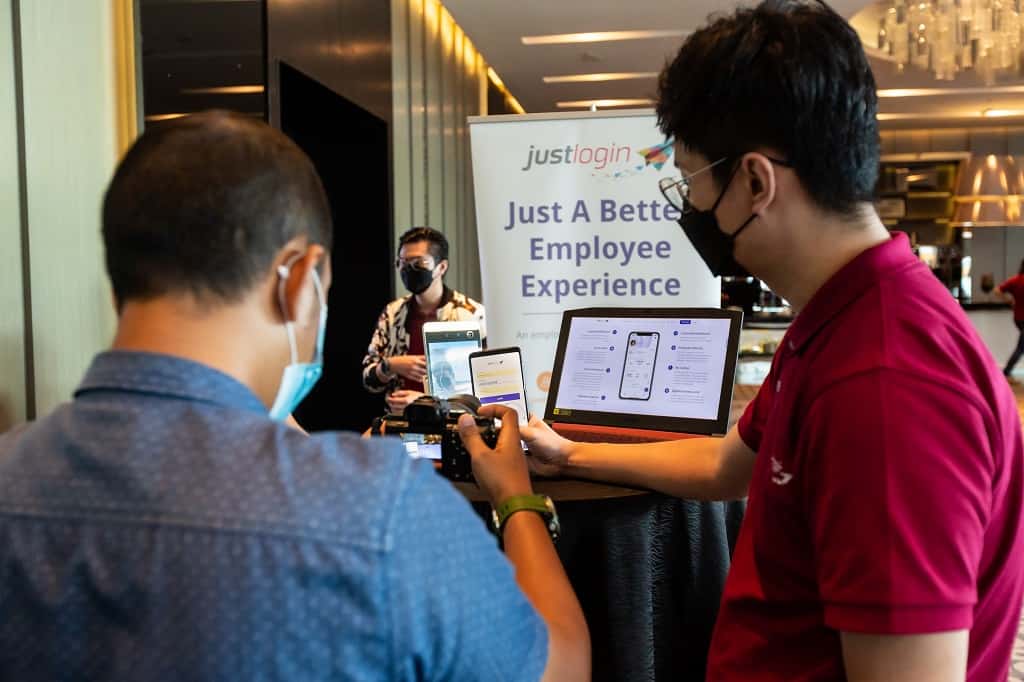
With JustLogin making its debut in Malaysia, the leading HR Cloud software provider from Singapore offers a suite of HR and office collaborative applications with its mobile-first and employee-first approach tailored for today’s hybrid and remote workstyle where digitalisation is at the forefront.
JustLogin is not only payroll-focused as it has a host of solutions including SafeClock – all of which enhance the productivity and office efficiency through streamlining administrative work processes and communication channels.
Recently, Smart Investor did an exclusive interview with Mr. Chan Chiou Hao, COO of JustLogin to share his insights.
1. Why is it so important to adopt digitalisation within the SME community?
In line with the challenges faced by SMEs, many do not have the budgets that larger organisations have when it comes to hiring the necessary headcount required to run their companies efficiently. However, with the advent of technology, especially the democratisation of enterprise software with cloud technologies, it has enabled SMEs to do more with less. They are able to be more effective with less people and are able to outsource more functions of their business.
In a time-starved era, it’s more crucial than ever to adopt digitalisation. SMEs will risk being left behind when it comes to meeting their customers’ demands if their core business operations or structure is compromised or neglected.
Only with a solid base foundation, SMEs can focus on ‘important’ matters – which include making informed business decisions, enhancing productivity and increasing efficiency and accuracy.
We believe that in order to grow the economy, the necessary essentials are needed to kickstart or digitise business operations. We have seen a boom in start-up ventures over the years with the trend of businesses moving towards digitalisation and the IR4.0 era.
2. How are HR, tech and business related? And how do these aspects affect how a business would operate?
In most businesses, HR costs (e.g.: salaries) are usually one of the biggest (if not the biggest) costs in a company’s P&L. However, it is quite surprising that a lot of businesses tend to under-invest in HR or systems that support their HR.
Take constructing a building for example. Without a proper or solid base foundation, it will be at risk of collapsing as it is vulnerable.
This applies to businesses as well. At the core of every organisation, these 3 key elements (HR, tech and business) make up the backbone of the company. With the integration of these key elements, other ground work will operate at a smoother pace.
3. Tell us about the tech behind JustLogin’s solutions. What are the key features set to be a gamechanger in the Malaysian business landscape and how were these features developed?
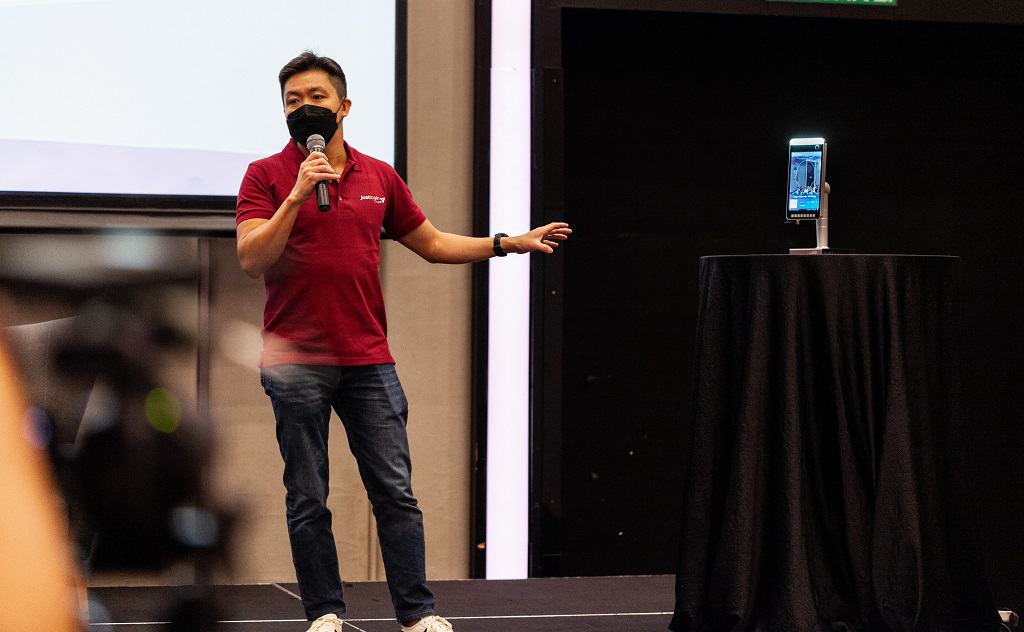
With the advent of the gig economy, more and more companies are finding themselves hiring a mix of permanent, part-time and gig workers. This has further complicated how HR operates as they have to deal with complex requirements. JustLogin’s HR Cloud is perfectly suited for this new workforce. Some of JustLogin’s features include digitised expense claims, employee time management, leave entitlements which includes medical, compassionate and maternity, benefit management, people insights, payroll management and SafeClock, an all-in-one contactless temperature scanner, attendance tracker and door access.
These features are fully updated and integrated to comply with Malaysian statutory regulations. JustLogin can also automatically generate EA forms, for example and is always up-to-date with contribution rates and other policy changes made by the Malaysian government.
JustLogin’s mobile app allows employees to handle HR matters wherever they are – at home, on the bus, or at a cafe. Whether they have to apply for leave, download their payslips or look up their colleagues’ contact, it’s all there in their pocket.
4. As a pioneer in HR on the cloud, what are some significant changes that you have seen in the industry in the last 2 decades?
Companies are now moving towards the cloud. A lot of business owners are starting to be more comfortable with having their corporate systems on the cloud. This has increased the ability of small companies to punch above their weight. They are no longer limited by the budget requirements of enterprise systems of the past.
With more than 50% of the workforce being millennials or Gen Z, it has caused a seismic shift in how companies retain employees. If your systems are still archaic and manual, chances are companies will have a harder time hiring and retaining employees from these generations of workers. Companies need to start thinking of mobile and employee-first approaches.
There is constantly an upgrade or update in the host of solutions offered in the market. However, not all of them are suitable or customisable to meet business needs. What is commonly lacking is the integration between these solutions, which can be quite challenging when it comes to syncing to a business’s operations. Business owners often find redundancy in multiple apps/platforms that will need to be used.
Now, we have a varying selection of helpful tools on the cloud. Take for example, JustLogin has essential tools from onboarding new employees, Payroll, Leave, Attendance, Expense management, Mobile App to SafeClock – all integrated on one platform!
5. Why has JustLogin decided to venture into Malaysia?
Based on the latest data in Malaysia Statistical Business Register (MSBR) released by Department of Statistics, Malaysia (DOSM), the total number of SMEs in Malaysia in 2020 was 1,151,339 or 97.2% of total business establishments.
On average, the number of SMEs has increased by 4.9% every year since 2015. The services sector has consistently accounted for more than 80% of all SMEs whereby in 2020 it contributed 85.5%, amounting to 984,643 SMEs. The construction sector climbed up to be the second largest contributor during the year by contributing 7.4% (85,637).
Meanwhile, about 5.1% of SMEs (58,439) were involved in the manufacturing sector, followed by 1.7% (19,130) in the agriculture sector, with the remaining 0.3% (3,490) in the mining & quarrying sector.
In terms of size, microenterprises accounted for 78.4% (903,174), the largest share of SMEs. There has been an increment of 209,504 microenterprises, registering an average growth rate of 5.4% every year from 2015 until 2020. The small-sized formed 20.0% (229,876) of the total SME establishments and the balance 1.6% (18,289) were medium-sized SMEs.
Seeing this data, it was only natural for us to expand to Malaysia, as the Malaysian business landscape is made up of more than 97.2% of SMEs. With more start-ups and SMEs emerging in the market in the last 3 years, it is considerably timely for us to come in and equip start-ups, SMEs and business owners alike with the right solutions to further streamline business operations and enhance productivity.
With Malaysia’s market size aside, we want to be part of Malaysia’s SME digitisation journey. We have seen many of our customers experience success by implementing JustLogin and have stayed with us for many years. We hope to see the same success and growth with our Malaysian customers too.
6. JustLogin is offering an exclusive 6-month complimentary trial to all SMEs with valid SME Status Certificate by SME Corporation Malaysia (SME Corp. Malaysia). Are there any other collaborations in the pipeline?
Yes, we are constantly on the lookout to collaborate with different agencies, partners and authorities which are relevant and will aid the market in Malaysia.
7. What are the requirements needed to get started with JustLogin?
If you have a stable WiFi or Internet connection and a smartphone, you are set to go – it’s that simple!
In a nutshell, as long as you have access to the Internet (via mobile, desktop, tablets etc), you will be able to use JustLogin.
8. Do share about JustLogin’s expansion efforts to Malaysia.
Our objective is to definitely help SMEs nationwide solve HR problems with our products, driven by intuitive design and innovative technology. JustLogin’s customers no longer require manual data entry or tedious administration, just productivity and an employee-first approach.
In terms of East Malaysia, it’s an untapped market where we would like to have our presence in the Sabah and Sarawak region. For one, as Sarawak is moving towards a digital economy, it’s the perfect timing for us to expand our services to benefit entrepreneurs, SMEs and business owners, as long as the demand is present.
According to the Economic Census (2016) by Department of Statistics Malaysia (DOSM), Sabah and Sarawak are both among the states each with a large presence of SMEs of over 6% and growing, apart from Selangor, WP Kuala Lumpur, Perak, Johor and Penang. We believe that this number will continue growing and we are excited to embark on our services in these states.
About JustLogin
What is JustLogin?
JustLogin is the premier Software-as-a-Service (SaaS) provider offering a suite of HR & office collaborative applications for the global business community. We are an award-winning software and expert cloud-based HR company from Singapore that strives to understand the administrative pains of any business.
Ranging from managing staff leave to the dissemination of payrolls and claims, JustLogin has just the right solution for all businesses, including start-ups and Small Medium Enterprises (SMEs). We emphasise productivity and a mobile-first and employee-first approach, that is tailored to meet individual needs. Our solutions are unique and are aimed at saving time, manpower and money while increasing productivity, efficiency and accuracy.
How does JustLogin work?
It allows users to access and download payslips on the go, apply for leave anytime anywhere, deal with expense claims effortlessly and clock-in and out of work via its face recognition technology. The snap, scan and send functions also make submitting claims hassle-free and seamless.
Instead of being bogged down with tedious forms and manual data entry for both HR and staff, JustLogin steps in to automate and streamline the administrative process powered by AI and microservices technology.
When was JustLogin established?
JustLogin was established on 3 February 2000 and we have just celebrated our 22nd anniversary!
What was the inspiration behind JustLogin?
JustLogin began with the goal of simplifying and automating HR, so companies can devote more time to people and productivity – not paperwork. We pioneered HR on the cloud back in 2000 so small to mid-sized businesses could enjoy the productivity only availed to big enterprises with deep pockets back in the day. HR on the cloud enabled small businesses to subscribe to enterprise-level software for a fraction of the cost without having to invest in their own R&D.
Are there any plans for regional expansion?
Yes. Before we tap into different markets, we will first identify and conduct market research on the regions with potential for growth which will benefit from JustLogin.
Which industries can benefit from JustLogin?
Just about any industry across the board can enjoy our solutions ranging from Retail, F&B, Tech, Consulting to Manufacturing.
How can I ensure that there isn’t any data or security breach of my company’s assets or sensitive information with JustLogin?
We’re certified compliant with ISO 27001 standards, a widely-recognised security management standard that dictates best practices and comprehensive controls for an information security management system (ISMS). The ISMS includes people, processes and IT systems by applying a risk management process.
The certification requires us to:
Systematically evaluate our information security risks, taking into the account the impact of company threats and vulnerabilities
Design and implement a comprehensive suite of controls and other forms of risk management to address company and architecture security risks
Adopt an overarching management process to ensure that the controls meet our information security needs on an ongoing basis
The ISO 27001 certification is specifically focused on the JustLogin ISMS and measures how our internal processes follow the ISO standard. The services included in the scope for our ISO 27001 certification include: Payroll, Leave, Clock, Expense, Benefit and People.
Who is the Certifying Agent for JustLogin?
JustLogin’s Certifying Agent is TÜV SÜD Management Service GmbH, an established and internationally recognised testing body, whose certifications are well accepted by manufacturers, third party buyers and government authorities worldwide.
How does one begin using JustLogin?
We offer a 14-day free trial (www.justlogin.com/my/free-trial) where potential customers can see how our solutions can work for them. Our friendly employees are also happy to chat and provide more in-depth detail for customers by tailoring services to business needs. Simply connect with us via our website or at our landline numbers available at www.justlogin.com.my
Who are some of JustLogin’s customers?
Some of our customers include IKEA, Sumitomo Chemicals, Valentino, Owndays, Toyota Tsusho, Asus, Hansgrohe, Nippon Airways, Roquette Asia, and more.
Malaysian customers include Inside Scoop, Rinnai and Sunway Medical Centre, and more.
How many customers does JustLogin have?
Over 2,500 customers have enjoyed our services over the course of 22 years from different regions.
What is JustLogin’s current workforce size?
We have over 85 professionals at JustLogin.
Which countries are JustLogin’s customers from?
We have been fortunate to have customers from Australia, Belgium, Cambodia, China, Cyprus, Fiji, Holland, Hong Kong, India, Indonesia, Japan, Korea, Malaysia, Maldives, New Zealand, Philippines, Singapore, Switzerland, Taiwan, Thailand, UAE, USA and Vietnam.
Congratulations to Kenanga Investors Berhad for winning the Best Malaysia Large-Cap Equity Fund. In a tough market last year, Kenanga manages to put in a stellar performance and outperform all others.
We spoke to Lee Sook Yee, Chief Investment Officer of Kenanga Investors Berhad to share more about their secret for success.
Key Factors Behind The Success Of This Fund?
We are honoured to have received this award from Morningstar. This award reflects our team’s dedication and perseverance to continuously go above and beyond for our clients.
As a bottom up stock picker, our investment is underpinned by comprehensive fundamental research combined with a relative value approach to create superior risk adjusted returns.
In formulating a company’s investment thesis, we usually run channel checks on the company’s competitive advantages and also attempt to model out the growth drivers. Some of the key areas we look at include management quality, sustainable business model, industry dynamics and balance sheet strength.
By consistently applying this strategy, our funds have achieved continuously outperforming returns throughout the last 3,5 and 10 years.
Strategies To Maximise The Chance Of Success For The Fund
Half recovering from the pandemic-stricken crisis, 2021 presented both challenges and opportunities. One of the biggest challenges was having to grapple with the lingering impact of the pandemic, as persistent waves of Covid resurgence triggered intermittent lockdowns and containment measures, which when happened pulled the markets down with them.
Although such corrections became less intense as vaccination gathered pace, new sources of fear took shape in the form of worries over rising inflationary pressure attributed to severe supply chain disruption, talent and component shortage, power rationing which impacted our investments in varying degree.
We navigated through these speed bumps by constantly reviewing our investment theses to make sure they stayed relevant, identified the “relative winners” from sectors which were deemed resilient, consistently-growing and reasonably priced. Tech sector was one key sector which ticked most boxes and contributed immensely to our outperformance last year.
Can We Expect New Investment Products By Kenanga Investors?
We look forward to expanding our Kenanga Sustainability Series, a suite of multi-asset class products rooted in sustainability considerations to advance long-term financial growth for investors and to generate social and financial value for surrounding communities, in 2022. We introduced the first fund under this series in 2021 which was the Kenanga Sustainability Series: Frontier Fund. It provides investors with a range of opportunities in boosting not only the future development curve through the reduction of carbon emissions, new medical discoveries that may propel patient empowerment, and greater societal benefits while driving sustainable returns.
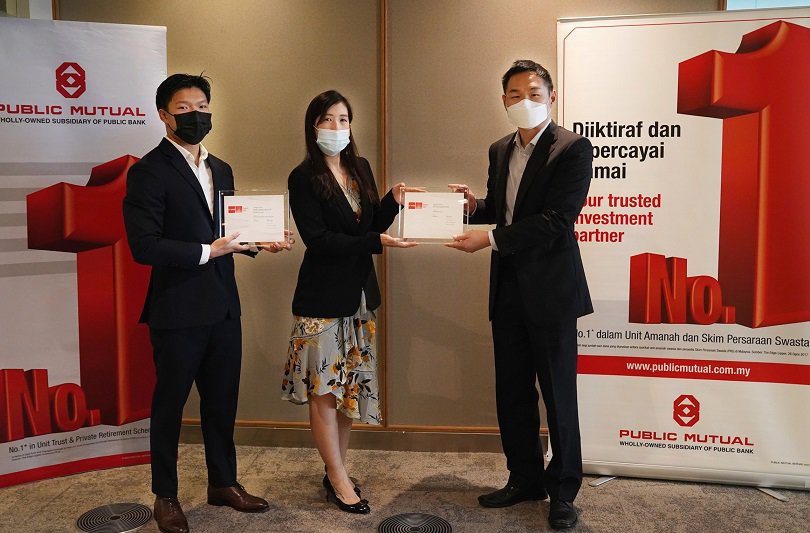
Congratulations to Public Mutual for another double win for the second successive year. It is no easy feat to achieve, considering the tough market in 2021.
On hand to share more insights on their success, we spoke to Chiang Kang Pey, Deputy Chief Executive Officer of Public Mutual.
Key Factors Behind These Two Wins?
Our key strategy behind both wins is our adherence to a fundamental investment approach of focusing on companies with sustained earnings, strong financial positions and proven track records. Despite the elevated levels of market volatility in 2021, the portfolios of our winning funds – PB Asia Equity Fund (PBAEF) and Public Islamic Alpha-40 Growth Fund (PIA40GF) – were rebalanced accordingly in line with the changing trends in the respective markets, sectors and industries that the funds were invested in.
Steps Taken For Best Chance Of Continued Growth?
In 2021, PBAEF, which focuses its investments in the Asian markets, locked in profits from selected growth stocks and positioned in semiconductor-related stocks within the Asian region which benefitted from the shortage of chips amid supply chain disruptions and China’s localisation trend. In addition, the fund’s performance was lifted by its holdings of North Asian technology and electric vehicle-related stocks which ride on the structural trends of digitalisation and the increased focus on cleaner energy solutions.
Meanwhile, PIA40GF, which focuses its investments in the domestic market, continued to capitalise on technology and basic materials stocks which stood to benefit from the long-term digitalisation trend as well as the strength in commodity prices. The fund also locked in gains from selected technology stocks at the end of 2021 amid concerns over the potential rise in global interest rates.
To ensure the long-term growth of our funds, we constantly assess and monitor the long-term prospects of our investee companies’ business models and strategies – including their pricing power, market dominance, growth potential as well as the competitive landscape. These strategies have proven to work well for the performance of our funds.
Strategies That Have Shifted In Line With Market Forces?
Despite the decline in the severity of symptoms for the newer Covid-19 Omicron variant, the evolving nature of this virus could mean that potentially new and unpredictable variants may emerge. Nevertheless, barring unforeseen circumstances, the global economy is anticipated to continue on its path towards recovery amid the easing of movement restrictions and the re-opening of international borders as governments increasingly transition towards policies to ‘live with Covid’.
Tightening monetary policies by global central banks, global supply chain disruptions as well as sanctions triggered by the current geopolitical conflict between Russia and Ukraine have also led to elevated levels of volatility in global financial markets this year.
That said, the domestic and Asian markets – which PIA40GF and PBAEF focus their investments on – are less exposed to the geopolitical risks in Europe. As such, both funds will continue to invest in selected recovery plays within the local and regional markets such as the financial, energy and commodities sectors, as well as selected consumer discretionary and leisure stocks.
The funds will also continue to position for the long-term growth potential of the technology sector which will benefit from the increasing adoption of digital products and services as well as the rise of automation, online shopping and hybrid/ remote working arrangements.
Upcoming Trends For Investors?
Global markets may continue to experience volatility and uncertainties in the short term amid the normalisation of monetary policies by major central banks in response to elevated inflation levels, as well as the current Russia-Ukraine conflict which has exacerbated global supply chain disruptions and inflationary pressures. Meanwhile, the performance of the China stock market will depend on whether the Chinese government will continue to implement policies on sectors such as technology and real estate which may impact their profitability or earnings visibility.
In addition to the recovery plays which will benefit from the re-opening of international borders and the lifting of social-distancing restrictions, investors are expected to focus on sectors that are more defensive such as utilities and consumer staples amidst the uncertainty surrounding the global economic outlook. Sectors that will benefit from the impact of high inflation such as the commodity, basic materials and energy sectors which have staged a strong performance compared to the broader markets thus far this year may also continue to outperform if inflationary pressures remain elevated.
Over the longer term, sectors that possess structural growth prospects such as those driven by the trends of digitalisation and the push towards greener energy solutions are also expected to do well. The rising adoption of cloud computing, artificial intelligence, cybersecurity, e-commerce, electric vehicles and lower-carbon solutions is expected to drive sustainable earnings growth for companies in these segments in the years ahead. The valuations of such growth-oriented stocks have also fallen on profit-taking activities amid higher bond yields; thus providing buying opportunities for investors who have a longer-term investment horizon.
Plans And Strategies For 2022?
We will remain committed to our fundamental-based approach and long-term investment strategies which have served us well in delivering consistent returns to our unitholders over the long term. Given the volatile markets amid uncertainties surrounding the Russia-Ukraine conflict and its impact on global growth and inflation, we have adopted a portfolio comprising growth and value stocks.
We will continue to monitor developments in the global markets so as to re-deploy our funds’ cash holdings when opportunities arise.
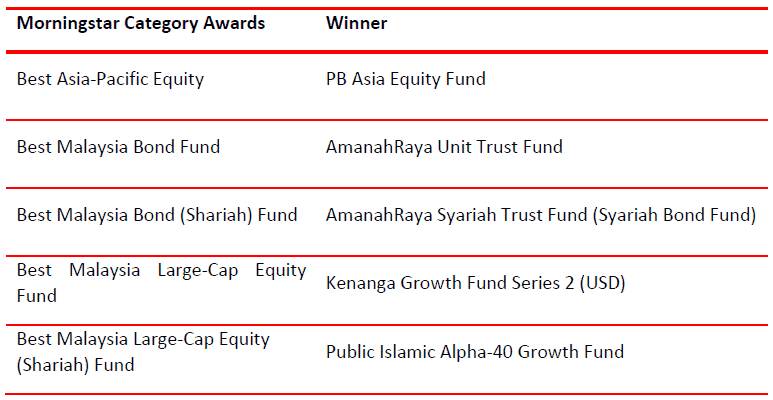
KUALA LUMPUR, 7 April 2022 — Morningstar Asia Limited, a subsidiary of Morningstar, Inc. (NASDAQ: MORN), a leading provider of independent investment research, has announced the winning funds for its 2022 Morningstar Fund Awards Malaysia.
The annual Morningstar Malaysia Fund Awards recognise retail funds that have added the most value for investors within the context of their relevant peer group in 2021 and over longer time periods. Morningstar selects the winners using a quantitative methodology, along with a qualitative overlay. Weightings to one-, three-, and five-year risk-adjusted performance are factored into the methodology.
Wing Chan, Morningstar’s Head of Manager Research, Europe and Asia Pacific, remarked: “Our 2022 winners have proven themselves to be excellent stewards of investors’ capital. They have demonstrated their abilities to navigate through market volatility and deliver excellent returns over the longer term. We applaud all winners for their outstanding achievements.”
The 2022 Morningstar Awards winners in Malaysia are:
Methodology
The Morningstar fund category awards are based on Morningstar fund data as of 31 December 2021. The awards methodology emphasises the one-year period, but funds must also have delivered strong three- and five-year returns after adjusting for risk within the awards peer groups in order to obtain an award. In selecting winners, fund returns are adjusted for risk using the Morningstar Risk, a measure which imposes a higher penalty for downside variation in a fund’s return than it does for upside volatility. For the full methodology, please click here. The full methodology for the awards is available here.
Morningstar Asia Limited is a subsidiary of Morningstar, Inc., a leading provider of independent investment research in North America, Europe, Australia, and Asia. The Company offers an extensive line of products and services for individual investors, financial advisors, asset managers and owners, retirement plan providers and sponsors, and institutional investors in the debt and private capital markets. Morningstar provides data and research insights on a wide range of investment offerings, including managed investment products, publicly listed companies, private capital markets, debt securities, and real-time global market data. Morningstar also offers investment management services through its investment advisory subsidiaries, with approximately US$265 billion in assets under advisement and management as of Dec, 31. 2021. The Company has operations in 29 markets.