Category: events

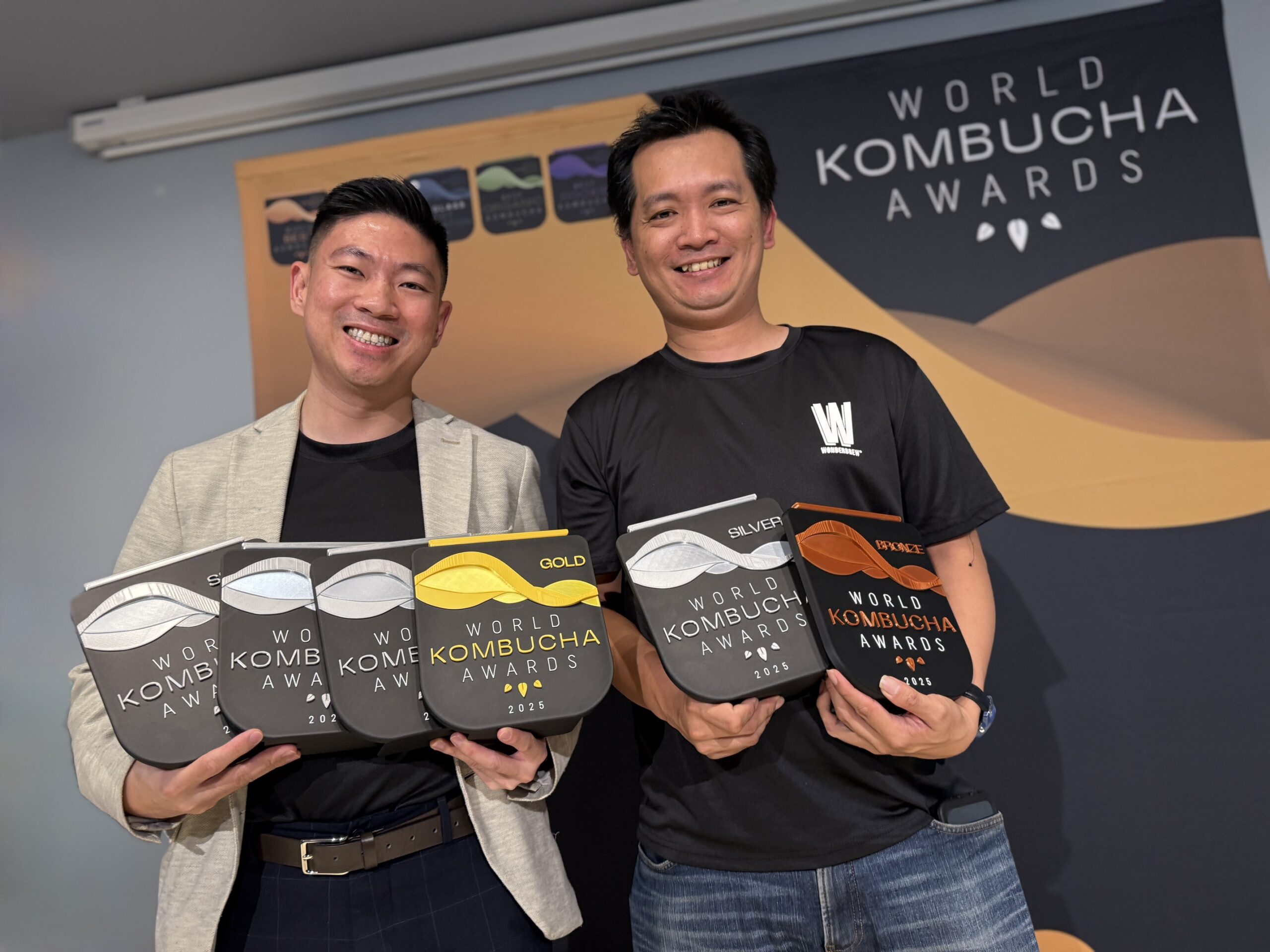
  • WonderBrew bags 6 World Kombucha Award medals

    WonderBrew bags 6 World Kombucha Award medals

    WonderBrew, Malaysia’s home-grown brand of kombucha (fermented tea), made history on the global stage by clinching six prestigious titles at the World Kombucha Awards 2025.

    In its first-ever international competition, WonderBrew emerged as one of the biggest winners at this year’s event, clinching one Gold, four Silvers, and one Bronze, across both Taste and Design categories.

    This victory marks the first time a Malaysian brand has won at the World Kombucha Awards and the first time an Asian brand has secured six titles in a single award year.

    The winning entries are:

    • One Gold (Taste) for Passionfruit Mint Kombucha (also WonderBrew’s best-selling kombucha of all time);
    • Three Silvers (Taste) for Nihon Green Tea Kombucha, Mango Jasmine Kombucha, and Raspberry Lemon Jun Tea;
    • One Silver (Design) for Nihon Green Tea (World’s Best Bottle Design Category); and,
    • One Bronze (Taste) for Pink Guava Jun Tea

    The World Kombucha Awards (WKA), now in its third year, is a globally-recognised competition organised in collaboration with Kombucha Brewers International (KBI). It celebrates excellence in the fast-growing kombucha industry by honouring brewers for both quality and creativity.

    This year’s edition was its most competitive yet, featuring 360 entries from 39 countries competing for top honours in 22 distinct categories, up from 250 entries in 2024. Each winning kombucha underwent rigorous assessment by a panel of six accredited judges over a two-day judging session with blind tasting sessions.

    WonderBrew’s success stands as a remarkable achievement, not just for the brand but also for Malaysia’s presence in the global functional beverage scene.

    “We started with a small dream of making kombucha accessible to every Malaysian. Winning these awards among the world’s best brewers is an incredible milestone, and we’re proud to fly the Malaysian flag high in Barcelona,” said Joseph Poh Wen Xian, co-founder and CEO of WonderBrew. “This recognition proves that local innovation and passion can compete with the world’s best.”

    Poh and co-founder Loke Boon Eng (Boon) started the brand on a small scale in 2018 and its offering of naturally-bubbly fermented tea with local flavours has won over thousands of health-conscious consumers.

    WonderBrew has grown to become Malaysia’s leading kombucha producer, with more than 2,000 retail touchpoints across supermarkets, convenience stores, cafés, hotels, and restaurants nationwide. The brand prides itself on sourcing locally and partnering with Malaysian farmers to recycle production waste, reinforcing its commitment to sustainability and community empowerment.

    The brand is well-positioned to tap into the rising global demand for functional and fermented beverages. According to recent industry reports, the global functional drinks market is projected to reach around US$248 billion by 2030, while the kombucha segment alone is forecast to hit US$9 billion in the same period.

    Moving forward, WonderBrew plans to expand its footprint in Southeast Asia and introduce more lifestyle wellness drinks. Its entries featuring Jun Tea (a fermented green tea kombucha with honey), won two of its six medals proving this category has gained global recognition and endorsing WonderBrew’s excellence in this innovation.
  • Razorpay Curlec and NPCI International  introduce UPI payments

    Razorpay Curlec and NPCI International introduce UPI payments

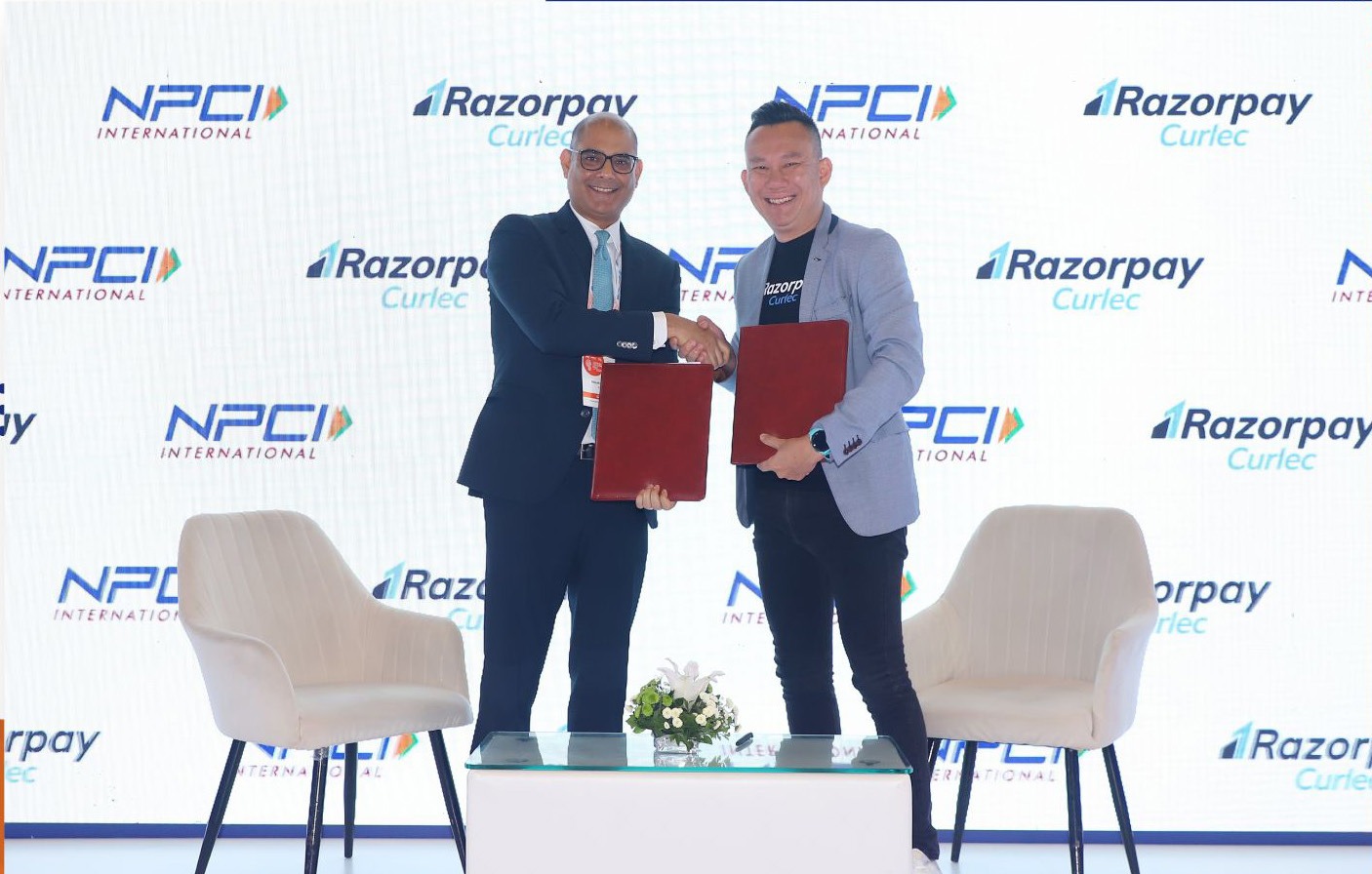
    Razorpay Curlec has partnered with NPCI International Payments Limited (NIPL) to bring India’s Unified Payments Interface (UPI) to Malaysia.

    This partnership will empower Malaysian businesses to receive instant payments from millions of Indian travellers through their preferred UPI apps, marking a major step toward seamless and instant cross-border commerce between the two countries.

    In 2024, Malaysia welcomed one million Indian tourists, who spent RM 6.11 billion – a 71.7% increase from the previous year. This growing travel corridor presents an opportunity to further simplify cross-border payments, enhancing convenience for Indian travellers and driving greater business for Malaysian merchants.

    Through this partnership, Indian visitors will be able to pay instantly using UPI-enabled apps to Malaysian merchants, who will accept payments directly via Razorpay Curlec’s platform – settled in ringgit, without the need for international cards or extra integration. This groundbreaking partnership that links one of the world’s most advanced real-time payment systems, India’s UPI, with Malaysia’s fast-growing digital economy will usher in a new era of seamless, instant, and inclusive cross-border commerce.

    Razorpay Curlec will soon be one of the first payment service providers in Malaysia to offer UPI acceptance.

  • MEASAT, Guodian Gaoke and Starwin form strategic alliance to power Sarawak’s digital ambition

    MEASAT, Guodian Gaoke and Starwin form strategic alliance to power Sarawak’s digital ambition

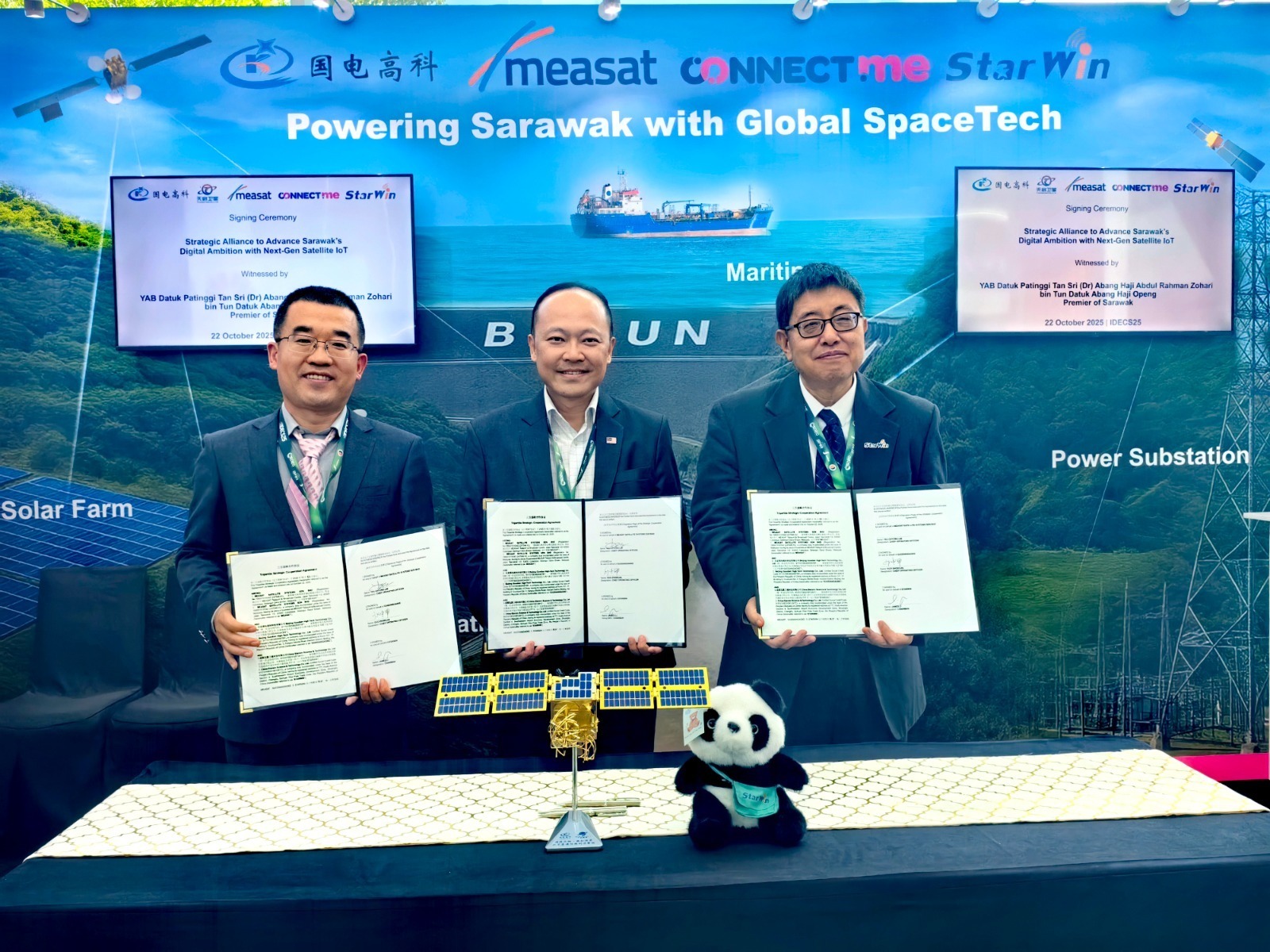
    MEASAT Global Berhad (MEASAT) enters a tripartite strategic alliance agreement with Beijing Guodian High-Tech Technology Co., Ltd. (Guodian Gaoke), and China StarWin Science & Technology Co. Ltd. (StarWin) to offer Internet of Things (“IoT”) services supported by the Tianqi Low Earth Orbit (“LEO”) Constellation in Malaysia.

    Under the collaboration, MEASAT will be the authorised service provider for the Tianqi Constellation’s satellite-based IoT services in Malaysia, leveraging its market expertise and distribution network to drive commercial rollout next year. Meanwhile, Guodian Gaoke will provide the Tianqi LEO satellite constellation and related systems, enabling seamless integration with local businesses and StarWin will supply and integrate certified ground terminals, ensuring compliance with Malaysia’s technical and regulatory standards to support end-user needs.

    The strategic alliance was formalised during the International Digital Economy Conference Sarawak (“IDECS”) 2025 in Kuching, witnessed by Sarawak Premier Datuk Patinggi Tan Sri Abang Haji Abdul Rahman Zohari Abang Haji Openg and Minister of Utility and Telecommunication Sarawak Dato Sri Haji Julaihi Haji Narawi. MEASAT was represented by Chief Operating Officer Yau Chyong Lim, Guodian Gaoke by Chief Operating Officer Guo Zhongjia, and StarWin by Chairman James Li.

    “Digital transformation is key to boosting Sarawak’s economic efficiency and productivity through technology such as Big Data, IoT and Blockchain. To enable this, upgrading our digital infrastructure is essential, where MEASAT and the Tianqi Constellation can play a vital role. Under the Sarawak Digital Economy Blueprint 2030, Sarawak aims to become high-income and developed by 2030, with 96% high-speed internet coverage, 20% GDP contribution from the digital economy, and 100% online delivery of government services. By this time, technologies such as AI, cloud computing, IoT and 5G will empower businesses of all sizes,” said Dato Sri Haji Julaihi Haji Narawi, Minister of Utility and Telecommunication Sarawak.

    Highlighting early success, he noted that a smart farming initiative using IoT had boosted productivity by 20% and farmer income significantly. Sarawak now targets IoT adoption across all agriculture stations, aiming for a 50% increase in yield, 40% rise in household income, and 40% reduction in labour costs.

  • SC and TERAJU to boost capital market access for Bumiputera MSME and MTC

    SC and TERAJU to boost capital market access for Bumiputera MSME and MTC

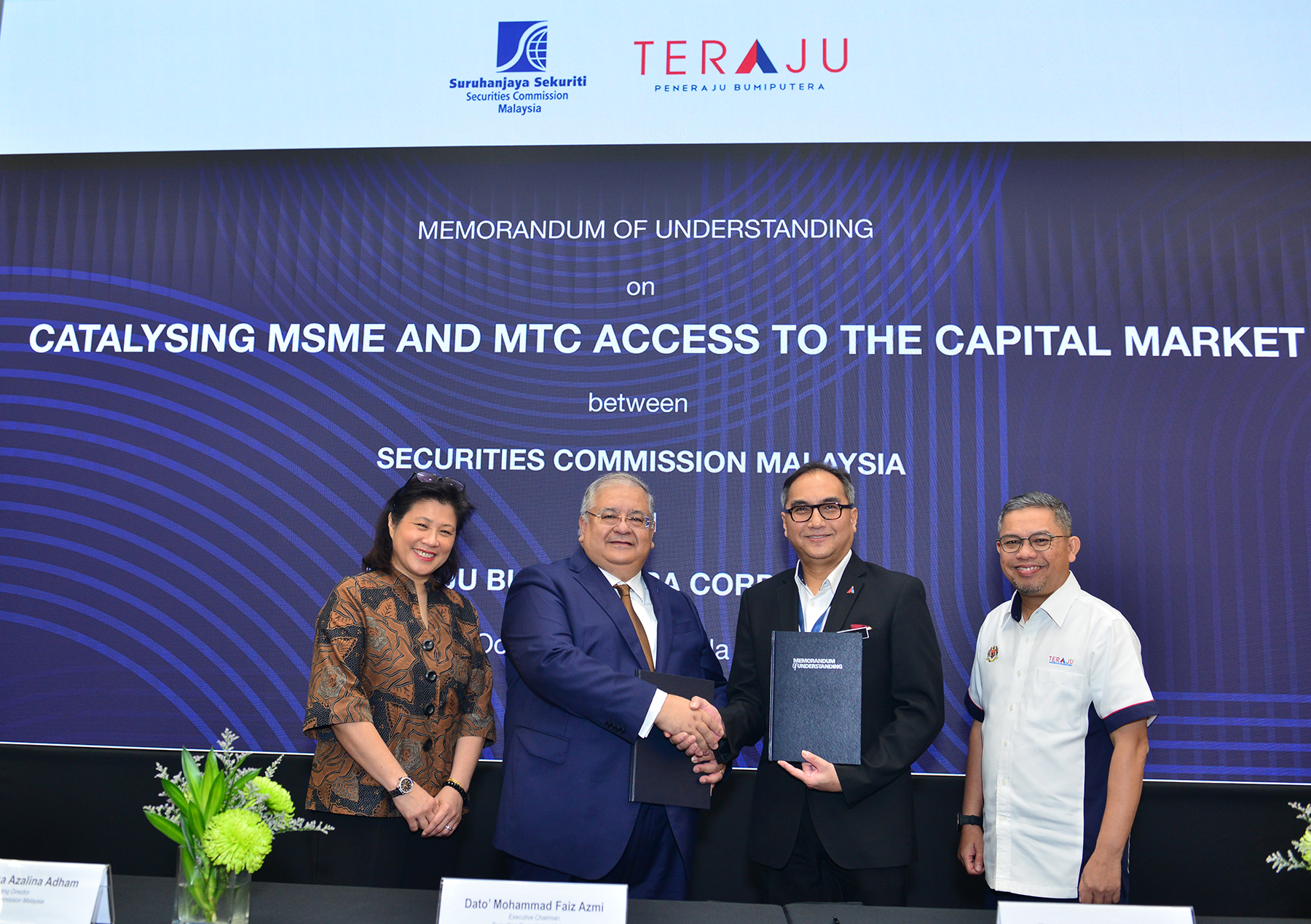
    The Securities Commission Malaysia (SC) and TERAJU Bumiputera Corporation (TERAJU) have jointly agreed to facilitate better access to capital market financing for Bumiputera micro, small and medium enterprises (MSME) and mid-tier companies (MTC) through a Memorandum of Understanding (MoU).

    The two-year MoU supports the SC’s ‘Catalysing MSME and MTC Access to the Capital Market: 5-Year Roadmap (2024-2028)’ (Roadmap), which is aimed at increasing MSME and MTC market-based fundraising to RM40 billion in 2028. In addition, this partnership supports SC’s capacity building initiatives as outlined under the Roadmap aimed at enhancing the readiness of MSMEs and MTCs for capital raising.
    The tie-up also aligns with the 13th Malaysia Plan aspirations to scale up SMEs and enable Bumiputera entrepreneurs to compete regionally and globally.

    Dato’ Mohammad Faiz said that Bumiputera companies have significant potential to scale, and capital market financing can be an important catalyst for their next phase of growth. “Through this collaboration with TERAJU, we aim to build a stronger pipeline of investment-ready companies that can raise funds, expand their businesses and compete regionally,” he said.

    TERAJU’s CEO Encik Junady Nawawi said, “This collaboration opens up new pathways for Bumiputera companies to expand beyond traditional financing. By working together with the SC, we are preparing more Bumiputera enterprises to access capital market opportunities with stronger governance, sharper financial discipline, and the confidence to compete regionally and globally.”

    A key outcome from this collaboration is to strengthen the fundraising readiness and leadership capacity of Bumiputera companies.

    This will be achieved through targeted capacity building initiatives, including the creation of the Elevate–TERAJU cohort under the SC’s Elevate programme, led by Capital Markets Malaysia (CMM), an SC affiliate.
    The Elevate programme is an executive leadership and fundraising readiness programme that help MTCs and SMEs strengthen their business strategy, governance, and financial management to meet the standards expected by investors.

    Since its launch, five cohorts, comprising 78 companies have now successfully completed the Elevate programme. Under this initiative, 20 Bumiputera companies from the manufacturing, healthcare, engineering and technology sectors has been selected for the inaugural Elevate–TERAJU cohort, marking the first step toward broader participation in Malaysia’s capital market.
    The MoU will cover the following areas:

    • Build a strong pipeline of Bumiputera companies with the potential to access capital market financing.
    • Explore financing avenues through potential co-investment opportunities with private investors, to support the growth and expansion of Bumiputera companies.
    • Support sustainability disclosures for companies through the adoption of the SC’s Simplified ESG Disclosure Guide and targeted capacity-building programmes.
  • TikTok strengthens Malaysia’s scam prevention efforts with multilingual #ThinkTwice knowledge hub

    TikTok strengthens Malaysia’s scam prevention efforts with multilingual #ThinkTwice knowledge hub

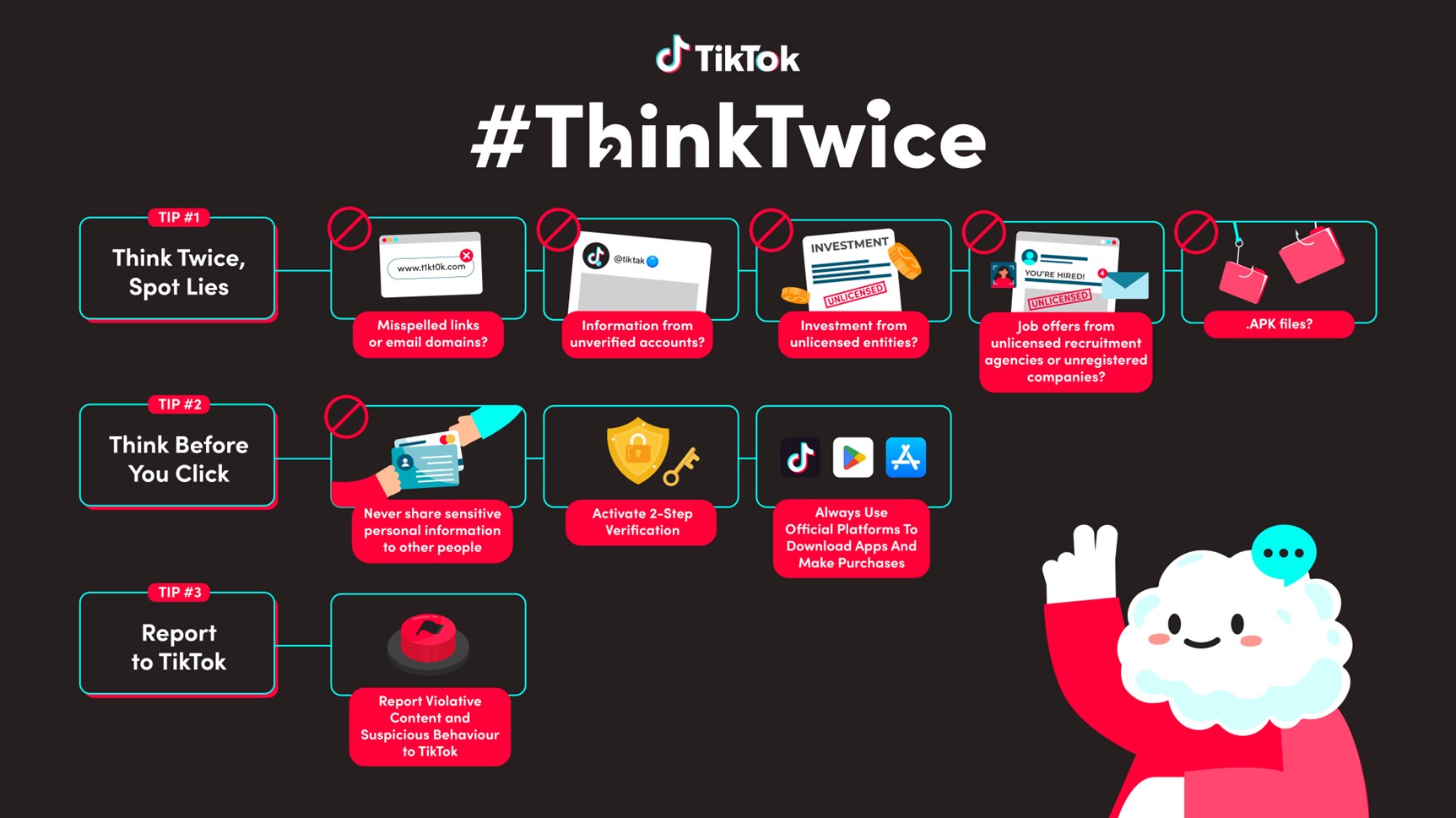
    TikTok Malaysia has expanded its #ThinkTwice digital literacy initiative this year with simplified access to additional resources on scam prevention through its multilingual in-app knowledge hub, search banners, short videos, creator content, and upcoming series of industry dialogues.

    The in-app knowledge hub is now available in more languages, including English, Bahasa Melayu, Mandarin, and Tamil. This initiative aims to spread awareness across millions of users nationwide through a multi-pronged approach in collaboration with the Royal Malaysian Police (PDRM), Malaysian Communications and Multimedia Commission (MCMC), Securities Commission Malaysia (SC), and other key government agencies.

    Firdaus Fadzil, Head of Public Policy, TikTok Malaysia, said: “Online safety is a shared responsibility. It requires collaborative and continuous efforts across all segments of society. This is especially true in the case of scams as the modus operandi of cybercriminals are constantly changing. Education is key and we are delighted to empower Malaysians with the knowledge and tools to combat scams together through #ThinkTwice.”

    TikTok’s digital literacy initiative encourages Malaysians to Pause, Prevent, and Protect. Pausing represents taking a moment to reflect and refrain from activities that violate TikTok’s Community Guidelines and local laws. Prevention means proactively deploying TikTok’s safety features and tools from local authorities to identify red flags. Protection rallies the community to keep each other safe by reporting potentially violative activities.

    Dato’ Rusdi Mohd Isa, Director of the Commercial Crime Investigation Department (CCID) of the Royal Malaysian Police (PDRM), remarked: “Most of the scams can, in fact, be prevented. Among the most prevalent in Malaysia are investment scams, phishing, phone scams, job scams, love scams, and loan scams. There are readily accessible tools to assist the public in detecting such threats, including PDRM’s Semak Mule portal. Strengthening the nation’s scam prevention ecosystem requires the concerted involvement of both the public and private sectors. In this regard, TikTok’s support in enhancing public awareness is most timely and greatly appreciated.”

    Malaysian Communications and Multimedia Commission (MCMC), underscored that: “Awareness and education remain our strongest defence against scams. While advanced tools and strong policies play a critical role, it is the public’s ability to detect and reject fraudulent tactics that ultimately determine our collective resilience. We are pleased to collaborate with TikTok to build a more informed and vigilant community. Through this partnership, we aim to amplify the reach of Sebenarnya.my, MCMC’s official verification portal, and AIFA, our AI-powered fact-checking assistant that helps users verify information instantly and confidently.”

    Malaysians can easily access the knowledge hub by searching #ThinkTwice or relevant keywords on the TikTok app. It features four main pillars of information, mainly scam prevention tips using publicly available tools from key government agencies, TikTok’s Community Guidelines, TikTok’s safety features, and helplines to local authorities.

  • Advancing cyber resilience through data-driven intelligence

    Zurich Insurance Group (Zurich), together with the Cyber Threat Alliance and CyberGreen Institute, has published a new report “Enhancing cyber security: Key metrics for policymakers” urging the adoption of standardised national cyber security metrics. The report notes the global cyber risk protection gap of USD0.9 trillion, with insured losses covering only 1% of economic losses from cyber incidents.

    The measures proposed in Zurich’s 2024 whitepaper, “Closing the Cyber Risk Protection Gap”, rely on robust quantitative data to enhance standards and best practices. While organisations like ENISA and CISA provide corporate-level frameworks, national metrics for policy decision-making are largely absent. Zurich’s new report introduces six key metrics and an institutional framework for governments to help clarify national cyber risk, strengthen resilience, and enable informed policy decisions:

    1. Percentage of organisations with cyber insurance or audit certification: Measures preparedness and understanding of cyber security.
    2. Proportion of exploited vulnerabilities older than one year: Indicates ecosystem defense and remediation speed.
    3. Number of significant cyber incidents: Reflects national detection and analysis capabilities.=
    4. Average time to containment of cyber incidents: Demonstrates ability to halt the spread of threats.
    5. Mean time to restore operations: Assesses speed of recovery after incidents.
    6. Percentage of unfilled cyber security positions: Gauges workforce capacity to manage risks.

    Establishing National Cyber Statistics Bureaus – dedicated institutions for collecting these metrics – would ensure consistent incident reporting, track threats and resilience, publish key analyses, and assess security regulation effectiveness. These bureaus could also support a supra-national body to aggregate findings, enabling deeper global comparisons and insights into evolving threats.

    To move from currently fragmented, reactive approaches to a unified, data-driven strategy, Zurich calls on policymakers to:

    • Collaborate on data collection: Move from reactive incident reporting to proactive, cross-sector data sharing
    • Establish dedicated entities: Create or empower national and global institutions to collect, analyse, and report cyber statistics across industries and borders
    • Harmonise standards and frameworks: Align definitions, benchmarks, and reporting protocols.
  • LexisNexis launches Lexis+ AI with Protégé Malaysia

    LexisNexis® Legal & Professional launches Lexis+ AI with Protégé Malaysia, a state-of-the-art, personalised AI assistant designed to transform legal work in Malaysia. The platform is built to streamline routine tasks while empowering legal professionals in unlocking new economic opportunities.

    Developed with insights from pioneering customers, this groundbreaking solution harnesses the power of both AI agents and generative AI, all grounded in proprietary LexisNexis Malaysia content, including the prestigious Malayan Law Journal, to deliver next-level productivity and outcomes. Additionally, it is developed to the highest standards of security, compliance and privacy, ensuring that with dedicated human oversight, Protégé autonomously reviews, refines, and continually improves its deliverables based on user-defined goals.

    “With the launch of Lexis+ AI with Protégé Malaysia, we are excited to offer a solution that is perfectly aligned with the unique legal landscape of Malaysia, ensuring every practitioner has access to a personalised and intelligent assistant that drives better outcomes,” said Gaythri Raman, Managing Director, LexisNexis Southeast Asia and India.

    Leveraging proprietary agentic and generative AI technology, Lexis+ AI with Protégé offers a suite of
    cutting-edge features, including:

    • Document Analysis and Summarisation: Upload and analyse documents with speed and
      accuracy. Lexis+ AI can summarise large, complex documents and generate concise overviews.
    • Intelligent Drafting: Draft personalised legal documents – ranging from transactional contracts
      to litigation motions, briefs, and court filings – with the ability to self-review and flag areas for
      improvement.
    • Graphical Timeline: Generate visual timelines from uploaded documents, highlighting key
      events and milestones.
    • Dynamic Workflow Suggestion: Receive actionable prompts and automated suggestions based
      on the type of document and workflow requirements. The assistant can dynamically generate
      follow-up queries to further tailor outputs.
    • Secure Document Management: Protégé Vault allows users to securely store, upload, and
      manage thousands of legal documents while performing a variety of AI-driven tasks such as
      identifying key information, extracting clauses, summarising and drafting.

    The Malaysia launch builds on the successes in the United States, United Kingdom, Hong Kong, and
    Australia, where LexisNexis has deployed similar innovations in legal AI. Integrating extractive AI (for
    deep insights and data retrieval), generative AI (for content creation), and now, agentic AI (for
    autonomous task completion), Lexis+ AI with Protégé is set to transform legal workflows by:

    • Reducing Repetitive Work: Allowing legal professionals to spend less time on mundane tasks
      and more on high-value services.
    • Improving Outcomes: Enhancing the accuracy and precision of legal documents through
      advanced self-review features.
    • Personalising User Experience: Grounding AI outputs in locally relevant legal content and
      tailoring the experience based on the specific needs of the Malaysian market.
  • Barry Callebaut and Maersk opens one of Asia Pacific’s largest cocoa bean warehouses

    Barry Callebaut and Maersk opens one of Asia Pacific’s largest cocoa bean warehouses

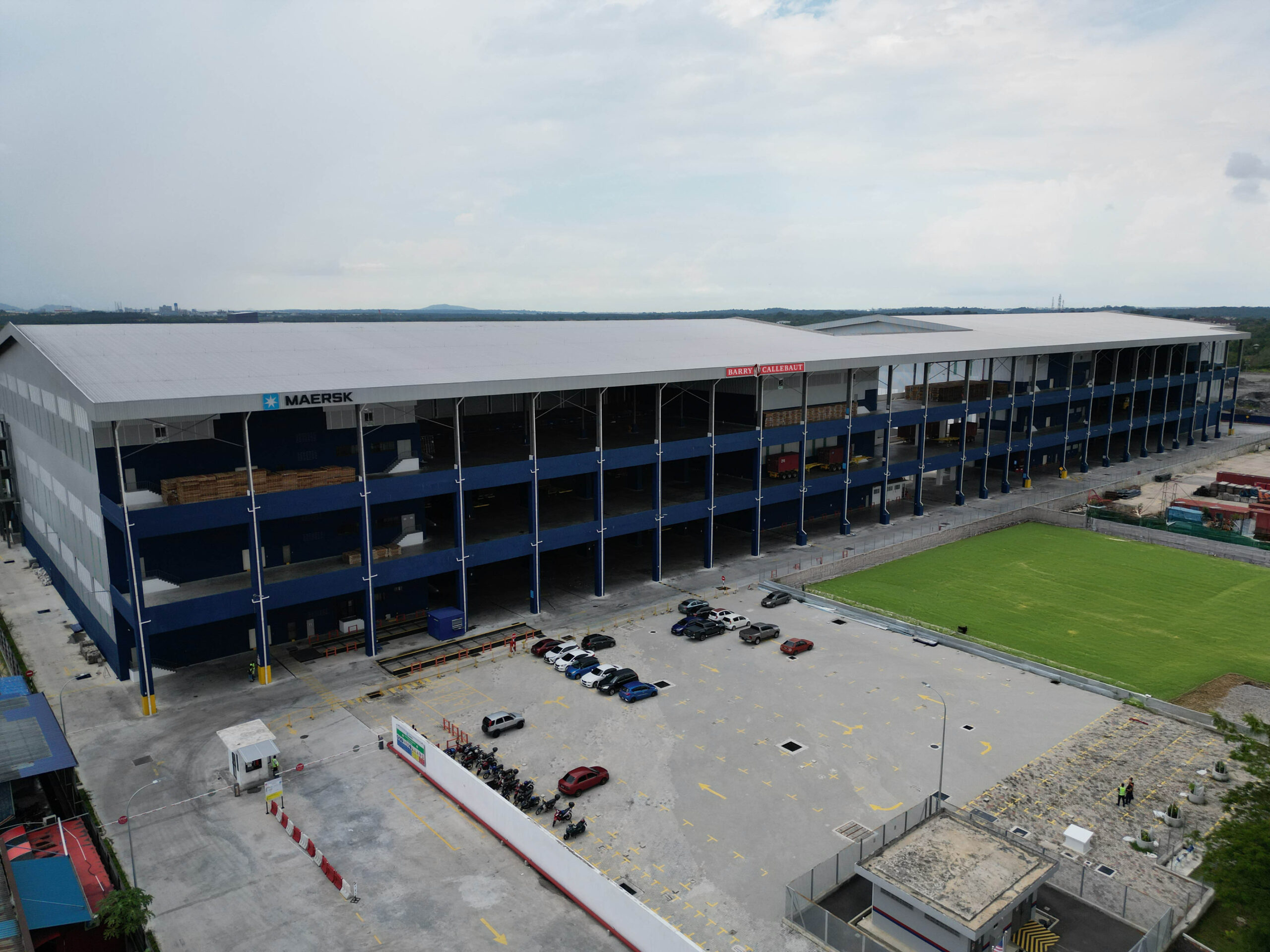
    Barry Callebaut Group, the world’s leading manufacturer of high-quality chocolate and cocoa solutions, and A.P. Moller – Maersk (Maersk), an integrated logistics company, proudly celebrate the official opening of their Built-To-Suit cocoa bean warehouse in Pasir Gudang, Malaysia. The two companies had entered into a decade-long partnership in 2023 to build and operate this facility.

    This is the first multi-storey ramp-up facility in Pasir Gudang, built specifically to store cocoa beans. Spanning over 600,000 square feet, this makes it one of the largest cocoa bean storage facilities in the Asia Pacific region. With a capacity to hold nearly 40,000 MT of cocoa beans, the warehouse is purpose-built to support an integrated supply chain and designed for operational efficiency and responsiveness. It is fully equipped with advanced technology including Maersk’s latest Warehouse Management System, which enables real-time inventory tracking, optimized workflows and enhanced data visibility. It also contains features such as LED lighting, and natural ventilation to reduce energy use.

    “This new facility is aligned with the Ministry of Plantation and Commodities, and the Malaysian Cocoa Board national agenda, to strengthen the Agri-commodity sector in this region. It is to sustain our momentum, boosting competitiveness, and reinforcing Malaysia’s stature on the global cocoa map,” said Datuk Dr. Ramle Hj Kasin, Director General of the Malaysian Cocoa Board.

    Strategically located near the Port of Tanjung Pelepas, one of Malaysia’s key maritime gateways, and just one kilometer from Barry Callebaut’s cocoa processing factory in Pasir Gudang, the facility is ideally positioned to support both regional and global supply chains. It will serve as a key storage hub for cocoa beans sourced from around the world, including Africa, Latin America, and Asia, supporting the growth ambition of Barry Callebaut to satisfy customers requirements across Asia and beyond.

    “This facility is a game-changer for our supply chain in Asia Pacific,” said Alain Freymond, President, Global Cocoa at Barry Callebaut. “In today’s environment, where managing the cocoa value chain has become more critical than ever, it gives us greater control over bean quality and enhances our ability to serve customers across the region with speed and precision. Our partnership with Maersk continues to grow, and this warehouse reflects our shared commitment to building a resilient and future-ready logistics network.”

    Since 2022, Maersk has supported Barry Callebaut’s supply chain from cocoa-growing origins globally to processing sites in Asia Pacific through integrated ocean and landside logistics services. In Malaysia, this includes the import of cocoa beans via shipping through the Port of Tanjung Pelepas and trucking services between the port and the warehouse.

    Ditlev Blicher, President Asia Pacific at Maersk, commented, “We’re thrilled to celebrate the opening of Barry Callebaut’s new warehouse in Malaysia. Our end-to-end logistics solutions are designed to empower Barry Callebaut with greater supply chain visibility, efficiency, and control—helping them respond faster to market needs and deliver outstanding service to their customers. We look forward to growing together and supporting their continued success with innovative, reliable logistics.”

    The official opening ceremony of one of the largest cocoa bean warehouses in Asia Pacific brought together leaders from both organisations, local stakeholders, and partners to celebrate this milestone and reaffirm their commitment to innovation, sustainability, and growth in the region.

  • Huawei named a leader in the Gartner® Magic Quadrant™ for Enterprise Storage Platforms

    Huawei named a leader in the Gartner® Magic Quadrant™ for Enterprise Storage Platforms

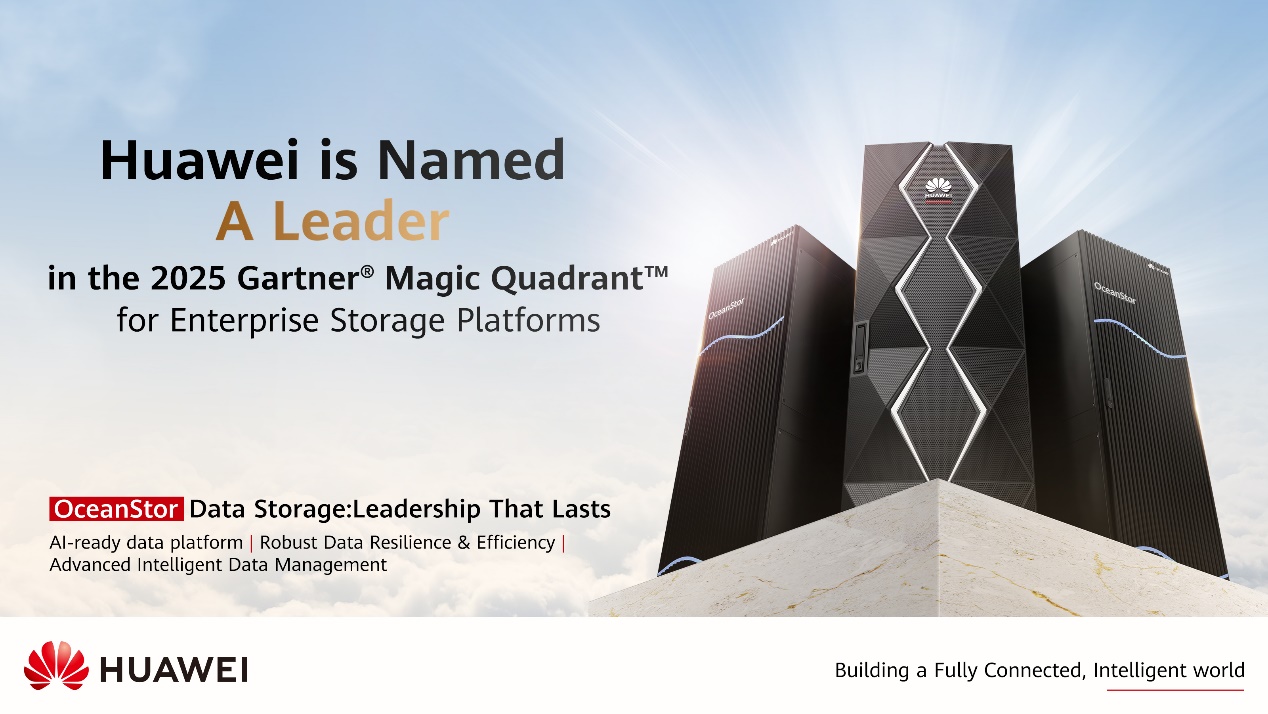
    The internationally renowned analyst firm Gartner® has released the Magic Quadrant for Enterprise Storage Platforms 2025, with Huawei being placed in the Leaders Quadrant, the only non–North American vendor to do so.

    Huawei Data Storage continues to advance technological innovation, leveraging an AI-ready data platform, robust data resilience and efficiency, and advanced intelligent data management to comprehensively meet the diverse needs of enterprises in hybrid-cloud, AI, and critical business use cases.

    Huawei’s Data Storage solutions are used in more than 150 countries and regions worldwide, serving clients in industries such as finance, telecommunications, manufacturing, healthcare, government, and public utilities across Latin America, Europe, the Middle East, Africa, and the Asia-Pacific region.

  • AI adoption and rising threats fuel cybersecurity burnout in Malaysia

    Sophos, a global leader in advanced security solutions, today unveiled the 5th edition of its report: The Future of Cybersecurity in Asia Pacific and Japan (APJ), produced in collaboration with Tech Research Asia (now part of Omdia). The findings reveal that cybersecurity burnout remains high in Malaysia, with 90% of organisations surveyed experiencing issues – primarily driven by increased threat activity, lack of resources, and unclear cybersecurity strategies.

    The 2025 report also highlights how AI is having a two-pronged effect on cybersecurity with AI-powered security tools helping to alleviate some of the issues associated with fatigue, while shadow AI use by employees is complicating cybersecurity efforts.

    “The triad of increased threats, unclear strategies, and limited resources is making cybersecurity unsustainable for many teams,” said Aaron Bugal, field chief information security officer, APJ, Sophos. “This year’s findings reinforce what we’ve observed in the field: cybersecurity stress and burnout are more than just operational concerns – they’re cultural, strategic, and deeply human challenges. AI tools, when deployed thoughtfully, can provide relief by scaling operational capability and enabling faster incident response. But the surge of shadow AI – unauthorised, unregulated AI tools being used by employees – poses new risks that many organisations are not prepared for.

    “We’re witnessing a new era where security awareness must extend beyond phishing emails to include how people use and share sensitive data through AI tools. Governance and clear boundaries around AI usage are essential.”

    Cybersecurity burnout is a business issue
    The report reveals that cybersecurity stress is not just a tech issue – it is a business one. Burnout affects productivity, incident response, employee retention, and contributes to breaches. The top three most common cybersecurity frustrations amongst Malaysian respondents were:
    • Keeping up with the pace of cybersecurity threats
    • Executives assuming cybersecurity is easy, and concerns are over exaggerated
    • Inability to create a strong cybersecurity culture across the organisation

    AI: Friend or Foe?
    AI’s promise is undeniable: 91% of Malaysian organisations surveyed are already using business AI tools such as ChatGPT, co-pilots, and agentic AI, and 78% have a formal AI strategy in place. Among those using AI in cybersecurity, the biggest benefit reported is more accurate triaging and escalation of incidents, helping reduce stress and improve response speed.

    However, 36% admit to shadow AI usage – employees using unauthorised tools – while another 13% are unsure whether shadow AI is in their organisation. The lack of visibility into what tools are being used, what data they access, and which employees are using them is creating new risks.
    These findings underline the need for robust AI governance frameworks that not only define policy but also enforce oversight, especially as AI continues to be woven into core business operations.

    Other key insights from the report
    • Burnout intensifies its impact: Organisations lost an average of 5.6 hours per employee per week due to stress and fatigue – up from 4.1 hours per week in 2024.
    • Budgets remain robust: 93% of organisations plan to increase their cybersecurity budgets in the next year; with 27% planning an increase of 10% or more.

    About the Report
    Commissioned by Sophos and conducted by Tech Research Asia, the 2025 study surveyed 926 cybersecurity and IT professionals across Australia, India, Japan, Malaysia, the Philippines, and Singapore. Now in its fifth edition, the report continues to explore the business dimensions of cybersecurity rather than purely technical assessments.