While society continues to grapple with changing attitudes, studies from across the globe have clearly shown that rubbish bins, toilets and sinks remain the most popular disposal methods for unwanted medications in homes, with little consideration given to the environmental impact of these “tiny bits” of pharmaceutical compounds.
A PRESSING ENVIRONMENTAL CONCERN
This is a universal, perennial problem and is not limited to any single person, place or product. Aside from complex factors of pharmacokinetics, improperly disposed pharmaceuticals allow these compounds to enter the environment and eventually contaminate surface waters. Pharmaceutical concentrations detected in surface waters are relatively low compared to other major environmental pollutants and occurs across continents. However, the continuous discharge of low-concentration residual active pharmaceutical ingredients (APIs) into sewage systems and waterways, even in small quantities over time, will inevitably affect the environment, humans and aquatic wildlife to some degree, raising broader environmental concerns.
Over the longer term, these residual hormonal, psychotropic drugs and antibiotics may eventually lead to the collapse or destruction of fish, animal and microorganism populations. This issue arises as medicines are excreted or discarded at landfills or sewage systems, where sewage treatment plant processes are unable to remove all improperly disposed pharmaceuticals.
The presence of pharmaceuticals in the environment is not a new phenomenon and green initiatives have been continually introduced, with various sustainable policies and frameworks set in place by international organisations and local governments across different countries. These efforts align with current trends such as green pharmaceuticals and green community programmes.
In the foreseeable future, the use of pharmaceuticals is only expected to increase, perpetuating the rising prevalence in medication wastage due to various factors, including over-ordering, over-prescription, changes in medication regimes, non-adherence to prescriptions and patient deaths. Thus, it is not surprising that a portion of the medications accumulating in home cabinets will eventually find its way into the trash.
There are signs of recovery in the Malaysian property sector. And the fact that the Overnight Policy Rate (OPR) is set to increase again later this year to the same level as pre-Covid, we should see a sense of normalcy returning soon.
Smart Investor got in touch with Joanna Ling, CEO of PE Holdings, to find out more about the property industry.
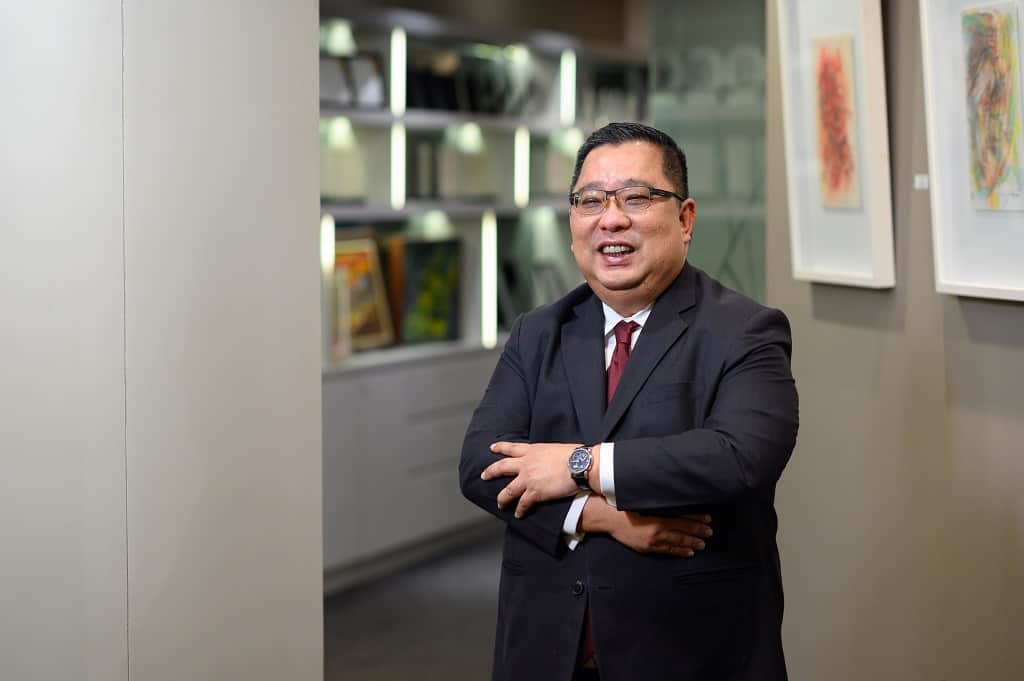
Joanna Ling, CEO of PE HoldingsSmart Investor: Post-Covid, what are the challenges being faced by property developers?
Joanna Ling: Covid changed the industry significantly. Due to the low-interest rate environment and the work-from-home phenomenon, it created an unprecedented need for people to have their own property.
Post-covid, we have seen enthusiasm dampen and return to normal pre-covid levels. The rising inflation environment has affected spending power, and buyers are more price sensitive.
SI: What are the different approaches to selling property as compared to previously?
JL: Social media has become an indispensable tool in selling property since Covid when show units were rendered useless. Therefore, technology that helps developers showcase their products online became valuable. There are even developers selling property on Tik Tok!
SI: How does the increase in OPR affect the property market?
JL: Every time Bank Negara Malaysia announces an increase in interest rates, sales would temporarily halt for a while but inevitably increase again. The truth is that interest rates are right back where they were before Covid, and Malaysia is very fortunate that interest rates have not increased at a crazy rate like some other countries.
SI: What is the market outlook for property in the short-term (6 months), medium-term (1-3 years) and long-term (5-10 years)?
JL: In the short term, property prices in Malaysia will likely remain the same but you will see more affordable products coming into the market such as smaller units and affordable housing schemes. In the medium term, should interest rates continue to rise, property prices would likely adjust slightly lower in areas of lower demand.
However, Malaysia is a place which has shown continuous growth thus over the long term capital appreciation should steadily increase.
SI: What do you mean by sustainable development?
JL: Sustainable developments in my definition means properties that minimises negative environmental impacts and enhances the way one lives.
SI: What initiatives have you implemented or will be implemented in future projects?
JL: All our developments are designed with sustainability in mind. Our shopping mall Design Village Outlet Mall, is designed to embrace shopping within a park. Extensive landscaping has been utilised to lower ambient temperature, even the air-conditioning is a more environmentally friendly VRV system, and we are in the process of installing solar panels in the car park.
Our latest residential development Anggun in Batu Kawan Penang, is built to Green Building Index standards. We have installed a smart rubbish disposal system. This vacuum system transports the rubbish to a central depository that removes all water and compacts the rubbish into easily disposable blocks that will eliminate smells and wastewater and ultimately result in a cleaner, healthier, more pleasant living environment.
SI: What are some of the benefits/impacts of sustainable development?
JL: When done right, the benefits of a sustainable development should ripple and positively affect the developer, the buyer, the community, and the environment. It is an investment into the right way to live while thinking of one’s surroundings and other stakeholders.
Ultimately the most immediate effect to the buyer is that the development will be a more comfortable environment to live in the long term.
SI: Does embracing ESG will cause a hike in the price of the property?
JL: It will in the short term because the elements that go into sustainable development are, for now, much more expensive than conventional construction methods. For example, the smart rubbish system costs millions more than conventional disposal methods. But it results in a way of living that is cleaner, healthier, and ultimately more cost-effective as it will be energy efficient.
Eventually when the markets come to expect to live better and nouveau construction elements such as double glazed glass and sustainable construction and materials, the price of these elements will come down or all developments will embrace these methods and prices will balance out.
SI: Is the co-living concept accepted by Malaysians? What are the benefits?
JL: Co-living has been around in rural Malaysia for a long time. In Sabah and Sarawak, the indigenous tribes live in long houses, a perfect example of successful co-living. Each family has their own private quarters, but all other activities, such as eating, cooking and socialises, are all done in communal areas within longhouses.
The co-living concept in this day and age refers to urban dwelling to save space and cost in high density areas. The benefits are that it is more affordable and provides a social community that looks out for each other, much like the rural concept of ‘kampung’ community.
SI: Who is the target audience for co-living? And why do they choose co-living?
JL: In this modern format, the target audience for co-living is very much young millennials early in their careers who want to live near where they work in urban high-density areas. As young people starting out in anew city, co-living is a good way to meet new people and have a community while saving money on rent by sacrificing space.
SI: Do you think the market for co-living concepts will increase in the near future? Why is that so?
JL: Co-living will become more common as land becomes scarce and it gets more and more expensive in city centres. In high-density cities such as Hong Kong and Singapore, where rents for apartments have soared, more and more apartment blocks have been converted to co-living spaces. This satisfies the tenant by offering smaller space at a lower rent and generating a higher yield for the landlord.
In the UK, where rents are expensive, houses are converted into HMOs (houses of multiple occupancy), a version of co-living. However, rents in Malaysia remain low and thus reasonably affordable, so it may be a while before the co-living concept catches on. We will just see smaller studio or one-bedroom units in the immediate term.
SIBS, one of the world’s leading in modular construction technology, is proud to announce that it has successfully secured a multi-billion-ringgit contract to deliver 2174 apartments to Neom, one of the largest urbanization projects located in northwest Saudi Arabia. The project will be delivered in the form of turn-key buildings from a finalized bottom slab upwards. The entire project will be delivered and commissioned by Q3 2024. This significant achievement marks a breakthrough for the company’s continued growth and success in the industry.
The project, known as NEOM will be a ground-breaking development in the heart of NEOM city intended for those working on the planning, engineering, and construction of the project. With 2174 apartments distributed among 35 buildings, the development offers luxurious living spaces and an array of amenities tailored to meet the needs of modern urban dwellers.
The buildings consist of one- and two-bedroom apartments fully fitted with quality designed built in furniture’s, exclusive bathrooms, and balconies for each apartment. Sustainability has always been at the very sole of our design philosophy and together with our efficient building systems, we are able to achieve a high level of energy efficiency. Our flexible yet robust building design makes relocation of these buildings to other regions of Neom a breeze as this mega project progresses.
Erik Thomaeus, CEO of SIBS Group
“We are thrilled to have secured this monumental project. This development represents a major milestone for our company and reflects our commitment to creating exceptional living experiences for tenants. The fact that SIBS has been selected as a supplier to NEOM is a clear confirmation that we have the competence and delivery strength that few in the world can match. We look forward to contributing to the development of NEOM as an international hub for, among other things, innovation, business, and sustainable development. We are excited to contribute to the growth and development of NEOM while providing a vibrant and sustainable community.” says Erik Thomaeus, CEO of SIBS Group.
When SIBS started in 2016, the team had only one mission in mind and that was to revolutionize how homes are built. Its substantial scalable capacity and ability to adapt to different requirements from all regions of the world is further validated with the securing of the NEOM project.
Last year, the finest modular construction company invested in its new plant in mainland Penang, Malaysia. It has ever since boosted its productivity four folds, making SIBS one of the largest producers of apartment modules in the world. The state-of-the-art factory which spans across a 550,000 sq ft footprint on a 28-acre site is also almost entirely operated through solar energy to reduce its carbon footprint. The new plant is designed to meet the world’s growing needs for a more intelligent, efficient, and effective construction method.
CEO of SIBS Malaysia, SP Ong, said “Securing this project enables our company to strengthen its position as an industry leader in modular construction. We have a product that is unique and in high demand and I am confident that with a team of professionals whom we have assembled we will continue to improve to strengthen our position in this industry as the leader in construction tech. Everything in our factory is custom designed and built, from its production system to the machines used for production – something that no other competitor has. Not forgetting that we are one of the first to be able to complete 90% of an apartment building off-site leaving only 10% on-site work. We are also proud to be a company that prioritizes on using local suppliers and local professional talents. To further increase efficiency, we have also strategically placed our main suppliers within close proximities of our plant to avoid disruptions to our production. Doing so reduces our dependence on distant sources which are susceptible to disruptions and volatility. This mitigates risks and enhances our ability to respond quickly to demands and changing circumstances.
When we prioritize our borders, we directly boost our domestic economy. The ripple effects of this decision are profound, touching every corner of our society. Aside from delivering the best products, we have a serious commitment to contribute to local economic growth, job creations, and community development as an organization.” He concluded.
The success of SIBS in securing this multi-billion-ringgit apartment building project can be attributed to its experienced team of professionals who bring the substance of expertise and a passion for innovation to every project they undertake. Their dedication and commitment to excellence have earned the reputation for reliability in delivering high-quality products and ultimately positioning the company as the preferred choice in the construction technology industry.
SIBS is grateful for the support and trust of its partners, investors, suppliers, and the local
community. The company remains committed to delivering this ambitious project on time, within budget, and to the highest quality standards.
NEOM is an accelerator of human progress and a vision of what a New Future might look like. It is a region in northwest Saudi Arabia on the Red Sea being built from the ground up as a living laboratory – a place where entrepreneurship will chart the course for this New Future. It will be a destination and a home for people who dream big and want to be part of building a new model for exceptional livability, creating thriving businesses and reinventing environmental conservation.
NEOM will include hyperconnected, cognitive cities, ports and enterprise zones, research centers, sports and entertainment venues and tourist destinations. As a hub for innovation, entrepreneurs, business leaders and companies will come to research, incubate and commercialize new technologies and enterprises in groundbreaking ways. Residents of NEOM will embody an international ethos and embrace a culture of exploration, risk-taking and diversity.
SIBS Group was founded in 2016 and is today one of the world’s leading modular home manufacturers. With a scalable capacity of around 6,000 homes per year, we deliver sustainable, high-quality homes adapted to local conditions. SIBS has the entire integrated value chain for industrial construction within the group – from design and configuration in its building system, industrial production in its own factories and on-site assembly/finalization. With the help of digitalization and technology, we set a new standard in the construction industry.
ESG investing drives sustainability to the forefront of major financial decisions and can directly impact investors’ long-term considerations. By prioritising ESG, companies must consider the impact of their current and future development activities on the environment, society and governance and strive to make sustainable decisions for the livelihood of the next generation. With that, ESG is becoming an increasingly essential investment factor in many financial portfolio management strategies.
Whether you’re looking to understand the basics or dive deeper into ESG investing, consider enrolling into one of these top online courses to enhance your knowledge today.
It’s time to embed ESG into your investment portfolio. | Credit: nattanan23 via Pixabay
Suitable for all levels, Bursa Malaysia’s ‘Introduction to Sustainability’ e-learning course delves into practical topics such as why sustainability is of growing importance to businesses, and practical steps on how businesses can manage their key (ESG) issues.
This concise 1.5-hour course covers the following topics:
Introduction to Sustainability
Stakeholder Engagement
Materiality: Identifying the Issues that Matter
Managing Sustainability
Communicating the Results
How much does it cost?
Bursa Malaysia offers this e-learning course for FREE!
If you’re new to the concept of Sustainable Development Goals (SDGs), interested to understand the big ‘why’ behind this shared responsibility and looking to apply these practices in your capacity as a business, investor or individual, this course is for you.
This 2- to 4-hour course covers:
What are the Sustainable Development Goals and Plans?
How modern advancements, technology and innovation can help us achieve the goals
Good Governance and the SDGs
Why you should care about the Sustainable Development Goals – as a corporation, as a university, as an individual
How much does it cost?
SDG Academy offers this self-paced online course for free!
This course provides an overview of an ESG framework and how it supports risk management, impacts both company and investor perspectives, as well as examines how corporate pressures and stakeholder expectations can affect business decisions. It is perfect for those who wish to understand how a company manages ESG as a competitive edge in today’s shifting market and non-market conditions.
This 1.5-hour course covers:
What is ESG
ESG Factors
Corporate Pressures & Stakeholder Expectations
Key Considerations for Companies & Investors
How much does it cost?
US$28.99 per month on a self-study basis, of which the fee includes unlimited access to CFI’s accredited certification programmes.
Learn about the application of sustainability in different industries, the challenges and risks faced by modern organisations at a country and company level, the role played by business in sustainability, the importance of ethical implications, the potential of social innovation, and how to put principles into practice via a case study in this course.
This 6-week course at 2-3 hours per week cov
Drivers of the Sustainability Debate
The role played by business: CSR, sustainability and shared values
Sustainability today
Practising sustainability thinking and decision making: The Mercato Metropolitano case study
Introduction to Business Ethics
Introduction to Social Innovation
How much does it cost?
FREE for Audit Track (but with a limited 1.5-month access to course materials) or a one-off US$79 for Verified Track (where you’ll receive a certificate upon completion).
Ideal for financial advisors, portfolio managers, investors, business students and those passionate about sustainability, CFA Institute’s introductory course on Sustainable Investing and ESG Factors will allow you to build a solid foundation by understanding the current state of the market, get familiar with basic terms and concepts as well address seven main ESG Investing strategies and how it can be integrated into financial valuation models.
This in-depth course enables you to identify how the ESG approach should be an essential strategy. You will also learn about the fundamentals of ESG investing and the five pathways of materiality, as well as the concepts of positive and negative screening. At the end of the course, you will be well-versed in the best practices for creating a risk management plan, be able to analyse indexing and measurement techniques and explain how ESG affects the corporate world.
This 4-month-long at 2-hours a week course covers:
ESG Risks and Opportunities
ESG Impact: Investor Perspective
ESG and Climate Change
ESG and Social Activism
How much does it cost?
It starts with a 7-day free trial, then subsequently will cost at US$79 per month
As the financial industry continues to evolve rapidly, the demand for the integration of ESG into financial analysis and strategy has proven to be inevitable. So, equip yourself with key concepts and knowledge about ESG to form a better analysis and informed investment decision.
Environmental, social, and governance (ESG) issues are becoming more mainstream, and they now directly impact our daily lives. Whether we realise it or not, we now live in a fast-paced world, and technology is evolving faster than ever.
With that in mind, Smart Investor speaks with Rami Hajjar, Chief Executive Officer of Signify Southeast Asia, to understand the ESG agenda. Signify is the world leader in lighting for professionals and consumers, as well as lighting for the Internet of Things. Their energy-efficient lighting products, systems, and services give their customers a better quality of light and make people’s lives safer and more comfortable, businesses more productive, and cities easier to live in.
Rami Hajjar, Chief Executive Officer, Signify Southeast Asia
Smart Investor: What does ESG mean to you? Why is it essential to your business, and how does the ESG agenda impact your industry?
Rami Hajjar: ESG is about carrying out business in a way that is respectful to people and the planet and about generating profits ethically. This is important to ensure that businesses can carry out their operations sustainably. The ESG agenda is important for putting it into business because it gives us a way to hold ourselves accountable for managing our company’s impact, especially our carbon footprint.
Regarding the lighting industry, it is safe to say that the E [environmental] plays a crucial role. It covers the organisation’s energy usage, pollution, waste, and conservation efforts. The key ESG strategy is an environmentally friendly and cost-efficient LED lighting retrofit. LED products are recyclable, unlike most other types of lighting. Businesses also see a reduction in lighting maintenance costs and energy usage.
With the current energy crisis caused by various economic factors, including the rapid post-pandemic economic rebound that outpaced the energy supply, LED lighting solutions allow consumers to be more energy efficient and save cost due to their long-lasting durability at the same time, contributing to a greener planet.
SI: How successful is the ESG agenda deployment in your organisation, and what challenges are you facing?
RH: At Signify, I am proud to say that since September 2020, we have been 100% carbon neutral in our operations and use 100% renewable electricity. In the same year, Signify reached our commitment to send zero manufacturing waste to landfills for our manufacturing sites and recycle up to 91% of our manufacturing waste.
On September 8, 2020, Signify also launched Brighter Lives, Better World 2025, a new five-year plan that enables us to double our positive impact to brighten lives for a better world. With our new programme, we’ve set more challenging goals and promised to make our entire value chain more environmentally friendly.
For instance, we are going beyond carbon neutrality. We aim to double the pace of the Paris Agreement’s 1.5°C scenario to reduce greenhouse gas (GHG) emissions over our entire value chain by the end of 2025. We will do so by increasing our portfolio’s energy efficiency, reducing our customers’ emissions, and driving carbon reduction at our suppliers.
SI: How has the ESG agenda changed the lighting landscape?
RH: Over the past 125 years, Signify has pioneered many key breakthroughs in sustainable lighting, being a driving force behind several leading technological innovations, including LED. Approximately 13% of the world’s electricity is used for lighting.
Through digital LED technology, Signify offers up to 80% more energy-efficient light. With it, electricity usage for lighting will decline to 8% by 2030. Through our leading position in the lighting industry, we believe we have an essential role to play towards a low-carbon economy as the world transitions from conventional to LED lighting technology.
RH: At Signify, we pride ourselves on taking the lead in ESG efforts. We believe in sustainability at Signify and want to build a better world. Our organisation did not wait for the ESG landscape to impact us; we took the lead through our technology and innovations.
We also have policies and due diligence processes in place and have been recognised as leaders in DJSI, Sustainalytics, and EcoVadis. This allowed us to transform the industry for a better world and brighter lives.
RH: Climate change is the most important topic that has been gaining traction in the past ten years. It is evident from the World Economic Forum’s Global Risk Report that worsening climate change impacts and extreme weather conditions dictate global risk factors. Besides, social factors such as the livelihood crises of the B40 group have also gained a strong pull for ESG in Malaysia.
In 2023, we can expect other areas of the environmental pillar to grow, such as the carbon market, carbon tax, and carbon offsetting, which involves carbon capture, storage, and sequestration activities.
All said and done, we must accept that the ESG agenda will impact our daily lives. At home, at work, at school, wherever we are and whatever we will do. Let’s pray that humankind will unite for our planet’s and future generations’ greater good.
With the world continuing to emerge from Covid-19 lockdowns, cracks in economies, societies, and environmental ambitions are becoming clearer. Looking ahead to the sustainability outlook for 2023 and beyond, the debt legacy from that crisis limits governments’ capacity to continue supporting societies through difficult times.
We’re likely to see more interventions, and businesses will be expected to play a greater role in tackling critical issues, from climate challenges and biodiversity threats to the cost-of-living crises. In short, the future looks like it will play out very differently from the past.
In that context, a fund manager’s active management and ability to adapt investment strategies to the challenges and opportunities ahead will be more important to investment performance than ever.
Sustainability Outlook For 2023: Five Trends To Watch
1. Climate Change And Political Will
First, climate change is an inevitable question. All investors are exposed to the impact, not just of global warming and environmental damage, but of political and economic action to tackle their causes. Investors must make sure any exposures to these risks are contemplated and managed alongside opportunities in solutions to the climate challenge.
At Schroders, we committed to transitioning toward net zero over the coming decades, including setting a Science-Based Target, validated by the Science-Based Targets initiative earlier in 2022. But setting a target is the easy part. How we, and other businesses, decarbonise is critically important to the value we will create for our clients. Our Climate Transition Action Plan outlines our roadmap.
Political momentum slowed in 2022, but importantly the private sector continues to push ahead, helping close some of the gap between the ambitions global leaders have laid out and corporate readiness for transition. In November, the COP27 climate summit in Egypt did little to cement global commitments to action.
That said, agreement on a “loss and damage” fund to help developing nations should ease one key challenge to delivering the changes needed to reach the goals laid out in Paris in 2015. Attention will turn to COP28 in the UAE later in 2023.
Our focus has been on using our voice and influence to engage the most exposed companies and pushing them to lay out transition plans. In the year ahead, we will be intensifying those efforts.
2. Natural Capital
In that context, the role of natural capital and wider biodiversity threats are central. Climate threats are symptomatic of the structural and growing tensions between escalating demand from a larger, wealthier and hungrier global population and the world’s finite resources to support that population.
Today we use resources equivalent to those provided by 1.7 Earths every year, pushing us further into natural capital deficit and intensifying the threats degrading global ecosystems create. By some estimates, roughly $10 trillion of natural capital value is lost every year, underlining the hidden liabilities building in the global economy.
The reality is stark: nature risk is fast becoming an integral factor to investment risk and returns. That’s why we released our first company-wide Plan for Nature in late 2022, drawing together our action to date and setting a future direction for the action we are taking to tackle the causes and implications of nature loss.
3. Cost Of Living And Other Social Stresses
At a human level, a cost-of-living crisis has taken a grip in many countries, and while the most acute pressures may abate in 2023, poverty is a threat we will be monitoring. Few governments have the fiscal capacity to absorb shortfalls in household budgets, and social stresses could intensify.
Companies are coming under pressure to protect vulnerable workers – whether through wage increases and benefits for their employees or their responsibility to workers in supply chains.
We could see greater pressure on the political systems. This could undermine investors’ faith that political leadership will clearly define priorities, pushing responsibility back to companies and investors like ourselves. While climate change and nature have dominated headlines, particularly in the run-up to COP27 and COP15, we expect a bigger focus on social issues, including human capital management, human rights and diversity and inclusion in the new year. These are core themes for active ownership for us at Schroders.
4. Active Ownership And Impact
As the forces shaping value in financial markets multiply, stock-picking will be only a partial solution. Our ability to engage with the companies and assets in which we have invested will be a critical lever and a necessary one to create value for our clients.
Few companies are prepared for the world we are heading toward, and encouraging or pushing them to adapt will be important to protect their value. We published our Engagement Blueprint early in 2022, laying out our expectations of the companies we invest in and plan to build on that foundation in the future.
As our focus on impact investing continues to grow, active ownership will also be an important component of those strategies. Our survey of more than 700 institutional investors in 2022 found that around half (48%) are focusing on the impact of their investments, up from about a third (34%) in 2020. We expect that trend to continue.
5. Regulation
These trends are playing out against a backdrop of an industry under more intense scrutiny and scepticism than ever. Regulation is spreading from the EU to other parts of the world, and demands for transparency and clarity in product promises are rightly likely to increase.
Greenwashing headlines have underlined the importance of transparency; the antidote is honesty, transparency and consistency. For example, ahead of COP15, we’ve signed Business for Nature’s Make it Mandatory campaign, calling on mandatory disclosure for all large businesses and financial institutions of nature-related impacts and dependencies from 2030.
We are determined to help our clients navigate our investment products and understand what they can expect from different strategies.
Conclusion
For those of us focused on sustainability in the investment industry, the last few years have felt incredibly busy. Keeping up with the scale and pace of regulatory change has been challenging enough. Developing the analysis and the models and adapting our engagement with portfolio companies to reflect our deepening understanding of the implications of structural social and environmental trends in the expanding volume of ESG data all add to those demands.
None of this will change in 2023, and there you go with the sustainability outlook for 2023.
Andy Howard is the global head of Sustainable Investment at Schroders.
“I feel joy in successfully building up a business in a very competitive market space, where we’ve seen players come and go,” said Dato’ Teng Chee Wai in a resplendent maroon tie.
For over 20 years, Dato’ Teng has headed Affin Hwang Asset Management as the Managing Director where he steered the company through different economic and market cycles. Under his leadership, the company has since grown leaps and bounds becoming the fastest growing asset manager in Malaysia.
But Dato’ Teng says the company’s journey is far from over as it positions itself for its next growth phase through a new brand identity – AHAM Asset Management (AHAM Capital). Smart Investor sat down with Dato’ Teng to find out more about the company’s new journey including future growth plans as well as life lessons on leadership and wealth.
A New Chapter
With the completion of the company’s acquisition by CVC Capital Partners (CVC) on the 29 July 2022, the company sought to rebrand itself to augment its brand positioning as a trusted wealth partner as well as carve its own distinct identity as an independently managed asset and wealth management firm.
The rebrand included a name change and a new corporate logo that is reflective of the company’s new growth ambitions, while also affirming its commitment to clients in building trust.
“Our new brand identity AHAM Capital marks the start of a new and exciting journey for us and our clients. As a name that is already widely used and familiar amongst clients and business partners, the simplified brand name builds upon the positive brand equity of the company’s asset management capabilities as well as its people that has distinguished it over the years,” Dato’ Teng said.
In January 2001, Affin Hwang Asset Management Berhad started operations with just RM20 million in clients’ assets. Today, its total assets under administration (AUA) have grown to over RM75 billion as at 31 October 2022 – a true feat unto itself.
According to Dato’ Teng, this would not have been achievable without three important stakeholders who have been instrumental to the success of the company: its clients, employees and shareholders. With the trust of its clients, AHAM Capital has grown exponentially by nurturing and deepening relationships with its clients especially handholding them through volatile market cycles.
“One thing that always sets us apart is how we are also invested alongside our clients. The total staff investments into AHAM Capital’s own funds surpassed RM150 million this year demonstrating our own belief and confidence in our solutions,” remarked Dato’ Teng.
As for the employees who keep things running at AHAM Capital, they are the backbone of the company and integral contributors to the business. This is important as good talent is hard to come by and retain according to him.
Finally, it is also important to have shareholders that understand the business and are very supportive. Dato’ Teng and his team have been able to run the business in an independent manner and manage to keep the company’s culture intact.
Realising Synergies
With CVC Capital Partners (CVC) coming onboard, AHAM Capital is looking to take their business to greater heights by embarking on three strategic growth pillars: wealth management, innovation and regionalisation. Collectively these three strategic thrusts would help transform AHAM Capital into becoming a leading independent wealth and asset management company in Southeast Asia.
This begins with looking to investing in greater human capital and distribution networks to offer more investment solutions to the public.
“CVC Capital Partners brings a breadth of synergy that AHAM Capital can tap upon. These include CVC’s wide connections in the marketplace that can help produce a ‘network effect’ to grow our business particularly in terms of alternatives and private market offerings. On top of that, CVC Capital Partners brings with them the discipline and expertise which allows for information sharing for us to learn from them directly.”
“Learning from their financial metrics as well as how they manage a lot of their portfolio companies will enable us to understand how to manage the business and risks involved as we go to regional markets,” said Dato’ Teng.
Levelling Up With Innovation
Innovation and entrepreneurship are also very much key ingredients in the success of AHAM Capital and embedded in its corporate DNA. The company’s innovation journey started back in 2018 with the set-up of the Innovation Lab Department.
“Whether it is for transactions, internal processes, making things more efficient, or offering solutions via different platforms and wallets – digitalisation is the way forward.”
“Though it may be expensive, the pandemic really showed us that digitalisation was the right move to make,” explained Dato’ Teng.
AHAM Capital also recently made waves in the digital space through its partnership with Versa to launch a digital cash management solution.
“Our partnership with Versa which simplifies access to money market funds (MMFs) has been a stepping stone in our innovation journey. By doing away with the cumbersome registration and lock-in period that comes with fixed deposits (FDs), our collaboration with Versa has allowed more Malaysians to start saving from as low as RM1 in a MMF which is traditionally only used by corporates and high-net worth individuals.”
“We are also looking at other alternative investments like cryptocurrency. The younger generation has experience in it and believes in its potential. Although I have yet to start investing in Bitcoin personally, we need to find solutions to address this growing demand to appeal to a new generation of investors,” claimed Dato’ Teng.
Anything to do with ESG (environmental, social and governance) has become a trending hot topic these days, and its adoption rate is faster than ever. With more than nine out of ten publicly-listed companies adopting ESG as part of their goals and business plans, its popularity is more than just a buzzword in the industry. Some of the ESG benefits are higher returns on investment, better financial performance, and reduced business risks.
Smart Investor spoke to Datuk Wira Ismitz Matthew De Alwis, executive director & Chief Executive Officer at Kenanga Investors Berhad; Dr Sumitra Nair, head & senior vice president of Strategy & Policy at Malaysia Digital Economy Corporation (MDEC), and Azzahraa Annuar, director of Governance, Risk & Compliance at edotco Group to get a deeper understanding about ESG and ESG benefits.
This includes exploring the impact of an ESG focus to their business and industry, what makes for a successful ESG deployment, the challenges they have faced, and the trends to look out for. While we all know what ESG stands for, what it means, and what are the ESG benefits could be entirely different for each industry.
We got the ball rolling by asking, “Why is it important to your business, and how does ESG impact your industry?”
Datuk Wira Ismitz Matthew De Alwis, executive director & Chief Executive Officer at Kenanga Investors Berhad
To which Datuk Wira Ismitz Matthew De Alwis answered “The impact of ESG on the financial markets has been significant. Investors and businesses alike are beginning to acknowledge that an ESG-driven perspective promises stronger and more resilient economies and businesses. As a result, this awareness has changed the way individuals and institutions invest. For example, many are now focusing on mitigating their portfolio exposures to carbon risk.”
“As a partner to the sustainability agenda, we are dedicated to the goal of developing Malaysia’s impact investing landscape. Currently, we believe that the local environment faces issues in capacity building to address sustainability issues such as lack of competencies, skills, and technical awareness on ways to adopt a sustainability-driven top-down model at each level of the organisation. Recognising this, Kenanga Investors, as an established financial institution, must actively seek out and collaborate with regulators and other corporate entities finding its footing within the local green economy,” De Alwis added.
To ensure sustainable performance for Kenanga Investors’ stakeholders, they are confident that the integration of carbon exposures, ESG ratings, financial quality metrics and active engagements, amongst other factors, in a diversified and risk-controlled portfolio has historically resulted in better risk-adjusted returns for investors than just plainly investing in a broad market index.
Dr Sumitra Nair, head & senior vice president of Strategy & Policy at Malaysia Digital Economy Corporation (MDEC)
Adding to that, Dr Sumitra Nair is of the opinion that “ESG is about carrying out business in a way that is respectful to people and the planet, and about generating profits ethically. This is important to ensure that businesses can carry out their operations in a sustainable manner. For example, operations of a business could be impacted by climate-related risks, or governance related risks, hence impacting business continuity.”
A sustainable business model also improves productivity by uplifting employee motivation and loyalty, and boosting talent attraction and retention. There is also increasingly strong evidence of a connection between good corporate practices and financial performance – an ethics premium.
According to Ethisphere’s Ethics Index, the world’s most ethical companies outperform a comparable index of companies by 24.6% from January 2017 to January 2022.
The Global e-Sustainability Initiative (GeSI)’s ‘Digital with a Purpose: Delivering a SMARTer 2030’ report estimates that digital tech can directly influence 103 out of 169 UN Sustainable Development Goals (UN SDG) targets. The same report has identified key technologies that have the highest potential influence on the world, and more specifically on the UN SDGs.
These include high speed internet, cloud computing, internet-of-things, machine learning, AI, digital reality and blockchain. Such technologies can help to reduce environmental impacts, as well as narrow socio-economic disparities, which strengthen transparency and governance.
For example, from an environmental perspective, the effective use of digital technologies is projected to reduce global Green House Gas emissions by 15% by 2030, which translates to one third of the global 50% target reduction. This is mainly using digital tech solutions in the energy, manufacturing, agriculture and land use, buildings, services, transportation, and traffic management.
“Therefore, the digital tech ecosystem plays a very significant role in the agenda of ESG in Malaysia. It is also very much aligned to the recently launched national strategic initiative, Malaysia Digital (MD), which seeks to increase the overall ecosystem value sustainably,” shared Dr Sumitra Nair.
Azzahraa Annuar, director of Governance, Risk & Compliance at edotco Group
Meanwhile Azzahraa Annuar has said: “It is not about what ESG means to me, but it is about what ESG means to us. At edotco, ESG is central to how we do our business from planning to execution. To be a sustainable business, we believe that a strong governance is key to ensure our business is run in the most equitable manner.”
To edotco, their belief is that internet connectivity should be viewed as part of a human right in today’s world. As such, they are passionate when it comes to taking care of the communities around their towers and even more passionate when it comes to their greatest asset, that is their people.
They will continue to invest in innovation as innovation is the key to net zero emissions. Each component of ESG with the E, the S and the G are equally important and must be addressed together as one, and not separately.
What Are The Key Factors For Successful ESG Deployment?
It’s all fine and well to talk about ESG benefits, hopes and dreams and plans, but how do we ensure a successful implementation of these policies and intentions?
De Alwis shared: “We believe that there are a few critical factors required for a successful ESG implementation. To begin, a supportive and knowledgeable board is critical in steering the company’s ESG agenda as well as building the appropriate corporate culture, which leads to effective ESG implementation. Furthermore, the ESG goals must not only be specified, but also time-bound and practical during the implementation process. Policies, plans, and oversight mechanisms must address these issues both qualitatively and quantitatively.”
Kenanga Investors believe that the continuous delivery of consistent top performance stems from the premise of an effective stewardship and active ownership approach throughout the investment value chain. In search of long-term value accretive investments, they aim to influence investee companies as shareholders through the promotion of responsible and sustainable practices.
Nair has four key factors for successful deployment of ESG in Malaysia:
1. Leadership commitment is key
ESG must be driven from the top, ideally from the Board, top management and across the organisation.
2. ESG culture and mindset
ESG should be seen as a way of doing business, rather than a separate function or set of responsibilities.
3. Taking a longer-term perspective of business performance
The over-emphasis on short-term gains may impact a company’s ability to manage its ESG risks which may manifest in the longer term. For example, the focus on cutting costs in the short-term may result in non-eco-friendly or non-ethical purchasing decisions.
4. Measuring and managing ESG impact
As the saying goes, “what gets measured, gets done”. Similarly, defining and tracking ESG performance metrics is key to managing ESG impacts.
For Annuar, it is all about the culture. “At edotco, we believe in the mind, the heart, and the hands. This means, we inculcate the culture of a sustainable world for the future, for the next generation in the minds of our people. We hire passionate individuals who fit within edotco’s culture and core values to ensure our people have the heart of edotco. And finally, when we build our towers, our products, we continue to innovate for best possible output.”
These intentions are not without its challenges. According to De Alwis, the lack of knowledge and comprehension of ESG among our retail investors in Malaysia was one of the hurdles that they faced in implementing their ESG objectives and ESG benefits. Businesses also lacked transparency and reliability when it came to ESG data and disclosure.
Furthermore, when it comes to ESG practises, there is a lack of consistent standards, measurements, and focus as some may focus on climate change, whilst others may focus and emphasise on human rights issues.
With MDEC’s ESG focus this year starting with a highlight on climate change (which has been globally acknowledged as one of the most critical issues of our time), MDEC has also recently launched the Malaysia Digital Climate Action Pledge (MDCAP), which aims to galvanise digital tech companies to commit to specific actions addressing climate change, and to support the decarbonisation of SMEs.
“At the same time, MDEC with our partners such as the UN Global Compact Malaysia and Brunei (UNGCMYB) will provide guidance and know-how to the digital economy ecosystem via a Digital Economy Climate Playbook, and training programmes,” shared Nair.
These initial efforts are tailored to address some of the key success factors MDEC has identified in their journey to encourage digital companies in Malaysia to adopt ESG practices and reap the ESG benefits.
These include:
1. Raising the level of awareness and understanding about ESG amongst digital businesses;
2. Access to resources to address ESG risks and compliance – for example funding, talent, etc;
3. Encouraging digital tech companies to create shared value through opportunities arising from ESG trends – for example, via digital innovations/solutions that help governments, businesses, or society to achieve ESG-related targets and the many ESG benefits.
For edotco, Annuar discloses their two key challenges: “Firstly, macroeconomic challenges mean cost pressure continues to be central. We need to ensure we deliver a strong return for our shareholders amidst such a challenging environment. Our supply chain is struggling, the communities around our towers are struggling. This impacts our operations tremendously. Nevertheless, our engineers continue to innovate, and we manage to come up with LCS i.e., a low-cost structure in a country like Bangladesh.”
“Secondly, whilst we are certain with our Scope 1 and Scope 2, we are still struggling with Scope 3. This will be an area of focus for edotco in 2023 to ensure our carbon emission calculations are based on international standards and continue to be validated independently. We will also be reviewing our supply chain as part of this initiative,” she added.
We have to look forward. So, saving the best for last, we ask our experts: “What are the key trends you see gaining traction for ESG? What are the areas of growth amongst the pillars to look at in 2023?”
De Alwis responded with, “During the COVID-19 pandemic, there was a significant increase in ESG awareness. During this period, many firms suffered financially, whilst others with ESG policies were more protected from the pandemic’s consequences and were able to outperform their peers and competitors.”
As ESG awareness continues to grow, trends within the ESG economy increases in tandem as well, most notably is impact investing. Finally, we will be able to reap the ESG benefits.
ESG Benefits
“This was apparent in the deployment of financial firepower to investments and causes that could provide quantifiable ESG benefits, allowing investors to see and measure the beneficial effects of their investment,” he added.
There is currently a significant trend in assuring the interconnectedness of human and developmental needs. Assuring that these needs are fulfilled in a way that ESG benefits society while being environmentally and ecologically sustainable is a delicate balance. The blue economy and nature-based infrastructure are two examples of this.
For Dr. Nair, climate change is an immensely important topic – one that has been gaining traction for the past ten years.
“It is evident from the World Economic Forum’s Global Risk Report that climate action failure and extreme weather conditions dictate global risk factors,” she said.
MDEC took a proactive approach to launch the MDCAP initiative to advocate climate action amongst the digital economy ecosystems. Besides, social factors such as forced labour and the livelihood crises of the B40 group have also gained a strong pull for ESG in Malaysia.
In 2023, we can expect other areas of the environmental pillar to grow, such as the carbon market, carbon tax and carbon offsetting, which involves carbon capture, storage, and sequestration activities. Regarding the social pillar, the topic of diversity and inclusion in the workplace is growing in prominence, be it gender, age, ethnicity, or other forms of diversity.
Finally, Annuar points out that ESG is not a one size fits all around the globe. It varies for different economies and markets.
“It depends on which side of the world you are in. In developed markets, the focus is more on the governance aspect. In developing markets, the focus is more on the environmental aspects, while in the underdeveloped markets, the focus is more on the social aspects.”
For edotco, they have done independent reviews to see what are the areas that they need to focus on including materiality assessment. They will continue to focus on strengthening every pillar because they believe that all three are equally important.
The pandemic has brought about a wind of change in the way we live our lives, with online activity becoming more common. We do more online shopping, we order more food online and have it delivered to our doorstep, businesses have to embrace online meetings, and schools and learning institutions have their teachings and learnings online as well. We are also seeing the rise of digital banks and Islamic finance in Malaysia.
There’s also a surge of demand for online banking but not everything can be done online. Online banking primarily focuses on essential transactions such as money transfers, bill payments and basic online account management. For other transactions, we still need to perform it physically at the bank’s branch.
This is where digital banking will revolutionise Malaysia’s banking industry. A full-fledged digital bank is a financial institution that offers financial services solely through a digital platform. Almost all banking activities that were previously only available at bank branches can now be performed online with digital banks.
Smart Investor spoke with Othman Abdullah, Chief Executive Officer of Islamic Banking at Silverlake Group, a global financial technology and digital economy solutions provider to find out more about digital banks. Silverlake is one of the pioneers of Islamic finance IT solution providers, and is also the most prominent in the region. Being a Malaysian company, Silverlake Axis is proud to be the enabler for 70-80% of daily Islamic financial transactions in Malaysia. All full-fledge Islamic banks and the majority of Islamic entities of banking groups in Malaysia run Silverlake’s core banking solutions in their core businesses.
For those sceptical of Malaysia’s readiness for digital banks, Othman replies, “Ready or not, it is something that our country has to do as there are real demands for digital banks.”
Quite a number of other countries are already far ahead. It is encouraging to see our central bank, Bank Negara Malaysia (BNM), implementing various efforts and initiatives to drive the growth of digital banking. This includes the issuance of a licensing framework for digital banks, which was announced on the 31st December 2020. As of April this year, BNM has issued five digital bank licenses to ensure that the digital banks and Islamic finance in Malaysia has a bright future.
The main advantage of digital banking for customers is convenience, where banking can be done anywhere, anytime. Through technology, service deliveries and business operations have become more efficient for financial institutions. Digital banking also addresses a key agenda as outlined by BNM, which is to cultivate financial inclusion to reach the underserved or unserved communities.
“As a financial technologist, I tend to see digital banks as mainly advantageous. The only disadvantage I see in digital banking services is that users are vulnerable to cybersecurity risks such as loss of credentials to hackers that result in financial loss. Digital banks will have to strengthen their cybersecurity defences, while consumers need to be vigilant of cybersecurity threats,” mentions Othman.
The global Islamic banking and finance market is valued at over US$2.5 trillion. According to S&P Global Ratings Islamic Finance Outlook 2022 Edition, it is estimated that the global Islamic finance industry would expand by 10-12% in 2021-2022. In view of the expansion of Islamic banking assets in some Gulf Cooperation Council (GCC) countries, Malaysia and Turkey as well as sukuk issuances exceeding maturities, S&P Global Ratings opines that higher digitalisation and fintech collaboration could help strengthen the industry’s resilience in more volatile environments and open new avenues for growth.
Digital transformations of financial institutions greatly accelerated by the Covid-19 pandemic, has created huge demands for digital Islamic finance solutions. According to a report, the Islamic fintech market within the Organisation of Islamic Corporation (OIC) countries alone is projected to grow at 21% CAGR to US$128 billion by 2025.
“We are also seeing digital banking initiatives launched by conventional Islamic banks such as Bank Islam with its Be U app, and Al-Rajhi Malaysia also shared some of their digital banking initiatives,” quips Othman.
The Future Of Digital Banks And Islamic Finance In Malaysia
The future of digital banks and Islamic finance in Malaysia looks very bright for Islamic finance. In addition to Muslim countries intensifying their efforts to further grow their Islamic finance market, non-Muslim countries have also been expanding their interests in developing the Islamic finance market in their jurisdictions. Indonesia has a national agenda to support a Shariah-compliant economy, coordinated by the efforts of their Islamic fintech association to develop the ecosystem.
The Malaysian government through its Shared Prosperity Vision 2030 (SPV2030) has identified Islamic finance and the digital economy as one of their Key Economic Growth Activities (KEGA). Digital banks and Islamic finance in Malaysia has a bright future indeed.
About the Author
Othman Abdullah is the Chief Executive Officer, Islamic Banking at Silverlake Group, a global financial technology and digital economy solutions provider. Othman is also a consultant for Silverlake Integrated Banking Solution and Silverlake Straight Through Banking Platform. Qualified in both IT and Islamic finance and equipped with more than two decades of hands-on experiences servicing financial services industry, Othman has positioned himself as a financial technology thought leader in the space of Islamic financial services.
Everyone wants to make a quick buck here and there, but property investment is a long-term game. Let’s hear a real-life case study on how you can make money in property.
In the early 1990s, a client bought a condominium unit that is 1,396 square feet, comprising three bedrooms and two bathrooms at Taman Tun Dr Ismail. The price after the Bumiputera discount was RM190,000. The condominium was completed in 1993.
The condominium’s latest transacted price last year was averaging RM600 to RM620 per square feet. Taking the conservative average of RM600 per square feet, it is valued around RM837,000 today.
Resident real estate negotiators advise that owners are not going to sell anything lower than RM860,000 now. It is a wait and see strategy adopted by owners with no urgency to sell, anticipating higher values post pandemic.
A simple arithmetic of the numbers brings the capital appreciation to 341%, bringing the Compounded Annual Growth Rate (CAGR) to arrive at about 5.1%
Does this sound impressive? Is is that easy to make money in property?
Maybe, and if you are using the property for own stay, you will be experiencing comfortable paper gains. However, if this property has been acquired for investment purposes, you will need to take into account these factors to calculate your return on investment:
Vacancy costs
Agency costs
Legal fees (for exiting or selling off the property)
Repair & modernisation costs (it is 30 years old!)
Building maintenance service fees
Mortgage borrowing costs
Yearly assessment & council taxes
Tax (on rental income & exit cost for future capital gains)
Due to limited data on the actual Internal Rate of Return (IRR) of this property, I do not have the rental income data as this property was bought over by my cousin for his own stay a few years after this condo was completed.
But let’s give some hypotheticals:
– Rental income during the 1990’s was RM650 and it increased by 10% each year (working out to RM2,400 today, which is conservative for a fully-furnished unit today transacting at an average of about RM2,700 to RM2,900).
– Annual council and assessment taxes at RM300, service charges at RM300 per month and assuming full tenancy. (This is considered on the upside already.)
– 90% margin on mortgage financing, a 4% interest rate, real property gains tax at 5%, agency selling fees at 3%, selling at RM600 per square feet (RM837,000) at the 30th year.
– Assume a one-off major modernisation cost for kitchen and bathrooms amounting to RM100,000.
7.16% Return Good Enough?
With that the computed annualised IRR is 7.16%. This is comparable to returns of a moderate aggressive asset portfolio.
Is this a good way to make money in property? A standard economist answer would be, it depends…
If you are the original owner, you will likely be enjoying a nice cash flow monthly as a landlord or liquidating with a net gain of capital (after deducting taxes), that could be partially funding retirement. Then you can say that by buying and holding, it is a sure way to make money in property.
But do bear in mind, it took thirty years for real estate values to reach to these levels, so it is not quite straight forward to make money in property. Having said that, it is also worth highlighting that cash flows enjoyed monthly is subjected to LHDN taxation.
According to Section 4d of the Income Tax Act 1967 LHDN, “the letting of real property is treated as a non-business source and income received from it is charged to tax under paragraph 4(d) of the Income tax act 1967 if a person lets out the real property without providing maintenance services or support services (such as cleaning services and repairs) comprehensively and actively”.
In layman terms, this means that you are letting out the residential property and deriving passive income from it. If you own one or multiple properties (bought or inherited) that is not used for business purposes, you are required to pay income tax.
Net rental income is subjected to a progressive income tax rate from 0-30%. These are tax deductible items permitted by LHDN that can be used to derive net rental income for an investment property on residential properties:
Assessment and quit rent is the annual assessment paid to the local authority and quit rent to be paid to the land office.
Interest portion on the mortgage to finance the purchase of real property which is rented out. (Do note that it is only the interest portion of the mortgage that is deductible and not the total monthly mortgage amount).
Fire insurance premium paid in relation to the insurance policy taken on the real property which is rented out.
Expenses on rent collection such as rent collection fees and legal expenses incurred to enforce rent collection.
Expenses on rent renewals to renew tenancy or change tenant.
Expenses on ordinary repair to maintain the property in its existing state.
Other things to consider whilst keeping real estate as an investment in your overall portfolio are:
Do you have the holding power?
Is there a maximum ceiling price to this condo?
Can you stomach vacancies or deal with (troublesome) tenants?
Do you have the willpower to deal with perpetual repairs, refurbishments and maintenance related to the upkeep of the property?
To some, these are hidden costs that can’t be quantified and are not worth the time and the headache. They would rather put their capital elsewhere in an asset like a mutual fund that takes minimal effort and see it grow annually at the rate 6-7%.
The question also would be, can we expect these kind of returns for newer residential projects 20 to 30 years down the road? Is it still going to be easy to make money in property?
Now I wish I had a magical crystal ball to look in the future, so I can make money in property.
Rozanna Rashid is a Director at Alpine Advisory, a financial planning firm. A former corporate banking relationship manager, Rozanna is currently a Licensed Financial Planner (CFP, IFP). She holds an MSc in Real Estate, Economics & Finance from the London School of Economics & Political Science. She can be contacted at rozanna@alpine-advisory.com