Category: Governance

  • An Unwanted Cure for People and the Planet

    By PF Khong  

    While society continues to grapple with changing attitudes, studies from across the globe have clearly shown that rubbish bins, toilets and sinks remain the most popular disposal methods for unwanted medications in homes, with little consideration given to the environmental impact of these “tiny bits” of pharmaceutical compounds. 

    A PRESSING ENVIRONMENTAL CONCERN 

    This is a universal, perennial problem and is not limited to any single person, place or product. Aside from complex factors of pharmacokinetics, improperly disposed pharmaceuticals allow these compounds to enter the environment and eventually contaminate surface waters. Pharmaceutical concentrations detected in surface waters are relatively low compared to other major environmental pollutants and occurs across continents. However, the continuous discharge of low-concentration residual active pharmaceutical ingredients (APIs) into sewage systems and waterways, even in small quantities over time, will inevitably affect the environment, humans and aquatic wildlife to some degree, raising broader environmental concerns. 

    Over the longer term, these residual hormonal, psychotropic drugs and antibiotics may eventually lead to the collapse or destruction of fish, animal and microorganism populations. This issue arises as medicines are excreted or discarded at landfills or sewage systems, where sewage treatment plant processes are unable to remove all improperly disposed pharmaceuticals. 

    The presence of pharmaceuticals in the environment is not a new phenomenon and green initiatives have been continually introduced, with various sustainable policies and frameworks set in place by international organisations and local governments across different countries. These efforts align with current trends such as green pharmaceuticals and green community programmes. 

    In the foreseeable future, the use of pharmaceuticals is only expected to increase, perpetuating the rising prevalence in medication wastage due to various factors, including over-ordering, over-prescription, changes in medication regimes, non-adherence to prescriptions and patient deaths.  Thus, it is not surprising that a portion of the medications accumulating in home cabinets will eventually find its way into the trash. 

    To read the full article, kindly subscribe at Subscribe – Smart Investor Malaysia

  • EQ Reinforces Commitment to Sustainability with Tesla Destination Charging Station

    EQ Kuala Lumpur, a leading hospitality destination strengthened its commitment to sustainability as the latest location to join Tesla’s list of Tesla Destination Charging Stations.

    The announcement of the collaboration sees three charging stations situated at LG1 basement parking of the hotel for electric vehicles (EV) guests. This simple initiative makes a significant step towards creating a more sustainable and eco-conscious travel experience. The hotel also recently achieved a Gold rating under Malaysia’s Green Building Index, underscoring their broader environmental goals to a greener future.

    Test drive sessions were also conducted for three days from 23 to 27 October, with a pop-up in the hotel lobby to showcase the latest technology to Equitorial Plaza tenants, EQ guests and patrons.

    Nationwide, Tesla provides 12 Supercharging stations with 56 Superchargers and 14 Destination Charging stations with 72 Destination chargers to cater to the charging needs from different regions.

  • Sustainable Action Conference 2024: Last Call for NGO Funding Applications – Deadline November 4th!

    Sustainable Action Conference 2024: Last Call for NGO Funding Applications – Deadline November 4th!

    PETALING JAYA, MALAYSIA – The Sustainable Action Conference (SAC) 2024, hosted by Control Union Malaysia in collaboration with the Malaysian Dutch Business Council (MDBC), is pleased to announce an exclusive funding opportunity for NGOs across Malaysia, supporting impactful sustainability projects. With the backing of generous sponsors, including CarbonSpace, EPIC, and SaraCarbon, SAC 2024 is dedicated to driving collective efforts towards a more sustainable future.

    Highlighting outstanding contributions to environmental and social change, SAC 2024 will host an awards ceremony celebrating NGOs championing meaningful initiatives in Malaysia. Following last year’s success, where BLU HARAPAN received a 50,000 MYR grant to support their plastic neutrality and fish bombing prevention programs, this year’s award promises another chance for NGOs to make a difference. The selection of the winning NGO will be based on audience voting, considering the project’s potential impact, innovation, and alignment with SAC’s mission to turn sustainability commitments into actionable outcomes.

    How to Apply

    NGOs are encouraged to submit their project proposals via the forms on our website by November 4, 2024, to join this prestigious event. Winners will receive not only critical funding but also high-profile visibility among leaders from sustainability sectors, government, and industry. To participate, please apply here: NGO Application Form

    Furthermore, should your organization have funding and is interested to sponsor, raise awareness, contribute to impactful projects and be part of a sustainable future, we invite you to join us.

    Together, let’s fund a sustainable future!

    For further details, visit our website at www.sustainableactionconference.com or reach out to us at dinusha@controlunion.com.

  • Sponsor the Sustainable Action Conference 2024 and Transform Sustainability Commitments into Action!

    Sponsor the Sustainable Action Conference 2024 and Transform Sustainability Commitments into Action!

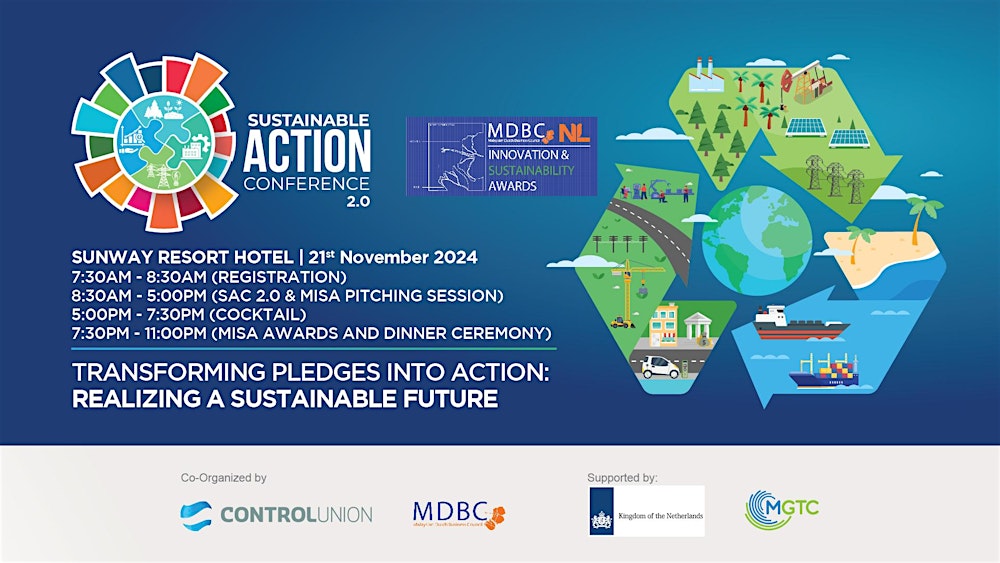
    Control Union Malaysia will proudly host the second edition of the Sustainable
    Action Conference (SAC 2024) on 21 st November 2024 at Sunway Resort Hotel.
    The event is dedicated to transforming sustainability pledges into concrete action.
    This event provides a platform for industry leaders from a wide range of
    sectors—including government, state governments, municipal councils, finance,
    manufacturing, plantations, forestry, energy, and construction—to come together,
    share knowledge, and tackle pressing sustainability challenges.

    At SAC 2024, attendees will have the opportunity to explore innovative solutions,
    hear inspiring success stories, and foster meaningful collaborations. The conference
    is designed to drive action by supporting the funding of sustainable projects and
    raising awareness about the latest trends in sustainability. Whether youre looking to
    elevate your brand, connect with industry leaders, or contribute to impactful projects,
    SAC 2024 offers a unique opportunity to make a lasting difference in shaping a
    sustainable future.

    By sponsoring SAC 2024, you align your brand with sustainability and support Non-
    Profit Organizations (NGOs) actively working on impactful projects. Sponsors not
    only gain visibility but also have a direct hand in enabling sustainable
    initiatives—as project pitches will be presented and voted on by the audience
    during the event.

    SAC 2024 is a non-profit event dedicated to driving sustainable transformation
    across industries. With growing regulatory and social expectations, your participation
    highlights your organization’s commitment to sustainability while positioning you as a
    leader in this critical space.

    The Sustainable Action Conference has proven to be a vital platform for connecting
    sustainability experts, government officials, and company executives. It fosters
    discussions and collaborations that lead to real, actionable solutions for companies
    looking to make meaningful contributions to sustainability goals.

    We are currently seeking sponsors to help bring this important event to life. If your
    organization is interested in raising awareness, contributing to impactful projects,
    and being part of a sustainable future, we invite you to join us.

    We will be happy to customize a sponsorship proposal based on your company’s
    objectives and budget.

    Become a sponsor and join the movement toward a sustainable future today!

    For collaboration opportunities, please contact us at
    bdcumalaysia@controlunion.com

  • A Vast Majority of Businesses Have Established Sustainability Targets with More than Half Still Using Manual Tools for Measurement

    A Vast Majority of Businesses Have Established Sustainability Targets with More than Half Still Using Manual Tools for Measurement

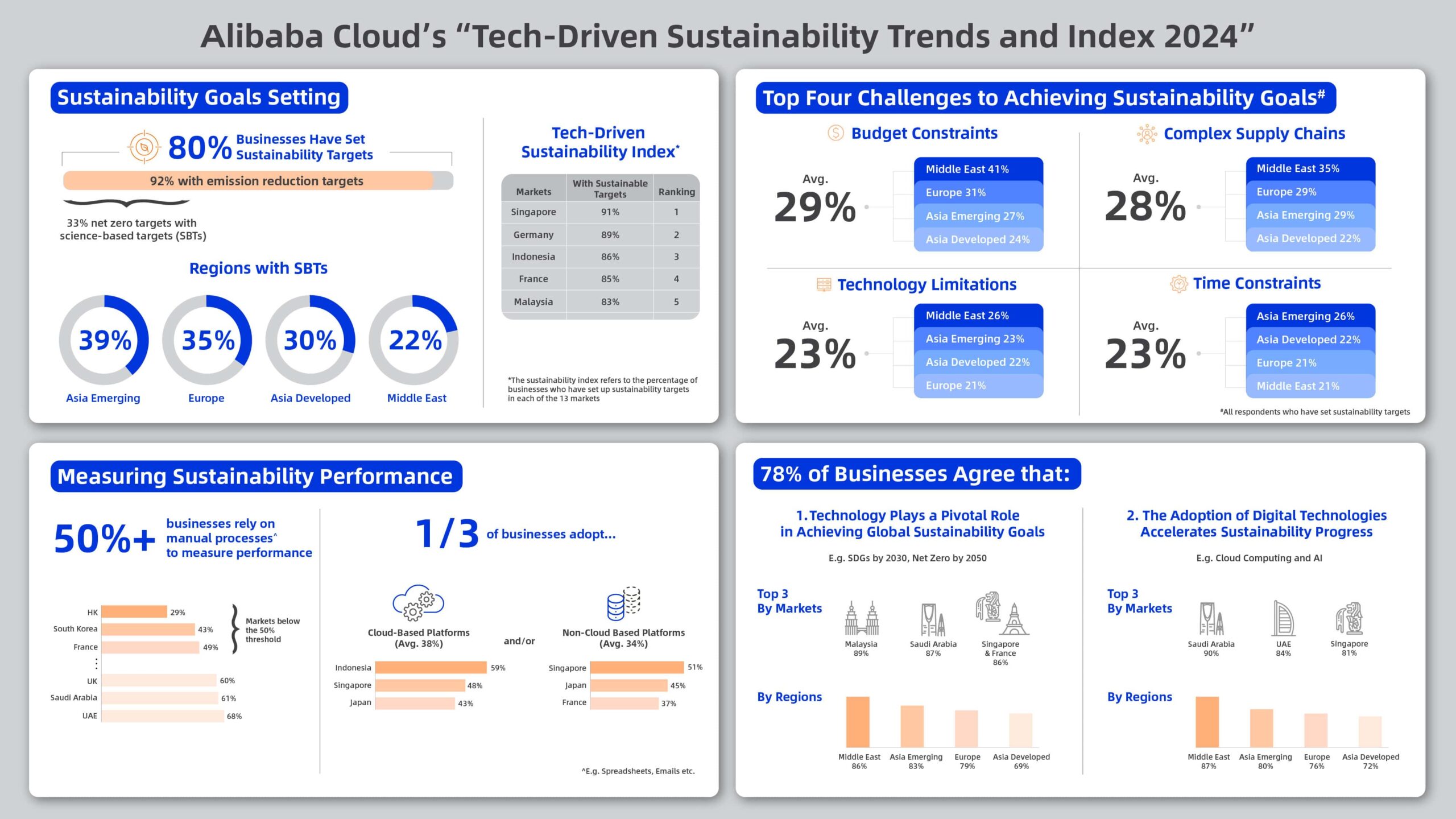
    Kuala Lumpur, Malaysia, October 21, 2024 – A significant 80% of businesses surveyed across Asia, Europe and the Middle East have established sustainability targets. However, more than half (53%) of those businesses continue to rely on manual methods for measuring their progress, with Malaysia mirroring this trend with 56% of Malaysian businesses continue to use manual processes according to a survey report titled “Tech-Driven Sustainability Trends and Index 2024” commissioned by Alibaba Cloud, the digital technology and intelligence backbone of Alibaba Group. 

    The report reveals that among businesses with sustainability targets, 92% have set emission reduction targets. However, only one-third of these organisations have committed to net-zero commitments with science-based targets (SBTs). The highest adoption of SBTs is in emerging Asian markets at 39%, followed by Europe at 35%, developed Asian markets at 30%, and the Middle East at 22%

    Around half of the businesses with sustainability targets cite driving growth (56%), compliance with regulations (54%), and a strong corporate purpose (49%) as their key motivations for establishing targets. Notably, among all markets, Indonesia tops the list with 70% of businesses prioritising growth, Saudi Arabia leads with 73% emphasising compliance, and the UAE excels with 61% prioritising a strong corporate purpose.

    A significant 78% of businesses agree that technology is crucial for achieving global sustainability goals, with top markets including Malaysia (89%), Saudi Arabia (87%), Singapore (86%) and France (86%). Regionally, this belief is strongest in the Middle East (86%) with emerging Asian markets a close second (83%). Similarly, 78% believe that adopting digital technologies such as cloud computing and AI will accelerate progress toward meeting sustainability goals, with Saudi Arabia leading at 90%, followed by the UAE (84%) and Singapore (81%). 

    Market Commitment Levels and Challenges

    When assessing market commitment levels, Singapore ranks highest with an impressive sustainability index of 91%, followed closely by Germany at 89% and Indonesia at 86%. Malaysia, in fifth place, has 83% of businesses setting sustainability targets. The sustainability index refers to the percentage of businesses that have established sustainability targets in the 13 markets. 

    Businesses encounter various barriers in meeting their sustainability targets. Budget constraints emerge as the most significant obstacle, affecting 29% of organisations, particularly pronounced in the Middle East (41%) and Europe (31%). Complex supply chains further complicate efforts, impacting 28% of businesses, especially in the Middle East (35%) and Europe (29%). Additionally, technology limitations hinder 23% of companies, with the Middle East facing a slightly higher rate at 26%. Time constraints also present significant challenges across all regions, affecting 23% of organisations. For those yet to set sustainability targets, budget constraints (32%) and technology limitations (29%) remain the primary barriers to meeting sustainability targets.

    Reliance on Manual Measurement

    As businesses strive to enhance their sustainability efforts, the necessity for effective digital tools is evident. The survey emphasises the necessity for businesses to improve their understanding of digital tools, as 59% of respondents acknowledge a gap in their knowledge regarding how technology can help achieve sustainability goals. This sentiment is particularly evident in Singapore (83%),  Hong Kong (75%) and Thailand (70%).

    The report also shows a general reliance on traditional practices among businesses, which may present challenges in effectively achieving sustainability goals. In Malaysia particularly, the study indicated that 56% of businesses depend on manual processes to measure sustainability performance using spreadsheets, emails, and similar methods. All markets, except for Hong Kong (29%), South Korea (43%) and France (49%), exceeded the 50% threshold, with the highest percentages in the UAE (68%), Saudi Arabia (61%), and the UK (60%). Meanwhile, only around a third of businesses use digital software tools including cloud platforms for the sustainability progress and measurement. Indonesia (59%), Singapore (48%) and Japan (43%) demonstrate a higher adoption of cloud-based solutions, while the average usage is at 38%.

    “The survey findings underscore the urgent need for organisations to reassess their sustainability measurement methodologies and embrace advanced technological solutions like cloud-based platforms and AI services. These digital tools not only streamline the measurement process but also provide actionable insights that can drive meaningful progress for sustainability,” said Selina Yuan, President of International Business, Alibaba Cloud Intelligence.

    “As a dedicated cloud service provider, we are committed to providing innovative and AI-powered solutions such as Energy Expert to enable enterprises to effectively measure and analyse carbon emission and energy consumptions to advance their sustainability goals. By addressing existing barriers and investing in such advancements, organisations can better align their sustainability initiatives with established targets,” she added. 

    “Tech-Driven Sustainability Trends and Index 2024” aims to provide valuable insights into the evolving landscape of corporate sustainability while highlighting how technology can be applied to drive impactful change.

    About the Survey

    Alibaba Cloud’s “Tech-Driven Sustainability Trends and Index 2024” was independently conducted by Yonder Consulting, a UK-based consulting firm, with advisory, design and analytical support from The Purpose Business, an Asia-based sustainability consultancy with offices in Hong Kong and Singapore. The survey collected feedback from May 10 to June 19, 2024, involving 1,300 business leaders and senior management from various industries, including technology and communications, finance, infrastructure, renewable resources, healthcare, transportation, retail, and manufacturing.

    Respondents were located across 13 markets in Asia (Malaysia, Indonesia, the Philippines, Thailand, Hong Kong SAR, Japan, Singapore and South Korea), Europe (France, Germany, and United Kingdom), and the Middle East (Saudi Arabia and UAE). In this survey, developed Asian markets refer to Hong Kong SAR, Japan, Singapore, and South Korea, while emerging Asian markets include Indonesia, Malaysia, the Philippines, and Thailand.

    About Alibaba Cloud

    Established in 2009, Alibaba Cloud (www.alibabacloud.com) is the digital technology and intelligence backbone of Alibaba Group. It offers a complete suite of cloud services to customers worldwide, including elastic computing, database, storage, network virtualization services, large-scale computing, security, big data analytics, machine learning and artificial intelligence (AI) services. Alibaba has been named the leading IaaS provider in Asia Pacific by revenue in U.S. dollars since 2018, according to Gartner. It has also maintained its position as one of the world’s leading public cloud IaaS service providers since 2018, according to IDC.

    Appendix: Key survey findings

    Technology’s Role in Sustainability:

    • 78% of businesses agree that technology plays a pivotal role in achieving global sustainability goals, and the adoption of digital technologies can accelerate progress. 
    • 89% of Malaysian businesses agree that technology plays a pivotal role in achieving global sustainability goals. This highlights a strong recognition of the importance of digital solutions in driving sustainability efforts in the country.


    Understanding of Digital Technology:

    • 63% of businesses from Asia acknowledge a gap in understanding how digital technology can aid in achieving sustainability goals. This suggests that while there is recognition of the importance of technology, there may be a need for more education and resources to bridge this gap. 
    • 56% of Malaysian businesses still use manual processes to measure and track sustainability performance and only a third use cloud and/or non-cloud tracking software/application platforms.

    These findings indicate that while there is a strong belief in the role of technology for sustainability in Malaysia, there are also challenges related to understanding and adoption that need to be addressed to fully leverage these digital tools.

  • THE SMARTINVESTOR AS THE OFFICIAL MEDIA PARTNER FOR THE SUSTAINABLE ACTION CONFERENCE 2024

    THE SMARTINVESTOR AS THE OFFICIAL MEDIA PARTNER FOR THE SUSTAINABLE ACTION CONFERENCE 2024

    The Sustainable Action Conference (SAC) 2024 and The SmartInvestor (TSI) magazine are partnering up towards a more sustainable future!

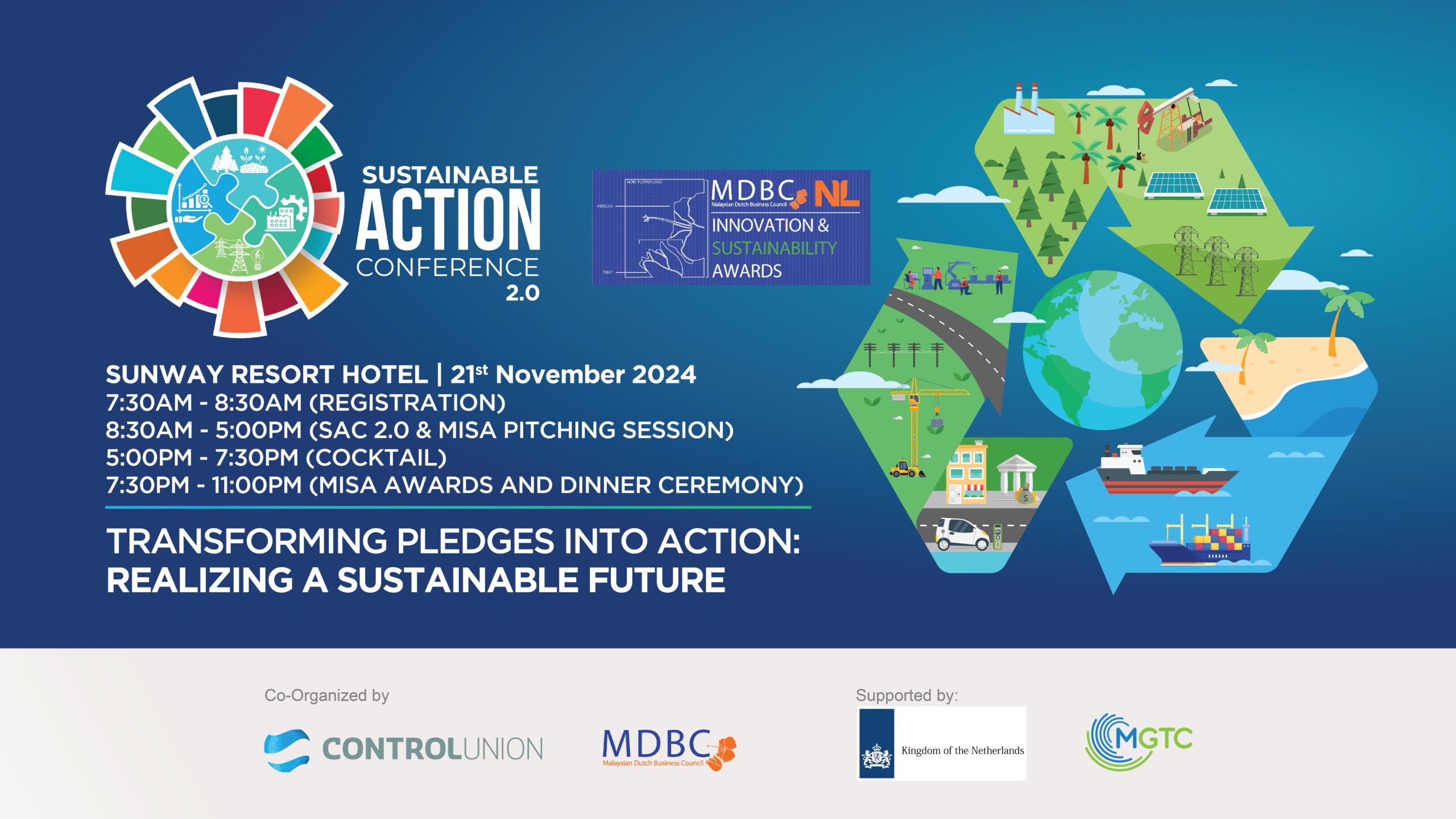
    Control Union Malaysia is proud to announce the second edition of the Sustainable Action Conference 2024 (SAC 2.0) and is excited to welcome TSI as its primary official media partner! The event will take place on 21st November 2024 at the Sunway Resort Hotel, Malaysia, with the support of the Embassy of the Kingdom of the Netherlands and the Malaysia Green Technology and Climate Change Corporation (MGTC).

    The SAC 2024, with the overarching theme “Transforming Pledges into Action: Realizing a Sustainable Future,” aims to provide a platform to showcase industry case studies, demonstrating successful sustainability initiatives and delivering actionable solutions that can be implemented across various industries – including Manufacturing, Plantations, Forestry, Energy, Oil & Gas, Tourism, Construction, Finance, and others – to effectively address sustainability efforts.

    The media partnership underscores a shared commitment of both parties that brings diverse people together, sparking the action needed for real change. Online platforms will feature detailed interviews with speakers, organisations, and attendees, while also keeping you updated on the programme and offering behind-the-scenes insights into the event. Through these efforts, we aim to broaden the event’s reach and provide you with comprehensive information on the key topics discussed. After all, sustainability is a matter that affects us all!

    The Sustainable Action Conference is hosted with the generous support of sponsors with remaining proceeds being donated to a charitable organisation selected by the audience during the conference. Participation is by invitation only and should you be interested to attend, kindly register on our website at www.sustainableactionconference.com.


  • ESG Disclosure Assessment Report Sets Baseline for Reporting Practices

    ESG Disclosure Assessment Report Sets Baseline for Reporting Practices

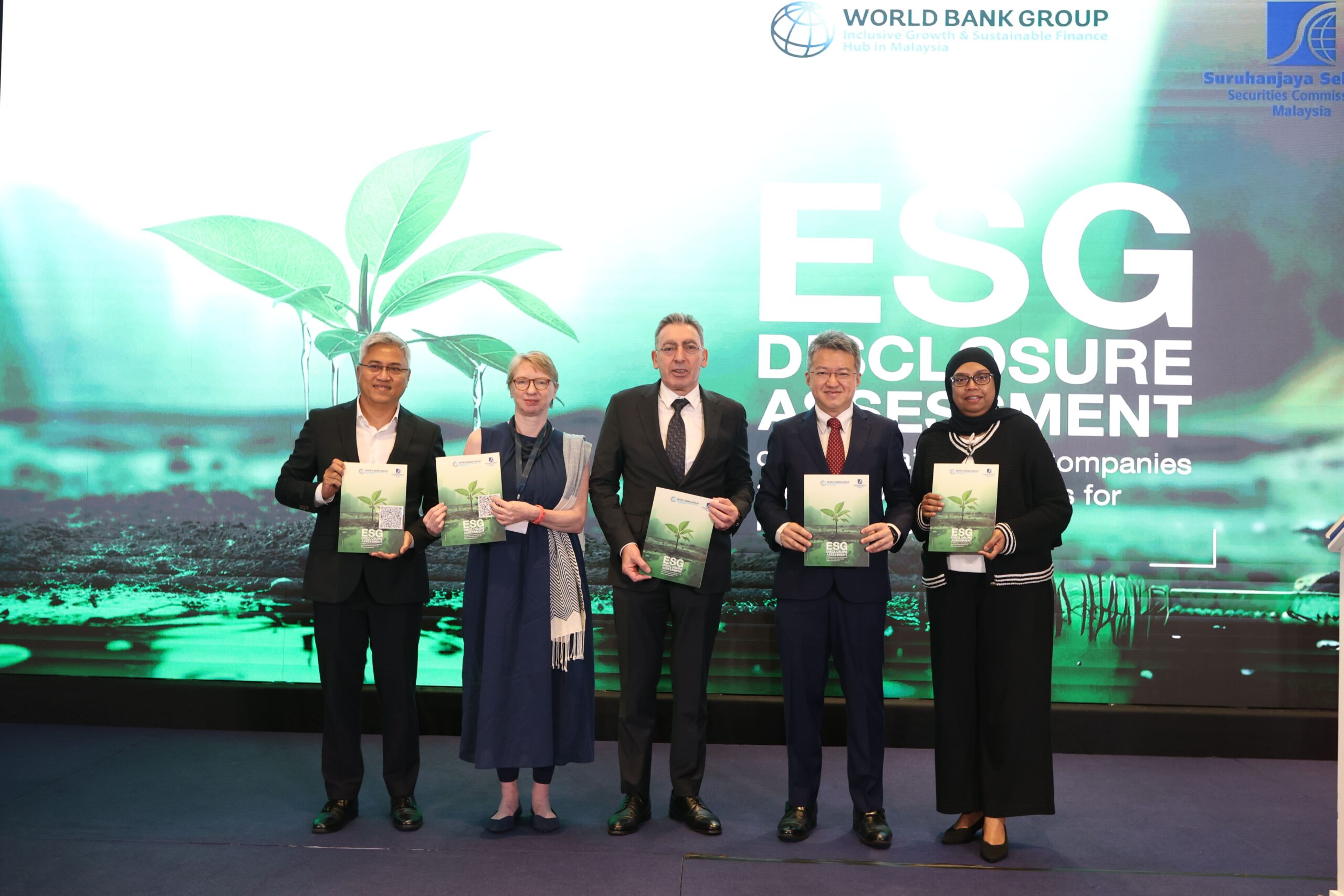
    The Securities Commission Malaysia (SC) and the World Bank have launched a joint
    report, “ESG Disclosure Assessment of Malaysia’s Listed Companies and
    Recommendations for Policy Development” at the SC-World Bank Conference 2024 today.

    This report provides a baseline on ESG reporting practice in Malaysia, offering key insights
    for companies and investors to enhance sustainability reporting to align with international
    best practices and remain competitive.

    It aims to analyse the current state of ESG disclosure amongst listed companies and
    institutional investors, given the growing prominence of ESG and sustainability
    investments globally.

    It also provides reflections and recommendations for policymakers in the Malaysian
    capital market to foster improved ESG reporting, ensuring relevance and consistency
    globally.

    Speaking at the conference, SC Executive Director of Islamic Capital Market Sharifatul
    Hanizah Said Ali emphasised the importance of strengthening ESG disclosures amid
    growing global demand for sustainable investments.

    “This joint report reflects our ongoing commitment to fostering a more sustainable capital
    market. Improved ESG disclosure practices are expected to strengthen investor
    confidence and ensure that our market remains competitive and future-ready,” she said.

    The report was based on an in-depth assessment, conducted between August and
    December 2023, examining ESG disclosure practices of a representative sample of 90
    companies listed on Bursa Malaysia, as well as processes among some of Malaysia’s
    largest asset owners.

    It highlights that most Malaysian listed companies had demonstrated good corporate
    disclosures and solid overall approach to managing governance and social issues.
    However, the report also points out gaps in specific environmental indicators, especially
    those related to climate change and biodiversity.

    Other findings from the report include:
    1. Larger companies1 had significantly better ESG disclosure rates than smaller ones.
    2. Regulatory compliance was the primary driver of corporate ESG reporting in
    Malaysia.
    3. On ESG disclosure practices among four large Malaysian asset owners, the
    assessment indicated relatively low levels of ESG disclosure. However, interviews
    suggested greater efforts to strengthen ESG practices and processes other than
    currently publicly disclosed.

    The report concludes with a set of recommendations, including continuous monitoring
    along with consultations, to ensure effective implementation of the ESG disclosures in
    line with the recently launched National Sustainability Reporting Framework (NSRF).

    Other recommendations of the report include:
    1. To further support widespread implementation of Bursa Malaysia’s guidelines for
    sustainability reporting
    2. To actively encourage development of ESG practices among domestic investors
    to increase appeal for corporate ESG disclosures

    This year marks the 5th installment of the SC-World Bank Conference, which was
    officiated by Deputy Minister of Investment, Trade and Industry YB Liew Chin Tong.
    The conference explores synergies within the capital market and Islamic capital market
    to bridge funding gaps for micro, small and medium entrepreneurs (MSMEs) and mid-tier
    companies (MTCs).

    It aligns with the SC’s 5-year Roadmap “Catalysing MSME and MTC Access to the Capital
    Market (2024-2028)”, which aims to support MSMEs and MTCs funding through the
    capital market.

    “Through our knowledge-based collaboration, we aim to support effective policy design
    and implementation to address the MSME and climate financing gaps, and I look forward
    to further leveraging the World Bank’s global expertise to support the Malaysian
    government, financial regulators, and the private sector in developing a more robust and
    resilient financing ecosystem for MSMEs,” said Dr. Zafer Mustafaoğlu, World Bank Country
    Director for the Philippines, Malaysia, and Brunei Darussalam.

    Over 200 industry players attended the conference, including entrepreneurs, government
    agencies, venture capital and private equity firms, RMOs, financial institutions, and
    Government-Linked Investment Companies.

    The report is available at https://www.sc.com.my/resources/publications-and-
    research/esg-disclosure-assessment.

  • UOB Malaysia launches Sustainable Vendor Financing Programme to support Malaysia’s OGSE sector

    UOB Malaysia launches Sustainable Vendor Financing Programme to support Malaysia’s OGSE sector

    KUALA LUMPUR, 14 October 2024 – UOB Malaysia today announced the launch of its Sustainable Vendor Financing Programme (SVFP) to support Malaysia’s Oil & Gas Services and Equipment (OGSE) sector in its decarbonisation and energy transition efforts. As part of the programme’s debut, the Bank is allocating up to RM1 billion for the purpose of financing OGSE suppliers participating in PETRONAS Suppliers Support Programme (PSSP).

    The SVFP comprises transition financing solutions with competitive rates tailored for OGSE companies participating in PSSP. It also includes meaningful incentives for these companies to kickstart their decarbonisation initiatives such as the adoption of renewable energy, improvement of energy efficiency, emission reduction measures and fleet electrification.

    Ms Ng Wei Wei, Chief Executive Officer of UOB Malaysia, said, “The launch of the Sustainable Vendor Financing Programme reflects our commitment to helping Malaysia’s OGSE sector transition towards sustainability. As PETRONAS is our valued partner, we are pleased to extend our support to their suppliers, which are predominantly small-and-medium-sized enterprises, to help them embark on their decarbonisation journey. This will also help the country’s OGSE sector stay competitive in the global value chain, with heightened expectations on ESG-related regulations being implemented across the world.”

    The SVFP also introduces measures for OGSE companies to track and demonstrate progress in their sustainable practices. This includes completing capacity-building modules, establishing baseline greenhouse gas (GHG) reporting and demonstrating annual GHG reductions.

    Developing relationship with PETRONAS 

    In 2019, UOB Malaysia worked closely with PETRONAS on a Vendor Financing Programme that provided financial certainty to OGSE suppliers, enabling these suppliers to focus on delivering their projects on-time and on-target.

    The relationship is further strengthened with the newly launched SVFP that comes under UOB’s Transition Finance Framework (TFF). Developed by the bank’s Sector Solutions Group, a dedicated team of sector and sustainable finance specialists, UOB’s TFF offers a suite of banking solutions to companies across hard-to-abate sectors working on reducing their carbon emissions or developing low-carbon projects, such as biofuel refineries and carbon capture & storage initiatives. 

    UOB’s TFF has received a second-party opinion that verifies the framework is in line with internationally recognised climate finance principles, providing assurance of its alignment with global best practices for financing hard-to-abate sectors. With this framework, companies in the energy sector can establish resilient supply chains while meeting governance requirements.

  • Shaping Tomorrow: Malaysia’s Circular Economy through Renewable Energy in Education

    In a landmark effort to bring renewable energy solutions to Malaysia’s education sector, Malaysia One Hundred, a think tank based in Ipoh, in collaboration with GSPARX, a subsidiary of Tenaga Nasional Berhad (TNB), is spearheading an ambitious solar panel project in Government-Assisted Schools (SBKs) across the Kinta Valley in Perak under the Net Energy Metering 3.0 programme (NEM 3.0). This initiative, which also enjoys strong support from YB Howard Lee, MP for Ipoh Timor, represents a crucial step towards Malaysia’s National Energy Transition Roadmap (NETR), with a broader aim of contributing to the circular economy.  

    The Solar Energy Pilot Project in Schools 

    Dubbed within inner circles as the “Schools Solar Energy Pilot Project,” this project is designed to reduce energy costs for schools by introducing renewable energy into their infrastructure. The installation of photovoltaic (PV) solar panels in participating schools will help generate energy savings, estimated at RM200,000 annually. That is, if Malaysia One Hundred, GSPARX and TNB achieve their goal of generating 1 megawatt of energy through the installation of PV solar panels.  

    Out of the 15 schools that signed a Memorandum of Understanding (MoU) with GSPARX, seven schools have thus undergone site visits by GSPARX and TNB for further assessments, demonstrating strong momentum for the initiative. Should all seven schools proceed with the installation of PV solar panels, a total of 596.55 kilowatt peak (kWp) will be generated, with an estimated RM100, 000 in energy savings annually.  

    By equipping schools with solar energy, GSPARX and Malaysia One Hundred are not only addressing the rising electricity costs faced by schools but also ensuring that these educational institutions play a key role in Malaysia’s renewable energy future. This aligns with Malaysia’s goal of achieving 70% renewable energy by 2050, a goal that is critical for the nation’s energy security and environmental sustainability. 

    Offering the dual benefit of reducing operational costs for educational institutions while contributing to the broader national goal of reducing carbon emissions, this project is also part of a broader trend of significant investments in solar power across Asia. As a continent, Asia has become the world’s top solar power generator, with China holding the top spot as the global leader in solar photovoltaics usage. Since surpassing Germany in 2015, China has maintained its dominance, and by the end of 2023, Chinese energy companies had amassed 2,919 GW of cumulative installed solar capacity – an enormous leap from 2016’s total of 77 GW. This extraordinary growth has been propelled by China’s position as the world’s largest manufacturer of solar panels, driving both domestic and international markets. 

    YB Howard Lee’s recent engagements with China’s leading renewable energy companies underscore the importance of international collaboration in driving Malaysia’s renewable energy agenda. These meetings have laid the groundwork for knowledge exchange, investment opportunities and technology transfers that will benefit Malaysia’s energy transition efforts. The insights gained from these discussions have directly influenced the design and implementation of the solar energy pilot project in Ipoh, ensuring that Malaysia One Hundred and its partners are leveraging global best practices to achieve the nation’s ambitious renewable energy goals. 

    Solar Energy and the Circular Economy 

    The integration of solar energy in schools in Malaysia is not just about reducing electricity bills or serving as a cost-saving measure, it is a powerful step towards a circular economy, a system that prioritises sustainability, resource efficiency and waste reduction. At the core of the Schools Solar Energy Pilot Project is the commitment to minimising environmental impact while maximising long-term benefits.  

    Solar panels, as the name suggests, harnesses an abundant renewable energy source – the sun. The long lifespan of the panels and the recyclable nature of their key components, such as aluminium and glass, ensure that the project contributes to a sustainable, closed-loop system, where resources are reused rather than discarded.  

    But the impact does not stop there. The solar energy infrastructure is also expected to stimulate job creation in green technology sectors, opening new opportunities in areas such as installation, maintenance and recycling. As the nation transitions towards renewable energy, the demand for expertise in these fields will grow, reinforcing the nation’s commitment to both environmental sustainability and economic development.  

    Impacting Students and Schools  

    Beyond the environmental and economic benefits, the project is also a powerful educational tool. Students at the participating schools are witnessing first-hand how solar energy can transform their learning environment, providing a real-world lesson in the growing green economy. As solar energy infrastructure becomes part of their everyday environment, students are exposed to cutting-edge technology that not only powers their classrooms but also serves as a tangible example of the future job market.  

    Schools are increasingly incorporating renewable energy topics into their curriculum, sparking interest in STEM fields like engineering, environmental science and green technology. The direct exposure through the Schools Solar Energy Pilot Project is preparing a new generation for evolving job opportunities in solar installation, maintenance and recycling – creating a pipeline of future professionals who will help drive Malaysia’s green transition.  

    This pilot initiative connects students to both environmental responsibility and future career paths, ensuring that the impact of solar energy reaches far beyond the immediate savings on energy bills.  

    The Coexistence of Heritage and Modernisation 

    A unique challenge presented itself with the Schools Solar Energy Pilot Project, as most schools in Perak are housed in heritage buildings, some of which have stood for over a century. These buildings are more than just educational spaces – they are cultural landmarks that form the foundation of their communities. While Malaysia One Hundred is committed to bringing modern, sustainable energy solutions to schools, it recognises that this must not come at the expense of their rich historical value. 

    By ensuring GSPARX thoroughly assesses the integrity of the roof structures and ensuring that the installation of PV solar panels does not compromise the architectural heritage, the project demonstrates that sustainability and heritage conservation can coexist. Renewable energy can be seamlessly integrated into these iconic structures, allowing them to serve both as symbols of the past and beacons of a sustainable future, proving that progress and preservation can go hand in hand.  

    A Sustainable Future for Perak and Beyond  

    The Schools Solar Energy Pilot Project aligns with the broader goals of the NETR, making it a stepping stone towards a sustainable future for Perak and, by extension, Malaysia. By integrating renewable energy into the fabric of educational institutions, Malaysia One Hundred and its partners are not only promoting a greener environment, but also fostering a generation of energy-conscious citizens. These students will be at the forefront of Malaysia’s renewable energy transition, equipped with the knowledge and inspiration to contribute to a circular economy and a more sustainable future. 


  • Social Enterprises: Proven, Effective Poverty Eradication Partners,  Ready for Nationwide Rollout

    Social Enterprises: Proven, Effective Poverty Eradication Partners, Ready for Nationwide Rollout

    4 October 2024, Kuala Lumpur –

    Over the past five years, social enterprises have been working closely with the government to
    address absolute poverty in Malaysia, with rates has dropping from from 8.2% in 2021 to 6.2% in
    2022.

    Government initiatives including grants and programmes such as the MRANTI Impact Challenge
    Accelerator (MICA), Social Enterprise Accreditation certification and the zero-interest loans from
    the Hasanah Social Enterprise Fund (HSEF) and social procurement initiatives – are among the
    key instruments that have enabled social enterprises to grow and strengthen their offerings to
    serve the needy.

    For example, since 2019, accredited social enterprises such as Pepper Labs have been entrusted
    with piloting several B40 community projects – which have generated measurable, high impact.
    To date, Pepper Labs has re-invested over RM 7 million in social projects, impacting over
    4,000 beneficiaries. Over this period, we have grown to be a trusted partner and effective
    operator and a creative social innovator, bridging the gap between policy and grassroots
    economic enablement.

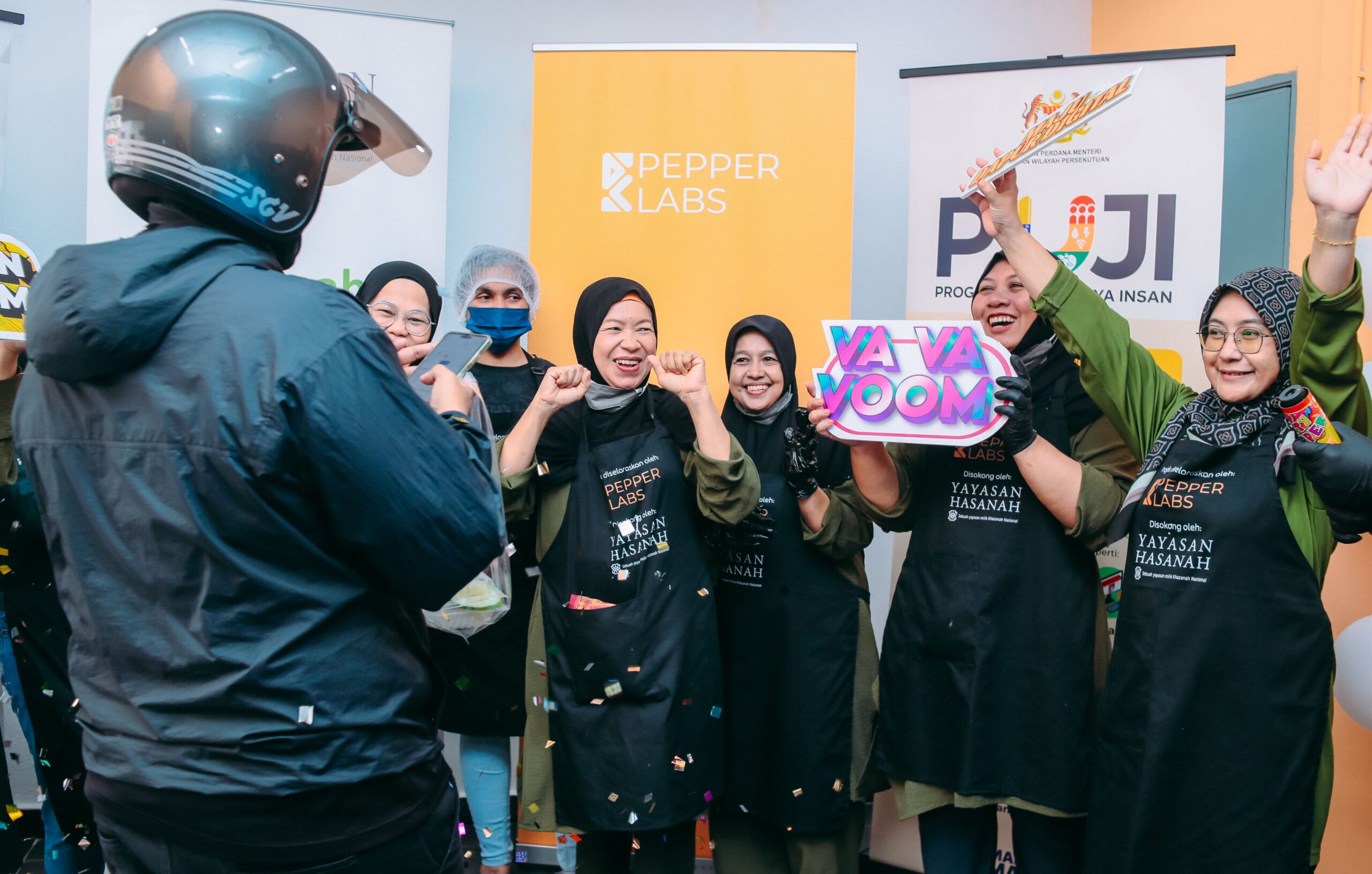
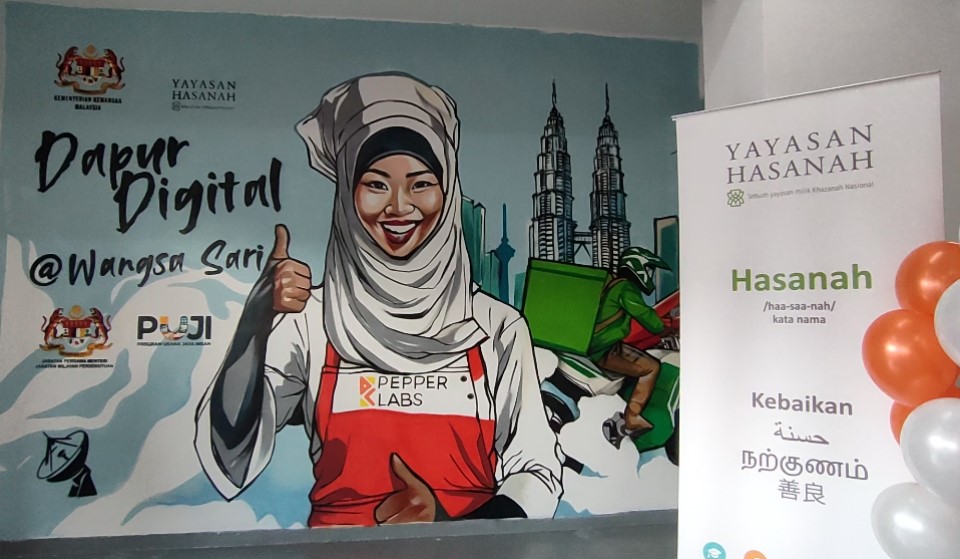
    Caption: Dapur Digital at PPR Wangsa Sari, refurbished with fully-fitted kitchen

    Dapur Digital: Cloud Kitchen Pilot Programme Ready To Scale Nationwide

    Recently, we rolled out a unique initiative called Dapur Digital – Malaysia’s first public-private-
    philanthropy project in partnership with the Ministry of Finance, Jabatan Wilayah Persekutuan,
    DBKL and Yayasan Hasanah.

    Dapur Digital’s pilot programme involves several aspects of economic enablement. In addition to

    refurbishing five PPR flats in Kuala Lumpur into cloud kitchens within six months, 50
    individuals have been trained with a Micro-Credential Programme on how to operate a cloud
    kitchen business. Each of the five Dapur Digital locales which have a high concentration of the
    urban poor, have been given a target of RM10,000 in monthly sales. Within a week from its launch,
    Kampung Limau Kitchen participants under the Dapur Digital programme made RM3,000 in
    business. Their products are promoted and delivered through three food delivery platforms
    altogether making this a uniquely designed programme for transforming livelihoods.

    With Budget 2025 coming up, we would like to put forward some considerations to the
    government, given Dapur Digital’s potential to serve in closing the gap on poverty nationwide:

    1) Tax Incentives for Public-Private Partnership Investments
    a) Tax exemptions to GLCs or corporations which invest in social enterprises such
    as Dapur Digital which will enable it to scale to more locations, accelerate the
    equipping programme, while reaching and benefiting more underserved
    communities nationwide.
    b) Tax reliefs are extended to organisations and individuals making bulk
    purchases from Dapur Digital and other social enterprises which have
    demonstrated their capability and capacity to deliver to requirements. This
    provides a means for enterprises to track and report the impact of their social
    contributions – particularly with Scope 3 ESG reporting requirements already
    coming onstream.

    2) Social Procurement Acceleration
    The government could also include accredited social enterprises in its e-procurement
    database and list, particularly as Malaysia takes on the ASEAN Presidency in 2025, with
    an expected hike in commercial, tourism and social activities. Many social enterprises
    serve in these areas to equip and enable underserved communities.

    Stronger public-private-philanthropy partnerships and collaborations can turn the MADANI
    aspirations and RMK-12 goals into reality for the rakyat. We have demonstrated this is achievable,
    measurable, timely – and ready to scale.