Category: News & Events

  • New Tech And Food Partnerships Announced During New Zealand Prime Minister’s Visit to Malaysia

    New Tech And Food Partnerships Announced During New Zealand Prime Minister’s Visit to Malaysia

    KUALA LUMPUR, 03 September 2024: An exciting era of new collaboration and partnership for Malaysian and New Zealand businesses was launched during an event at the Shangri-La Hotel on Monday.

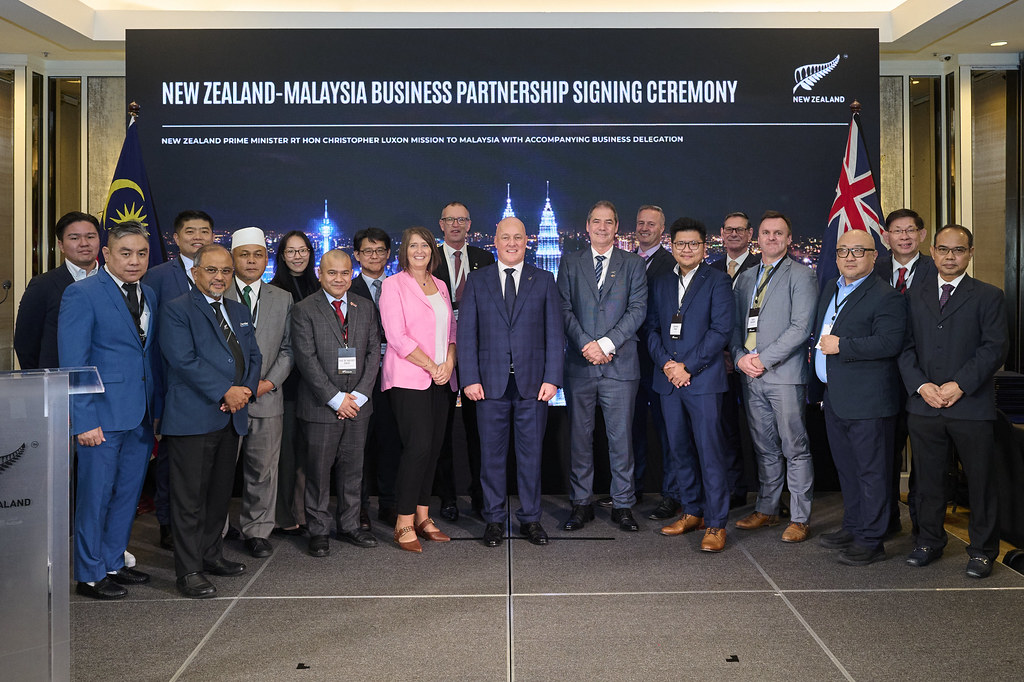
    Attended by the Right Honourable Christopher Luxon, Prime Minister of New Zealand, the event sought to celebrate the strength of the existing trade relationship between New Zealand and Malaysia, while promoting New Zealand’s capabilities in innovation and leading tech solutions and world-class food and beverage.

    A total of ten new or expanded partnership agreements between Malaysian and New Zealand companies were witnessed by Mr Luxon, who had earlier come from a meeting with Malaysia’s Prime Minister, Datuk Seri Anwar Ibrahim to further high-level government relations and enhance bilateral trade as part of his two-day visit to Malaysia.

    The significant number of partnerships is evidence of the growing relationship between New Zealand and Malaysia, which has seen two-way trade between the two countries nearly double since 2016.

    Food and beverage remains New Zealand’s largest export category to Malaysia, with dairy its single biggest export. In the year to March 2024, New Zealand exported NZ$808 million (RM2.2 billion) in dairy products to Malaysia, supplying over 45% of all Malaysia’s dairy imports.

    Innovation and technology is growing in prominence as increasing numbers of New Zealand companies partner with Malaysian businesses and New Zealand’s reputation as a hub for world-class solutions grows. In the past ten years, the New Zealand tech sector has more than doubled in size. It is now the fastest growing sector in the New Zealand economy and its second largest export earner after dairy.

    Prime Minister Luxon said the event was recognition of the extensive business relationship between Malaysia and New Zealand and the interest in growing trade even further: “Malaysia and New Zealand partner well across the food and beverage and technology sectors, and there is significant potential opportunity to further extend these relationships for mutual benefit,” said Mr Luxon.

    “It was exciting to meet with these leading Malaysian companies and see just how well New Zealand can
    complement them in their growth aspirations here in Malaysia and further afield,” he said.

    Six companies in the food, beverage and agriculture sectors solidified new relationships:

    -Alliance – New Zealand’s only 100% farmer-owned red meat co-operative, signed an MoU with Malaysian partner Fatric to expand of the company’s premium lamb and mutton programme in Malaysia. Alliance’s Pukeuri (Oamaru) processing plant is one of just five New Zealand lamb plants licensed to supply Malaysia. The MoU marked more than two decades of collaborative and mutually supportive partnership since 1992.

    -New Zealand’s Lincoln University and Universiti Putra Malaysia (UPM) signed a MoU, paving the way
    for enhanced research and academic collaboration between the two institutions in the critical areas of
    agriculture and food security.

    -Leading New Zealand snack company Griffin’s Food Ltd signed an agreement with Malaysian
    distribution partner AIT Fine Food to launch its Proper Crisps brand into Malaysia. AIT has been Griffin’s
    valued Malaysian distribution and sales partner since 2011 and is the company’s largest distributor in
    Asia.

    -Comvita – a global market leader in Mānuka honey and bee products – signed an MoU with Big Caring

    Group with a view to launching Comvita products into its chain of stores.

    -Southern Fresh signed an agreement with Malaysian supplier Agroto Business to launch Southern
    Fresh’s premium quality New Zealand produce into the Aeon supermarket chain.

    -NIG Nutritionals signed an MoU with Delfi Marketing to expand its existing partnership and formalise
    distribution for its high-quality quality nutritional products in Malaysia.

    A further four partnerships in the manufacturing, technology and innovation sectors were formalised:

    -Hamilton Jet – a global leader in marine waterjet propulsion technology – agreed to formalise supply
    agreements with Malaysia’s Gading Marine Industry and Sarawak Slipways to further expand the use
    of its pioneering technology in the market.

    -Orion Health formalised a partnership agreement with Malaysian healthcare solutions provider MH
    Nexus to advance digital health solutions to the local healthcare market in South-East Asia.

    -Pacific Edge and Premier Integrated Labs signed an MoU to formalise a distribution and testing
    services agreement.

    The Prime Minister is joined in Malaysia by the Honourable Melissa Lee, Minister for Economic Development and the Honourable Nicola Grigg, Minister of State for Trade and Associate Minister of Agriculture, along with a 17-strong business delegation representing New Zealand’s top exporters in Malaysia.

    As part of the mission, the delegation visited New Zealand’s Skyline Luge in Kuala Lumpur, where the iconic Kiwi attraction was celebrating its 1 millionth rider milestone, just nine months after its Malaysia launch. The delegation also supported a new clinic opening for New Zealand specialist health solutions provider, Fertility Associates in Malaysia.

    About New Zealand Trade and Enterprise
    Te Taurapa Tūhono | New Zealand Trade and Enterprise (NZTE) is the New Zealand government’s international business development agency. Our purpose is to grow companies internationally – bigger, better, faster – for the good of New Zealand. NZTE uses its extensive knowledge and global networks to help exporters of all sizes make better decisions and connect to the right partners and investors. We connect international businesses and investors with high-value growth opportunities in New Zealand.
  • Shopee Empowers Over 100,000 New Local Entrepreneurs in 2024

    Shopee Empowers Over 100,000 New Local Entrepreneurs in 2024

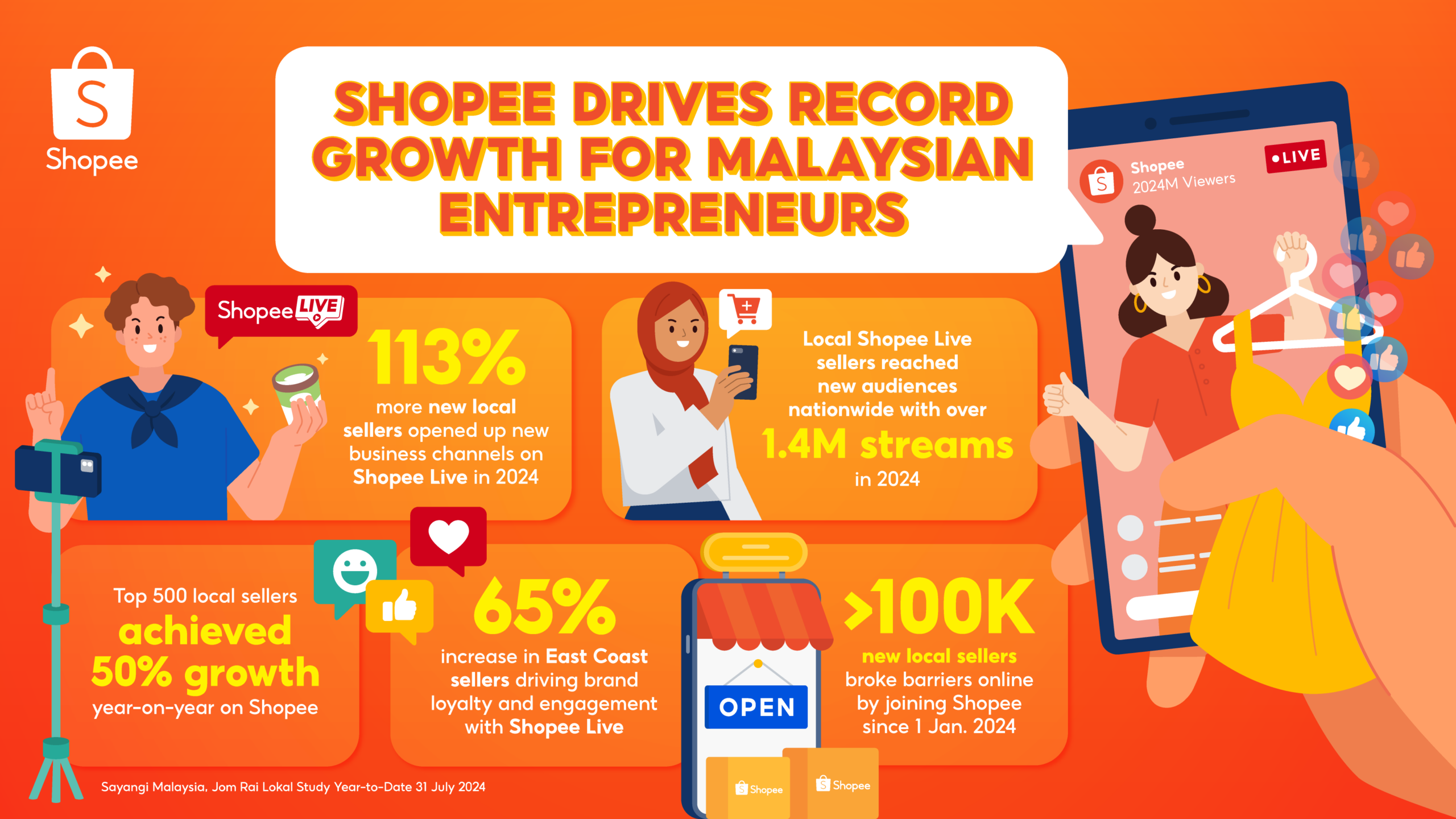
    KUALA LUMPUR, 3 September 2024 — Shopee’s ‘Sayangi Malaysia, Jom Rai Lokal 2024’1 study reveals a significant milestone in the Malaysian e-commerce landscape: over 100,000 entrepreneurs joined the Shopee ecosystem in 2024. This substantial increase reflects the rising acknowledgement of e-commerce as a vital and sustainable business model in today’s rapidly changing digital market.


    “The impressive growth of Malaysian entrepreneurs on our platform this year is a testament to their proactive embracing of digital opportunities. Shopee remains dedicated to providing local Malaysian businesses with the essential resources including Affiliate Marketing Solutions, third-party logistics services, and Shopee Live to thrive in today’s competitive e-commerce landscape. We are proud to play a part in the journey for local enterprises to broaden their reach, optimise their operations, and achieve growth in this ever-evolving economy,” said Ming Kit Tan, Head of Marketing and Business Intelligence at Shopee Malaysia.


    Shopee Live has emerged as a powerful instrument for local entrepreneurs, with a 113% increase in new sellers live streaming in 2024. This rise shows Shopee Live’s growing importance as Malaysia’s go-to platform for live commerce. Local sellers recognise Shopee Live’s interactive features that facilitate direct customer engagement, allowing them to build stronger, lasting relationships. The platform’s ease of entry and real-time feedback mechanisms are proving crucial in helping businesses stand out in a competitive marketplace, create meaningful connections with their customers, and reach nationwide audiences. The adoption of Shopee Live as a key business strategy is clear, with local sellers conducting over 1.4 million livestreams and receiving more than 27 million unique comments from users this year. 


    Petals Malaysia2, a Selangor-based hair care brand, joined Shopee in 2021 to offer sustainable, wudhu’-friendly, Made-in-Malaysia products tailored to local preferences. Before joining Shopee, their market presence was limited to retail outlets, restricting their exposure and visibility. “Shopee provided access to a vast online audience, significantly expanding our market reach,” said Khairul Azman, Founder of Petals Malaysia. “Shopee Live has also transformed our customer engagement. Through live sessions, we directly interact with shoppers, answer their questions in real time, and effectively showcase our products. This immediate engagement builds trust and drives purchases. We also use live polls and Q&A sessions to involve viewers, gather feedback, and enhance the overall shopping experience.” Petals has sold over 26,000 units of their best-selling halal hair dye ‘Hair Color Shampoo’ since 2021.


    The study also highlights a 65% increase in Shopee Live sellers from Malaysia’s East Coast, reflecting the platform’s success in helping local businesses expand their reach across the country. This underscores Shopee’s commitment in helping entrepreneurs from less urbanised regions to grow with e-commerce. East Coast sellers are using Shopee Live to build brand loyalty and deepen customer engagement, helping the platform create more opportunities for aspiring business-owners across Malaysia. 

    Shopee’s top 500 locally-owned enterprises have achieved an average of 50% year-on-year growth in 2024, demonstrating the platform’s effectiveness in driving business expansion. This success highlights the strength of Shopee’s ecosystem and its role in helping sellers innovate and grow. The ‘Sayangi Malaysia, Jom Rai Lokal 2024’ study also shows Shopee’s commitment to supporting local businesses and growing the digital economy. Shopee continues to be an important partner for homegrown businesses, offering tools and services that help sellers achieve new levels of success.

  • UOB partners Invest Johor to drive foreign direct investments into the Johor-Singapore SEZ

    UOB partners Invest Johor to drive foreign direct investments into the Johor-Singapore SEZ

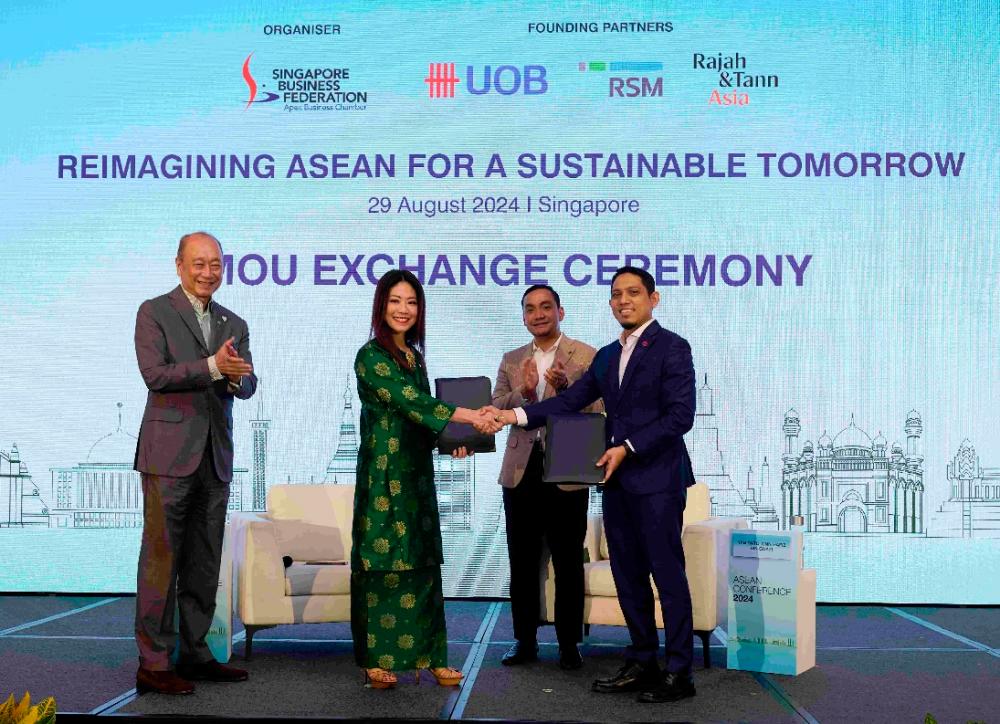
    Singapore, 29 August 2024 – UOB today signed a Memorandum of Understanding (MOU) with Invest Johor, the state’s investment agency, to drive investment opportunities into the upcoming Johor-Singapore Special Economic Zone (SEZ).

    UOB also signed a second MOU today with China’s Lingang Group, an industrial park operator with more than 18,000 tenants across China. Under the partnership, UOB will facilitate Lingang Group and its tenants to expand into Southeast Asia.

    Partnering to grow the Johor-Singapore SEZ

    Under the partnership with Invest Johor, UOB will collaborate with the state investment agency to jointly promote and facilitate investment opportunities into the Johor-Singapore SEZ. This will be done by targeting high value, high technology and high impact investments from priority sectors such as electrical and electronics, advanced manufacturing and engineering, digital economy, green economy, life science and med-tech, electric vehicles, aerospace and port and logistics.

    Notably, a “green lane” will be jointly established, with UOB designated as a partner to assist with foreign direct investments in these prioritised sectors to accelerate their investments. UOB will also provide advisory and banking services to companies looking to invest in Johor as part of the MOU.

    The MOU was signed by Invest Johor’s CEO, Mr Natazha Bin Hariss and UOB Malaysia’s CEO, Ms Ng Wei Wei, at the ASEAN Conference held in Singapore today. The ceremony was witnessed by Johor’s Menteri Besar, Yang Amat Berhormat Dato’ Onn Hafiz bin Ghazi, and UOB’s Deputy Chairman and Chief Executive Officer, Mr Wee Ee Cheong.

    Dato’ Onn Hafiz said, “From our engagements with key stakeholders of the Johor-Singapore SEZ, expectations are very high. This will require us to step up our game, provide excellent service and ensure that we not only meet, but exceed these expectations. Today’s MOU between Invest Johor, the state’s lead investment agency and UOB, one of ASEAN’s leading financial institutions with over seven decades of experience in assisting investors in Malaysia, is one example of our seriousness and focus in improving the investor experience in Johor.”

    Mr Wee Ee Cheong said, “UOB is pleased to work with like-minded partners to support businesses in navigating the diverse ASEAN region. Our strategic partnerships with regional government investment agencies and trade associations have successfully connected enterprises such as Lingang Group to cross-border investment opportunities, benefitting businesses across multiple sectors. We remained committed to serving as an effective gateway to the region for companies expanding into the region.”

    UOB is the only bank to have signed MOUs with all the government investment agencies in the key ASEAN markets.

    Ms Ng Wei Wei, Chief Executive Officer of UOB Malaysia said, “The MOU with Invest Johor reinforces UOB’s commitment to facilitate foreign direct investment into Malaysia and support the success of the Johor-Singapore SEZ. Apart from bringing in investments, we will also connect foreign investors to the local ecosystem value chains with the aim to benefit our local businesses, particularly the SMEs. This is to ensure that foreign investors can tap into local resources and the investments can bring multiplier effect to the economy.”

    MOU with China’s Lingang Group

    In addition, UOB facilitated a meeting with China’s Lingang Group, Johor’s Menteri Besar and a delegation from Invest Johor at the sidelines of the ASEAN Conference.

    This followed the signing of the second MOU today between UOB and Lingang Group, an industrial park operator with more than 18,000 tenants across China. Under the partnership, UOB will facilitate Lingang Group and its tenants to expand into Southeast Asia.

    The MOU with Lingang Group was signed by Ms Yang Jing, Chief Financial Officer, Lingang Group, and Mr Leong Yung Chee, Head of Group Corporate Banking at UOB. It was witnessed by Mr Weng Kaining, Chairman, Shanghai Lingang Holdings Corp, and Mr Frederick Chin, Head of Group Wholesale Banking and Markets, UOB.

    The state-owned enterprise has more than four decades of experience developing industrial parks and focuses on investment promotion and operation of industrial parks, professional enterprise services and sci-tech industrial investment. Lingang Group currently operates the China (Shanghai) Pilot Free Trade Zone (FTZ), a tech hub established in 2019 and have played a key role in the opening of China’s economy to global investors.

    Lingang Group’s cross-border expansion plans will leverage UOB’s extensive trade network as the preferred bank for all their banking needs. UOB, through UOB China, has successfully facilitated first-of-its-kind cross border transactions with Lingang Group, benefitting both onshore Chinese and UOB clients to route their capital and trading flows through the policies and concessions offered under the Pilot FTZ.

    UOB’s Foreign Direct Investment Advisory Unit will also serve as a one-stop shop dedicated to helping Lingang Group through its close partnerships with regional government agencies, trade associations and professional service providers, providing customised solutions to fit Lingang Group’s expansion plans.

    About UOB Malaysia

    UOB Malaysia is rated among the top banks in Malaysia with a long-term AAA rating from Ratings Agency of Malaysia. It has over seven decades of presence in the country, and operates 55 branches nationwide, offering both conventional and Islamic banking services to its customers.

    UOB Malaysia is a subsidiary of UOB, a leading bank in Asia with a global network of around 500 offices in 19 countries and territories in Asia Pacific, Europe, and North America. UOB has adopted a customer-centric approach to creating long-term value by staying relevant through its enterprising spirit and doing right by its customers. UOB is focused on building the future of ASEAN – for the people and businesses within and connecting with ASEAN.

    The Bank connects businesses to opportunities in the region with its unparalleled regional footprint and leverages data and insights to innovate and create personalised banking experiences and solutions catering to each customer’s unique needs and evolving preferences. UOB is also committed to helping businesses forge a sustainable future, by fostering social inclusiveness, creating positive environmental impact and pursuing economic progress. UOB believes in being a responsible financial services provider and is steadfast in its support of art, social development of children and education, doing right by its communities and stakeholders.

  • A must-visit this Merdeka – MR D.I.Y.’s first Merdeka Bazaar

    A must-visit this Merdeka – MR D.I.Y.’s first Merdeka Bazaar

    KUALA LUMPUR, 23 August 2024 — Merdeka celebrations are just a few days away, and Malaysians have something exciting to look forward to, thanks to homegrown Malaysian retailer MR D.I.Y. Group [M] Berhad [MR D.I.Y.].

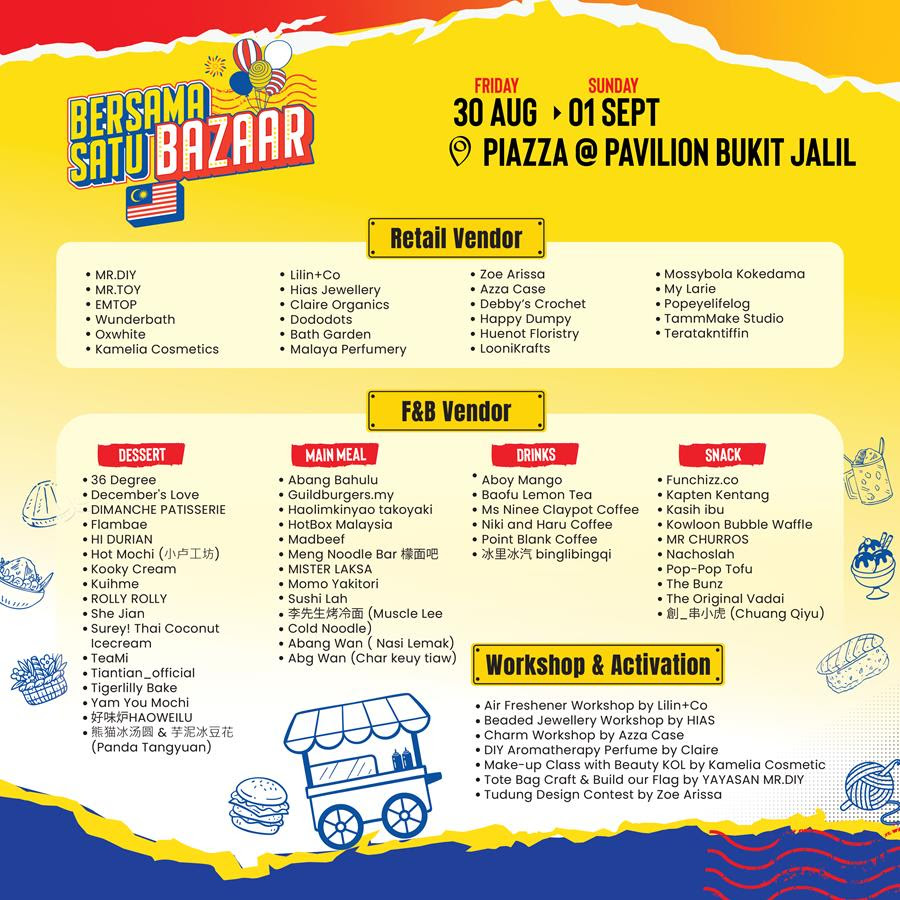
    MR D.I.Y is inviting Malaysians to its first-ever Merdeka bazaar – ‘Besama Satu Bazaar’ – at the PIAZZA, Pavilion Bukit Jalil from 30 August to 1 September 2024. to celebrate the country’s 67th Merdeka Day.

    The Bazaar includes more than 100 booths, featuring some of Malaysia’s most popular food and product stalls, as well as booths featuring MR D.I.Y’s own range of products from its stable of brands –  MR D.I.Y., MR. TOY, EMTOP, and MR. DOLLAR.  There will be nasi lemak, laksa, burgers, noodles, snacks, desserts, and refreshing drinks, as well as handmade accessories, stationery, cosmetics, and crafts.

    The three-day event will also feature fun and thrilling games, creative workshops, the works of local arts and artists, as well as cultural and contemporary performances, with the highlight being having celebrities Alif Satar & The Locos, Jaclyn Victor, and Priscilla Abby perform the patriotic anthem ‘Bersama Satu Suara’ live for the first time.  This will take place on 31 August 2024 from 8:30 pm onwards.

    Commenting on the initiative, MR D.I.Y. Group’s Head of Marketing Alex Goh said, “This is MR D.I.Y’s first-ever Merdeka bazaar, and we’re thrilled to invite everyone to join us. This three-day event is all about celebrating our pride, unity, and joy as Malaysians. By bringing together Malaysian businesses, entrepreneurs, cultural and contemporary performers, as well as artists, we are celebrating the depth and breadth of Malaysia’s diversity and rich cultural heritage.  We are a proudly homegrown Malaysian brand and one of the country’s largest retailers; this is one way we can celebrate being true Malaysians.”

    “The bazaar will be a place where Malaysians from all walks of life can come together to eat, shop, play games, and enjoy Malaysian entertainment while supporting local businesses, entrepreneurs, and talents. We look forward to celebrating this event with our customers, and I invite all Malaysians to join us in this memorable and historic celebration that unites us as one nation,” said Alex.

    To celebrate the occasion, MR D.I.Y is giving away complimentary tote bags to the first 1,000 visitors daily when they complete the Bazaar passport challenge, an engaging and innovative initiative to help visitors enjoy everything the bazaar has to offer. Additionally, visitors stand a chance to win lucky draw prizes worth up to RM12,000.

    To find out more about MR D.I.Y’s ‘Besama Satu Bazaar’ happening from 30 August to 1 September, 2024, visit https://www.mrdiy.com/promotion/mrdiy-bersama-satu-bazaar-2024.

    To know more about MR D.I,Y, visit mrdiy.commrdiy.com.my, and follow the brand on FacebookInstagram, and TikTok.

                       Visit more than 100 booths showcasing Malaysia’s favourite food and products at the ‘Bersama Satu Bazaar’



                         Catch Alif Satar and The Locos, Jaclyn Victor, and Priscilla Abby on 31 August 2024, 8:30pm-9:30pm at MR D.I.Y.’s ‘Bersama Satu Bazaar’

    About MR D.I.Y. Group (M) Berhad

    MR D.I.Y. Group (M) Berhad is a home-grown enterprise with more than 1,300 stores nationwide across three brands (MR. D.I.Y., MR. DOLLAR & MR. TOY) and in Brunei.  The retailer is also a master franchisee of the EMTOP brand in Malaysia. It has been dedicated to making a positive difference in the lives of its valued customers by offering convenience at all of its stores nationwide and online at mrdiy.com.my.

    All MR D.I.Y. stores are managed directly, and the company often works in collaboration with other mass merchandise retailers or owners of malls or shopfront properties. MR D.I.Y. stores offer a wide selection of — approximately 17,000 SKUs — across 5 major categories, namely hardware; household and furnishing; electrical; stationery and sports equipment products; and others (comprising amongst others toys, car accessories, jewellery, cosmetics, food and beverage items, and health and personal care).

    The company strives to always put customers first by operating an innovative business that is flexible when it comes to providing a wide variety of products, good quality, and value-for-money, holding true to its company motto: “ALWAYS LOW PRICES”.


  • SC Launches GROWMatch To Bridge Financing Gaps and Drive Sustainable Growth in Agri-Business

    SC Launches GROWMatch To Bridge Financing Gaps and Drive Sustainable Growth in Agri-Business

    The Securities Commission Malaysia (SC) today unveiled GROWMatch, a new matching
    initiative that allows agri-business entrepreneurs to showcase their projects and attract
    necessary funding.

    This initiative aims to address the financing gap faced by agri-businesses and promote
    sustainable growth in the sector.

    The Minister of Digital, YB Tuan Gobind Singh Deo delivered the keynote address at the
    event. Alternative financing options in the capital market can help spur the country’s
    economic growth and address food security challenges.

    GROWMatch taps into equity crowdfunding (ECF) and peer-to-peer financing (P2P)
    platforms to support micro, small, and medium-sized enterprises (MSMEs) in strategic
    and underserved sectors.

    Since their inception, both ECF and P2P platforms have helped over 18,000 MSMEs raise
    nearly RM8 billion in funding as of June 2024.

    GROWMatch, which is aligned with the SC’s Five-Year Roadmap (2024-2028) for MSMEs
    and mid-tier companies, is focusing on providing risk capital through private markets.
    Its partners1, which include venture capital firms and government agencies, play a key
    role in mentoring applicants, refining their business strategies and connecting them with
    investors.

    The SC Chairman Dato’ Mohammad Faiz Azmi highlighted that GROWMatch leverages the
    strengths of diverse ecosystem partners to provide comprehensive support and resources
    for food security innovators, especially small companies facing funding challenges.

    “GROWMatch not only connects entrepreneurs with investors, but also offers mentorship
    and resources to help them succeed in the competitive market,” he said at the launch.

    “The diversity and focus on innovative and sustainable tech-driven solutions by the
    shortlisted companies in GROWMatch signal a promising future for the agriculture
    industry, and the capital market is excited to support these entrepreneurs,” he added.

    The GROWMatch pitching session today saw 20 shortlisted entrepreneurs presenting
    innovative solutions to ECF/P2P partners, vying for various financing options in the food
    security value chain.

    Selected from over 70 applications, these entrepreneurs stood out for their track record,
    business model and execution strategy.

    At the event, the also SC signed a Memorandum of Understanding (MoU) with the Malaysia Digital Economy Corporation (MDEC), Selangor Information Technology and Digital Economy Corporation (Sidec), Universiti Putra Malaysia (UPM) and Impact Circle.

    The MoU seeks to promote food security self-sufficiency through alternative financing. It
    combines diverse expertise to develop, incubate and finance opportunities that support
    agripreneurs scale their business and contribute to the overall goal of achieving food
    security.

    For more information on GROWMatch and the full list of 20 shortlisted companies, visit
    https://www.scxsc.my/new/programmes/pitch-amp-match/growmatch


    Image ‘Designed by Freepik’

  • The Halal Horizon – Malaysia’s Play on the Halal Market

    The Halal Horizon – Malaysia’s Play on the Halal Market

    Setting an International Standard

    As a predominantly Muslim nation with a strong track record in promoting Islamic finance and halal standards, Malaysia is uniquely positioned to capitalise on this burgeoning market. The country’s comprehensive approach includes regulatory frameworks, industry development, international collaborations, and leveraging its Islamic heritage to establish a leadership role in the global halal economy.

    One of the key strategies is the establishment of a robust regulatory framework and standardisation process for halal products. The Department of Islamic Development Malaysia (JAKIM) plays a crucial role in this regard. JAKIM’s halal certification is internationally recognised and is considered one of the most stringent and reliable halal certification processes globally. This certification assures consumers that products and services comply with Islamic law, thus fostering trust and credibility in Malaysian halal products.

    Moreover, Malaysia has developed the Malaysia Halal Certification (MHC), which sets high standards for halal certification and ensures consistency and quality.


    The MHC is not limited to food products but extends to pharmaceuticals, cosmetics, logistics, and even tourism. This comprehensive certification system is a cornerstone of Malaysia’s strategy to dominate the global halal market, as it guarantees that all certified products meet strict halal requirements, thereby enhancing their appeal to Muslim consumers worldwide. The Malaysian government has also been very proactive in promoting the halal industry through various development programs and incentives. The Halal Industry Master Plan (HIMP) outlines the strategic direction for the industry’s growth, focusing on innovation, technology adoption, and capacity building. The plan aims to position Malaysia as the global hub for halal products and services by leveraging its existing infrastructure and expertise.


    Widening Market Access

    It is quite calming in trade fairs and halal expos, and even organising one like the Malaysia International Halal Showcase (MIHAS), these initiatives provide a platform for local businesses to showcase their products to an international audience.

    Furthermore, Malaysia has established strategic partnerships with other countries to harmonise halal standards and certification processes. For instance, collaboration with countries in the Gulf Cooperation Council (GCC) and the Organization of Islamic Cooperation (OIC) ensures that Malaysian halal certifications are recognised and accepted globally. Such collaborations not only facilitate market access for Malaysian halal products but also strengthen the country’s position as a leader in setting global halal standards.


    Embracing Challenges

    Despite its comprehensive strategy, Malaysia faces several challenges in its quest to become a global halal leader. Competition from other countries, particularly those in the Middle East and Southeast Asia, is intense. Countries like Indonesia, Thailand, and the United Arab Emirates are also investing heavily in their halal sectors and are emerging as strong competitors.

    To address these challenges, Malaysia must continue to innovate and adapt to changing market dynamics. This includes enhancing its research and development capabilities, embracing new technologies, and maintaining the high standards of its halal certification process. Additionally, increasing consumer awareness and education about halal products can further drive demand and acceptance in non-Muslim markets.


    What the Future Holds

    The future outlook for Malaysia’s halal market is promising. With a growing global Muslim population and increasing demand for halal products, Malaysia is well-positioned to capitalise on these trends. The country’s strategic approach, encompassing regulatory excellence, industry development, international collaboration, and cultural influence, provides a solid foundation for sustained growth.

    Malaysia’s strategy to become a global leader in the halal market is multifaceted and robust. By leveraging its strong regulatory framework, fostering industry innovation, engaging in international collaborations, and capitalising on its Islamic heritage, Malaysia has laid the groundwork for success.

    While challenges remain, the country’s proactive and comprehensive approach positions it as a formidable player in the global halal economy. As the demand for halal products continues to grow, Malaysia’s leadership in this sector is poised to expand, bringing significant economic benefits and enhancing its global standing.


    Investments

    • Total investment of the industry increased from RM8.9 billion in 2015 to RM16.1 billion in 2020, driven by Foreign Direct Investments (FDI). In 2021, total investment rose slightly by 1.3% to RM16.3 billion, fuelled by Domestic Direct Investments (DDI). This growth trend continued into 2022, with total investment reaching RM16.6 billion, marking a 1.7% increase from the previous year
    • Overall, the industry’s growth can be attributed to notable increase in investments in the Halal F&B segment, the rise of the Islamic digital economy, the impact of MIHAS and other events and the escalating demand for Shariah-compliant investment and finance products

    Exports

    • In 2020, the Halal industry exported RM30.5 billion worth of products, increased by 19.0% to RM36.3 billion in 2021 and in the following year, total exports surged significantly by 63.9% to RM59.5 billion
    • F&B exports were the primary contributor, accounting for 46.8% of total Halal exports while other major contributors to total Halal exports included the Halal ingredients and cosmetics and personal care sectors
    • The growth in industry exports can be attributed to increased exports of Halal F&B, cosmetics, personal care, and pharmaceuticals.

    Employment

    • In 2020, employment in the Halal industry amounted to 18,841 individuals and experienced a 2.1% growth in employment in 2021, reaching 19,238 persons.
    • By 2022, industry employment continued to rise, reaching 19,580 individuals, marking a 1.8% increase.
    • The increase in employment can be attributed to the growing number of companies obtaining Halal certification, which in turn created job opportunities within the manufacturing and services sectors, as well as supporting roles like finance and human resources.

    Source: New Industrial Master Plan (NIMP) 2030 – Halal Industry


    An Opinion by 

    Zaidel Baharuddin is a founder and partner at Cent GPS – Centre for Governance and Political Studies, a think tank and research outfit based in Kuala Lumpur. He specialises in IFN market research, policy research and advocacy.

  • Malaysia’s Bold Bet

    By Jeannie Cotter 

    Malaysia is going all in on advanced manufacturing, green tech and automation. The country’s new industrial master plan outlines an ambitious vision to transform key sectors of its economy over the next seven years. Dubbed the New Industrial Master Plan 2030 (NIMP), the strategy bets big on high-potential industries from healthcare to electric vehicles. The aim is to leapfrog Malaysia into the big leagues as a hub for precision engineering, smart manufacturing and sustainable technologies. 

    For international companies and investors, NIMP maps out priority growth areas where government support and partnerships will be directed. By syncing business plans with the master plan’s strategic goals, firms can capitalise on policies and funding that favour innovation, digitisation and supply chain resilience.  

    In essence, the NIMP provides very useful guidance on where Malaysia is headed and which sectors have the most potential over the next few years. Business plans that sync up with the NIMP’s missions will have a definite advantage when it comes to regulatory issues, talent recruitment and access to financing. 

    Healthcare and Medical Technology 

    A top priority under the plan is to develop higher value-added industries like pharmaceuticals and medical devices. Malaysia stands as the ASEAN region’s largest medical device market, with a substantial total market size of US$1.8 billion, according to the Malaysian Investment Development Authority (MIDA). 

    The country has established itself as a major exporter of medical devices, sending over 90% of its domestic production to international markets. Top destinations for Malaysian medical device exports are the United States, Germany, Singapore, Japan, Belgium, China, the Netherlands, Brazil, the United Kingdom and Australia. 

    Emerging as a significant focal point for medical device production, both regionally and globally, Malaysia boasts a flourishing industry with over 200 manufacturing companies. Within this well-connected ecosystem, 30 of these are multinational corporations that have chosen Malaysia as their manufacturing hub. Renowned names in this category include Abbott, Toshiba Medical Systems and B-Braun. The sector provides employment for over 70,000 skilled workers, serving as the backbone of the industry’s human capital. 

    Malaysia’s strategic location, strong manufacturing capabilities and pro-business environment have allowed it to become a key hub for medical device production and export within Asia. Building on existing strong capabilities in electronics and semiconductor fabrication, the aim is to move into more complex manufacturing like biomedical sensors and diagnostics. 

    Policies will incentivise joint ventures and technology transfers with leading multinationals to upgrade production and R&D capabilities. At the same time, training programmes through public-private partnerships will focus on developing the technical workforce required for advanced medical technology manufacturing. Foreign firms bringing experience in precision engineering and complex supply chain integration can benefit tremendously here. 

    Electric Vehicles and Renewable Energy 

    Another major emphasis is on green technologies, from electric vehicles to large-scale solar and wind power projects. NIMP aims to nurture homegrown electric vehicle (EV) manufacturers serving both domestic and export markets. It also outlines plans to phase out internal combustion engine vehicles entirely by 2040. 

    The electric vehicle (EV) market in Malaysia is gaining traction, fuelled by increasing interest from environmentally-conscious and younger consumers. While overall EV sales remain low, making up just 0.4% of total vehicle sales in 2021, the market is expanding rapidly. EV sales jumped 65% in 2021, with 2,717 units sold compared to 1,642 in 2020, according to data from the Malaysian Automotive Association (MAA).  

    The growing reliance on EVs to cut emissions in transport is intensifying the need for a strategic approach to the energy transition. Despite Malaysia’s predominant reliance on coal and natural gas in its energy mix, Tenaga Nasional Bhd reports a 23% lower emission rate from EVs versus ICE vehicles. 

    The current electricity generation mix in Malaysia leans heavily on coal and gas, with renewable energy sources making up only 17.8%. The nation aims for 31% renewable energy in the national installed capacity mix by 2025, escalating to 70% by 2050, as outlined in the National Energy Transition Roadmap. 

    Malaysia’s wealth of lithium, rare earth metals and other critical battery minerals will provide key inputs for EV production. Meanwhile, the EV shift will drive demand for upgraded electric grid infrastructure and renewable energy generation. These developments underscore the huge potential for renewable energy to play a pivotal role in Malaysia’s energy landscape. 

    Under the NIMP’s Net Zero mission, foreign power producers are encouraged to participate in efforts to decarbonise Malaysia’s economy. Opportunities exist across the clean energy spectrum, from utility-scale solar and wind farms to smaller rooftop solar installations. 

    Looking ahead, the Malaysian government has set a goal of having 125,000 EVs on the road by 2030. If this target is realised, Malaysia’s fledgling EV market is poised for massive growth over the next several years. Younger and eco-minded drivers are expected to continue leading the shift towards EVs in Malaysia. 

    Automation and Artificial Intelligence 

    As part of its goal to “tech up” Malaysian industry, NIMP aims to accelerate digital transformation in manufacturing. The plan sets targets for increased adoption of automation, robotics and artificial intelligence to sharply improve productivity and efficiency. 

    Based on Statista’s data, the artificial intelligence market in Malaysia is projected to reach a market size of US$3,859.00 million by the year 2030. The 2022 Oxford Insights Government AI Readiness Index ranks Malaysia 29th out of 181 countries. This ranking is attributed to Malaysia’s robust digital capacity and infrastructure, providing a solid foundation for the development and integration of artificial intelligence. 

    Tax incentives will promote large-scale integration of industrial Internet-of-things systems. Grants are also available to help SME manufacturers implement automation. And factory automation levels will eventually factor into manufacturing licensing requirements. 

    Malaysia wants to leapfrog ahead as a smart manufacturing location. Multinationals adept at applying technologies like predictive maintenance, computer vision and collaborative robots will find open doors here. 

    The Road Ahead 

    The NIMP represents a bold vision and a significant commitment by the Malaysian government to transform key industries. Achieving the goals will require major investments in infrastructure, workforce development and partnerships between government, businesses and academia. 

    Success is not guaranteed. The targets are ambitious and will require effective execution and adaptation along the way. Regional competition will be fierce as other Southeast Asian nations have similar ambitions to move up the manufacturing value chain. Malaysia’s centralised planning approach could give it an edge in marshalling resources. However, neighbours like Thailand and Indonesia are also making big bets on EVs, automation and other advanced manufacturing. 

    If Malaysia can successfully upgrade industries as envisioned, it will solidify its position as a leading manufacturing hub in Asia. This could make the country an attractive launch pad for foreign firms looking to serve regional and global markets. 

    For investors and companies, the time is now to evaluate how the NIMP’s goals align with their own long-term business strategies. Early movers may benefit the most from government incentives and policies aimed at nurturing priority sectors. 

    How Malaysia navigates the tricky transition toward high-tech, green industries bears watching across the region. Its transformation roadmap under the NIMP could provide valuable lessons for other developing nations. 

  • SMART MANUFACTURING INSPIRES FAMILY BUSINESS SUCCESSION  THE MALAYSIA SMART MANUFACTURING AWARDS 2023 SHARES FINDINGS AND OBSERVATION

    SMART MANUFACTURING INSPIRES FAMILY BUSINESS SUCCESSION THE MALAYSIA SMART MANUFACTURING AWARDS 2023 SHARES FINDINGS AND OBSERVATION

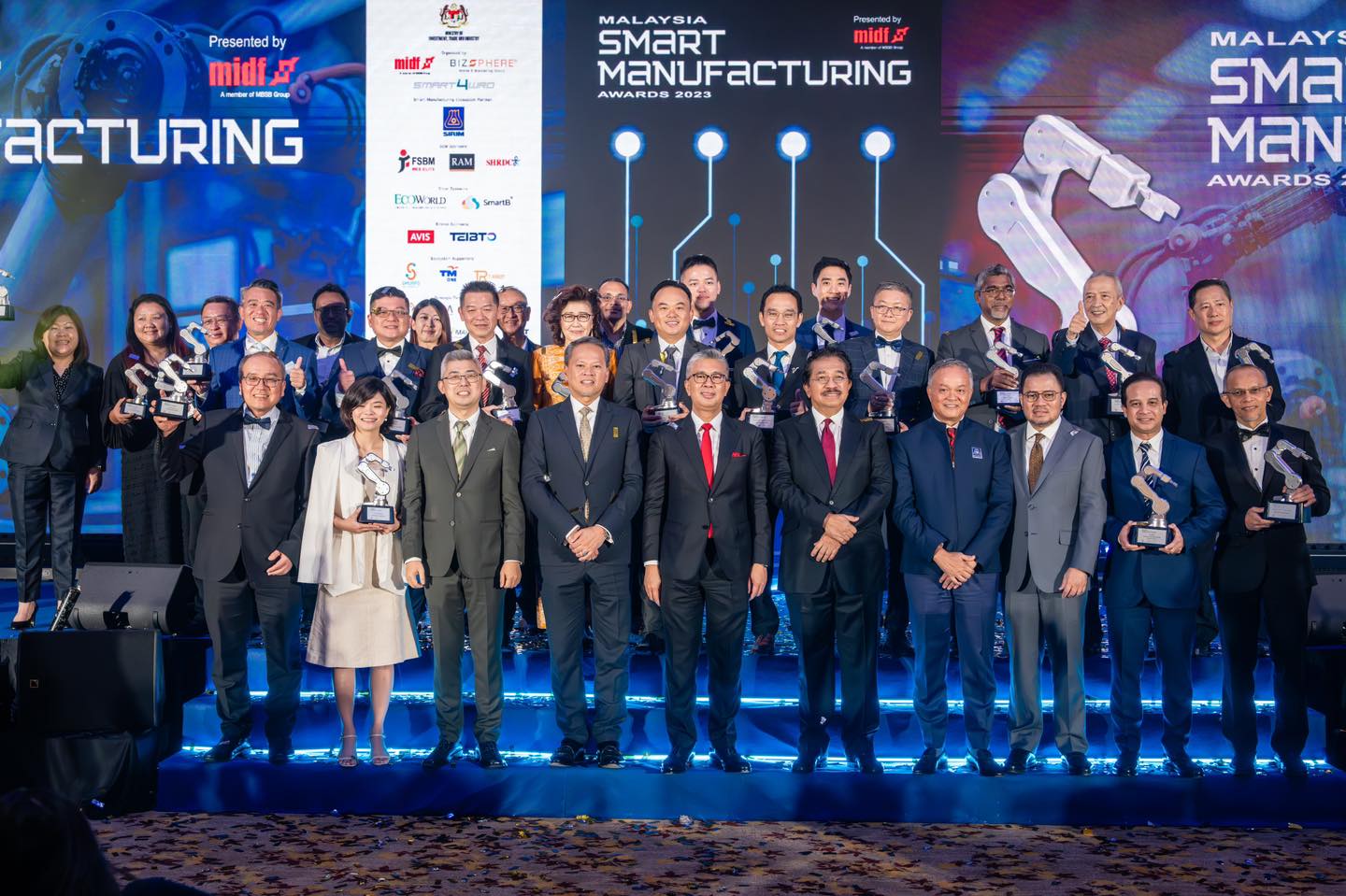
    Kuala Lumpur, 13th Aug 2024 – The Malaysia Smart Manufacturing Awards 2023 (MSMA 2023), co-organised by MIDF, Bizsphere, and Smart4wrd, and endorsed by the Ministry of Investment, Trade, and Industry Malaysia, concluded with significant insights and observations from the nominations. The awards ceremony, held on 24th July 2024 in the presence of Yang Berhormat YB Senator Tengku Datuk Seri Utama Zafrul Tengku Abdul Aziz Minister of Investment, Trade, and Industry Malaysia, saw attendance from heads of government agencies, business leaders, manufacturers, and stakeholders of the smart manufacturing ecosystem. SIRIM was the Smart Manufacturing Ecosystem Partner of MSMA 2023 with FSBM MES Elite, SHRDC, RAM, SmartB Solutions, EcoWorld, Avis and Teibto as sponsors.

    During the event, Mr. Yap Keng Teck, Managing Consultant of Bizsphere and Programme Head of Smart4wrd, shared 10 key findings and observations from the nominations. These insights are crucial for the business community to understand the significant impact and potential of smart manufacturing on Malaysian manufacturers.

    Key Findings and Observations:

    1. Industry4WRD Programmes: A Key Motivation to Kick-Start the Smart Manufacturing Journey

    The Industry4WRD Readiness Assessment (RA) has been instrumental in providing manufacturers with a comprehensive understanding of their current capabilities and identifying areas for improvement. This assessment helped companies discover pain points that could be effectively addressed using Industry 4.0 technologies. Additionally, the Industry4WRD Intervention Fund has proven to be a significant motivator, enabling companies to invest in smart manufacturing solutions.

    1. Inspiring Family Business Succession

    Smart manufacturing initiatives have motivated younger family members to join and modernize their family businesses, ensuring continued growth and innovation through generational succession. This new wave of technology has allowed younger members to engage in transformative projects, demonstrating their capabilities and driving innovation within the company. It has rejuvenated interest in manufacturing and provided a sense of purpose and challenge for the next generation.

    1. Implementation Can Be Achieved at a Reasonable Cost

    Contrary to the perception that Industry 4.0 implementations require substantial investments, many projects have been successfully executed for less than RM 100,000. Notably, some mid-tier companies have managed to spend even less than SMEs while achieving high returns on investment. These examples highlight that cost-effective solutions are available, making smart manufacturing accessible to a wider range of businesses.

    1. Operators Feel Proud and Motivated to Work

    The integration of Industry 4.0 technologies has transformed the roles of operators, elevating their responsibilities and engagement. For instance, employees who were previously seen as mere data entry personnel are now analyzing data to make informed decisions. This shift has boosted their pride and motivation, as they now play a crucial role in the decision-making process and contribute directly to the company’s success.

    1. Significant Increase in Production Capacity

    Adoption of Industry 4.0 technologies has led to remarkable improvements in production capacity. Some companies reported over a 60% increase in output by implementing smart manufacturing solutions in just one of their processes. These substantial gains demonstrate the potential for Industry 4.0 to revolutionize production efficiency and scalability.

    1. New Business Opportunities and Revenue Streams

    Several companies have leveraged their internal expertise and operational know-how to develop proprietary smart manufacturing systems. These systems have not only optimized their own operations but also been productized and offered as solutions to other manufacturers in similar sectors. This approach has opened up new business opportunities and created additional revenue streams, showcasing the innovative potential of Industry 4.0.

    1. Implementation Possible Without an Internal Technical Team

    Successful implementation of Industry 4.0 projects has been observed even in companies lacking internal technical expertise. These companies have collaborated with external technology providers and consultants to execute projects with significant impact. This finding underscores the feasibility of adopting smart manufacturing solutions without the need for a dedicated in-house technical team.

    1. Involvement of Company Leadership Guarantees High Success

    The active involvement of company leadership has been a critical factor in the success of Industry 4.0 projects. Initiatives championed by top executives and heads of companies have shown markedly better results. Leadership engagement ensures strategic alignment, resource allocation, and sustained commitment, driving the successful adoption of smart manufacturing technologies.

    1. Data Utilization for Intelligence Yet to Be Maximized by Many

    While many nominees have successfully adopted Industry 4.0 technologies and generated valuable data, there is still significant untapped potential in data utilization. Minimal efforts have been made to analyze and leverage this data for strategic business decisions. This presents an opportunity for companies to enhance their competitive edge by fully harnessing data-driven insights.

    1. Laying the Foundation Towards ESG Compliance

    The convergence of Information Technology (IT) and Operational Technology (OT) facilitated by Industry 4.0 has greatly enhanced visibility and traceability within manufacturing processes. This integration supports Environmental, Social, and Governance (ESG) compliance by enabling better monitoring, reporting, and management of sustainability efforts. Companies are now better equipped to meet ESG standards and demonstrate their commitment to sustainable practices.

    Award Winners:

    The MSMA 2023 recognized the following companies for their outstanding achievements in smart manufacturing:

    Chuan Sin Sdn Bhd

    CTRM Aero Composites Sdn Bhd, a member of DRB-Hicom

    ViTrox Technologies Sdn Bhd

    Pet World Nutritions Sdn Bhd

    Ingress AOI Technologies Sdn Bhd

    HICOM-Teck See Manufacturing Malaysia Sdn Bhd, a member of DRB-Hicom

    PHN Industry Sdn Bhd, a member of DRB-Hicom

    Cooltec Industries Sdn Bhd

    P. A. Food Sdn Bhd

    CPI (KL) Sdn Bhd

    Hernan Corporation Sdn Bhd

    Sydney Cake House Sdn Bhd

    Famax Technology (M) Sdn Bhd

    Ngeam Engineering Works Sdn Bhd

    Markaids (M) Sdn Bhd

    Setsu Precision Technology (M) Sdn Bhd

    Promooi Plastic Industries Sdn Bhd

    Q-FIT Sdn Bhd

    Green Borneo Industries Sdn Bhd

    Standard Kitchen Sdn Bhd

    Emerging EPC Sdn Bhd

    Sincerely Dyeing & Finishing Sdn Bhd

    Inari Integrated System Sdn Bhd

    Mr. Yap Keng Teck stated, “The findings from the MSMA 2023 nominations underscore the transformative power of smart manufacturing. It is heartening to see the tangible benefits realized by manufacturers, from increased production capacity to new business opportunities. These success stories serve as an inspiration for others in the industry to embark on their smart manufacturing journey.”

    The MSMA 2023 has not only recognized excellence but also highlighted the significant strides made by Malaysian manufacturers in embracing Industry 4.0, setting a strong foundation for the future of manufacturing in Malaysia.

  • foodpanda Malaysia launches ‘Jejak Panda’ to provide accessible income opportunities

    foodpanda Malaysia launches ‘Jejak Panda’ to provide accessible income opportunities

    KUALA LUMPUR,  13 AUGUST 2024 – foodpanda Malaysia has introduced a delivery partner recruitment campaign providing quick earning opportunities, as part of its commitment to uplifting the local communities it serves.

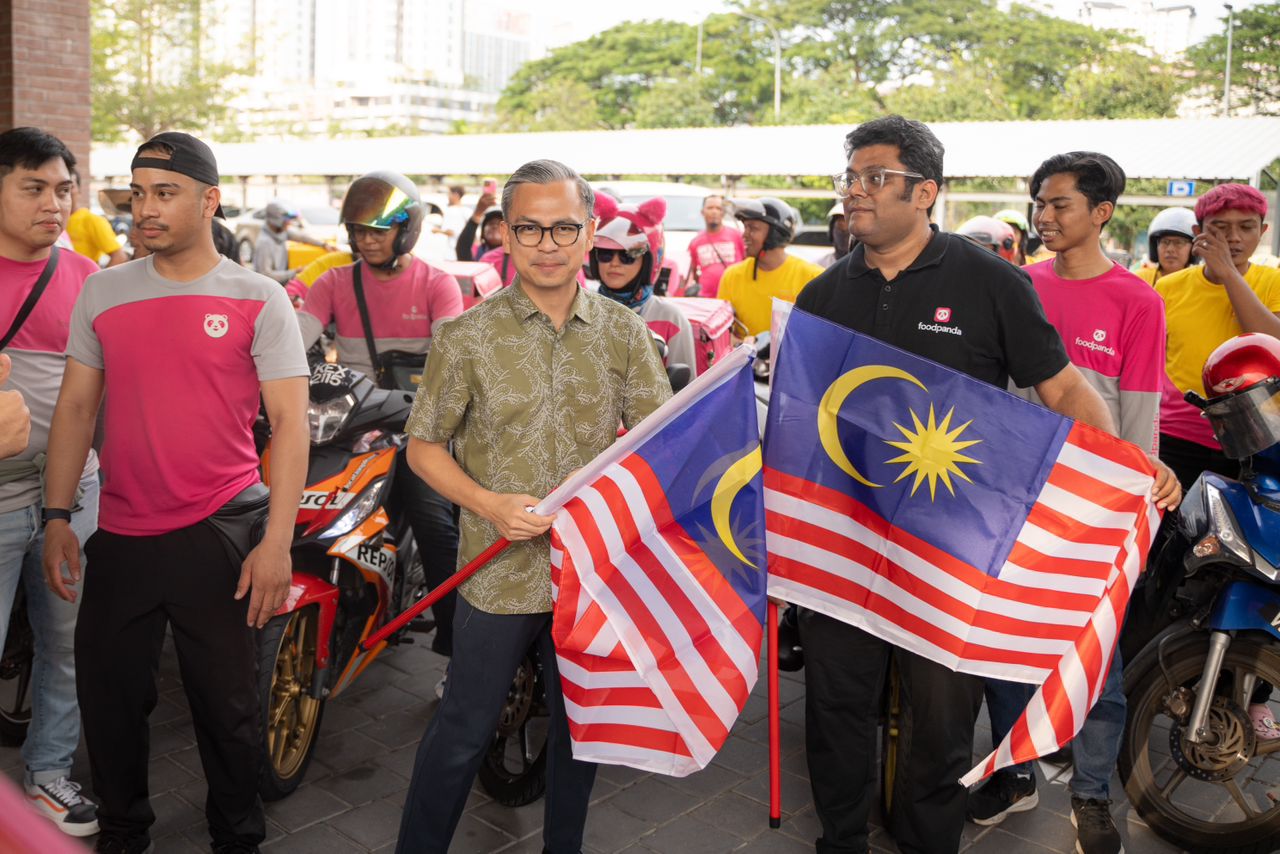
    The  campaign, “Jejak Panda”, was launched by YB Fahmi Fadzil, Member of Parliament for Lembah Pantai and concurrently the Minister of Communications and Shubham Saran, Director of Operations at foodpanda Malaysia at a one-day event at IWK Eco Park in Pantai Dalam on 13 August 2024.

    “Jejak Panda” reiterates foodpanda’s continuous efforts to uplift the communities it serves by offering easy access to earning opportunities. As freelancers, foodpanda delivery partners can work as and when they wish. This provides an accessible option for those seeking temporary income, or wanting to supplement their existing earnings.

    The event, which was attended by over 150 Pantai Dalam residents, provided attendees an exclusive chance to sign up as a foodpanda delivery partner and receive their ID on the spot. Those who signed up also received on-the-day training and complimentary rider kit worth up to RM150. This allowed them to start delivering immediately, bypassing the usual 2-3 working day application process.

    Attendees were treated to an afternoon of food, fun, and a series of activities, including free health and eye checkups. They also learnt about the welfare and engagement initiatives under ‘panda hearts’ – a recently launched programme designed to uplift and support delivery partners in key areas they value. Some of these benefits include insurance schemes available to all foodpanda delivery partners and their families, as well as upskilling programmes.

    Shubham Saran, Director of Operations, foodpanda Malaysia, said, “As a leading delivery platform in Malaysia, we recognise the important role we play in supporting our communities and offering accessible earning opportunities. We are grateful for the support of our partners, which helps us reach more people and make a greater impact across Malaysia,”

    “Our support for communities goes beyond just offering earning opportunities. As a foodpanda delivery partner, they will benefit from the welfare and engagement initiatives under panda hearts, helping them to get closer to their life goals and aspirations.” concludes Shubham.

    -End-

  • Kenanga Investors Launches New Global Islamic AI Fund

    Kenanga Investors Launches New Global Islamic AI Fund

    KUALA LUMPUR, MALAYSIA – Media OutReach Newswire – 14 August 2024 – Kenanga Investors Berhad (“Kenanga Investors”) has announced the launch of the Kenanga Alternative Series: Islamic Global Responsible Strategies Fund (“KASIGRSF”), a new addition to the Kenanga Alternative Series.

    The KASIGRSF is an open-ended Islamic wholesale fund that seeks to provide capital growth through exposure across global Shariah-compliant equities by investing in Chicago Global Responsible Strategies (“Target Fund”). The Target Fund is an open-ended Shariah-compliant fund, managed by Chicago Global Capital Pte. Ltd (“Target Fund Manager”). The Target Fund leverages advanced big data to determine alpha signals that best predict future returns which includes using artificial intelligence (“AI”) to identify financial data, market trends, social sentiment, and alternative data sources.

    “Innovation in Islamic asset management has been relatively limited over the past 20 years with Shariah-compliant investment products accounting for less than 1% of the world’s financial assets. Islamic investors have been largely underserved, with few options beyond concentrated, actively managed funds or broad market Islamic indices. However, the industry is now facing a necessary evolution. With approximately 2.5 quintillion bytes of data generated each day worldwide, traditional methods are not equipped to handle supermassive, unstructured datasets. The Target Fund addresses this gap, leveraging advanced machine learning techniques to offer a sophisticated, data-driven approach and Shariah-compliant investment solution for investors”, said Executive Director and Chief Executive Officer of Kenanga Investors, Datuk Wira Ismitz Matthew De Alwis.

    “By incorporating the new fund into our suite of products, we are also enabling our investors to diversify their portfolios, manage risk more effectively, and pursue their financial goals with a holistic approach. Ultimately, this aligns with our commitment to delivering well-rounded and strategic financial planning services for long-term success”, he added.

    The investment philosophy underpinning the Target Fund is deeply rooted in the University of Chicago’s heritage in finance, with the over 20 alpha signals derived from rigorous academic research, developed in collaboration with Nobel Prize-winning scientists at the university. Ivan Chelebiev, Founder and Chief Executive Officer of Chicago Global Capital (“Chicago Global”) explained, “Chicago Global Capital operates a state-of-the-art asset pricing engine, which distils, verifies, and analyses a billion datapoints per week, extracting actionable intelligence in real-time. We identify and deploy investment signals that are up to 10 times stronger than conventional methods. As the industry continues to evolve, Kenanga Investors’ commitment to bringing cutting-edge strategies to its investors will set it apart from its rivals. To fuel its next growth chapter, we are excited to partner with Kenanga Investors to launch KASIGRSF. The team at Chicago Global remains focused on delivering exceptional value to our partner and its investors, cementing our position as a pioneer in the age of data-driven investing”.

    Benchmarked against the MSCI ACWI Islamic Index, the KASIGRSF is suitable for Sophisticated Investors with medium to long term investment horizons. It is available in dual currency classes of MYR and USD with minimum initial investment amounts of RM5,000 and USD1,000 respectively.

    The Kenanga Alternative Series (“Series”), which was launched in July 2024, aims to cater to investors’ tactical needs while seizing emerging opportunities within dynamic market segments. In addition to KASIGRSF, the Series also includes the Kenanga Alternative Series: Income Opportunities Fund. Each fund offers unique benefits, allowing investors to diversify and hedge their portfolios according to their needs.

    The Hong Kong-based Asia Asset Management’s 2024 Best of the Best Awards has awarded Kenanga Investors with the Malaysia Best House for Alternatives title for five consecutive years. This recognition underscores the asset manager’s excellence and innovation in the alternatives investment space, reaffirming its position as a trusted leader in the industry.

    For more information about Kenanga Investors, please visit www.kenangainvestors.com.my.

    Kenanga Investors Berhad 199501024358 (353563-P)
    We provide investment solutions ranging from collective investment schemes, portfolio management services, and alternative investments for retail, corporate, institutional, and high net worth clients via a multi-distribution network.

    The Hong Kong-based Asia Asset Management’s 2024 Best of the Best Awards awarded KIB under the following categories, Malaysia Best Impact Investing Manager, Best Impact Investing Manager in ASEAN, Malaysia Best Equity Manager, Malaysia CEO of the Year, Malaysia CIO of the Year, Malaysia Best House for Alternatives, Malaysia Most Improved Fund House and Malaysia Best Investor Education.

    At the LSEG Lipper Fund Awards Malaysia 2024, KIB received awards for the Kenanga Malaysian Inc Fund (“KMIF”) under the best Equity Malaysia Diversified – Malaysia Pension Funds over 10 Years and the Kenanga Diversified Fund (“KDF”) under the best Mixed Asset MYR Flexible – Malaysia Pension Fund over 10 Years.

    The FSMOne Recommended Unit Trusts Awards 2024/2025 named Kenanga Growth Fund Series 2 as “Sector Equity – Malaysia Focused”.

    For the seventh consecutive year, KIB was affirmed an investment manager rating of IMR-2 by Malaysian Rating Corporation Berhad, since first rated in 2017. The IMR rating on KIB reflects the fund management company’s well-established investment processes and sound risk management practices. As at end-June 2023, most of KIB’s funds had performed better than benchmarks and were comparable to peers.