Category: sustainability

  • $17 trillion invested in sustainable technologies over past decade, but investments, technology and progress are diverging

    Private companies and governments have invested a staggering $17 trillion in sustainable technologies over the past decade, yet progress has been uneven, according to Bain & Company’s 4th edition of the Visionary CEO’s Guide to Sustainability. The report finds that sustainability transitions have entered an age of divergence which could intensify over the next decade and identifies the actions businesses can take to navigate this environment.

    Investments in sustainability hit a record $2.4 trillion in 2025. However, 90% of investment went to just three sectors – green energy, buildings and mobility – where capital has helped technologies scale and costs fall, in turn attracting further investments. Meanwhile, three stranded sectors – agriculture, manufacturing and materials, and natural capital – which together account for roughly 37% of global greenhouse gas emissions, received less than 10% of investment.

    Technological progress has been equally uneven. Bain’s Green Technology Performance Index compares actual 2025 deployment with forecasts made ten years ago across 37 sustainable technologies. Only three technologies – solar, batteries, and EVs – have outperformed forecasts, while 29 missed their projections. Those that underperformed did so because one or more of three critical “gates” – technology, behavior, or policy – didn’t open.

    “Ten years into the Paris Agreement, the world has made commendable sustainability achievements, but this summer’s record-breaking heat is a reminder that we need to do more,” said Jean-Charles van den Branden, Bain’s global head of Sustainability. “Today’s CEO must recognize this age of divergence for what it is: not a sign of failure, but an opportunity to place the right bets for the future. CEOs will need to understand how to leverage divergence as a source of competitive advantage, converge priorities across the firm to harness AI for its full sustainability benefits and ask the right questions about climate resilience.”

    Environmental concern among consumers is rising again – and even sustainability skeptics are adopting sustainable habits

    For the first time in three years, environmental concern is on the rise. This year, 85% of the 7,500 consumers across US, UK, Italy, Brazil and Indonesia, surveyed by Bain say they are concerned about environmental sustainability, up from 79% last year. Experience of extreme weather – including heatwaves, floods, and wildfires – remains consumers’ biggest environmental worry. Concern is particularly high among younger consumers and those in fast-growing markets.

    Bain’s research also found that consumers are living more sustainably. Adoption of sustainable habits continues to increase year-over-year across all categories. Eighty-three percent of respondents have adopted three or more sustainable lifestyle habits, up from 73% in 2023. Even among consumers who say they do not care about sustainability, nearly half now practice three or more sustainable habits, compared with 35% in 2023. Their primary motivation, however, is often not the environment. This is a consumer version of the “do-say” gap: individuals act sustainably but cite motivations related to economics, health or resilience rather than sustainability. Consumers are willing to pay 18% more for a sustainable product on average, rising to 24% when it also offers a health benefit. More than half also say they shop locally more than they did before, primarily to support local businesses and strengthen security of supply.

    Recent extreme weather also underscores the importance of resilience for today’s businesses. Disaster losses are rising 5-7% each year and the gap between total and insured losses remains large. But Bain’s research suggests climate disruption will not affect every company equally. As disruption intensifies, value can shift toward companies that are better prepared through higher market share and stronger revenues.

    Bain analyzed nearly 150,000 assets across 12 sectors to demonstrate that all assets have specific moments when resilience can be built in at relatively low incremental cost. The research shows that some industries have many more opportunities than others. For example, solar companies can embed resilience into new builds from the start and have more frequent refurbishment opportunities. By contrast, more established capital-intensive industries like steel and cement see refurbishment opportunities only every 25-35 years, making missed moments potentially decades-long lock-ins.

    Three forces of divergence in sustainable AI – executives vs. consumers, shapers vs. laggards, and business leaders vs. sustainability leaders

    One of the largest perception gaps Bain uncovered concerns the energy impact of artificial intelligence, with executives overestimating energy use 16-fold and consumers almost 30-fold.

    In a Bain survey of 400 senior professionals, executives expect AI to consume around 11% of global energy three years from now, while consumers expect 19%. But Bain’s proprietary climate-economic modeling tool, IntersectSM, forecasts a much smaller share: 0.7%. While their calculations are incorrect, the concern is real and is driving meaningful changes in behavior. Nearly two-thirds of consumers surveyed by Bain report taking concrete action due to their concerns about AI, such as limiting what they share, switching platforms, dropping certain tools or speaking out publicly.

    Companies themselves are diverging into distinct camps. Among shapers – companies with the highest AI and sustainability maturity and adoption – 90% see AI as a major opportunity to advance their sustainability goals. Among laggards, that figure has fallen to 41% from 57% last year. Experience appears to be reinforcing this divide. Shapers have actively adopted 86% of the sustainable AI use cases covered in Bain’s survey, enabling them to see tangible results. Companies with fewer successful applications risk losing conviction before they capture the technology’s potential.

    There is another divide inside companies. The sustainability executives building the case for sustainable AI and the leaders and general managers making the business decisions needed to scale it are focused on different priorities. When evaluating sustainable AI investments, business leaders (C-suite and general managers) rank financial return first; sustainability professionals rank regulatory compliance and risk management ahead and financial return fourth. The case is being argued in one language and being judged and funded in another.

    Taken together, Bain’s findings challenge two narratives: that the sustainability transition is broadly retreating, and that it is advancing uniformly. Instead, investment, technology, corporate action, and consumer behavior are moving at very different speeds. The companies best positioned to create value will be those that understand those differences – scaling proven opportunities, anticipating where technology, policy, or behavior could trigger the next acceleration, and building resilience against disruptions that are already materializing.

    Other chapters in the report include “The Energy Transition Runs Through Asia” – how Asia is driving disruption, competition, supply, and investment in the energy transition; and “The New Investment Playbook for Sustainability” – how concentrated ownership creates a decarbonization execution advantage and how acting on climate risk and policy engagement can differentiate sustainability investors.
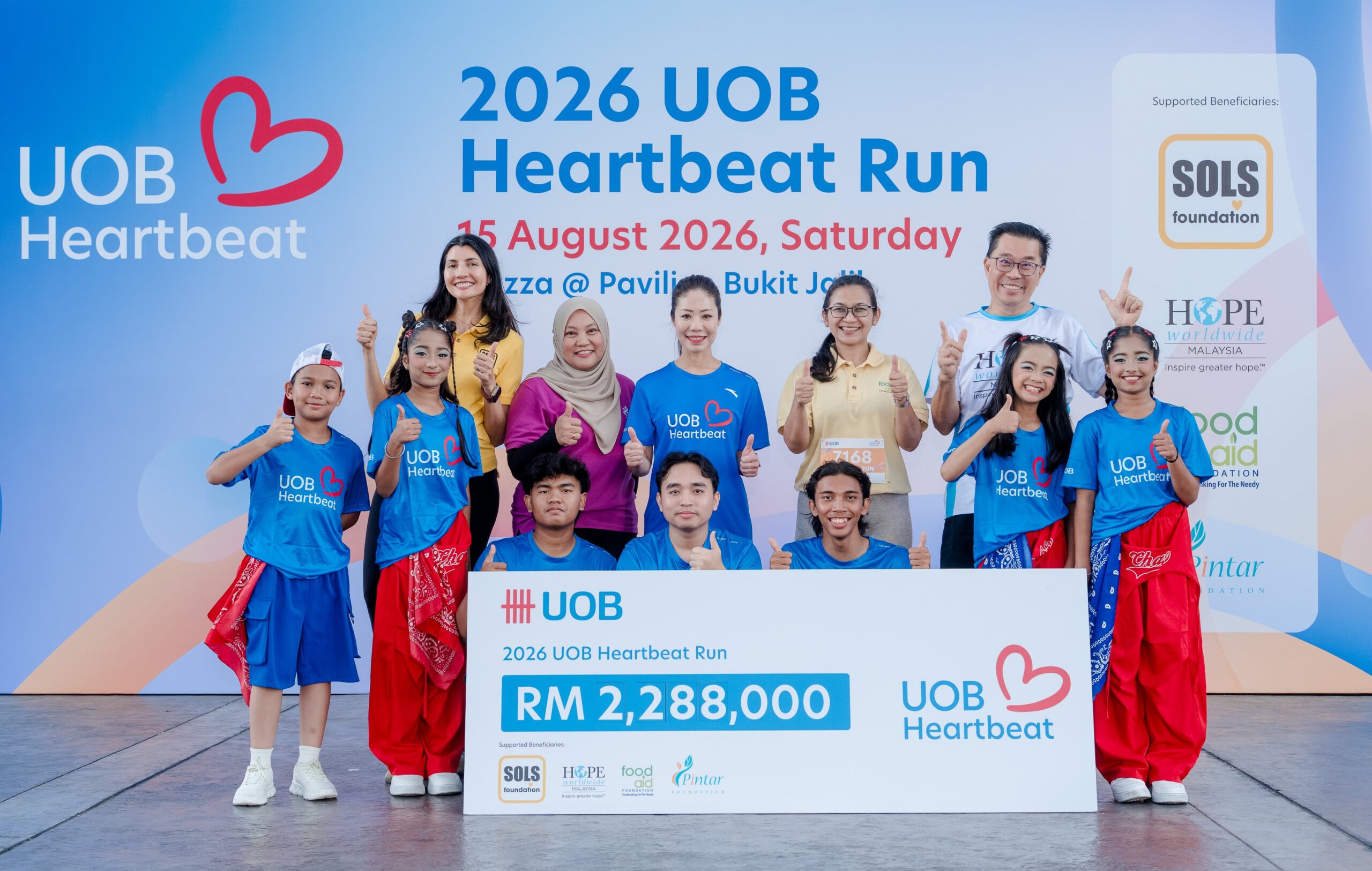
  • UOB Heartbeat Run 2026 raises RM2.288 million

    UOB Heartbeat Run 2026 raises RM2.288 million

    UOB Malaysia recently raised RM2.288 million through its annual UOB Heartbeat Run 2026. The funds will support four key beneficiaries – SOLS Foundation, PINTAR Foundation, Food Aid Foundation and HOPE Worldwide Malaysia as well as advancing the Bank’s corporate social responsibility initiatives across Malaysia with a focus on arts, children and education.

    Datuk Ng Wei Wei, Chief Executive Officer, UOB Malaysia, said “Now in its 18th year in Malaysia, the UOB Heartbeat Run continues to show what is possible when people come together to make a difference. The generosity and commitment of our people, customers, and partners enable us to support programmes led by our beneficiary partners that address critical community needs, from improving food security to empowering youth with digital education and future-ready skills. As part of the wider UOB Heartbeat movement across ASEAN and beyond, we remain committed to creating meaningful and lasting impact in the communities we serve.”

    In the two months leading up to the UOB Heartbeat Run, a series of charitable activities including food bazaars, charity sales, and fitness classes were held, contributing to the total funds raised. The programme culminated at Pavilion Bukit Jalil, where about 5,000 employees, customers and partners gathered to volunteer, fundraise and participate in the run event.

    The funds raised will support beneficiary-led programmes that help build a more sustainable future through education and improve the quality of life of underserved communities across Malaysia. These include sponsoring 50 underprivileged youths to enrol in the Solar Academy vocational programme through SOLS Foundation, providing home solar systems to off-grid communities and installing solar panels at children’s welfare homes. The funds will also support HOPE Worldwide Malaysia, Food Aid Foundation, PINTAR Foundation and other charitable causes, channelled towards building an inclusive society and supporting the sustainable development of communities through digital education, food security and programmes that promote resilience and mental wellness. The programmes are expected to benefit approximately 6,000 underserved children, youths and their families across Malaysia.

    The UOB Heartbeat Run forms part of UOB’s broader efforts to create long-term social impact for the underserved. Beyond UOB Heartbeat, the Bank continues to invest in programmes that create long-term social impact, particularly in education and digital inclusion. Earlier this year, UOB launched UOB My Digital Space (MDS) in Malaysia. The programme empowers students to engage with technology confidently and responsibly by strengthening their critical thinking and digital literacy skills. As part of a regional initiative expected to reach more than 100,000 students across ASEAN,

    MDS has evolved into a multi-year programme in Malaysia, reinforcing national efforts to promote digital inclusion and prepare the next generation for the digital economy.

  • Bursa Malaysia and FTSE Russell announce enhancements to FBMKLCI and FBM70 indices

    Bursa Malaysia Berhad (Bursa Malaysia) and FTSE Russell today announced enhancements to the methodologies of the FTSE Bursa Malaysia KLCI (FBMKLCI) and the FTSE Bursa Malaysia Mid 70 (FBM70) indices, following a public consultation conducted earlier this year. Implementation will take place in phases beginning 21 December 2026, in line with FTSE Russell’s index review schedule.

    The public consultation, conducted from 31 March 2026 to 24 April 2026, indicated broad support for the proposed enhancements among asset owners, asset managers, brokers and other market participants. Following a comprehensive review of feedback received and subsequent further engagements with key stakeholders, Bursa Malaysia and FTSE Russell have confirmed the following changes.

    • FTSE Bursa Malaysia KLCI (FBMKLCI): The FBMKLCI will be expanded from 30 to 50 constituents, increasing its representation of MAIN Market capitalisation from approximately 60% to 70%, based on simulations using June 2026 data.
    • FTSE Bursa Malaysia Mid 70 Index (FBM70): Following the expansion of the FBMKLCI, the FBM70 will be reduced from 70 to 50 constituents and renamed to FTSE Bursa Malaysia Mid Cap Index (“FBMMCAP”). The FTSE Bursa Malaysia Top 100 Index (“FBM100”) will remain unchanged at 100 constituents.

    Dato’ Fad’l Mohamed, Chief Executive Officer of Bursa Malaysia, said: “Malaysia’s equity market has evolved considerably over the years, with growth sectors gaining scale and prominence alongside established sectors. By increasing representation across sectors and companies, the enhanced FBMKLCI will provide a broader reflection of Malaysia’s economic landscape while preserving the relevance investors expect from our flagship benchmark. It will also increase the visibility of a wider range of Malaysian companies and ensure the index continues to evolve alongside the market it represents.”

    Gerald Toledano, Group Head of Equity and Multi Assets at FTSE Russell, said: “The enhancements to the FBMKLCI represent an important step in ensuring Malaysia’s flagship benchmark remains representative, investable and aligned with the needs of domestic and international investors. The strong support received during the consultation process underscores the importance of maintaining benchmarks that keep pace with market developments. We look forward to working closely with Bursa Malaysia and market participants to support a smooth transition and implementation of these changes.”

    Based on simulations using data as at end June 2026, the expanded FBMKLCI would include representation from the Technology, Energy, and Real Estate Investment Trusts (“REITs”) sectors for the first time, while moderating concentration in the Financial Services sector. Actual constituent and sector composition at implementation will depend on constituent eligibility at the relevant review dates.

    The FBMKLCI enhancement will be implemented through a phased approach, a well-established practice that FTSE Russell has applied successfully in major index transitions globally. This approach supports an orderly transition, helping to reduce concentrated trading flows, minimise market impact, and facilitate portfolio rebalancing by market participants.

    Accordingly, the implementation will be carried out as follows:

    • Phase 1 (effective 21 December 2026): The 20 new constituents will be added to the FBMKLCI at 50% of their final index weight.
    • Phase 2 (effective 21 June 2027): The 20 new constituents will reach 100% of their final index weight, completing the transition to the enhanced FBMKLCI.

    The number of constituents in the FBM70 will be reduced from 70 to 50 on 21 December 2026 in conjunction with the index review. All constituent changes will take effect on that date.

    The expansion of the FBMKLCI marks the first change to its methodology since July 2009, when the benchmark transitioned from a 100-constituent index to its current composition of 30 constituents to optimise index replication and liquidity for institutional investors. The latest enhancements ensure the benchmark continues to evolve with the market.

  • Green financing remains unfamiliar to SMEs – MBSB Research

    Research on Malaysian SMEs found that green financing remains unfamiliar to many smaller businesses and is often viewed as something intended for large corporations. Limited resources, insufficient technical knowledge, misconceptions about green financing and the complexity of securing suitable funding continue to slow adoption.

    MBSB Research noted that sustainability requirements are also reaching Malaysian exporters and smaller suppliers through their customers. Although proposed European Union changes could reduce the number of non-European groups directly covered, affected companies may still request carbon data, labour information and product traceability from suppliers. Electronics, palm oil, rubber and chemical manufacturing are among the sectors potentially exposed.

    This makes early preparation increasingly important. Once an SME identifies which machine, process or business premise needs improvement, financing becomes part of the decision. MIDF’s Sustainable Green Biz Financing supports eligible local manufacturing and services businesses seeking to adopt green technology or undertake energy efficiency projects.

    The scheme offers financing up to RM10 million with low financing rate of 3% per annum for purchase of energy-saving machinery and equipment and other fixed assets. Applications remain subject to MIDF’s credit evaluation and approval.

  • Baram’s Kampung Long Tap regains 24-hour electricity

    Baram’s Kampung Long Tap regains 24-hour electricity

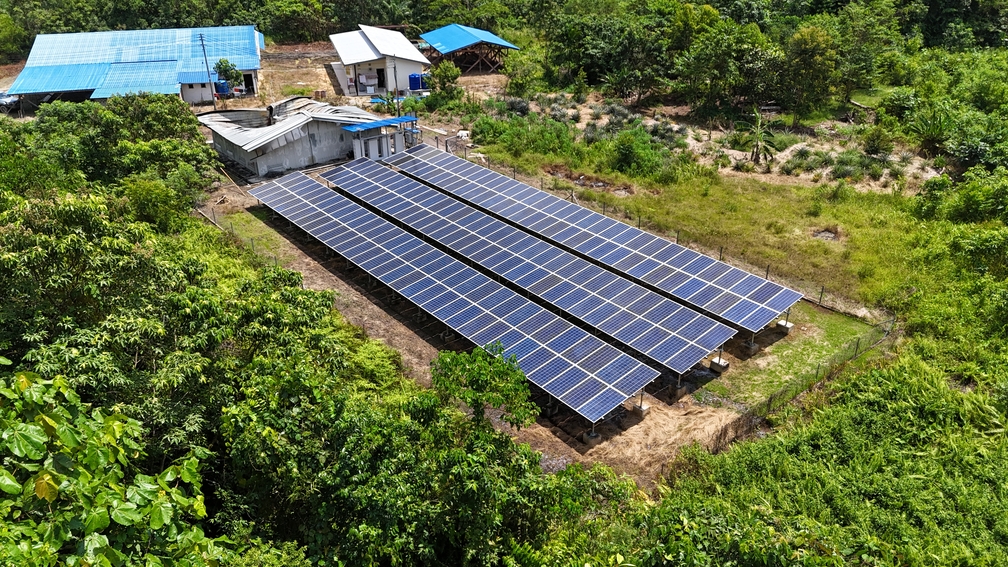
    EFS Group, alongside Planet QEOS Sdn. Bhd, has supported the restoration of Kampung Long Tap’s renewable energy system, helping restore access to a reliable power supply for more than 640 residents across 71 households in the remote Baram district of Sarawak. The remote village in Sarawak has regained 24-hour electricity after two years.

    The village’s solar power station was completely destroyed in a fire two years ago and the loss of its batteries and equipment left the community without dependable electricity ever since.

    In the years that followed, daily life in Kampung Long Tap revolved around the limited hours of power available through diesel generators, forcing families to adapt their routines around an unpredictable supply while waiting for a permanent fix.

    The project replaced the damaged Battery Energy Storage System (BESS) and inverters while retaining the village’s existing 63.9kWp solar photovoltaic system. As the original outage was caused by a battery fire, the rebuilt system was designed with that risk directly in mind: it now includes battery pack-level fire suppression and temperature monitoring alongside continuous cloud-based monitoring, on top of a guaranteed daily energy supply of approximately 180kWh over the next 10 years.

    Delivering the project presented significant logistical challenges due to Kampung Long Tap’s remote location, limited road access and difficult terrain.

    These constraints made the movement of equipment and materials to the village especially demanding but the installation was completed within six days.

    The system is now backed by a 10-year performance guarantee and equipment warranties, with ongoing operations and maintenance managed through the consortium’s central maintenance service centre at Baram Deeptech1 in Long Lama, and locally appointed wardens supporting routine panel cleaning and system surveillance.

  • Maybank and Haier partner to drive Smart Energy Adoption across ASEAN

    Maybank and Haier partner to drive Smart Energy Adoption across ASEAN

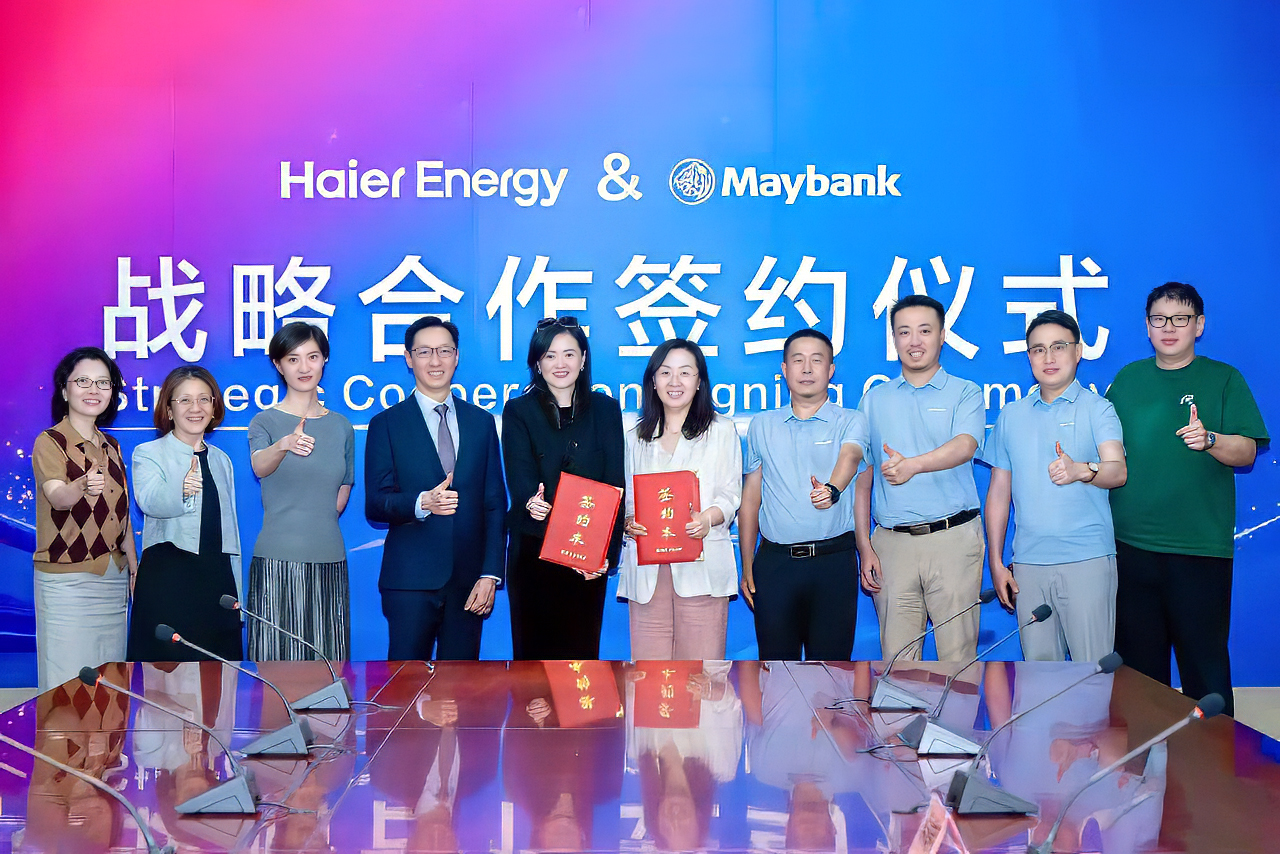
    Maybank and Haier Energy Sdn Bhd, a subsidiary of Haier Group headquartered in China, have entered into a Heads of Agreement (HoA) to form a strategic partnership to accelerate the growth of Haier’s new energy platform and ecosystem.

    The partnership will initially focus on Malaysia, with plans to expand into selected markets in the ASEAN region.

    Haier Energy’s platform combines AI-enabled technologies and advanced solar photovoltaic solutions, energy storage, and smart energy systems to deliver efficiencies, and reduce emissions and energy costs for customers.

    Serving more than one billion households globally, Haier group is backed by a footprint of 133 manufacturing facilities and 71 research and development centres, highlighting its scale, innovation capabilities and commitment to advancing sustainable energy solutions.

    Under the HoA, Maybank will leverage its regional business banking platform, Maybank2E and its comprehensive suite of products and services to support Haier Energy’s expansion and facilitate supply chain agility.

    Specifically, the collaboration will encompass integrated transaction banking, payments and financing solutions, including credit card partnerships and financing facilities for retail clients, Islamic financing, sustainability finance, supply chain financing, cash management, trade finance, treasury and foreign exchange services.

    Dato’ John Chong, Group Chief Executive Officer, Global Banking, Maybank said, “The partnership with Haier Energy aligns with Maybank’s commitment to playing a bigger role in ASEAN’s energy transition and the China-ASEAN economic corridor, where China is one of ASEAN’s top investors and trading partners. We expect the China+1 stratedy to continue with companies seeking to diversify and expand into new markets in ASEAN. Coupled with demand for investments to strengthen regional energy resilience, this partnership with Haier Energy presents exciting opportunities.”

    Ji Xiaojian, General Manager of Haier Energy, Haier Energy Technology Co. Ltd said, “With roots in China and market presence in Europe, the Middle East and Asia Pacific, one of our strategies has been to grow via open collaborations. Having a strong banking partner like Maybank is critical to supporting our cross-border expansion. We see ASEAN as strategically important. It is dynamic, expanding faster than the global average, and offers growth opportunities in smart energy generation, storage and infrastructure.”

  • BNM and SC Malaysia strengthen Malaysia’s sustainable finance framework

    The Joint Committee on Climate Change (JC3) meeting reaffirmed the need to move faster from commitment to mobilising practical solutions. Priorities include supporting energy transition, strengthening climate resilience especially against floods, and strengthening mechanisms to measure and report outcomes.

    Supporting implementation of the National Sustainability Reporting Framework (NSRF), the JC3 issued the NSRF Guidance Documents for Banks and Insurers and Takaful Operators. The guidance aims to make sustainability-related disclosures more robust, consistent, comparable and purposeful.

    Through practical solutions, the guidance addresses common implementation challenges in sustainability reporting, including risk and opportunity assessments, strategy disclosures, and the use of metrics and targets. Hands-on capacity-building programmes will begin in October 2026 to support implementation.

    Neetasha Rauf, Chief Sustainability Officer of the Securities Commission Malaysia and Co-Chair of JC3, said, “The NSRF Guidance Documents will help financial institutions and insurers and takaful operators navigate reporting challenges and support their transition towards high-quality, decision-useful sustainability disclosures. It also complements the efforts of the Advisory Committee on Sustainability Reporting (ACSR) in providing implementation and capacity-building support for scoped-in entities.”

    The meeting noted further progress under the Climate Finance Innovation Lab (CFIL), which continues to connect climate- and nature-related projects with funding opportunities. Under the second cohort, 22 projects seeking RM1.73 billion in funding will undergo a structured accelerator programme in collaboration with the United Nations Global Compact Network Malaysia, Brunei and Cambodia (UNGCMBC). This segment will support business model refinement, impact assessment and funding facilitation. Interested funders are encouraged to engage with CFIL to help scale impactful climate- and nature-related solutions2.

    Members also agreed to fully adopt the ASEAN Taxonomy for Sustainable Finance as the basis for the Malaysia Taxonomy. This marks a significant step towards greater regional interoperability, consistency and comparability in sustainable finance.

    Additionally, this reduces the operational burden of businesses especially those with cross border trade. JC3 will develop practical guidance and tools tailored for local implementation. A pilot with selected members will ensue prior to full adoption for reporting in 2028. The pilot aims to identify implementation challenges and inform further refinements, where necessary.

    Madelena Mohamed, Assistant Governor of Bank Negara Malaysia and Co-Chair of JC3, said, “A taxonomy is only effective if it can be applied consistently and confidently. As Malaysia adopts the ASEAN Taxonomy as the foundation of the Malaysia Taxonomy, JC3 will focus on developing practical implementation guidance and tools to support its use. The pilot will help identify operational challenges early and ensure the framework remains fit for purpose and relevant for Malaysia’s needs.”

    To support Malaysia Taxonomy implementation and sustainable finance growth, JC3 will explore a centralised climate- and nature-related data platform. Better access to reliable data will help financial institutions, businesses and investors assess risks and opportunities, meet reporting requirements and channel capital to sustainable and transition activities.

    The JC3 Journey to Zero Conference (JC3 J20), a flagship event of JC3, will be held on 28 and 29 September 2026 at Sasana Kijang. The conference will bring together policymakers, financial institutions, investors, and other stakeholders to advance practical solutions for scaling transition and adaptation finance, share implementation experiences and challenges and explore solutions to deliver measurable outcomes.

  • CTDC, BGMC and reNIKOLA form green energy alliance

    CTDC, BGMC and reNIKOLA form green energy alliance

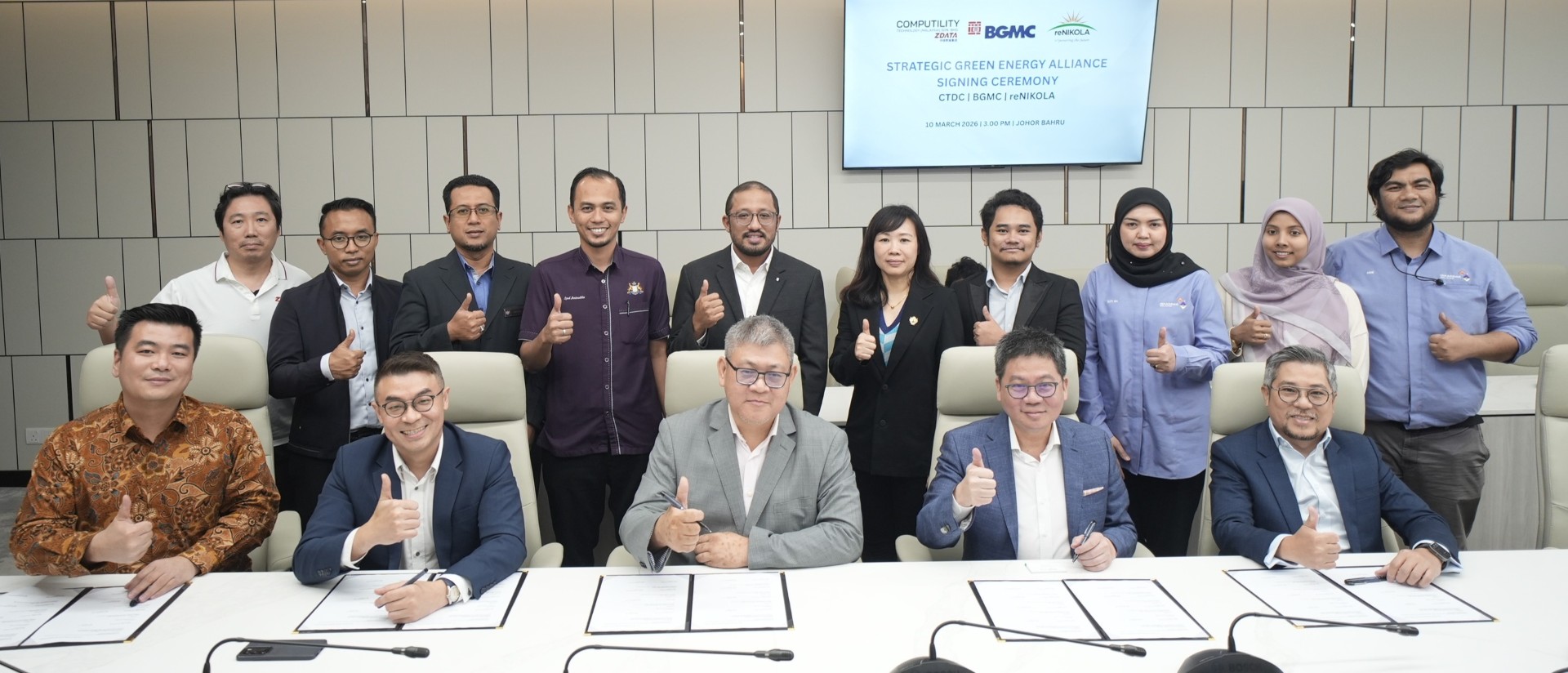
    Computility Technology (Malaysia) Sdn Bhd (CTDC), BGMC Energy Holdings Sdn Bhd (BGMC), and reNIKOLA has signed a strategic term sheet for a large-scale, long-term green energy supply programme.

    Under the agreement, CTDC, a fully-owned subsidiary of ZDATA, will utilise the renewable energy
    generated by BGMC’s solar farm assets to power ZDATA’s first AI-data centre at Gelang Patah. Scheduled to commence in 2028, the program is projected to deliver approximately 630,000 MWh of renewable energy annually. This partnership represents a significant milestone in decarbonising industrial infrastructure and directly supports Malaysia’s national energy transition goals.

    The collaboration underscores a collective commitment to embedding ESG principles into the heart of large-scale digital and industrial ecosystems.

    Achieving Water Independence: A Parallel Sustainability Milestone
    In a simultaneous breakthrough for environmental stewardship, CTDC announced it has officially
    eliminated its reliance on municipal water for its cooling systems.
    Key benefits of the water initiative include:

    • Resource Resilience: Establishing a self-sustaining cooling loop independent of the public
      water grid.
    • Reduced Local Impact: Significantly alleviating pressure on Johor’s municipal water
      resources.
    • Operational Autonomy: Resolving previous third-party infrastructure challenges through
      direct investment in proprietary recycling technology.

    Building the Infrastructure of Tomorrow
    Together, the renewable energy alliance and the move toward water circularity position CTDC and its
    partners at the forefront of responsible development. These initiatives are designed to meet the
    rigorous demands of the modern digital economy while ensuring a minimal environmental footprint.
    With the signing of the Green Energy Alliance, all parties now enter the primary implementation phase
    to ensure project delivery ahead of the 2028 operational target.

  • Maybank and TNB Electron launch EV charging pilot

    Maybank and TNB Electron launch EV charging pilot

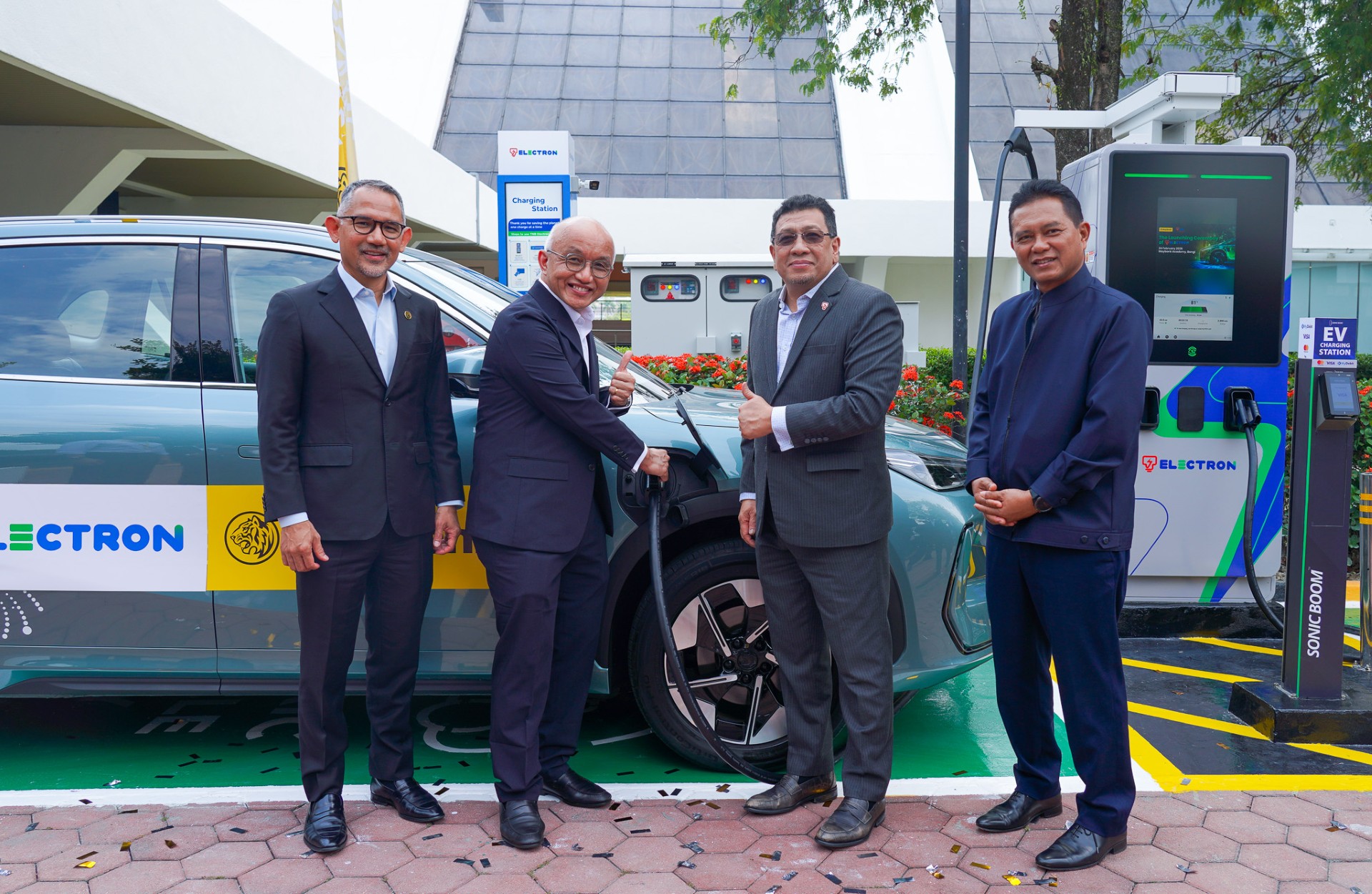
    Maybank and Tenaga Nasional Berhad (TNB), through its electric vehicle (EV) charging arm, TNB Electron, today announced the launch of a strategic EV charging pilot at Maybank Academy, Bangi, marking the first collaboration between TNB Electron and a financial institution to support Malaysia’s sustainability agenda.

    The initiative builds on a broader collaboration in sustainable finance and energy transition initiatives, including Maybank’s support for TNB’s Transition Finance Framework, translating strategic alignment into practical, on-ground implementation.

    Dato’ Sri Khairussaleh Ramli, President and Group CEO of Maybank said: “This partnership underscores Maybank’s ROAR30 New Economy pillar that focuses on advancing urban and smart city solutions, as well as Maybank’s sustainability commitments. By making EV charging more accessible and convenient, we are supporting clients in shifting to cleaner mobility while addressing a key barrier to wider full EV adoption. With significant headroom for growth, Malaysia’s EV ecosystem still remains at an early but promising stage. In 2025, Maybank disbursed over RM1 billion for EV and qualified hybrid car financing.”

    Malaysia’s EV industry is surging, with registrations up 106% year-on-year, led by hotspots like the Klang Valley, Johor Bahru, and Penang. With over 5,700 public charge points nationwide, drivers can charge conveniently for daily, weekend, and festive balik kampung travel. TNB Electron also offered a 25% per kWh discount during school holidays and peak festive periods to support adoption. TNB’s charging network points are strategically located at highways, trunk roads, commercial areas and TNB’s premises to support confident nationwide travel.

    Under the partnership, TNB Electron will install, operate and maintain the charging facilities, leveraging TNB’s nationwide EV infrastructure expertise and Maybank’s network to support low-carbon mobility through a scalable and reliable model.

    Datuk Ir. Megat Jalaluddin Megat Hassan, President/Chief Executive Officer of TNB added: “This collaboration marks a significant step forward in strengthening TNB Electron’s role as a key enabler of Malaysia’s EV ecosystem. With more than 260 EV charge points deployed nationwide, we are advancing grid readiness, enhancing system reliability and supporting long-term sustainability through partnerships with forward-looking organisations such as Maybank.”

    With insights gained from this pilot, Maybank and TNB Electron will continue to explore opportunities for deploying EV charging facilities at selected Maybank branches across Peninsular Malaysia, focusing on strategically located sites to enhance accessibility and support the growing adoption of EVs nationwide.

  • TQ WULING officially launched in Malaysia

    TQ WULING officially launched in Malaysia

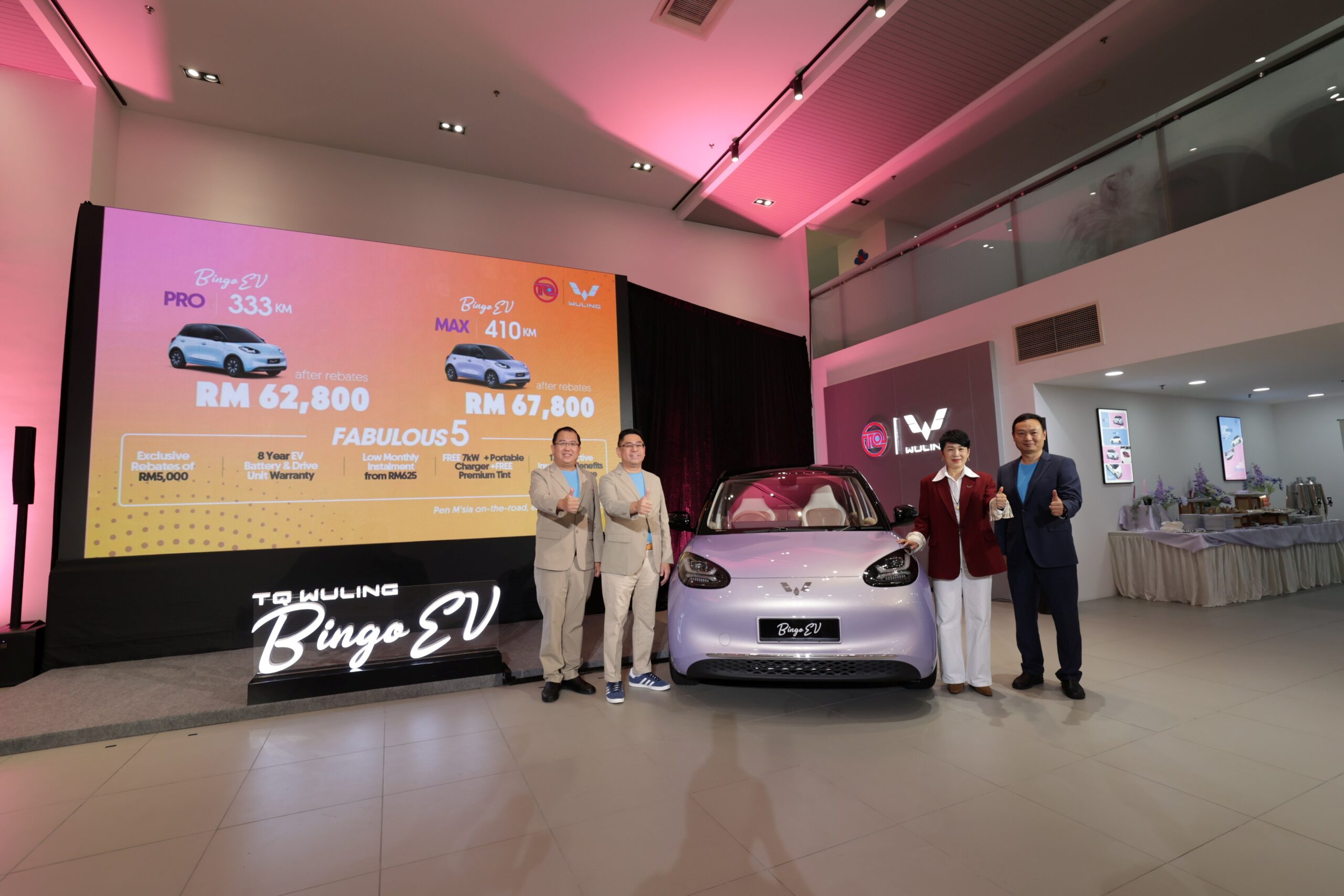
    TQ WULING has launched the TQ WULING Bingo EV (electric vehicle) in Malaysia, with its locally assembled compact electric hatchback in two variants namely the Bingo PRO priced at RM67,800 and the Bingo MAX at RM72,800.

    The TQ WULING Bingo is the first model introduced under the TQ WULING brand, which stems from a strategic collaboration between Tan Chong Motor Holdings Berhad (TCMH) and SAIC-GM-Wuling (SGMW). This partnership brings together Tan Chong’s decades of local market and manufacturing experience and distribution strength, and SGMW’s proven leadership in global electric vehicle technology.

    “This launch represents a significant milestone for Tan Chong Group as we proudly introduce a highly affordable electric vehicle option for all Malaysians. As the first EV to be locally assembled at the Tan Chong Plant – built on nearly 50 years of automotive manufacturing and assembly heritage – the Bingo EV reflects our commitment towards advancing the nation’s electric mobility landscape. We are honoured to play a humble role in driving Malaysia’s automotive ecosystem forward,” said Daniel Ho, Group CEO of Tan Chong Motor Holdings.

    “By combining global EV technology with local manufacturing expertise, the Bingo EV brings world-class electric mobility to Malaysia at an attainable price point,” Ho added.

    Lisa Li, Chief Operating Officer of the Overseas Business Department of the Overseas Division of SAIC-GM-Wuling expressed confidence in the brand’s expansion in Malaysia. “With our expertise in EVs, combined with Tan Chong Group’s strong market presence and manufacturing strength, we are excited to support Malaysia’s green mobility transition and bring sustainable driving solutions to local consumers. The ASEAN region is a key market for SGMW’s overall strategic plan, with key focus on Indonesia, Malaysia and Thailand,” said Li.

    For more information about TQ WULING and the TQ WULING Bingo EV, visit www.tqwuling.my or follow the TQ WULING social media channels on Facebook, Instagram and TikTok.