For those who are keen to be part of the hospitality industry and the real estate market, Big Tiny presents a truly unique proposition that will unlock long-term financial value through sustainable living experiences. Launched in 2017 by Singaporean entrepreneurs Adrian Chia, Dave Ng and Jeff Yeo, Big Tiny’s robust business model has been making waves in the eco-tourism sector while steadily gaining strides in the real estate market.
Big Tiny’s products are statements made on behalf of eco-tourism. Each tiny house is built using light gauge steel (LGS) frames that are stronger and fully recyclable. Its exterior cladding combines wood plastic composite (WPC) and aluminium for superior weather resistance, insulation and recyclability, while interiors feature WPC made from recycled bamboo fibre and PVC for long-lasting quality. Eco-friendly materials such as stone plastic composite (SPC) flooring and mineral wool insulation further enhance energy efficiency, fire safety and indoor air quality.
Designed with a minimal carbon footprint, these modular units are easy to assemble and require no permanent foundations, reducing environmental disturbance.
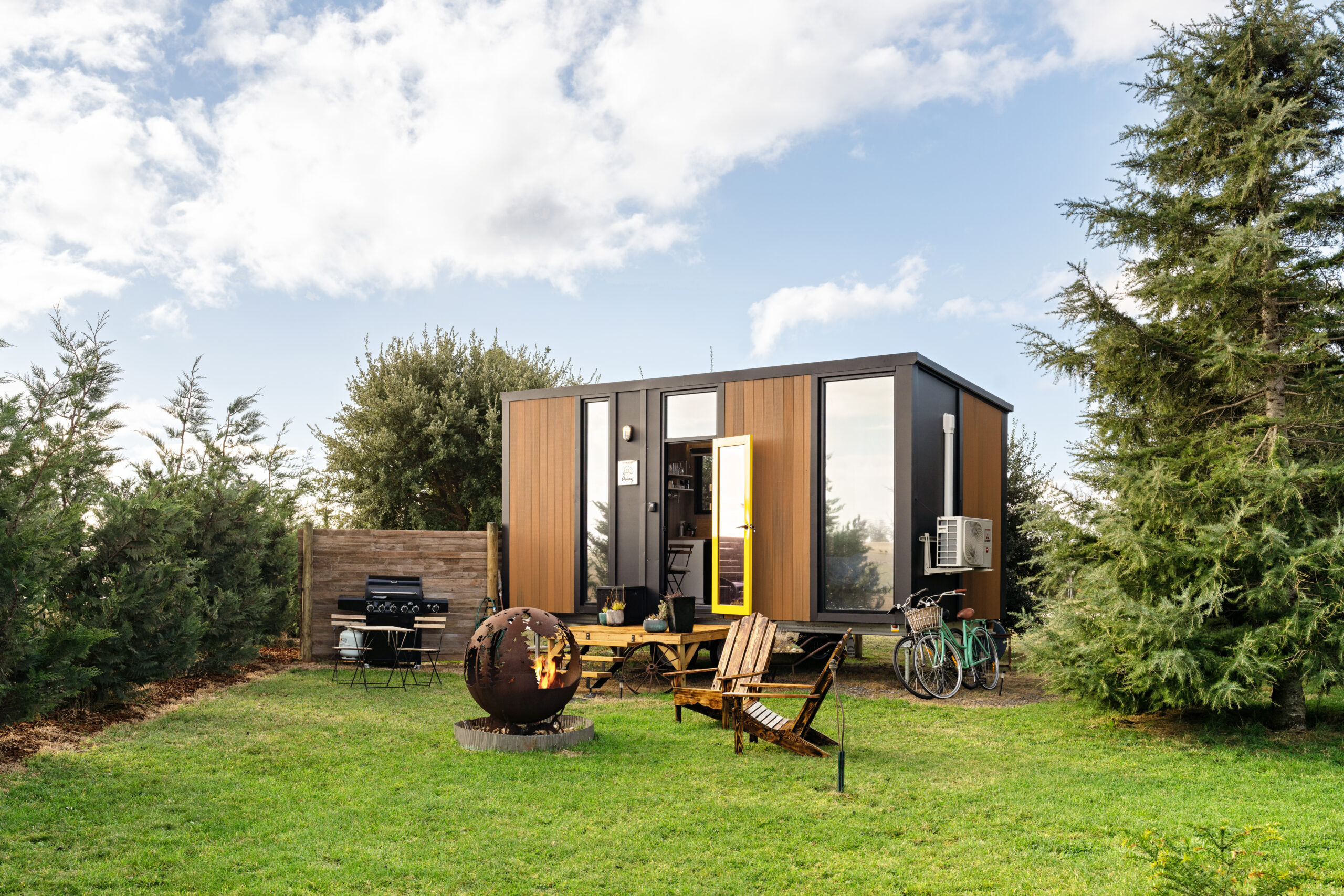
A tiny house is a compact dwelling measuring under 400 square feet in size and up to 4.2 metres in height. It may be constructed on a fixed foundation or mounted on a trailer base, offering flexibility in placement. The unit can operate off-grid or be connected to conventional power supply, and is equipped with a composting toilet, with the option to connect to a standard sewage system if required.
A Well-Structured 3-Way Ecosystem
Big Tiny operates on a vertically integrated, asset-light model that combines hospitality, property technology and sustainable tourism. Operating from an end-to-end capacity, the company ensures that its internal arms are specialised in every aspect of the process. Its tiny houses are designed and built by Build Tiny, the innovative arm that pioneered the Tiny House Recreational Vehicle (RV) industry. Then it moves to the Tiny Away platform, which is responsible for listing and marketing all tiny houses, alongside other major booking sites.
Big Tiny brings together landowners, tiny house owners, and travellers within a thoughtfully designed alternative accommodation ecosystem. Landowners can monetise their land with minimal capital outlay by hosting guests and offering curated, meaningful experiences, while tiny house owners benefit from a fully managed, hassle-free model that delivers professional maintenance, global exposure through Tiny Away, and attractive annual returns with clear exit options. For guests, Tiny Away offers immersive nature-based stays across 16 countries, providing distinctive settings that encourage rest, reflection, and a deeper reconnection with what truly matters.
Flexibility at its Best
Tiny house owners can be assured a peace of mind as the tiny houses are modular and relocatable. This means that if there is a change in regulations, these properties can be moved to another location and it is essentially business as usual. Big Tiny will be part of the process in sourcing for another location as well as moving the property for the tiny house owner.
Big Tiny also ensures that the company further mitigates these risks through strong stakeholder relations—it works closely with local councils, tourism authorities and land partners to stay within compliance policies for smooth operations.
Tiny house owners can retain full ownership of their assets which can be relocated, easily repurposed or sold, while landowners can opt for clear exits at the end of the agreed terms with the ability to renew, transfer or conclude their participation.
This flexibility is placed to ensure that all parties have control and choice while maintaining Big Tiny’s ecosystem.
Calling Malaysia Home
Big Tiny entered the Malaysian market in 2022, making it viable for Malaysian to be part of its hospitality and real estate eco-system. Locally, the brand continues to solidify its brand presence through its 2025 collaboration with IOI Properties Group Berhad. Aligned with the Group’s sustainability values, Big Tiny has deployed two of their tiny houses at the Amigo Club @ 16 Sierra, slated to enhance guests’ experience with the clubhouse’s amenities.
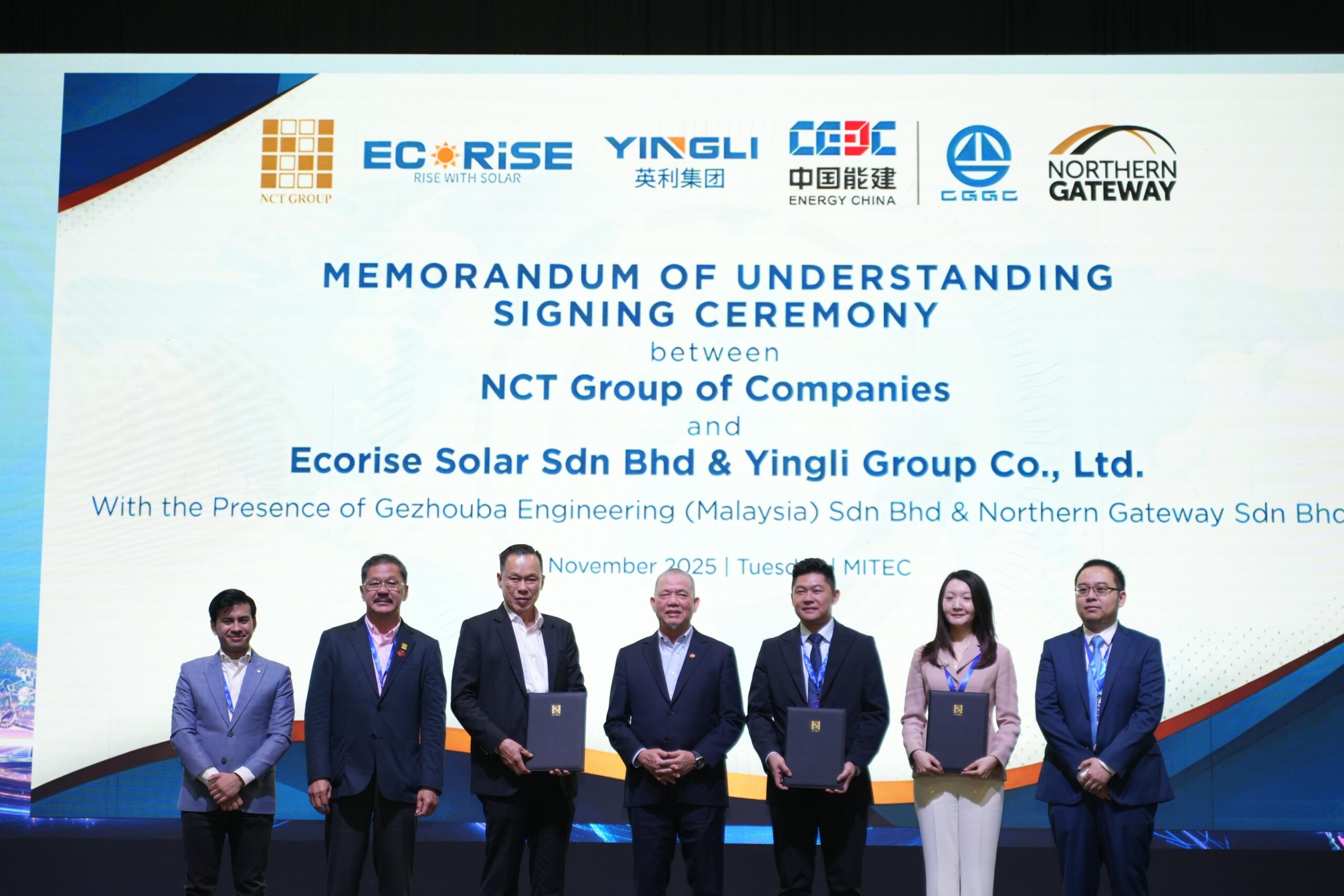
As part of its ongoing commitment to sustainable development, NCT Group of Companies (NCT Group), through its subsidiary NCT Century Sdn Bhd, announces a strategic collaboration with Ecorise Solar Sdn Bhd and Yingli Group Co., Ltd (China) to advance large-scale renewable energy development in the northern region of Malaysia. The collaboration reinforces NCT Group’s ambition to shape future-ready industrial ecosystems by driving innovative and low-carbon solutions for the region.
A Memorandum of Understanding (MoU) was exchanged, paving way for the development of a 150MWp Solar Photovoltaic (PV) Farm integrated with a 200MWh Battery Energy Storage System (BESS) in Delapan Special Border Economic Zone (SBEZ), Bukit Kayu Hitam, Kedah. The project aims to enhance clean energy availability in Peninsular Malaysia and support the growing demand for renewable electricity among enterprises transitioning to low-carbon operations.
Under the agreement, NCT Group will coordinate land matters with Northern Gateway (NGX) and oversee all regulatory requirements. Ecorise Solar and Yingli Group will jointly undertake the Engineering, Procurement, Construction and Commissioning (EPCC) as well as long-term Operations and Maintenance (O&M), supported by Yingli’s global solar expertise and Ecorise’s local technical capabilities. A Special Purpose Vehicle (SPV) will be established to drive project implementation and investment participation.
Dato’ Sri Yap Ngan Choy, Founder and Group Managing Director of NCT Group, said, “The development of a large-scale solar and storage facility in Delapan SBEZ will create tangible opportunities for investors and industries seeking cleaner and more resilient power solutions. This collaboration directly supports our mission to elevate the northern corridor as a strategic destination for advanced manufacturing, logistics and cross-border growth, particularly as we expand our ecosystem through our industrial park, NCT InnoSphere (NIS).”
The collaboration also complements NCT Group’s ongoing development of NIS within the Delapan SBEZ, undertaken in collaboration with NGX. As Kedah’s first Managed Industrial Park focused on high-value, sustainable and cross-border industries, NIS enhances the region’s competitiveness through its strategic location and supports NCT Group’s broader strategy to integrate renewable energy and green infrastructure across its industrial developments.
NIS is NCT Group’s second industrial park venture, strategically located in Delapan SBEZ, adjacent to the Malaysia-Thailand border and near Penang Port. Launched in September 2025, the project spans 137 acres of free-zone land and is being developed in partnership with NGX, with an estimated gross development value (GDV) of RM1.10 billion.
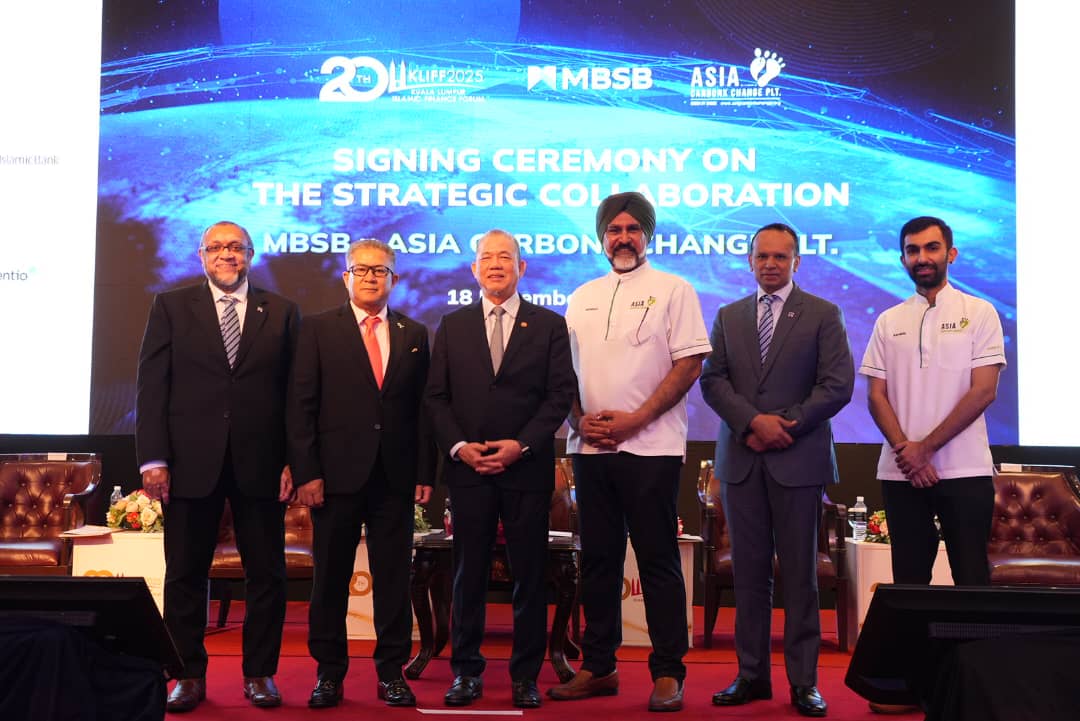
MBSB Berhad (MBSB) today formalised a strategic collaboration with Asia Carbonx Change Plt (Asia Carbonx Change or ACCP) to provide Halal SMEs with a clearer and more practical pathway to meet ESG expectations. Through this partnership, Halal-certified and Halal-focused businesses will gain access to recognised renewable energy tools and support that help them prepare for certification, strengthen compliance and remain competitive as sustainability standards continue to evolve.
This collaboration focuses on helping Halal SMEs improve their ESG practices through practical actions, including better energy management and recognized sustainability reporting tools. By integrating Renewable Energy Certificate (REC) solutions into MBSB’s Islamic Sustainability Financing Programme, the partnership enables businesses, particularly those adopting solar energy to access verified renewable energy attributes that help reduce Scope 2 emissions and strengthen sustainability reporting.
Asia Carbonx Change Plt will serve as MBSB’s appointed intermediary to register, issue, manage and redeem RECs on behalf of solar asset owners and eligible MBSB customers.
This includes asset onboarding and compliance with the internationally recognised I-REC(E) and I-Track standards, ensuring each certificate redeemed is traceable and credible.
This partnership strengthens MBSB’s value proposition to SMEs by offering:
Up to 100% financing margin
Zero upfront capital for qualifying customers
Access to RECs for decarbonization reporting
Opportunities for REC monetization for eligible solar customers
This follows MBSB’s latest initiative pursuant to its RM1 billion solar financing commitment and supports the Group’s broader goal of mobilizing RM10 billion in sustainable and transition finance by 2026 under its Sustainable and Transition Finance Framework. To date, MBSB has already mobilised RM4.73 billion in sustainable financing, representing 47% of its 2026 target.
Asia Carbonx Change Plt, a Malaysia-based renewable energy solutions company, facilitates the creation, monetization and trading of Renewable Energy Certificates (RECs) that are internationally recognised. These certificates allow organisations to claim renewable electricity usage and offset Scope 2 emissions, reinforcing their sustainability credentials while supporting Malaysia’s clean energy transition.
Big Tiny was founded on a simple but ambitious purpose: enable people to rediscover the joy of simple living while protecting the landscapes that make these experiences possible. Since introducing its first tiny houses in Australia in 2017, the Singapore-born brand has grown across the region—including Malaysia—championing a model of tourism that treads lightly yet delivers enriching experiences.
Sustainability was not an afterthought for Big Tiny. From the beginning, its founders set out to reimagine how people can experience travel by creating a model that reduces impact, restores balance and reconnects people with nature. This experience is made accessible through its Tiny Away booking platform, where travellers discover curated eco-conscious stays across the region.
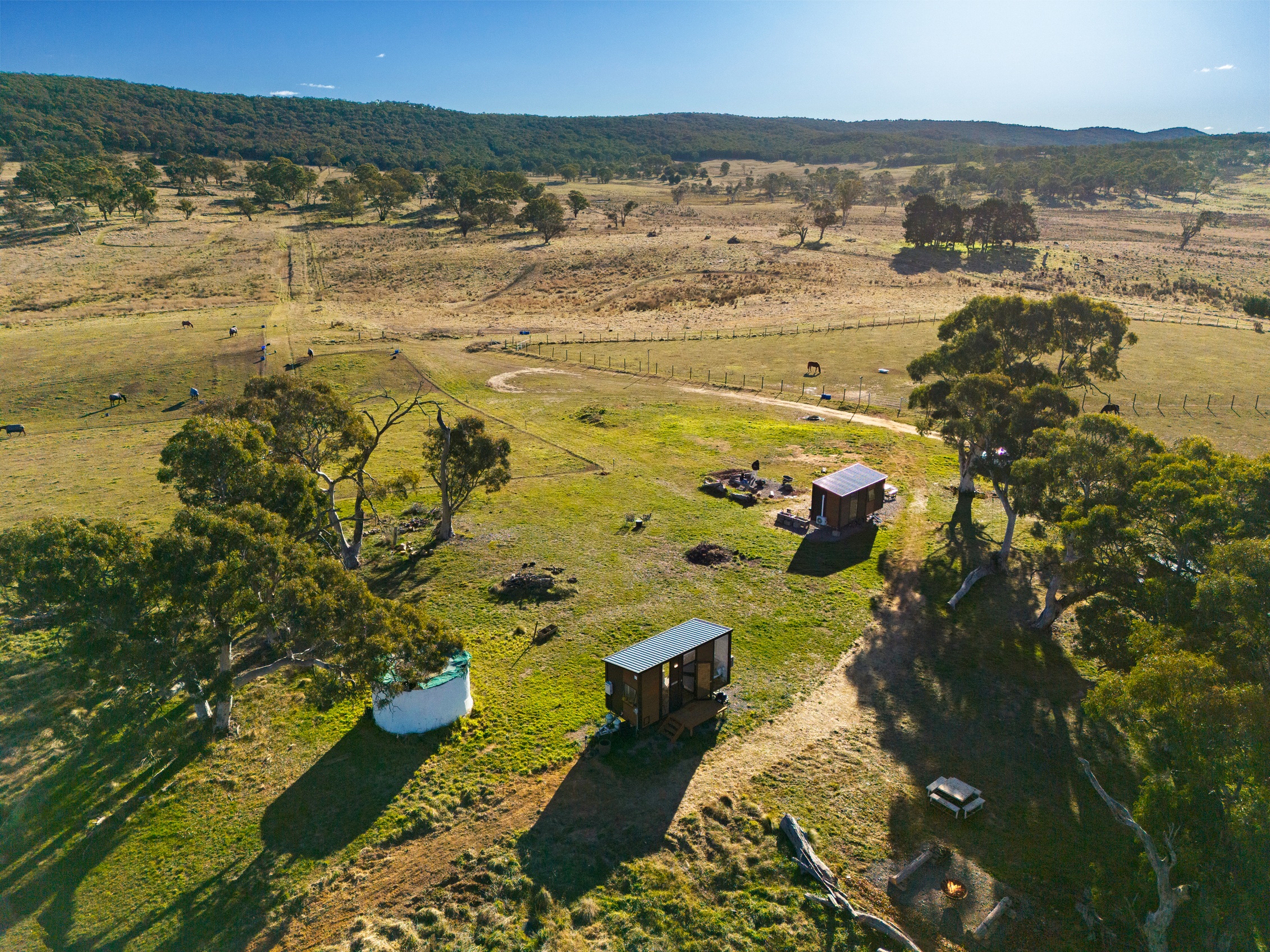
Tiny houses seamlessly blend with nature.
Big Tiny believes that its products can assist in making better use of land, limit overdevelopment and offer a meaningful alternative to the resource-heavy, high-footfall model of mass tourism. The company does so via thoughtful systems including the way its tiny houses are built and deployed to how resources are managed, its partnership with landowners and engagements with the local communities. Every tiny house is built with light gauge steel, durable composite materials and modular construction to reduce waste. Across its global portfolio of more than 650 units, off-grid and hybrid models rely on solar energy, rainwater harvesting and composting systems, ensuring minimal disturbance to the land.
“We view our efforts as part of an evolving commitment to operationalise sustainability and accountability, and we are confident that with consistency and improvements, a better tomorrow is within reach,” – Adrian, CEO and Co-Founder, Big Tiny.
In 2025, Big Tiny advanced this promise by achieving Global Sustainable Tourism Council (GSTC) recognition for its Lazarus Island project, with more sites worldwide aiming for certification by 2026. Building on this achievement, Big Tiny is also working towards including its other global projects under the GSTC Industry Criteria for Hotels certification by 2026, for a consistent benchmark across its portfolio. Additionally, it has also initiated environmental impact assessments at Grampians Edge and Granite Belt in Australia.
One with nature, sustainable living in tiny houses.
Big Tiny’s impact extends beyond environmental stewardship as everywhere the brand sets foot in, it believes that local relevance and global consistency can co-exist. Its tiny houses support local economies by engaging over 1,200 stakeholders—from land hosts to owners—and partnering with 300 organisations. The company also collaborates with local artisans, brands, producers, merchants and landowners to infuse authenticity into each stay—whether through region-specific furnishings, community partnerships or curated experiences.
Soon, the brand looks to strengthen its advocacy for regenerative tourism, as guests’ sustainability expectations continue to rise. Efforts in the pipeline include increasing its green procurement with a goal of ensuring at least 15% of materials come from recycled sources by 2030. Big Tiny is also exploring solar-wind hybrid systems that can generate power even at night which will increase the usage of natural sources by another 10%, come 2030. It is also exploring ways to adopt even more energy-efficient appliances to further reduce overall consumption.
For Malaysia, Big Tiny looks to offer a sustainable alternative to traditional travel experience by activating underutilised rural or natural spaces, converting them into low-impact, eco-conscious getaways. With abundance of land and natural landscapes, Big Tiny sees vast potential for growth while simultaneously playing a role setting a benchmark for the country’s eco-tourism landscape and in time, shaping its regenerative tourism industry. Malaysians can also purchase entire tiny homes or share ownership, enjoying passive income from these sustainable stays.
All tiny houses are listed for stays through Big Tiny’s Tiny Away platform (tinyaway.com), alongside other major booking sites.
The Securities Commission Malaysia (SC) officially launches investED for Returning Women, a training and re-entry programme designed to support women seeking to rejoin the capital market after a career break.
The programme will provide returning women with the essential knowledge, skills and opportunities to thrive in the capital market.
First announced in October this year, investED for Returning Women has received over 600 applications, reflecting strong interest and demand among women seeking structured pathways back into professional employment.
Applicants’ ages range from mid 30s to late 40s, with many coming from the oil & gas, banking, finance and insurance sectors. Most applicants cited family responsibilities and caregiving as the primary reasons for the career break.
investED for Returning Women is designed to support women re-entering the workforce after a career break, particularly into the capital market sector. It is delivered in two phases:
1. REFRESH (professional & personal readiness)
Focuses on building confidence, reintroducing workplace culture, and enhancing soft skills through career clinics, personalised guidance, and networking to prepare participants for job placement.
2. RESKILL (technical & market competence)
Equips participants with updated technical skills and industry knowledge relevant to today’s capital market, supported by structured training, industry exposure, and follow-up support during the first six months of employment.
These phases provide a comprehensive pathway for women to successfully return to the workforce. Participants who complete both phases will receive RM2,000 in incentive and a certificate.
SC Chairman Dato’ Mohammad Faiz Azmi said the programme aligns with the SC’s efforts to enhance diversity and inclusion in the capital market workforce, where women represent a substantial part of the talent pool.
“Among the top 100 listed companies on Bursa Malaysia, over 34% of board positions are held by women as at 1 Oct 2025. With the capital market’s growing sophistication and facing a talent shortage, this programme aims to tap into the experience and expertise of returning professionals to strengthen the market’s depth and resilience,” he said.
Similar to the approach taken for SC’s investED Leadership Programme, investED for Returning Women combines classroom learning, mentorship, and industry placements.
The SC will also facilitate potential employment by connecting participants with partner companies. Participants will also receive guidance from seasoned professionals in leading firms.
The programme is supported by the 30% Club Malaysia, LeadWomen Sdn Bhd, Securities Industry Development Corporation (SIDC), PricewaterhouseCoopers Malaysia Holdings Sdn Bhd (PwC) and Talent Corporation Malaysia Berhad. These partners play an active role in designing training modules and offering workplace placements.
Malaysia’s banks have emerged as the strongest climate performers amongst the 14 ASEAN Banks assessed, according to Bridging the Gap: Have ASEAN Banks Caught Up on Climate Action?, a new report launched by Asia Research & Engagement (ARE).
The study finds that ASEAN banks in Malaysia, Indonesia, Thailand, and the Philippines are making measurable progress, with 11 of 14 setting long-term net-zero goals for financed emissions—up from three in 2022—but they still trail banks in Japan, Singapore, and South Korea, where decarbonisation targets are broader, deeper, and aligned with national net-zero goals for 2050.
Within emerging ASEAN, Malaysia stands out. The assessment of CIMB, Maybank, and Hong Leong Bank (HLB) underscores the country’s leadership:
CIMB has one of the region’s most advanced decarbonisation frameworks, with sectoral targets across coal, cement, palm oil, oil & gas, and real estate.
Maybank has embedded climate KPIs into executive pay, phased out coal financing across lending and underwriting, and disclosed detailed financed emissions.
HLB has pioneered client transition risk categorisation, engaging directly with high-emitting sectors.
Based on public disclosure, sustainable finance now represents a growing proportion of lending of the Malaysian banks, although the definitions vary so the numbers are not fully comparable.
Maybank: USD 39.3bn (24.4% of loans)
IMB: USD 33.8bn (33.4%)
HLB: USD 5.3bn (11.6%)
Yet challenges remain. Heavy financing exposure to palm oil and limited policies on upstream oil & gas leave gaps.
“Malaysia’s banks have raised the bar for emerging ASEAN, but credibility will rest on closing loopholes in palm oil and for gas finance,” said Ben McCarron, Founder and Managing Director of ARE.
Across the region, banks in Thailand, Indonesia, and the Philippines are rapidly improving governance and disclosure, while counterparts in Japan, Singapore, and South Korea continue to set the global benchmark with broader sectoral policies and 2050-aligned net-zero goals.
Opportunities Ahead for Malaysia
Malaysia’s leadership in ASEAN positions its banks to capture new opportunities:
Shape regional policy standards by extending strong frameworks beyond coal into gas-fired power and high-carbon sectors.
Set a governance benchmark by formalising climate-linked KPIs in remuneration and nomination processes.
Pioneer advanced risk practices by expanding financed-emissions disclosures and scaling client-level transition planning.
Accelerate sustainable finance growth by channelling capital into industrial decarbonisation and grid-enabling investments, turning current ambition into system-level impact.
Commenting further on the findings, McCarron, said, “Malaysia’s banks are setting the pace in emerging ASEAN with stronger policies, governance, and disclosures. The challenge now is to expand this leadership into broader sector coverage and 2050-aligned targets so the region can meet the demands of a low-carbon economy.”
MBSB Bank Berhad (“MBSB Bank”) announces a dedicated RM1 billion allocation for solar financing, with RM104 million already in the process of disbursement, reinforcing its role as a catalyst in Malaysia’s renewable energy transformation and in advancing the objectives outlined under the National Energy Transition Roadmap (NETR).
“Our RM1 billion allocation for solar financing is designed to empower SMEs and industry players to invest in renewable energy projects that can accelerate Malaysia’s transition to a low-carbon future,” said Jesleigh Johari, Chief Operating Officer of MBSB Bank.
Under its Sustainable and Transition Finance Framework, MBSB Bank has already mobilised over RM4.7 billion in sustainable and transition financing — nearly halfway to its RM10 billion target by 2026.
Through a dual-financing model with MIDF, MBSB Bank offers SMEs a structured pathway to growth via facilities such as the High Tech and Green Facility (HTG), All Economic Sectors (AES), and Low Carbon Transition Facility (LCTF).
Recently, MBSB Bank reached a major milestone by formalising RM1.3 billion in Islamic Financing Facilities for Cypark Resources Berhad, Malaysia’s leading renewable energy and environmental solutions provider
Jesleigh added, “Beyond financing, transformation happens when industries collaborate and share ideas. Our partnership with MPSEA reflects our shared vision of a resilient, low-carbon Malaysia powered by innovation, purpose, and responsible finance.”
MBSB Bank remains steadfast in its commitment to support the nation’s energy transition, empowering businesses and communities to embrace a future powered by innovation, collaboration, and responsible growth.
Sustainability reporting in ASEAN is reaching a pivotal moment, driven by tightening regulations and growing investor demands. Frameworks such as the International Sustainability Standards Board (ISSB) and Global Reporting Initiative (GRI) are increasingly setting the standard for ESG disclosures worldwide. Yet many businesses in the region, especially those embedded in supply chains, are still grappling with how to keep pace with shifting expectations. Under growing scrutiny, vague commitments and inconsistent disclosures can be seen as greenwashing — eroding public trust and undermining investor confidence.
Why Ethics Matter as Much as Compliance
To move from intent to impact, companies must do more than comply. For ESG to drive lasting value, ethical leadership, transparency, and robust governance are essential. Ellie Wild, a member of The Institute of Chartered Accountants in England and Wales (ICAEW) and Sustainability Manager at Forvis Mazars, believes high-quality sustainability reporting starts with a strong ethical foundation — one that empowers professionals to identify, assess, and communicate risks with integrity.
“Balanced reporting is at the crux of building trust,” Wild states. “Companies must avoid the temptation to report only ESG opportunities, or to exaggerate their ESG maturity. Stakeholders expect a mixed picture, and the best way to build trust is transparent reporting of both current position and future goals.”
“ESG information should be subject to the same rigour as financial information. Regulatory frameworks contribute to fortifying the ESG control environment by mandating granular disclosure on governance and risk management processes. We are also seeing a critical shift towards assurance over ESG information. In some jurisdictions this is voluntary, while in others, such as Malaysia and Singapore, regulators have signalled a phased move toward mandatory assurance, with details currently under consultation.”
ASEAN’s Fragmented Landscape
While global frameworks offer consistency, ASEAN jurisdictions differ widely in how they interpret and implement ESG reporting. Some, like Malaysia, have taken bold steps to lead, including its National Sustainability Reporting Framework, aligning directly with ISSB’s IFRS S1 and S2. The framework introduces a phased rollout prioritising climate, with deferred Scope 3 disclosures aligned to Malaysia’s readiness.
This momentum has not gone unnoticed. Malaysia is currently the only ASEAN jurisdiction formally recognised by the IFRS Foundation for adopting ISSB standards with limited transition. Its regulatory leadership and regional influence make it a fitting host for the upcoming ICAEW ASEAN Sustainability Summit in November 2025 at the Securities Commission of Malaysia.
Taking place under the theme ASEAN RISING: The Net Zero Playbook, the summit aligns with Malaysia’s ASEAN 2025 Chairmanship focus on “Inclusivity and Sustainability” and will spotlight regional action on ethical governance, transparent reporting, sustainable finance, and climate resilience.
“The greatest challenge is creating structured processes for managing sustainability risks,” according to Wild. “ISSB requires companies to show how sustainability is integrated into strategy and governance. Those treating it as peripheral will struggle. Finance and risk teams should be trained in sustainability frameworks so they can embed accountability into processes and oversee risk management effectively. For SMEs, tools such as carbon calculators help ease the reporting burden by keeping emission factors up to date.”
From Frameworks to Practical Action
Even in relatively mature markets, many companies still grapple with overlapping regulations, evolving standards, and capacity constraints. To address these gaps, the ASEAN Sustainability Reporting Advocacy Collaborative (ASRAC) encourages jurisdictions to adopt ISSB as a global foundation while using a “building-blocks” approach that accommodates local policy objectives. ASRAC also advocates for proportionality and scalability so that ESG reporting remains feasible for the SMEs that populate the large majority of businesses across the region.
To support companies across the spectrum, the ASEAN Simplified ESG Disclosure Guide (ASEDG) combines ISSB, GRI, and local frameworks into 38 disclosures suited to different maturity levels. Complementing this, Capital Markets Malaysia also recently launched a greenhouse gas emissions calculator to help businesses measure Scope 1 and 2 emissions and make ESG reporting more practical.
The Big Tiny story started in 2016, during Adrian’s family trip along Australia’s iconic Great Ocean Road. As his family journeyed through the coastal vistas and rural retreats, an idea began to take shape: What if this sense of calmness could be made accessible to others, anywhere in the world through sustainable and mobile living?
Pioneering eco-friendly getaways: Dave Ng, Adrian Chia and Jeff Yeo.
Upon returning to Singapore, Adrian shared his idea with two long-time friends and soon-to-be co-founders at Big Tiny, Dave Ng and Jeff Yeo, both former Singapore Army and Navy scholars respectively. Together, they envisioned crafting tiny houses on wheels that would bring this same restorative clarity to others while simultaneously empowering communities.
A Product Designed for Shared Success
Comfortable and cosy – inside a quaint tiny house.
Big Tiny was officially launched in 2017. Its product derives from a simple concept which made perfect sense—travel and leave a positive impact on a place and its people.
The founders believe that the modern life-style, for all its conveniences, often distracts people from the basics—nature, simplicity and meaningful moments. With that, its brand mandate is centred around helping people to reconnect with themselves and nature.
The company and its products are defined by three robust core values:
Connection with Nature: Locations are carefully selected where guests can wake up to wide open skies, immerse themselves in pristine landscapes and experience the quiet beauty of the outdoors. Big Tiny’s low-impact builds are designed to preserve the integrity of these natural environments.
Simplicity with Purpose: Every Big Tiny stay is intentionally minimal yet complete, removing the noise of modern living while ensuring comfort and functionality. From the design of tiny houses to the curated experiences offered, Big Tiny champions the idea that less can be more—more meaningful, more sustainable and more fulfilling.
Sustainability through Experience: Rather than preaching eco-consciousness, tiny houses invite its guests to experience it through the stillness of a stay, the satisfaction of living with less and the joy of discovering the surroundings. These tiny houses are not just a place to sleep; they are vessels for a lifestyle shift—subtle, but lasting.
These values are woven into the very fabric of a Big Tiny experience, from the layout of a tiny house to the way it partners with landowners and communities. Ultimately, the brand doesn’t just offer accommodation—it’s a chance to pause, reflect and return to what’s essential.
As a proud pioneer in this niche eco-tourism space, Big Tiny designs, builds and manages eco-conscious tiny houses on underutilised lands—transforming idle plots into revenue-generating destinations. These tiny homes are then placed within its Tiny Away web platform (tinyaway.com) for bookings, alongside 11 other online travel sites.
But the company doesn’t do it alone, of course, as it involves strategic partners along the process. Its ecosystem brings together landowners, tiny house buyers and travellers on a single beneficial model for all parties.
“Basically, there are three external core parties involved in the equation with us being the linchpin that pulls together everyone. Let’s say you own a piece of land which you don’t have any plans for but is the perfect spot for our tiny houses. So, hosting a tiny house on your land naturally unlocks a revenue stream for you while guests can have access to a unique, nature-immersive stay. The landowners are not the only income earners; a tiny house buyer too can earn passive income through our tiny house sale and management programme,” explained Adrian.
As for Big Tiny, it holds critical roles for its end-to-end capability—from land activation to architectural design to operations—the company’s full-stack solution gives it greater control over quality, scalability and sustainability. Big Tiny’s position as a curator of experiences evokes emotional resonance for guests, backed by operational efficiency and proven returns. This is what truly sets Big Tiny’s unique selling proposition.
Apart from being positioned as an accommodation, tiny houses too can function as:
A comfortable home office, studio or workshops venue.
An outstanding pop-up cart or a Farmer’s Market Stall.
A guest house or even a holiday home—an affordable luxury indeed!
Tiny Houses Everywhere!
A tiny house perched on the pastures of Glenlyon, Australia.
Since its first in Australia, Big Tiny is gradually taking over the globe, despite its business being disrupted during the pandemic. Today, the brand operates in Australia, New Zealand, Japan, Malaysia, Taiwan, Singapore, China and Europe, building a thriving ecosystem and establishing itself as a key player in the alternative accommodation space. In many ways, Big Tiny has exceeded its initial expectations for brand traction, buyer interest and global reach.
Scattered across 19 countries, each market presents its own unique landscape and audience for the tiny home experience:
In Australia where its journey began, the concept of tiny house strongly resonates with both domestic and international travellers seeking authentic, nature-based getaways. The expansive rural terrain, paired with growing interest in sustainable travel, created a fertile ground for the brand to grow.
Big Tiny’s minimalist concept strikes a chord with New Zealand and Japan as it aligns with their respective cultural values—connection with nature through its refined, thoughtful designs.
A tiny house in Malaysia.
In Malaysia, the brand is seeing growing interest from both eco-conscious millennials and families looking for unique, short-haul experiences, especially as awareness of sustainability and experiential travel continues to rise. In December 2024, Big Tiny and IOI Properties Group Berhad embarked on a strategic collaboration with the placement of tiny homes at the Amigo Clubhouse @ 16 Sierra in Puchong. This partnership supports both entities’ environmental, social and governance (ESG) vision towards sustainable, eco-living, while offering guests immersive, nature-inspired experiences.
Singapore, despite being its headquarters and an urban market, has shown strong interest and demand for nearby, nature-based escapes—especially with Big Tiny’s expansion into Lazarus Island.
Europe’s entry has been more exploratory at this stage but promising, with pilot activations in scenic regions sparking conversation and demand for low-impact, mobile-friendly tourism infrastructure.
Additionally for this year, its footprint continues to expand with profound milestones achieved during the first half of 2025. Big Tiny has entered the China market beginning with Guangzhou, on top of enhancing its portfolio in Australia, raising its profile in Taiwan and Singapore’s Mandarin-speaking communities. Each presence and initiative are a bold move reaffirming the borderless resonance of sustainable, experiential-led travel.
Its official presence in China as one of Asia’s most dynamic tourism markets has generated strong traction through its tiny house owner-ship programme, and the brand is preparing for Shenzhen next.
Juggling Dream and Reality
Establishing Big Tiny came with its fair share of obstacles. While the concept made perfect sense, it was anyhow, one that was still nascent.
Adrian reveals its biggest road-block, “Convincing both ends of the spectrum—landowners and travellers—to embrace a new way of experiencing nature through compact homes on wheels against the backdrop of remote landscapes. As an unconventional and almost un-heard-of concept, it demanded persistence, thoughtful education and clear articulation of our vision to gain trust and build traction”.
It also stretched logistical capabilities as Big Tiny needed to source sustainable materials and design both on- and off-grid systems, all while ensuring regulatory compliance across different countries was met.
“With a problem-solving mindset, we undertook the strategy of engaging partnerships. Supported by the right parties, we were able to scale our vision—from securing scenic plots, refining operations, increasing footprints and delivering nature-based stays that integrate and balance eco-conscious values with comfort and accessibility,” said Adrian.
More importantly, Big Tiny resiliently kept to its belief that it wasn’t just building tiny houses, instead it is essentially reshaping human-nature interaction, one stay at a time. Naturally, this belief continues to drive the brand forward today.
The Next Big Tiny Stride
The future is promising, as the company believes that eco-conscious travel will shift from doing less harm to actively giving back.
“Our guests will continue seeking regenerative experiences that will positively impact local ecosystems and communities, and this movement is likely to grow amongst the travel community,” explained Adrian.
Big Tiny foresees travellers expecting:
Personalised Sustainability: Data driven choices (from energy use to local sourcing) tailored to each guest’s values.
Deep Cultural Immersion: Hands on conservation, farm-to-table dining and authentic storytelling with local partners.
Tech-enabled Transparency: Real-time carbon and water use tracking, renewable energy dashboards and blockchain-backed supply chains.
With its projection, Big Tiny is adopting a ‘living lab’ model to stay at the forefront of its game. This model is propelled by piloting various environmental technology solutions, circular material construction and AI-powered guest experience platforms.
Additionally, it continues to forge strategic alliances with conservation groups and smart-tech startups to co-create the next generation of tiny house modules that are not just low in impact but ultimately net positive.
At the end of the day, by continuously iterating on de-sign, embedding real-time sustainability and amplifying local community benefits, Big Tiny is positive that the brand will lead the transformation from eco-friendly stays to re-generative travel destinations.
For more information on Big Tiny, visit www.bigtiny.com.my.
This article is featured as the Cover Story for The SmartInvestor’s September/October 2025 issue.
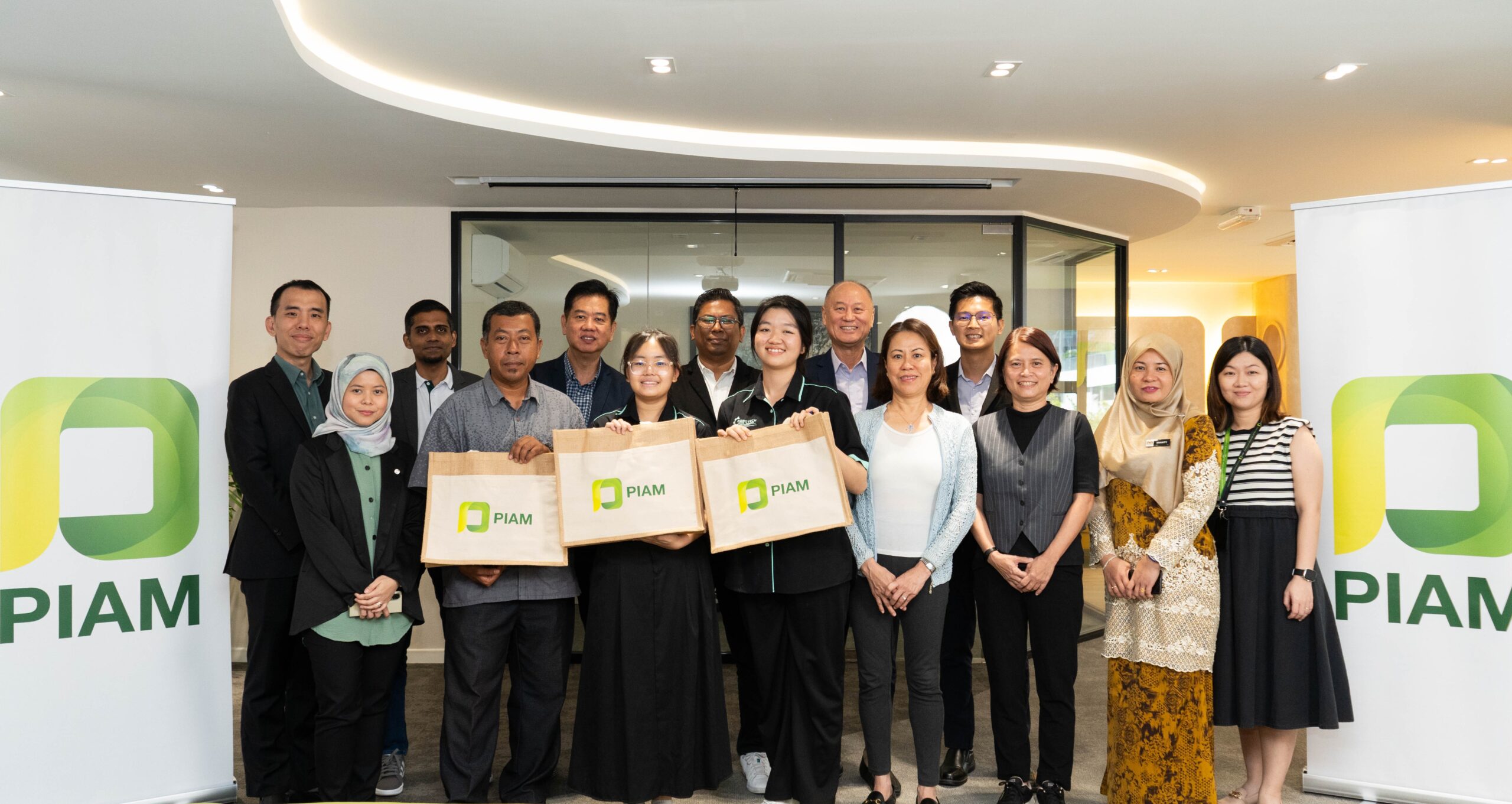
In a bid to cultivate environmental awareness among Malaysian youth, the Persatuan Insurans Am Malaysia (PIAM) celebrated the achievements of tertiary students from across the country at a recent prize-giving ceremony held at its headquarters. The event honoured nine winners whose creative, inspiring and authentic submissions showcased how they incorporate the practices of 3R into their daily life. This was the first nationwide initiative under PIAM’s #GoGreenWithPIAM 3R Campaign.
The campaign, which took place between May and June 2025, invited Malaysian tertiary students to submit short, creative videos showing how they incorporate the principles of 3R – Reduce, Reuse, and Recycle – in their daily lives. Open to tertiary students, the campaign was designed to encourage personal reflection and storytelling on sustainable living.
PIAM’s Chief Executive Officer, Chua Kim Soon, shared that the initiative came at a time when environmental issues are increasingly affecting the general insurance industry. He explained that, “We have seen how floods and storms are becoming more frequent and severe. As insurers, we help with the aftermath, but we also feel a responsibility to be part of the solution. Through the 3R Campaign under our #GoGreenWithPIAM initiative, we are hoping to bring back simple habits from the past, like using tiffin carriers instead of plastic containers, that can help protect the environment and ourselves.”
He also highlighted how the younger generation brings fresh energy and creativity to such efforts, saying, “What made many of the video entries stand out was how personal and authentic they were. These students didn’t just talk about recycling, they showed how it fits into their lifestyle. Their sincerity, combined with strong editing and storytelling, was impressive and inspiring.”
One of those standout voices came from the Grand Prize winner, Nur Aqilah Binti Noor Hisyam from Perlis, whose video was praised for its creativity and heartfelt message. “It has been a passion of mine for some time now, and this campaign gave me the platform to showcase my commitment to sustainable living,” she said. “Organising a community recycling drive and seeing young children learn about waste really stuck with me, it showed how small actions can spark bigger change. Climate change can feel overwhelming, but I have learnt that simple habits, like using reusables or encouraging others to recycle, do make a difference.” She shared that the prize money will go towards her studies in environmental science and, if possible, a small eco-project like a compost bin or mini garden to keep the campaign’s spirit alive.
The campaign was led by Lee Chiew Lai, Programme Leader of the 3R Campaign and member of PIAM’s Climate Change Action Committee (CCAC). He explained that this first initiative is part of a broader, long-term goal to drive behaviour change starting with young people. “We believe tertiary students are future leaders. If they start building sustainable habits now, they will influence their peers, families, and eventually the wider community,” he said.
Lee added that the campaign was not just about promoting recycling, but about encouraging deeper thinking around reducing waste and reusing materials in practical, everyday ways. “Our goal is to encourage a circular economy mindset. It’s not just about what we throw away, but how we can reduce what we use in the first place,” he said. “This is only the beginning of our #GoGreenWithPIAM journey, and we are excited to continue building on this momentum.”
The campaign received submissions from across the country, with students showcasing a mix of creativity, storytelling and technical skill. Prizes were awarded to nine winners, including a Grand Prize of RM3,000, three Runner-Up prizes of RM750 each, and five Consolation Prizes of RM350.
PIAM hopes to continue engaging the youth through more campaigns in the future, while also expanding outreach to schools and local communities. Chua emphasised that the association is focused on long-term change, not just short-term impact. “Our aim is to encourage lasting habits of environmental responsibility. Through education and awareness, we hope to inspire a mindset shift that stays with people for life,” he said.