Blog

  • The State Of Malaysia’s Education And Financial Literacy Among The Youths

    The State Of Malaysia’s Education And Financial Literacy Among The Youths

    A report by the Department of Statistics Malaysia (DOSM) in 2019 showed that 390,000 out of 560,000 SPM candidates were interested in joining the
    workforce immediately after the exam, while only 170,000 students were interested in continuing their studies. The three main factors why youths aged 17 to 18 did not want to continue their studies were:

    • The belief that furthering their studies did not guarantee better-paying jobs;
    • The availability of job opportunities in the gig economy, and;
    • The interest to become influencers on social media.

    Such is the sad state that this worrying trend is set to continue over the years. This could potentially impact Malaysia’s future supply of skilled labour, hindering its progress toward becoming a high-tech nation.

    But on the other end of the spectrum, the Malaysian government has adopted aggressive measures aimed at internationalising its higher education system, a process it hopes will improve the sector’s dynamism and make it more responsive to the demands of a knowledge-driven world economy. In 2012, the higher education ministry established Education Malaysia Global Services (EMGS) to promote Malaysia as an international education hub and facilitate the movement of international students into the country.

    Offering a degree that is well-recognised globally, Malaysian universities rank in the world’s top universities, with a total of 13 in the top 600, according to
    QS World University Rankings. Based on QS World University Rankings by Subject 2022, 10 Malaysian programmes were placed among the top 50 universities for studying their academic subject.

    As a result, Malaysia was the 13th-largest destination for international students in the world in 2020. According to the UNESCO Institute of Statistics (UIS), in 2020, Malaysia hosted 89,193 international degree-seeking students.

    Smart Investor talked to several industry experts to learn more about the state of Malaysia’s education among the youth and their level of financial literacy.

    The State Of Malaysia’s Education And Financial Literacy Among The Youths

    Raja Edriana Baizura, head of career services at Taylor’s University

    “Education at the very base of it is required for everybody. Having an education will lay the foundation that the youths of today require to be better shapers of tomorrow for society to live in,” said Raja Edriana Baizura, head of career services at Taylor’s University.

    “It is said that education and knowledge are two different things. Knowledge is what one knows, and education is how one learns it. Knowledge can be gained by the environment we are exposed to while growing up, while education is acquired knowledge from teaching and learning,” she added.

    Terence Ooi, the co-founder of Wiki Impact

    “Being in Asian culture, the value of structured education has not diminished. In fact, those who can afford it would be looking for alternatives for their children to receive a better education than what is being offered mainstream. The pressure of getting straight A’s is still there as it is perceived that this would be a stepping stone to tertiary education and progress in life,” echoed Terence Ooi, the co-founder of Wiki Impact.

    Yeap Jun Rong, Market Strategist, IG International

    “In the past, a heavy emphasis was on getting higher education to secure a high-paying job. However, current perceptions about having a traditional 9-to-6 job have shifted as youths are more inclined to look for alternative sources of income, such as trading or even growing and monetising their social media. While general sentiments are that higher education may aid one’s chances in securing a better job, the key is to find your niche,” stated Yeap Jun Rong, a market strategist at IG International.

    Haida Tahir, Director of Contingent Workforce Central, PERSOLKELLY Malaysia

    “Today’s job landscape is so competitive, and while education does not guarantee a high-paying job or that you will land your dream career, it is a fundamental requirement. Nonetheless, it is undeniable that higher education leads to better job prospects in the long-term. Beyond furthering your studies, continuous learning is also very important, more so now as technological advancements shift the demands of what an organisation requires from talents,” shared Haida Tahir, the director of contingent workforce central at PERSOLKELLY Malaysia.

    Dr Sanjay Sarma, CEO, president and dean of Asia School of Business (ASB)

    “I have never met a young person disinterested in learning. Curiosity is the most fundamental aspect of learning, and it is impossible to extinguish. I have, however, met many people who are disaffected with how we teach,” explained Dr Sanjay Sarma, CEO, president, and dean of Asia School of Business (ASB).

    “At ASB, we are all about action – and I believe classrooms need to have a more engaging, thought-provoking nature for the next generation to be prepared,” he added.

    The emergence of new methods of teaching and learning platforms, such as self-learning through learning management systems (LMS), has given students the ease of studying at their own pace. This minimises the effects of constraints they have when pursuing their education and their opportunity cost. They are becoming smarter and gaining skills faster than their predecessors, all at the same time.

    For example, Udemy is an online learning platform founded in 2010. According to the company’s website, Udemy has over 155,000 courses taught
    by over 70,000 instructors and has served over 50 million students worldwide as of 2021. In terms of growth, Udemy has seen significant expansion over the years. In 2016, Udemy reported that it had over 11 million students enrolled in its courses, and by 2019, the number had grown to over 50 million.

    The number of courses on the platform has also grown significantly, from around 30,000 in 2016 to over 155,000 in 2021.

    Johary Mustapha, founder and CEO of Forest Interactive

    “Through our foundation arm, Forest Interactive Foundation (FIF), we are trying to bridge this gap by developing future innovators in tech. Our FIF programmes upskills young entrepreneurs and students alike by curating a robust tech-focused hands-on curriculum needed to solve the digital skills shortage and increase the overall employability rate within the country,” said Johary Mustapha, founder and CEO of Forest Interactive.

    Nisa Saharuddin, the community engagement lead, Forest Interactive Foundation

    “Through our various programmes, we provide the younger generation with a varied skill set to help them stay relevant with the progressing economy. Our #SeKODlah programme, partnered with corporations like CIMB Bank and CIMB Foundation, would enable the future Malaysian workforce to explore and develop in-demand skills through e-learning and mentorship. If we are to meet the ever-increasing demand of the economy, it must be a collective gesture of both the private and public sectors,” shared Nisa Saharuddin, the community engagement lead at FIF.

    Education is and always will be important. However, the dynamics of learning have changed. Evidently, the younger generation places less value on traditional education as, from their viewpoint, there are multiple ways of achieving economic growth.

    Are The Youths Of Today More Financially Savvy?

    Bankruptcy cases are a telling point of where we stand regarding financial literacy. The number of bankruptcy cases seems to be declining, but let’s not forget that our government amended the Insolvency Act 1967 in 2017, raising the bankruptcy threshold from RM30,000 to RM50,000. This was followed by another amendment, raising it from RM50,000 to RM100,000.

    Personal loans are the highest cause of bankruptcy among Malaysians, contributing almost 42%, followed by hire purchase loans at almost 15%.
    Another worrying sign is the high number of cases in the 25 to 34-year-old age group, which makes up more than 21%, with the highest being in the 35 to 44-year-old age group, with more than 37%.

    “As information is readily available on the internet, consuming the right information to be financially savvy is important. Not many know how to save or start investing early but those who have early exposure to financial literacy will or may start saving and investing earlier in life,” said Edriana.

    “From my observation, they are generally still quite largely ignorant. Many are still unaware of basic investment options and opportunities. However, if compared to generations of the past, they do have greater access to resources on financial tips and investments – thus if you compare apple to apple, they are in a greater state,” added Ooi.

    “They are more aware and practical of their financial capacity, so it’s a yes – if we take the literal meaning of financially savvy. However, long-term planning is also important, and that depends on a case-by-case basis,” opined Johary.

    Where Do The Youths Invest?

    The Institute for Capital Market Research Malaysia (ICMR) recently conducted a nationwide study to better understand their issues, challenges, and behaviours regarding personal finance and investing. The survey was distributed to 1,500 respondents and found that millennials and Gen Z Malaysians can be categorised into three groups, each with unique characteristics.

    A higher proportion of respondents from the east coast do not invest (Group A), while Group C has a higher proportion from the Central region. More notably, there are differences in household income levels between all three groups. While 69% of Group A earns less than RM5,000 in monthly household income, 56% of Group B earns between RM3,000 to RM7,000.

    Meanwhile, respondents who fall under Group C were found to have significantly higher incomes, with 31% having household incomes above RM10,000.

    Financial Literacy And Risk Tolerance

    ICMR’s research suggests a link between financial knowledge, financial confidence, and risk tolerance with the likelihood of investing and the products invested in. For instance, someone who does not know much about financial matters and has little financial confidence would also be unwilling to take risks – hence not investing and falling into Group A.

    This could also explain behavioural differences between Group B, which invests only in ASNB funds or unit trust products, and Group C, which invests in other capital market products. The first unit trust company in Malaysia was set up in 1959. This might be why retail investors are most comfortable with unit trust products, considering their long history in Malaysia.

    Additionally, many investors who only invest in ASNB funds or unit trust products (Group B) tend to be less risk tolerant and financially confident. In contrast, those who invest in other capital market products like shares or cryptocurrency, which are perceived to be riskier, tend to have higher risk tolerance levels and feel more financially confident.

    “Based on our data at IG International, with the recent volatility, youths are more inclined to trade major US indices and forex. The Dow Jones Industrial Average and Nasdaq 100 are popular choices. Since the Covid-19 trading boom, youths continue to have their feet in the game in terms of trading,” shared Yeap.

    Jason Low, Co-founder and CEO, Virtualtech Frontier (VTF)

    “In addition to the stock market, young people are also investing in alternative assets such as cryptocurrency, NFT’s, and real estate. Cryptocurrency has become increasingly popular among younger generations, with platforms like Coinbase and Binance providing an easy way to buy and sell various cryptocurrencies. Real estate investing has also gained popularity among young people, with crowdfunding platforms like Fundrise and RealtyMogul allowing investors to pool their money together and invest in commercial real estate,” explained Jason Low, co-founder, and CEO of Virtualtech Frontier (VTF).

    “Personally, I have seen students who invest in the stock market or even trading to make their money ‘grow’ even as early as their first year of university. We invite speakers from the industry to introduce topics such as financial literacy to students in their final year during Professional Development Week, where they learn the importance of being financially savvy,” added Edriana.

    “Most young people I know are investing in insurance and crypto. This is perhaps the access they have to either opening the accounts or someone within the industry educating them,” said Ooi.

    “Some common options for youth to invest in are NFTS, cryptocurrency, stocks, fixed deposits, and real estate. Stocks are popular with those looking for higher returns and are willing to take more risk while fixed deposits are a more conservative option that offer guaranteed returns. Real estate is also popular for those who are looking for long-term investment with the potential for appreciation,” mentioned Johary.

    The State Of Malaysia’s Education And Financial Literacy Among The Youths Summary

    In short, youths of today are more financially savvy than previous generations. But it is important for them to educate themselves about personal finance and investing and seek advice and guidance from trusted sources.

    Get your latest copy of Smart Investor Magazine HERE!

  • Fundamental Analysis: 5 Financial Ratios To Quickly Analyse Stocks

    Fundamental Analysis: 5 Financial Ratios To Quickly Analyse Stocks

    Investing in stocks can be a challenging task, especially for beginners. With so much information available, it can be overwhelming to determine which stocks to buy and which ones to avoid. Here are 5 financial ratios to quickly analyse stocks. It is an effective tool that can help investors make informed decisions when analyzing stocks.

    These ratios provide insight into a company’s financial health, growth potential, and profitability, allowing investors to assess its investment potential.

    In this article, we will explore the different types of financial ratios and how they can be used to analyze stocks, providing you with a quick and efficient way to evaluate investment opportunities.

    Read: 3 Types Of Stocks That Every Investor And Trader Must Know

    1. Earnings Per Share (EPS)

    EPS is one of the financial ratios to quickly analyse stocks. According to Investopedia, earnings per share (EPS) is a company’s net profit divided by the number of common shares it has outstanding.

    Source: educba

    Company’s EPS vary based on changes in earnings, total number of outstanding shares, or both. A company can increase its EPS by increasing its earnings or reducing its number of shares through share buybacks.

    Typically, company with high EPS are considered as a profitable company. Usually, we can find EPS value in a company’s income statement.

    Read: As An Investor, Here Are 3 Things To Look For In Financial Statements

    2. Price To Earnings Ratio (P/E)

    P/E ratio is one of the financial ratios to quickly analyse stocks. PE ratio measures the relationship between a company’s stock price and its earnings per issued share. Sometimes it is also known as the earnings multiple.

    Since the P/E ratio relates to the share price and earnings per share, some investors prefer stocks with lower P/E. However, a high PE does not mean the share price is overvalued. A company can have a high P/E because investors expect high future growth and thus buy it from now. This causes the price has started to increase due to high demand.

    Tips for you, always compare a company to other in the same industry. Some of you may wonder, what about companies without P/E ratio? Companies that have no earnings or are losing money does not have a P/E ratio.

    3. Return On Equity (ROE)

    Return on Equity shows how well a company uses shareholders investment funds to generate income. ROE is calculated by comparing the proportion of net income against the amount of shareholder’s equity.

    Source: wallstreetmojo

    Investors love high ROE stocks because it shows the company is good at converting its equity financing into profits. If you are looking for a strong company with good ROE, a return on equity ratio of 15% – 20% is considered good.

    This is why ROE is one of financial ratios to quickly analyse stocks, that is being used by most investors.

    Read: 5 Reasons Why We Lose Money In The Stock Market

    4. Net Tangible Asset (NTA)

    Net tangible asset is one of the financial ratios to quickly analyse stocks. NTA is the value of all tangible assets minus all liabilities in a business.

    Some examples of net tangible assets are land, buildings, vehicles, equipment, and etc. There are few significances of NTA such as:

    • Have definite value
    • Help in production
    • Can be sold and thus raise cash
    • Subject to depreciation
    • Used as collateral / security

    Usually, investors will compare current stock price to NTA value. It can help to determine whether a company is undervalued or overvalued. If the current share price is smaller than the NTA value, the stock is considered undervalued and vice versa.

    5. Dividend Yield (DY)

    Why does investors have to pay attention to dividend yield compared to dividend payout? Dividend yield displayed in percentage represents the annualized return a stock pays out in dividends.

    So, what is a good dividend yield? Dividend yield ranging from 5% – 7% are generally considered to be good. Anything above 7% is considered very good.

    But remember, other than high dividend yield, consistency in distributing dividend is equally important. You will not want to receive dividend for only one time.

    The legendary Warren Buffet focused on dividend investing to get steady cash flow over the long-term. There are few stocks in Buffet’s portfolio that he has been holding for long period. That’s why dividend yield is one of the financial ratios to quickly analyse stocks.

    However, investors also must keep in mind that high dividend yield may not attractive if the stock price is declining. What is the point of receiving dividends but you are losing more money from the declining stock price right?

    Read: Create Your Stock Watchlist With These Simple Steps

    Conclusion

    Financial ratios are a powerful tool for investors to analyze stocks and make informed investment decisions. By examining a company’s financial statements and using various ratios, investors can gain valuable insights into a company’s financial health and potential for growth.

    While no single ratio can provide a complete picture of a company’s financial health, using a combination of ratios can help investors make more informed decisions about which stocks to invest in. You can start your own fundamental analysis by looking at these 5 financial ratios to quickly analyse stocks.

    However, it is important to remember that investing in the stock market carries risks, and no investment strategy can guarantee success. By using financial ratios as part of a larger investment strategy, investors can navigate the complexities of the stock market and work towards achieving their financial goals.

    Read: Using The CANSLIM Formula To Choose Good Stocks

  • Generali Malaysia Aims Higher Positioning Post Stake Acquisition Of AXA Affin General Insurance

    Generali Malaysia Aims Higher Positioning Post Stake Acquisition Of AXA Affin General Insurance

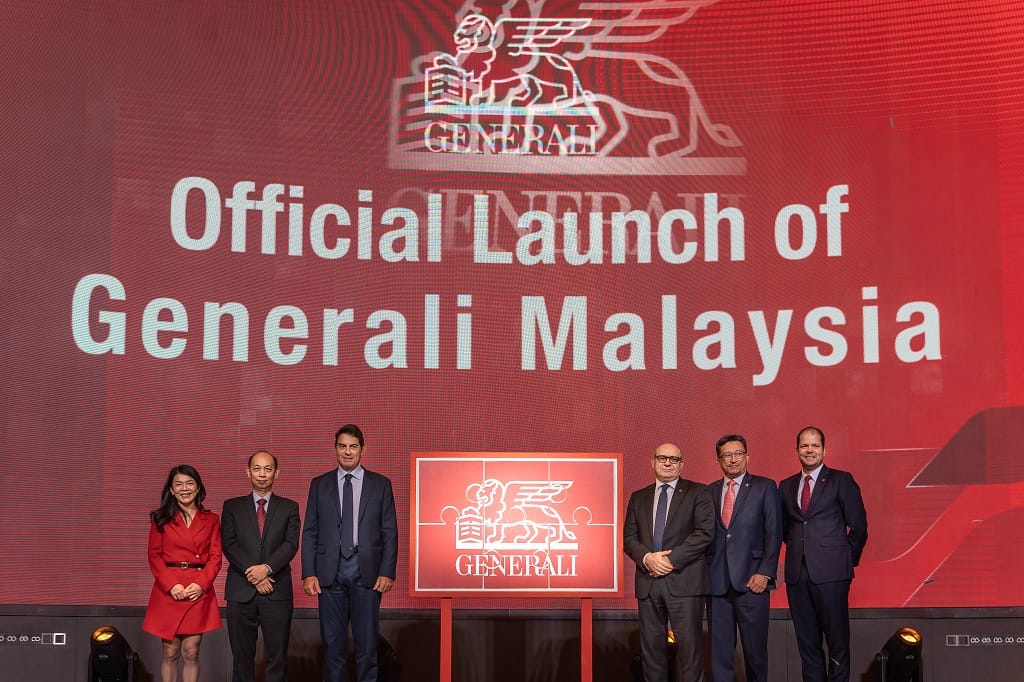
    Generali Group, one of the largest global insurance providers, recently launched Generali Malaysia following the acquisition of a controlling majority in AXA Affin joint ventures in Malaysia and 100% purchase of MPI Generali Insurans Berhad. The transaction valued the acquired companies at close to RM1.29 billion (EUR 262 million), making it one of the largest M&A transactions in Malaysia in recent years.

    On 1st April 2023, the businesses were integrated under a single, unified brand ― Generali Malaysia. The integration positions Generali Malaysia as one of the largest general insurers and emerging life insurer in Malaysia, broadening its edge in a competitive market.

    With its strong expertise in providing comprehensive protection solutions in all areas of general insurance – medical and health, motor and home, travel and personal accident, as well as business and commercial insurance, Generali Malaysia is committed to further expand its offerings and better cater to customers’ growing needs. With a focus on protection, medical coverage, savings, and legacy planning, its Life segment offers customers coverage needs for every stage of life.

    (L-R) Rebecca Tan, CEO of Generali Life Insurance Malaysia Berhad, Raymond Fam Chye Soon, Chairman, Generali Insurance Malaysia Berhad, His Excellency Massimo Rustico, Ambassador of Italy in Malaysia, Roberto Leonardi, Generali International Asia Regional Officer, Abdul Malek Bin Mohamed Said, Chief Corporate Strategy Officer, Affin Bank Group, Fabrice Benard, CEO of Generali Insurance Malaysia Berhad & Country Head for Generali entities in Malaysia

    Jaime Anchustegui Melgarejo, CEO, Generali International commented, “This is a significant milestone for Generali in Malaysia and in the region. It highlights our commitment and dedication to Asia and the importance we place on Malaysia as one of the region’s high-potential growth markets.”

    Roberto Leonardi, Generali International Asia Regional Officer, commented thatAs a unified entity, we look forward to enhancing the Generali experience and becoming Lifetime Partners to our customers in Malaysia, as well as making a positive contribution to the communities in which we serve.”

    “The launch of Generali Malaysia is to create a unified, customer-focused brand that can provide  comprehensive insurance solutions across the full spectrum of products from general to life insurance. We aim to have a significant presence in the market and be one of the top general insurers in the country,” said Fabrice Benard, Chief Executive Officer, Generali Insurance Malaysia Bhd and Country Head for Generali Entities in Malaysia.

    The launch is fully aligned with Generali’s ‘Lifetime Partner 24: Driving Growth’ strategy to strengthen its leadership position in Malaysia ― a country with strong potential for growth with its economic development and current low-insurance penetration. Holding a strong vision for the future, Generali Malaysia hopes to play an active role in contributing to Malaysia’s economic growth and development.

    Supported by over 1,600 workforce, a wide distribution network of more than 9,000 agents, partners and distributors and 49 branches nationwide, Generali Malaysia is presented with the advantage of a larger market share in Malaysia which is further boosted with a broader range of products and services.

    “As an insurer with over 190 years of insurance heritage and experience, we strive to provide better experiences as a whole, by transforming our role to go beyond selling products and to provide more value-added, personalized service in line with our ‘Lifetime Partner 24: Driving Growth’ commitment,” Benard added.

    Rooted in Italy, Generali Group has a strong heritage and legacy of protection of more than 190 years. To date, Generali has presence in over 50 countries and a workforce of 82,000 employees serving 68 million customers. The Group has been active in Malaysia since 2015 when it acquired a 49% stake in Multi-Purpose Insurans Berhad – a P&C insurance subsidiary of Multi-Purpose Capital Holdings to create MPI Generali. In 2022, Generali acquired full ownership of the MPI Generali joint venture and purchased a controlling majority in AXA Affin General and Life Insurance in Malaysia. In 2023, Generali unfolded a new growth chapter with the launch of a single, unified brand Generali Malaysia ― one of the largest general insurers and emerging life insurer in Malaysia backed by over 1,600 employees, a wide distribution network of more than 9,000 agents and partners and 49 branches. 

    (L-R) Rebecca Tan, CEO of Generali Life Insurance Malaysia Berhad, Raymond Fam Chye Soon, Chairman, Generali Insurance Malaysia Berhad, His Excellency Massimo Rustico, Ambassador of Italy in Malaysia, Roberto Leonardi, Generali International Asia Regional Officer, Abdul Malek Bin Mohamed Said, Chief Corporate Strategy Officer, Affin Bank Group, Fabrice Benard, CEO of Generali Insurance Malaysia Berhad & Country Head for Generali entities in Malaysia

    ABOUT GENERALI MALAYSIA

    Generali Group is one of the largest global insurance providers with more than 190 years of heritage. The Group has been active in Malaysia since 2015 when it acquired a 49% stake in Multi-Purpose Insurans Berhad – a P&C insurance subsidiary of Multi-Purpose Capital Holdings to create MPI Generali. In 2022, Generali acquired full ownership of the MPI Generali joint venture and purchased a controlling majority in AXA Affin General and Life Insurance in Malaysia.

    In 2023, Generali unfolded a new growth chapter with the launch of a single, unified brand Generali Malaysia ― one of the largest general insurers and emerging life insurer in Malaysia backed by over 1,600 employees, a wide distribution network of more than 9,000 agents and partners and 49 branches.

    Now with an expanded scale, breadth, and expertise, Generali Malaysia strives to further its ambition of being a trusted Lifetime Partner and a progressive insurer that safeguards the needs of Malaysians and their future generations.

    THE GENERALI GROUP

    Generali is one of the largest global insurance and asset management providers. Established in 1831, it is present in over 50 countries in the world, with a total premium income of € 81.5 billion in 2022. With 82,000 employees serving 68 million customers, the Group has a leading position in Europe and a growing presence in Asia and Latin America. At the heart of Generali’s strategy is its Lifetime Partner commitment to customers, achieved through innovative and personalised solutions, best-in-class customer experience and its digitalised global distribution capabilities. The Group has fully embedded sustainability into all strategic choices, with the aim to create value for all stakeholders while building a fairer and more resilient society.

  • PropertyGuru: Malaysian Residential Property Market Continues To Face Challenges As Supply And Demand Declines

    PropertyGuru: Malaysian Residential Property Market Continues To Face Challenges As Supply And Demand Declines

    PropertyGuru Malaysia released its PropertyGuru Malaysia Property Market Report (MPMR) Q2 2023, which revealed that property demand and supply eased at the beginning of the year with an overcast economic outlook.

    Based on the insights from DataSense, PropertyGuru’s market data and analytics platform, the report captured downward trends in the Sale Demand Index, with property enquiries decreasing by 5.6% QoQ. While inflation is projected to moderate in the coming months, global economic uncertainties have affected the appetite of Malaysian buyers for big-ticket purchases. Similarly, the Sale Supply Index saw a slight decrease of 0.6% as property owners continued the wait-and-see approach towards their investments.

    Sheldon Fernandez, Country Manager, Malaysia (PropertyGuru.com.my and iProperty.com.my), shared, “With Bank Negara Malaysia’s decision to raise the Overnight Policy Rate by 25 basis points to 3%, it will be difficult to see an uptick in property demand. Potential homebuyers are likely to delay their purchasing plans because of the higher borrowing costs and rising cost of living. Currently, it is still too early to gauge how much impact this will have on the market.”

    Sheldon Fernandez, Country Manager, Malaysia (PropertyGuru.com.my and iProperty.com.my)

    Asking Price Continues to Rise

    The MPMR Q2 2023’s Sale Price Index tracked the asking prices of properties listed on propertyguru.com.my, which increased by 1.6% QoQ in Q1 2023. Sellers are likely not keen to lower prices against the backdrop of an uncertain economic climate. The global increase in construction costs paired with recent labour shortages have also pressured developers to hike their prices to cover the increased costs.

    While Malaysia is projected to see a moderately lower economic growth this year, we may see a more attractive property market as economic activities accelerate towards the second half of the year. Following the boost in investments from companies like Tesla and AWS, as well as China’s RM 170 Billion Investment Commitment, this is likely to spur job creation and push infrastructure development in Malaysia in the near future.

    However, buyers are also aware of the external pressures caused by global inflation and remain cautious with their purchasing decisions, especially with the current higher borrowing costs. If property prices continue to peak with demand lagging, a global recession or economic shock could lead to a price correction. If it happens, property prices adjust accordingly to reflect the slower demand.

    Trends in the Rental Market

    From the report, the indexes in the rental market mirrored the trends in the property sale market, tracking a decrease in the Rental Demand Index by 6.3%. This is likely due to the substantial increase in rental prices, with the Rental Price Index rising by 4.7% QoQ. The rise in rental prices did not go unnoticed, and the Selangor state government has announced plans to look into the feasibility of expanding its Smart Rental Scheme to low-cost housing.

    “The decrease in rental demand, as highlighted in our report, could reflect that Malaysians are becoming even more cautious, perhaps opting to stay with family members and commute to the city to work instead of renting their own place. Again, the wait-and-see approach continues but it may be further exacerbated by the uncertainties ahead,” states Sheldon.

    As rental prices continue to rise, we are seeing increased pressure on the demand for affordable housing near job centres. More individuals are migrating towards these urban areas for convenience, but the rising prices may force them to forgo ideal living conditions. This presents a unique opportunity for developers and landlords to consider repurposing their unsold properties into co-living spaces, which offers more affordable living space by sharing costs and common areas with other residents without completely forgoing privacy.

    “We are seeing cumulative issues of housing affordability, higher cost of investment, mismatch of demand and supply, and “sick” housing projects. These issues have been persistent in the local market, and unfortunately remain unsolved today. While we do see the government taking the first steps to address these issues, developers must also play their part in assessing what homebuyers need – because that’s changed overtime”, he adds.

    Johor in the spotlight

    To kick-start 2023, Johor takes the crown for the most-viewed residential properties in Q1 2023. The state boasts the top four most viewed condominium projects in Malaysia and had four other projects front-running in the landed properties category, with Leisure Farm maintaining its top position as the most viewed residential landed project. In the rental market, R&F Princess Cove became a popular project for those looking to rent, given its strategic location near the Johor Causeway.

    Johor’s development surge is anticipated to persist, fueled by last year’s RM51.1 billion investment in data centres. As a burgeoning digital hub, Johor is attracting attention to its real estate market. The prospect of new job opportunities may entice more Malaysians to relocate to the peninsula’s southern region.

    “Overall in Malaysia, the rising prices driven by global uncertainties will continue to contribute to the current housing affordability issue. As property ownership costs are expected to increase with the OPR hikes, we foresee property buyers and sellers alike will continue to navigate a challenging and unpredictable property market. However,      we are cautiously optimistic that the economy will show improvement in the second half of 2023, and we will continue to look out for more positive signs of growth in the residential property market,” he concluded.

    About PropertyGuru Malaysia

    PropertyGuru.com.my is Malaysia’s leading property marketplace and has been guiding Malaysians in navigating their home-ownership journey since 2011. The company provides easy-to-use, property market data and actionable insights such as Property Guides, Property Market Reports and Home Loan Calculator, which enable property seekers to make confident property decisions wherever they are in their property journey. PropertyGuru Malaysia offers end-to-end solutions for Malaysian property agents (AgentNet) and developers to help achieve their business goals. These include, a high-quality developer sales enablement platform, FastKey; and a host of other property offerings including Awards, events and publications across Asia. The company is part of PropertyGuru Group (NYSE: PGRU), Southeast Asia’s leading property technology company.  

  • Empowering Women Leaders In The Workplace

    Empowering Women Leaders In The Workplace

    A report by the Securities Commission Malaysia (SC) shows that the number of women holding board positions in the private sector stood at 29% as of 31
    December 2022. Meanwhile, according to the Women, Family and Community Development Minister Datuk Seri Nancy Shukri, in the public sector, over 38.2%
    of women were at decision-making levels professionally, holding senior-level positions in the JUSA (Jawatan Utama Sektor Awam) category.

    Smart Investor contacted Michelle Johnson, general manager of marketing and product development of Niro Ceramic Group (NCG), one of the female figures on NCG’s board of leaders. She talks to us about the insights on the importance of equal opportunity in the workplace and what companies can do to create more opportunities for women to excel in their careers.

    Michelle Johnson, general manager of marketing and product development, Niro Ceramic Group

    Smart Investor: As a successful woman in a leadership position, what challenges have you faced in your career, and how did you overcome them?

    Michelle Johnson: As the chief of marketing at NCG, I’ve learnt that being adaptable and flexible is paramount to staying a step ahead of the marketing landscape for the tile industry. Managing a growing team of marketing professionals with varying skill sets and personalities can certainly raise a few roadblocks. However, as a leader, I’ve found that camaraderie and effective communication helps to build a strong foundation for an agile team.

    SI: How can companies create a more diverse and inclusive workplace for women, particularly in a male-dominated industry?

    MJ: Creating a more diverse and inclusive workplace for women in a male-dominated industry requires sustained efforts and a commitment to change. For a start, companies should nurture a strong culture of inclusivity internally. This means fostering a safe and welcoming environment that empowers employees to express their ideas, opinions, and concerns freely.

    SI: What role do you think women leaders play in driving innovation and growth within a company?

    MJ: Women leaders can bring diverse perspectives and experiences to the table, which helps drive innovation and creative problem-solving. With more diverse leadership, companies will have a more comprehensive understanding of their market and meet the needs of a broader range of customers and stakeholders to drive innovation and growth within a company.

    SI: In your opinion, what qualities are essential for success in a leadership role?

    MJ: Throughout my career, I’ve found that the quality of being inspiring is vital for success. To lead is to inspire and motivate the people around me to realise their potential and achieve greater things. I strive to inspire by setting a good example, providing actionable feedback and recognition, and nurturing a positive and inclusive work environment.

    Besides that, I also find that being visionary is the key to a successful leadership role. As a leader, having a very clear vision for the future of your organisation helps materialise sizable growth opportunities. Having the ability to conceptualise and communicate that vision effectively is incredibly important.

    SI: Can you tell us about a time when you had to make a difficult decision as a leader and how you navigated that situation?

    MJ: As a leader, my guiding principles are honesty and integrity. These values help me make coherent decisions, even when challenging or uncomfortable. I have consistently demonstrated these values to those above me, my peers, and those under my leadership. By upholding these principles, I have earned the respect of those around me, and I remain committed to maintaining these values in all my actions and interactions.

    SI: What advice would you give young women just starting their careers in marketing and product development?

    MJ: Be curious and stay up-to-date with the latest industry trends. The marketing and product development fields are ever-changing for most industries. Always have the drive to learn new things by keeping up with the latest industry movements. You can start by always having a pulse on the market movements and developments by reading industry publications, attending industry events and networking with other industry professionals.

    Identify and harness your strengths and focus on refining them further. It could be your eye for analytics or your creativity. Focusing on your strengths will help propel your career trajectory and stand out, especially in a saturated landscape.

  • ICMR Research Series: Younger Malaysians Are Turning To Trusted Friends And Family For Investment Advice  

    ICMR Research Series: Younger Malaysians Are Turning To Trusted Friends And Family For Investment Advice  

    The choices we make – the things we buy, the neighbourhoods we live in, the restaurants we go to – are influenced by our social networks. Our financial and investment choices are no exception. Thousands of behavioural studies have shown that community members’ and peers’ savings and investment decisions tend to have a causal effect on individual decisions.

    These effects are propagated through direct social interactions such as word of mouth or, as we highlighted in our last article, through online channels, including social media platforms like TikTok and Instagram. Be it online or offline, social pressures such as the implicit desire for conformity, acceptability, and social identity can powerfully affect investment decision-making.

    Trust Matters For Young People

    It is not surprising that ICMR’s survey of millennials and Gen Z found that most respondents prefer online sources for information about investment products. Nonetheless, the people closest to them in real life still play a role in shaping their financial decisions. Indeed, friends and family ranked as the second most popular source of information in ICMR’s survey.

    Figure 1: Sources to know about different capital market investment products owned (Data Source: ICMR)

    During qualitative interviews with the respondents, one aspect that frequently came up was the importance of trust to millennials and Gen Zs. Most seek out financial advice from family and friends that they personally trust. Financially literate investors may add on their own online research, but those with lower financial literacy tended to immediately heed advice from friends they trust.

    Moreover, previous studies have shown that millennials and Gen Z tend to lack trust in traditional institutions like news media and business, political, or religious leaders. Thus, it makes sense why they might turn to the people around them instead for financial or investment advice, regardless of whether their advice is actually good or bad.

     “I definitely need to talk to friends before I invest, especially if they’ve also invested in the same thing. Recently, a friend told me he had cashed out his unit trust investments after making 15% gains. I will invest in that same unit trust once I have a bit more money.”

    – Zaim, 34, Lalamove driver

    Relatability Is A Key Driver Of Trust 

    The rise of social media influencers over the past decade has reshaped how younger generations form opinions, buy from brands, and get their questions answered. Financial and investment companies have leveraged the popularity of influencers through collaborations, sponsorships, and paid-for advertisements to promote their investment products and services.

    Personal finance influencers are using social media platforms like TikTok and Instagram to offer financial tips, investment advice, and other information that can influence decision making

    Nonetheless, ICMR notes that when it comes to personal finance, some respondents preferred talking to their peers as they found many personal finance influencers unrelatable. This was due to the perception that most personal finance influencers had financial goals that seemed unattainable, which ended up being demotivating. 

    Relatability is thus a critical trust driver for millennials and Gen Z investors. The notion of relatability goes deeper than relevancy by tapping into fundamental human truths: the need for belonging, to feel seen and valued, and to be accepted by a social group. In the end, people are highly social beings that are influenced by social norms and social identity when making key financial decisions.

    I stopped following influencers because they had goals like save RM100,000 before 30. I knew my savings was nowhere near there and it just demotivated me even more.” – Calvin, 29, performance marketing manager

    More Talk About Money

    While many old-school cultural taboos have been broken or at least softened, the stigma surrounding money talk is still prevalent today. For older generations, finances are often perceived as the final conversational frontier among friends and family members. However, ICMR found that millennials and Gen Z want to break this taboo and discuss money matters more openly.

    Many of our interviewees felt that conversations among friends about money should be normalised, and that it can help each other navigate financial decisions. This is in line with other global studies, which found that millennials and Gen Z are a lot more transparent with peers about their money compared to previous generations.

    Millennials and Gen Z are more openly talking about money matters with their peers compared with older generations (Image Source: MembersFirst Federal Credit Union)

    Being more open and transparent about money might be the result of younger generations being less filtered about other aspects of their lives as well on social media. Yet even among close friends, it can be uncomfortable for young people to bring up topics like salary or earnings (not to mention financial hardships), especially if they were taught never to ask someone how much they make.

    I think we should normalise talking about our finances with friends. I’ve learned so much from talking with my friends. That’s how I first learned about StashAway and Luno. But I think I’ll only be comfortable talking with friends of similar income levels. It might get awkward if the other party makes a lot more or a lot less.

    – Sofia, 29, engineer

    Promoting Financial Security And Independence

    Understanding how social preferences can influence individual decision-making has wider societal implications. Herding behaviour, or when investors behave like their peers instead of using their own information or making independent decisions, can lead to individuals being involved in scams, being misled, or creating investment bubbles.

    Young investors must learn to seek advice from various sources to gain the knowledge and confidence they need to make sound investment decisions that promote their financial security and independence. Establishing open and transparent communication about personal finances can empower the next generation to achieve their financial goals and enhance their well-being.

    This article is part of a content series by the Institute for Capital Market Research (ICMR). Follow ICMR’s Facebook page to stay updated on behavioral tips and insights for better investing habits. To learn more about ICMR’s research on millennials and Gen Z, visit www.icmr.my or download the full report.

    About the Authors

    Datin Aida Jaslina Jalaludin, Head of Research, ICMR
    Nadhirah Ibrahim, Research Analyst, ICMR
  • 5 Steps To Invest In ECF In Malaysia

    5 Steps To Invest In ECF In Malaysia

    As a busy working professional, startup investing can be an exciting and financially rewarding journey. It also allows you to diversify your investment portfolio. Early stage startups are usually not “bankable” as they cannot fulfil banks stringent loan requirements. So raising funds by selling their shares tend to be the usual way to extend their cash runway.

    As a startup lawyer, I have acted for both investors and companies seeking to raise funds using equity crowdfunding (ECF), one of the increasingly popular alternative fundraising method. In this article, I want to share 5 steps to invest in ECF in Malaysia.

    But before we get started on the 5 steps to invest in ECF in Malaysia, let us cover what is ECF and how does it work in the context of the Malaysian regulations.

    What Is ECF And How Does It Work In Malaysia?

    ECF is an alternative fundraising method for entrepreneurs seeking to raise funds for their business. As an investor, you will receive new shares to be issued by the company in exchange for buying shares in the business.

    In Malaysia, ECF is a regulated activity under the purview of the Securities Commission of Malaysia (SC). Therefore, every ECF platform needs to be licensed by the SC before a business is permitted to raise funds and be hosted on such an ECF platform.

    5 Steps To Invest In ECF In Malaysia

    As promised, here are the steps to invest in ECF in Malaysia.

    1. Get Registered As An Investor

    Before finding and investing in a campaign, you must register and get verified as an investor. To date, ten ECF platforms are regulated by the SC. Different ECF platforms may have different businesses seeking investments. Do the necessary research on these ECF platforms and find out their past and existing campaigns to see if they are aligned with your risk appetite and interests.

    After filling up the personal details, your investment limit will be fixed based on your investor category. The SC’s rules prescribed three investor categories, namely retail investor, angel investor or a sophisticated investor. An angel investor who is accredited by the Malaysian Business Angels Network can invest up to RM500,000 per campaign while there is no investment limit for a sophisticated investor (i.e. high net worth individual or high income earner).

    You can register as an investor in multiple ECF platforms.

    2. Choose A Business To Invest

    Once verified as an investor, you can invest in campaigns hosted on the platform. The platforms usually send newsletters to your email and updates on social media on new businesses looking for funding, so be sure to keep checking for new businesses that may interest you.

    Generally, as a non-professional investor, you may want to invest in a company that you understand based on your industry’s knowledge and aligned with your value.

    3. Read The Disclosures About The Business And  Carefully

    One of the next steps to invest in ECF in Malaysia, is not to get hyped out due to the ‘FOMO’ ‘Fear of Missing Out’ factor. Like any asset class, you need to figure out the features and characteristics of the investment and the risks involved.

    As an investor you get the go through the  find a list of documents known as the disclosures displayed on the campaign page. They usually include the latest audited financial statements, management accounts, an investment pitch deck containing the business plan, management team, their expertise, funding amount requested, and the breakdown of how the funds will be used for the business.

    If there is anything that you need further input, you can ask the management team during the pitching sessions hosted by the platform or even ask the platform to set up a meeting with the company’s representatives to ask further questions on certain matters.

    Also, all the material legal documents and agreements such as the term sheet (setting out the investment offer), subscription agreement and shareholders agreement are also uploaded on the website. Be sure to read them and understand your rights as a crowdfunding investor.

    At this stage, you may want to engage your professional advisers (i.e. legal counsel, auditors and financial planner) that you usually work to help you conduct the necessary due diligence on the business to help you decide whether to invest in a company.

    4. Transfer The Funds Into The ECF Trust Account

    Once you have decided how much to invest in a campaign based on the investment offer, you will need to transfer the cash into a trust account using online transfer. The platform usually sends an email within a few working days to confirm that they have received your investment.

    All the funds raised will be held by a custodian as an escrow agent and will only be disbursed to the company once the campaign is successful. If the company fails to raise the minimum targeted sum, the platform will refund back the money.

    5. Monitor Your Investments

    The final steps to invest in ECF in Malaysia, is to monitor your investments. Usually, the company’s management team will send you periodical (usually on a semi-annual or annual basis) updates setting out the progress of the business growth to the latest financials.

    As an investor, you will also get regular updates and meet-ups with the management team to discuss about the business progress.

    Read: Are Alternative Investments Right For Me?

    Conclusion On The 5 Steps To Invest In ECF In Malaysia

    Investing in high-growth companies via equity crowdfunding can be a great way to diversify your investment portfolio. But like all types of investments, equity crowdfunding is risky, and you can lose all your capital. As an investor, read and understand the risks before investing in a crowdfunding campaign.

    But if you are raring to go, those are the steps to invest in ECF in Malaysia. It’s not that hard is it?

    Read: Making Sense of Alternative Assets in Your Investment Portfolio

    About the Author

    Izwan Zakaria is a lawyer at Izwan & Partners, a corporate law firm helping startups do business and raise capital in Malaysia and overseas. He can be contacted at izwan@izwanpartners.com

  • Special Needs Trust: I’m Nobody’s Child

    Special Needs Trust: I’m Nobody’s Child

    The following story is based on an actual series of events, with some names and circumstances fictionalised. Any similarity to any person’s name, character, or history is coincidental and unintentional. It is about special needs trust and how it works in the real world.

    Elsie thought she had it all when she walked down the aisle with her beau and then to be blessed a year later with a beautiful bouncy baby, Ann.

    Little did she reckon that life would be cruel. It all started one afternoon when little Ann turned blue. It was heart-wrenching for her to see the baby so sickly with her life hanging on a thread. But Ann was a fighter. She survived but became mentally handicapped.

    A much relieved Elsie prepared herself for the long haul of bringing up a special needs child. Her whole life was now dedicated to Ann, which took a toll on her relationship with her hubby. They grew more and more apart, and it eventually led to a divorce.

    Read: Bob’s Dilemma: How To Convert Highly Illiquid Assets To More Liquid And Easily Realisable

    As a single parent of a child whose condition requires special attention, Elsie juggled between work and caring for her child. We were always overhanging and worried that Ann should not be around to care for her.

    A friend advised her to set up a Trust for her daughter, but she brushed off the idea, mistakenly thinking that it was something in the League of the Rich. She took comfort that she had many siblings and started to set aside money for her brother to use for Ann’s maintenance, just in case.

    Unfortunately, Elsie and her brother both died in a car accident. The money kept by the brother for Ann was frozen in his bank account, pending a letter of representation from the courts. In the meantime, the immediate needs of the special child were left unattended while the uncles and aunties bickered about who should take care of her and who should advance the money for the maintenance costs. Ann became nobody’s child.

    Read: How A Buy-Sell Agreement Can Help Business Partners In The Future

    Special Needs Trust Comes Into The Picture

    Elsie could have averted such a situation by setting up a Special Needs Trust with a trusted company to take care of her medical needs and maintenance. With increasing awareness and understanding, more people now know it is not true that a Trust can only be set up by wealthy people.

    In this case, she could have started by using her life insurance policy, unit trust investments, or even money in her bank account as the source to fund her Special Needs Trust instead of placing it in her brother’s account. Even if the sum is modest, she could set it up first and then increase it over time. In fact, the cheapest and fastest way to set up a trust is to fund it with a life insurance policy.

    Through the Special Needs Trust, she can also instruct the trustee to use the trust properly to pay for the upkeep of the house where her child is staying and maintenance costs for supporting the child. Instead of relying on help from relatives, she could also have instructed the trustee to make regular maintenance payments out of the income earned from the trust property.

    Read: The Amazing Reconciliation Of Father And Son, And This Reflected Inside The Will

    Generally, it is also better to appoint a licensed trust company instead of an individual to be the trustee because an individual is liable to die, fall ill or meet with an accident, become incapacitated, or even become bankrupt.

    Besides these problems, other possible risks may arise, such as monies being handled dishonestly or incompetently and failing to cater to the child’s care. For those parents who have children, whether with special needs or not, give them a good head start in life by planning and setting a special needs trust specifically for them, especially if you are a single parent.

    Read: Money Caused Breakup Among Four Close Friends, That’s Why it Is Important To Plan For The Succession Of A Business

    About Rockwills International Group

    Rockwills International Group, now in its 28th year, pioneered professional will writing in 1995 and has since evolved into the leading estate planning specialist in the country. It is today the largest provider of solutions and support services in trusts, succession, management, and distribution of wealth. It has shareholders’ funds exceeding RM50 million. It has done over 280,000 wills and 15,000 trusts and holds more than RM25 billion in assets under trust.

  • Winds Of Change In The Malaysian Education Sector

    Winds Of Change In The Malaysian Education Sector

    Millennials and Gen Zs are increasingly becoming the main players in the economy. They are the future of our country, but these younger generations face challenges that have never been experienced before.

    On the education side, did you know that 390,000 out of 560,000 SPM candidates opted to join the workforce immediately after the exam, while the remaining 170,000 students were interested in continuing their studies?

    This goes to show that the Malaysian education sector is taking a back seat. Instead, they are eager to earn money as fast as they can and as much as they can.

    With that in mind, Smart Investor spoke to Dr Sanjay Sarma, the new CEO, president, and dean of Asia School of Business (ASB), to get his insights on his plans at ASB and about the youths.

    Dr Sanjay Sarma, CEO, president, and dean of Asia School of Business (ASB)

    Read: Budgeting Is So Yesterday: Here’s 3 Intelligent Approaches to Financial Management for Youths

    Smart Investor: Congratulations on your appointment as the CEO, President, and Dean of the Asia School of Business. What makes you join this prestigious organization

    Dr Sanjay Sarma: Thank you! Several reasons. First, the previous deans, the staff, and the students have built an amazing platform. Second, Malaysia is, in my view, a geopolitical epicenter, given everything happening in supply chains, sustainability, innovation, and energy systems.

    Third, Malaysian education sector will transform in the coming years for many reasons: the growth of online education, the growth of micro-credentials, the emergence of artificial intelligence, and the changes in how we work. With all this, ASB is a unique platform from across the world from which to embrace the future.

    SI: What do you plan to achieve during your time here? And what are some of the ideas that you want to push through?

    DSS: The points above set the direction. First, I want to double down on a central tenet of ASB: a pedagogy based on action, which we call action-learning. This pedagogy extends to how we deliver materials (we don’t deliver typical ‘lectures’), how classes become studios, and how we engage with the real world.

    Second, ASEAN is a fascinating case study in progress with a diversity of all kinds. This includes cultural, economic, geopolitical, biological, and social forms — and our research-oriented faculty continue to deliver great insights on all fronts. I want to expand that.

    Third, I would like to increase our focus on the education of working professionals. I believe that the Malaysian education sector cannot end with a degree. At MIT, we called it agile, continuous education. I would like to embrace that mantra — something the School has already made great strides in — and expand it greatly.

    Read: Building A Safer Digital Future For Youth Of Tomorrow

    SI: How do you see Malaysia’s education compared to its peers in the region?

    DSS: What can be done to improve the situation further? I am of the belief that the way we educate has to change quite fundamentally. The rise of tools such as ChatGPT means we need a new class of graduates who can outperform technology.

    Education worldwide — Malaysia, China, India, and the US — is not prepared for these challenges. And it needs to evolve and evolve rapidly. We need problem solvers, critical thinkers, and doers to solve the problems we are leaving for the next generation.

    SI: With AI gaining traction (ChatGPT as an example), it opens up many possibilities. Instead of asking Google, we can ask AI and get a comprehensive answer. What will this mean to the future of the Malaysian education sector?

    DSS: Well, it vividly points out the pole star we should shoot for. What are the things that AI and robotics, and other technologies cannot do that we should be preparing our graduates for? Of course, if we prepare robots, we cannot lament the loss of jobs to robots.

    But the human mind is boundless. We must break the curricula we have trapped ourselves in — often remnants of the colonial era — and create people who can provide the creativity, ethical frameworks, and inspiration to take on the rising inventory of challenges.

    This might all seem like empty inspirational talk, but our students at ASB have convinced me that we have this potential. And at events we have hosted, such as the International Women’s Day and the Leadership for Enterprise Sustainability Asia (LESA) Conference, we saw precisely the sort of role models we could aspire for.

    Read: Syed Saddiq: 3 Powerful Tips For The Youths In Malaysia

    SI: How do you see the importance of education in today’s youth? Are they still interested in furthering their studies?

    DSS: I have never met a young person disinterested in learning. Curiosity is the most fundamental aspect of learning and is impossible to extinguish. I have, however, met many people who are disaffected with how we teach. That’s a different matter; as I said earlier, we need to fix that urgently.

    That was true before COVID, climate change concerns, and ChatGPT. It is even more urgent today. As mentioned, at ASB, we are all about action – and I believe classrooms need a more engaging, thought-provoking nature for the next generation to be prepared.

    SI: What are the different ways of making money today compared to the ’90s and 2000s? Is higher education still necessary to be making a decent living these days?

    DSS: The last century saw the growth of corporations — scale was achieved through size. Now we are seeing the rise of the gig economy. Moreover, more and more approaches to generating income are technology and innovation-driven. Just ask a taxi cab medallion owner from a decade ago who did not see Uber coming.

    Subscription models are another trend — services are more and more subscription-driven, whether it is Amazon Prime or Netflix. Living and thriving in this world requires mental agility. Education — done right — is one way to ensure that. You can no longer assume you will be employed for life and live in a company town.

    You have to become the CEO of your own life. In many ways, the MBA is about that too. (Ergo, ASB).

    Read: 5 Instagram Finance Influencer Accounts to Follow

    SI: In your opinion, what’s the major concern on their minds? (unemployment, low salary, high cost of education, the high price of a property, etc)

    DSS: All of the above, but we also see a much greater emphasis on social, and indeed planetary, good. I recommend reading about the Ubuntu philosophy: “I am because we are.”

    Young people are similar to young people a generation ago, with one key difference — a sense of the collective good.

    SI: What are your thoughts on YOLO (you only live once) and the financial independence, retire early (FIRE) movement that is hugely popular with the youths?

    DSS: We live in an era of unicorns. That drives this partly. But unicorns are mythical creatures, and the valuations of some of these unicorns have been mythical too. How can a young person who lives in this era not be tempted? I don’t blame them, though I don’t recommend it.

    It’s no different from buying lottery tickets today; these young people must bet everything in that YOLO moment. It is up to educational professionals to draw them back into reason and away from betting their lives away.

    Read: ICMR Research Series: Understanding Millennial And Gen Z Investors In Malaysia

    SI: Are the youths of today more financially savvy? And where do they normally invest?

    I don’t believe they are more or less than a generation ago. It’s just the opportunities are different. They live in a far stormier sea and are often likely to bet on extremes (swing for the fence, as Americans might say). Crypto is an example.

    Again, it comes down to educators to fix the Malaysian education sector so that our youth enter the next decade prepared to take on the challenges we are leaving them.

    SI: Any advice to the youths out there facing the future?

    DSS: Money chases intelligence, not impulsiveness, and luck sides the brave, not the reckless. Education can help you find the dividing lines.

    We would like to wish Dr Sanjay Sarma and ASB all the best!

    Read: ICMR Research Series: How Millennial And Gen Z Malaysians Are Getting Information On Finance And Investments

  • Decentralised Finance: Benefits Of Crypto-Powered Finance Over Traditional Banking

    Decentralised Finance: Benefits Of Crypto-Powered Finance Over Traditional Banking

    The recent collapse of Silicon Valley Bank (SVB) triggered mass panic in which the contagion effect have unfurled ramifications across the traditional finance industries. One of the main reasons in the SVB post-mortem is the lack of advanced cutting edge technologies for risk and regulations in the fintech sector.

    In light of SVB and the FTX collapse, people started flocking to DeFi (Decentralised Finance) platforms. the recent collapse of FTX and bank runs actually underscores the need for a more decentralized financial system. When centralized institutions fail, there is no safety net to protect investors. DeFi distributes the risk across a network of users and smart contracts, making it less vulnerable to individual failures. traditional banks started to feel the pressure.

    They realized that they needed to adapt or risk becoming obsolete. They started to explore the use of blockchain technology and DeFi, incorporating these systems into their existing infrastructure.

    In other words, the collapse of FTX and the subsequent bank runs marked a turning point for the banking industry. It showed that traditional banks were no longer the only option for financial services. DeFi offered an alternative that was transparent, secure, and accessible to everyone. And as more people embrace this new system, the future of banking looks brighter than ever.

    Smart Investor recently interviewed Terrence Hooi, CEO and Co-Founder, Singular Technologies to find our more about this topic. But before that, let’s begin by understanding more about non-custodial DeFi.

    Terrence Hooi, CEO and Co-Founder, Singular Technologies

    Non-Custodial DeFi

    Non-custodial DeFi does not require regulatory controls because it is designed to be trustless and decentralized. Unlike centralized financial systems, where a central authority controls the flow of funds and is responsible for ensuring compliance with regulations, non-custodial DeFi operates on a peer-to-peer basis without intermediaries.

    In non-custodial DeFi, users have complete control over their funds and can transact directly with each other using smart contracts. These contracts are self-executing and enforceable, meaning that transactions are executed automatically without the need for human intervention.

    Since there is no central authority or intermediary involved, there is no need for regulatory controls to ensure compliance. Instead, the rules of the system are built into the code of the smart contracts, which are transparent and auditable by anyone. But again, Singular wants to actively work with regulators like DFSA and MAS Singapore.

    Additionally, non-custodial DeFi is designed to be permissionless, meaning that anyone can participate in the system without needing permission from a central authority. This makes it more accessible to a wider range of users and reduces the potential for discriminatory practices or exclusionary policies.

    Overall, non-custodial DeFi’s trustless and decentralized design makes it less vulnerable to fraud, hacking, or other forms of malfeasance that regulatory controls are designed to prevent. Instead, its transparent and auditable nature allows the system to self-regulate and enforce compliance with its own rules.

    Singular Technologies recently launched a new institutional grade atomic settlement platform  – aptly called “Singular” – that is built on decentralized finance (DeFi) infrastructure. Atomic settlement is a technology that allows for simultaneous execution of multiple transactions or exchanges, reducing the risk of failed transactions or malicious attacks.

    Singular’s DeFi platform has been recognized with numerous awards, including the Bold Awards 20’ Europe, Top 10 Fintech Startup, APAC, StartupWorldcup Regional Top Winner 22’, Alibaba Cloud Innovation Awards 22’, and ORIGIN Web 3 Top Disruptor 22’.

    Smart Investor: What is the outlook on Stablecoins with looming recessionary and geopolitical pressures?

    Terrence Hooi: With regards to the outlook on stablecoins in the face of looming recessionary and geopolitical pressures, there are a few different factors to consider:

    1.  Potential for increased demand: During times of economic uncertainty, people may turn to stablecoins as a safe haven asset. This could lead to increased demand for stablecoins, which in turn could drive up their value.

    2.  Potential regulatory challenges: Stablecoins are still a relatively new and unregulated asset class, and regulators may become more concerned about their potential to destabilize financial systems during times of crisis. This could lead to increased scrutiny and regulation, which could impact the growth of the stablecoin market.

    3.  Impact of inflation: If the recessionary pressures lead to high inflation, stablecoins could become more attractive to investors as a hedge against inflation. However, if stablecoins are not properly backed by assets, they could lose their peg and become vulnerable to inflation.

    4.  Geopolitical risks: Geopolitical risks can have an impact on the value of stablecoins. For example, if a country decides to ban the use of stablecoins or restrict their circulation, this could lead to a decrease in demand and value.

    SI: Why did you and your co-founders decide to launch this product? What are 3 pain points or areas that Singular Technologies’ product addresses which other digital banking solutions or cryptocurrencies do not? How are you unique?

    TH: The current state of DeFi Apps are notoriously complex to use and it is not a skill everyone can master. One of the main challenges facing DeFi today is the accessibility and scalability with subpar UX.

    The very wealthy have always been able to afford to pay expensive money managers to manage and invest in Crypto, but financial APIs and DeFi in the late ‘Tens’ let Singular extend a similar service to people with a ~$10k net worth instead of ~$5M using Distributed Ledger Technology for the unbankable in emerging markets.

    The current financial system is slow and expensive. For example, if you look at global remittances today using ACH or SWIFT, it is often slow and expensive ~2–3days. Compare that to stablecoins like USDC, which maintains a peg to the US dollar, it takes ~3 minutes without relying on any intermediaries.

    Singular (SD) is an all-in-one banking and financial services platform for cryptocurrency users. Singular aims to outperform banks using the best elements of DeFi.

    SI: Which markets are you currently active in? Any new entries planned in the near term? How has MRANTI assisted you in growth and expansion plans?

    TH: US, Singapore & Japan. Japan have always been a hub for innovation, and we are excited to be a part of this thriving community with the help of MRANTI & MaTrade. Our new office will allow us to provide even better support and services to our Japanese users, as well as to collaborate with local partners and experts in the DeFi space.

    The Founding team has expertise in building institutional-grade Crypto Exchanges capable of processing 2 million orders per second and building decentralized finance platforms for institutions.

    SI: How is your new product purpose-built to promote financial inclusiveness ie banking of the unbankable?

    TH: One of the key features of our platform is that it allows users to easily convert between traditional fiat currencies and cryptocurrencies. This makes it easy for users to participate in the global financial system and take advantage of the benefits of decentralized finance.

    Our platform is different from traditional financial institutions in that we do not require users to have a traditional bank account or credit history. Instead, our platform is designed to be user-friendly and accessible to anyone with a smartphone and an internet connection. This is particularly important for the unbankable, who may not have access to traditional financial services due to a lack of documentation or credit history.

    SI: So how does a person “buy” a stablecoin / Singular Token? What’s the minimum sum / volume or amount?

    TH: Min can be as little as RM 100  and can it be traded, exchanged, borrowed, lent to only those w “stablecoins” or is it open to participate in any other crypto exchange?

    We’re currently working with an internationally compliant fiat-gateway Xanpool, to allow users from Indonesia, Malaysia, Singapore , Hong Kong, Thailand, Vietnam, south Korea, India, Phillipines to easily use a bank account or CC to purchase Stablecoins like USDC or major cryptos like BTC and ETH.

    SI: How do you ensure that your stablecoin remains stable and maintains its peg to the underlying asset, especially during periods of market volatility?

    TH: The potential benefits of Stablecoins like USDC or Tether, which are now available on the Singular App. One of the key advantages of Stablecoins is their ability to maintain their peg to the underlying asset, even during periods of volatility. Assets backed USDC for instance is registered with FinCEN and regulated by 46 regulators.

    This is particularly important in the context of decentralized finance (DeFi), where users are increasingly turning to Stablecoins as a way to mitigate the risk of market fluctuations. By providing users with access to Stablecoins, platforms like Singular App are helping to make DeFi more accessible and user-friendly for a wider range of users.

    Stablecoins like USDC or Tether are designed to maintain their value through a number of mechanisms, such as backing the coin with a reserve of the underlying asset or using algorithms to adjust the coin’s supply in response to changes in market conditions. This ensures that the value of the Stablecoin remains stable, even in the face of market volatility.

    In addition, Stablecoins can be used for a wide range of purposes, such as trading on decentralized exchanges, paying for goods and services, or as a store of value. This versatility has made them increasingly popular among users who are looking for a reliable and stable alternative to traditional cryptocurrencies.

    Overall, the availability of Stablecoins like USDC or Tether on the Singular App represents a significant step forward for the DeFi industry. By providing users with access to Stablecoins, platforms like Singular App are helping to make DeFi more accessible and user-friendly for a wider range of users.

    SI: Can you explain the process of creating and redeeming the stablecoin, and how do you ensure that the collateral backing your stablecoin is secure?

    TH: The process of creating and redeeming Stablecoins on the Singular App is relatively straightforward. To create Stablecoins, users can deposit the underlying asset (such as USD) into a collateral pool on the Singular App. The app then mints an equivalent amount of Stablecoins, which can be used for trading or other purposes within the platform. To redeem the Stablecoins, users can simply exchange them back for the underlying asset in the collateral pool.

    To ensure the security of the collateral backing of the Singular token, the platform uses a number of mechanisms. One of these is a smart contract that is designed to automatically liquidate collateral in the event that its value falls below a certain threshold. This helps to ensure that the value of the collateral backing the Singular token remains stable and secure.

    In addition, the platform uses a combination of on-chain and off-chain mechanisms to monitor the value of the collateral pool in real-time. This helps to ensure that the collateral backing the Singular token is always sufficient to maintain the value of the token.

    As Singular continues to develop its platform, it plans to roll out its own native token that is privacy-based. This token will be backed by a collateral pool, similar to the Stablecoins, and will provide users with even more flexibility and functionality within the decentralized finance ecosystem.

    Overall, the use of Stablecoins on the Singular App represents a significant step forward for the decentralized finance industry. By providing users with a stable and reliable means of transacting, Singular is helping to make DeFi more accessible and user-friendly for a wider range of users.

    SI: How do you plan to scale your decentralized finance solution to accommodate a growing user base, and what challenges do you anticipate in the process?

    TH: Singular Milestones 2023

    i.Smart Contract based Privacy Token.The Singular Token will be implemented with a smart contract that is ERC-20 compatible as well as privacy-preserving features such as zero knowledge proofs.

    ii. To ensure The Singular Token on the Singular DeFi platform are private, the privacy token will utilize zero-knowledge proofs. Allowing two parties to prove the validly of transaction without revealing any information about the transaction while maintaining the integrity of the blockchain.

    iii. To facilitate the trading of Singular Token, a KYC based decentralized exchange (DEX) will be built on Singular’s DeFi platform. Holders of Singular Token will be able to use Singular Token for  zero fee global transfers, high-yield staking, and access to professionally managed decentralized assets. The platform will have robust security and compliance measures to ensure users funds are safe and secure and that the platform is compliant with regulators.

    iv. Lending and Borrowing. To enable landing and borrowing of Singular Token, users can lend and borrow the privacy token, with interest rates determined by supply and demand. The protocol will be implemented as a smart contact on the Ethereum blockchain , ensuring the transactions are completely private while operating in a completely decentralized manner.

    SI: How do you plan to handle regulatory challenges related to decentralized finance, and what steps have you taken to ensure compliance with relevant laws and regulations?

    TH: Singular aims to submit a regulatory sandbox application with the Monetary Authority of Singapore (MAS) and the Dubai Financial Services Agency. A regulatory sandbox is a testing environment that allows companies to experiment with new technologies and business models while still being subject to regulatory oversight.

    By participating in regulatory sandboxes, Singular can work with regulators to ensure that its platform meets all regulatory requirements and is safe and secure for users. It also provides an opportunity for Singular to demonstrate the value of DeFi to regulators and policymakers, potentially paving the way for broader adoption of DeFi in the future.

    SI: How do you address concerns around transparency and auditability in your stablecoin decentralized finance solution, and what measures do you take to ensure the integrity of your platform?

    TH: Every year, more money is lost in DeFi without the hackers being held accountable, resulting in a diminished sense of security with users. Currently, the largest drivers of crypto adoption are centralized exchanges (CEX) like Coinbase who integrate KYC processes. These regulatory measures issue accountability that lead to consumer confidence which DeFi currently lacks.

    The Singular DeFi platform facilitates proper regulatory compliance while maintaining privacy by adhering to critical aspects of the users identity. Singular aims to solve these two major barriers that could led to large scale crypto adoption:

    • Lack of accountability and security in Web 3
    • Preserving investor privacy while interacting across DeFi protocols

    SI: How do you plan to incentivize liquidity providers to participate in your stablecoin decentralized finance solution, and what benefits do they stand to gain?

    TH: Firstly, as a liquidity provider, holders of Singular Dollar will be able to earn a share of the transaction fees generated by the network. This means that the more assets you contribute to the liquidity pool, the more fees you will earn. Our platform also offers additional rewards for early adopters and long-term holders, so you can earn even more as you continue participating in the network.

    SI: What future developments do you have in mind for Singular, and how do you see the industry evolving in the next few years?

    TH: 2023-2024 Singular DeFi platform that supports DeFi applications, including lending and borrowing protocols, automated market makers (AMMs) and decentralized exchange. The smart contracts will be written in a high-level programming language, such as Solidity, and replied on the blockchain network.

    The DeFi platform will earn revenue through fees charged on professionally managed DeFi funds programmed on a smart contract. The platform will charge a management fee for the funds under management, typically ranging from 0.5% to 2% per annum. In addition, the platform may also charge a performance fee of 10% to 20% of profits generated by the fund. The revenue will be used to cover operational costs, pay the management team, and generate profits for the platform.

    SI: What advice would you give to someone looking to enter the stablecoin decentralized finance space, and what key factors should they consider before getting started?

    TH: Before investing in any stablecoin or DeFi project, it’s important to research the market and understand the risks and potential rewards. This includes looking at the track record of the stablecoin, the team behind the project, and the market demand for stablecoins.

    DeFi is a relatively new and complex technology, and it’s important to have a solid understanding of how it works before investing. This includes understanding the basics of blockchain technology, smart contracts, and decentralized exchanges.

    As with any investment, it’s important to carefully consider the risks and potential rewards before making a decision.

    SI: Some transparency in terms of your reserves – how much is cash, how much is treasury?

    TH: Singular Dollar privacy token is not yet launched.