Blog

  • Over 700 Vendors Gain Digitalisation Upskills From PLATS

    Over 700 Vendors Gain Digitalisation Upskills From PLATS

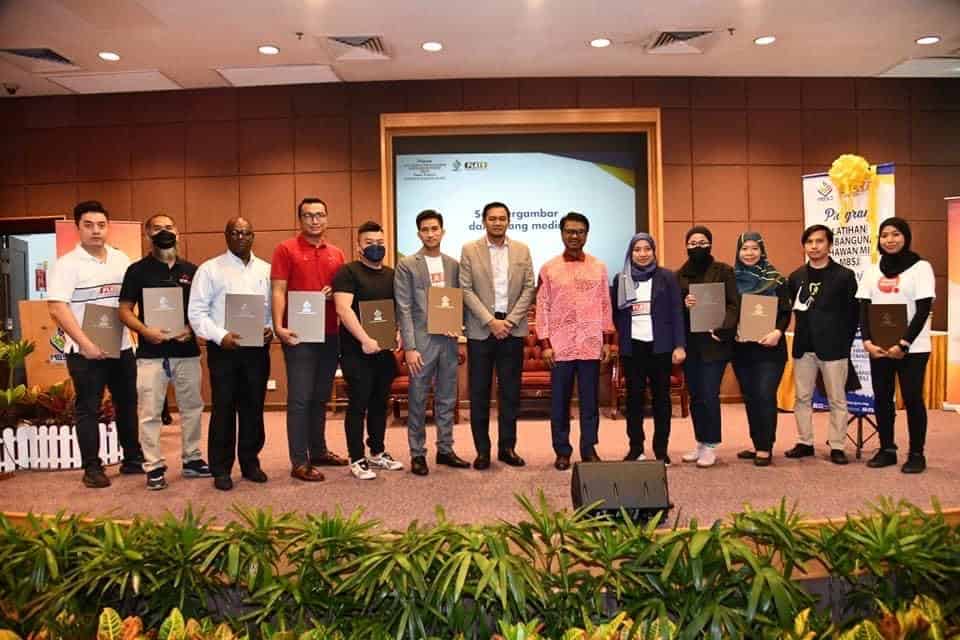
    60 hawkers from Hulu Langat, Selangor joined the latest session of the Selangor Micro Hawkers Development Training Programme held on 27 January to gain digitalisation skills organised by Platform Selangor (PLATS).

    A total of 708 hawkers from across Selangor’s 12 districts have been trained about the impact of digitalisation on the economy by Platform Selangor (PLATS) since August 2022.

    PLATS is an initiative of Permodalan Negeri Selangor Berhad  (PNSB) and Menteri Besar Selangor Incorporated (MBI), and arranging the training is a proactive step by the state to help citizens elevate their business through a digital community platform. It aims to mobilise the merchants, hawkers and grocers.

    The half-day long training – typically conducted with local partners including Maybank, OCBC and the Employees Provident Fund (EPF) – counsels these vendors about the benefits of digitalisation to their business.

    To date, it has benefited individuals from the Selangor Micro Hawker Development Training Programme from Kuala Selangor (80), Subang Jaya (100), 109 individuals from the Kajang programme, and 177 people from the Shah Alam branch. All individuals have received certificates from PLATS to help boost their business.

    In its most recent session, around 50 people from the Kuala Langat Micro Hawker Development Training Programme were involved. In the near future, more trainings will be held in Majlis Perbandaran Klang (MPK), Majlis Bandaraya Petaling Jaya (MBPJ) and Majlis Perbandaran Selayang (MPS).

    “PLATS helps provide a platform for these individuals to grow and move towards the digital world. In doing so, we are confident that these merchants, hawkers and grocers can be more sustainable in the future,” said Y.M. Raja Ahmad Shahrir Iskandar bin Raja Salim, Chief Executive Officer of PNSB.

    He adds that the training programme serves as a foundation for these small business owners to learn – hard skills as well as soft skills – and is the best avenue for them to raise questions in their quest to gain clearer knowledge about digitalisation.

    PLATS’ training comprises topics of managing social media accounts, basic editing of social media posts, management process of online orders, adaptation of Cashless Transactions, basic digitalisation of business, and an introduction to PLATS. There are 12 sections during training and attendees gain awareness and information on their journey towards the modernisation of the economy.

    Y.M. Raja Ahmad Shahrir Iskandar emphasised that PLATS prioritises the growth of merchants and grocers in the state. In future, he said, the programme targets to improve its website: to make it easier and more convenient for merchants and users, as well as trainers and speakers for the training.

    About PLATS

    Platform Selangor – PLATS – is the initiative of the Selangor State Government to support and promote the businesses of hawkers and other small merchants. This digital directory of merchants was mooted in 2020 with the launch of the PLATS e-bazaar, Malaysia’s first ever digitalised Ramadan bazaar.  Following this, the PLATS 2.0 efforts in 2022 has seen it become Selangor’s digitalisation platform catalyst for small business owners. 

    For more information on PLATS, visit the website at www.platselangor.com

    About Permodalan Negeri Selangor Berhad – PNSB (www.pnsb.com.my)

    Permodalan Negeri Selangor Berhad, or as it is more widely known, PNSB is a Selangor State Government subsidiary, under the supervision of Menteri Besar Selangor (Incorporated) or MBI.  As a subsidiary organisation of the Selangor state government, PNSB focuses on real estate development as its core business, developing residential and commercial property as well as housing estate and townships that are sustainable and affordable in Selangor and the Klang Valley.

    Through its subsidiary, PNSB offers insurance service via PNSB Insurance Brokers Sdn. Bhd. (PIBSB), project management consultancy services via PNSB Management Consultancy Sdn. Bhd. (PMC), mining activity through PNSB Trading Sdn Bhd (PTSB) and aeronautical exploration services via PNSB Aero Frontier Sdn Bhd. With its mission to diversify its business, PNSB also intends to seek opportunities to work with investors through its subsidiary, PNSB Investment Venture Sdn. Bhd. (PIV).

    PNSB also plays a vital role in carrying out corporate social responsibility obligations as it is a government subsidiary with conscience taking an active role in corporate social responsibility (CSR) on behalf of the Selangor state government and as well as for PNSB itself.

    About MBI

    Menteri Besar Selangor (Incorporation) was established under the Selangor Menteri Besar Enactment (Enactment No: 3 1994) on 21 September 1994. MBI Selangor is a body established specifically to administer the management of assets and investments belonging to the State Government in carrying out activities business that is outside the jurisdiction of the State Government. MBI also plays a role in promoting and supporting the development efforts of the State of Selangor in addition to fulfill social responsibility obligations to the community For more information on MBI, visit the website at https://www.mbiselangor.com/ms/

  • How To Free Up RM 2,000 Per Month Without Sacrificing Your Lifestyle?

    How To Free Up RM 2,000 Per Month Without Sacrificing Your Lifestyle?

    How would you 𝗳𝗲𝗲𝗹 when you are in this situation of…..

    ❗Total RM 382,000 𝗼𝘄𝗶𝗻𝗴𝘀 in credit card & personal loan

    ❗Have a 𝗱𝗲𝗳𝗶𝗰𝗶𝘁 of RM 5,328/month, of which RM 13,500/month is into servicing debt instalments

    ❗𝗡𝗲𝗴𝗮𝘁𝗶𝘃𝗲 net worth due to faster growth of loan interest than the growth of his assets

    To feel 𝗰𝗼𝗻𝗳𝗶𝗱𝗲𝗻𝘁 & 𝗳𝗿𝗲𝗲 like this……

    ✔️𝗥𝗲𝘀𝘁𝗿𝘂𝗰𝘁𝘂𝗿𝗲 his personal loan & Credit card outstanding to only RM 131,000 from RM 382,000

    ✔️𝗦𝗮𝘃𝗶𝗻𝗴𝘀 of RM 7,851/month by restructuring his commitments from RM 13,500/month to RM 5,649/month

    ✔️𝗜𝗺𝗽𝗿𝗼𝘃𝗲 his wealth to RM 565,000 after we help him restructure his debts, giving him 𝗰𝗼𝗻𝗳𝗶𝗱𝗲𝗻𝗰𝗲 to buy two properties worth almost RM 1 Million

    So this is what happened to Raymond, who is an IT professional, working for a famous Multinational company. Single & available, he is very friendly & has a very good relation with his friends & colleagues.

    Not settling for mediocrity, he always dreams of doing his own business. That is how he started partnering with a long-time friend in the chicken-rearing business. His friend was a veterinarian, and chicken is a staple food in Malaysia.

    So he put in his share of RM 225,000 in investment from his side, while his friend put in RM 75,000 to purchase live stocks and stock feeds. The condition was that his friend would run and manage the company’s operations.

    But within six months, the business couldn’t generate enough sales, struggled to stay afloat, and accumulated a debt of RM 120,000. He went from having good cash flow with monthly savings to having a deficit of RM 5,328/month by using his credit cards to finance the losses of the business.

    When we dive deeper into his situation, we see that his problem compounded because, over the years, he did not pick ‘G.O.O.D’ assets, despite earning a high income. Simply put, his assets were not growing as fast as his loans. We discovered that he also placed a large amount of his savings into insurance policies—21, to be exact.

    So while most individuals are right about having a mix of high-risk investment vs low-risk investment in their portfolio to generate good returns, Raymond was right on the big picture but struggled to see that insurance does not generate healthy returns.

    So here is two things we did to help Raymond:

    1. Restructure his debt of RM 382,000, which is causing him to have a negative cash flow of RM 5,328/month, by using Debt Replacement
    2. Freeing up RM 27k/year cash flow by restructuring his insurance using PMR rate and maximising his low coverage up to 5x

    You have heard a lot about Debt Restructuring, but what is PMR?

    You might be wondering, what actually is this PMR tool? Is it some kind of magic?

    PMR stands for Policy Maximisation Rate and is used to measure “Is your insurance coverage maximized with the lowest possible premium?

    For example, a PMR rate of 125 means that for every Ringgit premium paid, you are getting coverage of RM125.

    One of the first things we did was to list down all his insurance policies and premiums and run them through my proprietary PMR tool to identify Raymond’s under-optimised policies and correct them.

    To his surprise, Raymond was undercovered despite paying for so many policies.

    Raymond: “But, Ka Hoe, all the savings plans are good. At least the premiums are not burned, and I will get a lump sum back?

    Well, it depends,” I answered. After calculating the rate of returns of the savings plans, we found that Raymond is getting about 2% per year. His money will earn better interest if deposited in FD.

    Next, we calculated how much Raymond needs to cover so he won’t be under-covered or over-insured.

    Raymond is not alone. Most people buy insurance based on what they think they need without calculating their actual needs and end up paying too much and covering too little.

    So, what is a good PMR, then? Based on my experience in the past 14 years, after reviewing thousands of policies, a PMR of less than 100 is normally under-optimised.

    If your PMR rate is between 100 and 200, it’s somewhat optimised, but it can be better. A PMR rate over 200 is well optimised, but you must ensure each component of your insurance needs is covered.

    You can learn more about the PMR tool here. (short video of my previous sharing on KCLau’s webinar)

    Interested to find out what is your PMR?  Are you currently under or over-insured or simply paying too much in premium?

    Then, I would like to invite you to our first “How to Free Up RM2k/month Without Sacrificing Your Lifestyle” webinar in 2023.

    This webinar has assisted many of my students in lowering their insurance premiums and increasing their coverage, allowing them to start working twice as hard and possibly retiring five to ten years earlier.

    During the webinar, I will not only go through with you the exact steps I did with Raymond with my proprietary PMR tool but also:

    1) How to identify under-optimized policies and correct them

    2) Calculate how much you need to cover so you won’t be under-covered or over-insured.

    3) Better prepare you for the future and prevent potential time bombs from blowing up during retirement

    4) Go through real-world case studies with proven results on how to free up your cash flow so that you can work your money 2x harder.

    Click here to learn more about how Raymond and the rest free up their cash flow up to 3x and maximize their coverage up to 5x. Use this promo code SIGUEST to get it at 9.87 (80% off the retail ticket of RM 47, the webinar is valued at RM 1,997)

    Ka Hoe is a Licensed Financial Planner having a “Financial Adviser Representative” (FAR) with Bank Negara and “Capital Market Service Representative License (CMSRL) – Financial Planner” with the Securities Commission. He is also the Founder of J Advisory, a Personal Finance Academy that helps struggling Malaysians elevate their financial well-being with proven tools, systems and strategies.

    Disclaimer: All strategies listed here are neither recommendations nor advise. The article is written purely for education and journaling only. The content of this article is an expression of my opinion and should not be taken as professional advise. If you are seeking professional advise, please consult me personally. When dealing with debt, you should conduct research and seek expert advice.

  • Maybank Asset Management Launches New Decumulation Fund Offering Retiree Investors Peace Of Mind

    Maybank Asset Management Launches New Decumulation Fund Offering Retiree Investors Peace Of Mind

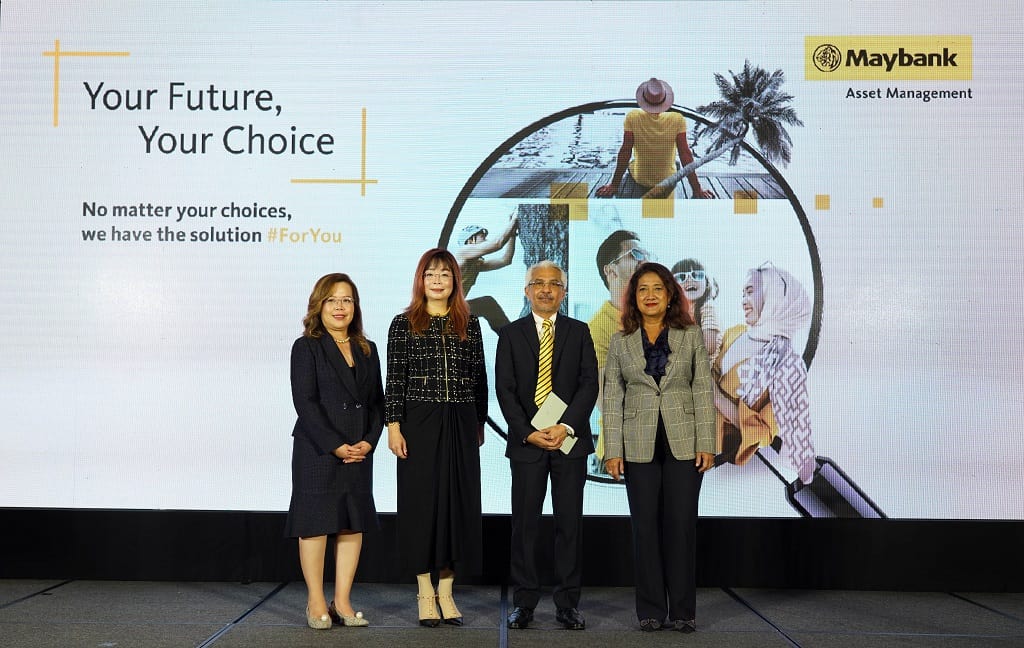
    Maybank Asset Management Sdn Bhd (“MAM Malaysia”) today announced the launch of a Shariah-compliant multi-asset Maybank Global Wealth Conservative-I Fund (“Fund”). The new Fund joins the Maybank Global Wealth Moderate-I Fund and Maybank Global Wealth Growth-I Fund in the suite of Maybank Flexible Retirement Solution offerings launched last year.

    The enhanced suite of Maybank Flexible Retirement Solution provides investors, across different life stages, distinct lifestyles and retirement needs, the flexibility and access to Shariah-compliant flexible retirement-focused solutions to supplement and diversify their retirement planning. The solution incorporates dynamic asset allocation and downside risk management, which is crucial in ensuring stability for investors when saving for retirement in the medium to long term.

    Retirement planning has become more difficult in Malaysia as a consequence of the pandemic and EPF stimulus withdrawals. An estimated four to six years are now needed to rebuild lost savings for retirement. With longer life expectancy and higher cost of living due to inflation, market volatility and recession risks looming, Malaysians require a flexible retirement solution to ensure financial stability in their later years.

    The new decumulation fund aims to deliver higher income payouts while drawing down capital to convert assets to income systematically. This new approach supplements income post-retirement or even temporary time off from the workforce. The Fund aims to achieve an income distribution of 7% per annum. Remaining assets continue to be investedin seeking returns, giving investors the opportunity to continue to build their retirement nest egg further. This provides investors with peace of mind, knowing that they have a regular source of income stream post retirement. In addition, investors have unparalleled access to a diversified portfolio of Shariah-compliant global assets. To achieve its investment objective, the asset allocation for the Fund will comprise minimum of 70% in Sukuk with the remainder invested in Equities and Cash. 

    With close to two decades of supporting the Malaysian investment community, Schroder Investment Management (Singapore) Ltd (“Schroders”), is the solution’s Investment Adviser. Schroders manages over RM4 trillion of assets (as of 30 Jun 2022) globally and is one of Malaysia’s biggest offshore providers of Shariah solutions. Investors in the fund will benefit from the deep experience of Schroders’ multi-asset investment team, which comprises 90 dedicated investment professionals across the globe, with an established 30-year track record.

    The Maybank Global Wealth Growth Conservative-I Fund and other funds in the Maybank Flexible Retirement Solution are available exclusively at Maybank branches nationwide.

    Ahmed Muzni Mohamed, Chief Executive Officer, Maybank Asset Management Malaysia, said, “Retirement planning remains a problem in Malaysia. Most of us only think about retirement only when we get older. Given the continuous rise in cost of living and inflation, we need to inculcate the importance of supplementing our existing retirement savings as early as possible to ensure a financially secure retirement.”

    “The beauty of Maybank’s Flexible Retirement Solution is that we have reframed the traditional age-based approach to retirement planning and made it appealing to a wider audience segment by designing solutions based on understanding and targeting Malaysians various life stages, time horizons and financial goals. Our Funds certainly gives Malaysians more flexibility and choice to start planning.”

    He reiterated “Investors of different segments will be able to choose what levels of risk to take, i.e. growth, moderate or conservative and have the flexibility to decide on how their retirement planning should fit their life goals and needs. Now with our decumulation fund, it supplements one’s income post-retirement, by providing higher income pay-outs. This helps in their income stability and longevity protection of their savings, giving them a peace of mind to continue with a quality life without worrying about finances.”

    Lily Choh, CEO of Singapore, Schroders, said, “At the heart of retirement planning is financial security and peace of mind to enjoy our later years. We are delighted to partner with Maybank Asset Management to develop an innovative strategy that focuses on providing a reliable income stream to fund current and future needs. This solution is built on Schroders’ strong track record and extensive world-class institutional capabilities in managing pension schemes. The addition of the fund to the current suite of Shariah retirement solution reflects our strong commitment to support the retirement planning journey of Malaysian investors.”

    MAM Malaysia and Schroders have been co-developing a range of specialised investment solutions since 2018, including Shariah-compliant Environmental, Social and Governance (ESG) funds for the growing wealth market in Malaysia.

    Maybank Global Wealth Conservative-I Fund is offered in MYR-Hedged Decumulation Class. Investors can purchase units in the Funds at a minimum initial investment of RM1,000 and make additional investments at a minimum of RM100. To know more about the Fund, investors can visit www.maybank-am.com.my or invest through Maybank branches nationwide. 

    About Maybank Asset Management Sdn. Bhd.

    Maybank Asset Management Sdn. Bhd. is a subsidiary of Maybank Asset Management Group Berhad (MAMG) and is owned by Malayan Banking Berhad (Maybank) and Permodalan Nasional Berhad (PNB) as its asset management arm.

    MAMG is one of the pioneers in the local asset management industry with a highly capable fund management team, averaging over 20 years of investment experience and expertise in Asian markets. It has presence across three (3) Asean key markets namely, Malaysia, Singapore and Indonesia offering Asian-based investment solutions encompassing both conventional and Islamic assets. The portfolio management services cater to all types of investors, including corporate and institutions, high net-worth individuals and mass retail.

    MAMG has a strong foothold in Asean with strategic intent to enhance its investment capabilities with on-the-ground market intelligence and expertise as well as expanding its regional distribution capabilities to market products cross-border. MAMG’s AUM stands at MYR 31.9 billion as at 31 January 2023.

    About Schroders Plc

    Founded in 1804, Schroders is one of Europe’s largest independent investment management firms by assets under management. As at 30 June 2022, assets under management were £773.4 billion (€898.4 billion; $939.2 billion). The founding family remain a core shareholder, holding approximately 48% of the firm’s voting shares. Schroders has continued to deliver strong financial results. It has a market capitalisation of circa £7.7 billion and employs over 5,800 people across 38 locations.

    Schroders has benefited from the most diverse business model of any UK asset manager by geography, by asset class and by client type. Schroders offers innovative products and solutions across their five business areas of solutions; institutional; mutual funds; private assets & alternatives; and wealth management. Clients include insurance companies, pension schemes, sovereign wealth funds, endowments, and foundations. They also manage assets for end clients as part of their relationships with distributors, financial advisers, and online platforms. Schroders’ Wealth Management offering reflects their strategic ambition to provide wealth management and financial planning services to clients across the wealth spectrum.

    Schroders’ strategic aims are to grow their asset management business, build closer relationships with end clients and expand their private assets and alternatives business. Schroders’ purpose is to provide excellent investment performance to clients through active management. The business channels capital into sustainable and durable businesses to accelerate positive change in the world. Schroders’ business philosophy is based on the belief that if they deliver for clients, they deliver for Shareholders and other stakeholders.

    Further information about Schroders can be found at www.schroders.com.

  • 3 Steps To Kickstart Your Stock Market Investment Journey

    3 Steps To Kickstart Your Stock Market Investment Journey

    First of all, congratulations to you! We believe you are here reading this article because you have finally decided to start investing.

    Before we look at how to kickstart your stock market investment journey, we need to understand what investing is all about.

    Investing is buying assets that increase in value over time and provide returns through income payments or capital gains. These assets can be stocks, bonds, property or anything that can give you some returns.

    This article will share how to kickstart your stock market investment journey.

    Perhaps you might be wondering how to start investing for the first time. First of all, to invest in the stock market, you will need three things.

    You will need investment knowledge, some money as your capital and an account to buy stocks. To make your life easier, let us help you how to kickstart your stock market investment journey.

    Here are the things that you need to consider before you begin investing in the stock market.

    Read: Two Ways To Make Money In Malaysia Share Investment

    Kickstart Your Stock Market Investment Journey#1 Understand the Instrument or Product That You Want to Invest In

    To invest in Bursa Malaysia, you must know their products and services. Among the products available are equities, bonds, derivatives and many more.

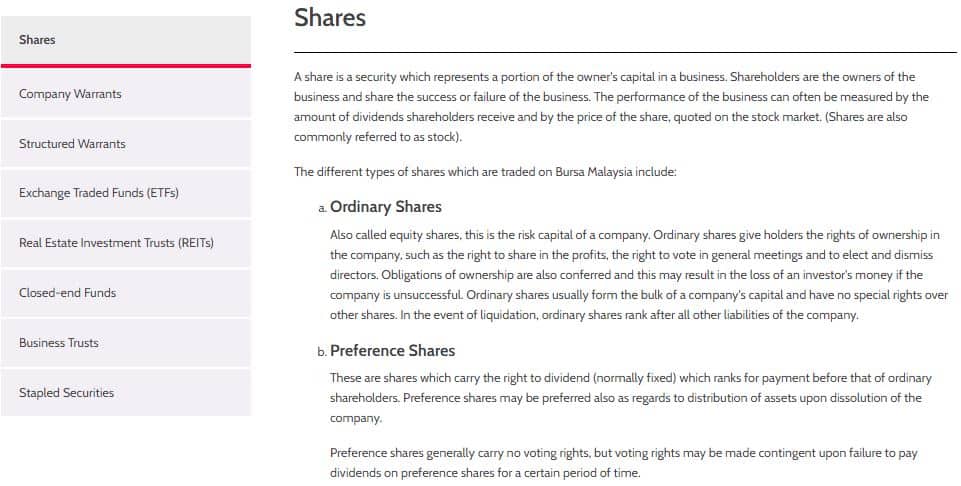
    Under equities are shares, company warrants, structured warrants, Exchange Traded Funds (ETFs), Real Estate Investment Trusts (REITs), Closed-end Funds, Business Trusts and Stapled Securities.

    Source: Bursa Malaysia

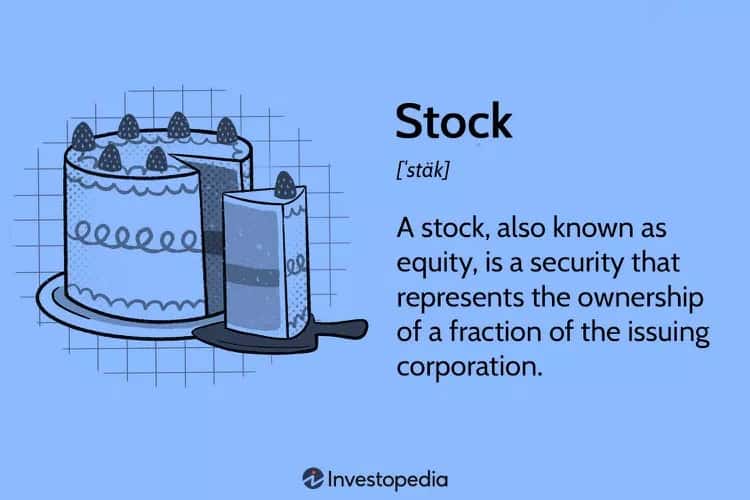
    As a beginner, we would suggest you begin with shares or stocks. According to Investopedia, a stock, also known as equity, is a security that represents the ownership of a fraction of the issuing corporation.

    Source: Investopedia

    If you purchase company shares, you are one of the owners because you own a fraction of ownership in that company. You may not be the major shareholder, but at least you can proudly say you are part of the company business.

    Once you understand what stocks are and how they work, do not stop learning and keep searching for more reading materials and videos over the internet. Believe me. If you wish to sustain long enough in the stock market, there is no shortcut.

    There are some Bursa Malaysia websites where you can get useful information, such as Bursa Malaysia, Bursa Marketplace and Bursa Academy. Check them out!

    Read: Investing VS Trading, Which One Is Suitable For Me?

    Kickstart Your Stock Market Investment Journey#2 Decide How Much to Invest

    Each investor may have a different size of capital to start with. Some may be able to start small such as RM1,000. Meanwhile, others who have higher capital perhaps wish to start with more than RM10,000.

    As a beginner, always start small. You need to get some experience before you go with higher capital. The most important thing is to only invest with your surplus cash.

    Never invest with your emergency funds. Investors who invest with their emergency funds tend to trade emotionally, affecting their decision-making.

    Different sizes of capital require different strategies.

    If you have bigger capital, you might want to diversify your portfolio by purchasing stocks from different sectors or instruments. A piece of advice to new investors and traders. Don’t put all your eggs in one basket.

    So let’s see an example. Assuming that you have RM30,000, to begin with. Our suggestion for you is you can split the RM30,000 into three different stocks, which means each stock is purchased with RM10,000.

    The three types of stocks that you can consider are:

    • High dividend yield stocks that can give consistent dividends
    • Good momentum stocks for short to medium term
    • Large market cap stocks that are more stable for long term

    Read: Fundamental Analysis vs Technical Analysis

    Kickstart Your Stock Market Investment Journey#3 Open a Central Depository System (CDS) & Trading Account

    After deciding which broker to open an account with, the next step is to open a CDS & trading account.

    Any investors who wish to trade in securities listed on Bursa Malaysia must open a CDS & trading account. A CDS account acts like a wallet. Any stocks bought or sold will be credited into your CDS account & debited from your CDS account accordingly.

    Simply put, when you buy stocks, shares are credited into your CDS account, and when you sell your stocks, they are debited from your CDS account.

    Meanwhile, trading accounts enable you to buy and sell shares on the stock exchange. Normally, CDS and trading accounts will be opened together when you open with the brokers. The list of Participating Organisations can be found on the Bursa Malaysia website.

    Do you have a trading account? If not, you are invited to open an account with one of the brokers available in Malaysia.

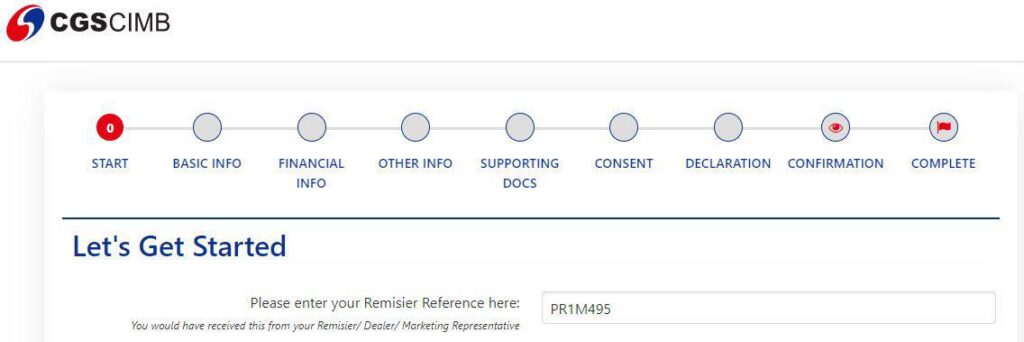
    Click this link to open an account with CGS-CIMB: https://www.cgs-cimb.com.my/en/Account-opening-Tr.jsp

    Don’t forget to key in PR1M495 in the Remisier Reference section.

    A designated Dealer’s Representative will attend and assist you with your account opening.

    There you go with some tips to kickstart your stock market investment journey. All the best!

    Read: 4 Mistakes People Make In Stock Investing

  • Digitalization Is Your ESG Enabler

    Digitalization Is Your ESG Enabler

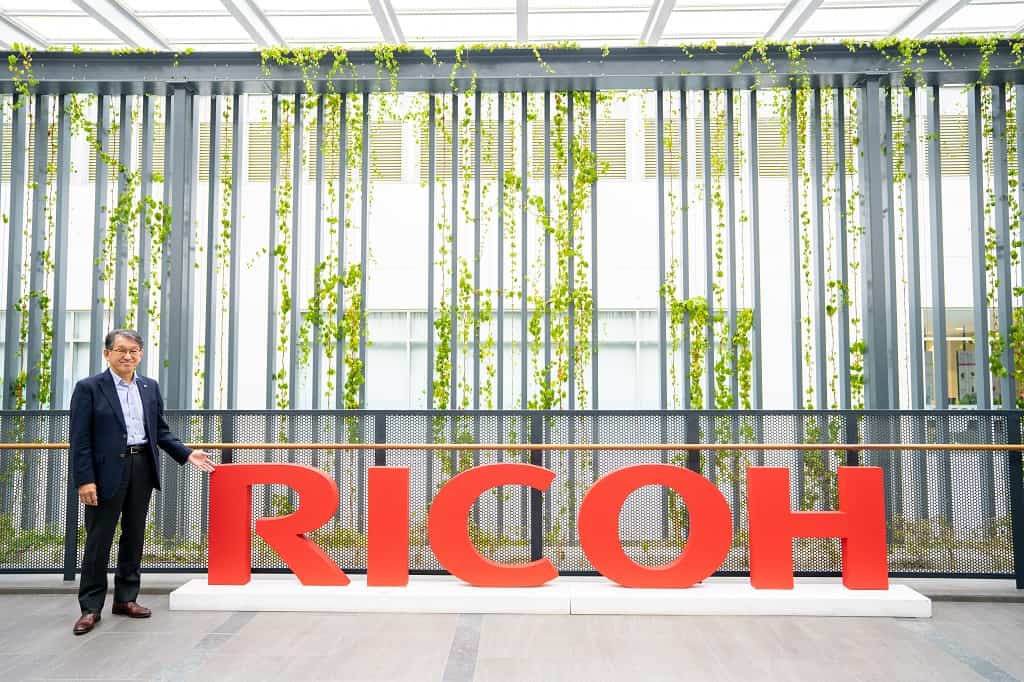
    Mr. Jake Yamashita, President and CEO of RICOH, paid a visit to RICOH Malaysia’s newly renovated headquarters in Shah Alam today. This marks a number of milestones for the company, including Ricoh’s smart office transformation, which has catapulted the company into a new era of digitalization, as well as Yamashita’s first visit to Malaysia from Japan. To acknowledge this gracious occasion, RICOH Malaysia held an exclusive roundtable discussion for the media to highlight the importance of digitalisation and Environment, Social and Governance in the workplace.

    Accompanying Jake on the panel was Joji Takunaga, Managing Director of Ricoh – Asia Pacific + Latin America and Steven Burger, General manager of Ricoh – Asia Pacific + Latin America. The afternoon was addressed by Alice Lee, Managing Director of Ricoh (M) Sdn Bhd.

    Many topics were touched during the panel discussion which included Ricoh’s new approach to the ever-changing world which is to assist businesses make a seamless digital transformation towards their goals in achieving genuine ESG. 

    From left Joji, Jake & Steven at the Media Roundtable

    Jake’s visit to Malaysia is intended to address several issues that RICOH and the majority of companies globally are facing – the need for digital transformation. RICOH Graphic Communications, RICOH Industrial Solutions, and RICOH Futures are all important players in the digitalization of workplaces, because these business sectors frequently engage in advanced technological and conceptual areas.

    Jake claims that many people associate Ricoh with copiers or the environment. He stated that he appreciates this because it demonstrates the collaborative efforts of RICOH management and employees over the years. Since 1998, RICOH has advocated environmental management, and its cumulative efforts in a progressive approach to environmental, social, governance (ESG) have been the reason customers and dealers worldwide choose RICOH as their preferred partner. Because of this, RICOH refers to ESG as future finance.

    The adoption of digital technologies and their potential to influence ESG priorities are becoming increasingly convergent. Improved data collection, reporting, and analysis will have the biggest impact right away and will benefit every part of the business. Additionally, finance and treasury organisations are adopting next-generation technology, including cloud infrastructure, robotics for shared service centre operations, artificial intelligence (AI), machine learning, and blockchain to digitise supply chains. They are also deploying new data and collaboration tools to achieve important objectives like regulatory compliance, data protection, workforce productivity, and much more.

    The secret to effectively using digital technology as an ESG enabler is to ensure that a comprehensive strategy is in place with collaboration across an ecosystem of partners, including businesses, governments, banks, multilateral organisations, and other third-party providers, who can offer solutions and share information in pursuit of important goals.

    Mr. Joji Tokunaga, Managing Director, Ricoh APAC & LA, at the Asia Pacific Central Refurbishment Center that refurbishes Ricoh hardware and give them a new lease of life

    “When we decided to become a digital services company focused on the world of work, some people wondered if we were abandoning our manufacturing roots. Some businesses have undoubtedly adopted a strategy of outsourcing hardware production and focusing on services. Our approach, on the other hand, is to collaborate with customers. Edge devices are critical to achieving our objectives,” Jake explained.

    People generate a wide variety of data at work. It is crucial to extract the required and important data from the massive volumes that are produced. The effectiveness of analysis and artificial intelligence-based work is increased by high-quality data. Jake continued, “It will be challenging to create an ecosystem where data can add value. Even if you build a great platform, without good edge devices, you will only get meaningless information. This is where the RICOH Smart Integration co-creation platform comes into play.

    Jake believes that people must be innovative, generate useful ideas, and broaden their perspectives because they are at the centre of all work processes. It is essential to make artificial intelligence, systems and networks, and other digital platforms more approachable, accessible and user-friendly for people because they are analogue beings living in a world that is becoming more and more digital. “I think the Ricoh Group can pull this off”. Although AI and other machines have historically had limited capabilities, Jake suggested that as they have advanced quickly, the possibilities have greatly increased too.

    Robotic Process Automation (RPA) was implemented by RICOH in 2018. They started re-evaluating the duties that employees should carry out as they overhauled their business processes. Consider the possibility that one business process can be automated by a single robot. Will the other 50 workers be idle if 70 robots and 50 employees can complete the work that 100 people previously handled? Should we be pleased that we can reduce labour costs by half?

    Mr. Jake Yamashita, President & CEO, Ricoh Ltd. a strong advocate for ESG highlighting Ricoh Malaysia’s in-office recycling efforts

    “No. We should be delighted to have freed those people up to take on new and creative work. We should invest in educating and reskilling these people accordingly”, affirmed Jake.

    “I would be thrilled if customers were to realize that Ricoh is always there for them, willing to assist them with their work needs. Of course, we take pride in the fact that we have always supported our clients, and we intend to keep doing so while harnessing the power of digital technology to address their issues and remain accessible to them, assisting them with digital transformation and their advancement towards their ESG practices. We will make an effort to focus all investments, development of human resources, and management decisions on achieving that objective, and we will keep working to provide top-notch goods and services.

    We are boldly taking on new challenges with our eyes fixed on the opportunities that lie ahead precisely because we are all generally going through a difficult time. The Ricoh Group will keep working to achieve Fulfilment through Work so that our stakeholders will continue to hold high expectations for our efforts”, Jake concluded.

    About Ricoh

    Ricoh is empowering digital workplaces using innovative technologies and services that enable individuals to work smarter from anywhere. With cultivated knowledge and organizational capabilities nurtured over its 85-years history, Ricoh is a leading provider of digital services, information management, and print and imaging solutions designed to support digital transformation and optimize business performance.

    Headquartered in Tokyo, Ricoh Group has major operations throughout the world and its products and services now reach customers in approximately 200 countries and regions. In the financial year ended March 2022, Ricoh Group had worldwide sales of 1,758 billion yen (approx. 14.5 billion USD).

    For further information, please visit www.ricoh.com

  • Launch Of ConsuMerchant Book: The Essential Guide To Achieving Financial Freedom With E-Commerce

    Launch Of ConsuMerchant Book: The Essential Guide To Achieving Financial Freedom With E-Commerce

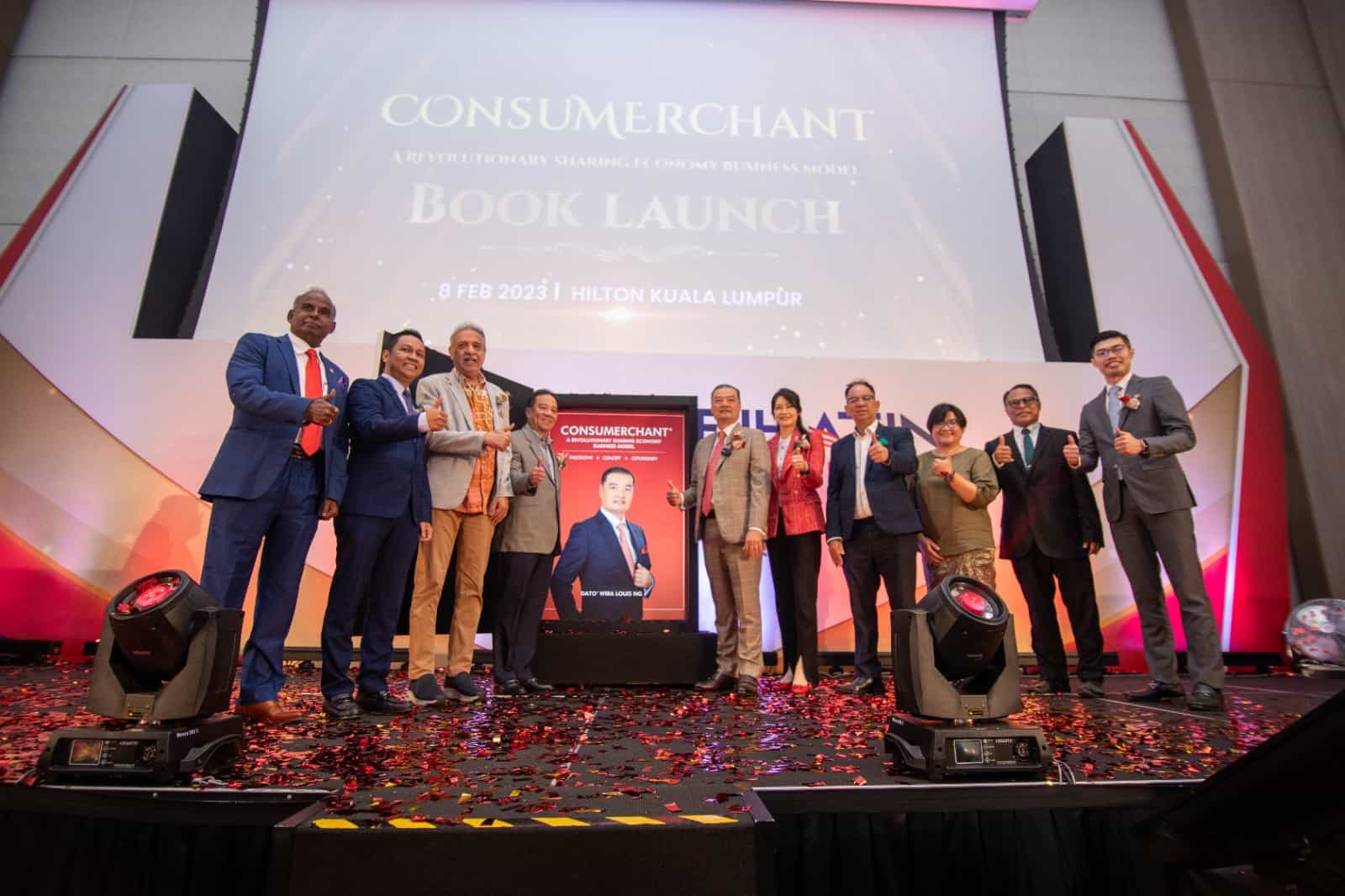
    For the first time ever, the brains behind the ConsuMerchant concept, Dato’ Wira Louis Ng, Founder and Executive Chairman of PG Group, who is also the Managing Director of the leading homegrown online shopping platform, PGMall, has officially revealed to the nation, the essential guide to achieving financial freedom with e-Commerce, here at Hilton Kuala Lumpur. Also present at the launch event were Dato’ Haji Mohd Aizuddin Ghazali, Chief Executive Officer of Yayasan Prihatin Nasional (PRIHATIN) and Datuk Abdul Malik Abdullah, Economic & International Advisor of PRIHATIN, to co-launch a Corporate Social Responsibility (CSR) Programme with PGMall, represented by Mr. Jerry Ng, Chief Operating Officer of PGMall.

    With the newly launched ConsuMerchant book, readers get to learn ways to earn legitimate passive incomes while shopping online, through a revolutionary Sharing Economy business model called ConsuMerchant. Also in this book, readers will come across two real-life case studies involving two companies, namely Public Gold and PGMall, in which have proven ConsuMerchant to be a workable concept for all.

    Being the Founder and Executive Chairman to the renowned precious metals trading company in Malaysia, Public Gold, Dato’ Wira Louis Ng, has long experienced the advantages and effectiveness of referral marketing – the key to rapid business growth and advancement, through the establishment of Public Gold back in 2008. Considering that online shopping trends are on the rise in the recent years, he had envisioned and created yet another business channel that adopts similar concept of referral marketing and e-Commerce, but is more advanced and digitally-enhanced to benefit everyone in the digital era regardless of age, gender, education and financial backgrounds. That was when he started PGMall in 2017, an online shopping platform to fulfil consumer lifestyle needs.

    In general, shoppers are value creators in the economy chain. Based on the law of supply and demand, every goods (supply), needs to have buyers (demand) to be valuable within the economy ecosystem. That was how the ConsuMerchant ideology came about. It operates under the ‘Shop, Share, Earn’ concept, whereby shoppers who referred new shoppers will be rewarded with cash and shopping credits through the referral and loyalty programme. Naturally when there is high consumer traffic, merchants will benefit from it too. Therefore, it’s a win-win for all. The ConsuMerchant is a concept designed to benefit all and makes everyone, including shoppers (consumers) an entrepreneur.

    “The main reason I have founded the ConsuMerchant concept is to offer community the opportunity to earn passive incomes through a reliable and effective business model that requires no startup cost. In line with government’s vision in building a wealthier nation, my team and I have embarked on this Sharing Economy journey through PGMall since 2017, which coincidently was well established just in time before the COVID-19 pandemic hit our nation and the World,” said Dato’ Wira Louis Ng.

    “In just a short 5 years, ConsuMerchant has benefitted many Malaysians greatly despite the economy downturn caused by the pandemic. In view of its effectiveness in generating incomes even for the illiterates, I am wishful and hope to spread this useful knowledge to larger community – not just to Malaysians but people across the World through my book. This is so that everyone will get to benefit from it and live a financially sound life not just in the present, but for generations to come,” he added.

    Apart from introducing the ConsuMerchant Sharing Economy business model, this book also features researches done by fellow authors, who are lecturers from different established universities, based on various other business models’ effectiveness in the digital economy era that includes comparison between ConsuMerchant and other conventional referral models through clear illustrations.

    There are five key topics being discussed in this book, which include e-Commerce, referral marketing, consumers, merchants and social media. On top of that, testimonies from successful users are also featured in this book to endorse the effectiveness of the ConsuMerchant business model. All in all, this book is a must buy for all who wish to understand more about e-Commerce and how to make the most out of it to live a better and financially stable life.

    And in conjunction with the launch of the ConsuMerchant book, PGMall had also co-launched its Corporate Social Responsibility (CSR) Programme with Yayasan Prihatin Nasional (PRIHATIN), a charitable organization in Malaysia, in which PGMall has contributed a total of RM25,000 to kick start a long-term partnership with PRIHATIN. The core purpose of this partnership is to help raise funds for the underprivileged young communities, particularly those who are in need of financial assistance to start a business in Malaysia, through the sales of the ConsuMerchant Book.

    The ConsuMerchant book will be available for purchase at all major bookstore nationwide starting from February 8th, 2023. Alternatively, this book can also be purchased online through PGMall, the leading homegrown online shopping platform in Malaysia.

  • 4 Places To Invest Your Extra Cash

    4 Places To Invest Your Extra Cash

    When it comes to investing, Malaysians have a wide range of options. With a growing economy and a rapidly developing financial sector, there are many ways to put your extra money to work.

    Today, we will explore some of the most popular investment options to invest your extra cash for Malaysians, including real estate, bonds, mutual funds, and stock investing.

    Invest Your Extra Cash#1: Real Estate

    property investment malaysia

    Real estate is one of the most popular investment options for Malaysians, particularly those looking for a long-term investment that can provide steady returns. Whether you’re looking to invest in a rental property, purchase a second home, or buy and hold a piece of land, real estate can be a great way to grow your wealth over time.

    But to start on this journey, you might need to prepare a huge amount of money, and not everyone knows how to determine a good property for investment purposes. Some of them might have chosen the wrong property and suffer every month.

    Read: Is Malaysia Property Still Worth To Invest In?

    Invest Your Extra Cash#2: Bonds

    Bonds are another popular investment option for Malaysians. These fixed-income investments pay a set interest rate over a specified period, typically in return for a loan to a government or corporation. They are generally considered safer investments than stocks, as they offer a predictable rate of return and low risk.

    However, bonds might be a bit boring for most investors, and it might take a very long time to enjoy the profit of it.

    Read: Where To Invest In 2023: Amidst The Recession

    Invest Your Extra Cash#3: Mutual Funds

    investment

    Mutual funds are professionally managed portfolios of stocks, bonds, or other assets. By pooling your money with that of other investors, mutual funds allow you to access a diverse range of investments and benefit from the expertise of professional fund managers.

    However, investors need to pay those professionals for their services, even when the market is in bad condition and their investments are in a loss position.

    Read: Six Golden Rules In Getting Favorable Returns And Growth, When Investing In Unit Trusts

    Invest Your Extra Cash#4: Stock Investing

    Finally, stock investing is a popular option for those looking to grow their wealth over the long term. By buying shares in a company, you become a partial owner and are entitled to a portion of its profits. Stock investing can be a high-risk, high-reward investment, as the value of your shares can rise or fall depending on the company’s performance and the stock market.

    For Malaysians, stock investing has become increasingly accessible in recent years, with the rise of online brokerages and the ability to buy and sell shares from your computer or mobile device. There are many different approaches to stock investing, including buying and holding individual stocks, investing in mutual funds or exchange-traded funds (ETFs) that track the stock market’s performance, or using more complex strategies such as options trading or short selling.

    Managing your fund is difficult, so you need knowledge and experience before starting your stock investment journey.

    Read: Investing VS Trading, Which One Is Suitable For Me?

    Conclusion

    Regardless of your choice, having a well-defined investment strategy and being comfortable with your risk level are important. It’s also a good idea to seek the advice of a financial advisor or professional who can help you determine the best investment options for your needs and risk tolerance.

    In conclusion, when you want to invest your extra cash as a Malaysian, you have many options, including real estate, bonds, mutual funds, and stock investing. Each option has unique advantages and risks, and the best investment for you will depend on your individual goals, risk tolerance, and investment strategy.

    Whether you’re looking for a long-term investment that provides steady returns or is willing to take on more risk in pursuit of higher returns, there is sure to be an investment option that fits your needs.

    Read: 5 Investment Tips For Beginners That You Should Know

  • It Is Everyone’s Business To Be Breast Health Aware

    Breast cancer conjures images of disfigurement, pain, and all things negative, yet it is highly treatable if discovered early and given timely and appropriate treatment. Early discovery also means the overall treatment may be simpler, less costly, and more effective.

    The exact cause of breast cancer is unknown. Many of the risk factors are those we cannot change— such as being born female, getting older, having dense breasts (a feature best seen on mammograms), and inheriting certain gene changes (although genetics only causes 5-10 per cent of cases).

    “Early detection is the best protection.”

    – Ranjit Kaur Pritam Singh, Board Member of Reach to Recovery International

    So How Do We Go About Discovering Cancer Early?

    Understanding and getting to know your breasts’ characteristics and appearance is the first step towards being breast health aware, and this applies to both men and women. In the ideal situation, one examines one’s own breasts systematically once a month, about 3 days after menstruation ends, or in those who are menopaused or who are male, on the same date each month. Ladies older than 18 years can begin this self-familiarisation process.

    If you feel or observe something of concern in your breasts, and it persists after two menstrual cycles, please see your doctor. For those who are menopausal or male, please see your doctor without too much delay. While we might be worried about getting breast cancer, worrying does not make cancer go away. Instead, you may be wasting precious time. Good news, ladies, most abnormalities felt (commonly a lump) are not cancerous.

    The Routine Procedure That Can Save Your Life

    As a woman gets older, an annual clinical breast examination (by a doctor or breast care nurse) may be added to her routine. If you are female, even if you feel nothing wrong in your breasts, consider a screening mammogram once you are over 40 years old, when the risk of getting breast cancer has increased enough to make screening useful.

    Then get it done regularly at one or two year intervals. Screening means getting a mammogram even when you do not feel or see anything wrong with your breasts. A mammogram can detect cancer before you can feel it, which means early discovery.

    “Cancer is just a word. With the right mindset and support, we can thrive beyond imagination.”

    – Kim Lim President of Breast Cancer Welfare Association Malaysia

    The mammogram is a series of special low dose X-rays with the breasts in optimal compression. The standard mammogram is made up of two views per breast. The 3D mammogram obtains a series of low dose X-rays in an arc for each view. This produces many images, each with less overlapping breast tissue, thereby improving the ability to pick up abnormalities.

    The mammogram does not have a 100 per cent cancer pick up rate. The ability to detect cancer depends on several factors. This includes each person’s unique breast tissue pattern and density (proportion of fat in relation to the fibroglandular tissue). Therefore, it is important to keep your old mammograms for comparison to improve detection and accuracy rates. Despite these factors, the mammogram continues to be the gold standard for breast cancer screening.

    Now is the time to take charge of your own health.  Remember, early cancer discovery saves lives.

    About the Author

    Dr Evelyn LM Ho is a Consultant Clinical Radiologist at ParkCity Medical Centre; Technical Advisor -Breast Cancer Welfare Association Malaysia; and Immediate Past President – Asian Oceanian Society of Radiology.

  • What Is ESG Investing?

    Environmental, social, and governance (ESG) are on the lips of everyone these days. So what is ESG investing, then?

    ‘Sustainable investment’ is an investment that contributes to environmental or social objectives. Firstly, sustainability is often defined as ensuring that development meets the needs of the present without compromising the capabilities of future generations.

    Second, the investment shouldn’t hurt the goals of these activities, and the companies that get the money should use good governance practises. These investments are techniques for considering ESG factors in portfolio selection and management across seven sustainable or responsible investment strategies.

    With that, ESG analysis has become an increasingly essential investment process. ESG investing is a good way for people to ensure their money choices match their values. One of the most popular investment vehicles is exchange-traded funds (ETFs), a pooled investment security.

    Read: All You Need To Know About ESG And ESG Benefits

    What Is ESG Investing: ESG ETFs

    ESG ETFs make sustainable investing easy for investors. Moreover, ETFs offer low expense ratios and fewer broker commissions than buying stocks individually. ESG ETFs combine two investment strategies.

    Firstly, ESG investing, or responsible investment describes various ways to incorporate ESG factors into the investment process. For investors, it is about investing in progress which helps companies perform better and create more value.

    Secondly, ETF investing, in which ETFs invest in a basket of stocks, bonds, or other assets. In many cases, ETFs offer a flexible and low-cost way to build a highly diversified investment portfolio. So, ESG ETFs make it easy to spread your money out over a wide range of investments while still owning companies with strong ESG traits.

    Read: How Technology And ESG Making The World A Better Place

    What Is ESG Investing: The Various Types Of ESG Investing

    Figure 1: Various types of ESG Investing

    Sustainable investing is a growing trend that combines traditional investment strategies with ESG considerations. Demographic shifts, trends, government policies, and evolving views on risk drive demand.

    Sustainable investing has grown by leaps and bounds in recent years, where a recent survey found that 75% of respondents have integrated ESG into their investment approach. In sustainable investing, budgets are mandated
    towards companies with business practices capable of being continued indefinitely without driving harm to current or future generations or exhausting natural resources.

    The common problem is that companies may send their production to other countries or companies that don’t do much to ensure they are sustainable. A company might not look too deeply into its suppliers’ practises.

    Best practises, on the other hand, would require companies to look at their resource chains and keep track of their production processes, from where the materials come from to how they are thrown away after use. Externalising costs also apply to forcing labour to subsidise activities, saving money with potentially health-damaging practices or insufficient wages.

    Read: ESG Investing – How To Integrate It Into Your Investment Planning?

    What Is ESG Investing: Sustainable Finance Disclosure Regulation (SFDR)

    Responsible investors want capital to be used responsibly while providing a reasonable return and benefiting others. The Sustainable Finance Disclosure Regulation (SFDR) is the central pillar of the Sustainable Finance Action Plan. SFDR marks a big step for ESG investing as the EU seeks to enforce and align sustainability requirements.

    Although non-EU companies are not legally obligated to disclose sustainability-related data, this shift in the industry could also impact the United States markets and set the standard for the future. SFDR aims to ensure that EU investors have the disclosures to make investment choices that align with their sustainability goals.

    Nonetheless, significant challenges require collective solutions that need a shared purpose and practical assessment of risks. Other than that, people need to change from a market society to a market economy, where the values can be reassessed within the transition process.’

    Read: ESG Investing And The 3 Steps To Build An ESG Portfolio

    What Is ESG Investing: Getting To Know The ESG Indices

    Figure 2: Various ESG Indices

    With impact investing, Morgan Stanley Capital International (MSCI) measured the alignment of 8,550 companies in the MSCI All Country World Index (ACWI) to the United Nations Sustainable Development Goals (UN SDGs). An investable framework is mapped to the UN SDGs with nine pillars:

    • Circular economy;
    • Sustainable energy;
    • Food & Agriculture;
    • Water & Sanitation;
    • Health & Social care;
    • Financial inclusion;
    • Sustainable real estate & Infrastructure;
    • Education & Employment, and;
    • Impact leader.

    The three stages of impact are measured against intentionality, implementation, and impact. Firstly, intentionality is when companies must clearly define a strategy (qualitative) supported by a significant R&D budget (quantitative).

    Second, implementation checks how well a company’s strategy and R&D work are working to meet a certain revenue threshold and growth goals for each pillar. Lastly, a company with an impact strategy tells the public about specific pillar indicators and shows yearly progress.

    Nevertheless, companies whose products and services do not fit within the pillars are integral to the supply chains and enable other pillars to contribute positively to society. There are two common approaches to screening: negative and positive screenings.

    What Is ESG Investing: Negative Screening And Positive Screening

    Negative screening excludes companies producing ‘undesirable’ products such as alcohol, tobacco, gambling, adult entertainment, and weapons manufacturing. The main challenge is deciding whether a company should be excluded if only part of its operations is involved in an ‘undesirable’ activity.

    To address this, the accepted exposure level to that activity may be used to determine the firm’s turnover or revenue: the lower the level, the stronger the exclusion.

    In contrast, positive screening supports companies that provide positive solutions to challenges such as climate change and social justice. This excludes companies concerned with activities considered to be unacceptable. Green bonds were created to fund projects that have positive environmental benefits.

    Read: The Islamic Sustainability Approach In ESG

    What Is ESG Investing: Types Of ESG approaches

    Green bonds are traditional debt instruments where the funds raised are used solely to finance or refinance, in part or in full, new or existing eligible ‘green’ projects with positive environmental or climate advantages. These include energy efficiency, pollution prevention, sustainable agriculture, clean transportation, and environmentally friendly technologies.

    However, green bonds lack standardisation as to what comprises a green bond in the first place. The simultaneous concern is that it could become a convenient label for marketing objectives.

    The Green Bond Principles (GBP) were made by the International Capital Market Association (ICMA) to deal with this problem. These rules suggest openness and transparency and encourage honesty in building the green bond market by laying out the essential parts of a credible green bond.

    What Is ESG Investing?

    So what is ESG investing? In summary, ESG investing or ‘sustainable investment’ is an investment that contributes to environmental or social objectives.

    About the Author

    Mukhriz Mangsor is currently the Head Global Market Strategist at Quantdynamic Research Company. His areas of expertise include financial education, financial institutions, and property trading with clients, including firms in Brunei, Canada, Malaysia, Singapore, and the United States.

  • Catalysing The Plant-Based Revolution – One Meal At A Time

    A food revolution is upon us! The increasing concern of food security, made even more dire with inflation and the recent pandemic, has increased the cost of food supply and production worldwide, even in Malaysia. Meanwhile, the production and consumption of food around the world over the years have been exhausting the earth’s natural resources.

    Yet, there remains hope! This situation has prompted an unprecedented global pursuit to find alternative sources of food. This is where the food revolution comes into play – a revolution that will fundamentally change the way people perceive meat by transforming the meat industry into a plant-based one, thereby reducing the dependency on animal protein to create a better planet.

    Here to drive this revolution and transform the food supply industry in Malaysia is The Vegetarian Butcher by Unilever – a plant-based meat brand now available to a variety of restaurants in Malaysia.

    The introduction of the new brand locally is part of its Future Foods ambition, aimed at helping people transform towards wholesome living by consuming nutritious plant-based food alternatives that are sustainable and environmentally friendly. Unilever believes that delicious plant-based food is better for the health of the people and the planet. This belief forms the core of Unilever’s business strategy.

    As one of the largest food manufacturers in the world, Unilever carries the responsibility of shaping the global food system. In line with their initiative, the company aims to reach €1 billion in sales from plant-based meat and dairy alternatives between 2025 and 2027, reduce food waste by half, thereby achieving zero waste to landfill, and ensure no ‘good food’ is destroyed to lower greenhouse gases.

    Made by meat lovers for meat lovers

    Guests had the opportunity to try a spread of finger foods that showcased the new plant-based meat products by The Vegetarian Butcher

    While food-related consumer habits often come and go as fads, plant-based alternatives are here to stay – and grow, with more meat eaters turning towards a vegan or flexitarian diet. In 2021, Euromonitor International’s Voice of the Consumer survey revealed that 49.5% of consumers chose to follow a flexitarian or mostly plant-based diet. The survey indicated that about 37% of consumers opted for plant-based alternatives in a bid to feel healthier.

    “Consumers are increasingly becoming conscious that plant-based food consumption is in fact a more sustainable and ethical option. However, in order to help fuel this transformation, it is crucial for those in the food industry including restaurant owners and manufacturers to make plant-based products more easily accessible to all,” said Vangie Hu, Marketing Director, Southeast Asia & South Asia at Unilever Food Solutions.

    To spur the shift towards plant-based meat, The Vegetarian Butcher has invested behind technology and chefmanship expertise to offer a broad range of products for meat lovers who do not want to sacrifice flavour, texture and nutrition.

    By working with chefs, product developers and food scientists who understand the specific qualities of meat, The Vegetarian Butcher is able to create an entirely new generation of plant-based meat alternatives that will appeal to all meat lovers – from vegans to carnivores.

    Embark on a journey of plant-based culinary variety

    Raheel Ahmad and Chef Eric Chua speaking to the audience comprising chefs and food service industry players on the latest trends and observations surrounding plant-based products during the event’s panel session

    As the plant-based diet picks up in trend among meat lovers, more and more eateries are now offering meat-free options to their diners. Food operators can join the food revolution together with Unilever to drive positive social impact by providing healthier plant-based options.

    With The Vegetarian Butcher, restaurants and chefs can meet diner’s demands for wellness and well-being while playing their part to be a force for good in the world by solving issues that have plagued the food industry for decades. Meanwhile, meat lovers need not sacrifice quality, taste and most importantly, nutrition, towards a more hearty, sustainable meal. This comes as part of Unilever’s commitment to consumers and food service operators alike. The Vegetarian Butcher in Malaysia allows chefs to deliver their best with delicious and easy-to-use products while marrying the mouth-watering flavours of the country’s many local cuisines together with the benefits of plant-based meat alternatives.

    Now available in Malaysia to all restaurants, The Vegetarian Butcher offers a selection of delicious plant-based meat, including NoBeef Burger, NoChicken Burger, NoMeatballs, and NoMince, making it easy for restaurants to offer meat-free alternatives to all Malaysian diners. Indeed, a food revolution is upon us. Thanks to Unilever and The Vegetarian Butcher, sustainable dining is now a valid option, without sacrificing quality, nutrition and most importantly, taste!

    For more details about products from The Vegetarian Butcher, visit www.unileverfoodsolutions.com.my/en/the-vegetarian-butcher.html. Meanwhile, purchase enquiries can be made by contacting BGS Trading Sdn. Bhd., The Vegetarian Butcher’s appointed distributor in Malaysia, at 03-5634 0888, or by visiting www.bgstrading.com.my.