BANGKOK, THAILAND – Media OutReach Newswire – 8 July 2026 – Thailand has approved nine major investment projects worth a combined USD 1.99 billion (66.3 billion baht) in high-value sectors, including artificial intelligence (AI), advanced electronics, aviation, clean energy, and food as global manufacturers reposition their supply chains across Southeast Asia.
Thailand Board of Investment Meeting
The approvals, cleared during a meeting of the Thailand Board of Investment (BOI) chaired by Mr. Ekniti Nitithanprapas, Deputy Prime Minister and Minister of Finance, highlight the country’s appeal to multinational corporations seeking reliable production hubs.
“These investments by leading multinationals signal strong global confidence in our industrial capacity,” said Mr. Narit Therdsteerasukdi, Secretary General of the BOI. “By locating key parts of the AI and advanced electronics value chain here, we are connecting our economy directly to the core of next-generation global technology.”
To sustain this influx of high-tech investment, the BOI has restructured and expanded the mandate of its specialized energy panel into the “Subcommittee on Energy Management for Data Center Investment and Project Screening.” Chaired by the Minister of Energy, this body will serve as a one-stop regulatory filter to evaluate data center proposals on resource consumption, environmental impact, and clean energy sourcing before investors can apply for tax incentives, thereby providing policy transparency for international operators.
The largest share of the approvals covers Thailand’s advanced electronics and digital sector, led by companies from East Asia’s technology supply chains. In the AI infrastructure sector, Datasection (Thailand) Co., Ltd., a subsidiary of Japan’s Datasection Inc., will invest USD 235.2 million (7.8 billion baht) to establish high-performance GPU server infrastructure for data hosting in Bangkok and Pathum Thani. This specialized hardware will directly power advanced AI applications and digital businesses in the region.
Doosan Electro-Materials (Thailand) Co., Ltd., a unit of South Korean conglomerate Doosan Corp. and a global leader in non-flow prepregs, will also invest USD 180.2 million (6 billion baht) in Samut Prakan to manufacture copper-clad laminate (CCL) and prepreg, which serve as critical inputs for printed circuit boards (PCBs).
Similarly, Taiwan Union Technology (Thailand) Co., Ltd. is set to invest USD 189.2 million (6.3 billion baht) in Chonburi to manufacture CCL and prepreg designed specifically for high-demand AI servers and data centers. Fulltech Fiber Glass (Thailand) Co., Ltd. will invest USD 99.4 million (3.3 billion baht) to produce specialized glass fiber fabric, a raw material for PCB manufacturing, in Chachoengsao.
Beyond technology, multinational brands and critical infrastructure providers committed major investments to serve regional demand. In the consumer goods sector, Switzerland’s Nestlé (Thai) Co., Ltd. is committing USD 688.7 million (22.9 billion baht) to expand its Samut Prakan production facilities for instant, mixed, and ready-to-drink coffee, targeting both domestic and regional Southeast Asian markets.
National carrier Thai Airways International PCL secured approvals for two expansion projects totaling USD 430.2 million (14.3 billion baht) to lease eight passenger aircraft for its international flight networks.
For the infrastructure sector, Lomrak Green Energy Co., Ltd. will invest USD 168.7 million (5.6 billion baht) across two wind power projects in Lopburi province. The facilities will deliver a combined capacity of 120 megawatts to Thailand’s electrical grid, supporting the clean energy needs of high-demand industrial users.
To accommodate hyper-scale projects, the government has fast-tracked a seven-point energy action plan. This includes establishing a dedicated utility tariff rate for data centers, aligning data centers’ green energy targets with the Power Development Plan, facilitating clean power trading via Direct PPAs, introducing electricity usage guarantee rules, exploring direct high-voltage transmission for major operators, accelerating grid investment, and mapping water and power availability to guide site selections.
“We are building the infrastructure needed for the next wave of future-industry investment,” said Mr. Narit. “The government is aligning resource management with its green transition goals to ensure long-term operational security and give global investors confidence.”
Note: Currency conversions are based on the Bank of Thailand’s average selling rate of approximately 1 USD = 33.30 THB.
The issuer is solely responsible for the content of this announcement.
Thailand Board of Investment (BOI)
Established in 1966, the Office of the Board of Investment (BOI) has continuously played an essential role for over 60 years in promoting value-adding investment for the country, from both foreign and Thai investors, to enhance national competitiveness and drive towards a new era of sustainable and balanced growth.
Investment Services Center — PR Section, The Office of the Board of Investment (BOI)
BANGKOK, THAILAND – Media OutReach Newswire – 8 July 2026 – Researchers from Aquatic Resources Research Institute (ARRI), Faculty of Science, Chulalongkorn University have recently uncovered new genetic evidence explaining how the invasive blackchin tilapia (Sarotherodon melanotheron), a species native to West Africa, became established throughout Thailand.
Based on genetic analysis of 466 fish samples collected nationwide, the study identified high genetic diversity, including 19 distinct haplotypes, revealing that the species originated from multiple introduction events rather than a single release. The findings also show that subsequent human-mediated translocations within Thailand played a major role in the species’ rapid spread.
The study represents one of the most comprehensive genetic assessments of blackchin tilapia in Thailand to date. Researchers confirmed that the invasive populations belong to Sarotherodon melanotheron melanotheron subspecies and identified 13 private haplotypes unique to specific populations. Several of these occurred at relatively high frequencies in Samut Songkhram, Prachuap Khiri Khan and Surat Thani, indicating multiple introduction sources and limited mixing among some regional populations.
Using haplotype distribution patterns, network analysis and phylogenetic comparisons, the researchers traced the origins of Thailand’s blackchin tilapia to multiple geographic sources, including Ghana and Côte d’Ivoire, as well as potentially other unsampled native populations in West Africa.
The study also found that blackchin tilapia populations in different parts of Thailand are genetically distinct, particularly in Samut Songkhram, which is believed to be the earliest site of the invasion. At the same time, researchers discovered that fish sharing the most common genetic signature were found in provinces across eastern and southern Thailand, including Chachoengsao, Rayong, Chanthaburi, Chumphon, Nakhon Si Thammarat and Songkhla, suggesting they were transported by human activities rather than spreading naturally through connected waterways.
The researchers said “The findings provide valuable scientific evidence for strengthening surveillance and management of the invasive species. By identifying introduction pathways and patterns of dispersal, the study offers important guidance for preventing further spread, improving biosecurity measures and mitigating ecological impacts on Thailand’s freshwater ecosystems.”
香港 – Media OutReach Newswire – 2026年7月8日 – 2026 年7月7日,全球領先的客戶互動與行銷科技服務商極光(納斯達克股票代碼:JG)旗下 EngageLab,順利登場於香港舉辦的 The MarTech Summit Hong Kong(香港行銷科技峰會)。
瞬息萬變的全球商業環境之下,高效的行銷科技解決方案已成企業於亞太乃至全球市場致勝的關鍵。本次峰會不僅匯集世界各地產業先鋒,更吸引眾多資深高層與會,包含 C 級決策者、各部門主管及總監等,一同探討跨國數位戰略、客戶體驗(CX)與成效行銷的前沿趨勢。
除解決送達率痛點外,EngageLab 專家亦於現場演示如何運用旗下全通路行銷自動化(Marketing Automation)平台,協助品牌建構可形成閉環的客戶體驗流程。一對一諮詢時段中,團隊向客戶示範如何在客製化使用者旅程內,串聯 AppPush、WebPush、電子郵件、簡訊及 WhatsApp Business API 等多元通路。
除此之外,EngageLab 亦重點展示 LiveDesk 智慧客服產品。此系統透過 AI 智慧代理人與真人客服無縫協同,可自動處理九成常見諮詢問題,並支援多語言、全年無休 24 小時線上支援。搭配 AI 智慧工單分派與意圖辨識技術,飯店無須增聘人力,就能大幅壓低營運成本,確保每一次客戶互動皆維持一致高品質服務。
HONG KONG SAR – Media OutReach Newswire – 8 July 2026 – Aurora Mobile Limited (NASDAQ: JG) (“Aurora Mobile” or the “Company”), a leading provider of customer engagement and marketing technology services, today announced that its AI-first customer engagement platform, EngageLab, successfully participated in The MarTech Summit Hong Kong on July 7, 2026.
In today’s dynamic landscape, high-performance MarTech solutions are crucial for success across the Greater Bay Area and the broader APAC region. The summit featured a specially curated agenda addressing evolving marketing challenges. With 85% attendance from senior leadership – including C-suite executives, department heads, and directors – the event provided an unparalleled platform to explore cross-border digital strategy, customer experience, and performance marketing.
During the summit, a marketing director from a leading hotel brand shared a significant operational challenge: experiencing low push notification deliverability and the inability to reach customers using the HarmonyOS operating system. At the event, the EngageLab team provided a live demonstration of how its platform addresses this exact pain point. EngageLab’s AppPush not only supports FCM and APNS but also supports channels provided by Huawei, OPPO, VIVO, Honor, and Meizu, ensuring reliable message delivery even when an app is force-closed. Furthermore, the team explained that EngageLab’s built-in channels automatically serve as a backup, capable of achieving delivery rates of up to 99%.
Beyond solving push deliverability, EngageLab’s experts illustrated how the hotel brand could achieve comprehensive customer reach through its omnichannel Marketing Automation platform. During the consultation, they mapped out how brands can seamlessly orchestrate AppPush, WebPush, Email, SMS, and WhatsApp Business API within a single visual user journey. The team demonstrated how this would empower the hotel to trigger highly personalized, scenario-based interactions – such as sending booking confirmations via WhatsApp, location-based welcome messages via AppPush, and post-stay feedback requests via Email – all managed and tracked from one unified platform. Furthermore, they introduced LiveDesk, EngageLab’s AI-powered customer service platform. LiveDesk enables seamless collaboration between AI agents and human teams, allowing the AI to handle 90% of routine inquiries instantly while supporting multilingual, 24/7 service. By leveraging AI for intelligent ticket routing, intent recognition, and automated issue resolution, the hotel can significantly enhance service efficiency, reduce operational costs, and ensure consistent customer satisfaction across all digital touchpoints.
In addition to omnichannel messaging, EngageLab highlighted its newly launched EngageLab Silent Auth solution at the booth. Designed to ensure security without losing users, Silent Auth enables a seamless, second-level login process. By relying on background verification via carrier networks, it requires zero user input and results in zero drop-off, effectively turning security checks into a frictionless experience that enriches the user profile.
Through robust capabilities like unified lifecycle customer data and reliable delivery, EngageLab continues to empower brands to solve complex regional challenges and drive digital transformation.
The issuer is solely responsible for the content of this announcement.
About EngageLab
EngageLab is an AI-first customer engagement platform that helps you build stronger customer relationships with AI agents, unified customer data, and reliable delivery across channels. For more information, please contact: marketing@engagelab.com
Aurora Mobile Limited
Founded in 2011, Aurora Mobile (NASDAQ: JG) is a leading provider of customer engagement and marketing technology services. The Company is dedicated to empowering global enterprises with stable, efficient, and intelligent customer interaction solutions. Leveraging its first-mover advantage in mobile messaging, Aurora Mobile has evolved into a comprehensive platform that integrates Omnichannel Engagement, AI-Driven Marketing, Advanced AI Customer Support, and Frictionless Identity Security. Through its flagship brand EngageLab and its robust AI infrastructure GPTBots.ai, the Company helps businesses achieve seamless customer reach, automate complex marketing journeys, and optimize service efficiency with AI agents, accelerating digital transformation for clients worldwide.
92% of Singapore consumers silently disengage when brand believability is lost
Only 5.9%% would post about a negative brand experience on social media
Singapore emerges as a high-trust but low-tolerance market where institutional credibility and operational proof matter most
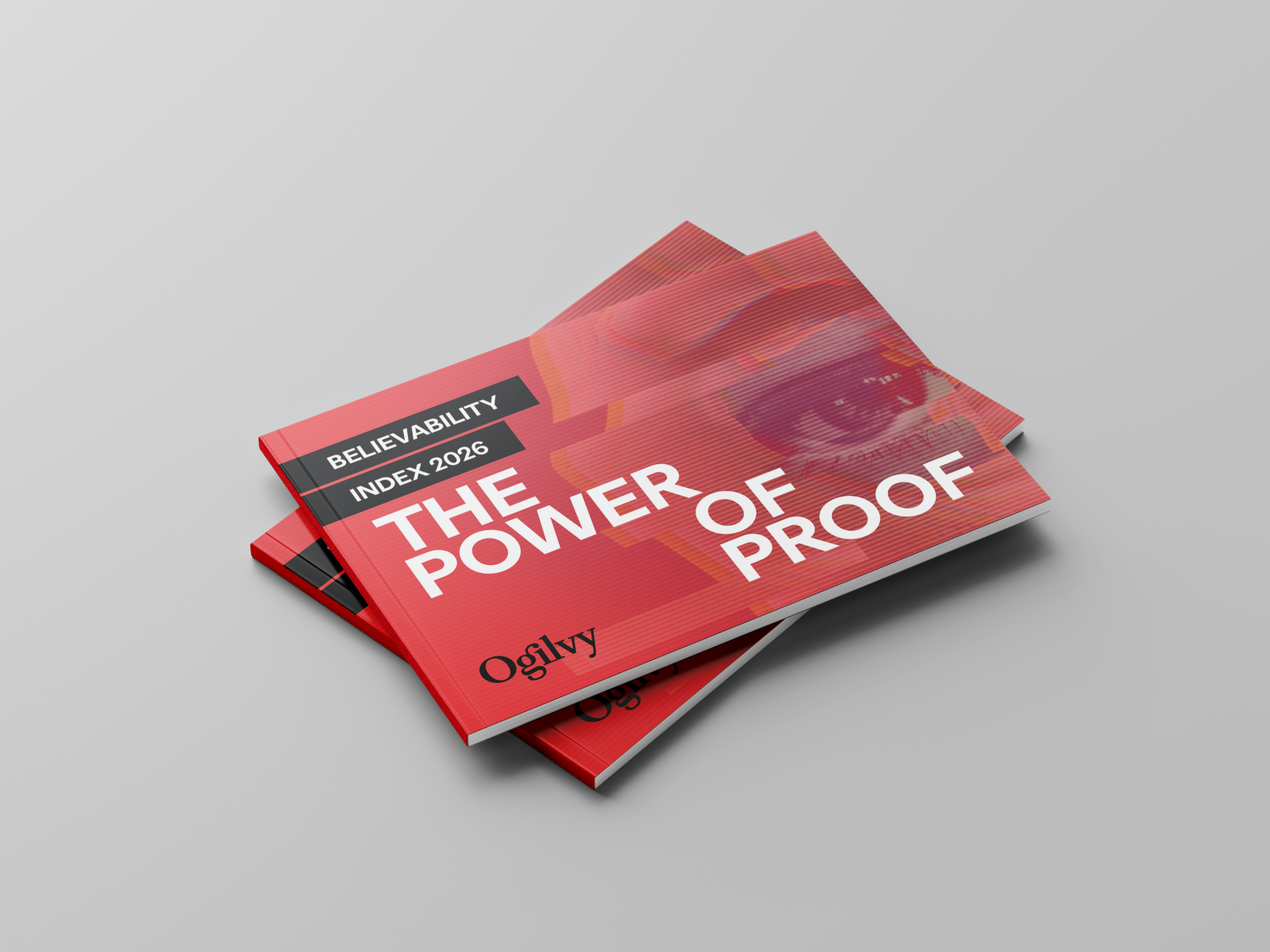
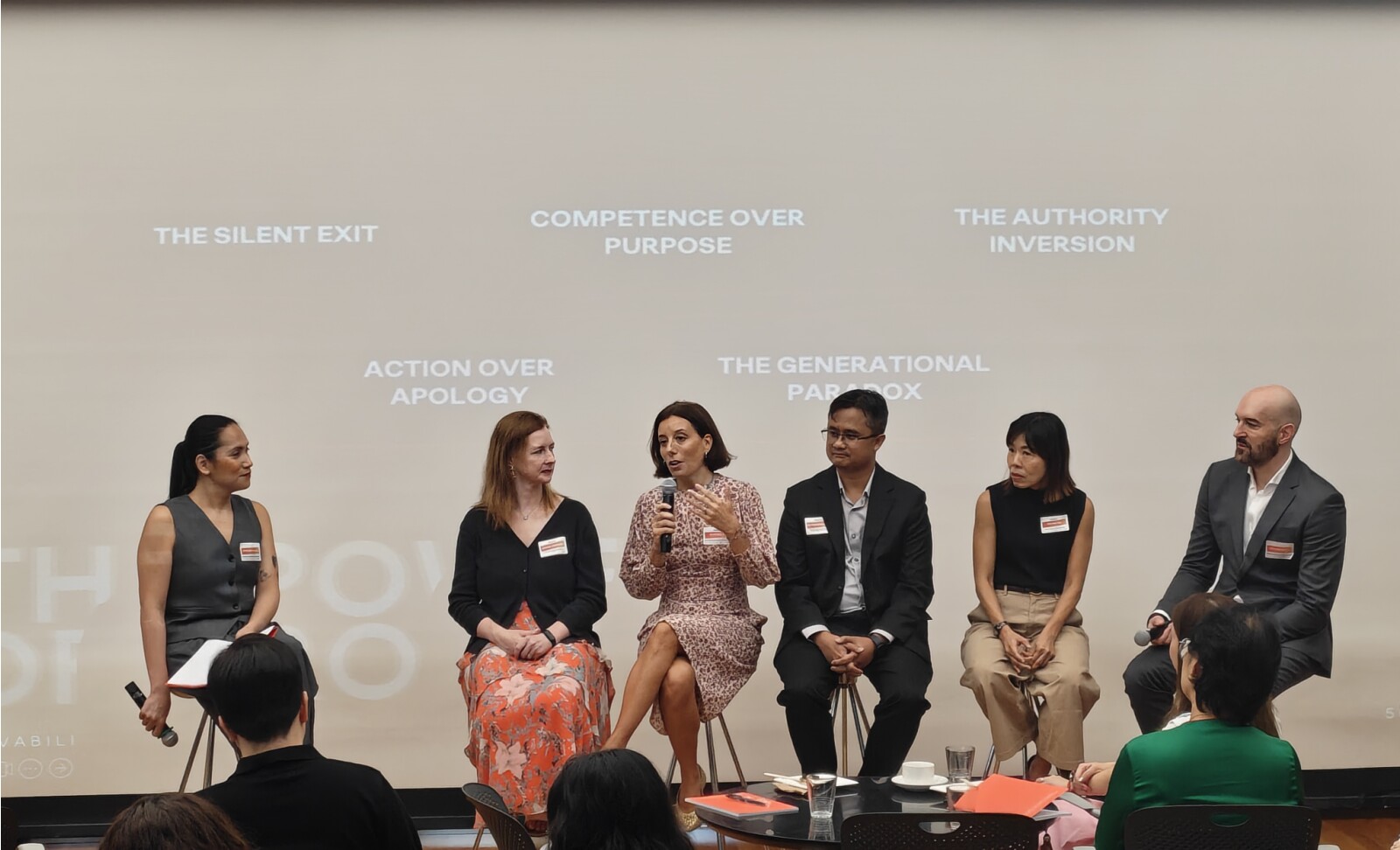
SINGAPORE – Media OutReach Newswire – 8 July 2026 – Ogilvy released its first 2026 APACBelievability Index: The Power of Proof, a comprehensive study examining how consumers across Asia-Pacific (APAC) determine what and who they believe in an increasingly complex information environment shaped by AI-generated content, misinformation, fragmented media and declining confidence in corporate claims.
The regional and Singapore insights were revealed at an event at the Ogilvy Singapore office attended by more than 60 invited guests including global, regional and local brands, not-for-profit organisations, and government agencies.
Conducted in partnership with YouGov, the research surveyed 7,176 respondents across the markets of Australia, Indonesia, Singapore, Malaysia, the Philippines, Hong Kong SAR, and Mainland China, including 1,050 respondents in Singapore.
The report reveals that organisations are dangerously overlooking a reputational blind spot that directly impacts revenue. A staggering 93% of APAC consumers quietly disengage when believability in a brand or organisation is lost, with almost half (48%) stopping their purchases entirely.
In Singapore, the findings reveal a distinct local paradox: Singapore is a high-trust market, but not a high tolerance one. While Singapore consumers place significantly greater belief in Government, institutional and credentialed sources compared with much of the region, they are also deeply pragmatic and unforgiving when brands fail to deliver on their core promises.
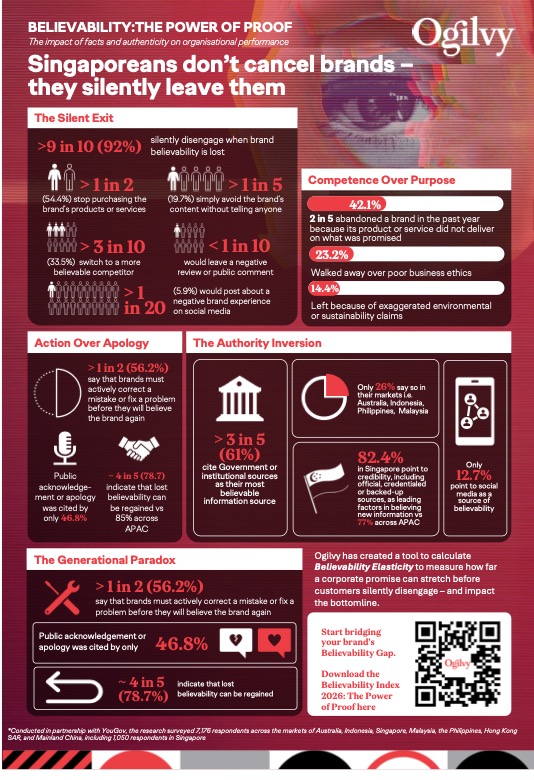
The report finds that 92% of Singapore consumers silently disengage when brand believability is lost, while only 5.9% would post about a negative brand experience on social media. This suggests that the most pressing reputation risk for brands in Singapore may not be public outrage, but quiet withdrawal – with customers switching providers, stopping purchases, avoiding brand content, deleting apps or simply never returning.
In response to these findings, Ogilvy has launched its Believability Diagnostic Tool, powered by an enterprise-grade AI agent, built and housed in WPP Open. The Believability Agent is designed to help C-Suite leaders identify the “Say-Do Gap” between what brands promise and what customers experience – enabling organisations to detect potential silent disengagement before it affects business performance.
Richard Brett, President of PR& Influence, Ogilvy Asia Pacific, said: “Believability has evolved from a PR challenge into a commercial imperative. In a world of AI slop and synthetic content, misinformation and growing skepticism, the brands that succeed will be those that can prove what they say. Singapore is a particularly important market because believability here is deeply anchored in institutional credibility and operational delivery. Consumers may not always complain publicly when belief is lost, but they will act – and often, they will act silently.”
Akashah Q, Managing Director for PR & Influence, Social, Ogilvy Singapore and Malaysia, added: “The Singapore data shows that silence should not be mistaken for satisfaction. A stable sentiment dashboard or low complaint volume may hide a much bigger commercial risk. Singaporeans are careful when assessing proof – they value official sources, factual correctness and operational competence. For brands, the implication is clear: Believability is built not only by what you say, but by whether your actions, service and evidence consistently back it up. If not, they will politely but brutally break up with you. The reputational crisis of the future may not begin with a hashtag. It may begin with silence.”
Key Singapore Findings from the Ogilvy APAC 2026 Believability Index:
1. Singaporeans do not always cancel brands. They silently leave them. The most dangerous reputation risk in Singapore may be the one brands cannot see. When Singapore consumers lose belief in a brand, 92%take silent actions (vs 93% across APAC). More than half (54.4%) stop purchasing the brand’s products or services entirely, while 33.5% switch to a more believable competitor. A further 37.3% become wary and suspicious of similar brands, products or services and 19.7% simply avoid the brand’s content without telling anyone.
In contrast, only 5.9% would post a negative brand experience on social media (vs 10% in APAC), and only 9.5% would leave a negative review or public comment.
Implications: The findings indicate that brands relying primarily on public complaints, social listening or visible sentiment may be missing the larger commercial reality: Customers have already left, without leaving a public trace.
2. Competence over purpose Purpose, values and ESG commitments still matter, but in Singapore, they cannot compensate for operational failure,
The study found that 42.1% of Singapore consumers abandoned a brand in the past year because its product or service did not deliver on what was promised. This significantly outweighs the 23.2% who walked away over poor business ethics and the 14.4% who left due to exaggerated environmental or sustainability claims.
Implications: The findings suggest that Singapore consumers are not asking brands to choose between purpose and performance. They are asking brands to prove purpose through performance.
Operational integrity and factual correctness emerged as among the strongest drivers of believability in Singapore, reinforcing the importance of delivering consistently on the basics before brands can credibly make broader claims.
3. Institutional credibility is Singapore’s believability baseline Across APAC, people rely on different sources of authority. In some markets, belief is built from the ground up through peers, lived experience and word of mouth. In Singapore, the believability architecture looks a little different – it stands out as one of the region’s clearest institutional-trust markets.
61% of Singaporeans find government sources, politicians and officials highly believable – more than double the rest of the region overall (Australia, Indonesia, Philippines, Malaysia) at 26%. In addition, 82.4% say credibility, including official, credentialed or backed-up sources, is the leading factor in believing new information. Social media platforms sit much lower as a source of believability, at 12.7%.
This contrasts with more relational trust markets such as Australia and the Philippines, where people with lived experience and peer recommendations play a more dominant role.
Implications: For organisations, this means that communication strategies which work in one APAC market may not automatically build belief in Singapore. In high-stakes sectors such as finance, health, technology, food safety, sustainability and public infrastructure, brands need stronger institutional anchors: Official statements, named spokespeople, transparent data, third-party validation, academic or technical expertise and clear operational proof.
4. Action over apology Singapore consumers do not reject apologies, but they do reject them without evidence of action.
The study found that 56.2% of Singaporeans say that brands must actively correct a mistake or fix a problem before they will believe the brand again. This outranks public acknowledgement or apology, cited by 46.8% of respondents.
Encouragingly, lost belief is not necessarily permanent. 78.7% of Singapore consumers believe lost believability can be regained, while only 15.1% believe that once belief is lost, it is gone forever.
Implications: The implication for brands is that the crisis response must be action-first. Consumers want to know what has been fixed, who is accountable, what will change, how recurrence can be prevented and how progress will be proven.
5. Different generations leave and return on different terms The study also found that believability is lost and rebuilt differently across age groups in Singapore.
Millennials appear to be among the most commercially sensitive audiences, with 68% stopping engagement with a brand due to lack of belief in the past 12 months – the highest of any generation. For this group, belief is often won or lost through customer experience, service recovery and responsiveness.
Baby Boomers show stronger reliance on institutional sources, with 69% finding Government or institutional sources highly believable. However, once trust is broken, they are more likely to make a clean break, with 60% stopping purchases when doubts rise.
Gen Zs are more willing to give brands another chance, with only 8% saying trust is permanently lost once broken. However, they also demand more proof of change, with 64% expecting brands to actively correct mistakes and 44% wanting brands to communicate in more transparent and evidence-based ways.
Implications: The findings point to a new generational reality: Younger consumers may forgive faster, but they also audit harder.
To help leaders navigate this shift and operationalise the findings, Ogilvy’s Believability Diagnostic Tool uses a multi-agent architecture that pairs Ogilvy’s proprietary seven-year Believability dataset with behavioural science cognitive engine to analyse a brand’s “Say-Do Gap” to measure the actual distance between its marketing promises and actual customer experience.
By triangulating corporate messaging against verified customer and employee sentiment, the tool calculates a brand’s Believability Elasticity to see how far a corporate promise can stretch before customers silently disengage – and impact the bottomline.
For Singapore where 92% of consumers say they silently disengage when believability is lost, this elasticity is especially important. Once the threshold is exceeded, the consequence may not be outrage. It may be attrition.
The issuer is solely responsible for the content of this announcement.
About Ogilvy PR
Ogilvy PR and Influence is a global creative communications agency that partners with organisations to drive value and growth. We build brands, protect reputations, and earn attention and influence through creative storytelling informed by data, and fuelled by technology. Our specialist practice areas offer media relations, social and digital communications, external and internal stakeholder communications, issues and crisis management, and stakeholder engagement. We are the region’s largest and most specialised public relations and public affairs consultancy.
About Ogilvy Ogilvy has been creating impact for brands through iconic, culture-changing, value-driving ideas since the company was founded by David Ogilvy in 1948. It builds on that rich legacy through Borderless Creativity – innovating at the intersections of its advertising, public relations, relationship design, consulting, and health capabilities with experts collaborating seamlessly across more than 120 offices spanning 90 countries. Ogilvy currently ranks as the #1 global agency network for creative excellence and effectiveness by WARC, signifying its ability to deliver creative solutions that drive unreasonable impact for clients and communities. Ogilvy is a WPP company (NYSE: WPP). For more information, visit Ogilvy.com, and follow us on LinkedIn, X, Instagram, and Facebook
About YouGov
All figures, unless otherwise stated, are from YouGov Plc. Total sample size was 7,176 adults in Australia, Indonesia, Singapore (1,050 adults), Malaysia, the Philippines, Hong Kong SAR, and Mainland China. Fieldwork was undertaken between 22nd April – 4th May 2026. The survey was carried out online. The figures have been weighted and are representative of all respective market adults (aged 18+).
On its third anniversary, Argent Plastic Surgery has moved into a larger, purpose-built clinic dedicated to the comfort of its patients, with particular care for its youngest.
SINGAPORE – Media OutReach Newswire – 8 July 2026 – Argent Plastic Surgery has relocated to a new, purpose-built clinic at Mount Alvernia Hospital, Medical Centre A, 820 Thomson Road #03-07. The move marks the practice’s third anniversary and brings paediatric and adult plastic and reconstructive surgery together within a single, considered space.
Argent Plastic Surgery Clinic Front Desk
A Larger Space, and More Room to Care
The new clinic broadens the range of care available and has been designed with careful attention to how patients feel while they are there. At its heart is a comfortable, welcoming waiting space designed for both children and their parents. A dedicated children’s play corner gives younger patients somewhere to feel at ease before their procedure and provides the children of adult patients with a place of their own while a parent is being seen. Adults have a separate waiting area, arranged for privacy and quiet, so that a personal decision can be weighed calmly and in comfort.
The relocation also introduces an in-clinic day-procedure room, enabling suitable minor procedures to be carried out on site. Consultation, procedure and recovery can therefore take place within a single location, enhancing both privacy and convenience.
This is how Argent Plastic Surgery intends to care for its patients from here, in a space shaped around their comfort rather than adapted to it.
The issuer is solely responsible for the content of this announcement.
About Argent Plastic Surgery
Argent Plastic Surgery is a Singapore-based plastic and reconstructive surgery practice led by Dr Lee Hanjing, a female fellowship-trained plastic surgeon. The clinic cares for both adults and children, offering cosmetic surgery of the face and body, and reconstructive surgery following cancer, trauma and congenital conditions, alongside wound care, scar management and minor procedures such as the removal of lumps, bumps and abscesses. Dr Lee Hanjing has also spent more than ten years performing corrective surgery for children with cleft lip and palate, ear deformities and other conditions in developing countries including Myanmar, Cambodia, Indonesia and Vietnam, an experience that shapes the practice’s commitment to a safe, private and welcoming environment for patients of all ages.
Consumption Outflow Continues to Weigh on Revenues As Local Business Environment Enters Adjustment Phase
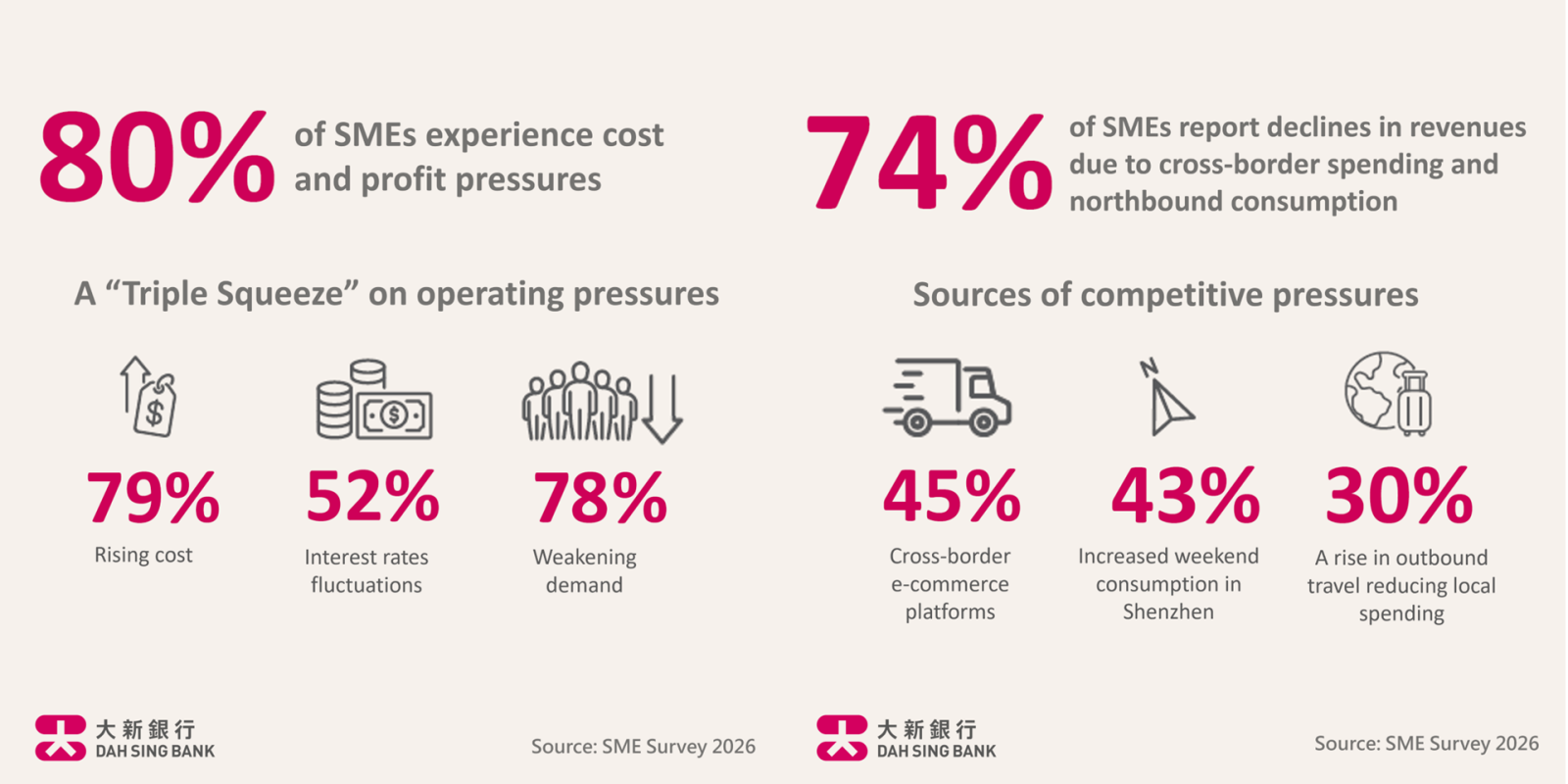
HONG KONG SAR – Media OutReach Newswire – 8 July 2026 – Dah Sing Bank, Limited (“Dah Sing Bank”) today announced the results of its 2026 SME Survey (“the Survey”), which revealed that Hong Kong SMEs are facing a “triple squeeze” of rising costs, weakening demand and interest rates fluctuations. At the same time, outbound consumption continues to affect business revenues, reflecting local business environment enters adjustment phase.
Dah Sing Bank remains committed to staying close to the needs of SMEs and understanding the challenges and opportunities they face in a rapidly changing business landscape. To gain deeper insights into the latest operating conditions of local SMEs, the Bank commissioned a survey[1] in May 2026 through a major local media outlet, interviewing over 340 Hong Kong SMEs to understand how they are responding to changing consumption patterns and advancing environmental, social and governance (ESG) initiatives under the current economic environment.
Operating Pressures Intensify Under “Triple Squeeze”
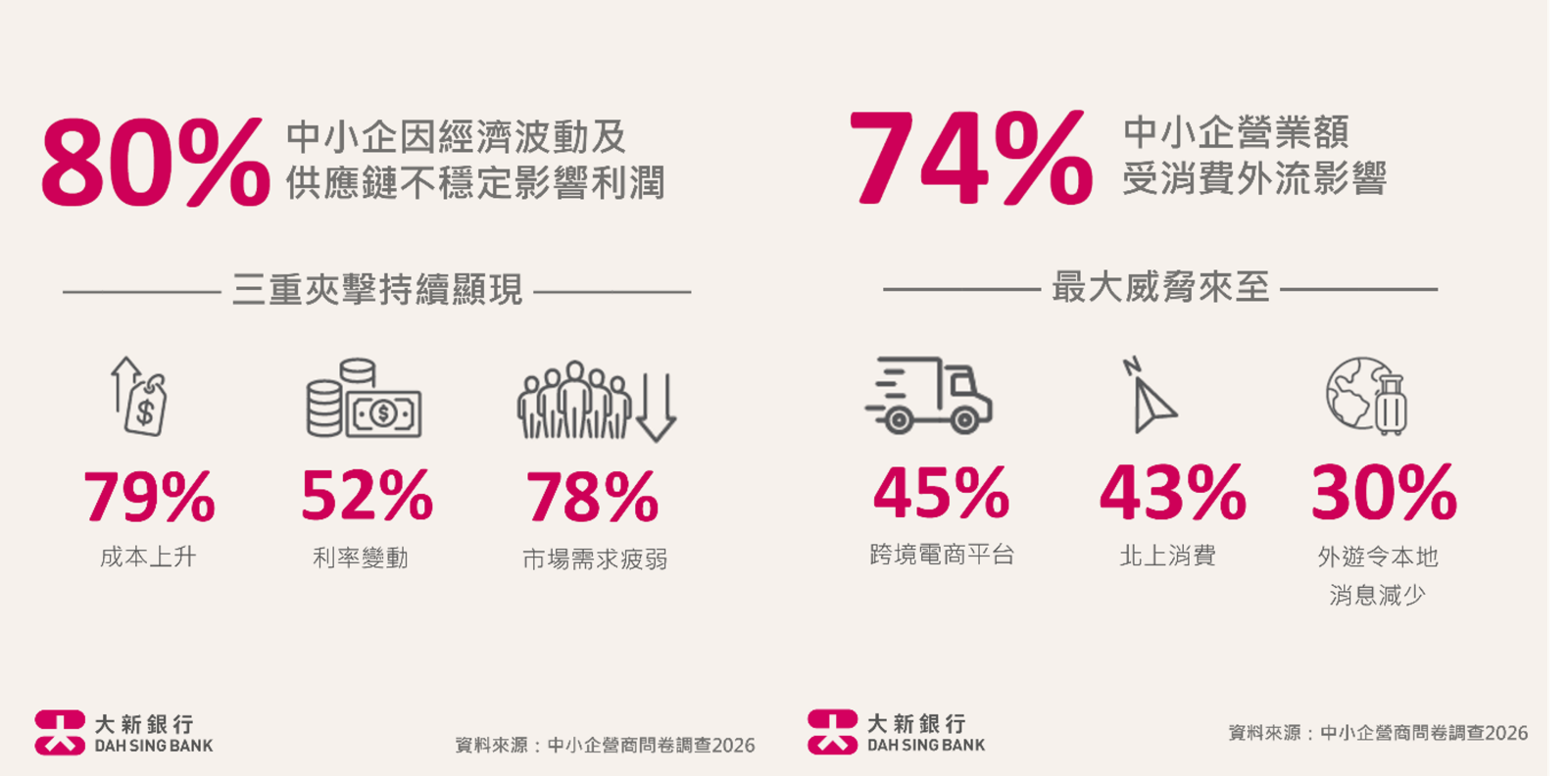
The Survey shows that 80% of respondents indicated that their operating costs and profit margins have been affected this year by geopolitical developments, energy price fluctuations or global supply chain instability. Rising costs (79%), weakening market demand (78%) and fluctuations in interest rates (52%) were identified as the most significant external risks.
With cross-border spending and northbound consumption becoming increasingly prevalent, approximately 74% of SMEs reported that their revenues have been negatively impacted, with nearly one in five experiencing declines of more than 20%. Key competitive pressures stem from cross-border e-commerce platforms offering lower-priced daily necessities (45%), increased weekend consumption in Shenzhen (43%), and a rise in outbound travel reducing local spending (30%).
SMEs Step Up Measures to Adapt
In response to the rising costs, SMEs are actively adopting various strategies to stabilise operations, including renegotiating supplier terms (26%), adjusting pricing (24%), and optimising inventory management (20%). At the same time, in light of outbound consumption trends, businesses are strengthening customer retention strategies. While price promotions remain the most common approach (34%), SMEs are also increasingly introducing experiential elements (29%) and strengthening digital marketing efforts (25%) to improve competitiveness.
Against a backdrop of ongoing uncertainty, SMEs are placing greater emphasis on business stability. A stable customer base (30%) and predictable cash flow (22%) are seen as key factors in sustaining operations, alongside lowering operating cost (22%). This reflects growing attention on financial resilience and liquidity management.
Constraints Persist Amid Rising Support Needs
Despite these efforts, SMEs continue to face resource and information constraints in navigating challenges and pursuing transformation. More than half of the respondents have never applied for or are unfamiliar with government support schemes. In addition, while some SMEs are interested in advancing ESG initiatives, 37% consider them burdensome due to costs, and 32% are unsure where to begin, indicating a cautious pace of adoption overall.
Dah Sing Bank Supports SMEs Resilience
In a rapidly changing business environment, Dah Sing Bank believes that enhancing cash flow efficiency and operational flexibility is key for SMEs to address business pressures. The Bank is committed to supporting SMEs through diversified and flexible lending and financing solutions tailored to their business needs. These include a wide range of import/export trade finance services and payment options, as well as the Merchant Receivables Loan – a service designed to provide merchants with quicker access to capital. Such initiatives enable SMEs to strengthen cash flow management and improve the predictability and efficiency of their daily operations.
Furthermore, Dah Sing Bank offers comprehensive hedging tools to help enterprises manage foreign exchange and interest rate risks. This support enables businesses to mitigate financial exposure arising from global economic volatility, enhance resilience, and expand their businesses in both local and global markets steadily. In addition, the newly launched Dah Sing Business Multi-Currency Mastercard Debit Card helps SMEs reduce transaction costs and manage expenses more effectively, providing a one-stop and seamless experience for local and overseas transactions.
Dah Sing Bank Deputy Chief Executive, Senior Executive Director and Head of Group Personal Banking, Ms Phoebe Wong, said: “The Survey shows that Hong Kong SMEs are facing multiple challenges, including rising costs, shifting demand and evolving consumption patterns. At the same time, it is encouraging to see businesses actively adopting measures such as optimising cost structures and enhancing customer experience. In an environment of heightened uncertainty, stable cash flow and operational agility has become even more important. Dah Sing Bank has long been a trusted partner to SMEs, and we remain committed to combining financial services with practical support to help enterprises improve capital efficiency and resilience. Our goal is to empower SMEs to maintain stability in a constantly changing market and lay a solid foundation for sustainable long-term growth.”
[1] The Survey was conducted through online questionnaires from 19 to 26 May 2026, interviewing 342 Hong Kong SMEs.
To borrow or not to borrow? Borrow only if you can repay!
The service(s) / product(s) mentioned in this document are not targeted at customers in the European Union.
Risk Disclosure Statement Foreign Exchange Transactions: Foreign exchange involves risk. Currency investments are subject to exchange rate fluctuations, which may result in gains or losses. Customers converting foreign currencies into HKD or other currencies may incur losses due to exchange rate movements. Investors should read and understand all offering documents, including risk disclosures and warnings, before making any investment decisions.
Currency Risk (RMB): Conversion of RMB into HKD or other currencies is subject to exchange rate fluctuations. Customers may experience gains or losses due to RMB exchange rate movements. RMB is currently subject to exchange controls imposed by the PRC government, and its exchange rate may be affected by policy changes.
Unless otherwise specified, this promotional material does not constitute an offer, solicitation, or recommendation to engage in any foreign exchange transaction, nor does it predict future exchange rate movements. This material has not been reviewed by the Securities and Futures Commission or any other regulatory authority in Hong Kong.
Hashtag: #DahSingBank
The issuer is solely responsible for the content of this announcement.
About Dah Sing Bank
Dah Sing Bank, Limited (the “Bank”) is a wholly-owned subsidiary of Dah Sing Banking Group, Limited (HKG:2356). Founded in Hong Kong over 75 years ago, the Bank has been providing quality banking products and services to its customers with a vision to be “The Local Bank with a Personal Touch”. Over the years, the Bank has been rigorous in delivering on its brand tagline to grow with its customers in Hong Kong, the Greater Bay Area and beyond – “Together We Progress and Prosper”. Building on our experience and solid foundation in the industry, our scope of professional services now spans retail banking, private banking, business and commercial banking. Meanwhile, the Bank is also making significant investments in its digital banking capabilities to stay abreast with smart banking developments in Hong Kong and to support financial inclusion at large.
In addition to its Hong Kong banking operations, the Bank has wholly-owned subsidiaries including Dah Sing Bank (China) Limited, Banco Comercial de Macau, S.A., and OK Finance Limited. It is also a strategic shareholder of Bank of Chongqing with a shareholding of about 13.5%. Dah Sing Bank and its subsidiaries now have 63 operating locations in Hong Kong, Macau and Chinese Mainland.
CHANG ZHOU, CHINA – Media OutReach Newswire – 7 July 2026 – The global new energy vehicle market has seen rapid growth in recent years. With continued strong expectations for new energy vehicle exports, the global electric vehicle (EV) charging market is entering a new stage of rapid expansion. Recently, StarCharge, the global leading brand of EV Charging equipment and smart energy systems, held a major industry seminar in Hong Kong and released two new white papers at the event, exploring two major transformative trends in the industry that are worth paying attention to.
Charging stations are becoming a key connection of smart energy systems
According to the ‘Technical White Paper’ by StarCharge, for years, EV charging infrastructure has mainly been seen as support for vehicle sales expansion: building more chargers, expanding coverage, and speeding up charging.
However, this role is starting to change.
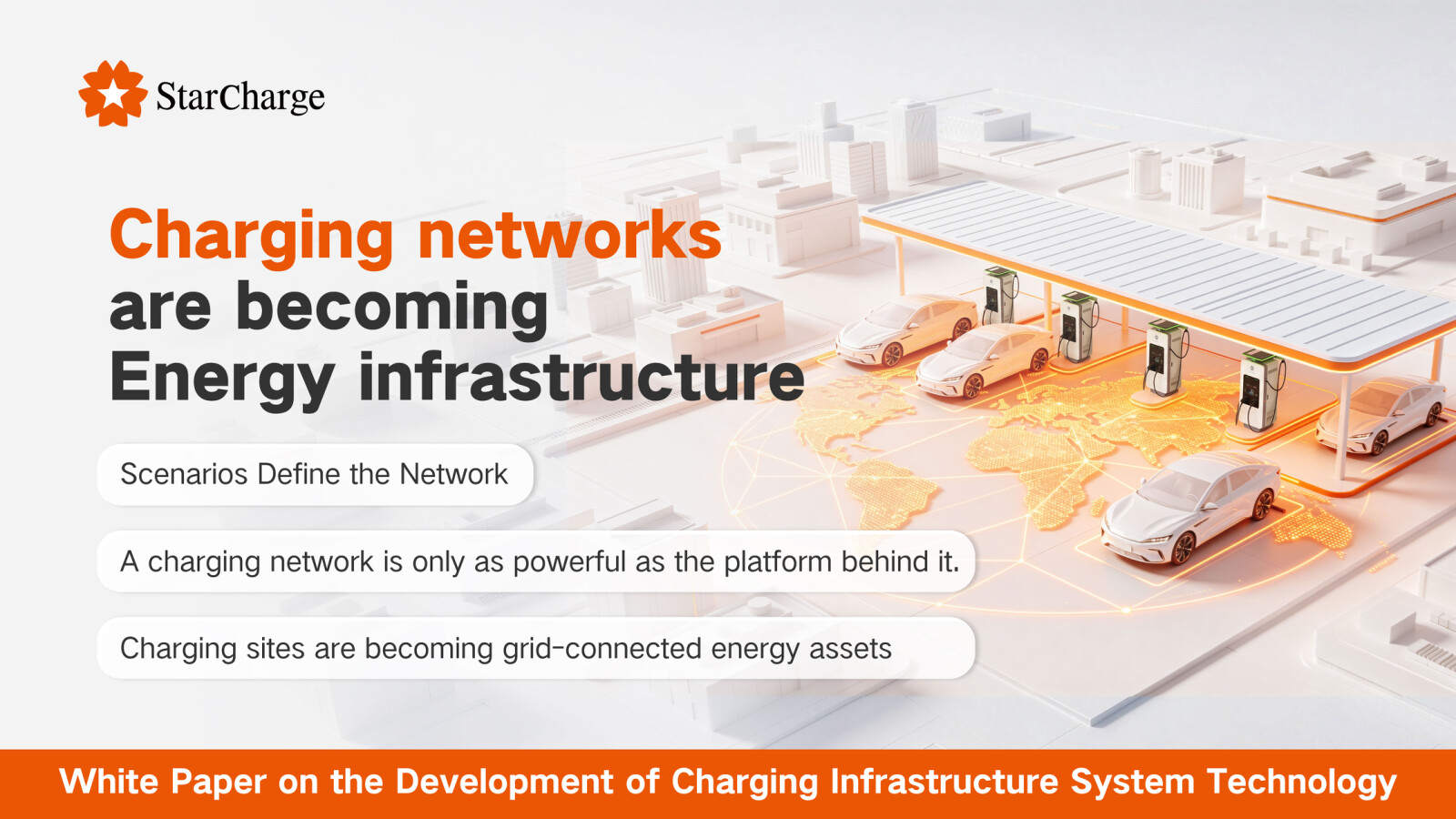
As electrification scales up, charging networks are becoming a part of the energy system itself. They are no longer just places for vehicles to top up; they are evolving into smart energy nodes connecting vehicles, the grid, distributed energy, storage, and digital management.
This shift from charging infrastructure to charging network systems shows that the industry is moving from basic access to integrated value: from charging services to energy services, from standalone stations to PV-storage-charging systems, from equipment deployment to scenario-based infrastructure.
StarCharge believes that the future charging network ecosystem will go through four major turning points.
Four Key Points Reshaping the Ecosystem
1. Charging Networks Are Becoming Energy Infrastructure
Charging infrastructure is going beyond its original role as just a support for EVs. As EV adoption grows, charging networks are becoming strategic energy infrastructure: they connect mobility demand with the grid, distributed energy, storage, digital platforms, and future energy services.
2. Defining the Scenarios for the Network
The future charging network won’t be shaped by hardware alone. Policies determine whether infrastructure should be built, technology determines the speed of construction, but real-world scenarios determine what the charging network actually needs to look like.
Urban commuting, highway trips, ride-hailing, logistics fleets, county and rural coverage, holiday peak demand, heavy trucks, mining areas, ports, airports, and autonomous driving all create different charging needs. Therefore, a mature charging network can’t be ‘one-size-fits-all’; it has to be designed around different vehicle types, operating hours, power requirements, reliability needs, and grid conditions.
3. Digital platforms turn charging networks into operable assets
A large charging network only truly has value when it can be scaled, optimized, and managed. This is exactly the core role of cloud platforms. They turn millions of charging points, users, stations, transactions, and energy flows into a measurable, controllable, and continuously optimized operating system.
StarCharge’s platform capabilities cover site selection, pricing, marketing, station operations, smart maintenance, charging safety, station robots, AI-based smart charging, fleet management, energy optimization, and ESG reporting. In other words, digital platforms are the key to transforming charging infrastructure from a heavy-asset network into smart, operable, and scalable assets.
4. Charging stations are becoming grid-friendly energy resources
The next-generation charging infrastructure won’t be defined by any single technology. It will be built on a complete tech stack, combining high-power charging, liquid cooling, integrated PV-storage-charging, DC bus architecture, V2G, automated charging, and AI-driven operations. In other words, future charging stations shouldn’t just be passive electricity consumers that add stress to the grid. Through energy storage, renewable energy integration, V2G, smart scheduling, and AI-based energy optimization, charging stations can become grid-friendly energy resources.
This means that aside from charging vehicles, a charging station can absorb renewable energy, buffer peak loads, respond to demand-side signals, support peak shaving and valley filling, regulate frequency, and provide carbon-neutral ESG data for fleet operators. Its business model will also go beyond charging fees, creating new value through energy services, data services, carbon-related benefits, and grid interaction capabilities.
Microgrids Have Emerged at the Right Time
At the same time, with the continuous development of distributed energy and photovoltaic energy, microgrids have emerged at the right time. They are not just a product, but a local energy system built around real-world scenarios.
In the latest “White Paper” on scenario-based microgrid technology, StarCharge points out that microgrids are moving from customized engineering projects toward scalable, replicable energy systems.
A microgrid is a scenario-based local energy system
According to StarCharge, a microgrid is not a single device, nor is it just an energy storage product. It’s a local energy system designed around the needs of a specific scenario, coordinating local generation, loads, storage, control, and operational strategies within a defined electrical boundary.
Moreover, depending on the scenario—such as data centers, individual charging stations, zero-carbon industrial parks, or green mines—the energy challenges are completely different. The right microgrid is defined by the scenario it serves.
The white paper also highlights four high-value paths: electricity-computing synergy, independent power supply, zero-carbon parks, and green mines. In areas with weak grids or limited grid access, microgrids ensure the operation of critical loads. In emerging load scenarios like data centers and industrial parks, microgrids support renewable energy integration, energy resilience, and cost optimization. In high-tech-demand scenarios like mines, microgrids become the foundation for ensuring production continuity, energy transition, and ESG competitiveness.
The three-stage evolution of microgrids
As power sources and loads become increasingly DC, microgrid architectures are evolving from AC-dominated systems to AC-DC hybrid systems, and eventually toward microgrids with a higher proportion of DC.
Microgrid 1.0 — dominated by AC architecture. It integrates renewable energy into the existing AC grid framework, but its control heavily relies on grid-following management and support from the external grid.
Microgrid 2.0 — the AC-DC hybrid stage. AC and DC buses coexist, allowing PV, storage, and DC loads to connect more directly. Bidirectional power hubs, solid-state transformers (SST), and energy routers become important bridges between AC and DC systems. This stage balances strong AC compatibility with higher DC efficiency and is expected to remain mainstream in the next 10-15 years.
Microgrid 3.0—it’s the era of DC microgrids. As solar PV, wind power, battery storage, data centers, LED lighting, and EV charging increasingly move toward DC, DC microgrids can reduce repeated AC-DC conversion losses, simplify control, and support millisecond-level responses.
This evolution is closely linked to the mission of microgrids: breaking through energy access bottlenecks, enabling sustainable development, connecting technology, industry, policy, market, and community needs, and unlocking the integrated value of local energy systems.
In the future, StarCharge will steadily expand into the growing global markets for new EVs and renewable energy, building on its smart energy systems that have been widely validated in the Chinese market.
Hashtag: #StarCharge
The issuer is solely responsible for the content of this announcement.

 https://www.boi.go.th/en/index/


 https://www.facebook.com/AuroraMobileLtd/


 https://www.linkedin.com/company/aurora-mobile-ltd/?viewAsMember=true
 https://www.facebook.com/AuroraMobileLtd/

 ranks
ranks


 https://www.argentplasticsurgery.com/
 https://www.linkedin.com/in/dr-hanjing-lee-388095255/
 https://www.facebook.com/Argentplasticsurgery
 https://www.instagram.com/argentplasticsurgery/
 https://www.tiktok.com/@argentplasticsurgery