Quantitative and algorithmic trading is a field in finance that deals with high-frequency trading. A large number of people from all over the world are flocking to this field. It is a highly competitive field and requires an in-depth knowledge of the financial markets, advanced mathematics and coding skills.
Because of their capability to rapidly process huge volumes of information and forecast future market trends, quant traders have seen an increase in development in recent years.
Algorithmic trading is a type of automated trading that uses mathematical models to execute trades. Algorithmic trading is a form of automated trading that uses algorithmic techniques to generate, monitor and execute financial trades.
Most aspects of finance have been automated, and securities trading is not any different. Algorithms are intended to help with trading automation, and stock exchanges rely on them. Because of the speed of execution and reduced operating costs, institutional investors as well as big finance companies prefer algorithmic trading.
In these kinds of trades, there is no human intervention. Rather, these trades are carried out in accordance with pre-written guidelines.
Algorithmic trading reduces intermediaries, aids in increasing order execution speed and gives traders a sense of security and reliability. As can be seen, the market for Algorithmic Trading is steadily developing and playing a crucial role for traders.
Because of its vast use of statistical equations in strategy development, it aids in making fact-based decisions. It assists in achieving optimal results by quickly and accurately calculating and analysing trade orders. Furthermore, it reduces the reliance on emotions as well as other judgements by making decisions based on data.
It investigates various market indicators and market conditions that influence trading strategies. As a result, it continuously monitors and tracks trading activities in the event of market changes. Algorithms are programming languages that carry out different orders and directions.
It aids in the reduction of manual mistakes that could happen in trading due to a variety of aspects. As a result, it develops and executes strategies based on both historical and real-time data.
It also minimises issues and mistakes that could lead to risks. It accelerates trading activities and facilitates different stages in order to execute strategies on time.
It also facilitates decision-making by employing high-frequency systems which help address intricate math equations.
Even an experienced trader would also require a few seconds to place a trading order. That’s a lot of time for the price to move significantly in this age of high-frequency trading. In that time frame, the algorithm will already have placed and secured thousands of orders.
Human precision and efficiency limitations can cost endless possibilities.
Accuracy
In algorithmic trading, the strategies are accurate most of the time when it comes to dealing with operational aspects of trading. For example, while filling in the order details, humans can commit errors due to loss of concentration or other factors like emotions.
Back-testing
Automation is widely used not only for trade execution but also for strategy validation. To evaluate the performance of any strategy used in live markets, it is tested and tried on historical data. This is referred to as backtesting the strategy.
Backtesting provides critical information about the strategy’s past performance.
Why Algorithmic Trading Is Growing Rapidly?
Algorithmic trading has risen to prominence over the last few years. It is credited with the accomplishment of some of the best functioning and efficient hedge funds. Algorithmic trading, untainted by the emotional state of people and inhibiting response time, executes trading commands rapidly and accurately.
Some of the most crucial reasons why people want to learn algorithmic trading:
Placing jobs in the field of Financial Technology
Developing a data-driven approach to trading
Setting up one’s own algo trading desk
Reducing manual-related risks in trading
Risk management
Trading is happening in microseconds and even nanoseconds. A single millisecond accounts for millions of dollars in net sales annually from market trades. Aside from ease of use and customization, some of the many beneficial characteristics of Algorithmic trading include confidentiality, speed, and accuracy.
Conclusion
Algorithmic trading provides traders with numerous opportunities. It broadens horizons in order to achieve the best possible results for trading activities. Furthermore, the use of algorithms results in the systematic execution of trade orders. It also helps to eliminate any psychological or emotional preconceived ideas.
It offers viable alternatives by streamlining tasks as well as executing trades adequately. By undergoing an algorithmic trading course, you can enhance your skills and abilities in trading.
Algorithmic trading is a trading revolution. Furthermore, as a result of Algorithmic trading, traders and their techniques are emerging. Traders use mathematical and statistical methods to devise a strategy for expanding their purview.
As a result of trading breakthroughs, traders must consistently learn and acclimate to a changing market. In consideration of the diverse advancements that drive the industry, it is essential to build skill sets. Traders must also be aware of the advanced technology and variables that influence their financial activities.
Dive into the wonderful world of Algorithmic Trading today!
The book title Selling with Consciousness itself spurs a sense of curiosity as the word consciousness is not often associated with selling. One might think the word, “consciousness” is superfluous. After all, isn’t selling a conscious effort?
This is where Olivia Lee’s book stands out from the many other books written about selling. Olivia Lee is not your normal sales lady thriving on pushing her products in the marketplace, instead she uses the Selling With Consciousness method.
The approach she used in Selling with Consciousness has won her a string of awards both for her company as well as for herself amongst which includes the following.
Industry Icon Award 2021 by IR Academy Asia Awards
McMillan Woods Global Awards 2019
The Star Outstanding Business Award (SOBA) 2019
ASEAN Outstanding Business Award 2019-RFID Security Excellence Award
Innovative Excellence Award 2019
Business Dynamism Award 2017
Selangor International Business Summit 2017 – Business Excellence and Innovation Award
The Start Outstanding Business Award(SOBA) 2016
The Brandlaureate SMEs BestBrands Award – 2016-2017 Signature Award
SIRM Quality Award 2013
FMM (Federation Malaysia Manufacturers) Excellence Award 2012 – Manufacturer of the Year
In her book, she explained that her sharing of these numerous awards is not to impress the readers but to impress upon them the effective principles of conscious selling that have enabled her to become a top salesperson in her industry – the casino industry where she sells software and security seals.
She hopes that her sharing of her many years of valuable sales experience can inspire those sales professionals to reach the top in their sales career too. She pointed out that even though the selling field is indeed very challenging, however, there is a better and more effective way to excel.
This is why she wrote this book to share her secrets. In the years of working with all kinds of people from the ground up to the level of founders and top leaders, she had accumulated vast experience and insights regarding the effectiveness of selling in different situations.
She had faced sales rejections and failures. She had come from the depths of despair to achieve top sales in her industry. She explained that she had personally seen salespeople, including professionals who were highly educated and qualified, yet failed to make the grade as top salespeople.
While there are many reasons, here are some of the more poignant ones:
They are not conscious of their weaknesses or flaws
They are task-driven instead of customer-oriented
Their approach is too product-oriented, losing the awareness of the importance of relationship selling
They are complacent and are not up to date on industry trends and their competitors’ strategies and their strengths
They are too inward-looking, focusing on internal issues rather than the industry
They carry too many worries and negativity, thus blocking their effectiveness in selling
Selling with consciousness is the awareness of whatever is happening during the entire selling process from prospecting, researching, preparation, strategizing, presentation, handling objections, closing, and the sales follow-up. The effectiveness of selling comes from moments of total presence, free from the clutter of the mind.
As recommended in her book for sales to be effective, there should be an integration of three critical components that can help achieve a greater sense of selling with consciousness to enable one to be totally present throughout the entire sales process.
The book shares a useful framework for tapping into selling with consciousness as shown below:
Selling With Consciousness Framework
Selling with consciousness framework
The book highlighted that one’s preoccupation with worries about the present as well as the future can affect one’s effectiveness in sales and hence the outcome. Some examples of distractive thoughts often go like these:
What if I said the wrong thing and mess up my presentation?
What if I lose this sale and it would be difficult to get another client with such big potential?
What if the potential client asked me some critical questions and I could not answer them?
Thus to stay on top of one’s field, what is needed is to disengage our thoughts from the distractions of our current worries or concerns about the past and focus on what is at the present moment.
Of course, there is no substitute for the solid fundamentals of the business or work if one is to do well in one’s field. One would need to acquire whatever knowledge and skills that are needed to excel and succeed. Olivia cited the example of one of her earlier jobs where she started as a remisier she had to familiarize herself with all the rules and regulations on all kinds of securities and learned every nitty-gritty of the trade and be updated on developments in specific companies and industries.
She developed her knowledge and skills as a dealer’s representative to the level where at one point she was buying and selling shares for prominent business clients with a portfolio of over RM100 million.
The final component that helps one to focus on the present is embracing positivity which is defined in the book as the engagement of positive thinking, feeling, and actions aligned to a positive outcome. As shared by Olivia, a sense of confidence, calmness, enthusiasm, energy, and aliveness are critical to ensure the best outcome. Such an atmosphere cannot come from a place of negativity. A salesperson must indeed embrace this positivity if he or she wants to succeed.
In essence through the three components of disengaging from the distraction of thoughts, unleashing knowledge and skills, and embracing positivity, one can become totally present and conscious of the whole selling process. One becomes conscious of customer needs, company products, competitors, the company, suppliers, the industries, and of course oneself.
The book also touches on the techniques of meditation in embracing consciousness to achieve inner peace and calm that enables one to tap into one’s inner source of “knowingness” and excel in whatever one does including sales presentation and closing sales.
It is through this experience of total consciousness; a salesperson becomes very focused and effective and hence successful in selling. Read this book and you too can rise up to achieve top sales in your industry, as you begin to understand the power of selling with consciousness.
Dr Victor SL Tan is the Managing Director of KL Strategic Change Consulting Group and the author of 14 books. His passion is in consulting, training and writing. For more information contact him at 0123903168 or email him at victorsltan@klscc.com
The following story is based on an actual series of events with some names and circumstances fictionalised and any similarity to the name, character or history of any person is entirely coincidental and unintentional. Hopefully by following this decluttering tips, you will be able to safeguard your wills so much better.
Mama Lucy is so into Marie Kondo to the extent that she has been increasingly NOT sparking joy in her family members.
Her obsession with decluttering tips has been annoying for her family members after she came to know of Marie Kondo who gained world fame for her Japanese art of decluttering and organising.
This was especially so in the run up to her move from the family’s 3-storey house to a two-room condominium unit. A day did not go by before her daughter and son receive calls telling them that she is getting rid of their this and that as they no longer spark joy!
Decluttering Tips: Don’t Overdo It
Daughter Jane and son Jay, who have started families on their own and moved out, will then have to make trips that very day to their family home to take the items that they wanted, otherwise those would end up in the garbage bag.
“Her OCD behaviour is eating me up,” Jay would gripe to Jane, whose tolerance of Mama Lucy’s obsessive-compulsive disorder too had reached her limit. Mama Lucy had even coined her own mantra, Mati Kosong, in an adaptation of the Marie Kondo acronym for her decluttering mission!
The siblings hoped their worries about her Mati Kosong obsession would dissipate after their mum finally moved to her new condo. They were right until a week later after the move…
Decluttering Tips: Safekeeping Of Wills
Photo by Scott Graham on Unsplash
Jane received a frantic call one evening. Her mum at the other end went like a runaway train… “I can’t find my Will. I took it out from the Will Custody Centre. I wanted to make changes to the Will. I just remembered it and have been looking for it the whole afternoon…
“I have looked into the boxes and everywhere. What should I do…?” her voice trailed off.
It should be worrying. A Will that cannot be located is like not having a Will. Luckily for Mama Lucy the discovery of her loss of the Will was not after her demise which would put her children through a lengthy and arduous process of getting a Letter of Administration before the distribution of her assets could take place.
Mama Lucy had been prudent in keeping her Will in a Will Custody Centre prior to taking it out for review. Now, having lost it, she needed to go through the process of writing a new Will and making sure that it is safely kept and easily retrieved at the crucial time.
A professional Will custody company like Rockwills Corporation Sdn Bhd which specialises in providing custody and protection of Wills ensures that Wills are kept confidential, free from any tampering and safe from any accidental or deliberate destruction.
A strong room with fire resistant walls and doors, motion and smoke detectors, non-explosive lightings, and humidity control safeguard such important documents from accidental damage or destruction as in fire or flood.
Biometrics security features allowing access only through card and fingerprint and 24-hour security are part of the secure system that include tight security processes of regular audit to ensure Wills are kept secure at all times.
The additional feature of security stamp embossing in each page of the Will also ensures Will in custody are tamper-proof.
Easy location is another merit of a Custody Centre. Legal representatives of the testator simply needs to provide the custodian with the death certificate and proof of identity, for the Will to be released to execute the process of the distribution of the estate.
Hope you enjoyed the decluttering tips, just make sure that you don’t overdo it.
Rockwills International Group, now in its 27th year, pioneered professional will writing in 1995 and has since evolved into the leading estate planning specialist in the country. It is today the largest provider of solutions and support services in the areas of trusts, succession, management and distribution of wealth. It has shareholders’ funds exceeding RM50 million. It has done over 280,000 wills and 15,000 trusts and hold more than RM25 billion in assets under trust.
The Securities Commission Malaysia (SC) and key agriculture agencies have discussed ways to address financing gaps faced by Micro, Small and Medium-sized enterprises (MSMEs) involved in the agriculture sector in a bid to boost the country’s food security.
Some 40 representatives from agencies and industry players this week attended a workshop called GROW® – a new collaborative programme under SC’s fintech flagship initiative, SCxSC.
GROW® is a collaborative effort by the SC and ecosystem partners to harness the potential of alternative fund-raising digital platforms to meet the needs of underserved players in strategic sectors, such as agriculture.
Equity crowdfunding (ECF) and peer-to-peer (P2P) financing were among the alternative financing mechanisms that were addressed during the workshop as potential ways to help fund the sector.
The SC Chairman Dato’ Seri Dr. Awang Adek Hussin stressed the importance of broadening access to the capital market for local businesses.
“We have seen how technology has democratised financing via digital platforms such as ECF and P2P financing,” he told the workshop. “We believe these alternative financing avenues have the potential to address some of the funding needs of the MSMEs in the agriculture sector as well.”
Senior officials from relevant ministries, agencies and key players in the agriculture ecosystem attended the one-day workshop. They include the Ministry of Agriculture and Food Industry, Federal Agricultural Marketing Authority (FAMA) and Agrobank.
At the workshop, participants called for greater ecosystem coordination to move the agriculture sector forward and strengthen the country’s food security.
They also emphasised the need for greater awareness on the role of alternative financing for the agriculture sector. They welcomed the development of more innovative financing instruments to cater to the diverse agro-business needs.
Following the workshop, the SC plans to have greater industry engagements with key stakeholders next year including organising a GROW® Fintech Conference. This will be followed by a nationwide GROW® roadshow to raise awareness on ECF and P2P financing as viable funding options for agro-based MSMEs to grow their businesses.
These programmes will complement ongoing efforts by the government to support alternative fundraising by agriculture businesses such as the Malaysia Co-investment Fund (MyCIF).
MyCIF, a public-private co-investment vehicle administered by the SC on behalf of the Ministry of Finance, has observed a greater uptake of ECF campaigns in the agriculture sector after implementing a special ratio of 1:2 in 2022 for this sector. MyCIF invests RM1 for every RM2 raised from private investors on the participating platforms by eligible issuers.
It has co-invested in a range of agriculture projects in upstream and downstream activities, including firms applying technology to improve agriculture yields and aquaculture production.
About the Securities Commission Malaysia
The Securities Commission Malaysia (SC), a statutory body reporting to the Minister of Finance, was established under the Securities Commission Malaysia Act 1993. It is the sole regulatory agency for the regulation and development of capital markets. The SC has direct responsibility for supervising and monitoring the activities of market institutions, including the exchanges and clearing houses, and regulating all persons licensed under the Capital Markets and Services Act 2007. More information about the SC is available on its website at www.sc.com.my. Follow the SC on twitter at @SecComMy for more updates.
It has been reported that RM5.2 billion were lost to frauds in just two years. The amount is just staggering, and the rise of internet and social media have somehow made the problem even bigger.
Smart Investor spoke with Maheswari G Kanniah, Group Chief Regulatory and Compliance Officer at Kenanga Group answer to find out more about fraud, its impact on investment and the upcoming Kenanga Fraud Awareness Week 2022.
Maheswari G Kanniah, Group Chief Regulatory and Compliance Officer at Kenanga Group
Smart Investor: In comparison to last year’s Fraud Awareness Week, what is Kenanga doing this time around? Anything different for Fraud Awareness Week 2022?
Maheswari G Kanniah: Since its inception in 2017, Kenanga’s FAW has always been about raising fraud awareness and highlighting the importance of fraud detection and prevention.
This year’s 6th FAW continues with the same objectives and in light of the current situation that we are in and noting the risks for fraud increases, the 6th FAW’s theme is Reaffirming Ethical and Moral Resilience for Good Governance. With this, Kenanga seeks to reaffirms our belief that high ethics and moral are the cornerstone for good governance, which is undoubtedly an important factor in the anti-fraud agenda. It is our aim that, by gathering a larger audience from various different industries and sectors, we could further amplify the message on fraud prevention and detection to the general public.
Similar to the last 2 years, all programs for the FAW, including the Opening Ceremony, FAW Games and Talk Series, are undertaken virtually or online. While we have a whistleblower speaking at our Opening Ceremony and Talk Series in 2021, this year, we not only have a whistleblower but also an investigative reporter who will share his experience in exposing a major fraud case. This will further shed some lights on the importance of speaking up culture as a mean to protect interest of all, an organisation and people alike.
Additionally, for the FAW Games, we have also introduced new format of games with educational elements remaining as the key factor. We hope to challenge minds of the participants and further broader their thinking into various different areas of fraud and anti-fraud.
SI: Post-pandemic, multi-level fraud cases have been on the rise. Could you render some opinions/thoughts on this current situation?
MGK: As the pandemic unfolded in 2020, many Malaysians saw their lives swiftly reshaped by stay-at-home orders, school closures and the onset of remote work. Amidst slowing economic activities, pandemic has led to a surge in e-commerce and accelerated digital transformation. As lockdowns became the new normal, businesses and consumers increasingly “went digital”, providing and purchasing more goods and services online.
Post pandemic, this is no longer a new normal but many people are already accustomed to the changes by relying on technology to carry out their day to daily activities, from banking to even groceries shopping. This has unfortunately led to the rise of fraud cases, notably involving online and digital fraud.
Although the benefits of technology are many, I strongly feel that there is a need to create awareness and educate people on the danger that also comes with it. In this respect, not only the regulators have a role to play, the financial institutions (FIs) should also play their part to reach out to their clients and public on the importance of fraud prevention and detection.
At the same time, while the regulators and FIs continue to do their part, the public should also take responsibility to exercise good judgment and extra caution when going online or digital. This includes being vigilant of signs of scams and unlicensed activities so as to avoid falling victim to such unscrupulous parties.
SI: How is fraud affecting the way people invest today? Has it caused an increase in hesitance to invest?
MGK: The increase in fraud cases has to a certain degree affect investors’ decision. Investors are seen more careful to place trust on FIs to manage their monies. Before attempting or indulging themselves into any financial investment(s), investors are more cautious and some even carry out thorough research to verify the authenticity of the investment opportunity. This is, to a certain extent, a good sign as it provides a layer of protection to the investors.
From the FIs perspective, this could mean less opportunities for business due to overly careful considerations by the investors. Some hesitant investors would think twice about the value of the investment and may want to experience the opportunity loss to convince themselves of the authenticity of the investment.
We also see that the with the efforts taken by the regulators and FIs to educate and raise awareness, investors are also being more cautious and warier of any scams. However, fraudsters are also continuously adapting their modus operandi and using new technological tools in their attempts to perpetrate fraud.
SI: What are the most prevalent types of fraud that Malaysians should be cognizant of?
MGK: Online or digital fraud which involved scams, phishing and identity theft are on the rise. This increase was in fact driven by COVID-19 pandemic where more transactions have since moved online.
As more people embrace digital transactions, more opportunities are created for fraudsters and this has further increased the risk of digital fraud. Fraudsters have made use of technology to scale up the complexities and scope of their operations. Through technology, fraudsters are able to undertake globally universal scams with shocking ease and constantly shift their approach to find new vulnerabilities.
In this regard, although FIs are expected to update and upgrade their security measures, this is simply not enough to prevent all financial fraud. There is also a paramount need to educate public on new and emerging threats of fraud. Reminders and greater awareness will not only reinforce the need for constant vigilance from all parties, but also create an environment where everyone is risk conscious and responsible in protecting the interests of each other.
SI: It is reported that RM5.2 billion were lost to frauds in just two years, why do you think people still fall for fraudsters? And what can be done to reduce the number of victims?
MGK: Fraud risk is constantly evolving as scammers continue to devise more sophisticated means of defrauding the public. Nowadays, we could hear new different approaches of tricking the public into revealing their confidential details or installing malware on their devices. Fraudsters are also taking advantage of fear and anxiety of the people, which lead them to make poor decisions and hand over security information to malicious actors.
Further, as I have stated before, as more people embrace digital transactions, more opportunities are created for fraudsters and this has further increased the risk of digital fraud. In this respect, we all have a role to play by being vigilant of emerging scam typologies and ensuring that response measures remain effective against new threats.
As mentioned earlier, regulators such as Bank Negara Malaysia and Securities Commission Malaysia have undertaken numerous on-going campaigns highlighting the matters that investors should look out for when investing and also publishes the Financial Fraud Alert List or the Investor Alert List as a guide to enhance the awareness on entities or schemes which may have been wrongly perceived or represented as being licensed or regulated by the regulators.
In the end, I strongly believe that the public should take charge to educate and keep themselves updated of new and emerging threats of fraud. The FIs can only do as much to carry out their responsibilities and the key responsibility to protecting public from falling into any fraudulent scheme is the public themselves.
SI: What does Kenanga hope to achieve in this year’s FAW campaign?
MGK: In line with our theme this year, we aim to continue spreading the message of anti-fraud and to highlight the grave impact that comes from failure to protect oneself from fraud and scams. From within, we will continue to strengthen Kenanga’s core by equipping our employees with the necessary knowledge and realisation of the importance of anti-fraud. The employees are our first line of defence and main safeguards against the threat of fraud.
As far as for educating our clients, we have various targeted campaigns to highlight the steps they should take to protect themselves from fraud when investing with Kenanga. For example, we have from time-to-time issued explainer videos through Kenanga’s website which highlights important dos-and-don’t that clients should practice when depositing money for investments. Kenanga also constantly reminds the clients to be alert on fraudulent schemes through emails and online trading portals.
As for the larger public audience, through social media pages, Kenanga issue out immediate alert if there is any attempt to defraud using Kenanga’s name and reminds the public to prevent being victims and only contact the authorised personnel in Kenanga for correct information. We are pleased that the adoption rate or success of these campaigns are best measured by the fact that we have successfully thwarted a few frauds attempt and prevented losses to both the clients and Kenanga.
SI: Are there any prominent partners that Kenanga is working with for this year’s FAW? Does Kenanga have any future partnership in plans? If yes, what/who are they?
MGK: For clarity, Kenanga does not partner with any specific organisation for FAW. It is only that the FAW is organised in conjunction with the International Fraud Awareness Week of the Association of Certified Fraud Examiners based in Austin, Texas.
As per previous years, Kenanga’s Fraud Awareness Week 2022 welcomes participation from any industries and sectors in the different programmes we organise. This includes Securities Commission Malaysia, Bursa Malaysia Berhad, Malaysian Anti-Corruption Commission, Kumpulan Wang Simpanan Pekerja, Nestlé Malaysia, Lembaga Tabung Haji, Petronas, Sime Darby Plantation Berhad and many more.
It is our aim that, by gathering a larger audience from various different industries and sectors, we could further amplify the message on fraud prevention and detection to the general public.
SI: Any events that you hope for the public to participate in during the FAW?
MGK: We have always welcomed the public to participate in our programmes. For your information, each year, apart from inviting the various organisations to participate in our FAW Games, we have also advertised the same through social media. In addition to that, since we started organising the Opening Ceremony online three (3) year ago, anyone can access the live broadcast or reply of the programme.
And each year, it is our hope that we are able to reach out to a bigger audience so that all take cognisant of the fight against fraud that is happening globally and continue to be vigilant of such threat. The awareness of the public is the ultimate yardstick of success to our Fraud Awareness Week 2022 initiative.
About Fraud Awareness Week 2022
Theme: Reaffirming Ethical and Morale Resilience For Good Governance
The FAW Games are part of the activities of Kenanga’s 6th FAW, which will be organised from 14 November 2022 to 18 November 2022 in conjunction with the International FAW of the Association of Certified Fraud Examiners (ACFE). As part of Kenanga’s efforts to engage with parties in the network of persons and entities it works with, the FAW Games is an opportunity for parties to raise awareness on fraud detection and prevention. Participation in the FAW Games also reflects Kenanga’s vendors commitment to the anti-fraud agenda.
The FAW Games, will also be held virtually by leveraging on technology. Nevertheless, be assured that the FAW Games will still feature fun filled activities containing educational elements, which emphasises on the importance of anti-fraud, compliance, ethics and integrity.
To know more about Fraud as part of Kenanga’s involvement with the International Fraud Awareness Week 2022: https://www.fraudweek.com/resources
The Securities Commission Malaysia (SC) today announced new digital-related initiatives to spur the growth of the capital market and help support the country’s economic recovery.
The initiatives will pave the way for further liberalisation of the capital market and allow Micro, Small and Medium Enterprises (MSMEs) and Mid-Tier Companies (MTCs) better access to funding to grow their businesses.
The new initiatives include opening the alternative financing markets to new players to cater for the growing demands by MSMEs and MTCs.
The SC Chairman Dato’ Seri Dr. Awang Adek Hussin said it is essential to support the post-pandemic recovery journey of MSMEs and MTCs in terms of their financing needs, as well as their continued innovation and growth potential. MSMEs and MTCs collectively contribute more than half of the country’s GDP and are integral to Malaysia’s future growth and economic sustainability.
“Digitalisation of the market is a key priority for the SC so that market participants are able to adapt to digital trends and use technologies which will promote innovation with new business models and products/services including broadening access to market-based financing in a more efficient manner,” he said at a news conference announcing four new initiatives.
The four initiatives are:
A. Scaling up MSME Access to Financing
Since the introduction of the regulatory frameworks for alternative financing platforms such as Equity Crowdfunding (ECF) and Peer-to-Peer (P2P) financing, these market-based innovations have broadened access to capital for MSMEs and innovative new businesses.
As of June 2022, a total of RM3.5 billion in capital has been raised through 41,000 successful campaigns by over 5,400 MSMEs since the frameworks’ inception.
To further harness the potential of ECF and P2P financing platforms, the SC will open new applications for the following:
1. Registration of new ECF and P2P market operators with Shariah solutions and value propositions
The initiative will catalyse innovation in Shariah offerings to further facilitate access to funding needs of MSMEs through alternative fund-raising digital platforms. Building on from the SC’s Islamic fintech accelerator programme (FIKRA), this measure will also enhance Islamic fintech ecosystem and further strengthen the Islamic capital market proposition. It also aims to foster the growth of MSMEs in the halal economy while allowing greater access to investments for all capital market participants.
2. Registration of new P2P operators focusing on the offering of debt-based financing instruments by MTCs and other larger companies.
The capital market plays an integral role in offering tailored and effective funding solutions to catalyse the growth of companies at every stage of their development. This measure will now allow MTCs to seek debt-based financing directly from investors, while reducing the number of intermediaries involved in the process.
Most MTCs have been largely self-reliant in financing their business growth, especially since they have outgrown existing financing avenues for MSMEs but are still too small for traditional public markets.
B. Encouraging innovation and building capabilities through digitalisation
Towards promoting and facilitating greater and faster digital transformation of the capital market, the SC is moving forward with its digital agenda to increase investor participation and develop more synergistic capital market ecosystems. The SC will introduce the following initiatives:
3. Registration of new Recognised Market Operators-Digital Asset Exchange (RMO-DAX) to facilitate regulated digital asset investments
As investment in alternative assets is becoming more prevalent, the SC continues to promote responsible innovation within the digital asset space, while ensuring adequate protection of the interests of investors. This initiative enables investors to invest via regulated avenues and facilitates the entry of platforms with differentiated value propositions.
Currently, there are only four RMO-DAX operators registered with the SC. Allowing more and greater variety of players to enter the market increases capital market vibrancy by widening the number and types of exchange platforms available for investors to invest in, and that is also safe and secure.
4. Establishment of a RM30 million Digital Innovation Fund (DIGID) to encourage digitalisation of the capital market
Recognising the key role that capital market intermediaries play in the evolution of the digital capital market and to invest in the industry’s future growth, DIGID will co-fund innovative projects that utilise technology to enable new and competitive propositions for the Malaysian capital market.
DIGID aims to encourage smaller capital market players to adopt innovative digital solutions and the development of industry-wide solutions impacting capital raising and investment activities.
Interested parties are invited to submit their applications beginning 1 January 2023. Successful candidates will receive funding on a reimbursement basis after meeting agreed-upon milestone deliverables. The funding amount will cover up to 70% of approved qualifying expenses, capped at RM500,000 per project.
Interested parties are invited to engage with the SC on applications for the digital platforms – ECF, P2P and DAX – from 1 November 2022. The updated guidelines and forms will be made available from 15 November 2022.
Information on the new measures, including guidelines and application forms, will be updated on the SC’s website. Interested parties are advised to periodically refer to the SC’s website and future announcements.
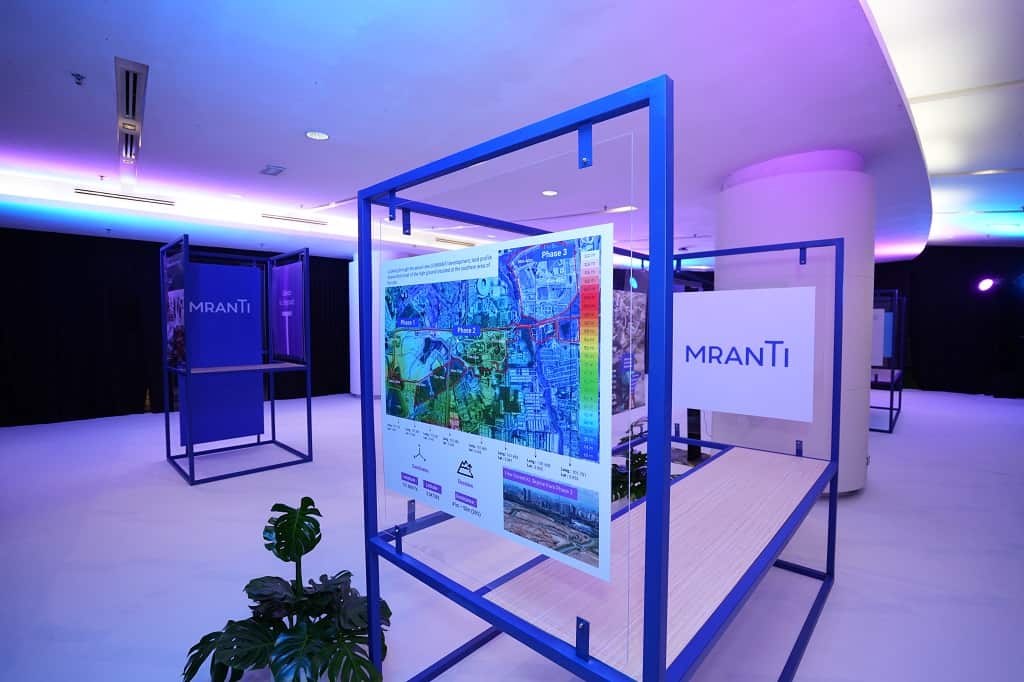
Malaysian Research Accelerator for Technology & Innovation (MRANTI) is the new entity as a result of the merger of two agencies under Ministry of Science, Technology and Innovation (MOSTI), Technology Park Malaysia Corporation (TPM) and Malaysian Global Innovation and Creativity Centre (MaGIC). Inspired by the yellow Meranti tree which is the world’s tallest tropical tree found only in Malaysia – MRANTI strives to become the strongest and tallest among the world’s best.
What Is MRANTI?
MRANTI is the one-stop research commercialisation agency with the resources to accelerate the commercialisation of innovative ideas that will drive impact. As a connector, collaborator and catalyst, MRANTI will connect problem statements (demand) with solutions (supply), bridging collaboration between public and private sectors (transition); increase private sector participation, either through market access, investment, advisory or consultation and facilities for testing and prototyping.
Smart Investor recently interviewed Dzuleira Abu Bakar, CEO MRANTI to find out more about them and their plans.
Dzuleira Abu Bakar, CEO MRANTI
Smart Investor: Why was MRANTI formed?
Dzuleira Abu Bakar: MOSTI with Akademi Sains Negara: examined the landscape:
○ To increase the number of commercialised entities in Malaysia ○ To accelerate technology & innovation
And some gaps were found:
1. R&Ds remain where they are with the Research Institutes (RI) and the universities 80% of in IHL, Corporates 15%, balance 5% government or NGOs.
2. Low GERD to GDP, which is at 1.04%. Other countries; Israel – 4.95%, South Korea – 4.81%, Japan – 3.26%
3. Commercialisation rate is low between 5% to 10% China’s commercialization rate target: 34.7% in 2020 Korea in 2010: 38.9% (they considered: unsatisfactory) Japan and the USA: as high as 60%
● To rise in the ranks as a high-economy, innovation driven nation, we need to ensure our security of R&D supply translates into successful commercialisation.
● As such, the Ministry then decided to streamline its resources – which led to the merger of the 2 agencies, and the formation of MRANTI about a year ago.
● There are 3 important approaches (3Ps) we are taking to position ourselves to support the progress of the ecosystem:
1) MRANTI PARK provides integrated facilities and infrastructure for innovators and entrepreneurs that are 4IR ready, even as we bring together 2) Targeted PROGRAMMES & interventions; and 3) A large portfolio of PARTNERS
SI: What does MRANTI want to achieve by 2030, and which stage are you at now? What are your priorities?
DAB: My goal is to put Malaysia on the Top 20 most innovative countries in the world. This will have amazing spillover effects i.e. higher income, more jobs, and overall better livelihood for Malaysians.
For the immediate, I will focus on rolling out our programmes and partnerships, as well as sprucing up the park. Today, various programmes and facilities are available at the Park.
To have 2,000 sqft MakersLab for designers wanting to prototype their ideas – from computer design or sketches into “things” or small scale models. Various materials and machines are available.
A Centre of Excellence for DroneTech, Living Labs for Autonomous Vehicles (AV) and Agritech
As an example, the Drone Industry Insights report, the world market value of drones is USD26.3 billion, and is targeted to reach USD41.3 billion by 2026. In the Drone Tech sector, Malaysia has the potential to be a world leader in this sector. We are proud that Aerodyne Group, a local company, is emerging as the best drone remote-sensing service provider in the world. There are many other drone companies based here, including Poladrone, Terradrone, VStream, Elsa Energy, DJI, NRA Technology and Allied Aeronautics.
Malaysia also has the potential to grow rapidly in the robotics and drone industries. We will establish the Academy of Talent Development In Robotics (Robotic Talent Development Academy), and are targeted to increase the ratio of robots to humans by 195 robots per human by 2030. Today, the ratio of robots to humans is 55 to 10,000 people.
Therefore, we established Area 57 in MRANTI Park as a centre of excellence for the development of the drone industry. The 5-acre area will provide drone runway services, a 300 square metre drone net area, drone testing mock-up sites, hangars, laboratories, manufacturing equipment, training facilities and prototype testing areas, operational offices as well as drone service and maintenance workshops for drone operators to use.
Revitalising Lab testing facilities for food and herbal products and other manufacturing services at MRANTI Nexus.
5G infrastructure-ready
Commercial entities and researchers face several challenges today which could be addressed with 5G Technology. These include communication efficiency (higher data rates, lower latency), connection density (reliability, availability and coverage) and position accuracy (higher user mobility). To deliver the full value of 5G, we are bringing together more partners to collaborate, innovate and incubate ideas to nurture a thriving ecosystem.
We have lined up 26 key programmes to seed, sustain and scale impact-driven innovations in a structured and systematic manner -linking both domestic and international markets for entrepreneurs, startups and the innovation ecosystem. i. IP & commercialisation initiatives ii. impact and thematic accelerators, bootcamps and iii. Digital Business Academy programmes iv. social impact initiatives this year to jump start the innovation engine.
Examples of these are as follows:
Academy + International Innovation Hub programmes
For anyone looking to upskill and reskill, we offer a host of digital courses, webinars, workshops, bootcamps, custom content/programmes, custom and industry-focused coaching and mentoring, post-grants management and advisory, business acceleration, access to corporate and industry partners, alumni, investors and academia.
Impact Innovation
For innovators to access funding and test their products in the market with corporate partners and large organisations, in order to achieve Sustainable Development Goals (SDGs) and linked to Environmental, Social and Governance (ESG) outcomes.
Global Innovation Exchange (GIX)
For innovators looking to scale and / or global startups looking to set up innovation hubs in ASEAN, with Malaysia as a launchpad. Programmes include:
● National Technology & Innovation Sandbox (NTIS) ● Global Market Fit Programme (GMP) ● MyStartUp Hub (MSH) ● Global Accelerator Programme (GAP)
Rapid IP Commercialisation is another focus. Through a structured review process, we are evaluating how some IPs – in MOSTI’s stable, for example, can be brought to market.
Volume alone is not sufficient. MRANTI will play a key role in enhancing the quality, variety and value of innovations.
This is a big task and MRANTI and I cannot achieve this alone. We are here to collaborate, collaborate, collaborate.
It isn’t a single entity’s show. We aren’t in a sprint. It is a long game, and realistically, one year is just the start to drive deep transformation. Altogether, these will place Malaysia and our people on the right trajectory to becoming a high-tech producer nation.
SI: How many talents are currently working under MRANTI?
DAB: We are 345 strong. More than 55% are under 40 years old – a large number of whom have solid technical background in areas of biotech, engineering, legal, commercialisation, Intellectual Property servicing and a range of industry experts.
MRANTI Park, however, has a community of about 20,000 people – ranging from university students, knowledge workers, academicians, researchers, scientists, entrepreneurs, management staff and more.
SI: How many startups/ enterprises have MRANTI engaged with? Will you be able to name a few and share about their journey with MRANTI?
DAB: Since its inception in 2014, the Malaysian Global Innovation and Creativity Centre (MaGIC) has nurtured, encouraged and developed the Malaysian spirit for discovery, and in the years that followed, we’ve grown from strength to strength.During this time, we have also won the regard of many regional and international industry players – cultivating and producing some of the world’s best startups and social enterprises.
Since we started, we have reached out to 4,503 startups, 145,477 individuals, 48 accredited social enterprises and created RM3.9 billion in economic value. In 2021, in spite of challenges presented by the pandemic, we conducted more than 100 programmes and impacted approximately 11,200 entrepreneurs from more than 700 start-ups and social enterprises who went on to garner close to RM150 mil in investment and generated more than RM400 million in revenue.
Five new sandboxes were launched through the National Technology and Innovation Sandbox (NTIS) in 2021 with more underway to strengthen the security of innovation supply. Since its launch, the NTIS has received 546 complete applications, 148 of which have received funding, regulatory, commercial and technical support, with RM53 million funding approved for these projects.
The returns are notable – at about 10X, as we recorded value creation (investment and revenue, as well as job creation from our programmes and by our alumni) of more than RM570 million.
Testament to the value of initiatives we are rolling out, almost 12 companies have signed on as tenants at MRANTI Park since January 2022 – bringing it to a total of 157 tenants. These include companies in ICT, Biotechnology, Engineering, Green Technology, Consulting, Support Services and more.
We are expecting 15 more local and multinational companies to take up tenancy here by the end of the year, bringing the total occupancy rate at MRANTI Park to nearly 80% or an equivablent of 645,000sqft.
Case study: Through the NTIS, MRANTI facilitated Biogenes Technologies’ discussions on regulatory procedures with the Malaysian Medical Device Authority (MDA), and coordinated approval with the Ministry of Health for a live test site to collect samples, which then allowed them to validate the market readiness. As a result, their test-kits have now undergone preclinical and clinical trials at Pusat Perubatan Universiti Malaya. What would have ordinarily taken at least a year, was accomplished in several months. Biogenes also received funding through the NTIS within six months to enable their operations to expand.
Additionally, through the NTIS, there are sandboxes testing the use of drones to deliver medical supplies to hard-to-reach areas, and to deliver essential goods and services particularly to remote and rural areas. However, we still aren’t moving quickly enough in some areas. Attracting more international players is one area that could do with improvement. The IMD World Competitive Ranking 2020 still ranks Malaysia 52nd in ease of starting business, with an increase in “startup days” from 13.5 days in 2019 to 17.5 days 2020 to set up business in Malaysia.
Today, many startups still find it difficult to know which agencies to approach, as some have overlapping functions. Having multiple sources of information and numerous agencies impedes Malaysia’s potential as a preferred destination for startups.
To ensure that we do not get left behind, moving with speed is absolutely essential. To do this, we need to streamline our processes, get rid of any overlap or ‘legacy’ inefficiencies and utilise technology to digitalise or automate for efficiency.
And in this regard, MRANTI aims to be the one-stop centre for technology and innovation acceleration, regardless of which stage the innovation or solution is at – as we take ideas to impact.
SI: What has MRANTI clocked in since you helmed MRANTI a year ago, though the agency was only formalised in January this year? What have been some of the challenges?
DAB: Merging TPM, a 26-year-old entity, and then seven-year-old MaGIC, comes with its own set of operational and external challenges.
Core challenge: culture integration, added with pressures of managing the bottomline. Thankfully, the merger was completed in record time – under a year.
Much of my time in the last 12 months: spent on onboarding stakeholders and key players to see this transformation of TPM to MRANTI Park.
My immediate goal: capital investments, policy, incentives to raise MRANTI Park’s relevance and profile.
I’m pleased to say, we are now on the cusp of profitability. With a formidable team, we have put in place a strategy to transform TPM’s Profit & Loss and achieve its technology development mandate for the country. My team and I are focused on improving the infrastructure for the 686 acres MRANTI Park (10x larger than KL Sentral) located in Bukit Jalil, to attract global players. The park is now the only fully 5G-enabled innovation park facility in Malaysia, giving it the edge in ultra-fast and stable connectivity.
Speed is the name of the game, and MRANTI Park will be the fast track for innovators.
SI: What are your targets?
DAB: My aim is to make MRANTI Park a global name. My team and I have been relentless in developing the prioritised tech clusters as announced under Budget 2022 at MRANTI Park to make it the foremost innovation hub in Malaysia.
Our integrated facilities are being enhanced for higher capacity and higher value services. RM30 million funding allocated for MRANTI in the Budget 2022, we are kicking into high gear.
2022 Targets : MRANTI, as a 4IR Innovation Hub aspires to
○ Impact 5,000 aspiring entrepreneurs exposed to 4IR technology ie Dronetech, ○ Assist 50 companies to successfully build proofs of concept (POC), prototypes and products, ○ Enable 1,250 business owner to benefit through various facilities and programmes, and ○ Foster RM500 million in Value creation.
Our longer term targets:
The 12th Malaysia Plan (2021-2025) has set several R&D related targets by 2025;
2.5% of GERD to GDP (from 1.04% in 2018)
70% of R&D expenditure by the private sector (BERD) to GERD (we are about 43.9% in 2018)
500 products and solutions commercialised through the National Technology and Innovation Sandbox (NTIS) and Malaysia Commercial Year (MCY) by 2025
Top 20 ranking in the Global Innovation Index in the same period (from 36th in 2021)
SI: What is MRANTI’s Masterplan?
DAB: In shaping MRANTI, benchmarked against:
○ Thai Digital Park, Singapore’s A*Star, and Innovate UK, are all a result of strong policy, investment, talent pool and market environment.
To attain a Top 20 position in the Global Innovation Index (GII) by 2030, from where we have been in the last 5 years – in the 30-somethingth position, we have much to do. This includes upgrading our Engineering, IT, Biotech and other building infrastructure in order to meet the changing demands of industries and the start-up ecosystem. Under the 4IR Hub Initiative, we aim to support prototyping and tech immersion programmes through our maker space and innovation centres.
Ultimately, MRANTI Park will be redesigned to make high potential research and development and early technology products economically viable through holistic and comprehensive commercialisation support.
Our MasterPlan involves the development of 4IR solutions in areas of
○ Computer vision, speech recognition, natural language and human/robot, folding in the development of technology and talent, data management, R&D and a commercial ecosystem across 5 clusters – greentech, biotech, smart manufacturing, agritech and smart city.
Today, 5G coverage is now available within our campus. The recent collaboration involving DNB and Ericsson entails the deployment of 5G coverage and capabilities at MRANTI Park, the creation of MRANTI’s on-campus “5G Experience Centre” with support from DNB, as well as comprehensive knowledge sharing and education efforts for enterprises and the community in MRANTI’s innovation clusters.
Among other components and functions of the centre include:
⇢ Research and insight library – MRANTI Park will be a place for researcher and innovators to conduct case studies on 5G technology ⇢ Testing and development function – for developers to conduct 5G application assessment and improvement ⇢ Showcase, awareness, training and advisory function – It will be a venue to develop prospective digital transformation actors and become a centre for technological innovation, development, and application of ICT in the future 5G era.
● MRANTI Park Phase 2 & 3: includes a Masterplan for land, leasing and property development that will cultivate Malaysia’s capabilities in 4IR – from IoT systems, end-to-end IP services and laboratory to contract manufacturing facilities with advanced technologies.
○ 5-acre Area 57 Centre of Excellence for UAV is the first and only park of its kind in Kuala Lumpur intended to help Malaysia achieve its goal to become one of the leading players in the drone technology industry in the global drone market which is forecasted to achieve US$41.3 billion in 2026. ○ Commercial zones: will infuse the elements of lifestyle, learning and business.
A Hyperscale Data Centre (HDC) will also be a core service that will support a host of technologies that will take flight in the coming years. HDCs would be one of the many tech sectors MRANTI will look to grow and cultivate within the AI Park. It is not just about housing HDCs but looking at the entire incubation of research and development players from academia and industry.
In essence, this is what MRANTI is about – bringing IDEAS TO IMPACT. Our goal is to create impact – so these can be recognised, appreciated and celebrated the world over.
SI: What partnerships are you looking to build, specifically what kinds of investments and investors are you looking to attract?
DAB: Past 12 months, partnerships with Huawei, Ericsson, Digital Nasional Bhd, SUKE TV and Telekom Malaysia – for 5G services, eServices, content and more in the pipeline.
Also inked MOUs with Malaysia’s premier public universities for research including Universiti Malaya, Universiti Teknologi Petronas, Universiti Sains Malaysia, Universiti Teknologi MARA and Multimedia University.
More updates are in the pipeline as we knock on more Technology Transition Office (TTO) doors to bring more research out of the lab into real life.
Through the NTIS, and within just a year, we have amassed a strong network of 35 Innovation Acceleration companies – leading technology multinationals, legal firms, financing partners, and various experts on board in 12 Sandboxes. And this list is fast growing! Synergy will be key for us to progress.
SI: What sets MRANTI apart from other government agencies?
DAB: MRANTI is the “glue” that brings together solution providers, such as researchers, startups and solutions seekers such as corporates. MRANTI enables a conducive environment for impactful discourse, exchange of ideas and a matching platform.
A key differentiator for MRANTI: the speed at which we connect Government with Industry, Academia and Civil Society – the ‘quadruple helix’ for an innovation ecosystem to thrive.
SI: What are some of Malaysia’s innovations – commercialisation chasms that MRANTI is looking to address?
DAB: SUPPLY. We need to build a strong pipeline, as we have the talent and good inventions that have yet to find a clear pathway to market and eventual profitability.
TRANSITION: getting past the “valley of death” ie TRL4 to TRL6 – where a lot of drop-outs happen
OUTPUT: It is important to support commercialisation, including providing the correct infrastructure and development programmes in Malaysia’s journey towards becoming a tech producer.
SI: Are there specific industry sectors that you will focus on? Why these?
DAB: We are guided by MOSTI’s Dasar Sains & Teknologi Negara (DSTIN) or MySTIE 10×10 (10 high technology areas for x10 socio economic clusters). These are deemed high-impact areas with multiplier effects e.g strengthening local innovators; creating a high-skilled talent pool and quality employment opportunities; leveraging advanced technologies; and addressing pressing national and global issues.
MRANTI will also prioritise 4IR technologies involving blockchain, robotics, sensor tech, advanced materials and drones, among others. For example, in terms of Medtech, we will be developing a MRANTI Healthcare Cluster that will accelerate the exploration and development of work in healthcare and medical technology, offering capacity building programmes, laboratories and incubator facilities to conduct stress tests on ideas, prototypes, applications and various related innovations.
MRANTI Park will also feature a Sustainable Food and Agritech cluster which will feature:
i. a bioscience R&D lab with state of the art equipment and facilities ii. an incubation garage to host commercialisation efforts of high potential food/agritech innovators iii. a vertical farm infrastructure including IoT fertigation for urban farming systems
SI: What are living labs, maker labs, 4IR, etc which will be featured at MRANTI Park – and how does this fit into the end to end “R&D&C&I” scheme of things?
DAB: Early Stage: Ideation & Applied Research. Aimed for innovators at all ages, it is ideal for sandboxing smaller scale ideas, as well as tinkering of hardware and software in a dedicated space. It fosters a culture of learning by-doing, innovation, hands-on exploration.
Example: MakersLab – a 4IR-themed playground featuring a spectrum of IR4.0 focused tools, technologies and technology immersion programmes.
Mid Stage: Prototyping & Viability Testing. Getting past the labs into controlled environments for testing, validation, reiteration, etc. Example: Living Labs and Centers of Excellence: ie Drone, UAV.
Market-Ready Stage: Scaling Up & Commercialisation. This would encourage communities to gather for experiments and collaboration in order to increase local inventions . There’s also NTIS, GAP, GMP Programmes.
ESG is rapidly transforming the business climate today and is constantly evolving. This is fuelled by growing concerns among investors and stakeholders who seek not only economic profits but social good. They want better environmental, social and governance (ESG) disclosures to help them understand how the company operates, makes decisions and creates value.
Smart Investor talks to Dr Sumitra Nair, Head & Senior Vice President Strategy & Policy, Malaysia Digital Economy Corporation (MDEC). She currently leads MDEC’s corporate strategy, planning, policy and ESG agenda. She is also one of the speakers at the prestigious ESG Evolve 2022 conference that Kexxel Group is organizing in KL on 6-8 December. We will talk more about the conference at the end. For now, let’s find out more about how MDEC is pioneering ESG in Malaysia.
Dr Sumitra Nair, Head & Senior Vice President Strategy & Policy, MDEC
Smart Investor: What does ESG mean to you? Why is it important to your business, and how does it impact your industry?
Dr Sumitra Nair: ESG is about carrying out business in a way that is respectful to people and planet, and about generating profits ethically. This is important to ensure that businesses can carry out their operations in a sustainable manner. For example, operations of a business could be impacted by climate-related risks, or governance related risks, hence impacting business continuity. A sustainable business model also improves productivity by uplifting employee motivation and loyalty; and boosting talent attraction and retention. There is also increasingly strong evidence of a connection between good corporate practices and financial performance – an ethics premium. According to Ethisphere’s Ethics Index, the world’s most ethical companies outperformed a comparable index of companies by 24.6% from January 2017 to January 2022.
The Global e-Sustainability Initiative (GeSI)’s Digital with a Purpose: Delivering a SMARTer 2030 report estimates that digital tech can directly influence 103 out of 169 UN Sustainable Development Goals (UN SDG) targets. The same report has identified key technologies that have the highest potential influence on the world, and more specifically on the UN SDGs. These include high speed internet, Cloud, Internet-of-Things, Machine learning, AI, Digital Reality and Blockchain. Such technologies can help to reduce environmental impacts, as well as narrow socio-economic disparities, which strengthening transparency and governance.
For example, from an environmental perspective, the effective use of digital technologies is projected to reduce global Green House Gas emissions by 15% by 2030, which translates to 1/3 of the global 50% target reduction. This is mainly through the use of digital tech solutions in the energy, manufacturing, agriculture and land use, buildings, services, transportation and traffic management.
Therefore, the digital tech ecosystem plays a very significant role in the agenda of ESG in Malaysia. It is also very much aligned to the recently-launched national strategic initiative, Malaysia Digital (MD), which seeks to increase the overall ecosystem value, sustainably.
SI: What are the key factors for successful deployment of ESG in Malaysia?
DSN: At a firm level, following are key factors for successful deployment of ESG in Malaysia:
Leadership commitment is key. ESG must be driven from the top, ideally from the Board, top management and across the organisation.
ESG culture and mindset – ESG should be seen as a way of doing business, rather than a separate function or set of responsibilities.
Taking a longer-term perspective of business performance – over-emphasis on short term gains may impact a company’s ability to manage its ESG risks which may manifest in the longer term. For example, the focus on cutting costs in the short term, may result in non-eco-friendly or non-ethical purchasing decisions.
Measuring and managing ESG impact – as the saying goes, “what gets measured, gets done”. Similarly, defining and tracking ESG performance metrics is key to managing ESG impacts.
SI: What are the challenges that you faced?
DSN: This year, MDEC’s ESG focus kicked off with a focus on Climate change, which has been globally acknowledged as one of the most critical issues of our time. To this end, we recently launched the Malaysia Digital Climate Action Pledge (MDCAP), which aims to galvanise digital tech companies to commit specific actions to address Climate Change, and to support the decarbonisation of SMEs. At the same time, MDEC with our partners such as the UN Global Compact Malaysia and Brunei (UNGCMYB) will provide guidance and know-how to the digital economy ecosystem via a Digital Economy Climate Playbook, and training programmes.
These initial efforts are tailored to address some of the key success factors we have identified in our journey to encourage digital companies in Malaysia to adopt ESG practices. These include:
Raising the level of awareness and understanding about ESG amongst digital businesses
Access to resources to address ESG risks and compliance – e.g. funding, talents, etc.
Encouraging digital tech companies to create shared value through opportunities arising from ESG trends, for example, via digital innovations/solutions that help governments, businesses, or society to achieve ESG-related targets.
SI: What are the key trends you see gaining traction for ESG in Malaysia? What are the areas of growth amongst the pillars to look at in 2023?
DSN: Climate change is the most important topic that has been gaining traction in the past ten years. It is evident from World Economic Forum’s Global Risk Report that climate action failure and extreme weather conditions dictate global risk factors.
Hence why MDEC took a proactive approach to launch the MDCAP initiative to advocate climate action amongst the digital economy ecosystem.
Besides, social factors such as forced labour and livelihood crises of the B40 group have also gained a strong pull for ESG in Malaysia.
In 2023, we can expect other areas of the environmental pillar to grow, such as the carbon market, carbon tax and carbon offsetting, which involves carbon capture, storage and sequestration activities.
Regarding the social pillar, topic of diversity and inclusion in the workplace is growing in prominence, be it gender, age, ethnicity, or other forms of diversity.
“A green and safe planet, a happy and healthy community and equitable opportunities are the best wealth we can create for the future generation.”
– Dr Sumitra Nair
ESG EVOLVE 2022: Driving Catalytic Change For Business Sustainability
Dr Sumitra Nair will share more insights on MDEC ESG at the ESG Evolve 2022 Driving Catalytic Change for Business Sustainability organized by Kexxel Group which will be held on 6-8 December in EQ Kuala Lumpur.
If you have some extra cash lying around, we tend to use it to pay off house loan early so that we won’t be bogged down with loans well into our retirement. This is because housing loan can now go until 40 years or until we are aged 70.
Isn’t it a good thing then to settle our debts earlier?
Well I’m sure you have heard of the term, bad debt and good debt. Bad debt refers to debt that has a high interest rate, such as credit card and personal loan. It can reach double figures, with credit card interest in the range of 15% to 18% per annum, while personal loan is around the 10% range.
The interest rates are kind of fixed, so if you have extra cash – it is better to clear off your credit card and personal loan. Unless you can find an investment that can give a return which is higher than 18%. And consistently giving out that kind of high returns.
Whereas a good debt is having an interest rate that is low, but appreciates in value. Just like a house is. The current interest rate for loans in Malaysia is 4% to 6%, but your house value could go up by 10%.
If you have bought a house in the 1990’s or 2000’s, the house price have increased several times over.
So here’s a few reasons why you shouldn’t pay off house loan early.
1. Low Interest Rates
Yes, the primary reason is that the interest rate for housing loan is one of the lowest, if not the lowest. Compare that with the double digits that a credit card or personal loan, and you know that you are using loans for a good thing.
You should just enjoy the facility that the banks have given you, and take full advantage of it.
2. Invest For Higher Returns
Let’s say you have extra cash around RM100,000 and are considering to dump it all in your housing loan. But there’s a potential to make 8% return on the investment, which gives you an extra RM8,000.
In this case, you should go for that investment instead and let it compound annually. Using Rule of 72, the RM100,000 would have doubled to RM200,000 after nine years, provided that the 8% return is consistent throughout the years.
You shouldn’t pay off house loan early, if you can find a good investment.
3. Higher Return On Equity
For example, a property worth RM1 million which gets a rental income of RM50,000 a year, is fetching a 5% yield. If you buy the property without a loan, your return rate is 5%. When you get 90% financing from banks, your equity is RM100,000. So your return on equity is 50% (RM50,000/RM100,000).
If your rental yield of 5% plus all future capital appreciation is higher than the mortgage interest, the leverage effect allows you to get a higher return.
As you slowly pay down your outstanding principal, you build up the equity of the property. With a higher stake, your return rate comes down. That’s the reason that the more you pay down your mortgage, the return comes down too due to lower leverage.
4. Extra Payment Not Liquid
The equity value or extra funds that you put in your property is not liquid. You can’t take it out straight away, like you normally would when putting in your savings account. You might need to wait few days or weeks to cash out.
Another way to unlock your property is by refinancing. But this would involve a new loan agreement, legal fees, admin fees etc. And by the time you get the money, it will be a few months later.
That’s why you shouldn’t pay off house loan early, since you can’t take it out easily.
5. Tax Benefit
When you have rental income on a property that still has a loan, you can write off the mortgage interest when filing taxes. So the more you pay off the principal, the less interest you can deduct. Therefore, you might end up with more tax liability.
That’s Why You Should Not Pay Off House Loan Early
Now you understand why you should not pay off house loan early?
Every investment comes with its own risks. If someone told you to invest in an investment that doesn’t have any risk, then you better run away. But what if there’s a way for better investment risk management?
Let’s see at some of the ways to manage risk as per below:
1. Age
Basically the younger you are, the more risks you can take. This is because you can afford to make mistakes while you are still young. But the older you get, the closer you are to retirement age, then you can afford fewer mistakes.
When you are in your 20’s or 30’s, go for riskier investments such as crypto, equities and futures market. Embracing the ‘high risk high return’ concept, you should be able to take on higher risks.
But when you are in your 40’s or 50’s, and with 10-20 years left of working life, then you should be looking at more stable investments that are not high risk and not having low returns. Investing in robo-advisor, ETF, unit trust, REIT can give a rather consistent return if you stay invested for the rest of your 10-20 years before retirement.
Let’s move on to the next step in investment risk management.
2. Current Family Situation
When you are single and young, you have less commitment and can tolerate more risks. You have a lot of time to learn, study and grow compare to someone who is already retiring.
If you are a young and newly married couple, you should also be able to tolerate more risks towards achieving your financial goals.
However, couples contemplating divorce and couples with many kids should be more risks adverse and opt for lower risks.
3. Current Income Source
If you and your spouse are both working, then you can invest in riskier investment vehicles for a better investment risk management.
For example, the one with the more stable income, with good employment medical and retirement benefits can enable the other spouse more flexibility and take more risk for higher investment returns. Or you can also consider starting a new business which can pay off handsomely.
But you should also consider your commitments and expect the worse, just in case the investment doesn’t go well.
Whereas for families that only have one breadwinner, you shouldn’t be taking higher risk when it comes to investment.
The rule of thumb when it comes to investing is that you need to have an emergency fund first. Once you have six months of your monthly salary being put aside, then you can take on higher risks with your investments.
If you don’t have an emergency fund, then you shouldn’t be taking high risks. Think of an exit plan and play out the worst case scenario.
But if you have huge debts, especially credit cards and personal loan, then it is better you clear off the debts with higher interest rates first.
Take for example credit card that charges 15% to 18% per annum, can you find a ‘safe’ investment vehicle that can give you more than 18%?
If no, then it is best if you settle your outstanding credit card debts before moving on to higher risk investments.
5. Protection
Another good way for investment risk management is to take a good look at your protection’s coverage. Make sure that you are well covered for unexpected events such as sickness, hospitalization, disability or premature death.
Ensure you already have sufficient insurance coverage, before undertaking higher risk investments. Because your family can be spared from a financial disaster should something bad were to happen to you.
The final step in investment risk management, is how well you can sleep at night, and not having to worry about how your investment is doing.
It is not worth to invest in high risk assets when you are concerned about it losing value, let alone losing your sleep over it.
Will you be able to survive should it collapse and you lose all your money?
If the answer is no, then you should be investing elsewhere that can give you a peace of mind.
You Are In Control Of Your Own Investment Risk Management
At the end of the day, you know yourself better than everyone. Once you know your risk profile, then you can better manage your own investment risk management. If anything, do your own due diligence before investing your hard-earned money.
Make sure you understand the risks involved, and don’t only focus on the potential return that it might bring.