
Author: Media OutReach Newswire

  • Malaysia’s Next Automotive Chapter: From Assembly Lines to Global Value Creation

    Malaysia’s Next Automotive Chapter: From Assembly Lines to Global Value Creation

    As the industry rewires around electronics and software, Malaysia is trying to move from assembling cars to making the higher-value parts inside them, and to carry its own companies up the supply chain as it does.

    KUALA LUMPUR, MALAYSIA – Media OutReach Newswire – 4 September 2026 – The global automotive industry is undergoing one of its most significant transformations in decades, and Malaysia is preparing for its next chapter. The vehicle of the future will not be defined by its engine or its bodywork. It is becoming a combination of semiconductors, electronics, software, sensors and batteries, more connected, electrified and intelligent than anything before it. The question facing Malaysia, a country that has assembled cars for half a century, is whether its own companies can evolve at the same pace.

    For the Malaysian Investment Development Authority (MIDA), the agency that courts and screens industrial investment, the answer cannot simply be to attract more capital or build more vehicles. Its aim is to create deeper value: stronger technological capabilities, skilled talent, and Malaysian companies embedded more firmly in regional and global supply chains.

    Beyond Traditional Manufacturing

    Malaysia has spent decades building an automotive and manufacturing base, with established capabilities in electrical and electronics and in semiconductors. The task now, in MIDA’s view, is to connect those strengths and steer investment toward the technologies that will define the next generation of mobility: automotive electronics, power systems, battery technology, advanced sensors, vehicle control systems, charging infrastructure and the software behind connected and automated vehicles.

    The foundation is substantial. From 2017 through the first half of 2026, Malaysia approved RM71.7 billion, about US$16.9 billion, in investments across 745 projects in the transportation equipment sector, expected to generate over 59,000 jobs. That momentum has carried into this year. That momentum has carried into this year.

    In the first half of 2026 alone, the country approved RM218.5 billion, about US$49 billion, in investments overall, almost 12 per cent more than a year earlier, with foreign investors accounting for RM126.9 billion of the total, an increase of more than 18 per cent. What MIDA says it is chasing now is not scale but depth, and the difference shows in the kind of work arriving.

    “We are no longer measuring success by the size of the investment alone,” said Datuk Sikh Shamsul Ibrahim Sikh Abdul Majid, the Chief Executive Officer of MIDA. “The RM218.5 billion we approved in just the first half of this year shows the confidence investors have in Malaysia, but the real test is what that investment leaves behind: the technology transferred, the talent built, and the number of Malaysian companies drawn into global supply chains. That is where the next chapter will be won, in the depth of the value we create, not simply the volume of what we attract.”

    Deepening Localisation, Strengthening Local Suppliers

    Consider Mazda. The Japanese carmaker has maintained a long-standing presence in Malaysia through its partnership with Bermaz Auto, with local assembly providing an important foundation for expanding its manufacturing and supply-chain footprint in the country. In 2026, Mazda moved to deepen that presence through the local assembly of the All-New Mazda CX-5, with a targeted 60 per cent localisation level. The programme represents an important step in strengthening Malaysia’s role as a regional manufacturing and export base for Mazda.

    The significance of Mazda’s commitment lies as much in what it creates for Malaysian companies as in the vehicles themselves. The localisation of the All-New CX-5 provides a platform for Malaysian automotive suppliers to participate more deeply in Mazda’s supply chain, while creating opportunities for technology transfer, capability development and stronger industrial linkages between Malaysian and Japanese companies. In this context, localisation is not simply about increasing the percentage of locally sourced components, but about developing effective and higher-value local capabilities that can compete within regional and global automotive supply chains.

    This is where MIDA has concentrated its efforts. Through the MIDA–Mazda Strategic Vendor Development and Supply Chain Programme in Hiroshima, Japan, from 19–25 July 2026, MIDA, together with Bermaz Auto, Mazda Malaysia and Mazda Motor Corporation, brought 16 Malaysian automotive vendors from sectors including chassis and suspension, stamping, precision machining, plastic injection moulding, cockpit modules, seating systems and insulation components to engage with Mazda and its Japanese supply-chain partners. The programme resulted in the exchange of five Memorandums of Understanding between Malaysian and Japanese companies, creating concrete opportunities to support the localisation of the All-New Mazda CX-5.

    For Malaysia, the deeper significance of Mazda’s commitment therefore lies not only in the vehicles assembled locally, but in the industrial ecosystem developing around them. Each localisation project, supplier partnership and technology collaboration strengthens Malaysia’s automotive manufacturing capabilities and creates opportunities for Malaysian vendors to move into higher-value activities. More importantly, Mazda’s commitment to Malaysia as an ASEAN export hub provides a platform for local companies to integrate into regional supply chains and reinforces Malaysia’s position as a competitive and increasingly sophisticated automotive manufacturing base.

    From Tier Two, Upward

    If Mazda is the carmaker whose deepening presence lifts others, Pecca Group is a Malaysian company climbing on its own. For a quarter of a century, Pecca has cut and stitched the leather that lines the seats of the cars Malaysians drive, supplying the national marques and the Japanese carmakers as a Tier-2 supplier, essential work that rarely commands the highest margins. It has never treated that as its ceiling.

    Listed on the Main Board of Bursa Malaysia since 2016 and employing some 800 people, the company is working toward Tier-1 status through seat assembly, and has carried its craft into aviation, manufacturing and refurbishing aircraft cabin interiors under European airworthiness approval for customers from the United States to Australia and the Gulf. “We have been a Tier-2 supplier for twenty-five years, and we are ready for the next chapter,” said Foo Ken Nee, Chief Executive Officer of Pecca Group. “Moving up the value chain is how a Malaysian company like ours grows alongside the industry rather than beneath it.” Pecca is one of several Malaysian firms, alongside names such as PMB Aluminium, Tomcare Resources and Xenso Tech, whose capabilities are increasingly worth putting before the world.

    A Different Measure of Success

    The next stage of Malaysia’s industrial development, MIDA argues, will require relationships that go beyond the traditional buyer and supplier model, with local companies drawn earlier into product development and, over time, designing and engineering for international markets. Multinationals bring technology, global networks and market access; Malaysian firms bring manufacturing depth and, increasingly, their own engineering. The task is to bring those strengths together.

    “Malaysia has assembled the world’s cars for fifty years, and we are grateful for it,” said Datuk Sikh Shamsul. “But our ambition now is larger. We want the next generation of vehicles to carry Malaysian technology, Malaysian engineering and Malaysian companies within them, not just Malaysian hands on the line. That is the future we are building toward, and the investments arriving today tell us it is within reach.”

    Ultimately, the country’s success in this phase will not be measured by the number of investments secured, but by the depth of the value created: more Malaysian companies in the higher-value segments of the mobility chain, supplying global carmakers and developing technology, and more multinationals deepening their footprint here through research, engineering and supplier development. Malaysia has the industrial foundation, the electronics and automotive expertise, the talent and access to a growing ASEAN market. The challenge now is to connect those strengths more deeply, so that as the industry enters its next generation, the country is not simply along for the ride, but helping to build the road ahead.

    Hashtag: #mida #automotive #industry #investment #business #electronics #manufacturing


    The issuer is solely responsible for the content of this announcement.

    About Malaysian Investment Development Authority (MIDA)

    The Malaysian Investment Development Authority (MIDA) is Malaysia’s principal investment promotion and development agency under the Ministry of Investment, Trade and Industry (MITI). MIDA plays a central role in facilitating domestic and foreign investments across Malaysia’s manufacturing and services sectors, while supporting the country’s industrial development and economic transformation.
    MIDA works closely with investors, government agencies and industry stakeholders to create a conducive investment environment, strengthen domestic supply chains, promote high-value and technology-intensive investments, and support the development of a competitive and sustainable Malaysian economy.
    Through its network of offices in Malaysia and overseas, MIDA provides investors with information, facilitation and assistance throughout the investment journey, from exploring opportunities and establishing operations to expansion and reinvestment.

  • Hanin Showcases Consumer Printing Portfolio at IFA Berlin 2026, Led by the Global Debut of the EQ3 Instant Camera

    Hanin Showcases Consumer Printing Portfolio at IFA Berlin 2026, Led by the Global Debut of the EQ3 Instant Camera

    The showcase connects creative imaging with everyday printing across instant cameras, photo printers, label makers and portable A4 printers.

    BERLIN, GERMANY– Media OutReach Newswire – 4 September 2026 – The global debut of the EQ3 takes center stage in Hanin’s consumer printing showcase at Booth H20-139 during IFA Berlin 2026.

    Hanin

    For many instant-camera users, the ideal experience sits between two worlds: the emotional pull of a large physical print and the control to shape an image before it leaves the camera. The EQ3 brings those ideas together in a square-format hybrid instant camera designed for users seeking larger instant prints.

    The EQ3 draws on more than two decades of Hanin’s experience in printing technology. Today, more than 400 R&D professionals support a growing portfolio of products serving users across more than 100 countries and regions.

    Edit In Camera. Print Only What Is Worth Keeping.

    The EQ3 offers customizable filters, image adjustment and in-camera collage creation. Users can refine images before printing, helping reduce wasted prints without sacrificing spontaneity.

    Its larger square format suits portraits and everyday scenes, while dye-sublimation printing produces durable photos. A removable battery makes replacement easier and supports longer use.

    “The moment can be spontaneous; the print should be intentional,”said Shaowei Song, General Manager of Hanin’s Consumer Electronics Division. “EQ3 gives people the freedom to create first, then keep the moments that matter in a larger square format.”

    The display also includes the Z1, Z2, M3, M5S, M6 and M6 Pro, spanning ZINK ink-free and dye-sublimation printing. Selected models offer built-in displays, reprinting and Bluetooth connectivity for app-based printing.

    From Creative Imaging to Everyday Printing
    Beyond instant cameras, the portfolio includes photo printers for smartphone images, label makers for homes and small businesses, and portable A4 printers for documents beyond the desk.

    Together, the categories connect creative expression with everyday use and create opportunities for retailers, distributors and technology partners.

    Booth: H20-139
    Date: September 4-8, 2026

    Explore Hanin’s consumer electronics portfolio

    Hashtag: #Hanin

    The issuer is solely responsible for the content of this announcement.

    About Hanin

    Xiamen Hanin Co., Ltd. develops and manufactures printing equipment for consumer, commercial and industrial applications. Hanin’s thermal printer mechanisms have held the world’s No. 1 market share by sales volume for seven consecutive years.

  • TAKUMA FUJISAKI, Exclusively Represented by ARTOX GROUP Solo Exhibition "MOLnarrative" Opens at Ginza Tsutaya Books in Tokyo

    TAKUMA FUJISAKI, Exclusively Represented by ARTOX GROUP Solo Exhibition "MOLnarrative" Opens at Ginza Tsutaya Books in Tokyo

    Celebrating 18 Years of Pipe Cleaner Art Across Art, Fashion and Toy Culture

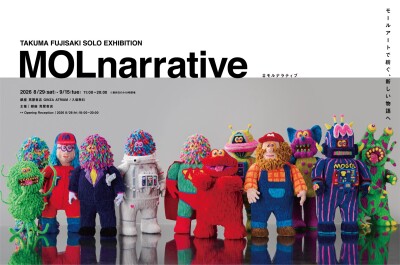
    TOKYO, JAPAN – Media OutReach Newswire – 4 September 2026 – Japanese artist TAKUMA FUJISAKI, exclusively represented by ARTOX GROUP, officially opened his solo exhibition “MOLnarrative“ at GINZA ATRIUM, Ginza Tsutaya Books in Tokyo on August 29, 2026. Running through September 15, the exhibition traces 18 years of Fujisaki‘s artistic exploration of pipe cleaners, while two additional presentations and limited-time pop-ups inside Ginza Tsutaya Books showcase collaborative works, MOGOLS art toys and related merchandise.

    TAKUMA FUJISAKI, Exclusively Represented by ARTOX GROUP Solo Exhibition

    MOLnarrative: A Visual Narrative Built Across 18 Years

    “MOLnarrative” takes Fujisaki’s 18-year creative journey with pipe cleaners as its central timeline, bringing together characters and three-dimensional works created throughout different periods of his career. Each work exists as an independent object, while also functioning as a fragment of the artist’s thoughts, experiences, memories and the cultural atmosphere of the period in which it was created.

    By reconstructing these works along a shared timeline, the exhibition presents more than the evolution of pipe cleaner art. It reveals how an artist’s way of observing the world, interpreting culture and developing a visual language can continually evolve through sustained creative practice.

    Moving freely between pop culture, toy culture, design and art, Fujisaki has developed a unique sculptural language at the intersection of these fields. “MOLnarrative” is therefore not simply a retrospective. It is a visual narrative about memory, time, creativity and the changing perspective of an artist.

    Working across art direction and pipe cleaner art, Fujisaki has spent nearly two decades exploring the expressive potential of this distinctive craft material. Since 2010, he has presented exhibitions and workshops primarily in Tokyo, gradually developing a highly recognizable sculptural language of his own.

    In Fujisaki‘s hands, vivid and slightly irregular pipe cleaners are transformed from an everyday craft material into characters, sculptures and an expansive visual universe.

    His works often evoke a curious sense of déjà vu. They appear familiar, yet cannot be traced to any particular existing character or object. This balance between familiarity and unfamiliarity is central to the appeal of Fujisaki‘s work.

    The vivid colors, playful forms and subtle differences created through handmade production allow his works to exist simultaneously within contemporary art, design and toy culture.

    “MOLnarrative” is the visual narrative of one artist, woven through the material of pipe cleaners.

    A slightly irregular world created from pipe cleaners, carrying a sense of familiarity and nostalgia.

    Within these forms lies a curious sense of déjà vu, creating the feeling that we have seen them somewhere before.

    This familiarity, together with the joy generated by vivid colors, is at the heart of the appeal of pipe cleaner art.

    The characters and sculptures created through 18 years of working with pipe cleaners are independent objects, but they are also fragments containing the artist‘s thoughts, experiences, memories and the atmosphere of their respective eras.

    By reconstructing these works along a timeline, this exhibition aims not only to trace the development of pipe cleaner art, but also to reveal how the artist‘s perspective and way of seeing the world have continued to evolve.

    There are no absolute boundaries between pop culture, toy culture, design and art.

    Fujisaki moves freely across these fields through his own sculptural language, allowing his works to intersect with the memories and emotions of each viewer and generate new narratives.

    From Art to Fashion: Expanding the Possibilities of Fujisaki‘s Practice

    TAKUMA FUJISAKI‘s work is not confined to conventional exhibition spaces.

    In recent years, his distinctive pipe cleaner-based visual language and highly recognizable creative universe have increasingly attracted attention from brands and creative fields across Japan and overseas.

    In August 2026, Fujisaki collaborated with renowned Japanese fashion label COMME des GARÇONS HOMME on “COMME des GARÇONS HOMME × TAKUMA FUJISAKI MOGOLS,” creating collaborative art pieces for the brand‘s 2026 Autumn/Winter collection.

    The collaboration features art charms handmade from black pipe cleaners, bringing Fujisaki‘s distinctive sculptural language together with the aesthetic world of COMME des GARÇONS HOMME.

    Each piece was made entirely from pipe cleaners and handcrafted by TAKUMA FUJISAKI. The quiet strength of black, combined with the subtle variations inherent in handmade production, gives every piece its own expression and unique presence.

    Designed to be attached to bags and garments, the pieces can also be enjoyed as small standalone objects.

    The collaboration further demonstrates the versatility of Fujisaki‘s artistic language across different media and contexts.

    From gallery exhibitions to fashion products, and from independent artworks to wearable objects, pipe cleaners have become far more than a craft material. They have become a defining medium through which Fujisaki expresses his artistic vision.

    MOGOLS: A Distinctive Artistic Universe Born from Pipe Cleaner Art

    Through pipe cleaner-based creation, Fujisaki gradually developed his own characters and visual universe, which evolved into the distinctive art IP MOGOLS.

    MOGOLS is more than a character design project. It is a visual universe that has emerged through Fujisaki‘s long-term artistic practice.

    Beginning with pipe cleaner characters, the MOGOLS world has expanded into three-dimensional artworks, SOFVI art toys, collectibles and cross-disciplinary collaborations.

    Within Fujisaki‘s practice, pipe cleaners function as both material and language.

    Rather than treating the material solely as a traditional craft medium, he has continuously experimented with its physical qualities and transformed it into a highly recognizable artistic medium.

    From material to form, from form to character, and from character to an expanding art IP, Fujisaki continues to explore new connections between artistic expression and contemporary commercial culture.

    This approach has brought increasing attention from the fields of art, fashion, design and art toys, positioning Fujisaki as an artist to watch within Japan‘s contemporary art and emerging culture scene.

    ARTOX GROUP: Taking TAKUMA FUJISAKI and MOGOLS to the World

    TAKUMA FUJISAKI is currently exclusively represented by ARTOX GROUP.

    ARTOX GROUP will continue to support Fujisaki and MOGOLS in expanding beyond Japan through exhibitions, brand collaborations, art toys and cultural projects, bringing his distinctive artistic language and creative universe to audiences around the world.

    Since 2024, Fujisaki has increasingly expanded his creative activities across Asia and internationally.

    For Fujisaki, pipe cleaners are more than a material. They are a visual medium capable of crossing cultural and linguistic boundaries.

    From Tokyo, he is taking pipe cleaner art to different parts of the world, inviting audiences to discover the playfulness, warmth and limitless creative possibilities contained within the material.

    MOGOLGON Origin DX 26cm to Launch on September 15

    Coinciding with “MOLnarrative,” ARTOX GROUP will introduce a new SOFVI art toy from Fujisaki‘s MOGOLS art IP.

    MOGOLGON Origin DX 26cm will officially launch on September 15, 2026.

    Based on Fujisaki‘s signature MOGOLGON character, the new 26cm edition reinterprets the distinctive form through the medium of SOFVI, bringing a character originally developed within Fujisaki‘s pipe cleaner practice into the world of collectible art toys.

    As an important addition to the MOGOLS art IP, MOGOLGON Origin DX 26cm continues Fujisaki‘s distinctive sculptural language while reflecting the evolution of his practice from pipe cleaner art and character creation to collectible art toy production.

    The new edition will be available through the official ARTOX GROUP platform (artox.odoo.com) from September 15, 2026.

    From a single pipe cleaner to a character, from a character to an entire artistic universe, and now into fashion and art toys, TAKUMA FUJISAKI continues to expand the boundaries of his creative practice.

    MOGOLS, meanwhile, is moving from a distinctive Japanese art IP toward an increasingly international stage.

    Exhibition Information

    TAKUMA FUJISAKI Solo Exhibition “MOLnarrative“
    Dates: August 29 – September 15, 2026
    Venue: GINZA ATRIUM, Ginza Tsutaya Books
    Location: Ginza, Tokyo, Japan

    Two additional TAKUMA FUJISAKI presentations and limited-time pop-ups will also be held inside Ginza Tsutaya Books throughout the exhibition period.

    Hashtag: #ARTOXGROUP

    The issuer is solely responsible for the content of this announcement.
  • The Homeward Flow of Capital: Vinhomes at the Intersection of Global Wealth and Vietnam’s Opportunity

    The Homeward Flow of Capital: Vinhomes at the Intersection of Global Wealth and Vietnam’s Opportunity

    Large-scale urban developments, integrated ecosystems and transparent pricing platforms address longstanding concerns over information access and product quality.

    HANOI, VIETNAM – Media OutReach Newswire – 4 September 2026 – For overseas Vietnamese considering investment in their country of origin, two persistent concerns have traditionally been access to reliable information and confidence in product quality. As large-scale, internationally oriented urban developments continue to take shape across Vietnam, that landscape is evolving. With projects spanning thousands of hectares, living standards refined over nearly two decades, and an integrated ecosystem rarely matched in the market, Vinhomes has emerged as a natural destination for overseas Vietnamese investment.

    Vinhomes currently has a land bank of approximately 29,500 hectares.
    Vinhomes currently has a land bank of approximately 29,500 hectares.

    Global Remittances: A Steady Flow Increasingly Directed Toward Real Estate

    Globally, remittances have long ranked among the most stable sources of external finance for developing economies. According to World Bank estimates cited by the U.S. Federal Reserve, global remittance flows reached a record approximately US$818 billion in 2023(1), nearly four times the combined official development assistance (ODA) provided by OECD countries. Increasingly, these funds are moving beyond day-to-day consumption toward long-term asset accumulation, with real estate ranking among the preferred choices of financially established households.

    Vietnam offers a particularly clear illustration of this trend. Total remittances to the country reached approximately US$16 billion in 2024(2), keeping Vietnam among the world’s ten largest recipients. Notably, nearly US$8 billion in remittance capital flowed into Vietnam’s real estate market in the first nine months of 2025 alone(3), a strong indication of growing confidence among overseas Vietnamese in the domestic market.

    Unlike short-term speculative capital, overseas Vietnamese buyers tend to view property as a means of preserving and building wealth over the long term. This helps explain why large-scale urban developments with coherent master planning, transparent legal frameworks and proven operational capabilities are increasingly prioritized by this demographic.

    Recent amendments to Vietnam’s Land Law and Law on Real Estate Business, which took effect in 2024, have further expanded the rights of overseas Vietnamese. Those of Vietnamese origin who retain Vietnamese citizenship enjoy land-related rights and obligations broadly equivalent to those of domestic citizens. Those of Vietnamese origin without Vietnamese citizenship have also gained a more accessible legal pathway to home ownership.

    This policy shift addresses a substantial unmet demand. Potential housing demand among overseas Vietnamese in Vietnam has been estimated at more than three million homes, a market whose development was previously constrained in part by procedural barriers and concerns over the transparency of project information.

    Vinhomes: A Key Destination for Overseas Vietnamese Investment

    If policy reforms have opened the door, Vinhomes has become one of the key addresses through which overseas Vietnamese are choosing to invest.

    Over nearly two decades, beginning with developments such as Royal City, Times City and Vinhomes Riverside, Vinhomes has helped introduce and scale a model of integrated urban living in Vietnam, bringing homes, education, healthcare, retail, green mobility and essential services together within a single, connected environment. In doing so, the company has helped raise the benchmark for urban development across the domestic real estate sector.

    The scale of that platform is reflected in figures that few developers in Vietnam can match. Vinhomes currently holds a land bank of approximately 29,500 hectares, equivalent to nearly two-thirds of Singapore’s total land area, making it the country’s largest real estate developer by land holdings. The company has brought 32 projects and urban developments into operation, supporting the daily lives of hundreds of thousands of residents across Vietnam.

    Its momentum in 2025 further reinforced that leading position. Vinhomes recorded VND205.3 trillion in contracted sales in 2025, up 98% year on year. During the year, four new mega-urban developments were introduced to the market: Vinhomes Wonder City in Hanoi, Vinhomes Golden City in Hai Phong, Vinhomes Green Paradise in Can Gio, Ho Chi Minh City, and Vinhomes Green City in Long An.

    The company’s approach to raising living standards has also received recognition beyond Vietnam. At the Dot Property Southeast Asia Awards 2025, Vinhomes was named “Developer of the Year Southeast Asia 2025”, the highest distinction presented by the awards.

    It is this combination of scale, brand credibility and transparency that is proving particularly relevant to the global Vietnamese community.

    At Vinhomes Royal Island in Vu Yen, Hai Phong, the project attracted nearly 10,000 visitors and close to 2,000 purchase bookings within just over a month of its launch. A significant proportion of these prospective buyers were overseas Vietnamese from Germany, Poland and other European countries.

    The project was also among the first Vinhomes developments to publicly list property prices on the Vinhomes Market platform, enabling buyers anywhere in the world to access product information, pricing and sales policies remotely. For overseas Vietnamese, this directly addresses one of the most persistent obstacles to investing from abroad: the difficulty of obtaining comprehensive and reliable information without being physically present in Vietnam.

    At Vinhomes Hai Van Bay in Da Nang, a number of overseas Vietnamese families have chosen to acquire two different types of property within the development: one designed to generate rental income while they remain overseas, and another, such as a villa, intended for their eventual return to Vietnam, whether for retirement or long-term residence.

    Behind the appeal of individual developments is the broader Vingroup ecosystem, which brings together education through Vinschool and VinUni, healthcare through Vinmec, retail through Vincom Retail, hospitality and entertainment through Vinpearl and VinWonders, and green mobility through VinFast and Green SM.

    The significance lies not simply in the number of businesses involved, but in how these services work together. They allow a Vinhomes development to function as a complete living environment, with the convenience, connectivity and service standards increasingly expected of international cities. For overseas Vietnamese who have spent years accustomed to high-quality urban environments abroad, that continuity of experience can be an important consideration — whether the intention is to invest today or plan for a future return to Vietnam.

    A Two-Way Connection: When Confidence Becomes a Growth Driver

    The convergence of more open policies, substantial remittance flows and a leading urban developer with Vinhomes’ scale is creating a reinforcing cycle.

    Greater confidence encourages more overseas Vietnamese capital to enter the domestic property market. At the same time, the scale, credibility and operating track record of large urban developments give investors greater confidence that their capital is being placed in an environment they can understand, access and ultimately return to.

    For the global Vietnamese community, property can serve as one of the tangible links between financial participation and a deeper connection with their country of origin. As Vietnam’s cities continue to evolve, the opportunity increasingly moves in both directions: capital can flow back before people do, while the developments they invest in can become the places to which they eventually return.

    In that sense, Vinhomes is not simply participating in the flow of capital back to Vietnam. Its urban developments are helping give that flow a more tangible destination, one where investment, quality of life and the prospect of returning to Vietnam increasingly converge.
    Hashtag: #Vinhomes

    The issuer is solely responsible for the content of this announcement.

    About Vinhomes

    Vinhomes is a premier real estate developer in Vietnam, committed to creating integrated, sustainable urban communities that set new benchmarks for quality of life, environmental stewardship and long-term value creation.

    1. Federal Reserve — Global Remittances Cycle, February 27, 2025:
    2. The Saigon Economic Times — Remittance flows into Vietnam in 2025:
    3. Cong Luan — Nearly US$8 billion in remittances flows in as overseas Vietnamese increase domestic real estate investment:

  • Redress Design Award Winner Inspires Consumers To Demand More Sustainable Fashion Choices

    Redress Design Award Winner Inspires Consumers To Demand More Sustainable Fashion Choices

    Amid rising textile waste crisis, environmental NGO Redress’ world-leading sustainable fashion competition winner proves that designing out waste is one of fashion’s biggest opportunities

    HONG KONG SAR – Media OutReach Newswire – 4 September 2026 – Redress, the Hong Kong-based, Asia-focused environmental NGO accelerating circular fashion, announced the winner of the Redress Design Award 2026, the world’s leading sustainable fashion design competition, at a star-studded runway finale at CENTRESTAGE, Asia’s annual fashion showcase. The finalists’ runway collections, designed using circular techniques including factory surplus, discarded garments, excess new stock, furnishings waste, tackled the global textile waste crisis and highlighted what most fashion consumers do not realise: an estimated 80% of a product’s environmental impact is locked in at design stage[1], long before the clothes hit the shop floor.

    1Picture1

    “My generation of designers won’t be judged just on aesthetics. We must understand circularity – durability, repairability and recyclability – from the drawing board to fill the racks with what more consumers hope to buy. Coming into this wasteful fashion industry is intimidating and we must respond with courage,” said Jon Liesenfeld, from Germany, Redress Design Award 2026 First Prize Winner, who outdesigned seven other finalists from Hong Kong, Chinese Mainland, United Kingdom, Austria, and Israel.

    As Lead Sponsor, the Cultural and Creative Industries Development Agency (CCIDA) has supported the Award as a cornerstone project for 14 consecutive years. “Creativity and sustainability have never been more closely intertwined than they are today,” shared Drew Lai, Commissioner for Cultural and Creative Industries, CCIDA. “We take great pride in the legacy of the Award: over 350 alumni across more than 40 regions, many of whom have gone on to translate circular design principles into thriving, real-world practice — a clear testament to the Award’s wide-reaching impact.”

    The fashion industry must reinvent itself – from the drawing board up

    Textile waste is a global crisis, with an estimated 120 million tonnes generated annually, of which 80% ends up in landfills or being incinerated[2]. The global textile industry is only 0.3% circular[3].

    “Whilst the fashion industry faces serious challenges – from geopolitical pressures, inflation, complex global supply chains to incoming legislation – it is catastrophically still on its wasteful, runaway trainwreck,” said Dr. Christina Dean, Founder, Redress. “Circularity is flat-lining despite circular textile business models being estimated to generate US$700 billion in economic value by 2030[4] and whilst clothing waste sky rockets, which will be exacerbated by global dominance of ultra fast fashion brands. Redress’ work to catalyse circular fashion is critical and our educational movement has reached millions of designers in almost 100 countries worldwide,” she said.

    All finalists join Redress’ Alumni global network of 350+ designers who continue sparking solutions. Alumnus Kevin Germanier closed Paris Couture Week this spring with a collection made entirely from LVMH-owned brands’ excess inventory across. Alumnus Angus Tsui and Eric Wong have transformed retired DHL courier uniforms into accessories.

    Upcycling continues moving mainstream, with LVMH Group, Miu Miu, Coach, Uniqlo, Converse, Wrangler and Vivienne Westwood, developing various upcycled collections, selling its creativity and uniqueness rather than sustainability alone.

    Incoming regulation, particularly the European Union’s Ecodesign for Sustainable Products Regulation (ESPR), Extender Producer Responsibility (EPR) and the ban on destroying unsold clothing and footwear, have given brands more incentive to embrace upcycling than just a few years ago.

    Redress Design Award 2026 Prizes expose winners to array of British businesses

    Jon Liesenfeld wins an educational journey to British fashion businesses; from design-led apparel manufacturers, Simple Approach who produce 50 million apparel pieces annually for brands including Primark and Next; luxury womenswear brand Roksanda, worn by Her Royal Highness Catherine, Princess of Wales, Michelle Obama, Kate Blanchett and Anne Hathaway. This prize is supported by GREAT Britain & Northern Ireland Campaign.

    The runner-up, Jasmine Cheuk from Hong Kong, wins a mentorship with distinguished British fashion activist and competition judge, Orsola de Castro, who has mentored Redress’ competition winners every cycle for the last decade and has been a judge since the competition’s inception. Jasmine also won the Hong Kong Best prize.

    Redress empowers emerging designers to help close the educational skills gap

    Redress recognises the urgent need to equip designers with the skills required to narrow the educational gap within the fashion industry. An integrative review of 81 papers found that mainstream fashion design courses still “scarcely incorporate sustainability within their curricula”, underscoring the need to strengthen sustainability education through both theoretical understanding and practical application.[5] To date, Redress has directly educated 36,500+ fashion designers and educators and has generated 18 million views across its online educational resources.

    In addition to education, Redress builds strategic industry partnerships to create real-world pathways for designers. During the Redress Design Award 2026, finalists remade discarded, unwearable post-consumer clothing waste into retail-ready collections for multi-brand fashion retailer, D-mop, in collaboration with TAL Apparel, leading global garment manufacturer. This work was delivered as part of the ‘Remake to Retail’ challenge; the resulting collection is scheduled to launch with D-mop later this year.

    Redress Design Award turns consumer concern into sustainable demand

    Engaging with consumers to drive the sustainable fashion movement is critical, given rampant overconsumption and clothing underutilisation, which results in the majority of clothing being landfilled or burned within one year of production.[6] Whilst the majority of consumers believe brands have a responsibility to make positive change in the world[7], an intention gap between what consumers think and what they do persists, whereby 71% of global consumers are concerned about sustainability in fashion, yet only 3% of them are willing to pay a premium for it.[8]

    Through the Redress Design Award, finalists demonstrate that sustainable fashion can be desirable. By showcasing exceptional design and compelling storytelling, and by bringing remade clothing into mainstream spaces, these next-generation designers motivate consumers to actively choose more sustainable options, turning concern into demand.

    Editor’s Notes

    • Data and Statistics Insights: Redress Design Award: Redress Design Award Additional Resources – The Issues
    • Competition Criteria: The Redress Design Award 2026 was open to global applications from emerging designers and students with less than four years’ professional experience focusing on womenswear and menswear original collection designs. Competition brief here.
    • The People’s Choice winner, voted by the public, was Tal Zohar from Israel.
    • Judges are: Orsola de Castro, Author and Fashion Activist; Rachel Franklin, Director of ESG, Simple Approach; Cherry Mui, Editorial Director, Vogue Hong Kong; Rod Henderson, President, TAL Apparel Ltd; Angus Tsui, Creative Director, ANGUS TSUI and Alumnus, Redress Design Award; and Dr. Christina Dean, Founder and Board Chair, Redress.
    • Sponsors Cultural and Creative Industries Development Agency (CCIDA) as the Lead Sponsor. Other key partners include DHL and TAL Group.
    • Redress Alumni Networkoffers designers ongoing support as they develop their careers in sustainable fashion.


    [1] European Commission: Directorate-General for Enterprise and Industry and Directorate-General for Energy, Ecodesign your future – How ecodesign can help the environment by making products smarter, European Commission, 2012
    [2] Boston Consulting Group, Spinning Textile Waste into Value, August 2025
    [3] Circle Economy Foundation Circularity Gap Report Textiles (2024)
    [4] Ellen MacArthur Foundation (2021), Circular Business Models – Redefining Growth for a Thriving Fashion Industry
    [5] Sonika Soni Khar, From review to reform: designing an elective module through an integrated review on fashion sustainability, Frontiers in Sustainability, 2025
    [6] UBS (2021) $2.5trn industry at risk – What if consumers stop buying disposable clothes
    [7] Futerra (2019), The honest generation are here. Are you ready?
    [8] Boston Consulting Group, 2022: Consumers Are the Key to Taking Green Mainstream

    Hashtag: #RedressDesignAward

    The issuer is solely responsible for the content of this announcement.

    The Redress Design Award

    The Redress Design Award () is the world’s leading sustainable fashion design competition that educates and empowers emerging fashion designers about circular design techniques to reduce fashion’s negative environmental impacts. Organised by Hong Kong-based, Asia-focused environmental NGO Redress since 2011, the competition partners with academic institutions globally and attracts designer applicants from over 50 countries and regions to win prizes that connect them with global-leading fashion businesses to accelerate the change to a circular fashion industry.

    Redress () is a Hong Kong-based, Asia-focused environmental NGO founded in 2007 accelerating the change to a circular fashion industry by educating and empowering designers and consumers to reduce clothing’s negative environmental impacts. Locally, Redress has collected 208 tonnes of clothing for recirculation and educated 21,000+ Hong Kong students and teachers. Globally, they have directly educated 36,500+ fashion designers and teachers, amassing 18 million online views of their sustainable design educational content and building a social media reach of 46 million users.

    The Cultural and Creative Industries Development Agency (CCIDA) (), formerly known as Create Hong Kong (CreateHK) since 2009, was established in June 2024. CCIDA is a dedicated office under the Culture, Sports and Tourism Bureau of the Government of the Hong Kong Special Administrative Region (HKSAR Government) to provide one-stop services and support to the cultural and creative sectors with a mission to foster a conducive environment in Hong Kong to facilitate development of the arts, culture and creative sectors as industries. CCIDA’s strategic foci are nurturing talent and facilitating start-ups, exploring markets, promoting cross-sectoral and multi-disciplinary collaboration, promoting industrialisation of the arts, culture and creative sectors under the industry-oriented principle, and fostering a creative atmosphere in the community, thereby reinforcing Hong Kong as Asia’s creative capital and our positioning as the East-meets-West centre for international cultural exchange.

    Disclaimer: The Government of the Hong Kong Special Administrative Region provides funding support to the project only, and does not otherwise take part in the project. Any opinions, findings, conclusions or recommendations expressed in these materials/events (or by members of the project team) are those of the project organisers only and do not reflect the views of the Government of the Hong Kong Special Administrative Region, the Culture, Sports and Tourism Bureau, the Cultural and Creative Industries Development Agency, the CreateSmart Initiative Secretariat or the CreateSmart Initiative Vetting Committee.

  • DHL Group strengthens its Life Sciences and Healthcare capabilities in Singapore, reinforcing the nation’s position as Asia Pacific’s premier life sciences hub

    DHL Group strengthens its Life Sciences and Healthcare capabilities in Singapore, reinforcing the nation’s position as Asia Pacific’s premier life sciences hub

    • New and expanded facilities include DHL Supply Chain’s upcoming Pharma Hub 2, DHL Global Forwarding’s Singapore Coldchain Hub, and a dedicated GDP-compliant (Good Distribution Practice-compliant) healthcare space at DHL Express’ South Asia Hub
    • The investments position Singapore as a regional hub for temperature-sensitive and high-value healthcare supply chain

    SINGAPORE – Media OutReach Newswire – 4 September 2026 – Following the opening of its Pharma Hub last year, DHL Group is further strengthening its Life Sciences and Healthcare (LSHC) capabilities in Singapore through a series of investments that enhance its DHL Health Logistics network and expand its capacity to transport, store and distribute pharmaceuticals, medical devices, clinical trial materials and other healthcare products across Asia Pacific. The investments focus on three pillars: infrastructure, specialist expertise, and strategic partnerships. Together, they help maintain product integrity throughout the healthcare supply chain.

    Cool green cell packaging at Pharma Hub
    Cool green cell packaging at Pharma Hub

    Asia Pacific’s pharmaceutical logistics market is projected to grow from US$163 billion in 2025 to nearly US$239 billion by 2031, driven by rising demand for biologics, vaccines and other temperature-sensitive products that require specialized storage and transportation. As healthcare supply chains become increasingly complex, manufacturers are looking for logistics partners, who can protect product integrity and meet stringent regulatory requirements.

    To accede to that demand, DHL is putting new infrastructure across its Express, Global Forwarding and Supply Chain businesses, while continuing to grow its healthcare expertise and build closer ties across the broader logistics ecosystem.

    The investments also build on DHL Group’s broader commitment to LSHC and the continued expansion of DHL Health Logistics including the €500 million earmarked for Asia Pacific as part of €2 billion global investment in the sector announced in 2025. The program covers infrastructure and technology across storage, order fulfilment, distribution, global transportation and last-mile delivery.

    Infrastructure: Singapore Coldchain Hub, Pharma Hub 2, and dedicated GDP-compliant space at South Asia Hub

    DHL Global Forwarding is strengthening Singapore’s role in regional healthcare trade through the DHL Singapore Coldchain Hub, a dedicated healthcare logistics facility that will form part of DHL’s broader Health Logistics Air Freight Network connecting key pharmaceutical and life sciences markets worldwide. By combining global air connectivity with specialized healthcare handling capabilities, the network helps customers move sensitive pharmaceutical and life sciences shipments with greater reliability, visibility and temperature integrity across critical healthcare trade lanes. Together with a pharmaceutical corridor initiative being developed with ecosystem partners, the investment will help create more seamless, compliant and resilient healthcare supply chains across Asia Pacific and key healthcare trade lanes.

    Located within Changi’s 24/7 Free Trade Zone at Changi Nexus One, the S$22 million (€15 million) facility will provide 3,047 sqm of GDP-aligned temperature-controlled infrastructure for high-value, time- and temperature-sensitive healthcare cargo, including pharmaceuticals, vaccines, and biologics. With dedicated 2°C to 8°C and 15°C to 25°C handling environments, the facility is designed to support an unbroken cold chain from aircraft to a DHL facility and onward to customers’ warehouses, minimizing temperature excursions and reducing the need for supplementary temperature-control measures and packaging while preserving product integrity throughout transit. The facility is slated for launch in late 2027.

    “In healthcare logistics, precision is non-negotiable. A temperature excursion of just a few degrees can compromise the integrity of high-value medicines, biologics and other critical healthcare products. That is why building an end-to-end, unbroken cold chain is essential. Beyond protecting products, it gives healthcare companies the confidence that life-saving therapies can move safely, compliantly, and reliably across increasingly complex global supply chains. By combining specialized infrastructure, direct airside connectivity and dedicated temperature-controlled handling solutions, our new Singapore Coldchain Hub will help minimize product exposure throughout the shipment journey and give customers greater assurance that their products will arrive in the right condition, at the right time, to the patients who depend on them,” added Praveen Gregory, CEO, DHL Global Forwarding Singapore, Malaysia and Indonesia.

    DHL Supply Chain is building on the success of the Pharma Hub first launched in Singapore last year with a second pharma hub to further expand its healthcare logistics footprint in the country. The new $S7 million (€5 million) facility will provide additional controlled ambient storage capacity for pharmaceutical and medical device customers, supporting services such as warehousing, distribution, kitting and value-added healthcare logistics operations.

    Spanning over 8,000 sqm, the facility is designed as a 100 percent temperature-controlled ambient facility operating at temperatures between 15°C and 25°C with humidity control below 60 percent. The facility will accommodate approximately 7,680 pallet positions and incorporate GDP-compliant and GMP-aligned (Good Manufacturing Practice-aligned) infrastructure, including dedicated redressing rooms to support specialized healthcare logistics requirements. With both pharma hubs, DHL Supply Chain’s total pharmaceutical logistics footprint in Singapore will amount to approximately 16,000 sqm and accommodate around 12,000 pallet positions. It is expected to begin operations by the first half of 2027.

    “Capacity on its own isn’t the goal. It’s what that capacity allows our customers to do,” said Eunis Hew, Managing Director, DHL Supply Chain Singapore. “Pharma Hub 2 builds on the strong foundation we have established with Pharma Hub, giving our customers additional room to grow while maintaining the quality and compliance standards their products require. As healthcare supply chains become more sophisticated, purpose-built infrastructure becomes increasingly important.”

    DHL Express has installed a GDP-compliant handling and storage space of around 20 sqm at its South Asia Hub at Changi Airport. The controlled ambient room with a temperature range of 15°C to 25 °C allows temperature-sensitive pharmaceutical shipments to move securely through one of the region’s most important air logistics gateways. This also marks the first GDP-compliant healthcare logistics space within a DHL Express facility globally.

    GDP-compliant processes help ensure that medicines are handled under appropriate conditions, remain traceable and maintain their quality throughout the distribution journey.

    “When it comes to healthcare shipments, every handoff matters,” said Christopher Ong, Managing Director, DHL Express Singapore. “By expanding GDP-compliant handling and storage capabilities within our South Asia Hub, we’re helping customers reduce risk during transit and maintain the integrity of temperature-sensitive products throughout their journey. That reliability is critical especially when those shipments support clinical trials, hospital treatments and patient care.”

    People: Building expertise in teams

    Infrastructure is only one part of healthcare logistics. DHL is also investing in specialized healthcare logistics expertise across its operations to help ensure temperature-sensitive and regulated products are handled consistently at every stage of the journey. Teams across Express, Global Forwarding and Supply Chain receive ongoing training in areas such as temperature-controlled handling, GDP requirements, quality management and regulatory compliance, supported by DHL’s Certified Life Sciences Specialist program. These programs keep employees up to date with evolving industry standards and equip them with the knowledge needed to support increasingly complex healthcare supply chains.

    The company is also growing its pool of healthcare logistics specialists, such as pharmacists, combining operational expertise and industry knowledge to support increasingly stringent supply chain requirements.

    Ecosystem and partners: Building stronger healthcare supply chains

    DHL is working closely with airlines, airport partners, healthcare manufacturers and logistics providers to strengthen the broader healthcare logistics ecosystem.

    One example is DHL Express’ latest partnership with Life Science Incubator (LSI), a life sciences innovation ecosystem partner. Through the collaboration, DHL will give start-ups, SMEs, researchers and healthcare innovators access to specialized logistics capabilities at LSI’s incubator and conduct workshops and training programs covering international trade, supply chain management and cross-border regulatory requirements. By bringing logistics expertise closer to where innovation takes place, DHL aims to help emerging healthcare businesses scale more effectively and navigate global supply chains.

    Together with Changi Airport Group (CAG), DHL Global Forwarding is enhancing healthcare trade lanes across Asia Pacific to support the safe and reliable movement of pharmaceuticals, vaccines and other temperature-sensitive products through Singapore. By combining Changi Airport’s extensive global connectivity and airside access with DHL’s global healthcare logistics expertise, dedicated cold-chain capabilities, and expanding Health Logistics network, the Singapore Coldchain Hub collaboration aims to give customers greater consistency, visibility, and confidence across their supply chains.

    Collectively, these investments position Singapore as an increasingly important gateway for healthcare and life sciences supply chains in Asia Pacific. Leveraging its specialized infrastructure, skilled teams and strong industry partnerships, DHL is helping customers navigate growing supply chain complexity while maintaining the integrity of critical healthcare products.

    Hashtag: #DHLGroup

    The issuer is solely responsible for the content of this announcement.

    DHL – The logistics company for the world

    DHL is the leading global brand in the logistics industry. Our DHL divisions offer an unrivaled portfolio of logistics services ranging from national and international parcel delivery, e-commerce shipping and fulfillment solutions, international express, road, air and ocean transport to industrial supply chain management. With approximately 389,000 employees in more than 220 countries and territories worldwide, DHL connects people and businesses securely and reliably, enabling global sustainable trade flows. With specialized solutions for growth markets and industries including technology, life sciences and healthcare, engineering, manufacturing & energy, auto-mobility and retail, DHL is decisively positioned as “The logistics company for the world”.

    DHL is part of DHL Group. The Group generated revenues of approximately 82.9 billion euros in 2025. With sustainable business practices and a commitment to society and the environment, the Group makes a positive contribution to the world. DHL Group aims to achieve net-zero emissions logistics by 2050.

  • Professional Services Centre Alliance Connects Businesses Across Singapore, Indonesia and the Region

    Professional Services Centre Alliance Connects Businesses Across Singapore, Indonesia and the Region

    LSAF Global, in partnership with ISCA and the Professional Services (PS) Centre Alliance, brings the PS Centre ecosystem to businesses in Indonesia.

    SINGAPORE – Media OutReach Newswire – 4 September 2026 – A business expanding into another country may need an accountant, lawyer, tax adviser, talent specialist and local business partner before it can make its first move.

    The challenge is often not finding advisers. It is knowing where to start.

    LSAF Global, in partnership with the Institute of Singapore Chartered Accountants (ISCA) and the Professional Services (PS) Centre Alliance, is bringing the PS Centre ecosystem to businesses in Indonesia, connecting them with professional expertise, trusted networks and opportunities across Singapore, Indonesia and the region.

    The PS Centre is a collaborative network that aims to make that easier by giving businesses a trusted starting point to find professional expertise, local market knowledge and business connections when expanding across the region.

    Businesses in Indonesia can tap on the wider PS Centre network, which currently spans Hongqiao in Shanghai, Ho Chi Minh City, Nanjing and Singapore.

    The network is set to grow further, with Johor, Shenzhen and Bangkok among the next locations being developed.

    Together, the PS Centres and wider ecosystem are intended to create trusted business corridors across the region so that companies entering a new market do not have to start from zero.

    Cross-border business is getting harder

    The collaboration in Indonesia comes at a time when companies are looking overseas for growth while facing a more complicated business environment.

    Tariffs and geopolitical tensions are changing where companies manufacture and source their products. Supply chains are being redesigned. AI and cyber risks are creating new business questions. Sustainability requirements are changing how companies operate and report.

    Increasingly, these problems do not sit neatly within one profession.

    A company may start with a tariff question only to discover that it also needs tax, legal and supply chain advice. Another may see an opportunity in Indonesia but need help finding local partners and understanding how best to enter the market.

    The PS Centre ecosystem brings different forms of expertise and business networks together so companies do not have to navigate these issues alone.

    The collaboration comes amid strong economic links between Singapore and Indonesia.

    From Singapore to Indonesia and from Indonesia to the region

    The PS Centre ecosystem is designed to work across markets.

    Singapore businesses entering Indonesia can connect with local professional advisers, business networks and partners on the ground through LSAF Global and the wider PS Centre ecosystem.

    Indonesian businesses looking towards Singapore can tap the Singapore PS Centre and Singapore’s professional services ecosystem.

    A business looking beyond Indonesia and Singapore can tap the wider network for support in Vietnam and China. As new centres open, the network will extend into more markets.

    Across its existing locations, the PS Centre network has already facilitated more than 90 business connections, supported 100 companies and engaged over 700 businesses and professionals.

    The ambition goes beyond opening centres in different cities.

    It is to build a connected ecosystem and trusted business corridors that connect opportunities in one market with trusted expertise and networks in another.

    Helping businesses solve cross-border challenges

    A key initiative being expanded across the PS Centre network is the Business Growth Clinic.

    Its premise is simple.

    Businesses do not always know which professional they need. They simply know they have a problem to solve.

    A manufacturer may produce different parts of the same product across several countries and need help understanding how changing tariffs affect its business.

    A professional services firm may want to access talent in another market but is unsure how to structure its operations.

    Another business may be looking for an overseas partner, considering an acquisition or trying to understand how geopolitical changes could affect where it invests next.

    Instead of figuring out which adviser to approach first, businesses can bring their problem to the Business Growth Clinic.

    Depending on the issue, accountants, lawyers, tax specialists, valuers, consultants and other professionals can come together to understand the problem and connect the business with the expertise it needs.

    Businesses in Indonesia will also be able to tap the Business Growth Clinic through the PS Centre ecosystem. A Singapore company facing a business issue in Vietnam can tap expertise through the Ho Chi Minh City PS Centre. An Indonesian business looking to establish operations in Singapore can connect with professionals through the Singapore PS Centre. A business exploring China can access support through Hongqiao.

    As the PS Centre network expands, the reach of the Business Growth Clinic will expand with it.

    Mr Lee Boon Teck, President of the Institute of Singapore Chartered Accountants (ISCA), said: “Businesses do not always know which professional they need. They simply know they have a problem to solve. The strength of the PS Centre lies in the network we are building together: connecting businesses with professional expertise, trusted networks and opportunities across markets. The PS Centre Alliance can help businesses in Singapore and Indonesia make the connections they need to grow across the region.”

    Connecting businesses with professional expertise

    The initiative is led by the PS Centre Alliance, comprising the Association of Small & Medium Enterprises, Institute of Valuers & Appraisers Singapore, Singapore Business Federation, Singapore Chinese Chamber of Commerce & Industry, Singapore Manufacturing Federation, Tax Academy of Singapore, The Law Society of Singapore and ISCA.

    The Alliance brings together organisations representing both sides of the equation: businesses looking for opportunities and professional services firms with the expertise to help them pursue those opportunities.

    In Indonesia, this gathering of the PS Centre Alliance partners to build relationships with local business and professional organisations, including the Indonesian Employers Association (APINDO), Singapore Chamber of Commerce Indonesia, The Indonesia Capital Market Institute (TICMI) and Kongres Advokat Indonesia (KAI).

    These relationships will help connect businesses with people who understand the local market while linking them to the wider PS Centre network.

    Building sustainability capabilities in Indonesia

    ISCA and Universitas Sahid (USAHID) will enter a three-year collaboration to strengthen sustainability capabilities in Indonesia.

    The collaboration will facilitate access to the ISCA Sustainability Professional Certification for eligible USAHID students, faculty members, alumni and other participants. It will also support learning and knowledge sharing in sustainability reporting and related areas.

    The collaboration aims to connect academic learning with professional practice and build a stronger pool of professionals who can support businesses as sustainability requirements evolve.

    Prof. Dr. Ir. Giyatmi, M.Si., Rector of Universitas Sahid, said: “Bringing the Professional Services Centre ecosystem to businesses in Indonesia represents an important step in strengthening collaboration between Indonesia and Singapore’s professional and business communities. We believe the ecosystem can serve as a valuable platform for knowledge exchange, professional development, and stronger connections between academia and industry. Universitas Sahid is pleased to support this initiative and looks forward to contributing to the development of future-ready professionals who can support sustainable and regional economic growth.”

    The collaboration in Indonesia marks another step in building a regional network where businesses, professional services firms and local partners can connect across markets.

    As businesses increasingly look beyond their home markets for growth, the aim is simple: when a business sees an opportunity across borders, it should not have to start from zero.

    For additional quotes from PS Centre Alliance partners, please refer to the attached Annex.

    ANNEX

    Ms Hamidah Aidillah, Vice President, Association of Small & Medium Enterprises, said: “For Small & Medium Enterprises (SMEs) looking to grow overseas, finding the right connections and trusted support in a new market can be challenging. Through the PS Centre Alliance’s collaboration in Indonesia, businesses can gain access to professional expertise and local networks, helping Singapore SMEs better navigate the Indonesian market and pursue opportunities for growth across the region. This move is also in line with ASME’s internatiolisation efforts across ASEAN. ”

    Mr Lie Kok Keong, Council Chairperson, Institute of Valuers and Appraisers Singapore, said: “Bringing the PS Centre ecosystem to businesses in Indonesia creates meaningful new opportunities for Chartered Valuers and Appraiser (CVA) holders to connect with a wider network of professionals in Indonesia through fostering knowledge exchange and capacity building. We encourage CVA holders to leverage on the wider network to build ties with their Indonesian counterparts to grow and create opportunities together.”

    Mr Mark Lee, Chairman of Singapore Business Federation, said: “Businesses today need to remain agile and diversify their markets to build long-term resilience. Indonesia’s long term growth prospects and close ties with Singapore offer significant opportunities for our companies. By bringing PS Centre Jakarta and SEC@Jakarta together, we can make it easier for businesses to access our collective networks, advisory expertise and facilitation support, and help them turn these opportunities into meaningful partnerships and growth.”

    Mr Ernie Koh, Council Member, Singapore Chinese Chamber of Commerce & Industry (SCCCI), said: “Indonesia is an important market for many Singapore businesses seeking to expand their regional presence. Through the PS Centre Alliance’s collaboration in Indonesia, enterprises can access trusted professional support and local networks, helping them better navigate the market and build the connections needed for cross-border growth.”

    Mr Wayne Yap, Chief Executive Officer of the Singapore Manufacturing Federation, said: “Professional services firms are important partners in helping manufacturers understand new markets, manage business requirements and expand with confidence. Through the PS Centre ecosystem, businesses will bring together professional expertise, industry networks and local market connections to support manufacturers and other businesses pursuing opportunities in Indonesia and across the region.”

    Mr Dennis Lui, Chief Executive Officer, Tax Academy of Singapore, said: “Tax is not a footnote to cross-border investment – It can determine whether opportunity becomes reality. Tax Academy of Singapore sits at the intersection of government, industry, and academia, enabling us to translate policy into practical capability and connect the people who make investment happen. Through the PS Centre Alliance’s collaboration in Indonesia, we want to bring that strength to the Singapore-Indonesia corridor – helping businesses move from opportunity to execution.”

    Ms Peggy Yee, Treasurer and Council Member of The Law Society of Singapore said: “With more businesses expanding across borders and industries, the ability to navigate legal and regulatory complexities will become a critical skill for both businesses and firms. Bringing the PS Centre ecosystem to businesses in Indonesia will further provide valuable and trusted support for enterprises in the region, ensuring access to trusted legal expertise along with other professional services.”

    Hashtag: #ISCA #CharteredAccountants #ProfessionalServices #ProfessionalServicesCentre #DifferenceMakers #Accounting #Accountancy

    The issuer is solely responsible for the content of this announcement.

    About the Institute of Singapore Chartered Accountants (ISCA)

    The Institute of Singapore Chartered Accountants (ISCA) is the national accountancy body of Singapore. Established in 1963, ISCA administers the Singapore Chartered Accountant Qualification programme and is the designated entity by the Singapore Ministry of Finance to confer the Chartered Accountant of Singapore [CA (Singapore)] designation.

    ISCA supports over 46,000 members across industries in Singapore and globally, with members in more than 40 countries. With a growing international presence, ISCA has 12 overseas chapters, 7 offices across 10 countries and a network of over 150 strategic partners, strengthening professional connections and opportunities across borders. ISCA is also a member of Chartered Accountants Worldwide, a global network representing more than 1.8 million Chartered Accountants and students across over 190 countries.

    ISCA advances professional development and lifelong learning through ISCA Academy, its training arm and drives community impact through ISCA Cares, its charity arm.

    For more information, visit .

  • Ngee Ann Polytechnic Launches SH1F+ to Advance People-Centric Workforce Transformation

    Ngee Ann Polytechnic Launches SH1F+ to Advance People-Centric Workforce Transformation

    New centre collaborates with EY to deliver advisory, capability building and workplace learning, with SkillsFuture funding available for eligible companies

    SH1F+ draws on NP’s expertise in resilience building, behavioural science, human-centred design and workplace wellbeing, to help people and organisations adapt, grow and thrive


    SINGAPORE – Media OutReach Newswire – 4 September 2026 – At a time when enterprise AI adoption is gaining momentum, Ngee Ann Polytechnic (NP) launched its Centre for Shaping Human-First Transformation (SH1F+) on 29 July 2026. This workforce transformation initiative is built to support people whose roles are evolving and the organisations they work in, so that change is made to last. The event was graced by Dr Janil Puthucheary, Senior Minister of State, Ministry of Education & Ministry of Sustainability and the Environment.

    A Human-First Approach to Workforce Transformation
    While technology is a powerful catalyst for change, it does not drive workplace transformation. Research by the TIAA Institute noted that technology adoption is fundamentally a human and organisational challenge that requires workforce readiness, capability development and buy-in[1]. In the face of AI-driven changes, ADP Research Institute also found that only about 15 percent of workers in Singapore feel secure in their current jobs, reflecting growing uncertainty about the future of work[2].

    As an institute of higher learning with close links to both industry and capability development, NP is uniquely positioned to help organisations transform from within. Specifically, SH1F+ does this through its rigorous methodology that focuses on how people experience and respond to change, providing end-to-end consultancy, training and support to ensure viability.

    SH1F+’s people-centred approach is evident in two main ways. Firstly, its proprietary Sandbox software is a key toolkit used for stakeholders – from leaders, managers, to teams – to assess current workforce capabilities, explore future possibilities, and align transformation strategies to business priorities. Employees remain firmly at the centre of this human-led and data-driven process, helping to shape redesigned roles, identify new skills, and prepare for new ways of working. Secondly, based on capability needs, SH1F+ designs and delivers structured programmes to build the competencies, mindsets and confidence of their employees. The result is workforce transformation that creates lasting value for both organisations and the people within them.

    “Technology is accelerating the need for workforce transformation, but many organisations still face gaps in strategy, culture, capabilities and job redesign. Leveraging NP’s experience in consultancy and training anchored in human-centricity and behavioural insights, coupled with our high-touch support, SH1F+ will help organisations make and sustain change for the long term,” said Mr Lim Kok Kiang, Principal and CEO of Ngee Ann Polytechnic.

    Funding Support for Transformation
    NP is collaborating with global professional services organisation Ernst & Young Advisory Pte. Ltd. (EY) to provide end-to-end consultancy services through SH1F+, from advisory, capability building, technology adoption to workplace learning. Eligible organisations can tap on the SkillsFuture Workforce Development Grant (Job Redesign+) scheme, with funding support of up to 70 percent for SMEs and 50 percent for non-SMEs, capped at S$150,000 per enterprise.

    “Workforce transformation in the age of AI must be human-first, not technology-first. As organisations accelerate AI adoption, many are rethinking how jobs are designed, how people are trained and how work is organised. Through SH1F+, EY and NP bring together complementary strengths to help organisations redesign roles, upskill talent and enable meaningful human-AI collaboration,” said Mr Goh Jia Yong, Partner, People Consulting of Ernst & Young Advisory Pte. Ltd.

    Transformation Begins with People
    SH1F+ draws and builds on NP’s growing ecosystem of centres that help organisations support people through change. Since 2022, NP’s Human-Centred Design Institute (HCDI) has been helping teams strengthen their creativity, collaboration and problem-solving skills. NP later established the Centre for Organisational Resilience and Inclusion (CORI) in 2024 and the Centre for Behaviour and Nudge Design (BaND) in 2025, expanding its work in building organisational resilience and harnessing behavioural insights.

    NP will further strengthen this ecosystem with the Centre for Workplace Well-Being (coWELL), which will promote workplace mental well-being through wellness and stress management initiatives.

    Together, these centres give SH1F+ its edge – a human-centric approach that helps organisations transform by strengthening its people’s capacity and confidence to change.

    (Please refer to Annex A for details on the SH1F+ model and how it draws on NP’s ecosystem.)

    Real-World Shifts: Supporting Workforce Transformation in Practice
    The human-first workforce transformation approach adopted by SH1F+ has already been piloted successfully.

    Through UOB’s Better U Pivot Programme, NP is supporting up to 500 employees transitioning into evolving job roles through structured training, personalised coaching and workplace learning. Early results have been positive: Employees participating in the programme have successfully moved into new roles and are continuing to deepen their skills in areas such as AI and digital capabilities.

    Murata Electronics Singapore partnered NP to create a talent growth and capability development framework. As part of the project, the company’s New Business Architect role, including its job scope and required skills, was redesigned and standardised across six countries. Through structured on-the-job training, the team effectively gained and applied new competencies, proving that transformation works best when employees are supported.

    (Please refer to Annex C for partner quotes on the impact of workforce transformation initiatives delivered in collaboration with SH1F+.)

    Annex A – The SH1F+ Model & NP Ecosystem Integration

    SH1F+ draws on the expertise of the signature centres in NP’s ecosystem according to the workforce transformation needs of each organisation. These centres include:

    Human-Centred Design Institute (HCDI)

    Established in 2022

    Provides training and certification in the globally acclaimed LUMA System of Innovation that develops an innovative mindset, laying the foundation for transformative work.
    Centre for Organisational Resilience and Inclusion (CORI)

    Established in 2024

    Provides expanded training, consultancy and research in human system design to support organisations in building resilience and readiness for change, strengthening teams’ ability to navigate uncertainty and embrace new ways of working.
    Centre for Behaviour and Nudge Design (BaND)

    Established in 2025

    Combines proven behavioural science and design thinking with AI tools to help organisations embed new habits that enhance workforce productivity and engagement.
    Centre for Workplace Mental Well-Being (coWELL)

    Launching in 2026

    Equips teams with practical strategies to strengthen mental well-being, supporting individuals through change as they adapt and thrive in new ways of working.

    Annex C – Partner quotes on the impact of workforce transformation initiatives delivered in collaboration with SH1F+

    “Transformation goes beyond new technology or operating model changes. Its success depends on people – their ability to adapt, learn and grow alongside the organisation. As AI opens up new possibilities and enhances the way we work, organisations have a responsibility to equip employees with the skills needed to seize new growth opportunities. Reskilling benefits both individuals and businesses, allowing organisations to retain valuable experience and institutional knowledge while building a future-ready workforce.”

    Dr Bryan Lim

    Head, Group Talent & Development

    UOB

    “Our partnership with Ngee Ann Polytechnic has enabled Murata Electronics Singapore to redesign roles and develop future-ready New Business Architects across Singapore, and ASEAN and India. By partnering with our employees, HR, reporting managers, and senior leaders, Ngee Ann Polytechnic helped create an enabling ecosystem that supports sustained role transformation beyond individual learning. Through a structured, workplace-based learning model embedded in real business projects, the programme equips our people with future-ready skills and competencies while strengthening our organisation’s ability to adapt to evolving industry needs and drive regional business growth.”

    Mr DM Venkatesan

    General Manager

    Regional New Business Development

    Murata Electronics Singapore

    Hashtag: #NgeeAnnPolytechnic

    The issuer is solely responsible for the content of this announcement.

    About Ngee Ann Polytechnic

    Ngee Ann Polytechnic started in 1963 and is today one of Singapore’s leading institutions of higher learning with over 13,000 enrolled students in close to 40 disciplines. It seeks to develop students with a passion for learning, values for life, and competencies to thrive in a global workplace. The polytechnic also supports Continuing Education and Training (CET) through its CET Academy, which offers a wide range of part-time programmes and short courses. It works closely with industry partners to curate programmes for emerging skills, develop talent pipelines for the industries and help adult learners stay agile in today’s rapidly changing global economy. For more information, please visit .

  • Ping An Digital Bank Launches Purchase Order Financing Tailored for Cross-Border E-Commerce Businesses

    Ping An Digital Bank Launches Purchase Order Financing Tailored for Cross-Border E-Commerce Businesses

    Empowering SMEs to Expand Globally

    HONG KONG SAR – Media OutReach Newswire – 4 September 2026 – Ping An Digital Bank (International) Limited (“Ping An Digital Bank”) has launched Purchase Order Financing product that specifically designed for cross-border e-commerce businesses, becoming the first digital bank in Hong Kong to offer dedicated factoring financing solution to export cross-border e-commerce merchants. Requiring no traditional collateral, eligible businesses can obtain financing of up to 95% of their accounts receivable based on eligible invoices, meeting their operational needs and enabling SMEs to take an important step toward global expansion.

    Mr. Thomas Tung, Chief Business OfficerofPing An Digital Bank, said, “As the Hong Kong’s first digital bank dedicated to SMEs, Ping An Digital Bank has always been committed to supporting businesses and driving transformation in the trade finance ecosystem through financial technology. By harnessing years of experience in exploring the potential of commercial data, and combining multidimensional data spanning trade and finance, we have redefined the credit assessment process to effectively resolve financing bottlenecks for businesses. The launch of Purchase Order Financing seamlessly integrates credit insurance with risk management, providing cross-border e-commerce merchants with more efficient and flexible liquidity support. Moving forward, we will continue to leverage our fintech prowess and synergistic financial services to help SMEs capture global cross-border trade opportunities, serving as a reliable backer for cross-border trading enterprises.”

    Ping An Digital Bank’s Purchase Order Financing is designed specifically for cross-border e-commerce businesses operating on open-account payment term With just eligible invoices, businesses can apply for financing with a ratio of up to 95% of accounts receivable, up to USD 5 million and a repayment period of up to 120 days. To address the urgent cash flow needs of cross-border e-commerce businesses, the approval and drawdown process can be completed as fast as T+1 business day. Unlike traditional approaches that rely on financial statements and collateral, Ping An Digital Bank innovatively utilises real-time sales data from cross-border buyers to gain insights into clients’ actual operational performance, thereby breaking through the cumbersome constraints of traditional credit assessment. The product architecture directly aligns with supply chain liquidity needs, empowering clients to deploy capital with flexibility and mitigate cash flow pressures with ease.

    Looking ahead, Ping An Digital Bank will continue to deepen the application of data analytics and financial technology, driving product innovation to empower trade businesses to achieve digital transformation and business upgrades. The Bank remains dedicated to refining its one-stop digital financial ecosystem, spanning business account opening, foreign exchange transactions, cross-border settlement, and flexible credit facilities—delivering holistic support for enterprise operational challenges, facilitating global expansion, and acting as a dedicated and trusted partner for SMEs growing on the international stage.

    Hashtag: #平安數字銀行 #PingAnDB #採購貿易融資 #PurchaseOrderFinancing

    The issuer is solely responsible for the content of this announcement.
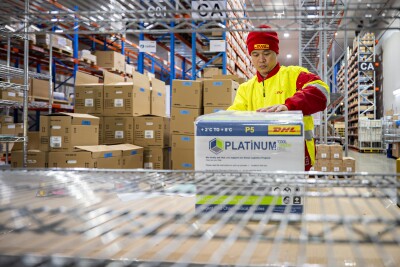
    Ping An Digital Bank

    Ping An Digital Bank (International) Limited (“Ping An Digital Bank,” “PingAnDB”) is a wholly-owned subsidiary of Lufax Holding Ltd (“Lufax”) (SEHK: 6623; NYSE: LU) and a member of Ping An Insurance (Group) Company of China, Ltd. (“Ping An”) (SEHK: 2318; SSE: 601318). Ping An Digital Bank was granted a banking licence by the Hong Kong Monetary Authority in May 2019 to offer retail banking and business banking services. Backed by Ping An’s advanced technology, Ping An Digital Bank is elevating banking experience, serving customer in Hong Kong and the Greater Bay Area, establishing itself as Ping An Group’s comprehensive financial platform in Hong Kong.

  • MIRAVA brings a new smart boat concept to Europe with $5M angel funding

    MIRAVA brings a new smart boat concept to Europe with $5M angel funding

    CANNES, FRANCE – Media OutReach Newswire – 4 September 2026 – MIRAVA, a new-generation smart boat company, is preparing for its European debut at the Cannes Yachting Festival 2026, following three years of product development and $5M in angel funding to support further development and small-batch production and deliveries.

    MIRAVA

    Designed around the idea of giving people greater freedom on the water, MIRAVA combines intelligent navigation, modular design and multiple recreational functions within a single 7.9-metre boat.

    Unlike conventional boats designed primarily around one activity, MIRAVA is positioned as a flexible recreational platform for cruising, family time, watersports, fishing and socialising. Its modular stern can transform the aft area into an expanded platform or be separated from the main boat to operate independently as a small tender.

    The company is also integrating autonomous boating technologies designed to reduce the complexity of operating a boat. These include autonomous docking, autonomous departure, dynamic positioning and autonomous following. A smart wearable allows the boat to follow its user while they are swimming, paddle boarding or diving.

    MIRAVA’s product development has been refined over the past three years, with the company focusing on making advanced marine technology practical and intuitive rather than simply adding more onboard technology.

    The boat will be presented in both fully electric and petrol versions. The electric model features a 100 kWh battery, 150 hp maximum power and a top speed of 20 knots, while the petrol version delivers up to 250 hp and 30 knots. Both versions measure 7.9 metres in length, with a beam of 2.44 metres and capacity for up to eight people.

    The $5M angel funding will support further product development as well as small-batch production and deliveries as MIRAVA moves towards its next stage of commercialisation.

    MIRAVA will make its European debut at the Cannes Yachting Festival 2026, Port Canto, Stand POWER132, before continuing its European presence at boot Düsseldorf 2027.

    The company sees Europe as an important market for demonstrating how intelligent technology, modular design and a more flexible approach to recreational boating can create a new experience on the water.

    Hashtag: #MIRAVA

    The issuer is solely responsible for the content of this announcement.

    About MIRAVA

    MIRAVA is a smart boat company developing a new generation of intelligent recreational boats. Combining advanced autonomous navigation, modular design and flexible recreational functions, MIRAVA aims to give people greater freedom in how they use and experience the water.

    Website: