The Malaysia Co-Investment Fund (MyCIF), set up by the Ministry of Finance, has continued to support of micro, small and medium enterprises (MSMEs) in its efforts to promote greater capital market access and inclusivity among the under-served segments.
In its Annual Report 2022 released today, MyCIF noted that the total funds raised by equity crowd funding (ECF) and peer-to-peer (P2P) platforms rose by RM300 million to RM1.7 billion in 2022 from 2021.
It said the 26% year-on-year growth in the overall ECF and P2P markets reflected the growing investor and business interest in alternative financing options. Of the total, MyCIF invested RM282 million compared to RM193 million in 2021, reflecting strong growth in the overall ECF and P2P lending spaces.
MyCIF’s public-private co-investment model via alternative financing platforms is the first-of-its-kind in Southeast Asia. It was set up by the MoF as part of Budget 2019.
MyCIF also reached a higher proportion of under-served segments in 2022. During the year, it implemented a special 1:2 co-investment ratio for agricultural businesses.
As a result, almost four times more agricultural issuers fund-raised on ECF and P2P platforms. Similarly, 28% of MyCIF funds were channelled to non-Klang Valley campaigns, up from 21% in 2021.
“MyCIF has proven to play a key role in supporting the growth of the ECF and P2P lending spaces,” SC Chairman Dato’ Seri Dr. Awang Adek Hussin said. “Approximately 10 times more firms have raised funds via ECF and P2P platforms since the inception of MyCIF.”
By 2022, a total of RM638 million* have been co-invested in almost 35,000 ECF and P2P financing campaigns, benefitting some 3,635 Malaysian MSMEs. Since its inception, MyCIF has generated a positive net return on capital of RM16.5 million. Until the end of 2022, it has received a total allocation of RM230 million, with an additional RM40 million allocated in Budget 2023.
Moving forward in 2023, MyCIF will encourage more innovation in areas that have been identified as strategic to the Malaysian economy.
It will do this by continuing its existing initiatives for agricultural businesses, as well as, extending the similar special 1:2 co-investment ratio to the environmental, social, and governance (ESG) sector.
This is also in line with the national sustainable development agenda, which aims to support the agriculture sector’s transition into a dynamic and progressive sector, and innovation in ESG and sustainability sectors.
MyCIF’s Annual Report also outlined its commitment to good governance while also promoting transparency in the deployment of public funds and the identities of those who have benefitted from them.
*Amount is larger than given allocation of RM230 million due to continuous re-investment of P2P notes, FD interest and ECF dividend
About the Securities Commission Malaysia
The Securities Commission Malaysia (SC), a statutory body reporting to the Minister of Finance, was established under the Securities Commission Act 1993. It is the sole regulatory agency for the regulation and development of capital markets. The SC has direct responsibility for supervising and monitoring the activities of market institutions, including the exchanges and clearing houses, and regulating all persons licensed under the Capital Markets and Services Act 2007. More information about the SC is available on its website at www.sc.com.my. Follow the SC on twitter at @SecComMy for more updates.
Pursuant to the earlier media release “Bursa Malaysia And RAM Collaborate On A New Debt Fundraising Platform,” issued on 22 December 2022,” Bursa Malaysia Berhad (“Bursa Malaysia” or the “Exchange”) and RAM Holdings Berhad (“RAM”) are pleased to announce that our joint venture entity, Bursa Malaysia RAM Capital Sdn Bhd (formerly known as BM RAM Capital Sdn Bhd) (“BR Capital” or “Company”) had on 2 June 2023 received approval-in-principle from the Securities Commission Malaysia (“SC”) in relation to BR Capital’s application to be registered as a Recognized Market Operator under the SC’s Guidelines on Recognized Markets, to manage and operate a new debt fundraising platform.
“We are appreciative of the SC’s support and are excited to be making good progress towards offering this new solution – investment notes as an alternative option for fundraising by small to mid-sized companies, while providing more investment opportunities to investors,” said Datuk Muhamad Umar Swift, Chief Executive Officer of Bursa Malaysia. “This upcoming fixed income solution is part of our aspiration towards truly being a multi-asset exchange.”
Chris Lee, Group CEO and Executive Director of RAM, echoed the sentiment, stating, “The approval-in-principle from the SC is a significant milestone for both RAM and Bursa Malaysia. The platform shall broaden fund raising avenues for both listed and unlisted entities whilst providing new fixed income investment opportunities to all investors. This collaborative achievement positions us to drive sustainable growth in the Malaysian capital market.”
About Bursa Malaysia
Bursa Malaysia is an exchange holding company incorporated in 1976 and listed in 2005, and has grown to be one of the largest bourses in ASEAN today. Bursa Malaysia operates and regulates a fully-integrated exchange offering a comprehensive range of exchange-related facilities, and is committed to Creating Opportunities, Growing Value. Learn more at www.bursamalaysia.com.
About RAM Holdings Berhad
RAM Holdings Berhad (RAM Group) is a leading provider of independent credit ratings, research, training, risk analysis, ESG analytics and bond pricing. Formerly known as Rating Agency Malaysia Berhad, RAM Holdings was established in November 1990 as a catalyst for the domestic debt capital market and as the nation’s first credit rating agency. In 2007, our rating operations were novated to a newly formed subsidiary, RAM Rating Services Berhad. Apart from credit ratings, the RAM Group also offers myriad solutions ranging from economic and debt market research, data & analytics and sustainability services. In 2016, RAM Sustainability commenced offering Sustainability Ratings, a tool and framework that measure companies’ environmental, social and governance (ESG) performance. Bond Pricing Agency Malaysia Sdn Bhd (BPAM) became a wholly owned subsidiary of RAM Holdings Berhad on 30 June 2021. The company is the sole provider of bond-pricing and valuation data on the Malaysian bond market and is regulated by the Securities Commission Malaysia.
The Securities Commission Malaysia (SC) is encouraging wider adoption of financial technology (fintech) in agriculture in order to help in achieving the country’s food security agenda.
SC Chairman Dato’ Seri Dr. Awang Adek Hussin said access to finance is critical to agriculture’s future.
This is especially important for smallholders and agritech-preneurs seeking to modernise agriculture and strengthen research and development, he said in his opening address at the SCxSC Grow Fintech Conference.
This marks the 10th iteration of the SCxSC conference that is held in-person after the Covid-19 pandemic.
SCxSC GROW, is a new collaborative programme, under the SC’s fintech flagship initiative “Synergistic Collaboration by the SC” (SCxSC). The SCxSC GROW embodies a collaborative effort with partners in the fintech ecosystem to harness the potential of alternative financing digital platforms to meet the needs of micro, small, and medium-sized enterprises (MSME) in strategic sectors.
Recognising the challenges faced MSMEs in the agriculture sector, Dato’ Seri Dr. Awang Adek said that leveraging fintech solutions will help improve access to financing and increase efficiency in the sector.
Dato’ Seri Dr. Awang Adek Hussin, SC Chairman
To achieve this goal, the SC has been working closely with ecosystem players to develop innovative solutions that cater to the unique financing needs of farmers and agribusinesses. This is in tandem with the national agenda to support the agriculture sector’s transition into a dynamic and progressive sector. Dato’ Seri Dr. Awang Adek said that the capital market can be an enabler and accelerator to help Malaysia achieve its food security agenda.
“Alternative financing avenues such as equity crowdfunding (ECF) and peer-to-peer (P2P) financing allow investors with the right risk appetite to mobilise capital directly for agri-preneurs,” he said.
This provides more options for younger and high-growth companies to access capital relevant to their business risk profiles,” he added.
Over 7,000 MSMEs have benefited from SC-registered ECF and P2P financing since their introduction in 2015, raising more than RM4.4 billion, with only 600 agri-related MSMEs across the entire value chain raising close to RM300 million. This presents a significant opportunity for agricultural growth and investment.
Dato’ Seri Dr. Awang Adek said, “Malaysia was also the first country in this region to adopt a co-investment model, MyCIF specifically for alternative finance platforms.”
MyCIF was instrumental in providing MSMEs with financing during the Covid-19 pandemic.
“MyCIF implemented a special allocation ratio of 1:2 for the agriculture sector in 2022, which is more appealing than the normal ratio of 1:4. We’ve seen increased interest as four times as many agri-businesses have raised funds through ECF and P2P platforms,” he added.
The SCxSC GROW Fintech Conference, themed “Fostering Innovative Finance in Agriculture”, aims to be a game-changer for the agriculture industry. With the world facing increasingly complex challenges, the conference brings together agriculture and fintech players to explore innovative solutions to food security, sustainability and supply chain resilience.
New cutting-edge solutions were showcased at the conference, highlighting the latest advancements in these fields. The conference also featured local fintech players in the agriculture sector.
These fintech solutions have the potential to revolutionise the way farmers access financing and manage their operations, enabling them to make better use of resources and increase yields.
About the Securities Commission Malaysia:
The Securities Commission Malaysia (SC), a statutory body reporting to the Minister of Finance, was established under the Securities Commission Act 1993. It is the sole regulatory agency for the regulation and development of capital markets. The SC has direct responsibility for supervising and monitoring the activities of market institutions, including the exchanges and clearing houses, and regulating all persons licensed under the Capital Markets and Services Act 2007. More information about the SC is available on its website at www.sc.com.my. Follow the SC on twitter at @SecComMy for more updates.
The Securities Commission Malaysia (SC) has taken action against Huobi Global Limited, and its Chief Executive Officer Leon Li for operating a digital asset exchange (DAX) in Malaysia without registration.
Accordingly, the SC has issued a public reprimand against Huobi Global Limited, and Leon Li for operating illegally in Malaysia.
In addition, the SC has ordered Huobi Global Limited to stop its operations in the country, including to disable its website and mobile application on several platforms such as Apple Store, Google Play and any other digital application platform.
Huobi Global Limited has also been directed to cease circulating, publishing or sending any advertisements, whether in email or on social media platforms, to Malaysian investors.
Leon Li, as the CEO, has also been specifically ordered to ensure that the above directives are carried out.
This decision comes after concerns about the platform’s compliance with local regulatory requirements and protecting investors’ interests. The SC views this breach seriously, as operating a DAX without obtaining the SC’s registration as a Recognised Market Operator (RMO) is an offence under Section 7(1) of the Capital Markets and Services Act 2007.
The SC urges Malaysian investors who have been using Huobi Global Limited to immediately cease trading through its platform, withdraw all their investments, and close their accounts.
Investors are strongly advised to invest and deal with RMOs that are registered with the SC. Registered RMOs have undergone strict regulatory scrutiny and are required to adhere to strict guidelines so that investors are protected under Malaysia’s securities laws. Those who invest with unlicensed or unregistered entities or individuals are exposed to risks such as fraud and may not be protected under Malaysian securities laws.
Investors should exercise caution when choosing investment platforms and to always do their due diligence before making any investment decisions. Additionally, investors should be wary of investment schemes that promise high returns with little risk, as they may be too good to be true. By taking these precautions, investors can safeguard their investments and avoid falling victim to fraudulent schemes.
As a busy working professional, startup investing can be an exciting and financially rewarding journey. It also allows you to diversify your investment portfolio. Early stage startups are usually not “bankable” as they cannot fulfil banks stringent loan requirements. So raising funds by selling their shares tend to be the usual way to extend their cash runway.
As a startup lawyer, I have acted for both investors and companies seeking to raise funds using equity crowdfunding (ECF), one of the increasingly popular alternative fundraising method. In this article, I want to share 5 steps to invest in ECF in Malaysia.
But before we get started on the 5 steps to invest in ECF in Malaysia, let us cover what is ECF and how does it work in the context of the Malaysian regulations.
What Is ECF And How Does It Work In Malaysia?
ECF is an alternative fundraising method for entrepreneurs seeking to raise funds for their business. As an investor, you will receive new shares to be issued by the company in exchange for buying shares in the business.
In Malaysia, ECF is a regulated activity under the purview of the Securities Commission of Malaysia (SC). Therefore, every ECF platform needs to be licensed by the SC before a business is permitted to raise funds and be hosted on such an ECF platform.
5 Steps To Invest In ECF In Malaysia
As promised, here are the steps to invest in ECF in Malaysia.
1. Get Registered As An Investor
Before finding and investing in a campaign, you must register and get verified as an investor. To date, ten ECF platforms are regulated by the SC. Different ECF platforms may have different businesses seeking investments. Do the necessary research on these ECF platforms and find out their past and existing campaigns to see if they are aligned with your risk appetite and interests.
After filling up the personal details, your investment limit will be fixed based on your investor category. The SC’s rules prescribed three investor categories, namely retail investor, angel investor or a sophisticated investor. An angel investor who is accredited by the Malaysian Business Angels Network can invest up to RM500,000 per campaign while there is no investment limit for a sophisticated investor (i.e. high net worth individual or high income earner).
You can register as an investor in multiple ECF platforms.
2. Choose A Business To Invest
Once verified as an investor, you can invest in campaigns hosted on the platform. The platforms usually send newsletters to your email and updates on social media on new businesses looking for funding, so be sure to keep checking for new businesses that may interest you.
Generally, as a non-professional investor, you may want to invest in a company that you understand based on your industry’s knowledge and aligned with your value.
3. Read The Disclosures About The Business And Carefully
One of the next steps to invest in ECF in Malaysia, is not to get hyped out due to the ‘FOMO’ ‘Fear of Missing Out’ factor. Like any asset class, you need to figure out the features and characteristics of the investment and the risks involved.
As an investor you get the go through the find a list of documents known as the disclosures displayed on the campaign page. They usually include the latest audited financial statements, management accounts, an investment pitch deck containing the business plan, management team, their expertise, funding amount requested, and the breakdown of how the funds will be used for the business.
If there is anything that you need further input, you can ask the management team during the pitching sessions hosted by the platform or even ask the platform to set up a meeting with the company’s representatives to ask further questions on certain matters.
Also, all the material legal documents and agreements such as the term sheet (setting out the investment offer), subscription agreement and shareholders agreement are also uploaded on the website. Be sure to read them and understand your rights as a crowdfunding investor.
At this stage, you may want to engage your professional advisers (i.e. legal counsel, auditors and financial planner) that you usually work to help you conduct the necessary due diligence on the business to help you decide whether to invest in a company.
4. Transfer The Funds Into The ECF Trust Account
Once you have decided how much to invest in a campaign based on the investment offer, you will need to transfer the cash into a trust account using online transfer. The platform usually sends an email within a few working days to confirm that they have received your investment.
All the funds raised will be held by a custodian as an escrow agent and will only be disbursed to the company once the campaign is successful. If the company fails to raise the minimum targeted sum, the platform will refund back the money.
5. Monitor Your Investments
The final steps to invest in ECF in Malaysia, is to monitor your investments. Usually, the company’s management team will send you periodical (usually on a semi-annual or annual basis) updates setting out the progress of the business growth to the latest financials.
As an investor, you will also get regular updates and meet-ups with the management team to discuss about the business progress.
Conclusion On The 5 Steps To Invest In ECF In Malaysia
Investing in high-growth companies via equity crowdfunding can be a great way to diversify your investment portfolio. But like all types of investments, equity crowdfunding is risky, and you can lose all your capital. As an investor, read and understand the risks before investing in a crowdfunding campaign.
But if you are raring to go, those are the steps to invest in ECF in Malaysia. It’s not that hard is it?
Izwan Zakaria is a lawyer at Izwan & Partners, a corporate law firm helping startups do business and raise capital in Malaysia and overseas. He can be contacted at izwan@izwanpartners.com
The recent collapse of Silicon Valley Bank (SVB) triggered mass panic in which the contagion effect have unfurled ramifications across the traditional finance industries. One of the main reasons in the SVB post-mortem is the lack of advanced cutting edgetechnologies for risk and regulations in the fintech sector.
In light of SVB and the FTX collapse, people started flocking toDeFi (Decentralised Finance) platforms. the recent collapse of FTX and bank runs actually underscores the need for a more decentralized financial system. When centralized institutions fail, there is no safety net to protect investors. DeFi distributes the risk across a network of users and smart contracts, making it less vulnerable to individual failures. traditional banks started to feel the pressure.
They realized that they needed to adapt or risk becoming obsolete. They started to explore the use of blockchain technology and DeFi, incorporating these systems into their existing infrastructure.
In other words, the collapse of FTX and the subsequent bank runs marked a turning point for the banking industry. It showed that traditional banks were no longer the only option for financial services. DeFi offered an alternative that was transparent, secure, and accessible to everyone. And as more people embrace this new system, the future of banking looks brighter than ever.
Smart Investor recently interviewed Terrence Hooi, CEO and Co-Founder, Singular Technologies to find our more about this topic. But before that, let’s begin by understanding more about non-custodial DeFi.
Terrence Hooi, CEO and Co-Founder, Singular Technologies
Non-Custodial DeFi
Non-custodial DeFi does not require regulatory controls because it is designed to be trustless and decentralized. Unlike centralized financial systems, where a central authority controls the flow of funds and is responsible for ensuring compliance with regulations, non-custodial DeFi operates on a peer-to-peer basis without intermediaries.
In non-custodial DeFi, users have complete control over their funds and can transact directly with each other using smart contracts. These contracts are self-executing and enforceable, meaning that transactions are executed automatically without the need for human intervention.
Since there is no central authority or intermediary involved, there is no need for regulatory controls to ensure compliance. Instead, the rules of the system are built into the code of the smart contracts, which are transparent and auditable by anyone. But again, Singular wants to actively work with regulators like DFSA and MAS Singapore.
Additionally, non-custodial DeFi is designed to be permissionless, meaning that anyone can participate in the system without needing permission from a central authority. This makes it more accessible to a wider range of users and reduces the potential for discriminatory practices or exclusionary policies.
Overall, non-custodial DeFi’s trustless and decentralized design makes it less vulnerable to fraud, hacking, or other forms of malfeasance that regulatory controls are designed to prevent. Instead, its transparent and auditable nature allows the system to self-regulate and enforce compliance with its own rules.
Singular Technologies recently launched a new institutional gradeatomic settlement platform – aptly called “Singular” – that is built on decentralized finance (DeFi) infrastructure. Atomic settlement is a technology that allows for simultaneous execution of multiple transactions or exchanges, reducing the risk of failed transactions or malicious attacks.
Singular’s DeFi platform has been recognized with numerous awards, including the Bold Awards 20’ Europe, Top 10 Fintech Startup, APAC, StartupWorldcup Regional Top Winner 22’, Alibaba Cloud Innovation Awards 22’, and ORIGIN Web 3 Top Disruptor 22’.
Smart Investor: What is the outlook on Stablecoins with looming recessionary and geopolitical pressures?
Terrence Hooi: With regards to the outlook on stablecoins in the face of looming recessionary and geopolitical pressures, there are a few different factors to consider:
1. Potential for increased demand: During times of economic uncertainty, people may turn to stablecoins as a safe haven asset. This could lead to increased demand for stablecoins, which in turn could drive up their value.
2. Potential regulatory challenges: Stablecoins are still a relatively new and unregulated asset class, and regulators may become more concerned about their potential to destabilize financial systems during times of crisis. This could lead to increased scrutiny and regulation, which could impact the growth of the stablecoin market.
3. Impact of inflation: If the recessionary pressures lead to high inflation, stablecoins could become more attractive to investors as a hedge against inflation. However, if stablecoins are not properly backed by assets, they could lose their peg and become vulnerable to inflation.
4. Geopolitical risks: Geopolitical risks can have an impact on the value of stablecoins. For example, if a country decides to ban the use of stablecoins or restrict their circulation, this could lead to a decrease in demand and value.
SI: Why did you and your co-founders decide to launch this product? What are 3 pain points or areas that Singular Technologies’ product addresses which other digital banking solutions or cryptocurrencies do not? How are you unique?
TH: The current state of DeFi Apps are notoriously complex to use and it is not a skill everyone can master. One of the main challenges facing DeFi today is the accessibility and scalability with subpar UX.
The very wealthy have always been able to afford to pay expensive money managers to manage and invest in Crypto, but financial APIs and DeFi in the late ‘Tens’ let Singular extend a similar service to people with a ~$10k net worth instead of ~$5M using Distributed Ledger Technology for the unbankable in emerging markets.
The current financial system is slow and expensive. For example, if you look at global remittances today using ACH or SWIFT, it is often slow and expensive ~2–3days. Compare that to stablecoins like USDC, which maintains a peg to the US dollar, it takes ~3 minutes without relying on any intermediaries.
Singular (SD) is an all-in-one banking and financial services platform for cryptocurrency users. Singular aims to outperform banks using the best elements of DeFi.
SI: Which markets are you currently active in? Any new entries planned in the near term? How has MRANTI assisted you in growth and expansion plans?
TH: US, Singapore & Japan. Japan have always been a hub for innovation, and we are excited to be a part of this thriving community with the help of MRANTI & MaTrade. Our new office will allow us to provide even better support and services to our Japanese users, as well as to collaborate with local partners and experts in the DeFi space.
The Founding team has expertise in building institutional-grade Crypto Exchanges capable of processing 2 million orders per second and building decentralized finance platforms for institutions.
SI: How is your new product purpose-built to promote financial inclusiveness ie banking of the unbankable?
TH: One of the key features of our platform is that it allows users to easily convert between traditional fiat currencies and cryptocurrencies. This makes it easy for users to participate in the global financial system and take advantage of the benefits of decentralized finance.
Our platform is different from traditional financial institutions in that we do not require users to have a traditional bank account or credit history. Instead, our platform is designed to be user-friendly and accessible to anyone with a smartphone and an internet connection. This is particularly important for the unbankable, who may not have access to traditional financial services due to a lack of documentation or credit history.
SI: So how does a person “buy” a stablecoin / Singular Token? What’s the minimum sum / volume or amount?
TH: Min can be as little as RM 100 and can it be traded, exchanged, borrowed, lent to only those w “stablecoins” or is it open to participate in any other crypto exchange?
We’re currently working with an internationally compliant fiat-gateway Xanpool, to allow users from Indonesia, Malaysia, Singapore , Hong Kong, Thailand, Vietnam, south Korea, India, Phillipines to easily use a bank account or CC to purchase Stablecoins like USDC or major cryptos like BTC and ETH.
SI: How do you ensure that your stablecoin remains stable and maintains its peg to the underlying asset, especially during periods of market volatility?
TH: The potential benefits of Stablecoins like USDC or Tether, which are now available on the Singular App. One of the key advantages of Stablecoins is their ability to maintain their peg to the underlying asset, even during periods of volatility. Assets backed USDC for instance is registered with FinCEN and regulated by 46 regulators.
This is particularly important in the context of decentralized finance (DeFi), where users are increasingly turning to Stablecoins as a way to mitigate the risk of market fluctuations. By providing users with access to Stablecoins, platforms like Singular App are helping to make DeFi more accessible and user-friendly for a wider range of users.
Stablecoins like USDC or Tether are designed to maintain their value through a number of mechanisms, such as backing the coin with a reserve of the underlying asset or using algorithms to adjust the coin’s supply in response to changes in market conditions. This ensures that the value of the Stablecoin remains stable, even in the face of market volatility.
In addition, Stablecoins can be used for a wide range of purposes, such as trading on decentralized exchanges, paying for goods and services, or as a store of value. This versatility has made them increasingly popular among users who are looking for a reliable and stable alternative to traditional cryptocurrencies.
Overall, the availability of Stablecoins like USDC or Tether on the Singular App represents a significant step forward for the DeFi industry. By providing users with access to Stablecoins, platforms like Singular App are helping to make DeFi more accessible and user-friendly for a wider range of users.
SI: Can you explain the process of creating and redeeming the stablecoin, and how do you ensure that the collateral backing your stablecoin is secure?
TH: The process of creating and redeeming Stablecoins on the Singular App is relatively straightforward. To create Stablecoins, users can deposit the underlying asset (such as USD) into a collateral pool on the Singular App. The app then mints an equivalent amount of Stablecoins, which can be used for trading or other purposes within the platform. To redeem the Stablecoins, users can simply exchange them back for the underlying asset in the collateral pool.
To ensure the security of the collateral backing of the Singular token, the platform uses a number of mechanisms. One of these is a smart contract that is designed to automatically liquidate collateral in the event that its value falls below a certain threshold. This helps to ensure that the value of the collateral backing the Singular token remains stable and secure.
In addition, the platform uses a combination of on-chain and off-chain mechanisms to monitor the value of the collateral pool in real-time. This helps to ensure that the collateral backing the Singular token is always sufficient to maintain the value of the token.
As Singular continues to develop its platform, it plans to roll out its own native token that is privacy-based. This token will be backed by a collateral pool, similar to the Stablecoins, and will provide users with even more flexibility and functionality within the decentralized finance ecosystem.
Overall, the use of Stablecoins on the Singular App represents a significant step forward for the decentralized finance industry. By providing users with a stable and reliable means of transacting, Singular is helping to make DeFi more accessible and user-friendly for a wider range of users.
SI: How do you plan to scale your decentralized finance solution to accommodate a growing user base, and what challenges do you anticipate in the process?
TH: Singular Milestones 2023
i.Smart Contract based Privacy Token.The Singular Token will be implemented with a smart contract that is ERC-20 compatible as well as privacy-preserving features such as zero knowledge proofs.
ii. To ensure The Singular Token on theSingular DeFi platform are private, the privacy token will utilize zero-knowledge proofs. Allowing two parties to prove the validly of transaction without revealing any information about the transaction while maintaining the integrity of the blockchain.
iii. To facilitate the trading of Singular Token, a KYC baseddecentralized exchange (DEX) will be built on Singular’s DeFi platform. Holders of Singular Token will be able to use Singular Token for zero fee global transfers, high-yield staking, and access to professionally managed decentralized assets. The platform will have robust security and compliance measures to ensure users funds are safe and secure and that the platform is compliant with regulators.
iv. Lending and Borrowing. To enable landing and borrowing of Singular Token, users can lend and borrow the privacy token, with interest rates determined by supply and demand. The protocol will be implemented as a smart contact on the Ethereum blockchain , ensuring the transactions are completely private while operating in a completely decentralized manner.
SI: How do you plan to handle regulatory challenges related to decentralized finance, and what steps have you taken to ensure compliance with relevant laws and regulations?
TH: Singular aims to submit a regulatory sandbox application with the Monetary Authority of Singapore (MAS) and the Dubai Financial Services Agency. A regulatory sandbox is a testing environment that allows companies to experiment with new technologies and business models while still being subject to regulatory oversight.
By participating in regulatory sandboxes, Singular can work with regulators to ensure that its platform meets all regulatory requirements and is safe and secure for users. It also provides an opportunity for Singular to demonstrate the value of DeFi to regulators and policymakers, potentially paving the way for broader adoption of DeFi in the future.
SI: How do you address concerns around transparency and auditability in your stablecoin decentralized finance solution, and what measures do you take to ensure the integrity of your platform?
TH: Every year, more money is lost in DeFi without the hackers being held accountable, resulting in a diminished sense of security with users. Currently, the largest drivers of crypto adoption are centralized exchanges (CEX) like Coinbase who integrate KYC processes. These regulatory measures issue accountability that lead to consumer confidence which DeFi currently lacks.
The Singular DeFi platform facilitates proper regulatory compliance while maintaining privacy by adhering to critical aspects of the users identity. Singular aims to solve these two major barriers that could led to large scale crypto adoption:
Lack of accountability and security in Web 3
Preserving investor privacy while interacting across DeFi protocols
SI: How do you plan to incentivize liquidity providers to participate in your stablecoin decentralized finance solution, and what benefits do they stand to gain?
TH: Firstly, as a liquidity provider, holders of Singular Dollar will be able to earn a share of the transaction fees generated by the network. This means that the more assets you contribute to the liquidity pool, the more fees you will earn. Our platform also offers additional rewards for early adopters and long-term holders, so you can earn even more as you continue participating in the network.
SI: What future developments do you have in mind for Singular, and how do you see the industry evolving in the next few years?
TH: 2023-2024 Singular DeFi platform that supports DeFi applications, including lending and borrowing protocols, automated market makers (AMMs) and decentralized exchange. The smart contracts will be written in a high-level programming language, such as Solidity, and replied on the blockchain network.
The DeFi platform will earn revenue through fees charged on professionally managed DeFi funds programmed on a smart contract. The platform will charge a management fee for the funds under management, typically ranging from 0.5% to 2% per annum. In addition, the platform may also charge a performance fee of 10% to 20% of profits generated by the fund. The revenue will be used to cover operational costs, pay the management team, and generate profits for the platform.
SI: What advice would you give to someone looking to enter the stablecoin decentralized finance space, and what key factors should they consider before getting started?
TH: Before investing in any stablecoin or DeFi project, it’s important to research the market and understand the risks and potential rewards. This includes looking at the track record of the stablecoin, the team behind the project, and the market demand for stablecoins.
DeFi is a relatively new and complex technology, and it’s important to have a solid understanding of how it works before investing. This includes understanding the basics of blockchain technology, smart contracts, and decentralized exchanges.
As with any investment, it’s important to carefully consider the risks and potential rewards before making a decision.
SI: Some transparency in terms of your reserves – how much is cash, how much is treasury?
TH: Singular Dollar privacy token is not yet launched.
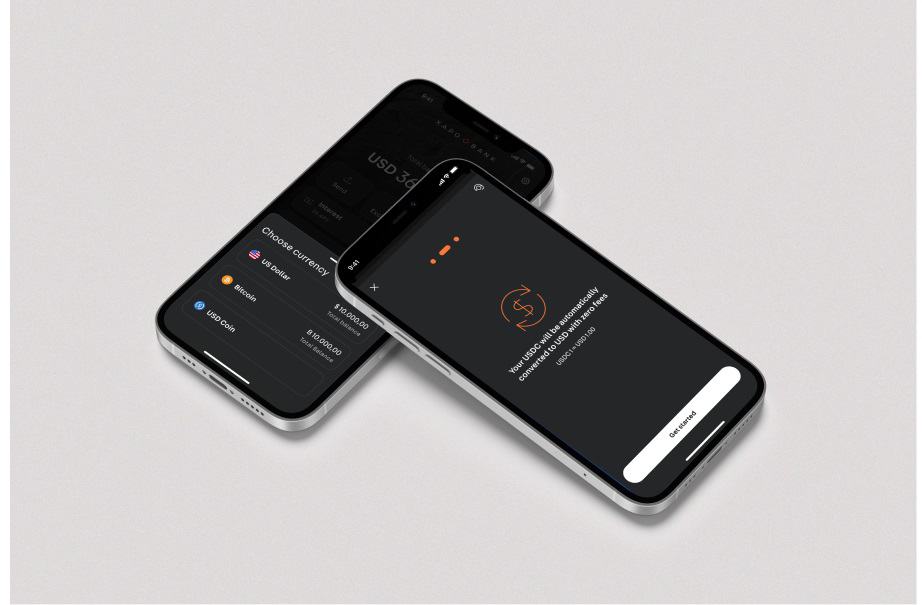
Xapo Bank, a leading Bitcoin custodian and licensed private bank, has collaborated with Circle, a global financial technology company helping money move at internet speed, to become the first licensed bank in the world to integrate USDC payment rails as an alternative to SWIFT. USDC is a digital dollar, also known as a stablecoin, that provides a faster and more efficient way to send and receive money around the globe, 24/7, including weekends, in under an hour.
By adding outrails to its existing USDC onramps, Xapo Bank enables members to bypass costly and time-consuming SWIFT payments and instead deposit and withdraw with no fees charged by Xapo Bank. The bank is offering a 1:1 conversion rate from USDC to USD. All USDC deposits at Xapo Bank are automatically converted to USD, meaning members can benefit from a 4.1% annual interest rate return on deposits.
A fully licensed and regulated bank, Xapo Bank is a member of the Gibraltar Deposit Guarantee Scheme (GDGS) and guarantees its members’ USD deposits up to *$100,000 USD equivalent. Ensuring member protection, Xapo Bank does not stake any crypto deposits or have any exposure to surrounding crypto markets as all deposits are automatically converted to USD held by the bank.
Unlike traditional banks, Xapo Bank does not lend and therefore does not rely on fractional reserve banking to make money as its core business model. Instead, Xapo Bank has all its customers’ funds in reserve and invests in short-term liquid assets to pass the interest earned to its customers.
Seamus Rocca, CEO of Xapo Bank, said: “Xapo Bank’s USDC payment rails mark a watershed moment in financial history, combining the speed and cost efficiency of the digital dollar with the security guarantees of a licensed private bank. Enabling auto-converted USDC deposits and withdrawals at Xapo Bank gives crypto members a safe haven for their savings. Running 24/7, including weekends, we eliminate the anxiety of keeping your money in exchanges and the hassle of expensive offramps into traditional banks.”
“Xapo Bank was built to protect members’ savings. Unlike many traditional banks, we do not offer customer loans; all of our customers’ money is held dollar for dollar on our balance sheet. It is invested in very short-dated, highly credit-rated money market instruments and short-term bonds. We pass that benefit to our members through a 4.1% interest rate, paid daily.”
“We charge our members an honest membership fee of $150 USD that helps us recover our overheads and means we don’t have to rely on paying almost no interest to our members or use hidden fees to make money. We give the benefit of more than 80% of the yield we generate back to our members.”
Xapo Bank is constantly striving to grow its payment rails options, offering members additional currency choices managed with the security of a fully-regulated bank. The USDC news comes after last week’s announcement that Xapo Bank had integrated with the Faster Payment System (FPS) to activate support for GBP settlement for account deposits and withdrawals. Earlier this month, the bank also announced an integration with Bitcoin’s Lightning Network, in collaboration with Lightspark.
*Xapo offers 4.1% interest on US dollar deposits, which are protected by the GDGS up to €100,000 EUR (i.e. circa $106,673 at current exchange rates).
Xapo Bank is a leading Bitcoin custodian and a fully licensed private bank. Founded in 2013, Xapo became one of the most trusted Bitcoin custodians in the industry, providing users with a secure platform to store and transact with their cryptocurrency. Evolving into Xapo Bank, it became the first crypto company in the world to obtain a banking license and has since expanded its offerings to include Savings accounts. It has future ambitions of offering Wealth Management and a full suite of private banking services like secured lending and asset protection among its future ambitions. With this expansion, Xapo is poised to become one of the leading private banks in the world, offering clients a level of security, privacy, and flexibility that is unmatched in the traditional banking industry.
About Circle
Circle is a global financial technology firm that enables businesses of all sizes to harness the power of digital currencies and public blockchains for payments, commerce and financial applications worldwide. Circle is powering always-on internet-native commerce, payments, and custody and is the issuer of USDC and EUROC. Circle’s open and programmable platform and APIs make it easy for organisations both large and small to run their internet-scale business, whether it is managing their internal treasury, making international payments, or automating supply chains. Learn more at https://circle.com
About Faster Payments
The Faster Payments Service (FPS) is a secure payments network that allows banks in the UK to send payments faster. It works by allowing banks on the network to electronically and securely transfer money between each other, with near-instant availability of funds. It is available 24 hours a day, 365 days a year. FPS’s benefits include faster processing time for payments, reduced costs and increased customer satisfaction.
About Lightning Network
The Lightning Network is a decentralised network on the Bitcoin blockchain that enables instant, low-cost payments across a network of participants. The Lightning protocol makes use of the security and liquidity of the Bitcoin network to create a secure network of participants who are able to transact bitcoin at high volume and high speed with low cost and instant settlement.
Environmental, Social, Governance (ESG) refers to the purpose of environmental, social, and governance aspects to measure how far along businesses and nations are with sustainability. The question is, does ESG and cryptocurrency align?
Last year, Bloomberg Intelligence predicted that Global ESG assets are on track to hit USD53 trillion by 2025 (a third of total Global Assets Under Management). Approach to social and environmental issues offers a particularly compelling picture of how ESG analysis may aid to improve currency investment and understanding of ESG and cryptocurrency in the area of modern money.
Deutsche Bank analyst provide an explanation on how ESG can be further understood in this area particularly regarding Fiat money and Crypto to being the possible ESG assets. It was observed that Fiat money is known to have issues towards the environment and can be considered to have a far greater but much subtle problem.
In addition, the influence of national policymakers to manufacture money through quantitative easing made central bank-backed currencies as the ultimate tool in bringing forward consumption from tomorrow to today, which also made it unreasonable to be accepted as ESG asset.
Similarly, there are considerable dangers associated with cryptocurrencies, particularly for prudent investors. The usage of virtual currency for illegal purposes is nevertheless widespread. According to Chainalysis, a Cryptocurrency monitoring firm, despite its transparent and traceable architecture, Bitcoin is still appealing to criminals because of its pseudonymous nature and the simplicity which enables users to move money immediately anywhere in the world.
As cryptocurrencies become more popular, some people are becoming concerned with the conflict of values between ESG and cryptocurrency especially regarding how much energy is being used in the mining process. The analysis report from Betterment estimates that just Bitcoin mining alone uses more power than several nations consumption.
The energy required to mine cryptocurrencies is tied to fossil fuels, which might increase greenhouse gas emissions. However, some might think otherwise as carbon impact of bitcoin mining is also decreasing particularly since China this year outlawed private coins and shut down massive mining operations.
Newer blockchains might even reduce the energy requirements of conventional central payment systems, providing encouragement that distributed ledger technology may help to effectively tackle climate change. For instance, the Crypto Climate Accord seeks to decarbonize the cryptocurrency industry by 2030.
Jan Kregel, Director of research at the Levy Economics Institute at Bard College in New York pointed out that a worse disaster than the subprime crisis might result from the Cryptocurrency market. According to him, although Crypto is not suitable in the ESG asset portfolio, the underlying technology (blockchain) is most likely to be accepted as ESG asset.
With all of these obstacles, in the context of ESG and cryptocurrency especially Bitcoin is doomed. This is due to its energy-heavy proof-of-work model. However, investors are told to be cautious in putting cryptocurrencies on par with fiat money, though both are dreadful on the ESG side.
Some of the ESG arguments against cryptocurrency could also be said of fiat money. For example, Scott Eichler of Standing Oak Financial, argue that 80% to 90% of fiat money has traces of cocaine on it. On the other hand, Coinshare’s 2019 analysis of the energy used by the bitcoin network suggested that 74.1% of the electricity it used then came from renewable sources.
The average lifetime of USD5 and USD10 Fiat money notes, according to the Fed, is thought to be five years. In addition to electricity, the production of fresh banknotes and coins requires water, wood pulp, cotton, different metals, linen, and other natural resources.
Hence, how effective are ESG reporting since ESG sometimes seems to contradict itself, especially in relation to virtual assets such as cryptocurrency?
Fossil Fuel And Cigarette Company Tops In ESG Ranking?
Back in May 2022, Co-founder of Tesla and SpaceX owner Elon Musk, claimed ESG is a fraud according to his Twitter. Both the oil behemoth Exxon and the corporation Philip Morris that is heavily involved in the cigarette business are included in ESG funds. Due to the variety of ESG grading systems, the reality of ESG investment can become even more perplexing.
Similar to this, Damodaran, a Professor of Finance at the Stern School of Business at New York University- agreed with Musk. He argues that ESG is not just an error that will cost businesses and investors’ money, while also making the world a poorer place. He added that it does more harm to society than benefit.
“Why is ESG being marketed so vigorously? Because of the ESG gravy train, which is funded by investors and taxpayers, includes accountants, measurement services, fund managers, and consultants. Corporate CEOs are embracing ESG because it liberates them from all required responsibility”, according to Damodaran.
Damodaran statements appears somewhat true when an online survey done by Betterment, who hired 1,000 individuals who own taxable investments to participate in a survey to determine who is and who is not investing in ESG and why. The findings show ESG investors also hold cryptocurrencies, which have also raised environmental concerns due to energy consumption.
80% respondents of those who hold ESG-themed investments also hold crypto investments. In comparison, just 22% of those without ESG-themed investments have crypto in their portfolio.
In recent years, the popularity of sustainable investment have increased in part due to climate emergency and the present public health crisis. Be mindful although many would favour ESG due to the idea, trend, or the benefit it would bring, we must remember when there are financial parameter or indicators being established, there are always possible ethical drawbacks especially when it runs behind human actions.
Therefore, ensuring ESG being managed and used properly and honestly practice is a must. And that’s why there’s a need to reevaluate ESG and cryptocurrency in the context of modern money.
Azah Atikah Binti Anwar Batcha has an Accounting, Finance, Auditing, and Islamic Finance background. She has worked with two of the Big four firms prior to pursuing her postgraduate studies at University of Technology Malaysia (UTM), Kuala Lumpur. She can be contacted at aaabwrite@gmail.com
Stablecoins are in vogue, for good and bad reasons. On the bright side, by being allegedly backed one-for-one with hard currencies or near-money safe assets, unstable stablecoins hold the promise of functioning as privately produced money that could facilitate digital trade on distributed ledger technology (DLT) platforms in the future.
To see this, one must recognise an important property that defines the acceptance of a currency: the no-questions-asked (NQA) principle. Coined by Bengt Holmström, the 2016 Nobel Economics Prize winner, NQA means no due diligence is needed on the value of currency used in a transaction. All parties in a transaction accept the money at face value – a one-hundred-ringgit note means RM100, not a cent less.
The implication is enormous: banks will not put your transaction on hold to verify the value of your money when you wave your card to pay for a meal. Neither will the cashier waste time on physical verification if currency notes were presented. Just imagine how messily inefficient the payment system will be if otherwise occurred.
NQA also means no delay when it comes to redemption and convertibility. All banks shall do in the face of deposit withdrawals, for instance, is to let it be. Likewise, no parties in a transaction would question an exchange of a RM100 note for two RM50 notes or ten RM10 notes upon request.
For fiat currency, the trust is grounded upon central bank’s monopoly in currency notes issuance. For bank money, the trust is sealed by deposit insurance and access to central bank reserves.
Unstable Stablecoins?
Which brings us back to the viability of stablecoins as privately issued money. By what the trust on stablecoins can be underpinned? So far not much, other than the collateral in the form of cash and cash equivalents proportional to the stablecoins minted.
Tether, for instance, describes that “Every Tether token is always 100% backed by reserves, which include traditional currency and cash equivalents. Every Tether token is also one-to-one pegged to the dollar, so USDT1 is always valued by Tether at USD1.”
Leaving aside the fact that Tether has been sued and fined USD18.5 million for lying about its backing assets – less than 7% of its tokens were backed by cash and cash equivalents– the inner logic of a collateralised token is deeply flawed.
Now suppose the token is genuinely 100% tied up in perfectly safe and liquid assets. That simply means stablecoins are equivalent to but no better than cash. If so, what is the point to privately create a digital token, while the job can be carried out equally well by riskless central bank money?
But if the token is not fully backed by near-money safe assets, tokens become non-fungible, as the same tokens embody different intrinsic values when the collateralised assets are varying. Then the token users would need to consider whether to accept the token at face value in each transaction. After all, your USD1 stablecoin is not worthy of my USD1 stablecoin. This is a great example of unstable stablecoins.
NQA Concept With The Unstable Stablecoins
In this context, NQA principle is violated. Stablecoins are always vulnerable to runs, and therefore hard to use in transactions. There is a familial resemblance between the Free Banking Era of the 19th century in the United States and stablecoins. By passing the Free Banking Law first in Michigan, in 1837 and last in Pennsylvania in 1860, more than a dozen of states changed the way banks were operated. Anyone could just open a bank, but with one rule: banks had to back their note issuance one-for-one with state bonds.
Guess what? Bank notes were not economically efficient then as there was constant argument over the value of notes in transactions. NQA principle was broken, and there can’t be a functioning currency when there is no NQA.
Later in 1863, the National Bank Act was passed. Banks that could issue national bank notes were established. Privately issued bank notes were penalised out of existence, giving way to national bank notes that ended the free banking era.
If history is any guide, the parallel is clear: stablecoins are likely to be replaced by the coming central bank digital currencies that can also circulate on a DLT platform. No privately produced monies, however collateralised, can be as good as a properly run central bank monies.
Unless central bank digital currencies are designed for use only among financial intermediaries, then other private digital monies like stablecoins can co-exist to serve the wider economy on retail front.
But to transform stablecoins into the equivalent public money, the one-to-one peg to national central bank digitalcoins must be backed by central bank reserves. Stablecoins cannot become a stable currency until this occurs.
By leveraging the prevailing well-functioning banking and payment system, another option is to tokenise the bank deposits. These tokens would represent a claim on the bank, just as a debit card holder drawing on her savings deposits does. Tokens are then backed by deposits, which, in turn, are backed fractionally by central bank reserves and deposit insurance.
As such, fungibility is restored, and NQA principle is naturally effectuated. While stablecoins in its current form are inherently unstable, we certainly don’t want to throw the baby out with the bathwater by putting more nails in stablecoins’ coffin.
But rather, if we believe that digital exchanges enabled by DLT platforms are here to stay and proliferate in the future, sorting out a viable form for privately produced currency that can be used to grease the wheel of digital exchanges is a more productive way out.
We might not be far away from stabilising the unstable stablecoins.
About the Author
Wong Chin Yoong is a professor of economics in Universiti Tunku Abdul Rahman, and an external consultant to Max Wealth Group.
During the recent Singapore Fintech Festival 2022, which saw record turnout, a new digital asset was launched in the form of vouchers called “purpose-bound money”. They are powered by the Singapore Dollar backed stablecoin (XSGD) and processed on the Grab superapp, and piloted to 5000 participants with much fanfare. The vouchers were sponsored by Temasek, the best-managed sovereign wealth fund in the world.
Many thought that digital assets were gaining the public recognition and adoption it deserves. They enthused that the year-long ‘crypto winter’ is turning into spring, as November is usually a great month for the markets.
Temasek explained that it spent 8 months on “extensive due diligence” before making the investment. Fellow investors include Tier 1 venture capital (Sequioa, Softbank), hedge funds (BlackRock, Tiger Global), and multi-billionaires (David Loeb, Paul Tudor Jones) to name a few. Ordinary Singaporeans were caught in the same boat, as they were the second biggest traders globally on FTX pre-collapse, averaging 240,000 visits a month.
The markets went nuclear. Business Insider summed up wryly: “Up-vember has turned to Nope-vember!”
Can Retail Investors Really Manage Ultra High-Risk Assets?
Digital assets are extremely volatile. They have crashed so many times that there is a website dedicated to counting the number of times that “bitcoin is declared dead” by news outlets. At time of writing, there are more than 460 “obituaries”. Bitcoin has dropped by 75% from its high this time last year with about RM9 trillion in value destruction across the crypto market!
Take bitcoin for example: It has a very high level of residual risk i.e., risks that cannot be attributed to normal factors. This means that there are risks which are specifically unique to this asset class, and it is nearly impossible to be aware of or to address all risk factors.
Based on studies, 91% of bitcoin’s risk is unexplained. In comparison, broad-based equity indices like the S&P 500 have only <1% residual risk. Individual stocks typically carry higher residual risk, but much lower than that of bitcoin.
Investors might take on such residual risks to serve the notion that digital assets can hedge against global market downturns, but unfortunately, this could not be further from the truth. Bitcoin might not act as a safe haven against downturns such as during the pandemic. Instead findings show that it might even amplify losses.
Therefore, when you invest in digital assets, accepting high risk is not an option – it is par for the course. You stand to lose everything you have, and you shouldn’t be surprised by it. When a large sovereign wealth fund can lose its entire investment despite all the information access and investing tools at its disposal, what can we say for small-time investors?
Many non-professional investors are oblivious of taking large amounts of residual risks but are unable to sufficiently diversify them away.
Please ask yourself:
Do you know how to manage crypto exposures, optimize position sizes, and have the level of sophistication to do so?
Do you fully understand how price discovery in crypto works, and the outsized role which futures markets play?
How frequently should you rebalance your portfolios and what assets can you rebalance to?
How are you going to hedge risks when there are literally no hedging instruments offered by the DAXes in Malaysia?
Awareness Of Risk Is Not Equal To Suitability Of Investment
Investors are taught to allocate between the four main types of asset classes according to risk. You may put some into cash which tend to have the lowest risk, followed by bonds or properties, and finally into equities, which carry the highest risk.
Some consider digital assets as the fifth asset class though it is far riskier than equities. Often there are no financial statements or real fundamentals behind them, so investors have to rely on technical analysis. Furthermore, due to the lack of regulations, ‘information asymmetry’ remains a serious and unresolved problem – investors seldom have full or fair access to the information required. Under these circumstances, value investing is very difficult.
In the absence of corporate disclosure requirements, investors aren’t duly notified of the legal and technical threats that unfold. When all they see is the quotation board (as corporate news isn’t announced to DAXes), their decisions won’t be as informed as they should be.
For instance: They won’t know that the latest digital asset approved for trading in Malaysia, Solana is closely related to FTX, which is currently being investigated for large-scale fraud. Or that it suffered at least five major outages since its launch, rendering it ‘unusable’.
Or that Ripple is facing ongoing prosecution by the US SEC and has been delisted in leading foreign DAXes such as Coinbase. Or that Uniswap gets maliciously hacked every now and then, without any investor recourse.
Digital assets bound to a single corporate entity such as FTX present a big due diligence headache as investors won’t know what hit them before it’s too late. The performance of these entities directly correlates to the performance of their tokens.
They may behave like equity, but they are not beholden to their token holders! They are neither required to report or be transparent. Corporate controls take a backseat while their ‘moon-talk’ takes the wheel, right until the inevitable car crash.
Digital Asset, The Choice Of So Many Youths
Nevertheless, crypto has changed the investment dynamic. It has become a touchstone of pop culture. When you ask Millennials and Gen Zs, their first investment product is crypto even though it is the riskiest asset class! They’d place their life savings to buy illiquid artworks (in the form of NFT) even though that’s the last thing a normal portfolio will consider.
When you ask what their objectives are, it sounds like they want to chase unicorns or catch lightning in a bottle (expect prices to magically pump). Their investment strategy is mainly to hold until it hurts – while those who sell are shamed as weak hands.
It’s a ‘donut’ approach: Do nothing as it tracks to zero, just stare at the hole. Solana may have plunged 95% from its peak last year with no bottom in sight. But to Solana fans, it is the hill they die on.
The point is: It is not enough to be aware of the risks – most investors already are. Awareness is one thing, but the assessment of product suitability is quite another. But are DAXes making such an assessment? Are investors being risk profiled?
When it comes to a prolonged downturn like what is seen now in the crypto market, these investors become captive or stuck in their spot positions without ways to neutralise them or products to rotate out to.
Will the situation worsen once IEOs (initial exchange offering) start proliferating the market? IEOs share similar characteristics with private securities offerings, which are generally reserved for accredited investors. In Hong Kong, these are classified as “complex products” which warrant additional investor protection measures (HK SFC: Guidelines on Online Distribution and Advisory Platforms 2019).
In Singapore (where FTX is the latest storm to volley the island in a squall line from Terra Luna to Vauld to Three Arrows Capital to Hodlnaut), regulators have been repeatedly advising retail investors to stay away from crypto but was anyone listening?
When Investors Treat Crypto As Their Retirement Plan…
According to a Charles Schwab survey, nearly half of all millennials and Gen Zs see crypto as a viable retirement plan. This is not just a generational trend but a tech-driven one (Guardian).
They use digital tools like robo-advisors (Accenture) and prefer to pick their own stocks (Wall Street Journal). They think financial planners are for their parents (“OK Boomer!”) and rather get their fix from social media influencers.
Asset managers have been eager to gratify this demand. One of the world’s largest retirement funds, the Ontario Teachers’ Pension Plan for 330,000 working and retired teachers, decided to invest in FTX and is now among the biggest losers on record. Fidelity Investments, which administer pension plans for 23,000 companies in the US, has allowed contributing employees to choose bitcoin in their 401K retirement accounts.
Here in Malaysia, there are news reports that EPF funds were taken out during the Special Withdrawal rounds to invest into crypto – despite the looming retirement security crisis. DAXes are even talking up ‘monthly deposit features’ into crypto like regular savings plans!
There is increasing pushback, in the wake of FTX which fooled the most brilliant and vigilant asset managers. New York’s Attorney General cautioned, “investing hard-earned retirement funds in crashing cryptocurrencies could wipe away a lifetime’s worth of hard work”. US Congress is being asked to ban digital assets for individual retirement accounts as most of them “have no intrinsic value and are too unstable”.
The same goes for investing in “digital asset companies which are a breeding ground for fraud, crime and theft” and “do not operate with sufficient guardrails to protect retirement savings” (US NYAG: Prohibiting Retirement Investments in Crypto 2022).
If Investors Can’t Be Protected, They Should be Restricted
Investors must learn to see behind the smoke and mirrors of crypto. It is 90% marketing and 10% innovation, with a probability not promise of long term value. Many are over-confident of their own research and unaware of confirmation bias.
Even Temasek had to admit that their trust was “misplaced” in FTX. In an interview with Bloomberg, the FTX owner admitted that the concept of high returns in crypto was like a Ponzi scheme, which left the reporter utterly stunned!
Investors need to grow up and admit that they would have missed it too.
FTX is an unbelievably complex organization. Even the defunct Lehman Brothers which triggered the 2008 global financial crisis was less complex. FTX printed monopoly money, made investors buy it, then printed more monopoly money as collateral and took out real money loans – which it gambled away through a sister company.
If digital assets are high-risk products that require sufficient knowledge, experience and capital, why are they not restricted to sophisticated investors – but marketed widely including to the pensioners, the poor, the uninitiated?
The unwary masses are bombarded with outdoor billboards, online banners, radio spots, and roadshow trucks designed by award-winning agencies. Influencers are freely promoting crypto ads in the guise of financial education and luring their ‘followers’ into backroom deals.
At the end of the day, a good investment thesis should have a strong balance sheet, risk management practices, corporate governance, and recovery mechanism. Unfortunately, this basic hygiene is nowhere in the crypto sector.
Until this is done, if we cannot adequately protect vulnerable investor groups, then we ought to in good conscience restrict them from digital assets.
Crypto is here to stay but regulators should ensure it’s here for good. Where there are no suitability guidelines, digital assets are not considered an alternative investment but will become the new staple.
About the Author
Edmund YongKevin Wong
Edmund Yong and Kevin Wong are the partners of Celebrus Advisory, a regulation-focused consultancy for blockchain technology and digital assets.