As companies budgets and business plans for 2026, the latest global Risk in Focus 2026 Report by the Institute of Internal Auditors Inc. warns that boards must urgently strengthen governance to keep pace with fast-evolving risks.
The report has outlined changes in top risks over the years in many regions, showing how cybersecurity, business resilience, disruptive technologies such as AI, and geopolitical volatility are converging into complex increasingly interconnected, challenging and intensifying.
In the Risk in Focus 2026 Report’s regional deep-dives, Asia Pacific is highlighted as a fast-growing but risk-intensive region requiring urgent governance responses. Specially to Southeast Asia, the Report highlights that Cybersecurity (67%) tops the list as the number one threat, with AI, digital disruption, and data privacy expanding the attack surface. Business resilience (62%) comes second, reflecting the impact of tariff wars, supply chain shocks, and climate-related disruptions. The top two audit priorities for Southeast Asia (above 60%) mirror these threats.
For Southeast Asia, these trends not only heighten exposure but also present an opportunity: organisations that invest in the right resources, skills, and internal audit capabilities today will be better positioned to build resilience, sustain growth, and protect stakeholder trust in the years ahead.
However, while 52% of Southeast Asia survey respondents included digital disruption as a Top 5 risk – with AI reshaping competition and productivity, just 32% included it as a Top 5 audit priority. Many companies admit they lack the skills and frameworks to respond.
This year, the annual global report surveyed over 4,000 senior internal audit leaders worldwide, including 159 respondents from Southeast Asia who represent organisations with significant operations in the region. The 2026 edition introduces a forward-looking outlook — not just a snapshot of current risks but a projection of what boards cannot afford to ignore in the next three years. It also integrates AI, green finance, and geopolitical fragmentation as cross-cutting themes, which were less pronounced in earlier reports.
Malaysian Companies Under Pressure In 2026
Some of these risks are already manifesting and weighing on organisations in Malaysia. In 2024, police reports point to cybercrime losses exceeding RM1 billion, and yet, only 2% say they are prepared. That’s a governance gap with real financial consequences. Meanwhile ESG compliance pressures are also mounting with IFRS S1/S2 alignment this year and Scope 3 reporting by 2027.
Boards, therefore, cannot afford to deprioritise these threats, and gaps between identified risks and internal audit coverage, particularly in areas such as cybersecurity, digital disruption and human capital which must be addressed with the appropriate control measures.
In these, internal auditors can support leadership in anticipating risks, testing resilience and building confidence with stakeholders. What were once operational — have now become
business survival issues, and internal auditors are empowered to guide boards through this era of polycrises.
With organisations improving their resilience against “cascading failures”, The Institute of Internal Auditors Malaysia offers more than 90 training programs each year to elevate governance practices and foster a culture of transparency and accountability for businesses. IIAM recently launched the Statement of Risk Management and Internal Control (SORMIC) Guide 2025 with Bursa Malaysia which provides public-listed companies with a clear framework to strengthen disclosures, bolster investor confidence, and embed risk governance into their operations.
Demand for internal audit upskilling is also rising sharply: with growing enrolment in IIAM’s 80 programmes.” Continuous professional development and staying abreast of emerging trends are key to enabling internal auditors to excel in their roles. The Institute is central to equipping professionals with the knowledge, skills, and ethical standards necessary to comply with Global Internal Audit Standards effectively.
A report by the Securities Commission Malaysia (SC) shows that the number of women holding board positions in the private sector stood at 29% as of 31 December 2022. Meanwhile, according to the Women, Family and Community Development Minister Datuk Seri Nancy Shukri, in the public sector, over 38.2% of women were at decision-making levels professionally, holding senior-level positions in the JUSA (Jawatan Utama Sektor Awam) category.
Smart Investor contacted Michelle Johnson, general manager of marketing and product development of Niro Ceramic Group (NCG), one of the female figures on NCG’s board of leaders. She talks to us about the insights on the importance of equal opportunity in the workplace and what companies can do to create more opportunities for women to excel in their careers.
Michelle Johnson, general manager of marketing and product development, Niro Ceramic Group
Smart Investor: As a successful woman in a leadership position, what challenges have you faced in your career, and how did you overcome them?
Michelle Johnson: As the chief of marketing at NCG, I’ve learnt that being adaptable and flexible is paramount to staying a step ahead of the marketing landscape for the tile industry. Managing a growing team of marketing professionals with varying skill sets and personalities can certainly raise a few roadblocks. However, as a leader, I’ve found that camaraderie and effective communication helps to build a strong foundation for an agile team.
SI: How can companies create a more diverse and inclusive workplace for women, particularly in a male-dominated industry?
MJ: Creating a more diverse and inclusive workplace for women in a male-dominated industry requires sustained efforts and a commitment to change. For a start, companies should nurture a strong culture of inclusivity internally. This means fostering a safe and welcoming environment that empowers employees to express their ideas, opinions, and concerns freely.
SI: What role do you think women leaders play in driving innovation and growth within a company?
MJ: Women leaders can bring diverse perspectives and experiences to the table, which helps drive innovation and creative problem-solving. With more diverse leadership, companies will have a more comprehensive understanding of their market and meet the needs of a broader range of customers and stakeholders to drive innovation and growth within a company.
SI: In your opinion, what qualities are essential for success in a leadership role?
MJ: Throughout my career, I’ve found that the quality of being inspiring is vital for success. To lead is to inspire and motivate the people around me to realise their potential and achieve greater things. I strive to inspire by setting a good example, providing actionable feedback and recognition, and nurturing a positive and inclusive work environment.
Besides that, I also find that being visionary is the key to a successful leadership role. As a leader, having a very clear vision for the future of your organisation helps materialise sizable growth opportunities. Having the ability to conceptualise and communicate that vision effectively is incredibly important.
SI: Can you tell us about a time when you had to make a difficult decision as a leader and how you navigated that situation?
MJ: As a leader, my guiding principles are honesty and integrity. These values help me make coherent decisions, even when challenging or uncomfortable. I have consistently demonstrated these values to those above me, my peers, and those under my leadership. By upholding these principles, I have earned the respect of those around me, and I remain committed to maintaining these values in all my actions and interactions.
SI: What advice would you give young women just starting their careers in marketing and product development?
MJ: Be curious and stay up-to-date with the latest industry trends. The marketing and product development fields are ever-changing for most industries. Always have the drive to learn new things by keeping up with the latest industry movements. You can start by always having a pulse on the market movements and developments by reading industry publications, attending industry events and networking with other industry professionals.
Identify and harness your strengths and focus on refining them further. It could be your eye for analytics or your creativity. Focusing on your strengths will help propel your career trajectory and stand out, especially in a saturated landscape.
Global ReSkilling Movement (GRM), is an initiative aimed towards creating educational opportunities that help individuals around the world upskill and reskill themselves. Advances in technology and automation are constantly reshaping the world, and it’s getting increasingly difficult for employees to remain competitive in the workforce. In Malaysia alone, up to 60,000 people may lose their jobs this year, with retrenchments expected to hit multiple sectors in the country. Globally, the situation is even more dire.
Its mission is to equip 100 million individuals worldwide with quality education, to help them unlock their full potential and transform their lives for a better future. By providing reskilling and upskilling support, the GRM will work towards creating a powerful global pathway towards sustainable economic growth and a better future, with supported individuals up to 10 times less likely to drop out of work and thrive in their careers.
Chief Global Initiator of the Global ReSkilling Movement, Jin Tan, sharing his vision for a better future with quality education
“The McKinsey Global Institute estimates that as many as 375 million workers will have to switch occupations or acquire new skills by 2030 due to artificial intelligence and automation. Research from the World Economic Forum also suggests that if the current pace of workforce upskilling doesn’t pick up, it could take decades for future employees to be ready for the future of work,” said GRM Chief Global Initiator Jin Tan.
“The ability to adapt to new technologies and work environments is becoming increasingly important as the pace of change accelerates. It is a critical component of staying competitive in today’s rapidly evolving job market, and a key factor of long-term career success.”
GRM hopes to improve the global employment landscape with the help of generous sponsors around the world. Contributions from sponsors will be converted into digital learning accounts that focus on career and technical skills education, which will be distributed to individuals in need of improving their lives.
YBHG Datuk Azhar Muhammad D.S.S.A, J.P., Chairman of the Global ReSkilling Movement, sharing about the importance of accessible education in his speech
“Mastering skill areas such as digital literacy, critical thinking, cross-cultural communication, adaptability, and an entrepreneurial mindset, are necessary for any individual aiming for a position of success in the global marketplace. GRM’s mission is to ensure that the process of self-development is as easy and straightforward for everyone as possible,” said GRM Chairman Datuk Azhar Muhammad.
GRM Organizing Chairlady Aimi Salma said the increasingly competitive nature of today’s employment landscape meant workers could not solely rely on technical knowledge to thrive in their careers.
GRM Malaysia Organising Chairlady, Aimi Salma, delivering her speech for the launch
“Technical competency is important, but it is not enough for individuals to thrive in their careers. The workplace is constantly changing, and individuals need to be able to learn new skills when necessary,” she said.
The GRM is built on the foundation of three pillars:
Quality Education: The GRM believes education should incorporate the latest learning trends, promote critical thinking and problem-solving skills, and encourage lifelong learning. Its mission is to equip individuals with the knowledge and skills they need to succeed in the modern world.
Accessible Learning: The GRM believes that learning opportunities should be accessible to everyone, regardless of their financial or social status. It aims to provide education designed to meet the needs of underprivileged individuals who may face barriers to learning.
Increasing Jobs and Boosting Economic Growth: The GRM aims to address the skills gap by providing education programs that align with the demands of the modern job market. By doing so, it can bridge the gap between job seekers and employers, promote career learning and innovation, and contribute to economic growth and development.
Its mission is to equip 100 million individuals worldwide with quality education, to help them unlock their full potential and transform their lives for a better future. By providing reskilling and upskilling support, the GRM will work towards creating a powerful global pathway towards sustainable economic growth and a better future, with supported individuals up to 10 times less likely to drop out of work and thrive in their careers.
“With just a small gift of hope, you can transform lives and invest in our future. Together, we can create a more skilled and prosperous society for all,” said Tan.
To learn more on GRM, please visit www.grm.today today.
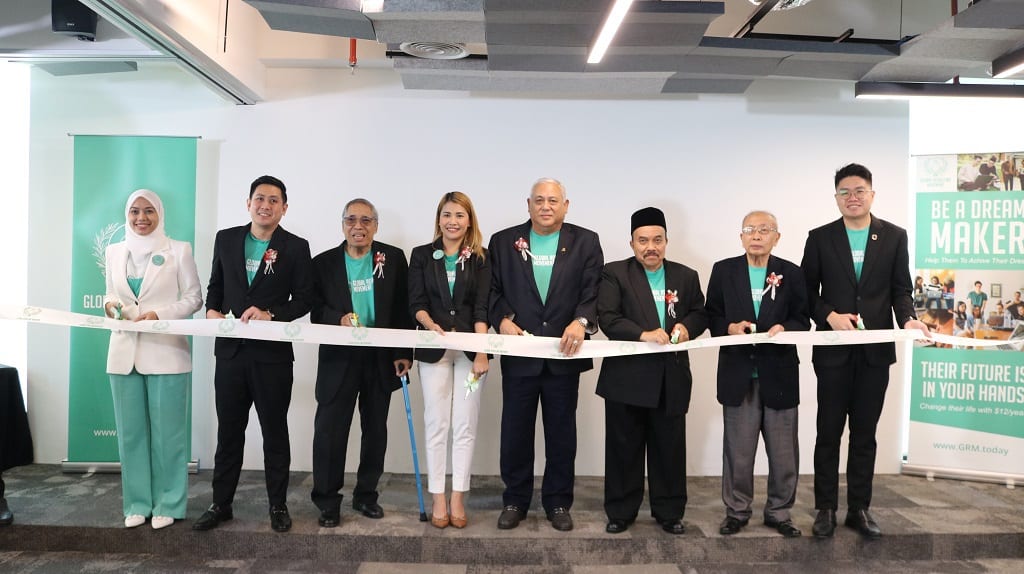
Group photo of all guests who attended the official launch and press conference of the Global ReSkilling Movement at ReSkills Hub
About Global ReSkilling Movement
The Global Reskilling Movement (GRM) is an initiative aimed at achieving a better world by providing complimentary education to aspiring learners. For more information, visit their website at https://grm.today/
Generation Z is becoming an increasingly influential group to the ever evolving 21st century workforce. What truly motivates this cohort ranging between 18-24 years old to actively participate in their workplace? How do organizations keep them happy and motivated? These are some of the questions that arise when we zero into empowering Gen Z workers.
Having just stepped into corporate life, they are now at crossroads as they find themselves struggling to adapt to the demands of remote work. According to research, over 33% said that working from home has adversely affected their work life balance and suggest that companies provide necessary tools for them to be more efficient in performing remote work.
Unlike millennials and baby boomers, they are motivated by an empowering work culture (29.4%), growth potential (28.2%), benefit packages (11.6%), high salary and raises (15.3% as well as personal relationships with co-workers (15.55%).
Many in fact, prioritize the well being of their mental health, with 82% citing they want mental health days which is a foreign concept to many HR practitioners. 73% cite that they in fact feel alone when it comes to remote work.
Which is where, as we adapt to the hybrid work era, corporations and employers must decide if setting strict guidelines on when and where employees can work or providing true flexibility and autonomy is the best way to engage and motivate employees. Especially with more Generation Z cohorts joining the workforce and preferring the latter, reports PwC’s Global Workforce Hopes and Fears Survey 2022.
Therefore, in order to truly maintain the hybrid working balance, here are some suggestions to navigate Mondays to Fridays to allow a balance of both autonomy but also retain some semblance of flexibility.
Meet-Up Mondays
Try kick starting the week with a collaborative team meet-up on Mondays, this can definitely be done virtually or otherwise. Success in hybrid work means rethinking collaboration, and according to a recent
McKinsey study, good workplace performance and higher employee job satisfaction are experienced by companies that prioritize collaborative and communicative environments.
A Jabra study reveals that collaborative technology, according to 84% of knowledge workers worldwide, will result in a workforce that is more meeting equity friendly.
Collaboration means giving your employees a voice to show what they are capable of bringing to the table, so remember to not shut them out.
Traveling Tuesdays
It’s Tuesday, and employees might be feeling the Tuesday blues already. Terribly long and squeezy commutes to the office for instance may cause stress and anxiety, compared to those who undergo shorter commutes or no commutes at all, according to a report fro[1] m the U.K.’s Office of National Statistics.
The survey findings of a McKinsey study show that more than half of the workers expressed their desire for their companies to implement a more adaptable hybrid virtual working arrangement.
In order to ensure that the hybrid experience is consistent throughout the company, regardless of where they are working, 68% of employees worldwide preferred that their employer supplied them with standardized, professional technology instead of forking out their own money for it.
According to Jabra’s research, 68% of employees preferred if they were outfitted with standardized, professional technology. The Jabra Evolve2 Series is one such device that keeps employees connected and productive with world class audio engineering.
Wireless noise-canceling audio devices like the Jabra Evolve2 Series will enable employees to maximize their hybrid workspace options without sacrificing productivity.
Third Space Wednesdays
As trust between employees, and supervisors grows, more individuals are beginning to work from locations that prove to be most convenient for them. The cafe, on the bus, while waiting for your laundry to be done, or even in your car, working from anywhere you pleased could be an absolute dream given the right tools to turn any space into a productive workplace.
Prioritizing your mental health and wellbeing comes up top on the list in ensuring that you are able to contribute effectively despite the setting you work from. According to a report from McKinsey, burnout continues to be a recurring effect when it comes to hybrid work with claims from over 49% of employees globally.
So try generating a workspace that energizes your employees and yourself as well as invest in good audio and video technology that will enable a productive third-space working.
Focus Thursdays
While working from home, the office or in a public space, background noises such as colleagues chattering, slamming doors, pots clanking in the kitchen, and so on—can distract employees.
Distraction may probably be due to the fact that one is half-focused. Try accomplishing one thing at a time and not overwhelm yourself with multiple tasks all at once.
An effective way to do this is to basically organize them according to top priority. According to a Harvard Business School review, creating a to-do list enables you to recollect tasks in hand that are needed to be accomplished and this eases the stress of having to manually remember them. So go ahead and incorporate colors or checkboxes just to make the process more fun. Additionally, using online sticky notes or google task bars can work just as well.
Home Fridays
Who doesn’t love Fridays? While still working on a hybrid mode, employees might turn down their moodiness a notch since it’s basically the start of the weekend. But despite that ‘TGIF’ feeling, there may still be a long list of back-to-back conference calls and team meetings to attend to.
According to a global survey of executives, employee experience experts, and knowledge workers, about 76% expected an increased use of video meetings as a result of the Covid-19 pandemic. Understandably, since teams do not get to see one another face-to-face during hybrid working, the best way possible to ensure connectivity and engagement is definitely to switch on the video camera.
Therefore, using the right tools to make sure we always look and feel our best is essential, and built-in cameras on our phones and laptops won’t be enough for a more long-term hybrid working arrangement.
According to research, 73% of Gen Z have cited they feel lonely while working remotely. This is where balancing workdays as well as premium video conferencing equipment such as The Panacast 20, enables them to feel included and represented during meetings.
More than ever, leaders must now embrace flexibility, by not only allowing employees to do so but also enabling them to.
Seeing how more Generation Z natives are entering the workforce, the need to grow accustomed to the hybrid work ways is important. Therefore gradually empowering them through technology that could produce greater engagement and better retention is the way to go.
By Agnes Koh, Regional Product Marketing Manager, APAC, Jabra.
About Jabra
Jabra is a world leading brand in audio, video, and collaboration solutions – engineered to empower consumers and businesses. Proudly part of the GN Group, we are committed to bringing people closer to one another or to whatever is important to them. Jabra engineering excellence leads the way, building on 150 years of pioneering work within GN. This allows us to create integrated tools for contact centers, offices, and collaboration to help professionals work more productively from anywhere; and true wireless headphones and earbuds that let consumers better enjoy calls, music, and media. GN, founded in 1869, operates in 100 countries and delivers innovation, reliability, and ease of use. GN employs more than 7,500 people and in 2022 reported annual revenue of DKK 18.7bn. GN Audio accounts for DKK 12.5bn.
GN brings people closer and is Nasdaq Copenhagen listed. www.jabra.com
One of the benefits of being in the learning and development field is the opportunity to have the pulse of the key challenges facing organizations. As I speak to the very top, I have the privilege of getting the views right from the CEOs themselves.
Often in a heart-to-heart talk to CEOs and after all the niceties and pretences, they are all willing to be open in their views with regards to training. Here are some of the common misgivings they have about training:
Most training at best is just knowledge enhancement and skill-building.
Many participants who are trained do not put into practice what they have learned.
Whatever they call them be it training or learning and development, many of these programs do not bring about the desired organizational change.
Most learning and development programs do not provide a structure and a process to bring about change
Many trainers do not understand the issues facing the clients and the industries they are in.
However, the good news is that training service providers who provide Change-Driven Programs (CDP) are more effective in bringing about positive and productive change in organizations. What is a CDP?
It is a fully customized change-driven program for the company in the specific industry it operates. Unlike the limited role of a training program, a CDP includes an industry analysis, organization diagnosis, change action plan development, and the measurement and monitoring of the progress of change implementation after the session.
Our company, KL Strategic Change Consulting (KLSCC) Change-Driven Approach in training comprise 4 components.
Organization Diagnosis
Prior to the conduct of the training, the consultant or subject matter expert will meet up with the company to understand the challenges it faces. He or she will request an organization diagnostic survey to a representative group of the company to ascertain the root causes of the issues and the barriers to change.
The survey is conducted in an anonymous manner to allow frank input with regard to the real issues facing the organization and its specific needs. While the conduct of the organization diagnosis may take time, it is certainly worth the effort, as this will enable the CDP to be conducted in a more effective manner.
Industry Analysis
An analysis is also done on the industry the client operates in. This involves studying the trends, challenges, and growth potential of the industry. Likewise, an analysis is also conducted on the client’s competitors.
This includes understanding the degree of intensifying competition in the markets, the regulations, technology, and globalization’s impact on the client’s company. There is an agreement with the client to choose which competitor it wants to benchmark against.
This is very useful is it provides a clear focus on the changes the company needs to drive towards and the standard it needs to raise to be at par with.
Change Action Plans
The problem with most training programs is that everything ends at the conclusion of the training. The missing link is action plans to address the issues and challenges facing the organization.
In a CDP, during the session, the consultant will facilitate a discussion, and assessment and come to a joint agreement with the participants on the specific action plans. Often in a session say of 25 participants, they will be divided into 5 groups. Each group will come up with an action plan to address specific issues.
For example, one group may address communication issues, another may address staff morale issues and yet another may address the processes in the organization. Each group will discuss and come up with solutions to address these issues and convert them into action plans with specific activities, deadlines, and assigned responsibilities to individuals or teams.
Measure and Monitor Progress
The management guru, Peter Drucker said it well, “You cannot manage what you do not measure”. To go beyond training, a CDP does not just stop at the end of the session.
The consultant ensures that all the action plans are forwarded to the head of human resources and the former will also monitor and follow up with the respective teams regarding the progress of these action plans. It has been proven that people are more committed to putting to practice what they have learned if they know that someone shows an interest and is measuring and monitoring the progress of what they are doing.
Hence it is no surprise that in many of our CDPs conducted, our clients have given testimonies sharing their experiences of positive and productive change in their workplace. Our work has been recognized by The Brand Laureate International with an award for our company, KL Strategic Change Consulting Group as the consulting and training company that provided the greatest impact on positive and profitable change for organizations in Malaysia.
Receiving the award on behalf of KL Strategic Change Consulting Group. The Company that made the most positive and profitable impact for corporations.
For learning and development to be effective, it must go beyond training. It must address the actual business needs of the organization in the specific industry in which it operates.
It must identify the real issues and the root causes that are preventing the organization and its people from changing. It must engage the participants in coming up with joint solutions and action plans to resolve these issues and bring about change.
Their action plans must have expected outcomes with specific measures of success with persistent follow-up actions until these goals are achieved.
About the Author
Ms. Jane CM Bee is the Executive Director of KL Strategic Change Consulting Group. She has extensive experience in marketing consulting and training services to clients in Brunei, Indonesia, Thailand, Singapore, and Hong Kong. She is currently managing a CDP called, “Implementing Successful Change in Organizations”. For feedback on this article email her at janebee@klscc.com or contact her at 012-2685212.
The following story is based on an actual series of events, with some names and circumstances fictionalised. Any similarity to any person’s name, character, or history is coincidental and unintentional. Business partners normally do well when the relationship and business are good, but what happens when either one passes away? This is how a buy-sell agreement can help all parties involved.
Teh and Fong have had a successful joint venture called Advanced Computing Machines Sdn Bhd (ACM), distributing computers and accessories throughout Malaysia. Each had an equal share of 50% in ACM.
Teh and Fong had been classmates since primary school and had a closer relationship with each other than with their siblings. They started the business in 1980 when the market was still new. Desktop computers were clunky, and laptops were unheard of.
The entry of the ACM joint venture was based on their shared conviction that the market for desktop computers would be big as such machines became popular among corporations.
As the manufacturing cost of computers came down, the market soon developed into a very competitive one. Fortunately, ACM, one of the early players, had a significant market share and could survive on razor-thin margins because of economies of scale and good teamwork between Teh and Fong.
Teh excelled in marketing, and Fong was a strong operations man. The two blended well and grew market share successfully. Profit grew to exceed RM10 million on an RM900 million turnover.
Teh brought in his son as his assistant, and Fong’s son joined shortly after as the company accountant. Their thoughts then were for their sons to be joint successors to the business.
Over time, however, it became clear to Teh and Fong that the two sons did not get along. They often complained about each other to their father. The animosity between them grew, basically stemming from a lack of trust. Fong’s son, being a typical accountant, was always eager to check on business development expenses, while Teh’s son resented his constant querying.
One day, Teh expressed his concern to Fong over a golf session. They both acknowledged that it would be a disaster for the business if both sons were to inherit what they owned. They decided to seek advice from me, whom they both knew as a financial planner for over a decade.
After a few pleasantries, they met me over lunch and brought up the subject of their concern.
Teh started by asking: “Jo, as you know, we have equal shares in ACM that you helped bring to IPO, and we are concerned that if one of us dies, the share in the business will go to our family and disrupt the business.”
Fong added: “The big worry is that our sons don’t get along. Sooner or later, there will be a fight, and the business will go downhill. Is there anything we can do besides leaving our assets in a will?”
I said: “Yes. There are two routes you can choose from. One is to sell the shares wholly or by a majority to a party interested in further developing the business. The second is to sign a buy-sell agreement between you so that when you die or become mentally incapacitated, your representative can sell to the other at a pre-agreed price or price-fixing formula.”
“But what if our successor refuses to honour the buy-sell agreement?” Teh asked.
I replied: “This is where it would be useful to do this buy-sell agreement with an independent trust company to act as your attorney. The trust company can then enforce the provisions you have agreed to and ensure the sale proceeds go to the beneficiaries.”
“What if my family does not have enough cash to buy?” asked Fong.
“Two ways. The first way is you can agree beforehand on payment in instalments. Or second way, as commonly done, both of you can buy insurance for a sufficient value to cover the shares to be purchased when the time comes.” I said. “For the process and the tax implications, consult an experienced trust company,” I added.
Shortly after, the buy-sell agreement and two insurance policies were put in place with the help of the trust company.
In 2020, Teh died from Covid-19 infection, and the trust company claimed the insurance proceeds, which were paid to the beneficiaries, and his shares were transferred to Fong.
This was a happy ending for everyone involved, avoiding conflict and hardship for the next of kin. This is a good example of how a buy-sell agreement manages to help.
Rockwills International Group, now in its 28th year, pioneered professional will writing in 1995 and has since evolved into the leading estate planning specialist in the country. It is today the largest provider of solutions and support services in trusts, succession, management and distribution of wealth. It has shareholders’ funds exceeding RM50 million. It has done over 280,000 wills and 15,000 trusts and holds more than RM25 billion in assets under trust.
In the world of ESG, corporate sustainability is gaining momentum. Corporate sustainability is an approach aiming to create long-term stakeholder value through the implementation of a business strategy that focuses on the ethical, social, environmental, cultural, and economic dimensions of doing business.
Smart Investor spoke to Professor Avvari V. Mohan, Deputy Head of the School of Business, Monash University Malaysia, to find out more about corporate sustainability trends in Malaysia. He is well versed in speaking on the realisation of sustainable development in Malaysia, the ecosystem required to do so, and the roles of different actors, with a focus on the private sector and education.
Corporate Sustainability Trends In Malaysia
Smart Investor: What is the state of Malaysia in terms of ESG?
Professor Avvari V. Mohan, Deputy Head of the School of Business, Monash University Malaysia
Avvari V. Mohan: The state of sustainability / ESG practices should be looked at from different perspectives – at the country level what is the institutional push from policy & regulatory support, adoption by a business organisation and how the consumers/society are practicing it?
At the country level, the National Sustainable Development Goals (SDG) Council, chaired by the Malaysian Prime Minister, sets the national agenda and milestones; and prepares reports for the United Nations (UN). Since 2009, Malaysia has put in place a progression of policies, frameworks and implementation mechanisms to move the country towards a low-carbon future like the National Green Technology Policy, The Renewable Energy Act, the Low Carbon City Framework and Assessment System (2011), the National Policy on Biological Diversity 2016-2025 and such.
On the technology front, the National Fourth Industrial Revolution (4IR) Policy has also made sustainability and ESG issues are the critical point, with clear outcomes to be achieved by 2030 to support the country’s commitment to the UN-SDGs. To resource the implementation of the SDGs, the Malaysian government, in addition to the initiatives in the 11th Malaysia Plan, has also mapped out the SDGs in the Twelfth Malaysia Plan (2021 to 2025) and the Thirteenth Malaysia Plan (2026 to 2030).
To drive sustainability / ESG adoption by the private sector the Securities Commission (SC) Malaysia laid the foundation of sustainable and responsible investment (SRI) in 2014 by introducing the SRI Sukuk Framework. More recently, SC also initiated the Sustainable and Responsible Investment (SRI) Roadmap and released the 2021 Malaysian Code on Corporate Governance (MCCG).
Bursa Malaysia took the lead in ASEAN by introducing a globally benchmarked ESG Index and the FTSE4Good Bursa Malaysia (F4GBM) Index as early as 2014. This index is to increase the profile and exposure of companies with leading ESG practices. These helped investors make ESG investments in Malaysian listed companies. Bursa Malaysia has several initiatives to support the private sector, including the Sustainability Road Map, BURSASUSTAIN, a one-stop knowledge centre.
There is also the JC3 platform, established in September 2019, to pursue collaborative actions for building climate resilience within the Malaysian financial sector. The JC3 is co-chaired by Bank Negara and SC Malaysia, with members including senior officials from Bursa Malaysia and the industry.
Bursa Malaysia launched the Bursa Carbon Exchange (BCX) in Dec 2022, a voluntary carbon market (VCM) and the world’s first shariah-compliant carbon exchange. This exchange enables companies and other entities to trade voluntary carbon credits from projects that remove, reduce or avoid greenhouse gas (GHG) emissions to help them meet their climate targets.
The country has been putting in place support in terms of financing sustainability. There is the RM1 billion Low Carbon Transition Facility by Bank Negara Malaysia (BNM) to support the adoption of sustainable and low carbon practices by small and medium enterprises. The banking sector has also started announcing ESG-linked financing.
SI: How is Malaysia standing in the region compared to other nations, as well as globally?
AVM: A recent publication (April 2022) published by PwC Malaysia and Capital Markets Malaysia (CMM) shows that Malaysian public listed companies have done comparatively well in Sustainability / ESG indicators in comparison to other ASEAN countries’ peers based on leading ESG indicators. The publications also find that there are 28 Malaysian companies listed in the MSCI All Country World Index (ACWI) ESG Leaders Index [1].
The Index consists of large and mid-cap companies across developed and emerging markets countries. Malaysian companies are also comparatively advanced in embracing global standards, with nine companies currently committed to emissions reduction targets grounded in climate science through the Science Based Targets initiative (SBTi).
Malaysia accounts for the second highest number among ASEAN peers for the MSCI ACWI ESG Leaders Index and the SBTi indicators. Despite these encouraging findings related to sustainability and ESG practices within the Malaysian private sector, the report also states that there are challenges in measuring and comparing ESG efforts across various organisations.
The recently launched (Sept 2022) Malaysia Businesses Sustainability Pulse Report (SPR) 2022 by UN Global Compact Network Malaysia & Brunei (UNGCMYB), based on a survey done among both large and small business organisations, reveals varying levels of readiness among companies to adopt ESG practices. Many companies indicated that they are considering but need more understanding regarding the various ESG practices.
This calls for bridging the knowledge gap through awareness-building and competency development programs. The study also indicated that ‘Social’ and ‘Governance’ related practices are relatively stronger than ‘Environment’ related practices.
Despite the growing trends of Malaysian stakeholders’ sustainability demands, 45% of Malaysian companies had still not allocated a budget for sustainability initiatives, with 33% claiming a lack of sustainable financing plans.
While the survey indicates varying levels of ESG adoption, some large companies in Malaysia have embarked on sustainability / ESG-related strategies, like Sarawak Energy, the first corporation in Malaysia to commit to the “Business Ambition for 1.5°Celsius” under United Nations Global Compact. It has committed to set a science-based emission reduction target across relevant scopes, in line with the Paris Agreement, to pursue efforts to limit the global temperature increase to 1.5°C above pre-industrial levels by 2030.
Another example is HSBC Amanah Malaysia, which completed a bespoke green trade financing facility for Guan Chong Cocoa Manufacturer Sdn Bhd. This ESG financing supports Guan Chong’s ambition to achieve 100% Traceable and sustainable cocoa by 2030 from its direct cocoa bean sourcing network. VINDA (hygiene products), with its Malaysian R&D and manufacturing base, is a good case study for sustainability commitments in terms of its products and social agendas.
Malaysia also has good small and medium-sized companies that have adopted ESG-oriented business strategies. Some examples of Malaysian small or medium enterprises to watch in the ESG space include the Green Factory (wood furniture), Edar (formerly BeliGas), BoomGrow (Agro tech), Next Green (sustainable paper mill), NettsGroup, The TLC (home cleaning), Hexafoods & Hexa IOT are all Malaysian homegrown companies that are great case studies for sustainability /ESG related practices.
The other important readiness for sustainability (ESG) is at the market, consumer, or individual level. Responsible members of society and consumers of products/services have a role in realising sustainable development through the lifestyles they lead. Malaysian consumers are beginning to show interest in demanding ‘green’ products or sustainability.
Many local enterprises are emerging in the fashion and food sectors that consumers support. Civic society and educational institutions (from primary school to universities) are influential in educating the general public/society, businesses, and individuals to help realise sustainable development goals. Civic society organisations can help businesses to understand ground-level issues, eg. environmental and ecological degradation.
In Malaysia, there are both global non-government organisations like the UNGCMYB, and local ones like the TRCRC, RIMBA, and many other NGOs playing a crucial role in such efforts. Finally, it’s heartening to see media organisations now playing an essential role in communicating about ‘responsible businesses.’
SI: Where is Malaysia heading with ESG? What does the future of ESG look like? Is Malaysia on the right track? If not, what can be done to ensure we can meet the goals related to sustainability?
AVM: At the national level, policies and frameworks are implemented to drive the adoption of sustainability / ESG practices in the private sector. Malaysia can be seen as early stages of its ESG journey compared to, say, Nordic and some northern EU counties but is already ahead in ASEAN (based on a study by the NUS and ASEAN CSR of Sustainability Reporting in ASEAN).
There are also vital sustainably finance-related initiatives, including the Bank Negara Climate Taxonomy and green financing products emerging fast. There is still some paucity regarding policy blocks for economically accessing technologies. There also seems to be some incongruence between policies at the federal level and those at the state level.
What is also needed is better literacy of sustainability, ESGs and the UN-SDGs at all levels of business organisations and even more among small business owners. There is a lot of confusion with the current ‘compliance’ approach. The Sustainability Pulse Report (by UNGCMYB – Sept 2022) also found that businesses still perceive sustainability / ESG adoption from only a ‘risk’ perspective and not as an opportunity for product/process innovation.
There is also room for exploring traditional knowledge (as done by companies like Tanamera Spa products or Frangipani resorts with their water treatment facility) for modern market needs.
SI: How successful is the ESG deployment at Monash Universiti Malaysia, and what are the challenges you/the organisation are facing regarding ESG?
Millennial group of young businesspeople Asia businessman and businesswoman celebrate giving five after dealing feeling happy and signing contract or agreement at meeting room in small modern office.
AVM: Monash University overall and the campus in Malaysia can be seen as being committed to driving sustainable change and empowering communities through its education, research, and leadership. Monash’s new strategic plan, Impact 2030 [2], defines priorities and actions for the University for the next decade, focusing on climate change, preserving geopolitical security, and fostering thriving communities as the challenges Impact 2030 will address.
They are also efforts to make the campus infrastructure more environmentally friendly, and the issues of social justice and inclusion are core to Monash University’s goals and values. The university has a diversity and inclusion framework to support campus social justice.
The School of Business, Monash University Malaysia, is an advanced signatory of the UN Principles of Responsible Management Education. This means that sustainability/ESG elements are embedded in a myriad of subjects taught, faculty conduct research in this realm, and there is also engagement with relevant stakeholders to promote sustainability / ESG in business and society.
A recent such high-level event was the ‘State of Sustainability in the Malaysia Private Sector,” a Roundtable organised collaboratively by the UN Global Compact Malaysia and Brunei and the School of Business Monash University Malaysia in Oct 2022. In this roundtable, representatives from private industry, government, and academia discussed the findings of the Malaysia Businesses Sustainability Pulse Report 2022, launched by UNGCMYB.
The challenges for Monash University Malaysia, as with any private institute of higher learning in Malaysia, are that businesses and other organisations need to understand that there is a wealth of knowledge related (be it research-related or training content) to environmental issues, ecology, community development, business, etc. in the university.
Through public-private academic collaborations, there can be mutual benefits through knowledge exchange, and that is what you should know about the corporate sustainability trends in Malaysia.
Talentbank recently revealed the winners of the Graduates’ Choice Award (GCA) 2023 – Asia Pacific’s Most Authoritative Graduate Employer Branding Award.
The event which was held on January 5, 2023 at Sunway Resort Hotel, was officiated by Guest of Honour Datuk Mohammad Yusof Apdal, Deputy Minister, Ministry of Higher Education and Datuk Prof. Dr. Husaini Omar, Director General, Ministry of Higher Education. Also in attendance were Vice-Chancellors from tertiary education institutions including Universiti Teknologi MARA, Universiti Malaysia Perlis, Sunway University, Heriot-Watt University Malaysia, University of Nottingham Malaysia, UOW Malaysia and Multimedia University.
The GCA 2023 takes into account the wants and needs of more than 23,000 public and private education students – in various aspects – as well as their most preferred employers. The results were vetted by a group of audit members to ensure that the findings were independent and valid.
“Since its establishment in 2018, Talentbank’s GCA has received more than 200,000 accumulative votes from university graduates, giving the award meaning when it comes to what graduates want in an employer.
“University and tertiary education students voted for a solid 12 months for GCA 2023 and as we continue to receive an increasing number of votes each year, undergraduates are signalling to the industry on the growing importance of employer branding,” Ben Ho, Chief Executive Officer of Talentbank said.
He added that without the right employer branding, employers risk not hiring the right talent.
The Graduates’ Choice Awards, he said, is a big part of an effort to improve Malaysia’s employability landscape. It serves to pave the way for graduates to find their preferred careers.
GCA’s 2023 survey revealed flexible working opportunities to be a popular attribute for employment besides the value for work-life balance. Salary and bonuses, career development and company culture remain in the top three important attributes and there was a stark increase in graduates expecting salaries ranging between RM3,000 and RM3,500.
On the topic of career readiness, GCA’s 2023 results found employers rating career readiness among fresh graduates a 6 out of 10, indicating the importance of equipping fresh graduates with adequate skill sets. Based on the results, Talentbank encourages further active engagement between universities and students, while seeking alternative methods to ensure graduates are well prepared before entering the job market.
“Communication and interpersonal skills rank top in the critical skills employers look for in fresh graduates and besides good academic skills, talents with good attitude are always sought for by employers,” Ho said.
In his key address, Datuk Mohammad Yusof Apdal commended Talentbank for its effort that corresponds with the ministry’s development of an ecosystem to provide a high-quality education to develop individuals’ potential and meet national aspirations.
“The private sector has a big role to play in the process of improving our graduates’ employability, while being supported with the right policies to create a sustainable environment. Talentbank plays the conduit through which universities and the industry can form a successful ecosystem linking top employers and graduates,” he said.
Noting the constant evolution of the job market and skills demanded for in the workforce, Datuk Mohammad Yusof Apdal said human talents are still pivotal even as the world moves towards a more digital workforce.
“According to a study by McKinsey, superior talent can be up to eight times more productive. Unfortunately, talent is not easy to come by. Great talent is scarce. The competition to attract and retain talents is becoming increasingly fierce. This is why I applaud Talentbank for starting this journey of recognising the importance of employer branding”.
“It does not only reward the companies that go above and beyond to build a brand amongst university graduates, but more importantly it provides a fair and robust measurement on which graduates can start researching on their preferred employers and careers,” he said, adding that employer branding can be the silver bullet to attract top candidates.
“A strong employer brand increases the chances of recruiting the right talents significantly”, the Deputy Minister said.
The GCA 2023 saw big brands like Maybank, Petronas, Shopee, Google, and Microsoft on the Top 25 list of the 2023 Graduates’ Choice of Employers. Also making the list were Maxis, Shell, EY, CIMB and Intel.
The brands that have made the list for five consecutive years are: AIA Berhad in the insurance category, Maybank in the banking category, Nestlé in the fast-moving consumer goods (FMCG) category and in the engineering category, Petronas.
Talentbank also revealed that Sunway Group bagged five Champion positions across nine industry categories while Maybank took three Champion, and made the Overall Champion across the categories. Petronas won three Champion titles in four categories they were listed in and EY clinched two Champion awards in the field of accounting and consulting.
“We applaud all the winners for your hard work, determination, and the excellence and distinction you achieved in exceptional employer branding in Malaysia,” said Ho.
About Talentbank
Established in 2010, Talentbank is an enabler in the employability ecosystem, focused on producing career-ready candidates and providing them with better career paths by connecting them with industry leaders. Over the last 13 years, Talentbank has helped tens of thousands of graduates in finding their feet post-graduation. Talentbank also assisted hundreds if not thousands of employers in hiring talents from universities nationwide. This list includes the likes of Maybank, Petronas, Shopee, Maxis, Shell, EY, Huawei, CIMB, Shopee, Intel and many others.
Our Human Resource Minister has recently declared that the Employment (Amendment) Act 2022 with these HR changes effective 1 January 2023. It was earlier announced to take effect from 1 September 2022 but was then postponed.
What Are The HR Changes Effective 1 January 2023?
Among them are:
1) Amendment of Section 37 – Maternity allowance increased from 60 consecutive days to 98 consecutive days.
2) New Section 41A – Restriction on termination of pregnant female employee unless due to wilful breach of a condition of the contract of service under subsection 13(2); misconduct under subsection 14(1); or closure of the employer’s business. (2) Where the service of a female employee under subsection (1) is terminated, the burden of providing that such termination is not on the ground of her pregnancy, shall rest on the employer.
3) Amendment of section 60A – in subsection (1), by substituting for the word “forty-eight” wherever the word “forty-five” appears – to reduce work hours in a week.
4) New Section 60FA – Paternity Leave – a married male employee shall be entitled to a paid paternity leave at ordinary rate of pay for a period of seven consecutive days in respect of each confinement. The paternity leave under subsection (1) shall be restricted to five confinements irrespective of the number of spouses.
5) New Part XIIc – Flexible Working Arrangement – anything contained in the contract of service, an employee may apply to an employer for a flexible working arrangement to vary the hours of work, days of work or place of work, in relation to his employment. The employee must apply in writing. Employer may reply within 60 days from the date such application is received, to approve, or refuse the application. The employer shall inform the employee in writing of the employer’s approval or refusal of the application under subsection (1) and in the case of a refusal, the employer shall state the ground for such refusal.
6) New Section 69F – Discrimination in employment, which employer is liable to a fine not exceeding RM50,000 and shall also, in the case of continuing offence, be liable to a daily fine not exceeding RM1,000 for each day the offence continues after conviction.
7) New Section 81H – Notice on sexual harassment – an employer shall always exhibit conspicuously at the place of employment a notice to raise awareness on sexual harassment.
8) Blacklisting employers from employing foreign workers for breaches of labour legislations.
With these HR changes effective 1 January 2023, it seems that employers will be burdened to prepare for the impact the changes will cause their organisation. These includes increase in costs, reduction in daily operation’s efficiency, measuring employees’ performance, disciplinary and financial issues.
Employers have no option other than to accept the implementation of these HR changes effective 1 January 2023. Otherwise, a fine will be imposed.
Many employers are now beginning to bounce back after facing the pandemic for two years. Just when their businesses are going back to normal, the new minimum salary of RM1,500 came into effect on 1 May 2022, which have stunted their recovery.
As a HR Consultant, I’ve heard from clients that the current amendments are more lopsided towards the employees, while employers’ plights are not being heard by the Government. There was no proper discussion between the employers to gain their feedback on these matters.
In the business world, employers play an important part in providing jobs to the community. There are 1.15 million Small and Medium Enterprises (SMEs) in Malaysia, which makes them a special breed and needs to be taken care of. Already there’s a lot of regulations that they have to comply with, failure which will result in fines and jail time.
Employers should not be underestimated as if they did not plan ahead for the future. They have their employees’ interest at heart, so the organisation can prosper. When the employees perform well, the company makes profit, and benefits will be passed around.
It is indeed a struggle to keep up with the rise in inflation and interest rates, which affects both employees and employers. It is hoped that the Government will help small companies thrive. As the proverb goes, “Where there’s a will, there’s a way”. There must be a way to create a win-win solution for both parties.
But as of now, get yourself ready with these HR changes effective 1 January 2023.
Rozina Md Derus is the Managing Director / CEO of Click H & A Consultancy Sdn Bhd. The company started in 2013 and have helped hundreds of business owners, mostly from the young generation who are actively involved in doing business but with zero knowledge in handling their PEOPLE.
The much-publicised ‘Great Resignation’ appears to be more muted in Southeast Asia, based on the latest survey from global recruitment firm Robert Walters.
Professionals in the region are valuing job security during uncertain times, with more than half (59%) indicating that they are uncomfortable to quit without a new job offer, and 81% of those who have thought of resigning are willing to change their minds, if conditions are right.
In addition to job security, professionals in Malaysia highly value salary package, good leadership and healthy workplace culture. These are contributing factors that will retain talent.
Hiring new talent remains challenging in Southeast Asia, especially in Malaysia which saw 83% of companies finding it more difficult to do so in the past year. High expectation on salary and benefits was cited as one of the biggest challenges for sourcing talent, at 66%.
These are among the key findings of the Robert Walters Great Resignation Reality Check that canvassed the insights of over 2,600 professionals and more than 1,100 companies, to better understand the attitudes held towards resignations, staff turnover situations, and unlock retention motivators. It was conducted in June 2022 and spanned six Southeast Asian countries (Singapore, Malaysia, the Philippines, Thailand, Indonesia and Vietnam).
Job-switching instead of resignations While 79% of professionals surveyed across Southeast Asia had the intention to resign in 2021, close to half (42%) have yet to do so.
Malaysia saw the most professionals (82%) who have thought of quitting their job in the past year, followed by Singapore (80%) and Thailand (80%). However, 62% of professionals in Malaysia will not quit without a better opportunity lined up, just slightly behind Singapore (64%).
“Rather than a ‘Great Resignation’, businesses can expect an accelerated hiring market across Southeast Asia in the coming year. Professionals are not quitting on a whim, but rather, they are looking to move between jobs. In the face of a possible recession, we expect more cautious professionals, who would only move when they have another job offer on hand,” said Gerrit Bouckaert, Managing Director, SEA, Robert Walters.
Malaysia: Positive work culture including good leadership, and flexible work arrangements are highly favoured by employees
Of the 82% professionals in Malaysia who considered resigning in the past year, 39% eventually stayed on because they have not found a new job yet (58%), are uncertain over new workplace’s culture and suitability (26%), and are concerned about job security at a new company (25%).
About 4 in 5 professionals (81%) would reconsider their intention of resigning if conditions are right. While salary increment continues to be the main determinant, changed job responsibilities (26%) and a change of leadership (24%) are the other crucial factors that will make them change their minds.
In view of this, employers have stepped up efforts in taking necessary measures to retain staff, such as matching or increasing salaries (58%), offering training and upskilling opportunities (56%) and providing a clear pathway for career development (44%). However, almost half of the professionals (45%) mentioned that they were not aware of changes made by their employers, indicating a gap in the retention initiatives by employers.
A staggering 86% professionals also revealed that they have re-evaluated their other life aspects when it comes to career, now prioritising their mental and physical wellbeing (76%). Other notable areas include time spent with their loved ones (70%), and the meaning/fulfillment of their jobs (68%).
This corresponds to this year’s findings by Malaysian Employers Federation, noting that many employers are now adopting Flexible Work Arrangements (FWAs) to cater to employees’ evolving needs such as having work-life balance, physical and emotional health.
Apart from work flexibility, colleagues and culture that inspire employees to do their best are what professionals value most in an employer (43%). This ranked slightly above compensation and perks (41%).
Other findings include:
In addition to high salary and benefit expectations (66%), high competition for candidates (55%) and lacking industry experience (44%) are the biggest challenges employers face when hiring talent.
87% of companies think employee turnover/resignations in their organisations have increased in the past year.
Ai Rene Tan, Country Manager of Robert Walters Malaysia
Ai Rene Tan, Country Manager of Robert Walters Malaysia comments:
“Positive employee experiences have never been more important in today’s work environment. Recognising and rewarding strong talent, job security and meeting employees’ desire for better well-being are important to attract and retain talent. Good leadership and positive workplace culture will also make a critical difference in the hiring of new talent.”
Robert Walters is one of the world’s leading specialist professional recruitment consultancies and focuses on placing high-calibre professionals into permanent, contract and temporary positions at all levels of seniority. The Malaysia office specialises in placing candidates on a permanent basis in the following disciplines and industries: accountancy & finance, banking & financial services, executive search & senior management, engineering & manufacturing, human resources, tech & transformation, legal & corporate secretarial, sales & marketing, healthcare & life sciences and supply chain, procurement & logistics. Established in 1985, the Group has built a global presence spanning 31 countries and regions.