Category: Enterprise

  • SC and SSM to enhance data-sharing for MSME growth and market integrity

    SC and SSM to enhance data-sharing for MSME growth and market integrity

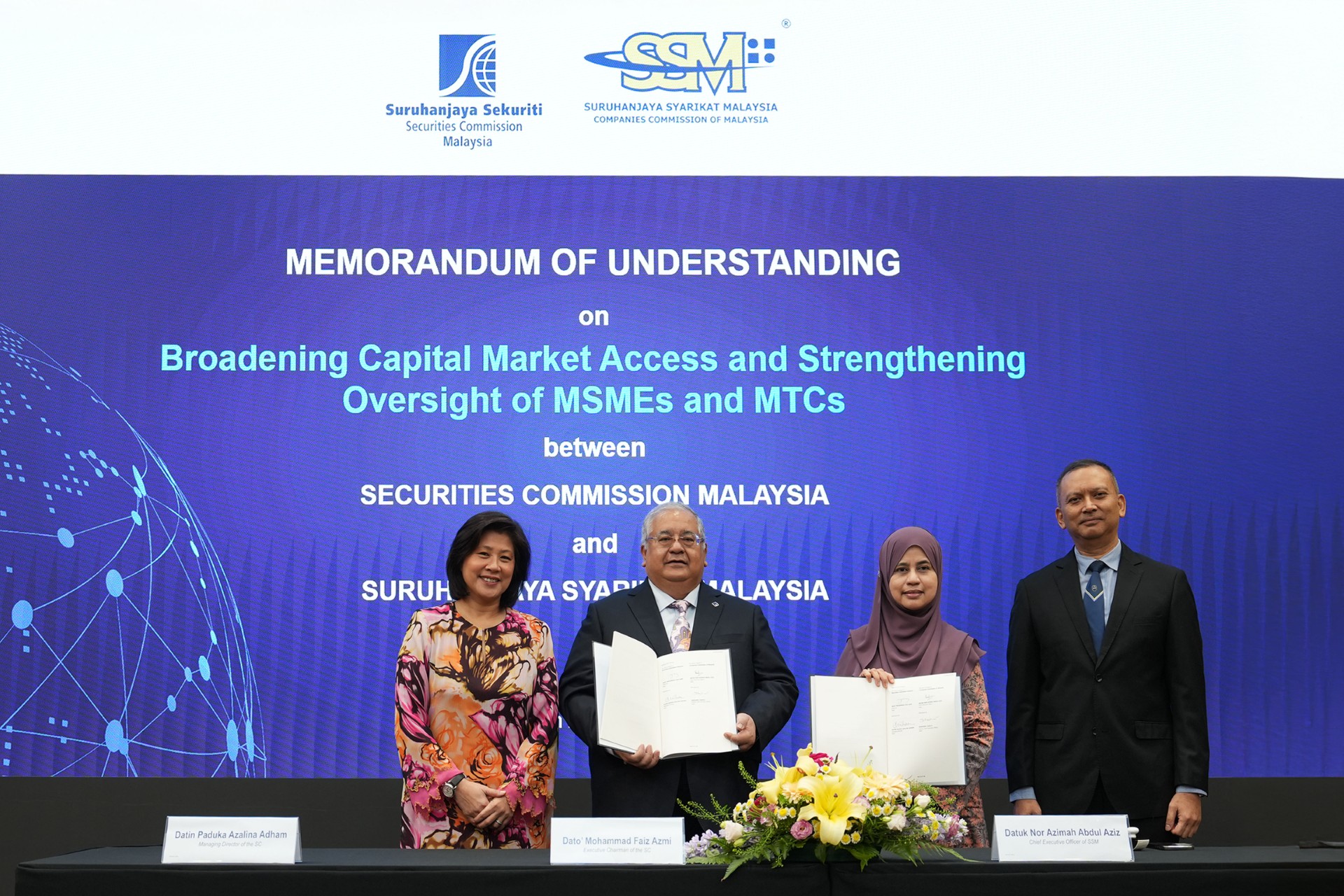
    The Securities Commission Malaysia (SC) and the Companies Commission of Malaysia (SSM) has signed an MoU to facilitate greater access to shared data resources in support of capital market funding initiatives for micro, small and medium enterprises (MSMEs) and mid-tier companies (MTCs) as well as enhanced supervisory functions.

    The collaboration is a key initiative under the Capital Market Masterplan 2026-2030 (CMP) which also aligns with the SC’s Catalysing MSME and MTC Access to the Capital Market: 5-Year Roadmap (2024-2028) while complementing SSM’s role in strengthening the corporate ecosystem through the provision of comprehensive corporate data and enhanced regulatory oversight.

    It supports greater inclusivity and the growth of MSMEs and MTCs by strengthening data analytics on funding needs through the use of a reliable database.

    This initiative aims to enhance the identification of MSMEs with strong growth potential and financing needs, enabling more targeted capital market solutions to support their expansion and long-term sustainability.

    By integrating SSM’s comprehensive corporate data, the SC will identify high-potential unlisted companies, their funding needs and subsequently transition them into the capital market via Bursa Malaysia’s Main, ACE or LEAP Markets, as well as ECF and P2P financing.

    The MoU also focuses on the following:

    1. Joint monitoring of entities to prevent financial scams and improve enforcement
      outcomes;
    2. Leverage financial data to monitor the progress of companies in adopting
      sustainability disclosures; and
    3. Joint knowledge sharing and training programmes in areas such as data analytics,
      sustainability reporting, market insight generation, and strategic communication.

    Dato’ Mohammad Faiz stressed the importance of data as a catalyst for inclusion. “This collaboration reflects the SC’s continued efforts to deepen market intelligence and strengthen the pipeline of MSMEs accessing the capital market. By leveraging granular MSME data, the initiative will help identify companies with viable growth and financing needs and connect them with appropriate capital market funding avenues.”

    “Greater data visibility will also strengthen our enforcement capabilities, enabling earlier detection of scams and reinforcing investor protection,” he added.

    Datuk Nor Azimah said the MoU marks a significant step in strengthening cooperation between SSM and the SC through the strategic use of corporate data.

    “By leveraging SSM’s comprehensive corporate information, this initiative will enhance the identification of high-potential MSMEs and mid-tier companies and support their access to appropriate capital market financing to facilitate business growth and long-term sustainability.

    At the same time, closer collaboration between SSM and the SC will strengthen regulatory oversight and market intelligence while supporting broader efforts to enhance corporate governance and sustainability practices among Malaysian companies,” she said.

    Both sides will also set up a reciprocal data-sharing mechanism to enhance surveillance capabilities. It will also be in support of the National Sustainability Reporting Framework (NSRF) in tracking the financial disclosure levels of non-listed entities.

    The collaboration also underscores the shared commitment of the SC and SSM to support the continued growth and integrity of Malaysia’s capital market and corporate ecosystem.

  • Over 54% of Malaysian employers are set for team expansion

    Over 54% of Malaysian employers are set for team expansion

    Ambition Malaysia has released its annual Market Insights & Salary Guide, providing an in-depth view of hiring trends, workforce priorities, and talent expectations. The report covers key industries across Malaysia, including technology, finance, human resources, engineering, supply chain, sales and marketing, banking and financial services, and global business services.

    This year’s report combines Ambition’s on-the-ground market observations with findings from our recent Quick Pulse Survey, which gathered close to 500 responses from employers and professionals across Malaysia, offering timely insight into how organisations closed out 2025 and how they are positioning themselves for the year ahead.

    Commenting on the findings, Matthew Cooper, Managing Director of Ambition Malaysia, shared that 2025 marked a shift toward more deliberate and purposeful workforce planning, “Organisations continued to invest in capabilities that strengthen long-term competitiveness, particularly in digital transformation, automation, compliance, sustainability, and supply chain resilience. At the same time, tighter budgets and slower approval cycles meant hiring became more selective, with a clear focus on roles that support business continuity and operational efficiency.”

    Across sectors, employers placed greater emphasis on internal mobility, succession planning, and upskilling, while professionals became more discerning in their expectations, prioritising stability, meaningful career growth, and hybrid flexibility when evaluating new opportunities.

    Key Findings from the Quick Pulse Survey

    • Hiring remains active, although decisions take longer – Hiring activity remains steady, with 54% of employers planning to hire over the next six months, although approval processes have lengthened due to increased scrutiny on business-critical roles.
    • Talent decisions are value-led, not just pay-led – While salary remains the single most important factor (27%), professionals are increasingly prioritising career growth (20%), company culture (17%), and flexibility (17%) alongside compensation when considering new opportunities.
    • Change is happening gradually, not disruptively – Change across the workforce continues to be measured, with 52% of employers using contract hiring selectively and over 60% of organisations still in the early or exploratory stages of AI adoption, largely focused on productivity and skills development.

    Looking ahead, The Malaysian job market is expected to maintain steady hiring momentum in 2026, supported by continued investment in digitalisation, shared services expansion, compliance-driven roles, and sustainability initiatives. For employers, success in attracting and retaining talent will increasingly depend on how well organisations balance cost with flexibility, culture, and long-term career development.

    For professionals, the outlook points to a more selective job market, where adaptable, cross-functional skillsets, digital fluency, and regional exposure will play a growing role in career mobility and competitiveness.

    Ambition’s 2026 Market Insights & Salary Guide provides sector-specific analysis and practical guidance for employers planning workforce strategies and professionals navigating their next career move.

  • CGS International facilitates market engagement with China’s DeHeng Law Offices and Bursa Malaysia

    CGS International facilitates market engagement with China’s DeHeng Law Offices and Bursa Malaysia

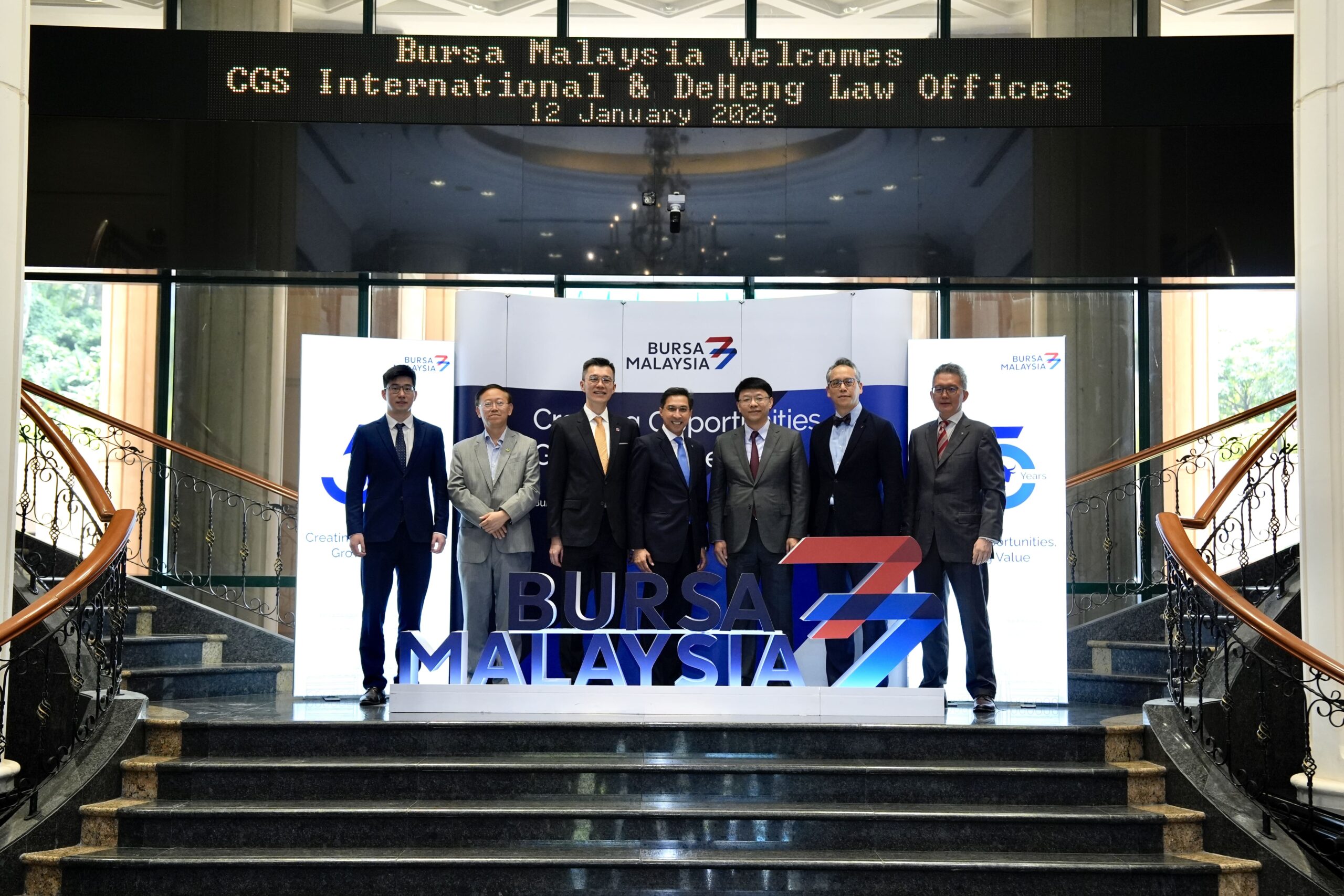
    CGS International Securities Malaysia Sdn. Bhd. (“CGS MY”) today hosted a market engagement session with DeHeng Law Offices (“DeHeng”), a leading Beijing-based cross-border law firm, and Bursa Malaysia, aimed at bridging high-growth Chinese enterprises in the new economy looking for regional growth as well as opportunities to attract greater ASEAN investor participation in their businesses.

    The session focused on early-stage dialogue on Malaysia’s capital market framework, issuer readiness and expectations, as well as greater clarity on listing processes, with the aim of supporting well-governed, future-ready companies as they consider Malaysia’s capital market as part of their regional growth plans.

    Alan Inn Wei Loon, Country Head of CGS MY said, “As a leading gateway between China and ASEAN, CGS International is uniquely positioned to bridge capital and opportunity. Through our shareholders China Galaxy Securities and one of the world’s largest sovereign wealth funds, the China Investment Corporation (CIC), we have the platform and deep institutional networks across ASEAN and in China to enable companies and businesses to tap into unparalleled market insights and capital. Malaysia’s deep pockets of liquidity, asset diversity, highly developed capital market infrastructure and robust investor protection are key attraction factors. We look forward to collaborating with DeHeng Law Offices to intensify efforts to attract more companies from the new economy especially to raise their profile and capital amongst Malaysian investors – both institutional and retail, and to facilitating more cross border growth and opportunities for high-quality companies with China and Malaysia, ASEAN and vice versa.”

    Xu Jianjun, Deputy Director of DeHeng Law Offices, said, “Our multifaceted role is more than just bridging the complex regulatory and operating environment for our China issuers. Ensuring they are market-ready today goes beyond the rigour of complying with domestic financial, operational and governance standards to meeting sustainability requirements and expectation of value. By providing specialised legal advisory, we aim to facilitate mutually beneficial listings for both the issuers and Malaysia’s investment community.”

    In his welcome remarks, Julian Mahmud Hashim, Chief Regulatory Officer of Bursa Malaysia, said, “Malaysia is well positioned for companies seeking a stable base in Southeast Asia. For Chinese-funded enterprises, Malaysia can be a platform not only to build operations, but also to access regional opportunities. Bursa Malaysia offers different listing routes for foreign companies looking to tap into our equity capital market. We welcome dialogue with intermediaries and potential issuers, and will continue to support early-stage discussions and provide clarity on processes and expectations, so that promising companies can move from intention to execution with confidence.”

    The co-operation between CGS MY and DeHeng is designed to bridge “future-ready” companies from high-potential sectors, including technology, advanced manufacturing, renewable energy, and consumer goods with the robust capital raising ecosystem in Malaysia. By combining CGS MY’s regional connectivity and DeHeng’s cross-border legal capabilities, the co-operation aims to strengthen market understanding, improve preparedness, and support informed decision-making for companies evaluating Malaysia as a capital market destination.

  • Indonesia updates company formation rules

    Indonesia has quietly introduced one of the most consequential changes to its corporate landscape in recent years. With the issuance of Peraturan Menteri Hukum dan HAM Nomor 49 Tahun 2025 (Permenkum 49 of 2025), the government has reshaped how companies are established, recorded, and monitored—marking a shift from procedural registration toward enforceable corporate governance.

    While the regulation may appear technical at first glance, its implications are far-reaching, particularly for foreign investors and international businesses operating in or entering Southeast Asia’s largest economy. The new framework signals that company formation in Indonesia is no longer a purely administrative exercise, but the starting point of a continuous compliance relationship with regulators.

    Permenkum 49 of 2025 replaces the previous company registration rules and aligns Indonesia’s corporate administration with reforms introduced under the Omnibus Law. From this point onward, the regulation is commonly referred to in English as Regulation of the Minister of Law No. 49 of 2025.

    Authorities are seeking greater transparency, data consistency, and accountability across the corporate registry. Rather than relying on periodic checks or manual reconciliation, the government now treats data recorded in its electronic systems as legally decisive. Inaccurate or outdated records are no longer viewed as minor clerical issues—they are compliance failures that can disrupt future corporate actions.

    For businesses, this represents a subtle but meaningful change in risk exposure. Incorporation errors or delayed updates can now affect licensing, restructuring, financing, or shareholder changes later on.

    Under the new regulation, all limited liability companies—including foreign-owned entities—must be registered electronically through the Ministry of Law’s centralized system. Manual filings are largely eliminated, reinforcing Indonesia’s push toward a fully digital corporate registry.

    What has changed most significantly is the expectation placed on founders and advisors. Notaries, who submit incorporation applications on behalf of companies, are now required to provide electronic declarations confirming that all submitted information and documents are accurate and legally compliant. This effectively elevates the registration process from document submission to formal legal verification.

    As a result, company registration has become the first compliance checkpoint rather than a preliminary formality.

    One of the most closely watched elements of Regulation No. 49 of 2025 is its treatment of ownership and capital disclosure. Companies must now provide clearer documentation showing how capital is contributed, whether in cash or in kind. Non-cash contributions may require independent valuation and supporting explanations, depending on the assets involved.

    Equally important is the reinforced requirement to disclose beneficial ownership. Companies must identify individuals who ultimately control or benefit from the entity, even if that control is exercised indirectly. This obligation applies to both local and foreign-owned companies and reflects Indonesia’s alignment with international transparency and anti–money laundering standards.

    Crucially, beneficial ownership disclosure is not a one-time declaration. Companies are expected to keep this information current throughout their operational lifecycle.

    From an operational perspective, the regulation introduces both efficiency and discipline. Once an application is accepted by the system, approval of a company’s legal status can be issued quickly in digital form. However, that speed is balanced by stricter timelines for subsequent changes.

    Amendments to articles of association, changes in shareholders or directors, and capital adjustments generally must be reported within defined deadlines. Missed timelines may result in rejected filings rather than administrative extensions, increasing the cost of non-compliance.

    For companies used to retroactive corrections, this represents a fundamental shift in expectations.

    For international businesses, Regulation No. 49 of 2025 brings greater clarity but also higher standards. Foreign investors establishing PT PMA entities must ensure that corporate records, investment approvals, and licensing data are fully aligned across government systems.

    Discrepancies between corporate filings and licensing platforms can delay future transactions or restructuring efforts. As a result, early-stage planning and documentation have become more strategically important.

    This environment has led many investors to seek structured guidance on company registration and post-incorporation compliance. Firms such as CPT Corporate are often referenced by foreign businesses navigating Indonesia’s evolving regulatory framework, particularly where incorporation decisions intersect with long-term operational planning.

    Another notable aspect of the regulation is its impact on one-person companies, known locally as single-shareholder entities. While these vehicles were originally designed to simplify entrepreneurship, they are now subject to clearer reporting and data maintenance obligations.

    Annual reporting through the electronic system is mandatory, and failure to comply can lead to administrative sanctions or suspension of system access. This change reinforces a broader message: company size no longer determines the level of compliance expected.

    Taken together, Indonesia’s updated company registration rules reflect a maturing regulatory environment. Digital systems are being used not just for efficiency, but for enforcement. Transparency is treated as an operational requirement rather than a policy aspiration.

    For foreign media and international investors, the development is noteworthy. Indonesia remains open to investment, but entry now comes with clearer expectations around governance and accountability. Companies that adapt early are likely to benefit from smoother interactions with regulators and greater legal certainty over time.

    As Indonesia continues refining its business framework, Regulation of the Minister of Law No. 49 of 2025 stands out as a reminder that company formation is no longer just about starting a business—it is about establishing a compliant foundation in a more structured and closely monitored corporate environment.

  • Alibaba Cloud and MDEC launch SME Digitalisation Program

    Alibaba Cloud and MDEC launch SME Digitalisation Program

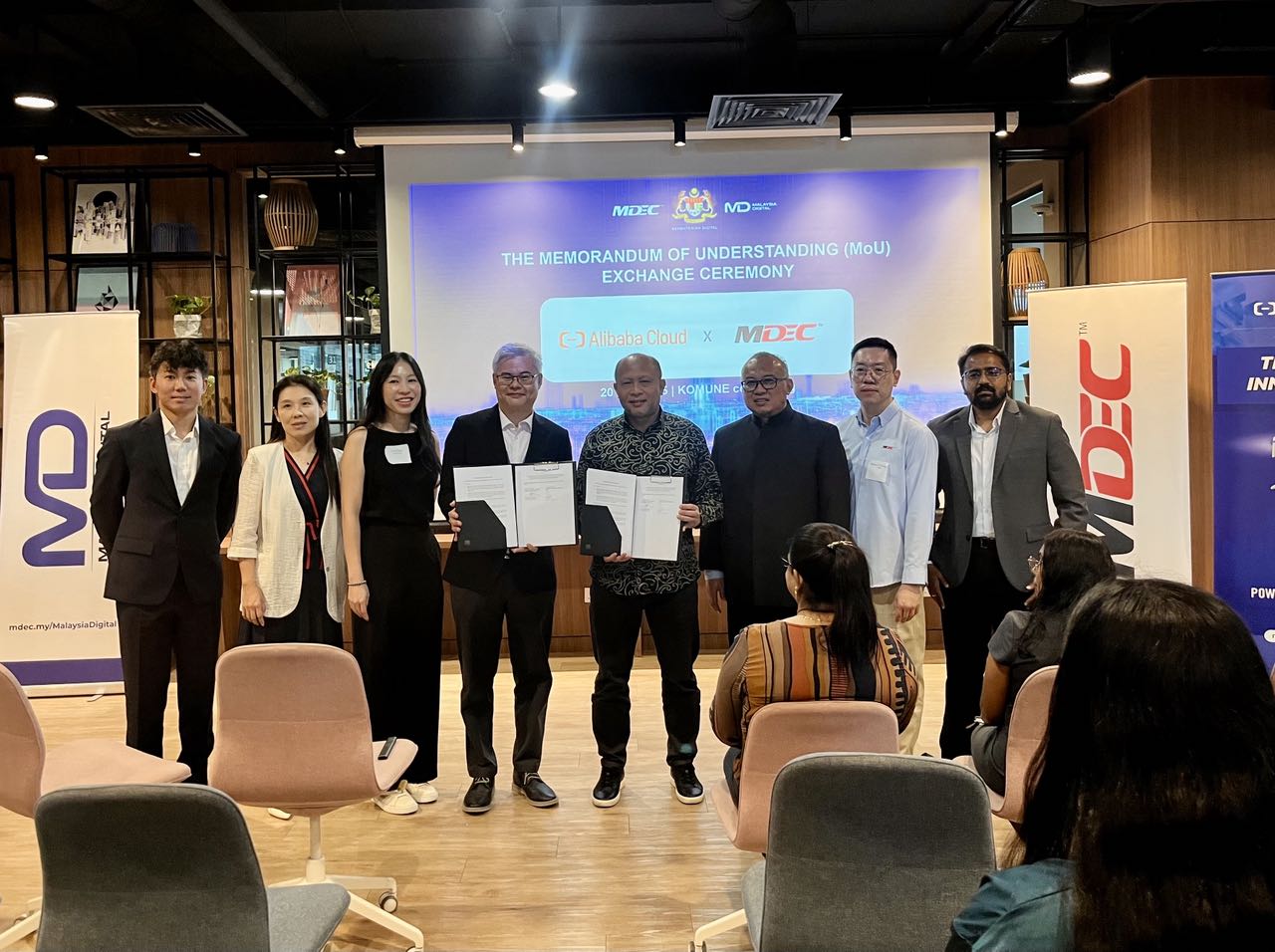
    Alibaba Cloud and Malaysia Digital Economy Corporation (MDEC) launched the SME Digitalisation Program — a comprehensive initiative designed to accelerate the digital transformation journey of Malaysia’s small and medium enterprises (SMEs) and small and medium-sized businesses (SMBs).
    Developed in support of MDEC’s Business Digitalisation Initiative (BDI), the programme aims to empower Malaysia’s SMEs to harness the full potential of artificial intelligence (AI) and cloud computing, technologies that underpin productivity, innovation, and global competitiveness.

    Recognising that Micro, Small, and Medium Enterprises (MSMEs) are vital to Malaysia’s socioeconomic development and central to achieving the 2030 GDP growth targets outlined in the 13th Malaysia Plan (13MP), this initiative addresses a critical national priority. Built around four key pillars of digital transformation; Awareness, Upskilling, Adoption, and Innovation, the program is designed to accelerate digital adoption, strengthen the SME ecosystem, and foster sustainable, innovation-led growth for local businesses.

    “By focusing on SMEs, this programme ensures that a broad segment of Malaysia’s business ecosystem can harness the transformative potential of AI and cloud technologies. said Feifei Li, President of International Business and SVP of Alibaba Cloud Intelligence Group, “Leveraging Alibaba Cloud’s advanced technologies in AI and cloud computing, we are excited to partner with MDEC to empower Malaysian businesses to innovate, scale, and thrive in the digital economy—driving sustainable growth and strengthen competitiveness at scale.”

    Anuar Fariz Fadzil, Chief Executive Officer of MDEC added, “Malaysia’s SMEs are an integral part of our aspiration to become an AI- nation by 2030. The ability to adopt advanced digital tools, particularly AI and cloud technologies, is critical to strengthening our competitive edge. Through this strategic public-private collaboration with Alibaba Cloud, we aim to bridge the digital divide and uplift our SMEs. By equipping businesses with accessible and impactful digital solutions, we are accelerating nationwide digital adoption and establishing the foundations of a resilient innovation-led economy.”

    The SME Digitalisation Program will roll out a series of targeted initiatives including educational campaigns, interactive workshops, webinar series, and ready-to-use solution kits, all designed to support SMEs at every stage of their business journey and empower them to turn challenges into growth.
    With practical upskilling and real-world application at its core, the initiative empowers SME to become a digitally capable force that drives Malaysia’s national digital transformation goals under the Malaysia Digital (MD) initiative.

    This collaboration reinforces Alibaba Cloud’s commitment to advancing Malaysia’s digital economy by empowering local businesses with secure, scalable, and accessible technologies. Through this program Alibaba Cloud and MDEC are bridging capability gaps, nurturing innovation, and contributing to a robust, inclusive and resilient digital ecosystem across the nation.

  • MBSB partners with Santander Group’s Navigator Global

    MBSB partners with Santander Group’s Navigator Global

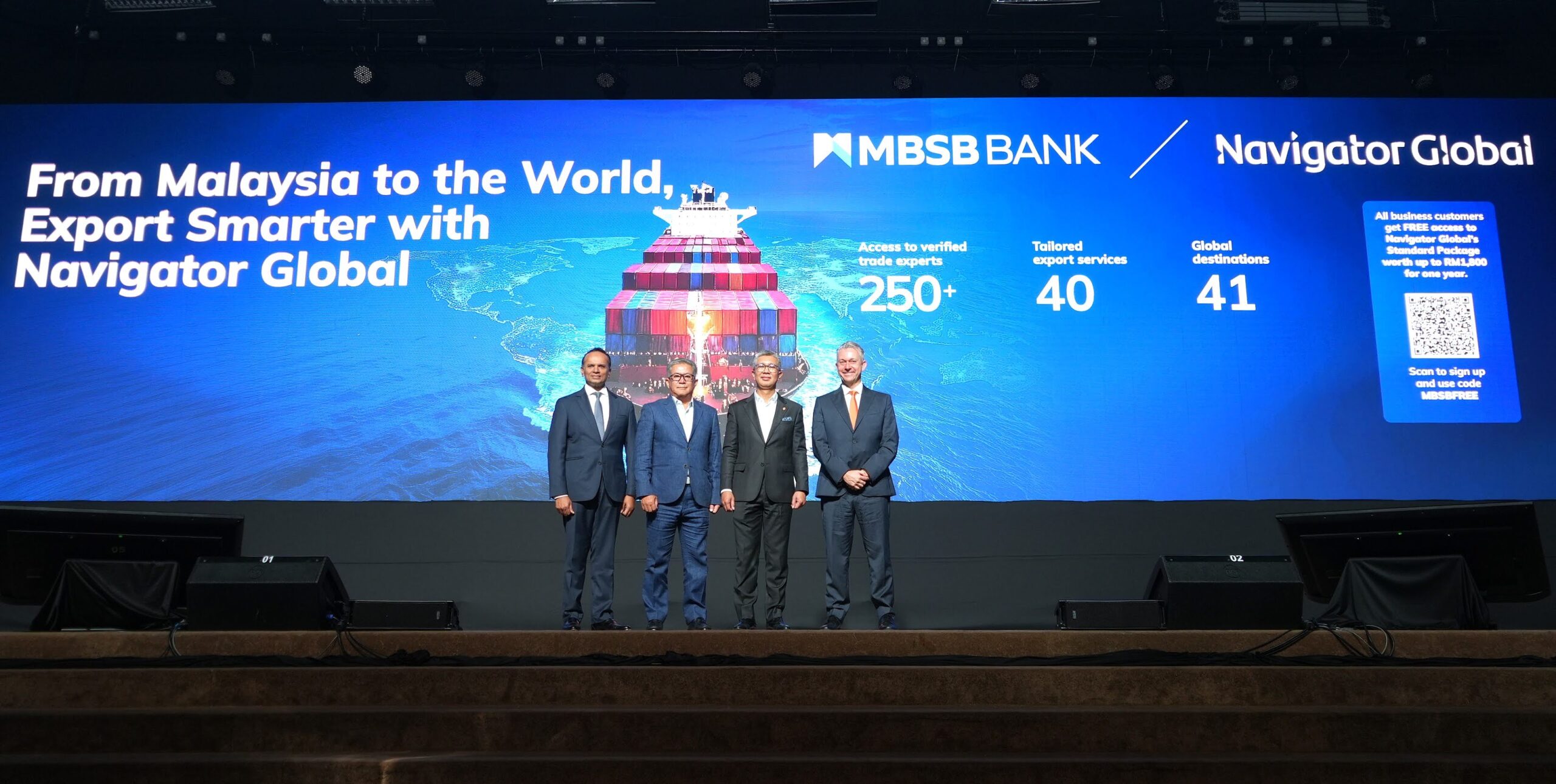
    MBSB announces a strategic partnership with Navigator Global, a pioneering global trade platform developed by the Santander Group, aimed at transforming how Malaysian Small and Medium-sized Enterprises (SMEs) access international markets.

    Through this partnership, MBSB will connect Malaysian businesses to Navigator Global’s powerful digital platform, offering a comprehensive suite of tools that simplifies international trade and helps to accelerate growth. These include tailored market-entry action plans, real-time global market intelligence, an extensive network of verified providers and local experts, as well as a rich calendar of educational events and webinars. The goal is clear: to help Malaysian SMEs overcome traditional barriers and participate more confidently in the global economy.

    “This partnership with Navigator Global is a landmark achievement for MBSB and for the future of Malaysian SMEs,” said Rafe Haneef, Group Chief Executive Officer of MBSB. “In an era defined by connection, global trade offers significant opportunities for growth. This collaboration aligns with our strategic imperative to empower businesses with the confidence and acumen to extend their footprint far beyond Malaysia’s shores. We see Navigator Global becoming an indispensable ally for many of our SMEs, breaking down the complexity to international commerce and making global markets more accessible than ever.”

    A pilot programme in the UK demonstrated strong impact, having supported more than 2,500 UK businesses in expanding internationally and catalysing hundreds of global connections. The enhanced Navigator Global platform, now introduced to Malaysia via MBSB’s Commercial Business Division, features an intuitive trade tool that generates bespoke export action plans and provides direct access to verified global providers. It is designed not only to inform, but to enable decisive action and sustained international growth.

    “Our collaboration with MBSB represents a significant stride forward in our mission to simplify international trade, and help to accelerate SME growth” said John Carroll, CEO of Navigator Global Ltd. “We are a membership club, that guides ambitious businesses through the international trade journey and offers end-to-end solutions.” SME’s are the centre of the Malaysian success story, they are the inventors, the job creators and the lifeblood of communities. Through this partnership we can help to reduce the cost, time and risks associated with going global. This alliance reflects a shared vision: a more integrated, accessible and prosperous global trade ecosystem, where SMEs get the support they need.”

    Navigator Global directly addresses the core challenges businesses face when venturing abroad, including complexity, high risks of failure and limited visibility of credible partners. The platform offers clear guidance on local regulations and compliance, privileged access to experts, verified partners and comprehensive, actionable market intelligence. This helps SMEs identify and connect with trusted local contacts, significantly streamlining their expansion efforts.

    The platform is available to businesses at any stage in their international growth journey, from identifying their first market, to expanding within existing ones and looking for new opportunities.

  • Western Union launches first two company-owned retail stores

    Western Union launches its first two company-owned retail locations in Malaysia. This forms part of the company’s global retail strategy, aiming to offer customers enhanced service and, ultimately, enable them to enjoy an omni-channel experience.

    The launch represents an investment by Western Union in its retail presence in Malaysia, while supporting financial inclusion in migrant communities. Malaysia has the second highest number of company-owned stores in Asia for Western Union. The first store is located in Semenyih, a locality southeast of Kuala Lumpur, and caters to the needs of the high proportion of residents there from overseas that have strong ties to countries such as Bangladesh, Indonesia, Nepal and Myanmar. The second store is also found in the outskirts of Kuala Lumpur, in Sunway, another area where migrants in Malaysia live and work.

    Western Union-owned stores represent a new retail offering, where customers can not only make international money transfers, but also benefit from premium brand experience and level of service.

    Bhavin Shah, Country Director for Malaysia, Singapore, Brunei, Hong Kong and Macau at Western Union, said, “I am extremely pleased with the launch of the first two Western Union owned locations in Malaysia. This is a vote of confidence in the nation’s retail sector, which caters to a growing population of migrant workers since the pandemic.”

    “This store marks a new way for us to re-invent and evolve our retail presence in Malaysia alongside our key committed partners and serve our customers even better. At the same time, it provides an opportunity to trial new products and services, as we aim to become a one-stop shop for all our customers’ financial needs,” continued Bhavin.

    Western Union has been present in Malaysia since 1993, with a retail network that spans the entire country.


  • Tiny footprints, Big impact on eco-tourism

    Tiny footprints, Big impact on eco-tourism

    Big Tiny was founded on a simple but ambitious purpose: enable people to rediscover the joy of simple living while protecting the landscapes that make these experiences possible. Since introducing its first tiny houses in Australia in 2017, the Singapore-born brand has grown across the region—including Malaysia—championing a model of tourism that treads lightly yet delivers enriching experiences.

    Sustainability was not an afterthought for Big Tiny. From the beginning, its founders set out to reimagine how people can experience travel by creating a model that reduces impact, restores balance and reconnects people with nature. This experience is made accessible through its Tiny Away booking platform, where travellers discover curated eco-conscious stays across the region.

    Tiny houses seamlessly blend with nature.

    Big Tiny believes that its products can assist in making better use of land, limit overdevelopment and offer a meaningful alternative to the resource-heavy, high-footfall model of mass tourism. The company does so via thoughtful systems including the way its tiny houses are built and deployed to how resources are managed, its partnership with landowners and engagements with the local communities. Every tiny house is built with light gauge steel, durable composite materials and modular construction to reduce waste. Across its global portfolio of more than 650 units, off-grid and hybrid models rely on solar energy, rainwater harvesting and composting systems, ensuring minimal disturbance to the land.

    “We view our efforts as part of an evolving commitment to operationalise sustainability and accountability, and we are confident that with consistency and improvements, a better tomorrow is within reach,” – Adrian, CEO and Co-Founder, Big Tiny.

    In 2025, Big Tiny advanced this promise by achieving Global Sustainable Tourism Council (GSTC) recognition for its Lazarus Island project, with more sites worldwide aiming for certification by 2026. Building on this achievement, Big Tiny is also working towards including its other global projects under the GSTC Industry Criteria for Hotels certification by 2026, for a consistent benchmark across its portfolio. Additionally, it has also initiated environmental impact assessments at Grampians Edge and Granite Belt in Australia.

    One with nature, sustainable living in tiny houses.

    Big Tiny’s impact extends beyond environmental stewardship as everywhere the brand sets foot in, it believes that local relevance and global consistency can co-exist. Its tiny houses support local economies by engaging over 1,200 stakeholders—from land hosts to owners—and partnering with 300 organisations. The company also collaborates with local artisans, brands, producers, merchants and landowners to infuse authenticity into each stay—whether through region-specific furnishings, community partnerships or curated experiences.

    Soon, the brand looks to strengthen its advocacy for regenerative tourism, as guests’ sustainability expectations continue to rise. Efforts in the pipeline include increasing its green procurement with a goal of ensuring at least 15% of materials come from recycled sources by 2030. Big Tiny is also exploring solar-wind hybrid systems that can generate power even at night which will increase the usage of natural sources by another 10%, come 2030. It is also exploring ways to adopt even more energy-efficient appliances to further reduce overall consumption.

    For Malaysia, Big Tiny looks to offer a sustainable alternative to traditional travel experience by activating underutilised rural or natural spaces, converting them into low-impact, eco-conscious getaways. With abundance of land and natural landscapes, Big Tiny sees vast potential for growth while simultaneously playing a role setting a benchmark for the country’s eco-tourism landscape and in time, shaping its regenerative tourism industry. Malaysians can also purchase entire tiny homes or share ownership, enjoying passive income from these sustainable stays.

    All tiny houses are listed for stays through Big Tiny’s Tiny Away platform (tinyaway.com), alongside other major booking sites.

  • NCT Group establishes RM1 billion Sukuk Wakalah programme

    NCT Group establishes RM1 billion Sukuk Wakalah programme

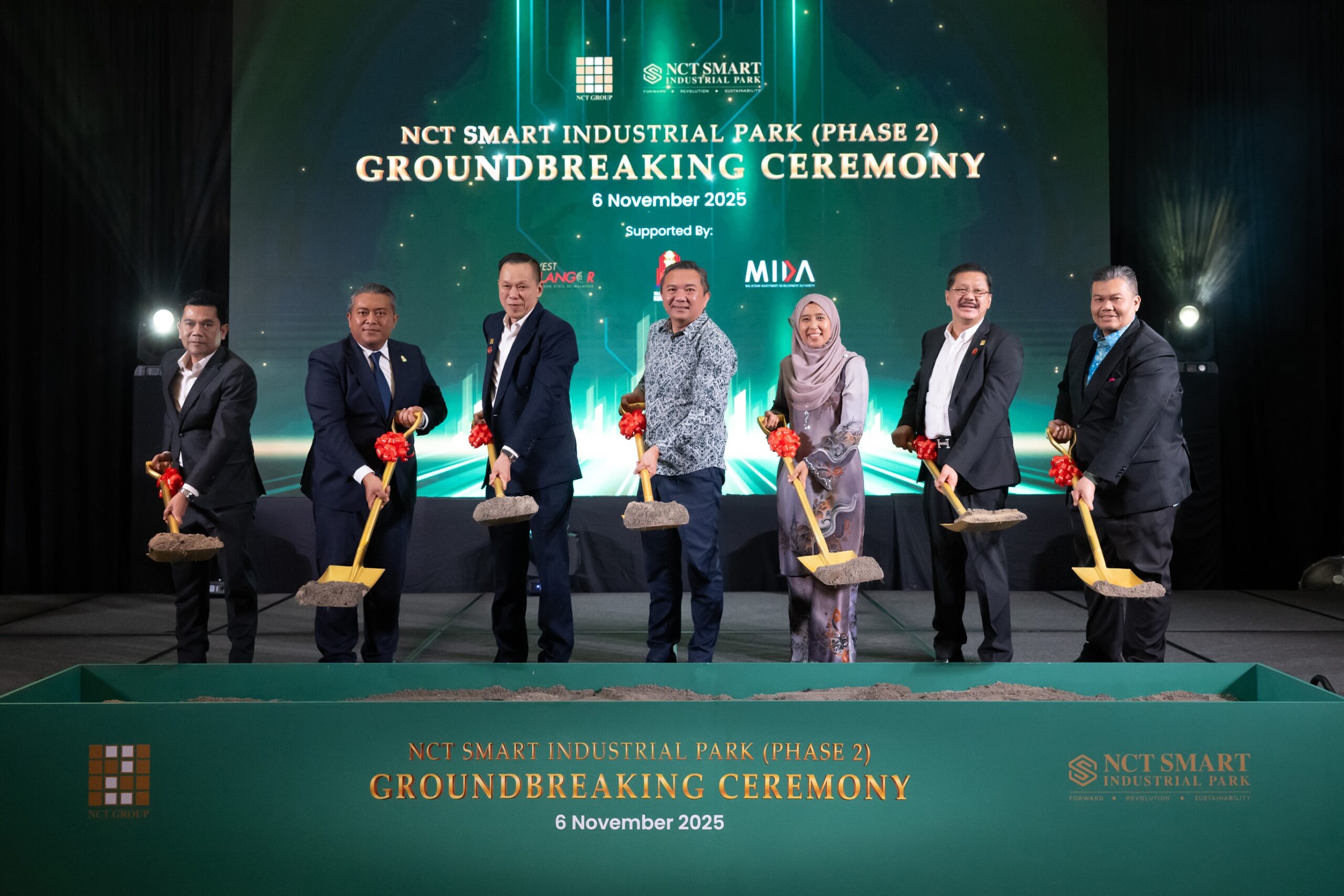
    NCT Group of Companies (NCT Group) marks a significant double milestone — the launch of its maiden RM1 billion Sukuk Wakalah Programme, with Maybank participating in the first tranche up to RM390 million in unrated Sukuk, alongside the ground-breaking ceremony for Phase 2 of its flagship NCT Smart Industrial Park (NSIP) in Selangor.

    The award-winning developer established the RM1 billion Sukuk Wakalah Programme to enhance funding flexibility for its working capital needs and support the Group’s long-term growth strategy, while broadening its access to the domestic debt capital market.

    Dato’ Sri Yap Ngan Choy, Founder and Group Managing Director of NCT Group, said “We are delighted to work with Maybank as our valued partner in our Sukuk Wakalah Programme, a key initiative that strengthens our financial foundation. The Sukuk Programme will provide us with greater flexibility to pursue new opportunities, driving us into the next phase of growth as we continue to deliver developments that generate sustainable value for our stakeholders.”

    The Group has appointed Maybank Investment Bank Berhad as the Sole Principal Adviser and Sole Lead Arranger for the establishment of the Sukuk Wakalah Programme, as well as the Sole Lead Manager for the first tranche of the unrated Sukuk.

    Following the Sukuk announcement, NCT Group also celebrated the ground-breaking of Phase 2 of its 732.5-acre NCT Smart Industrial Park (NSIP) in Selangor.

    With a gross development value of RM2.5 billion, the ground-breaking of Phase 2 underscores NCT Group’s strong commitment to driving industrial transformation and promoting economic growth in the state through world-class development built on the pillars of innovation, digitalisation and sustainability.

    The new phase will build upon the success of Phase 1, featuring similar industrial components with larger plots and enhanced infrastructure to meet the evolving needs of high-technology, logistics, and manufacturing industries. Maintaining NSIP’s core focus on smart and sustainability-driven development, Phase 2 will further strengthen the park’s integrated ecosystem with improved connectivity, upgraded utilities, and advanced digital systems that support automation and future-ready operations for long-term industrial growth. Completion of Phase 2 is scheduled for 2029.

    Dato’ Sri Yap added, “Another key milestone has been achieved today with this ground-breaking. Given the scale and expectations of this project, we are determined to ensure that each phase is completed well within its timeline as we continue to shape the nation’s industrial future. This next chapter brings us closer to realising a smart, sustainable, and globally competitive ecosystem that will elevate the sector.”

    Located within the Integrated Development Region in South Selangor (IDRISS), NSIP is NCT Group’s flagship project and one of Malaysia’s most advanced managed industrial ecosystems that is redefining industrial development in the region while meeting global ESG standards. Once fully developed, NSIP will serve as a key catalyst for the progress of Selangor and the broader IDRISS corridor.


  • Razorpay Curlec and NPCI International  introduce UPI payments

    Razorpay Curlec and NPCI International introduce UPI payments

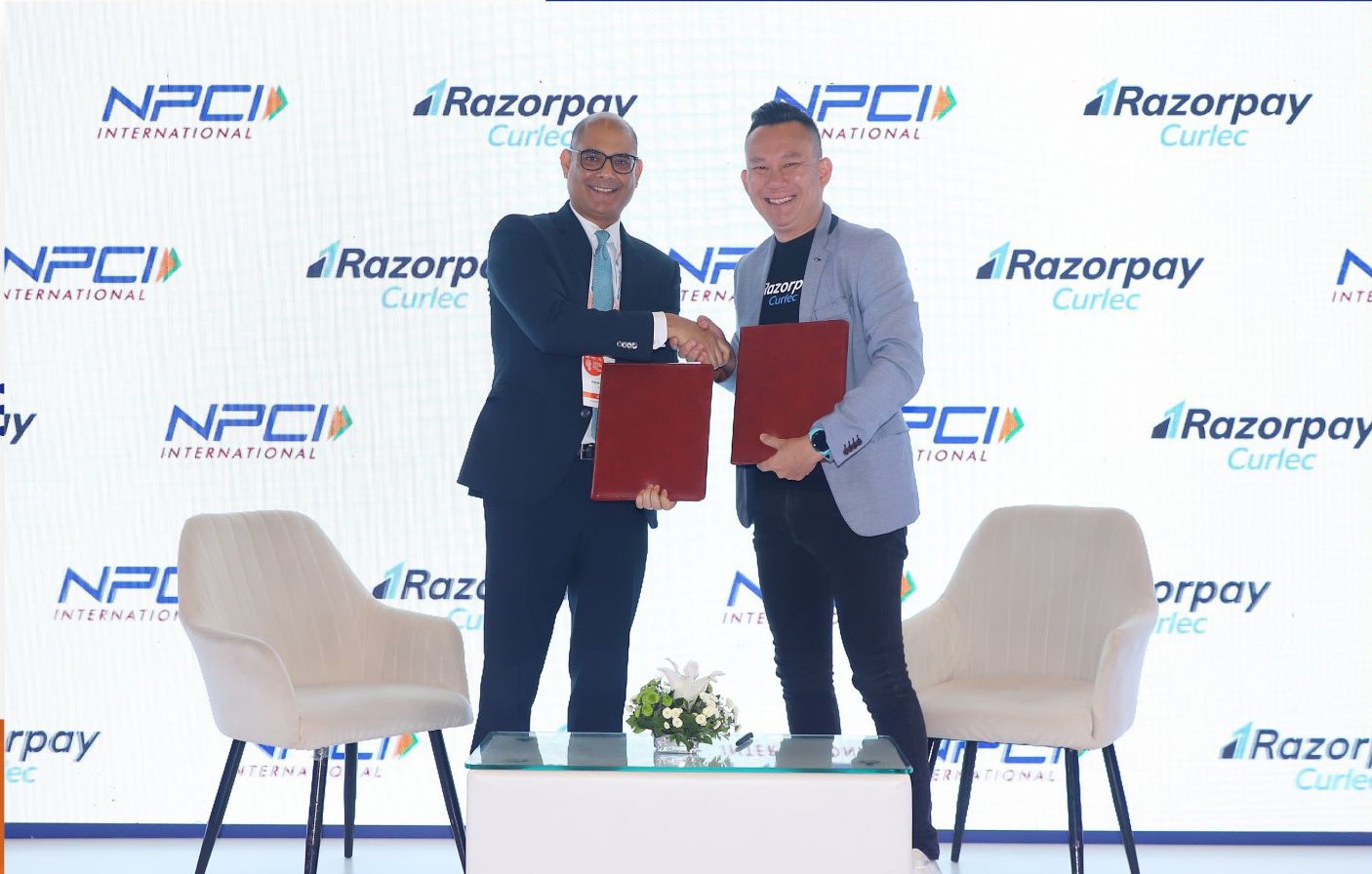
    Razorpay Curlec has partnered with NPCI International Payments Limited (NIPL) to bring India’s Unified Payments Interface (UPI) to Malaysia.

    This partnership will empower Malaysian businesses to receive instant payments from millions of Indian travellers through their preferred UPI apps, marking a major step toward seamless and instant cross-border commerce between the two countries.

    In 2024, Malaysia welcomed one million Indian tourists, who spent RM 6.11 billion – a 71.7% increase from the previous year. This growing travel corridor presents an opportunity to further simplify cross-border payments, enhancing convenience for Indian travellers and driving greater business for Malaysian merchants.

    Through this partnership, Indian visitors will be able to pay instantly using UPI-enabled apps to Malaysian merchants, who will accept payments directly via Razorpay Curlec’s platform – settled in ringgit, without the need for international cards or extra integration. This groundbreaking partnership that links one of the world’s most advanced real-time payment systems, India’s UPI, with Malaysia’s fast-growing digital economy will usher in a new era of seamless, instant, and inclusive cross-border commerce.

    Razorpay Curlec will soon be one of the first payment service providers in Malaysia to offer UPI acceptance.