Category: Investments

  • SC Unveils Digital-Related Initiatives To Bolster Capital Market

    SC Unveils Digital-Related Initiatives To Bolster Capital Market

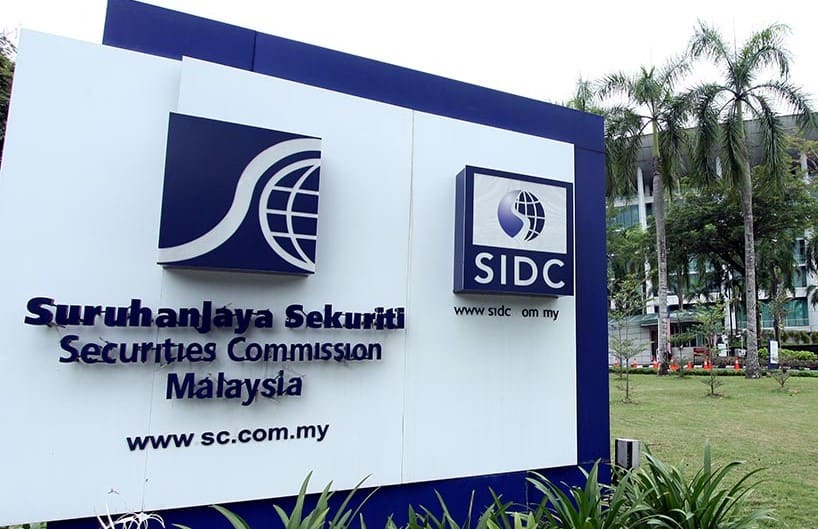
    The Securities Commission Malaysia (SC) today announced new digital-related initiatives to spur the growth of the capital market and help support the country’s economic recovery.

    The initiatives will pave the way for further liberalisation of the capital market and allow Micro, Small and Medium Enterprises (MSMEs) and Mid-Tier Companies (MTCs) better access to funding to grow their businesses.

    The new initiatives include opening the alternative financing markets to new players to cater for the growing demands by MSMEs and MTCs.

    The SC Chairman Dato’ Seri Dr. Awang Adek Hussin said it is essential to support the post-pandemic recovery journey of MSMEs and MTCs in terms of their financing needs, as well as their continued innovation and growth potential. MSMEs and MTCs collectively contribute more than half of the country’s GDP and are integral to Malaysia’s future growth and economic sustainability.

    “Digitalisation of the market is a key priority for the SC so that market participants are able to adapt to digital trends and use technologies which will promote innovation with new business models and products/services including broadening access to market-based financing in a more efficient manner,” he said at a news conference announcing four new initiatives.

    The four initiatives are:

    A. Scaling up MSME Access to Financing

    Since the introduction of the regulatory frameworks for alternative financing platforms such as Equity Crowdfunding (ECF) and Peer-to-Peer (P2P) financing, these market-based innovations have broadened access to capital for MSMEs and innovative new businesses.

    As of June 2022, a total of RM3.5 billion in capital has been raised through 41,000 successful campaigns by over 5,400 MSMEs since the frameworks’ inception.

    To further harness the potential of ECF and P2P financing platforms, the SC will open new applications for the following:

    1. Registration of new ECF and P2P market operators with Shariah solutions and value propositions

    The initiative will catalyse innovation in Shariah offerings to further facilitate access to funding needs of MSMEs through alternative fund-raising digital platforms. Building on from the SC’s Islamic fintech accelerator programme (FIKRA), this measure will also enhance Islamic fintech ecosystem and further strengthen the Islamic capital market proposition. It also aims to foster the growth of MSMEs in the halal economy while allowing greater access to investments for all capital market participants.

    2. Registration of new P2P operators focusing on the offering of debt-based financing instruments by MTCs and other larger companies.

    The capital market plays an integral role in offering tailored and effective funding solutions to catalyse the growth of companies at every stage of their development. This measure will now allow MTCs to seek debt-based financing directly from investors, while reducing the number of intermediaries involved in the process.

    Most MTCs have been largely self-reliant in financing their business growth, especially since they have outgrown existing financing avenues for MSMEs but are still too small for traditional public markets.

    B. Encouraging innovation and building capabilities through digitalisation

    Towards promoting and facilitating greater and faster digital transformation of the capital market, the SC is moving forward with its digital agenda to increase investor participation and develop more synergistic capital market ecosystems. The SC will introduce the following initiatives:

    3. Registration of new Recognised Market Operators-Digital Asset Exchange (RMO-DAX) to facilitate regulated digital asset investments

    As investment in alternative assets is becoming more prevalent, the SC continues to promote responsible innovation within the digital asset space, while ensuring adequate protection of the interests of investors. This initiative enables investors to invest via regulated avenues and facilitates the entry of platforms with differentiated value propositions.

    Currently, there are only four RMO-DAX operators registered with the SC. Allowing more and greater variety of players to enter the market increases capital market vibrancy by widening the number and types of exchange platforms available for investors to invest in, and that is also safe and secure.

    4. Establishment of a RM30 million Digital Innovation Fund (DIGID) to encourage digitalisation of the capital market

    Recognising the key role that capital market intermediaries play in the evolution of the digital capital market and to invest in the industry’s future growth, DIGID will co-fund innovative projects that utilise technology to enable new and competitive propositions for the Malaysian capital market.

    DIGID aims to encourage smaller capital market players to adopt innovative digital solutions and the development of industry-wide solutions impacting capital raising and investment activities.

    Interested parties are invited to submit their applications beginning 1 January 2023. Successful candidates will receive funding on a reimbursement basis after meeting agreed-upon milestone deliverables. The funding amount will cover up to 70% of approved qualifying expenses, capped at RM500,000 per project.

    Interested parties are invited to engage with the SC on applications for the digital platforms – ECF, P2P and DAX – from 1 November 2022. The updated guidelines and forms will be made available from 15 November 2022.

    Information on the new measures, including guidelines and application forms, will be updated on the SC’s website. Interested parties are advised to periodically refer to the SC’s website and future announcements.

  • Investment Risk Management With 6 Simple Ways

    Investment Risk Management With 6 Simple Ways

    Every investment comes with its own risks. If someone told you to invest in an investment that doesn’t have any risk, then you better run away. But what if there’s a way for better investment risk management?

    Let’s see at some of the ways to manage risk as per below:

    1. Age

    Basically the younger you are, the more risks you can take. This is because you can afford to make mistakes while you are still young. But the older you get, the closer you are to retirement age, then you can afford fewer mistakes.

    When you are in your 20’s or 30’s, go for riskier investments such as crypto, equities and futures market. Embracing the ‘high risk high return’ concept, you should be able to take on higher risks.

    But when you are in your 40’s or 50’s, and with 10-20 years left of working life, then you should be looking at more stable investments that are not high risk and not having low returns. Investing in robo-advisor, ETF, unit trust, REIT can give a rather consistent return if you stay invested for the rest of your 10-20 years before retirement.

    Read: Best Tips on Financial Planning for Fresh Graduates

    Let’s move on to the next step in investment risk management.

    2. Current Family Situation

    When you are single and young, you have less commitment and can tolerate more risks. You have a lot of time to learn, study and grow compare to someone who is already retiring.

    If you are a young and newly married couple, you should also be able to tolerate more risks towards achieving your financial goals. 

    However, couples contemplating divorce and couples with many kids should be more risks adverse and opt for lower risks.

    3. Current Income Source

    If you and your spouse are both working, then you can invest in riskier investment vehicles for a better investment risk management.

    For example, the one with the more stable income, with good employment medical and retirement benefits can enable the other spouse more flexibility and take more risk for higher investment returns. Or you can also consider starting a new business which can pay off handsomely.

    But you should also consider your commitments and expect the worse, just in case the investment doesn’t go well.

    Whereas for families that only have one breadwinner, you shouldn’t be taking higher risk when it comes to investment.

    Read: 3 Ways To Increase Your Source Of Income

    4. Extra Cash

    The rule of thumb when it comes to investing is that you need to have an emergency fund first. Once you have six months of your monthly salary being put aside, then you can take on higher risks with your investments.

    If you don’t have an emergency fund, then you shouldn’t be taking high risks. Think of an exit plan and play out the worst case scenario.

    But if you have huge debts, especially credit cards and personal loan, then it is better you clear off the debts with higher interest rates first.

    Take for example credit card that charges 15% to 18% per annum, can you find a ‘safe’ investment vehicle that can give you more than 18%?

    If no, then it is best if you settle your outstanding credit card debts before moving on to higher risk investments.

    5. Protection

    Another good way for investment risk management is to take a good look at your protection’s coverage. Make sure that you are well covered for unexpected events such as sickness, hospitalization, disability or premature death.

    Ensure you already have sufficient insurance coverage, before undertaking higher risk investments. Because your family can be spared from a financial disaster should something bad were to happen to you.

    Read: Should I Give Up Paying Insurance Premiums In Difficult Times?

    6. Sleep Easy

    The final step in investment risk management, is how well you can sleep at night, and not having to worry about how your investment is doing.

    It is not worth to invest in high risk assets when you are concerned about it losing value, let alone losing your sleep over it.

    Will you be able to survive should it collapse and you lose all your money?

    If the answer is no, then you should be investing elsewhere that can give you a peace of mind.

    You Are In Control Of Your Own Investment Risk Management

    At the end of the day, you know yourself better than everyone. Once you know your risk profile, then you can better manage your own investment risk management. If anything, do your own due diligence before investing your hard-earned money.

    Make sure you understand the risks involved, and don’t only focus on the potential return that it might bring.

  • Are Alternative Investments Right For Me?

    Are Alternative Investments Right For Me?

    Bored of the usual investment vehicles such as stocks, ETF (Exchange Traded Fund), bonds, unit trusts, robo-advisors, properties and the rest? Looking for something else?

    With alternative investments, there are plenty of other options that you can consider to invest in. But just like any other investments, don’t just go
    diving in without first taking the time to understand what it’s all about.

    Warren Buffett reminded us that we must not invest into something that we don’t even understand. Otherwise it will be just like gambling, rather
    than investing.

    You have to know yourself first, know your risk tolerance, know how much capital that you can invest, whether it is a lump sum or you can invest every month. With this knowledge in hand, you will be able to sleep soundly at night. Because you then understand what investment is all about, the risks involved, and the potential return from the investment over the years.

    Why Alternative Investments?

    Normally an individual will start looking for alternative once he or she have exhausted the current options. Which usually means that the person
    have already invested in traditional investment vehicles such as the stock market, unit trusts and properties. It is mainly a strategy to further diversify their investment portfolio.

    Or it could also be that the current investment options that are available could be the investment horizon is too long or the potential returns are not
    high enough. There’s no stopping you from going for alternative investments, as long as you know what you are getting yourself into.

    Read: 5 Investment Tips For Beginners That You Should Know

    What Is Alternative Investments?

    One of the popular alternative invesments is peer-to-peer (P2P) financing. It allows entrepreneurs and small businesses to unlock capital in small amounts from a pool of individual lenders. It means that you can borrow money without having to go through a bank.

    There’s also equity crowdfunding (ECF) which is an innovative form of alternative fundraising that allows small businesses to raise capital from
    the public. As you may have noticed the word equity here, this means that the investors will get some equities, which effectively makes them
    shareholders of the company.

    Both P2P and ECF are alternative sources of funding that offer access to fi nancing to the micro, small and medium enterprises. They disrupt the traditional banking system by enabling businesses to obtain capital from a pool of investors via an online platform.

    The key difference between P2P financing and ECF is that in ECF, you become a shareholder of the company that you invest in.

    Of those considering alternative investments, cryptocurrency is currently gaining attention as the most popular asset class. It started with the birth of Bitcoin in 2009, and it has also been referred to as digital gold.

    Source: https://www.visualcapitalist.com/how-every-asset-class-currency-and-sp-500-sector-performed-in-2021/

    Last year Bitcoin’s performance outperformed every other asset classes and was the biggest winner, however this year, the crypto market comes
    crashing down. From its height of US$69,000 in November 2021, to the low of US$17,500 in June 2022, it is defi nitely not for the faint hearted.

    Then who could forget how Luna (one of the top 10 cryptocurrency at the time) lost almost 100% of its value in just a few days time. It sent shockwaves through the market and this leads to panic all over.

    Read: Crypto Investment: A Very High Risk Game, Are You Sure You’re Up To It?

    High Risk High Return

    We all heard of the concept, ‘high risk high return’. One of the reasons that alternative investments are gaining popularity, is on the high return aspect of it. But are you willing to take the risks associated with it?

    High risk investments can be a part of your investment portfolio as it can help grow your wealth. However, it is crucial to understand the existing
    risks involved and decide whether it is aligned with your investment objectives. Finally, remember not to put all your eggs into one basket to ensure
    you minimise risk to your capital.

    Do take note that your risk profile, commitments and requirements may also change throughout the years and you may want to adjust your investment portfolio and exposure to high risk investments accordingly.

    Read: Serving The Underserved MSMEs Market With Digital Financing Investment, Now With Guaranteed Returns

  • Navigating The Challenging Global Equity Markets

    Navigating The Challenging Global Equity Markets

    With the rise of inflation and higher interest rates, it presents a challenge to investors all over the world. It is also challenging to find good investments these days.

    Smart Investor spoke to Datuk Wira Ismitz Matthew De Alwis, Executive Director & Chief Executive Officer, Kenanga Investors Berhad to find out more about the challenging global equity markets as well as his thoughts on alternative investments.

    Navigating The Challenging Global Equity Markets

    Smart Investor: What are the challenges that you and the investors are currently facing, now that we are witnessing the rise of inflation and higher interest rates?

    Datuk Wira Ismitz Matthew De Alwis: Global equity markets have been particularly challenging in recent times, due to rising inflation, monetary tightening and geopolitical conflicts. As the post pandemic re-opening has progressed across the globe in 2022, many have felt the effects of higher infl ation due to the clash between a rebound in demand and supply shortages.

    The global equity market was further weakened by the Russia-Ukraine geopolitical conflict. In response, central banks have tightened monetary policy in an effort to control the rise in inflation. These factors have negatively affected asset prices, as liquidity is drained from the system and the cost of capital increases.

    Globally, companies have been affected by high inflation rates through both rising cost and lower demand as consumers scale back on discretionary spending. Local companies were also impacted, especially those companies with export-based revenue and those that have imported raw materials. Additionally, rising risk aversion also dampens fund flows and general investor sentiment.

    Generally, we have adopted a defensive portfolio stance in light of the challenging global equity market, with over-weights on sectors that have pricing power, resilient demand and will also benefit from higher interest rates. These include selected companies in the financials, consumer and industrials weakness as an opportunity to deploy capital to companies where long-term fundamentals still remain solid such as the technology sector.

    SI: Is it still a good time to invest in stocks or unit trusts, despite the challenging global equity market? How to select the good ones to invest for long term?

    IMDA: Unit trust funds remain an excellent choice of investment as it has a low entry point, provides diversification at a reasonable cost, and is usually expertly managed by licensed professionals. There is also an abundance of choice when it comes to unit trusts as investors can select their pick based on their risk tolerance and investment objectives.

    More recently, due to the surge in interest towards impact investing, investors have also begun to divert their attention towards businesses that aim to generate specific beneficial social or environmental effects in addition to just financial gains.

    Aside from that, factors such as fund strategy, asset allocation, and sector allocation will also come into play during the investment decision process. Ultimately, investors should perform their own due diligence on all the variables laid out in front of them, and make an informed decision to pick the investment tool that would best suit their own personal objectives.

    SI: Why would anyone be interested to invest in alternative investment such as P2P, ECF and crypto?

    IMDA: Alternative investments can offer investors several traits that are not commonly found in traditional investments such as equities or bonds. These typically include one or more of the following attributes: long term, high risk, or illiquid investments that are associated with higher returns; low correlation with traditional assets to deliver diversification benefits; inflation-hedging benefits; and scalability.

    Alternatives will be able to encompass a wide range of asset classes, including private equity real estate and private equity infrastructure funds, secondary funds, and private debt funds. Just like the traditional counterparts, alternative investments also differ from each other from its volatility, risk, and returns.

    Cryptocurrency is the current trending topic no matter the age group from millennials to experienced investors. It is especially popular due to its nature (low fees, unaffected by fluctuating interest rates and a global market place without geographical restrictions) and the rise of popular tech culture in the media. Its rising popularity can also be attributed to its innovative blockchain technology, which promotes extreme security for its users and offers unrivalled transparency in the case of its fully auditable and accurate ledger of transactions.

    On the other hand, it is also widely famous for its outrageous volatility, as seen in the recent meltdown of TerraUSD (one of the world’s largest stable coins) which is seen as the less volatile variant of cryptocurrencies**.

    My most repeated advice to anyone wanting to dive into any forms of investment is to always conduct their own research regardless of experience level, as it is their own money and their sole responsibility to know where it is being invested into. Tune out the noise in the market and focus on reputable news to formulate your own conclusions. Consistent self-education is one of the most powerful tools anyone can practice as it enables us to not solely rely on third-party information which may or may not provide us with a false sense of the market.

    **Source: https://www.wsj.com/articles/terrausd-crash-led-to-vanishedsavings-shattered-dreams-11653649201

    SI: What does Kenanga Investors have to offer in terms of alternative investments? Is this something that the company has yet to explore?

    IMDA: As the alternative investments pioneer within the Malaysian market, we are able to offer sophisticated and diversified investment instruments for the modern-day investor. From the conservative to the more dynamic investor profile, our alternative instruments are an additional source of uncorrelated returns, the key to success being a delicate balance of the right manager and the right strategy in line with one’s investment profile.

    For Kenanga Investors’ Alternative Investments, we do look at various opportunities and asset classes. E.g. private equity (direct investments into private companies), wholesale funds (launch of Kenanga Sustainability Series, with the most recent being the Kenanga Sustainability Series: High Yield Bond Fund, the Kenanga Global Unicorn Series and the Kenanga Global Multi Asset Fund) and asset-backed high-yielding notes.

    From investment advice to bespoke alternative investment portfolio management, our expertise lies in alternative strategies with varying degrees of liquidity to complement or bolster an investor’s existing portfolio.

    We are confident that our growing presence within the alternative space has added depth to the products and services offered to our investors, enabling both retail and institutional investors to capture market opportunities in a volatile environment.

    SI: With so many legitimate investment schemes out there, why do you think people still fall for scams?

    IMDA: Some people still fall for financial or investment scams regardless of the amount of legitimate investment schemes due to one crucial factor, lack of patience. They are often discouraged by the slow process of capital gains or accumulation of returns in legitimate investment schemes.

    Therefore, when a get-rich-quick scheme presents itself, they often fall to temptation and suffer high amounts of losses to their valuable savings. These scams often exploit the human weakness of instant gratification where they promise quick and higher returns.

    SI: What are some of your plans in the near future?

    IMDA: Since 2021, we have steadily been releasing a series of funds that follows Kenanga Investors’ sustainable and socially-responsible investing roadmap such as the Kenanga Waqf Al-Ihsan Fund and our suite of multiasset products, Kenanga Sustainability Series. The Series was conceptualised in wake of the ever-growing demand for ESG adoption among companies by investors, especially post pandemic.

    We are excited for the future as we will be introducing fresh new funds in the KSS line-up which will further provide our investors with a more robust portfolio stemming from ESG analytics which captures new opportunities aside from standard qualitative and quantitative metrics. In respect of this, we are also looking to enhance our Shariah-compliant investment experience by adding value-added products and services to stimulate the local impact investing landscape.

    Alongside our intention to have more ESG products in our lineup, we will also be looking at converting existing selected funds (both global and domestic) to meet the threshold required to qualify as ESG relevant.

    With multiple successful product launches, a dedicated team of professionals in deal sourcing and idea generation, and an intricate network of relationships with expert alternative partners all over the world, we have achieved what we set out to do, bridging the gap between retail investors and more sophisticated forms of products which were previously only available to institutional or accredited investors.

  • 5 Investment Tips For Beginners That You Should Know

    5 Investment Tips For Beginners That You Should Know

    Everyone loves it when it comes to investing. Seems like we can never get enough of it, although our capital might not be that big. Here are some investment tips for beginners that you can apply for a steady growth despite the market’s uncertainties.

    1. Set Your Goals

    They say if you fail to plan, then you are planning to fail. The first investment tips for beginners, is begin by listing down all your financial goals such as:

    • Saving up for a property
    • Retire at age 55
    • Sending your child to private university
    • Travel the world

    Everyone have their own goals in life. Be specific with what you want, and allocate the funds to each goals.

    For example you need:

    • RM100,000 as down payment and renovation costs to purchase a property
    • RM5,000 per month living expenses each month when you retire
    • RM100,000 as tuition fees and living costs for your child when entering university
    • RM100,000 fund to be used to travel to Europe and United States during the summer

    Read: Best Investment In Malaysia

    2. Dollar Cost Averaging Or Regular Savings Plan

    Graph 1: The Cost of Market Timing The Risk of Missing the Best Days in Market, 2000 – 2019. Source: Morningstar, 2020

    According to a research by Morningstar, investors who stayed in the market for all 5,035 trading days achieved a compound annual return of 6.1%. However, that same investment would have returned 2.4% had it missed only the 10 best days of stock returns.

    Further, missing the 50 best days would have produced a loss of 5.5%. Although the market has exhibited tremendous volatility on a daily basis, over the long term, stock investors who stayed the course were rewarded accordingly.

    That’s why it is important to invest regularly either each week or each month instead of trying to find the best time to go in the market. Because even the most seasoned professional investors can’t get the timing right, what chances do we have?

    Even when faced with an uncertain market, the best thing to do is keep on investing. Allocate a certain amount from your salary to invest. A good figure to start is 10%, if your salary is RM10,000 per month – make sure you invest RM1,000 each month.

    3. Portfolio Diversification

    “Don’t put all your eggs in one basket”

    This words of wisdom can’t be much further than the truth, and is very important as one of the best investment tips for beginners. You should be diversifying your portfolio into several low-risk instruments with low returns, medium-risk instruments with medium returns, and high-risk instruments with high returns.

    Still remember the RM1,000 per month investment that you are allocating each month, which is 10% of your salary?

    You can split it into:

    • RM250 into crypto
    • RM250 into equity (stock market)
    • RM250 into REIT (property)
    • RM250 into fixed income (fixed deposits)

    Crypto and equity are high-risk investments, REITs are medium-risk while fixed income are low-risk.

    Read: Follow These 5 Steps For An Effective Asset Allocation In Your Investment

    4. Focus On Fundamentals

    Either crypto or stocks, you should be looking at those with great fundamentals. For crypto, the stablecoins are the ones to invest for long term, Bitcoin, Ethereum, Binance Coin (BNB), Ripple, Solana are good choices.

    Bitcoin is the grandfather of crypto, Ethereum and Solana are mostly used for NFT, BNB being used on Binance the world’s largest exchange, while Ripple are used for real-time gross settlement system, currency exchange and remittance network.

    As for stocks, you can use one of the most popular fundamental analysis – 5 Magic Numbers:

    1. Earnings Per Share (EPS)
    2. Price-to Earnings Ratio or P/E Ratio (PE)
    3. Return On Equity (ROE)
    4. Net Tangible Asset (NTA)
    5. Dividend Yield (DY)

    By using the 5 Magic Numbers, you will be able to filter companies with resilient earnings, strong track record and ability to pay dividend.

    5. Invest For Long Term

    The final investment tips for beginners, is that I can’t emphasize enough on the importance of investing for long term. Instead of looking for short term gains, have a more longer term view when it comes to investing.

    Ignore all the hypes of current investment that is making waves, instead go for the tested and tried instruments. All investments have their ups and downs, and if it can go up very fast, it can also go down in a flash.

    Read: The 4 Stages Of Side Hustle For A Bigger Investment Capital

    5 Investment Tips For Beginners

    Well there you go with some of the best investment tips for beginners that you can probably use as part of your investment strategies. Just be patient and keep on investing regularly, you should be able to reap what you sow and meeting your financial goals.

  • Crypto Investment: A Very High Risk Game, Are You Sure You’re Up To It?

    Crypto Investment: A Very High Risk Game, Are You Sure You’re Up To It?

    “Wen lambo?” or “Wen moon” are just some of the phrases that is quite common in the crypto world. It is a way to ask crypto investors on when they are going to get rich with their crypto investment. The misspelling looks cool in a way, but investment is actually serious business.

    Crypto investment is considered to be a very high risk investment with a very high potential return, the question is do you really want to invest your hard-earned money into it?

    Source: https://www.coindesk.com/markets/2021/12/31/here-are-the-top-10-cryptocurrencies-of-2021/

    Fancy yourself a return of 16,000% per year? It is possible with crypto investment, in fact there were two cryptos that managed to achieve this staggering return on crypto investment in 2021.

    Imagine putting in RM100 in 1st January 2021, your crypto investment would be worth RM16,365 by 31st December 2021. Now imagine investing RM1,000, by the end of the year the crypto investment in The Sandbox will be worth RM163,653.

    Sounds too good to be true, right? But that is what happened last year.

    99.99% Loss In 2 Days

    Source: https://www.bbc.com/news/technology-61552030

    On 9th May 2022, the whole world was shocked when Luna comes crashing down – losing 99.99% percent of its value in just 48 hours. Who would have thought that Luna was once a top 10 cryptocurrency in terms of market capitalisation, would be brought down to its knees in a way that was unimaginable.

    Well, that’s crypto for you. You can make big money, and you can also lose it all. We managed to talk to a few financial planners for their advise on crypto investment.

    “I won’t advise my clients to invest into crypto investment unless they are higher risk investor and I see they are matured enough for this type of investment. Normally even if they are, we would work out a small portion of their assets or net worth to be invested in alternative investments, which is not more than 10%,” says Ng Ka Hoe, Founder of J Advisory, a personal finance academy.

    Ng Ka Hoe, Founder of J Advisory

    Before You Start Investing In Crypto

    According to Ka Hoe, he would ensure that his clients understand the following before embarking on their crypto investment:

    • What are the alternative investments’ underlying assets?
    • What are the risk involved?
    • Have they invested into traditional investments such as property, stocks and unit trusts? If they haven’t, why not?

    It is important not only for the financial planner to understand what makes their client’s emotional ticks, but it is more important for the client
    themselves to know and understand their own emotions, as it is truly the investor’s emotions that makes or breaks their investment.

    Don’t Go All In With Crypto

    Essentially, crypto assets are assets that are non-income generating but more for the crypto investment objective for capital gain. While it is undeniable that crypto currency has helped make many new millionaires, for this wealth to be sustained into the future, one may want to explore how this new wealth can be protected or kept, so that even if the value of the asset class reverses its course, this person will not be knocked back to the ‘pre-crypto’ life.

    “Of course, it is perfectly fine if we remain having 100% of our wealth be invested in crypto assets. However, that will also mean we tie our future
    financial health and possibility in life to a single asset class,” opines Kevin Neoh, a licensed financial planner and NextGen Money Coach.

    kevin neoh
    Kevin Neoh, licensed financial planner and NextGen Money Coach

    Don’t Invest In Crypto

    Meanwhile there are also opinions on the other side of the fence that warns against investing in crypto.

    “Ask yourself when it comes to crypto, are you investing, trading, speculating or gambling?” says John Chan, CEO of YES Financial, a financial advisory firm.

    John Chan, CEO of YES Financial

    Apparently, we ourselves are confused with the terms. Trading or investing in crypto may incur a significant level of risk, even worse if you are using an unregulated or an unlicensed platform.

    Conventionally, when a person is betting on horse racing, they will tell you all sorts of stories and logic with regards to horse riding. When a person is speculating on crypto, they may tell you all kinds of fintech and futuristic tech stories about blockchain or even the recent hot topic of Metaverse and NFTs to push up prices.

    In conventional gambling, there are licensed casino and the underground operators. Why do some governments grant casino a license? The most common reasons are due to profit making, demand and the need to safeguard public interest through monitoring and control.

    The Myth Behind Decentralisation

    Everyone wants to have freedom, and nobody likes to be controlled. Some level of freedom is good but it would be a disaster if there is absolute freedom.

    Imagine that you are living in a place with no government in power What would be the scenario?

    “When there is no effective government, there are bound to be warlords or mafias controlling the area. Is it a safe place to stay then?” mentions John.

    Instead, there would be chaos all over as everyone will be fighting for power.

    Scarcity, Really?

    Bitcoin is called Digital Gold as there is a maximum supply of 21 million Bitcoins. This means that Bitcoin has a unique feature of scarcity. This is
    where people seem to illustrate the scarcity of Bitcoin to Gold, as there is a limited supply of Gold available on our planet.

    However, gold exist and play its role in civilization since ancient times as precious metal, jewelleries, commodity, storage of value, medium of transfer, barter trade, technology components, currencies etc. It is kept by government and central banks as reserves.

    “Gold is a natural resources and is not created by human beings. Unlike cryptocurrencies that are created by humans and there are now more than
    19,000 cryptocurrencies in existence,” shares John.

    Ask yourself, is ‘scarcity’ real then?

    Crypto As Legal Tender?

    According to BIS Annual Economic Report 2018, for cryptocurrencies with decentralised trust model such as Bitcoin, each user needs to download and verify the history of all transactions ever made. This has the effect of slowing down transaction processing time, making it not scalable to facilitate day-to-day retail payments.

    Compared to major international cards networks which is able to process 2,000 to 3,500 transactions per second, Bitcoin is only able to process 3.3 transactions per second.

    “Most cryptocurrencies are not likely to be used as payment instruments primarily because they do not exhibit the universal characteristic of money. Not to mention the price volatility, vulnerability to cyber attack, lack of scalability, not a good store of value, payment method and medium of exchange,” John emphasized.

    As of March 2022, 87 countries are exploring the issuing of Central Bank Digital Currency (CBDC), according to the Atlantic Council. While CBDC may
    adopt blockchain or Distributed Ledger Technology (DLT), CBDC differs from normal crypto as CBDC is legal tender and is backed by a claim on the central bank. Unlike cryptos that are not legal tender and have no intrinsic value.

    Bank Negara Financial Sector Blueprint 2022-2026 stated that they are looking into CBDC through multiyear exploration, starting with Phase One via Project Dunbar.

    Comparison of CBDC, stablecoins and non-backed digital assets. Source: Financial Stability Board (2020), “Enhancing Cross-Border Payment
    System: Stage 1 Assessment Report to G20”

    Asset Allocation Is Important

    At the end of the day, there is no one investment that suits everyone. It will be best if you diversify your investments into several asset classes, such as stocks, properties, unit trusts, robo-advisors, fixed deposits, bonds etc.

    There should be a mixture of low risk investments with low returns, some in medium risk investments with medium returns, and some in high risk
    investments with high returns such as crypto investment. Because you never know with crypto, you can go big but you can also go home with nothing.

  • Is It Relevant To Be Investing In Uncertain Times?

    Is It Relevant To Be Investing In Uncertain Times?

    Think about it. When are times ever ‘easy’? At the time of writing, we face inflation, COVID-19, wars, trade tensions, the ups and downs in interest
    rates, currency exchange rates, and commodity prices.

    On top of all that, there is the ever-evolving political, economic, and social instability around
    the world. It only makes sense to say that ‘uncertainties’ is a certainty in present times.

    So, is it still relevant to be investing in uncertain times?

    Well, it depends. Some may react by not investing altogether. But that approach is likened to an ostrich burying its head in sand. It is impractical. Today, the awareness to invest has largely increased among the general public.

    However, investors may lack a plan to navigate their investments through the stormy seas of the markets today.

    Here, I have observed two different approaches to navigating the market and investing in uncertain times. They resulted from having a different mindset towards investing.

    Read: 5 Investing Mistakes to Avoid During a Downturn

    Let me explain:

    Approach 1: Market Predictions

    This refers to investors who believe that wealth is about having more money. To them, if they invest in an investment, be it stocks, properties, ETFs, cryptos, so on and so forth, and its price had appreciated, they will consider it to be a good investment.

    If its price had fallen, it would be deemed as a failure. Thus, it is common for them to measure investment success based on the following:

    Price Goes Up = Good Investment

    Price Comes Down = Bad Investment

    Hence, they tend to invest during good times, as prices of investments tend to rise in line with heightening optimism. Also, they would avoid investing in uncertain times due to falling investment prices. Some would sell off investments as they have a pessimistic outlook on the future.

    In extreme cases, this could lead to manias and panics in the investment markets. Basically, their guiding principle is to buy in good times, sell in bad times.

    So, how do they know where the market is heading in the future?

    Well, the answer is to try predict the markets. Many would speculate. Some will be checking on the macros and technicalities if they are more sophisticated.

    Generally speaking, they are always trying to find the ‘best time’ to invest or to dispose of their investments. To me, that is trading or speculating.

    If you are in this group, you will always be anticipating if today or tomorrow may be a ‘better time’ to invest. Even after you have invested, you would always want to find out when would be the ‘best time’ for you to sell off your investments.

    That is not my approach when it comes to investing in uncertain times.

    Read: Are High-Risk Investments Suitable For Me?

    Approach 2: Income Productivity

    Unlike the aforementioned approach, this group of investors believe that wealth is about owning assets that are income-productive. Thus, the measure of investment success would be based on the income productivity of the assets.

    The more income they produce over time, the more successful the investment.

    Income Rises Over Time = Good Investment

    Income Falls Over Time = Bad Investment

    For this group of investors, they are focused on the assets’ fundamental quality. They want to know if the asset can generate more income in good and bad times.

    To them, it does not matter if the stock market, the economy, the Ringgit and the interest rates are going up or down. What matters is this: Is the asset in consideration profitable and sustainable in all economic conditions, particularly in tough times?

    By focusing on income productivity, this group of investors would tend to invest differently from the market predictors. Normally, in good times when asset prices are rising, this group of investors would have difficulty in finding income productive assets that are offered at attractive valuation.

    Thus, they invest less in good times. This would be different in tough times when asset prices are falling. In this situation, this group of investors will have an easier time acquiring such assets at discounted prices. So, they invest more in bad times.

    Therefore: “The answer lies in your belief system when it comes to investing in uncertain times.”

    Buy Less / Don’t Buy = Good Times

    Buy More = Bad Times

    If you are in this group, you would have less tendency to do market predictions. Instead, your focus is on the asset’s fundamental qualities and its valuation, which makes predicting market movements irrelevant.

    So, should you be investing in uncertain times?

    The answer lies in your belief system when it comes to investing. As for myself, my interest is in the accumulation of fundamentally strong stocks, if they are offered at attractive valuations. This is because I believe wealth is about the income productivity of my assets and thus I had invested accordingly.

    If your beliefs on wealth are different from mine, you would invest differently. Ultimately, it is up to you to be navigating the market and be smart when it comes to investing in uncertain times.

    Read: 9 Reasons Why You Should Invest For Dividend Yields

    About the Author

    Ian Tai, Financial Content Machine. Dividend Investor. Produced 200+ Financial Articles featured in KCLau.com in Malaysia. Co-Founded DividendVault.com, an online membership site that empowers retail investors to build a stock portfolio that pays rising dividends year after year in Malaysia and Singapore.

  • Two Ways To Make Money In Malaysia Share Investment

    Two Ways To Make Money In Malaysia Share Investment

    The stock market is hugely popular, not only in Malaysia but the entire world. During the Movement Control Order (MCO) back in 2020, retail investors made a huge splash in Bursa Malaysia, and most investors made quite a handsome profit.

    Let’s look at the two ways which you can earn in Malaysia share investment.

    1. Capital Gain

    Capital gain is the increase in a capital asset’s value and is realized when the asset is sold. It is the profit that you get when the selling price of the stock exceeds its purchase price. It is the difference between the selling price (higher) and purchase price (lower) of the stock.

    For example:

    Stock ABC price = RM1 per unit
    Buy 10 lot (100 unit) = RM1 x 100 units
    Purchase price = RM1,000

    One month later

    Stock ABC price = RM1.10 per unit
    Selling price = RM1,100
    Profit/Capital gain = RM100 or 10%

    The above shows an example of how a capital gain of 10% is being made. ABC price went up by RM0.10, and was then sold at RM1.10.

    *Note, the profit does not take into consideration costs such as brokerage charges, stamp duty and clearing fees. The net profit should be less after deducting these fees

    Read: What Causes Bursa Malaysia Prices To Go Up And Down?

    2. Dividend

    dividend

    The second way to earn in Malaysia share investment is through dividend. A dividend is the distribution of a company’s earnings to its shareholders and is determined by the company’s board of directors.

    When a company generates a profit and accumulates retained earnings, those earnings can be either reinvested in the business or paid out to shareholders as a dividend. Dividends are often distributed quarterly and may be paid out as cash or in the form of reinvestment in additional stock.

    If the company is not making good profit, or even making a loss, then we shouldn’t expect any dividends from the company. In fact, we don’t invest in these companies that do not have good fundamentals.

    Malaysia Share Investment: Capital Gain VS Dividend?

    The stock market is suitable for all kinds of investors. There are those who are in for the short term, perhaps capital gain is more suitable. But do keep in mind that if a stock price can go up so fast, it can go down even faster.

    Whereas dividend stocks are more suitable for those who are in it for the long term. By investing in good and strong fundamental companies, you should be able to get a steady stream of dividends.

    But that shouldn’t stop you from looking for stocks that can give you both capital gain and dividend right?

    Make sure you also read:

  • Where Market Is Heading And Why I Should Not Care

    Where Market Is Heading And Why I Should Not Care

    In a world overflowing with mindless narratives and political polarisation, separating the signal from the noise in the markets can be challenging for anyone. The markets so far this year reminded us all that stock markets are risky. Even SPAC activity has not been this bad for the past five years.

    Surely no one can correctly guess where market is heading, where uncertainties are the one thing that is certain.

    Never mind that rising inflation is eating away our purchasing power as poor consumers. Oh, for all the coffee lovers out there, coffee, already noticeably imbued with the bitter taste of inflation, is likely to get even costlier, as farmers in world-leading coffee exporters face the fallout of
    extreme weather.

    Here’s why you shouldn’t be placing too much importance on where market is heading.

    Sure, it is easy to get emotional especially if you are stuck in losses, given the significant negative returns across most asset classes in the first
    half of the year and can no longer think rationally. On top of recession and inflation concerns, investors also had to deal with a deteriorating geopolitical environment.

    Will there be another war somewhere? Who cares!

    Where Market Is Heading?

    As most of my long-term suffering readers know, I am a big advocate of alternative investments or absolute return strategies. Alternative investments have long been used as a tool in portfolio construction by large institutions, pensions, and endowments.

    In recent years, many qualified individual investors have increased exposure to alternative investments to boost returns, generate income, and achieve long-term financial goals. Tech-enabled business models make it possible to serve customers on the lower end of the wealth spectrum.

    One of the most attractive aspects of alternative investments is that they typically have a low correlation with equity and bond markets. When used as a complement to traditional investments, alternative investments are a valuable piece of a long-term investment portfolio.

    Financial players of all sizes are aggressively pursuing product innovations to survive the competition. My strategic partnerships with trusted managers allow me to move fast with innovation.

    Alternative Investments Are Important

    investment scams

    From another perspective, alternative investment managers make the capital markets work better and more efficient which gives a meaning as to where the market is heading is not really important. They make them more liquid.

    The local financial services industry was a simpler place more than 20 years ago and most investors were happily invested in plain vanilla equity and bond funds back then.

    Indeed, one of the primary attractions of alternative investments for me when I began dealing with them in 1995 was that I knew the benefits of traditional diversification are overstated. Let me stress clearly that I am not against local investments. I am an enthusiastic local stock market
    investor.

    Shifting to another gear, many people assume that if somebody is really wealthy, he or she does not really have to worry about anything. In harsh reality, when you have more money, you have more problems or concerns. One of the concerns is the ability to preserve capital in the long-term.

    Most people do not become wealthy by being irresponsible with their hard-earned money. Most of them worry about the downside risk which could affect their portfolio value especially during extreme market conditions. A proven alternative investments help investors to preserve their wealth while achieving growth over the long-term.

    Many people mistakenly believe that alternative investments are all about making leveraged bets and getting big returns. In my line of work, some investors are looking to increase the amount of income in their asset allocation. The level of passive income varies greatly based on their wealth. A high income driven strategy is also a solid defence against rising inflation.

    But Beware Of Scams

    Where market is heading won’t mean a thing if you can’t differentiate financial scams.

    Nobody likes to work and everybody loves high and guaranteed returns. If anyone knows how to produce extremely high returns all the time, he or she would already run a properly regulated investment vehicle and the money will find them. Please tell me something that I do not know because I am an “idiot”.

    When you have more money, you will likely be the target of some unscrupulous people trying to sell something to you without having your best interests in mind. They can be anyone like your neighbors, relatives, colleagues and even your financial advisors. For these “greedy” sales people, while money cannot buy real happiness, there never seems to be quite enough.

    I work with successful alternative investment managers or traders who are rational, analytical, able to control emotions, and performance oriented. They must have an edge and employ good money management by having rigid risk control rules.

    I am always cautious about the specific investment ideas in my public articles due to internal compliance, but I will share with you in broad strokes about some of them in this limited space. It is a sample of different opportunities in the world of alternative investments especially for sophisticated investors and family offices, while some of you are still looking for a crash.

    I talked about them in detail in a zoom meeting with investors not long ago. Grab that filtered water (cheaper than coffee) and be ready.

    Stable Income Is Better Than Losing Money

    Regular income despite not giving a damn about where market is heading? An alternative fixed income bond which is also available in the Islamic shariah version offers a solid infrastructure to mitigate the risk and pays a fixed coupon per month, paid quarterly in arrears to the investors. The generous income stream from the profits allow investors to support the lifestyle they desire.

    Available in major currencies, the profits are generated from contract arbitrage trading. Contract arbitrage is the simultaneous purchase and sale of an asset to profit from the price differential between a seller and a buyer. The difference in price generates the profit.

    Moving to another idea is an alternative global multi strategy fund which invests in global digital assets. The fund has performed very well at a much lesser volatility so far this year, given the sharp sell-offs in cryptocurrencies that hurt some of the high profile players with poor risk management and overleveraged.

    Those crypto geniuses who blew up their trades knew what they were doing right?

    Consider Digital Assets Too

    The emerging digital assets industry has experienced a rollercoaster ride in recent years, with a lack of transparency and significant volatility discouraging some genuine investors from investing. Where the market is heading is not important, as the fund provides a simple, efficient solution for sophisticated investors to gain exposure to the digital assets space with low volatility and minimal exposure to systemic market risk.

    On this note, while on a capital raising roadshow in Europe, the fund was well received by some of the largest wealth managers and investment banks. All wealth managers and institutions have plans for adding digital assets or funds to their offering. It is inevitable that sophisticated investors realise that evolution in Blockchain-based applications provides strong growth potential for the foreseeable future.

    No Loss, So No Worries On Where Market Is Heading

    Taking the world by storm, here is another gem. A global macro strategy fund with no losing years since its inception has continued to provide consistent positive returns amid the volatile market conditions in 2022 so far. The fund aims for consistent absolute returns over a medium-to-long
    term period, by leveraging on the fund’s proprietary technology and the manager’s alpha skills in both good and bad times.

    The fund invests in equities, fixed income, commodity, forex and interest rates.

    To wrap up this article, as an investor, you can prepare your portfolio for uncertainty. Much like preparing for a road trip where you cannot control the traffic on the road, and having to deal with rude drivers and potholes.

    Instead of trying to control or fix the problem, you can control how you prepare and react to it. Where market is heading? I don’t care!

    About the Author

    YH Wong has over two decades of experience in the financial services industry. His clients include high net worth investors and boutique institutions such as family offices and investment partnerships in the region. He is currently a senior partner with Satori Consultancy Ltd, a financial services company regulated by the Mauritian Financial Services Commission. He can be reached at yhwong@satoriconsultancy.com.

  • Correlation VS Causation

    Correlation VS Causation

    The confusion between the correlation and causation is inevitable especially for those who are new in investment and trading. But one must understand the difference between correlation vs causation before opening any investment accounts. The financial analytics bible defines the correlation is a relationship between markets.

    For instance, FBMKLCI and DJIA have a positive relationship. But without further statistical test, we cannot say which market is the leader and which market is the laggard. Both markets may share and react on the similar information which is the mediator. So there comes the need of another course of test called causality test. The causation, for example, explains the case when FBMKLCI causes DJIA to move.

    The mathematics of assets correlation is simple and straightforward. The correlation test finds the degree of association between the price change of Asset A and Asset B. It is then measured by a statistical tool such as Pearson Correlation coefficient. The causality test on the other hand adopts the similar mathematical formulation but with a little adjustment on the equation parameterization.

    Correlation VS Causation

    The causality test focuses on finding the correlation of Asset A and Asset B with each other’s history. The most popular causality test used in the Bloomberg terminal is Granger causality test.

    The knowledge on assets correlation and causation is crucial for investors as it helps the investors to differentiate and identify market movers. Some of the assets maybe well correlated but not necessarily a price determinant to each other. For instance, the most popular assumption in the agricultural commodity trading is the soybean oil futures traded in US Chicago Board of Trade (CBOT) is the leader for the Malaysian crude palm oil futures (FCPO) in Bursa Malaysia Derivatives (BMD).

    A study by Li and Nguyen (2015) provide a crucial piece of evidence where they reveal that the CBOT soybean oil and BMD crude palm oil have a stable long run relationship, but the study discovered that there is bi-directional causality between both futures markets. It shows that the Malaysian crude palm oil price may influence the soybean oil price in the US and vice versa.

    Futures Market

    Another example, the causality test determines the functionality and reliability of futures market as a hedging avenue for the market players. The futures market is established to be a future price reference for its underlying cash market. The efficient futures market guarantees effective hedging strategy. Therefore, an efficient futures market must have two conditions to be fulfilled.

    First, the correlation between the spot and futures must be at perfect positive at all times. Secondly, the futures price must be proven leading the spot price in the causality test. Lacking on any of these prerequisites may render the price risk transfer process from the hedger to speculator to be less efficient. To add further, the causality test helps the global investors in devising their international portfolios.

    A good knowledge in cross markets causality will tell whether the bearish mode in the S&P500 tonight maybe spill over to Nikkei 500 in the next morning or not. This is why it is important to have the knowledge about correlation vs causation.

    So, the next time you heard an impactful news on a geo-economic event, you can tell that if your portfolio will be impacting or impacted by the global sentiment. Hope you now have a better understanding of correlation vs causation.

    About the Author

    Dr. Ahmad Danial is a Certified Financial Technician (CFTe) and Senior Lecturer in Finance at Department of Economics and Financial Studies, UiTM Puncak Alam. He has over 10 years’ experience in the financial markets before hopping into the academia. His areas of expertise include financial contagion, trading in stocks and derivatives markets, price discovery, hedging strategy, Econophysics and technical analysis. He can be reached at danialzainudin@uitm.edu.my.