Category: Life & Others

  • Mental Health and Well-being

    Mental Health and Well-being

    The links between mental health and physical health are very deeply intertwined, and there are significant overlaps between these chronic conditions.

    Smart Investor sat with Azran Osman-Rani. ” As an entrepreneur, CEO and Ironman triathlete, many only see my public persona of strength, resilience and energetic enthusiasm to embrace life’s challenges and opportunities. Hardly anyone knows about the recurring anxiety attacks and chronic stress that can leave me either bed-ridden or feeling disengaged and withdrawn.”

    Many do not understand that mental health is just like physical health. Some days we feel physically strong, and other days we become sick – either from an infection that may heal in a few days, or when we are struck with a lifelong or life-threatening disease.

    This can either be from a genetic or inherited condition, or even from being unhealthy from our own lifestyle choices like getting diabetes or hypertension because of poor diet, lack of exercise, smoking and stress.

    Mental health also exists on a spectrum. There’s positive mental wellbeing – when someone is optimistic and curious, focused and resilient, and socially connected. On the other hand, feeling depressed, anxious and stressed is completely normal.

    Most of us can self-regulate and feel better after a few days, but others suffer from clinical levels of depression and anxiety because the triggers that lead to these feelings are either prolonged or so intense that the body can no longer return to normal. It is similar to diabetes where consuming a lot of sugar can cause our blood glucose to spike. If it is only occasionally, for example, having a slice of chocolate cake, the body’s insulin hormones normalise blood glucose.

    However, prolonged and excessive sugar consumption impairs the ability of insulin hormones to regulate glucose and that leads to diabetes. Over time as diabetes progresses, it can cause kidney failure, blindness and even death. Similarly, other hormones control our mental and emotional state, like serotonin and oxytocin. Prolonged stress and pressure, or even intense trauma, can interfere with the functioning of these hormones, causing clinical disorders.

    Other mental health conditions can be brought about by genetic and biological factors, leading to illnesses like psychosis, schizophrenia or bipolar disorders, just like auto-immune diseases or cancer which affect our physical heath.

    The links between mental and physical health are very deeply intertwined, and there are significant overlaps between these chronic conditions. This can be seen, for example, in the relationship between diabetes and depression, or anxiety and heart diseases.

    [ You may read the full article HERE or click below to subscribe our digital copy ]

    h
  • Eyes Wide Open for Squint Eye

    Eyes Wide Open for Squint Eye

    Squint eye or strabismus can be found in both children and adults, with each of the categories developing it due to a variety of reasons. With squint eye, the key is early detection and treatment, for the benefit of vision as well as the self-esteem of the patient. Dr Norazah Abdul Rahman, a Consultant Ophthalmologist and Paediatric Ophthalmologist & Strabismus at ParkCity Medical Centre, shines the light on the importance of early treatment of strabismus, especially for children.

    By Esvaren Sekar

    Strabismus is the medical term for the condition where the eyes point in different directions, resulting in misalignment of the eyes. There are few different types of squint: convergent squint (esotropia) when one eye turns inward, divergent squint (exotropia) when it turns outward, and vertical squint if the eye turns up or down. These types of squint could always be present or only appear intermittently at certain times.

    Squint Eye in Children

    “Squint eye usually appears in children before five years old, but it can also appear later. And it is not limited to children either, as adults can develop strabismus too. Though the main reason for strabismus is unknown, children with disorders that affect the brain such as cerebral palsy, Down syndrome, hydrocephalus, and brain tumour have higher chances of developing strabismus,” says Dr Norazah.

    In Malaysia, one of the most common cases of strabismus is intermittent exotropia, a condition which allows patients to have straight, aligned eyes when they’re focused, but an eye will begin drifting away intermittently when they are ill, tired or daydream. Once they focus again, the eye will immediately go back to the normal position. Accounting for up to 30 per cent of all ocular misalignment in early childhood, intermittent exotropia starts to develop in a child between one and four years old.

    In addition, another common case is undiagnosed refractive error among children causing acquired squint. For example, when a young child suffers from long-sightedness and has problem focusing on items that are near, they will start forcing their eyes, causing the eye to squint inwards.

    “With children, it is very important for parents to keep an eye out for these signs. Children can be born with squint (known as congenital or infantile squint) and we can detect it as early as four months after being born. Most squints in children need to be evaluated as soon as possible to ensure the vision is protected and to improve the chances of successful treatment. Treatment is to improve eye alignment, and may involve glasses, eye exercises, prism, and eye muscle surgery. If your child has a lazy eye, they may even need to wear an eye patch to improve vision in the affected eye.

    Squint Eye in Adults

    Dr Norazah Abdul Rahman

    For adults, squint eye could either be caused by issues that occur later in life or due to hidden squint eye during childhood that was left untreated.

    “In younger population, we often find decompensated squint, which happens when an adult has squint at an early stage of life, but they managed to control it. So, the squint becomes masked. However, throughout their life, these adults might encounter any events and the squint becomes decompensated causing it to develop again. Most of the time it is trauma related, such as a motor vehicle accident,” explains Dr Norazah.

    Apart from that, stroke also plays a part in squint eye in adults, as the nerve that controls the movement of the eyes in the brain becomes affected. A sign of squint eye in adults is also the appearance of double vision.

    “Most adults who grow up with squint eye due to a lack of awareness. Adults with strabismus may have lack depth vision (3D) or stereopsis, which limits career opportunities. Furthermore, growing up with squint eye may cause the child to be bullied, resulting in low self-esteem as an adult,” says Dr Norazah.

    Treating Squint Eye

    Squint eye in children must be corrected early. “When a child has squint, we first look at non-surgical options for squint correction. For example, if they have refractive error, we give them glasses. A lot of children have good outcomes with glasses and the squint disappears. Some still have squint with glasses but decreases significantly, and we try to correct residual squint with surgery. In some cases, corrective surgery may be undertaken to correct double vision or, in young children, for the two eyes to work together to achieve depth vision,” explains Dr Norazah.

    Meanwhile, adults with squint eye may receive glasses with prism if the angle of their squint is small. Nonetheless if they suffer from headaches or double vision, surgery is the go-to step.

    “It is important for parents to not be afraid of sending their child for surgery if it is needed to treat squint eye. Not only is it very safe, but it will also help the child grow up to their full potential,” assures Dr Norazah.

  • What are The Many Benefits of E-Wallets in Malaysia?

    What are The Many Benefits of E-Wallets in Malaysia?

    “What is your preferred method to make your payment?”

    “We accept cash, cards and e-wallets.”

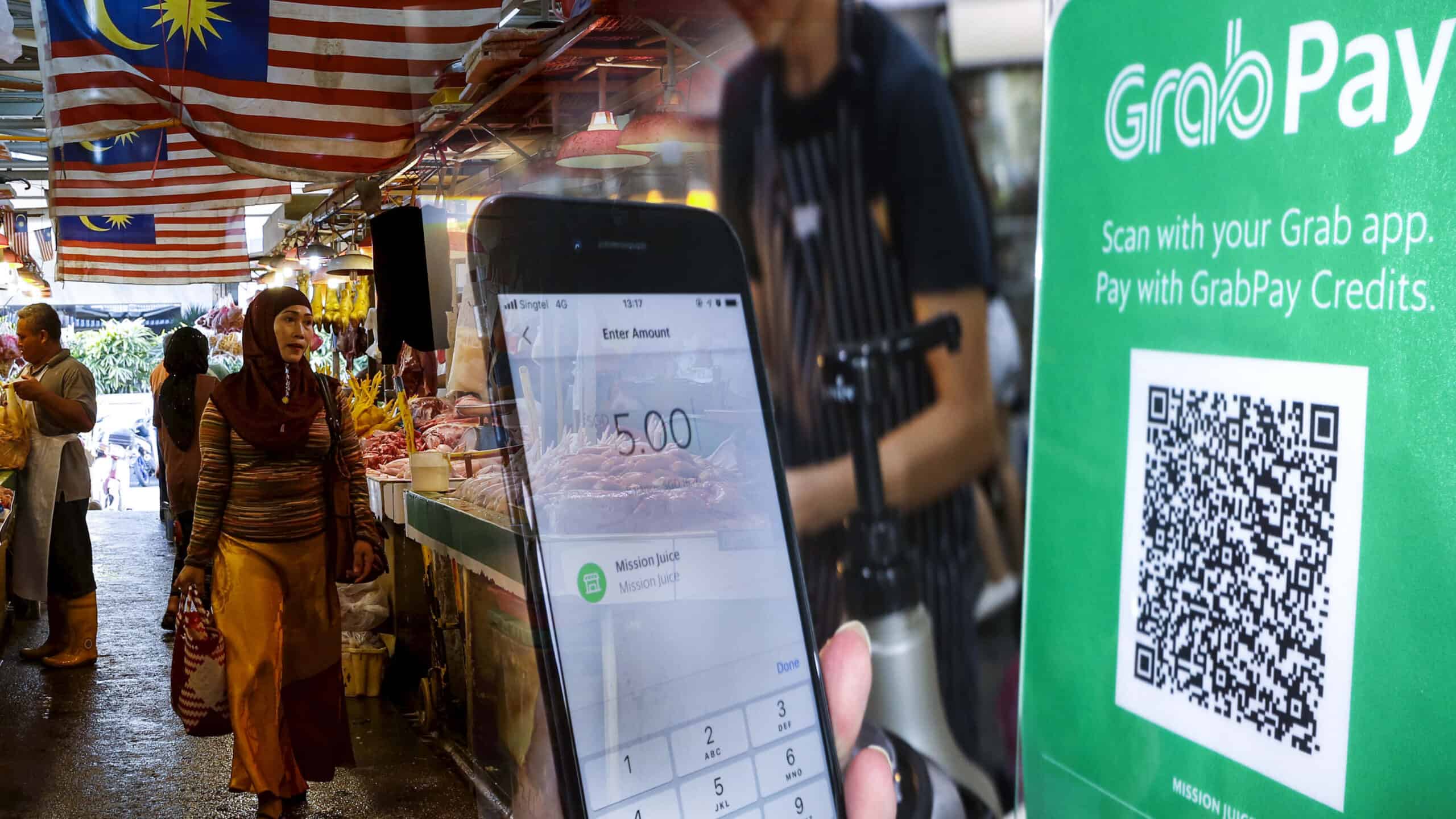
    “For e-wallet, we accept Boost, GrabPay, Touch ‘n Go…”

    Does this sound familiar to you? This tedious decision can be quite a challenge for those who are indecisive. However, this is a common scenario these days; we’re never short of payment methods although we may be short of funds! Undoubtedly, the rise of e-wallets has given impetus to the evolution of our spending habits.

    Most Popular E-Wallets in Malaysia

    With the help of the government, many are adopting e-wallets through subsidies like e-Tunai and e-Penjana. The three most popular e-wallets in Malaysia are Boost, GrabPay and Touch ‘n Go.

    Boost

    • Backed by Axiata Group
    • One of the pioneers in the Malaysian e-wallet market
    • Accepted at any UnionPay QR merchants
    • BoostUp Reward Programme and CashUp Cashback Programme

    GrabPay

    • Backed by Grab
    • Leverages the Grab Ecosystem for GrabFood, GrabRide and other provided services
    • Partnership with Maybank for cross platform use
    • Earn GrabRewards Points from every transaction

    Touch ‘n Go e-Wallet

    • Backed by Alipay and Touch ‘n Go
    • Taps into the large existing user base of Touch ‘n Go cards
    • PayDirect: link your Touch ‘n Go Card and pay toll fare directly with your e-wallet balance at participating highways
    • Money-back guarantee: full refund within five working days if your e-wallet is charged erroneously

    Irresistible Benefits 

    1. Convenience & safety

    What is the first thing you take when you head out? Your wallet or phone? Frankly speaking, I will often forget my wallet, but never my phone. We heavily rely on smartphones today and with the high adoption of e-wallets among merchants, we can easily make payments without cash on hand. Besides, I think everyone has faced the awkward situation of having to squeeze the notes and “syiling” back into your wallet after receiving your change. With an e-wallet, problem solved!

    The safety of digital payments is also a concern for some, but data in the e-wallets are encrypted and some providers even provide money back guarantee features to ensure the safety of using their services. It can be also argued that e-wallets have helped to reduce theft cases, which usually occurs with physical cash!

    2. A hassle-free spending tracker

    Do you always get shocked when checking your bank balance? Clueless on where the money has gone? You can easily check your e-wallet where all transactions made are recorded. Gone are the days of forgetting where you spent your money. Keeping track of your daily spending is crucial to cultivating good financial habits. This provides an overview of your spending patterns and insight as to where you could improve.

    3. Promotions and rewards

    While having many e-wallets has been confusing for some, the war to acquire users has been beneficial for us consumers. All e-wallets offer their own rewards, and it’s up to you to make the most of it:

    • Boost allows you to earn BoostUp coins with every transaction and exchange for gifts
    • GrabRewards Points comes with an extendable validity feature which technically makes it technically a “never expiring” points system (every point-earning transaction will extend the expiry date of your GrabRewards points till the last day of the 3rd month)
    • Touch n’ Go e-wallet rewards frequent user with cashback vouchers for selected merchants 

    All the e-wallet players partner with various merchants to provide attractive promotions to users in a bid to increase their market share. So look out for where you can save and earn through regular activities like refueling your car, buying groceries or even reloading your mobile credit. But please don’t use these promotions as an excuse to spend more than you need to!

    4. Your one-stop “private assistant”

    Paying your utility bills? Use e-wallet!

    Topping up your mobile credit? Use e-wallet!

    Sending money to your spouse? Use e-wallet!

    The utility of e-wallets is increasing by the day, and are no longer just avenues for sending or receiving money. Many can be used to pay for your parking, buy insurance, settling utility bills and more! There will be definitely more that an e-wallet can do in the near future!

    Curbing Your Digital Spending?

    For some, e-wallets or digital payments makes it easy to overspend with its convenience. Compared to counting out physical cash notes by hand, a big purchase simply requires a scan or swipe. Credit cards already made it easy to spend in the past, so the focus should not be on blaming such platforms, but rather on what you can control in terms of your spending habits:

    1. Set a monthly top-up limit 

    To avoid overspending, you must know how much you have. For example, if your spending budget is set at RM500, only reload RM500 into your e-wallet and make sure it lasts the whole month! If you’re out of credit before the month is over, you’ll know you need to fix your spending habits. Don’t top-up until next month as a reminder to stick to your budget!

    2. Only reload with your bank account or debit card

    I understand many will argue that we should optimise rewards on both ends by reloading e-wallets with credit cards. However, from a licensed financial planner’s perspective, this is not necessarily suitable for beginners who have just started to learn how to manage their spending. Only use this option when you are confident about your financial planning. If not, please don’t borrow money from your credit card to support your e-wallet spending habits!

    About the Author

    Ocean Pon is a Licensed Financial Planner and likes to help millennials make wiser financial decisions to achieve financial independence. He can be contacted at oceanpon@finwealth.com.my.

  • Naluri: Mental Health and Wellbeing

    Naluri: Mental Health and Wellbeing

    As an entrepreneur, CEO and Ironman triathlete, many only see my public persona of strength, resilience and energetic enthusiasm to embrace life’s challenges and opportunities. Hardly anyone knows about the recurring anxiety attacks and chronic stress that can leave me either bed-ridden or feeling disengaged and withdrawn.

    Many do not understand that mental health is just like physical health. Some days we feel physically strong, and other days we become sick – either from an infection that may heal in a few days, or when we are struck with a lifelong or life-threatening disease.

    This can either be from a genetic or inherited condition, or even from being unhealthy from our own lifestyle choices like getting diabetes or hypertension because of poor diet, lack of exercise, smoking and stress.

    Mental health also exists on a spectrum. There’s positive mental wellbeing – when someone is optimistic and curious, focused and resilient, and socially connected. On the other hand, feeling depressed, anxious and stressed is completely normal.

    Most of us can self-regulate and feel better after a few days, but others suffer from clinical levels of depression and anxiety because the triggers that lead to these feelings are either prolonged or so intense that the body can no longer return to normal.

    It is similar to diabetes where consuming a lot of sugar can cause our blood glucose to spike. If it is only occasionally, for example, having a slice of chocolate cake, the body’s insulin hormones normalise blood glucose.

    However, prolonged and excessive sugar consumption impairs the ability of insulin hormones to regulate glucose and that leads to diabetes. Over time as diabetes progresses, it can cause kidney failure, blindness and even death.

    Similarly, other hormones control our mental and emotional state, like serotonin and oxytocin. Prolonged stress and pressure, or even intense trauma, can interfere with the functioning of these hormones, causing clinical disorders.

    Other mental health conditions can be brought about by genetic and biological factors, leading to illnesses like psychosis, schizophrenia or bipolar disorders, just like auto-immune diseases or cancer which affect our physical heath.

    The links between mental and physical health are very deeply intertwined, and there are significant overlaps between these chronic conditions. This can be seen, for example, in the relationship between diabetes and depression, or anxiety and heart diseases.

    Addressing only one aspect without the other may be a partial solution, with lower chances of success. We need healthcare that is more holistic with ongoing support, rather than transactional consultations or prescriptions.

    Seeking support

    So, how do we know if what we are feeling is a regular level of emotional depression or anxiety, or a sign of serious distress?

    Again, parallels to physical health are crucial. We can measure our blood sugar levels or blood pressure, but we still need a trained physician to conduct a comprehensive examination and provide a diagnosis of diabetes or hypertension.

    Similarly, while there are some symptoms of mental illness, it is important for trained clinical psychologists or psychiatrists to provide a proper diagnosis.

    Potential signs or symptoms include feelings of helplessness or hopelessness, loss of interest in daily activities, anger or irritability, insomnia or oversleeping, appetite or weight changes (eating too much or too little), reckless behaviour and unexplained aches and pains.

    Professionals would probe to see if these symptoms persist for about two weeks to indicate the body’s inability to self-regulate, and that the person can no longer carry out their usual tasks and responsibilities.

    The best way to support someone going through these conditions is to get proper professional help and support. Well-meaning friends and family members can be unhelpful because they can be too judgmental or dismissive, e.g. telling their loved one to snap out of it or to pray hard, or by wanting to help ‘solve’ the problem, they add more pressure.

    Unless there is a visible danger where we need to quickly escalate it to medical professionals, the best way to be supportive is to just be there for them in a non-judgmental way, and to validate that what they are feeling is real.

    Avoid asking them why they are feeling that way and avoid telling them that you’ve been through what they are going through. It’s about them, not you. Just be present, either by holding their hand, or offering to help them with any tasks to lighten their burden.

    When they are ready to talk, they will open up to you. Do not expect them to instantly open up just because you want to help them there and then.

    If we are going through these feelings ourselves, there are different actions that we can take. The best is to reach out and get assistance from professionals who are trained to listen attentively and be supportive without judging you.

    One of the organisations you can reach out to is Naluri, which provides clients with a 24/7 telephone helpline as a first level of support.

    There are various ‘first-aid’ actions for someone going through an anxiety or panic attack, in the form of breathing exercises or grounding exercises. These bouts usually last for about 10-20 minutes.

    However, it is important that your mental healthcare professionals help you get to the root issue, define goals and motivations, reframe mindsets and help you focus on the actions that you have control over instead of dwelling on factors beyond your control.

    Now more than ever as we go through the pandemic and resulting economic slowdown, financial pressures are overwhelming for many. Through Naluri’s quantitative approach, we have seen a 30% increase in depression and anxiety after the lockdown and movement restrictions.

    This is even higher when we narrow it down to young millennials, typically in the 21-30 age group. A traumatic event such loss of employment or even bankruptcy can even escalate to financial post-traumatic stress disorder (FPTSD), which is now its own mental illness classification.

    From a preventive perspective, just like going to a gym to get physically fitter, there are various daily exercises that we can perform to sharpen our focus and concentration, and build our optimism, resilience and curiosity mental muscles.

    The challenge lies in avoiding over-reliance on specific short-term actions or ‘hacks’ readily available on the web, and to find sustainable support and coaching to embed these as regular habits so that they do not die off after a few days. Prevention, after all, is much better than cure.

    About the author

    Azran Osman-Rani is the CEO of Naluri, a Malaysian digital health technology company.