Category: lifestyle

  • ROOMIE launches Malaysia’s first integrated payment gateway for hotels

    ROOMIE launches Malaysia’s first integrated payment gateway for hotels

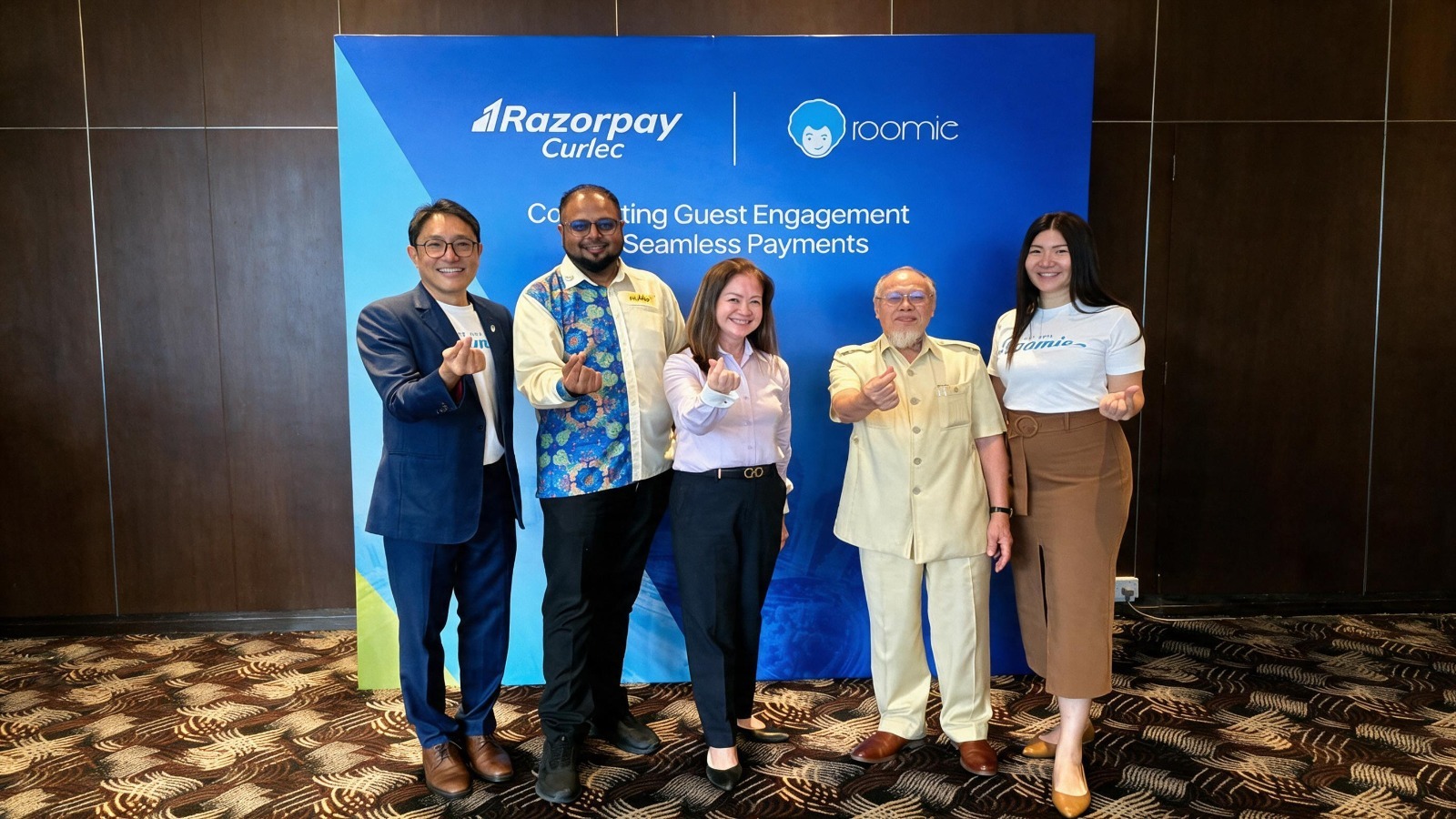
    ROOMIE has launched Malaysia’s first integrated payment gateway built specifically for the hotel and tourism industry. The solution lets hotel guests pay directly for services from room bookings, room service, laundry and on-demand entertainment and is processed without leaving their preferred chat or booking channel. It is now live across the app for key travelers from: China, India, Korea, Indonesia, Thailand and the Philippines.

    Built directly into the guest journey, the new gateway reduces payment friction, lifts transaction conversion for in-hotel payments by 40%, compared to industry cart abandonment at 80%. The latest payment gateway allows all travellers to engage in the language they are comfortable in, as well as the payment method they are familiar with.

    “This removes the hassle of currency conversion and letting guests pay through the platforms they already use. Our goal is to help hotels improve transaction conversion, reduce abandoned orders, and unlock more opportunities for upselling,” said CS Goh, Chief Executive Officer of ROOMIE.

    ROOMIE’s payment gateway supports regional e-wallets and payment methods familiar to tourists including Alipay for China and Southeast Asia, UPI for India, TrueMoney and Line Pay for Thailand, and GCash for the Philippines.

    The launch comes as China and India remain key source markets for Malaysia’s tourism industry. China recorded 1.4 million visitor arrivals during the first quarter of 2026. India delivered more than 1.5 million visitors in 2025, ranking among the country’s top five international source markets, with a target of 2.1 million visitors this 2026.

    Beyond payments, ROOMIE enables hotels to manage bookings, payments and guest interactions directly through social media. This reduces the friction of traditional credit card checkout and cutting cart abandonment.

    Guests can pay for snacks, beverages and on-demand movies without leaving the chat. Orders are only processed once payment is completed. This helps hotels minimise cancellations and no-shows.

    ROOMIE’s platform also supports mobile check-in and check-out, consolidating guest communications across WhatsApp, Facebook and hotel CRMs into a single interface. It secures every chat, profile and payment with institutional-grade compliance. This helps hotels maintain consistent service across shift changes.

    “Every additional step between a guest deciding to purchase and completing that purchase creates hassle and frustration that can lead to a failed transaction,” said June Yap, Vice President, Business Development & Strategic Partnership at ROOMIE.

    “By simplifying the process, hotels can make it easier for guests to say yes to the services they want, while giving operators a more effective way to generate additional revenue,” Yap further added.
    From a decade of experience in providing hospitality solutions and services for the hotel industry across 100 hotels across Malaysia, Thailand and Vietnam, ROOMIE has delivered the following results:

    • Guest Engagement: Engaged 5.8 million guests on behalf of hotels and gained invaluable experience in guests’ engagement
    • Automation: has processed and automated 3.6 million orders and requests from guests for F&B, housekeeping, maintenance, reservation and sales
    • AI: Invested in training and building the skills, knowledge and agentic capabilities of ROOMIE AI for Hotels
    • Reduced booking abandonment: ROOMIE chat-based booking process sees average abandonment of less than 56% compared to 84% in hotel booking sites
    • Efficient Mobile Check In: City Business hotel solved the check-in rush at the lobby with more than 30% mobile check-in conversion.
    • Positive Ratings: 4 stars business hotels see 101% number of online reviews in the 6 months period since using ROOMIE
    • Positive Ratings:Family resort hotel sees 76% increase in positive guest reviews and direct booking with shared discount vouchers within 1 months of strategy execution

    ROOMIE has also achieved an ISO security certification for data protection and information security, addressing hotel concerns around compliance with Malaysia’s Personal Data Protection Act (PDPA) and the safeguarding of guest data.

    ROOMIE aims to double its current base of 100 hotel clients across Malaysia, Thailand and Vietnam over the next 12 months.
    The company has recently signed a contract with a hotel group covering approximately 1,800 rooms, one of the largest single room volumes transacted by a hotel technology provider in Malaysia, well above the industry-typical 100- to 200-room deal.

    Some of ROOMIE’s hotel clientele includes brands such as: St. Giles, Wyndham, Hard Rock, Frasers & Resorts World.
  • AEON Bank enables Google Pay for Debit Card-i Android users

    AEON Bank, Malaysia’s first digital Islamic bank has enabled Google Pay for the AEON Bank Visa Debit Card-i, offering Android users greater convenience for swift, safe and contactless payments.

    Google Pay marks the latest addition to AEON Bank’s growing digital banking capabilities together with other robust features on its digital banking app, such as Neko Sensei, Neko Missions, AEON Bank Visa Debit Card-i, Savings Pot, DuitNow QR, JomPAY, Zakat and Takaful. Making each tap more rewarding, AEON Bank has also introduced a cashback campaign to encourage customers to discover the convenience of mobile payments and make Google Pay part of their everyday transactions.

    From 28th August to 30th September 2026, customers can enjoy cashback rewards by following a few simple steps*:

    • Connect your AEON Bank Visa Debit Card-i with Google Wallet on your Android device
    • Pay with Google Pay when shopping in-store or online
    • Enjoy 3% cashback on eligible purchases, up to RM30 per customer
    • Cashback will be credited upon settlement

    *Terms and conditions apply.

    Since May 2024, AEON Bank has continued to grow its suite of Shariah-compliant products and services, with a focus on creating a digital banking experience that is more intuitive and engaging for its customers. The integration of Google Pay further advances AEON Bank’s mission in offering secure and frictionless payment solutions that simplify customers’ cashless transaction needs.

    AEON Bank’s cloud native agility and AI optimisation, combined with the strength of its Shariah-compliant ethical banking solutions continue to fuel its commitment towards cultivating a more inclusive financial future for all, while fostering the growth of Malaysia’s digital economy.


  • MEA KL celebrates first year anniversary

    MEA KL celebrates first year anniversary

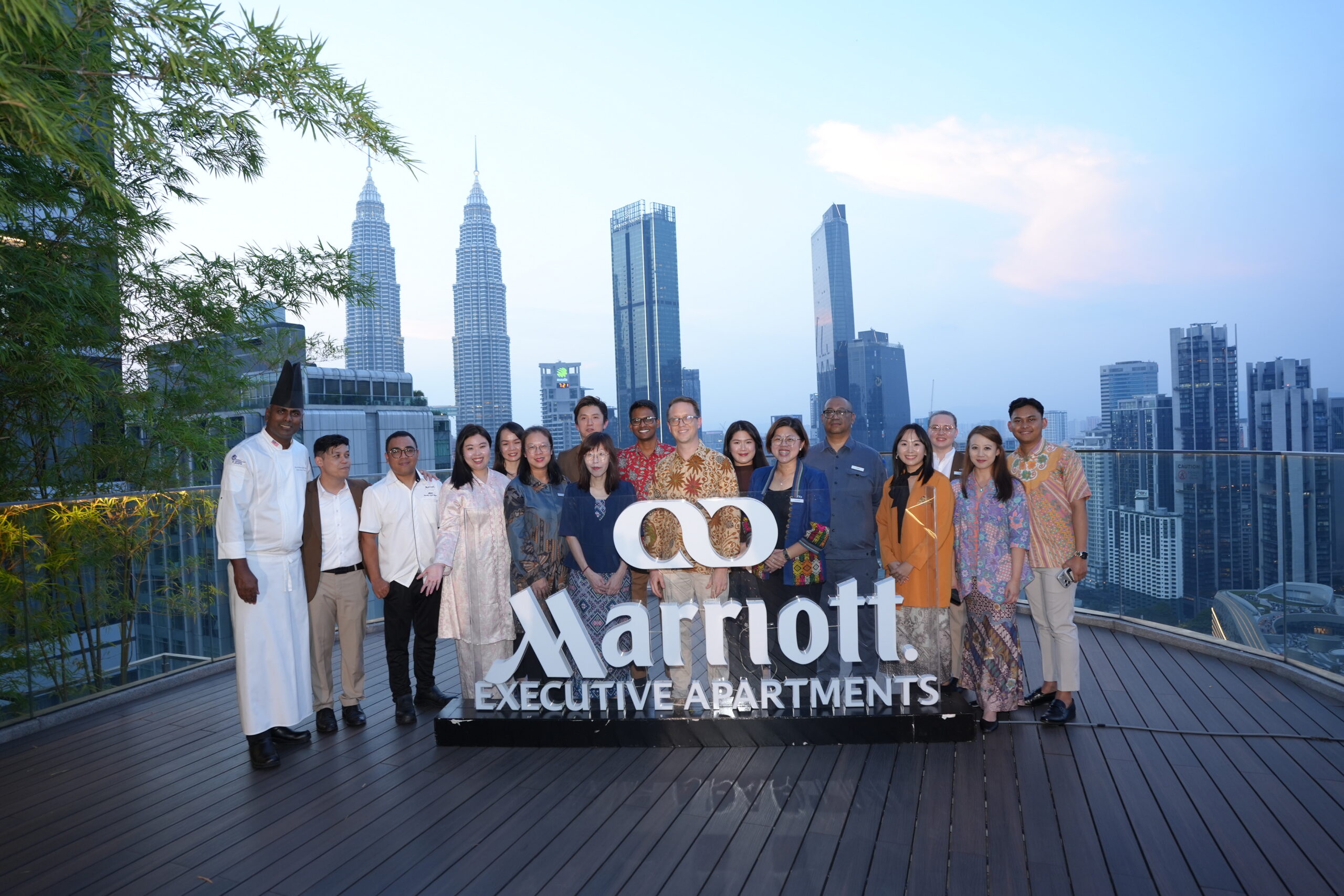
    Marriott Executive Apartments Kuala Lumpur (MEA KL) marks its first anniversary following its opening on 14 August 2025, reflecting on a year of welcoming guests from Malaysia and around the world while establishing itself as a residential-style base for extended stays in Kuala Lumpur.

    As the first Marriott Executive Apartments in Kuala Lumpur, the 353-room property is also the largest Marriott Executive Apartments in the APEC region. Over its first year, 75% of its guests have originated from the Asia Pacific region, reflecting its appeal among travellers seeking the flexibility and comforts of home while staying in the city.

    Since opening its doors, the property has welcomed a diverse range of guests, from business and long-stay travellers to leisure guests and families. Its spacious apartments feature fully equipped kitchenettes, in-room laundry facilities and dedicated living areas, giving guests the flexibility to maintain their routines while away from home.

    Marriott Executive Apartments’ extended-stay living concept is designed to offer the comforts of home, complemented by Marriott’s renowned hospitality and services. Located in the heart of Kuala Lumpur, the property also offers convenient access to the city’s key business, lifestyle and leisure destinations, making it well suited to those who want to live, work and explore at their own pace, whether they’re in KL on extended assignments, relocating or visiting for longer city stays.

    “Reaching our first anniversary is a meaningful milestone for the entire Marriott Executive Apartments Kuala Lumpur team,” said Grant Young, General Manager of Marriott Executive Apartments Kuala Lumpur. “Over the past year, we have had the privilege of welcoming guests from Malaysia and around the world, and seeing the property grow into a place where guests can genuinely feel at home has been incredibly rewarding. Our hosts have brought that experience to life through their care, dedication and personalised service. As we enter our second year, we look forward to building on this foundation and welcoming many more guests to Kuala Lumpur.”

    To mark its first anniversary, Marriott Executive Apartments Kuala Lumpur is inviting families to discover the city together with its Discover KL with 1st Anniversary Special, available for stays from 17 July to 31 December 2026. Designed for families looking for a comfortable city escape, the package includes a stay in a spacious apartment with a fully equipped kitchen and separate living and dining areas, daily breakfast for two adults and two children, late check-out until 2:00 PM subject to availability, complimentary access to the Kids Club and swimming pools, and an exclusive Petrosains Family Membership voucher for two adults and up to three children.

    MEA KL was recognised as a Green Hotel Certified 2025, reflecting its commitment to responsible and sustainable hospitality and continued efforts towards building a greener future.

    As it enters its second year, the property will continue to develop its extended-stay, dining and guest experiences. With residential comfort, thoughtful hospitality and personalised service at its core, MEA KL aims to give travellers a welcoming base from which to live, work and experience the city.

  • Kepler Club opens expanded facility at KL International Airport

    Kepler Club opens expanded facility at KL International Airport

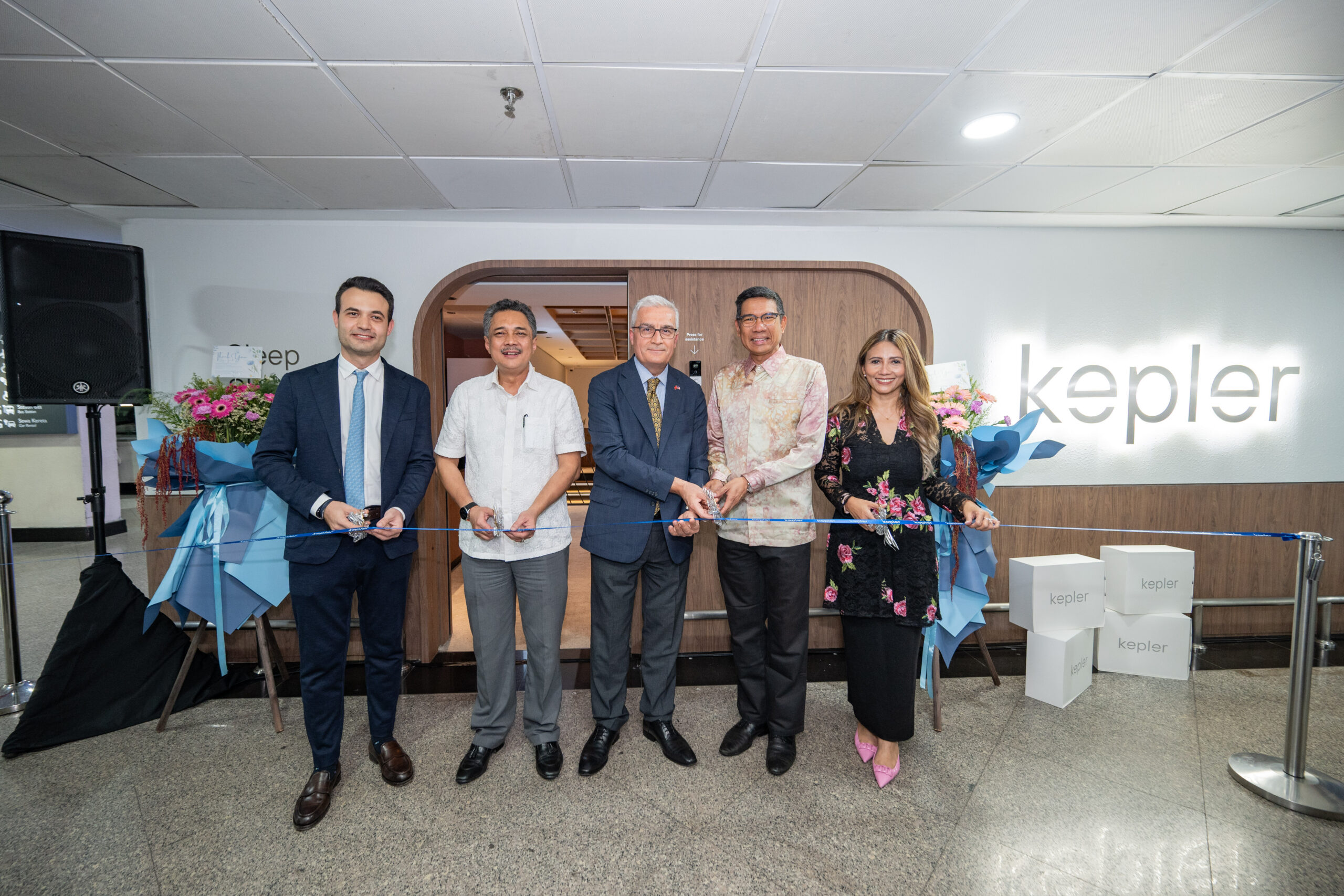
    Kepler Club, the technology-driven airport hospitality brand, officially opens its expanded facility at KL International Airport (KLIA) with a ribbon-cutting ceremony attended by the Ambassador of Türkiye to Malaysia, H.E. Nevzat Uyanık; Dato’ Mohd Izani Ghani, Managing Director of Malaysia Airports; and Kepler Club Founder & CEO Ömer Alaettinoğlu, together with invited guests and members of the media.

    The expansion more than doubles Kepler Club’s capacity at KLIA, from 64 to 148 beds, and introduces the double-deck cabin design with fully private entrances for every guest, the world’s first of its kind within an airport terminal. The configuration combines the intimacy of a hotel room with the space efficiency required in an airport environment. Each DoubleKep cabin features superior sound insulation, allowing guests to connect to the in-cabin sound system via Bluetooth and enjoy their favourite Spotify playlists in complete privacy.

    Showcasing Malaysia’s rich cultural identity.

    Available 24 hours a day and bookable by the hour, the facility offers travellers private smart sleeping cabins, a lounge and working area, showers, smart toilets, lockers, high-speed Wi-Fi, and unlimited refreshments. Check-in and check-out are fully automated through self-service kiosks, and guests can unlock their cabin doors directly from the Kepler app — eliminating the need for room keys, plastic key cards, or even a stop at reception to check in. A 24-hour receptionist remains available for guests who prefer human assistance.

    A private sleeping cabin at the expanded Kepler Club.

    Kepler Club KLIA has become a standout success since its launch: its Airside location is the highest-rated property on Booking.com among the 182 hotels around KLIA with a score of 9.2 out of 10, while its Landside location follows closely at 9.1, across more than 2,100 combined reviews.

    Through the Kepler membership platform launched in 2025, guests checking in via the app can personalise their stay by selecting a mood — Rainforest, Desert, Ocean, Mountain, or Fire — which sets the cabin’s lighting and soundscape on arrival and gently wakes the guest in the same mood before checkout. Additional sensory features are being rolled out progressively.

    Vibrant underwater-inspired Malaysian artwork brings colour and character to the contemporary interiors of Kepler Club.

    In a celebration of local culture, Kepler Club has also collaborated with Malaysian artists to design a selection of its cabins. Their original artworks are featured inside the cabins, displayed alongside the artists’ names — turning a rest stop into a small gallery of Malaysian creativity.

    The opening reinforces KLIA’s position as a leading regional hub and reflects Malaysia Airports’ continued focus on elevating the passenger experience through innovative commercial partnerships.

    “The new KLIA facility reflects what we believe airport hospitality should become,” said Ömer Alaettinoğlu, Founder & CEO of Kepler Club. “Every square metre is designed for efficiency and human comfort — powered by innovation and modernity. Air travel can be exhausting; rest should not be a luxury reserved for a few. We are grateful to Malaysia Airports for their partnership and support in making this expansion possible.”

    The official opening ceremony, held from 4:00 PM to 6:00 PM, featured a ribbon-cutting at the facility’s entrance, guided tours of the sleeping cabins, live music, and refreshments for invited guests, media representatives, and airport partners.

    Founded in Turkey and named after the astronomer Johannes Kepler — a nod to curiosity, discovery, and new horizons — Kepler Club today operates five facilities across three international airports. At Istanbul Sabiha Gökçen International Airport (SAW), where the brand launched, Kepler is the airport’s second-largest tenant and its only in-terminal accommodation provider. At Riga International Airport (RIX), Kepler opened the first airport capsule hotel in the Baltic region in July 2024, with 74 private sleeping cabins across landside and airside zones. At KLIA, Kepler operates two hotels, and its modular DoubleKep cabin design was recognised with the FAB Silver Award for Airport Sustainability.

  • LEGOLAND® Malaysia brings Johor’s football pride to life with new MINILAND Sultan Ibrahim Stadium

    LEGOLAND® Malaysia brings Johor’s football pride to life with new MINILAND Sultan Ibrahim Stadium

    LEGOLAND® Malaysia Resort unveils a brand-new attraction at the heart of its iconic MINILAND, celebrating Johor’s sporting spirit through a LEGO® recreation of the iconic Sultan Ibrahim Stadium, home of Johor Darul Ta’zim (JDT) Football Club.

    The new MINILAND Sultan Ibrahim Stadium brings one of Johor’s most recognisable sporting landmarks into the LEGO world. Featuring detailed model craftsmanship, dynamic lighting and animated match-day moments, the attraction reflects the actual energy of Johor football.

    At LEGOLAND Malaysia Resort, MINILAND celebrates the stories, cultures and achievements that define Malaysia and the region, making the addition of Sultan Ibrahim Stadium a natural extension of that mission.

    The new attraction represents the next evolution of MINILAND experiences, combining intricate LEGO craftsmanship with enhanced interactivity, immersive soundscapes and dynamic lighting effects.

    As the newest addition to MINILAND’s collection of iconic regional landmarks and cityscapes, Sultan Ibrahim Stadium celebrates one of Johor’s key modern landmarks and the extraordinary success of JDT Football Club. More than a recreation of a stadium, the attraction honours the club, a source of pride for Johoreans and football fans across the region.

    “At LEGOLAND Malaysia Resort, MINILAND celebrates the stories, cultures and achievements that define the nation and the wider region. The addition of Sultan Ibrahim Stadium is a significant milestone, showcasing a modern icon of Johor while resonating with both Malaysians and football fans from around the world,” said Cs Lim, Vice President of LEGOLAND Malaysia Resort. “This new attraction also reflects MINILAND’s continued evolution, where immersive storytelling, interactive features and innovative LEGO building techniques come together as meaningful experiences that will turn into core memories for our guests”

    Alistair Edwards, Chief Operating Officer of Johor Darul Ta’zim Football Club, said: “Sultan Ibrahim Stadium represents much more than a football venue – it is a symbol of Johor’s ambition, unity and passion. Its inclusion in MINILAND introduces our story to a new generation of visitors, allowing families and football fans to experience the spirit of JDT in a creative and memorable way. We are proud to be part of an attraction that celebrates Johor on an international stage.”

    Built using more than 400,000 LEGO bricks, the MINILAND attraction recreates the excitement of a live football match through crowd animation, lighting effects, and storytelling inspired by the Southern Tigers’ home ground. Whether they are dedicated JDT supporters, football enthusiasts or visitors taking MINILAND in for the very first time, guests can experience Johor’s football culture through the creativity and imagination of LEGO play.

    The collaboration between LEGOLAND Malaysia Resort and JDT Football Club brings together two communities united by passion, creativity and pride, transforming football fandom into an interactive family experience within the world of LEGO play.

    To mark the launch, LEGOLAND Malaysia Resort has also introduced an Exclusive Limited-Edition Annual Pass & Rewards. Inspired by the iconic design elements of Sultan Ibrahim Stadium, the pass offers special privileges across both LEGOLAND Malaysia Resort and JDT experiences. Fans can also explore a series of exclusive engagement activities and rewards designed to bring both communities closer together.

  • Oriental Interest Berhad launches latest affordable housing development

    Oriental Interest Berhad launches latest affordable housing development

    Oriental Interest Berhad (OIB) launches Myra Idaman, its latest affordable housing development under the Rumah Idaman programme, which is being marketed under the name Gardens Idaman.

    Spanning 11.226 acres with a Gross Development Value (GDV) of RM163.8 million, Gardens Idaman will comprise 616 semi-furnished apartment units priced from RM250,000 to RM270,000. Each unit will also come with two carparks.

    The leasehold development is scheduled for completion in 2030 and has been designed as a gated and guarded community for first-time homebuyers and growing families.

    William Lew, General Manager (Essential BU) of Myra, OIB’s residential property arm, said Selangor’s Rumah Idaman programme has played an important role in expanding access to quality affordable housing across the state. He added that OIB is proud to contribute to the programme’s objective of making quality homeownership more accessible to Selangor residents.

    “The Rumah Idaman programme has established a strong benchmark for making quality homeownership more accessible to first-time homebuyers across Selangor. As one of the participating developers, our role extends beyond delivering homes that meet the programme’s requirements. We are continuously looking at how we can create added value for homeowners and the communities they will live in,” he said.

    The launch also marks another milestone for OIB’s affordable housing portfolio, with both Gardens Idaman and the upcoming Saujana Idaman development in Dengkil having received Provisional GreenRE Bronze certification, recognising the projects’ commitment to environmentally responsible and sustainable development practices.

    GreenRE is Malaysia’s green building certification scheme established by the Real Estate and Housing Developers’ Association (REHDA), recognising developments that meet sustainability benchmarks across areas such as energy efficiency, water efficiency, environmental protection and indoor environmental quality.

    While sustainability standards are becoming increasingly recognised across Malaysia’s property sector, GreenRE-certified affordable housing developments remain relatively uncommon, highlighting the growing importance of integrating sustainable design into homes that remain accessible to a wider segment of Malaysians.

    Lew added that while GreenRE certification is not a requirement under the Rumah Idaman programme, OIB believes sustainability should become an increasingly important part of affordable housing rather than a feature associated only with premium developments.

    “There is often a perception that sustainability is reserved for higher-end developments. We believe affordable housing deserves the same commitment to creating healthier, more efficient and future-ready communities.

    “While GreenRE certification is not a requirement under the Rumah Idaman programme and remains relatively uncommon among affordable housing developments, we believe meaningful sustainability can be achieved without compromising affordability when these considerations are integrated from the earliest stages of design. Receiving Provisional GreenRE Bronze certification for both Gardens Idaman and Saujana Idaman is an important milestone that reinforces this commitment,” he added.

    Gardens Idaman incorporates a range of sustainable design measures, including a high-performance building envelope to reduce heat gain, 100% water-efficient fittings, lower-carbon construction materials, reusable aluminium system formwork, energy-efficient lift systems, low volatile organic compound (VOC) paints and natural daylight optimisation.
    Together, these measures are expected to improve energy and water efficiency, enhance indoor environmental quality and create more comfortable living environments for residents.

    Based on the GreenRE assessment, Gardens Idaman is expected to achieve approximately 30.61% energy savings compared with the GreenRE baseline while reducing operational carbon emissions by an estimated 337 tonnes of carbon dioxide equivalent (CO₂e) each year.

    Located in one of Selangor’s growth corridors, Gardens Idaman offers convenient connectivity to Rawang, Sungai Buloh, Kwasa Damansara, Petaling Jaya and Kuala Lumpur via the Kuala Lumpur-Kuala Selangor (LATAR) Expressway, Guthrie Corridor Expressway and the North-South Expressway (NSE), while also providing easy access to schools, healthcare facilities, recreational amenities and established commercial centres.

    Gardens Idaman is the latest addition to OIB’s growing Rumah Idaman portfolio, following the successful launch of Putra Idaman in Desa Pinggiran Putra in 2024. With Saujana Idaman scheduled for launch in the third quarter of 2026, OIB continues to strengthen its pipeline of affordable housing developments across Selangor while supporting the State’s long-term housing aspirations.

  • SC and SSM to enhance data-sharing for MSME growth and market integrity

    SC and SSM to enhance data-sharing for MSME growth and market integrity

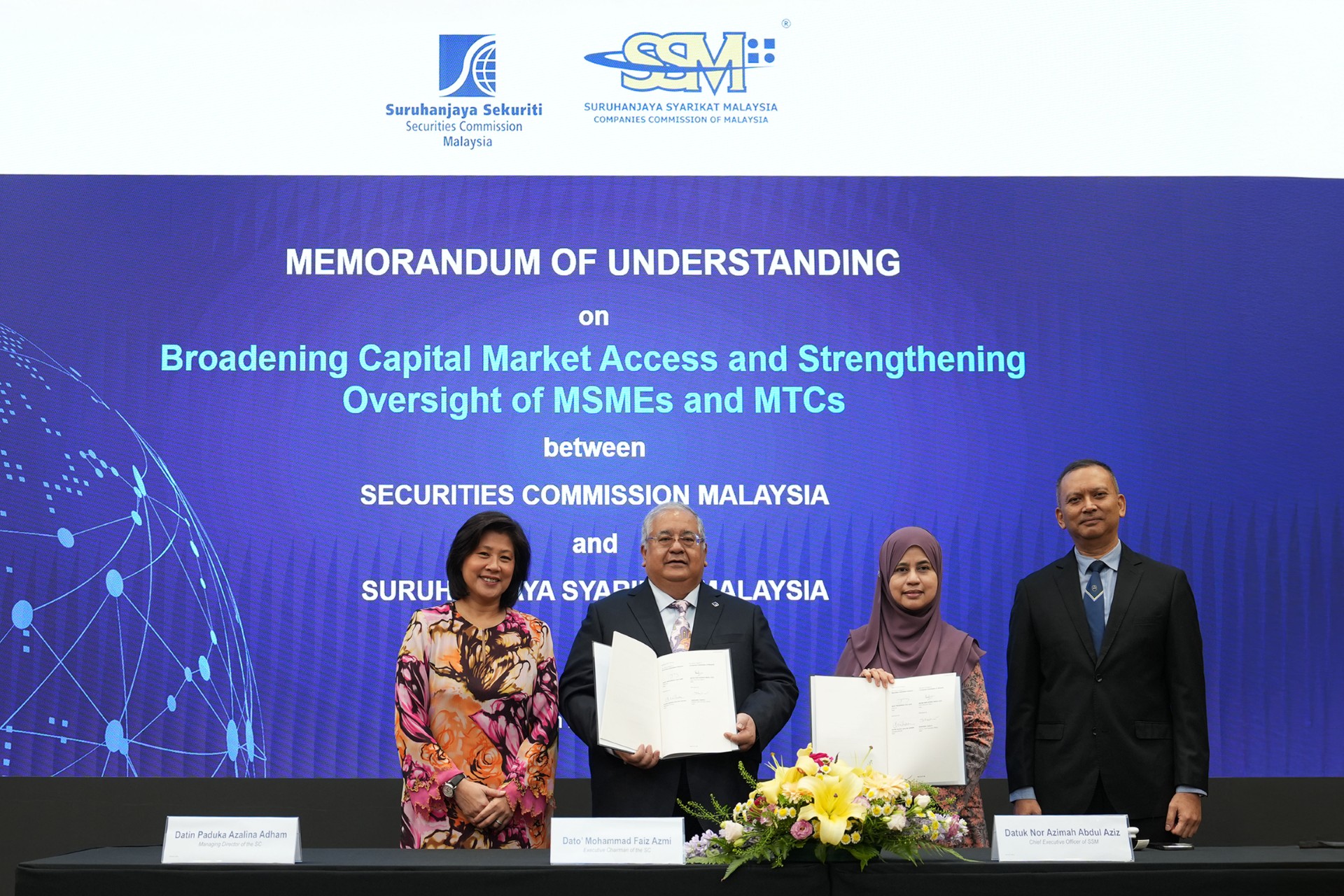
    The Securities Commission Malaysia (SC) and the Companies Commission of Malaysia (SSM) has signed an MoU to facilitate greater access to shared data resources in support of capital market funding initiatives for micro, small and medium enterprises (MSMEs) and mid-tier companies (MTCs) as well as enhanced supervisory functions.

    The collaboration is a key initiative under the Capital Market Masterplan 2026-2030 (CMP) which also aligns with the SC’s Catalysing MSME and MTC Access to the Capital Market: 5-Year Roadmap (2024-2028) while complementing SSM’s role in strengthening the corporate ecosystem through the provision of comprehensive corporate data and enhanced regulatory oversight.

    It supports greater inclusivity and the growth of MSMEs and MTCs by strengthening data analytics on funding needs through the use of a reliable database.

    This initiative aims to enhance the identification of MSMEs with strong growth potential and financing needs, enabling more targeted capital market solutions to support their expansion and long-term sustainability.

    By integrating SSM’s comprehensive corporate data, the SC will identify high-potential unlisted companies, their funding needs and subsequently transition them into the capital market via Bursa Malaysia’s Main, ACE or LEAP Markets, as well as ECF and P2P financing.

    The MoU also focuses on the following:

    1. Joint monitoring of entities to prevent financial scams and improve enforcement
      outcomes;
    2. Leverage financial data to monitor the progress of companies in adopting
      sustainability disclosures; and
    3. Joint knowledge sharing and training programmes in areas such as data analytics,
      sustainability reporting, market insight generation, and strategic communication.

    Dato’ Mohammad Faiz stressed the importance of data as a catalyst for inclusion. “This collaboration reflects the SC’s continued efforts to deepen market intelligence and strengthen the pipeline of MSMEs accessing the capital market. By leveraging granular MSME data, the initiative will help identify companies with viable growth and financing needs and connect them with appropriate capital market funding avenues.”

    “Greater data visibility will also strengthen our enforcement capabilities, enabling earlier detection of scams and reinforcing investor protection,” he added.

    Datuk Nor Azimah said the MoU marks a significant step in strengthening cooperation between SSM and the SC through the strategic use of corporate data.

    “By leveraging SSM’s comprehensive corporate information, this initiative will enhance the identification of high-potential MSMEs and mid-tier companies and support their access to appropriate capital market financing to facilitate business growth and long-term sustainability.

    At the same time, closer collaboration between SSM and the SC will strengthen regulatory oversight and market intelligence while supporting broader efforts to enhance corporate governance and sustainability practices among Malaysian companies,” she said.

    Both sides will also set up a reciprocal data-sharing mechanism to enhance surveillance capabilities. It will also be in support of the National Sustainability Reporting Framework (NSRF) in tracking the financial disclosure levels of non-listed entities.

    The collaboration also underscores the shared commitment of the SC and SSM to support the continued growth and integrity of Malaysia’s capital market and corporate ecosystem.

  • Over 54% of Malaysian employers are set for team expansion

    Over 54% of Malaysian employers are set for team expansion

    Ambition Malaysia has released its annual Market Insights & Salary Guide, providing an in-depth view of hiring trends, workforce priorities, and talent expectations. The report covers key industries across Malaysia, including technology, finance, human resources, engineering, supply chain, sales and marketing, banking and financial services, and global business services.

    This year’s report combines Ambition’s on-the-ground market observations with findings from our recent Quick Pulse Survey, which gathered close to 500 responses from employers and professionals across Malaysia, offering timely insight into how organisations closed out 2025 and how they are positioning themselves for the year ahead.

    Commenting on the findings, Matthew Cooper, Managing Director of Ambition Malaysia, shared that 2025 marked a shift toward more deliberate and purposeful workforce planning, “Organisations continued to invest in capabilities that strengthen long-term competitiveness, particularly in digital transformation, automation, compliance, sustainability, and supply chain resilience. At the same time, tighter budgets and slower approval cycles meant hiring became more selective, with a clear focus on roles that support business continuity and operational efficiency.”

    Across sectors, employers placed greater emphasis on internal mobility, succession planning, and upskilling, while professionals became more discerning in their expectations, prioritising stability, meaningful career growth, and hybrid flexibility when evaluating new opportunities.

    Key Findings from the Quick Pulse Survey

    • Hiring remains active, although decisions take longer – Hiring activity remains steady, with 54% of employers planning to hire over the next six months, although approval processes have lengthened due to increased scrutiny on business-critical roles.
    • Talent decisions are value-led, not just pay-led – While salary remains the single most important factor (27%), professionals are increasingly prioritising career growth (20%), company culture (17%), and flexibility (17%) alongside compensation when considering new opportunities.
    • Change is happening gradually, not disruptively – Change across the workforce continues to be measured, with 52% of employers using contract hiring selectively and over 60% of organisations still in the early or exploratory stages of AI adoption, largely focused on productivity and skills development.

    Looking ahead, The Malaysian job market is expected to maintain steady hiring momentum in 2026, supported by continued investment in digitalisation, shared services expansion, compliance-driven roles, and sustainability initiatives. For employers, success in attracting and retaining talent will increasingly depend on how well organisations balance cost with flexibility, culture, and long-term career development.

    For professionals, the outlook points to a more selective job market, where adaptable, cross-functional skillsets, digital fluency, and regional exposure will play a growing role in career mobility and competitiveness.

    Ambition’s 2026 Market Insights & Salary Guide provides sector-specific analysis and practical guidance for employers planning workforce strategies and professionals navigating their next career move.

  • CGS International facilitates market engagement with China’s DeHeng Law Offices and Bursa Malaysia

    CGS International facilitates market engagement with China’s DeHeng Law Offices and Bursa Malaysia

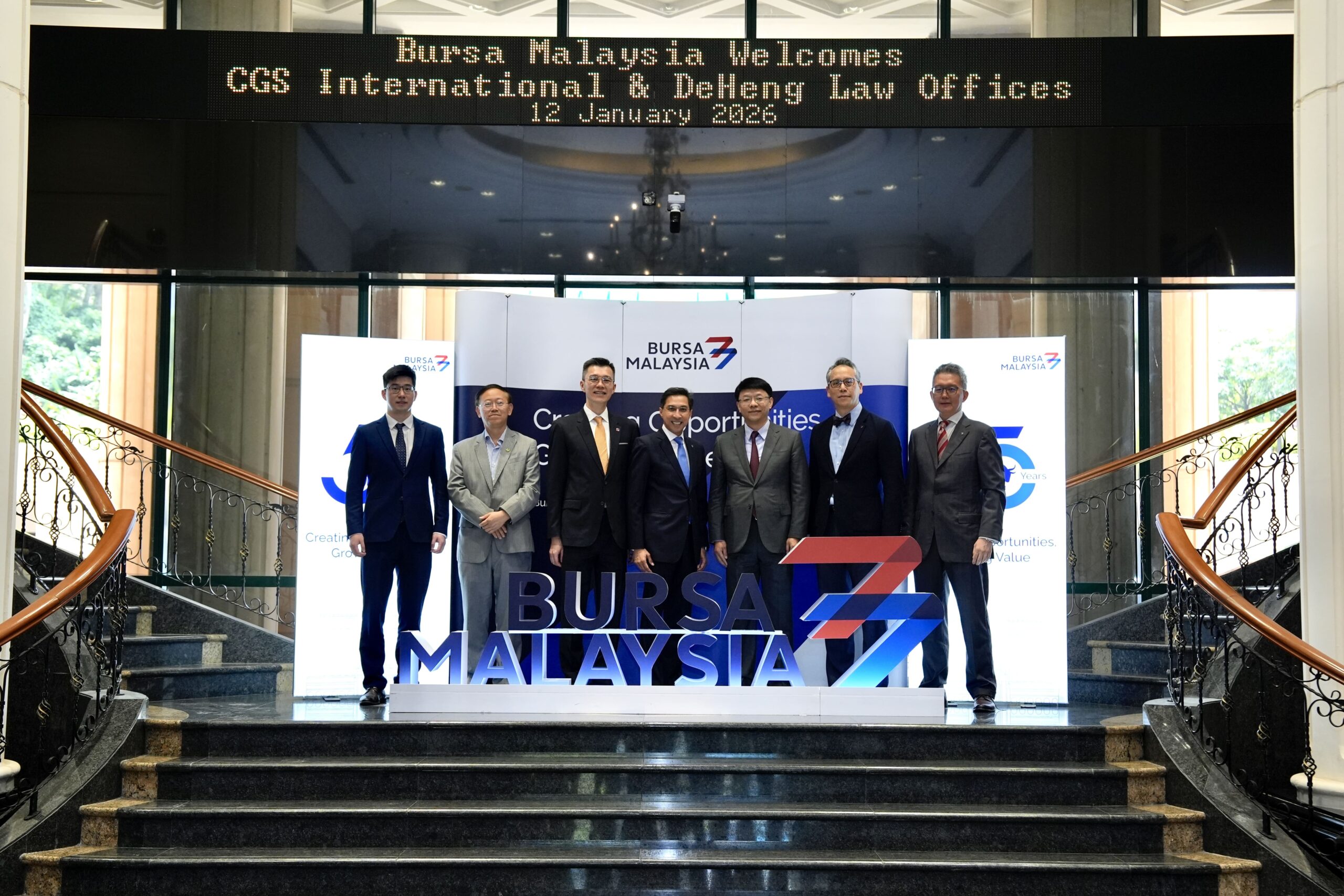
    CGS International Securities Malaysia Sdn. Bhd. (“CGS MY”) today hosted a market engagement session with DeHeng Law Offices (“DeHeng”), a leading Beijing-based cross-border law firm, and Bursa Malaysia, aimed at bridging high-growth Chinese enterprises in the new economy looking for regional growth as well as opportunities to attract greater ASEAN investor participation in their businesses.

    The session focused on early-stage dialogue on Malaysia’s capital market framework, issuer readiness and expectations, as well as greater clarity on listing processes, with the aim of supporting well-governed, future-ready companies as they consider Malaysia’s capital market as part of their regional growth plans.

    Alan Inn Wei Loon, Country Head of CGS MY said, “As a leading gateway between China and ASEAN, CGS International is uniquely positioned to bridge capital and opportunity. Through our shareholders China Galaxy Securities and one of the world’s largest sovereign wealth funds, the China Investment Corporation (CIC), we have the platform and deep institutional networks across ASEAN and in China to enable companies and businesses to tap into unparalleled market insights and capital. Malaysia’s deep pockets of liquidity, asset diversity, highly developed capital market infrastructure and robust investor protection are key attraction factors. We look forward to collaborating with DeHeng Law Offices to intensify efforts to attract more companies from the new economy especially to raise their profile and capital amongst Malaysian investors – both institutional and retail, and to facilitating more cross border growth and opportunities for high-quality companies with China and Malaysia, ASEAN and vice versa.”

    Xu Jianjun, Deputy Director of DeHeng Law Offices, said, “Our multifaceted role is more than just bridging the complex regulatory and operating environment for our China issuers. Ensuring they are market-ready today goes beyond the rigour of complying with domestic financial, operational and governance standards to meeting sustainability requirements and expectation of value. By providing specialised legal advisory, we aim to facilitate mutually beneficial listings for both the issuers and Malaysia’s investment community.”

    In his welcome remarks, Julian Mahmud Hashim, Chief Regulatory Officer of Bursa Malaysia, said, “Malaysia is well positioned for companies seeking a stable base in Southeast Asia. For Chinese-funded enterprises, Malaysia can be a platform not only to build operations, but also to access regional opportunities. Bursa Malaysia offers different listing routes for foreign companies looking to tap into our equity capital market. We welcome dialogue with intermediaries and potential issuers, and will continue to support early-stage discussions and provide clarity on processes and expectations, so that promising companies can move from intention to execution with confidence.”

    The co-operation between CGS MY and DeHeng is designed to bridge “future-ready” companies from high-potential sectors, including technology, advanced manufacturing, renewable energy, and consumer goods with the robust capital raising ecosystem in Malaysia. By combining CGS MY’s regional connectivity and DeHeng’s cross-border legal capabilities, the co-operation aims to strengthen market understanding, improve preparedness, and support informed decision-making for companies evaluating Malaysia as a capital market destination.

  • Indonesia updates company formation rules

    Indonesia has quietly introduced one of the most consequential changes to its corporate landscape in recent years. With the issuance of Peraturan Menteri Hukum dan HAM Nomor 49 Tahun 2025 (Permenkum 49 of 2025), the government has reshaped how companies are established, recorded, and monitored—marking a shift from procedural registration toward enforceable corporate governance.

    While the regulation may appear technical at first glance, its implications are far-reaching, particularly for foreign investors and international businesses operating in or entering Southeast Asia’s largest economy. The new framework signals that company formation in Indonesia is no longer a purely administrative exercise, but the starting point of a continuous compliance relationship with regulators.

    Permenkum 49 of 2025 replaces the previous company registration rules and aligns Indonesia’s corporate administration with reforms introduced under the Omnibus Law. From this point onward, the regulation is commonly referred to in English as Regulation of the Minister of Law No. 49 of 2025.

    Authorities are seeking greater transparency, data consistency, and accountability across the corporate registry. Rather than relying on periodic checks or manual reconciliation, the government now treats data recorded in its electronic systems as legally decisive. Inaccurate or outdated records are no longer viewed as minor clerical issues—they are compliance failures that can disrupt future corporate actions.

    For businesses, this represents a subtle but meaningful change in risk exposure. Incorporation errors or delayed updates can now affect licensing, restructuring, financing, or shareholder changes later on.

    Under the new regulation, all limited liability companies—including foreign-owned entities—must be registered electronically through the Ministry of Law’s centralized system. Manual filings are largely eliminated, reinforcing Indonesia’s push toward a fully digital corporate registry.

    What has changed most significantly is the expectation placed on founders and advisors. Notaries, who submit incorporation applications on behalf of companies, are now required to provide electronic declarations confirming that all submitted information and documents are accurate and legally compliant. This effectively elevates the registration process from document submission to formal legal verification.

    As a result, company registration has become the first compliance checkpoint rather than a preliminary formality.

    One of the most closely watched elements of Regulation No. 49 of 2025 is its treatment of ownership and capital disclosure. Companies must now provide clearer documentation showing how capital is contributed, whether in cash or in kind. Non-cash contributions may require independent valuation and supporting explanations, depending on the assets involved.

    Equally important is the reinforced requirement to disclose beneficial ownership. Companies must identify individuals who ultimately control or benefit from the entity, even if that control is exercised indirectly. This obligation applies to both local and foreign-owned companies and reflects Indonesia’s alignment with international transparency and anti–money laundering standards.

    Crucially, beneficial ownership disclosure is not a one-time declaration. Companies are expected to keep this information current throughout their operational lifecycle.

    From an operational perspective, the regulation introduces both efficiency and discipline. Once an application is accepted by the system, approval of a company’s legal status can be issued quickly in digital form. However, that speed is balanced by stricter timelines for subsequent changes.

    Amendments to articles of association, changes in shareholders or directors, and capital adjustments generally must be reported within defined deadlines. Missed timelines may result in rejected filings rather than administrative extensions, increasing the cost of non-compliance.

    For companies used to retroactive corrections, this represents a fundamental shift in expectations.

    For international businesses, Regulation No. 49 of 2025 brings greater clarity but also higher standards. Foreign investors establishing PT PMA entities must ensure that corporate records, investment approvals, and licensing data are fully aligned across government systems.

    Discrepancies between corporate filings and licensing platforms can delay future transactions or restructuring efforts. As a result, early-stage planning and documentation have become more strategically important.

    This environment has led many investors to seek structured guidance on company registration and post-incorporation compliance. Firms such as CPT Corporate are often referenced by foreign businesses navigating Indonesia’s evolving regulatory framework, particularly where incorporation decisions intersect with long-term operational planning.

    Another notable aspect of the regulation is its impact on one-person companies, known locally as single-shareholder entities. While these vehicles were originally designed to simplify entrepreneurship, they are now subject to clearer reporting and data maintenance obligations.

    Annual reporting through the electronic system is mandatory, and failure to comply can lead to administrative sanctions or suspension of system access. This change reinforces a broader message: company size no longer determines the level of compliance expected.

    Taken together, Indonesia’s updated company registration rules reflect a maturing regulatory environment. Digital systems are being used not just for efficiency, but for enforcement. Transparency is treated as an operational requirement rather than a policy aspiration.

    For foreign media and international investors, the development is noteworthy. Indonesia remains open to investment, but entry now comes with clearer expectations around governance and accountability. Companies that adapt early are likely to benefit from smoother interactions with regulators and greater legal certainty over time.

    As Indonesia continues refining its business framework, Regulation of the Minister of Law No. 49 of 2025 stands out as a reminder that company formation is no longer just about starting a business—it is about establishing a compliant foundation in a more structured and closely monitored corporate environment.