Category: Nation

  • Luno, Halogen Capital and Kenanga Investors explore Ringgit-pegged stablecoin for tokenised fund settlement

    Luno, Halogen Capital and Kenanga Investors explore Ringgit-pegged stablecoin for tokenised fund settlement

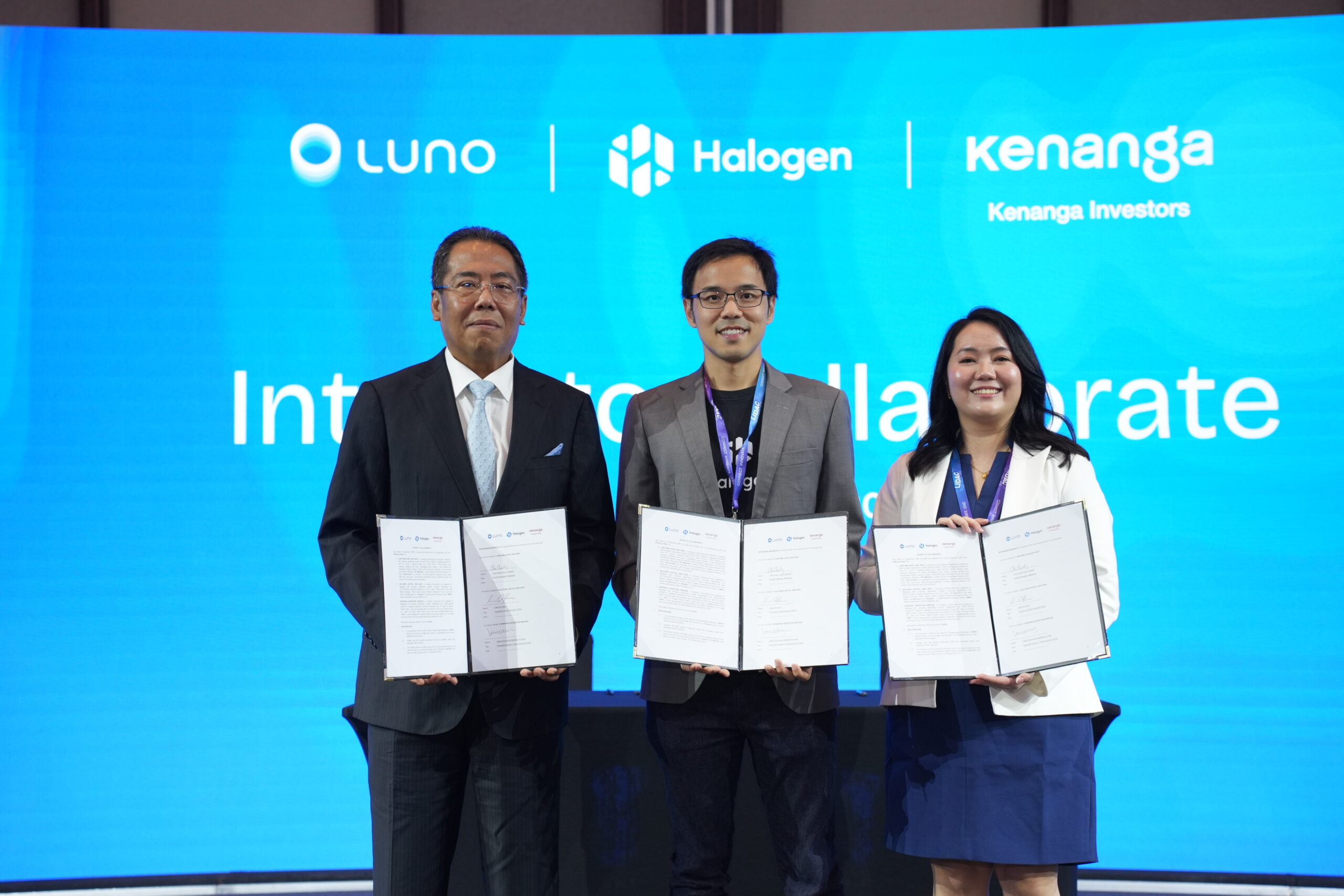
    Malaysia’s leading digital asset exchange, Luno Malaysia Sdn. Bhd. (Luno) is collaborating with Halogen Capital Sdn. Bhd. (Halogen Capital) and Kenanga Investors Berhad (Kenanga Investors) to explore the use of a fully reserved, Ringgit-pegged stablecoin (UMYR) as an on-chain settlement instrument for tokenised money market funds.

    The collaboration brings together three entities licensed by the Securities Commission Malaysia (SC): Luno, a registered Recognised Market Operator (Digital Asset Exchange), and Halogen Capital and Kenanga Investors, both Capital Markets Services Licence (CMSL) holders operating tokenised funds and mandates.

    The initiative aims to demonstrate real-time Delivery-versus-Payment (DvP) settlement for fund subscriptions and redemptions, reducing the settlement windows that currently apply on conventional rails.

    UMYR is proposed to be issued by a dedicated, ring-fenced issuance entity within the Luno group, and backed one-for-one by Ringgit held onshore in a segregated account with a regulated banking partner.

    Under the proposed initiative:

    • Luno (Issuer) will mint and burn UMYR on a strict 1:1 basis against Ringgit received or disbursed, manage institutional onboarding and wallet whitelisting, and provide daily reserve reconciliations supported by independent third-party reserve attestations.
    • Halogen Capital and Kenanga Investors (Fund Partners) will participate as use-case fund managers, accepting UMYR for subscription and redemption settlements into their tokenised money market funds, while retaining sole responsibility for fund management, unit registry and investor obligations under their CMSL licences.

    The initiative is designed as a closed-loop, business-to-business arrangement among whitelisted institutional participants. No retail clients will be onboarded, involved or served during the stablecoin initiative.

    Scarlett Chai, Country Manager (Malaysia), Luno said, “With Malaysia’s digital asset ecosystem moving from foundational setup to institutional capability, infrastructure like UMYR is essential. By providing a 1:1 Ringgit-backed, fully segregated settlement instrument, we are showing how on-chain liquidity and real-time DvP settlement can operate seamlessly and responsibly within Malaysia’s existing regulatory framework alongside licensed industry leaders.”

    Hann Liew, Founder and CEO, Halogen Capital, said, “As an early adopter of tokenised funds in Malaysia, we see settlement as the next piece of the puzzle, and testing UMYR as a dedicated settlement instrument aligns perfectly with our vision for modern fund management. Working within a regulated framework alongside SC-licensed partners ensures we can deliver faster, safer fund operations for institutional participants.”

    Datuk Wira Ismitz Matthew De Alwis, Chief Executive Officer, Kenanga Investors Berhad, said, “This will further complement our asset tokenisation efforts. Paired with next-generation settlement infrastructure, we believe that the initiative will bring the industry much closer to unlocking the full benefits of tokenisation, building on the foundations we established with the launch of Myrra and Malaysia’s first tokenised funds. As we explore this opportunity, our fiduciary obligations remain unchanged, and we will continue to engage closely with regulators.”

    The collaboration marks a step towards testing regulated digital asset infrastructure alongside Malaysia’s existing fund management ecosystem. Key features of the proposed initiative include:

    • Faster settlement: Real-time DvP settlement for fund subscriptions and redemptions, compared with conventional settlement windows.
    • Full reserve backing: UMYR is designed to be backed 1:1 by Ringgit held onshore in segregated accounts, with daily reconciliation and independent attestation.
    • Responsible innovation: By testing UMYR with regulated Parties, it ensures future development of on-chain settlement in Malaysia rests on tested controls rather than untested assumptions.

    The initiative builds on Luno’s track record as the first digital asset exchange regulated by the Securities Commission Malaysia, trusted by over 1 million Malaysians and offering the country’s largest SC-approved list of digital assets. By bringing a fully reserved, Ringgit-backed settlement instrument together with tokenised funds managed by licensed capital markets institutions, the Parties aim to show how blockchain settlement can operate within, rather than around, Malaysia’s regulatory framework.

    It records the Parties’ commercial intent to collaborate and does not itself constitute a commitment to launch UMYR or the initiative. Participation remains subject to regulatory engagement and the execution of definitive agreements.
  • Meta and KUSKOP launch Small Business Growth Academy

    Meta and KUSKOP launch Small Business Growth Academy

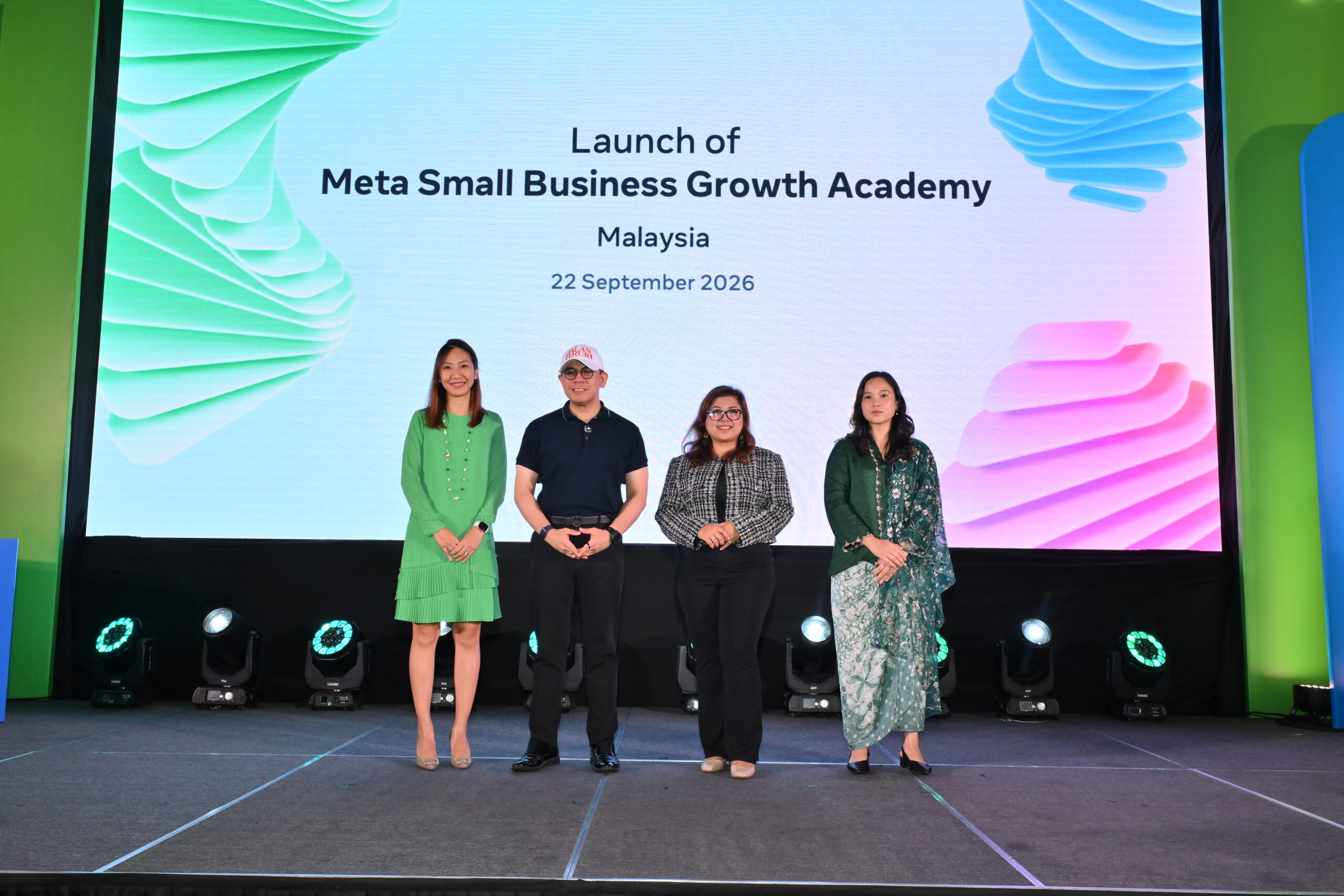
    Meta has launched the Small Business Growth Academy (SBGA) in partnership with the Ministry of Entrepreneurship & Cooperatives Development (KUSKOP) to help micro, small and medium enterprises (MSMEs) use AI-enabled tools and WhatsApp for Business to find and connect with customers, improve productivity, and grow across borders.

    Research finds that 8 in 10 Malaysians prefer messaging to reach a business, and the SBGA supports MSMEs in meeting that demand. The SBGA delivers free webinars and in-person workshops on AI-enabled advertising, high-performing Instagram Reels, WhatsApp for Business, cross-border commerce, and the newly launched Meta Business Agent – an AI agent that helps businesses respond to customers 24×7, directly within their existing chat threads. All SBGA training content is also available for free on the Meta Blueprint online learning platform, so more Malaysian small businesses can access it.

    The payoff for getting these tools right is already measurable. Businesses in Malaysia earned an average return on ad spend (ROAS) of MYR 2.98 for every MYR 1 invested on Meta platforms – and those using AI-driven features such as Advantage+ see a further 17% lift in ROAS2. SBGA is designed to close exactly that gap: from basic usage to AI-driven growth.

    SBGA is the next chapter of Meta’s MSME upskilling programmes with government partners – including the National Entrepreneurship Institute (INSKEN), SME Corp, Malaysia Digital Economy Corporation (MDEC), and Majlis Amanah Rakyat (MARA) – which has reached over 6,500 Malaysian businesses since 2022.

    YB Steven Sim, Minister of Entrepreneur Development and Cooperatives (KUSKOP), said, “Today we launched the Small Business Growth Academy (SBGA) in Malaysia, with INSKEN as the lead implementation agency. SBGA supports our PowerUp10K initiative to build the capacity of 100,000 entrepreneurs nationwide. MSMEs make up 97% of our businesses and nearly half of our workforce. When a local seller in Penang or Sarawak is empowered with WhatsApp Business and AI tools, we are not just helping one enterprise scale – we are moving closer to our goal of MSMEs contributing half of Malaysia’s GDP by 2030.”

    Sook Ping Lau, Country Director, Meta Malaysia, said “80% of Malaysians prefer messaging to reach a business3, and WhatsApp is already where Malaysians talk to the businesses they rely on. That makes it the fastest route to growth for any Malaysian business – from the country’s largest brands to a seller with just a few employees. With the Meta Business Agent, they can now respond to every customer instantly, around the clock, turning those conversations into leads and sales. Our role is to make sure that capability reaches businesses of every size, not just the largest – and Meta’s Small Business Growth Academy, with our government partners, is how we do it.”

    Viviantie Sarjuni, Chief Executive Officer of the National Entrepreneurship Institute (INSKEN) said, “What Malaysian MSMEs need is structured capability-building on AI, so they can move from basic usage to real business growth. INSKEN and Meta brings practical AI tools directly to our MSMEs – through hands-on workshops that help them move from experimenting with technology to building scalable businesses.”


  • IFC and Affin Bank to advance financial inclusion for MSMEs

    IFC and Affin Bank to advance financial inclusion for MSMEs

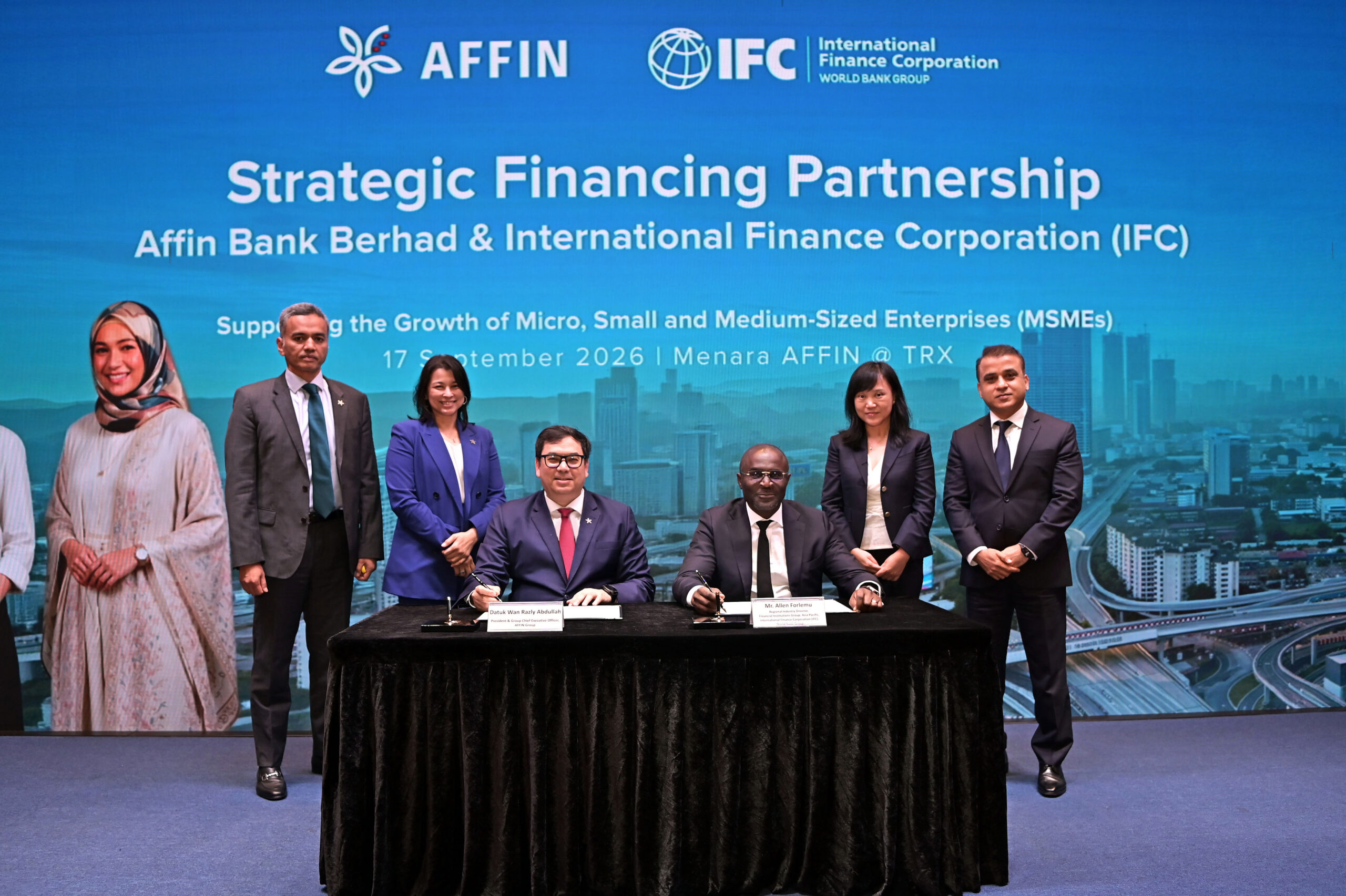
    International Finance Corporation (IFC), a member of the World Bank Group, and Affin Bank Berhad (AFFIN BANK/the Bank) has partnered to expand access to finance for micro, small and medium enterprises (MSMEs) across Malaysia, with a particular focus on women-owned businesses and enterprises operating in regions where financing gaps continue to constrain growth and economic participation.

    At the centre of the partnership is a US$400 million financing package for AFFIN BANK, aimed at broadening access to capital and strengthening support for MSMEs and other underserved business segments. Under the agreed framework, the Bank will channel funding to eligible MSMEs to promote productive investment, enhance business competitiveness and contribute to more inclusive economic development.

    “Small businesses are a vital driver of jobs and economic opportunity in Malaysia. We estimate that this partnership could create at least 42,000 jobs across Malaysia over the next five years, while expanding access to finance for women entrepreneurs and enterprises operating outside major urban centers, especially the ones where the financing gaps are wider. We welcome working with a partner of AFFIN BANK’s focus, experience, and expertise and appreciate their visionary leadership in supporting the growth of Malaysian MSMEs, including those owned by women, and uplifting underserved communities in places like Sarawak and Sabah,” said Allen Forlemu, IFC Regional Industry Director, Financial Institutions Group, Asia Pacific.

    Datuk Wan Razly Abdullah, President & Group Chief Executive Officer of AFFIN Group, said, “MSMEs are at the heart of Malaysia’s economy, creating jobs, driving innovation and supporting communities across the country. Through this collaboration with IFC, we are expanding our ability to support businesses that have the potential to grow, particularly women-owned enterprises and businesses in regions where access to financing remains more limited. We believe greater access to capital is essential to advancing socio-economic development, strengthening local economies and creating opportunities for more Malaysians to participate in the nation’s growth.”

    “Our partnership with IFC broadens AFFIN’s access to international capital and development finance expertise, enabling us to expand financing for Malaysian businesses. It brings together IFC’s international investor network with our deep understanding of the Malaysian market, creating opportunities to expand our customer base and deploy capital into productive sectors of the economy. Guided by our AFFIN Axelerate 2028 (AX28) Plan, this partnership propels our journey towards becoming the Most Creative and Innovative Financial Company in Malaysia.”

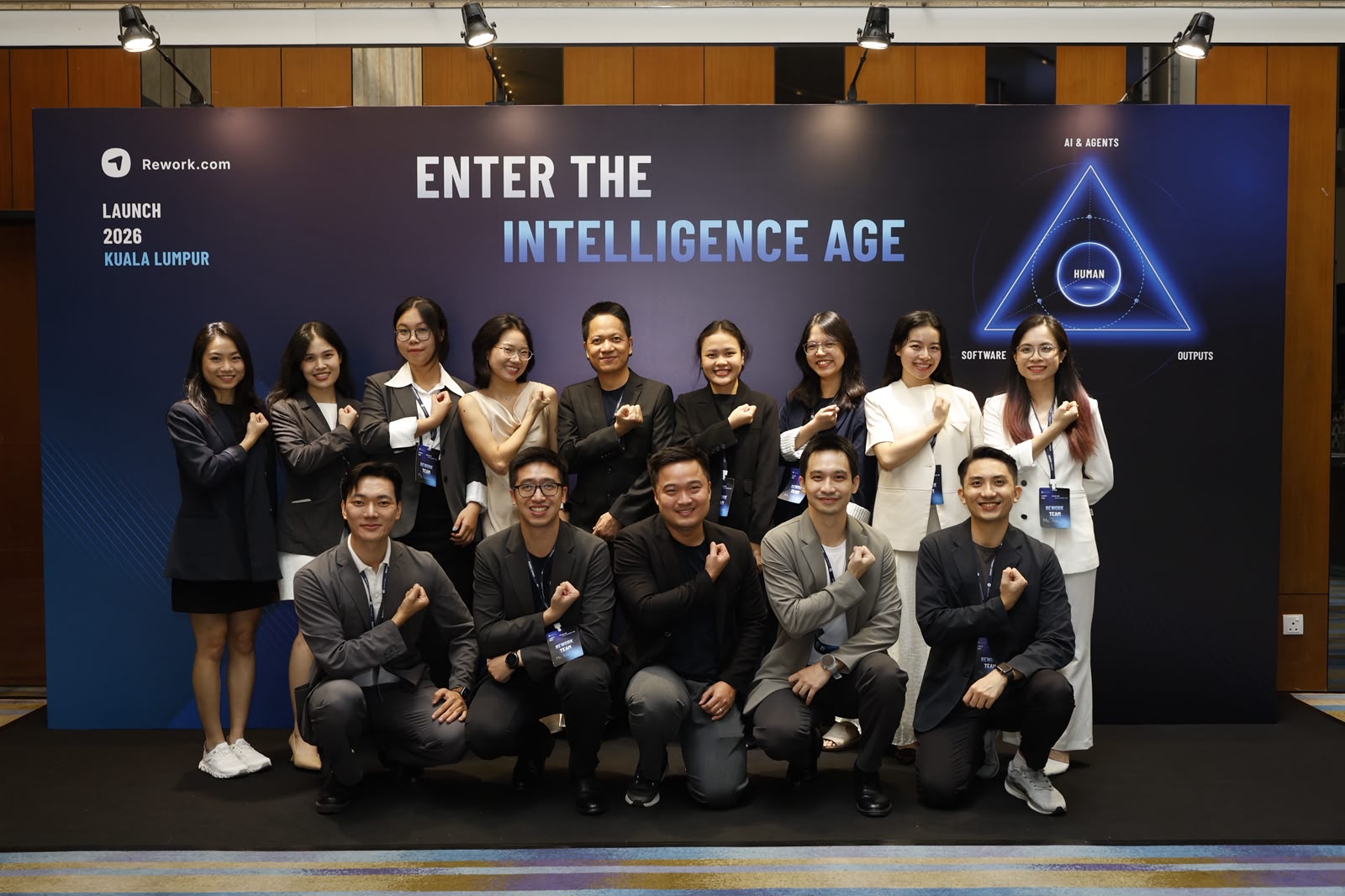
  • Rework.com’s Agentic OS to help Malaysian businesses enter the intelligence age

    Rework.com’s Agentic OS to help Malaysian businesses enter the intelligence age

    Rework.com (Rework), a global technology company with over one million users across 12,000 companies, unveils an Agentic Operating System (Agentic OS) for Business that aims to help organisations move beyond isolated AI experiments by bringing people, AI agents, business data and operational workflows together in a single connected platform.

    As AI becomes capable of executing work, modern organisations need to restructure responsibilities between people and AI. Rework’s Agentic OS is built around the idea that humans and AI agents can and will synergise across interconnected business services, helping businesses execute faster, improve operational efficiency, reuse organisational context and knowledge, as well as build intelligence that compounds over time.

    From a Malaysian perspective, this will be critical given the nation’s heavy investment in its digital future, with MDEC recording RM87.4 billion in digital investments in 2025. This is contrasted by the AI adoption and usage gap currently faced by many Malaysian businesses, with a Strand Partners report indicating that 67% of AI adopters in Malaysia still rely primarily on basic applications such as chatbots, and only 19% have a formal strategy to scale AI across multiple functions

    Elaborating on the topic, Eric Pham, Founder & CEO, Rework.com said, “Malaysian businesses’ AI adoption gap is not due to lack of investment or large language model; it is a lack of business infrastructure that lets AI move beyond isolated tools into the way work actually gets done. Rework’s Agentic OS for Business represents the next generation of operating systems that will close that gap, helping businesses move from fragmented AI-powered individuals to a truly agentic business.”

    With AI models and capabilities advancing rapidly, Rework believes that AI may increasingly become commoditised. The organisation envisions that in the near future competitive advantage will depend less on access to a particular AI model and more on how effectively a business applies AI to its own operations & know-how.

    “Agentic OS for Business provides a shared operating environment for humans and AI that allows businesses to capture and reuse their operating knowledge, decisions, processes, customer history and accumulated experience. This is what we call organisational intelligence,” Eric added.

    Rework’s Agentic OS for Business consist of two core layers:

    • Intelligence Architecture: the underlying intelligence layer that connects and powers the entire business, including centralized business outputs, compounding business knowledge, and a multi-AI-agent stack spanning Service AI, AI Assistant, AI Desktop, and Workflow AI.
    • Business Services: hundreds of interconnected, ready-to-use operating services organized across key business functions:

    Combined these layers allow the Agentic OS to bring together hundreds of interconnected business services across key functions, including:

    • Marketing Operating Services: lead monitoring and nurturing, prospect engagement, customer messaging, campaign monitoring, partner management, event services, and more.
    • Sales Operating Services: pipeline management, opportunity-to-revenue workflows, quotes, orders, invoices, field sales, distribution management, and more.
    • Work Operating Services: requests, projects, business processes, datasets, cross-functional work orchestration, and more.
    • People Operating Services: employee services, leave management, timesheets, payroll, and more.
    • Communication Services: chat, town halls, meetings, and other organization-wide communication.

    And many more services designed to support the day-to-day operations of the business. Together, the Intelligence Architecture and Business Services give AI agents the context, knowledge, and capabilities to understand the business, execute work, and coordinate operations across the organisation.

    Commenting on the overall vision for Agentic OS for Business and the opportunity it provides, Brian Trinh, Co-Founder & COO, Rework.com, said, “Rework believes businesses should be able to continuously improve how work is performed. We want to build great products—every year, every day. The opportunity in the AI era is not simply to add another AI tool to an existing software stack. Businesses need to rethink how work is designed, how context is captured, and how people and AI agents operate together. Rework Agentic OS for Business gives organisations a foundation for making that transition practically.”

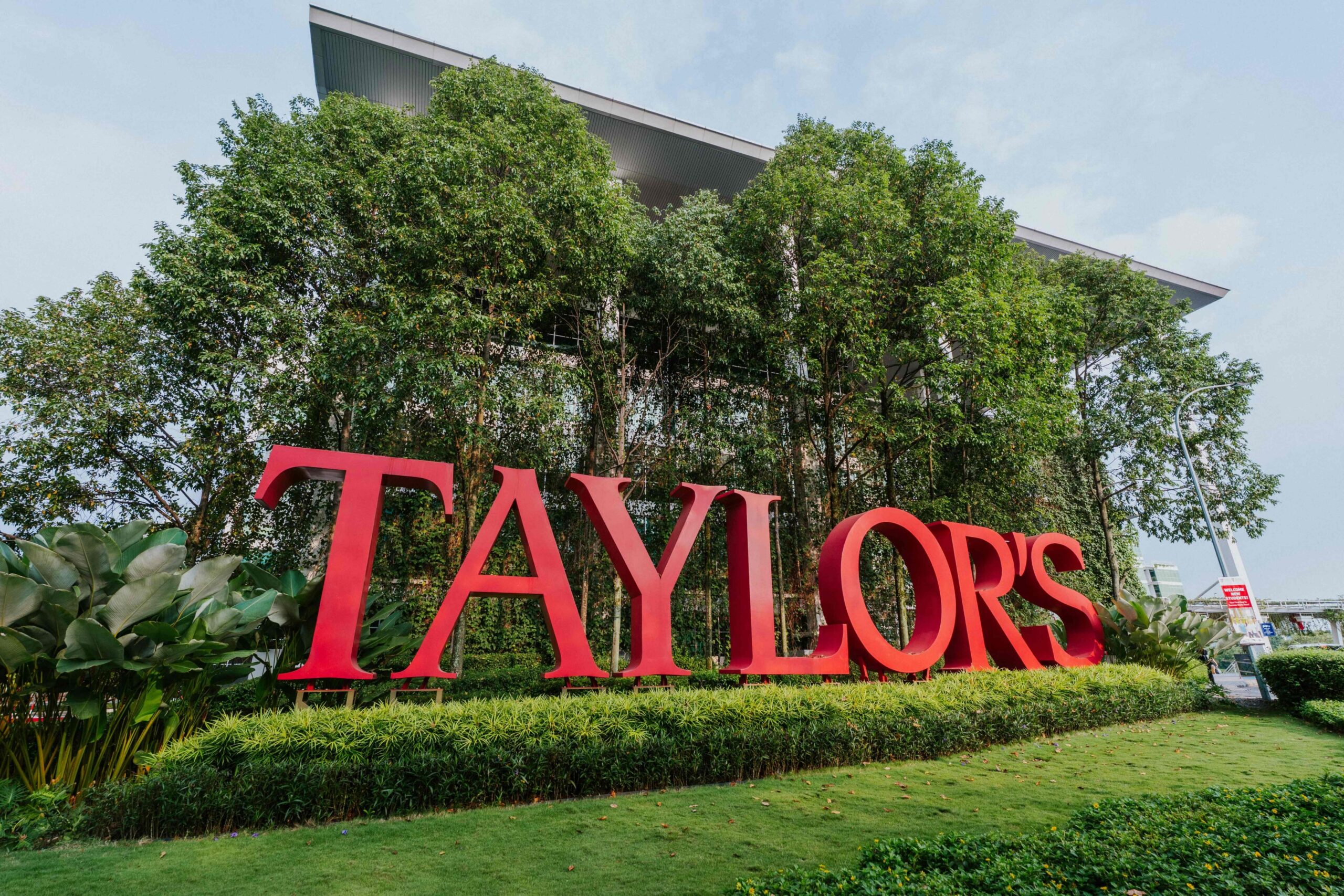
  • TrustCapital and Taylor’s Assets to build Malaysia’s first institutional-grade student housing investment platform

    TrustCapital and Taylor’s Assets to build Malaysia’s first institutional-grade student housing investment platform

    TrustCapital, an international real estate investment and advisory company, and Taylor’s Assets, the property investment and asset management arm of Taylor’s Education Group, announces a strategic joint venture to establish a purpose-built student accommodation (PBSA) investment platform in Malaysia.

    The joint venture brings together the respective strengths and established track records of both parties: TrustCapital’s real estate investment management, institutional capital and fund-raising capabilities, and Taylor’s Assets’ experience in developing, owning and operating student accommodation. Together, these complementary capabilities provide a strong foundation for the proposed institutional-grade PBSA investment platform in Malaysia, and beyond.

    The platform is envisioned to aggregate institutional capital for investment in a scalable portfolio of PBSA assets in Malaysia, spanning the acquisition of existing student accommodation assets, as well as the development of new PBSA assets, providing multiple pathways to build and scale the portfolio over time.

    TrustCapital will lead fundraising and investment management, including engagement with institutional investors such as pension funds and sovereign wealth funds, initially in Malaysia with a potential for international market outreach. Taylor’s Assets will lead design and development, and day-to-day portfolio operations, including leasing, property management, marketing, and brand standards. The expertise of Taylor’s Residence, an established and award-winning PBSA operator, will also be leveraged to drive operational excellence across the portfolio.

    “Building on our established experience in student accommodation, this partnership marks our next step in scaling our capabilities beyond our existing portfolio and building the first institutional-grade PBSA investment platform in Malaysia.” said Sheena Angelina, President, Taylor’s Assets.

    “Together with Taylor’s, we are building more than a portfolio — we are creating a market leading PBSA brand serving the growing local and international student community that is safe, community focused and student exclusive.” said Shakir Asri, Joint CEO, TrustCapital.

    The joint venture reflects growing demand for quality PBSA in Malaysia, underpinned by rising domestic and international student enrolment. It also supports the Malaysia Higher Education Blueprint 2026–2035, launched in January 2026, which aims to increase international student enrolment to the country from 160,000 currently to 500,000 by 2035. Quality student accommodation will be an increasingly important part of the supporting infrastructure required to enable this growth, reinforcing the long-term investment opportunity for PBSA in Malaysia.
    The two parties will continue to advance joint strategy development, market research, and investor engagement as the investment and management structures for the proposed platform are further developed.

  • KLK Land opens Coalfields Retail Park

    KLK Land opens Coalfields Retail Park

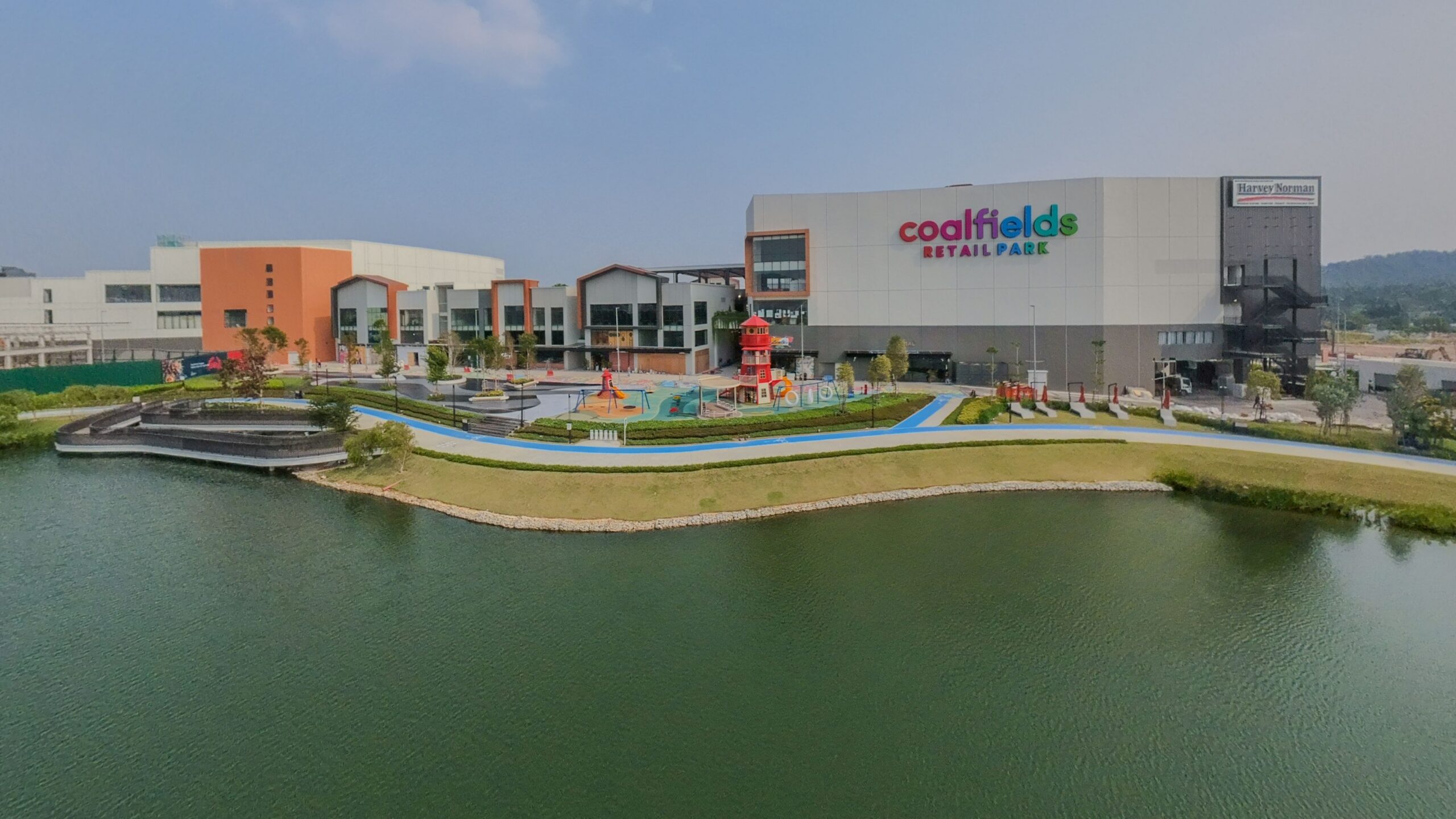
    KLK Land Sdn Bhd (KLK Land), the property development arm of Kuala Lumpur Kepong Berhad (KLK), recently marked the official opening of Coalfields Retail Park, it’s first retail development.

    Coalfields Retail Park opened with an impressive 90% occupancy rate secured, marking a major milestone for KLK Land’s first retail development and the continued growth of Bandar Seri Coalfields.

    Spanning 21 acres with approximately 1 million sq ft of gross built-up area, the 2.5-storey hybrid indoor-outdoor destination brings together more than 100 retail, dining, entertainment, wellness and lifestyle brands, creating a new commercial and community hub for the Greater North Klang Valley. Designed with young families in mind, the retail park is expected to attract approximately 5 million visitors annually. The development is also directly connected to a scenic 7-acre lake park and has also been awarded GreenRE Gold Certification (Provisional) under the Non-Residential Building category.

    “Coalfields Retail Park represents an important milestone for KLK Land and the continued growth of Bandar Seri Coalfields,” said Ms. Lee Wen Ling, Managing Director of KLK Land.

    “It has been carefully designed to elevate the surrounding and existing community. As Bandar Seri Coalfields evolves into a thriving township, we recognise that beyond homes, people need spaces to gather, unwind, celebrate, and share everyday life. Seeing that vision come to life and welcoming the community through our doors is especially meaningful for us.”

    Serving as the heart of Bandar Seri Coalfields, Coalfields Retail Park is a major milestone for the 1,000-acre master township, which carries an estimated gross development value (GDV) of RM5.5 billion within KLK Land’s broader 6,000-acre development masterplan.

    To support growing visitor traffic and future expansion, KLK Land has invested in infrastructure upgrades, including the progressive widening of access roads along Federal Route 54 and enhancements to pedestrian connectivity throughout the township.

    The retail park also seamlessly complements the area’s established residential precincts, the 50-acre Central Park, the Residents Clubhouse, recreational facilities and educational institutions such as Wesley Methodist School and Sekolah Menengah Akademik Kuen Cheng, further reinforcing Bandar Seri Coalfields as a thriving and self-sustaining township Coalfields Retail Park features a carefully curated collection of over 100 brands designed to cater to a range of lifestyle needs with destination experiences.

    Visitors can dive into world-class entertainment and play featuring Harborland’s indoor children’s playground and the Blue Ice-Skating Rink, or explore premier retail and wellness destinations like Skechers’ largest concept store in Southeast Asia and CIRCADIAN (wellness hub) by the Kenny Hills Group equipped for pickleball, Hyrox training, and pilates. Complementing this is a rich array of dining options with the the grocer anchored by Village Grocer.

  • $17 trillion invested in sustainable technologies over past decade, but investments, technology and progress are diverging

    Private companies and governments have invested a staggering $17 trillion in sustainable technologies over the past decade, yet progress has been uneven, according to Bain & Company’s 4th edition of the Visionary CEO’s Guide to Sustainability. The report finds that sustainability transitions have entered an age of divergence which could intensify over the next decade and identifies the actions businesses can take to navigate this environment.

    Investments in sustainability hit a record $2.4 trillion in 2025. However, 90% of investment went to just three sectors – green energy, buildings and mobility – where capital has helped technologies scale and costs fall, in turn attracting further investments. Meanwhile, three stranded sectors – agriculture, manufacturing and materials, and natural capital – which together account for roughly 37% of global greenhouse gas emissions, received less than 10% of investment.

    Technological progress has been equally uneven. Bain’s Green Technology Performance Index compares actual 2025 deployment with forecasts made ten years ago across 37 sustainable technologies. Only three technologies – solar, batteries, and EVs – have outperformed forecasts, while 29 missed their projections. Those that underperformed did so because one or more of three critical “gates” – technology, behavior, or policy – didn’t open.

    “Ten years into the Paris Agreement, the world has made commendable sustainability achievements, but this summer’s record-breaking heat is a reminder that we need to do more,” said Jean-Charles van den Branden, Bain’s global head of Sustainability. “Today’s CEO must recognize this age of divergence for what it is: not a sign of failure, but an opportunity to place the right bets for the future. CEOs will need to understand how to leverage divergence as a source of competitive advantage, converge priorities across the firm to harness AI for its full sustainability benefits and ask the right questions about climate resilience.”

    Environmental concern among consumers is rising again – and even sustainability skeptics are adopting sustainable habits

    For the first time in three years, environmental concern is on the rise. This year, 85% of the 7,500 consumers across US, UK, Italy, Brazil and Indonesia, surveyed by Bain say they are concerned about environmental sustainability, up from 79% last year. Experience of extreme weather – including heatwaves, floods, and wildfires – remains consumers’ biggest environmental worry. Concern is particularly high among younger consumers and those in fast-growing markets.

    Bain’s research also found that consumers are living more sustainably. Adoption of sustainable habits continues to increase year-over-year across all categories. Eighty-three percent of respondents have adopted three or more sustainable lifestyle habits, up from 73% in 2023. Even among consumers who say they do not care about sustainability, nearly half now practice three or more sustainable habits, compared with 35% in 2023. Their primary motivation, however, is often not the environment. This is a consumer version of the “do-say” gap: individuals act sustainably but cite motivations related to economics, health or resilience rather than sustainability. Consumers are willing to pay 18% more for a sustainable product on average, rising to 24% when it also offers a health benefit. More than half also say they shop locally more than they did before, primarily to support local businesses and strengthen security of supply.

    Recent extreme weather also underscores the importance of resilience for today’s businesses. Disaster losses are rising 5-7% each year and the gap between total and insured losses remains large. But Bain’s research suggests climate disruption will not affect every company equally. As disruption intensifies, value can shift toward companies that are better prepared through higher market share and stronger revenues.

    Bain analyzed nearly 150,000 assets across 12 sectors to demonstrate that all assets have specific moments when resilience can be built in at relatively low incremental cost. The research shows that some industries have many more opportunities than others. For example, solar companies can embed resilience into new builds from the start and have more frequent refurbishment opportunities. By contrast, more established capital-intensive industries like steel and cement see refurbishment opportunities only every 25-35 years, making missed moments potentially decades-long lock-ins.

    Three forces of divergence in sustainable AI – executives vs. consumers, shapers vs. laggards, and business leaders vs. sustainability leaders

    One of the largest perception gaps Bain uncovered concerns the energy impact of artificial intelligence, with executives overestimating energy use 16-fold and consumers almost 30-fold.

    In a Bain survey of 400 senior professionals, executives expect AI to consume around 11% of global energy three years from now, while consumers expect 19%. But Bain’s proprietary climate-economic modeling tool, IntersectSM, forecasts a much smaller share: 0.7%. While their calculations are incorrect, the concern is real and is driving meaningful changes in behavior. Nearly two-thirds of consumers surveyed by Bain report taking concrete action due to their concerns about AI, such as limiting what they share, switching platforms, dropping certain tools or speaking out publicly.

    Companies themselves are diverging into distinct camps. Among shapers – companies with the highest AI and sustainability maturity and adoption – 90% see AI as a major opportunity to advance their sustainability goals. Among laggards, that figure has fallen to 41% from 57% last year. Experience appears to be reinforcing this divide. Shapers have actively adopted 86% of the sustainable AI use cases covered in Bain’s survey, enabling them to see tangible results. Companies with fewer successful applications risk losing conviction before they capture the technology’s potential.

    There is another divide inside companies. The sustainability executives building the case for sustainable AI and the leaders and general managers making the business decisions needed to scale it are focused on different priorities. When evaluating sustainable AI investments, business leaders (C-suite and general managers) rank financial return first; sustainability professionals rank regulatory compliance and risk management ahead and financial return fourth. The case is being argued in one language and being judged and funded in another.

    Taken together, Bain’s findings challenge two narratives: that the sustainability transition is broadly retreating, and that it is advancing uniformly. Instead, investment, technology, corporate action, and consumer behavior are moving at very different speeds. The companies best positioned to create value will be those that understand those differences – scaling proven opportunities, anticipating where technology, policy, or behavior could trigger the next acceleration, and building resilience against disruptions that are already materializing.

    Other chapters in the report include “The Energy Transition Runs Through Asia” – how Asia is driving disruption, competition, supply, and investment in the energy transition; and “The New Investment Playbook for Sustainability” – how concentrated ownership creates a decarbonization execution advantage and how acting on climate risk and policy engagement can differentiate sustainability investors.

  • Rakuten Trade keeps KLCI target at 1,770, sees grid spending driving year-end upside

    Rakuten Trade keeps KLCI target at 1,770, sees grid spending driving year-end upside

    Rakuten Trade is maintaining its end-2026 FBM KLCI target at 1,770, despite around RM2 billion of net foreign selling in August, as it sees power and grid-related earnings providing clearer visibility into year-end than renewed semiconductor optimism ahead of Budget 2027.

    The FBM KLCI has traded largely within the 1,700-1,740 range since late August, slipping below 1,710 in the first week of September. Rakuten Trade Research noticed that foreign investors were net sellers of around RM2 billion in August, reversing the buying trend seen in July. Local retail investors, meanwhile, remained net buyers for a fourth consecutive month.

    “The market is being held up by domestic money, that largely follows earnings visibility rather than announcements. We are keeping our 1,770 target because recent results season depicted growth remains intact with utilities being one of the contributors and — they sit in the grid, not in the chip cycle,” said Kenny Yee, Head of Research at Rakuten Trade.

    Grid investment offers clearer earnings visibility

    Rakuten Trade sees Malaysia’s ongoing investment in power infrastructure as a key earnings catalyst into year-end and beyond.

    Tenaga Nasional’s grid capital expenditure program rises to RM43 billion for 2025-2027, compared with RM21 billion spent across 2022-2024. Further investment is expected through 2030 as the national grid is upgraded to support renewable energy, battery storage and rising electricity demand, including those from data centres.

    The government has also identified energy transition as one of five priority sectors for Budget 2027, alongside semiconductors, the digital economy, artificial intelligence and Islamic finance.

    “A semiconductor order book can turn within a quarter. A grid programme running to 2030 cannot. The money is committed and the work is sequenced. Earnings are then showed up within the companies involved usually within the utility and construction segments,” said Yee.

    Rakuten Trade believes the opportunity extends beyond traditional renewable-energy plays, with grid expansion requiring sustained investment in transmission, substations, electrical systems and related engineering works.

    Three preferred beneficiaries

    Rakuten Trade’s preferred exposure to the theme spans the utility operator and companies further down the infrastructure value chain.

    Tenaga Nasional (TENAGA): Target Price: RM17.00

    As the owner and operator of Malaysia’s electricity transmission and distribution network, Tenaga Nasional is positioned to benefit directly from continued grid investment and rising electricity demand. Growing data center capacity provides an additional long-term demand driver, while stock offers an estimated dividend yield of around 3.5%.

    Kee Ming Group (KEEMING): Target Price: RM1.30

    Kee Ming Group provides mechanical and electrical engineering services and has an unbilled order book of approximately RM151.9 million. Its strategic shareholder relationship with Solarvest Holdings provides additional exposure to Malaysia’s developing energy infrastructure.

    Gamuda (GAMUDA): Target Price: RM5.30

    Gamuda’s RM55.4 billion outstanding order book provides multi-year earnings visibility across domestic infrastructure and its overseas operations, positioning the group to benefit from continued infrastructure investment.

    “We would rather own the people building the network than guess which technology wins on top of it,” said Yee.

    Budget 2027 is the next key test

    Rakuten Trade’s 1,770 KLCI target assumes that Budget 2027, to be tabled on 9 October, confirms rather than materially defers planned energy-transition spending.

    “If the Budget pushes energy-transition spending into the back half of the plan period, or the grid allocation comes in materially below what has been signaled, we would revisit the number,” said Yee.

    The firm also highlighted risks from weaker-than-expected Budget allocations, delays in large infrastructure tenders and project execution, continued foreign fund outflows and volatility in global interest rates.

    For investors, Rakuten Trade believes the period ahead of Budget 2027 will be less about chasing the latest market headline and more about identifying sectors where earnings visibility is supported by committed investment programmes.

  • PCCW Global and Druid Technology to deliver one-stop IoT solutions

    PCCW Global and Druid Technology to deliver one-stop IoT solutions

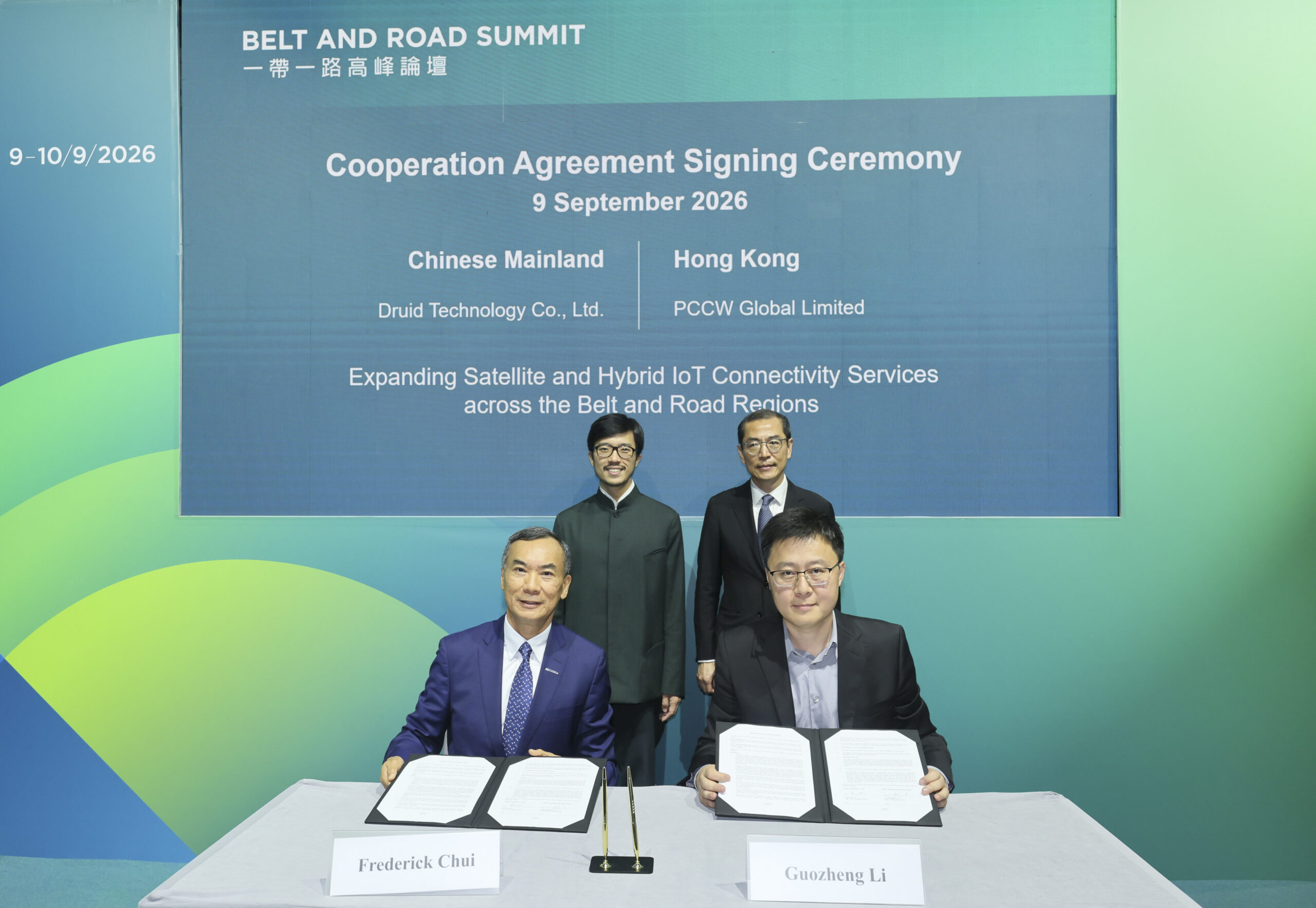
    PCCW Global, the international telecommunications service provider under HKT, and Druid Technology Co., Ltd. (Druid Technology), a Chinese mainland provider of intelligent IoT solutions, has signed a Memorandum of Understanding (MoU) at the 11th Belt and Road Summit in Hong Kong. Under the MoU, the two companies plan to jointly deliver one-stop IoT solutions that combine satellite and hybrid connectivity in the Chinese Mainland, Hong Kong, Macao, and Belt and Road regions.

    As a provider of intelligent IoT terminals and solutions, Druid Technology will leverage its expertise in device design, multi-network adaptation, data processing and platform integration, together with PCCW Global’s worldwide network services including roaming and cellular IoT to deliver one-stop, ready-to-deploy IoT solutions based on satellite and hybrid (satellite and cellular) connectivity. These solutions will support IoT applications such as remote tracking and monitoring for sectors including transportation, logistics, livestock farming and environmental management in remote locations and areas beyond the reach of conventional terrestrial networks.

    Frederick Chui, CEO of PCCW Global, said: “PCCW Global is committed to delivering reliable connectivity and technology solutions through our extensive global network infrastructure. We are delighted to collaborate with Druid Technology and combine its expertise in intelligent IoT solutions with our own capabilities to strengthen our offering of one-stop IoT solutions for enterprise customers in both public and private sectors. Through this collaboration, we look forward to advancing the adoption of satellite and hybrid IoT solutions across Belt and Road markets, helping to meet the growing demand for reliable IoT connectivity and end-to-end solutions in remote and cross-border environments.”

    Li Guozheng, Founder and CEO of Druid Technology, said: “We are pleased to become an integrated solutions provider for PCCW Global. By combining Druid Technology’s full-stack capabilities in intelligent IoT terminals, multi-system integration and physical world AI with PCCW Global’s leading global network infrastructure, we will provide customers with more comprehensive one-stop IoT solutions. We believe this collaboration will enable customers to deploy intelligent IoT applications more quickly and reliably, even in remote locations and other challenging environments.”

    The solutions will cover terminal devices, network connectivity, data management and technical support. Leveraging its extensive global operational experience, PCCW Global will help accelerate the deployment of the solution across Chinese Mainland, Hong Kong, Macao, the Belt and Road regions and global markets.


  • Banks’ asset quality stays robust amid headwinds

    Malaysian banks’ asset quality remains resilient despite a slight deterioration amid heightened uncertainties arising from the Middle East conflict and ongoing US trade tensions. The banking system’s gross impaired loan (GIL) ratio edged up to 1.43% as at end-June 2026 (end-December 2025: 1.37%). Nevertheless, overall credit fundamentals remain sound, supported by healthy loss-absorption buffers and banks’ proactive credit risk management. RAM expects the GIL ratio to remain broadly stable at around 1.4% by end-2026.

    “While we are seeing higher delinquencies in certain loan segments, overall asset quality remains robust by historical standards. Encouragingly, most banks have not reported any material increase in requests for repayment assistance. Favourable labour market conditions, as reflected in the low unemployment rate of 3%, will help mitigate further deterioration in asset quality,” said Wong Yin Ching, RAM Ratings’ Senior Vice President of Financial Institution Ratings. RAM remains watchful of SMEs and lower-income borrowers, given their greater vulnerability to an economic downturn.

    The annualised average credit cost ratio of eight selected local banks stayed largely stable at 18 bps in 2Q 2026 (1Q 2026: 19 bps). Most banks continue to maintain management overlays, with several institutions increasing provisions during the quarter in view of macroeconomic uncertainties. Meanwhile, the average GIL coverage ratio (including regulatory reserves) remained healthy at 139%, well above the pre-pandemic level of 107% as at end-2019.

    Banking sector loan growth strengthened to 5.5% y-o-y in 1H 2026 (2025: 4.8%), driven primarily by business loans (6.1%), while household lending moderated to 5.0%. Growth in business financing was largely attributable to corporate borrowers rather than SMEs. Meanwhile, growth in residential mortgages – the largest subsegment of household loans – continued to decelerate over the past two to three years, easing to 5.4% in 1H 2026 (2025: 5.9%; 2024: 6.9%).

    Net interest margins contracted by 3 bps q-o-q to 2.01%, reflecting intense competition for deposits and loans, and are expected to remain under pressure for the rest of the year. Nevertheless, stronger non-interest income and improved cost efficiency more than offset margin compression, lifting the average pre-tax return on assets of eight selected local banks to 1.39% in 2Q 2026 (1Q 2026: 1.33%).

    The banking system’s common equity tier-1 ratio declined to 13.9% as at end-June 2026 (end-June 2025: 14.7%), primarily due to stronger loan growth, lower securities valuations and higher dividend distributions. Capitalisation, however, remains healthy and provides ample loss-absorption capacity. In addition, banks adopting the Standardised Approach for credit risk are anticipated to benefit from capital savings following the implementation of the Basel reforms on 1 July 2026.

    The eight selected banks in RAM’s roundup are AFFIN Bank Berhad, Alliance Bank Malaysia Berhad, AMMB Holdings Berhad, CIMB Group Holdings Berhad, Hong Leong Bank Berhad, Malayan Banking Berhad, Public Bank Berhad and RHB Bank Berhad.