Category: Nation

  • BNM and SC Malaysia strengthen Malaysia’s sustainable finance framework

    The Joint Committee on Climate Change (JC3) meeting reaffirmed the need to move faster from commitment to mobilising practical solutions. Priorities include supporting energy transition, strengthening climate resilience especially against floods, and strengthening mechanisms to measure and report outcomes.

    Supporting implementation of the National Sustainability Reporting Framework (NSRF), the JC3 issued the NSRF Guidance Documents for Banks and Insurers and Takaful Operators. The guidance aims to make sustainability-related disclosures more robust, consistent, comparable and purposeful.

    Through practical solutions, the guidance addresses common implementation challenges in sustainability reporting, including risk and opportunity assessments, strategy disclosures, and the use of metrics and targets. Hands-on capacity-building programmes will begin in October 2026 to support implementation.

    Neetasha Rauf, Chief Sustainability Officer of the Securities Commission Malaysia and Co-Chair of JC3, said, “The NSRF Guidance Documents will help financial institutions and insurers and takaful operators navigate reporting challenges and support their transition towards high-quality, decision-useful sustainability disclosures. It also complements the efforts of the Advisory Committee on Sustainability Reporting (ACSR) in providing implementation and capacity-building support for scoped-in entities.”

    The meeting noted further progress under the Climate Finance Innovation Lab (CFIL), which continues to connect climate- and nature-related projects with funding opportunities. Under the second cohort, 22 projects seeking RM1.73 billion in funding will undergo a structured accelerator programme in collaboration with the United Nations Global Compact Network Malaysia, Brunei and Cambodia (UNGCMBC). This segment will support business model refinement, impact assessment and funding facilitation. Interested funders are encouraged to engage with CFIL to help scale impactful climate- and nature-related solutions2.

    Members also agreed to fully adopt the ASEAN Taxonomy for Sustainable Finance as the basis for the Malaysia Taxonomy. This marks a significant step towards greater regional interoperability, consistency and comparability in sustainable finance.

    Additionally, this reduces the operational burden of businesses especially those with cross border trade. JC3 will develop practical guidance and tools tailored for local implementation. A pilot with selected members will ensue prior to full adoption for reporting in 2028. The pilot aims to identify implementation challenges and inform further refinements, where necessary.

    Madelena Mohamed, Assistant Governor of Bank Negara Malaysia and Co-Chair of JC3, said, “A taxonomy is only effective if it can be applied consistently and confidently. As Malaysia adopts the ASEAN Taxonomy as the foundation of the Malaysia Taxonomy, JC3 will focus on developing practical implementation guidance and tools to support its use. The pilot will help identify operational challenges early and ensure the framework remains fit for purpose and relevant for Malaysia’s needs.”

    To support Malaysia Taxonomy implementation and sustainable finance growth, JC3 will explore a centralised climate- and nature-related data platform. Better access to reliable data will help financial institutions, businesses and investors assess risks and opportunities, meet reporting requirements and channel capital to sustainable and transition activities.

    The JC3 Journey to Zero Conference (JC3 J20), a flagship event of JC3, will be held on 28 and 29 September 2026 at Sasana Kijang. The conference will bring together policymakers, financial institutions, investors, and other stakeholders to advance practical solutions for scaling transition and adaptation finance, share implementation experiences and challenges and explore solutions to deliver measurable outcomes.
  • Foreign funds return to Malaysia’s transport and utilities sectors, investors turn more selective – MBSB Research

    Foreign funds return to Malaysia’s transport and utilities sectors, investors turn more selective – MBSB Research

    Foreign investors returned to Malaysian equities in July, with buying concentrated in Financial Services, Transportation and Logistics, and Utilities, according to MBSB Research’s latest Weekly Fund Flow Report.

    Foreign institutions recorded RM300.9 million in net inflows on Bursa Malaysia during the month, ending two consecutive months of net selling. Financial Services attracted the largest inflow at RM1.11 billion, followed by Transportation and Logistics at RM367.2 million and Utilities at RM305.6 million.

    The recovery was not broad based. Industrial Products and Services recorded RM759.7 million in net foreign outflows, while Technology saw outflows of RM484.9 million. Consumer Products and Services also registered RM212.8 million in net selling.

    The pattern continued during the final week of July. Foreign institutions recorded RM11.1 million in net buying, with Transportation and Logistics receiving RM107.4 million in inflows. Financial Services and Healthcare led the weekly sector inflows at RM216.5 million and RM148 million respectively.

    Imran Yassin Yusof, Head of Research at MBSB Research, said the distribution of the inflows offered a more useful indication of investor sentiment than the overall figure alone.

    “The return of foreign buying is a constructive signal, but the composition of the flows is more telling than the headline figure. Inflows were concentrated in Financial Services, Transportation and Logistics, and Utilities, while Technology and Industrial Products and Services continued to see selling.

    “In our view, this reflects a more selective allocation of capital towards sectors offering clearer earnings visibility, stronger domestic relevance and more defensive characteristics. Even so, one month of inflows does not establish a durable trend. Elevated producer prices, softer leading indicators and uncertainty over global interest rates could continue to shape investor appetite in the coming months.”

    The July inflows came against a mixed economic backdrop. Malaysia’s producer price inflation accelerated to 9.2 per cent year on year in June, its strongest annual increase since June 2022, driven largely by supply chain disruptions linked to the Middle East conflict.

    At the same time, Malaysia’s Leading Index declined 0.5 per cent month on month in May, with annual growth moderating to 0.8 per cent. MBSB Research said this pointed to a softer near-term economic outlook.

    Global monetary conditions also remain uncertain. The United States Federal Reserve, Bank of England and Bank of Japan kept their respective policy rates unchanged in July, although dissenting policymakers at each central bank favored tighter policy.

    This indicates that inflation risks remain part of the global investment outlook despite some moderation in price pressures.

    The broader regional picture remains cautious. Across the eight Asian markets monitored by MBSB Research, foreign investors were net sellers for a sixth consecutive week, recording USD1.19 billion in outflows. Malaysia was among the markets receiving inflows, alongside India, South Korea, Indonesia, Thailand and the Philippines.

    Against this backdrop, the renewed interest in Transportation and Logistics and Utilities provides a timely signal for industries connected to trade, mobility, energy and industrial development.
    The sector classifications used in the fund flow report do not correspond directly with individual financing programmes. They nevertheless indicate where foreign investors are finding relative confidence within the Malaysian market.

    MBSB Bank has committed RM1 billion each to rail, aerospace, automotive and solar. These commitments are intended to support the wider development of industries that require investment in equipment, technology, working capital and capacity expansion.

    Through its wider collaboration with industry bodies and development agencies, the Bank is also working to identify credible projects and connect companies with the support required to move from planning to commercial execution.

    This includes a separate RM1 billion financing line for eligible businesses, investors and strategic projects across the Northern Corridor Economic Region. The allocation is intended to support companies establishing operations, expanding capacity and participating in major supply chains.

    The Northern Corridor partnership also provides a platform for businesses across advanced manufacturing, electrical and electronics, logistics, agribusiness and the digital economy.

    The wider economic activity generated by these investments can create opportunities for contractors, suppliers, transport providers, professional services firms and SMEs seeking to enter more sophisticated supply chains.

    MBSB Research said the return of foreign buying was encouraging but should be assessed over a longer period before being regarded as a sustained reversal.

    The July data suggest that foreign investors are again examining selected areas of the Malaysian market. Whether that interest develops into a more durable trend will depend on earnings delivery, economic conditions and the ability of strategic industries to convert capital interest into productive investment and business growth.

  • PPA Launches #ISaveInPRS Year-End Treats 2026

    PPA Launches #ISaveInPRS Year-End Treats 2026

    More than half of PPA’s contributing members did not make a PRS contribution in a given year between 2020 and 2025, with an average dormancy rate of 59.4% over the six-year period.

    The trend highlights that pausing contributions is a common part of the retirement savings journey, reinforcing the importance of returning to the habit and staying consistent over time.

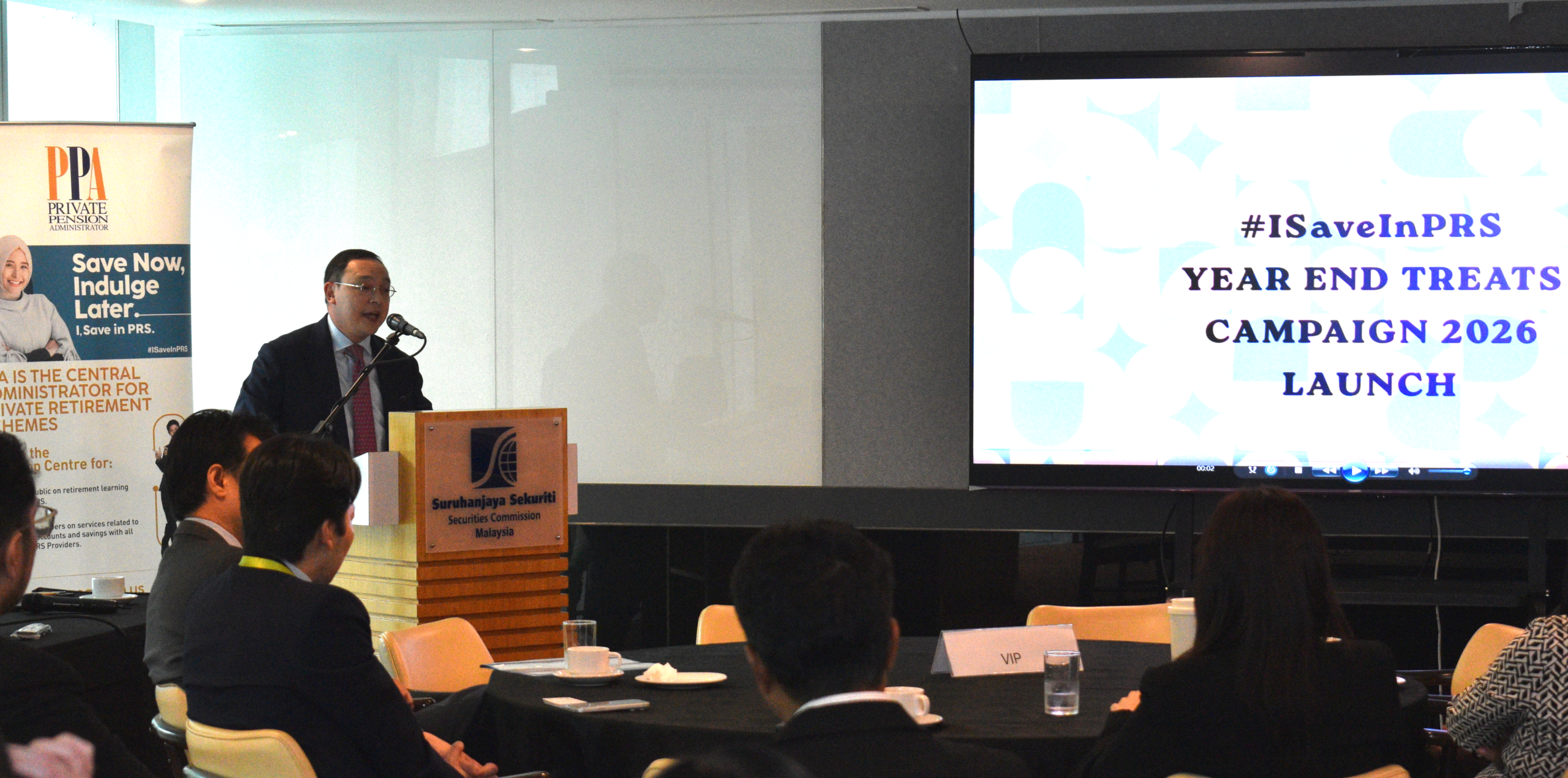
    In response, the Private Pension Administrator Malaysia (PPA) launches the #ISaveInPRS Year-End Treats 2026 campaign, running from 11 August to 31 December 2026, to encourage PRS members to restart, continue, and strengthen their retirement savings.

    Open to PRS members aged 54 and below, including new enrollees, the campaign rewards members based on their individual contributions during the campaign period.

    Taufiq Iskandar, CEO of PPA, emphasizes the necessity of embracing change and evolving to keep pace with modern demand and an ever-changing landscape.

    “Retirement savings is a long-term journey, and contribution patterns may change as individuals navigate different financial priorities. What matters is continuing to take steps towards building retirement savings. Through this campaign, we hope to encourage Malaysians to restart where they have paused and make saving more consistent over time,” said Taufiq Iskandar.

    Under the campaign, eligible members will receive one draw entry for every RM1,000 in accumulated gross contributions. Dormant members — those who registered before 1 January 2025 and have not made any contributions since then — will receive an additional two entries per RM1,000 contributed.

    Members who contribute through PRS Online will receive a further one entry per RM1,000 contributed, allowing those who qualify for both incentives to earn up to four entries per RM1,000.
    PPA’s data also shows that members who have made at least one contribution in 2026 have, on average, almost twice the lifetime savings of inactive members. Regular contributions can help members build savings progressively, benefit from cost averaging across different market conditions, and make better use of the RM3,000 annual tax relief for PRS contributions, subject to applicable tax rules.

    As of 30 June 2026, PRS had 695,869 members and approximately RM11 billion in assets under management (AUM). From 2018 to 30 June 2026, members’ net contributions totalled RM5 billion, while PRS funds collectively generated RM3.7 billion in investment returns, representing a 74% uplift on member contributions.

    For the period of 1 August 2025 to 31 July 2026, the top five performing PRS funds recorded an average one-year return of 49.3% versus 14.6% across 79 PRS funds. These were Public Mutual PRS Islamic Strategic Equity, Principal Islamic PRS Plus Asia Pacific Ex Japan Equity, Public Mutual PRS Islamic Growth, Principal Islamic PRS Plus Growth, and Hong Leong PRS Asia Pacific Fund.

  • RHB launches Malaysia’s first bank-owned unified online payment gateway

    RHB launches Malaysia’s first bank-owned unified online payment gateway

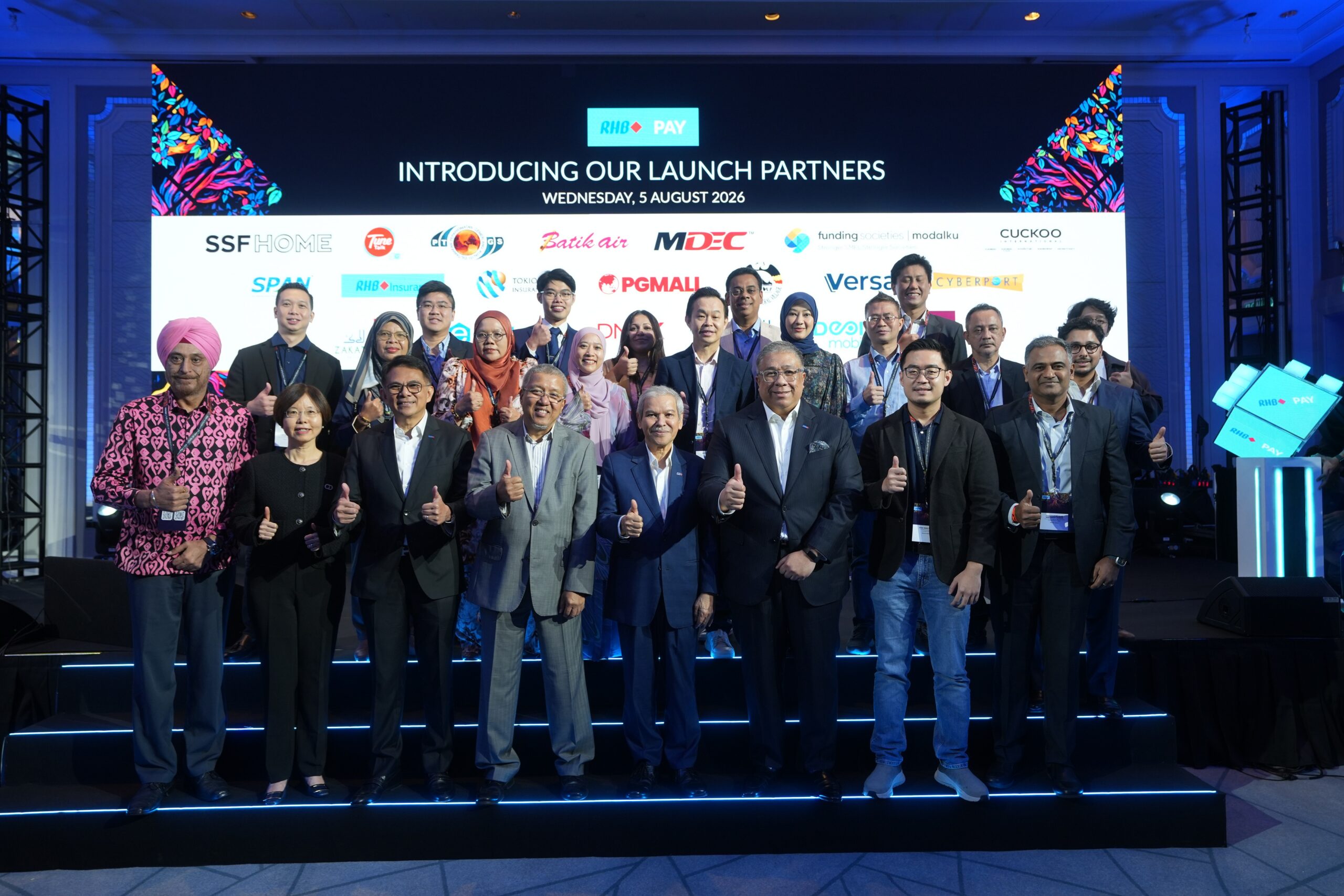
    RHB Bank Berhad launches RHB PAY which gives businesses a single platform to accept digital payments and receive funds directly into their RHB accounts. Built, owned and operated entirely within RHB, the platform provides businesses with bank-grade security, automated reconciliation, enhanced cash flow visibility and faster access to funds.

    Dato’ Mohd Rashid Mohamad, Group Managing Director/Group Chief Executive Officer of RHB Banking Group, said, “RHB PAY reflects our continued commitment to advancing Malaysia’s digital economy by delivering innovative financial solutions that meet the evolving needs of businesses. As companies accelerate their digital transformation, they are looking beyond convenience and efficiency. They also want payment solutions that provide security, reliability and greater control over their cash flows. As a bank-owned solution, RHB PAY offers businesses greater assurance over the security of their funds and payment data. Backed by RHB’s banking infrastructure, governance standards and regulatory oversight, the platform enables businesses to transact with confidence, while staying focused on growing their business.”

    RHB PAY enables businesses to accept card payments, FPX and DuitNow Pay through a single integration. Additional payment capabilities, including e-wallets, QR payments, Direct Debit and Auto Debit, are expected to be introduced in Phase 2, targeted for rollout in the fourth quarter of 2026. The platform is designed for mid-sized enterprises, commercial businesses, corporates, and government-related institutions seeking a streamlined and scalable payment acceptance solution.

    Malaysia’s digital payments ecosystem continues to experience strong growth, with Bank Negara Malaysia reporting 18.4 billion e-payment transactions in 2025, a 25% increase from 14.7 billion in 2024. Through the integration of PayNet’s payment infrastructure, including FPX and DuitNow Pay, RHB PAY enables businesses to participate in this expanding digital economy while providing a secure and seamless payment acceptance experience.

    “RHB PAY is a bold step by RHB to create new value for its business and enterprise customers through a unified payment gateway. It shows how established financial institutions can unlock new growth opportunities by responding to evolving customer needs and bringing new solutions to the market. We are pleased to support this innovation through PayNet’s national payment rails. More importantly, it demonstrates the significant opportunities that remain for industry growth when participants focus on the needs of different customer segments,” said Praveen Rajan, Chief Executive Officer, PayNet.

  • Kenanga Group launches Malaysia’s first tokenised money market funds

    Kenanga Group launches Malaysia’s first tokenised money market funds

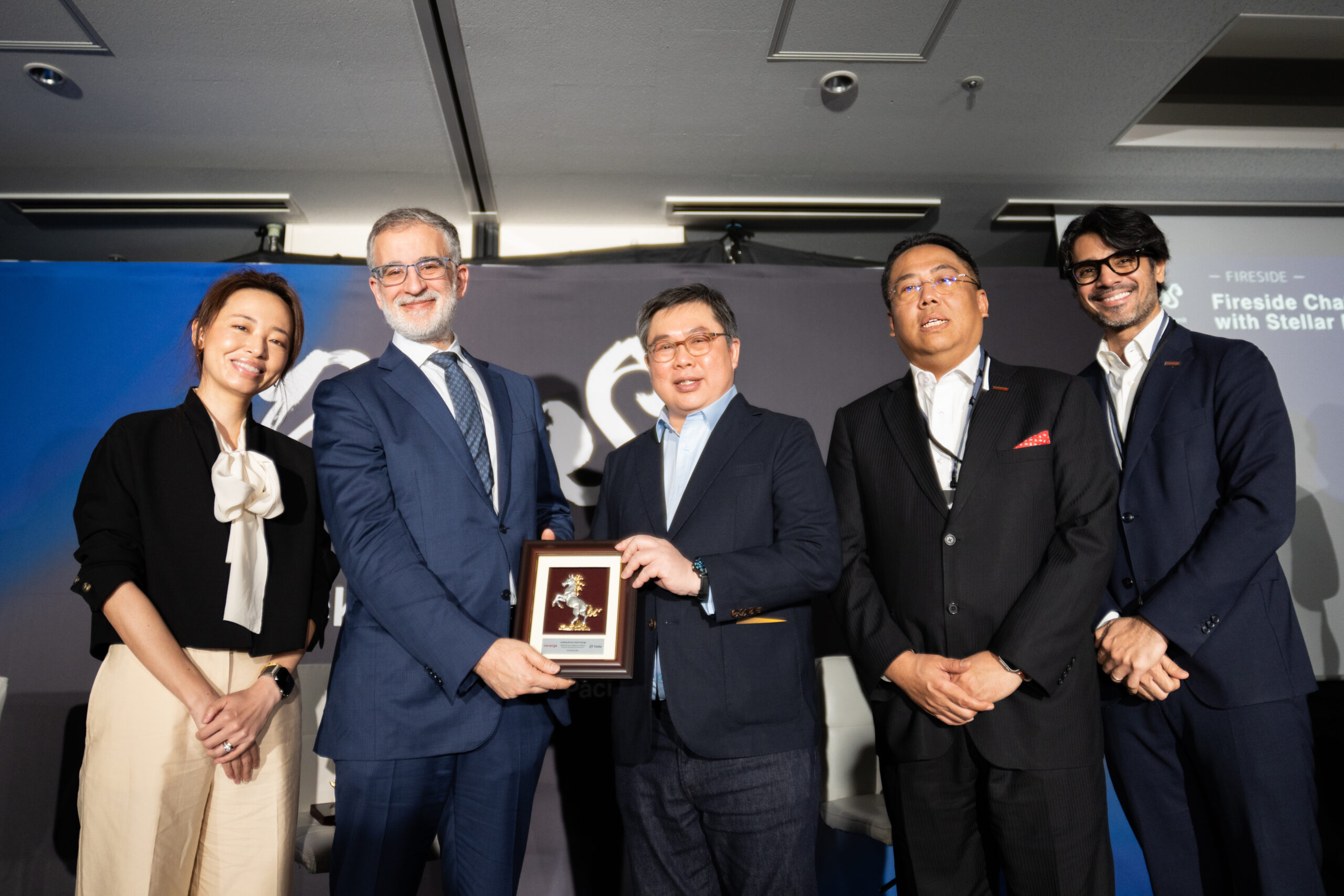
    Kenanga Investment Bank Berhad (Kenanga Group), Malaysia’s leading independent investment bank and the Stellar Development Foundation (Stellar), a US-based non-profit organisation that supports the Stellar network, introduces Myrra, a dedicated token platform that leverages the Stellar blockchain to enable the tokenisation of real world-assets.

    The inaugural deployment on the Myrra platform is the tokenisation of the Kenanga Money Market Fund (KMMF) and the Kenanga Islamic Money Market Fund (KIMMF) managed by Kenanga Investors Berhad (Kenanga Investors). The Funds represent the first tokenised unit trust funds to go live within the Malaysian market.

    Through this initiative, investors can now transact blockchain-based digital representations of the Funds’ units through Myrra. Tokens are issued on a 1:1 basis, with each token representing a unit of either fund. This ensures the digital tokens function exactly like traditional fund units, while prioritising regulatory compliance, legal parity with existing unit holders, and operational integrity.

    By tokenising its Malaysian Ringgit money market funds using trusted Stellar blockchain infrastructure, Kenanga Group is bringing its money market products directly to a broader segment of Malaysian investors, enabling the purchase or selling of tokens directly on Myrra’s web portal.

    Operating for more than a decade, Stellar is one of the earliest blockchains designed specifically to support payments, asset issuance, and financial products in a compliance-forward and transparent manner. It hosts Franklin Templeton’s Benji token, a tokenised U.S. Treasury money market fund primarily used by institutional users for on-chain settlement and peer-to-peer transfers. Stellar also powers MoneyGram’s large-scale cash-to-crypto on/off-ramp across 170 countries using USDC and supports the United Nations High Commissioner for Refugees (“UNHCR”) in distributing USDC-based aid that refugees can redeem even without bank accounts.

    Myrra represents a milestone in addressing a tokenised asset opportunity in Malaysia, estimated at US$43 billion by 2030. It builds upon recent efforts by the Securities Commission Malaysia to advance tokenised capital market products within a framework that balances innovation with investor protection. By applying blockchain and Distributed Ledger Technology to familiar financial products, Kenanga Group is taking a pragmatic approach to financial innovation and inclusion while positioning Malaysian investors for a global transition toward faster settlement and enhanced transparency.

    The KMMF aims to provide investors with a regular income stream while maintaining capital stability by investing entirely in money market instruments, debentures, and deposits. Meanwhile, the KIMMF offers similar benefits aligned with Shariah principle. Both Funds cater to investors who want stable, short-term returns with minimal volatility.

  • Maybank launches inaugural pilot for Ringgit tokenised deposits and cross border payments via blockchain

    Maybank launches inaugural pilot for Ringgit tokenised deposits and cross border payments via blockchain

    As part of its ROAR30 ambition, Maybank (the Bank) is developing its digital assets and tokenised money agenda as a core pillar of the Bank’s digital transformation to deliver values-based offerings and faster, more seamless and inclusive financial services.

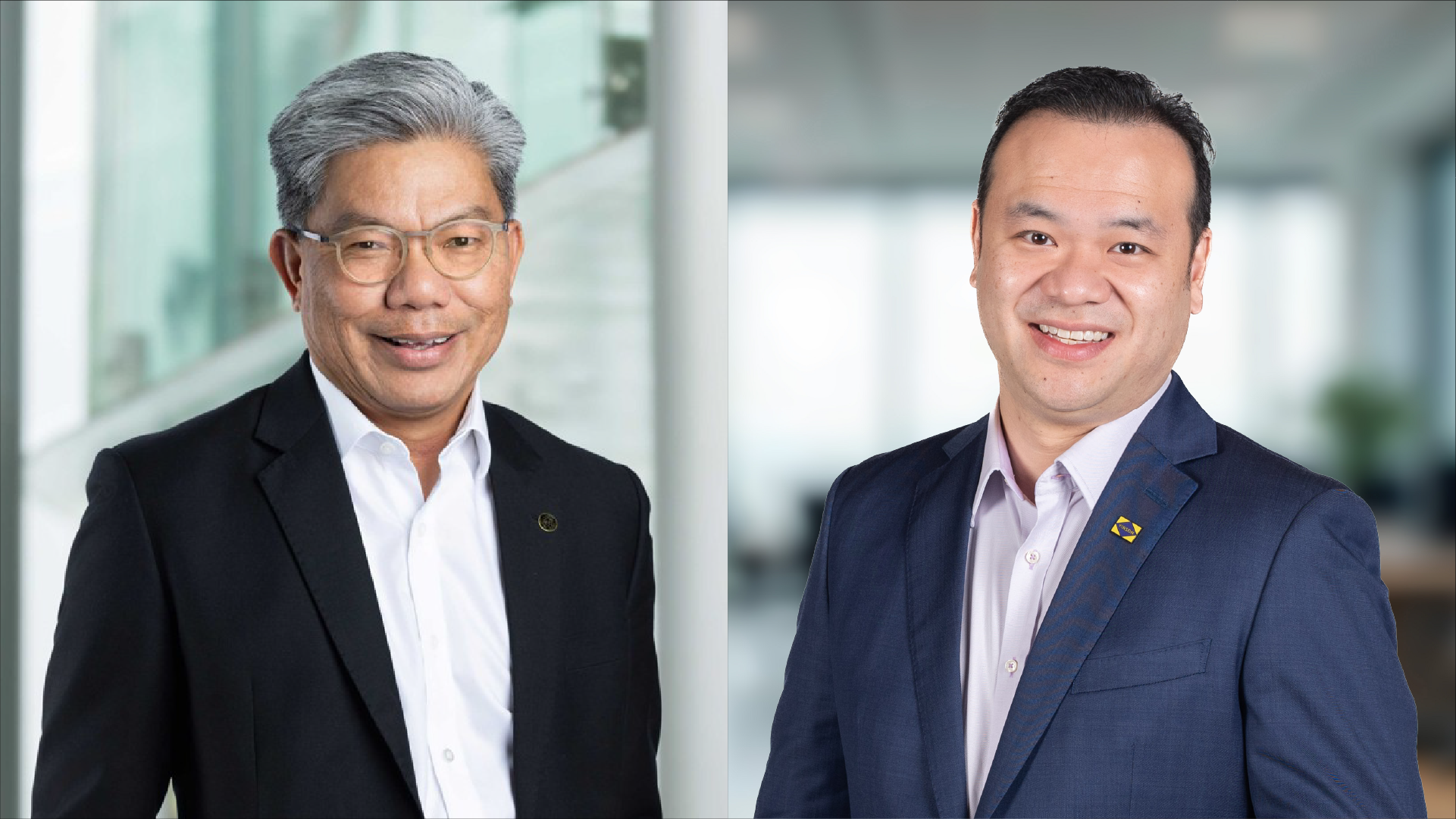
    Towards this, Maybank is launching the first Ringgit tokenised money pilot with global energy infrastructure company, Yinson Holdings Berhad (Yinson) as a participant, under Bank Negara Malaysia’s (BNM) Digital Asset Innovation Hub (DAIH). The pilot will explore on-chain cross-border payments involving Ringgit and other ASEAN deposit tokens on Maybank’s permissioned blockchain.

    The initiative will assess the technical feasibility and operational readiness of executing on-chain transactions securely and in near real-time, while helping to shape the foundational design of next generation money rails and payment infrastructure.

    Building on this first pilot, Maybank aims to pioneer a range of tokenised assets, including tokenised Islamic finance for businesses from large corporates to SMEs (small and medium enterprises), and retail customers, including wealth solutions.

    Through programmable money, the Bank aims to empower SMEs by automating transparent payment flows from anchor clients such as governments and corporates, enabling payment transparency that can eventually unlock accessibility to financing.

    For wealth clients, the Bank is exploring tokenised investment products, especially Islamic finance assets such as Sukuk and funds to enable broader participation through fractionalisation.

    With its network advantages as one of the leading banks in ASEAN, Maybank aims to reduce friction in today’s transaction and payment flows, and deliver exceptional customer experiences, reinforcing its position as the gateway bank for tokenised ASEAN currencies and assets through blockchain-enabled solutions.

    Dato’ Sri Khairussaleh Ramli, President and Group CEO of Maybank said, “At Maybank, our ROAR30 strategy to become the leading global Islamic finance institution, and ASEAN’s leading wealth management, transactions, payments, corporate and investment bank compels us to reimagine how money moves and what our clients demand. Together with regulators, clients and partners, and taking a holistic, pragmatic and inclusive approach, we will progressively expand digital assets and tokenisation initiatives into areas like investing, Islamic finance and supporting SMEs. We continue to work on innovation to deliver tangible benefits for our clients like Yinson and the broader real economy, while upholding the highest standards of governance, security and regulatory integrity.”

    Lim Chern Yuan, Group CEO of Yinson Holdings Berhad said, “With diverse businesses and operations across multiple jurisdictions, and complex cross border treasury operations, Yinson is constantly seeking ways to optimise its financial position, manage risks, and respond swiftly to opportunities. We are open to leverage innovative technology with the support of regulators and established financial institutions like Maybank. Enabled by on-chain solutions, shorter settlement cycles to almost real-time allows Yinson to further manage working capital more efficiently and reduce foreign exchange exposure and transaction costs. We welcome the prospect of collaborating with BNM and Maybank in this pilot initiative.”

  • RHB and Cagamas expand access to green homes

    RHB and Cagamas expand access to green homes

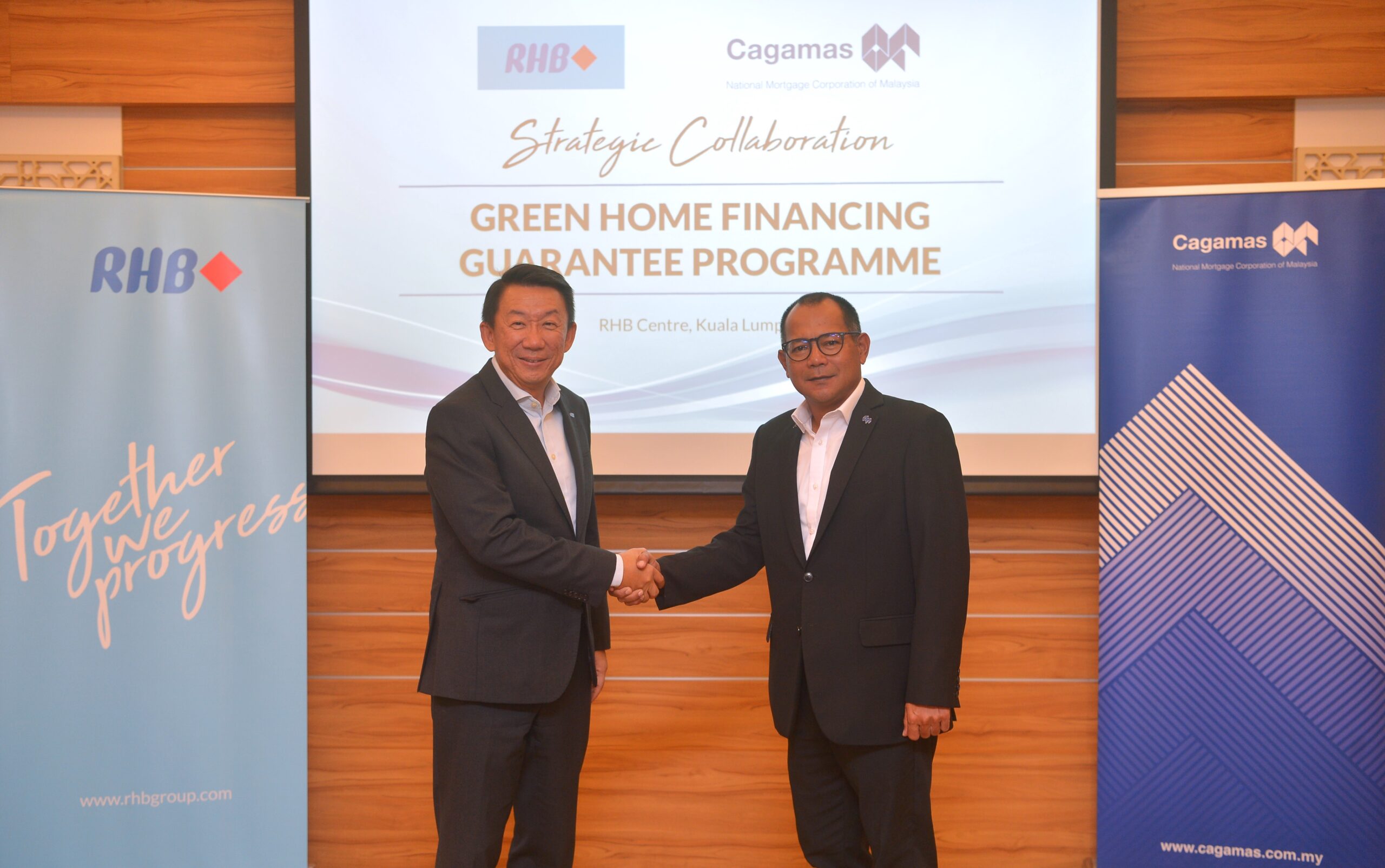
    RHB Banking Group (RHB/ the Group) and Cagamas Berhad (Cagamas), the National Mortgage Corporation of Malaysia, through its sister company Cagamas SRP Berhad (Cagamas SRP), introduces a new conventional Green Home Financing scheme that provides Malaysians with up to 110% financing for residential properties that carry recognised green building certifications. The scheme is designed to reduce upfront cash requirements by offering 100% financing for the property value plus an additional 10% for Mortgage Reducing Term Assurance or Takaful.

    The partnership makes certified green homes accessible to a wider segment of Malaysians. By extending financing to more homebuyers for primary market properties, the financing scheme broadens access to sustainable living and ensures that green-certified homes are no longer viewed as a premium option reserved for the affluent.

    Jeffrey Ng Eow Oo, Managing Director, Group Community Banking, RHB Banking Group said, “Many Malaysians want homes that are comfortable, efficient and better for the environment, but affordability often gets in the way. This collaboration helps close that gap. Our focus is on giving communities innovative financial solutions that genuinely address their needs while supporting long term, sustainable living. By expanding access to certified green homes, we are helping more Malaysians make choices that benefit their families today and their future tomorrow.”

    This initiative is aligned with RHB’s PROGRESS27 corporate strategy, which embeds sustainability across the Group’s business priorities. It also reflects the principles outlined in RHB’s Sustainable & Transition Finance Framework (STFF), one of the enablers supporting customers through their sustainability and transition needs. Under PROGRESS27, RHB is committed to mobilising RM90 billion in Sustainable Financial Services (SFS) by 2027. As at December 2025, the Group’s cumulative SFS reached over RM59 billion, representing close to 66% of its target.

    “At Cagamas, our priority is to strengthen Malaysia’s housing financing ecosystem by supporting solutions that meet the evolving needs of homebuyers. Our collaboration with RHB not only encourages the growth of green certified homes, but also supports lenders ready to offer responsible, forward looking products. Building on the success of earlier guarantee schemes such as Skim Rumah Pertamaku, Skim Perumahan Belia and the First Home Mortgage Guarantee Programme, all of which have enabled more than 100,000 Malaysians to own their first homes, the Green Mortgage Guarantee Programme (Green MGP) adds a new dimension of environmental responsibility. It provides financial institutions with a valuable risk mitigation tool to advance ESG aligned lending, while giving homebuyers improved financing options for sustainable properties,” said Kameel Abdul Halim, President/Chief Executive Officer of Cagamas Berhad.

  • RHB launches comprehensive sustainable and transition finance framework

    RHB launches comprehensive sustainable and transition finance framework

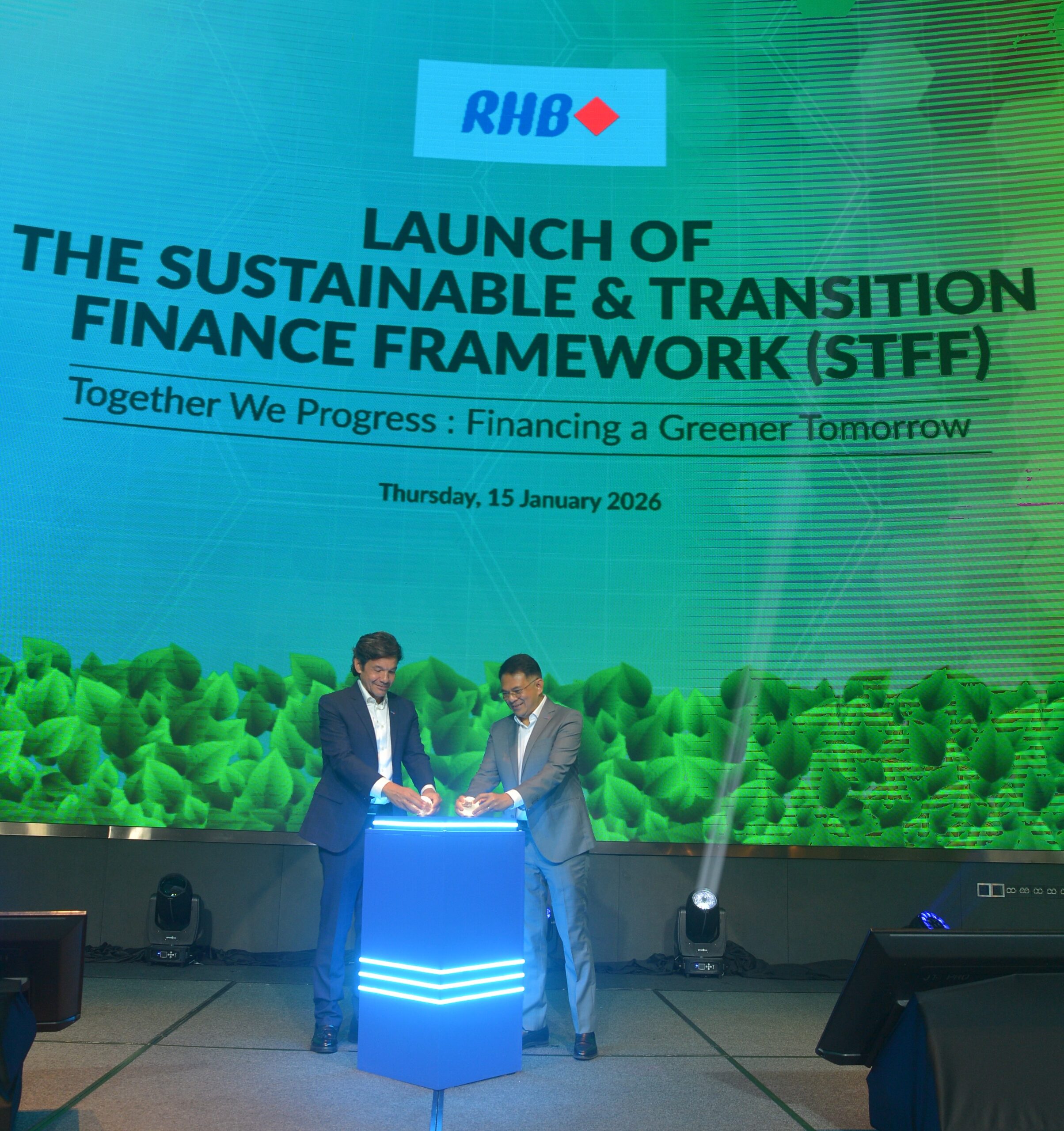
    RHB Banking Group (RHB or the Group) has launched its Sustainable & Transition Finance Framework (STFF), a comprehensive framework in Malaysia structured to support customers at every stage of their sustainability transformation. Developed in alignment with global best practices, including the International Capital Market Association (ICMA) principles and the ASEAN Taxonomy for Sustainable Finance, the STFF has been fully validated by an independent Second-Party Opinion (SPO), Sustainalytics. This external validation underscores the robustness of the eligibility criteria and RHB’s dedication to financing a transparent transition for its clients and the broader economy.

    Dato’ Mohd Rashid Mohamad, RHB Banking Group Managing Director / Group Chief Executive Officer said, “RHB’s Sustainable & Transition Finance Framework serves as a strategic roadmap to accelerate the shift towards low carbon economy. By providing clear criteria for sustainable financing and investment, we are bridging the gap for hard-to-abate sectors ensuring they have the necessary resources to transition. This framework will not only help us to mitigate long term climate risks but also empowers our clients to innovate, ensuring that the transition to a sustainable future is both inclusive and economically viable.”

    Malaysia has outlined its aspirations through the National Energy Transition Roadmap (NETR) and the 13th Malaysia Plan (13MP), which provides up to RM1.2 to 1.3 trillion investment opportunities for businesses to decarbonise as we transition towards a low carbon economy and net zero. For many companies, particularly those in high emission, hard-to-abate and resource intensive sectors, the transition pathway can be complex due to fragmented financing options. The STFF helps address this by offering a clear, consistent and accessible framework for corporates, GLCs and SMEs to mobilise capital for eligible sustainable and transition activities.

    “Sustainability is a long term commitment, and many businesses are navigating transition while managing real operational demands. Through the STFF, we want to make the sustainability pathway more achievable for our customers. Our role is not only to provide sustainable and transition financing, but also to be a purposeful partner in supporting them towards Net Zero,” added Dato’ Mohd Rashid.

    The launch event also featured a panel discussion themed “Decarbonisation: Are We Doing Enough to Achieve Net Zero?” with representatives from RHB, Solarvest, and Malaysia Forest Fund (MFF). The event concluded with the signing of a Memorandum of Understanding (MoU) between RHB and MFF to further advance nature-based and transition solutions.

    RHB remains committed to delivering on its sustainability agenda under PROGRESS27, including its goal of mobilising RM90 billion in Sustainable Financial Services (SFS) by 2027. As at December 2025, the Group’s cumulative SFS exceeded RM59 billion, and represents close to 66% of its 2027 target.
    “When our customers’ progress, our communities progress. And when our communities progress, our nation progresses. The most sustainable decision is not waiting for certainty. It is choosing to begin,” concluded Dato’ Mohd Rashid.

  • Maybank Asset Management expands Maybank’s CIO-led investment framework with new Shariah strategy

    Maybank Asset Management expands Maybank’s CIO-led investment framework with new Shariah strategy

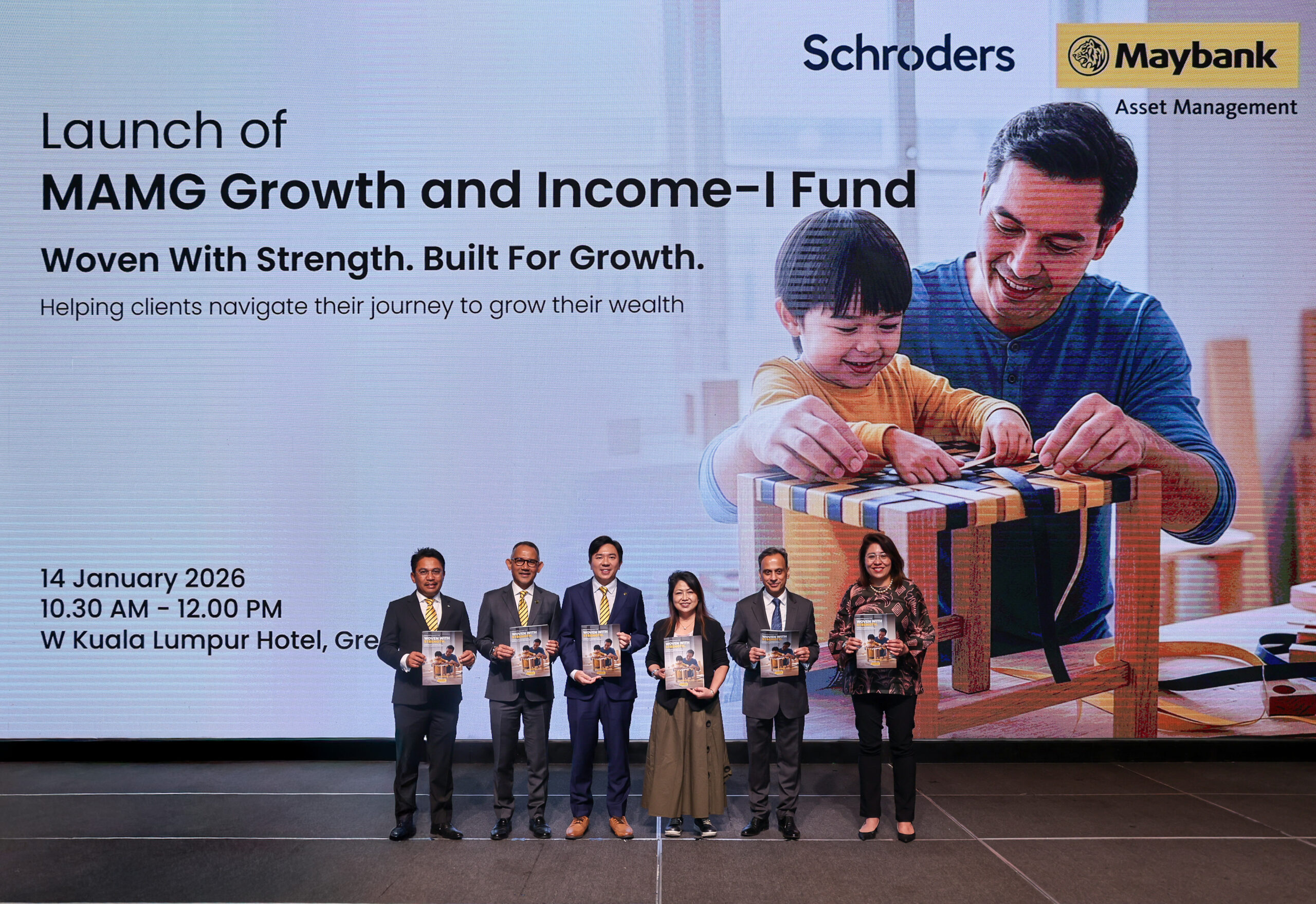
    Maybank Asset Management Sdn Bhd (MAM) today announced the expansion of the signature Maybank CIO-powered franchise with the launch of the MAMG Growth and Income-I Fund (the Fund). This strategic expansion follows the growing adoption of MAM Group’s CIO-powered investment framework across its conventional strategies, which are implemented through multiple mandates and partnerships in Singapore and Malaysia. Collectively, these CIO-led strategies have achieved significant scale, reflecting strong investor demand for disciplined, multi-asset portfolio solutions anchored on a central investment house view.

    This Shariah-compliant multi-asset solution represents the next evolution of MAM Group’s investment-first philosophy. The Fund is built upon a high-conviction synergy that integrates the strategic asset allocation views of Maybank Group Wealth Management’s (GWM) CIO with the specialist global multi-asset investment capabilities of Schroders. By anchoring global opportunities within MAMG’s investment framework, the Fund provides investors with an institutional-grade multi-asset strategy designed to capture growth and income across diverse market cycles. While guided by a common CIO framework, the Fund is implemented through an approach and partnerships to meet Shariah requirements.

    The Fund is designed as a flexible, all-weather investment solution that offers investors multiple currency and income options to better manage portfolio outcomes in a volatile macro environment. Investors may access the Fund through USD, MYR-hedged, or MYR share classes, allowing for more effective positioning amid recent currency fluctuations between the Ringgit and the US Dollar. In addition, both accumulation and distribution classes are available, catering to investors seeking long-term capital growth as well as those who prefer regular income, while maintaining exposure to a professionally managed global multi-asset strategy.

    Muhammad Hishamudin Hamzah, CEO of Maybank Asset Management Sdn Bhd, noted that the milestone achieved by our CIO-powered strategies reflects the strength of the MAMG’s collaborative model and the firm’s focus on performance-led outcomes. “The momentum of our CIO-powered suite is a testament to the clarity and discipline of our investment house view. In an era of heightened policy uncertainty, there is an imperative for strategies that offer both sophisticated oversight and tactical agility. By extending our established CIO framework into the Shariah space, we are providing our clients with a resilient growth engine that combines global scale with the strategic foresight of our Chief Investment Office. Our priority remains delivering high-conviction solutions that empower investors to navigate global complexity with confidence.”

    Katherine Cox, Head of Client Group, South Asia, and Global Official Institutions at Schroders, said: “We are delighted to deepen our partnership with Maybank Asset Management Malaysia through the launch of the MAMG Growth and Income-I Fund, our fourth tie-up since 2018. This collaboration reflects our shared commitment to supporting Malaysian investors with resilient strategies that deliver powerful growth and recurring income, particularly in today’s complex environment. Leveraging our global multi-asset capabilities and Shariah investment expertise, we have developed an actively managed solution designed to manage volatility and identify growth opportunities. We are confident this new offering will empower investors in Malaysia to invest with greater assurance and capitalise on opportunities across market cycles.”

    Denominated in Malaysian Ringgit (MYR) as the base currency, the Fund is offered across multiple share classes, including MYR (Accumulation), MYR (Distribution), MYR (Hedged) (Accumulation), MYR (Hedged) (Distribution), USD (Accumulation), and USD (Distribution) classes, with minimum initial investment amount of MYR 1,000 and USD 1,000 respectively.

    Investors are advised to read and understand the contents of the Fund’s Product Highlights Sheet and Prospectus, dated 14 January 2026, before making any investment decisions.

    The MAMG Growth and Income-I Fund is now available via Maybank2U and at Maybank branches nationwide.