Category: sustainability

  • 21% and growing: women-Led SMEs drive Malaysia’s economy forward

    21% and growing: women-Led SMEs drive Malaysia’s economy forward

    Women-owned businesses (defined as 51% owned, managed, and controlled by one or more women) are on the rise. Micro and small women entrepreneurs (MSWEs) make up 21% of small and medium enterprises (SMEs) in Malaysia.

    This translates to approximately 241,767 women-led businesses (MSWEs) forming a vital part of the country’s economy, where SMEs account for 97.4% of all businesses.

    While this is encouraging, there is still a notable gender gap as Malaysia aims to achieve a 60% female Labour Force Participation Rate (LFPR) by 2033. The latest female LFPR rose slightly to 56.3%, while the male LFPR stood at 82.9%, highlighting a notable gender gap despite the upward trend in women’s participation.

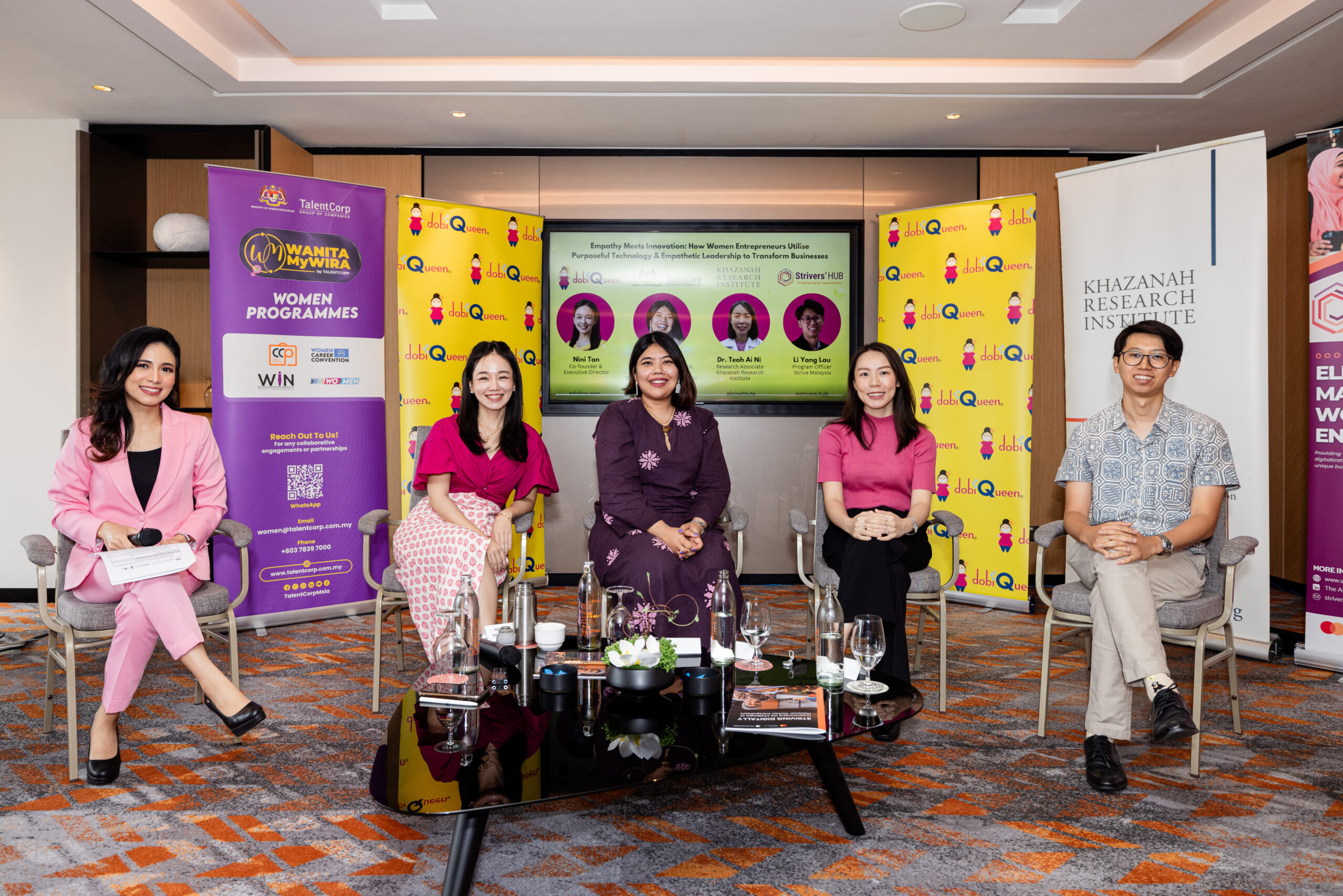
    In an effort to bridge the gender gap and uplift MSWEs in Malaysia, leading self-service laundrette dobiQueen has recently organised an engaging panel discussion entitled, “Empathy Meets Innovation: How Women Entrepreneurs Utilise Purposeful Technology & Empathetic Leadership to Transform Businesses” with experts from the public and private sector, including TalentCorp’s Wanita MyWira, Khazanah Research Institute (KRI) and Strive Malaysia.

    A study by Strive Malaysia has revealed that women entrepreneurs face three main challenges. Time poverty ranks tops with 97% citing juggling business, childcare, and household responsibilities as the biggest challenge. This is deeply rooted in gender norms, as women are often expected to be the primary caregivers in Malaysia’s social, cultural and religious contexts.

    While over 80% of MSWEs acknowledge the potential advantages of digital literacy, and are able to search for information online via Facebook, Instagram, and TikTok, many use it for personal rather than for business purposes. There is a disconnect between digital literacy and entrepreneurial pursuits.

    Lastly, only 50% of MSWEs expressed confidence in their financial knowledge and skill, limited to basic expenses of tracking income records, with many lacking understanding of broader financial concepts such as dynamic markets or funding applications. Of this, 78% expressed the need for more information from financial institutions in the areas of loan management, grants, and market information.

    “This insightful report has since guided the development of targeted interventions to address the unique needs of women-owned and women-led businesses.

    “We provide them with easy access to a free self-assessment tool, tailored skill-building training and microlearning resources, and mentorship opportunities, thus fostering a more enabling business ecosystem via Strivers’ Hub, a one-stop-shop digital platform designed to cater to the evolving needs of small businesses, particularly women entrepreneurs”, said Li Yang Lau, Program Officer at Strive Malaysia.

    Women entrepreneurs are on the rise, with women-led businesses such as dobiQueen combining purposeful technology merged with its understanding of Malaysian households facing time poverty as they juggle work, childcare and household responsibilities.

    Nini Tan, Co-founder and Executive Director of dobiQueen, shares, “As a small and medium-sized enterprise (SME), dobiQueen was founded 10 years ago with an empathetic mission to ease the burden of household chores.

    “Women spend close to 63.6% more time daily on unpaid work than men, with women continuing to perform an additional 3.6 to 4 hours on average for unpaid chores after office hours, leading to the “double burden” or “second shift”.”

    Both the private and public sectors have made many strides in uplifting women in society, with the Government allocating nearly RM470 million through the Budget 2025 to assist women-led entrepreneurs in Malaysia.

    Natasha Alias, Head of Wanita MyWira at TalentCorp, said, “In 2024, the Ministry of Human Resources, through TalentCorp, introduced Wanita MyWira to address workforce gaps by enabling more women to participate fully in Malaysia’s economy. As the agency driving national talent strategies, we are committed to supporting women’s career journeys – from re-entry to leadership, and strengthening their long-term contribution to the workforce.”

    “Wanita MyWira supports a broad spectrum of women – from students and returning professionals to entrepreneurs and industry leaders, through strategic advocacy, skills development, and employer engagement. The aim is to create real pathways into meaningful, sustainable employment.

    “In 2025, we’re scaling our impact with targeted efforts. These include promoting tax incentives under the Career Comeback Programme (CCP), embedding diversity, equity and inclusion (DEI) practices within universities, and working with industry to expand job opportunities for women.

    “With CCP tax exemptions and hiring incentives outlined in Budget 2024 and 2025, we’re driving outcomes that benefit both women and employers, and laying the groundwork for a more inclusive, resilient workforce.

    TalentCorp is also developing the Gender Action Lab Report, which explores forward-looking models for workplace gender equality. Aligned with the UN Women’s Empowerment Principles, this effort reinforces the agency’s commitment to building a more equitable and progressive labour market for Malaysia.

    Incorporating a broader view on women entrepreneurs in the marketplace, Dr Teoh Ai Ni, a Research Associate at Khazanah Research Institute (KRI), also shares about women-led participation as agri-food smallholders.

    “Based on KRI’s gender gap research conducted among 3,300 agri-food smallholders, agri-food production has similar economic importance for both men and women smallholders, but women are more likely to face challenges.

    “In the past, women’s roles in agri-food production tended to be invisible as they were often viewed as the ‘farmer’s wife,’ or the helping hand, rendering them as the ‘invisible farmers’.

    “Over time, with significant progress in gender equality and the Government’s efforts in empowering women, women’s contributions to agriculture are increasingly recognised, but their representation remains low.

    “This is partly due to the persistent gender-specific challenges women in agriculture face, such as gender stereotypes, the high burden of unpaid care and lower access to resources, that contribute to inequitable experiences.”

    With technological advancement and digital adoption, agriculture is no longer as labour-intensive as before. This offers more opportunities for women who are deterred by gender stereotypes or inequality in access to information and resources to participate and strive in agrifood production, similarly to men.

    However, more efforts are needed to close the gender inequality in resource access among women agrifood smallholders and address other challenges that generally limit women’s labour force participation, such as disproportionate care burden.

    As Malaysia accelerates toward its 2033 goal of a 60% female LFPR, the momentum driven by women-led SMEs, public-private partnerships, and inclusive policy frameworks is undeniable.

    Women are reshaping industries with empathy, innovation, and resilience. By addressing structural barriers and unlocking access to digital tools, financial literacy, and supportive ecosystems, Malaysia is not only empowering its women entrepreneurs but also charting a more inclusive, equitable, and prosperous economic future for all.
  • ACMF releases simplified guidance for ASEAN SMEs in supply chains

    The ASEAN Capital Markets Forum (ACMF) has launched the ASEAN Simplified ESG Disclosure Guide for SMEs in Supply Chains (ASEDG) Version 1. Aimed at equipping small to medium enterprises (SMEs) across ASEAN operating within global and local supply chains, it is a simplified reference guide to report on environmental, social and governance disclosures (ESG) to various stakeholders including customers, financiers and investors.

    It streamlines and consolidates various global ESG reporting frameworks, such as the IFRS Sustainability Disclosure Standards and the Global Reporting Initiative Standards, as well as local guidelines and frameworks of each of the ten ASEAN member states into a set of 38 priority disclosures which SMEs can consider tracking and reporting against.

    It is further categorised into Basic, Intermediate and Advanced, to cater to the different levels of sustainability maturity of each SME. The disclosures are applicable across all industries with different levels of priority, and SMEs are encouraged to determine the significance and relevance of these disclosures to their companies.

    Mohammed Faiz Azmi, Chairman of the Securities Commission Malaysia and the 2025 Chair of the ACMF said, “SC Malaysia as the Chair of the ASEAN Capital Markets Forum (ACMF) is pleased to initiate development of this guide as a valuable contribution to our ASEAN counterparts. The ACMF remains committed to fostering sustainable and inclusive growth across the region. We encourage SMEs, investors, and all stakeholders to leverage this guide as a catalyst for meaningful ESG adoption.”

    Publication of the ASEDG is one of Malaysia’s Priority Economic Deliverables on “Catalysing Access to Financing for a Climate Resilient and Just Transition in ASEAN”, as 2025 ASEAN Chair. It also complements ACMF’s ongoing efforts to promote corporate sustainability disclosure, a priority recommendation under the ACMF’s Roadmap for ASEAN Sustainable Capital Markets, by serving as a practical resource tool which SMEs in supply chains can consider using to progress in their sustainability reporting journey.

    The ASEDG Version 1 incorporates inputs and feedback from all ACMF members and findings from engagements with multiple stakeholders across ASEAN Member States. As global sustainability standards, customer demands and ESG compliance requirements evolve, it is important to ensure that the Guide remains fit for purpose.

    As such, the ASEDG is a living document which may be revised from time to time to ensure it remains relevant. This document serves as Version 1 of the ASEDG with further consultations planned across ASEAN Member States over the next 6 months.

    The ASEDG Version 1 can be found on the ACMF website, here: https://www.theacmf.org/sustainable-finance/publications

  • Bursa Malaysia designates centralised sustainability intelligence platform for reporting

    Bursa Malaysia Berhad (“Bursa Malaysia” or the “Exchange”) today announced the readiness of its Centralised Sustainability Intelligence (“CSI”) Platform to support ISSB IFRS S1 and S2 disclosure requirements adopted under the National Sustainability Reporting Framework (NSRF).

    With this development, the CSI Platform will accordingly serve as the Exchange’s designated sustainability reporting channel for all public listed companies (PLCs). As part of the designation, the platform has been enhanced to include IFRS reporting modules alongside its Scope 1 and Scope 2 carbon calculator, all of which are available to PLCs at no cost.

    Bursa Malaysia is also introducing two artificial intelligence (“AI”)-powered value-added services to streamline sustainability and climate disclosures and support quality sustainability reporting by PLCs, sometimes with support by their sustainability advisors. These services were developed in collaboration with 2 Malaysia Digital Status companies under the Malaysia Digital Economy Corporation (MDEC), and have been validated by mid- and small-capitalisation PLCs to ensure their practicality and effectiveness. The aforementioned AI-powered services are:
    1. AI-Sustainability Ratings Analyser (AI-SRA) by SustenyX
    Provides diagnostics to identify disclosure gaps, assess key risks and opportunities, and provide tailored recommendations to help PLCs enhance their sustainability performance and ratings.
    2. AI-Sustainability Reporting (AI-SR) by CarbonGPT
    Generates a base sustainability report that complies with regulatory requirements and industry standards, using disclosure inputs from the CSI Platform.

    Leveraging advanced AI capabilities, these services ease adherence to comprehensive disclosure requirements, provide precise gap analyses, prioritise key reporting areas, improve ESG rating alignment, and help PLCs establish sound reporting practices. To drive wider adoption, Bursa Malaysia is collaborating with Alliance Bank to offer these services for free to eligible PLCs – especially small to mid-sized, or newly listed companies.

    Dato’ Fad’l Mohamed, Chief Executive Officer of Bursa Malaysia, said “Designating the CSI Platform as the Exchange’s reporting channel reaffirms our commitment to strengthening sustainability disclosures among PLCs. By integrating AI-powered services, we are equipping companies with the tools needed to produce structured sustainability reports.”

    “We understand the challenges of sustainability reporting, particularly the time and resources required. With the CSI Solution’s AI-driven enhancements, we aim to ease this burden for PLCs by improving efficiency, accuracy, and accessibility. Beyond benefiting PLCs, service providers can also leverage these tools to expand their offerings, creating a multiplier effect that accelerates Malaysia’s transition to green practices,” Dato’ Fad’l Mohamed added.

    Since its launch in June 2024, over 130 PLCs have onboarded onto the CSI Platform. Companies – not just PLCs but also mid-tier companies (MTCs) and small-medium enterprises (SEMs) are encouraged to adopt the CSI Solution and utilise its AI-powered enhancements to strengthen their sustainability journey.
    For more information regarding the CSI Solution and its value-added services, please visit Bursa Malaysia CSI Solution or contact csi@bursamalaysia.com.

  • SC collaborates with OCIS to advance Islamic finance

    The Securities Commission Malaysia (SC) is collaborating with the Oxford Centre for Islamic Studies (OCIS) to launch the Sultan Nazrin Shah1 Fellowship, a distinguished academic position aimed at driving thought leadership and innovation in Islamic finance.

    The Sultan Nazrin Shah Fellowship offers the selected fellow a unique opportunity to work and engage with global scholars and industry leaders to shape the future of Islamic finance.

    Beyond research on emerging trends and innovations, the fellowship will focus on strengthening strategic partnerships, joint projects, and knowledge sharing for the advancement of the industry.

    SC Chairman Dato’ Mohammad Faiz Azmi said, “As a global leader in Islamic finance, the SC is committed to shaping the future of the industry through knowledge, innovation, and collaboration. This fellowship will serve as a catalyst for pioneering research and fresh ideas to drive meaningful progress in Islamic finance.”

    The ideal candidate should possess a doctorate in a relevant field2 with extensive research experience. Experience in securing funding for research projects and partnership development would be an added advantage.

    Applications at OCIS are open until 5 May 2025. The full-time fellowship will be based at OCIS, with placement expected to commence by Q3 2025, in line with OCIS’s academic year.

  • Malaysian capital market hits record RM4.2 Trillion in 2024

    The size of the Malaysian capital market hit an all-time high of RM4.2 trillion in 2024 (2023: RM3.8 trillion), driven by the growth in stock market capitalisation and bonds and sukuk outstanding.

    The assets under management (AUM) of the fund management industry reached a new high of RM1.1 trillion (2023: RM975.5 billion) – passing the RM1 trillion mark – on the back of strong global equity market performance, the Securities Commission Malaysia (SC) said in its Annual Report 2024 released today.

    2024 also saw much higher fund-raising activities, growing to RM138.9 billion (2023: RM127.7 billion). These include a record 55 IPOs (2023: 32 IPOs), which raised a total of RM7.42 billion (2023: RM3.6 billion).
    The SC Chairman Dato’ Mohammad Faiz Azmi said the sustained growth, helped by robust bond and sukuk issuances, showed that the capital market remained resilient, and it continued to facilitate capital formation and help support the national economy.

    Looking ahead, he said the SC is now drafting a new five-year capital market masterplan, focusing on key areas such as improving financial security for retirees and promoting sustainable financing.
    “Building on our market’s strengths, the SC remains committed to fostering an inclusive and vibrant capital market, while facilitating innovation and enhancing regulatory efficiency,” Dato’ Faiz said.

    Key Highlights from the SC Annual Report 2024:
    Market Growth & Fundraising

    • Total fund raising via the equity and corporate bond market grew by 8.7% to RM138.9 billion in 2024.
    • Record Initial Public Offerings (IPOs): 55 IPOs in 2024, raising RM7.4 billion (2023: 32 IPOs).
      ISSUED by the SECURITIES COMMISSION MALAYSIA at [2:30pm /20 March 2025]
    • Bond & Sukuk Issuances: RM124.2 billion raised, with sustainability-related issuances rising to RM13.3 billion (2023: RM8.7 billion).
    • Islamic capital market (ICM): Grew by 8.5% to RM2.6 trillion, supported by a 7.1% rise in sukuk outstanding and a 3.6% growth in market capitalisation of Shariah compliant equities.
    • Alternative financing for Micro, Small and Medium Enterprises (MSMEs): RM4.1 billion raised via peer-to-peer (P2P) financing, equity crowdfunding (ECF) and venture capital/private equity (VC/PE), reflecting growing interest in supporting small businesses.
      • Venture Capital/Private Equity (VC/PE) – RM1.5 billion
      • Equity crowdfunding (ECF) – RM97.6 million
      • Peer-to-peer financing (P2P) – RM2.5 billion

    Investor interest reflected in trading and investment growth

    • Strong trading activity, reflecting favourable investor sentiment. The average daily trading value rose to RM3.44 billion in 2024 from RM2.29 billion in the previous year.
    • Fund management growth: AUM surpassed the RM1 trillion mark driven by strong global equity market performance.
    • Private Retirement Scheme (PRS): Net asset value grew 18% year-on-year to RM7.61 billion.
    • Digital Investment Management (DIM) AUM reached RM1.9 billion, growing over 500 times since its inception in 2018.
    • Average daily trading value of the Digital Asset Exchanges (DAX) increased by 2.6 times in 2024, signaling growing interest in digital assets.

    Key Market Development Initiatives

    • Introduced the Single Family Office (SFO) Incentive Scheme in Forest City to position Malaysia as a premier wealth management hub for family offices.
    • Launched the National Sustainability Reporting Framework (NSRF) to propel corporate alignment with global sustainability disclosure standards.
    • Launched the “Catalysing MSME and MTC Access to the Capital Market: 5-Year Roadmap (2024-2028)” to enhance financing access to this key segment of the Malaysian economy.
    • Shortened time-to-market for IPO approval process to better serve companies and facilitate their access to the capital market.
    • Introduced the Focus Scope Assessment framework, reducing time-to-market from over six months to three months.
    • Enabled greater innovation through the Regulatory Sandbox, providing a controlled environment for experimenting with innovative products and services beyond current regulatory frameworks.

    Enhanced Market Integrity and Enforcement

    • Regulatory Actions:
      • One criminal conviction.
      • RM9.87 million civil penalties imposed.
      • 125 administrative sanctions imposed, resulting in 62 fines and penalties amounting to RM13.72 million.
    • Combatting scams and unlicensed activities:
      • 4,859 complaints and enquiries received, up 49% from 2023.
      • Additionally, identified 796 URLs (2023: 569 URLs) across various websites and social media platforms for potential breaches arising from proactive surveillance carried out.
      • Interventions, including 273 Alert List entries, 153 websites blocked and 261 social media blocking

    Four Special Feature articles were published in the SC Annual Report 2024:

    • Issues and Challenges of Ageing to Capital Market
    • Malaysian Co-Investment Fund (MyCIF) Spurring Growth and Enhancing Competitiveness of MSMEs
    • SCxSC Expansion: Driving Innovation for a Sustainable Capital Market
    • National Sustainability Reporting Framework

    AOB Annual Report 2024: Strengthening Audit Oversight

    • 42 audit firms and 393 individual auditors registered and recognised by the AOB.
    • Inspected 40 audit engagements audited by 40 individual auditors from 13 Audit Firms to ensure compliance with auditing and ethical standards.
    • The AOB took three enforcement actions against two audit firms and four individual partners for breaching auditing and ethical standards in 2024. The actions included reprimands, prohibitions and monetary penalties totalling RM275,000.
    • The AOB, in collaboration with MICPA, continues to strengthen capacity building for registered auditors through targeted workshops.
    • The AOB subsidised 100 accountants from AOB-registered firms for the GRI Professional Certification Programme, conducted by SIDC in October 2024. These initiatives, alongside ongoing engagements and technical sessions, demonstrate the AOB’s commitment to equipping auditors with the necessary knowledge and skills to uphold high professional standards in financial reporting and sustainability assurance.
    • Strengthened corporate governance in PLCs to increase investors’ confidence in the quality and reliability of audited financial statements through regular engagements with Audit Committees of PLCs.

    Capital Market Stability Review 2024: Market Resilience Amid Global Uncertainties

    • In 2024, amidst a buoyant performance, the Malaysian capital market was influenced by several external factors, including interest rate adjustments by major central banks, fluctuations in foreign exchange rates, and rising geopolitical risks. Despite global headwinds, the Malaysian capital market remained resilient and orderly without any observed systemic stability concerns.
    • Adequate Capital Buffers: Market intermediaries such as brokers and fund managers maintained robust risk management controls to manage their risk and liquidity positions. Stress tests on investment funds also affirmed the resilience of funds to redemption shocks even under extreme scenarios.
    • Improved PLC earnings: Strong earnings of PLCs, mainly contributed by the energy, property and construction sectors, lifted the index performance and contributed to positive revenue growth of stockbroking intermediaries.
    • Cybersecurity in focus: The thematic review highlighted the importance of cyber resilience and for capital market entities to be prepared for evolving technology and cyber risks, in order to maintain market stability

    In 2025, the SC will continue to strengthen key market segments while reinforcing market conduct, governance and financial sustainability. Major initiatives include:

    • ASEAN Capital Markets Forum (ACMF) initiatives under the SC’s chairmanship, including sustainability-related taxonomies and guidelines, and finalising the five-year ACMF Action Plan 2026-2030.
    • Develop the Capital Market Masterplan 4 (CMP4) to provide a long-term vision for the Malaysian capital market. CMP4 aims to ensure the Malaysian capital market remains competitive and resilient amid economic, social and technological changes.
    • Focus on reinforcing Malaysia’s leadership in Islamic finance. This will include developing specific indicators for each Maqasid al-Shariah principle, starting with the equity market. This is to encourage greater Islamic product innovation and boost Malaysia’s leadership in this space.
    • In 2025, Malaysia will undergo two key assessments. These are the Financial Action Task Force (FATF) Mutual Evaluation and the biennial Corporate Governance (CG) Watch for the Asia Pacific region.
      • Focus of supervisory and enforcement functions include strengthening risk assessment in higher-risk sectors, improving monitoring mechanisms, enhancing measures to detect and prevent money laundering (ML) & terrorism financing (TF) in ensuring compliance with FATF’s 40 Recommendations.
      • The CG Watch assessment is expected to be carried out in 4Q 2025 and published in 2026. Ahead of the assessment, the SC and relevant stakeholders will proactively implement necessary interventions to address identified gaps.
    • Reviewing fees to provide a sustainable regulatory and developmental environment that supports the capital market’s growth and scope. The review, which involves extensive consultations with various stakeholders, is targeted to be completed in 2025.

    To view these reports, please visit:
    1. SC Annual Report 2024: https://www.sc.com.my/annual-report-2024/
    2. AOB Annual Report 2024: https://www.sc.com.my/annual-report-2024/audit-oversight
    3. Capital Market Stability Review 2024: https://www.sc.com.my/resources/cmsr/cmsr2024

  • BERNAS’ Gema Ramadhan programme reaches out to the urban poor

    BERNAS’ Gema Ramadhan programme reaches out to the urban poor

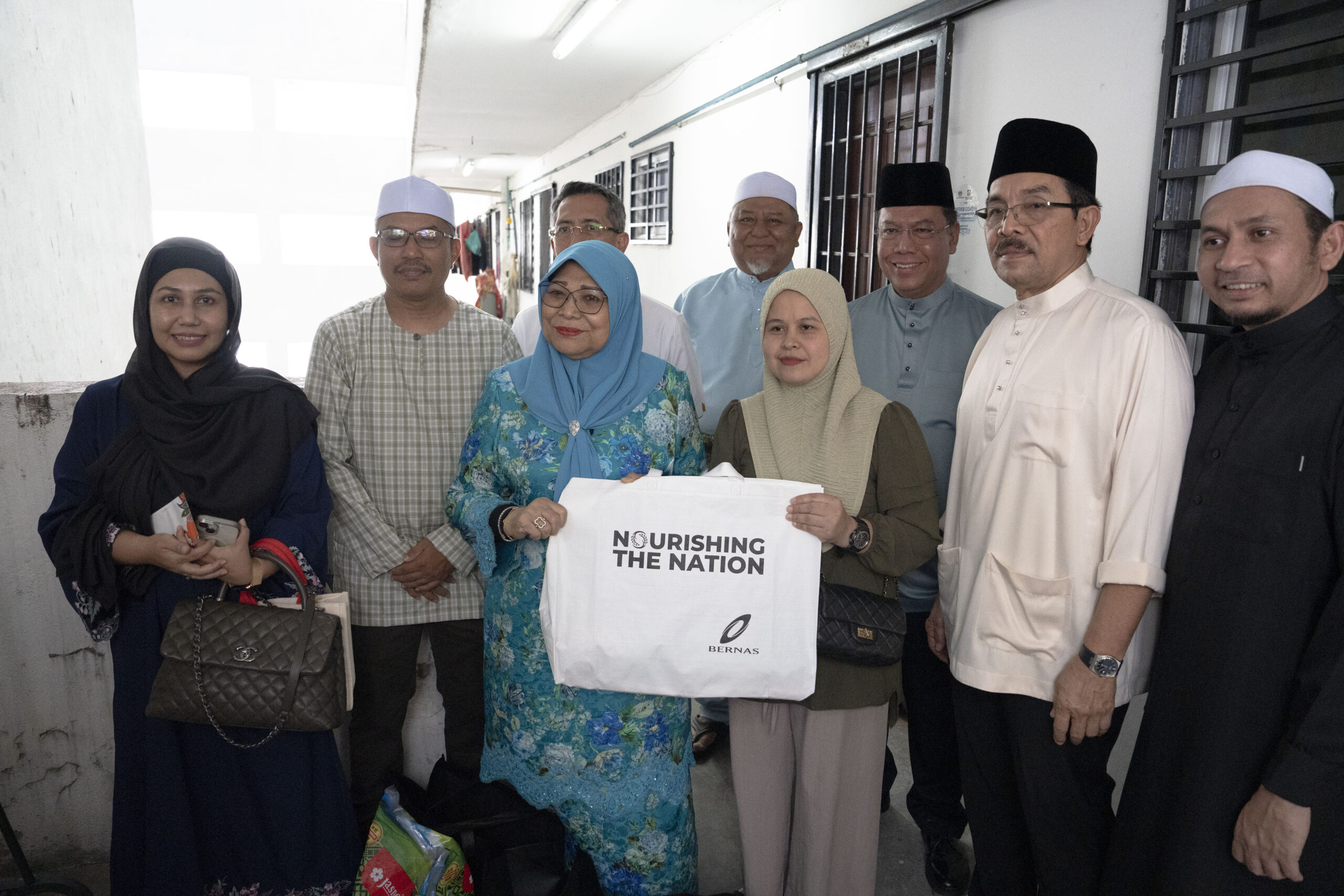
    Padiberas Nasional Berhad’s (BERNAS) annual Gema Ramadan initiative this year focused on supporting the urban poor as the company contributed food boxes comprises of basic necessities including rice and sugar, as well as “bubur lambuk” to over 1,000 resident especially single mothers, orphans and asnaf families at the People’s Housing Project (“PPR”) Hiliran Ampang.

    The ceremony was graced by Titiwangsa Members of the Parliament and Minister of Plantation and Commodities YB Datuk Seri Johari Abdul Ghani, Chairman of BERNAS Dato Sri Rohani Abdul Karim, Group Chief Executive Officer of BERNAS Zulkiflee Abdul Rahman, alongside the senior management team of BERNAS.

    Guests to the event also visited selected homes before the iftar session with orphans, senior citizens and single mothers organised by BERNAS at Surau Al-Falah, PPR Hiliran Ampang.

    “This strategic partnership with corporate entities like BERNAS reflects the strong commitment of private companies in empowering local communities without neglecting those in need, especially during Ramadan” said Datuk Seri Johari.

    “Improving the community’s standard of living has always been a priority for BERNAS. We not only provide support to low-income families but also to the urban poor who fall under the B40 category,” said Dato Sri Rohani.

    According to a 2024 UNICEF Malaysia report, 41% of urban households now live below the poverty line, with women, particularly single mothers, being the most affected in 16 PPR locations.

    Recognising the unique challenges faced by single mothers, orphans, and senior citizens, we developed a support programme to facilitate preparations for Ramadan and Aidilfitri, ensuring that a more joyful and meaningful celebration for every member of the community,” added Dato Sri Rohani.

    BERNAS’ commitment to community development is not limited to the Gema Ramadan Programme but also encompasses initiatives such as the Program Makanan Kesihatan (Healthy Food Programme) known as PROMAK, launched in January 2022.

    PROMAK is a free lunch programme for primary school students throughout the academic calendar has benefited over 20,000 students in 97 schools across five states comprising Kedah, Perlis, Kelantan, Terengganu, and most recently, Pahang.

    In addition, BERNAS recently allocated an additional RM30 million to support the government’s efforts to assist impoverished rice farmers. Previously, BERNAS had distributed RM60 million to impoverished rice farmers nationwide. This action aligns with BERNAS’ ongoing commitment to fulfilling its social responsibilities under the Concession Agreement with the Malaysian Government, which includes safeguarding the welfare of the farming community.

  • Majority of Malaysian businesses are intrigued by potential of AI in achieving sustainability goals

    Over 76% of businesses across Asia, Europe and the Middle East are intrigued by the potential of digital technologies, including AI and cloud computing in driving sustainable development, according to the latest survey report titled “Tech-Driven Sustainability Trends and Index 2024”, commissioned by Alibaba Cloud, the digital technology and intelligence backbone of Alibaba Group. However, the substantial energy consumption associated with these technologies is still reflecting a key barrier to broader adoption, as 61% of respondents still express concerns over the matter.

    The survey highlights Malaysia’s evolving stance on AI adoption and sustainability, revealing both enthusiasm and caution among businesses. Specifically

    • 76% of Malaysian businesses are actively adopting digital technologies to accelerate sustainability progress, with 77% intrigued by AI’s potential to drive sustainability innovation.
    • 62% of Malaysian businesses acknowledge the gap in understanding how digital technology can assist in achieving sustainability goals
    • 81% of businesses believe that the substantial energy consumption of digital technologies such as powering AI may outweigh its benefits
    • 75% cite security risks as a major barrier to adopting advanced digital solutions more broadly.

    Regional Variations in AI Adoption and Sustainability Efforts

    Despite this optimism, 59% of businesses acknowledge the gap in understanding how digital technology can assist in achieving sustainability goals with Asia leading at 63%, followed by Europe at 61% and the Middle East at 45%. Around two thirds 62% of executives believe their organisations are lagging in adopting cloud computing and AI to accelerate progress towards sustainability goals. This concern is particularly noted in Singapore 80%, the Philippines 77%, Japan 75% and Hong Kong SAR 75%, indicating a pressing need for organisations to accelerate their technological adoption to advance sustainability.

    Overall, 82% of businesses agree that sustainable development in technology is paramount for their companies, with markets like Singapore 93%, the Philippines 91%, and Indonesia 89% leading the charge. Companies increasingly recognise the multifaceted benefits of adopting digital technologies for sustainability including cost savings, improved operational efficiencies, and enhanced compliance with Environmental, Social, and Governance (ESG) regulations.

    AI and machine learning are viewed as the most crucial digital technologies for advancing corporate sustainability, with businesses in the Middle East 52% placing greater emphasis on their importance compared to Europe 41%, emerging Asian markets 40% and developed Asian markets 36%.

    However, the survey reveals a notable concern: 61% of respondents fear that the high energy consumption associated with digital technologies may hinder widespread AI adoption. This concern is even higher in Singapore 85%, the Philippines 77% and Hong Kong SAR 75%. Furthermore, 71% of businesses believe that the substantial energy consumption of digital technologies such as powering AI may outweigh its benefits with the highest concerns from Singapore 86%, the Philippines 84% and Malaysia 81%.

    The report also highlights the importance of selecting technology providers that prioritise sustainability. When selecting a “green” cloud provider, approximately half of the businesses prioritise those that use renewable energy 51%, maintain energy-efficient data centers 46%, and implement carbon footprint reduction initiatives 42%.

    Malaysian Businesses Prioritise AI and Machine Learning for Sustainability but Face Adoption Challenges

    The survey reveals 88% of Malaysian businesses agree it is important to the company that technology is developed sustainably. To add to the concerns highlighted earlier, 68% believe companies are lagging in cloud computing and AI adoption to meet these goals. This hesitation is driven by barriers such as knowledge gaps 38%, cost constraints 30%, and lack of technical capabilities 31%.

    89% of business leaders acknowledge technology’s pivotal role in achieving global sustainability targets with Malaysian companies ranking AI/Machine Learning 46%, Collaboration and Communication tools 34%, and IoT 33% as the top three digital technologies critical to advancing corporate sustainability goals. When selecting technology providers, Malaysian businesses prioritise cost-effectiveness 52%, strong customer support 48%, and data privacy commitments 40% highlighting the key factors that influence their digital adoption strategies.

    Conducted with 1,300 decision-makers across 13 markets, including Malaysia, “Tech-Driven Sustainability Trends and Index 2024” aims to provide valuable insights into the evolving landscape of corporate sustainability. The survey report underscores the essential role of technology in driving impactful change, while highlighting the need for businesses to adopt AI and cloud computing responsibly to address energy consumption concerns and bridge the gap in sustainability efforts.

  • Medini Net Zero Carbon CBD (NZCC) receives 5 Diamonds recognition

    Medini Net Zero Carbon CBD (NZCC) receives 5 Diamonds recognition

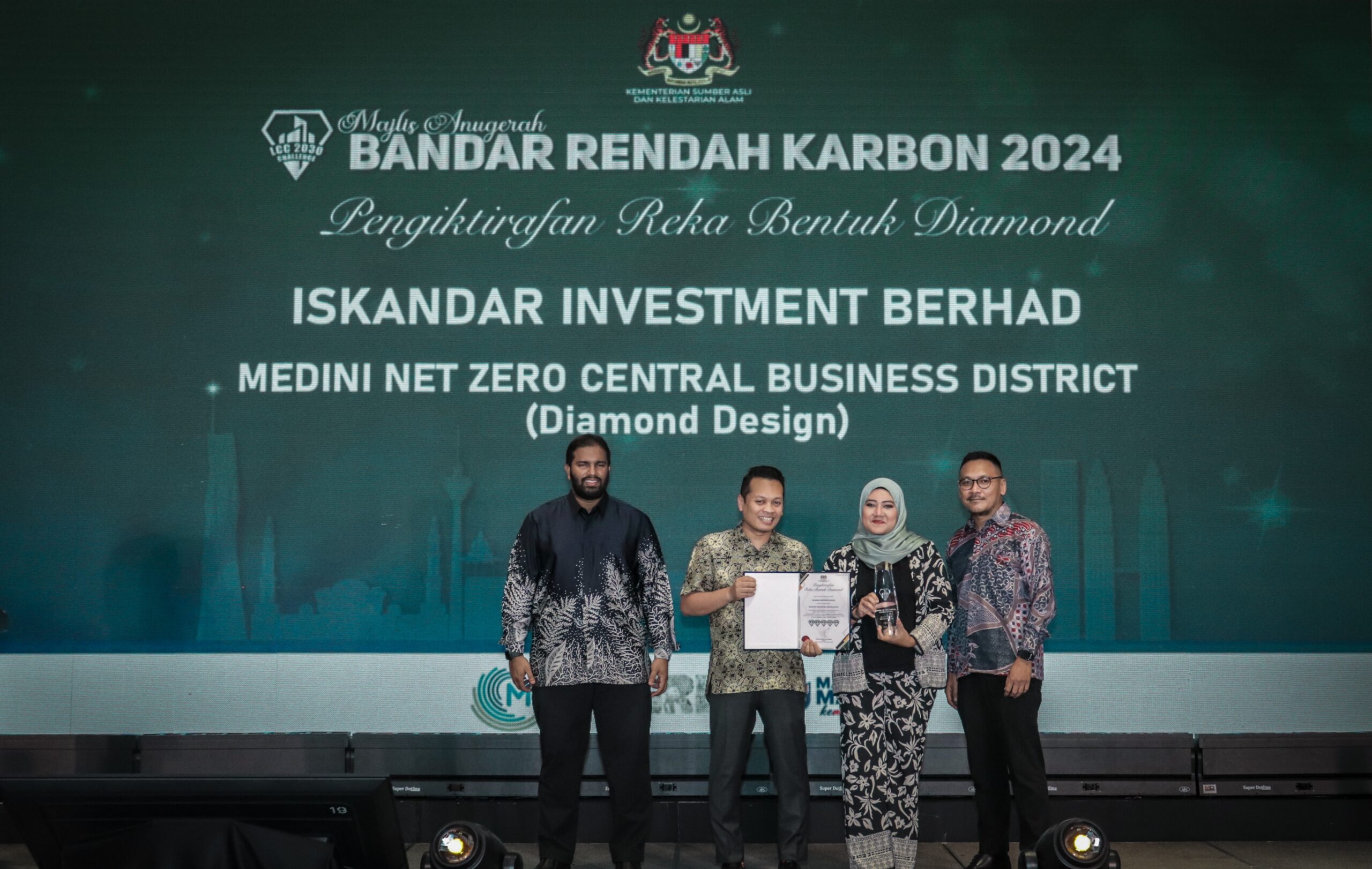
    Iskandar Investment Berhad (IIB) has been awarded with the 5 Diamonds recognition for the highly anticipated Net Zero Carbon Central Business District (NZCC) within Medini Innopolis masterplan, in Iskandar Puteri, Johor at the Low Carbon Cities 2030 Challenge (LCC2030C) awards this week.

    Together with it, IIB received two other diamond recognitions:

    • Medini Net Zero Central Business District (NZCC) – 5 Diamond Recognition
    • Menara IIB (Medini 9) – 5 Diamond Recognition
    • EduCity Complex 1 – 2 Diamond Recognition

    Organised by the Malaysia Green Technology and Climate Change Corporation (MGTC) under the Ministry of Natural Resources and Environmental Sustainability (NRES), the awards were presented by YB Tuan Nik Nazmi Nik Ahmad, Minister of Natural Resources and Environmental Sustainability, during a ceremony held at Sofitel Kuala Lumpur Damansara, Kuala Lumpur.

    The LCC2030C Challenge is a national initiative launched in 2019, aimed at accelerating Malaysia’s transition towards low-carbon cities. With urban areas contributing over 70% of global greenhouse gas (GHG) emissions, the challenge encourages the adoption of low carbon strategies, such as energy efficiency, renewable energy integration, sustainable mobility, and smart urban planning.

    Dato’ Idzham Mohd Hashim, President/CEO of IIB, expressed his unwavering support towards sustainable development, stating, “As we navigate the challenges of urbanisation, it is imperative for us to adopt low carbon practices to ensure the well-being of our society, protect our environment and manage our natural resources efficiently. This recognition is a testament of our commitment towards building an inclusive and sustainable metropolis of the future in Medini, Iskandar Puteri, Johor.”

    As the master developer of Medini, IIB continues to champion sustainability in urban planning and economic growth. Through Medini Innopolis, IIB is positioning Medini as a future-ready city that integrates innovation, sustainability, and economic prosperity. This vision is driven by three key initiatives:

    • Medini International Convention City (MICC) – a global business and convention hub designed to attract investors and drive economic activity;
    • Tech Medini – a digital-first ecosystem supporting technology-driven industries;
    • Net Zero Carbon City Initiative – IIB’s long-term commitment to green urban living, integrating low-carbon technologies and smart infrastructure.

    Medini Innopolis, covering 2,270 acres with 100 acres designated as the NZCC, is part of the National Energy Transition Roadmap (NETR) within the newly announced Johor-Singapore Special Economic Zone (JSSEZ) in Johor. Aligned with the goal of utilising 70% renewable energy and achieving 100% green buildings by 2050, IIB is committed to championing a sustainable living and working environment for all.
    Meanwhile, IIB’s sustainability efforts extend beyond Medini. EduCity, Johor’s premier education hub, plays a vital role in talent development, supporting the Johor Talent Development Council under the Johor Special Economic Zone (JS-SEZ). The recognition of EduCity Complex 1 at LCC2030C reflects IIB’s commitment to embedding sustainability into its diverse portfolio.

    The achievements of Medini 9 further reinforce IIB’s ability to implement impactful low-carbon strategies across various developments, setting a benchmark for other organisations to adopt environmentally responsible practices.

    Building on five established pathways within the IIB decarbonisation roadmap which covers Energy, Circularity, Mobility, Built Environment, and Biodiversity-Land Use, IIB will progressively shape its sustainable solutions, from building a potential self-sustaining CBD to aiming at more than 60% carbon emission reductions for its overall operations and destinations by 2040, aligning nation’s Net Zero target by 2050.

    This latest milestone strengthens IIB’s position as a frontrunner in sustainable urban transformation, paving the way for future innovations in low-carbon city development. The company remains committed to collaborating with stakeholders, policymakers, emerging talents and the community to create a resilient, smart, and inclusive city for generations to come.

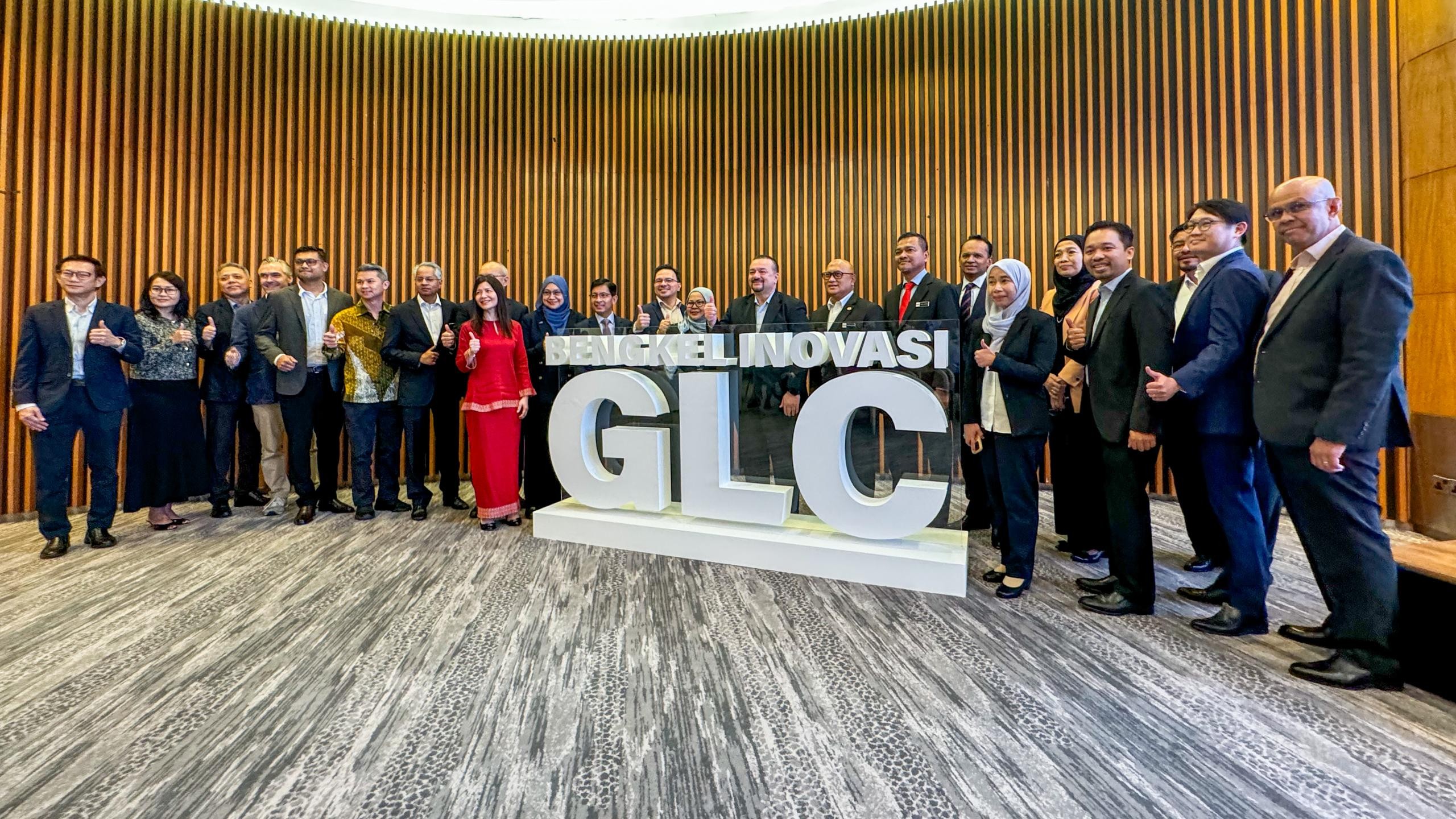
  • Bengkel Inovasi GLC to catalyse innovation and economic growth

    Bengkel Inovasi GLC to catalyse innovation and economic growth

    The Ministry of Finance (MOF), in collaboration with the Ministry of Science, Technology, and Innovation (MOSTI) and Cradle Fund Sdn Bhd (Cradle), announces the launch of the Bengkel Inovasi GLC (BIG), a transformative programme aimed at driving innovation across all Government-Linked Companies (GLCs). With a RM15 million allocation under Belanjawan 2025, this initiative represents a strategic step in advancing Malaysia’s economic reform agenda to ‘Raise the Ceiling’ under the GEAR-uP initiative, in alignment with the Ekonomi MADANI framework.

    GEAR-uP is a national initiative that unites Government-Linked Entities to drive growth in key economic sectors, supporting Malaysia’s structural reforms under Ekonomi MADANI. In its first phase, six leading GLICs pledged RM120 billion in domestic direct investments over five years, focusing on High-Growth, High-Value (HGHV) industries such as energy transition, advanced manufacturing, and technology ventures. These investments aim to build new economic ecosystems, enhance nation-building, and uplift both Malaysia’s economic stature and the Rakyat’s quality of life.

    BIG is designed to empower GLCs by fostering collaboration with startups, accelerating the adoption of cutting-edge technologies, and strengthening Malaysia’s economic competitiveness. By bridging the gap between corporate players and the startup ecosystem, the programme supports the nation’s aspiration to become one of the Top 20 global startup ecosystems by 2030 while generating high-value jobs and sustainable growth.

    YB Senator Datuk Seri Amir Hamzah Azizan, Minister of Finance II, emphasised the programme’s role in driving economic transformation, “BIG is aimed at cultivating an ecosystem where innovation fuels economic transformation. This is another strategic growth lever that complements ongoing initiatives to catalyse domestic market growth and raise the ceiling under the Ekonomi MADANI framework. By enabling greater synergy between GLCs, investors, and startups, we aim to drive industry leadership and unlock new growth opportunities. This effort, aligned with our GEAR-uP initiative, underscores the Government’s focus on building a future-ready economy.”

    To ensure impactful results, the programme will leverage MOSTI’s National Technology and Innovation Sandbox (NTIS) and Cradle’s extensive startup ecosystem networks to identify and support high-potential innovation projects.

    YBhg. Dato’ Ts. Dr. Hj. Aminuddin Bin Hassim, Secretary General, Ministry of Science, Technology and Innovation (MOSTI), reaffirmed MOSTI’s commitment to fostering innovation, “the BIG programme reflects our unwavering commitment to integrating advanced technologies, fostering entrepreneurial thinking, and creating opportunities for sustainable growth. By bridging the gap between GLCs, startups, and innovation leaders, this programme will unlock transformative solutions to address industry challenges, empower local talent, and drive progress in high-growth, high-value industries. In doing this, we hope to elevate Malaysia’s innovation ecosystem, position the nation as a regional hub for cutting-edge ideas, and contribute meaningfully to the broader Ekonomi MADANI vision.”

    Adopting a Two-Pronged Approach
    The Bengkel Inovasi GLC (BIG) programme will be executed in two phases:

    1. Innovation Partner & GLC Selection – By March 2025, five GLCs will be identified and matched with selected innovation partners, laying the groundwork for impactful collaboration.
    2. BIG Accelerator, which unfolds into two tracks:
      • ‘Venture Client Model’ – Focuses on refining problem statements with GLCs, identifying high-potential startups for a 6-month accelerator programme, and developing Proof of Concept (POC) solutions supported by a 1:1 matching POC convertible grant.
      • ‘Venture Co-Creation’ – Enables GLC teams to incubate new business ventures, fostering entrepreneurship and sustainable value creation. This track includes product development, piloting solutions with business units, and securing seed investments from GLCs, GLICs, and Venture Capitalists (VCs).

    The programme provides access to mentorship, funding, and technical expertise, equipping GLCs with the necessary tools to become regional innovation leaders. It is expected to spur growth in critical sectors, including energy, transportation and logistics, financial services, property, and plantations.

    Norman Matthieu Vanhaecke, Group CEO, Cradle, highlighted the programme’s role in fostering collaboration between startups and corporate Malaysia, “Cradle is proud to lead this pivotal programme in collaboration with MOF and MOSTI, marking a transformative step in Malaysia’s GLC innovation landscape. BIG is designed to foster meaningful collaboration between corporate Malaysia and the startup ecosystem, driving the adoption of groundbreaking technologies and creating new opportunities for economic growth. This initiative will be a key enabler as we aim to create an inclusive, globally competitive, and sustainable ecosystem in line with our vision to grow and strengthen Malaysia’s startup ecosystem.”

  • 38th ASEAN Exchanges CEOs Meeting: accelerating efforts on product and ESG development

    38th ASEAN Exchanges CEOs Meeting: accelerating efforts on product and ESG development

    The Philippine Stock Exchange, Inc. (PSE) hosted the 38th ASEAN Exchanges CEOs Meeting which focused on priority initiatives to further showcase the region’s unique investment qualities and create a unified ecosystem for sustainability solutions among listed companies and capital market stakeholders.

    Promoting the ASEAN capital market, the group discussed activities that will continue to generate interest in investment products offered by the ASEAN Exchanges.

    Following the signing of a Memorandum of Understanding (MOU) in November 2024 to collaborate on offering Depositary Receipts (DRs) on their respective exchanges, the ASEAN Exchanges discussed the performance of the ongoing DR collaboration between Singapore Exchange (SGX Group) and The Stock Exchange of Thailand (SET), and the steady progress of DR development in the other ASEAN markets. Since the launch of their DR programme in 2023, SGX Group and SET have listed a combined total of 17 DRs and have more than doubled the AUM of these DRs in the past one year. The initiative has also generated additional trading volumes for both exchanges, adding to liquidity in the underlying market.

    Given the encouraging performance of Thai and Singapore DRs, the rest of the ASEAN Exchanges have been actively working on regulations towards introducing DRs in their respective markets. Bursa Malaysia (BM), Indonesia Stock Exchange (IDX), PSE, and Vietnam Exchange (VNX) are in various stages of regulatory framework development and stakeholder engagement in line with the DR MOU’s goal to enhance investment opportunities by way of cross-border products.

    The ASEAN Exchanges also remained steadfast in their joint promotion efforts by maximizing the use of the ASEAN Exchanges common website and planning marketing events with key market participants. The website content development strategy has expanded the website’s reach to institutional investors, which resulted in doubling visitor activity on the site. The exchange leaders also plan to capitalize on the momentum of previous roadshows in New York, USA and Melbourne, Australia by potentially hosting the next ASEAN-themed roadshow in Hong Kong in the second half of the year.

    On the sustainability front, following the November 2024 announcement, the ASEAN-Interconnected Sustainability Ecosystem (ASEAN-ISE) Participating Exchanges issued a Request for Information (RFI) in February 2025, receiving strong industry interest. A joint briefing on the RFI by the ASEAN Exchanges last week saw participation from more than 120 representatives from 35 organizations, which included solution providers, credit bureaus, technology firms, information vendors, and consultants.

    The RFI seeks market insights to develop a unified ASEAN regional ecosystem which includes:
    1. Centralised Sustainability Data Infrastructure – Establish and harmonise a centralised yet inter-operable data infrastructure, aligning with national regulatory frameworks while ensuring seamless integration.
    2. Digital Marketplace for Technology-based Sustainability Solutions – An open platform for technology-driven sustainability solutions to showcase their offerings, enabling over 4,000 public listed companies (PLCs) and their millions of suppliers to access plug-and-play or modular products, enhance reporting processes, and connect with solution providers across the region.

    Submissions to the RFI close on 31 March 2025, 5:00 pm, GMT+8, and interested parties can respond to all or selected sections as applicable, either individually or as part of a consortium. For more information or to express interest, please contact isb@bursamalaysia.com.