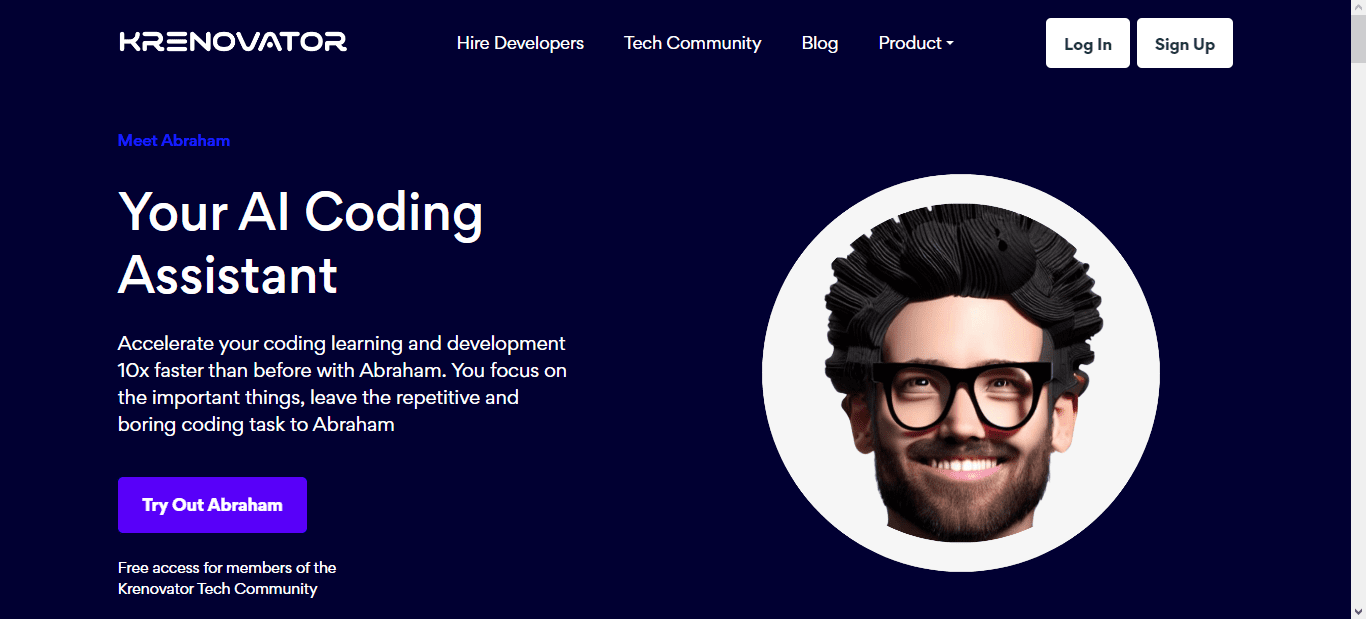
Krenovator Technology Sdn. Bhd. announced the immediate availability of Abraham, an AI Coding Assistant on its digital Tech Talent Platform that was launched late last year. The new tool provides users with real-time feedback and suggestions, helping them to improve their coding skills efficiently and effectively. It also allows users to create new software at a much faster rate than conventional methods. The intelligent coding assistant is available for users at no charge.
Among Abraham’s main capabilities are to assist users in completing unfinished code as well as detect any syntax or semantic errors in a code. Mahadhir Yunus, CEO of Krenovator said, “We are thrilled to introduce Abraham to the world. As a provider of coding training, we often receive a high volume of questions from our users. Some of these questions were unique, which made it challenging to provide quick answers, while others were repetitive. These situations have inspired us to create an intelligent and efficient method of learning to code. Our objective is to offer targeted assistance to developers worldwide so that they can create high-quality and innovative solutions.”
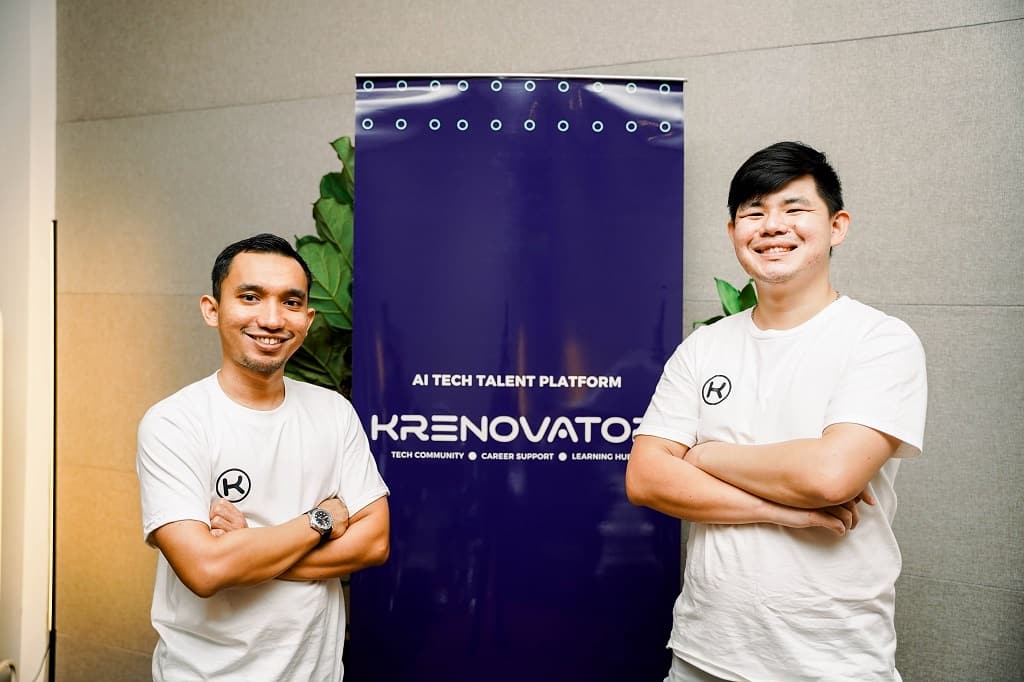
(L-R) Mahadhir-Yunus, CEO and Calvin Lim, COO
Currently, Abraham supports full-stack programming covering 17 popular programming languages and frameworks including frontend, backend, database, API, Angular, DevOps, Flutter, .NET, PHP, Python, Java, and Javascript. Krenovator is working on expanding the list.
“We are glad that the work that began in early 2022 to develop Abraham has finally come to fruition now. Whether it’s a junior coder trying to fix a bug or a senior software engineer wanting to inspect their codes, Abraham can assist 24/7,” Mahadhir explains.
“We see that Abraham has the potential of becoming the first line support assistance when it comes to coding,” he concludes.
Krenovator plans to introduce an enterprise version of the AI coding assistant in the future. Krenovator’s Tech Talent Platform offers free coding and training modules developed by the Company. It has also recently partnered with Coursera to allow users to obtain a certification. The platform currently has more than 3,000 tech talents from Malaysia and Indonesia combined.
About Krenovator
Founded in 2019, Krenovator is an AI tech talent and placement platform that provides services to two main groups – individuals who want to learn and improve coding skills, and companies looking to hire qualified software developers. The Company’s digital platform which was launched in late 2022 has attracted over 3,000 tech talents from Malaysia and Indonesia. So far, the Company has also successfully helped more than 200 qualified talents to land a tech job with employers from Malaysia, Singapore, and the United Kingdom. Krenovator is based in the state of Selangor, Malaysia. Visit us at: www.krenovator.io.
Environmental, social, and governance (ESG) are gaining momentum and becoming the talk of the town worldwide, including in Malaysia. We are committed to becoming a nation with net-zero greenhouse gas emissions by 2050, and it needs a concerted effort by the government and the private sector.
Smart Investor spoke to an industry expert, Ben Lim, to learn more about how technology and ESG are making the world a better place. Ben is Epicor Malaysia’s Senior Country Manager with ten years of ERP (Enterprise Resource Planning) experience.
Epicor Software Corporation equips hard-working businesses with enterprise solutions that keep the world turning. For almost 50 years, Epicor’s customers in the automotive, building supply, distribution, manufacturing, and retail industries have trusted Epicor to help them do business better.
Ben Lim, Senior Country Manager, Epicor Malaysia
How Technology And ESG Making The World A Better Place
Smart Investor: What does ESG mean to you, and why is it important to your business?
Ben Lim: ESG for Epicor is about understanding how we can help our customers better understand their environmental waste data, such as reduced energy consumption and carbon emissions, and support our customers’ social interdependencies, such as data hygiene and data security. Epicor helps companies improve hiring and onboarding best practices and logistics to achieve their business goals.
Progress on ESG initiatives is taking place at many levels, with businesses increasingly looking to strengthen their brand reputations through environmentally sound organisational practices. Cloud computing is uniquely positioned to help businesses save energy, reduce waste, and adopt sustainable business practices that support a healthier environment. Epicor’s customers in Malaysia can do just that.
Epicor has researched the opinions of technology decision-makers on their opinions and benefits of cloud computing with regard to their organisation’s sustainability objectives. Overall, the research results point to a positive trend when it comes to prioritizing sustainability within the corporate agenda.
An overwhelming 93% of IT decision-makers surveyed named sustainability as their focus area, with 41% saying it is a key focus area.
SI: How do technology and ESG impact your industry?
BL: A recent quote from Gartner summarizes the importance of sustainability and the impact it has on our industry, stating: “By 2025, 40% of all manufacturing company IT departments will own the responsibility of data modelling for sustainability and net-zero carbon targets”.
Malaysia has also committed to achieving carbon neutrality by the year 2050. This highlights the urgency for IT departments to start taking ownership and looking both internally and externally at how they can help to achieve this goal.
Clear evidence of this necessity is the increase in customer type and the need to understand more about how to achieve better consumption rates. Customer migrations are another important impact, including the reasons behind it.
SI: What are the key factors for a successful technology and ESG deployment?
BL: Cloud computing can have a direct and positive effect on sustainable operations, particularly when it comes to running IT daily operations, offices or facilities. This includes digitizing paper-based communications with cloud-based electronic document signature solutions to simplify the process, reduce reliance on paper and minimize environmental impact.
Complex manufacturing systems and data flows are monitored and controlled for improved efficiency in operations. This ultimately results in the maximization of resources and the reduction of resource wastage which reduces adverse effects on the environment. All of this is right in the wheelhouse of Epicor, being an ERP software as a service (Saas).
Another key factor for successful deployment is a clear understanding of the industry, its processes for which areas that need improvement can be identified and the right solutions (not just immediate/quick fixes but also fit for the future. (i.e. workforce gaps, automation on the factory floor, production processes, and measurement/consumption of energy deployment needs to be about industry expertise and then having the right solutions now that are also fit for the future).
About half of the IT leaders surveyed (47%) believe they can reduce paper wastage through digitization efforts, and 42% believe that cloud computing will significantly reduce IT hardware wastage within their organisations.
SI: What are the key trends you see gaining traction for technology and ESG? What are the areas of growth amongst the pillars to look at in 2023?
ESG, Environmental, Social and Governance printed in blue with two rubber stamps over white background. Corporate responsibility concept.
BL: The Covid pandemic has momentously shifted working patterns for good, with the growing number of employees working remotely from home, either permanently or part-time, as part of a hybrid model. Cloud computing acts as an enabler for the distributed workforce and ‘work from anywhere’ practices. However, the environmental impact of remote work is not as easy to measure.
The worsening global climate crisis and conflict in Ukraine are propelling complex risks, and organisations need to be aware of how these risks affect their businesses and help management plan strategically and tactically. Climate and geopolitical issues should be a permanent part of a company’s enterprise risk management.
The traditional shareholder-centric capitalism of the past half century is giving way to a broader set of shareholder considerations, expectations, and interests where employees, customers, regulators, suppliers and others are playing more important roles.
SI: How do technology and ESG trends shape Epicor as an organisation and its services?
In Malaysia, we are witnessing manufacturing companies become more observant of how their data is being collected and a trend where data is being managed via a formal energy intelligence system, connecting executives to the day-to-day tactical operations to achieve the strategic business goals that include ESG. One of the key solutions that Epicor heavily invests in is the Epicor Manufacturing Execution Systems (MES) which collects data from shop floor resources such as machines and operators.
On the factory floor, the complex manufacturing systems and data flows are monitored and controlled for improved efficiency in manufacturing operations. This ultimately results in the maximization of resources and the reduction of resource wastage which reduces adverse effects on the environment.
SI: How has Epicor Software helped improve many organisations with their software?
Epicor solutions fit very well for organisations that Make, Move & Sell. The Manufacturing, Distribution and Services industries are the three key industries that Epicor focuses on in Malaysia, and we have helped these organisations harvest exponential growth and improve their bottom line.
We are proud to have worked with Solarvest Holdings Berhad, one of Malaysia’s market leaders in the growth of the solar photovoltaic energy industry. The implementation of the Epicor ERP, Kinetic, has aided Solarvest in boosting their productivity and their capability to take on more projects than they were previously.
According to their CEO Davis Chong, Solarvest may have only been able to commit to 30 projects in a year but with the support of Epicor Kinetic, the company is now able to take on as many as 100 projects a year.
SI: How can Epicor help or contribute to Malaysia’s SME digital transformation?
BL: At Epicor, we’ve built our reputation on knowing exactly what our customers need. According to the OECD (Organisation for Economic Co-operation and Development), research has indicated that 70% of SMEs have intensified their use of digital technologies due to COVID-19. SMEs are one of our key markets, and implementing ERP as part of their digital transformation is a key success factor for our SME customers’ growth.
We work hand-in-hand with our customers to better understand their businesses and industries to deliver market-leading industry productivity solutions and practices via Enterprise Resource Planning (ERP) Software to solve our customers’ real business problems and provide seamless customer experiences.
Epicor in Malaysia has successfully assisted SME organisations in the following industries: metal/steel services, industrial machinery, electronics, medical devices, automotive, F&B, engineering, and chemical.
Now you know how technology and ESG make the world better.
As more consumers embrace digital banking and faster, simpler ways to send money, it has created opportunities for fraudsters and increased the risk of digital fraud in Malaysia, particularly fuelled by the adoption of real-time payments.
Smart Investor recently got in touch with CK Leo, FICO’s lead for fraud, security and financial crime in Asia Pacific to find out his views.
CK Leo, FICO’s lead for fraud, security and financial crime in Asia Pacific
Smart Investor: What are some of the growing fraud threats that consumers need to be more aware of?
CK Leo: According to Malaysia’s Commercial Crime Investigation Department, the top fraud threats reported this year include impersonation scams, e-commerce crime, and phishing, which could lead to account takeovers and unauthorized transactions. At the same time, consumers should be mindful of Authorized Push Payment (APP) fraud, where fraudsters manipulate consumers or individuals at a business to transfer money to a bank account controlled by the fraudster.
APP fraud is rising globally, fueled by the adoption of real-time payments, such as DuitNow in Malaysia, which enables fraudsters to flee with the money at speed.
Threats such as APP fraud are particularly difficult to detect and prevent, and show how traditional safeguards such as authentication checks, a common security measure used by banks in Malaysia, are insufficient in protecting customers.
One tool that can be used to help protect real-time payments is to use analytics that look for changes in customer behavior, such as using accounts or devices outside of their usual habits, as well as standard anomalies, such as time-of-day or frequency of a transfer. FICO has found that the use of targeted profiling of customer behavior to spot scams has yielded some impressive results, with 50 percent more scam transactions detected.
SI: Why do we still fall for investment scams, when there are a lot of legitimate investments out there?
CKL: The answer is that people want to believe that there are easy ways to make money. We are influenced by social proof in the media and online with stories of overnight crypto millionaires, stock wizards and real estate moguls. The pandemic helped to super charge the problem, as people spent a lot more time online, unable to go anywhere or spend money.
While in this state many were enticed by greed and schemes peddled by scammers that promised easy money. It is, however, worth remembering that with a clever amount of social engineering used against us, anyone can become a victim of fraud. Some schemes out there are very sophisticated at mimicry of real investment companies, setting up spoof websites and advertising on Google to attract potential victims.
Although banks and authorities are in a constant race to update and upgrade their security measures, this is simply not enough to prevent all investment fraud. There is a paramount need to educate consumers on new and emerging threats and what checks to make before investing.
SI: What are the driving factors for the rise in fraud in recent years?
CKL: Today’s technology has enabled fraudsters to undertake globally pervasive scams with shocking ease, constantly shifting in approach to find new vulnerabilities. Malaysia’s digitally savvy population and banking penetration of 92%, is expected to grow significantly in the coming years and along with it the opportunities for scammers. Criminals are attracted to both the increase in money flows and the growth in the number of inexperienced users.
Fraudsters have also been making use of technology to scale up both the complexities and the scope of their operations. Automation and bots, for example, have been exploited by criminals to gain data and create fake consumer identities for application and card fraud. In Malaysia, scammers have even created their own applications to trick consumers into giving up valuable personal information.
So, the driving factors in fraud growth are that technology has enabled the reach, scope, volume and low cost of creating scams. While a growth in digital services has increased the attack surface and the number of less educated users as well. Plus, the honeypot, or the sheer amount of money that can be made from online crime means there is an arms race going on.
For banks, this means staying on top of their banking security game and evolving to prevent new fraud types like the growth in real-time payment fraud.
SI: How must banks’ fraud detection and prevention strategies change to minimize fraud risks?
However, this verification method can be easily compromised, through scams like SIM swap fraud. Banks will need to consider more robust or multiple factors of authentication for a layered approach to security. This includes tools available to them, such as biometric authentication, a method FICO found a preference for among Malaysians.
The reduction of information silos is equally key. Banks with different solutions for transaction monitoring and fraud must remove these separate silos and work collaboratively to create an integrated solution able to read data holistically, leading to timely detection and the prevention of fraud.
Thirdly, consumer education must remain a top priority for banks. Banks must maintain regular communications with their customers to assist them in preventing fraudulent transactions. They can do this by encouraging customers to keep their contact information updated to receive timely fraud alerts.
These three approaches can be realized through advanced analytics which enable real-time decision-making to prevent fraudulent attacks from taking place.
In contrast to siloed, single-focus solutions, an integrated, enterprise-wide fraud platform enables banks to have a more comprehensive approach to minimizing fraud risks. Banks will be able to dynamically adapt to emerging fraud types, while using machine learning models based on targeted profiling of customer behavior to separate between fraud, scam and normal behavior.
This shift away from siloed solutions also enables banks to choose the best channel when communicating with customers to ensure that they are safe and aware of possible fraudulent activities.
SI: What are some steps consumers can take to protect themselves from fraud and scams as they increase use of real-time digital payments?
CKL: Consumers need to be aware of the risks of APP fraud. They should always stop and think if something unusual happens, like someone messaging to say their bank account has changed. It is always worth contacting the person directly to check things like this to minimize the risk of fraud. Consumers should also be wary of downloading new applications, and scanning QR codes, which scammers are increasingly exploiting for fraud.
Above all, consumers should always be diligent about performing background checks before revealing their personal information and credentials, and always keep track and check their transactions.
SI: What’s your view on the adoption of digital currency (crypto) in the next few years?
CKL: While the technology behind digital currency has seen interesting developments over the past few years, the region has understandably been apprehensive about its adoption, especially considering the recent cryptocurrency crash and bad actors that use it to try and support criminal activity.
No matter where digital currency is headed in the next few years, stronger security and trust will need to precede its wider adoption.
SI: What makes FICO unique from others?
CKL: When it comes to fraud protection, we believe in an integrated approach that combines industry-proven advanced machine learning and artificial intelligence with real-time cross-channel fraud prevention. Our decades of investment in fraud research and innovation have yielded over 100 patents for fraud-specific machine learning innovation.
Our analytics expertise is trusted to protect 3 billion global payment cards and 65 percent of the world’s credit cards.
About FICO
FICO (NYSE: FICO) is a leading analytics software company, helping businesses in 90+ countries make better decisions that drive higher levels of growth, profitability and customer satisfaction. FICO’s groundbreaking use of Big Data and mathematical algorithms to predict consumer behavior has transformed entire industries. The company provides analytics software and tools used across multiple industries to manage risk, fight fraud, build more profitable customer relationships, optimize operations and meet strict government regulations.
An innovative legal tech developed by lawyers is changing the divorce landscape in Malaysia while simultaneously supporting the Malaysian government’s goal of increasing the adaptation and use of technology across as many industries as possible.
Launched early this July, Klik Divorce is the country’s first digital divorce platform and was created with the primary intent to ease the pathway of those seeking legal avenues for the dissolution of marriage.
It was developed by lawyers Dato Fion Wong and Dato Chris Chin, both strong advocates for the adoption of technology in Malaysia’s legal industry and also the founders of Malaysia’s First A.I. legal assistant Askaila, that was launched last year.
Dato Chris Chin and Dato Fion Wong
Through Klik Divorce users can build divorce terms i.e. spouse maintenance, child custody, maintenance and visitation rights as well as the division of matrimonial assets. With just one click, divorce papers are immediately generated for printing and signing. If the divorcing couple mutually agree on the terms, the whole process takes only about 5 minutes. The law firm can then review the papers and prepare them for filing in the Court the next working day.
Meanwhile, those who encounter challenges or need help to facilitate settlement agreements, can engage the service of a lawyer; online or in-person.
That, in a nutshell, is divorce in the digital age.
Klik Divorce offers two key positives amidst the pains of divorce proceedings, namely time and cost savings.
“Many people are unable to afford the legal fees for divorce, especially with today’s increasing costs of living. Additionally it can take anywhere between 6-12 months for terms to be discussed back and forth before the divorce is filed in court,” says Dato Fion.
“Adopting legal technology to execute simple manual tasks can save a lot of time and reduce costs which make legal fees affordable to more people. This also enables lawyers to dedicate more time and effort to develop the law.”
Klik Divorce is especially beneficial for uncontested divorce cases. Not only does it make the process faster and smoother, it also leads to quicker settlements, freeing up judiciary workload and court time. As the first legal online service in Malaysia, it also sets an example and paves the way for more digitalised services.
Dato Fion said that despite receiving encouraging and positive feedback from users, there are unfortunately lawyers who continue to openly resist the adoption of this platform.
“Nevertheless, despite the obstacles that lie ahead, we are determined to drive Malaysia’s legal industry towards adopting technology to offer efficiency and value to the public. We are also confident that in the near future Malaysia’s legal industry can catch up and compete with other nations whose legal technologies are already ahead of us,” added Dato Chris.
The impact of the pandemic on organisations has been uneven, both in Malaysia and elsewhere. While some adapted well and thrived, others were less fortunate, often at no fault of their own, and had to restructure or shut down their business.
Regarding the trend of digitisation, it is not new given the well known benefits of cost savings and increased customer engagement. However due to lockdowns and business disruptions, this trend became less of an option and more a matter of survival.
We recently got in touch with Inter-City MPC (M) Sdn. Bhd, a homegrown company with over 30 years of experience that focuses on clients’ digital transformation. This includes data document processing, record management services, and many more that can help us embrace the changes caused by the pandemic.
How Has The Pandemic Affected Organisations All Over Malaysia?
“As a service provider of physical and digital end consumers statements, Intercity recognized the opportunity and expanded into digital transformation – that being we work with clients to solve the challenging task of transitioning statements and end consumers from print to digital, including data transition, process improvement across all modes (paper or digital), and omnichannel sending (mail or emails)”, said Nick Liew, Chief Executive Officer of Intercity.
What It Requires To Go Digital?
As a business owner, you will need help to go digital because the transition itself is challenging. There are three things that you need to look at:
Data transition: Going from print to digital requires high-quality data. You need to run a series of campaigns to collect end consumers’ data on behalf of clients, from web links to on-ground surveys.
Record transition: From physical records to digital records. You can do this by scanning, digital archiving and secure destruction of physical records for data privacy.
Process transition: From physical forms to online registration. You will need to run processes such as data entry and call centers to further support end consumers who are not fully digital.
Are The Organisations Now More Open To Go Digital?
According to Brandon Smith, Chief Commercial Officer of Intercity, “Organisations continue to identify specific business processes or operating segments that can shift towards adopting digital methods, especially where there is potential for revenue gains, cost savings, or efficiency improvements.”
Intercity understands these business objectives and tailors our offerings to ensure our digitisation offerings are impactful and deliver real value.
How Does Organizations Transform Themselves?
For example with Majlis Bandaraya Shah Alam, they managed to increase the collection rates of quit rent (cukai pintu) by 30% in 2021. The increased revenue to the local council was crucial to support ongoing frontline services like waste collection and local infrastructure maintenance, especially at a time when many were working from home.
In the case of Majlis Perbandaran Klang, they are able to optimise their mailing of local resident statements and bills, resulting in a 25% cost reduction in 2021, in preparation for further digitisation efforts. These cost savings were then quickly allocated to other crucial services during the pandemic.
“Besides cost savings, digitisation supports the broader goals of environmental sustainability. Given our clients’ focus on impactful ESG actions, from 2020 to 2021 Intercity worked with their clients to save approximately 140,000kg of paper which is the equivalent of saving 3,400 trees,” said Nick Liew.
With The Rise Of Inflation And Interest Rates, How Does Intercity Help Its Clients To Weather The Storm?
As organisations review their operations to adjust to rising costs from inflation and interest rate changes, there is a trend to focus on their core businesses while delegating non-core processes to specialist external service providers to save costs.
In an inflationary environment, Intercity is not immune to supply chain disruptions and rising raw material costs. However as a specialist service provider, Intercity has sufficient scale and ability to manage input costs thus ensuring minimal cost increases for our clients.
To take it one step further and exploit cost savings from digitisation, clients work with Intercity to transform their end consumers’ communication from physical to digital.
Brandon Smith says, “To do this, Intercity runs a digital BPO service on behalf of clients to ensure full communication via print and/or digital channels. The BPO service includes multi-stage data collection, a step-by-step physical-to-digital shift by customer segments, and hands-on technical development & support.”
The story that we are about to share with you is truly an interesting one. It is about an individual who bounces back after a tragic event to reach greater heights.
Let’s meet Mr. Sanz Teoh, Chief Executive Officer and Founder of Jumix and his inspiring story below.
Smart Investor: Thanks for taking the time to talk to Smart Investor. Can you tell us a little bit about yourself, about Jumix, and what makes you started the company?
Sanz Teoh: Hi, I’m founder and CEO of Jumix. In 2014, I was almost murdered by a local gangster group. That inexperienced me was trying to work a side hustle while having a full-time digital marketing job.
It was at that moment, I decided that I have to fully commit my time, effort, and energy to my own business. I promised myself that no one else in this world should go through the same experience as I did, and I set out to make this my business mission.
Combining my educational knowledge in marketing and my personal passion in creating digital products, I founded Jumix. It started off as a web design & digital marketing agency, now we also do Branding and NFTs for businesses.
Smart Investor: We heard about your recent foray into the NFT scene with BeU, care to elaborate on that?
Sanz Teoh: Yes, and I’m very excited about this. There’s a story behind why we are doing NFT. Previously during the MCO, we have a long discussion with a creative agency to come out with a ‘Virtual Influencer’ that is set for a launch in late 2020.
My entire team put a lot of effort and commitment into that project. But due to some contractual dispute, the plan didn’t work out. It is then we decide to take things into our own hands, and is determined that we are going to create something new all by our own instead of working with another agency.
This is why we decided to dive into the NFT scene. Being a seasonal cryptocurrency investor and familiar with blockchain technology myself, I proposed to my team that we can use utilize our creativity to create characters, which will then be a set of collectibles on the blockchain.
Starting from scratch, my team brainstorm, sketch, draw, produce and code the entire BeU NFT project. Throughout the entire journey, we learnt a lot more about NFTs and how NFTs can really help brands and creators to bring a lot more to the table.
People who are interested in an NFT project can ‘own’ it and enjoy the benefits or utilities that the NFT project gives.
For example, people who own BeU NFT will get another NFT for free, which is the ‘egg’ of the original character, which will ‘hatch’ and revealed later on. It would remain a mystery for now.
All owners will also get to involve in the roadmap of BeU project, which include deciding on which charity foundation that we will donate our money to, getting access to exclusive BeU merchandise, stand a chance to win life-size BeU figurine, and ultimately, be the first to access the virtual world that BeU created – BeUtopia.
Smart Investor: How big is the NFT industry in Malaysia and are Malaysians ready to get on board the NFT phenomena?
Sanz Teoh: I would say that the NFT industry in Malaysia is still pretty new. But so far I’ve already seen quite a number of artists, creators and brands that have dived into NFTs.
Things are just going to get more interesting for Malaysians, but just like any other market, there’s always a stigma when it comes to adopting or investing into something new.
I believe with more brands and creators embracing NFT with more following suit, this is why Jumix is going to bring more both brands and creators into this industry, and drive the growth of Malaysia’s market together.
Smart Investor: With the recent crash of the crypto market, does it have an effect on the NFT market?
Sanz Teoh: Crypto market has its ups and downs over the years. While I’m not talking about cryptocurrencies trading, the price crash of crypto does affect the NFT market as well.
When prices of crypto drops, it actually makes NFTs more appealing, as you can now purchase NFTs at a much lower price. This makes collecting or investing in NFTs much more approachable to the public.
Smart Investor: Can you share with us your plans for the future?
Sanz Teoh: BeU is only the first NFT project that Jumix pushes out, we’ll have more NFT projects in collaboration with other brands, which would include more utilities, features and more creative concepts.
For the next 6-12 months, other than growing the BeU community, I’m also looking to work with brands who are interested in NFT to build new projects with them.
Smart Investor: What is your advice to Malaysians out there who wants to get involved with NFT?
Sanz Teoh: There will be two groups of people here. The first ones are the brands and creators.
For brands and creators, my advice is to get involved as soon as possible, as the trend is rising rapidly and the attention in this space is high. But please do not take this opportunity as a money grab, NFT is still very community-driven and it should be created for the community, not for your own profit’s sake.
The second group of people are the owners and investors. For investors, don’t take this as a get-rich-quick investment, but something more like a long-term investment. But before putting in your hard-earned money, make sure that you believe in a particular NFT project and do your own due diligence.
For smaller NFT owners, go ahead and support your favourite creators and brands while enjoying the benefits that the NFTs provides, experience how blockchain and cryptocurrency work, and have fun at the same time.
Smart Investor: Can we really make money from NFT, is NFT a good investment to venture into?
Sanz Teoh: I’m not one to tell people that we can ‘earn money’ from NFT. I would tell them to first, truly understand as to what, why and how cryptocurrency, blockchain and NFT exists.
Once you fully understand the benefits of blockchain and NFT, then, like any venture or business, you have to be creative, committed, and create something that people want, or of interest, to be able to ‘make money’ from it.
For the general public, some NFTs project are really good, and has good utilities, visionary founders, responsible project team and for a good cause. These are NFT projects that you can invest into.
For brand and business owners, investing in creating NFTs is a good way to differentiate your brand and business, raise funds, or to offer additional utilities and benefits to your fans or loyal customers.
The potential of NFT is vast. With proper strategy and ethical purpose, NFT is definitely the way to go.
As of 2020, there are over 1.1 million SMEs registered in Malaysia, making up about 97.2% of total business establishments in the country. Microenterprises make up 78.4% while small businesses account for 20% and medium ones are 1.6%.
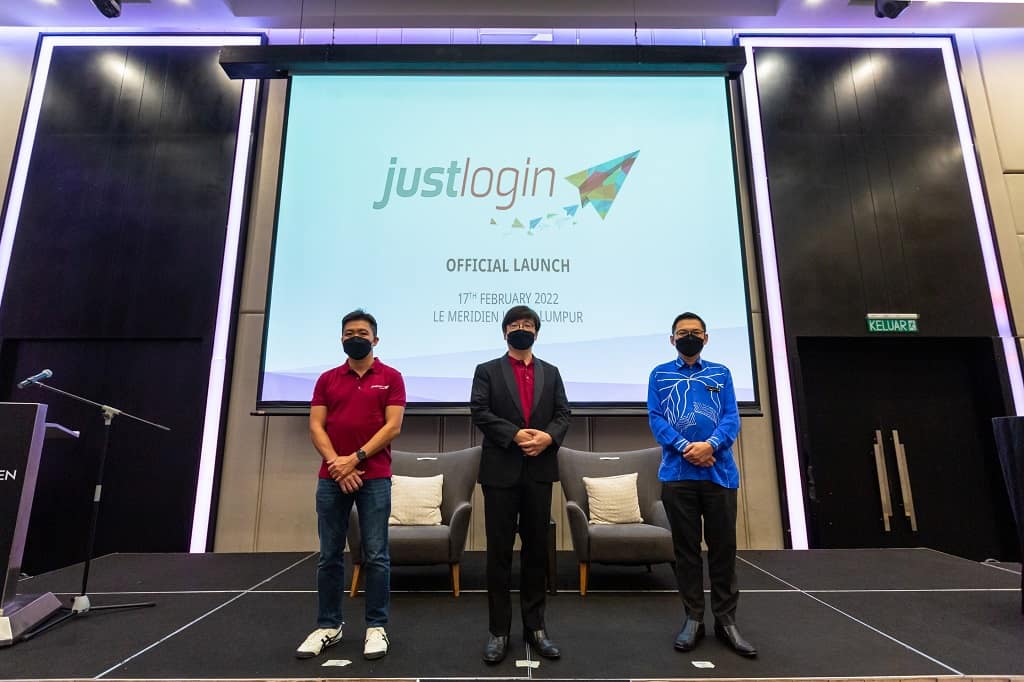
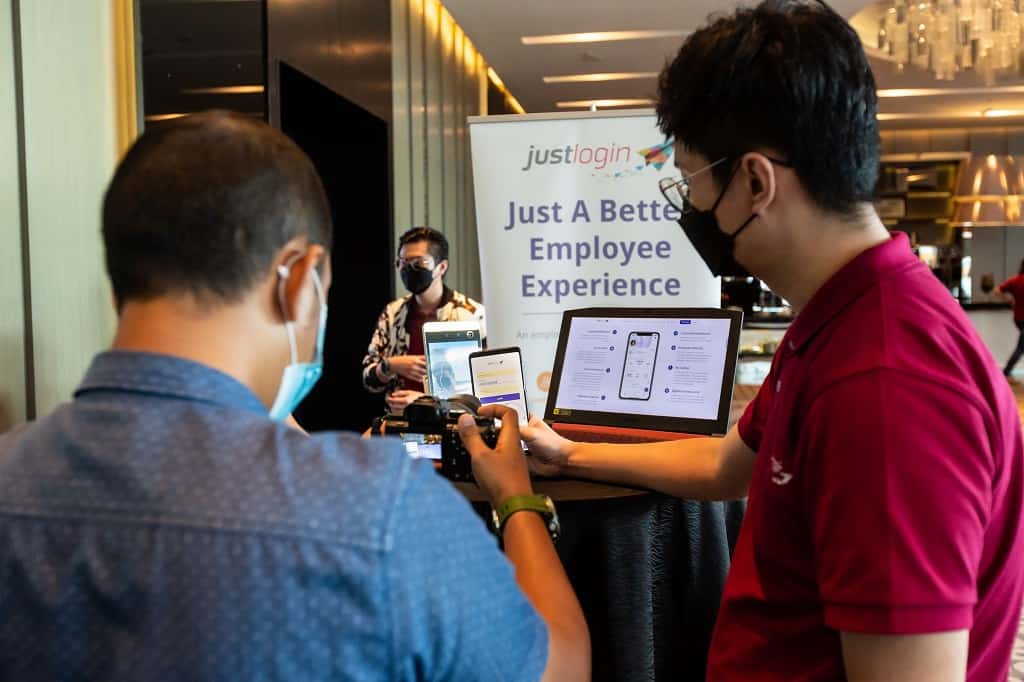
With JustLogin making its debut in Malaysia, the leading HR Cloud software provider from Singapore offers a suite of HR and office collaborative applications with its mobile-first and employee-first approach tailored for today’s hybrid and remote workstyle where digitalisation is at the forefront.
JustLogin is not only payroll-focused as it has a host of solutions including SafeClock – all of which enhance the productivity and office efficiency through streamlining administrative work processes and communication channels.
Recently, Smart Investor did an exclusive interview with Mr. Chan Chiou Hao, COO of JustLogin to share his insights.
1. Why is it so important to adopt digitalisation within the SME community?
In line with the challenges faced by SMEs, many do not have the budgets that larger organisations have when it comes to hiring the necessary headcount required to run their companies efficiently. However, with the advent of technology, especially the democratisation of enterprise software with cloud technologies, it has enabled SMEs to do more with less. They are able to be more effective with less people and are able to outsource more functions of their business.
In a time-starved era, it’s more crucial than ever to adopt digitalisation. SMEs will risk being left behind when it comes to meeting their customers’ demands if their core business operations or structure is compromised or neglected.
Only with a solid base foundation, SMEs can focus on ‘important’ matters – which include making informed business decisions, enhancing productivity and increasing efficiency and accuracy.
We believe that in order to grow the economy, the necessary essentials are needed to kickstart or digitise business operations. We have seen a boom in start-up ventures over the years with the trend of businesses moving towards digitalisation and the IR4.0 era.
2. How are HR, tech and business related? And how do these aspects affect how a business would operate?
In most businesses, HR costs (e.g.: salaries) are usually one of the biggest (if not the biggest) costs in a company’s P&L. However, it is quite surprising that a lot of businesses tend to under-invest in HR or systems that support their HR.
Take constructing a building for example. Without a proper or solid base foundation, it will be at risk of collapsing as it is vulnerable.
This applies to businesses as well. At the core of every organisation, these 3 key elements (HR, tech and business) make up the backbone of the company. With the integration of these key elements, other ground work will operate at a smoother pace.
3. Tell us about the tech behind JustLogin’s solutions. What are the key features set to be a gamechanger in the Malaysian business landscape and how were these features developed?
With the advent of the gig economy, more and more companies are finding themselves hiring a mix of permanent, part-time and gig workers. This has further complicated how HR operates as they have to deal with complex requirements. JustLogin’s HR Cloud is perfectly suited for this new workforce. Some of JustLogin’s features include digitised expense claims, employee time management, leave entitlements which includes medical, compassionate and maternity, benefit management, people insights, payroll management and SafeClock, an all-in-one contactless temperature scanner, attendance tracker and door access.
These features are fully updated and integrated to comply with Malaysian statutory regulations. JustLogin can also automatically generate EA forms, for example and is always up-to-date with contribution rates and other policy changes made by the Malaysian government.
JustLogin’s mobile app allows employees to handle HR matters wherever they are – at home, on the bus, or at a cafe. Whether they have to apply for leave, download their payslips or look up their colleagues’ contact, it’s all there in their pocket.
4. As a pioneer in HR on the cloud, what are some significant changes that you have seen in the industry in the last 2 decades?
Companies are now moving towards the cloud. A lot of business owners are starting to be more comfortable with having their corporate systems on the cloud. This has increased the ability of small companies to punch above their weight. They are no longer limited by the budget requirements of enterprise systems of the past.
With more than 50% of the workforce being millennials or Gen Z, it has caused a seismic shift in how companies retain employees. If your systems are still archaic and manual, chances are companies will have a harder time hiring and retaining employees from these generations of workers. Companies need to start thinking of mobile and employee-first approaches.
There is constantly an upgrade or update in the host of solutions offered in the market. However, not all of them are suitable or customisable to meet business needs. What is commonly lacking is the integration between these solutions, which can be quite challenging when it comes to syncing to a business’s operations. Business owners often find redundancy in multiple apps/platforms that will need to be used.
Now, we have a varying selection of helpful tools on the cloud. Take for example, JustLogin has essential tools from onboarding new employees, Payroll, Leave, Attendance, Expense management, Mobile App to SafeClock – all integrated on one platform!
5. Why has JustLogin decided to venture into Malaysia?
Based on the latest data in Malaysia Statistical Business Register (MSBR) released by Department of Statistics, Malaysia (DOSM), the total number of SMEs in Malaysia in 2020 was 1,151,339 or 97.2% of total business establishments.
On average, the number of SMEs has increased by 4.9% every year since 2015. The services sector has consistently accounted for more than 80% of all SMEs whereby in 2020 it contributed 85.5%, amounting to 984,643 SMEs. The construction sector climbed up to be the second largest contributor during the year by contributing 7.4% (85,637).
Meanwhile, about 5.1% of SMEs (58,439) were involved in the manufacturing sector, followed by 1.7% (19,130) in the agriculture sector, with the remaining 0.3% (3,490) in the mining & quarrying sector.
In terms of size, microenterprises accounted for 78.4% (903,174), the largest share of SMEs. There has been an increment of 209,504 microenterprises, registering an average growth rate of 5.4% every year from 2015 until 2020. The small-sized formed 20.0% (229,876) of the total SME establishments and the balance 1.6% (18,289) were medium-sized SMEs.
Seeing this data, it was only natural for us to expand to Malaysia, as the Malaysian business landscape is made up of more than 97.2% of SMEs. With more start-ups and SMEs emerging in the market in the last 3 years, it is considerably timely for us to come in and equip start-ups, SMEs and business owners alike with the right solutions to further streamline business operations and enhance productivity.
With Malaysia’s market size aside, we want to be part of Malaysia’s SME digitisation journey. We have seen many of our customers experience success by implementing JustLogin and have stayed with us for many years. We hope to see the same success and growth with our Malaysian customers too.
6. JustLogin is offering an exclusive 6-month complimentary trial to all SMEs with valid SME Status Certificate by SME Corporation Malaysia (SME Corp. Malaysia). Are there any other collaborations in the pipeline?
Yes, we are constantly on the lookout to collaborate with different agencies, partners and authorities which are relevant and will aid the market in Malaysia.
7. What are the requirements needed to get started with JustLogin?
If you have a stable WiFi or Internet connection and a smartphone, you are set to go – it’s that simple!
In a nutshell, as long as you have access to the Internet (via mobile, desktop, tablets etc), you will be able to use JustLogin.
8. Do share about JustLogin’s expansion efforts to Malaysia.
Our objective is to definitely help SMEs nationwide solve HR problems with our products, driven by intuitive design and innovative technology. JustLogin’s customers no longer require manual data entry or tedious administration, just productivity and an employee-first approach.
In terms of East Malaysia, it’s an untapped market where we would like to have our presence in the Sabah and Sarawak region. For one, as Sarawak is moving towards a digital economy, it’s the perfect timing for us to expand our services to benefit entrepreneurs, SMEs and business owners, as long as the demand is present.
According to the Economic Census (2016) by Department of Statistics Malaysia (DOSM), Sabah and Sarawak are both among the states each with a large presence of SMEs of over 6% and growing, apart from Selangor, WP Kuala Lumpur, Perak, Johor and Penang. We believe that this number will continue growing and we are excited to embark on our services in these states.
About JustLogin
What is JustLogin?
JustLogin is the premier Software-as-a-Service (SaaS) provider offering a suite of HR & office collaborative applications for the global business community. We are an award-winning software and expert cloud-based HR company from Singapore that strives to understand the administrative pains of any business.
Ranging from managing staff leave to the dissemination of payrolls and claims, JustLogin has just the right solution for all businesses, including start-ups and Small Medium Enterprises (SMEs). We emphasise productivity and a mobile-first and employee-first approach, that is tailored to meet individual needs. Our solutions are unique and are aimed at saving time, manpower and money while increasing productivity, efficiency and accuracy.
How does JustLogin work?
It allows users to access and download payslips on the go, apply for leave anytime anywhere, deal with expense claims effortlessly and clock-in and out of work via its face recognition technology. The snap, scan and send functions also make submitting claims hassle-free and seamless.
Instead of being bogged down with tedious forms and manual data entry for both HR and staff, JustLogin steps in to automate and streamline the administrative process powered by AI and microservices technology.
When was JustLogin established?
JustLogin was established on 3 February 2000 and we have just celebrated our 22nd anniversary!
What was the inspiration behind JustLogin?
JustLogin began with the goal of simplifying and automating HR, so companies can devote more time to people and productivity – not paperwork. We pioneered HR on the cloud back in 2000 so small to mid-sized businesses could enjoy the productivity only availed to big enterprises with deep pockets back in the day. HR on the cloud enabled small businesses to subscribe to enterprise-level software for a fraction of the cost without having to invest in their own R&D.
Are there any plans for regional expansion?
Yes. Before we tap into different markets, we will first identify and conduct market research on the regions with potential for growth which will benefit from JustLogin.
Which industries can benefit from JustLogin?
Just about any industry across the board can enjoy our solutions ranging from Retail, F&B, Tech, Consulting to Manufacturing.
How can I ensure that there isn’t any data or security breach of my company’s assets or sensitive information with JustLogin?
We’re certified compliant with ISO 27001 standards, a widely-recognised security management standard that dictates best practices and comprehensive controls for an information security management system (ISMS). The ISMS includes people, processes and IT systems by applying a risk management process.
The certification requires us to:
Systematically evaluate our information security risks, taking into the account the impact of company threats and vulnerabilities
Design and implement a comprehensive suite of controls and other forms of risk management to address company and architecture security risks
Adopt an overarching management process to ensure that the controls meet our information security needs on an ongoing basis
The ISO 27001 certification is specifically focused on the JustLogin ISMS and measures how our internal processes follow the ISO standard. The services included in the scope for our ISO 27001 certification include: Payroll, Leave, Clock, Expense, Benefit and People.
Who is the Certifying Agent for JustLogin?
JustLogin’s Certifying Agent is TÜV SÜD Management Service GmbH, an established and internationally recognised testing body, whose certifications are well accepted by manufacturers, third party buyers and government authorities worldwide.
How does one begin using JustLogin?
We offer a 14-day free trial (www.justlogin.com/my/free-trial) where potential customers can see how our solutions can work for them. Our friendly employees are also happy to chat and provide more in-depth detail for customers by tailoring services to business needs. Simply connect with us via our website or at our landline numbers available at www.justlogin.com.my
Who are some of JustLogin’s customers?
Some of our customers include IKEA, Sumitomo Chemicals, Valentino, Owndays, Toyota Tsusho, Asus, Hansgrohe, Nippon Airways, Roquette Asia, and more.
Malaysian customers include Inside Scoop, Rinnai and Sunway Medical Centre, and more.
How many customers does JustLogin have?
Over 2,500 customers have enjoyed our services over the course of 22 years from different regions.
What is JustLogin’s current workforce size?
We have over 85 professionals at JustLogin.
Which countries are JustLogin’s customers from?
We have been fortunate to have customers from Australia, Belgium, Cambodia, China, Cyprus, Fiji, Holland, Hong Kong, India, Indonesia, Japan, Korea, Malaysia, Maldives, New Zealand, Philippines, Singapore, Switzerland, Taiwan, Thailand, UAE, USA and Vietnam.
With many companies being forced to pivot, digital solutions are in demand.
The sudden pandemic has caused some small and medium-sized enterprises (SMEs) to lose their positions. Most of them are traditional, non-information enterprises, offline businesses, or lack effective digital management models and are isolated by the pandemic.
In the beginning, there was general confusion over high threshold, high costs and long cycle of digital transformation.
“After the pandemic, more and more companies have discovered that accelerating digital transformation can accurately control inventory, improve management efficiency and reduce business operating costs,’’ says Volservers Solutions managing director Tan Yik Jaan. While many SMEs have started to digitise (convert their data and documents into a digital format), they have yet to embrace digital transformation and change their business model; slow internet connection (many industrial estates do not have fibre optics infrastructure) is also a problem.
Digital transformation involves looking at holistic solutions like enterprise resource planning (ERP) and customer relationship management systems. Supply chain management (SCM) has moved to 6PL which is an artificial intelligence driven SCM, but many SMEs have not gone beyond 3PL that offers first stage supply chain integration.
“SMEs need to have a progressive mindset that embraces business transformation with digitalisation (converting business processes to use digital technologies) as a tool,’’ remarks Small and Medium Enterprises Association of Malaysia (SAMENTA) national secretary Yeoh Seng Hooi.
Apart from the lack of financial and skilled resources, SMEs also face challenges in protecting their digital platforms and data from cyber-attacks.
“A difficult part of the digital journey is to find the right partners at an affordable cost,” explains managed security service provider Vigilant Asia group CEO Victor Cheah.
Most SMEs already have two years’ experience of manoeuvring through their digital journey in the pandemic, and a common challenge is the execution and integration of processes.
“The hit to the tech supply chain has resulted in massive delays in many hardware reliant products and solutions, while continuous uncertainty is affecting cost especially on hardware reliant solutions,’’ says IT asset lifecycle management solutions company Rentalworks Malaysia managing director Alan Puah.
SMEs need to have a progressive mindset that embraces business transformation with digitalisation– Yeoh Seng Hooi,SAMENTA
Potential roadblocks The biggest challenge faced by SMEs these days is integration across multiple systems. “The most difficult part for SMEs is the mixing and matching of various solutions that can solve their problems while allowing for future expansion,’’ says Wavelet Solutions CEO Vincent Lee.
To address this integration issue, Wavelet Solutions, an ERP solutions provider for SMEs, provides operational data lake solutions built on Amazon Web Services (AWS) platforms. (A data lake is a centralised repository for structured and unstructured data at any scale, while AWS is the world’s most comprehensive and broadly adopted cloud platform).
For digital transformation, the digital experts from Volservers work closely with brands across various industries to help SMEs grow their brand identity in the market.
Volservers is an experienced market research agency that provides panel and full-service research solutions, online survey programming, hosting and reporting services to the market research industry, and builds a pleasant customer experience for customers’ platforms.
User-centric expertise at Volservers looks deeply into user behavior, expectations and business goals when designing a seamless journey for customers’ products. “We provide interactive UI/UX designs, web and mobile applications for multiple platforms, namely, on Apple and Android, to help maximise customer reach,’’ shares Tan.
In terms of cybersecurity services, Volservers has the capabilities to identify vulnerabilities in clients’ environment and develop strategies to remediate and improve their security posture. Volservers’ services consist of solutions that protect customers’ IT infrastructure such as endpoint protection, web application firewall with anti-DDOS and much more. This includes an experienced security incident response team to ensure minimal recovery time and damage to customers’ business reputation.
In terms of managed IT services, Volservers has multiple platforms of solutions whether it is in cloud or hybrid infrastructure; its team offers support, product consultation and monitoring for multiple operating systems and databases.
Today, there are many cyber threats including zero day viruses and ransomwares which cannot be detected by traditional anti-virus and firewall solutions. Vigilant Asia is able to provide 24/7 monitoring which is bundled with advanced tools to provide protection, detection and remediation services. These tailor-made services include vulnerability assessments, security frameworks and training.
“It is affordable for SMEs to subscribe to our services which are tools provided based on a subscription model, on a per-user-per-month basis,’’ explains Cheah. Concerns over cashflow and work mobility has also prompted many SME to seek leasing programmes for endcomputing devices; short term rentals of preloved or previously used laptops and tablets are highly sought after.
To help customers navigate through the whole asset life cycle process, Rentalworks offers its mobility device leasing programmes with fixed monthly repayments plus cloud-based firewall, flexible tech support and data erasure for device end of life.
“Our specially-curated lease-to-use approach ensures that the process of deployment, maintenance and refresh are all managed by Rentalworks, making it easy for SMEs to focus on growing their businesses,’’ says Puah.
The SME digital journey is a longterm process; despite the economic reopening and return to physical locations, the road to digitalisation has started and will continue to score greater achievements.