Category: Technology

  • Razorpay Curlec and NPCI International  introduce UPI payments

    Razorpay Curlec and NPCI International introduce UPI payments

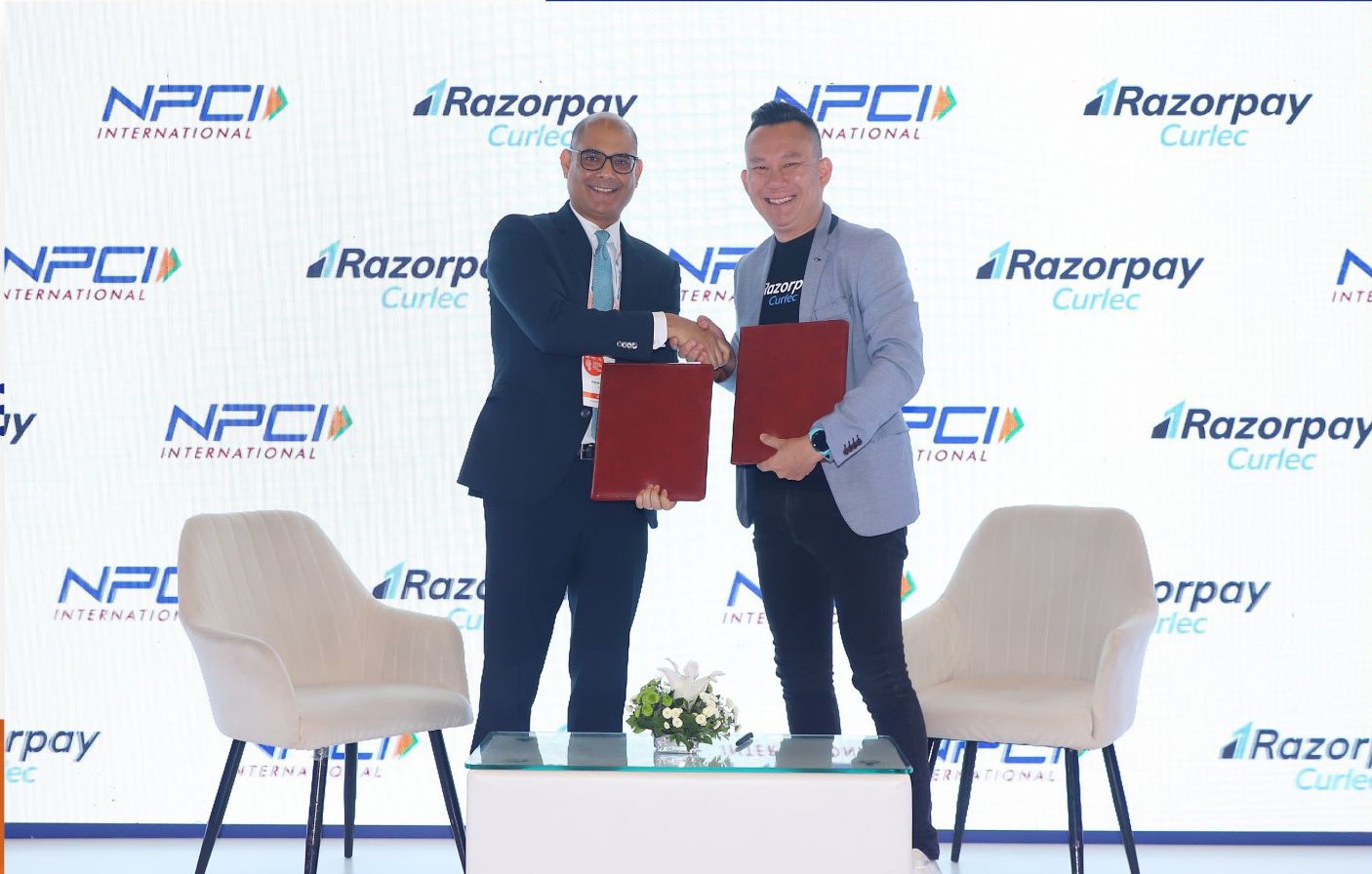
    Razorpay Curlec has partnered with NPCI International Payments Limited (NIPL) to bring India’s Unified Payments Interface (UPI) to Malaysia.

    This partnership will empower Malaysian businesses to receive instant payments from millions of Indian travellers through their preferred UPI apps, marking a major step toward seamless and instant cross-border commerce between the two countries.

    In 2024, Malaysia welcomed one million Indian tourists, who spent RM 6.11 billion – a 71.7% increase from the previous year. This growing travel corridor presents an opportunity to further simplify cross-border payments, enhancing convenience for Indian travellers and driving greater business for Malaysian merchants.

    Through this partnership, Indian visitors will be able to pay instantly using UPI-enabled apps to Malaysian merchants, who will accept payments directly via Razorpay Curlec’s platform – settled in ringgit, without the need for international cards or extra integration. This groundbreaking partnership that links one of the world’s most advanced real-time payment systems, India’s UPI, with Malaysia’s fast-growing digital economy will usher in a new era of seamless, instant, and inclusive cross-border commerce.

    Razorpay Curlec will soon be one of the first payment service providers in Malaysia to offer UPI acceptance.

  • MEASAT, Guodian Gaoke and Starwin form strategic alliance to power Sarawak’s digital ambition

    MEASAT, Guodian Gaoke and Starwin form strategic alliance to power Sarawak’s digital ambition

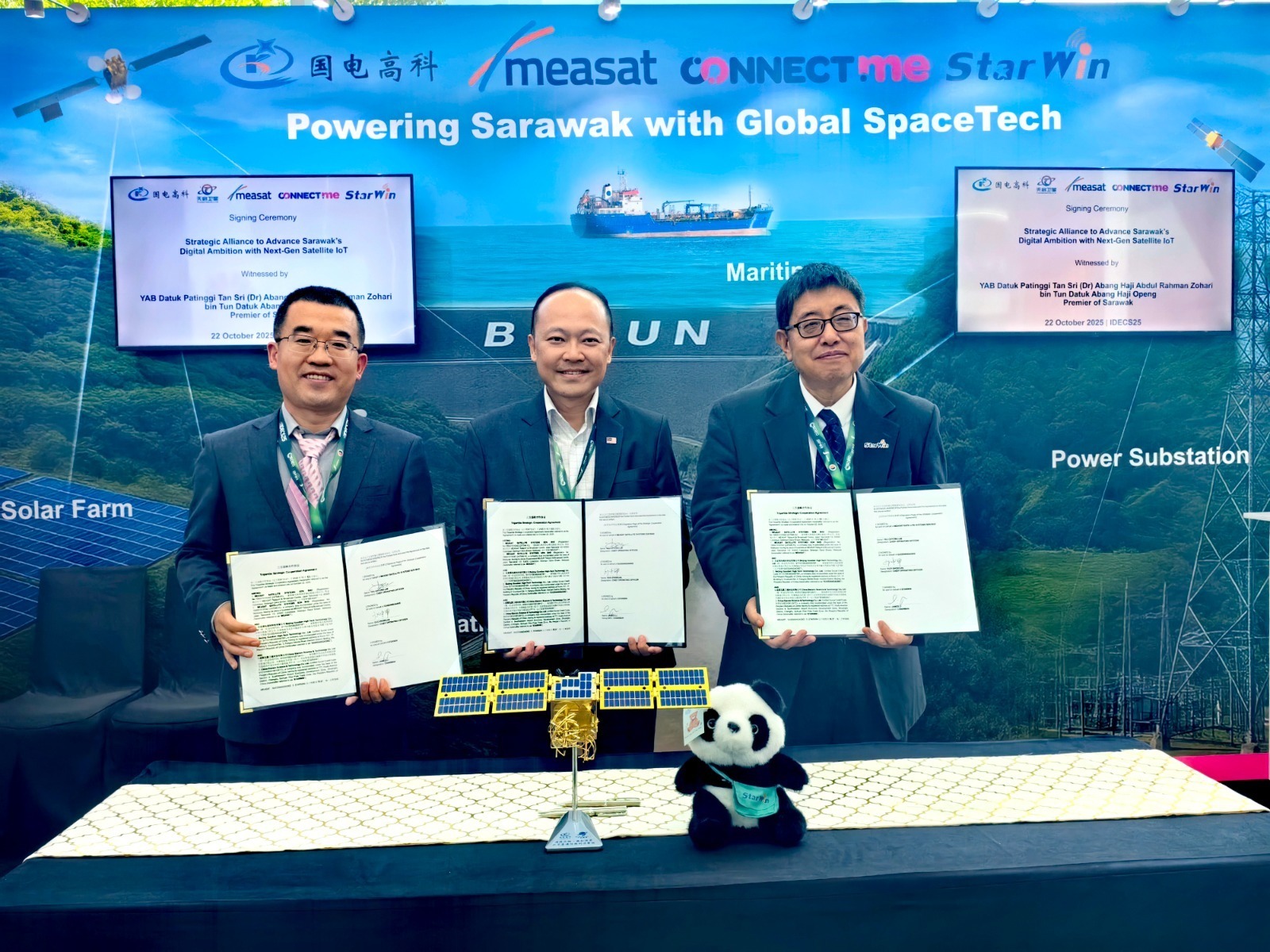
    MEASAT Global Berhad (MEASAT) enters a tripartite strategic alliance agreement with Beijing Guodian High-Tech Technology Co., Ltd. (Guodian Gaoke), and China StarWin Science & Technology Co. Ltd. (StarWin) to offer Internet of Things (“IoT”) services supported by the Tianqi Low Earth Orbit (“LEO”) Constellation in Malaysia.

    Under the collaboration, MEASAT will be the authorised service provider for the Tianqi Constellation’s satellite-based IoT services in Malaysia, leveraging its market expertise and distribution network to drive commercial rollout next year. Meanwhile, Guodian Gaoke will provide the Tianqi LEO satellite constellation and related systems, enabling seamless integration with local businesses and StarWin will supply and integrate certified ground terminals, ensuring compliance with Malaysia’s technical and regulatory standards to support end-user needs.

    The strategic alliance was formalised during the International Digital Economy Conference Sarawak (“IDECS”) 2025 in Kuching, witnessed by Sarawak Premier Datuk Patinggi Tan Sri Abang Haji Abdul Rahman Zohari Abang Haji Openg and Minister of Utility and Telecommunication Sarawak Dato Sri Haji Julaihi Haji Narawi. MEASAT was represented by Chief Operating Officer Yau Chyong Lim, Guodian Gaoke by Chief Operating Officer Guo Zhongjia, and StarWin by Chairman James Li.

    “Digital transformation is key to boosting Sarawak’s economic efficiency and productivity through technology such as Big Data, IoT and Blockchain. To enable this, upgrading our digital infrastructure is essential, where MEASAT and the Tianqi Constellation can play a vital role. Under the Sarawak Digital Economy Blueprint 2030, Sarawak aims to become high-income and developed by 2030, with 96% high-speed internet coverage, 20% GDP contribution from the digital economy, and 100% online delivery of government services. By this time, technologies such as AI, cloud computing, IoT and 5G will empower businesses of all sizes,” said Dato Sri Haji Julaihi Haji Narawi, Minister of Utility and Telecommunication Sarawak.

    Highlighting early success, he noted that a smart farming initiative using IoT had boosted productivity by 20% and farmer income significantly. Sarawak now targets IoT adoption across all agriculture stations, aiming for a 50% increase in yield, 40% rise in household income, and 40% reduction in labour costs.

  • TikTok strengthens Malaysia’s scam prevention efforts with multilingual #ThinkTwice knowledge hub

    TikTok strengthens Malaysia’s scam prevention efforts with multilingual #ThinkTwice knowledge hub

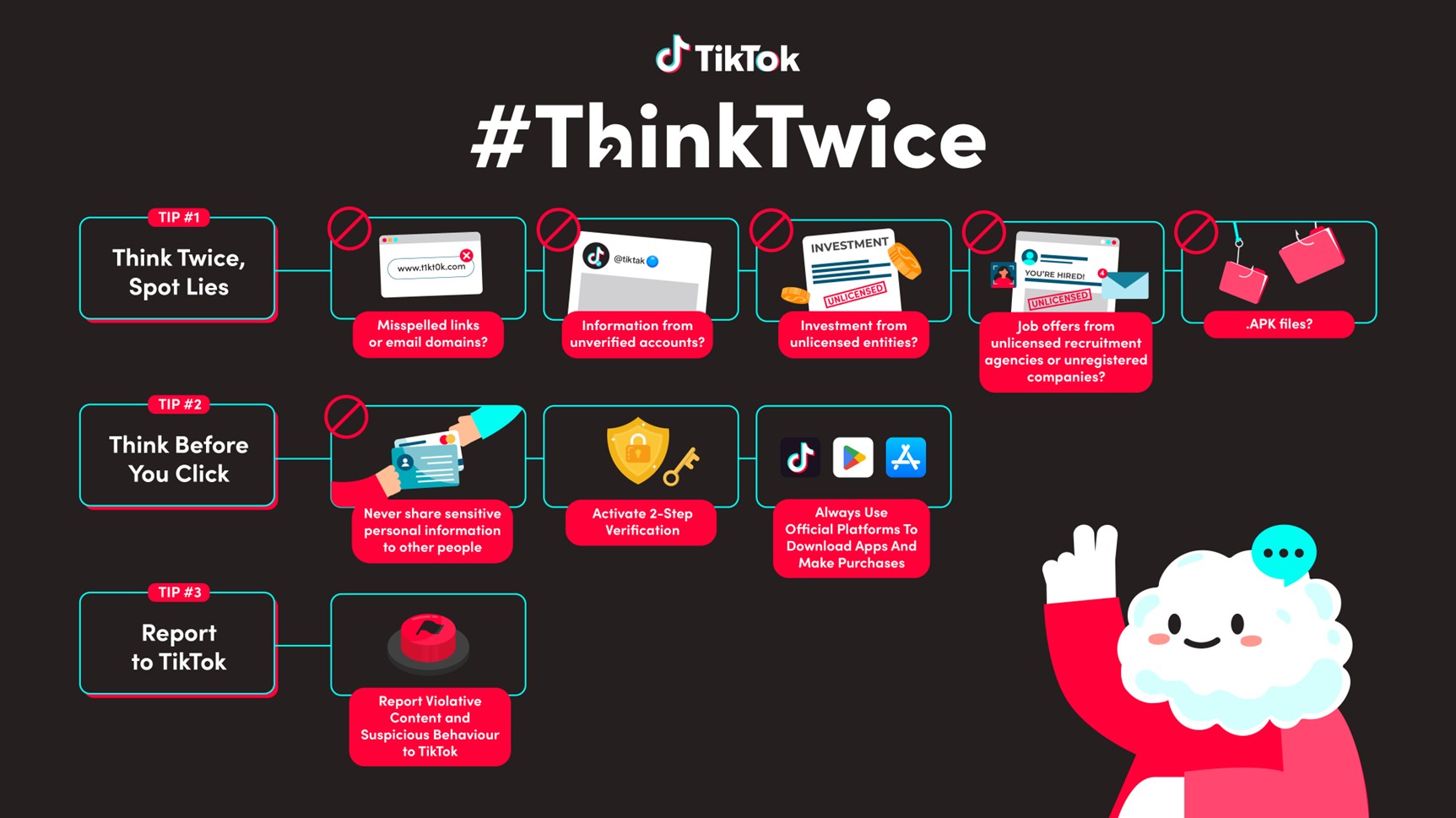
    TikTok Malaysia has expanded its #ThinkTwice digital literacy initiative this year with simplified access to additional resources on scam prevention through its multilingual in-app knowledge hub, search banners, short videos, creator content, and upcoming series of industry dialogues.

    The in-app knowledge hub is now available in more languages, including English, Bahasa Melayu, Mandarin, and Tamil. This initiative aims to spread awareness across millions of users nationwide through a multi-pronged approach in collaboration with the Royal Malaysian Police (PDRM), Malaysian Communications and Multimedia Commission (MCMC), Securities Commission Malaysia (SC), and other key government agencies.

    Firdaus Fadzil, Head of Public Policy, TikTok Malaysia, said: “Online safety is a shared responsibility. It requires collaborative and continuous efforts across all segments of society. This is especially true in the case of scams as the modus operandi of cybercriminals are constantly changing. Education is key and we are delighted to empower Malaysians with the knowledge and tools to combat scams together through #ThinkTwice.”

    TikTok’s digital literacy initiative encourages Malaysians to Pause, Prevent, and Protect. Pausing represents taking a moment to reflect and refrain from activities that violate TikTok’s Community Guidelines and local laws. Prevention means proactively deploying TikTok’s safety features and tools from local authorities to identify red flags. Protection rallies the community to keep each other safe by reporting potentially violative activities.

    Dato’ Rusdi Mohd Isa, Director of the Commercial Crime Investigation Department (CCID) of the Royal Malaysian Police (PDRM), remarked: “Most of the scams can, in fact, be prevented. Among the most prevalent in Malaysia are investment scams, phishing, phone scams, job scams, love scams, and loan scams. There are readily accessible tools to assist the public in detecting such threats, including PDRM’s Semak Mule portal. Strengthening the nation’s scam prevention ecosystem requires the concerted involvement of both the public and private sectors. In this regard, TikTok’s support in enhancing public awareness is most timely and greatly appreciated.”

    Malaysian Communications and Multimedia Commission (MCMC), underscored that: “Awareness and education remain our strongest defence against scams. While advanced tools and strong policies play a critical role, it is the public’s ability to detect and reject fraudulent tactics that ultimately determine our collective resilience. We are pleased to collaborate with TikTok to build a more informed and vigilant community. Through this partnership, we aim to amplify the reach of Sebenarnya.my, MCMC’s official verification portal, and AIFA, our AI-powered fact-checking assistant that helps users verify information instantly and confidently.”

    Malaysians can easily access the knowledge hub by searching #ThinkTwice or relevant keywords on the TikTok app. It features four main pillars of information, mainly scam prevention tips using publicly available tools from key government agencies, TikTok’s Community Guidelines, TikTok’s safety features, and helplines to local authorities.

  • Advancing cyber resilience through data-driven intelligence

    Zurich Insurance Group (Zurich), together with the Cyber Threat Alliance and CyberGreen Institute, has published a new report “Enhancing cyber security: Key metrics for policymakers” urging the adoption of standardised national cyber security metrics. The report notes the global cyber risk protection gap of USD0.9 trillion, with insured losses covering only 1% of economic losses from cyber incidents.

    The measures proposed in Zurich’s 2024 whitepaper, “Closing the Cyber Risk Protection Gap”, rely on robust quantitative data to enhance standards and best practices. While organisations like ENISA and CISA provide corporate-level frameworks, national metrics for policy decision-making are largely absent. Zurich’s new report introduces six key metrics and an institutional framework for governments to help clarify national cyber risk, strengthen resilience, and enable informed policy decisions:

    1. Percentage of organisations with cyber insurance or audit certification: Measures preparedness and understanding of cyber security.
    2. Proportion of exploited vulnerabilities older than one year: Indicates ecosystem defense and remediation speed.
    3. Number of significant cyber incidents: Reflects national detection and analysis capabilities.=
    4. Average time to containment of cyber incidents: Demonstrates ability to halt the spread of threats.
    5. Mean time to restore operations: Assesses speed of recovery after incidents.
    6. Percentage of unfilled cyber security positions: Gauges workforce capacity to manage risks.

    Establishing National Cyber Statistics Bureaus – dedicated institutions for collecting these metrics – would ensure consistent incident reporting, track threats and resilience, publish key analyses, and assess security regulation effectiveness. These bureaus could also support a supra-national body to aggregate findings, enabling deeper global comparisons and insights into evolving threats.

    To move from currently fragmented, reactive approaches to a unified, data-driven strategy, Zurich calls on policymakers to:

    • Collaborate on data collection: Move from reactive incident reporting to proactive, cross-sector data sharing
    • Establish dedicated entities: Create or empower national and global institutions to collect, analyse, and report cyber statistics across industries and borders
    • Harmonise standards and frameworks: Align definitions, benchmarks, and reporting protocols.
  • LexisNexis launches Lexis+ AI with Protégé Malaysia

    LexisNexis® Legal & Professional launches Lexis+ AI with Protégé Malaysia, a state-of-the-art, personalised AI assistant designed to transform legal work in Malaysia. The platform is built to streamline routine tasks while empowering legal professionals in unlocking new economic opportunities.

    Developed with insights from pioneering customers, this groundbreaking solution harnesses the power of both AI agents and generative AI, all grounded in proprietary LexisNexis Malaysia content, including the prestigious Malayan Law Journal, to deliver next-level productivity and outcomes. Additionally, it is developed to the highest standards of security, compliance and privacy, ensuring that with dedicated human oversight, Protégé autonomously reviews, refines, and continually improves its deliverables based on user-defined goals.

    “With the launch of Lexis+ AI with Protégé Malaysia, we are excited to offer a solution that is perfectly aligned with the unique legal landscape of Malaysia, ensuring every practitioner has access to a personalised and intelligent assistant that drives better outcomes,” said Gaythri Raman, Managing Director, LexisNexis Southeast Asia and India.

    Leveraging proprietary agentic and generative AI technology, Lexis+ AI with Protégé offers a suite of
    cutting-edge features, including:

    • Document Analysis and Summarisation: Upload and analyse documents with speed and
      accuracy. Lexis+ AI can summarise large, complex documents and generate concise overviews.
    • Intelligent Drafting: Draft personalised legal documents – ranging from transactional contracts
      to litigation motions, briefs, and court filings – with the ability to self-review and flag areas for
      improvement.
    • Graphical Timeline: Generate visual timelines from uploaded documents, highlighting key
      events and milestones.
    • Dynamic Workflow Suggestion: Receive actionable prompts and automated suggestions based
      on the type of document and workflow requirements. The assistant can dynamically generate
      follow-up queries to further tailor outputs.
    • Secure Document Management: Protégé Vault allows users to securely store, upload, and
      manage thousands of legal documents while performing a variety of AI-driven tasks such as
      identifying key information, extracting clauses, summarising and drafting.

    The Malaysia launch builds on the successes in the United States, United Kingdom, Hong Kong, and
    Australia, where LexisNexis has deployed similar innovations in legal AI. Integrating extractive AI (for
    deep insights and data retrieval), generative AI (for content creation), and now, agentic AI (for
    autonomous task completion), Lexis+ AI with Protégé is set to transform legal workflows by:

    • Reducing Repetitive Work: Allowing legal professionals to spend less time on mundane tasks
      and more on high-value services.
    • Improving Outcomes: Enhancing the accuracy and precision of legal documents through
      advanced self-review features.
    • Personalising User Experience: Grounding AI outputs in locally relevant legal content and
      tailoring the experience based on the specific needs of the Malaysian market.
  • Huawei named a leader in the Gartner® Magic Quadrant™ for Enterprise Storage Platforms

    Huawei named a leader in the Gartner® Magic Quadrant™ for Enterprise Storage Platforms

    The internationally renowned analyst firm Gartner® has released the Magic Quadrant for Enterprise Storage Platforms 2025, with Huawei being placed in the Leaders Quadrant, the only non–North American vendor to do so.

    Huawei Data Storage continues to advance technological innovation, leveraging an AI-ready data platform, robust data resilience and efficiency, and advanced intelligent data management to comprehensively meet the diverse needs of enterprises in hybrid-cloud, AI, and critical business use cases.

    Huawei’s Data Storage solutions are used in more than 150 countries and regions worldwide, serving clients in industries such as finance, telecommunications, manufacturing, healthcare, government, and public utilities across Latin America, Europe, the Middle East, Africa, and the Asia-Pacific region.

  • AI adoption and rising threats fuel cybersecurity burnout in Malaysia

    Sophos, a global leader in advanced security solutions, today unveiled the 5th edition of its report: The Future of Cybersecurity in Asia Pacific and Japan (APJ), produced in collaboration with Tech Research Asia (now part of Omdia). The findings reveal that cybersecurity burnout remains high in Malaysia, with 90% of organisations surveyed experiencing issues – primarily driven by increased threat activity, lack of resources, and unclear cybersecurity strategies.

    The 2025 report also highlights how AI is having a two-pronged effect on cybersecurity with AI-powered security tools helping to alleviate some of the issues associated with fatigue, while shadow AI use by employees is complicating cybersecurity efforts.

    “The triad of increased threats, unclear strategies, and limited resources is making cybersecurity unsustainable for many teams,” said Aaron Bugal, field chief information security officer, APJ, Sophos. “This year’s findings reinforce what we’ve observed in the field: cybersecurity stress and burnout are more than just operational concerns – they’re cultural, strategic, and deeply human challenges. AI tools, when deployed thoughtfully, can provide relief by scaling operational capability and enabling faster incident response. But the surge of shadow AI – unauthorised, unregulated AI tools being used by employees – poses new risks that many organisations are not prepared for.

    “We’re witnessing a new era where security awareness must extend beyond phishing emails to include how people use and share sensitive data through AI tools. Governance and clear boundaries around AI usage are essential.”

    Cybersecurity burnout is a business issue
    The report reveals that cybersecurity stress is not just a tech issue – it is a business one. Burnout affects productivity, incident response, employee retention, and contributes to breaches. The top three most common cybersecurity frustrations amongst Malaysian respondents were:
    • Keeping up with the pace of cybersecurity threats
    • Executives assuming cybersecurity is easy, and concerns are over exaggerated
    • Inability to create a strong cybersecurity culture across the organisation

    AI: Friend or Foe?
    AI’s promise is undeniable: 91% of Malaysian organisations surveyed are already using business AI tools such as ChatGPT, co-pilots, and agentic AI, and 78% have a formal AI strategy in place. Among those using AI in cybersecurity, the biggest benefit reported is more accurate triaging and escalation of incidents, helping reduce stress and improve response speed.

    However, 36% admit to shadow AI usage – employees using unauthorised tools – while another 13% are unsure whether shadow AI is in their organisation. The lack of visibility into what tools are being used, what data they access, and which employees are using them is creating new risks.
    These findings underline the need for robust AI governance frameworks that not only define policy but also enforce oversight, especially as AI continues to be woven into core business operations.

    Other key insights from the report
    • Burnout intensifies its impact: Organisations lost an average of 5.6 hours per employee per week due to stress and fatigue – up from 4.1 hours per week in 2024.
    • Budgets remain robust: 93% of organisations plan to increase their cybersecurity budgets in the next year; with 27% planning an increase of 10% or more.

    About the Report
    Commissioned by Sophos and conducted by Tech Research Asia, the 2025 study surveyed 926 cybersecurity and IT professionals across Australia, India, Japan, Malaysia, the Philippines, and Singapore. Now in its fifth edition, the report continues to explore the business dimensions of cybersecurity rather than purely technical assessments.
  • Alibaba Cloud is Selangor’s official cloud service provider

    Alibaba Cloud is Selangor’s official cloud service provider

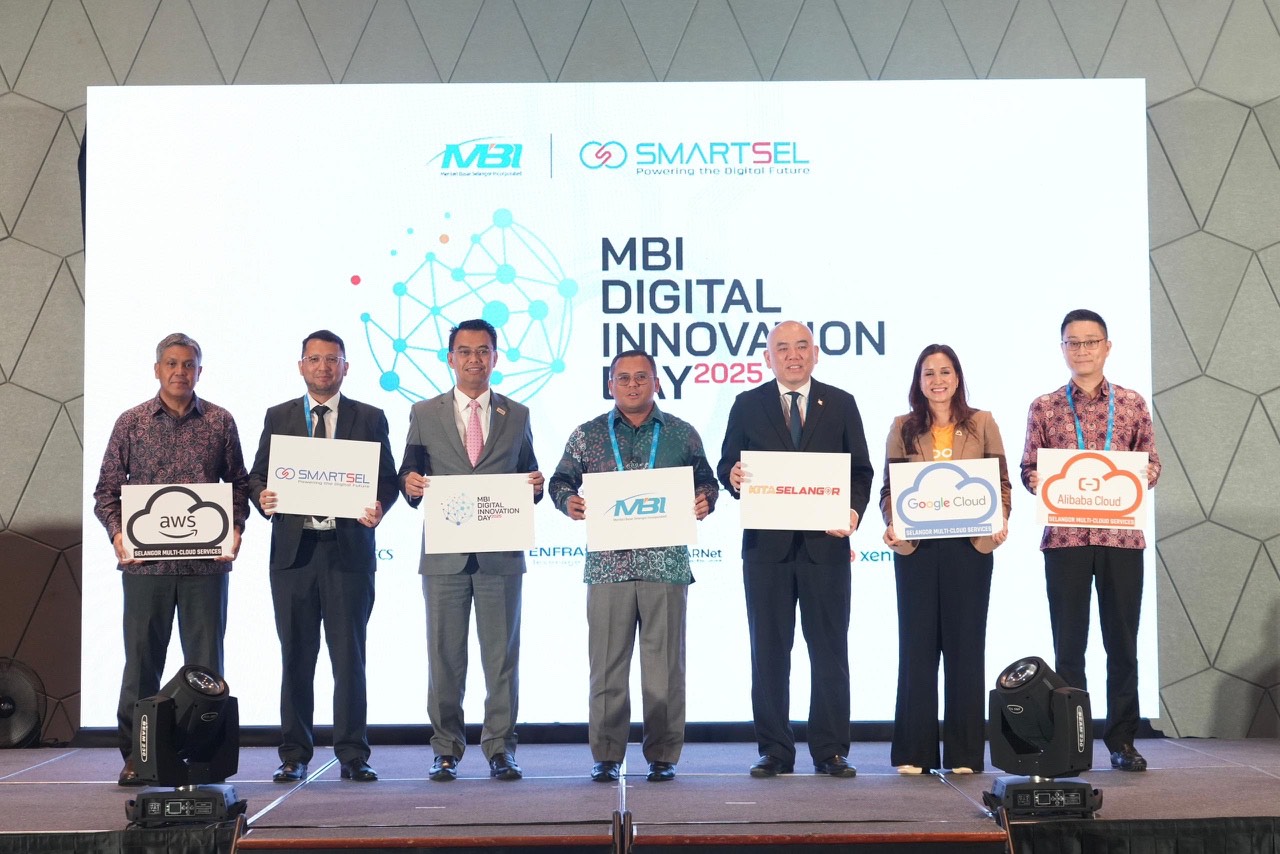
    Alibaba Cloud, the digital technology and intelligence backbone of Alibaba Group, has been officially recognised as one of the Cloud Service Provider (CSP) under the newly launched Selangor Multi-Cloud Services (SMC) — a strategic state initiative aimed at accelerating artificial intelligence (AI) adoption and driving digital transformation across Selangor.

    Spearheaded by Menteri Besar Selangor (Pemerbadanan) or MBI Selangor via its wholly owned subsidiary Smartsel Sdn Bhd (SMARTSEL), the SMC was launched at MBI Digital Innovation Day by Selangor Chief Minister YAB Dato’ Seri Amirudin Shari. The initiative plays a central role in realising the state’s Smart Selangor ambitions under Rancangan Selangor Pertama (RS-1) and the upcoming RS-2.

    As part of its collaboration, Alibaba Cloud, facilitated by its local partner VSTECS Bhd, will provide secure, scalable multi-cloud solutions to support digitalisation across government agencies and state-linked entities.

    “We are proud to be one of the official cloud service providers for the Selangor Multi-Cloud Services (SMC) to support the digitalisation for the state. Our collaboration with the MBI Selangor reflects a shared vision to create an inclusive, knowledge-driven digital economy. By combining Alibaba Cloud’s advanced technological capabilities with the state’s bold digital agenda, we aim to build a future where digital innovation is accessible to everyone, from public agencies to students and entrepreneurs,” said Kun Huang, General Manager of Malaysia, Alibaba Cloud Intelligence.

    In addition to cloud infrastructure, Alibaba Cloud is rolling out two key initiatives to promote broader AI literacy and accessibility; the Alibaba Cloud AI Toolkit and the “Celik AI Selangor” online learning programme — both designed to make AI technology more accessible to government agencies, educators, students, and grassroots communities.

    As part of its support for the SMC rollout, Alibaba Cloud also introduced its AI Toolkit — a comprehensive, all-in-one resource designed to equip users across various sectors with the tools and support needed to begin building AI applications with ease and at no upfront cost.
    Tailored to meet the diverse needs of startups, SMEs, students, educators, and enterprises, the AI Toolkit includes:

    • 1 Million Free Tokens per Model – Users receive up to 1 million free tokens across selected large language models (LLMs) via Alibaba Cloud Model Studio — ideal for prototyping, testing, and small-scale deployments.
    • Free Tier and Promotional Credits – New users can access complimentary computing, storage, API calls, and serverless inference through Alibaba Cloud’s Promo Center — enabling low-cost experimentation and development.
    • User-Friendly Tools and Learning Resources – The toolkit supports both technical and non-technical users with hands-on access to real-world tools and datasets, helping accelerate AI literacy and practical application. Free training is also available for non-technical users to understand core AI concepts and apply them to real-world challenges.

    In tandem with infrastructure support, Alibaba Cloud also introduced Celik AI Selangor — a new online learning platform created for rakyat of Selangor, the platform provides free access to:

    • Eight foundational AI and cloud computing courses curated to meet Malaysia’s public sector and grassroots needs
    • Alibaba Cloud certifications that can unlock further career and learning opportunities
    • Eligibility for government staff, educators, and students across Selangor

    The programme is designed to build foundational AI literacy, especially among youth, civil servants, and educators, empowering the rakyat to become active participants in Malaysia’s digital future.

    Through initiatives like the Selangor Multi-Cloud Services, Alibaba Cloud is deepening its role as a trusted partner in Malaysia’s digital ecosystem. Beyond delivering world-class infrastructure, it is also creating pathways for inclusive participation in the digital economy, advancing the nation’s journey toward a high-income, knowledge-based future.

  • FedEx’s intelligent AI-powered customs solutions to streamline global trade

    FedEx’s intelligent AI-powered customs solutions to streamline global trade

    Federal Express Corporation (FedEx) launches two AI-powered tools — Customs AI and the Harmonized Tariff Schedule (HTS) Code Lookup Feature across Asia-Pacific (APAC) markets, designed to simplify the often-complex process of completing global shipping documents needed for international shipments, empowering businesses and individuals to ship with greater ease, accuracy, and confidence.

    Inaccurate shipping documentation continues to be a major challenge in global trade. To address this challenge, FedEx has integrated new tools into its FedEx Ship Manager™ platform at fedex.com, offering customers an intuitive solution to more seamlessly navigate shipment requirements.

    “At FedEx, we are driven by our commitment to delivering flexibility, efficiency, and intelligence for our customers,” said Salil Chari, senior vice president of marketing & customer experience for APAC at FedEx. “By leveraging advanced digital insights and intuitive tools, we’re empowering businesses with the agility to adapt, the efficiency to streamline operations, and the intelligence to make better decisions. These innovations not only simplify global trade but also enable our customers to grow their businesses with confidence in an ever-evolving marketplace.”

    The Harmonized Tariff Schedule (HTS) Code Lookup Feature assists customers in their selection of correct HTS code for U.S. import clearance. Customers can input an item description, and the system will automatically suggest the most appropriate HTS code options, along with a confidence score, from which the customer can choose.

    Currently available in Australia, Guam, Malaysia, New Zealand, Singapore, and the Philippines, Customs AI leverages advanced generative AI technology to help simplify the shipment documentation process. By analyzing customer inputs in real time, the chatbot intelligently prompts the customer to provide a specific item description and assists customers in selecting the corresponding HTS codes, which can be applied directly to shipment documentation with a single click.

    Each suggested HTS code also includes a direct link to the official U.S. HTS tariff schedule, educating customers on the selection and ensuring full transparency and verification. The system is updated to maintain regulatory compliance in an evolving trade landscape, helping customers remain compliant with the latest customs requirements while saving valuable time and effort.

    Together, these tools deliver a unified solution that simplifies global trade by addressing key challenges in clearance. Customers may benefit from:

    1. Efficient Customs Clearance: The AI-powered chatbot dynamically tailors questions based on the item being shipped, guiding customers through a simplified documentation process that helps them provide complete and accurate data to brokers. This can help speed up clearance and drive compliance for U.S.-bound packages.
    2. More Accurate Duty & Tax Estimation: Proper HTS code classification enables more precise calculation of import duties and taxes, helping customers better forecast and manage international shipping expenses.
    3. Reduced Delays: Specific item descriptions and HTS code classifications from the outset significantly reduce the likelihood of shipments being held during customs clearance, supporting on-time delivery.
    4. Potential Cost Savings: By avoiding errors in documentation, customers can mitigate the risk of additional handling fees, penalties, or delays caused by non-compliance.

    To further support businesses in navigating evolving trade regulations, FedEx offers a range of customer-centric initiatives, including webinars designed to provide practical knowledge and insights on customs compliance and global shipping best practices. These webinars, combined with the robust FedEx suite of digital Import solutions such as the FedEx Import Tool and Collaborative Shipping Tool, empower businesses to adapt confidently to dynamic trade environments.

  • Bridge Data Centres partners with Johor Special Water for Malaysia’s first Water Reclamation Plant facility

    Bridge Data Centres partners with Johor Special Water for Malaysia’s first Water Reclamation Plant facility

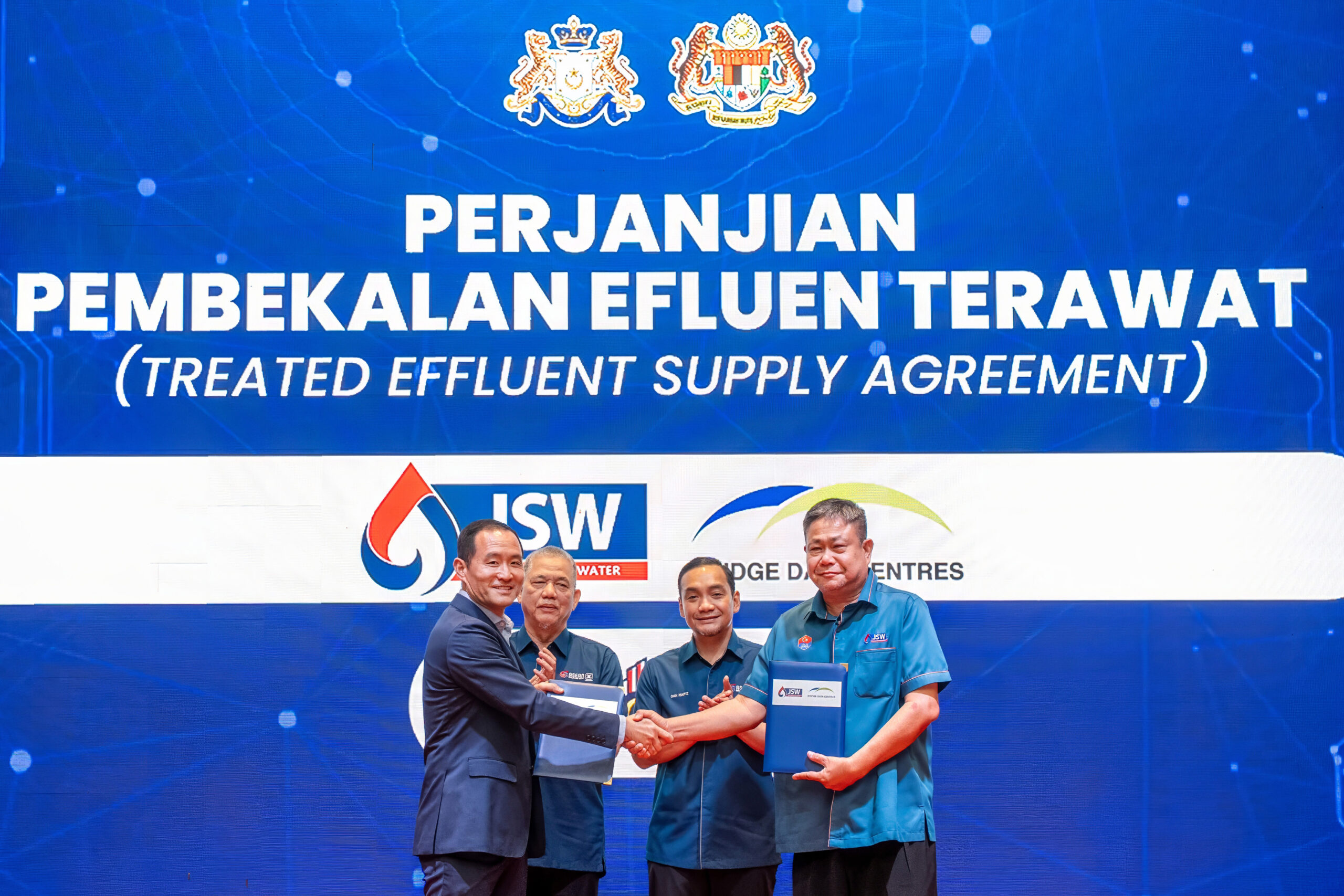
    Bridge Data Centres (BDC), a leading regional provider of hyperscale data centre solutions, has partnered with Johor Special Water (JSW) to embark on Malaysia’s first Water Reclamation Plant (WRP) integrated within a data centre facility.

    The Water Reclamation Plant (WRP) is the first of its kind, repurposing treated effluent from a
    nearby Indah Water Konsortium (IWK) facility and converting it into high-grade reclaimed water
    suitable for data centre cooling.

    The plant applies advanced Membrane Bioreactor (MBR) and Reverse Osmosis (RO)
    technologies to deliver superior water recovery and quality. Located at the MY07 campus in Ulu
    Tiram, Johor, the initiative is an exciting step forward in aligning high-performance digital
    infrastructure with national sustainability goals.

    Mr Eric Fan, CEO of Bridge Data Centres, said the project demonstrates BDC’s commitment to
    environmental leadership and sustainable growth in Malaysia. “This is more than a technical
    achievement — it is an innovative response to growing industry demand for hyperscalers which
    vie for water resources. BDC’s investments in infrastructure and technologies in this plant are
    anchored on harvesting recycled water for industrial use instead of competing for potable water
    supplies”, said Mr Fan.

    The plant significantly reduces reliance on potable water and strengthens the long-term resilience
    of BDC’s operations, while supporting Johor’s broader environmental agenda. With cumulative
    investments in Johor exceeding billions, BDC’s facility in MY07 is designed to support up to over
    200MW of IT load across multiple phases and serves cloud providers, AI compute operators, and
    mission-critical enterprises across Southeast Asia. More than 200 skilled jobs in engineering, IT,
    and operations have been created as part of the MY07 development.

    Mr Fan added that the project was designed in full compliance with guidelines issued by the
    National Water Services Commission (SPAN), and that BDC worked closely with regulatory
    agencies, JSW, IWK, and Permodalan Darul Ta’zim (PDT) throughout the planning and execution
    phases.

    In addition to the Water Reclamation Plant, BDC’s broader water sustainability strategy includes
    rainwater harvesting, condensate recovery, and the exploration of alternative effluent sources to
    diversify supply and minimise environmental impact. The plant also features smart water metering
    for real-time monitoring, enabling a more efficient and measurable approach to water use.
    Currently in its final commissioning phase, the Water Reclamation Plant is expected to be fully
    operational by the fourth quarter of 2025. Test runs have already demonstrated water quality
    outputs that exceed industry standards.

    BDC’s initiative not only sets a new benchmark for sustainable data centre operations but also
    positions Johor as a rising hub for climate-conscious digital infrastructure in the region. As the
    demand for hyperscale capacity continues to grow, this model offers a blueprint for how the
    industry can address resource challenges through innovation and partnership.

    BDC currently has six data centres in operation or development across Malaysia.