Category: What’s News Asia

Corporate News from Media OutReach Newswire

  • Huawei Wireless Unveils Innovation Breakthroughs to Pioneer New Communications Networks

    Huawei Wireless Unveils Innovation Breakthroughs to Pioneer New Communications Networks

    • The innovation breakthroughs for pioneering new communications networks include RetinaMIMO, new materials, and OSCAR solution among other root technologies. By tackling coverage, energy consumption, and capacity challenges, the breakthroughs drive ubiquitous experience, simplified and green networks, and superior spectral efficiency. The breakthroughs have unlocked a wealth of new capabilities, including the world’s first commercial U6 GHz device VitaAAU, GigaGreen Plus series, and UBBPi series.
    • Huawei promotes A2A-T standards and drives commercial open-source OpenAN through extensive partnerships to build an open telecom agent ecosystem.

    SHANGHAI, CHINA – Media OutReach Newswire – 29 October 2026 – At Huawei Decoding China 2026, Fang Xiang, Corporate Vice President and President of Wireless Network Solution of Huawei, unveiled a series of innovation breakthroughs to pioneer new communications networks. The innovation breakthroughs mark major leaps in root technologies focused on ubiquitous experience, simplified and green networks, and superior spectral efficiency. With the breakthroughs, Huawei has launched the world’s first commercial U6 GHz device VitaAAU, GigaGreen Plus series, and UBBPi series. Additionally featuring the new progress in open ecosystem for telecom agents, the breakthroughs will lay a solid foundation for new communications networks.

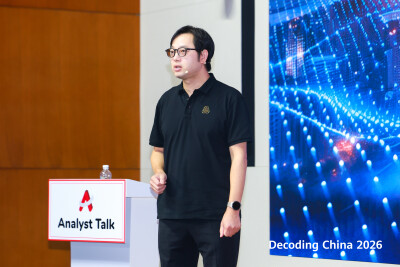
    Xiang Fang, Corporate Vice President and President of Wireless Network Solution of Huawei, unveiling innovation breakthroughs for new communications networks
    Xiang Fang, Corporate Vice President and President of Wireless Network Solution of Huawei, unveiling innovation breakthroughs for new communications networks

    With booming intelligent devices and services, new devices, traffic, and applications are taking shape in the mobile industry. The new devices are expanding network connectivity from people to things and agents, increasing the number of connections by 100 times. Device-cloud synergy for intelligent services calls for stronger uplink capabilities to support training and inference, shifting network focus from downlink dominance to both uplink and downlink. With new applications, come a diversity of new interaction modes, calling for higher standards in experience and driving networks to support ubiquitous steady ultra-low latency with a high reliability.

    As the world steps into an intelligent era, the value of connectivity is not only about quantity—it’s more about quality. This has been inspiring Huawei to convert cutting-edge breakthroughs into the commercial practices of new communications networks by focusing on root technologies for ubiquitous experience, simplified and green networks, and superior spectral efficiency.

    Pioneering ubiquitous experience

    RetinaMIMO is a new pioneering technology designed to solve the challenge of concurrent ultra-high bandwidth and ubiquitous coverage. It features the industry’s first Retina scanning system that allows RF link topologies to be reconstructed to eliminate coverage collapse in the vertical direction. It also adopts a reconstructed antenna array architecture to address the diminishing marginal gains as array elements (AEs) increase.

    Based on RetinaMIMO, Huawei has launched the world’s first commercial U6 GHz device VitaAAU. Compared with similar products with 1024 AEs, VitaAAU widens coverage by about 30%, enabling U6 GHz to match C-band in both horizontal and vertical directions. This enables operators to deliver U6 GHz coverage for new communications networks on their C-band sites, minimizing overall TCO. To date, VitaAAU has seen commercial adoption in the UAE and other markets, with peak downlink speeds exceeding 10 Gbps, making ubiquitous premium experience a reality.

    Pioneering simplified, green networks

    Huawei’s pioneering EP power amplifier (PA) architecture capitalizes on new materials and technologies to solve the problem of energy efficiency decline on higher frequency bands, maximizing energy conversion efficiency. The industry’s first-ever multimode dielectric filters allow antennas to have small dimensions and low power consumption on multi-channel networks with high frequency bands. Powered by new materials, technologies, and architectures, VitaAAU antenna is reduced to 1.5 m in diameter while supporting “0 Bit 0 Watt 0 Loss”, delivering superior energy saving efficiency. These innovations enable Huawei’s GigaGreen Plus series products to achieve significant reductions in dimensions, weight, and power consumption, better positioned to power simplified and green networks.

    Pioneering superior spectral efficiency

    Multi-band, multi-cell, and multi-user interference is a major restrictive factor of capacity. The time scaling of the Tau (τ) law is introduced to base stations for the first time to realize optimal dynamic resource scheduling across all domains based on the OSCAR solution. With low-latency bus and high-speed interconnect technology, a high-speed architecture is built to enable the real-time exchange of massive data. Thanks to software and hardware synergy, new UBBPi series products improve average user experience by 1.3 times while reducing power consumption by approximately 40%, further improving spectral and energy efficiency.

    Pioneering open-source autonomous networks

    Autonomous networks have emerged as an inevitable choice to deal with the growing AI services and increasing network complexity. RANSpirit is another industry first from Huawei, implementing single-domain network autonomy based on the telecom foundation model and digital twins. To date, RANSpirit is serving more than 1.2 million cells across 25 networks around the world, providing assistance to more than 2,000 engineers.

    Extensive agent collaboration relies on an open, win-win ecosystem. This galvanizes Huawei to join industry partners to develop ecosystem standards, communities, and industry alliances. In terms of standards, Huawei adapts to the TM Forum, building a cross-agent foundation on the A2A-T standard and framework agreed upon by the industry. In terms of communities, Huawei jointly promotes neutral open-source communities and donates open-source agent components to the Linux Foundation, driving global collaboration and innovation. With regard to industry alliances, Huawei has taken the initiative to pool ecosystem strengths to accelerate business implementation based on the GSMA industry platform.

    Fang concluded with the reiteration of Huawei’s unswerving pursuit of dual-drive innovation to promote new breakthroughs in mobile networks and work with partners from around the world to deepen the OpenAN ecosystem, advancing new communications networks through technological innovation and open collaboration.

    FAQs

    Q1: Why is it challenging to balance ultra-high bandwidth and ubiquitous coverage?

    Ultra-high bandwidth depends on higher frequency bands. As we know, a higher frequency leads to a greater propagation loss of electromagnetic waves and a weaker ability for them to penetrate obstacles, because high-frequency signals attenuate fast and have short coverage distances, while ubiquitous coverage requires signals to travel a long distance in complex environments. Inherently, the two priorities pull in sharply opposite directions.

    Hashtag: #Huawei

    The issuer is solely responsible for the content of this announcement.
  • HKSTP Releases First-Ever Battery and Energy Storage Strategy Analysis Report

    HKSTP Releases First-Ever Battery and Energy Storage Strategy Analysis Report

    Leveraging Hong Kong’s Leading Four-Stage Value Chain in Asia to Capture Significant Market Opportunities

    • Responding to Global Energy Transition Demands: Energy security, renewable energy grid integration, accelerating electrification, and surging power demand from AI infrastructure are jointly propelling the growth of the battery and energy storage (BES) industry.
    • Demonstrating Hong Kong’s Comprehensive Industrial Ecosystem: Boasting a comprehensive four-stage BES value chain, Hong Kong ranks among Asia’s premier energy storage ecosystems, driving circular industry development. Three of the world’s top ten energy storage giants—CATL, BYD, and Gotion High-Tech—have established a presence within HKSTP’s ecosystem

    HONG KONG SAR – Media OutReach Newswire – 29 October 2026 – Facing global energy security challenges, accelerating electrification, and massive power demands driven by artificial intelligence (AI) data centers, Battery and Energy Storage (BES) has emerged as a key driver of the low-carbon energy transition. Hong Kong Science and Technology Parks Corporation (HKSTP) today officially released its inaugural BES Strategic Analysis Report at the international flagship event One Earth Summit 2026.

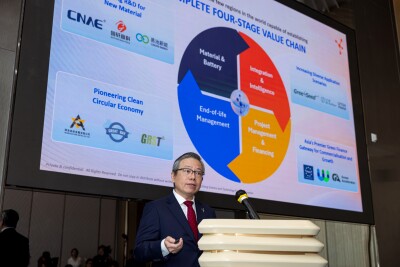
    Mr Terry Wong, Chief Executive Officer of HKSTP hosts a media briefing, sharing key findings from the report and successful experiences in translating local battery R&D into commercial applications.
    Mr Terry Wong, Chief Executive Officer of HKSTP hosts a media briefing, sharing key findings from the report and successful experiences in translating local battery R&D into commercial applications.

    Mr Terry Wong, Chief Executive Officer of HKSTP, delivered a keynote address titled “Supercharging Battery and Energy Storage Innovation for Energy Transition” at the Summit, to share insights from the report and experiences in commercialising home-grown R&D. The report highlights the explosive growth of the global BES market while underscoring Hong Kong’s position as Asia’s leading Greentech hub, driven by a comprehensive four-stage value chain spanning frontier R&D, integration and intelligence, green finance, and end-of-life battery management.

    Mr Terry Wong, Chief Executive Officer of HKSTP, said: “HKSTP is fully committed to supporting the nation’s 15th Five-Year Plan, Hong Kong’s first Five-Year Plan, and the HKSAR Government’s Policy Address initiatives, as we work tirelessly to build Hong Kong into an international innovation and technology hub. The global energy transition is ushering in an unprecedented golden era for the BES industry. By taking the initiative to publish our inaugural Strategic Analysis Report, HKSTP is not only identifying global industry opportunities, but also showcasing Hong Kong’s position as a leading energy storage ecosystem in Asia with a comprehensive value chain. HKSTP will continue to serve as both a ‘super-connector’ and a ‘super value-adder’, helping companies overcome commercialisation barriers, align with international standards, and capture the significant opportunities in the global multi-trillion-dollar energy storage market.”

    HKSTP regards green technology as one of its core strategic industries. Its ecosystem brings together more than 250 green tech companies, around 100 of which focus on BES. In response to the strong growth driven by the global energy transition, HKSTP aims to increase the number of BES companies by 60% to more than 160 over the next few years. Notably, three of the world’s top ten battery and energy storage leaders—CATL, BYD, and Gotion High-Tech—have already established a presence within the HKSTP ecosystem. Their presence creates strong industrial synergies with park companies, deepening cross-disciplinary technology exchanges, supply chain integration, and business matching.

    Two Key Insights Outlining Opportunities for Hong Kong’s Energy Storage Industry:

    The report provides an in-depth analysis of market data and compares BES development models and policies across major global economies. Drawing on interviews with local and overseas industry partners and park companies, it identifies two key insights:


    1. Global Energy Opportunities Drive Rapid Growth in the BES Industry

    As the world confronts a global energy transition, nearly 200 countries have pledged to expand renewable energy and phase down fossil fuel reliance, aiming to boost electricity’s share of global final energy demand from approximately 20% today to 35% by 2035. Concurrently, the rapid rise of AI is driving an unprecedented surge in data center power demand. Global electricity consumption from computing infrastructure is projected to more than double, rising from 415 terawatt-hours (TWh) in 2024 to 945 TWh by 2030. Battery and energy storage technologies are becoming increasingly critical, with related industry investment expected to reach USD 5 trillion—equivalent to nearly HKD 40 trillion—over the next decade.

    Mainland BES companies currently account for more than half of the global battery applications market. Leveraging its unique advantage of being backed by the Chinese Mainland while connected to the world, Hong Kong has become a preferred springboard for Mainland energy leaders expanding overseas. As European and US markets impose increasingly stringent trade and compliance requirements on new energy supply chains, Mainland companies can draw on Hong Kong’s mature common law system, international certification standards, and leading green finance platform in Asia-Pacific to meet international compliance requirements and expand their global presence.


    2. A Comprehensive BES Value Chain Among Asia’s Leaders Supports Circular Industry Development

    Hong Kong’s BES development is supported by a four-stage value chain covering “Material and Battery”, “Integration and Intelligence”, “Project Management and Finance”, and “End-of-Life Battery Management”, enabling sustainable development and a green circular economy.

    • Material and Battery: Hong Kong is home to five of the world’s top 100 universities and possesses world-class research capabilities. Its leading university network and open talent admission schemes have successfully attracted international talent. Several HKSTP park companies focus on cutting-edge R&D in next-generation batteries. For example, Luquos Energy, led by a team from The Chinese University of Hong Kong, has successfully developed the world’s first sulphur-based flow battery. Technology significantly reduces costs while avoiding the fire risks associated with overheating in conventional lithium-ion batteries, enhancing safety.
    • Integration and Intelligence: Assembling batteries into battery packs or containerised energy storage systems enables wider deployment across communities. Hong Kong’s exceptionally high-density urban environment offers abundant real-world application scenarios for energy storage technologies. The growing number of electric vehicles is driving demand for fast-charging infrastructure. With more than 60% of private buildings in Hong Kong over 30 years old and facing power supply capacity constraints, energy storage systems can store electricity during off-peak periods and discharge it during peak periods, providing a supplementary solution for ageing buildings. Park companies’ technologies are also being deployed at construction sites to support the high-power demands of heavy machinery and reduce reliance on conventional diesel generators. Meanwhile, intelligent technologies are steadily maturing, including the use of AI to monitor battery condition and health.

    • Project Management and Finance: A range of large-scale projects in Hong Kong supports BES development, including a major local battery energy storage system under construction by a power company. The commercial sector is also accelerating the adoption of energy storage technologies. Park company Halo Energy, for example, has partnered with XPENG to introduce the world’s first megawatt-level ultra-fast EV charging station in Hong Kong, setting a new benchmark for smart mobility in the city. As Asia’s largest international green and sustainable debt arranging hub, Hong Kong also plays a distinctive role as a green finance gateway, with related issuance exceeding USD 76 billion in 2025. This month, HKSTP also signed a memorandum of understanding with the “Green Accelerator” to connect promising green tech companies with capital and financing channels, helping startups progress from R&D to commercialisation.

    • End-of-Life Battery Management: Market projections indicate that Hong Kong will generate nearly 6,700 tonnes of retired EV batteries in 2030, making proper treatment and the reduction of environmental pollution pressing priorities. Several park companies have already taken the lead in technology development. GRST, for example, has developed a non-toxic, water-soluble battery binder that eliminates the need for conventional incineration or strong-acid soaking during battery recycling, reducing carbon emissions at the recycling stage by up to 80%. Together with the HKSAR Government’s introduction of the city’s first large-scale EV battery recycling facility last year, which converts waste batteries into valuable mineral resources, these efforts demonstrate how industry, government, and the research community are working together to build a green circular economy.

    HKSTP is committed to capturing the global energy transition opportunities identified in the BES Strategic Analysis Report and developing Hong Kong into an international green technology hub. HKSTP’s GreenTech Hub in Kowloon Tong will continue to serve as a bridge, deepening cross-sector collaboration among companies, research institutions, and industry partners. It will help investors identify energy storage opportunities, advance the adoption of cutting-edge green solutions, and accelerate startup commercialisation, building a green innovation ecosystem with international influence and jointly tapping into the global market for the green energy transition.

    HKSTP also showcased green solutions from six park companies at the summit, fostering exchanges among tech ventures, industry partners, and investors.

    Exhibiting Park Companies:

    • Luquos Energy Limited
    • Syneric Technology (HK) Limited
    • CAS Testing Technical Services (Hong Kong) Company Limited
    • Nanofil Filtration Technology Limited
    • ECO Technologies Limited
    • i2Cool Limited

    Hashtag: #HKSTP

    The issuer is solely responsible for the content of this announcement.

    Hong Kong Science and Technology Parks Corporation

    Hong Kong Science and Technology Parks Corporation (HKSTP) was established in 2001 and has built a proven foundation as Hong Kong’s leading innovation and technology (I&T) ecosystem. Established for 25 years, HKSTP is supporting 14 unicorns, has nurtured more than 17,000 research professionals and built a community of over 2,500 technology companies from 26 countries and regions across four strategic technology clusters: Life and Health Technology, AI and Data Science, Microelectronics and Advanced Manufacturing, and GreenTech and New Energy.

    As an ecosystem orchestrator, HKSTP provides end-to-end support to attract and nurture talent, accelerate commercialisation and help technology ventures scale. Its innovation infrastructure spans over 240 hectares covering Hong Kong Science Park in Pak Shek Kok, InnoCentre in Kowloon Tong, and three modern InnoParks in Tai Po, Tseung Kwan O and Yuen Long, advancing Hong Kong’s vision for new industrialisation and smart manufacturing.

    Hong Kong Science Park Shenzhen Branch in Futian, Shenzhen, strengthens cross-border collaboration by connecting Hong Kong, the Chinese Mainland and global innovation networks and propels Chinese innovators onto the world stage, while also delivering comprehensive GBA landing support to accelerate cross-border success for local and international ventures.

    As HKSTP enters its next chapter with strong foundations, it continues to deepen impact, elevate quality and create value for innovators. As an ecosystem built to lead change, HKSTP is empowering Hong Kong to define what comes next in innovation, growth and opportunity.

    More information about HKSTP is available at .

  • Uber Submits Application for Ride-hailing Service Licence

    Uber Submits Application for Ride-hailing Service Licence

    HONG KONG SAR – Media OutReach Newswire – 29 October 2026 –Uber announced today that it has formally submitted its application for a Ride-hailing Service Licence to the Transport Department.

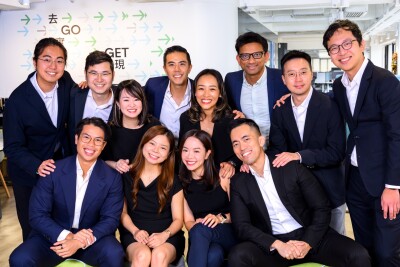
    Estyn Chung (back row, fourth from left), General Manager of Uber Taiwan, Hong Kong and Macau, with the Hong Kong management team
    Estyn Chung (back row, fourth from left), General Manager of Uber Taiwan, Hong Kong and Macau, with the Hong Kong management team

    Uber welcomes and supports the Government’s introduction of the regulatory regime for ride-hailing services. This is an important milestone in the development of personalised point-to-point transport in Hong Kong and will help provide residents and visitors with safer and more diverse mobility options. In accordance with the Transport Department’s invitation requirements, Uber has completed and submitted the relevant application form and required documents.

    Uber has long been committed to providing Hong Kong residents with safe and reliable trip experience, and has built deep partnerships with the local taxi industry. Drawing on its global operational experience and local track record, Uber will work closely with the Government to implement the regulatory requirements.

    Estyn Chung, GM of Uber Taiwan, HK and Macau said “We fully support the Government in establishing a clear and formal regime. Uber will continue to work closely with the authorities throughout the application process. We look forward to delivering a convenient and reliable experience to Hong Kong within the new regulatory framework. At the same time, we have expanded our dedicated support team to provide training and examination preparation assistance, helping driver-partners transition smoothly into the new regulatory environment.”

    Hashtag: #Uber

    The issuer is solely responsible for the content of this announcement.

    About Uber

    Uber’s mission is to create opportunity through movement. We started in 2010 to solve a simple problem: how do you get access to a ride at the touch of a button? More than 79 billion trips later, we’re building products to get people closer to where they want to be. By changing how people, food, and things move through cities, Uber is a platform that opens up the world to new possibilities.

    For more Uber news, please visit Newsroom:

  • Chubb Life Announces Australian Open 2027 Tickets Giveaway Social Campaign & Live Viewing Party

    Chubb Life Announces Australian Open 2027 Tickets Giveaway Social Campaign & Live Viewing Party

    HONG KONG SAR – Media OutReach Newswire – 29 October 2026 –Chubb Life Hong Kong is bringing the excitement of world-class tennis closer to fans with the launch of its Australian Open 2027 Tickets Giveaway Social Campaign and the return of the Live Viewing Party at the iconic Central Market, Hong Kong. The initiative invites tennis fans and the wider community to come together and celebrate one of the world’s most prestigious sporting events.

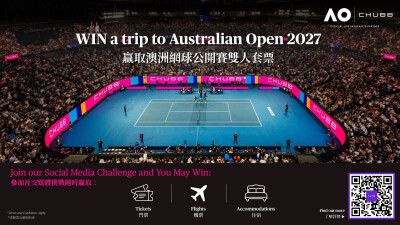
    Win a trip to Australian Open 2027

    Chubb has been the Official Insurance Partner of the Australian Open since 2020 and the partnership has continued to grow in ambition and meaning. In 2025, Chubb became the Official Life Insurance partner, a reflection of the shared commitment to world-class standards and the spirit of excellence that unites Chubb with this iconic Grand Slam event.

    Chubb Life Hong Kong will launch its Australian Open 2027 Tickets Giveaway Social Campaign across its official social media platforms in Hong Kong starting November 1, 2026. Participants are invited to share tennis-inspired stories of friendship and support for a chance to win two tickets to the Australian Open 2027 Men’s Semi-Final, along with round-trip flights from Hong Kong to Melbourne and hotel accommodation for the winner and a companion.

    Tennis enthusiasts and the public are also invited to experience the Australian Open 2027 at Chubb’s Live Viewing Party at Central Market, a landmark in Hong Kong, from January 29 to 31, 2027. The venue will be transformed into a vibrant sports hub with live match screenings, photo opportunities and tennis-inspired games. Admission is free with no reservation required.

    Follow Chubb Life Hong Kong on Facebook (Chubb Life Hong Kong), Instagram (@chubblifehk) and RedNote (@ Chubb安达人寿香港) for the latest updates. More photos can be downloaded from this link.

    Chubb Life Hong Kong Australian Open 2027 Tickets Giveaway Social Campaign Details*

    Campaign period: November 1 – 30, 2026
    How to enter:

    1. Follow Chubb Life Hong Kong’s official Instagram, Facebook or RedNote account and submit either a carousel post of at least three visuals or a 30-second Reel answering: “How do you and your friend show teamwork and support in tennis?”
    2. Entries must include the hashtags #chubblifehk #AO2027 #OfficialLifeInsurancePartner #BuiltForTheLifeAhead, tag Chubb Life Hong Kong’s social media platform and tag one friend.
    3. The most creative entry with the highest number of likes and saves/shares wins.

    Grand Prize (2 winners): Two tickets to the Australian Open 2027 Men’s Semi-Final, plus return economy flights from Hong Kong to Melbourne and accommodation in Melbourne for the winner and a guest.

    Second Prize (10 winners): One Australian Open premium gift set

    Third Prize (50 winners): One Australian Open koala plush bag charm

    * Subject to terms and conditions. The information contained here is for reference only and will be updated without notice. Please refer to this link for details.

    Australian Open 2027 Live Viewing Party Details

    Date: January 29 – 31, 2027 (Friday to Sunday)
    Time: 4:00 p.m. – 9:00 p.m.
    Venue: G/F, Central Market, 93 Queen’s Road Central and 80 Des Voeux Road Central, Central
    Admission: Free entry, no reservation is required

    Hashtag: #ChubbLifeHongKong

    The issuer is solely responsible for the content of this announcement.

    About Chubb

    Chubb is a world leader in insurance. With operations in 54 countries and territories, Chubb provides commercial and personal property and casualty insurance, personal accident and supplemental health insurance, reinsurance and life insurance to a diverse group of clients. The company is defined by its extensive product and service offerings, broad distribution capabilities, exceptional financial strength and local operations globally. Parent company Chubb Limited is listed on the New York Stock Exchange (NYSE: CB) and is a component of the S&P 500 index. Chubb employs approximately 45,000 people worldwide. Additional information can be found at: .

  • Juungar Banner: Building a "Reserve of Seed Crabs" on Saline-Alkali Flats

    Juungar Banner: Building a "Reserve of Seed Crabs" on Saline-Alkali Flats

    ORDOS, CHINA – Media OutReach Newswire – 29 October 2026 – Recently, 20,000-plus jin, or roughly 10 metric tons, of seed crabs raised in-house at the Yellow River Rice-Fish Eco-Tourism Park in Juungar Banner, Ordos, Inner Mongolia, have been lifted from their rearing ponds and moved into dedicated overwintering ponds, building the reserve that next year’s rice-field polyculture will draw from.

    Freshly harvested seed crabs are being transferred to the overwintering ponds.
    Freshly harvested seed crabs are being transferred to the overwintering ponds.

    In early winter, workers at the park are making the most of the season, hauling up the rearing cages and releasing the lively young crabs into purpose-built overwintering ponds. The 20,000-plus jin of quality seed crabs bred at the park are now in the critical stage of concentrated harvest and transfer, and the stock will carry the rice fields through next year’s growing season.

    Juungar Banner sits in the heart of the Yellow River’s “Ji-shaped bend.” The river runs 238 kilometers through the banner, 28 percent of its course in Inner Mongolia. As a major source area of coarse sediment for the Yellow River, the banner long suffered severe soil erosion, with eroded land at one point covering more than 70 percent of its total area.

    Around Xiaotanzi Village in Dalu Town, geology has left some 80 percent of the land chronically saline-alkali. “For as far as the eye could see, the land was a stretch of white, and nine crops in ten failed.” Traditional corn fields there yielded less than 300 jin per mu, or roughly 2.25 metric tons per hectare. A fragile ecology and poor livelihoods were the twin shackles on this stretch of riverbank.

    In 2018, Dalu Town introduced a combined approach of “saline-alkali land improvement and integrated rice-fish farming.” Ditches were dug to flush salts from the soil, organic fertilizer was worked into the soil, and salt-tolerant rice was planted on a trial basis. In 2022, the park began large-scale operations with an integrated polyculture of “rice, crab and fish”: the rice shaded the aquatic animals, and their waste fertilized the fields, yielding “three harvests from a single field.”

    This May the park brought in 200 jin of megalopae, the post-larval stage, from Panjin, Liaoning, and released them into the rice paddies to grow out. After a full growing cycle under close, hands-on management, the park produced more than 20,000 jin of quality seed crabs. It is the third year the park has raised its own seed crabs, and the integrated system has come together from megalopa rearing and field management to overwintering and stock retention.

    Lively seed crabs settle into the overwintering ponds, where they will spend the cold months as prime stock for next year's rice-field crab farming.
    Lively seed crabs settle into the overwintering ponds, where they will spend the cold months as prime stock for next year’s rice-field crab farming.

    “Buying in megalopae to raise the seed crabs ourselves lowers the cost of stock, gives us a much better handle on quality, and has improved survival rates. It makes the rice-crab business steadier and easier to plan,” said Qiao Sheng, who heads agricultural production at the park. Of this year’s 20,000-plus jin of seed crabs, 10,000 jin is earmarked for the park’s own rice fields and the rest will be sold, bringing returns from both in-house grow-out and external sales.

    Overwintering care is critical to the survival of seed crabs. Survival rates have held steady over the past two winters. Those that come through will go back into the paddies next May to be grown to adult size and reach the market in autumn.

    From bare saline-alkali waste to “three harvests from one field,” Xiaotanzi’s turnaround is one facet of Juungar Banner’s broader shift from ecological governance to industrial transformation. In 2025, the village’s collective income surpassed 500,000 yuan, and per-capita income reached 30,000 yuan.

    Across the winter fields of the Yellow River’s Ji-shaped bend, 20,000 jin of seed crabs lie quiet in their overwintering ponds, waiting for May and their return to the rice fields, while a deeper transformation, from “black-grey” to “green,” keeps unfolding across this land.

    The issuer is solely responsible for the content of this announcement.

  • COP17 | Jiangsu Showcases Biodiversity Conservation in Action

    COP17 | Jiangsu Showcases Biodiversity Conservation in Action

    YEREVAN, ARMENIA – Media OutReach Newswire – 29 October 2026 – Jiangsu Day, a themed event at the China Pavilion during the 17th meeting of the Conference of the Parties to the Convention on Biological Diversity (COP17), was held in Yerevan, the Armenian capital, on October 26, highlighting Jiangsu’s efforts to protect biodiversity and promote ecological restoration.

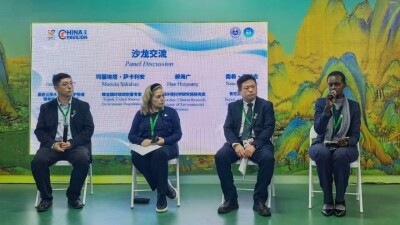
    Experts delivering presentation during a panel discussion
    Experts delivering presentation during a panel discussion

    Over the course of the two-hour program, participants explored a central question: how can wildlife habitats be protected and restored in regions characterized by intensive development, high population density and increasingly fragmented natural spaces.

    Balancing Development and Biodiversity

    Jiangsu faces a distinctive set of environmental challenges. Covering just 1.1 percent of China’s land area, the province is home to around 6 percent of the country’s population and generates more than 10 percent of its GDP. Against this backdrop, Jiangsu has prioritized ecological conservation and green development, strengthened pollution control and pursued systematic ecosystem restoration.

    During the 14th Five-Year Plan period (2021–2025), the province continued to improve its environmental quality. Average annual PM2.5 concentrations fell 16.5 percent from the end of the previous five-year period, while the proportion of nationally monitored river sections meeting good or excellent water-quality standards rose by 11.5 percentage points.

    Biodiversity surveys have recorded 9,266 species across the province, including 2,363 newly discovered species. These findings reflect both the richness of Jiangsu’s natural environment and the growing capacity to document and protect it.

    Environmental DNA Offers a New Way to Monitor the Yangtze

    Environmental DNA (eDNA) technology is providing a more sensitive, non-invasive way to track changes in aquatic ecosystems along the Yangtze River.

    Unlike conventional monitoring methods, which often require capturing organisms for identification, eDNA monitoring collects water samples and analyzes genetic material left behind by aquatic life. DNA barcoding can then be used to identify species without directly capturing them.

    Jiangsu began exploring the technology in 2012 and launched a dedicated pilot program in Taihu Lake in 2017. In 2019, it established the first specialized eDNA laboratory within China’s ecological and environmental protection system. A provincial standard introduced in 2023 further standardized procedures for sampling, quality control and data annotation.

    Today, 19 routine monitoring sections have been established along the Yangtze River in Jiangsu, covering eight cities. Monitoring is conducted four times a year.

    Between 2021 and 2025, the number of fish species recorded through the program increased from 84 to 104. Protected species, including the Chinese sucker, Myxocyprinus asiaticus, the long-nosed gudgeon, Rhinogobio ventralis, and the long-snout catfish, Ochetobius elongatus, were detected again. Environmental DNA signals of the Yangtze finless porpoise were found at all 19 monitoring sections.

    Protecting the Yangtze Finless Porpoise Through Public Participation

    The Yangtze finless porpoise has become a symbol of the coexistence of urban communities and nature.

    In Nanjing, a coordinated observation network has been established along key sections of the river. Volunteers regularly record sightings in the field, contributing more than 69,000 observation records and providing valuable data to support conservation efforts.

    Public participation extends beyond monitoring. The “Fish for Finless Porpoises” initiative has held more than 100 fish-release events, releasing over six million juvenile fish and attracting more than 5,000 participants.

    Another initiative, “Help Crabs Return Home,” has conducted nighttime patrols for three consecutive years to protect the migration of Chinese mitten crabs. Eco-friendly crab passageways made from recycled materials have also been installed to help the crabs navigate barriers along their migration routes.

    The conservation network has also drawn international volunteers. More than 300 participants from over 15 countries and regions have taken part in related projects, helping expand cooperation from the Yangtze River to marine ecosystems.

    A Legal Framework for Protecting the Plain-River Network

    Jiangsu’s Biodiversity Conservation Regulation took effect on May 22, 2025, becoming China’s first provincial regulation dedicated to biodiversity conservation in plain-river network regions.

    Effective conservation also depends on a comprehensive understanding of local biodiversity. Since 2017, Jiangsu has taken the lead in conducting province-wide biodiversity surveys organized by county-level administrative units.

    More than 20 professional teams have established 17,400 transects, 10,100 quadrats and 12,600 sampling sites, generating over 620,000 survey records. The first round of surveys was completed in 2025, documenting 9,266 species across the province.

    Building on these findings, Jiangsu has designated 25 key biodiversity areas and established 20 biodiversity observation stations. Satellite remote sensing, eDNA analysis and AI-powered species identification are being integrated into a monitoring network designed to improve automation, digitalization and remote observation.

    Restoration Efforts Deliver Tangible Results

    Jiangsu has established 23 ecological island pilot zones and 171 ecological security buffer zones, while creating or restoring 3,735 hectares of wetlands.

    The results are becoming increasingly visible. In 2023, crested ibises were released into the wild for the first time along China’s eastern coast as part of a reintroduction effort. In May 2026, the birds achieved natural breeding in the wild. The Yangtze finless porpoise population in Jiangsu has also continued to recover, while the number of waterbirds wintering in the province has remained above 500,000.

    Together, these efforts demonstrate how habitat restoration, scientific monitoring and stronger legal protections can support biodiversity recovery in a region under significant development pressure.

    Building International Partnerships for Biodiversity

    Jiangsu Day also provided a platform for dialogue between Jiangsu and Armenia, as well as other regions along the Silk Road.

    Despite their different geographical settings, the two regions share several points of comparison. Both occupy important positions in their respective countries’ economies and have connections to major migratory bird routes. Armenia is home to distinctive species such as the Armenian butterfly, while Jiangsu is known for the Chinese tiger swallowtail. Lake Sevan plays a critical role in Armenia’s water security, while Jiangsu is responsible for protecting and managing ecosystems across the Yangtze, Taihu Lake and Huai River basins.

    The event featured presentations and discussions on implementation pathways for the Kunming-Montreal Global Biodiversity Framework, local conservation practices and opportunities for technological cooperation.

    The discussions underscored a shared message: in economically developed and densely populated regions, biodiversity conservation need not come at the expense of development. Rather, a healthy natural environment is an essential foundation for sustainable, high-quality growth.

    The program brought together experts from China and abroad. Tajik academician Saidov Abdusator delivered a presentation on preventing the introduction and spread of invasive alien species. Marietta Sakkalian, an expert with the United Nations Environment Programme, Nancy Malangu, an expert with a Kenyan foundation, Hao Haiguang, a researcher at the Chinese Research Academy of Environmental Sciences, and Jiang Meng, executive vice president and secretary-general of the Nanjing Yangtze Finless Porpoise Aquatic Wildlife Conservation Association, joined discussions on how major economic regions can balance development with biodiversity protection.

    Jiangsu has been expanding its international conservation partnerships for years. Changshu, Yancheng and Suzhou have been recognized as International Wetland Cities, while Nanjing was included in the Nature Cities platform at COP16. Jiangsu has also joined Zhejiang Province in establishing a Taihu Lake regional alliance for implementing the Kunming-Montreal Global Biodiversity Framework and signed cooperation agreements on biodiversity conservation with neighboring regions in Shanghai, Zhejiang and Anhui.

    Looking ahead, Jiangsu will continue to strengthen its legal framework, improve monitoring and supervision, enhance enforcement and deepen international cooperation. Through these efforts, the province aims to offer a model for advancing ecological conservation in China and contribute to global efforts to protect the planet’s biodiversity.

    The issuer is solely responsible for the content of this announcement.

  • AOX recognised as APAC’s Top Collagen-Renewing Water Dispensers in 2026 by Healthcare Business Review

    AOX recognised as APAC’s Top Collagen-Renewing Water Dispensers in 2026 by Healthcare Business Review

    Singapore-founded company marks 17 years of growth as it builds a new category around everyday hydration and wellness

    SINGAPORE – Media OutReach Newswire – 29 October 2026 – Singapore-founded water brand AOX has been named ‘Top Collagen Renewing Water 2026′ by Healthcare Business Review APAC, marking a new milestone for a brand that has spent more than 17 years developing a differentiated approach to drinking water.

    The recognition comes as AOX seeks to build the Collagen Renewing Water category – moving the conversation beyond the appliances that dispense water towards the properties of the water people drink daily.

    Unlike conventional water dispensers, which tend to compete on temperature settings, design or convenience, AOX’s central proposition is its proprietary approach to filtration and mineral formulation. Its systems combine filtration with a formulation that includes calcium, magnesium, potassium, sodium, and silica to deliver what the company describes as Collagen Renewing Water.

    This latest recognition reflects AOX’s water-first approach, built around its proprietary mineral formulation, including the specific sourcing of minerals and the process used to create its final water profile. It adds to a long track record of business, brand and design awards accumulated over more than 17 years.

    “A water dispenser can have all the features in the world, but ultimately, what matters most is the water you drink from it every day,” said John Tan, Chief Executive Officer of AOX. “That belief has shaped AOX for more than 17 years and is why we continue investing in Collagen Renewing Water, our proprietary formulation and the research behind it. This recognition encourages us to keep building that category and challenging consumers to look beyond the machine.”

    The award also signals AOX’s next chapter under John Tan’s leadership. After working across finance, operations and marketing at AOX before becoming CEO, he is leading its next phase of research, product innovation and market growth, with a goal to reach new audiences and respond to changing consumer expectations around water quality and everyday wellness.

    AOX has commissioned laboratory and preclinical research into the properties of its water, including collagen-related fibroblast activity, cell migration, antioxidant activity, and metabolic markers in preclinical models. The company will continue to invest in research while communicating its findings responsibly and within appropriate scientific boundaries.

    Founder Jeffrey Tan said the recognition was a reminder of the original idea that shaped the business. “When we started AOX, we wanted people to think more carefully about the water they drink every day,” he said. “Over the years, the technology, products and people’s expectations have evolved, but that belief has remained the same. It is encouraging to see AOX recognised as we continue to build on that foundation.”

    AOX’s product range includes direct-piped water systems for homes and organisations, spanning hot and cold, ambient and compact formats. The company’s focus remains on growing its Collagen Renewing Water category while continuing to develop products around the needs of modern households and workplaces.

    Hashtag: #AOX

    The issuer is solely responsible for the content of this announcement.

    About AOX

    Founded in Singapore in 2009, AOX is a homegrown water brand focused on the quality of the water itself. At the heart of AOX is Collagen Renewing Water, produced through its proprietary filtration and mineral formulation and delivered consistently across its range of water dispensers.

    Over more than 17 years, AOX has grown to serve more than 10,000 households and organisations, while developing water systems that combine water quality, practical design and long-term after-sales support.

    AOX has also commissioned laboratory studies using human cells and preclinical research into the properties of its water, including collagen-related activity, antioxidant activity, weight gain and liver-lipid accumulation. In 2026, AOX was recognised by Healthcare Business Review APAC as the Top Collagen Renewing Water Dispensers in APAC 2026.

  • THE WORLD ENDS 2026 Brings Design Talent and Global Business Opportunities to Bangkok

    THE WORLD ENDS 2026 Brings Design Talent and Global Business Opportunities to Bangkok

    The five-day event, organised by TCEB, will bring together regional creatives, international design studios and businesses, with organisers targeting more than 6,000 participants and an economic impact exceeding 280 million baht.

    BANGKOK, THAILAND – Media OutReach Newswire – 29 October 2026 – Bangkok will host a new international design expo in November aimed at connecting creative talent with international markets, as Thailand seeks to turn its growing creative economy into cross-border business opportunities.

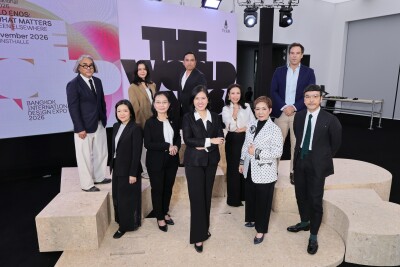
    THE WORLD ENDS.JPG

    THE WORLD ENDS: Bangkok International Design Expo 2026 will take place from 25 to 29 November 2026 at Bangkok Kunsthalle, with business-matching activities also planned at the Queen Sirikit National Convention Center (QSNCC). Organised by Thailand Convention and Exhibition Bureau (TCEB), the event is expected to attract more than 6,000 participants and facilitate over 200 business-matching sessions. Organisers are targeting an economic impact of more than 280 million baht.

    Under the theme “CREATE WHAT MATTERS” and the concept “HERE, BETWEEN, ELSEWHERE”, the event will bring together designers, creative businesses and international partners through exhibitions, design dialogues, workshops and networking activities spanning architecture, typography, creative technology and experiential design.

    Connecting Creative Talent with Business Opportunities

    As design increasingly intersects with technology, culture and commerce, creative businesses face the challenge of turning ideas into sustainable commercial opportunities. THE WORLD ENDS 2026 aims to address this by connecting creative practitioners, businesses, professional associations, academic institutions and international organisations.

    The programme will combine exhibitions and discussions with business matching, collaboration and networking, creating opportunities for designers and entrepreneurs to explore partnerships, develop new products and reach international markets.

    Dr. Supawan Teerarat, President of TCEB, said creativity and design were increasingly important to economic resilience, sustainability and long-term competitiveness.

    “In a rapidly changing global economy, creativity and design are vital to developing solutions that strengthen resilience and sustainability across industries. Trade exhibitions are also evolving beyond platforms for showcasing products and ideas into strategic drivers of economic growth, business collaboration and international market access. Through strategic partnerships, we aim to create lasting opportunities for Thailand’s design industry, nurture future creative talent and strengthen Bangkok’s position as an international hub for design exhibitions,” she said.

    Thailand’s business events industry provides an economic backdrop for the initiative. In fiscal year 2026 (October 2025 to September 2026), the country’s MICE industry generated 150.901 billion baht in revenue and attracted 27.2 million MICE travellers, according to TCEB. Trade exhibitions accounted for 100.503 billion baht, or 67 per cent of total MICE revenue.

    Thailand’s 15 creative industry sectors collectively contribute more than 1.77 trillion baht in economic value, with a reported growth rate of 13.4 percent.

    TCEB expects THE WORLD ENDS 2026 to help translate this creative potential into business partnerships, product development and access to international markets.

    Design Experiences and International Perspectives

    Across four floors of Bangkok Kunsthalle, the event will invite visitors to explore new innovations and possibilities in design through creative spaces, exhibitions and interactive experiences, fostering fresh perspectives and global dialogue on the future of design.

    1. Design experiences and a creative marketplace

    The “HERE, BETWEEN, ELSEWHERE” concept will guide visitors through different aspects of the creative process. HERE will showcase design work, BETWEEN will provide space for dialogue and the exchange of ideas, while ELSEWHERE will feature a design market with more than 30 exhibitors, alongside workshops and networking opportunities.

    2. International design studios

    Participating studios will present work spanning architecture, typography, creative media technology and experience design. Names include CHAT Architects, Cadson Demak, UNFORMAT Studio, OK-RM, LANZA Atelier and PARTY / SPACE / DESIGN.

    The showcase will bring different design disciplines into conversation, offering visitors an opportunity to explore how creative practices respond to changing cultural, technological and commercial contexts.

    3. Conversations on the future of design

    More than 16 speakers and creative practitioners will share perspectives on the future of design. Participating names include representatives from LANZA Atelier, OK-RM, CHAT Architects, Illusion CGI Studio and PARTY / SPACE / DESIGN.

    The discussions will provide opportunities for creative professionals, students and visitors to exchange perspectives with practitioners working across different disciplines.

    4. Business connections beyond the exhibition

    A dedicated presence at FIND – Design Fair Asia will support business matching between designers, buyers and businesses.

    The partnership is intended to create additional opportunities for Thai designers and entrepreneurs to meet international counterparts and explore commercial relationships beyond the event itself.

    Building International Connections

    The business-matching programme will extend to FIND – Design Fair Asia, taking place at QSNCC from 26 to 28 November 2026. The collaboration aims to connect designers, buyers and businesses, creating opportunities for Thai creative entrepreneurs to meet international counterparts and explore commercial partnerships.

    International partnerships will further support the event’s reach and knowledge exchange. London Design Festival will serve as a media partner to broaden international visibility, while Maison & Objet will contribute to connections with international experts, designers and brand networks.

    For Thailand, the longer-term ambition is to strengthen the international profile of its design industry, nurture creative talent and create opportunities that continue beyond the event itself.

    TCEB is also seeking to engage the next generation of designers through a student competition titled “WHAT IF THE WORLD OF DESIGN ENDS? WHAT COMES NEXT?” The competition invites students to explore how design might evolve in a changing world while developing their skills and professional networks.

    Winners will receive round-trip air tickets to Taiwan, sponsored by Vietjet Thailand, alongside other prizes and opportunities to visit design studios and participate in activities related to art, design and interior design.

    Submissions will be accepted from 1 to 16 November 2026, with shortlisted entries announced on 22 November 2026. Winners will be announced on 29 November 2026 at Bangkok Kunsthalle.

    Through its combination of exhibitions, design dialogues and business networking, THE WORLD ENDS 2026 aims to create a meeting point for Southeast Asia’s creative community and international industry partners, helping regional talent explore new perspectives, build relationships and pursue opportunities beyond their home markets.

    Further information and registration details are available at www.theworldends.org. Updates are also available on Facebook at THE WORLD ENDS and Instagram at @twesbkk.

    Register to attend the event at:
    Picture2876.jpg

    Notes to Editors

    Thailand Convention & Exhibition Bureau (TCEB) drives the growth of Thailand’s business events sector by connecting people, industries, and ideas.

    TCEB continues to shape the business events industry of Thailand with exceptional acumen and effective solutions. With a robust service support system and innovative approaches to co-create distinctive programs for the organisers, TCEB is redefining the MICE landscape to maintain Thailand’s impact as a top Asian business destination.

    Established by Royal Decree in 2002, the government agency is tasked with promoting and developing the business tourism sector in Thailand. Since 2004, TCEB has successfully established the country as Asia’s largest business events hub, by providing amenable service support for MICE programs.

    Today, TCEB is heeding the government’s economic ‘Thailand 4.0’ policy, and targeting 10 key industries to align with international interests and be future-ready.TCEB will be your reliable partner in all aspects of your business events in the Kingdom.

    Exhibitions DepartmentThailand Convention and Exhibition Bureau (Public Organization)

    Chanyaruk Qin Senior Manager – Exhibitions Department Tel: 02 694 6000
    Email: chanyaruk_q@tceb.or.th

    Saranun Teeratanawet Manager – Exhibitions Department Tel: 02 694 6000
    Email: saranun_t@tceb.or.th

    Hashtag: #TheWorldEnds #BangkokInternationalDesignExpo #TCEB #MICEinThailand #ExhibitioninThailand #ExhibitionsDepartment #GlobalDesignExhibitionHub

    The issuer is solely responsible for the content of this announcement.

  • Sun Group Facilities in Ha Long Connect Bay Cruises With Shore Activities Ahead of November

    Sun Group Facilities in Ha Long Connect Bay Cruises With Shore Activities Ahead of November

    Cruise port, cable car, night market and hot-spring resort serve visitors in Bai Chay and Quang Hanh

    HA LONG, VIETNAM– Media OutReach Newswire – 29 October 2026 – Vietnam’s Sun Group has developed a network of facilities in Ha Long that connects bay cruises with activities on shore. They include Ha Long International Cruise Port, Sun World Ha Long, VUI-Fest Ha Long, Sun Bavaria Ha Long and Hilton Quang Hanh Onsen Resort, available to visitors ahead of November, which international travel guides list among the favorable months to visit the bay.

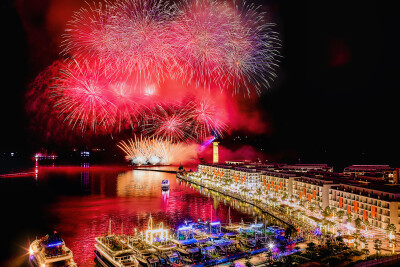
    Fireworks over the Bai Chay waterfront in Ha Long, near the lighthouse where Sun Group's VUI-Fest Ha Long night market is located.
    Fireworks over the Bai Chay waterfront in Ha Long, near the lighthouse where Sun Group’s VUI-Fest Ha Long night market is located.

    Bay access

    Ha Long International Cruise Port, developed by Sun Group in Bai Chay, serves as a departure point for day and overnight cruises. Activities on the bay include sightseeing from the deck, kayaking and cave visits. The port is located near the group’s leisure and dining venues in Bai Chay, allowing visitors to continue their itinerary on shore after a cruise.

    Shore facilities

    At Sun World Ha Long, the Queen Cable Car crosses Cua Luc Bay to Ba Deo Hill, offering aerial views of the bay. In the evening, VUI-Fest Ha Long, near the Bai Chay lighthouse, offers street food, shopping and performances, while Sun Bavaria Ha Long, a beer restaurant on the waterfront, serves local seafood, barbecue and Sun KraftBeer.

    In Quang Hanh, Hilton Quang Hanh Onsen Resort offers rooms and villas with private onsen supplied by natural hot springs, suited to the cooler weather northern Vietnam enters in November.

    Seasonal context

    In an Oct. 11 update to its guide on when to visit Vietnam, Travel + Leisure lists April, October and November as suitable months for Ha Long Bay, citing warm, sunny and dry weather, and recommends overnight cruises for travelers seeking quieter areas of the bay. Lonely Planet notes that October and November are well suited to exploring Ha Long and neighboring Bai Tu Long Bay, with dry days outnumbering wet ones.

    With November among the months both guides recommend, visitors can combine the bay’s heritage landscape, evening entertainment in Bai Chay and hot-spring stays in Quang Hanh within a single trip.

    Hashtag: #SunGroup

    The issuer is solely responsible for the content of this announcement.

  • Regent Hong Kong Announces "Symphony of Hanwoo: Chef David Lee x Chef Amine Errkhis 4-Hands Culinary Journey" at The Steak House

    Regent Hong Kong Announces "Symphony of Hanwoo: Chef David Lee x Chef Amine Errkhis 4-Hands Culinary Journey" at The Steak House

    The exclusive two-night collaboration on 5-6 November merges Korean culinary heritage with refined charcoal-grilled steakhouse craft, spotlighting Korea’s native Hanwoo beef.

    HONG KONG SAR – Media OutReach Newswire – 29 October 2026 – Regent Hong Kong has announced the “Symphony of Hanwoo: Chef David Lee x Chef Amine Errkhis 4-Hands Culinary Journey,” an exclusive culinary event available for two nights only on 5 and 6 November 2026. Hosted at The Steak House, the limited collaboration brings together Korean culinary memory, precision meat preparation, and the restaurant’s long-standing focus on charcoal grilling to showcase Hanwoo beef, Korea’s native cattle breed and one of the country’s 100 National Cultural Symbols.

    A Collaboration Built Around Meat, Memory, and Craft

    Chef David Lee, owner-chef of Guunmong in Seoul’s Hannam-dong and known to many as the “Meat Gangster,” brings a cooking style shaped by exacting meat preparation and personal memory. His collaboration with Chef Amine Errkhis of The Steak House is designed as one shared menu rather than two separate chef showcases.

    Together, they explore the culinary character of Hanwoo—a premium ingredient celebrated for its fine marbling, gentle natural sweetness, and tender, supple texture. The bespoke menu uses preparation and heat to demonstrate how the same beef can move between boldly seasoned Korean tradition and a more restrained charcoal-grilled style.

    Two Expressions of Hanwoo Over Charcoal

    The collaboration centres on the Hanwoo 1++ ribeye, presented in two contrasting expressions. Chef David Lee’s galbi-marinated ribeye draws on a recipe passed down from his mother. The savoury-sweet marinade is designed to complement the ribeye’s natural richness rather than cover it, while charcoal heat creates caramelised edges and a gentle smokiness.

    Alongside this, Chef Amine Errkhis presents a Hanwoo 1++ Ribeye Cap with Glazed Heirloom Carrot. Taken from a richly marbled section of the cut, the beef is rolled into a compact cylinder for even cooking, seasoned simply with sea salt, and grilled over charcoal until deeply seared outside and medium-rare within. The heirloom carrot introduces sweetness, acidity, and texture as a counterpoint to foreground the pure character of the beef.

    Fire and Fermentation: A Seoul–Hong Kong Culinary Dialogue

    The broader five-course menu places Hanwoo within a conversation between Seoul and Hong Kong, extending the immersive culinary journeys associated with Regent Hong Kong’s Dining Destination. Chef Lee’s Yook Hwei on Brioche pairs Hanwoo filet mignon with Korean pear, uni, gochujang, and buttery brioche, while the Kimchi Bouillabaisse layers lobster, shellfish, cod, and shrimp with fennel, saffron, kimchi, kombu, cheongju, and doenjang. These dishes use fermentation, seafood, and Korean pantry flavours to build context before the main course, where live fire becomes the defining technique.

    The evening concludes with Sweet Corn Bingsu by Executive Pastry Chef Andy Yeung, combining butter-grilled local sweet corn, milk bingsu, and jasmine rice ice cream for a lighter finish after the charcoal-grilled beef courses.

    Event Snapshot: Symphony of Hanwoo 4-Hands Culinary Journey

    • Date: 5–6 November 2026
    • Time: 6:00pm–11:00pm
    • Venue: The Steak House, Regent Hong Kong
    • Price: HK$2,188 per person
    • Wine Pairing: Five-glass pairing available; price to be confirmed
    • Service Charge: 10%

    Hashtag: #RegentHongKong #TheSteakHouse #HanwooBeef

    The issuer is solely responsible for the content of this announcement.

    About Regent Hong Kong

    is an iconic luxury hotel situated on Kowloon’s Victoria Harbour waterfront at 18 Salisbury Road.

    Following the most extensive transformation in its history, the hotel returned to its Regent heritage with interiors by Hong Kong-born designer Chi Wing Lo. Its 497 guestrooms and suites are complemented by panoramic harbour views and a collection of dining destinations including Lai Ching Heen, The Steak House, Harbourside, The Lobby Lounge, Nobu Hong Kong and Qura Bar.

    Regent Hong Kong builds on a hospitality legacy dating to its original Regent era from 1980 to 2001 while introducing a contemporary interpretation of the brand for today’s guests.

    For further information, visit.