Category: What’s News Asia

Corporate News from Media OutReach Newswire

  • Pham Nhat Vuong And Pham Thu Huong Transition Leadership Roles At VinFast And GSM

    Pham Nhat Vuong And Pham Thu Huong Transition Leadership Roles At VinFast And GSM

    HANOI, VIETNAM – Media OutReach Newswire – 12 September 2026 – VinFast and GSM today officially announced new leadership appointments, succeeding Mr. Pham Nhat Vuong and Ms. Pham Thu Huong in senior global leadership roles. Accordingly, Mr. Pham Nhat Quan Anh, currently Chairman of VinFast Global, will concurrently assume the position of CEO of VinFast Global, succeeding Mr. Pham Nhat Vuong, while also taking on the roles of Chairman and CEO of VinFast Vietnam. Mr. Nguyen Quoc Tuan will assume the position of Chairman of GSM Global, succeeding Ms. Pham Thu Huong, while Mr. Pham Nhat Minh Hoang will become CEO of GSM Global and concurrently CEO of GSM Vietnam.

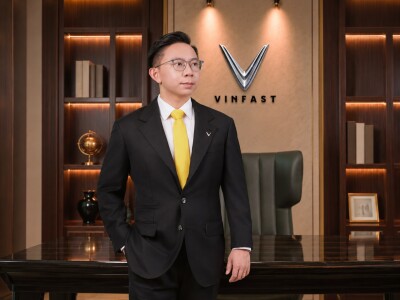
    Mr. Pham Nhat Quan Anh, Chairman and CEO of VinFast Global, and Chairman and CEO of VinFast Vietnam.
    Mr. Pham Nhat Quan Anh, Chairman and CEO of VinFast Global, and Chairman and CEO of VinFast Vietnam.

    The strengthening of the senior leadership teams at VinFast and GSM comes as Vingroup and companies across its ecosystem accelerate the training and development of in-house talent and transition leadership responsibilities to a younger generation of leaders, in line with the needs and growth trajectory of the system. In particular, both VinFast and GSM are entering a period of strong and decisive growth on a global scale.

    Prior to assuming the position of Chief Executive Officer of VinFast Global from Mr. Pham Nhat Vuong, Mr. Pham Nhat Quan Anh was appointed Chairman of VinFast Global in May 2026. With his official assumption of the positions of Chairman and Chief Executive Officer of VinFast Global, as well as Chairman and Chief Executive Officer of VinFast Vietnam, Mr. Pham Nhat Quan Anh will hold ultimate and comprehensive responsibility for all of VinFast’s operations as the company enters a new phase of growth.

    Following his official appointment, Mr. Pham Nhat Quan Anh commented: “I am deeply honored by the Board of Directors’ trust and confidence in entrusting me with the additional responsibility. Built on a strong foundation established over the years and supported by the growing confidence of customers across our markets, VinFast is well positioned to seize the significant opportunities ahead and further strengthen its role in advancing the global transition to sustainable mobility. I am committed to working closely with our talented team to uphold VinFast’s core values and continue delivering world-class products and the highest standards of service to customers around the world.”

    Born in 1993, Mr. Pham Nhat Quan Anh holds a Bachelor’s degree from Singapore Management University and has held several key leadership positions at VinFast and other companies within the Vingroup ecosystem before being appointed Chairman of the Board of Directors of VinFast Auto Ltd. in May 2026. With extensive cross-sector management experience and a strategic operational mindset, he has made significant contributions to VinFast’s development, from building its foundation in the domestic market to expanding its presence internationally.

    In addition to his senior leadership responsibilities at VinFast, Mr. Pham Nhat Quan Anh will continue to serve as Chief Executive Officer of VinMetal Trading and Production JSC, a high-quality steel manufacturer within the Vingroup ecosystem.

    At GSM, Mr. Nguyen Quoc Tuan, currently Chief Executive Officer of GSM Global, has been appointed Chairman of GSM Global, succeeding Ms. Pham Thu Huong. Mr. Pham Nhat Minh Hoang will succeed Mr. Tuan as Chief Executive Officer of GSM Global and concurrently assume the position of Chief Executive Officer of GSM Vietnam.

    Mr. Pham Nhat Minh Hoang, CEO of GSM Global and CEO of GSM Vietnam.
    Mr. Pham Nhat Minh Hoang, CEO of GSM Global and CEO of GSM Vietnam.

    Born in 2000, Mr. Pham Nhat Minh Hoang has held senior leadership positions at VinFast, Green Future, VinSmart Future, GSM and other companies. In addition to his management responsibilities, he has directly invested in and serves as a major shareholder of several industrial, technology, energy and infrastructure companies within the Vingroup ecosystem, including VinSpeed, VinEnergo, VinMetal, VinVentures and robotics companies.

    VinFast currently has a presence in 16 countries worldwide, including key markets such as Vietnam, India, Indonesia, the Philippines, Europe, the Middle East and North America. VinFast electric cars and electric motorcycles are currently manufactured at four facilities across three countries: Vietnam, Indonesia and India.

    Alongside VinFast, GSM operates its green mobility brand, Green SM. The company currently operates in seven countries, including Vietnam, Laos, Indonesia, the Philippines, India, Kazakhstan and Denmark, and plans to expand into at least three additional markets within this year. GSM is also targeting a transition into a globally scaled public company with its shares listed on an international stock exchange.

    The appointment of senior leadership is of particular importance, not only in addressing the more demanding requirements of the companies’ next phase of development, but also reflecting positive expectations for the future of VinFast and GSM as they continue their expansion into international markets.

    Hashtag: #VinFast #GSM

    The issuer is solely responsible for the content of this announcement.
  • Yobe Malaysia Unveils Plan to Scale To 32 Crafted Outlets by End 2027, Three Months After Launch

    Yobe Malaysia Unveils Plan to Scale To 32 Crafted Outlets by End 2027, Three Months After Launch

    Yobe (Yoghurt Beku) Malaysia, a proudly Anak Malaysia homegrown frozen yoghurt brand, plans seven additional Yobe Crafted outlets by end-2026, followed by expansion into key markets across Peninsular Malaysia, Sabah and Sarawak.

    KUALA LUMPUR, MALAYSIA – Media OutReach Newswire – 12 September 2026 – Within three months of its official market launch in June 2026, homegrown frozen yoghurt brand Yobe Malaysia is entering its next phase of growth, targeting 32 Yobe Crafted outlets nationwide by the end of 2027. Since its launch, the company has rolled out five Yobe Crafted outlets and 17 Yobe Mini App-to-Cup Vending units.

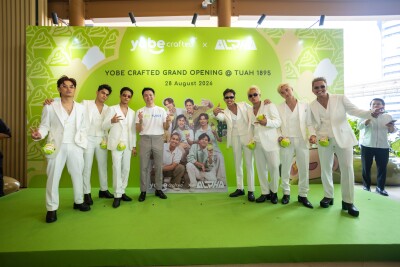
    Leon Tang (middle left), Chief Executive Officer of Yobe Malaysia, together with rising boy group ALPHA, during the exclusive experiential session at the grand opening of Yobe Crafted @ TUAH 1895 BBCC.
    Leon Tang (middle left), Chief Executive Officer of Yobe Malaysia, together with rising boy group ALPHA, during the exclusive experiential session at the grand opening of Yobe Crafted @ TUAH 1895 BBCC.

    From this base, the company is opening seven additional Yobe Crafted outlets by the end of 2026 before accelerating its expansion in 2027, including entry into key markets in Southern Malaysia and East Coast.

    “The encouraging response during our first three months has strengthened our confidence in Yobe Malaysia’s growth potential. We are ready to scale our multi-format business model and work towards 32 Yobe Crafted outlets nationwide by the end of 2027,” said Leon Tang, Chief Executive Officer of Yobe Malaysia.

    The expansion is built around a multi-format model comprising Yobe Crafted outlets, Yobe Mini App-to-Cup Vending units and Yobe Crafted Flagship locations. The formats allow the brand to serve different consumer occasions while widening access to its frozen yoghurt and dessert range. Flagship locations carry the full menu as well as new product innovations and exclusive hidden menus.

    Yobe Malaysia positions its premium Greek-yoghurt-based swirl as an affordable luxury for everyday indulgence. “With the injection of fresh capital, this allows us to seamlessly integrate our Yobe Crafted retail outlets and Yobe Mini vending ecosystem into our Yobe App, this digital integration is the catalyst that accelerates our grand vision: pioneering Southeast Asia’s very first App-to-Cup frozen yoghurt and dessert brand,” Leon Tang added.

    The company’s growth strategy also combines product accessibility with brand-led customer acquisition. In August 2026, Yobe Malaysia appointed Malaysian M-pop group ALPHA as its first brand ambassador and introduced fan experiences including collectible photocards, blind boxes and limited-edition merchandise. The collaboration supports Yobe Malaysia’s ambition to build a culturally relevant Malaysian brand under the message “Swirled in Malaysia, for the World.”

    For more information on Yobe Malaysia and its latest promotions, please visit yobe.com.my or follow @yobemalaysia on Instagram.Hashtag: #YobeMalaysia #businessupdates


    The issuer is solely responsible for the content of this announcement.

    ABOUT YOBE MALAYSIA

    Yobe (Yoghurt Beku) Malaysia is a proudly Anak Malaysia,homegrown frozen yoghurt and dessert brand committed to making premium frozen yoghurt an affordable, convenient and accessible everyday indulgence. Guided by its philosophy of Pure Happiness in Every Swirl, Yobe Malaysia brings its signature frozen yoghurt experience closer to the community through its growing network of Yobe Crafted, Yobe Mini Vending, and Yobe Crafted Flagship outlets, with Flagship locations offering the brand’s full menu, new product innovations and exclusive hidden menus.

    Yobe Malaysia uses Halal-certified ingredients across its products and is working closely with its Halal compliance team and the relevant authorities to complete Halal certification at each outlet. With a focus on quality, value, and enjoyable everyday experiences, Yobe Malaysia continues to grow as a proudly Malaysian brand with ambitions to bring its frozen yoghurt experience to more communities.

  • VinFast Partners With 13 Electric Vehicle Dealers To Develop 27 New Showrooms Across The Philippines

    VinFast Partners With 13 Electric Vehicle Dealers To Develop 27 New Showrooms Across The Philippines

    HANOI, VIETNAM – Media OutReach Newswire – 11 September 2026 – VinFast has announced the signing of strategic Memoranda of Understanding (MOUs) with 13 dealer partners in the Philippines to develop 27 new showrooms nationwide. The agreements mark an important step in VinFast’s plan to expand its electric automotive distribution network in the Philippines, while laying a strong foundation for the brand to reach its goal of developing a total of 60 dealerships in the country in 2026.

    Representatives of VinFast Philippines and 13 dealer groups at the Memorandum of Understanding (MOU) signing ceremony, aimed at expanding VinFast's nationwide dealer network.
    Representatives of VinFast Philippines and 13 dealer groups at the Memorandum of Understanding (MOU) signing ceremony, aimed at expanding VinFast’s nationwide dealer network.

    Under the agreements, the 27 VinFast showrooms are expected to be developed across all three major geographical regions of the Philippines: Luzon in the north, Visayas in the central region, and Mindanao in the south. The network will strengthen VinFast’s presence in major urban centers such as Metro Manila and Cebu, while extending its reach to new, high-potential areas including Cagayan de Oro, Tacloban, and Subic Bay. This will bring VinFast’s electric vehicles and services closer to customers nationwide.

    Developed in line with VinFast’s global standards, the showrooms will offer modern and convenient spaces where customers can learn about and experience the brand’s products, as well as access sales and after-sales services. The expanded network will also improve access to electric vehicles and related services, helping meet the growing demand for EVs in the Philippine market.

    Supporting VinFast in the development of its new showroom network are 13 established local partners: Elite North Auto Cars Inc., MG Gateway Mantrade Corp., Grand Canyon Multi Holdings Inc., Britannica United Motors Incorporated, VF Auto Sto Tomas Inc., GR8 Marketing Motors Inc., ARCMA Motors Corporation, Autonomics Motor Corp., Gershom Car Trading Corp., Areza Motor Sales Inc., Central Auto Resources Inc., Autolink Global Motors Inc., and Greenport Mobility Inc.

    These 13 companies bring extensive experience in automotive distribution in the Philippines and share VinFast’s commitment to advancing the green transition. Their market knowledge, operational capabilities, and extensive networks will provide additional momentum for VinFast to accelerate the development of its distribution system, expand customer access, and enhance service quality across the country.

    Mr. Antonio Zara, CEO of VinFast Southest Asia, said: “The Philippines is one of the key markets in VinFast’s long-term growth strategy in the region and globally. Here, we are not only focused on expanding our sales network, but also on building a sustainable foundation for growth spanning products, services, infrastructure, and the broader EV ecosystem. With the support of our local partners, VinFast will continue to expand our operations in the years ahead, gradually making green mobility a more accessible and convenient choice for Filipino consumers.”

    VinFast is steadily building a comprehensive “For a Green Future” electric vehicle ecosystem across key markets in Southeast Asia. In the Philippines, VinFast continues to invest in products, services, and infrastructure to make EV ownership as convenient as possible for customers. Alongside a diverse EV lineup and attractive customer support policies, VinFast is placing a strong focus on expanding its after-sales service network and charging infrastructure with the support of V-Green and local partners. Through these efforts, the brand reaffirms its long-term commitment to investing in the Philippines and supporting the country’s transition to green mobility.

    Hashtag: #VinFast

    The issuer is solely responsible for the content of this announcement.

  • Belt and Road Summit in Hong Kong welcomes over 6,200 global leaders to explore new business opportunities

    Belt and Road Summit in Hong Kong welcomes over 6,200 global leaders to explore new business opportunities

    HONG KONG SAR – Media OutReach Newswire – 11 September 2026 – The 11th Belt and Road Summit was successfully held at the Hong Kong Convention & Exhibition Centre (September 9–10), attracting over 6,200 political and business elites from more than 70 countries and regions under the Belt and Road Initiative (BRI) and beyond, exploring co-operation opportunities for mutually beneficial development.

    During the two-day event, more than 60 Memoranda of Understanding (MoUs) and bilateral co-operation agreements were witnessed. The total value of these MoUs, together with new projects and deals finalised before and during the Summit, is over US$3.1 billion.

    Hosted by the Hong Kong Special Administrative Region (HKSAR) Government since 2016, the summit remains the premier business and investment platform for Hong Kong’s participation in and contribution to the BRI.

    Noting that the BRI is a shared blueprint for the future, rooted in a rich history of cross-cultural collaboration, HKSAR Chief Executive John Lee said: “Hong Kong, as a place where East meets West, is where capital, talent, businesses and opportunities converge. In addition to strengthening our relations with traditional partners, Hong Kong continues to expand our network of friends along the Belt and Road.”

    Under the theme “Advancing High-quality Development · Embarking on a New Journey”, business and government leaders discussed co-operation across trade and commerce, legal services, green technology, logistics, artificial intelligence and new quality productive forces.

    The summit explored new co-operation landscapes and emerging opportunities in trade, investment and development across Belt & Road markets and other regions, with a special focus on ASEAN, Central Asia and the Middle East, underscoring Hong Kong’s unique role as a “super connector” and “super value-adder”.

    Mr Lee has led high-level business delegations to explore opportunities in 13 Belt and Road countries across ASEAN, the Middle East and Central Asia, delivering a total of over 250 MoUs and other agreements. These covered policy coordination, trade and investment, expanded connectivity and support for companies, underlining Hong Kong’s focus on opening new markets, forming new partnerships and advancing regional co-operation.

    image-1.jpeg

    This year’s summit featured three newly-added special chapters – the GoGlobal Chapter, Central Asia Chapter and Middle East Chapter. The GoGlobal Chapter offered a one-stop platform for exchange and matchmaking for Chinese Mainland enterprises looking to tap new markets overseas, while the Central Asia and Middle East chapters invited local officials and business leaders to share investment opportunities.

    “In light of the shifting geopolitics, rising trade protectionism and the reshaping of global supply chains, businesses going global is no longer simply an option; it is an increasingly important strategy for Chinese Mainland enterprises to diversify risks, strengthen resilience and pursue new growth opportunities,” said the HKSAR Government’s Secretary for Commerce and Economic Development, Mr Algernon Yau.

    A freshly integrated University Zone highlighted Hong Kong universities’ R&D strengths and their capabilities in technology commercialisation across the Belt & Road region, consolidating Hong Kong’s position as an international education hub. The Summit also introduced a debut Dialogue for Future session, promoting think-tank exchanges on “The Belt and Road Initiative and Asia-Pacific Co-operation in a Changing Global Landscape”.

    Through the Project Investment Session, Belt and Road Deal-Making, and Exhibition Zones, this year’s event showcased over 300 investment projects, and arranged more than 800 one-on-one deal-making meetings, helping enterprises connect with potential partners.


    Hashtag: #HongKong #Belt&Road #BRI #Summit #Global #Business #Opportunities


    The issuer is solely responsible for the content of this announcement.

  • As Corporate Lifespans Shrink, Vingroup Keeps Reinventing Itself

    As Corporate Lifespans Shrink, Vingroup Keeps Reinventing Itself

    DUBAI, UAE – Media OutReach Newswire – 11 September 2026 – Corporate lifespans are shrinking as technology accelerates creative destruction. At 33, Vingroup offers a case study in how a conglomerate can keep reinventing itself and take the capabilities built at home into global markets.

    Photo (31).jpg

    “At thirty, one stands firm,” wrote Confucius in the Analects, describing an important stage in a person’s life. For businesses, the idea may be more relevant than ever, although standing firm today can mean something very different: knowing when to change before the market forces the issue, especially as the lifespan of large companies has been falling. In 1958, companies in the S&P 500 was estimated to have an average lifespan of 61 years. By the 2010s, that had fallen to about 18 years. The process of creative destruction is accelerating as technology creates new competitors and new business models.

    Why do large companies disappear when they once seemed “too big to fail”? Size can bring capital, scale and resilience, but too much stability can also create inertia. A business that spends too much time protecting what it has built may find that the market has already moved on and that it has failed to move fast enough.

    That kind of inertia poses an even greater challenge for conglomerates, which are built to last across generations, yet the industries around them can change within a decade. The answer, increasingly, is reinvention: entering new fields while using the experience, capital and capabilities accumulated in the old ones.

    Vingroup, fresh from its 33rd anniversary, offers an interesting example from Vietnam. Its story has evolved from food production and tourism to real estate, hospitality and healthcare, and then now to electric vehicles, green energy and infrastructure.

    There are signs that the strategy is gaining recognition. In June, Fortune ranked Vingroup No. 26 among Southeast Asia’s 500 largest companies, up from No. 37 in 2025 and No. 45 in 2024. Just this week, TIME placed Vingroup at No. 340 in its World’s Best Companies 2026 ranking, up 477 places from No. 817 a year earlier. It was the only Vietnamese company to make the list for a second consecutive year. Today, companies across Vingroup’s ecosystem are present in 12 countries and employ around 400,000 people worldwide.

    Among them, VinFast is perhaps the clearest example of rapid diversification combined with a global push. Founded in 2017, the electric vehicle maker has become Vietnam’s leading automotive brand by sales and is targeting 300,000 electric cars and 1 million electric motorcycles globally in 2026. From Vietnam, it has expanded into North America, Europe, Asia and the Middle East.

    But more than just shipping vehicles, VinFast is also exporting something less visible but equally important: the service capabilities it has developed in Vietnam. By the end of 2025, it had nearly 400 service workshops in Vietnam, while its global network is targeted to exceed 1,100 in 2026, supported by standardized technician training, operating procedures, quality controls and parts delivery targeting 24 hours in key markets.

    That makes aftersales more than a support function for international expansion. It is becoming a capability that VinFast can take from Vietnam and adapt to markets abroad, turning the experience built around its domestic network into part of its global offering. The Middle East is one of the markets where that approach is now being put to the test.

    At thirty, a person may be expected to stand firm. For a company, longevity may require something else: the ability to keep moving.

    Hashtag: #VinFast

    The issuer is solely responsible for the content of this announcement.

  • Thailand Fast-Tracks $3.66 Billion Industrial Pipeline, Unveils Tax Incentives to Spur Tech IPOs

    Thailand Fast-Tracks $3.66 Billion Industrial Pipeline, Unveils Tax Incentives to Spur Tech IPOs

    BANGKOK, THAILAND – Media OutReach Newswire – 11 September 2026 – Thailand is fast-tracking regulatory approval for $3.66 billion (121 billion baht) in strategic industrial investment. The move is part of a broader overhaul of the national investment regime, aimed at anchoring high-value global supply chains and boosting capital-market listings.

    Thailand Board of Investment Meeting
    Thailand Board of Investment Meeting

    The Thailand Board of Investment (BOI) approved the pivot at a meeting chaired by Deputy Prime Minister and Finance Minister Ekniti Nitithanprapas. It is concentrating resources on advanced manufacturing, technology transfer, and domestic vendor integration, phasing out tax breaks for low-margin operations along the way.

    BOI is also changing how it measures success, shifting from application volume to realized outcomes. New strategic indicators will track domestic value added, SME integration into supply chains, high-skill job creation, research and development, technology transfer, capital-market linkages, and realized investment. Operational indicators will track how many approved projects convert into actual investment and how quickly approvals are granted. At the same time, the BOI will integrate its investment promotion tools with the measures and mechanisms of relevant agencies to ensure comprehensive investment support and deliver tangible results.

    “Our focus has decisively shifted toward the realized quality and tangible domestic value of every investment committed,” said Mr. Narit Therdsteerasukdi, Secretary General of the Thailand Board of Investment. “We are deploying targeted, proactive measures for strategic sectors. This will lift national investment to 30% of GDP, drive annual economic growth above 3%, and support Thailand’s push to reach the top 20 in global competitiveness and become a high-income nation within 12 years.”

    BOI also cleared its third batch of Thailand FastPass projects: 17 investments from 15 companies worth $3.66 billion (121 billion baht), expected to create more than 14,000 jobs. Electronics and electrical component manufacturers dominated the intake, securing 10 projects valued at $2.54 billion (83.92 billion baht) — nearly 70% of the batch. The remaining seven projects span high-grade processed foods at $735.4 million (24.34 billion baht), pet nutrition at $265.9 million (8.80 billion baht), and precision machinery and automotive parts at $131.8 million (4.36 billion baht).

    The addition brings Thailand’s cumulative FastPass portfolio across three intakes to 42 strategic projects worth $10.39 billion (344 billion baht) and 27,000 skilled positions. The mechanism enforces strict Service Level Agreements across state agencies to resolve licensing bottlenecks and speed the transition from application to plant commissioning.

    The first two intakes cleared 25 projects from 23 companies worth more than $6.74 billion (223 billion baht), expected to create over 13,000 quality jobs. All 25 have received investment promotion approval, and 19 have been issued investment certificates. Of those, 11 have completed every required permit within the Service Level Agreement window. Projects already in the FastPass pipeline have invested more than $634.4 million (21 billion baht) to date.

    Alongside the fast-track mechanism, BOI launched “BOI to IPO” with the Securities and Exchange Commission (SEC) and the Stock Exchange of Thailand (SET), targeting high-potential, BOI-promoted companies — particularly in New Economy sectors — to raise capital and expand locally. The SEC has accelerated its IPO approval timeline while SET is easing market-capitalization and track-record requirements for New Economy listings and adding a special track for BOI- and EEC-promoted companies.

    Enterprises listed on the SET, the Market for Alternative Investment (mai), or the growth-focused LiVEx board can claim added tax benefits under two tracks: SET-certified “New Economy” companies get up to three additional tax-free years, or a 50% rate cut for five years; other promoted companies get up to two additional tax-free years, or a 50% rate cut for three years.

    The proposed framework aims to replicate the path taken by market heavyweights such as Delta Electronics (Thailand) PCL and Cal-Comp Electronics (Thailand) PCL. Both entered Thailand as foreign manufacturers, then listed on the Thai stock exchange to finance large-scale production and local engineering hubs.

    “The BOI-to-IPO measure links our investment promotion policy to the capital market,” Mr. Narit said. “It lets companies that have invested and succeeded in Thailand raise capital to expand plants and production lines, invest in technology and R&D, or grow into overseas markets using Thailand as a base. This sustains investment and lets Thai investors take part in high-growth companies, creating long-term value for the Thai economy.”

    In separate project rulings, the board cleared $291.2 million (9.64 billion baht) in direct capital applications across three projects. Wind Mahasarakham 1 Co., Ltd. secured approval for a $95.8 million (3.17 billion baht) investment to build a 90-megawatt wind farm in Maha Sarakham province, supplying clean energy to the state grid under the Electricity Generating Authority of Thailand. Precision Plastic Co., Ltd. was granted approval for a $61.4 million (2.03 billion baht) expansion into sterile, aseptic food and beverage packaging production in Ayutthaya province. ShuCan (Thailand) Co., Ltd., a unit of China’s Chengdu-based ShuCan Technology Group, secured approval for a $134.0 million (4.44 billion baht) expansion of its printed circuit board assembly operation, using full-line surface-mount technology to support a key customer relocating production to Thailand. The project is based in the Nong Lalok Industrial Estate in Rayong province.

    “Our broader mission is to transition from standard investment facilitation to serving as an active catalyst for structural economic transformation,” Mr. Narit said in closing. “By tying incentives directly to technology sharing, local supplier integration, and advanced manufacturing capabilities, we are ensuring that every project strengthens Thailand’s long-term industrial resilience and competitiveness on the world stage.”


    Note: Currency conversions are based on the Bank of Thailand’s average selling rate of approximately 1 USD = 33.1 THB.

    Hashtag: #Thailandboardofinvestment #BOI #FDI #Investment

    The issuer is solely responsible for the content of this announcement.

    Thailand Board of Investment (BOI)

    Established in 1966, the Office of the Board of Investment (BOI) has promoted value-adding investment from foreign and Thai investors for over 60 years, strengthening national competitiveness and driving Thailand’s shift toward a higher-value economy.

    Investment Services Center — PR Section, The Office of the Board of Investment (BOI)

    555 Vibhavadi-Rangsit Road, Chatuchak, Bangkok 10900 Tel. +66 (0) 2553 8111, Fax: +66 (0) 2553 8222

  • Vinhomes Shapes Urban Development As Asia’s Cities Drive Global Growth

    Vinhomes Shapes Urban Development As Asia’s Cities Drive Global Growth

    HANOI, VIETNAM – Media OutReach Newswire – 11 September 2026 – As Asia emerges as the center of global urbanization, Vinhomes is advancing a model of city-building that weaves residential, commercial, educational, healthcare, and green infrastructure into a single, integrated ecosystem. With projects and development plans now extending from Vietnam into Congo, India, Australia, the Philippines, and Indonesia, the company is moving from adopting global urban standards to elevating them on a global scale.

    Vinhomes' projects bring together ESG++ operating standards and a comprehensive All-in-One ecosystem.
    Vinhomes’ projects bring together ESG++ operating standards and a comprehensive All-in-One ecosystem.

    Two decades after its first projects broke ground on reclaimed industrial land and riverbank outside Hanoi, Vinhomes, anchored in the wider Vingroup ecosystem and its “ESG++” environmental standards, is positioning itself to help define what a good city looks like for the decades ahead.

    Building Cities as Integrated Ecosystems, Not Just Developments

    The first Vinhomes projects rose on difficult ground, but their premise was unusual for its time: that a residential development had to fold an entire urban life into a single, walkable proposition. Royal City and Times City were carved from former industrial land in Hanoi, while Vinhomes Riverside took shape on the far side of a river that once marked the edge of the city’s imagination. What set these projects apart was not their scale but their structural approach, schools, clinics, parks, transit, and commerce built in as foundations, not added on later.

    That premise has held up. Vietnam’s cities have since become one of the region’s most closely watched growth stories. In 2025, the country drew more than $38 billion in registered foreign direct investment, with real estate the second-largest recipient sector after manufacturing. The capital is following the population, and the population is following the belief that Asian cities will decide what urban life looks like next. Research from the McKinsey Global Institute finds that roughly half of the world’s 600 largest cities by GDP are now in Asia, and that in most Asian countries, cities already generate more than 80 percent of national output.

    Vinhomes’ answer to the challenge of urban sequencing has been structural rather than cosmetic, folding its projects into the wider Vingroup ecosystem. A housing development arrives already wired into education (Vinschool, VinUni), healthcare (Vinmec), retail (Vincom Retail), hospitality (Vinpearl, VinWonders), and green mobility (VinFast, V-Green, Green SM), with renewable energy and regional infrastructure now extending that network through VinEnergo and VinSpeed. The premise is that a city assembled this way behaves less like a real-estate product and more like an economy in miniature, one that generates its own demand for jobs, services, and further investment as residents move in.

    From ESG++ Leadership to Global Expansion

    The newer test for urban development is what a project is willing to leave alone. Vinhomes has framed its approach as “ESG++”, not merely limiting environmental damage, but actively restoring the ecosystems a project sits within. At Can Gio, Vinhomes Green Paradise is being built alongside one of Vietnam’s most significant mangrove systems, with construction is deliberately constrained to protect it. In Ha Long, Vinhomes Global Gate sits beside a UNESCO World Heritage Bay, built with the explicit aim of complementing rather than competing with the landscape.

    This approach has drawn notice beyond Vietnam. Vinhomes Green Paradise became the first official global participant in New7Wonders’ “7 Wonders of Future Cities” initiative. Jean-Paul de la Fuente, the campaign’s director, described visiting the project as an encounter with a place where nature, people, and technology converge in ways he had not anticipated from the paperwork alone, adding that few developers anywhere have the execution capacity to build at this scale and speed while still managing that complexity.

    The company’s ambitions now extend well beyond its home market. Vinhomes has projects and development plans in Congo, India, Australia, the Philippines, and Indonesia, less an export of a real-estate model than an attempt to carry two decades of Vietnamese urban experience into markets asking the same questions Vietnam once asked itself. For most of the modern era, Vietnamese cities absorbed standards and formats tested elsewhere; that posture is shifting, and not only inside Vietnam.

    The data points to a single conclusion: the next several decades of urban growth will be decided in Asia, whether or not Asian developers are ready to define its terms. The United Nations’ World Urbanization Prospects 2025 puts the scale of that growth beyond dispute, cities are now home to 45 percent of the planet’s 8.2 billion people, more than double the share in 1950, with two-thirds of all future population growth through mid-century expected to land in urban areas. The number of megacities has quadrupled since 1975, from eight to 33, and more than half of them sit in Asia. Capital is already voting with its feet, and McKinsey’s research suggests the economic weight has shifted, even if global recognition has not yet caught up.

    What Vinhomes is proposing, in effect, is that the second half of that shift, reputation, precedent, the standing to say what a good city looks like, is still being written. Twenty years on from a stretch of marshland and disused factory yards outside Hanoi, the argument is no longer really about towers. It is about whether a place built quickly can still be built to last, for the people living in it and for the land it stands on.

    Hashtag: #Vinhomes

    The issuer is solely responsible for the content of this announcement.

    About Vinhomes

    Vinhomes is Vietnam’s largest residential real estate and integrated township developer. The company pioneers the development of synchronized, modern large-scale townships, delivering premium living standards and unlocking sustainable investment opportunities for domestic and international clients.

  • Emblem, Mascot and Theme Slogan of WCH Beijing 27 Unveiled at One-Year Countdown Event

    Emblem, Mascot and Theme Slogan of WCH Beijing 27 Unveiled at One-Year Countdown Event

    BEIJING, CHINA – Media OutReach Newswire – 11 September 2026 – On 10 September, the one-year countdown event for the World Athletics Championships Beijing 27 (WCH Beijing 27) was held in the Golden Hall of the National Stadium, commonly known as the Bird’s Nest. Amidst the anticipation of the audience, the emblem, mascot, and theme slogan of the WCH Beijing 27 were officially unveiled, conveying the message of Beijing through unique designs.

    The Emblem of WCH Beijing 27: Jing Yue
    The Emblem of WCH Beijing 27: Jing Yue

    The emblem, “Jing Yue”, centred on the Temple of Heaven and the Chinese character “京” (Jing), draws on the expressive charm of Chinese calligraphy, engraves Beijing’s local identity, and radiates the vibrant energy of athletics.

    The Mascot of WCH Beijing 27: Jing Yan
    The Mascot of WCH Beijing 27: Jing Yan

    The mascot, “Jing Yan”, draws inspiration from “Yan’er”, the mascot of the 2015 edition of the Championships. Modelled after the Beijing swift, it symbolises “the return of the swift after 12 years”. The design subtly incorporates traditional Chinese kite patterns and the expressive eye makeup of Peking Opera, while a lightning-bolt dynamic adds a sense of speed. This seamlessly blends natural vitality, culture, art, and athletic competition. It not only nods to the 2015 edition of the Championships, but also brings Beijing’s rich cultural heritage vividly to life.

    The theme slogan “Every Step Counts” embodies the relentless competitive spirit that every step and every effort matters. It sends a warm yet resolute message to the world: on the road to excellence, every wholehearted effort holds extraordinary value.

    In his video address, President of World Athletics Sebastian Coe noted that Beijing is the first city in the world to have successfully hosted both the Summer and Winter Olympics, with a remarkable record of staging world-class events. He said the World Championships Beijing 2015 produced many iconic moments, and that World Athletics firmly believes China will stage the 2027 edition of the Championships to the highest possible standard and deliver an unforgettable sporting spectacular for audiences across the globe.

    The World Athletics Championships Beijing 27 will be held at the National Stadium from 10 to 19 September 2027. More than 2,000 athletes from over 200 countries and regions will gather at the Bird’s Nest for this grand athletics celebration.
    Hashtag: #WCHBeijing27 #EveryStepCounts

    The issuer is solely responsible for the content of this announcement.

  • Seven Years of Data Raise the Alarm for Shui Hau: WWF-Hong Kong Releases Conservation Report and Hosts Science Forum to Build Consensus on Protecting Horseshoe Crabs and the Sandflat

    Seven Years of Data Raise the Alarm for Shui Hau: WWF-Hong Kong Releases Conservation Report and Hosts Science Forum to Build Consensus on Protecting Horseshoe Crabs and the Sandflat

    HONG KONG SAR – Media OutReach Newswire – 11 September 2026 – WWF-Hong Kong (WWF) today released Recommendation Report for Conservation of Shui Hau Sandflat, revealing an alarming trend in one of Hong Kong’s most unique marine ecosystems: Based on seven years of ecological data collected at Shui Hau sandflat, the study confirms that Shui Hau remains a critical stronghold for the Chinese Horseshoe Crab (Tachypleus tridentatus). However, overall clam density has declined precipitously by 65% since 2018, reflecting the current harvesting activity has exceeded sustainable levels. This poses an immediate threat to the sandflat ecosystem and directly jeopardises the survival of globally Endangered horseshoe crabs. The overall trend is deeply concerning, underscoring the urgent need to implement science-based conservation measures more urgent than ever.

    These findings, collected through WWF’s community-based conservation project, paint a complex picture of ecological stress and behavioural shifts along Shui Hau’s coastline. While the sandflat continues to support significant number of juvenile horseshoe crabs, made up largely by the globally endangered Chinese Horseshoe Crab, its dependent habitat faces mounting pressure from escalating clam harvesting activities.

    “Grounded in scientific evidence and informed by the expertise of ecologists, academics and conservation groups, this report presents a range of practical recommendations and calls on all sectors to take action for the sustainable future of Shui Hau.” said Kelvin So, Oceans Conservation Manager at WWF-Hong Kong. “The science is clear: the ecological health of Shui Hau is at a tipping point, and we must act now to balance recreational use with the survival of threatened species.”

    Key Findings of the Report:

    • Alarming Decline in Clam Populations: A 65% decline in overall clam density since 2018 signals that current harvesting pressure is ecologically unsustainable, placing enormous pressure on the ecosystem, with negative impact rippling through the entire food web.
    • High Vulnerability of Horseshoe Crabs: Analysis reveals a 16% overlap between juvenile horseshoe crab habitat and recreational activity zones. Critically, over 70% of all horseshoe crab sightings were concentrated within just 6% of the sandflat. This extreme concentration means that even minor human disturbances—such as trampling and digging—can have a devastating impact on the population.
    • Positive Behavioural Shift in Visitors: Despite a marked decline in clam numbers, the study observed a positive shift in visitor behaviour. A higher proportion of visitors now proactively avoid collecting immature clams, demonstrating that sustained public education efforts, including the distribution of the WWF-developed clam gauges are effectively driving noticeable compliance with sustainable harvesting.
    • Technology-enabled Smart Conservation: The project successfully integrated advanced technologies, including AI-assisted clam size monitoring and real-time IoT spatial visitor tracking, to monitor the site. This “Smart Conservation” approach helps advance adaptive management, ensuring conservation strategies remain responsive to real-time ecological and visitor dynamics.

    “In Hong Kong, there are few examples of ecologically important coastal sites where systematic monitoring has been conducted consistently across multiple years, generating the datasets needed for meaningful comparisons,” said Professor Hui Tin-yan, Assistant Professor, Division of Science, Lingnan University, and a core member of the expert group. “WWF’s seven years of continuous monitoring at Shui Hau Sandflat have generated a rare dataset that allows us to detect ecological changes, and to understand how human activities are influencing ecological conditions over time. These long-term data not only demonstrate Shui Hau’s significant conservation value, but also provide an important foundation for developing future targeted management measures.”

    The report presents concrete conservation recommendations to the Hong Kong government and key stakeholders, advocating for an integrated management model that combines robust science, community participation, and statutory governance. Recent observations, including visitor surges during major holiday periods such as the Labour Day Golden Week, suggest that recreational pressure on Shui Hau is likely to increase further. WWF-Hong Kong believes there is now a golden opportunity to establish proactive management measures before ecological impacts become irreversible. WWF-Hong Kong urges the government to implement four key actions, including:

    • Zoning Management Strategy: Designating a “Biodiversity Management Zone” to protect ecologically sensitive horseshoe crab and waterbird hotspots, while allowing controlled public access in a designated “Wise Use Zone”.
    • Visitor Capacity Management: Establishing a science-based daily visitor carrying capacity supported by real-time monitoring and alert systems to prevent overcrowding.
    • Clam Harvesting Management: Introducing minimum size restrictions and quotas, alongside incentive mechanisms for voluntary clam release.
    • Clamming Tool Management: Restricting the use of high-impact tools that disrupt sediment layers, while permitting only lower-impact tools like small hand rakes.

    On the same day, WWF-Hong Kong hosted the “Shui Hau Sandflat Science and Conservation Forum,” bringing together representatives from government advisory committees and departments, academia, conservation groups, environmental consultants and other stakeholders to share the latest research findings and practical experience on horseshoe crab conservation, intertidal ecology and the Shui Hau sandflat.

    During the Forum, participants exchanged views on topics including horseshoe crab conservation, blue carbon ecosystems, visitor management and community engagement, discussing how cross-sector collaboration, grounded in scientific data, can drive the long-term conservation for the site going forward.

    Speaking at the forum, Professor Cheung Siu-Gin, Associate Professor, Department of Chemistry, City University of Hong Kong, another member of the expert group, said: “One of the most distinctive features of the Shui Hau sandflat is that juvenile Chinese Horseshoe Crabs are not evenly distributed across the sandflat, but are instead highly concentrated in a small area of core habitats. This pattern is relatively rare among Hong Kong’s coastal ecosystems. From a conservation perspective, effectively protecting these key areas brings significant benefits, conversely, even minor disturbance to these core habitats could have a far greater impact than we might expect.”

    ” Our recommendations allow people to continue enjoy this secluded bay while critical biodiversity areas receive targeted protection they need.” said Lydia Pang, Head of Oceans Conservation at WWF-Hong Kong. ” Our long-term data clearly alerts us the risk of environmental degradation while guiding us to identify the most ecologically sensitive habitats. To ensure its long-term sustainability, we must move beyond voluntary measures. The government’s Hong Kong Biodiversity Strategy and Action Plan (BSAP) 2035 provides a clear vision to enhance conservation of Shui Hau through area-based conservation. We stand ready to work closely with all stakeholders to safeguard this irreplaceable natural asset.”

    Link to download the completed report and event photos : https://wwf.hk/Shui-Hau-Report-Photos

    Hashtag: #WWF #WWFHK #馬蹄蟹 #水口 #中國鱟 #保育 #HorseshoeCrab #ShuiHau #ChineseHorseshoeCrab #conservation


    The issuer is solely responsible for the content of this announcement.

    About WWF-Hong Kong

    WWF is a leading global conservation organisation, with a network active in more than 100 countries. WWF’s mission is to build a future in which humans live in harmony with nature. WWF-Hong Kong has been working since 1981 to deliver solutions for a living planet through conservation, footprint and education programmes, with the aim of transforming Hong Kong into Asia’s most sustainable city. More details on .

  • TCMA Receives Two National Awards, Highlighting Thailand’s Cement Industry Progress Towards Net Zero 2050

    TCMA Receives Two National Awards, Highlighting Thailand’s Cement Industry Progress Towards Net Zero 2050

    BANGKOK, THAILAND – Media OutReach Newswire – 11 September 2026 – Thai Cement Manufacturers Association (TCMA) has received two major national recognitions in 2026, highlighting the progress of Thailand’s cement industry in translating its Net Zero 2050 ambition into practical action through collaboration across government, industry, technology, finance and international partners.

    7A3C81B5-F7DF-4F49-8D6C-975D8411082C

    TCMA received the Thai Climate Partnership: DCCE Climate Partner Award from the Department of Climate Change and Environment (DCCE), Ministry of Natural Resources and Environment, in recognition of its continued collaboration to advance climate action in Thailand. TCMA also received the Trade Prestige Award 2026 at the Excellent Level from the Department of Business Development (DBD), Ministry of Commerce, for the fourth consecutive year, recognizing its contribution to industry competitiveness and Thailand’s economic development.

    “These recognitions reflect the power of collective action. The transition to Net Zero cannot be achieved by any single organization or sector. It requires collaboration that connects policy, technology, investment and implementation, both within Thailand and internationally,” said Mr. Surachai Nimla-or, Chairman of TCMA.

    A key framework guiding the industry’s transition is the Thailand 2050 Net Zero Cement and Concrete Roadmap, which brings together technology, innovation, standards, energy transition and economic mechanisms to reduce emissions across the cement and concrete value chain.

    One of the most significant areas of progress has been the broad adoption of hydraulic cement, a lower-carbon cement that has become mainstream in Thailand and is increasingly used across infrastructure, public buildings, industrial facilities and housing. The transition has contributed to cumulative greenhouse gas emissions reductions of more than 3.8 million tonnes of CO₂ equivalent since 2019. In parallel, the industry is advancing energy transition and energy efficiency, including greater use of alternative fuels and renewable energy, together with efforts to improve energy performance across cement production.

    At the local level, the Saraburi Sandbox is providing a practical environment to connect policy, technology, investment and implementation, with the aim of testing solutions that can be replicated and scaled.

    International cooperation and financing are supporting the transition from ambition to implementation. TCMA has worked with international partners through the Decarbonization of Cement and Concrete Sectors in Thailand initiative, supported by Environment and Climate Change Canada (ECCC), UNIDO and the Global Cement and Concrete Association (GCCA). The programme supports technology development, standards and certification, capacity building and practical pathways for low-carbon cement and concrete. It also includes the development and demonstration of innovative solutions, including a Mobile Carbon Capture Unit (MCCU) pilot, providing a platform to explore carbon capture technologies under real industrial conditions and build knowledge for future scale-up.

    At the regional level, TCMA is supporting the development of the 2035 AFCM Decarbonization Roadmap, helping cement producers across ASEAN move towards a common direction on decarbonization while strengthening regional cooperation and knowledge exchange.

    The transition to a low-carbon cement sector requires more than technology alone. It depends on an enabling ecosystem that brings together policy and regulatory frameworks, technology and innovation, finance and investment, standards and certification, and effective governance and implementation. These elements are increasingly important to strengthen industrial competitiveness and support Thailand’s transition towards a low-carbon economy.

    “The next stage is about moving from individual initiatives and pilots to wider implementation and scale. We need an environment where technology providers, investors, governments, academia and industry can work together to develop solutions that are technically viable, economically meaningful and scalable,” Mr. Surachai said.

    “For Thailand, the Net Zero transition is also an opportunity to strengthen industrial competitiveness and create new opportunities for innovation, investment and international cooperation. Continued collaboration across sectors and across borders will be essential to turn shared ambitions into practical solutions and lasting value for Thailand and the region,” he added.

    Building on these achievements, Thailand’s cement industry is entering “The NEXT Chapter to Net Zero 2050,” with a focus on scaling technology and innovation, accelerating energy and circular economy transitions, and strengthening the enabling conditions for long-term, collaborative action across Thailand and the region.
    Hashtag: #TCMA #TCMAtoNetZero2050 #NextChapterToNetZero2050 #CementDecarbonization #ClimateSolutionsPartner #InternationalCollaboration #ClimateFinance #CleanTechnology

    The issuer is solely responsible for the content of this announcement.