Blog

  • Financial Planning Lessons That I Learned From My 72-Year-Old Customer

    Financial Planning Lessons That I Learned From My 72-Year-Old Customer

    When I joined the financial industry in 2017, I was so lucky to meet my first customer. Not just because of the first investment business he gave to me, but also the lessons that he taught me.

    I remembered the day when I first met him, I was introducing a unit trust fund to him, and he agreed to invest immediately after I finished my explanation. Since he was my first customer, I was being extra careful to avoid any mistakes in the process.

    I asked him every question in the suitability assessment form:

    • Do you have investment experience in the past?
    • Do you understand about the investment risk?
    • How many percent of fluctuation can you accept?
    • Do you read and understand English?

    The customer suddenly slapped the table, and said: “Why do you need to ask so many questions? Other banks did not ask all these questions when I invest with them! I told you, I’m ready to take risk when I invest. I can even accept the RM100k investment becoming a total loss.”

    Knowledge Is Power

    People may think that when one gets older, he/she should be less aggressive in investment. But this customer taught me that when one is fully equipped with knowledge, he/she will be able to make an informed financial decision despite of his/her old age.

    Later, the customer topped up his investment after his first investment made profit within five months. But this time, the market was not going as smoothly as the first time. The unit trust fund was badly hit by the US-China trade war in 2018. The fund dropped ~20% in the first year of investing.

    I asked the customer whether he want to switch his investment to other funds that were not affected by the US-China trade war?

    Surprisingly, the customer did not worry about the paper loss of 20%. He told me that it is normal for the market to be up and down. He does not want to switch the fund because he has belief in China, and he is confident that the fund will rebound; and he has the holding power and patience to wait for it.

    A year later, the fund recovered and the investment broke even at the end of the second year. 6 months later, the fund then made a 20% return. The customer was very happy with the annualised return of 7.63% after waiting for two and a half years.

    Patience Is Key

    Hourglass on dark background

    In reality, most investors might quit the market and cut loss when the fund is at ~20% loss. Some investors might withdraw their investment when the fund finally breaks even at the end of second year. Only a few are able to see the return after waiting for two and a half years.

    The customer taught me another lesson that when one has a clear investing goal and strategy, he/she will not worry unnecessary about the market’s volatility, he/she will always stick to the initial plan without making emotional decision.

    It has taught me the importance of financial literacy and it resulted in my faith to become a licensed financial planner a few years later.

    Thanks to my customer, I’m now a licensed financial planner currently and I’m also conducting financial management workshop regularly to educate Malaysians on financial literacy.

    About the Author

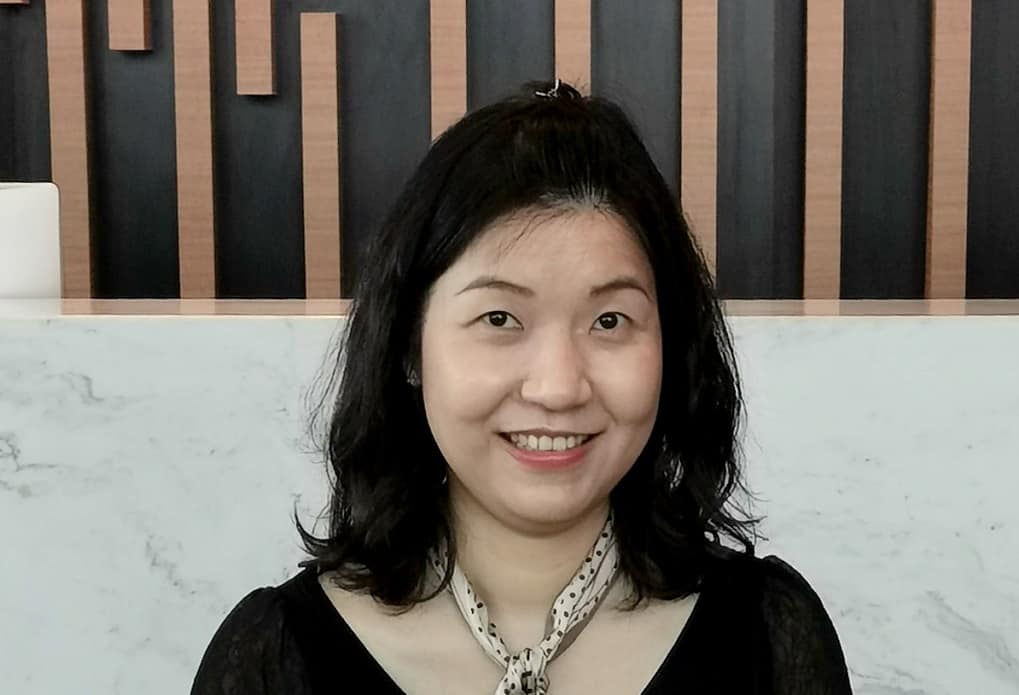
    Angel Chan is a Licensed Financial Planner attached to UOB Kay Hian Wealth Advisors Sdn Bhd. Besides providing comprehensive financial advisory to her clients, she is also committed to educate the public about the correct financial management mindset and methodology through article, YouTube video and Financial Management Workshop conducted by her and her team. Do reach out to her for more information.

    FB page: https://www.facebook.com/angelchan.financialplanner

    FB page: https://www.facebook.com/profinance.my

    YouTube channel: https://www.youtube.com/channel/UCf5f7O3vuOhnwy_wflDuuKA

    Smart Finance: https://smartfinance.my/planners/chan-aun-kei-rfp

    To book a free 1-hour consultation with Angel Chan: https://forms.gle/8Ur46Dox9T6g3yKS8
  • Interview with Maybank Asset Management Sdn Bhd, Winner Of The FSMOne Recommended Unit Trusts Awards 2022/2023

    Interview with Maybank Asset Management Sdn Bhd, Winner Of The FSMOne Recommended Unit Trusts Awards 2022/2023

    Overcoming the rising interest rates and weakening credit profile

    Smart Investor: Congratulations! Can you tell us more about your winning fund in the FSMOne Recommended Unit Trusts Awards 2022/2023?

    Syhiful Zamri: Thank you for honouring MAMG Global Income-I Fund as one of the selected award-winning funds. We are humbled by this achievement as a reflection of recognition from industry peers. The Fund is a unique feeder fund, where it feeds into a target fund AZ Islamic – MAMG Global Sukuk, which is co-managed by Azimut Investments S.A. and our Maybank Asset Management Group’s investment teams.

    It combines the best of each team’s experience and geographical expertise when it comes to credit selection for the target fund. Thus, MAMG’s team focus was on Asia sukuks while Azimut’s team focused on global sukuk outside Asia, mainly the MENA (Middle East North Africa) region.

    Though we are committed to a semi-annual distribution to reflect the regular income distribution strategy as per the fund name suggests, currently the fund is distributed on a quarterly basis to match the consistent quarterly distribution by the target fund.

    SI: What are the challenges you faced in the past 12 months?

    SZ: The main challenges over the past year would be the rising interest rates environment and weakening credit profile of some of the high-yield sukuks due to the prolonged COVID-19 pandemic and economic recovery.

    Aggressive upward interest rate adjustments by the central bankers reduced the price of sukuks massively, while credit downgrades or default on certain weaker credits will have a more permanent devaluation of the sukuks.

    SI: What are the market trends that an investor should look out for in the near future?

    SZ: For fixed income or sukuk investors, they should be mindful that the current high volatility may not last long as the central banks have already started their aggressive interest rate hiking action. Therefore, we think that most of the hawkish posturing by the central banks have been
    priced in, especially when some of the treasury yields are already above recent year’s pre- pandemic highs.

    Hence, we should be on the lookout for potential recovery options in the fixed income or sukuk market when the central banks start to become less hawkish due to the potential economic slowdown in the coming months.

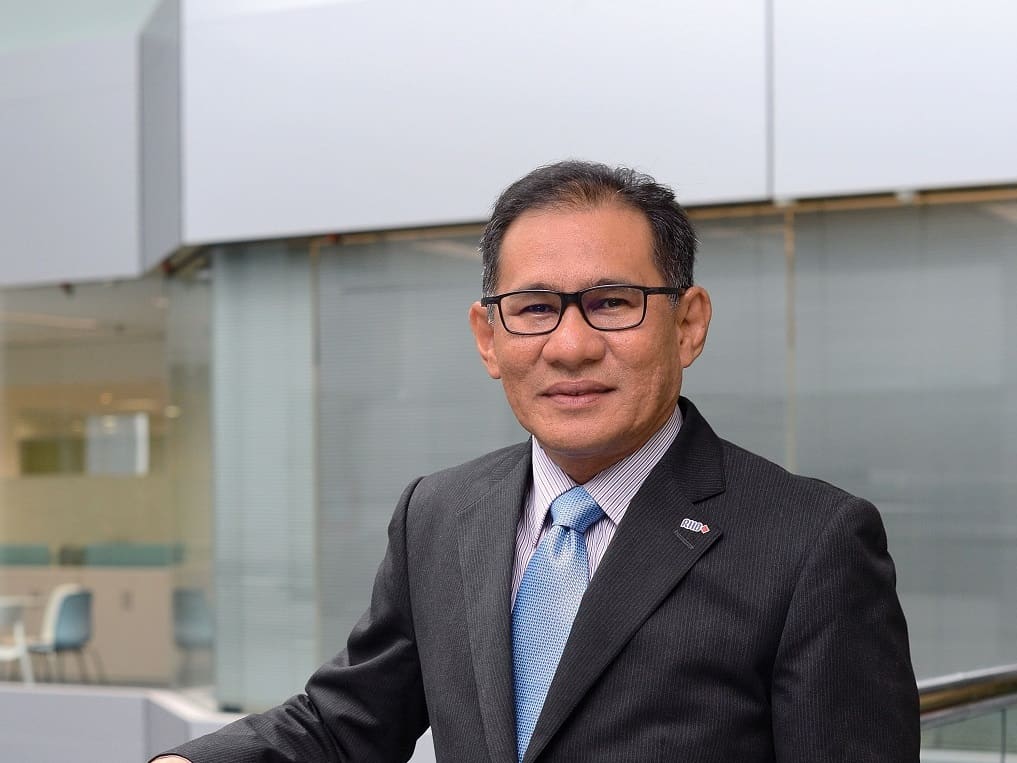
    Syhiful Zamri, chief investment officer, Maybank Asset Management Sdn Bhd

  • Interview with RHB Asset Management Malaysia, Winner Of The FSMOne Recommended Unit Trusts Awards 2022/2023

    Interview with RHB Asset Management Malaysia, Winner Of The FSMOne Recommended Unit Trusts Awards 2022/2023

    Smart Investor: Congratulations! Can you tell us more about your winning funds in the FSMOne Recommended Unit Trusts Awards 2022/2023?

    Mohd Fauzi Mohd Tahir: Thank you! We are indeed honoured and at the same time humbled to be awarded FSMOne’s Recommended Unit Trust. The RHB Big Cap China Enterprise Fund aims to provide quality and large cap exposure to China equity. The Fund is able to invest flexibly in multiple sources of “China alpha”, from onshore A-Share exposure to Hong Kong-listed China shares and even China ADR “American Depository Receipts” listed on the stocks exchanges in the United States.

    The RHB Emerging Market Bonds Fund is feeding into United Emerging Markets Bond Fund, which aims to maximise returns, with high yield and capital appreciation over the longer term, by investing primarily in Emerging Markets debt investments and products.

    The RHB Global Allocation Fund is feeding into BGF Global Allocation Fund. The Target Fund seeks to maximise total return by investing globally in equity, debt and short-term securities, of both corporate and governmental issuers, with no prescribed limits.

    SI: What are the challenges you have faced in the past 12 months?

    MFMT: Some of the key challenges over the last 12 months include the intense governmental and regulatory scrutiny on the different industries. Global growth was revised lower because of Russia’s invasion of Ukraine and the COVID-19 situation in China. Russia’s invasion of Ukraine is far from over and any drag or escalation would further exacerbated commodity prices and thus negative implications on global inflation and growth.
    In addition, the zero-COVID policy of the China government is also causing some concerns on the potential growth rates in China. Lockdowns in China in pursuit of zero-COVID policy has further disrupt the supply chain and add to production constraints.

    However, we do think that we are at the tail end of these well-flagged governmental and regulatory scrutiny. In fact, the China market is at an important inflection point in terms of the change in government and policy stance, from intense scrutiny to loosening of numerous sub-sectors. Furthermore, we also believe that the Chinese government is well aware of the economic impacts of the zero-COVID policy in China and is already
    implementing policies to counter these impacts.

    SI: What are the market trends that an investor should look out for in the near future?

    MFMT: We believe that China is a structural growth story that will persist over the medium- to long-term, despite the current short-term volatility. China is set to be the largest economy in the world, within the next one or two decades. In this current rate hike and tightening environment that investors are seeing in most parts of the world, China is in fact doing the opposite – cutting benchmark interest rates and easing on multiple fronts, including monetary, fiscal and regulatory loosening.

    We remain opportunistic as the rate tightening moves are seen to be gradual and at a much more managed pace to support economic recovery. We recommend buying bonds if the market weakens, albeit short-term market dynamics remain volatile mainly due to market sentiment. However, economic and technical fundamentals remained intact.

    Mohd Fauzi Mohd Tahir, chief investment officer, equity, RHB Asset Management Malaysia

  • Interview with Principal Malaysia, Winner Of The FSMOne Recommended Unit Trusts Awards 2022/2023

    Interview with Principal Malaysia, Winner Of The FSMOne Recommended Unit Trusts Awards 2022/2023

    Smart Investor: Congratulations! Can you tell us more about your winning funds in the FSMOne Recommended Unit Trusts Awards 2022/2023?

    Munirah Khairuddin: Principal Asia Pacific Dynamic Fund Growth invests primarily in the Asia Pacific excluding the Japan region, such as companies that are domiciled in, listed in, and/or have operations or businesses that focus in the Asia Pacific ex Japan region. With effect from 14 May 2021, the Fund may also invest up to 20% of its NAV in companies that are listed globally with some operations or businesses within the Asia Pacific ex Japan region to capture growth opportunities.

    Principal Islamic Asia Pacific Dynamic Equity Fund: The Fund is predominantly an equity fund which invests through securities of companies domiciled in, listed in, and/or have significant operations in the emerging and developed markets of Asia Pacific ex Japan. Significant operations translates to major businesses of the company. For example, the Fund can invest in a company with significant business and/or operations in Thailand but listed on the New York Stock Exchange.

    Principal Asia Pacific Dynamic Mixed Asset Fund: The Fund is managed with the aim to provide investors with income and capital appreciation over the medium- to long-term through investments in the Asia Pacific ex-Japan region. The Fund seeks to achieve its investment objective through a diversified portfolio investment in equities, debt securities, money market instruments and/or Deposits.

    Principal ASEAN Dynamic Fund: The Fund is managed with the aim of achieving stable and positive investment returns over the medium- to long-term through investments in the ASEAN region regardless of market conditions. The companies invested in must be domiciled in, listed in, and/or have significant operations in the ASEAN region. The Fund has the flexibility to adjust its investment exposure to equity and/or debt securities
    and money market instruments depending on market conditions.

    Principal Greater China Equity Fund: The Fund is a feeder fund that invests at least 95% of the Fund’s NAV in the Schroder ISF Greater China, a fund of the Schroder International Selection Fund, an open-ended investment company registered in Luxembourg. The Target Fund invests primarily in equity securities of the People’s Republic of China, Hong Kong SAR and Taiwan companies; hence, investment risk is expected to be higher than a
    globally diversified fund.

    SI: What are the challenges you have faced in the past 12 months?

    MK: The biggest challenge last year was still very much the pandemic which continued to cause widespread concern and economic hardship for consumers, businesses, and communities across the globe. Our firm spent the bulk of our time responding to the effects of the global pandemic on our workforce and business continuity. One of the challenges we faced is to operate both safely and economically at the same time and we have been able to do so through the means of technology.

    We continue to ensure our clients are handheld by establishing ongoing communication through educational materials, online webinars, relationships call and social media.

    SI: What are the market trends that an investor should look out for in the near future?

    MK: In Asia, we have a slight preference for equities over bonds. The outlook for Asian equities is turning more positive since China has reopened, internet regulation is turning more benign and PE multiples have de-rated. Our conviction in risk assets would rise after we go through the current round of earnings downgrades, the first month of Quantitative Tightening and inflation shows some signs of peaking. Within bonds, we prefer local and regional to global developed market fixed income.

    We like characteristics like quality, earnings resilience, growth visibility and reasonable valuations. We like companies that have scope for self-help, for example, on adjusting service/product offerings, managing costs, optimising their capital structure via share buybacks and/or higher dividends. We continue to look for opportunities include reopening beneficiaries (internet platform giants, consumer) and infrastructure spending plays. Factors and themes include high dividend yield, quality, inflation-hedges (selective staples, healthcare, materials, agriculture), decarbonisation (renewables) and beneficiaries of previous under-investments (energy, materials).

    The comments that US Federal policy could go beyond neutral and into restrictive territory may keep US Treasuries (UST) elevated and volatile. We expect the 10-year UST yield to trade in a wide range but should find an anchor once the inflation outlook stabilises. Following the recent rally in the local government bonds in the month of May, we will look to pare some position in government bonds as the long-end of the curve remains volatile and would switch into the belly for better risk-reward opportunities.

    We are also looking to the primary market for corporate bonds as liquidity and yields are generally attractive compared to the secondary market. For now, investors need to be prepared for continued volatility as market noises could dominate economic news over a few weeks or couple of months. In our base case, we think inflation will fall but remain above central bank targets, economic growth will slow but stay above zero and markets will ultimately shift focus to economic fundamentals.

    These are the investment philosophies we are adopting for the near future:

    • Risk Management is key
    • Stick to funds that are focused on quality and income-generating feature
    • Diversifying to funds that also have an exposure to value and sustainable growth

    Munirah Khairuddin, chief executive officer and country head, Principal Malaysia

  • Interview with PMB Investment Bhd, Winner Of The FSMOne Recommended Unit Trusts Awards 2022/2023

    Interview with PMB Investment Bhd, Winner Of The FSMOne Recommended Unit Trusts Awards 2022/2023

    PMB Investment Berhad is an Islamic Fund Management Company. It offers unit trust and fund management services. It is a wholly-owned subsidiary of Pelaburan MARA Berhad, one of the pioneers in the unit industry in Malaysia with more than five decades of experience.

    PMB Investment can be traced back to 24 June 1967 when the then Amanah Saham MARA, now Pelaburan MARA, was established and subsequently launched its first unit trust fund in the following year on 6 April, now known as PMB Dana Al-Aiman.

    Isnami Ahmad Mohtar shared with Smart Investor their journey in the industry.

    Smart Investor: Congratulations! Can you tell us more about your winning fund in the FSMOne Recommended Unit Trusts Awards 2022/2023?

    Isnami Ahmad Mohtar: PMB Shariah Premier Fund (PMB SPF) was launched on 14 August 1972 as Kumpulan Modal Bumiputera Pelaboran Perwira for Bumiputera investors only. It was opened for public and re-launched as ASM Premier Fund on 12 June 1995. It was made an Islamic fund and re-launched as ASM Shariah Premier Fund on 15 January 2013 targeting investors who were seeking to invest in a fund investing in large market capitalisation companies.

    The fund assumed its current name on 28 April 2014. The objective of the fund is to provide opportunities for investors to achieve capital growth over the medium- to long-term period through investment in the 50 largest Shariah-compliant stocks by market capitalisation listed on the Bursa Malaysia. Strategy-wise, under normal circumstances, allocation to Shariah-compliant equities and Shariah-compliant equity related securities ranges between 70% and 99.5% of the net asset value of the fund.

    In terms of performance, for the last five years from 2017 to 2021, on a yearly basis the fund had performed better than its benchmark and its peers, except for 2019. For a 5-year period which ended on 31 December 2021, the fund recorded a total return of 62.46% against its benchmark’s return of 2.07% and its peers’ return of 25.9%.

    SI: What are the challenges you have faced in the past 12 months?

    IAM: The biggest challenge in the past 12 months was dealing with the volatile stock market which became driven by the news. It was too difficult to pick the right stocks and sectors when the market was highly volatile. Besides, it was difficult to determine the right asset allocation, either to go defensive or fully invested under these market conditions. Then, and even now, the stock market is more in trading mode as market direction changed quite fast due to the flow of the news.

    Other issues that affected our stock market was, the economic impact of the Omicron strain, lockdowns, rising inflationary pressures, interest rate hikes, geopolitical tension, supply chain disruptions, the Russian-Ukraine war and high commodities prices had led the World Bank, International Monetary Fund and Bank Negara to revise Malaysia’s economic prediction lower.

    The other main issues include a mountain of external worries such as the US Federal Reserve (Fed) tapering plan, rising US Treasury yields, the contagion effect from the fallout of China’s Evergrande Group as well as the sanctions against Russia.

    SI: What are the market trends that an investor should look out for in the near future?

    IAM: The markets were already pricing in worries about hot inflation and recession fears. The latest US CPI rose 8.6% year over year (40-year high), well above the 8.3% expected by economists surveyed by Dow Jones. Interest rates tend to jump up much more in an inflationary environment. This means that equity multiples come down more when inflation is higher.

    Besides, investors also worry about the Fed taking a more aggressive rate-hike path to fight inflation. If this happens, we expect analysts will cut forward earnings estimates and stock valuations will be affected. We also opine that the Fed’s aggressive tightening cycles will negatively affect the stock market.

    The stock market is also facing other significant headwinds such as global recession fears, the prolonged supply chain disruption, rising business costs, the prolonged Russian and Ukraine war and China’s economic slowdown. However, as Malaysia has transitioned to endemic status, it will have a positive impact on the economy and stock market.

    Considering the uncertainty of external factors, prospects for the local stock market in the third quarter 2022 do not look very promising yet, and we continue to be cautious.

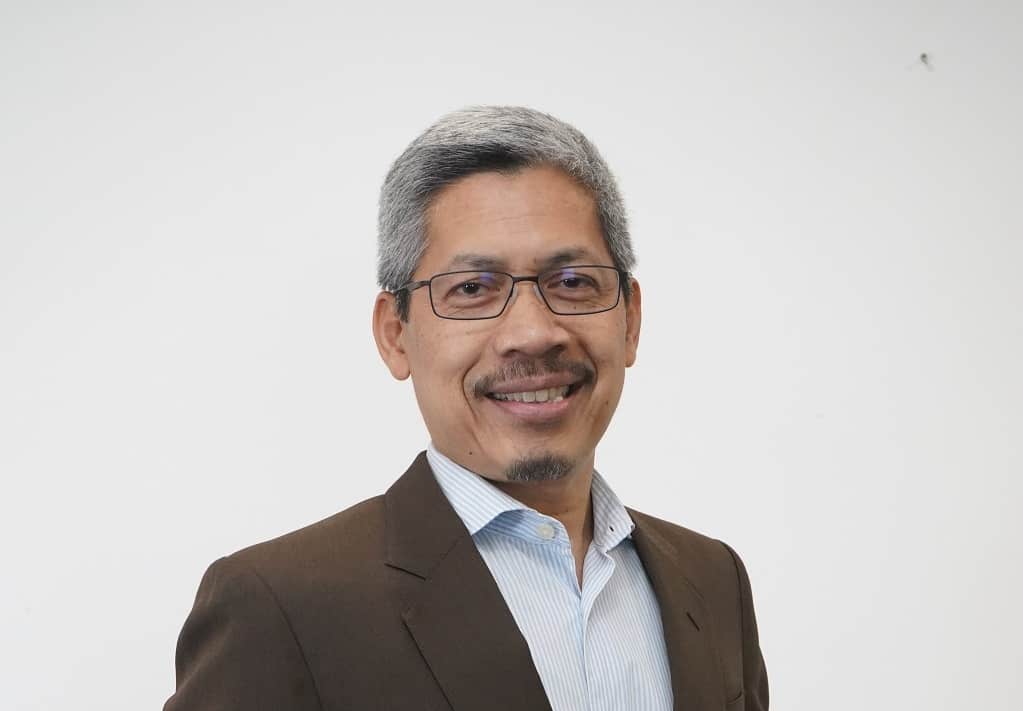
    Isnami Ahmad Mohtar, chief investment officer, PMB Investment Bhd

    Isnami Ahmad Mohtar, chief investment officer, PMB Investment Bhd

  • Interview with Manulife Investment Berhad, Winner Of The FSMOne Recommended Unit Trusts Awards 2022/2023

    Interview with Manulife Investment Berhad, Winner Of The FSMOne Recommended Unit Trusts Awards 2022/2023

    Smart Investor: Congratulations! Can you tell us more about your winning funds in the FSMOne Recommended Unit Trusts Awards 2022/2023?

    Jason Chong Soon Min: Manulife Global Thematic Fund is a feeder fund which invests in a target fund, i.e. Allianz Global Investors Fund – Allianz Thematica. The target fund invests in stocks aligned with identified investable themes. These themes are fluid but typically transcended from long-term structural sifts or megatrends driven by technology, regulations or socioeconomic factors.

    Manulife Investment Bond Fund is an actively managed fund that invests in Malaysian Ringgit fixed income securities, predominantly government and corporate bonds. It aims to provide investors consistent returns and stable income distribution.

    Manulife Investment U.S. Equity Fund is a feeder fund which invests in a target fund, i.e. Manulife Global Fund – U.S. Equity Fund. The target fund focuses on North America equity investments and invests predominantly in companies with large market capitalisation.

    Manulife Global Aqua Fund is a qualified Sustainable and Responsible Investment (SRI) feeder fund which invests in a target fund, i.e. BNP Paribas Funds Aqua. The target fund invests mainly in companies tackling water-related challenges and helping to accelerate the transition to a more sustainable world.

    Manulife Global Healthcare Fund is a feeder fund which invests in a target fund, i.e. Manulife Global Fund – Healthcare Fund. The target fund focuses on health care-related companies globally.

    Manulife Shariah PRS-Moderate Fund* is on the Private Retirement Scheme platform and aims to help investors accumulate savings through balanced investments in both income and growth strategies over the long term.

    Manulife Shariah PRS-Growth Fund* is on the Private Retirement Scheme platform and aims to help investors accumulate savings through investments in both income and growth strategies over the long term. Asset allocation is skewed towards Shariah-compliant equity given its focus on growth.

    *Manulife Investment Management (Hong Kong) Limited has been appointed by Manulife Investment Management (M) Berhad as the fund manager for the funds with effect from 14 February 2022 and as such, new asset allocations were deployed according to the new investment policies and strategies.

    SI: What are the challenges you have faced in the past 12 months?

    JCSM: The past 12 months saw some of the most volatile and eventful financial markets in history. Markets were rocked by an onslaught of unexpected events within a short period of time, ranging from the COVID-19 pandemic and supply chain issues to the Russia-Ukraine conflict and decades-high inflation.

    The unpredictability of such events and the extreme market volatility resulted in an unprecedented opaqueness to market outlook. We had to stay alert and nimble, carefully maneuvering our way around these events amid aggressive tightening of monetary and financial conditions. The key lesson learned is not to have an overly concentrated position in stocks or sectors even if you believe they will experience structural growth over the next few years.

    Things can change and unexpected things can happen along the way, be it macroeconomic conditions, a pandemic, or even a war. As a result, the portfolio may underperform when the concentrated positions are impacted by such events. Hence, having a balanced portfolio is important to navigate the current challenging market conditions.

    This led us to sticking with the saying that “diversification is the only free lunch in investing”.

    SI: What are the market trends that an investor should look out for in the near future?

    JCSM: Investors should really look out for inflationary pressure and the impact high inflation has on their investments and wealth. The high inflation has triggered a change in global monetary policies and interest rate landscape.

    Led by the US Federal Reserve, many central banks tightened monetary policies aggressively. It will be important to take note of how the various asset classes react to a high inflation and high interest rate environment, as well as the potential erosion of investment returns by high inflation.

    Jason Chong Soon Min, Chief Executive Officer, Manulife Investment Management (M) Bhd
  • Interview with Kenanga Investors Bhd, Winner Of The FSMOne Recommended Unit Trusts Awards 2022/2023

    Interview with Kenanga Investors Bhd, Winner Of The FSMOne Recommended Unit Trusts Awards 2022/2023

    Smart Investor: Congratulations! Can you tell us more about your winning funds in the FSMOne Recommended Unit Trusts Awards 2022/2023?

    Lee Sook Yee: The Kenanga Growth Fund Series 2 (KGFS2) and Kenanga Shariah Growth Opportunities Fund (KSGOF) are both equity growth funds that seek to provide investors with long-term capital growth. KGFS2 follows a diversified strategy, where up to 30% of the fund may be invested overseas, with the balance invested in Malaysia. The fund invests across market capitalisations with a focus on growth.

    For KSGOF, the fund primarily invests in Shariah-compliant securities with a focus on small-capitalisation segment of the market. Both funds employ a bottom-up stock picking strategy where high conviction stocks are given higher allocation in the portfolio (unless there is liquidity constraint). However, the funds may also tactically scale back equity exposure to stay defensive during periods of higher uncertainties/volatilities.

    SI: What are the challenges you have faced in the past 12 months?

    LSY: Equity markets globally have been especially challenging in the past 12 months, impacted by continued effects of the pandemic, rising inflation, monetary tightening and geopolitical conflict. COVID concerns still dominated headlines in the second half of last year, as new
    variants prompted on and off lockdowns.

    Although full re-openings started to progress across the globe in early 2022, the rebound in demand has clashed with supply shortages and triggered a rise in inflation. This was further compounded by the Russia-Ukraine geopolitical conflict. As such, inflation rose to levels which could not be ignored by central banks and as such they have responded with a strong monetary tightening policy.

    Rising inflation and tighter policy are negative for asset prices, as liquidity is drained from the system and the cost of capital increases. Inflation also results in rising cost for companies and hurts demand as consumers scale back on discretionary spending. Companies in Malaysia were not spared, given their heavy export links with the rest of the world while rising risk aversion also dampens investment fund flows.

    Overall we are managing the environment by currently adopting a defensive portfolio stance, with over-weights on sectors that have pricing power and will also benefit from higher interest rates. We see market weakness as a chance to opportunistically deploy capital to companies where long-term fundamentals still remain solid.

    SI: What are the market trends that an investor should look out for in the near future?

    LSY: Near term, key factors affecting the market will include the path of US growth and inflation, together with the corresponding response by the US FED. On the other hand, China’s market outlook is improving, as the economy re-opens and further government support is being planned to stimulate the economy. Recently, China’s central bank has moved to cut interest rates while the central government is planning to announce more infrastructure stimulus.

    Our positive view on ASEAN is maintained, as growth remains strong and is driven by economic re-opening, while higher commodity prices will also benefit certain economies such as Indonesia and Malaysia. In Malaysia, global macro concerns and rising rates have weighed on the market but pockets of opportunities still exist in the manufacturing, tech and consumer sector where fundamentals still remain bright but valuations have become more attractive.

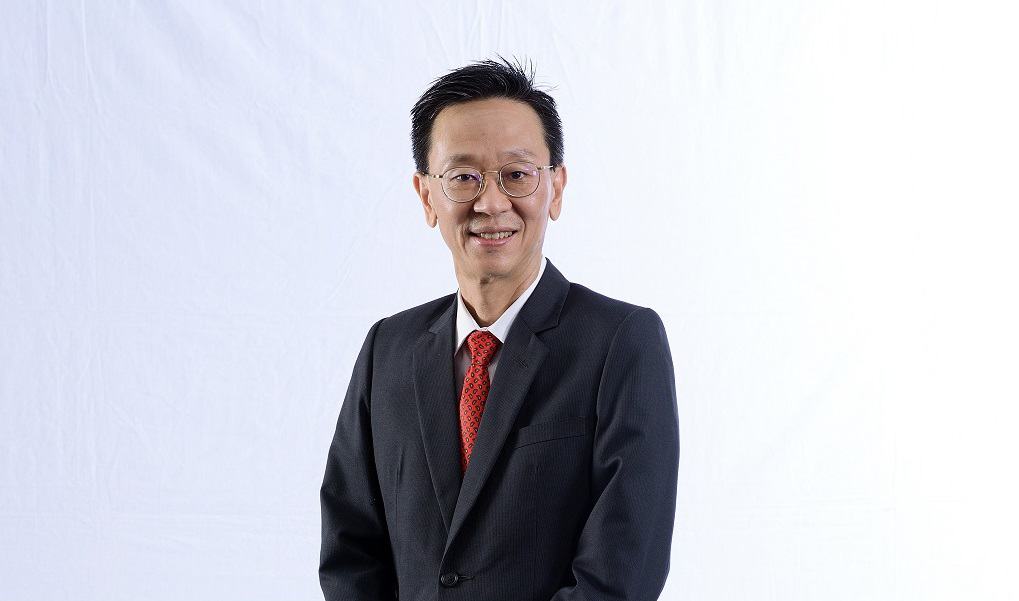
    Lee Sook Yee, chief investment officer, Kenanga Investors Bhd

  • Interview with Eastspring Investments Bhd, Winner Of The FSMOne Recommended Unit Trusts Awards 2022/2023

    Interview with Eastspring Investments Bhd, Winner Of The FSMOne Recommended Unit Trusts Awards 2022/2023

    Eastspring Investments, part of Prudential plc won two award categories in the FSMOne Recommended Unit Trusts Awards 2022/2023. With Eastsprings Investment teams’ deep understanding of Asian markets paired with their global expertise, this has proven to be an advantage for them in Asia.

    Smart Investor interviews the head of investments, Doreen Choo to find out more about their winning funds.

    Smart Investor: Congratulations! Can you tell us more about your winning funds in the FSMOne Recommended Unit Trusts Awards 2022/2023?

    Doreen Choo: We are genuinely happy. 2021 was a tough year for everyone in the industry and we are ecstatic that two of our funds were accorded awards at the FSMOne Recommended Unit Trusts Awards 2022/2023. Both funds have consistently won these awards in the past and it speaks about the caliber of our fund management team and the consistent performance of our core funds.

    SI: What are the challenges you have faced in the past 12 months?

    DC: The challenges we have faced in the past 12 months are mostly due to the fact that market conditions were volatile. While at the same time, due to movement restrictions, we were unable to have face to face meetings with a lot of our investee companies. Online meetings did help to alleviate some of that, but on the ground, site visits are still the best way to get a deeper understanding of the companies we invest in and the prevailing market sentiment.

    SI: What are the market trends that an investor should look out for in the near future?

    DC: We see that investors are diversifying their products into global equity funds and within this global equity space, there is growing interest in ESG or sustainability theme investments. These range from general sustainable funds, and climate-related funds to the latest impact investing funds.

    While China markets have been volatile, we do believe that this is an area where investors are watching closely. Given the long-term potential of the market, as well as the current fallback of the market, it has also presented market opportunities for investors who have a longer-term view. The other area of interest will also be tech-related theme investments as how we work, live and play have also been changed by technology and as such, this is also a theme to watch out for.

    Doreen Choo, head of investments, Eastspring Investments Bhd

  • Interview with AmanahRaya Investment Management Sdn Bhd, Winner Of The FSMOne Recommended Unit Trusts Awards 2022/2023

    Interview with AmanahRaya Investment Management Sdn Bhd, Winner Of The FSMOne Recommended Unit Trusts Awards 2022/2023

    Amanah Raya Berhad is Malaysia’s premier trustee company wholly owned by the government of Malaysia. AmanahRaya Syariah Trust Fund won the Core Fixed Income Malaysia (Islamic) category. Roszali Ramlee shared their award-winning fund and the current market situation with us.

    Smart Investor: Congratulations! Can you tell us more about your winning fund in the FSMOne Recommended Unit Trusts Awards 2022/2023

    Roszali Ramlee: Thank you, we are extremely honoured to receive such a prestigious award, more so as 2022 has been a tough and difficult year for bond funds. We are grateful that, with discipline, perseverance and our trust in the process, we managed to overcome the challenges that came our way during the said year.

    We see this recognition as a great platform to elevate ARIM’s brand and reputation in the investment fraternity. Nevertheless, we do not intend to sit on our laurels, we will continue to strive for greater performance and hopefully more awards.

    SI: What are the challenges you have faced in the past 12 months?

    RR: The bond yield, which rose sharply during the first half of 2022, had affected the valuation of our fund. We have positioned our portfolio with a short-to-medium portfolio duration to cushion the impact. Nonetheless, the downside risk remains, which includes rising inflation, conflict in Ukraine, prolonged supply chain snarls, China COVID-19 lockdowns, aggressive policy tightening by central banks and the global economic slowdown.

    SI: What are the market trends that an investor should look out for in the near future?

    RR: We anticipate that interest rates will continue to rise in the next 12 months and Bank Negara Malaysia will continue to increase the OPR to 3.00% by 2023 to 2024. As the entry level for 10-year Malaysian Government Securities (MGS) is now above 4.20%, we opined that the current level is attractive and more palatable for traders and investors.

    Roszali Ramlee, managing director/chief executive officer, Amanahraya Investment Management Sdn Bhd

  • Interview with AmFunds Management Bhd, Winner Of The FSMOne Recommended Unit Trusts Awards 2022/2023

    Interview with AmFunds Management Bhd, Winner Of The FSMOne Recommended Unit Trusts Awards 2022/2023

    AmInvest is the brand name for the funds management business of AmFunds Management Berhad and AmIslamic Funds Management Sdn Bhd. They are a multiple award-winning fund management company based in Malaysia with 40 years of investing experience managing unit trust funds, wholesale funds, institutional mandates, Exchange Traded Funds (ETF) and Private Retirement Schemes (PRS), encompassing both conventional and Shariah-compliant funds.

    As an investor, we need to have a diversified portfolio. This is to ensure that it can still give a good returns, be it a bear market or a bull market. With global markets showing signs of a slowdown, it is good to have some exposure in equities and some in fixed income. Being on the defensive is a good strategy in these times of uncertainty.

    We spoke to Goh Wee Peng, chief executive officer and Wong Yew Joe, chief investment officer of AmFunds Management Bhd to get their views on their winning funds. The winning funds are diversified well enough, with equity exposure in Europe, fixed incomes in Asia ex-Japan, in Malaysia itself as well as some foreign exposure. We are able to get more insights on the funds itself, the challenges that they faced in the past 12 months as well as the market trends in the near future.

    Smart Investor: Congratulations! Can you tell us more about your winning funds in the FSMOne Recommended Unit Trusts Awards 2022/2023?

    Wong Yew Joe: We are proud to be able to win 4 prestigious awards, for Equity – Europe category (Europe Equity Growth fund and 3 fixed income fund awards for Asia, Short Duration and Malaysia categories by AmTactical Bond, AmIncome Plus and AmDynamic Bond respectively.

    Given the challenging markets in 2021, these achievements reflected well on the fund’s strategy over the review period. The Europe Equity Growth focuses on Europe growth stocks which have benefited from the recovery from Europe’s stock markets, while the fixed income funds took a more conservative approach in managing the fixed income investments in a yield risk environment.

    SI: What are the challenges you have faced in the past 12 months?

    Wong Yew Joe: The biggest challenge for managing fixed income investment was managing the portfolio risk as yields had risen quickly in the bond markets. A rising yield environment has a direct adverse impact on bonds. Malaysian government bond yields rose by up to 100 basis points in 2021. We had to trim down the portfolio duration and rebalance our exposure from government bonds to more corporate bonds.

    We generally maintained sufficient cash buffers in the face of greater market volatility and potential fund redemptions. The key strategy was to stay defensive but keep invested enough to generate sufficient income. We diversified our portfolio into more local and regional corporate bonds. The lower trading volume in the market last year had resulted in less trading opportunities, hence we had to focus more on generating income from bond coupons.

    SI: What are the market trends that an investor should look out for in the near future?

    Goh Wee Peng: We are seeing stronger trends towards Environmental, Social and Governance (ESG) investments. Investors are also becoming more aware of the need for sustainability for the global community and are hence aligning their values and beliefs accordingly in their investments. We believe the investment returns and the sustainability principles will eventually align, similar to the law of supply and demand. Companies that are in line with the environment and socially responsible themes together with strong governance are likely to see growth in value.

    AmInvest’s recent fund offerings are consistent with AmBank Group’s commitment to sustainability. Since May 2021, AmInvest has launched four Sustainable and Responsible Investment (SRI) qualified funds under our Sustainable Series, namely, Positive Change Fund, Climate Tech Fund, Nutrition Fund and Health Fund, with more funds slated to be launched in the pipeline.

    Goh Wee Peng, chief executive officer, AmFunds Management Bhd
    Wong Yew Joe, chief investment officer, AmFunds Management Bhd