Blog

  • A Conversation With Tun Dr Mahathir

    A Conversation With Tun Dr Mahathir

    Most of us wish to retire early before we hit 60, which is the retirement age in Malaysia. But not the living legend, the Father of Modern Malaysia. 

    Born on 20 of December 1925, Tun Dr Mahathir Mohamad holds the record of being the oldest prime minister in the world when he was in office. This was when he became the prime minister of Malaysia once again on 10 of May 2018 when he was 92 years and 141 days old.

    Smart Investor’s team with Tun Dr Mahathir Mohamad

    Smart Investor recently had the honour and opportunity to speak with Dr Mahathir in person. He spoke to us about his philosophy around work and retirement, what he has invested in and how he keeps his mind sharp at his age. 

    Trust in Our Malaysian Doctors

    A well-known story about Dr Mahathir during his first premier was that he put his faith in local Malaysian doctors for his heart surgery. The surgery was led by a local doctor, Dr Yahya Awang with his team in 1989. 

    Dr Yahya Awang with Tun Dr Mahathir – Photo : MHTC

    He was then 64 and 82 years old when he went for his first and second major surgery, respectively. 

    “Basically, I’m quite healthy in the sense that I don’t have any debilitating diseases. What I had was a blockage in one of the heart arteries. The doctors are very good and I recovered. Once I recovered, I was free from the disease and I naturally came back to normal,” Dr Mahathir shared. 

    Today, at 96 years old, he is still standing strong and working tirelessly for the betterment of our country. 

    You need to live a moderate life. Don’t eat too much because that could affect your health. You should also have enough sleep and don’t get too excited over things.

    Tun Dr Mahathir

    Dr Mahathir added that one has to try and stay as calm as possible. 

    “Mainly, I don’t smoke, I don’t drink and I think this also contributes to my good health,” Dr Mahathir emphasized. 

    He said that he eats almost anything but keeps his portions small. He also shared that he practiced his mother’s advice when it comes to diets:

    “When the food taste nice, stop eating.”

    Until today, Dr Mahathir’s memory is still intact. What is his secret?

    “If people ask me questions on matters that I am interested in, it is easy for me to remember what information I have. But if you ask me something that I know nothing about, of course, I cannot answer. The main thing is to always do a lot of reading, discuss frequently with others and debate with people,” he responded.

    These are the tips he shared on keeping your mind active. 

    The mind is like the body. If you don’t use it, it begins to retrogress. 

    Tun Dr Mahathir

    Stress and Heart Attacks

    Recent findings by the Department of Statistics Malaysia (DOSM) found that ischemic heart disease remained the principal cause of death in Malaysia, contributing to 17% of 109,155 medically certified deaths in 2020. People tend to think that heart attacks will only occur to those in the retirement age, but surprisingly we can see that men and women are now having heart attacks as early as in their 20s. 

    He thought that people nowadays are very emotional and get easily upset over things. This will affect the part of the body where the heart beats more than normal which can put a strain on the heart.

    “No smoking. That’s very important. Beyond that, don’t go through too much stress. Try not to get excited and angry much,” he advised.

    Severe road congestion, the rise in living costs and many other factors seem to make everyone so stressed these days. What are the ways we can overcome stress?

    “We have to accept that things cannot always be right. Today, we are facing a pandemic that prevents people from working and they cannot earn money to buy food. Of course, this worries them and it’s very difficult not to worry,” he said.

    Health is Wealth

    Tun Dr Mahathir

    When the word retirement planning comes into mind, everyone is focused on building their wealth but not their health.

    Health is very important. It’s no good having billions of Ringgits if you can’t even move or talk or behave normally. So, it’s better to have less money, but stay healthy. You enjoy life better.

    Tun Dr Mahathir

    Younger generations tend to get involved in the gig economy, freelancing and running their own business. In 2020, the DOSM shared that almost four million people are working in the gig economy in Malaysia. This includes ride-hailing, food deliveries and managing holiday rentals via an online platform or an application accessible through smartphones.

    Unfortunately, most of those who are involved in this line of work did not contribute to the Employees Provident Fund (EPF). How can they start planning for their retirement? 

    “When you’re healthy and able to work, you can do whatever you like. But when you grow old, you need a pension and some income. If you have done well in your business and you have contributed to EPF or you have saved money, then when you’re old, you don’t have to worry too much about finance. But if you work where there is no pension and you don’t save and don’t contribute to EPF, when you grow old you’re going to have problems,” Dr Mahathir shared.

    On the Rise of Inflation

    Bank Negara Malaysia (BNM) projected the headline inflation of the country to be between 2.2% – 3.2% in 2022. This is not only happening to Malaysia but countries around the world which are affected due to the pandemic and Ukraine-Russia war. 

    How can Malaysians weather the storm?

    “Interest rates are a cost to doing business. The higher it is, the more costly the business. This will result in production services being more costly and when it is more costly, of course it is not sellable,” he shared.

    Dr Mahathir further explains that low interest rates will encourage people to invest and some of them would fail. But for the government, the lack of investments will reduce the creation of wealth. 

    Tun Dr Mahathir Moahmad

    “We need people to invest money in order to create wealth. Because when they make a profit, they are actually creating wealth, then they will pay taxes to the government,” he added. 

    Investment is one of the tools to hedge against inflation. However, the number of scams is now running into billions of Ringgits, despite there being a lot of legitimate investments. Why are people still falling for scams? 

    Dr Mahathir opined that people want to get rich quickly and they easily believe the pitch when people tell them that there are easier and faster ways to earn money.

    Tun Dr Mahathir

    “There is no such thing as easy money. Money comes through hard work and intelligent work. If you believe that putting up a few dollars somehow will multiply to a big amount of money you earn, then you’re going to be cheated,” he explained.  

    We then asked him what his investment portfolio was like.     

    I don’t own any shares except for 200 shares of Malayan Tobacco which I bought long ago before I became a minister. That’s all my investment.

    Tun Dr Mahathir

    Dr Mahathir further added that he also had to invest in PNB and took up some shares worth RM1,000 or RM2,000 because he had to show that investment matters and is good for the people during that time. 

    He clarified that he only depends on his salary which is quite a lot for him and more than what he needs. 

    “I used to be a private practitioner, earning maybe RM2,000 a month. But when I was a prime minister, I earned RM20,000 a month. I can’t spend the money. Besides, the government pays for my house, electricity, water supply, cars and even aeroplanes. I keep my money,” he shared.

    As a smart investor, you can have all the money in the world. But all that money will mean nothing if you do not have good health to go along with it.

  • Retirement Planning with the Right Tools in Hand

    Retirement Planning with the Right Tools in Hand

    When it comes to retirement planning, investment is one of the tools that can help us to achieve our goals. The famous quote by Benjamin Franklin rings true;

    If you fail to plan, you are planning to fail!

    Recently Smart Investor spoke to Isnaliyah Sarwadi, director, business development of PMB Analytics Sdn Bhd (PMBA) which is a subsidiary of Pelaburan Mara Berhad, to get her views on the topic at hand.

    According to her, there are many investment vehicles to support our retirement planning, but the two  vehicles that she believes could warrant the achievement of the goal are through unit trust and property investment.

    Unit Trust and Property

    retirement

    Unit trust investment is one of the most common investment vehicles in Malaysia. It is easily accessible by everyone and it also has a very low entry barrier. You can start investing in unit trust from as low as RM100, which makes it affordable for everyone. It can also be used as a tool to invest regularly each month.

    One must emphasize asset allocation and diversification strategies to benefit the most from unit trust investment. With just a small amount of money, you can already be exposed to global markets such as the United States, ASEAN, China and the rest of the world. Just ensure that it matches your investment objectives, investment horizon and risk tolerance level.

    Secondly, there is property investment. With the right selection of property especially the right location, it can save you time and money to access to your work place. On top of that, price of a good property will always grow over a long period of time. When it appreciates in value, instead of selling it to buy bigger property (an upgrade of lifestyle), one may lower or maintain the lifestyle by buying two properties to accommodate two purposes (accommodation and investment).

    Hopefully, when you combine these two investment vehicles, you will enjoy strong financial standing when you retire. These investments can also be liquidated and used for other purposes such as for your children’s education or to start off a new business.

    Another tip by her is the new age comes with the latest technology. You must equip yourself with new skills as well. If you start saving early, over time, you will have money to start great things in life as the savings will enable you to start small businesses (become an entrepreneur). Immediately, the money will provide you with working capital or a deposit to buy machinery or vehicles for transportation to start the business. In addition, it will provide you money for upskilling since you will need to attend courses of your preference, for example, culinary, bakery, saloon, sewing, massage technique, writing technique, etc.

    Why Aren’t We Able to Retire Well?

    The reason that some of us are not able to retire well is caused by the low awareness of personal financial planning. We tend to spend more than what we earn, which then causes us to borrow in order to carry on with our lives.

    The credit card debt trap which can be a very vicious cycle. Once you are trapped as you are only able to pay the minimum amount each month, it will be very difficult to get out of it. It can snowball to a huge amount over a period of time.

    It all boils down into a mismatch of lifestyle against income. Ever heard of the quote, “We buy things we don’t need with money we don’t have to impress people we don’t like.”

    We also tend to fall prey to “ponzi” schemes and scammers out there. We are easily blinded by the promise of getting rich instantly and receiving extraordinary monthly returns.

    Tackling the Rising Inflation and Interest Rates

    retirement

    Finally, we have to deal with the issue of rising inflation and interest rates. Here are some tips that Isnaliyah is kind enough to share with us. To help us weather the storm, we should do the following:

    • Prudent management of cash flows and personal budgeting requires you to choose wisely between needs and wants
    • Structure your retirement portfolio well. The investment horizon is for the long term and should the market tumble, don’t panic and don’t abruptly restructure your existing portfolio.
    • Invest in upskilling so that you can look for additional income streams if the need arises.

    Retirement planning is something that we should not take for granted. As the years pass so quickly, especially these days, we will be staring at the day we retire very soon.

    If we do not take action, we may have to work until our golden age. So do not delay; start to plan for your retirement now.

  • Wiser Investment Decision with Fintech?

    Wiser Investment Decision with Fintech?

    “Fintech for inclusion” seems to be on everyone’s lips and countless articles have been written on advancing the benefits of fintech for the underbanked and underserved segments. Undeniably, many of us, to a certain extent, may have already benefited from the adoption of fintech, from payment to data-driven investment in consultancy services.

    With more intense competition between the major players, it would translate into better services at a lower cost.

    However, the term “customer loyalty” and “customer satisfaction” may no longer apply in this era of digitalisation. Customers may not be loyal although they are satisfied with a particular service provider.

    Seamless easy experience remains the utmost important factor for customers in their selection of a service provider. In other words, a service provider may face the risk of losing its customers at just the slightest inconveniences from technical glitches in their platforms.

    This explains why fintech providers are so obsessed in improving customer experience particularly in the area of digital on-boarding in their services. Palatable decent services is no longer good enough but services that intrigue and keep customers delighted may help to retain them.

    Investing With Fintech

    On the investment front, customers may be inclined to prioritise investment returns over convenience. Thus for investment platforms, they may stop utilising the platform if it fails to generate enough returns according to the users’ risk profile or risk appetite.  Conversely, they may still utilise the platform, even if it is complicated, as long as the provider could deliver some ‘magic figures’ for their investment returns.

    So, with a myriad of fintech systems that can help us to save, borrow, plan, trade, invest and automate our portfolios along with alternative investments and in emerging asset classes such as Decentralised Finance (DeFi) – cryptocurrencies and Non-Fungible Token (NFT), could we invest better with fintech?  Could we make more profitable returns compared to our predecessors or to those who are reluctant to embrace the technology?

    invest

    Studies have shown that humans are not always rational especially when it comes to investing. Digital assisted investment tools can help us invest with less emotions and make better fact-based decisions. For instance, with the advancement of fintech applications with Artificial intelligence (AI), we could preserve the value of assets with the right risk-management techniques. Market sentiments for a particular asset or asset types could be gauged with the help of fintech applications in analysing and interpreting into human language by looking into their preferences, their opinions, what they say, likes or dislikes.

    However, whether the tools can be harnessed for better investment decisions depends on how smart we are in utilising it. The increased amount of available information together with fake news daily, may result in ‘illusion of control’ over our investment abilities or ‘illusion of knowledge’ over the capacity of fintech platforms for investing.

    Such psychological biases could lead to excessive financial risk-taking that inadvertently results in less than optimal investment decisions when we underreact or overreact to information. Overreaction and under-reaction to information are due to our brain’s tendency to use shortcuts when processing large amount of information as detailed in the psychological literature.

    Trying to avoid the ‘falling out of herd’ mentality is another type of bias commonly experienced when making investment decisions. This can then lead to domino effects of ‘false consensus’ and ‘momentum bias’ when making decisions.

    ‘Investing is most intelligent when it is most business like’ and ‘Be fearful when others are greedy’ are perhaps the famous quotes by Warren Buffet that we have to remember when investing. We can only consistently beat the market and earn a return only if we are smarter than the market. Hence, by just emulating the trading strategies of others or adopting their software could make us as smart or as silly but not necessarily smarter than others.

    invest fintech

    No matter how sophisticated or data-driven the fintech platform is, the ability to discern real from fake news is also critical. We are essentially living in a big machine under digital surveillance daily, with tons of information produced daily from the moment we use electronic devices.

    With increased competition, major players may be heading for more partnerships and initiatives such as Open-Banking, to share and leverage our data in providing a more customised application and solution for us.

    After all, fintech is also a tool that feeds on data. The right investment action for better investment outcome could not be possibly extracted from a large amount of garbage.

    Yet, being not digitally exposed may also mean becoming more digitally vulnerable to financial scams. Thus, it is important to invest in oneself by acquiring knowledge and skills, while undertaking finance and non-finance related risks that are brought about by rising fintech development. 

    In short, too much of something is never a good thing; just like consuming too much vitamins or supplements may be bad for our health. There is no perfect formula or system for investing in this world.

    We should not forget that many market crashes like Black Monday in 1987 and the liquidity crunch in August 2007 are in part due to mechanical glitches.

    About the Author

    Dr Audrey Lim Li Chin is a lecturer and a researcher at Multimedia University (MMU) Melaka. She teaches International Finance and Derivatives. She is particularly interested in retirement planning, mental health, fintech especially in blockchain and data analytics. She is also a Certified Financial Planner, (CFP) and is currently pursuing Chartered Financial Analyst (CFA) certification. She is also the external educational advisor to Max Wealth Education Sdn Bhd.

    This article is in collaboration with Max Wealth Education Sdn Bhd, an approved Education Provider for the CFP Certification Program.


    Upgrade Yourself To Become A Certified Financial Planner And Islamic Financial Planner

    The Certified Financial Planner (CFP) qualification is for those wishing to practice the profession of financial planning and who wish to master a certain level of theoretical knowledge and practical application of financial planning in such areas as:

    • General principles of financial planning
    • Insurance planning
    • Taxation planning
    • Investment planning
    • Retirement planning
    • Estate planning
    • Financial plan construction and professional responsibilities

    Islamic Financial Planner (IFP) is designed especially for professionals and personnel serving the retail segment of the Islamic financial products and growing demands of discerning Muslim retail clientele call for higher standards of competency and ethical practice of financial planning professionals. Equip yourself with enhanced knowledge in the personal financial advisory space.

    Exclusively for Smart Investor followers, click https://www.smartinvestor.com.my/SIxMaxWealth to find out more about the Special Promotion Package and get up to 20% special discount.

    *This promotion is valid until 31st December 2022 only

  • Shariah Investing, for a Better Future and More Equitable Wealth Distribution

    Shariah Investing, for a Better Future and More Equitable Wealth Distribution

    Shariah investing is a very popular buzzword and Malaysia is the world’s leader in Islamic finance industry.

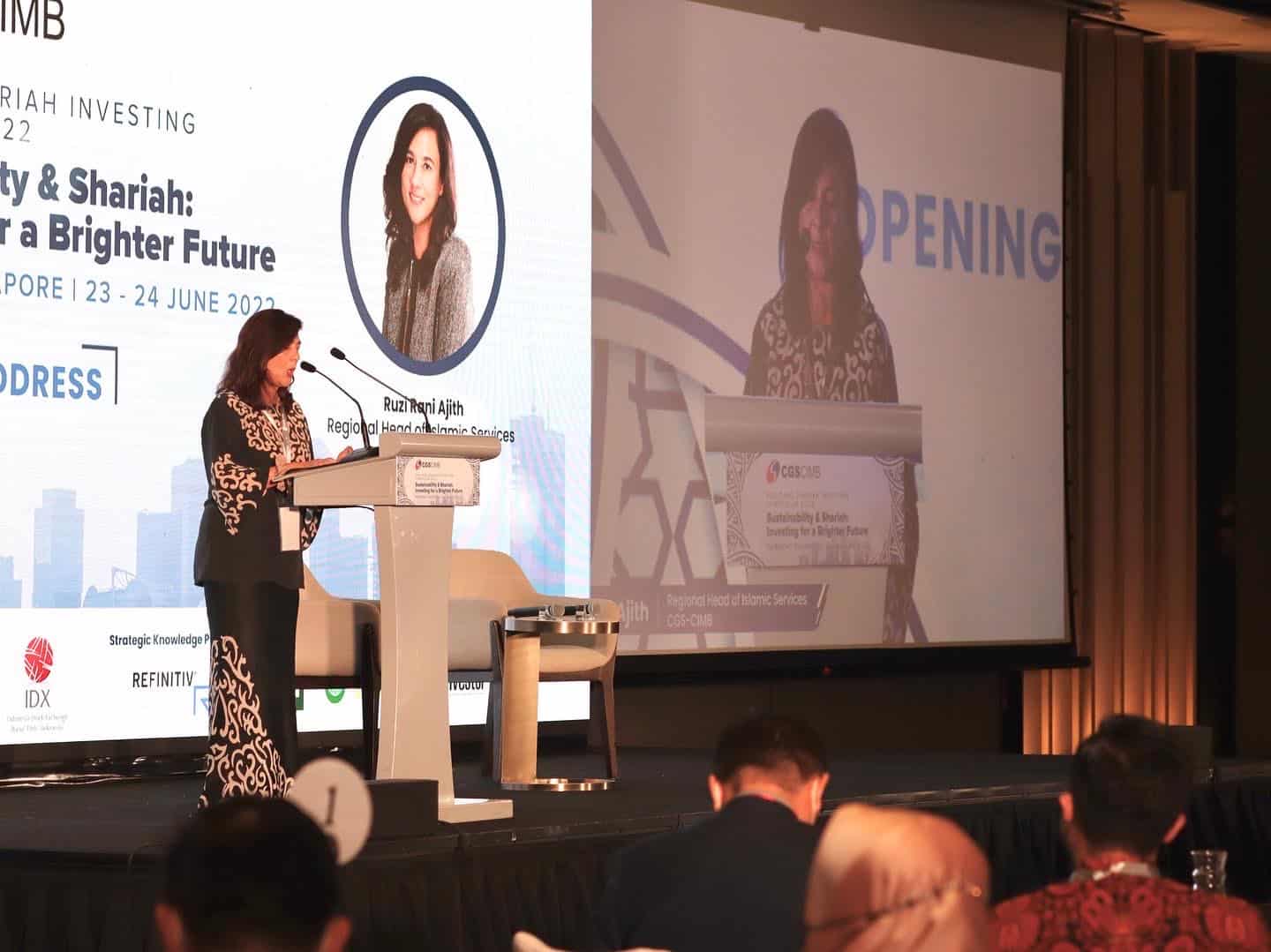
    Smart Investor spoke to Ruzi Rani Ajith, chief executive officer of CGS-CIMB Securities Sdn Bhd to find out more about Shariah investing and the inaugural CGS-CIMB Regional Shariah Investing Symposium 2022 which was held in Singapore recently.

    Themed Sustainability & Shariah: Investing for a Brighter Future, the symposium brings together experts from across Malaysia, Singapore and Indonesia to discuss the latest developments in Islamic Finance and Shariah Investment. Top management from leading Shariah-compliant companies listed on Bursa Malaysia, the Singapore Exchange and the Indonesia Stock Exchange were present to share their future strategies and growth plans post-pandemic.

    Smart Investor: Hi Ruzi Rani Ajith, thanks for taking the time to have this interview with Smart Investor. Perhaps we can begin with a brief introduction about yourself?

    Ruzi Rani Ajith: Hi, thank you for having me. It is my pleasure to be here with Smart Investor. Sure, my name is Ruzi Rani Ajith. I am the chief executive officer at CGS-CIMB Securities Malaysia and group head of shariah services at CGS-CIMB Securities.

    Prior to my appointment, I served as the head of equities in CIMB Investment Bank, where I have worked with the organisation in various capacities over the past 23 years. Before joining CIMB, I was with Affin Investment Bank for three years as a fund manager.

    SI: Why do you think Shariah investing is important, and is it only limited to Muslims?

    RRA: Shariah investing is not limited the Muslims. Shariah investing is for all. It is another approach to investing where Shariah compliance is to be adhered to. Shariah investing among others avoid prohibitive elements in shariah such as riba (interest), gharar (ambiguity) and maysir (gambling). In its process to uphold Maqasid (objective) Shariah, Shariah investing has always been closely linked to Social Responsible Investment (SRI) and Environmental, Social And Governance (ESG).

    Shariah investing is a subset of SRI and also complementary to ESG. Due to its overlap with ESG and SRI, it is becoming increasingly popular and important for investors, with an increase in take-up on Shariah investing.

    SI: What are the market trends should investors look out for in the near future?

    RRA: The trend is the focus on Shariah and ESG investing. Global investors are increasingly aware of the synergy between ESG investments and Islamic finance. This contributes to the growing demand for Shariah-compliant investments as investors seek greater portfolio diversification and an alternative to investing traditional ESG. Shariah-compliant and ESG investing are complementary investment approaches that have important points in common, such as being a good steward of society and the environment. “According to research by Refintiv, Shariah compliance screening can do much to improve ESG performance. There is a direct correlation between Shariah compliance and higher ESG scores, and combining the two could improve overall risk-adjusted returns”.

    We should see an increase in new Shariah or ESG product offerings to cater for various market segments.

    Another trend that is taking centre stage is the green and renewable energy space as the world is gearing towards a net zero carbon by 2050. This is where the transition into green and renewable energy comes into play. Hence, funding this transition has created the demand for sustainability and green sukuk which has resulted in exponential growth.

    SI: With the rise of inflation and interest rates, what should an investor do?

    RRA: Never put all your eggs in one basket. Portfolio diversification can help to balance the risk and reward in your investment portfolio.

    Also, investors can consider investing in ESG and Shariah-compliant products to reduce the risk in an uncertain market.  To also take into consideration to invest in defensive and high-yield stocks.

    SI: Tell me more about CGS-CIMB’s involvement with Shariah investing?

    RRA: CGS-CIMB started its Shariah business in Malaysia office where Shariah investing is further enhanced with various innovative products that are in the pipeline and will be launched soon. Confident with the prospect of Shariah businesses, we have also extended our Shariah services to our Singapore and Indonesia offices.

    In Malaysia, CGS-CIMB offers a range of Shariah-compliant products and services from Shariah compliant trading accounts; with access to thousands of Shariah-compliant securities, margin facilities. We are the first broker to launch Islamic Cross Border Trading, as well as setting the framework for Islamic Securities Selling and Buying (ISSBNT).

    The responses have been very positive. Over the past two years, we have managed to triple the number of Islamic trading accounts. We aim to continue to launch innovative Shariah Compliant products such as Shariah-compliant Discretionary Trading and Shariah-compliant Futures.

    We are happy to have Singapore and Indonesia embarking on this journey, launching their first Shariah-compliant products and services at this Shariah Symposium. Moving forward, we will continue to expand our product and services in the region.

    SI: Congratulations on the inaugural CGS-CIMB Regional Shariah Investing Symposium 2022 which was recently held, care to share more about this event?

    RRA: Thank you.

    The CGS-CIMB Regional Shariah Investing Symposium (RSIS) will be organized annually.

    The RSIS sets as a platform to bring together exchanges, corporate leaders, industry experts and investors to explore economic and market trends within the Shariah Investment landscape.

    RSIS aims to bring awareness and educate investors and public on Shariah investments, especially in Singapore and Indonesia.

    The symposium showcases CGS-CIMB’s contribution to Islamic Finance industry in creating awareness on the subjects and its focus on Islamic businesses in the region.

    CGS-CIMB’s aspiration is to become the regional leader within the Islamic Broking space. On the long run, this annual symposium is aimed to further provide deep awareness to the growing trend for Islamic Finance and Shariah Investment across the region.

    The support from three exchanges namely Bursa Malaysia, Singapore Stock Exchange and Indonesia Exchange shows a positive sign to create awareness of Shariah investment around the region and encourages Shariah investments as a choice and an alternative to conventional investments.

    SI: What are some of your plans for the future that you can share with us?

    RRA: Our goal is to be a leader in Islamic Finance in countries with CGS-CIMB presence.

    We hope to use our experience in Malaysia to lead the Islamic initiatives in countries where CGS-CIMB has a presence starting with Singapore and Indonesia which has the most potential.

    In Malaysia, our focus will be on operational efficiency as well as continue to improve our Sariah product offerings. We will be launching two new products namely Shariah Discretionary Trading and the first in the world Shariah-compliant Futures this year.

  • 5 Investing Mistakes to Avoid During a Downturn

    5 Investing Mistakes to Avoid During a Downturn

    A market downturn can be scary. In the past few months, we have seen one of the most volatile swings in stock market history that can unnerve even the steeliest investor. But many forget that we have been through this before.

    Whether it is selective memory or a case of financial amnesia, many investors might give in to their worst instincts which often leads to poor investment decisions. Here are five common investing mistakes to avoid that could set you back even further in a downturn.

    1. Panic Sell

    invest

    It can be painful to see a sea of red in your portfolio. But giving in to fear and panic selling would only crystallise your losses and making them permanent. Instead, take a long-term view of your portfolio by realising that markets move in cycles and that downturns are temporary.

    History shows that each bull cycle tends to end higher than the previous top. For example, during the 2008 crisis, global markets plummeted as the subprime meltdown spread carnage around risk assets. However, the markets found its bottom in March 2009 and eventually recovered to former levels and goes even higher.

    More recently in March 2020, stock markets cratered as the COVID pandemic shuttered the global economy with the MSCI World Index plunging by 34% in a span of 6 weeks. However, the recovery was equally swift with benchmark gauges retracing back their losses in April and notching new highs since then. 

    2. Trying to Time the Market

    Another common mistake is that investors may attempt to time the bottom by selling entirely and then piling back in when markets start to rebound. Unfortunately, investors even professional ones rarely get both the timing right and ended up in a far worse position than they were before.

    Instead, practice dollar-cost averaging by continuously investing in fixed sums through regular intervals. This helps lower the purchase price of your investments over time by taking advantage of market dips as well as reducing the risk of bad timing or investing according to one’s emotions.

    3. Did Not Rebalance

    invest

    Investors are advised to rebalance their asset allocation at least twice a month to correct portfolio drifts back to its target allocation. However, a major market movement such as a downturn could also throw it off balance.

    In a downturn, the returns from an equity portfolio would tend to fall much more than the target allocation as global stocks are down. Jittery investors may neglect to rebalance it back and increase their exposure in equities because they are worried of the volatility in the markets.  After all, it sounds counterintuitive to invest when market conditions are shaky.

    However, it is important to do so in order to stay on track towards achieving your long-term goals. Rebalancing is also important to ensure that you are taking the desired level of risk that you have set out in your investment plan.

    4. Cutting Your Winners and Hanging on to Your Losers

    An important investment maxim is to ‘ride your winners and cut your losers’ from your portfolio. It sounds logical, but during a downturn, investors tend to do the opposite as they attempt to stem losses. Thus, they lock-in gains from their winners in order to compensate for losses in other areas of the portfolio.

    But this only digs a deeper hole for the investor who could be worse-off in the future by hanging on to the portfolio’s losers. Instead, establish clear parameters for corrective action where needed in your investment plan to avoid mistakes such as these.

    5. Monitoring and Doing Too Much

    In a downturn, investors are often plugged-in to news alerts and social media to keep up-to-date with what is going on with the markets. This could prompt investors to buy, sell and sometimes even take advice from unscrupulous ‘financial gurus’ with a hidden agenda.

    Looking at your portfolio 24/7 and tinkering with it too much does not usually end well for the investor. Financial anxieties kick-in and you start to lose sight of your goals which includes why you have decided to invest in the first place.

    Learn to filter out the noise and take every sensational headline with a pinch of salt. Media outlets rely on eyeballs for advertising revenues and clickbait articles are their go-to tactic.

    Instead, stick to your investment plan through regular contributions and practice diversification. Ensure that your portfolio is geared towards it stated purpose with an asset allocation that matches your risk tolerance. 

    Keeping Perspective

    The first rule in any market downturn is to stay calm. We may not always be in control of any given situation, but we can control how we respond to it.

    This is especially true for investing where success has little to do with how much you know, but rather how you behave. Thankfully, it mostly involves inaction, staying the course and lots of patience.

    About the Author

    Lee Sheung Un is a communications officer at Affin Hwang Asset Management. A millennial, he is still finding that balance between wealth, freedom and purpose. Views expressed are his own.

  • Preventive Health Screening

    Preventive Health Screening

    Going for regular medical check-ups goes a long way in maintaining your health. A medical condition or onset of disease can actually be slowed down or even averted if discovered on time, particularly if there are no symptoms.

    Smart Investor talks to Dr Hilwani Kaharuddin of Ara Damansara Medical Centre on why timely intervention can make all the difference.

    SI: What is the purpose of Health Screening?

    Dr Hilwani Kaharuddin (Dr HK): Many diseases are “silent” meaning they have no symptoms or the symptoms are very vague. For example, you may have hypertension (high blood pressure) and not know it unless you specifically

    check your blood pressure. Many people associate hypertension with headaches. However, hypertension only causes headaches when the blood pressure is severely high. You may have had hypertension for years without knowing and all the while the constant high pressure is damaging your kidneys, heart, eyes and so on.

    Another example is diabetes. People with diabetes will usually feel thirsty all the time and pass urine more frequently than normal. However, these symptoms may come on so gradually that the person does not notice the change.

    Many patients have told me, “I drink a lot of water, so of course I go to the toilet often”. It sounds logical, but these are actually symptoms of diabetes. So, unless you test for diabetes, you will not know.

    The idea of health screening is to detect problems or diseases early, when treatment is usually easier with a higher success rate as complications of the disease have not yet arisen.

    health

    SI: What Tests does one need to Do and When?

    Dr HK: It is never too early for a health screening. I have diagnosed diabetes, hypertension and cancer in young people. Talk to your health care provider. Based on your lifestyle, family history and symptoms (if any), he/she will advise the necessary screening tests. Of course there is basic general screening, but it is best to get one that is tailored to you.

    For example, someone who has a family history of Thalassemia may need to be tested for that. A young 30-year-old female with no health concerns but is sexually active may be advised to have a PAP smear.

    SI: In Malaysia, what is the prevalent disease? Is it Diabetes? Or High Blood Pressure? Or something else?

    Dr HK: We are seeing an increasing number of non- communicable diseases in Malaysia. This is largely due to our stressful and unhealthy lifestyle. It is difficult to estimate prevalence of a disease because many are not reported. It is estimated that one in three Malaysians above 30 years has hypertension.

    For diabetes, the figure is estimated to be one in 6.5. More importantly, according to the Global Burden of Disease Study, the top five diseases leading to disability or death are:

    Top 5 Deadly Diseases

    1. Coronary artery disease
    2. Road traffic accident (which is not a disease but included here due to its significant impact)
    3. Cerebrovascular disease (stroke)
    4. Lower respiratory tract infection
    5. Diabetes mellitus

    We need to be cognizant of the fact that both coronary artery and cerebrovascular diseases share the same risk factors, that is hypertension, diabetes, dyslipidemia (high cholesterol), cigarette smoking and so on. These risk factors are easily picked up and addressed with health screening.

    SI: Can you give an example where early detection has saved someone’s life?

    Dr HK: I don’t know about saving lives, but we do frequently pick up things that need further evaluation. I was attending to a young man once who came in with a heart attack. He was unusually tall and had some physical features which suggest a certain genetic disorder.

    He had never noticed he was any different from others because he has always looked like this since young. Then his brothers came in and I noticed they ALL had the same features. Therefore, we arranged for screening and all turned out to have this genetic disorder, which although there is no cure, there are things we can do to reduce their risk of complications. 

    There are also young people with abdominal pain who eventually turn out to have colon cancer, or an overweight young man who we diagnose with diabetes and so on.

    SI: What is Pre-employment Health Screening and why is it important?

    Dr HK: Pre-employment health screening is used to evaluate a person’s fitness to perform the duties he/she will be employed to do and that he/she will not put other colleagues at any health risk. 

    SI: What will happen if the employee fails the test? Does it mean he cannot be employed?

    Dr HK: If a test is abnormal in the first instance, the potential employee may be advised for further tests or treatment. He/she may be asked to repeat the test at another time or after the completion of treatment. If he/she fails the test a second time, the duty of the doctor is to advice on the potential employee’s fitness to practise. It is up to the employer if they want to proceed to employ the candidate or consider a more suitable position.

    SI: Are there risks involved in these tests? What are they?

    Dr HK: Screening tests are generally low risk tests. They usually involve an interview with your healthcare practitioner, a physical examination, certain blood tests and may or may not include urine test, imaging such as chest X-ray or ultrasound and ECG.

    SI: How long will the tests take generally?

    Dr HK: A basic screening test usually does not last longer than half a day in centres where they have their own lab and imaging facilities such as ours in Ara Damansara.

    SI: Are there certain things that one should not do/consume before a test?

    Dr HK: For most health screenings, you are advised to fast for at least eight hours for your blood test and if you will be undergoing an abdominal ultrasound. However, you are advised to continue your usual prescription medications except diabetic medications despite fasting.

    Dr Hilwani Kaharuddin is an Emergency Physician and the Head of Emergency Department at Ara Damansara Medical Centre, Ramsay Sime Darby Health Care.

  • Loosening Cash Flow when Money is Tight

    Loosening Cash Flow when Money is Tight

    There are times when one has to spend money even when there is little to go around. Arguably, there are three areas where money has to be spent. The areas are: Parents’ Allowance, Education and Giving Back to Community. Even though this may eat into existing funds, with Smart Spending Techniques and Money Allocation, the situation can be managed.

    Must Spend Money

    In one’s life, ‘Must Spend Money’ falls into three possible categories:

    1. Parent’s Allowance

    money

    No matter how wealthy or poor the family may be, taking care of one’s parents – whether financially or physically − is part of a child’s obligation, at least in eastern culture. After all, we have enjoyed the great sacrifice, financial support and care of our parents and when we start to work, we should contribute a portion of our money to our parents as a token of appreciation.

    The parent, in turn, should accept the child’s money even when it is not needed. This can help to shape the child into a more grateful and responsible human being. This, however, doesn’t mean that we should depend on our children’s financial support, if the situation allows it, we should be fully responsible for our own daily expenses.

    A psychology counselor once told me that a lot of family crises arise from financial problems (or a lack thereof) caused by the husband’s failure or patial failure to fulfil his financial obligations to the wife or family. Tracking the root cause behind each case, she found that many of the individuals were not educated on the responsibility of giving money to the parents when they were single. It explains why they do not contribute to their families when they got married.

    2. Learning Fund

    Learning is life-long. Always allocate a portion of your money (plus time and effort) to learning, travelling and exploring as this will help you grow and acquire knowledge. If you want to have a better life and wisdom, or upgrade from your current level, you should always continue to improve your mindset, knowledge and soft and hard skills, no matter what age.

    3. Community Give Back or Charity

    Open your eyes and you will see so many people living far below their basic means and opportunities. When compared to them, we feel blessed about what we have and don’t have (such as bad weather, environment, natural disaster, lack of opportunity and so on). We are a part of community, enjoying  its benefits and effort so never forget to lend your helping hand to give back to those who need money, effort, time and knowledge.  If you agree with the concept of the power of giving, you will understand that the more you give, the more you will receive. The rich know this concept and that is why they keep on giving out and yet, still remain very rich. Warren Buffet once said he became what he is today (Super Rich) and is able to do what he wants, because he was born at the right time in the USA. His fate would have been very different if he had been born in another country. 

    Smart Spending

    When it comes to spending wisely, how do you do that? Here are some cost-saving pointers:

    Compare, Research, Make Informed Choices

    Perform two to three comparisons before purchasing. Only buy when there is a promotion or large discount and only purchase necessities. Purchase items that have been re-packaged under the departmental store or supermarket label as they are usually 20 − 30% cheaper buit just as good.

    Has anyone purchased their own engine oil instead of letting the car workshop decide everything for you? You might be interested in my experience about buying engine oil. A normal brand of fully synthetic engine oil can cost above RM200 (at promotional prices, it can be around RM170++).  After reading many positive comments on an online forum, I purchased a departmental store brand engine oil (imported and repackaged locally) that only cost RM80-RM100 during the promotion period.  I have been using this oil for several years now and it has, to date, not caused problems. You can apply the same technique too, to almost any other item to save money (but of course, you must also take the risk).

    Bulk Purchasing

    Let me share with you one of my uncommon practises. Normally, I will purchase another set of shoes or clothes or necessities (during offer periods) to prevent having to purchase a replacement at the normal price when the item is worn out/broken/lost.  

    Another way to save cost is to skip the intermediaries like a supermarket and deal directly with the factory where you can get the items at distributor’s price. Of course, some factories don’t deal with retail or the public. However, I have purchased baby diapers from the factory where I enjoyed more savings than even the supermarket promotional prices. Of course I needed to purchase 12 packs in three boxes but I knew the items would be fully utilised within nine months.  I also enjoyed the free delivery that came with the bulk order. 

    For daily and heavy use items, you can do the same but do not over purchase until you need to keep the items in store for a few years; you will be losing your purchasing power by storing the goods over so many years.

    Purchase Pre-Owned Items

    Yet another way of saving is to purchase branded second hand but in good shape items. A statistical survey on self-made millionaires in the US during 80s and 90s (The Millionaire Next Door: The Surprising Secrets of America’s Wealthy by Thomas J. Stanley and William D. Danko) showed that a majority of them preferred to buy branded, high-quality but second hand cars. Their methods can be replicated, but when applying it here, add another requirement of low mileage. (Generally speaking, the second-hand car that gives the best value is aged between three to six years).

    Money Allocation

    money

    Here are some money allocation techniques according to the book Secrets of the Millionaire Mind by T.Harv.Eker. It advises you to adjust according to your situation. As a rule of thumb, we should maintain 50% of our money on necessities, 10% on investment to work towards financial freedom, 10% on Long Term Savings which you can use for future big spending like house renovation, car and so on, 10% on education-life long learning, 10% on recreation, play or any self-rewarding activities and the last 10% on giving back to community or charity.

    The other guideline is to maintain a healthy cash flow by making sure our monthly debts servicing ratio (DSR) for housing, car, education, personal and credit card loans over monthly income is kept below 40%, while 10% of the positive surplus is used for savings and investment in order to grow your wealth.  The money spent on purchasing insurance should be within 15% of your monthly salary.

    Yong Chu Eu is a Licensed Financial Advisor/ Head of Education Division of Fin Freedom Sdn Bhd (CFP, FAR, CMSRL, HRDF Certified & SIDC CPE Training Provider). He can be reached at ceyong@financialfreedom.com.my

  • In a World Where Common Sense is a Rare Commodity, What’s Going on?

    In a World Where Common Sense is a Rare Commodity, What’s Going on?

    Investment scams involve promises of big payouts, quick money or guaranteed high returns. In this part of the world where I live and work, investment scams in the forms of Ponzi and pyramid schemes are getting increasingly common.

    Ladies and gentlemen, investment scammers are so convincing. You know who they are actually targeting. Have you lost your job because of COVID-19? Are you desperate for money? Are you a victim of one scam and looking to recover your lost money? With so much debt, what are you going to do?

    According to Investopedia, with Ponzi schemes, investors give money to a portfolio manager. Then, when they want their money back, they are paid out with the incoming funds contributed by later investors. With a pyramid scheme, the initial schemer recruits other investors who in turn recruit other investors and so on. Late-joining investors pay the person who recruited them for the right to participate or perhaps sell a certain product.

    Over the years, even highly intelligent and educated people who do not understand how things work have been ruined by investment schemes that turned out to be fraudulent. Unbelievable?

    All investment scams will eventually collapse. There were cases where the company disappeared with investor funds, or scammers claiming to be “fund managers”, advertising in the social media, collecting money from people, without any proper fund structures. This is all very concerning, because it creates a poor image for the industry in general.

    Some of these pitches are so convincing that even I take a look from time to time and the entry cost levels are so low. It is time to give myself a slap. What have I been smoking all these years? I must have been one of the biggest idiots in the world not knowing that making money can be that easy.

    Sweet! Some people know what they are doing. Over the years, I have come across people who do not mind investing in any investment scams as long as they are giving them high returns. I have heard before of people quitting their proper jobs or businesses to focus on their investment scams. They took the “bait”, got their capital back and recruited others to join the gravy train. There is no feeling of guilt, no responsibility involved whatsoever for them.

    They will compromise moral values and ethics for money. They always look for loopholes to overcome the rules and regulations that have been put into place to protect the system. This is how terribly low our modern society has become. Yeah, not everyone can be rich. Why should not everyone be able to earn money so, so, and so easily? 

    As long as any investment scams which claims to invest or trade in anything from forex to cryptos are expanding at a healthy rate, their “fund managers” are able to keep the fraud going. Once investments begin to contract, then the house of cards collapses.

    A fake investment can go on for months or even years as long as it is able to suck in more investors or suckers. You will be able to see the profits you have made on a webpage or an app.

    According to Dr. Stephen Greenspan, the University of Connecticut psychology professor who is also an internationally known authority on Ponzi schemes, the basic mechanism explaining the success of Ponzi schemes is the tendency of humans to model their actions (especially when dealing with matters they do not fully understand) on the behavior of other humans.

    This mechanism has been termed “irrational exuberance,” a phrase attributed to former Federal Reserve’s chairman Alan Greenspan (no relation), but actually coined by another economist, Robert J. Schiller. Schiller employs a social psychological explanation that he terms the “feedback loop theory of investor bubbles.”

    The fact that so many people seem to be making big profits on the investment, and telling others about their good fortune, makes the investment seem safe and too good to pass up. In Schiller’s words, the fact “that others have made a lot of money appears to many people as the most persuasive evidence in support of the investment story associated with the Ponzi scheme.

    While social feedback loops are an obvious contributor to understanding the success of Ponzi and other mass financial manias, there are four factors which can be used to understand acts of gullibility and also other forms of what Dr. Stephen terms as “foolish action.” The factors are situation, cognition, personality and emotion. Obviously, individuals differ in the weights affecting any given gullible act.

    Situations. Assuming that the decision to proceed would be a very risky and thus foolish act, a gullible behavior is more likely to occur if the social and other situational pressures are strong and less likely to occur if the social and other situational pressures are weak, or balanced by countervailing pressures (such as having wise heads to warn you).

    Cognition. Gullibility can be considered as a form of stupidity, so it is safe to assume that deficiencies in knowledge and/or clear thinking often are implicated in a gullible act. By terming this factor “cognition” rather than intelligence, one can have a high IQ and still prove gullible.

    Personality. Gullibility is sometimes equated with trust and niceness leading to impulsive decision-making, but the late psychologist Julian Rotter showed that not all highly trusting people are gullible.

    Emotion. Emotion enters into virtually every gullible act. In the case of investment in a Ponzi scheme, the emotion that motivates gullible behavior is a strong wish to increase and protect one’s wealth.

    About the author

    YH Wong has over two decades of experience in the financial services industry. His clients include high net worth investors and boutique institutions such as family offices and investment partnerships in the region. He is currently a senior partner with Satori Consultancy Ltd, a financial services company regulated by the Mauritian Financial Services Commission. He can be reached at yhwong@satoriconsultancy.com.

  • 5 Things You Will Get From The Estate Planning Malaysia Academy

    5 Things You Will Get From The Estate Planning Malaysia Academy

    Estate planning is the process of anticipating and arranging, during a person’s life, for the management and disposal of that person’s estate during the person’s life, in the event he or she becomes incapacitated or dies. Estate planning involves determining how an individual’s assets will be preserved, managed, and distributed after death.

    Assets that could make up an individual’s estate include houses, cars, stocks, artwork, digital assets, life insurance, pensions, and debt. Individuals have various reasons for planning an estate, such as preserving family wealth, providing for a surviving spouse and children, funding children’s or grandchildren’s education, or leaving their legacy behind to a charitable cause.

    Smart Investor recently got an early access to Estate Planning Malaysia Online Practice Academy that was just launched to the public. But before we begin, let’s look at what it is all about shall we?

    What Is Estate Planning Malaysia Online Practice Academy?

    It is a video-based learning that you can learn at your own pace. There’s also a section where you can read articles that was published on Smart Investor’s website as well.

    All-in, there’s 7 modules with 80 lessons contained in the platform.

    SECTION 1: Weekly Zoom LIVE Tutorials with experienced estate planner, Lee Khee Chuan

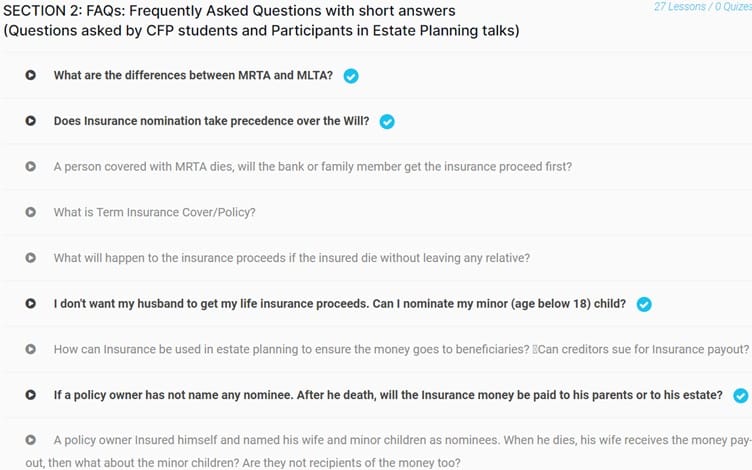
    SECTION 2: FAQs: Frequently Asked Questions with short answers (Questions asked by Certified Financial Planner@ CFP students and Participants in Estate Planning talks)

    SECTION 3: Estate Planning Sales/Advisory Process

    SECTION 4: Topical Discussions in CFP Module 2 Lectures (Insurance & Estate Planning)

    SECTION 5: Estate Planning Awareness Talks by Sifu Lee (recorded & presented by Lee Khee Chuan)

    SECTION 6: Estate Planning Avatar Short Videos

    SECTION 7: Smart Investor Articles Previously Published

    The number of contents will increase over time, so that’s a bonus.

    Here are 5 things that you will get from the Estate Planning Malaysia Online Practice Academy.

    1. Integrated Approach To Estate Planning Course

    For the first time in Malaysia, insurance agents, will-writers/estate planners/legacy planners, and CFP/RFP students/graduates who want to acquire practice knowledge of Integrated Estate Planning can now learn via this online practice academy.

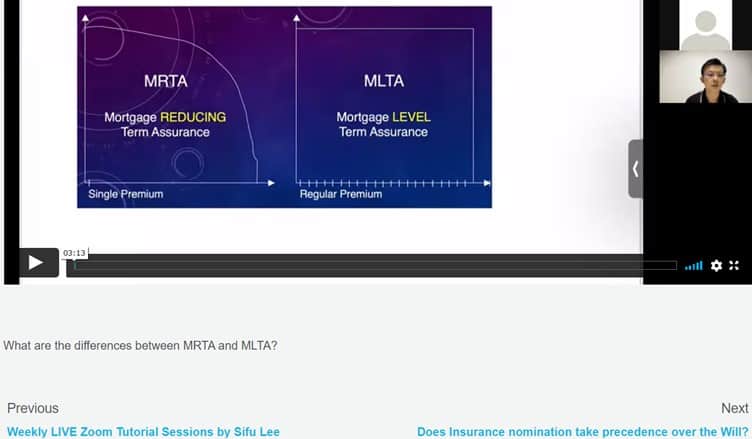
    From the differences between MRTA and MLTA, to preparing a will yourself, to many other short videos that are easy to understand, all grounds are covered in this course.

    2. Experienced Trainer

    Lee Khee Chuan estate planning

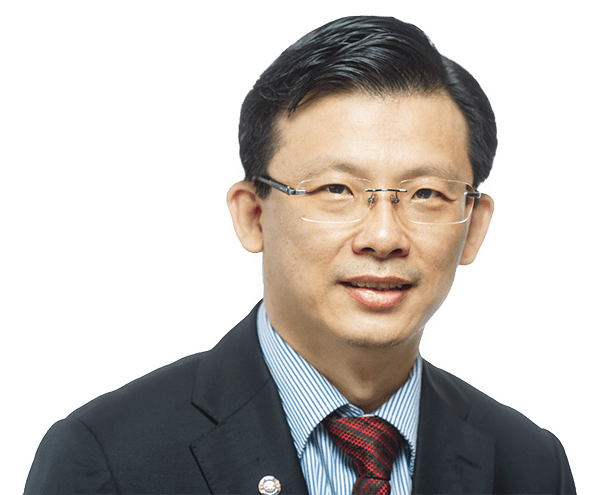
    Lee Khee Chuan @ Sifu Lee brings with him his unique blend of academic background and experiences. He holds a B.A. with double majors in political science and psychology, and double minors in economics and Malay Studies from National University of Singapore (NUS). Since 1992, he has been in personal selling, as well as a company sales trainer, practitioner, lecturer, and columnist in estate planning.

    He is a trainer, practitioner, and lecturer in the financial & estate planning industry since 1995. He has much to contribute to the industry with his writing, lecturing, practice, and training. His forte is in practice management focusing on integrated approach to estate planning. He brings his many years of practice experiences to this Online Academy and to impart and transfer his knowledge to his students.

    He is the first financial adviser in Malaysia who advocates and promotes the integrated approach in estate planning. Hi strength lies in the integrated and practical aspects of estate planning. Many of his CFP students like his practical teaching and training methods in estate planning.

    Made by the expert in the industry himself.

    3. On A Platform That Is Very Easy To Use

    You get to see everything at a glance and click on the content that you want to learn the most. Or you can follow step-by-step, completing it at your own pace.

    Once a lesson is completed, it will be marked as complete which is useful so that you can track your own progress.

    You can easily watch the previous video or click next to continue with the lesson.

    4. In Layman Terms

    It doesn’t get any simpler than the explanation by Sifu Lee himself. Don’t worry if you don’t have any financial background or estate planning in general, it is being presented in layman terms that is very easy to understand by everyone.

    The practical knowledge combined with easy-to-understand lessons, makes for a very well-equipped understanding of the subject at hand.

    5. Weekly Zoom Meeting

    After you’ve gone through all the modules, you can always ask Sifu Lee via Live Zoom meeting every week. Should you have any queries about a particular topic or if you have a particular case study that you need help on, feel free to ask during this online meeting.

    There will be a minimum of 40 weekly live sessions in a year with 2 hours duration per session. The value that you get from this personal touch is just amazing.

    Smart Investor interviewed a few students who have enrolled in the online estate planning practice course and are learning the subject online. Angel Lee, a life insurance planner from Malacca was excited when learning it using the online portal.

    She really loved the way those courses were prepared and presented, starting by highlighting the issues in estate planning insurance agents and estate planners often overlook. And then the video-ready lessons would provide the answer those questions. The master trainer’s teaching was clear, yet detailed, and she loved the many examples discussed in the online course. The examples are invaluable and help discover how estate planning can be applied to meet clients’ concern.

    Adrian Lean, a unit trust and PRS consultant from Penang, found the estate planning course a comprehensive program and contains practicable knowledge typically sought by not only those interested in estate planning, but also for those who wish to expand their knowledge in this area. The course curriculum contained many gems, and he especially liked the unique integrated approach and the solutions presented in the course.

    Overall, the course is a value for money package, and carries a distinction above other programs in the market today. He congratulated the academy and the master trainers who have done an excellent job in raising the benchmark for the estate planning industry in Malaysia.

    Early Bird Discount If You Start Now

    We all know how Malaysians love discounts, fret not. Estate Planning Malaysia Online Practice Academy in partnership with Smart Investor now offers a SPECIAL discount for 1st year for those who act now.

    All you need to do is:

    1. Browse Estate Planning Malaysia Online Practice Academy website.

    2. Fill in your details and put in the coupon code: SmartInvestor (non case sensitive)

    3. Complete the purchase by credit card

    That’s it, a huge discount from RM2,600 to just RM1,196 first year fee. But it’s only for those who start now.

    See you there!

  • Crypto And Digital Asset, Learn Before You Earn

    Crypto And Digital Asset, Learn Before You Earn

    With the recent crypto market crash, investors are now very fearful of the market. Who would have thought Luna can lose almost 100% of its value in just a few days. Even the big boys like Bitcoin, Ethereum and BNB are not spared either, with huge losses all across the board.

    Smart Investor spoke with Wei Zhou who is the new CEO of Coins, Philippines’ leading crypto and mobile wallet to find out more on this topic. Coins.ph is regulated by the Bangko Sentral ng Pilipinas (BSP) and is the first ever crypto-based company in Asia to hold both Virtual Currency and Electronic Money Issuer licenses from a central bank. One of its uniqueness is that it has a crypto license by the regulators and by becoming a bridge between virtual and real-life, accepting crypto and fiat along the way.

    A brief introduction about Wei Zhou, he formally served as Chief Financial Officer of Binance, Zhaopin.com, and Charm Communications. He also led the landmark acquisition of Grindr, where he served as Vice Chairman. He started his career at Goldman Sachs, and he graduated from Harvard University with a Bachelor’s Degree in Economics and East Asian Studies.

    According to him, everyone needs to learn about digital asset, since it is the future. Start by taking the time to understand the blockchain technology behind it. Then move on to the digital assets itself, such as Bitcoin and Ethereum. Understand what it is, why it was created, what are the benefits and what causes its price to move up and down.

    It’s Easy To Get Started

    Start opening up your own account by creating your own crypto wallet. It is now so much easier whereby most onboarding process can be done online. Some can even be done using only your smartphone. There are also platforms that did not even require its users to undergo a KYC (Know Your Customer) process.

    Next up, get to know more about Non-Fungible Token or NFT. A non-fungible token is a financial security consisting of digital data stored in a blockchain, a form of distributed ledger. The ownership of an NFT is recorded in the blockchain, and can be transferred by the owner, allowing NFTs to be sold and traded.

    We may have seen an NFT in the form of pictures, digital art. As the adoption rate of NFT gets higher, so does the NFT market value in general.

    What’s The Reason For The Crypto Market Crash?

    Crypto is still in its early stage and is highly speculative. There may also be an element of the Greater Fool Theory, where the next person is willing to buy more for crypto despite it not having any clear fundamentals.

    But in all honesty, it is not only the crypto that is suffering from the bears. The world’s stock market is also crashing down.

    For those who are suffering huge losses now, you need to go back as to why you bought them in the first place. Do you believe in the digital asset? Its ecosystem? Or do you simply buy because everyone else is buying?

    That’s the reason why it is so important to be doing your own research. But the take-up rate for crypto is considered to be still low. With more people coming in the crypto market, the price will start going back up.

    Upcoming Trends?

    asian young male wearing wearable goggle headset virtual online meeting digital space working with 3d augmented dimension at home,cyber virtual working with virtual vr goggle and pc desktop device

    The blockchain is definitely the future. It is a proof of ownership for digital assets. There will be more games and metaverse taking the spotlight in the years to come. For content creators, NFT are good for them to able to earn an income.

    But there must be a huge effort to build up the community, build up your trust and brands.

    In the sports industry, national associations such as for basketball and football are partnering with the blockchain players.

    Plans For The Future?

    Wei Zhou is set to come out with additional tokens that has its own value in the market. Also, there are plans to come out with new NFTs with utilities that can benefit the holders.

    He is also keen to embark on play-to-earn games which lets gamers earn money while playing their favorite games.

    Start Small But Start Now

    Cryptocurrency coding digital black background open-source blockchain concept

    The easiest way to get started is by going on social medias and following influencers on their Twitter account. Next is to listen to podcasts so you are able to understand the terms and jargons that is being used.

    Once you are in, there’s nothing better than getting your feet wet by joining in the crowd as community managers and engage the audience directly. At Coins, there’s the Coins champion for this purpose.

    Making Money From Digital Asset?

    Finally, Wei Zhou advises us to have a diversified portfolio and not to put everything in digital assets. Make sure you invest in real estate, stocks and start-ups, before going into digital asset.

    Also invest in time as there are a lot of opportunities out there, waiting for it to go boom. This is true in the metaverse space where there’s a lot of hardware and software involved.