Blog

  • Benefitting From RCEP: While Growing Their Businesses, SMEs Should Look At Avenues For Future Growth

    Benefitting From RCEP: While Growing Their Businesses, SMEs Should Look At Avenues For Future Growth

    SMEs should take advantage of the benefits and vast investment opportunities under the mega-trade agreement of the Regional Comprehensive Economic Partnership (RCEP).

    This free trade agreement involves 15 countries – Australia, Brunei, Cambodia, China, Indonesia, Japan, South Korea, Laos, Malaysia, Myanmar, New Zealand, the Philippines, Singapore, Thailand and Vietnam. It is made up of 2.2 billion people and accounts for almost a third of global GDP.

    Among Southeast Asian countries, Malaysia is expected to be the largest beneficiary of the China-backed RCEP in terms of export gains, with a projected increase of US$200 million. It is anticipated that RCEP may remove up to 90% to 93% of trade barriers, and together with lower preferential tariffs. SMEs trading in this new big, open market should gear up for more intense competition.

    However, many SMEs are still not aware of RCEP, the world’s largest free trade agreement (FTA) which came into effect in Malaysia on March 18, 2022. Of the 3,000 members in the Small and Medium Enterprises Association (SAMENTA), more than 50% are aware but at different levels of understanding.

    “Many may have heard about RCEP but have not understood how they can improve market access and the harmonised rules to exploit the lower tariffs. “They should seek the help of the Ministry of International Trade and Industry (MITI) to build capacity with technical support from the more developed countries like Japan, China, South Korea and Australia,’’ said SAMENTA honorary national secretary Yeoh Seng Hooi.

    Other advantages of RCEP include further liberalisation of trade, removal of non-trade barriers, increased trade facilitation, improved government procurement practices, e-commerce and others.

    Ernst & Young Tax Consultants Sdn Bhd Malaysia Private Client Services Leader and Partner, Bernard Yap highlighted that SMEs should be provided with information on doing business in other countries and how they can build their businesses beyond
    Malaysian borders.

    “This knowledge can help them avoid unwanted situations such as inadvertently misunderstanding the rules, which can negatively impact them from a business and reputational perspective,’’ said Yap.

    Among them, SMEs should understand the concept of regional value content to benefit from the components or raw materials coming from RCEP countries that will fulfil the rules of origin; changes in tariff classification so that the products are considered originating products. Tariff reduction rates are different for each country; SMEs should check from the MITI website under RCEP, and study the schedule of tariff commitments for the countries they wish to export to.

    Priorities To Consider

    SMEs should review their existing or target markets, whether they are RCEP members, to utilise RCEP benefits. Next, they should evaluate whether the products imported or exported are listed in the RCEP agreement, are eligible for the benefits under their country of origin. SMEs should also look into their current resources to find out if they are able to meet the demand under RCEP.

    To achieve economies of scale, as they are now catering to a larger market, they should review their manufacturing businesses and costs. Besides enjoying a larger sales market, the supply chain needs to be re-evaluated. New suppliers from RCEP countries and reduction in trade barriers, will potentially lead to lower production costs.

    “Post-pandemic, this mega-trade deal is a key enabler for Malaysia to revitalise domestic and international business activities, especially for SMEs that utilise the RCEP,’’ said Deloitte Tax Services Sdn Bhd executive director Tan Eng Yew.

    However, he noted that lack of financing may be an obstacle to be a member of RCEP. A springboard for future growth In addition, SMEs should consider strategic industrial clusters that can serve as a springboard for future growth. Acquisitions, mergers or joint-ventures may be required to build the necessary mass and knowledge for international expansion.

    SMEs can take advantage of the double deduction on interest expenses or loans taken to fund mergers and acquisitions, and the stamp duty exemptions on mergers and acquisitions instruments, said Yap.

    Other strategies include having an R&D department to regularly assess market positioning, product differentiation and relative cost leadership, as well as investing in productivity improvement processes and automation. Digitalisation, artificial intelligence and machine learning can help businesses get ahead of the curve.

    “This will help them to strategise, build capacity and access the supply chains of developed countries within RCEP, and ultimately improve their overall performance,’’ added Yap.

    Areas Of Competition For SMEs

    Countries such as South Korea, Japan and China are well-equipped with the latest technologies, enabling them to offer more advanced products to consumers. SMEs in Malaysia are arguably lagging behind their market competitors in technological capability and expertise, especially in the electronics and electrical (E&E) sector.

    “This ultimately boosts the overall competitiveness of SMEs in those countries compared to SMEs in Malaysia, especially in the E&E sector,’’ said Yap.

    SMEs in Malaysia would also have to compete with more advanced supply chain management, with countries such as Japan, South Korea, Singapore and China maximising their supply chains within RCEP. Having said that, SMEs can leverage on their strengths and collaboration with Japan, China and Australia to service their multinational customers in the ASEAN region. Still, RCEP offers them a chance to be more competitive with the tariff reductions.

    “Otherwise, we would have been disadvantaged against Thailand and Vietnam which ratified earlier,’’ said Yeoh.

    Both Thailand and Vietnam had ratified the RCEP in October last year. With the opening of markets, competition will come especially in terms of product and service quality, costs and efficiency.

    SMEs would need to embrace new technologies and consider investing in simple digital platforms, online training infrastructure and automation, artificial intelligence and machine learning.

    The workforce also needs to be upskilled. According to the Budget 2022, the government will provide upskilling and reskilling programs to help employees embrace technology advancement and increase digital adoption.

    To develop future business leaders, several agencies have been tasked to impart business and leadership skills through on-the-job training, mentoring and entrepreneurship programs.

    Enhancing Competitiveness

    Despite various initiatives to help SMEs enhance their competitiveness, there is still room for improvement. Currently, initiatives to help SMEs are managed by various agencies, making it a challenge to evaluate the effectiveness of these funds/grants disbursed by the public sector.

    Also lacking are clear guidelines and transparency of the application process, as well as clarity to the SME community on which agency they should approach. Ideally, a dedicated one-stop center will help to make all incentives, grants and funding easily accessible to SMEs. New initiatives and opportunities will be quickly and clearly communicated, while the streamlining of the
    application process and guidelines for these initiatives will ensure efficiency and ease of monitoring.

    “The one-stop center should have helplines and online channels which can be used to obtain advice and information,’’ proposed Yap.

    To ensure that we are on the right track, there are still lot of preparations ahead to reap the full benefits of RCEP. With a healthy partnership between the private and public sectors, the growth and success of SMEs locally and regionally will require further strategic collaboration between them.

    Many areas of co-operation listed under Article 14.3 of the Schedule of Tariff Commitments are beneficial to SMEs in ASEAN countries that are on board the RCEP.

    “The issue is how fast and responsive our public agencies are in working with trade associations like SAMENTA to leverage on this co-operation,’’ said Yeoh.

    For example, the exchange of experiences, best practices, adoption of technology and innovation or promotion of e-commerce, are areas that can benefit SMEs. Thailand and Vietnam already enjoyed first-mover advantage with the earlier ratification, Malaysia should accelerate its pace to plug into the opportunities offered by RCEP.

     

  • Understanding What We Can Control Will Help Boost Our Health

    Understanding What We Can Control Will Help Boost Our Health

    The past few years saw many unprecedented events, including a sudden change of government and a total shift in how we work, live, and interact with each other. Some have helplessly seen their rice bowls snatched away, while others have suffered losses of loved ones to Covid-19.

    Coupled with volatile stock markets, movement control orders, elections and re-elections, and working from home, it is safe to say that no one quite anticipated a year like this. While we are not sure when Covid-19 will be defeated, the one certainty is that if we are so wrapped up in our problems, we may be overlooking things in our life that we can control.

    Here are three areas where you can take some purposeful steps to remind of who is ultimately in charge of your family’s “Return on Life”:  

    1. Your Mental Health

    Diseases and health threats are nothing new, with people passing away daily even before Covid-19. The difference this time is it made us realise that none of us can control how long we have when it comes to life. In addition to very real health concerns this year, there has also been plenty of news of job cuts and losses, people going through financial struggles and more. 

    As we fight to keep hope, the news can be demoralising. With many spending more time on social media, it actually exposes us to news that may magnify our anxiety and bounces them back to us over and over again. 

    If you’re not working or checking on your friends, set some daily screen time limits. Unplugging before bed can be especially beneficial if your brain is still recovering from a full day of tweets and likes. Our electronic devices and apps are designed to attract our attention. When it’s time to sleep, there’s no better mute button than a good book and a warm cup of water. 

    It also helps a lot if we have someone to speak to regarding what’s bothering us. People tell me that it helped just knowing that there was someone on the other side listening to what they were sharing, as well as understanding the strong emotional undercurrent during the conversation. Having someone to talk to, I personally believe is very important to maintain balance in our mental wellbeing.

    2. Your Physical Health

    The pandemic and new norm has created a new breed of couch potatoes. Instead of binge-watching television or Netflix, we’re in danger of putting in unnecessary overtime, all the time. The boundary between your 9-5 identity and your real identity is becoming blurred, and it can be taxing for many people.

    Working from home has disrupted many of the routines that kept us active even on days when we weren’t heading to the gym. Simple things like moving around the office or walking down to nearby shops for a coffee break don’t happen as much when you are parked at your laptop at home.

    The physical barriers between home and work are a little blurry right now (bosses, this is real!) but you have more control over your schedule. Break up a long day of Zoom calls with ten minutes of simple exercise. When you clear your emails, take a long walk. And when it’s time to clock out for the day, turn off your computer, get up and get moving. Even if you have to convert your living room into a gym, just do it. 

    Separating yourself from your WFH routine will help you get the most out of your new exercise routine. For me, I make it a point to get down to the street and jog, even it means jogging in the basement carpark. I also took a deliberate approach on what I ate for breakfast, lunch and dinner.

    3. Your Financial Health

    People who have never set a monthly budget are often surprised by what an empowering experience it can be. The most impactful adjustment you can make to your financial plan is to limit unnecessary spending and maximise savings while continuing to invest prudently, regardless of what’s happening in the markets or on the news. Even if it feels like the one thing we don’t have control of, it could not be further from the truth.

    However, investing can make people anxious during moments of uncertainty, especially if retirement is near, or if they are used to low-risk products like fixed deposits. This is one of the reasons why we revisit the “Life Timeline” exercise with clients at least once a year.

    A financial plan is only as good as your confidence in it. Since most plans are based on assumptions and what was correct at the time of planning, most financial plans may become obsolete as we move into future; we just don’t know how it could go wrong. That is why, regular check-ins and reviews of our plans are crucial to ensure we are on the right track.

    One thing that is certain is that if we take a proactive approach to look at our financial matters and have an idea on how we want things to be managed, that will give us an advantage of being in control over our financial decisions. We are also able to better deal with shocks and surprises.

    The Things We Can Control

    Now let’s take a look at some of the things that we can control:

    • Setting aside money to prepare for future goals
    • Using credit cards to pay (and having the ability to make full payment of the outstanding sum when due)
    • Planning our income tax bill
    • Preparing a medical safety net for our family
    • Paying down our debts, especially bad debts
    • Withdrawing money from our EPF account 1 if the need arise
    • Finding out how we are doing with our money

    Being in control of your financial health, enables more flexibility in terms of how to adapt when things go wrong, resulting in less stress and better mental wellbeing. Times like this offer the best opportunity to discuss how comfortable we are with market exposure, savings goals, debt, and spending.

    The earlier we work to control these, the more we can feel excited about our plans and future. 

    About the Author

    Kevin is a NextGen Money Mentor and founder of NextGen Independent Advisors. He works with people to transform their relationship with money and be brave in their pursuit to live a meaningful life with their money. He is a CFP professional, a certified member of Financial Planning Association Malaysia (FPAM). Kevin can be contacted at www.kevinneoh.my.

  • Top 20 Malaysia Small Cap Companies: These Are The Jewels For 2022

    Top 20 Malaysia Small Cap Companies: These Are The Jewels For 2022

    RHB Research recently published the 18th edition of Top Malaysia 20 Jewels 2022. RHB Research continues to persevere and maintain unwavering commitment towards producing yet another signature compendium of 20 top small-cap investment ideas despite the extremely challenging macroeconomic environment.

    The selection has been complicated by capital market volatility – buffeted by rising interest rates, high inflation, the Russia-Ukraine conflict, and draconian lockdowns in China – we see a strong rebound in economic activities, with manufacturing and retail spending recovering swiftly. Valuation for small-cap stocks have also retraced, leading to a sizeable valuation gap to the big caps, making the investment thesis more compelling.

    Top Malaysia 20 Jewels 2022

    Here’s the list of Top 20 Malaysia Small Cap Companies for the year 2022 by RHB Research.

    1. Aemulus Holdings

    2. Bonia Corporation

    3. CJ Century Logistics Holdings

    4. Coastal Contracts

    5. Dayang Enterprise Holdings

    6. Dufu Technology Corp

    7. Homeritz Corporation

    8. Kawan Food

    9. Kumpulan Fima

    10. KKB Engineering

    11. Nova Wellness Group

    12. Optimax Holdings

    13. Samchem Holdings

    14. Sedania Innovator

    15. Supercomnet Technologies

    16. Texchem Resources

    17. Tune Protect Group

    18. Unimech Group

    19. VSTECS

    20. YBS International

    The 20 companies featured are not within RHB Research’s existing coverage. Companies from 10 different sectors with an average market cap of MYR509m have been curated into this 2022 edition. Consumer and industrial products & services sectors feature prominently, making up 45% of the picks. All but five – which are Ace Market listed – of the 20 names reside on the Main Market.

    Source: RHB Research Team

    *All investors are advised to conduct their own independent research into individual stocks before making any decision to buy or sell. Investors are also advised that past stock performance is no guarantee of its future price.

  • Protecting Your Financial Needs at Different Stages of Lives

    Protecting Your Financial Needs at Different Stages of Lives

    Many people do not see the importance of insurance until they need it, or until it is too late for them to do anything with it, and what’s worse, many considers it an unnecessary expense. In reality, however, insurance is more than that – it is a useful financial tool that forms part of our wealth management planning.

    Starting Out

    Our financial needs, income and liabilities vary at different stage of our life, as shown above. Those who are young and single who have just started their working life in their 20s are only interested in investment to grow whatever little money that they have.

    Although it is good to have the desire to start accumulating wealth early, many of them are unaware that the risk of falling ill can happen any time while accumulating wealth.

    Thus, at that particular age, they should also look into wealth protection. If they are still single, they should at least have healthcare planning. 

    What is healthcare planning?  Is it just a medical card?  When someone is sick and have to be admitted to the hospital, do they stay for a longer period of time, or do they recuperate at home?

    For instance, a cancer patient who is undergoing treatment at the hospital might be required to stay at the hospital for a certain period of time. Even after being discharged, they will still be required to go for follow-up treatments, and all in all, the recovery period could take up to a year or more.

    There is a possibility that they might not be able to work like before, and thus, their income will be affected. In cases of major illnesses, besides medical expenses, many will find themselves having to spend their money on daily sustenance, alternative therapies, supplements, and sometimes they might even require a caretaker.

    A complete healthcare plan should include a medical card and critical illness coverage. Do remember that a medical card solely pays for hospital expenses while critical illness insurance pays a lump sum when one is diagnosed with any of the critical illnesses listed.

    A patient can use this lumpsum amount to cover their daily needs resulting from the loss of income as well as for alternative treatments.

    Having a Family

    Happy cheerful Asian family dad, mom and kids having fun and using digital tablet video call on sofa at house. Self-isolation, stay at home, social distancing, quarantine for coronavirus prevention.

    Thirties is the age where many people choose to start a family. At this phase of life, having children will also mean creating an education fund and protecting the family income and assets.

    This is the period when you need to look into family income protection to take care of your most important responsibility – your loved ones. Should anything unfortunate happen to you, you can rest easy knowing that they will be well taken care of.

    That being said, their financial needs – including their daily expenses and funds for their education – need to be calculated. The amount required might be several million ringgit, and most people in their 30s do not have such a large amount of money available.

    In this instance, the cheapest tool is to purchase an insurance for the required sum, which will provide a peace of mind with the knowledge that in case of any tragedy, your loved ones will be protected.

    Take this case study as an example. Mr Tan, 33, is married with two children aged two and five; his wife is a homemaker. Mr Tan, whose monthly disposable income is RM5,000, is the sole breadwinner of the family, and since this is the case, he is worried about his family’s wellbeing should anything happen to him.

    He has estimated that his family needs RM60,000 a year, and wants to ensure that his family is provided for until his youngest child is 22 years old. To achieve this, he would therefore require 20 years’ worth of funds amounting to RM1.2 mil.

    At 33, Mr Tan does not have that much savings. His house may be worth RM1.2 mil, but his family will still need to live in it. Therefore, having a life insurance coverage of RM1.2 mil to cover this risk would be the most effective financial tool.

    Bear in mind that we should review our insurance policies every 5-10 years as our financial status and priorities change. 40-50s is the prime time where we have more assets and liabilities, as well as changes to our lifestyle as we move into our retirement years.

    It is also the time when our income is more stable and we have excess funds to prepare for our golden years.

    Preparing for Golden Years

    We would want to enjoy our retirement days without worrying about whether there is sufficient money to tide us through the years. If we prepare well in our 40s or even earlier, we would not need to worry about risks or expenses that might take away our retirement funds.

    Someone once asked, “What and how to prepare financially in order to enjoy the golden years?” Well, there are three types of expenses that we need to prepare for post-retirement, namely

    • Daily living expenses (which can be from our EPF fund that many of us have accumulated during our working years);
    • Maintenance or medical expenses; and
    • Happy fund.

    Advancements in science has led to an extended life expectancy rate, but while people are now living longer, many are still unaware that older medical plans only insure a person up to the age of 70. Medical hospitalisation is becoming very costly, and therefore, we need to ensure that our healthcare insurance plan covers us until are 80, at the very least.

    Furthermore, as we age, there will be an increased risk of developing health problems such as high blood pressure, diabetes and high cholesterol. Such health conditions require daily medication which is not covered by medical cards and will eat into our retirement funds.

    On top of the daily medications, there will also be other supplements and nutritional needs required to promote better health. These are the maintenance expenses that need to be taken into consideration as well.

    To enjoy our retirement years to the fullest, we need to have a certain amount of money to do the ‘fun’ stuff like travelling and indulging in hobbies. We should start accumulating our lifestyle or ‘happy’ fund as early as possible by growing our wealth through unit trusts, shares and saving plans.

    How we choose from the different wealth accumulation tools will depend on our risk appetite and duration of investment.

    Financial planning at different stages of life is important. Insurance is one of the cheapest tools to manage risk and is only one of the many financial planning tools out there today.

    In addition to protecting your wealth, there are other financial tools in the market, each with its own purpose such as accumulating and growing wealth through savings and investments; and wealth distribution though estate planning.

    About the Author

    Andrea Siew is an Approved Financial Adviser with Harveston Wealth Management Sdn Bhd.

  • Bank Negara Malaysia Increase Overnight Policy Rate (OPR) By 25 Basis Points To 2 Percent

    Bank Negara Malaysia Increase Overnight Policy Rate (OPR) By 25 Basis Points To 2 Percent

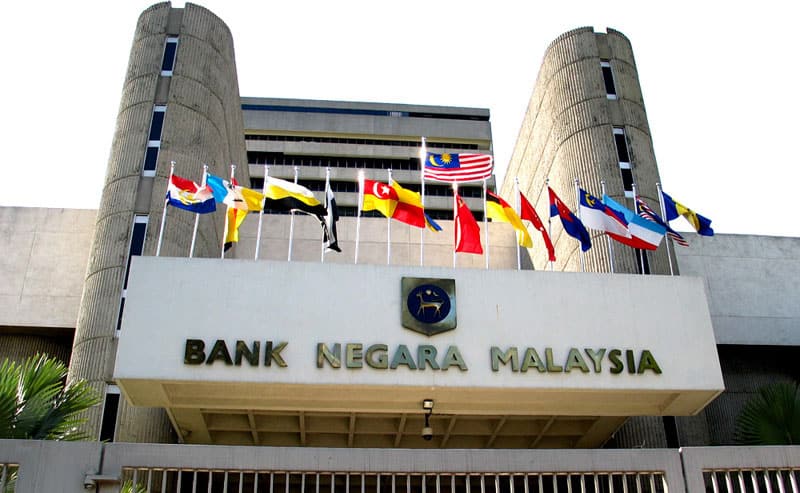
    At its meeting today, the Monetary Policy Committee (MPC) of Bank Negara Malaysia decided to increase the Overnight Policy Rate (OPR) by 25 basis points to 2.00 percent. The ceiling and floor rates of the corridor of the OPR are correspondingly increased to 2.25 percent and 1.75 percent, respectively.

    The sustained reopening of the global economy and the improvement in labour market conditions continue to support the recovery of economic activity. These have partly cushioned the impact of the military conflict in Ukraine and the strict containment measures in China. Inflationary pressures have increased sharply due to a rise in commodity prices, strained supply chains and strong demand conditions, particularly in the US. Consequently, several central banks are expected to adjust their monetary policy settings at a faster pace to reduce inflationary pressures. The global growth outlook will continue to be affected by the developments surrounding the conflict in Ukraine, COVID-19, global supply chain conditions, commodity price shocks, and financial market volatility.

    For the Malaysian economy, latest indicators show that growth is on a firmer footing, driven by strengthening domestic demand amid sustained export growth. The labour market is further lifted by a lower unemployment rate, higher labour participation and better income prospects. The transition to endemicity on 1 April 2022 would strengthen economic activity, in line with further easing of restrictions and the reopening of international borders. Investment activity and prospects have also improved, underpinned by the realisation of multi-year projects and positive growth outlook. However, risks to growth remain, which include a weaker-than-expected global growth, further escalation of geopolitical conflicts, worsening supply chain disruptions, and adverse developments surrounding COVID-19.

    Headline inflation is projected to average between 2.2% – 3.2% in 2022. Given the improvement in economic activity amid lingering cost pressures, underlying inflation, as measured by core inflation, is expected to trend higher to average between 2.0% – 3.0% in 2022. Nevertheless, upward pressure on prices would be partly contained by existing price controls and the continued spare capacity in the economy. The inflation outlook continues to be subject to global commodity price developments, arising mainly from the ongoing military conflict in Ukraine and prolonged supply-related disruptions, as well as domestic policy measures on administered prices.

    Over the course of the COVID-19 crisis, the OPR was reduced by a cumulative 125 basis points to a historic low of 1.75% to provide support to the economy. The unprecedented conditions that necessitated such actions have since abated. With the domestic growth on a firmer footing, the MPC decided to begin reducing the degree of monetary accommodation. This will be done in a measured and gradual manner, ensuring that monetary policy remains accommodative to support a sustainable economic growth in an environment of price stability.

    Source: Bank Negara Malaysia

  • Follow These 5 Steps For An Effective Asset Allocation In Your Investment

    Follow These 5 Steps For An Effective Asset Allocation In Your Investment

    It has been a volatile few years for the global markets. Pummeled by the COVID-19 pandemic, risk assets endured a fierce selloff in the 1Q2020 as economic activities came to a grinding halt with a complete shuttering of businesses. Global equities succumbed to one of the steepest and quickest correction ever witnessed in March 2020. 

    However as sharp and quick as the rout began, the recovery has also been swift and ebullient. Due to unprecedented stimulus measures injected by governments and central banks, benchmark gauges have rebounded strongly driven by ample liquidity. The US stock market has even surpassed its pre-COVID-19 peak despite infections continuing to rise in the country. 

    To any casual market observer, the new normal investment realm can be confusing terrain to navigate as the gap between the real economy and the stock market continues to widen. This is especially as traditional macroeconomic theories no longer apply in a world of negative interest rates and unlimited quantitative easing (QE). 

    Whilst the markets will ebb and flow, it is far more important for investors to stay the course and practice diversification in their portfolios. Here is a 5-step guide that investors can follow to an effective asset allocation.

    Step 1: Defining Your Investment Objectives

    It’s the first step in the asset allocation process that often gets overlooked. But really, it is the most important part that you should invest the most time with before modelling a portfolio.

    Asking yourself basic questions like “who am I?” and “what are my aspirations and expectations?” can help you define your objectives. Are you a millennial looking to build and accumulate wealth, or are you someone in your mid-50s looking to prepare for retirement and have a steady income stream?

    Once you’ve established these answers, it’s crucial then to be as specific as possible and to be able to quantify your financial objectives. How much wealth do you want to build exactly? How much does your current lifestyle cost and how much do you need to sustain it?

    For example, someone in their mid-50s will need to determine how much wealth they would like to accumulate by the time they reach retirement, as well as the rate of return % they need to achieve as a hedge against inflation.

    All these considerations are important because it lays down the parameters of your investment objectives so that your portfolio is geared towards achieving its stated purpose. 

    Step 2: Gauging Your Risk-Tolerance

    Determining your risk-tolerance is the next step. Understanding your risk-tolerance can also be gauged by asking yourself basic questions like your age, monthly income and expenditure and other types of commitments you have. Different psychological profiles and imprints often determine what type of person you are and if you are a risk-taker or risk-averse.

    But it is critical here to separate what your risk-tolerance and risk-acceptance are, as the two gauges measure different things. For example, an investor in their mid-20s may be more inclined to take on more risk because of his youthful exuberance and more daring nature. Therefore, he has a high risk-acceptance.

    But if you consider the fact that if he is already married with a child along the way, as well as parents and in-laws to take care of, his capacity to take on risk is actually limited. As such, the investor actually has a low risk-tolerance and would not be able to stomach an aggressive portfolio that is highly tilted towards riskier asset classes.

    Step 3: Time Horizon and Liquidity Needs

    Businessman holding an hour glass, signifies the importance of being on time

    Next, an investor would need to determine their investment time horizon and liquidity constraints. Think of these two factors as the levers shifting the gears of your portfolio that will ultimately determine your capacity to invest and by how much.

    For instance, an investor in their mid-20s who does not need the principal sum and returns back from the investment for the next 8 – 10 years would have a long investment horizon and hence a higher capacity to invest.

    This would allow the investor to take on more risk and be more exposed towards longer-dated instruments or riskier asset classes that only show returns at a later stage. Such asset classes typically include small-caps or growth stocks that are high-risk and typically exhibit strong earnings and growth only at a later cycle. Thus, investors with a shorter investment horizon should avoid such asset classes.

    Similarly, as an investor you should also assess your liquidity needs and determine how much you are willing to set aside from your wealth as investments. It’s crucial that you understand that this is a separate pool of wealth that is different from your own savings account that you use for your own daily sustenance and allowance.

    Thus, as much as possible, you should avoid dipping into either pools of wealth and using your savings for investments and vice-versa.

    You need to give time for your portfolio to work and to compound returns. Opting to cash-out from your portfolio can be disruptive to your investments especially at a crucial stage of the market cycle when it is starting to rebound. Thus, investors should remain disciplined and focused.

    Step 4: Understanding Different Asset Classes

    These are the ‘building blocks’ of your portfolio. There are 3 broad asset classes for an investor to work with, i.e. equities, fixed income and cash.

    Equities are the riskiest asset class but has the potential to provide the highest returns. Common instruments include ordinary shares or equity funds that an investor can easily buy into.

    Fixed income, also known as debt, is a less risky asset class that provides more stable but often lower returns. Investors may not be able to gain exposure to this asset class by investing in bonds directly or through bond funds.

    Cash or cash-equivalents are the most liquid asset class and typically provide little to no returns especially in inflationary periods. But they serve its importance by being extremely liquid to quickly move in and out of a market correction as well as a buffer during an emergency.

    There are also other types of asset classes including REITs, commodities, precious metals, real estate or even alternative asset classes such as private equity or debt. But more importantly, you need to really understand what it is that you are investing into and the underlying asset class of the product before deciding to include it in your portfolio.

    Step 5: Constructing Your Portfolio

    Finally, you are ready to construct your portfolio. There is no single method or approach in building the ‘perfect’ portfolio, as each portfolio would need to be customised according to the needs and risk-profile of the investor. But there are some model blueprints that an investor can follow as a start.

    For more risk-inclined investors, they can invest in a more aggressive portfolio composed of 70% – 80% in equities and the rest in fixed-income. On the flip-side a more risk-averse investor should have a higher tilt towards fixed-income of between 70% – 80% in bonds, with minimal holdings in equity and some in cash. A risk-moderate investor could have equal exposure to both asset classes.

    Underpinning all these considerations in the asset allocation process is the simple principle of diversification of not putting all your eggs in a single basket. Diversification strives to minimise risk in a portfolio by investing in a mix of different types of asset class that are not or less correlated, so that gains from one asset class can offset losses from another.

    It is a risk mitigation technique that has been proven to outperform over the long-run by protecting against losses, whilst maintaining sufficient exposure to capture market growth.

    Knowing is Half the Battle

    Starting your investment journey can be especially daunting during such volatile market conditions. But as the saying goes, “Never let a good crisis go to waste.”  Anyone can invest as long as you have a plan and a robust asset allocation to ride through the market peaks and troughs. 

    About the Author

    Lee Sheung Un is a communications officer at Affin Hwang Asset Management. A millennial, he is still finding that balance between wealth, freedom and purpose. Views expressed are his own.

  • It Is A Tough Job Taking Care Of Your Family, Let A Financial Planner Take Care Of Your Finances

    It Is A Tough Job Taking Care Of Your Family, Let A Financial Planner Take Care Of Your Finances

    My wife and I are both accountants. We have two children, one of them is a child with special needs. I’ve always known the importance of getting our family’s financial planning done, but never quite came around to it due to our busy schedule.

    We were lucky to have met Pauline, our Financial Planner. She was interested in finding out our goals and how she could help us to achieve them. After taking the time to understand us, she helped us in assessing where we are now and what actions we need to do in order to achieve our goals. She helped us to come up with our financial plan.

    I’m very happy that we engaged Pauline for her services. Truth be told, it is actually a tedious process to get the plan done. It requires perseverance and knowing how to go through each of the steps. Luckily, with Pauline’s help, she guided us through it and gave us the options and suggestions which helped us a lot during our financial planning journey.

    Once we have completed our financial plan, we now know our financial standing, and what our spending is like. When we first saw our cash flow, we were surprised that we have been running a deficit. Within a month, Pauline helped us to identify the key areas which can be improved.

    Through financial planning, we also realized that some of our insurance plans did not match with our family’s needs. Pauline was non-biased and was very objective in her advice to us. She helped us to streamline and optimize our current policies to meet our objectives. With this, we are able to save a substantial amount of money on insurance premiums alone.

    Pauline also helped us with our estate planning. We initially had our Wills and Trust drawn up. After reviewing it, we realized there were many areas that were left hanging and no longer matched our needs. Pauline highlighted the areas which we never considered before and it was extremely helpful for my wife and me to consider restructuring our Will and Trust.

    This was especially true for our special needs child. This area has always been a major concern for us as we want to ensure that both our children are taken care of, in the event something happens to us.

    I’m glad we did our financial plan with Pauline. Once you are her client, she puts your interest first and lets you know the best way to manage your finances even if it means she’s not going to get anything out of the recommendation.

    This is what I call “professional” and doing her business with “passion” and “from the heart”. She is also very detailed and tactful on how best to resolve the issues by giving us options for us to consider.

    The best thing about getting my family’s financial planning, is that me and my wife are clear on what our needs are and how much we need to save to achieve our goals. We no longer need to second guess like before. After going through this process, I feel that having a financial plan is very important. Especially if you have a family to take care of, or if you are unsure whether you are saving enough for the future.

    About the Author

    Pauline Teoh loves to coach busy professionals to achieve their financial independence. She is a Licensed Financial Planner, Childpreneur Coach and is an expert in Risk Management, Investment Planning and Estate Planning

  • Financial Planning Is Not Only About Having Insurance

    Financial Planning Is Not Only About Having Insurance

    “Losing your loved ones is tough, but having a financial planner in your life does help”

    I am Monica, a widow aged 52 years old. I came from a poor family and didn’t know anything about finance or money management when I was growing up. I have been working hard with my late husband Andy, in the trading business for the past 20 years and we managed to grow our assets along the way.

    Initially we thought that buying a simple life insurance is all there is to financial planning. That was until I was introduced to Stanley back in 2013.

    We were skeptical and delayed our meeting with him as we thought he is another salesman coming over to sell financial products. I am a person who does not believe in investment and financial planning. Instead I believed that holding cash is the right thing to do.

    Stanley spent many hours meeting us and patiently listening to our financial concerns. He is then able to understand and identify our life and financial goals. Stanley shows the financial pitfalls that we are facing and help us to visualize our cash flow and net worth at that time, while being able to identify our financial gap and estate planning concerns on multiple different scenarios.

    After his careful review, he restructured our existing insurance portfolio and managed to increase my late husband’s insurance coverage substantially from what we have based on our limited cash flow. His integrity and process-oriented independent review, and ability to access all types of financial products in the market really impressed us.

    Stanley also advised us to set up a complete testamentary trust in our will for resource preservation. Using resource liquidation strategy, we are able to avoid estate shrinkage and potential resource squandering by anybody who is not good at financial management. I am fortunate to follow the advice from Stanley which makes the estate execution process very efficient.

    My husband was diagnosed with terminal cancer in 2017 and passed away a year later. Stanley did a good job with timely and efficient claims process. I was able to sail through the difficult period smoothly. He even visited my late husband almost every week in the hospital and accompany us until his last breath. Some of the big insurance policies that we bought a few months before the diagnosis date, Stanley is able to help us claim the insurance payout within a short period of time.

    Our family benefited a lot from the insurance payouts. We managed to pay off our mortgages and ensure that our children’s tertiary education is fully funded. Our life and dignity is improved by using the resource optimisation strategy recommended by Stanley on a conservative money management. I am holding a well-diversified investment portfolio and received timely fixed payment to cover our living expenses. We are also being updated regularly on the market’s movement.

    I am glad that Stanley is also able to provide my children with solid financial knowledge. Now all my children have graduated and they are back at my company to help me run the business. Stanley also provided my children with tips on business resource optimisation strategy to weather the pandemic and it has helped us tremendously.

    I am comfortable knowing that we have a financial peace of mind under Stanley’s good hands. We are very much on track to achieve our family’s financial goals!

    About the Author

    Stanley Hon is Practice Group Director at FA Advisory Sdn Bhd. He is a Licensed Financial Adviser, MDRT & Speaker, Will & Trust Specialist.

  • 3 Values Of Financial Planning: Here’s Why You Need To Start Early

    3 Values Of Financial Planning: Here’s Why You Need To Start Early

    Anwar reached out to me in 2018 as he needed help with his personal finances. As the only son in his family, he was the executor of his late father’s inheritance. His father passed away many years ago due to cancer, and he remembered clearly the financial drain from cancer treatment.

    34-year-old Anwar is a lecturer at one of Malaysia’s largest universities. His wife is a housewife taking care of their two children, aged 7 and 4.

    “Although my father’s death hit us badly, we were thankful that he did not leave us with massive medical bills. This is because our prudent father had a healthy emergency fund,” shared Anwar.

    Being the main breadwinner of his own growing family, he needed to prepare for such emergencies. Just like his father, he wanted to ensure that his wife and children are well-provided for in case anything happened to him.

    Anwar’s father was a banker and had taught his children about saving money. Anwar also has a keen interest in personal finance and investment, and had read books and attended a Do-It-Yourself (DIY) course from a financial guru.

    However, he found that the information was too overwhelming and didn’t know where to start with regards to his own personal finances. Having been approached by unit trust and insurance agents, he was wary as he recalled, “They were more interested in pushing their products for commission rather than to put a roadmap and direction for me to achieve my financial goals”.

    Here are the 3 values of a full financial planning.

    1. An Expression Of Love

    Anwar and his wife know how dire their financial situation will be if Anwar passes away prematurely. People tend to forget verbal reminders easily. But if it is written in the form of a will, wishes, hopes and dreams; it helps tremendously.

    Furthermore, the engagement allows him to translate his expression of love, his long-term and short-term goals into actions, and not just a wish. During our discussion, one of Anwar’s goals is to support his wife’s pastry business once his financial situation has improved.

    After the third year of our advisory engagement, Anwar manages to make his wife’s goal into a reality. (You can check it out on Instagram Pastreen; it’s really delicious)

    2. Aligning Strategy With Financial Goals

    We provided insights to help him map out the strategies to reduce the Debt-to-Service Ratio (DSR), ideal asset allocations for his financial resources and guidance on financial products he should consider getting with the time horizon he needed in order to achieve his financial goals.

    Since he was willing to start early, he will have more options and opportunities to optimise his wealth. As his financial planner, my role is to guide him with the options available so that he can take ownership in his financial planning by making an informed decision.

    Anwar now understands the importance of building a healthy cashflow, and how to lead his ideal life within his means.

    3. Financial Needs And Wants

    A common situation is the relationship between savings for building cash reserves and other goals in life such as buying an asset. Many are unsure if they are over-committing one financial goal at the expense of another.

    With a holistic financial plan, we can see how extra commitments will affect other financial goals. It helps to adjust our actions, weighing the pros and cons before deciding. Most importantly, it is a tool to effectively communicate your financial situations and life goals.

    Conclusion

    Anwar is a real-life story of “It is not about how much income you make, but how well you manage your income”. Without a roadmap and direction, we might spend unnecessarily and make poor financial decisions. Financial mistakes are painful.

    Similar to inflation, financial goals and financial freedom are a challenge to understand and to manage, because it is intangible. Only after acknowledging what an ideal life is, you can move on to support your goals in life.

    About the Author

    Saidah Asilah started her career as a graduate trainee with Securities Commission Malaysia. Then, with a deep interest in investments, she furthered her studies in MSc in International Business and Emerging Markets, graduating in 2013 from The University of Edinburgh, UK. She is a Licensed Financial Planner, CFP Professional & IFP Certificant and describes herself as a multi-talented adventurer with a positive impact to whomever she meets. She can be contacted at saidah@wealthvantage.com.my.

    We at Smart Investor and Wealth Vantage is committed to help you better manage your financials. Get a free consultation from an expert by filling in your details here: https://www.smartinvestor.com.my/SIxWealthVantage

  • Making Sense of Alternative Assets in Your Investment Portfolio

    Making Sense of Alternative Assets in Your Investment Portfolio

    “Given the nature of these alternative investments at this juncture – where price discovery remains a challenge, volatility is high, and long-term values remain uncertain – it would be more appropriate to classify them as part of your high-risk investment bucket.”

    It is almost impossible to miss the headlines these days about the next new investment idea. Chances are those new ideas are likely related to digital assets (e.g. cryptocurrencies) or online funding intermediation (e.g. peer-to-peer lending or equity crowd funding) and the like.

    These options seem to be the most attention-grabbing ones, attracting both seasoned and novice investors alike. This begs the all-important question – are these investments suitable for you?

    To help us get a grip on this question, let us briefly take a look at what each of these alternative investments are, how it works and how can you benefit from it.

    1. Digital Currencies (a.k.a. Crypto Currencies)

    Digital currencies as the name suggests are an alternative means of a financial exchange in a non-physical format. This is unlike fiat currencies that are government issued and regulated such as the US dollar, British pounds or our own local currency – the Malaysian ringgit. Among digital currencies, bitcoin remains the most well-known and sought after.

    The rise (and fall) in value of digital currencies has been nothing short of phenomenal. However, apart from scarcity, it would seem that speculation (partly fueled by celebrity tweets) and regulatory risks seem to be main drivers of price movements for now. This could change as digital currencies start to gain a foothold as a medium of exchange, potentially replacing fiat money in the future.

    For now, an investor will monetise any returns by selling the investment, hopefully at a profit.  

    2. Peer-to-Peer (P2P) Lending

    As the term suggests, this involved the lending of funds between individuals, supported by a platform as an intermediary to facilitate the process. It is effectively a way of cutting off the middleman’s role which has long been played by financial institutions.

    In P2P lending, also known as “social lending”, investors are offered a socially attractive value proposition by borrowers who might otherwise find it challenging to fund their enterprise via traditional channels. Investors receive returns in the form of interest payments at the end of the loan period.

    Given that these often represent higher risk lending, the interest payment will likely be higher than bank fixed deposit rates.   

    3. Equity Crowdfunding (ECF)

    ECF works similarly to P2P lending in that it provides an alternative source of funding for budding companies. However, the main difference is that ECF investors will receive a stake in the business instead of an interest payment. This might be an attractive proposition for those looking to discover the next unicorn investment.

    However, investors should also be aware of their exit strategy before committing their hard-earned money.

    What’s Your Risk Profile?

    Now that we have some high-level idea about these alternative investments – are they right for you? Instead of limiting your analysis to the investment idea itself, I would suggest that the question is better answered by firstly determining your investment risk profile, followed by your ideal strategic asset allocation. Only then should one take the plunge to invest.

    Investopedia defines risk profile as “an evaluation of an individual’s willingness and ability to take risks”. Are you a risk taker by nature, fully aware of how investment values fluctuate depending on market condition and are ready to ride out any storm that come your way?

    Or are you the more conservative type – preferring to err on the side of caution by placing your hard-earned money in risk-free assets?

    Secondly, how long can you remain invested? If you need to use the fund in the next one to two years, then investments should not be on your mind. However, if your investment duration is between three to five years, perhaps you can consider moderate risk rated investments.

    If your funds can remain invested for over five years, then you are in a better position to weather the ups and downs associated with higher risk assets.

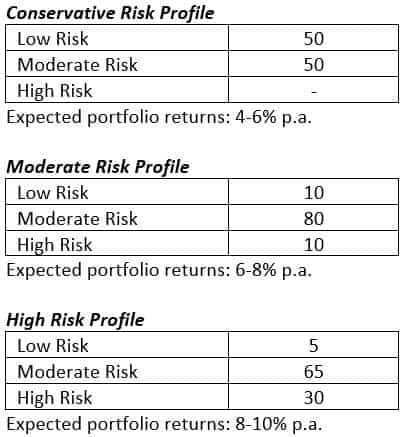
    Answering these two questions will give you an idea of your risk profile – conservative, balanced or aggressive. Next, you should determine your ideal asset allocation. The strategic asset allocation is a breakdown of your investment allocation into three simple investment asset classes – low risk, moderate risk and high risk.

    Low risk assets would comprise of risk-free assets that hold their values and likely have a pre-determined rate of return. Examples would include deposits place in financial institutions and government issued bonds like Malaysian government securities (MGS).

    Other fixed value assets with variable expected returns or those with minimal price fluctuations that fit this category include our Employees Provident Fund (EPF) savings, certain fixed priced Amanah Saham funds and low risk fixed income securities like money market funds or capital protected products.

    Moderate risk assets on the other hand have the potential of generating a higher variable return (e.g. between 4-6% p.a. above the risk free rate) and could comprise of assets such as blue chip dividend stocks or a balanced diversified portfolio consisting of shares and bonds. Property assets and REITs that offer both regular income and potential long-term capital appreciation can be categorised here as well.

    Lastly, we have growth or high-risk assets that are made up of stocks in a diversified portfolio of expansion-focused companies, small to mid-sized businesses in developing countries, commodities and perhaps alternative assets such as private equity investments or collectibles like wine, luxury watches and paintings.

    These may fluctuate a lot more in value but offer potentially better long-term returns.  

    Let us look at a simple approach to asset allocation for one’s investable assets:

    A moderate risk investor would probably place the bulk of his investable assets in moderate risk assets and only around 10% in the high-risk space. From this allocation, he should expect a blended overall return of around 6-8% p.a. As such, the strategic asset allocation gives you an idea on how you can select a combination of different assets classes and the corresponding expected returns on your overall portfolio.  

    Given the nature of these alternative investments at this juncture – where price discovery remains a challenge, volatility is high, and long-term values remain uncertain – it would be more appropriate to classify them as part of your high-risk investment bucket.

    Back to the question of whether investing in those alternative assets in the examples given are suitable for you, firstly consider where it fits in based on the suggested strategic asset allocation.

    Perhaps a 10% allocation in each of these strategies would be sufficient for most. In simple terms, this means roughly 1-3% allocation of one’s investable assets would be about right for the balanced to aggressive profile investor.

    In conclusion, the next time you encounter an innovative investment option that comes across as the best invention since sliced bread, the first thing you need to do is to increase your knowledge and understanding of that product instead of signing the dotted line simply based on a herd mentality or the fear of missing out.

    Should you decide to proceed thereafter, then invest based on your ideal strategic asset allocation in line with your risk profile. This golden rule should keep you in good stead for a long time to come.

    About the Author:

    Felix Neoh CFP CERT TM is the Director of Financial Planning at Finwealth Management Sdn Bhd and is a certified member of FPAM. He can be contacted at enquiry@finwealth.com.my

    We at Smart Investor and Finwealth is committed to help you better manage your financials. Get a free consultation from an expert by filling in your details here: https://www.smartinvestor.com.my/SIxFinwealth