The young and broke millennial was cast in the spotlight several months ago following comments from Finance Minister Tengku Zafrul who said that over 40% of millennials in the country are spending beyond their means. A slow but perilous path to financial ruin strewn with avocado toast, online shopping splurges and syrupy frappuccinos.
As a millennial myself, I’d be lying if I said I wasn’t slightly triggered by these headlines. I’d like to think that I’m a functioning young adult who is responsible. But I guess what irked most millennials was to be painted with a broad brush.
Still, it’s something I ruminated over and asked if we’re really that terrible at managing our finances. And what I realised is that millennials as well as any generation really (e.g. Gen X, baby boomers) are products of their environment and the times they lived in.
Our relationship with money goes beyond the personal, shaped by experiences that are distinctly our own. A millennial like myself who grew up around low interest rates and relatively benign inflation (despite our protests of price increases at the local mamak) will certainly not be conditioned to save as much as someone who grew up in 1974 when inflation was at its highest in Malaysia at over 17%.
If we go further back to a generation who lived through World War II and the Malayan Emergency, during times of great scarcity the need for savings was even greater. My late grandfather was frugal to a fault and never spent anything on himself beyond the bare necessities.
Debt Trap
Whether anyone wants to admit it, millennials are also inheriting a fractured capitalist and hyper commercialised system that encourages debt and excess. Easy access to credit and ‘attractive’ low interest rates are pushing millennials off a cliff into a debt spiral with multiple credit cards, smartphone instalment plans and personal loans.
There are obvious commercial reasons why credit cards and personal loans are pushed as much as possible because of the higher margins and fees. From an economic perspective, some thinkers also see the increase in household debt as positive to fuel consumption and growth.
But for millennials growing up in the digital age being fed a constant diet of marketing ads and WhatsApp messages on the latest deals, it can be tricky terrain to manoeuvre. Financial language has evolved and marketers are more sophisticated in their targeting now.
It is a stretch to expect all millennials with different levels of financial literacy to understand what a debt covenant or the base rate (BR) is, many of whom are unlikely to stand a chance against entrenched business and commercial interests.
YOLO to FOMO
Another stark difference that separates millennials from past generations is the ubiquity of technology and social media which has changed behavioural norms. The study of digital anthropology has been neatly summarised into two internet slangs over the years.
First it was YOLO, which stands for “you only live once”. Now it’s FOMO or the “fear of missing out” which is that crippling feeling of anxiety you get from not being with the ‘in’ crowd.
It sounds petty, but the significance of FOMO is more than just cultural. It has real meaning for millennials to be seen and accepted as well as intrinsic properties of validation. Friends would gawk and tell me how jealous they were about someone on holiday in France or the Caribbean.
Of course, keeping up with appearances is not something unique only to the millennial generation. However, it has certainly been magnified to pixel proportions where anything that is not picture-perfect is unacceptable.
This often translates to bad money decisions that millennials end up spending to please others as opposed to for themselves. And you end up with unnecessary purchases without realising that most influencers on social media are sponsored by corporations with deep pockets.
It is indirect, but cultural attitudes and how society views money is also shifting. It used to have a primarily utilitarian purpose as a medium of exchange to buy goods or services. But now we cannot even see money with the advent of online payments.
So, what is money for now then? Unfortunately, years of generational baggage and past obsession with wealth has not led to great examples. Materialism and excess have become idealised models of success throughout the course of history.
Money gets things done. And you do not need to be successful, but rather just look successful. These are deemed as accepted ‘realities’ of life where someone on the street is literally invisible if they do not have a cent to their name. Money makes you seen and noticed. This allure of wealth then leads many of us astray through rash investment decisions with promises of a quick buck. Even worse, some take the crooked path because they are too greedy.
The world is changing but most millennials I know are adapting well. We are tough, savvy and have become more empowered consumers. Importantly, our values are also changing with a new generation of investors more conscious about aligning purpose and profits.
Obviously, my experience with money is not definitive and can apply to anyone especially those living on the fringes. There are very real systemic issues concerning inequality, access and education that has to be considered towards policy formulation to ensure every young Malaysian gets a fair shot in life. But certainly, some empathy and understanding of the unique socio-cultural and technological changes that millennials go through is needed, as opposed to common wealth platitudes.
About the Author
Lee Sheung Un is a communications officer at Affin Hwang Asset Management. A millennial, he is still finding that balance between wealth, freedom and purpose. Views expressed are his own.
According to MWD Wills Depository Sdn Bhd, only two million (or about 28%) of the total seven million people that make up the Malaysian working population have a will.
Just like how it is never too early to plan for retirement, it is also never too early to look into writing your will – especially if you have dependents and beneficiaries. When planning your retirement, it could be worth looking into drawing up your will.
Unlike the anxiety around continuing family legacy and providing for future generations, a will does not require extensive discussions and plans. At best, it is a legal safety net that protects assets and gives full control to you to disseminate as you please.
Furthermore, passing on the wealth of a generation does not need to come at the expense of its retirement.
“Caring for yourself (and not the younger generation) would be the most financially responsible thing to do,” advises Felix Neoh of Finwealth Management. However, with any excess should you outlive your wealth, this can be easily passed on with the right estate planning,” he adds.
It is always difficult to stare down the topic of death, and most of us are reluctant to face the morbid subject of our mortality. Samantha Lim of FA Advisory believes there are plenty of benefits and considerations to writing a will.
“If insurance and EPF nomination is important to you, why not your estate?” she questions.
With a proper will, you can articulate all your wishes, which can run the gamut from what you wish to give to each of your loved ones; and whether they are to benefit from the gift immediately or over a period of time.
You can express the apportionment of your assets to each of them – whether as a measure or endorsement of your love for each of them, or a reflection of your intention to cater to their special needs or nurture their nascent talents, adds Lim.
According to Lim, other benefits of having a will and trust includes, but is not limited to:
Being clear about who will get your assets, and you can work out the details down to who gets what and how much
Keeping your assets out of the hands of people you do not want to have them (like an estranged relative)
Setting up a monthly maintenance allowance for children with special needs or an aged spouse who are not capable or no longer fit to handle their own financials – by setting up a trust
Setting conditions such as to leave the house or property unsold until the passing of spouse or children
Your heirs having a faster or easier time getting access to your assets
Transferring of immovable assets (real property, land) to beneficiaries by way of the will, which only costs RM10 stamping for each property, saving thousands on stamp duty as compared to not having a will
The Declaration of Trust to handover businesses can be done in the safest and fastest way. Imagine when you are no longer around and creditors start to demand for payment. On the other hand, banks will be concerned if the key shareholder has no proper succession planning, which may affect business operation and growth. They may eventually want to review their existing lending to the business. All this may be a disaster to the business’ cashflow if credit facilities were to clawback or reduce, especially if business risk is exposed to this.
Note: A will facilitates distribution of estate only upon death, while a trust, on the other hand, ensures access of funds without waiting for probate and can be effective immediately.
“We should start to think about estate planning when we start owning an asset of value like property or investment, have someone financially dependent on us like a spouse, children and ageing parents,” advises Jessie Ooi, Senior Estate Planner of Rockwills.
She also notes that when there are significant changes like marriage, birth, death, divorce or when there will be major changes to your financial situation, the Will needs to be reviewed.
“A divorce will not revoke the existing will. So if one passes on after divorce without re-writing the will, the ex-spouse can also inherit your assets according to the will.”
“Not all assets grow at the same pace, sometimes you might need to review and re-allocate the asset among the beneficiaries. If you want fairness in the estate distribution among the beneficiaries, you need to regularly review your estate plan,” adds Ooi.
What Happens If I Die Without A Will?
Lim informs that there are contingency plans set in place for Malaysians that do not have a will drawn up to ensure a legal safety net for their assets as below:
Assets will be distributed according to the formulas set out in the Distribution Act 1958, and not according to your wishes or the needs of family members;
The court will appoint a trustee and executor to administer the estate, and this may give rise to disputes between family members or beneficiaries on who should be appointed; and,
The distribution process will take longer and cost more, ordinarily requiring a bond and the appointment of two sureties to guarantee the proper administration of the estate, as well as further court orders to effect the transfer of real property.
An ‘easy investment’ can be a bit of a misnomer. It might be more accurate to regard them as ‘assessable points of entry’ into investing. What makes most of these investments ‘easy’ are largely their low-risk points.
But the first thing you should know as you start your investment journey, is that there is no such thing as low-risk with high-rewards. Neither does choosing to opt for something high-risk so that you can automatically reap high rewards. Whichever choice you make, any type of investment requires additional thought, research and (some) professional advice.
Essentially, an investment is the decision to park your money at a spot with the intention that placing it there will grow your money, preferably in value and quicker than inflation. In Malaysia, here are five options you can explore, especially if you are completely at the beginning of your investment journey.
1. Fixed Deposits
This is usually the first point of entry for most people as there is almost no risk and promises guaranteed returns; and also, no broker fees. A fixed deposit means parking your money in this account for a set amount of time, and upon maturity, you’ll receive returns calculated on the interest rates.
The tenure of a fixed deposit ranges from short-term (one month) to long-term (five months). Usually, the longer the term, the higher the interest rate. However, if you withdraw your deposit before the duration and maturity is up, it will result in less returns.
2. Unit Trusts
A unit trust is a portfolio of assets made up of different investments which include shares (ETFs, REITs, etc), bonds, gold and others. You, as an investor would then be buying a ‘unit’ of this portfolio. This would be a long-term investment and returns come in the form of dividends or any increase in the value of investments.
Unit trust investments usually earn and have higher returns than fixed deposits, but are also riskier. The point of entry for this investment is easy as it does not require a lot of capital and can be tailored to your risk appetite. The risk is dependent on the performance of the investments in the portfolio and the Net Asset Value (NAV) of the unit when you purchase it. Like most investments, other things to note is that this will incur transaction and management fees and sales charges.
3. Investment-Linked Insurance Plans
Insurance plans usually range from the coverage you are looking for. For those that are investment-linked, a portion of the premiums paid for your insurance plan is invested, while the remainder covers the usual insurance premium.
The pull for this investment is usually its flexibility, and its dual service as insurance. If you are paying for insurance, you might as well set aside an amount for investment. This, however, does not guarantee returns like the first two investment options, as it is still dependent on the fund’s performance in the market.
4. Robo-Advisor
If you do not know where to start when it comes to the stock market, and if you are overwhelmed by the myriad of investment vehicles there are out there, robo-advisors are now a popular mode of entry for investing. The appeal of a robo-advisor is that it utilises data and algorithms to automate your investments, to ensure returns. It also requires a low point of entry and can be tweaked to suit your risk profile.
They also do away with the traditional need to lock in funds for a set amount of time. Its user-friendliness is a positive for beginner investors, and would be a good place to learn how investing works and to understand your personal risk profile and appetite, before moving onto more hands-on and advanced investing.
5. Private Retirement Scheme (PRS)
Best known as a privatised alternative to the government-run EPF (Employee Pension Fund), PRS provides flexibility and also has a variety of retirement funds to invest in. Managed by asset management companies, PRS offers multiple schemes and you have the option to invest in more than one fund.
The different funds are available based on risk appetite, age eligibility and asset allocation breakdown of investment. Another plus point of investing in PRS is a tax relief of RM3,000. However, funds in PRS cannot be withdrawn at any time, much like EPF. It is your retirement fund, after all. But if you are going to invest in saving for your retirement, the best your money can do is make more money while you do too.
Most investors swear by the saying “Never put all your eggs in one basket”. They usually invest in various types of investment vehicles by putting more money into safer types of investments rather than the riskier ones. Previously, most Malaysians chose shares, unit trusts, real estates, fixed deposits and bonds as the main vehicle to grow their money.
Over the last few years, a range of new investment vehicles have emerged in Malaysia, namely, cryptocurrencies, peer-to-peer (P2P) financing, robo-advisors and equity crowdfunding.
As the saying goes, there are two things you cannot avoid in life – death and taxes. This article aims to explore the tax concerns when investing into certain types of investment vehicles in Malaysia, with a greater focus on these popular, emerging investment vehicles:
1. Shares
Over the shoulder view of and stock broker trading online while accepting orders by phone. Multiple computer screens ful of charts and data analyses in background.
When investing in shares or stocks, investors may focus on investing either for dividend yields or capital gains. Any capital gains on shares are not subject to tax under the Malaysian Income Tax Act, 1967 (ITA).
However, if the activity of trading in shares is frequent enough, the Malaysian Inland Revenue Board (IRB) may treat the gain as a revenue gain which will be taxable. Alternatively, dividends distributed by a company is taxed at the company’s level as a final tax. Hence, dividend yields are exempted from tax in the hands of the shareholders.
2. Unit Trusts
The return on investment for unit trust holders is usually in the form of income distribution or capital appreciation which is derived from the pool of assets supporting the unit trust fund. Generally, unit holders are subject to tax on their share of the total taxable income of the unit trust.
The distribution received by the unit holders are net of tax. In this regard, unit holders are advised to check their dividend statements to identify the Section 110 tax credit. Unit holders are entitled to utilise this tax credit to offset against any income tax payable by them. In the event the tax credit exceeds the tax liability of the unit holder, the excess will be refunded to the unit holders.
3. Equity Crowdfunding
Happy young Asia businessmen and businesswomen meeting brainstorming some new ideas about project to his partner working together planning success strategy enjoy teamwork in small modern home office.
Start-ups and small-to-medium enterprises often use equity crowdfunding to raise funds from the public. The term “angel investor” is usually related to equity crowdfunding. An angel investor is generally a high net-worth individual who invests in start-ups.
In Malaysia, angel investors are accorded tax incentives in terms of a tax exemption of up to RM500,000 per year in the second year of assessment following the year of assessment in which an investment is made. Prospective angel investors are required to apply to the Malaysian Business Angel Network (MBAN) to ensure that the eligibility criteria are met and to accredit them as angel investors (see Public Ruling 12/2020, IRB).
4. Cryptocurrencies
The IRB has mentioned that all cryptocurrency transactions will fall within the ambit of the ITA. The IRB referred to Section 3 of the ITA where any gains from trading in cryptocurrencies will be taxed if it is revenue in nature for the investor.
Therefore, gains made by occasional trading in cryptocurrencies should be viewed as capital gains and under the local tax law, capital gains are not taxed.
With that said, the Malaysian tax authorities have recently updated its Guideline on Taxation of Electronic Commerce Transactions in 2019 to include digital currency under its scope of charge. This now effectively allows the IRB to collect revenues generated by cryptocurrency trading.
With the absence of any provisions in the Malaysian tax law on taxing virtual assets, investors involved in digital currency activities are strongly advised to keep their transaction records and any relevant documents for seven years in case of a tax audit.
5. P2P Financing
Millennial Asia businessmen and businesswomen having conference video call meeting brainstorming ideas about new project colleagues working together planning strategy enjoy teamwork in modern office.
P2P financing is akin to traditional borrowing with the exception of a financial intermediary such as a bank or financial institution. Therefore, the subject of concern in P2P financing will be the interest earned. So will the interest income be subject to tax? Yes, the interest earned is taxable for both Malaysian resident and non-resident investors.
What is the tax treatment on your P2P interest earned? While Malaysian resident investors will need to declare the interest earned as interest in their annual income tax returns, the P2P financing operators will directly deduct 15% withholding tax at source for non-resident investors.
6. Robo-Advisors
Certain investors prefer to simply let a third party handle the investment aspect of their money. This is possible with the existence of robo-advisory platforms which use algorithms to allow an investor’s portfolio management to be automated.
Robo-advisor platforms typically invest in exchange traded funds (ETFs) which are a compilation of stocks, bonds and other investments. Furthermore, most robo-advisor platforms in Malaysia tend to focus on foreign ETFs.
Investors should be aware that the dividend yields from trading in foreign ETFs may be subject to withholding tax depending on the jurisdiction of the ETF. The distributions received from the foreign ETFs will be exempted from tax in Malaysia as it is considered a foreign source of income.
About the Author
Shanthini Parama Dorai is a Tax Senior Manager at Crowe Malaysia PLT. Crowe Malaysia PLT is a member firm of the Crowe Global network of independent accounting and advisory services firms. She can be contacted at shanthini.dorai@crowe.my.
As of 2020, there are over 1.1 million SMEs registered in Malaysia, making up about 97.2% of total business establishments in the country. Microenterprises make up 78.4% while small businesses account for 20% and medium ones are 1.6%.
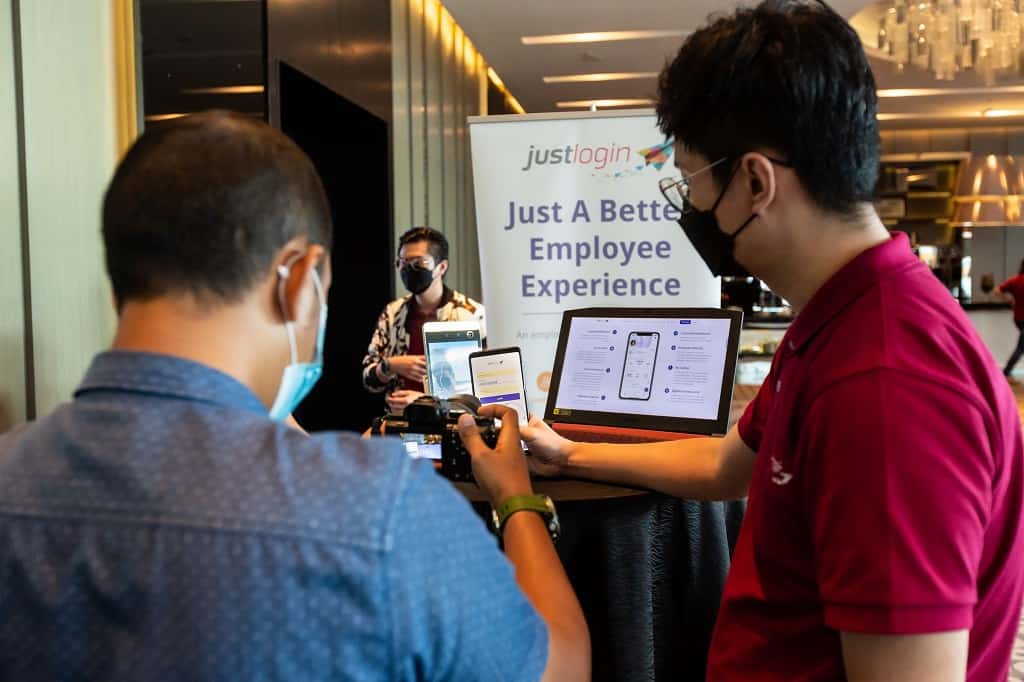
With JustLogin making its debut in Malaysia, the leading HR Cloud software provider from Singapore offers a suite of HR and office collaborative applications with its mobile-first and employee-first approach tailored for today’s hybrid and remote workstyle where digitalisation is at the forefront.
JustLogin is not only payroll-focused as it has a host of solutions including SafeClock – all of which enhance the productivity and office efficiency through streamlining administrative work processes and communication channels.
Recently, Smart Investor did an exclusive interview with Mr. Chan Chiou Hao, COO of JustLogin to share his insights.
1. Why is it so important to adopt digitalisation within the SME community?
In line with the challenges faced by SMEs, many do not have the budgets that larger organisations have when it comes to hiring the necessary headcount required to run their companies efficiently. However, with the advent of technology, especially the democratisation of enterprise software with cloud technologies, it has enabled SMEs to do more with less. They are able to be more effective with less people and are able to outsource more functions of their business.
In a time-starved era, it’s more crucial than ever to adopt digitalisation. SMEs will risk being left behind when it comes to meeting their customers’ demands if their core business operations or structure is compromised or neglected.
Only with a solid base foundation, SMEs can focus on ‘important’ matters – which include making informed business decisions, enhancing productivity and increasing efficiency and accuracy.
We believe that in order to grow the economy, the necessary essentials are needed to kickstart or digitise business operations. We have seen a boom in start-up ventures over the years with the trend of businesses moving towards digitalisation and the IR4.0 era.
2. How are HR, tech and business related? And how do these aspects affect how a business would operate?
In most businesses, HR costs (e.g.: salaries) are usually one of the biggest (if not the biggest) costs in a company’s P&L. However, it is quite surprising that a lot of businesses tend to under-invest in HR or systems that support their HR.
Take constructing a building for example. Without a proper or solid base foundation, it will be at risk of collapsing as it is vulnerable.
This applies to businesses as well. At the core of every organisation, these 3 key elements (HR, tech and business) make up the backbone of the company. With the integration of these key elements, other ground work will operate at a smoother pace.
3. Tell us about the tech behind JustLogin’s solutions. What are the key features set to be a gamechanger in the Malaysian business landscape and how were these features developed?
With the advent of the gig economy, more and more companies are finding themselves hiring a mix of permanent, part-time and gig workers. This has further complicated how HR operates as they have to deal with complex requirements. JustLogin’s HR Cloud is perfectly suited for this new workforce. Some of JustLogin’s features include digitised expense claims, employee time management, leave entitlements which includes medical, compassionate and maternity, benefit management, people insights, payroll management and SafeClock, an all-in-one contactless temperature scanner, attendance tracker and door access.
These features are fully updated and integrated to comply with Malaysian statutory regulations. JustLogin can also automatically generate EA forms, for example and is always up-to-date with contribution rates and other policy changes made by the Malaysian government.
JustLogin’s mobile app allows employees to handle HR matters wherever they are – at home, on the bus, or at a cafe. Whether they have to apply for leave, download their payslips or look up their colleagues’ contact, it’s all there in their pocket.
4. As a pioneer in HR on the cloud, what are some significant changes that you have seen in the industry in the last 2 decades?
Companies are now moving towards the cloud. A lot of business owners are starting to be more comfortable with having their corporate systems on the cloud. This has increased the ability of small companies to punch above their weight. They are no longer limited by the budget requirements of enterprise systems of the past.
With more than 50% of the workforce being millennials or Gen Z, it has caused a seismic shift in how companies retain employees. If your systems are still archaic and manual, chances are companies will have a harder time hiring and retaining employees from these generations of workers. Companies need to start thinking of mobile and employee-first approaches.
There is constantly an upgrade or update in the host of solutions offered in the market. However, not all of them are suitable or customisable to meet business needs. What is commonly lacking is the integration between these solutions, which can be quite challenging when it comes to syncing to a business’s operations. Business owners often find redundancy in multiple apps/platforms that will need to be used.
Now, we have a varying selection of helpful tools on the cloud. Take for example, JustLogin has essential tools from onboarding new employees, Payroll, Leave, Attendance, Expense management, Mobile App to SafeClock – all integrated on one platform!
5. Why has JustLogin decided to venture into Malaysia?
Based on the latest data in Malaysia Statistical Business Register (MSBR) released by Department of Statistics, Malaysia (DOSM), the total number of SMEs in Malaysia in 2020 was 1,151,339 or 97.2% of total business establishments.
On average, the number of SMEs has increased by 4.9% every year since 2015. The services sector has consistently accounted for more than 80% of all SMEs whereby in 2020 it contributed 85.5%, amounting to 984,643 SMEs. The construction sector climbed up to be the second largest contributor during the year by contributing 7.4% (85,637).
Meanwhile, about 5.1% of SMEs (58,439) were involved in the manufacturing sector, followed by 1.7% (19,130) in the agriculture sector, with the remaining 0.3% (3,490) in the mining & quarrying sector.
In terms of size, microenterprises accounted for 78.4% (903,174), the largest share of SMEs. There has been an increment of 209,504 microenterprises, registering an average growth rate of 5.4% every year from 2015 until 2020. The small-sized formed 20.0% (229,876) of the total SME establishments and the balance 1.6% (18,289) were medium-sized SMEs.
Seeing this data, it was only natural for us to expand to Malaysia, as the Malaysian business landscape is made up of more than 97.2% of SMEs. With more start-ups and SMEs emerging in the market in the last 3 years, it is considerably timely for us to come in and equip start-ups, SMEs and business owners alike with the right solutions to further streamline business operations and enhance productivity.
With Malaysia’s market size aside, we want to be part of Malaysia’s SME digitisation journey. We have seen many of our customers experience success by implementing JustLogin and have stayed with us for many years. We hope to see the same success and growth with our Malaysian customers too.
6. JustLogin is offering an exclusive 6-month complimentary trial to all SMEs with valid SME Status Certificate by SME Corporation Malaysia (SME Corp. Malaysia). Are there any other collaborations in the pipeline?
Yes, we are constantly on the lookout to collaborate with different agencies, partners and authorities which are relevant and will aid the market in Malaysia.
7. What are the requirements needed to get started with JustLogin?
If you have a stable WiFi or Internet connection and a smartphone, you are set to go – it’s that simple!
In a nutshell, as long as you have access to the Internet (via mobile, desktop, tablets etc), you will be able to use JustLogin.
8. Do share about JustLogin’s expansion efforts to Malaysia.
Our objective is to definitely help SMEs nationwide solve HR problems with our products, driven by intuitive design and innovative technology. JustLogin’s customers no longer require manual data entry or tedious administration, just productivity and an employee-first approach.
In terms of East Malaysia, it’s an untapped market where we would like to have our presence in the Sabah and Sarawak region. For one, as Sarawak is moving towards a digital economy, it’s the perfect timing for us to expand our services to benefit entrepreneurs, SMEs and business owners, as long as the demand is present.
According to the Economic Census (2016) by Department of Statistics Malaysia (DOSM), Sabah and Sarawak are both among the states each with a large presence of SMEs of over 6% and growing, apart from Selangor, WP Kuala Lumpur, Perak, Johor and Penang. We believe that this number will continue growing and we are excited to embark on our services in these states.
About JustLogin
What is JustLogin?
JustLogin is the premier Software-as-a-Service (SaaS) provider offering a suite of HR & office collaborative applications for the global business community. We are an award-winning software and expert cloud-based HR company from Singapore that strives to understand the administrative pains of any business.
Ranging from managing staff leave to the dissemination of payrolls and claims, JustLogin has just the right solution for all businesses, including start-ups and Small Medium Enterprises (SMEs). We emphasise productivity and a mobile-first and employee-first approach, that is tailored to meet individual needs. Our solutions are unique and are aimed at saving time, manpower and money while increasing productivity, efficiency and accuracy.
How does JustLogin work?
It allows users to access and download payslips on the go, apply for leave anytime anywhere, deal with expense claims effortlessly and clock-in and out of work via its face recognition technology. The snap, scan and send functions also make submitting claims hassle-free and seamless.
Instead of being bogged down with tedious forms and manual data entry for both HR and staff, JustLogin steps in to automate and streamline the administrative process powered by AI and microservices technology.
When was JustLogin established?
JustLogin was established on 3 February 2000 and we have just celebrated our 22nd anniversary!
What was the inspiration behind JustLogin?
JustLogin began with the goal of simplifying and automating HR, so companies can devote more time to people and productivity – not paperwork. We pioneered HR on the cloud back in 2000 so small to mid-sized businesses could enjoy the productivity only availed to big enterprises with deep pockets back in the day. HR on the cloud enabled small businesses to subscribe to enterprise-level software for a fraction of the cost without having to invest in their own R&D.
Are there any plans for regional expansion?
Yes. Before we tap into different markets, we will first identify and conduct market research on the regions with potential for growth which will benefit from JustLogin.
Which industries can benefit from JustLogin?
Just about any industry across the board can enjoy our solutions ranging from Retail, F&B, Tech, Consulting to Manufacturing.
How can I ensure that there isn’t any data or security breach of my company’s assets or sensitive information with JustLogin?
We’re certified compliant with ISO 27001 standards, a widely-recognised security management standard that dictates best practices and comprehensive controls for an information security management system (ISMS). The ISMS includes people, processes and IT systems by applying a risk management process.
The certification requires us to:
Systematically evaluate our information security risks, taking into the account the impact of company threats and vulnerabilities
Design and implement a comprehensive suite of controls and other forms of risk management to address company and architecture security risks
Adopt an overarching management process to ensure that the controls meet our information security needs on an ongoing basis
The ISO 27001 certification is specifically focused on the JustLogin ISMS and measures how our internal processes follow the ISO standard. The services included in the scope for our ISO 27001 certification include: Payroll, Leave, Clock, Expense, Benefit and People.
Who is the Certifying Agent for JustLogin?
JustLogin’s Certifying Agent is TÜV SÜD Management Service GmbH, an established and internationally recognised testing body, whose certifications are well accepted by manufacturers, third party buyers and government authorities worldwide.
How does one begin using JustLogin?
We offer a 14-day free trial (www.justlogin.com/my/free-trial) where potential customers can see how our solutions can work for them. Our friendly employees are also happy to chat and provide more in-depth detail for customers by tailoring services to business needs. Simply connect with us via our website or at our landline numbers available at www.justlogin.com.my
Who are some of JustLogin’s customers?
Some of our customers include IKEA, Sumitomo Chemicals, Valentino, Owndays, Toyota Tsusho, Asus, Hansgrohe, Nippon Airways, Roquette Asia, and more.
Malaysian customers include Inside Scoop, Rinnai and Sunway Medical Centre, and more.
How many customers does JustLogin have?
Over 2,500 customers have enjoyed our services over the course of 22 years from different regions.
What is JustLogin’s current workforce size?
We have over 85 professionals at JustLogin.
Which countries are JustLogin’s customers from?
We have been fortunate to have customers from Australia, Belgium, Cambodia, China, Cyprus, Fiji, Holland, Hong Kong, India, Indonesia, Japan, Korea, Malaysia, Maldives, New Zealand, Philippines, Singapore, Switzerland, Taiwan, Thailand, UAE, USA and Vietnam.
During the COVID-19 lockdown period, I took charge of cooking meals for my family as a measure to keep me sane, as well as to further explore my interests. In the process of thinking about what to eat every day, prepping meals, and getting feedback from my ‘patrons’. I observed there are parallels between cooking and financial planning.
Here are some of my findings listed down below:
Prepare With The End In Mind
Allow me to quote a little something from one of my favourite fairy tales: –
“Alice asked the Cheshire Cat, who was sitting in a tree, “What road do I take?”
The cat asked, “Where do you want to go?”
“I don’t know,” Alice answered.
“Then,” said the Cat, “it really doesn’t matter, does it?”
If you do not have a clue about what to cook next, you might as well just order takeaway. You need not plan for a grand Turkish all-day breakfast, or a Han Banquet unless you are in the mood for it. Knowing what to cook can be as simple as saying we will be having fish, vegetables, and tofu for our meal.
If you can say we will be having chorizo con patatas (Mexican style sausage with potatoes), even better!
The same goes for financial planning, as without an end goal, you might end up in some place you may not like. With a goal in mind, there is a good chance, you may actually like the destination. It is always better to have a general sense of where you are heading towards. Once the destination is clearly defined in your mind, the rest of the puzzle will fall into place.
Get The Right Tools For The Job
Have you ever tried frying eggs with a non-stick pan, or cutting meat with a serrated blade? An amateur chef in the home kitchen should be aware what is the best tool to use for the task at hand. You would only need to improvise if you do not have the right device needed in your arsenal for a specific dish.
In financial planning, planners often match the tools to the objective – liquid short-term tools for funds that need to be accessed within a reasonable time frame. For every purpose, there will be something that matches your needs.
The challenge here is whether you know someone trustworthy that has your best interests at heart that you can refer to. Knowing this, I am sure you would not choose to buy life insurance plans for the purpose of retirement savings, right?
Ask The Professionals
When I am dealing with an unfamiliar ingredient or new method of cooking, I seek help from the pros. In my case, this would be my lovely grandmother. Her years of experience in the kitchen is a blessing for young budding cooks like myself. As you cook, you realise there are a lot of variables like how thick the meat must be sliced, how long to steam the fish, how much salt to add into the soup etc.
Often, I must interrupt her TV viewing session to get her into the kitchen to ask questions or help me with a taste test. Even if I bring in exotic ingredients like Thai vermicelli or guanciale (cured pig’s cheek), she would have an idea about how to prep it for cooking.
Professionals know best about how to handle certain situations that pop up and will guide us accordingly on what to do next. It is the same with financial planning; it would be good to have a panel of professionals in your contact list that you can always refer to.
Do Your Research
When inspiration strikes me for what to cook next, I do not just buy the ingredients and get down to business. I will always watch a few videos and search online for an ingredient list. It would be courting disaster if I just jump over the proverbial cliff and wing it without any prior knowledge of what I am attempting.
As we do our research, especially from online sources, we may also find many ways and methods to produce a dish. Not all will carry the same experience and cost, or require the same amount of time. Likewise, when we try to learn about personal finance online, we also need to be mindful about the source, and if it is comprehensive or contains any limitation in points of view.
Before committing to any financial products, it is good to always do some research about what you are buying. There will always be a product disclosure sheet or a similar document to read through in a language we can all understand – government institutions like Bank Negara Malaysia or Securities Commission Malaysia makes sure of that! We can also read articles or watch video reviews about these same products by service or education providers.
Review, Review, and Review
Every time I serve a dish, I would get feedback from my family members on what they think about it. I would do so even if I am serving the dish for the fourth time! This helps me further refine my recipe over time.
Usually, when clients buy a financial product, they then quickly forget about it. I believe a yearly review of finances is required to refresh what was discussed previously, and whether the current action plan is sufficient or not. A review will not necessarily mean there will be a need to buy or do something new. However, it keeps you aware of the progress made over the years.
What other similarities can you see between cooking and financial planning?
About the Author
Raymond Chan, CFP CERT TM is a licensed financial planner that believes with the right guidance anyone can achieve what they set out to do. All they need is to have a goal in mind and a nudge in the right direction. He can be reached at raymondchan@vka.com.my.
A well-coordinated team is a true asset to any organisation. According to research on team dynamics and performance, diverse and inclusive teams tend to make better decisions and are more innovative.
Striving to increase workplace diversity is not an empty slogan — it is a good business decision.
Diversification and equity initiatives are critical to a company’s success. However, these aspects don’t mean anything in the absence of an inclusive workplace. So the question becomes – how do employers establish a workplace that prioritises all three elements?
Diversity, Equity & Inclusion In the workplace
Diversity in the workplace usually involves people from different backgrounds, ethnicities, genders, ages working together without any disparagement. It usually refers to a gender ratio that is balanced, but it can also refer to people of non-binary genders. As a result, it can be defined as a balanced representation of all genders in any workplace.
On the other hand, equity is the value of being fair and equal based on individual contributions. There may be some confusion as to the difference between equity and equality. While equality means being equal to everyone by providing the same benefits to all, equity is an organisation’s ability to offer flexi-benefits according to individual needs so that they are able to reach their full potential.
Workplace equity is all about empowering employees and ensuring that everyone is on an equal footing. When organisations promote equity in the workplace, they gain a competitive advantage by employing a diverse workforce. There is equal opportunity when there is equity.
Inclusion is the state that provides each and every employee with a sense of belonging despite gender racial and age differences. Workplace inclusion efforts help to give traditionally marginalised groups, even those with physical or mental disabilities, a way to feel equal in the workplace.
However, because we are human beings driven by emotions as much as objectivity, it is easy to fall short of what constitutes a best practice and mistakes happen. To safeguard all employees and to ensure the highest standards of diversity, equity, and inclusivity, nonetheless, I would recommend using an automated system like WorkSmartly.
With a trusted tool that is unbiased, employers can be more assured of employees having access to equal opportunity.
How Organisations Can Develop Diversity, Equity & Inclusion
Human resources, Talent management and recruitment business concept and empty copy space for your text
Developing equitable workplaces will require sustained and prolonged efforts on the part of management and Human Resource (HR) teams as the most effective way to implement major changes effectively is through the top-down approach. Understanding internalised biases and their effects are the first steps in building equitable work environments as everyone was brought up differently and coming from various walks of life. This leads to different work experiences.
Everything should be colourless and generous to every employee, with a focus on matters or incidents rather than individuals. For example, companies should look to have a neutral time (example: company fiscal year) to hand out bonuses during “neutral” time periods, rather than during festive periods like Chinese New Year, Hari Raya, Deepavali as this may show bias toward a particular race.
Additionally, recruiters should demonstrate neutrality when selecting candidates. They should hire new employees based on their performance, skills, and capabilities, not on their own culture or other factors. Robust HR platforms like WorkSmartly filter candidate profiles and resumes according to their achievements, skills, and suitability. This would be particularly useful here as automated systems do not run the risk of being swayed by non-work-related differences. Ultimately, this ensures transparency in an environment that prioritises growth.
Another aspect to look forwards to is increasing digitisation which will create more opportunities for diversification. From remote work options to the rise in the gig economy, employers are no longer forced to default to traditional work practices. New generations are becoming more open and their cultural acceptance has increased due to greater exposure via technology. For example, the way the current workforce thinks and acts is getting more unified based on the influence of social media.
Challenges that Malaysian Employees Face in the Workplace
Skyscrapers in Kuala Lumpur, Malaysia City Center skyline.
In Malaysia, 56% of women have experienced at least one form of gender discrimination in the workplace, according to the “Voices of Malaysian Women On Discrimination & Harassment in the Workplace” survey. Women’s low participation in the workforce could be due to a variety of factors, including discrimination, harassment, and a greater unpaid care burden, which affects both employees and job seekers.
Besides that, people who have been out of work for a while have typically found it much harder to get a job. If being unemployed and finding a job weren’t hard enough already, research shows that large work history gaps are the main reasons that unemployed people aren’t getting hired. Prejudice against the unemployed isn’t limited to those who have been out of work for a long time, it can also apply to those who have recently quit or lost their jobs.
While this has been an ongoing problem for many during the pre-pandemic period, those who faced retrenchment due to pandemic-related business closures have been particularly hard hit.
It is also important to note that diversity, equity and inclusion can’t be achieved when there is bias in the hiring process-the number one step for organisations to build strong, long-lasting foundations. Most companies typically lean towards hiring more experienced employees rather than fresh graduates. Many employers believe that this hiring strategy makes the transition easier as they already have background experience.
The downside to this practice, however, is that it limits the opportunities and options for fresh graduates to learn new skills and demonstrate their talents to a company, eventually resulting in an out-dated talent pool. Therefore, I urge organisations to keep their windows as open and inclusive as possible to provide younger talents with opportunities to grow, thereby making way for fresh, new ideas that could result in a breakthrough.
It’s important to value diversity, equity, and inclusion. They make organisations stronger and more agile, and they are more important than ever in today’s rapidly changing business environment. Leaders who want to make significant progress should apply universal principles with care to their unique cultural and strategic circumstances. It’s important to consider the context.
This article is written by Victor Phang, CEO and Founder of WorkSmartly
About WorkSmartly
WorkSmartly is an end-to-end HR solution that is designed specifically for HR processes throughout the employees’ work life cycle. It began as iTalent in 2008 before being rebranded to WorkSmartly in 2018. With 8 offices globally and more than 200 clients including several Fortune 500 companies, WorkSmartly is aspiring to be the leading enterprise HR-tech provider globally. Among WorkSmartly’s clients are EasyParcel, Emart, Exabytes, MDEC, PETRA Mobilia, Pgeon, Roche, See Hup and Sony.
In the past two years, we have seen the stellar ascent of environmental, social and governance (ESG) factors in the investment realm. Formerly a niche term popular amongst sophisticated and institutional investors, ESG investing has now found itself pushed into the mainstream and embedded firmly into public consciousness.
Global investors have become more aware about the broad sustainability challenges that we face in the world today as the pandemic exposes the wider rifts in society. However, a lack of standardisation coupled with overuse of the term has created a lot of confusion about what ESG actually entails.
Here is a closer look at ESG investing (sometimes interchangeably referred to as sustainable investing) and how investors can get started.
Definition of ESG
As alluded earlier, ESG are a set of non-financial factors that investors or fund managers use to assess the sustainability of a company through three distinct lenses namely environment, social and governance.
Environmental factors consider the company’s stewardship of natural resources including conservation of the environment as well as reducing its carbon footprint.
Social factors examines the company’s relationship and treatment of all its stakeholders including suppliers, customers, staff and the wider community it operates in.
Governance deals with the company’s set of policies and procedures related to its corporate governance to ensure clear lines of accountability between shareholder and management. These include safeguards to avoid conflict of interests such as the presence of independent boards as well an audit or remuneration committee.
By evaluating all three factors, investors can then screen out potential investments especially if they pose a material impact to the company’s operations and its financials.
Such information can be typically gleaned through the company’s annual report where enhanced disclosure guidelines require companies to provide information about its key sustainability indicators such as environmental and social footprint.
Steps to Building an ESG Portfolio
The first challenge for investors looking to dip their toes in the ESG arena is finding out where to begin. Given how large the investment universe has grown, it is important to take a methodical approach and establish several things first at the outset.
Step 1: Identify Investment Objective and Intent
The first question you need to ask is your investment intent and objective in wanting to incorporate an ESG strategy in your portfolio. There may be some introspection required to unpack your motivations to understand the specific causes or issues that you are prepared to invest/not invest in.
It is an important step because this would determine how deep you would go in this specific route:
Is this a strategy to add diversification and reduce asset correlation?
Are you looking to gain exposure to specific themes like green energy?
Are there certain causes that you deeply believe in and want to include in your portfolio through purpose-driven solutions?
Alternatively, do you want to embrace ESG wholeheartedly as an investment philosophy and want a pure ESG portfolio?
All investors have different goals and objectives which would in turn influence their degree of involvement in ESG.
On one end of the spectrum, investors may not be ESG-aware and does not consider ESG factors at all in their investment decisions. On the other end, investors are fully on-board with ESG and want it fully ingrained in their portfolio. More often than not, they are situated somewhere in between.
Wherever you find yourself, it is okay to pick a point to start and then move along the spectrum as and when you feel comfortable.
Step 2: Which Approach Suits You?
Hand of human holding green earth ESG icon for Environment Social and Governance, World sustainable environment concept.
Once you have uncovered your motivation to get started in ESG, it is now time to explore which approach suits you best.
Very broadly, ESG funds are grouped according to the following categories depending on the strategy it employs:
Negative screening is an exclusion strategy where companies with poor ESG scores are sieved through and ruled out from the portfolio’s investable universe. Common exclusions include those companies with a poor track record in environmental management or with a history of labour malpractices.
Values-based funds such as Shariah-compliant funds also employ a negative screen to filter out companies that to not adhere to the principles of the faith such as gambling or alcohol.
Positive screening seeks out companies with a strong ESG score to be included in the portfolio’s holdings. Companies are often benchmarked against their peers or the industry’s best practices in choosing the cream of the crop. Companies that are actively committed to improving their ESG scores may also be considered by the fund manager.
Thematic funds often use a positive screen to choose best-in-class companies involved in specific investment themes like decarbonisation or climate change.
However, both positive and negative screening are typically regarded as two sides of the same coin and are used concurrently by fund managers.
ESG integration is the inclusion of material ESG factors on top of traditional financial metrics in the investment decision making process. For example, a company’s emission data are evaluated alongside other financial measures to assess potential risks or opportunities. A more encompassing approach, ESG integration gathers data from multiple sources with an aim to deliver better risk-adjusted returns.
This approach is often used for funds which may not even have an explicit sustainability mandate or objective such as traditional equity or bond funds. This is because more investors realise that ESG integration offers enhanced risk management by identifying the mid-to-long term risks that could hurt the stock’s fundamentals. For instance, companies that have poor labour practices face increased risk of lawsuits, customer order cancellations as well as reputational damage.
Impact investing refers to funds or investment solutions designed to produce specific outcomes that are beneficial to society or the environment, alongside financial returns. It has a more explicit intent to generate social or environmental returns such as development of clean energy or microfinancing. Types of investments include green bonds or sustainability-linked bonds which are earmarked to finance specific projects or initiatives.
Depending on your investment objective, either one or a combination of the above approaches might suit your portfolio needs. There is no one-size-fits-all approach when it comes to ESG investing as the requirement of each portfolio hinges on very personal choices and values. It is all a matter of aligning the outcomes you want and your investment objectives.
Step 3: Make a Plan to Invest
Mutual fund investors can then integrate ESG into their portfolios either by:
introducing ESG specific themed funds; or
integrating ESG factors into their investment analysis for all funds.
With a growing array of ESG funds spanning different strategies and asset classes, there is plenty to choose from. Malaysian investors can find a list of sustainable and responsible Investment (SRI) funds on the Securities Commission Malaysia website.
Like picking any fund to invest, it is crucial that investors understand the fund’s objective and strategy by reading up its prospectus and product highlight sheet. Be on the lookout for greenwashing red flags in funds that make unwarranted or ambiguous claims.
Ensure that you actually understand what the fund aims to do and its strategy in achieving those outcomes. Is it to avoid certain industries or companies? Does it aim to make an impact in a sector?
Investors should also ensure the ESG characteristics of the holdings are also consistent with the fund’s claims. Traditional tools and resources in fund selection can help in ensuring that you’re picking the right fund for you by looking at its ESG rating and profile of its holdings.
Why ESG?
ESG, Environmental, Social and Governance printed in blue with two rubber stamps over white background. Corporate responsibility concept.
ESG or sustainable investing provides a platform for investors to demonstrate their personal values and play a role in financing assets that are contributing positively to environmental and social causes.
Besides that, ESG investing also offers several distinct advantages to investors in terms of enhanced risk management as well as a differentiated driver of returns. Companies with higher ESG scores could mean more ethical business practices that leads to improved stakeholder engagement as well as staying on the right side of governments/regulators.
In recent times, we have seen the share price of companies with poor ESG practices being punished as global fund managers shun these companies. Many see ESG investing as a structural trend that will persist as long as social and environmental imbalances exist and there is a desire to address these gaps.
Invest with Purpose
The myth that investors have to pick between investing according to their values and sacrificing performance is an old one. Studies have shown that over the long-term, ESG funds can lead to improved returns and lower volatility overall. So, investors don’t have to worry about making trade-offs.
With a variety of solutions available in the market, investors can invest with purpose to reap rewards that go beyond just financial returns.
About the Author
Lee Sheung Un is a Communications Officer at Affin Hwang Asset Management. A millennial, he is still finding that balance between wealth, freedom and purpose. Views expressed are his own.
The world is recovering from the pandemic and global economy is poised to be fueled by the normalisation of economic activity globally. Over here in Malaysia, we just opened up our international borders and is seen as a good sign for our economic growth.
As a smart investor, we need to be aware of the market trends that are happening all around us.
Let’s hear from Germaine Share who is the Director of Manager Research at Morningstar, on the 3 market trends that an investor should look out for in 2022.
1. ESG (Environmental, Social, and Governance)
Environmental, social, and governance (ESG) investment Organizational growth. Wooden cube with symbol of esg concept
We continued to see growing interests in sustainable investing as investors become increasingly aware of ESG issues, and some of them believe it would lead to better investment outcomes.
Global sustainable fund assets grew to US$2.74 trillion as of 2021-end, up 53% from a year ago, according to Morningstar’s quarterly sustainable fund flows report. There are now almost 6,000 sustainable funds globally. Inflows grew as well, driven by continued investor interest in environmental, social, and governance issues and by regulation.
In Malaysia, despite a small base, locally domiciled ESG funds expanded by 50% over 2021 to US$877.1 billion. There were record 13 sustainable fund launches in 2021, compared to just two launches a year earlier. We see the rising number of ESG fund launches not unique to Malaysia, but a global trend on the back of greater ESG awareness amongst investors with the importance of climate change agenda championed by various governments.
As sustainable investing becomes more mainstream, we see more regulators in Asia launching practical guidelines to help avoid greenwashing and importantly, to better inform investors when they consider investing in ESG funds.
2. Inflation
For many years, inflation has not been a major concern for investors given the low interest rates and decent market returns. This year, the risk is real. Inflation is at 30-year highs in the US. Higher inflation tends to lead to higher interest rates, which hurt corporate profits and cause losses for bond holders.
Equity investors’ total return can also be in jeopardy: their dividend payments are worth less, and their earnings can suffer from higher input costs, particularly if they are not in a position to pass along higher prices to their consumers. As earnings come under pressure, so can their ability to generate inflation-beating returns.
There are many assets suited for inflation protection, such as short-duration bonds or cash, high-yield bonds or inflation-protected bonds, or stocks that are either positively correlated to inflation, for example energy stocks, or high-quality names with high degrees of pricing power that can pass along rising input costs.
3. Yield
Coin on wooden table in front of green bokeh background. coins a concept of investment and saving moneys.
With negative yields on government bonds (after adjusting for inflation) across developed government-bond markets and corporate credit spreads at multi-year lows, the global fixed-income universe is looking at paltry returns.
In comparison, Asian and emerging market bonds continue to offer a reasonable yield for income-seeking investors who are comfortable with taking more risk.
About the author
Germaine Share is the Director of Manager Research at Morningstar
Congratulations to Kenanga Investors Berhad for winning the Best Malaysia Large-Cap Equity Fund. In a tough market last year, Kenanga manages to put in a stellar performance and outperform all others.
We spoke to Lee Sook Yee, Chief Investment Officer of Kenanga Investors Berhad to share more about their secret for success.
Key Factors Behind The Success Of This Fund?
We are honoured to have received this award from Morningstar. This award reflects our team’s dedication and perseverance to continuously go above and beyond for our clients.
As a bottom up stock picker, our investment is underpinned by comprehensive fundamental research combined with a relative value approach to create superior risk adjusted returns.
In formulating a company’s investment thesis, we usually run channel checks on the company’s competitive advantages and also attempt to model out the growth drivers. Some of the key areas we look at include management quality, sustainable business model, industry dynamics and balance sheet strength.
By consistently applying this strategy, our funds have achieved continuously outperforming returns throughout the last 3,5 and 10 years.
Strategies To Maximise The Chance Of Success For The Fund
Half recovering from the pandemic-stricken crisis, 2021 presented both challenges and opportunities. One of the biggest challenges was having to grapple with the lingering impact of the pandemic, as persistent waves of Covid resurgence triggered intermittent lockdowns and containment measures, which when happened pulled the markets down with them.
Although such corrections became less intense as vaccination gathered pace, new sources of fear took shape in the form of worries over rising inflationary pressure attributed to severe supply chain disruption, talent and component shortage, power rationing which impacted our investments in varying degree.
We navigated through these speed bumps by constantly reviewing our investment theses to make sure they stayed relevant, identified the “relative winners” from sectors which were deemed resilient, consistently-growing and reasonably priced. Tech sector was one key sector which ticked most boxes and contributed immensely to our outperformance last year.
Can We Expect New Investment Products By Kenanga Investors?
We look forward to expanding our Kenanga Sustainability Series, a suite of multi-asset class products rooted in sustainability considerations to advance long-term financial growth for investors and to generate social and financial value for surrounding communities, in 2022. We introduced the first fund under this series in 2021 which was the Kenanga Sustainability Series: Frontier Fund. It provides investors with a range of opportunities in boosting not only the future development curve through the reduction of carbon emissions, new medical discoveries that may propel patient empowerment, and greater societal benefits while driving sustainable returns.