Principal Financial Group® and CIMB Group Holdings Berhad (CIMB) via their joint venture Principal Asset Management Berhad (Principal), launches the Signature Dynamic Income Focus-i Fund (SDIFi) as the first Shariah-compliant fund in its Signature Series product suite.
The suite, which also includes the Signature Dynamic Income Fund, Signature Dynamic Income & Growth Fund (SDIFi), and Principal Strategic Global Growth Fund, has surpassed RM2 billion (as of July 2026) in total assets under management.
SDIFi is designed to provide investors with global diversification and portfolio resilience, while maintaining an income-focused approach. The Fund also incorporates a measured allocation to Shariah-compliant equities, offering the potential for long-term capital growth and diversified sources of return. Its global mandate provides the flexibility to identify opportunities across regions and issuers, rather than relying on a single market.
All investments in the SDIFi are subject to rigorous Shariah screening and exclude businesses involved in non-permissible activities, including alcohol, gambling, tobacco and other sectors that do not comply with Shariah principles.
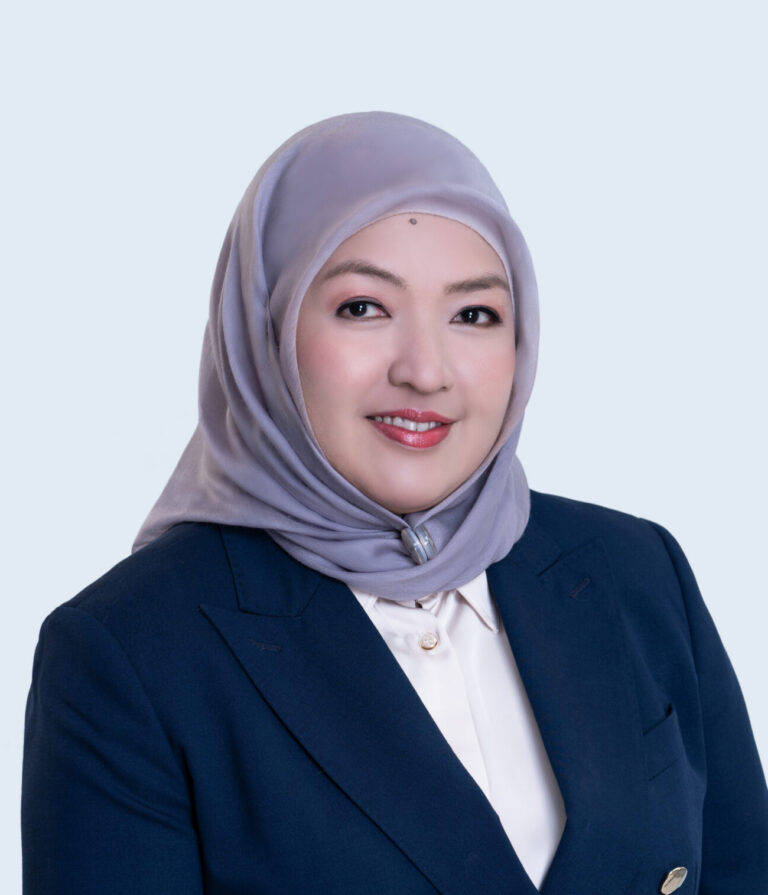
“Investors across the region are increasingly looking for solutions that can help them navigate uncertainty while continuing to generate income and pursue long-term growth. As the first Shariah-compliant fund in our Signature Series, the Signature Dynamic Income Focus-i Fund expands the range of investment options available to our investors, combining global diversification with a flexible approach that can adapt to changing market conditions. We believe this makes it a compelling solution for those seeking to build wealth while remaining aligned with their values,” said Munirah Khairuddin, Chief Executive Officer and Head of Principal Asset Management Berhad.
The Fund brings together Principal’s global investment expertise with CIMB’s Chief Investment Office advisory and market insights, supporting a disciplined approach to portfolio construction and investment decision-making.
“CIMB is focused on offering savings, wealth, and protection solutions backed by deep insights and advisory to shape better solutions for our customers. Together with Principal, we continue to augment our comprehensive wealth ecosystem that enhances the growth, protection and legacy goals of our customers across ASEAN markets, which aligns with our purpose of advancing customers and society,” added Haniz Nazlan, Chief Executive Officer, Group Consumer Banking, CIMB.
Bursa Malaysia Berhad (Bursa Malaysia) and FTSE Russell today announced enhancements to the methodologies of the FTSE Bursa Malaysia KLCI (FBMKLCI) and the FTSE Bursa Malaysia Mid 70 (FBM70) indices, following a public consultation conducted earlier this year. Implementation will take place in phases beginning 21 December 2026, in line with FTSE Russell’s index review schedule.
The public consultation, conducted from 31 March 2026 to 24 April 2026, indicated broad support for the proposed enhancements among asset owners, asset managers, brokers and other market participants. Following a comprehensive review of feedback received and subsequent further engagements with key stakeholders, Bursa Malaysia and FTSE Russell have confirmed the following changes.
FTSE Bursa Malaysia KLCI (FBMKLCI): The FBMKLCI will be expanded from 30 to 50 constituents, increasing its representation of MAIN Market capitalisation from approximately 60% to 70%, based on simulations using June 2026 data.
FTSE Bursa Malaysia Mid 70 Index (FBM70): Following the expansion of the FBMKLCI, the FBM70 will be reduced from 70 to 50 constituents and renamed to FTSE Bursa Malaysia Mid Cap Index (“FBMMCAP”). The FTSE Bursa Malaysia Top 100 Index (“FBM100”) will remain unchanged at 100 constituents.
Dato’ Fad’l Mohamed, Chief Executive Officer of Bursa Malaysia, said: “Malaysia’s equity market has evolved considerably over the years, with growth sectors gaining scale and prominence alongside established sectors. By increasing representation across sectors and companies, the enhanced FBMKLCI will provide a broader reflection of Malaysia’s economic landscape while preserving the relevance investors expect from our flagship benchmark. It will also increase the visibility of a wider range of Malaysian companies and ensure the index continues to evolve alongside the market it represents.”
Gerald Toledano, Group Head of Equity and Multi Assets at FTSE Russell, said: “The enhancements to the FBMKLCI represent an important step in ensuring Malaysia’s flagship benchmark remains representative, investable and aligned with the needs of domestic and international investors. The strong support received during the consultation process underscores the importance of maintaining benchmarks that keep pace with market developments. We look forward to working closely with Bursa Malaysia and market participants to support a smooth transition and implementation of these changes.”
Based on simulations using data as at end June 2026, the expanded FBMKLCI would include representation from the Technology, Energy, and Real Estate Investment Trusts (“REITs”) sectors for the first time, while moderating concentration in the Financial Services sector. Actual constituent and sector composition at implementation will depend on constituent eligibility at the relevant review dates.
The FBMKLCI enhancement will be implemented through a phased approach, a well-established practice that FTSE Russell has applied successfully in major index transitions globally. This approach supports an orderly transition, helping to reduce concentrated trading flows, minimise market impact, and facilitate portfolio rebalancing by market participants.
Accordingly, the implementation will be carried out as follows:
Phase 1 (effective 21 December 2026): The 20 new constituents will be added to the FBMKLCI at 50% of their final index weight.
Phase 2 (effective 21 June 2027): The 20 new constituents will reach 100% of their final index weight, completing the transition to the enhanced FBMKLCI.
The number of constituents in the FBM70 will be reduced from 70 to 50 on 21 December 2026 in conjunction with the index review. All constituent changes will take effect on that date.
The expansion of the FBMKLCI marks the first change to its methodology since July 2009, when the benchmark transitioned from a 100-constituent index to its current composition of 30 constituents to optimise index replication and liquidity for institutional investors. The latest enhancements ensure the benchmark continues to evolve with the market.
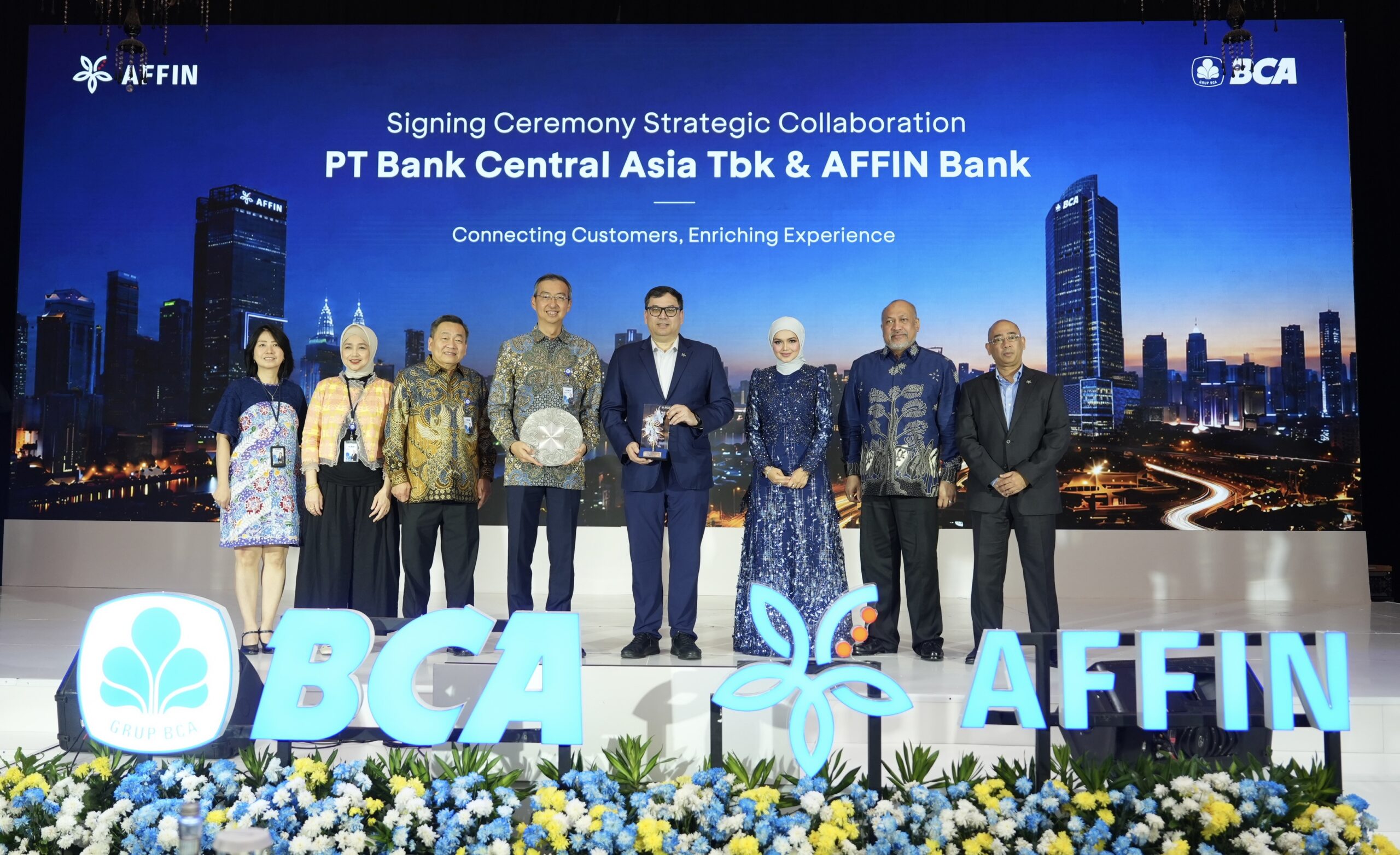
AFFIN Group (AFFIN/Group) enters into a cross-promotion agreement with PT Bank Central Asia Tbk (BCA) of Indonesia to provide reciprocal lifestyle and merchant privileges for AFFIN Credit Cardholders and BCA Credit Cardholders.
The agreement creates a strategic platform for both banks to deliver greater value and exclusive lifestyle privileges to their customers. Through this collaboration, customers can enjoy specially curated benefits such as exclusive discounts, complimentary gifts, upgrades, preferential pricing and priority access across a wide range of lifestyle experiences, including concerts, hotels, dining, department stores and other selected merchants.
Under the arrangement, BCA Credit Cardholders will enjoy special benefits when making payments with BCA Credit Cards at merchants designated by AFFIN, while AFFIN Credit Cardholders may receive privileges when making payments at merchants designated by BCA.
Hendra Lembong, President Director of BCA, said, “We are delighted to partner with AFFIN on this strategic cross-promotion. This collaboration reflects our vision of creating a more integrated ASEAN banking ecosystem, where seamless access to lifestyle privileges and services enhances the overall customer experience. By extending BCA’s cardholder benefits beyond Indonesia, we are not only enriching our value proposition but also opening new avenues for our customers to enjoy curated privileges across borders.”
President & Group Chief Executive Officer of Affin Bank Berhad, Datuk Wan Razly Abdullah, said, “We are excited that this marks the beginning of a strategic collaboration, creating a virtual bridge between Malaysia and Indonesia through the integration of our financial services and customer support networks. We believe this partnership will continue to evolve, enabling AFFIN (Malaysia) and BCA (Indonesia) to jointly develop and introduce enhanced, value-added products and services that better serve our customers in both markets.”
Both parties will coordinate the implementation of the cross-promotion programme, including the development and publication of promotional materials through their respective official media channels. All promotional materials and participating offers will be subject to mutual agreement, prior approval and applicable laws and regulations in each country.
Details of participating merchants, offer mechanics and customer eligibility will be announced progressively through AFFIN official channels once finalised by both parties. The exclusive campaign will officially commence on 20 August 2026.
Malaysia’s palm oil production rose by 9.4% month-on-month to 1.79 million tonnes in July 2026, an increase of 154,000 tonnes. However, production in July 2026 remained below last year’s level, marking the fifth consecutive month of year-on-year decline since March 2026.
Export performance strengthened further in July, with shipments rising by 14.5% month-on-month to 1.39 million tonnes. The improvement was mainly driven by stronger buying from India ahead of Diwali, as well as continued strong demand from the Sub-Saharan Africa region.
Meanwhile, palm oil stocks continued to increase in July, reaching 2.62 million tonnes. However, the stock build-up in Malaysia is not a major concern, as strong biodiesel demand and front-loading of exports in Indonesia have kept Indonesian palm oil stocks relatively low.
The price rally following MPOB’s release of its supply and demand data on 10 August further reinforced the view that current palm oil stock levels are not excessive, although overall supply remains comfortable for the time being.
The global vegetable oil market continued to be supported by biofuel demand and geopolitical uncertainty in August, with palm oil leading the gains. Malaysian crude palm oil prices rose by 3.9% during the month, compared with increases of 2.7% for sunflower oil and 1.1% for soybean oil in Argentina. Meanwhile, rapeseed oil prices in Europe declined marginally by 0.8%.
Malaysia’s palm oil production typically peaks in September or October before declining in the fourth quarter. Production growth in the first seven months of 2026 was largely supported by an improvement in the oil extraction rate (OER) of fresh fruit bunches (FFB).
Malaysia’s OER from January to May 2026 was significantly above the 10-year average, supported by favourable rainfall conditions 6 months earlier. However, OER fell below the 10-year average in June and July 2026 and is projected to remain below the average for the rest of the year.
As production enters its seasonal downtrend in the fourth quarter and OER eases from the high levels recorded between January and May, palm oil production is expected to decline year-on-year in Q4 2026, tightening supply towards the end of the year.
At the same time, ongoing geopolitical disruptions are reshaping global vegetable oil trade flows. Shipping through the Bab al-Mandeb Strait and the Red Sea has been disrupted, while traffic through the Strait of Hormuz has declined following the expiry of the 60-day ceasefire between the US and Iran on 17 August.
Operations at several major ports and crushing plants in the Black Sea region have also been suspended following the renewed escalation of the Russia-Ukraine conflict, adding further uncertainty to sunflower oil export availability over the next 1-2 months.
These disruptions are shifting vegetable oil demand in major importing markets such as India towards palm oil, particularly ahead of the festive season. This trend was already evident in July, when India’s palm oil imports increased by 49.8% month-on-month and soybean oil imports rose 31.0%, while sunflower oil imports increased by only 3.6% amid tighter supply availability.
Biodiesel economics have also remained broadly supportive relative to vegetable oils since the start of the West Asia conflict in February, supporting biodiesel blending demand and margins. This is particularly the case in Indonesia, where domestic CPO prices are trading well below gasoil prices.
Looking ahead, crude palm oil prices are expected to remain firm above RM4,600 per tonne in September, supported by tightening supply fundamentals and continued geopolitical disruptions to global trade flows.
Crude palm oil futures (FCPO) forward contracts for 2027 traded on Bursa Malaysia Derivatives (BMD) were also above RM5,000 per tonne as of mid-August, reflecting market concerns over the potential impact of El Nino. Indonesia’s palm oil demand for B50 biodiesel blending could also strengthen further as the three-month transition period to clear the remaining B40 biodiesel stocks ends in September.
However, downside risks remain. An easing of Black Sea logistical bottlenecks, the arrival of new-crop sunflower oil supplies in the export market and lower energy prices as geopolitical tensions improve could lead to a correction in vegetable oil prices.
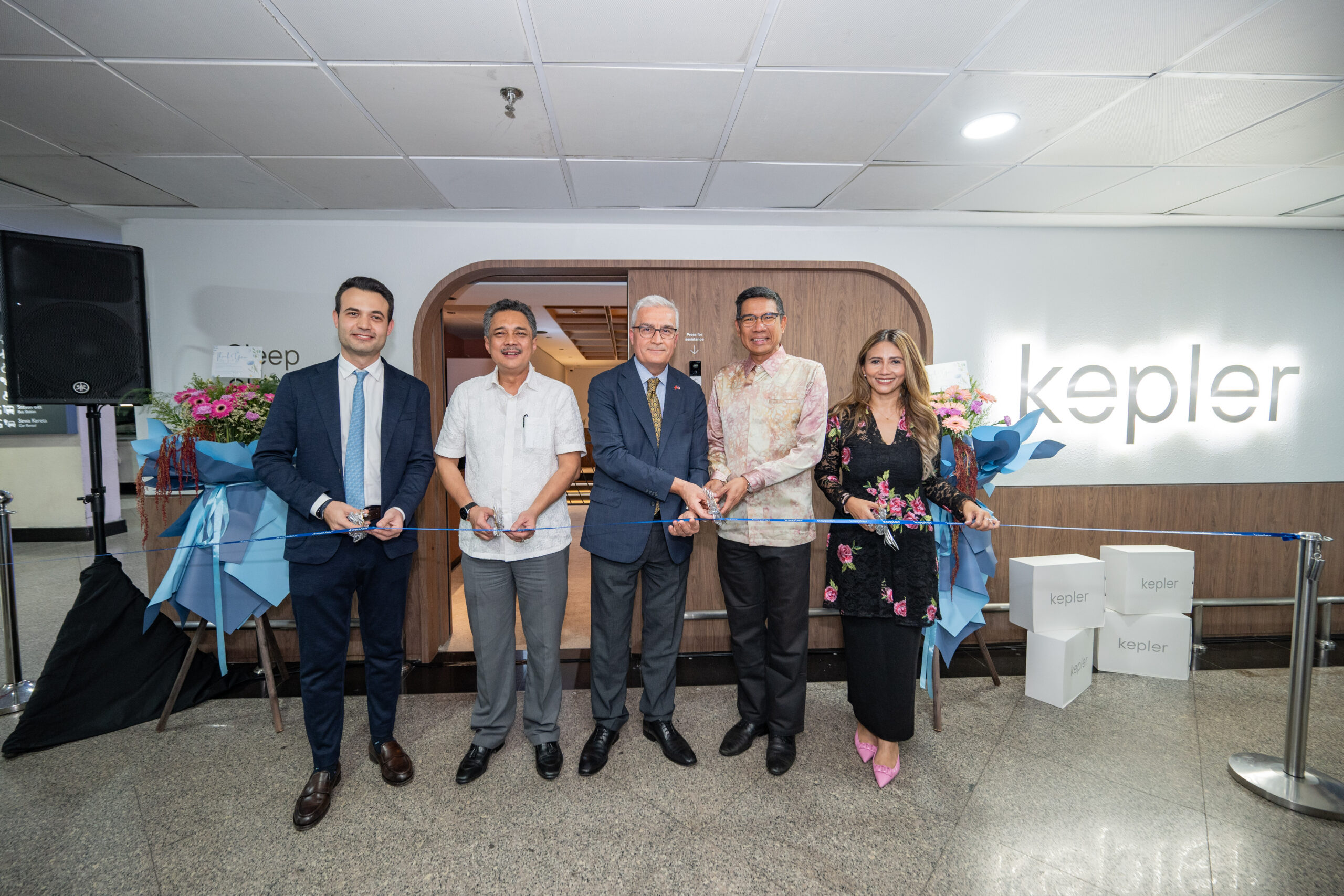
Kepler Club, the technology-driven airport hospitality brand, officially opens its expanded facility at KL International Airport (KLIA) with a ribbon-cutting ceremony attended by the Ambassador of Türkiye to Malaysia, H.E. Nevzat Uyanık; Dato’ Mohd Izani Ghani, Managing Director of Malaysia Airports; and Kepler Club Founder & CEO Ömer Alaettinoğlu, together with invited guests and members of the media.
The expansion more than doubles Kepler Club’s capacity at KLIA, from 64 to 148 beds, and introduces the double-deck cabin design with fully private entrances for every guest, the world’s first of its kind within an airport terminal. The configuration combines the intimacy of a hotel room with the space efficiency required in an airport environment. Each DoubleKep cabin features superior sound insulation, allowing guests to connect to the in-cabin sound system via Bluetooth and enjoy their favourite Spotify playlists in complete privacy.
Showcasing Malaysia’s rich cultural identity.
Available 24 hours a day and bookable by the hour, the facility offers travellers private smart sleeping cabins, a lounge and working area, showers, smart toilets, lockers, high-speed Wi-Fi, and unlimited refreshments. Check-in and check-out are fully automated through self-service kiosks, and guests can unlock their cabin doors directly from the Kepler app — eliminating the need for room keys, plastic key cards, or even a stop at reception to check in. A 24-hour receptionist remains available for guests who prefer human assistance.
A private sleeping cabin at the expanded Kepler Club.
Kepler Club KLIA has become a standout success since its launch: its Airside location is the highest-rated property on Booking.com among the 182 hotels around KLIA with a score of 9.2 out of 10, while its Landside location follows closely at 9.1, across more than 2,100 combined reviews.
Through the Kepler membership platform launched in 2025, guests checking in via the app can personalise their stay by selecting a mood — Rainforest, Desert, Ocean, Mountain, or Fire — which sets the cabin’s lighting and soundscape on arrival and gently wakes the guest in the same mood before checkout. Additional sensory features are being rolled out progressively.
Vibrant underwater-inspired Malaysian artwork brings colour and character to the contemporary interiors of Kepler Club.
In a celebration of local culture, Kepler Club has also collaborated with Malaysian artists to design a selection of its cabins. Their original artworks are featured inside the cabins, displayed alongside the artists’ names — turning a rest stop into a small gallery of Malaysian creativity.
The opening reinforces KLIA’s position as a leading regional hub and reflects Malaysia Airports’ continued focus on elevating the passenger experience through innovative commercial partnerships.
“The new KLIA facility reflects what we believe airport hospitality should become,” said Ömer Alaettinoğlu, Founder & CEO of Kepler Club. “Every square metre is designed for efficiency and human comfort — powered by innovation and modernity. Air travel can be exhausting; rest should not be a luxury reserved for a few. We are grateful to Malaysia Airports for their partnership and support in making this expansion possible.”
The official opening ceremony, held from 4:00 PM to 6:00 PM, featured a ribbon-cutting at the facility’s entrance, guided tours of the sleeping cabins, live music, and refreshments for invited guests, media representatives, and airport partners.
Founded in Turkey and named after the astronomer Johannes Kepler — a nod to curiosity, discovery, and new horizons — Kepler Club today operates five facilities across three international airports. At Istanbul Sabiha Gökçen International Airport (SAW), where the brand launched, Kepler is the airport’s second-largest tenant and its only in-terminal accommodation provider. At Riga International Airport (RIX), Kepler opened the first airport capsule hotel in the Baltic region in July 2024, with 74 private sleeping cabins across landside and airside zones. At KLIA, Kepler operates two hotels, and its modular DoubleKep cabin design was recognised with the FAB Silver Award for Airport Sustainability.
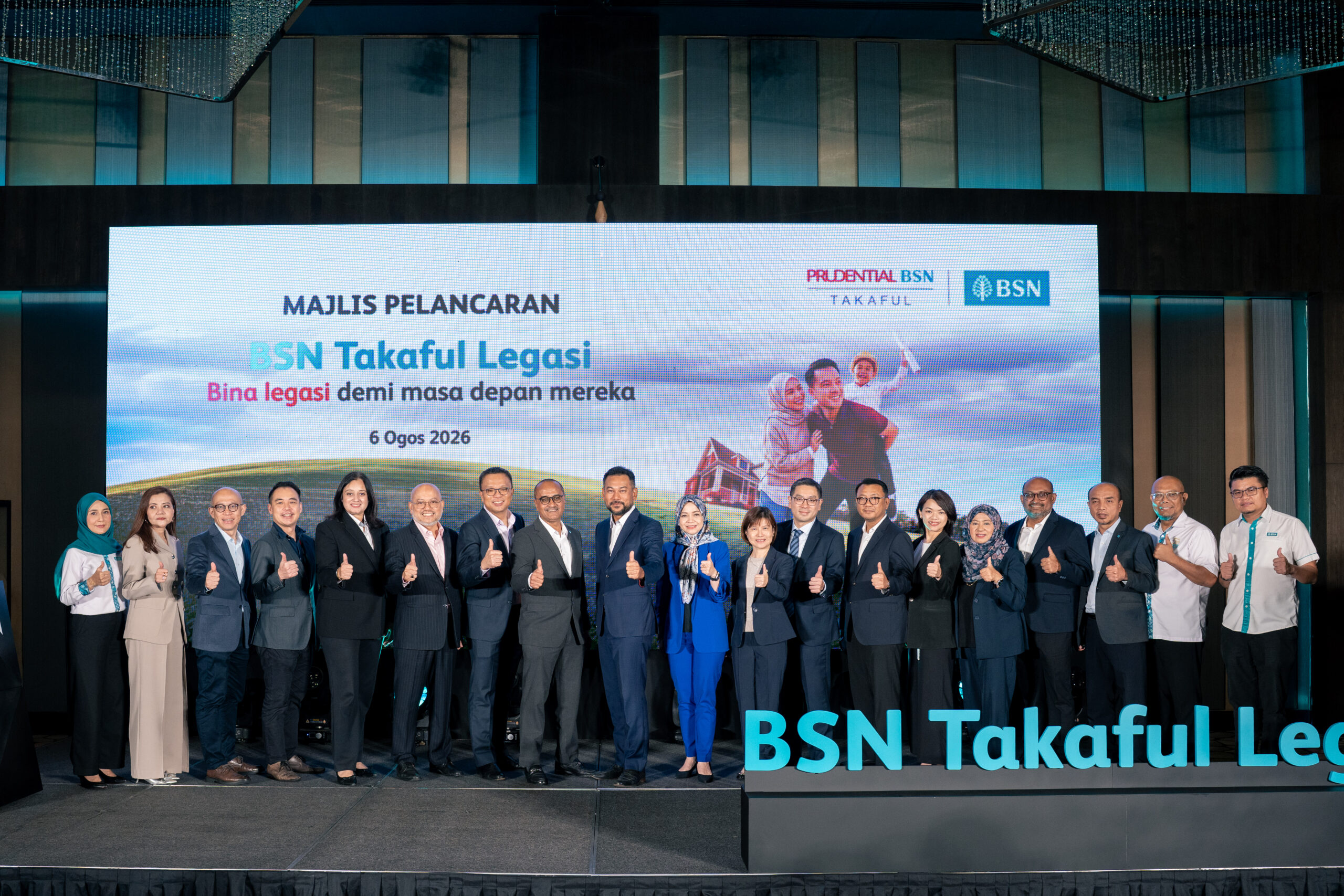
Bank Simpanan Nasional (BSN) and Prudential BSN Takaful Berhad (PruBSN) launch BSN Takaful Legasi, a new family takaful solution that helps Malaysians build financial security through every stage of life. Together, BSN and PruBSN currently provide financial protection to more than 600,000 customers across Malaysia, representing over RM47.9 billion in basic sum covered.
BSN Takaful Legasi was developed with these changing priorities in mind, offering a solution that grows alongside customers while helping them build long-term financial security. One of the plan’s key features is Protection Enhancer, which automatically increases the Death and Total and Permanent Disability (TPD) benefit every five certificate years, helping customers maintain protection that better reflects their financial commitments over time. Customers who continue with their certificate over the long term are also rewarded through the Legacy Bonus, while selected milestones such as marriage, the birth of a child, home ownership, and Hajj or Umrah are recognised through the Life Celebration Benefit.
Customers can also personalise their protection through flexible contribution payment options, a choice of protection terms and optional riders, allowing them to select coverage that best suits their financial goals and changing needs.
“At BSN, we believe good financial planning is not only about building a secure future, but also protecting what matters most. Through our two-decade partnership with PruBSN, we remain committed to making quality protection solutions more accessible and relevant to Malaysians at every stage of life. BSN Takaful Legasi represents another important step forward in advancing this shared commitment,” said Encik Mujibburrahman Abd Rashid, Acting Chief Executive of BSN.
PruBSN Chief Executive Officer, Shahrul Azlan Shahriman said, “Every stage of life brings new priorities and new responsibilities. As those responsibilities grow, financial protection should grow alongside them. BSN Takaful Legasi was developed with this in mind, offering customers protection that increases overtime while encouraging long-term financial planning. We are proud to continue working with BSN to make solutions like this available to more Malaysians.”
BSN Takaful Legasi also provides additional accidental death coverage during festive seasons and while performing Hajj or Umrah, subject to the certificate terms and conditions. Eligible customers may also enjoy coverage without medical examination, subject to underwriting requirements.
BSN Takaful Legasi is available at BSN branches nationwide and through BSN Wealth Planners. For more information, customers may visit their nearest BSN branch or speak to a BSN Wealth Planner.
LEGOLAND® Malaysia Resort unveils a brand-new attraction at the heart of its iconic MINILAND, celebrating Johor’s sporting spirit through a LEGO® recreation of the iconic Sultan Ibrahim Stadium, home of Johor Darul Ta’zim (JDT) Football Club.
The new MINILAND Sultan Ibrahim Stadium brings one of Johor’s most recognisable sporting landmarks into the LEGO world. Featuring detailed model craftsmanship, dynamic lighting and animated match-day moments, the attraction reflects the actual energy of Johor football.
At LEGOLAND Malaysia Resort, MINILAND celebrates the stories, cultures and achievements that define Malaysia and the region, making the addition of Sultan Ibrahim Stadium a natural extension of that mission.
The new attraction represents the next evolution of MINILAND experiences, combining intricate LEGO craftsmanship with enhanced interactivity, immersive soundscapes and dynamic lighting effects.
As the newest addition to MINILAND’s collection of iconic regional landmarks and cityscapes, Sultan Ibrahim Stadium celebrates one of Johor’s key modern landmarks and the extraordinary success of JDT Football Club. More than a recreation of a stadium, the attraction honours the club, a source of pride for Johoreans and football fans across the region.
“At LEGOLAND Malaysia Resort, MINILAND celebrates the stories, cultures and achievements that define the nation and the wider region. The addition of Sultan Ibrahim Stadium is a significant milestone, showcasing a modern icon of Johor while resonating with both Malaysians and football fans from around the world,” said Cs Lim, Vice President of LEGOLAND Malaysia Resort. “This new attraction also reflects MINILAND’s continued evolution, where immersive storytelling, interactive features and innovative LEGO building techniques come together as meaningful experiences that will turn into core memories for our guests”
Alistair Edwards, Chief Operating Officer of Johor Darul Ta’zim Football Club, said: “Sultan Ibrahim Stadium represents much more than a football venue – it is a symbol of Johor’s ambition, unity and passion. Its inclusion in MINILAND introduces our story to a new generation of visitors, allowing families and football fans to experience the spirit of JDT in a creative and memorable way. We are proud to be part of an attraction that celebrates Johor on an international stage.”
Built using more than 400,000 LEGO bricks, the MINILAND attraction recreates the excitement of a live football match through crowd animation, lighting effects, and storytelling inspired by the Southern Tigers’ home ground. Whether they are dedicated JDT supporters, football enthusiasts or visitors taking MINILAND in for the very first time, guests can experience Johor’s football culture through the creativity and imagination of LEGO play.
The collaboration between LEGOLAND Malaysia Resort and JDT Football Club brings together two communities united by passion, creativity and pride, transforming football fandom into an interactive family experience within the world of LEGO play.
To mark the launch, LEGOLAND Malaysia Resort has also introduced an Exclusive Limited-Edition Annual Pass & Rewards. Inspired by the iconic design elements of Sultan Ibrahim Stadium, the pass offers special privileges across both LEGOLAND Malaysia Resort and JDT experiences. Fans can also explore a series of exclusive engagement activities and rewards designed to bring both communities closer together.
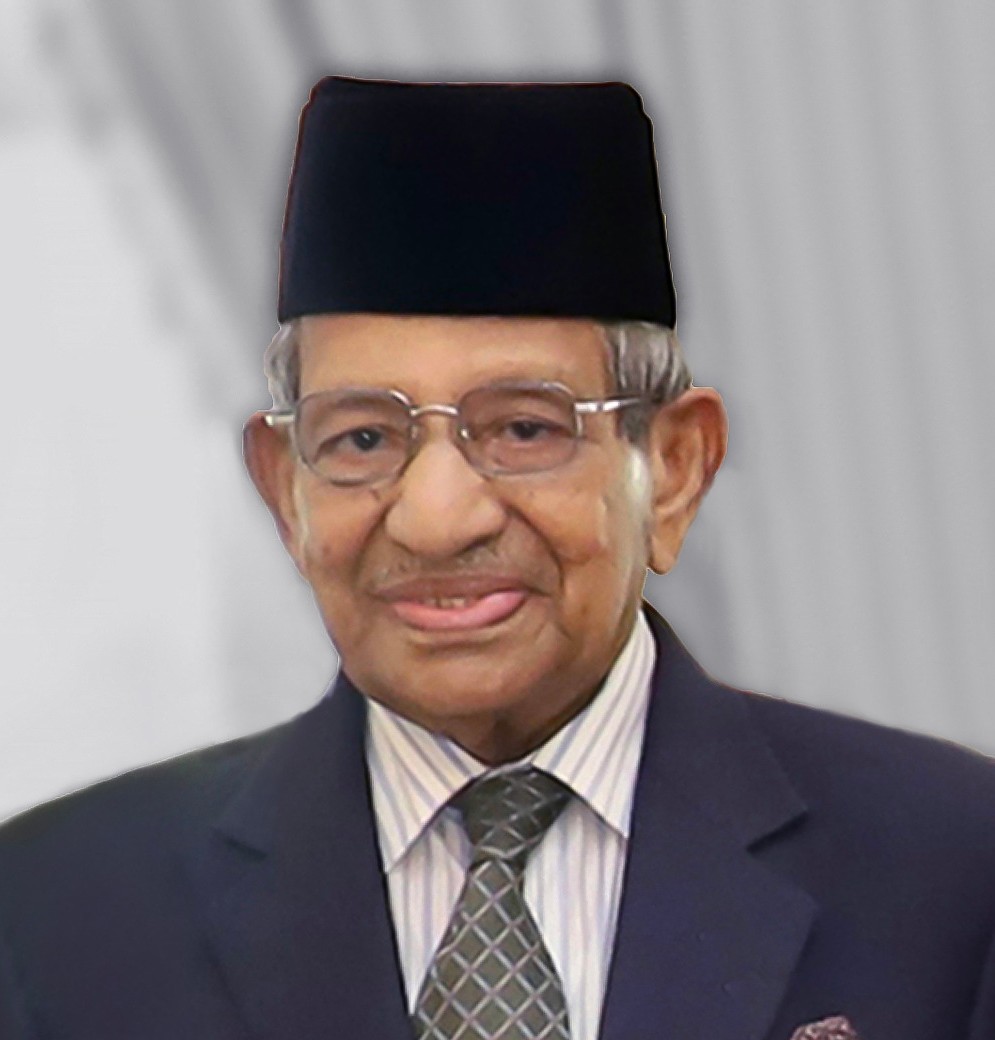
In Penang’s long and storied history, a few names stand out for their enduring influence on the island’s civic and social fabric. One such figure is Tan Sri Dato’ Seri (Dr.) Haji Mohd Yussof Latiff, a man whose legacy transcends titles and accolades. After more than half a century weaving business, community and compassion into Penang’s story, he reflects with TSI on a purposeful life of service and Malaysia’s path forward.
Known to many as the President of Persatuan Melayu Pulau Pinang (PEMENANG), Mohd Yussof was once the Political Secretary to the Chief Minister of Penang from 1964 to 1969, and State Secretary of the Alliance Party of Penang during the post-Gerakan–Alliance era in 1971.
He was born in 1930 in the heart of George Town. His early education began at Sekolah Melayu Chowrasta, followed by English-medium studies that exposed him to Penang’s pluralistic character.
“Penang has always been a crossroad,” he recalls. “When you grow up here, you learn early that success depends on cooperation—not confrontation. Our diversity is not a weakness; it is our strength.”
That conviction would become a guiding principle throughout his life. As a young man, he joined several youth and cultural associations, quickly rising to leadership positions. When Malaysia achieved independence in 1957, he had already established himself as an emerging community leader.
Entrepreneurial Discipline and the Business Mind
Before he became synonymous with PEMENANG, he was already making waves in the corporate world. As Penang transitioned into an industrial hub under the Free Trade Zone model from the 1960s, he recognised the early importance of local participation in the State’s economic rise.
“Industrialisation wasn’t just about factories and exports. It was about ensuring that Malaysians—especially youths—could participate in the new economy. That required education, discipline, and vision,” he explains.
His ventures in the private sector reflected precisely those values: measured risk-taking, steady expansion, and a preference for sustainable growth over speculative gain. Though not one to publicise his business interests, associates describe him as a prudent investor, deeply respectful of governance and ethical conduct—a businessman who viewed enterprise as an instrument for empowerment.
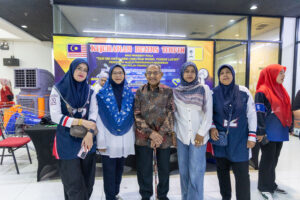
Tan Sri Haji Mohd Yussof Latiff (second from left): an active career in shaping Malaysia
At the Helm of PEMENANG
Mohd Yussof’s long stewardship of PEMENANG cemented his public legacy. As President of PEMENANG in 1984, he transformed the organisation into one of Penang’s most respected Malay cultural and civic institutions.
Under his leadership, PEMENANG evolved from a traditional social club into a platform for advocacy, education, and unity. Among his hallmark initiatives was the creation of the Tabung Biasiswa Kenangan PEMENANG, a scholarship fund that has enabled countless Malay students from Penang to pursue higher education.
Until today, the organisation continues to be instrumental in promoting dialogue between Penang’s communities. Through forums, cultural events, and consultative engagements with the state government, he positioned PEMENANG as a voice of moderation that bridges heritage and modernity.
He is also a founding chairman of the Majlis Perundingan Muhibbah Negeri Pulau Pinang (MPMNPP), a state goodwill council established to promote inter-racial understanding and communal harmony.
Age is just a number – at 96, Tan Sri continues to engage the public.
Investing in People
Beyond leadership titles, his most enduring legacy lies in his charitable work and lifelong commitment to community welfare. Since the 1960s, he has been with Persekutuan Kebajikan Anak-Anak Yatim Islam Pulau Pinang (PKAYIPP), eventually serving as its President and dedicating decades to supporting orphans and disadvantaged youth.
Often described as “macro in vision, micro in execution,” he pairs a broad view of societal progress with attention to the smallest details, believing that meaningful gestures of care and respect ultimately cultivating loyalty.
Penang – A Model of Smart Investment
Bridging the public and private sectors, Mohd Yussof has often served as a moral compass in conversations. His message is consistent: growth must never come at the expense of community cohesion.
Such has place him firmly in the tradition of socially responsible leadership, a concept increasingly resonant among modern investors and corporations. In today’s vocabulary, one might call it “ESG” — environmental, social, and governance responsibility. But for him, these principles are not trends; they are timeless truths.
A Legacy Beyond Numbers
In evaluating his life, one finds a rare synthesis of pragmatism and idealism. His contributions are not confined to financial balance sheets or institutional titles. Rather, they live in the enduring structures of goodwill he has built — the scholarships that open doors for underprivileged students, the community councils that keep dialogue alive, and the charitable networks that extend help to those in need.
His legacy serves as a reminder that sustainable development requires more than capital investment; it requires character investment. It requires leaders who understand that prosperity must be shared, that unity must be nurtured, and that compassion must be institutionalised.
Tan Sri Haji Mohd Yussof Latiff and Cheah Chay Tiong, Managing Editor of TSI
Final Reflections
As Malaysia navigates its next chapter of economic transformation, figures like him remind us that leadership is not merely about administration, but about stewardship—of values, culture, and collective destiny.
He represents a generation that believed in building, not branding, in mentoring, not marketing. Every scholarship awarded, every orphan cared for, every elder empowered, and every bridge of understanding built between communities is an investment—one that continues to yield dividends of peace, progress, and pride for Penang and Malaysia alike.
His career illustrates what it means to be a smart investor in the truest sense: one who allocates resources to produce long-term, meaningful returns for society.
And if leadership is indeed the ultimate legacy, then his has been one marked by foresight, humility, and enduring impact.
Full story available at The SmartInvestor’s May/June 26 issue.
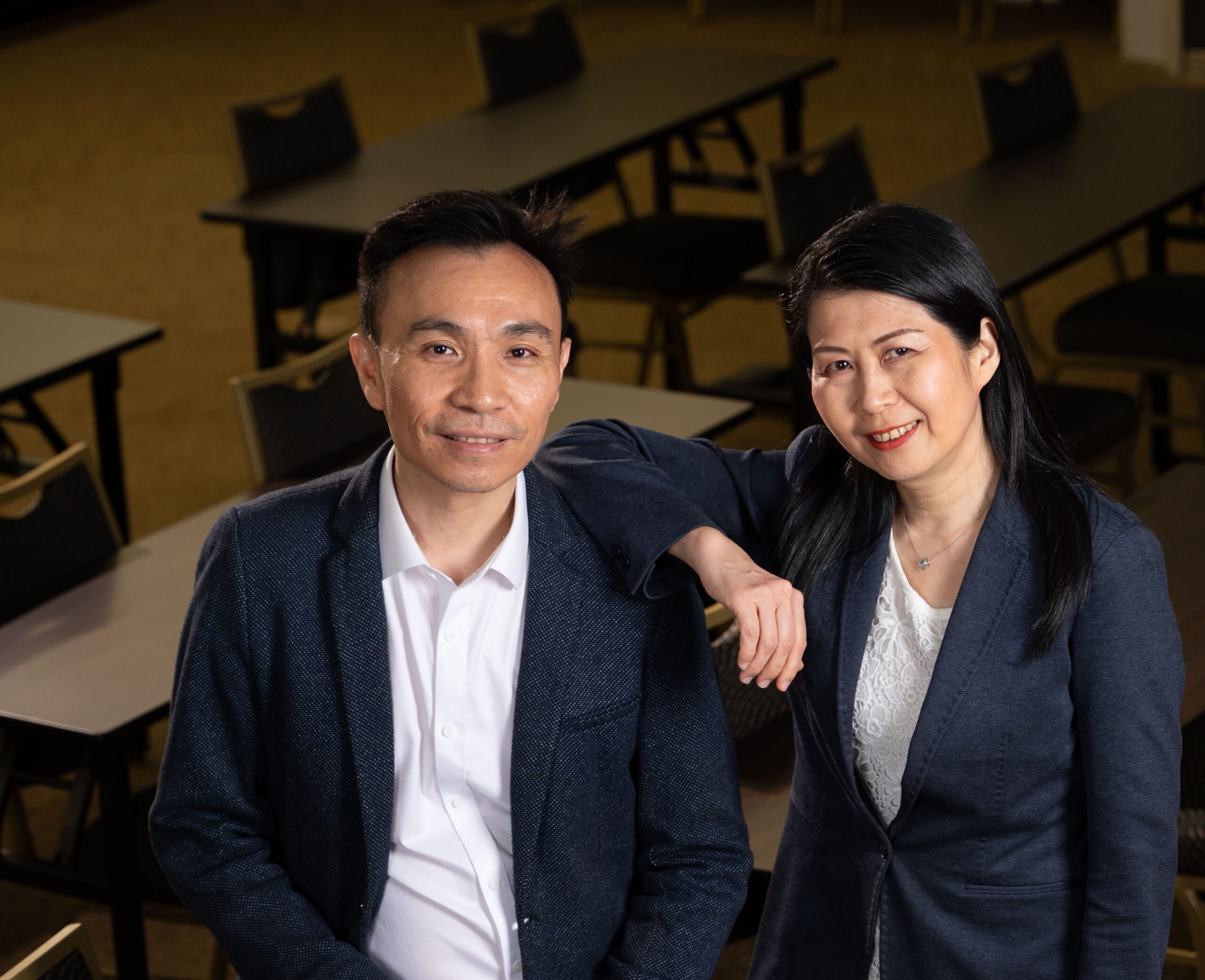
In 2007, Kathlyn Toh took the bold step of leaving a promising career at a global multinational organisation to pursue trading, full-time on her own. A year later, she went on to embrace her entrepreneurial calling by launching Beyond Insights, an investment and training education academy. Joined by her supportive spouse, Terence Teoh, the formidable couple has built an academy of 30 trainers and coaches, seeing more than 7,000 students through their doors. TSI speaks to Kathlyn, Founder and Terence, Co-Founder of their journey in this competitive industry.
What are your respective roles in growing the business? Terence: On top of her position as Founder, Kathlyn is the Chief Trainer, Chief Analyst, Chief Product Officer and Chief Financial Officer. A master in the field of investing and trading, she’s naturally, the content expert for creating and designing most of the education programmes.
I, on the other hand, is the CEO and undertakes marketing, sales, student affairs, technology and human capital. This comes from my experience in working with the founders of one of Malaysia’s most successful online companies, as well as managing two startups prior to Beyond Insights.
Kathlyn and Terence, helming one of the country’s prominent investment and training education academy.
It’s been quite a journey for Beyond Insights, what do you think is the academy’s measurable impact in shaping Malaysia’s financial literacy landscape?
Kathlyn: Beyond Insights has played a meaningful role by addressing the widest gap: practical investing and trading capability. Over the past decade, we’ve trained retail investors and professionals with a structured curriculum that covers the full spectrum of investing—from long-term portfolio building to trend trading, intraday trading, options and even trading psychology. What we’ve done is shift people from “awareness” to actual competence.
We empower Malaysians to make smarter, more disciplined market decisions while managing risk effectively. By building a team of real practitioners and introducing Asia’s first Trading Psychology Bootcamp, the brand has reshaped trading behaviour and emotional management. Through initiatives like the annual Beyond Insights Symposium, we have brought megatrends, macro cycles and market analysis into mainstream conversations, fostering a more informed, resilient and opportunity-ready investing community.
In a competitive industry, there’s a thin line between empowerment and hype. Your thoughts? Kathlyn: Skepticism toward trading academies is valid—too many players have overpromised and underdelivered. The best way to counter this is through transparency, track record and professionalism. At Beyond Insights, we make no guarantees, we teach no shortcuts and we publish exactly what students can expect: a structured curriculum, real practitioners as coaches, multi-year support and a heavy focus on psychology and risk management.
We draw a very clear line: we empower through competence, not promises. In financial education, hype sells fast but harms long-term trust—and trust is the foundation of our business. So, we’ve built our commercial strategy around authenticity and integrity, not sensationalism. We tell students upfront that trading is a skill, not a shortcut; that risk is real; and that consistency comes from discipline, not magic formulas. When people see our longevity and the depth of our ecosystem, the difference becomes obvious: we’re not about hype, we’re in the skill-building and character-building business.
Our coaches are real practitioners, which means they teach the realities of losses, drawdowns, and psychological pressure—not just the upside. We structure our programmes with prerequisites and multi-year support to help people progress patiently, not speed them up prematurely. Internally, we reject any marketing that hints at guaranteed outcomes. We grow commercially by sticking to principles—not by inflating expectations.
Let’s cover something bigger, the country’s financial literacy landscape. How in touch are our policymakers? Terence: Malaysia’s policymakers understand the importance of financial education, but the ecosystem isn’t yet designed for agile, skills-based programmes that change investor behaviour. Much of the current structure is built around compliance, certification and formal financial planning—important, but not sufficient.
Kathlyn: The demand for practical, market-ready skills is rising much faster than the pace of policy evolution. The challenge isn’t a lack of intention; but the frameworks were built for a different era—one where financial education meant avoiding scams and understanding basic products. Today, Malaysians are trading U.S. equities, tech megatrends, options and leveraged instruments at scale. They need agility, not bureaucracy.
Being successful comes with a price, Beyond Insights was a target for impersonation earlier this year. Terence: The impersonation was widespread on social media, riding on Kathlyn’s credibility and our programmes. While our reputation stands firm, it has affected our ability to reach our audiences, and we’ve suffered loss of business. For immediate damage control, we distributed circulars to alert stakeholders.
Our key takeaway from this ordeal was three points: radical transparency because people can sense exaggeration instantly, so we are glad that our integrity paid off. Secondly, consistency at every touchpoint—ads, content, customer service and product delivery must tell the same story. Finally, our community has been the best support as they vastly carry our credibility. In this digital age, nothing beats real people sharing real experiences.
Thousands of investors and traders empowered by Beyond Insights.
Continuing the digital conversation, do you think that AI will one day replace human trainers? Kathlyn:AI will transform learning experiences, but it won’t replace human trainers. As a matter of fact, it will expose the replaceable. If a “trainer” is just reading slides, repeating generic content, or teaching tactics they don’t apply… yes, AI will do that better, faster and cheaper.
But the kind of training we do—personalised coaching, behavioural rewiring, decision-making under pressure, emotional management, personalised feedback, that’s fundamentally human. Markets are uncertain, emotions are messy and people need guidance from someone who has lived through wins, losses, crises and recoveries.
We see AI as an amplifier, not a substitute. It can handle the heavy lifting: content delivery, personalised drills, data analysis, simulations and real-time market explanations. That frees our trainers to do the one thing AI can’t: build conviction, challenge limiting beliefs and coach transformation.
The next phase for Beyond Insights? Terence:In the immediate horizon, we are launching our first version of mobile application in 2026 to enrich its students’ experience. As for maintaining programme quality, we have designed a long-term tech roadmap to help learners make clearer, faster and more confident investing decisions.
Final words, what would Beyond Insights be always known for? Kathlyn: A brand that holds onto our values and beliefs because we know that it is the only sustainable way to earn and retain the trust of our stakeholders. Today, our students trust us in delivering education that enables them to invest in a systematic, versatile and safe manner. This ultimately empowers them to grow their wealth with peace of mind.
Full interview available at The SmartInvestor’s Jan/Feb 2026 issue.
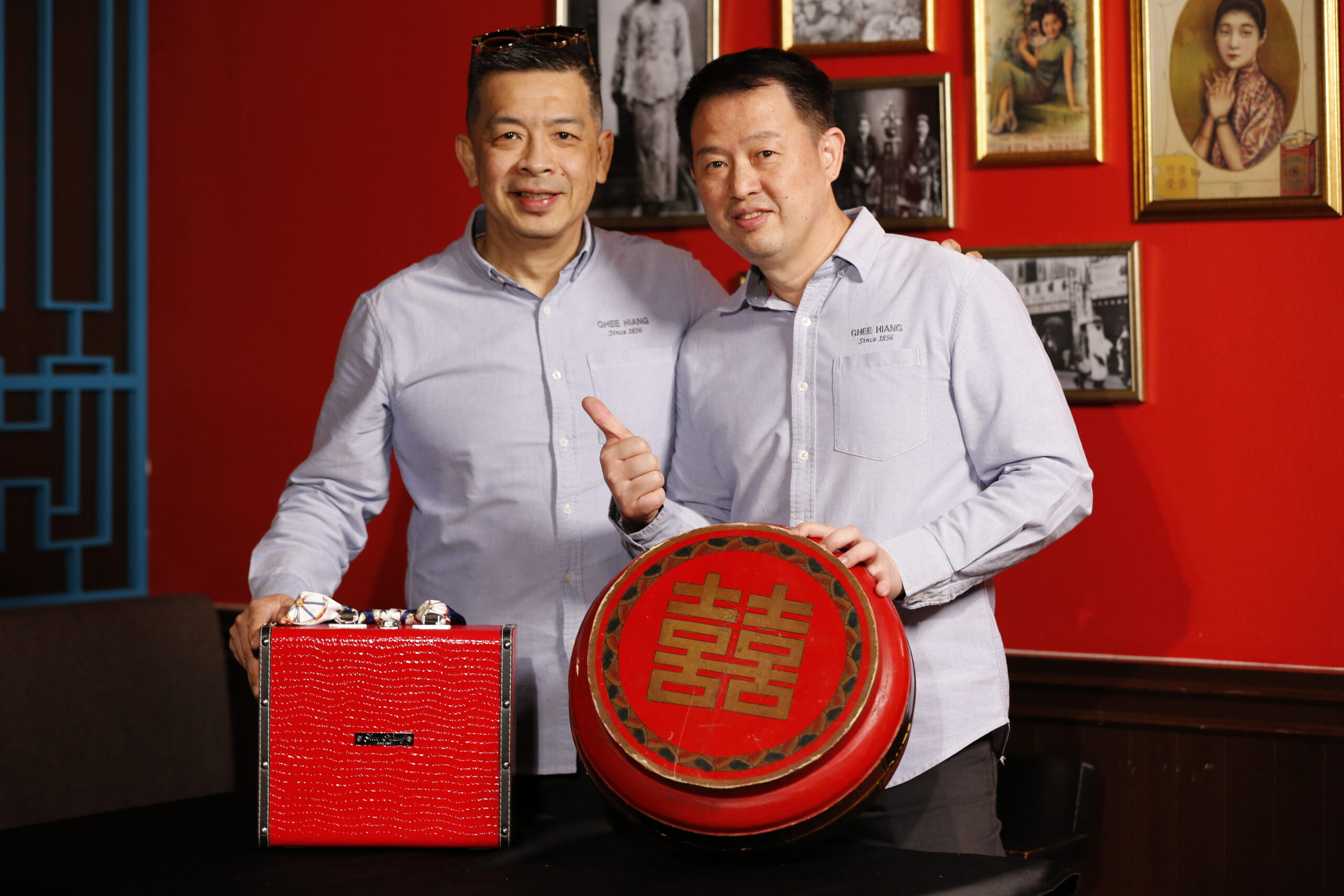
If the brand Ghee Hiang doesn’t ring a bell in a flash, its pure fragrant sesame oil product that reminds you of home as well as time-honoured treats that are rooted in Penang’s culinary heritage. In the spirit of its 170th anniversary, TSI uncovers a different side of Ghee Hiang with Dato’ Ch’ng Huck Theng, Executive Director of Ghee Hiang Manufacturing Co. Sdn. Bhd., on surviving changing times, keeping the business alive and anchored by age-old traditions.
Ghee Hiang’s humble beginnings at Beach Street.
Ghee Hiang is Penang’s pride and vice versa, what does that really mean?
It has always been closely tied to Penang’s identity because we’re not just a brand, we’re part of Penang’s story. For many families, our biscuits and sesame oil are tied to their personal memories of home. This special bond we have with our customers keeps us grounded and continues to shape our identity, especially in today’s fast-moving and competitive world.
On top of heritage, we are proud to be a contributor to the local economy and take additional pride in preserving traditional skills. It’s our way of putting Penang and Malaysia on the global map as our sesame oil and biscuits are often brought overseas as gifts so this is where our role in tourism come into play.
Today, our products are present in Indonesia, Singapore, Hong Kong, Thailand and Australia, each step helping to carry a piece of Malaysia to the world. Many have asked why we are still in Penang? It’s simple, because Penang remains our home—it’s where we are rooted and our stories continue to unfold.
Ghee Hiang is a union of two families, and we often hear of family businesses struggling when values clash. How has Ghee Hiang managed to turn this into a success story?
The two families share the same core belief—this brand is bigger than us. It’s about respect, integrity, and continuity. As a team, we protect the legacy and the community who has grown with Ghee Hiang. This shared sense of responsibility is one that drives us to make strategic decisions for the long run as opposed to short-term wins. Both the Ch’ngs and the Ooi’s believe that as a partnership-run entity, it’s equally important to lead by example and we expect the same commitment by the younger generation.
Ch’ng Pok Lye and family.
Are there some values to discard by the next generation?
Being outdated and confined to rigidity. The next generation of leaders must adopt the mindset of thinking differently—they should feel confident enough to experiment while protecting the brand’s soul.
This is the biggest challenge for the brand, preserving it while staying relevant and without losing our soul. Shopping habits continues to evolve, additionally, we face the constant task of maintaining customer expectations, harmony within the families and management.
We’ve been speaking about heritage and traditions, what about innovation, where does it sit in Ghee Hiang’s equation?
Tradition is staying true to our recipes and methods that made the brand and its products what it is today. We must evolve with the times, so instead of short-cuts to cater demands, we have increased our product lines by introducing new creations. Our chocolate cookies, pineapple shortcakes and matcha crisps are appealing to our younger target audience.
As health awareness too increase over the years, we play our part by highlighting the health benefits of our product. For example, we run our sesame oil through research on its antibacterial, anti-inflammatory and antioxidant properties.
Innovation doesn’t stop at products; we’re also looking at marketing innovation. One of our most recognisable brand initiatives would be our Legendary Babies that was created in the early 2000s to represent our line of products, appeal to the younger target audiences and attract tourists. If you were to go to any of our outlets, you’d see tourists taking pictures with these adorable characters which we strategically placed at the front of the stores.
Let’s drill down to what’s performing well for the business, product wise and sale platforms as well as rising costs.
Our original pastries still carry the biggest weight, making most sales. New products have been steadily growing, especially among younger consumers, but the classics remain our foundation. With younger customers who are discovering us through new products and digital platforms, we’ve seen encouraging double-digit growth in that segment, which tells us our innovation strategy is working.
Meanwhile, our brick-and-mortar still leads because visiting our store is an experience itself—the liveliness of the atmosphere, the engaging service and the variety of products all in one place. But we are glad to see that online sales have soared too, especially after the pandemic. It has opened doors for us in reaching out to overseas customers. Both channels are important and serve different needs.
A common concern for many is that rising costs are heavily weighing down on business so for us, the key is for production as well as retail is smart management. We focus on sourcing efficiently and reducing wastage, without sacrificing our product quality. Most importantly, we keep our growth steady and sustainable, making sure every decision strengthens the brand in the long run.
There are other long-standing brands that offer the same products and experience as Ghee Hiang, what is your take on competition?
Competition keeps us sharp. Anyone can make similar products, but our competitive advantage lies in heritage and authenticity. We are laser focus on what we do best and trust that this is wholeheartedly felt by customers through our products. We take product consistency very seriously; it’s what customers expect from us.
Staying ahead of the game, we have invested in scientific research and technology. This is to ensure that the narratives behind our products are backed by proper research papers. While technology plays a growing role, from production to packaging, but we balance it with craftsmanship, just like the final steps of crafting our pastries, some things simply can’t be automated.
Let’s wrap this conversation with the next 100 years.
For future leaders, we believe they need to understand both the heart and the mechanics of the business. With that, comes early exposure to day-to-day operations, from production to retail, not just the boardroom.
Doing justice to the brand, Ghee Hiang must always be remembered as a brand of trust, authenticity, and tradition. For Malaysia, we hope to serve as an ambassador of Malaysian heritage, so that when people think of Penang or Malaysia, they’ll also think of Ghee Hiang.