Category: Alternative Investments

  • Thinking Of Using An Initial Exchange Offering (IEO) To Raise Funds?

    Thinking Of Using An Initial Exchange Offering (IEO) To Raise Funds?

    Fintech has made it easier for ordinary retail investors to discover new opportunities through innovation in crowdsourcing. Investors can participate directly as shareholders of private enterprises via equity crowd funding (ECF) or become lenders via peer-to-peer financing (P2P).

    Conversely, these enterprises gain access to new capital pools beyond their immediate network of families and friends. Or they get to tap into alternative funding sources after exhausting the credit lines in their banking relationships.

    Initial Exchange Offering (IEO) opens another avenue for them. Theoretically, digital assets are borderless and enable free movement of capital. This means that IEO can potentially attract global capital inflows for local enterprises, which is an advantage vis-à-vis ECF and P2P.

    A Boon for Local Tech Entrepreneurs?

    We know that the financing gap for micro-, small- and medium enterprises (MSME) has always been a perennial problem. This is a key growth engine for the economy but lack funding options. Based on estimates by the Securities Commission (SC), the MSME segment contributes around 60% of our country’s gross domestic product (GDP) but face a financing gap of RM90 billion.

    [1] Funding from conventional equity and bond markets mainly cater to listed companies, even though they contribute to only an estimated 15% of GDP. 

    In the technology sector, which is typically loss-making in the early stages, the problem is more acute. It has to rely on a limited base of angel investors, government grants, and onshore venture capital (VC) funds, many of which are also government-linked.

    It doesn’t help either that the local VC landscape is less robust compared to our neighbours like Singapore and Indonesia – with fewer active firms, smaller fund sizes, and lower risk appetite.

    This is where IEOs come in to fill this gap, as an alternative tool for enterprises to form capital across their spectrum of growth (see diagram).

    IEOs specifically cater to enterprises with projects that “provide an innovative solution or a meaningful digital value proposition for Malaysia”.[2] This is wide enough to include anything that “addresses an existing market need or problem; or improves the efficiency of an existing process or service”.

    By allowing IEOs to raise up to a maximum of RM100 million, this could carry start-ups and early-stagers through to the Series rounds. In fact, this amount is even higher than what late-stagers averagely raise at public listings on the junior boards of Bursa Malaysia like ACE and LEAP!
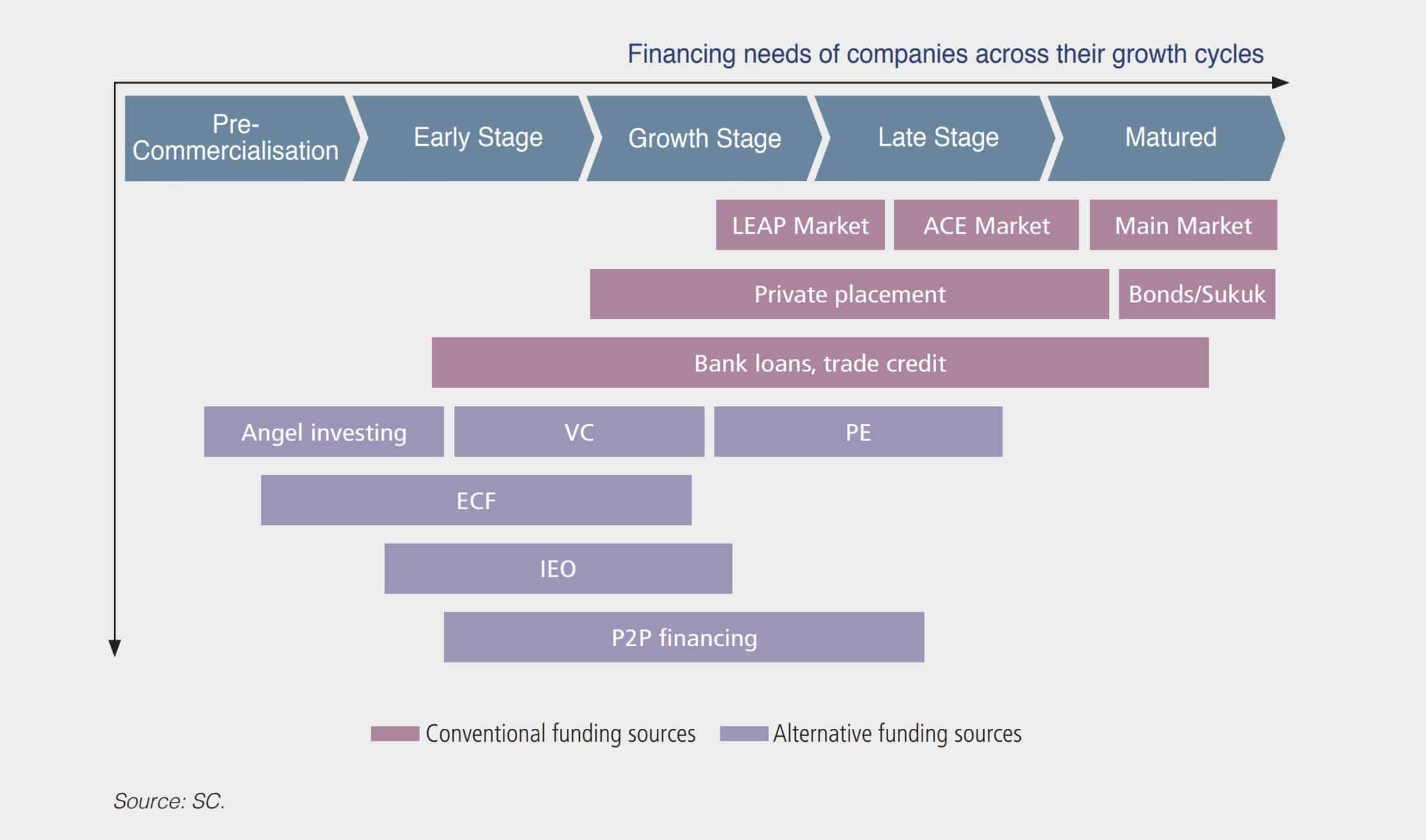
    Source: Securities Commission Malaysia

    Is it Difficult to Become an Issuer?

    While there are regulatory requirements to ensure the integrity of the offering, the funds are kept in trusted hands, and the people running the show are fit and proper – overall, the entry barrier is kept low. If you are planning to issue tokens for your business, you can approach the IEO operator who will qualify your investment thesis and make the decision to approve or reject it. It does not have to go through SC for approval. 

    What you do need is to prepare a whitepaper for submission to the IEO operator and SC. Although this is not subject to stringent Prospectus Guidelines, the requisite coverage of contents is extensive. Put bluntly, this is not going to be any run-of-the-mill whitepaper of an Initial Coin Offering (ICO) project that you just pull from the web.

    It has to include, among other things, the audited financial statements of the issuer, distribution policy of the digital tokens, their accounting and valuation treatments including “all reasonable presumptions adopted in such calculation”, and the scheduled timeline for drawdown and utilisation of proceeds.[3] And should there be any material changes or omission to the whitepaper, a supplement is required for submission anew.

    The issuer should also note that an IEO is an ‘all-or-nothing’ raise. Essentially what this means is that the issuance must be fully subscribed. If it is under-subscribed, the issuer is not allowed to keep the monies raised unless the target amount is achieved, and the IEO operator must refund back to investors. If it is over-subscribed, the issuer is not allowed to keep any amount exceeding the target amount raised.

    Does This Replace Venture Capital?

    No, it doesn’t. The intent is to diversify funding sources as shown in the diagram above. But there are other factors at play.

    To the cash-hungry entrepreneur, the IEO option generally provides lower cost of funds with lower cost of issuance (though this is debatable). Their investors are less demanding than banks when it comes to assessing the credit risk profile of the enterprise.

    More importantly, digital tokens are not considered shares (as mentioned in Part 1) and are thus non-dilutive to capital structure. The shareholding control and cap table will remain the same post-IEO.

    On the other hand, VCs may prefer the conventional funding route for their investees because digital token issuance can complicate valuation during investment rounds and cause problems for eventual public listing. Why would VCs want to accept digital tokens, which might seem legally untested, instead of the usual tried-and-true convertible notes?

    Furthermore, the VC contract includes detailed covenants and provisions which cannot be summarily replaced by the ‘smart contract’ used in digital tokens in an IEO relationship.  

    And while there are global ‘crypto VCs’ that do accept digital tokens, they face a hurdle in Malaysian IEOs because cryptocurrency is not allowed as a form of payment for investment. More on this in Part 3.

    One thing to note is that IEOs cannot provide the kind of support that VCs do: To incubate, mentor, and accelerate the business. This is a major lesson from the ICO Boom-Bust during the 2016-19 period: While most people think of ICOs as scams or money grabs, the truth is, many projects were genuine without malicious intent, but their entrepreneurs didn’t know how to handle too much investors’ money and ended up failing. Cheap and easy capital can be both a blessing and a curse!

    Simply said: IEOs can give what entrepreneurs want but not necessarily what they need. The IEO regulations ensure that there is accountability for the funds raised – but not the advisory to prevent these funds from being misused by management.

    Why Are Other Sectors Also Eyeing This?

     

    The ability to tokenise assets and businesses into units of investment, and distribute them through IEOs, has captured the imagination of other industries such as property, agriculture, and hospitality.

    For lumpy or indivisible assets like real estate or property, tokenisation can carve them up conceptually into smaller affordable portions (commonly known as ‘fractionalisation’) with lower minimum investment for retail investors. For commoditised sectors like agriculture, the issuer can sell digital tokens that represent metric units of their production yield e.g., one token equals to one tonne of wheat.

    It boils down to how you play with the economics: Hotels are intuitively tokenisable as they are made up of individual rooms which generate income. Investors can estimate how much a hotel room unit is worth based on its future earnings potential.

    Certain suites can be tokenised at a higher price. Shopping malls and integrated projects can choose to unbundle different property rights by issuing different class of tokens, or strip the property into different income streams which are hardcoded into the ‘smart contract’.

    There is no doubt that a tokenised structure can provide much flexibility for property owners or developers sitting on illiquid stocks. It can be similar or even go beyond what securitisation models or REITs (real estate investment trusts) can achieve.

    However, it is important to realise that what is technically possible may not always be legally feasible. Given the dearth of regulatory guidance on IEOs at this point, there are a lot more questions than answers.

    Finally, the RM100 Million Question…

    In the end, literally the hundred-million-ringgit question on everyone’s minds is this: Could an IEO operator raise this kind of money, consistently? Even a mere 10% of this is a huge raise on its own, and extremely rare, by ECF standards. Where will the investors come from?

    Let’s find out in Part 3.

    About the Author

    Edmund Yong is the managing partner of Celebrus Advisory and appointed by MDEC as part of its Talent Expert Network (formerly known as Digital Expert Panel) for blockchain technology. He is also the resident consultant for GLT Law, a multi-award-winning legal practice with specialisation in digital assets. All opinions expressed are the author’s own.

    [1] Securities Commission of Malaysia, Capital Market Masterplan 3: 2021-2025 (2021).

    [2] Securities Commission of Malaysia, Guideline on Digital Assets (28 October 2020).

    [3] Ibid.

  • What Are Initial Exchange Offerings (IEOs) And Should I Invest In Them?

    What Are Initial Exchange Offerings (IEOs) And Should I Invest In Them?

    Earlier this year in March, the Securities Commission of Malaysia (SC) announced the approval of two operators to conduct Initial Exchange Offerings (IEO). This is an exciting and consequential development because IEOs create a whole asset class for investors with new financial instruments.

    Just as SC became the first to regulate equity crowd funding (ECF) in Southeast Asia in 2015,[1] IEOs are poised to launch our local capital markets into the digital asset age.

    However, public interest seems subdued. The public is largely unaware of what IEO is, without much investor education or media attention out there. Some just think this is another ECF clone.

    Or maybe the news got overshadowed by the digital banks announcement that came weeks later. Furthermore, since IEOs are digital assets which are similar to cryptocurrencies, there is a certain stigma to overcome.

    This three-part article series aim to explain IEOs from the perspectives of (1) the investor who buys these assets, (2) the issuer who sells these assets, and (3) the operator who runs the platform that brings investors and issuers together. Hopefully this can simplify, in ordinary business language, some of the technical concepts related to IEO investments.

    It also presents some of the challenges and limitations of IEO in its current state which smart investors like you may consider before coming onboard. 

    What Are Initial Exchange Offerings?

    Basically put, these are privately issued assets in the form of digital tokens. Privately held businesses, which must be tech-related and can be of different maturity stages, can issue these tokens and sell to the investor public for the purpose of fundraising of up to RM100 million. This activity can be only performed through the IEO operators within a regulated setting.

    You’d be surprised that the IEO name itself is somewhat misleading as there is no exchange involved. None of the digital asset exchanges (DAX) in Malaysia are allowed to place out IEOs. The commonly used name is Initial Coin Offering (ICO), but this has a negative connotation as it conjures memories of scams back in the day.

    For ease of understanding, an IEO works like an Initial Public Offering (IPO) – where a company that wants to go public will issue and float its shares in the open market. In the context of an IEO, digital tokens are used instead of shares.

    Wait, Digital Tokens Are Not Shares?

    Our domestic law makes it very clear that digital tokens are neither shares (equity) nor debentures (debt).[2] It should also not be confused with unit trusts. In other words, please don’t expect to get payouts in the form of dividend or interest when you invest in these tokens. You also don’t get to have voting rights or attend annual general meetings like normal shareholders do.

    Since this is not debt, you are generally not considered a creditor to the company that issued the tokens to you. And assuming that your tokens are not secured to assets of the company, you won’t know what your priority of repayment is if the company goes under. Therefore, it is important to ascertain the exact nature of your rights before you invest.

    If digital tokens are not shares, what are they? That’s a good question.

    They are prescribed as securities, which are defined in the Capital Markets and Services Act (CMSA) 2007 as shares, debentures or unit trusts, or “any right, option or interest in respect there of”. The latter sentence will presumably take on an expansive meaning depending on how creatively structured the tokens are.

    One thing to remember: It is always sensible to approach and analyse these tokens like an investment contract. What underlying asset is your money going into, what is being represented and promised to you, and what are the downside risks including the worst-case scenario?

    Are These Investment Products Legitimate?

    Being legitimate is not necessarily the same as being legal. Digital tokens have the legitimacy as a regulated financial instrument, and they are handled by recognised market operators (RMO) with the oversight of SC. The legal certainty of it, however, is another matter.

    Digital tokens are not legal tender, and each token offering is different based on its own set of facts. As and when disputes arise, they will have to be brought before the judicial courts to decide on the legal merits.

    According to the landmark case Luno Pte Ltd & Another v Robert Ong Thien Cheng, it was decided (and affirmed on appeal) that digital assets like bitcoin can be used as consideration to seal a contract between parties. There is value attached to digital assets in the same way as value is attached to shares.[3]

    Nevertheless, there are questions with respect to how digital tokens, which use ‘smart contract’ code, can effect legally binding signatures between two parties. It is also important to note that the rights in contract differ significantly from the rights in property which are more complex. Whether digital assets can represent legal and beneficial interests in real property have not been ascertained yet.

    In fact, courts around the world are ruling on whether digital assets, in their intangible or incorporeal form, can be rightfully considered ‘property’. There is no legislation in Malaysia to recognise them as such. There is also an insufficient body of precedents here and in other Common Law jurisdictions to make a conclusion at this stage.

    Ultimately it depends on the financial engineering of the tokens, for example, whether the tokens represent ownership of property assets, or are backed by them as collateral, or are merely claims. You will need to read the fine print carefully.

    Who Are the Target Investors?

    While retail investors can participate in these offerings, they are limited to RM2000 per issuer and a grand total of RM20,000 within a 12-month period. If Alice picks Company X, she can only invest a maximum of RM2000 in its tokens. If Alice has more cash to spare, she will have to spread it to other companies.

    This way, Alice can limit her exposure to Company X and stop-loss at RM2000. But it also means she cannot meaningfully participate in the upside of Company X if its tokens eventually grow by leaps and bounds. 

    The objective of this regulatory limit is to protect ordinary folks like mom-and-pops from putting too much money on these investments which are intrinsically risky. On the other hand, accredited investors and those with high net worth have no such limits imposed on them.

    Can I Sell and Trade Digital Tokens?

    At this point, IEOs are offered only at the primary market level, that is, between the issuer and the end investor. There are no guidelines from SC to open up the secondary market yet for trading among investors.

    In other words, Alice cannot transfer her tokens to Bob. Eventually this will be facilitated by the four registered digital asset exchanges (DAX), which will need to comply with the admission rules for listing IEO tokens.

    Given that IEO platforms have not even started operating, and have been given nine months to prepare, you will not see the trading of tokens in the immediate future. Which means that investors will not have the options to exit freely in the open market yet.

    In a sense, investing in an IEO can be less liquid than investing in a close-ended fund (CEF). There are no new tokens issued and no new investors onboarded once the offering closes. Investors can neither redeem their tokens from the issuer nor expect repurchase or buyback.

    Even if the tokens are listed, there is also the question whether the secondary market and price discovery process will be vibrant enough to make it worth their while.

    In the next two articles, we will dive into how tech businesses can capitalise on IEOs, the benefits compared to conventional funding strategies, and the potential problems. While IEOs can democratise venture capital (VC) investing for ordinary investors and change the way entrepreneurs raise funds, the Malaysian context is quite unique from global practice and needs to be taken into account.

    About the Author

    Edmund Yong is the managing partner of Celebrus Advisory and appointed by MDEC as part of its Talent Expert Network (formerly known as Digital Expert Panel) for blockchain technology. He is also the resident consultant for GLT Law, a multi-award-winning legal practice with specialisation in digital assets. All opinions expressed are the author’s own.

    Resource:

    [1] https://www.sc.com.my/resources/media/media-release/sc-introduces-regulatory-framework-to-facilitate-peer-to-peer-financing

    [2] Capital Markets and Services (Prescription of Securities) (Digital Currency and Digital Token) Order 2019.

    [3] Robert Ong Thien Cheng v Luno Pte & Another (Civil Appeal No. 12BNCVC-91-10-2018), Shah Alam High Court. 

  • Making Sense of Alternative Assets in Your Investment Portfolio

    Making Sense of Alternative Assets in Your Investment Portfolio

    “Given the nature of these alternative investments at this juncture – where price discovery remains a challenge, volatility is high, and long-term values remain uncertain – it would be more appropriate to classify them as part of your high-risk investment bucket.”

    It is almost impossible to miss the headlines these days about the next new investment idea. Chances are those new ideas are likely related to digital assets (e.g. cryptocurrencies) or online funding intermediation (e.g. peer-to-peer lending or equity crowd funding) and the like.

    These options seem to be the most attention-grabbing ones, attracting both seasoned and novice investors alike. This begs the all-important question – are these investments suitable for you?

    To help us get a grip on this question, let us briefly take a look at what each of these alternative investments are, how it works and how can you benefit from it.

    1. Digital Currencies (a.k.a. Crypto Currencies)

    Digital currencies as the name suggests are an alternative means of a financial exchange in a non-physical format. This is unlike fiat currencies that are government issued and regulated such as the US dollar, British pounds or our own local currency – the Malaysian ringgit. Among digital currencies, bitcoin remains the most well-known and sought after.

    The rise (and fall) in value of digital currencies has been nothing short of phenomenal. However, apart from scarcity, it would seem that speculation (partly fueled by celebrity tweets) and regulatory risks seem to be main drivers of price movements for now. This could change as digital currencies start to gain a foothold as a medium of exchange, potentially replacing fiat money in the future.

    For now, an investor will monetise any returns by selling the investment, hopefully at a profit.  

    2. Peer-to-Peer (P2P) Lending

    As the term suggests, this involved the lending of funds between individuals, supported by a platform as an intermediary to facilitate the process. It is effectively a way of cutting off the middleman’s role which has long been played by financial institutions.

    In P2P lending, also known as “social lending”, investors are offered a socially attractive value proposition by borrowers who might otherwise find it challenging to fund their enterprise via traditional channels. Investors receive returns in the form of interest payments at the end of the loan period.

    Given that these often represent higher risk lending, the interest payment will likely be higher than bank fixed deposit rates.   

    3. Equity Crowdfunding (ECF)

    ECF works similarly to P2P lending in that it provides an alternative source of funding for budding companies. However, the main difference is that ECF investors will receive a stake in the business instead of an interest payment. This might be an attractive proposition for those looking to discover the next unicorn investment.

    However, investors should also be aware of their exit strategy before committing their hard-earned money.

    What’s Your Risk Profile?

    Now that we have some high-level idea about these alternative investments – are they right for you? Instead of limiting your analysis to the investment idea itself, I would suggest that the question is better answered by firstly determining your investment risk profile, followed by your ideal strategic asset allocation. Only then should one take the plunge to invest.

    Investopedia defines risk profile as “an evaluation of an individual’s willingness and ability to take risks”. Are you a risk taker by nature, fully aware of how investment values fluctuate depending on market condition and are ready to ride out any storm that come your way?

    Or are you the more conservative type – preferring to err on the side of caution by placing your hard-earned money in risk-free assets?

    Secondly, how long can you remain invested? If you need to use the fund in the next one to two years, then investments should not be on your mind. However, if your investment duration is between three to five years, perhaps you can consider moderate risk rated investments.

    If your funds can remain invested for over five years, then you are in a better position to weather the ups and downs associated with higher risk assets.

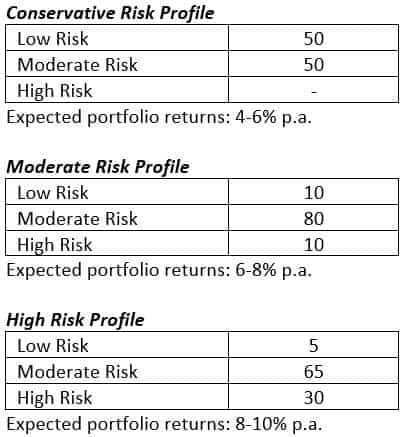
    Answering these two questions will give you an idea of your risk profile – conservative, balanced or aggressive. Next, you should determine your ideal asset allocation. The strategic asset allocation is a breakdown of your investment allocation into three simple investment asset classes – low risk, moderate risk and high risk.

    Low risk assets would comprise of risk-free assets that hold their values and likely have a pre-determined rate of return. Examples would include deposits place in financial institutions and government issued bonds like Malaysian government securities (MGS).

    Other fixed value assets with variable expected returns or those with minimal price fluctuations that fit this category include our Employees Provident Fund (EPF) savings, certain fixed priced Amanah Saham funds and low risk fixed income securities like money market funds or capital protected products.

    Moderate risk assets on the other hand have the potential of generating a higher variable return (e.g. between 4-6% p.a. above the risk free rate) and could comprise of assets such as blue chip dividend stocks or a balanced diversified portfolio consisting of shares and bonds. Property assets and REITs that offer both regular income and potential long-term capital appreciation can be categorised here as well.

    Lastly, we have growth or high-risk assets that are made up of stocks in a diversified portfolio of expansion-focused companies, small to mid-sized businesses in developing countries, commodities and perhaps alternative assets such as private equity investments or collectibles like wine, luxury watches and paintings.

    These may fluctuate a lot more in value but offer potentially better long-term returns.  

    Let us look at a simple approach to asset allocation for one’s investable assets:

    A moderate risk investor would probably place the bulk of his investable assets in moderate risk assets and only around 10% in the high-risk space. From this allocation, he should expect a blended overall return of around 6-8% p.a. As such, the strategic asset allocation gives you an idea on how you can select a combination of different assets classes and the corresponding expected returns on your overall portfolio.  

    Given the nature of these alternative investments at this juncture – where price discovery remains a challenge, volatility is high, and long-term values remain uncertain – it would be more appropriate to classify them as part of your high-risk investment bucket.

    Back to the question of whether investing in those alternative assets in the examples given are suitable for you, firstly consider where it fits in based on the suggested strategic asset allocation.

    Perhaps a 10% allocation in each of these strategies would be sufficient for most. In simple terms, this means roughly 1-3% allocation of one’s investable assets would be about right for the balanced to aggressive profile investor.

    In conclusion, the next time you encounter an innovative investment option that comes across as the best invention since sliced bread, the first thing you need to do is to increase your knowledge and understanding of that product instead of signing the dotted line simply based on a herd mentality or the fear of missing out.

    Should you decide to proceed thereafter, then invest based on your ideal strategic asset allocation in line with your risk profile. This golden rule should keep you in good stead for a long time to come.

    About the Author:

    Felix Neoh CFP CERT TM is the Director of Financial Planning at Finwealth Management Sdn Bhd and is a certified member of FPAM. He can be contacted at enquiry@finwealth.com.my

    We at Smart Investor and Finwealth is committed to help you better manage your financials. Get a free consultation from an expert by filling in your details here: https://www.smartinvestor.com.my/SIxFinwealth

  • Digital Art (NFT), Is It A Prudent Investment Or A Bubble Waiting To Burst?

    Digital Art (NFT), Is It A Prudent Investment Or A Bubble Waiting To Burst?

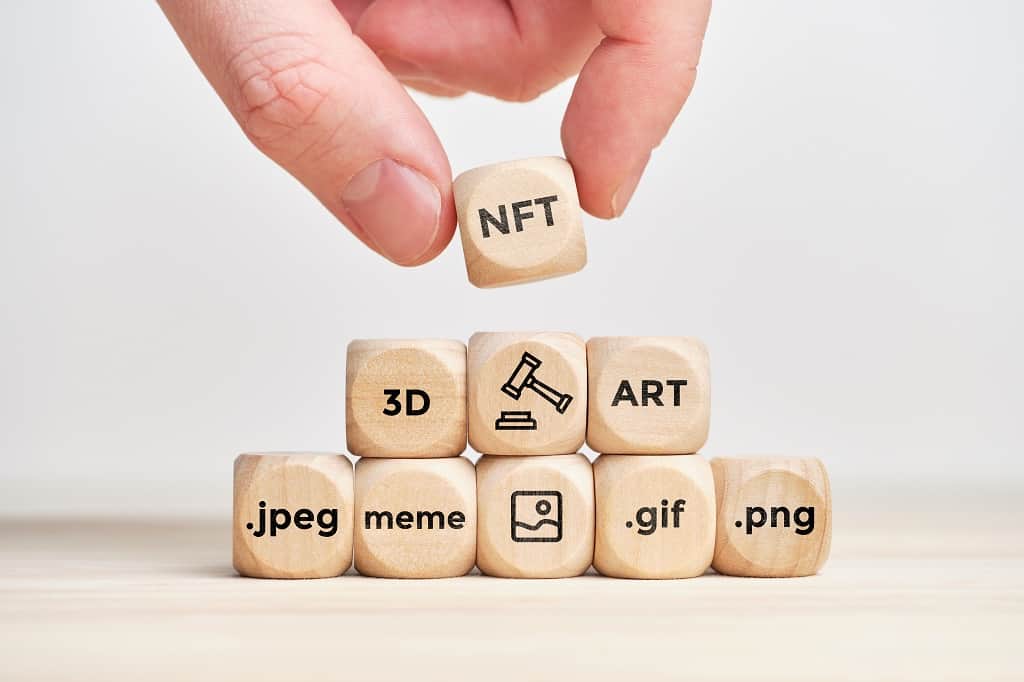
    If you have paid any attention to investing news over the past year, you would almost certainly have come across the term NFT (non-fungible token). Often linked to digital art, it is responsible for some of last year’s biggest investment headlines, with jaw-dropping amounts being spent on them.

    But what exactly is an NFT?

    In A Nutshell

    As the phrase “non-fungible” suggests, it is a one-of-a-kind, irreplaceable token that acknowledges a person’s ownership over a digital asset. Think of it as a digital certificate that recognises ownership, similar to a certificate of authenticity for valuable artwork or timepieces. Although NFTs are commonly linked to art, it can be used to prove ownership of any digital assets such as memes, songs or even tweets!

    The assets being sold can be freely viewed, or even saved to their own devices, by anyone, which is often what detractors point at when denouncing NFTs. However, just like how there are knockoff versions of famous art pieces, there is only ever one original, which is where it gets its perceived value.

    Like cryptocurrencies, owners of assets are documented on a publicly shared ledger, also known as the blockchain, that cannot be tampered with or altered by any single individual or party. Any changes to this ledger must be acknowledged and ratified by all members of the blockchain before being made permanent, making it close to impossible to tamper with.

    The most popular platform to buy or list NFTs is OpenSea but there is a raft of competing marketplaces that are all aiming to carve their own slice of a very lucrative pie. Local NFT marketplaces have also sprung up, with Pentas.io being the most prominent.

    Do They Have Any Use?

    Metaverse and Blockchain Technology Concepts. Person with an Experiences of Metaverse Virtual World via Smart Phone. Futuristic Tone. Conceptual Photo

    Although copies can be made of these digital artworks (memes, tweets, music etc.), the NFT is the sole acknowledgement of who is the “owner” of the piece. Art has long been used as a store of value, and this easily extends to digital art, with the value stored in the certificate of ownership.

    But whether this has any tangible value depends solely on the market. Many are of the belief that NFTs are in a bubble, including artists themselves.

    Digital artist Beeple, also known as Mike Winkelmann, holds the current record for the most expensive NFT, with his piece EVERYDAYS: THE FIRST 5000 DAYS, auctioned off by Christie’sforUS$69,346,250, but he thinks that NFTs are a bubble waiting to burst.

    Speaking to the New York Times Sway podcast last year, he said “This stuff will absolutely go to zero.”

    He believes the key aspect of NFTs is proving ownership which is why popular pieces trade for millions.

    “The more something is widely shared, the more popular it becomes, the more valuable it will become.”

    “When you go to The Louvre and take a picture of the Mona Lisa and share it on the internet no one is like ‘Wow, I just devalued the Mona Lisa.’”

    However, he does believe NFTs serve a purpose and that an eventual bubble burst will simply remove the deadweight, much like how the dotcom bubble did not cripple the internet’s functionality and its now ubiquitous influence on the world.

    Money-Spinning Endeavours

    Jack Dorsey, the former CEO of Twitter, sold his first ever tweet on the platform as an NFT for just over 1,630 ETH or US$2.9 million to Malaysian businessman Sina Estavi, the CEO of Bridge Oracle. Famous memes have also been put up for sale for life-changing amounts, with originators eager to strike while the iron is hot.

    The trend is already being jumped on by local artists as well. Graffiti artist Abdul Hafiz Abdul Rahman, better known as Katun, sold two NFT collections in August 2021, titled Apes Stand Strong, with a limit of 50 pieces (1 ETH each) and Mystical Fruits, an open edition that sold 776 pieces at 0.1 ETH each. This raised a total of 127.6 ETH (over RM1.6 million at the time, now worth over RM2.1 million at the time of writing).

    Another well-known local artist, Red Hong Yi, sold her Doge to the Moon NFT for 36.3 ETH (approx. RM325,000 at the time, now worth RM620,000 at the time of writing) in July 2021, while local rapper Namewee made 209 ETH (approx. RM3.5 million) from selling 100 NFTs of his song Go NFT in November.

    Many buyers of NFTs also immediately list it at a higher price in a bid to make a quick profit. Whether these prove to be prudent investments or not, it is clear that there is a demand for NFTs, either for speculative purposes or as stores of wealth.

    What is less certain though is whether NFTs are a bubble or if it will ever become a popular method of investment. Whatever happens, digital natives are making moves and it is up to the rest of the world to get up to speed or possibly be left behind.

    NFTs In Numbers To Date

    • Number of NFTs sold: 19,390,873
    • Total sales of NFTs: US$13.95 billion
    • Average value per sale: US$719.77
    • Primary sales: 11,244,153
    • Secondary sales: 8,146,720
    • Active market wallets: 1,510,331
    • Most popular project (volume): CryptoPunks – US$1.8 billion
    • Most expensive NFT sold (ETH): CryptoPunks (Ͼ #3100) – 4,200 ETH
    • Most expensive NFT sold (US$): EVERYDAYS: THE FIRST 5000 DAYSBeeple (aka Mike Winkelmann)US$69,346,250

    Statistics are accurate as of December 2021.

  • AI : Automating Investing For A Better Future

    AI : Automating Investing For A Better Future

    Would you trust artificial intelligence to invest your hard-earned cash for you?

    Robo-advisors are fast gaining popularity in Malaysia, and while the concept of digital wealth management platforms have been around since 2008, it has taken much longer for such services to reach our shores.

    StashAway was the first robo-advisor to enter Malaysia in 2018, a year after it first launched in Singapore. Today, there are seven robo-advisors or digital investment managers (DIM) recognised by the Securities Commission Malaysia, suggesting that the industry is beginning to mature and grow exponentially. So what fuelled this sudden growth and how does it bode for the future of retail investors?

    A Time-Saving Option For Investors

    Contrary to a lot of investment products which tend to champion the rate of return, one of the main selling points of robo-advisors is the time that can be saved by using their services. The typical image of a full-time investor can often be one of multiple screens set up in a room, with hours spent analysing graphs and charts. In short, it is essentially a full-time job, especially for the most successful investors.

    “To build a case for investing, an individual would need time to learn the in’s and out’s of investing, which can be overwhelming for certain individuals,” says Wong Wai Ken, country manager, Malaysia of StashAway.

    “Robo-advisors offer individuals an alternative to this, as they are able to offer guidance to picking the right portfolio whilst charging much lower fees compared to traditional unit trusts. It is also a convenient manner to invest, as it gives investors a platform to get exposure to global markets.”

    With such convenience at investors’ fingertips, it appeals greatly to individuals that are keen to save time and have disposable income that they can invest, a notion that is backed by the demographics.

    “Our main demographic are white collar professionals in the financial services, tech, consulting, and oil and gas sectors,” shares Wong.

    “64% of our customers are the main financial decision-makers of their household, while 43% are male and 57% are female. The range of our demographic varies however, as StashAway is built for those focused on building long-term wealth.”

    And while a time-saving investment product may be thought of as appealing to the younger generation who are more tech savvy, it seems that seasoned working professionals are also coming round to the idea of alternative investments and are willing to explore. The time they save by leaving investing to algorithms can then be utilised elsewhere, be it into their careers, families or personal goals.

    Emotion-Free Investing

    One of the key tenets of robo-advisors is that it is not swayed by emotion, unlike humans who are often influenced by market movements in either direction. Regardless of market sentiment, the AI simple executes buy and sell orders as determined by its risk algorithms, which can provide peace of mind for more passive investors.

    [ You may read the full article HERE ]


  • Alternative Investments for Individual Investors

    Alternative Investments for Individual Investors

    Alternative investments for individual investors are financial assets that do not fall into conventional asset classes and often tend to attract younger investors. Firstly, what are alternative investments? They are labelled as such because these financial assets do not fall into the more conventional asset classes of equity, bonds, properties, or cash investments. Alternate investments can be further divided into subcategories such as commodities, private equity, collectibles, and cryptocurrencies. Typically, alternate investments do not form the core of your investment portfolio but instead form less than 10% of your overall portfolio.

    No matter what you call alternative investments, this asset class has been grabbing headlines. At the forefront is cryptocurrency with bitcoin having skyrocketed to new highs above US$40,000 (RM160,000). Another increasingly popular alternative investment is gold which has gained some new followers with fintech now allowing you to buy fractional gold via an app. Lastly, we have P2P financing which allows investors to legally lend money to small businesses and entrepreneurs via an online P2P platform.

    Why Do Alternative Investments Appeal to Young Investors?

    Alternative investments are generally viewed as high risk and highly volatile. These investments are also more often embraced by younger (and young at heart) investors who are comfortable with technology, while older (or more risk averse) investors may shun away from investing online or via an app into an investment that talks about blockchain or fractional investing. Older investors may also have a preference towards more traditional investments such as stocks and property.

    Younger investors tend to find investing in alternative investments, especially those powered by fintech, as more transparent and are often attracted by the lower fees. Alternative investments also provide higher potential returns while allowing investors to diversify and own assets that aren’t correlated to the stock market. As it’s more volatile, alternative investments also provide an avenue for trading which allows investors who like trading to scratch an itch!

    How Do Alternative Investments Perform?

    Along with the higher risk and volatility, alternative investments also enjoy potentially higher returns. For example, bitcoin’s price rise in 2020 was over 300%, towering above most if not all other asset classes, while the YTD rise for gold is around 23%. For P2P financing, returns can range from 10% to 18% according to data provided by P2P financing operators in Malaysia.

    While alternative investments appear to be doing well, it’s a double-edged sword as investments could potentially go downwards significantly as well. For example, the Great Crypto Crash of 2018 saw the price of bitcoin drop 80% from its peak which is an even bigger magnitude of loss than the dot-com crash. 

    Gold is also often falsely perceived as a low risk asset and a safe investment during times of crisis. In fact, gold is highly volatile with an average volatility moving upwards (or downwards) of 16% a year! P2P financing investors on the other hand face risks in the face of rising default rates whereby borrowers are unable to pay and the losses affect investor returns.

    What You Need to Know about Investing in Alternative Investments

    This comes with its fair share of risks and know-how. For example, a common question when investing in alternative investments is whether you will be taxed in Malaysia. Cryptocurrency is not taxed if you are not trading crypto as your primary source of income. 

    However, for P2P financing, investors are required to declare gains and will be taxed. For gold investing if you are a Muslim, you will need to pay zakat, a mandatory form of Islamic obligation tax, if you hold gold above 85 grams. This applies even if you cannot see or touch the gold physically as halal gold must be backed up by actual physical gold to be Syariah compliant.

    Let us narrow down good rules of thumb for investing in these alternate investments. Bitcoin is a highly speculative investment with massive gains and drops thus you may want to hold no more than 5% of your investment portfolio in cryptocurrency. It’s also important to note that cryptocurrency is not viewed as legal tender in Malaysia but there are three digital asset exchanges (cryptocurrency exchanges) recognised by the Securities Commission. 

    P2P financing also faces the risk of defaults, so you may want to ensure you spread your risk across different borrowers (or even different P2P financing platforms). Do read up on the borrower’s financial information before investing in any P2P financing notes. Gold has its fair share of criticism as well as it does not generate any returns but is a good hedge against times of crisis. Do be aware of the gold spread, which is the difference between the buying and selling price of gold, and any fees charged which will reduce your returns.

    What Lies Ahead for Alternative Investments

    Cryptocurrency especially is an interesting alternative asset to watch. It’s increasingly being viewed as a store of value, thus earning the nickname of digital gold. Digital payment platforms PayPal and Venmo announced that they will support transactions in bitcoin and other cryptocurrencies driving an increase in usage and liquidity. There is also a growing number of institutional investors in bitcoin as a reserve asset and an alternative to fiat currency such as the US dollar which is showing a decline in value.

    Overall, alternative investments are becoming increasingly popular with financial technology and slick, shiny apps appealing to young and young at heart investors. Increased competition, lowered costs with fintech, and an increasingly global investment market will further spur growth in these risky but promising investments.

    About the author 

    Stephen Yong (MBA, CFP cert ™) is a licensed financial planner and can be contacted at stev.yong@wealthvantage.com.my.

  • P2P Financing: The Next Frontier of Retail Investment?

    P2P Financing: The Next Frontier of Retail Investment?

    The new year always brings with it hope and a positive outlook for a fresh start. This is especially true for those with investments and other financial goals that they want to achieve. With the Covid-19 pandemic showing no signs of letting up, many retail investors dove into the stock market headfirst, snapping up trending stocks like hotcakes and selling them equally fast when the tides began turning.

    Alternative investments like robo-advisors, cryptocurrency and peer-to-peer (P2P) financing have also proved popular, with many attracted by the higher risk, higher reward model offered by these financial products. This is a point not lost on Wong Kah Meng, the co-founder and CEO of Funding Societies, a P2P financing platform that connects retail investors to SMEs.

    “The top concerns facing investors when it comes to making investment decisions include low returns, long investment tenure, and being a research-intensive process,” he says.

    “P2P financing platforms such as Funding Societies mitigate these concerns. For instance, investors on our platform can easily invest in local SMEs across various sizes and industries and earn higher risk-adjusted returns through SMEs.”

    The low barrier to entry means that such platforms are easily accessible to retail investors, where investors as young as 21 years old can get started on their investment journey from as low as RM100. Users are also urged to diversify their investment portfolios in order to spread the risk across multiple small-medium enterprises (SMEs); it is for this reason that Funding Societies adopted a low minimum investment, so investors can diversify across multiple notes.

    This follows the age-old rule of not putting all your eggs into one basket. Although default rates are currently low, the chance of an SME failing to fulfil obligations to investors remains due to market risks such as unemployment rates, interest rates and economic recession.

    The company helps to facilitate this diversification by offering a range of investment products. These include business term financing, accounts payable financing, accounts receivable financing, and dealer financing.

    P2P Financing Performance to Date

    Having first launched in 2017, the P2P financier has come a long way in a relatively short time. To date, it has disbursed over RM500 mil in Malaysia and over RM5 bil regionally while maintaining a low default rate of just 1.4% to date. Although default rates were below 1% prior to the Covid-19 outbreak, the current number is lower than the 2.3% default rate back in 2017.

    Such numbers bode well for the future, especially with retail investors turning to alternative investments in greater numbers. However, Wong believes that education remains the foremost priority to establish P2P financing as not just an alternative investment, but a legitimate financing and investing platform.

    “To this end, we are still pushing for public education through participations in financial literacy seminars and industry conferences with the aim to drive thought leadership, not only in Malaysia, but also across the Southeast Asia region that we operate in,” he says.

    Business Enablers, Economic Catalysts

    While the barrier to entry is low for retail investors, Funding Societies holds the SMEs seeking to raise funding on their platform to a higher standard. Businesses come in all shapes and sizes from all segments, but the one thing they all have in common is strong credit history.

    “80% of financing deals agreed are for a tenure of under six months as we focus on transaction-based financing, which is less risky,” says Wong.

    The shorter turnaround time allows investors to get returns quicker while also balancing the amount of risk in the disbursement of funds. This is reflected in the breakdown of SMEs, where businesses specialising in wholesale and retail trading make up the majority of funding seekers on the platform, which also highlights the make-up of the overall Malaysian economy.

    The Keys to Success

    While every investment carries some form of risk, Funding Societies aims to help mitigate the risk posed to investors as much as possible. Its market-leading auto-investment algorithm was introduced as far back as 2017,
    sharing similarities with robo-advisors in that users can easily spread their investments across multiple SMEs that fit their risk profile.

    “Over 70% of investors have autobot set up for their account. It helps to queue on your behalf to execute investment opportunities based on parameters you set,” says Wong.

    This comes in handy for investors that are busy with day-to-day activities and have no time to monitor all aspects of cash deployment, making it much more than just another fancy feature.

    However, he is keen to stress that the platform also wants to ensure that investor awareness is at the highest level possible, with a detailed fact sheet provided for all SMEs seeking funding that includes a history of financial statements, write-up on the company, and risk assessment of the investment opportunity presented to investors.

    “The fact sheet is available to all investors before the start of any crowdfunding. This is to ensure investors have sufficient time to study each investment opportunity and make an informed decision,” he added.

    Alternative investments have long been championed as financial products of the future, but the Covid-19 pandemic is bringing them into sharp focus ahead of schedule. In the case of Funding Societies, the rate of user adoption was not stunted during this time and continued to grow, albeit at a slower pace.

    “This shows how investors are now skewing towards online or digital investment platforms, such as P2P financing,” says Wong.

    An impressive track record only serves to back up his claims, and being registered with the Securities Commission Malaysia also gives the platform credence among its users which include retail, high net worth, and institutional investors. It also helps that the majority of its users are on the younger side, with 80% under the age of 40. With all the progress made so far, it is not far-fetched to say that Funding Societies has arrived and is very much here to stay!

    By Caleb Khew

  • Review: 5 Things We Learned about Luno Malaysia

    Review: 5 Things We Learned about Luno Malaysia

    Recently, Luno Malaysia held a virtual media conference to reflect on a year of operations since its relaunch in Malaysia, sharing its achievements to date and plans for 2021.

    Having originally entered the market back in 2015, it quickly became the platform of choice for Malaysians to purchase and trade bitcoin, before being forced to suspend operations while being audited by the Securities Commission Malaysia (SC). After securing approval, it relaunched in October 2019 and has gone from strength to strength.

    Here’s five things we learnt about the digital asset exchange (DAX) during the presentation:

    2020 Was a Stellar Year for Luno Malaysia

    According to Luno Malaysia Country Manager Aaron Tang, the DAX has processed a cumulative total of RM827 million since its relaunch.

    It also claims to hold approximately RM165 million worth of digital assets on behalf of their customers, spread across Bitcoin (BTC), Ethereum (ETH), Ripple (XRP) and Litecoin (LTC).

    LUNO relaunch in Malaysia
    Luno relaunched in Malaysia back in October 2019.

    These figures clearly show that there is a healthy demand for cryptocurrencies in Malaysia. According to Luno, 68% of its users buy cryptocurrencies for investment purposes, while 10% conduct trades on the platform, and a further 8% use it for sending and receiving cryptocurrencies.

    Luno is the Runaway Market Leader in Malaysia

    Claiming to hold over 90% of the market share among the regulated DAXs in Malaysia, Luno has certainly made the most of its past year!

    The platform currently boasts more than 180,000 registered users, and given that Luno was the first Securities Commission-approved DAX in Malaysia, it not surprising that they have leveraged their first-mover advantage to great effect.

    With the recent surge in the price of bitcoin and other cryptocurrencies, we think it is a pretty safe bet that this number will continue growing exponentially in the near future.

    Bitcoin Isn’t Just for Risk-Taking Youngsters

    More seasoned investors may have the idea that the volatile, high-risk nature nature of investing in cryptocurrencies is only suitable for younger people that are looking to make a quick buck off the huge swings.

    However, for Luno this is far from the case.

    According to Tang, the majority of Luno’s customers are aged between 30-49 years old. These are people in their prime working age, with the demographic mostly made up of accountants, engineers, educators and entrepreneurs.

    This trend is also reflected globally, with institutional interest from the likes of Grayscale and PayPal credited with driving up the price of bitcoin in recent times.

    Who says cryptocurrency is just for millennial and Gen Z investors?

    2021 Promises to be an Exciting Year for Luno

    On plans for 2021, Tang shared that Luno aims to launch a Savings Wallet for customers, where they will be able to allocate bitcoin to an interest-bearing account which allows them to earn 3-4% interest per annum on their holdings.

    While this feature is already available for Luno users worldwide, it is currently under review by the Securities Commission Malaysia (SC).

    luno malaysia new features - luno relaunch
    Some of the features Luno Malaysia introduced in 2020.

    The company also plans to introduce new cryptocurrencies to the platform in 2021, subject to regulatory approval. Tang would not divulge which coins were under consideration, but the pending introduction of more assets to invest and trade in should help to bolster Luno’s position as the clear market leader in Malaysia.

    Luno is About as Safe as it Gets

    The issue of safety is one that retail investors often have when purchasing cryptocurrencies on a particular platform, with more seasoned cryptocurrency owners often championing the practice of storing digital assets on a privately-owned wallet instead of a platform.

    However, Tang was quick to elaborate on the extensive security measures that Luno has in place to safeguard customer assets.

    luno malaysia country manager aaron tang - luno malaysia relaunch“Any regulated platform in Malaysia must have their security systems audited and vetted by the Securities Commission,” he said.



    “This is the first point of confidence that consumers can have, in that you are dealing with a regulated platform that must prove that its systems are safe and secure.”

    In terms of asset storage, Luno works with the digital asset custodian BitGo to secure its “hot wallet” which is directly linked to its platform and facilitates all transactions.

    The majority of its customer assets are stored in “cold storage” (not connected to the internet), rendering it impossible for hackers to gain access to it.

    A portion of assets are also stored in “deep freeze”, which means they are spread out across several vaults in separate locations, spanning multiple continents around the world.

  • Silver Lining for Alternative Investments Despite Pandemic

    Silver Lining for Alternative Investments Despite Pandemic

    Since the first peer-to-peer (P2P) financing platform was launched in 2016, the alternative investments industry has witnessed healthy growth under the watch of the Securities Commission Malaysia (SC). The COVID-19 pandemic has, suffice to say, thrown the industry off course.

    “The Covid-19 pandemic has negatively impacted businesses across most industries, especially businesses that operate predominantly offline or rely on physical touch,” Funding Societies Malaysia co-founder and CEO Wong Kah Meng tells Smart Investor.

    In this case, P2P financing platforms play an important role in balancing the needs of both SMEs and investors, and this remains true, especially during the current unprecedented economic situation.

    On the outlook for the P2P financing sector, Wong foresees the sector will become more appealing to the investment community given the low-interest rate environment, coupled with the volatile capital markets globally.

    “Over the medium and longer term, we are hopeful the pandemic could even serve as a catalyst to spur the next wave of digitalisation of businesses across the economy as well as the emergence of new digital business models, which will benefit the P2P financing industry given its digital focus,” he opines.

    Wong Kah Meng

    However, equity crowdfunding (ECF) platform Ata Plus co-founders Elain Lockman and Kyri Andreou say it would be naïve to assume it is business as usual for the economy.

    Elain Lockman (left) and Kyri Andreou (right)

    “People’s behaviour, spending, and investment patterns have changed and the medium- and long-term impact on businesses have yet to be ascertained with any level of accuracy,” they say.

    For players in the ECF and P2P financing space, they observe there has been a considerable increase in interest for raising funds by SMEs via these two methods.

    “The improved terms for the Malaysian Co-Investment Fund (MyCIF) introduced at the onset of the pandemic can then be said to have succeeded to an extent, though in the end it still requires the participation of the wider investor market,” they explain.

    Challenges to Meet Loan Obligations

    As cash flow becomes tight and businesses see substantial declines in revenue during the coronavirus outbreak, it is inevitable many MSMEs find it a challenge to meet their loan obligations to P2P lenders.

    “Throughout the MCO, Fundaztic has never stopped MSMEs from having a chance to apply for funding with us. From a credit standpoint, however, we did take a more prudent and careful approach to ensure that all approved applicants are viable and creditworthy businesses,” explains Calvin Foo, acting CEO of Peoplender Sdn Bhd (which operates P2P platform Fundaztic).

    Bearing in mind that most businesses were not able to operate during the MCO and CMCO period, Fundaztic has also taken a proactive approach to offering restructuring and rescheduling (R&R) to their issuers as a solution to get them through these tough times.

    “This approach has eased our issuers’ financial burden over this short-term period and therefore, we are not seeing any huge spikes in our default rate,” adds Foo.

    Calvin Foo

    The situation, he continues, did improve mid-June onwards, and the number of notes and investments have started to gradually increase since then. This indicates a majority of businesses are starting to become operational once more.

    “As more businesses are adapting to the ‘new normal’, I foresee the P2P financing sector will continue to grow and assist more MSMEs in the country. In fact, I believe there will be more opportunities for the sector as businesses are starting to shift their businesses online.”

    microLEAP founder and CEO Tunku Danny Nasaifuddin Mudzaffar concurs, adding that the ability to restructure their loans allow issuers to extend the tenor of their financing so that they can pay less than what they usually pay in a month.

    “Doing so will also give P2P investors higher interest/profit at maturity. It’s a win-win situation for all parties rather than allowing the Investment Note to default.”

    On Funding Societies Malaysia’s part, Wong shares that with the slower economic activity during MCO, they anticipated deferment and restructuring requests from their SMEs.

    “Deferment and restructuring options can help SMEs alleviate their immediate repayment obligations of up to three months so that they were able to meet other financial commitments such as salary payments to their employees, thereby helping to save jobs. “In return, investors are able to earn additional interests during the deferment period as compensation,” Wong reveals.

    Growth Opportunities Abound

    Despite the predicament brought about by the pandemic, growth opportunities for the P2P industry are still available.

    Wong says one of their active efforts during the MCO was identifying SMEs with growth opportunities, particularly those within the defensive and counter-cyclical industries.

    These industries include healthcare, e-commerce, wholesale and retail of perishable goods, FMCG (fast-moving consumer goods), telecommunications and utilities, and transportation and logistics, among others, which they believe will remain strong or thrive during the current macroeconomic situation.

    “As traditional financing avenues are tightening up their credit lines, this gives the opportunity for digital financing platforms such as P2P financing to reach out to more unserved and underserved SMEs in Malaysia that would benefit from the additional financing assistance,” he adds.

    After all, over 98% of businesses in the country are MSMEs and as the whole industry has only served over 2,200 MSMEs as of June 2020, P2P financing is barely scratching the surface of the funding gap.

    Mitigating Risks for Investors

    The P2P financing industry is far from matured and although the COVID-19 pandemic may have slowed down the growth of the industry, this is believed to be just temporary.

    There will be many businesses still being underserved by financial institutions, and these are the target segments P2P financing platforms are working hard on closing the financing gap for.

    Tunku Danny

    At the end of the day, says microLEAP’s Tunku Danny, MSMEs still need financing and P2P investors still have funds to deploy. However, the question is this: how do P2P investors know that their investment comes with the least risks possible?

    “P2P investors need to look at which type of businesses will survive and which won’t. Businesses that have pivoted or have an online presence are doing well, while those that are only brick-and-mortar will find it hard to make money due to lower footfall.

    “P2P financing operators, on the other hand, need to encourage diversification of investments on their platform while being more selective in terms of the issuers they host on their platforms.”

    Interest in Early Technology Investments

    The pandemic, according to Ata Plus’s Lockman and Andreou, has clearly shown technology played a crucial role in keeping our society functional during periods of lockdown and quarantines.

    “These technologies coupled with the application of ‘new’ business concepts and/or models may prove to have a long-lasting impact beyond this pandemic. In terms of how we do business, how we trade, how we work, how we produce goods, how we buy goods, how we learn, how we seek medical services and how we entertain ourselves.

    “Business concepts/models such as the sharing economy, co-creation, crowdsourcing, customer to customer (C2C), freemiums, gamification, Big Data, software as a service (SAAS), community-driven, democratisation and Open Source are now more readily accepted and relevant than ever before.

    “It is not a surprise there is a renewed interest in technology investments due to the pandemic. Technology or tech-driven businesses that are agile, scalable and have high degree of automation or digitalisation capabilities with new business concepts/models will be the ones that will be on the watch list,” they say.

    As an ECF platform, Lockman and Andreou believe that Ata Plus, like other platforms, want to give investors access to new investment opportunities that would previously only have been available to angel investors, venture capitalists, or private equity firms.

    “We are here to connect investors who have the funds and businesses that need growth capital. Through ECF, sophisticated and retail investors can now access these investment opportunities with a much lower investment entry point into these exciting businesses. In Malaysia, the smallest investment that has been accepted by an issuer was RM10.

    “While this is a medium-longer term investment asset class with potential high returns, investors need to be aware of the risks and limits of their total crowdfunding investments. The investors may lose all their money and most start-ups will fail. The trick is to always diversify your investment and not to put all your eggs in one basket,” they conclude.

    By Bernie Yeo

  • P2P Financing an Ideal Investment Portfolio Amidst COVID-19

    P2P Financing an Ideal Investment Portfolio Amidst COVID-19

    The COVID-19 pandemic has created massive uncertainty in the investment market, and this is not an isolated case. All over the world, foreign investors are navigating uncharted waters as stock markets are becoming increasingly difficult to predict in the current economic climate.

    Malaysia’s FBM KLCI closed at 1,490.14 in end May, its highest level since March this year, although this may not necessarily signify the end of the ongoing crisis.

    The record high number of traded shares indicated active participation rate from retail investors in Malaysia, partly attributed to the country being home to the world’s largest glove makers of which demand for protective equipment has surged during the pandemic.

    Nevertheless, investors should ensure that they continue to diversify their investment portfolio especially during these times.

    Many experts believe it to be a protracted recovery from the COVID-19 pandemic. Therefore, investors should remain cautious of the recovering stock markets and hence, should be planning their investment decisions wisely, particularly amid economic uncertainty.

    At the end of the day, the fact that a vaccine has yet to be found very much points toward concerns surrounding the potential threat of the virus and its subsequent economic implications in the long run.

    Mitigating Risk through Diversification into P2P Financing Investment

    While the effect of COVID-19 remains uncertain and continued volatility can be expected, it is wise for investors to employ strategies to enhance returns, whether the market shifts violently up or down.

    Diversification helps reduce overall portfolio risk by allocating investments into different asset classes and hence reduces the risk of a single investment or asset class significantly impacting the performance of the overall portfolio, leading to more stable returns over time.

    Wong Kah Meng, Co-founder and Chief Executive Officer of Funding Societies Malaysia, the first and largest peer-to-peer (P2P) financing platform in Malaysia, commented, “It is ever more critical for investors to ensure that their investment portfolio is well diversified amid the current market uncertainty.

    “Whilst there could be opportunities for investors to make tactical investment decisions given the volatility in capital markets, investors should also be aware of the increased correlation across traditional asset classes and hence the greater need for diversification beyond traditional asset classes such as stocks and bonds. As such, P2P investment could play a key role in the diversification strategy for investors.”

    Added Wong, “Aside from diversifying their investment portfolio, we encourage risk averse investors to focus their P2P investment strategy on shorter tenure investment notes or collateralised investment notes which are more secure whilst still providing decent returns.

    “Overall, we believe that P2P financing serves as an attractive investment option which caters to the needs of a wide variety of investor risk – return profiles.”

    Investing with Funding Societies

    Funding Societies provides a seamless and user-friendly investment process supported by best-in-class customer experience. Investors can easily invest in local SMEs and earn attractive risk-adjusted returns compared with other forms of traditional investment options, with interest returns of up to 14% per annum (p.a.) after fees with minimum investment amount from as low as RM100.

    The platform has also recently taken a multi-pronged approach to further tighten its risk assessment processes, which includes assessing the impact of COVID-19 and MCO on their SME clients, reviewing existing SMEs’ exposures, and implementing action plans for impacted SMEs.

    These stepped-up efforts ensure their clients’ investments remain protected while simultaneously continuing to lend a helping hand to support the under-served SMEs who are affected by the outbreak.

    For more information on how to start investing with Funding Societies, visit www.fundingsocieties.com.my.