Category: Asset Management

  • Interview with AIA Pension And Asset Management, Winner Of The FSMOne Recommended Unit Trusts Awards 2022/2023

    Interview with AIA Pension And Asset Management, Winner Of The FSMOne Recommended Unit Trusts Awards 2022/2023

    Be on the lookout for geopolitical uncertainty, rising rates, slowing growth and election uncertainty

    Smart Investor: Congratulations! Can you tell us more about your winning fund in the FSMOne Recommended Unit Trusts Awards 2022/2023?

    Nor Daliya Mohd Daud: We are honoured to receive this recognition for our AIA PAM Growth Fund. This Fund, which was launched on 16 May 2013, invests in equities with a bias towards equities with potential for growth. The Fund will invest in local and foreign markets as it seeks to provide long-term risk-adjusted returns to its members by integrating rigorous fundamental research with disciplined risk management.

    We incorporate Environmental, Social and Governance (ESG) considerations into the investment decision-making process as we believe ESG principles underpin proactive risk management.

    Since its inception, the AIA PAM-Growth Fund has recorded a cumulative return of 57.2% as at end March 2022.

    SI: What are the challenges you have faced in the past 12 months?

    ND: In addition to COVID-related lockdowns within Malaysia and in other major markets which restricted movements and impacted market sentiments over the past year or so, other more recent challenges include Russia’s invasion of Ukraine, soaring commodity prices and supply chain disruptions.

    Underperformance in Chinese stocks had also caused equities to decline and bond yields to rise while accelerated monetary policy and quantitative tightening by the US Federal Reserve and Bank Negara Malaysia (BNM) is now a major concern. Notwithstanding the evolving market conditions, we
    will remain vigilant and adjust our investment strategies accordingly when the need arises.

    Asset allocation decision remains the key driver when determining the range of portfolio outcomes amid volatile markets. We may adopt a temporary defensive strategy during adverse market conditions by increasing exposure to lower risk assets.

    SI: What are the market trends that an investor should look out for in the near future?

    ND: Geopolitical uncertainty. Market volatility is likely to persist in the near term given no signs of the war ending in the Russia – Ukraine conflict. The longer the war drags on, the longer sanctions will be in place with negative implications on commodity supplies and further increased inflation risks.

    Rising rates. Bond yields are rising as the market has been repricing due to the number of rate hikes by the US Federal Reserve that should occur in the foreseeable future. The US Federal Reserve and other central banks are moving to normalize monetary policy to tackle inflation. Domestically, Bank Negara Malaysia’s policy measures should remain accommodative in the near term and the supply of sovereign bonds should be well-absorbed by the market. Overall, the domestic financial system liquidity remains ample, which shall remain supportive of the bond market.

    Slowing growth. After a strong economic rebound in 2021, a slowdown in the global economy is expected this year amid less favourable market conditions with rising inflation, China COVID-19 lockdowns and geopolitical concerns.

    Election uncertainty. There are news that the 15th Malaysian General Election will be held this year. The uncertainty in the general election outcome could trigger volatility in the market. Investors would want to see decisive policy decisions to combat inflation and a slowing economy.

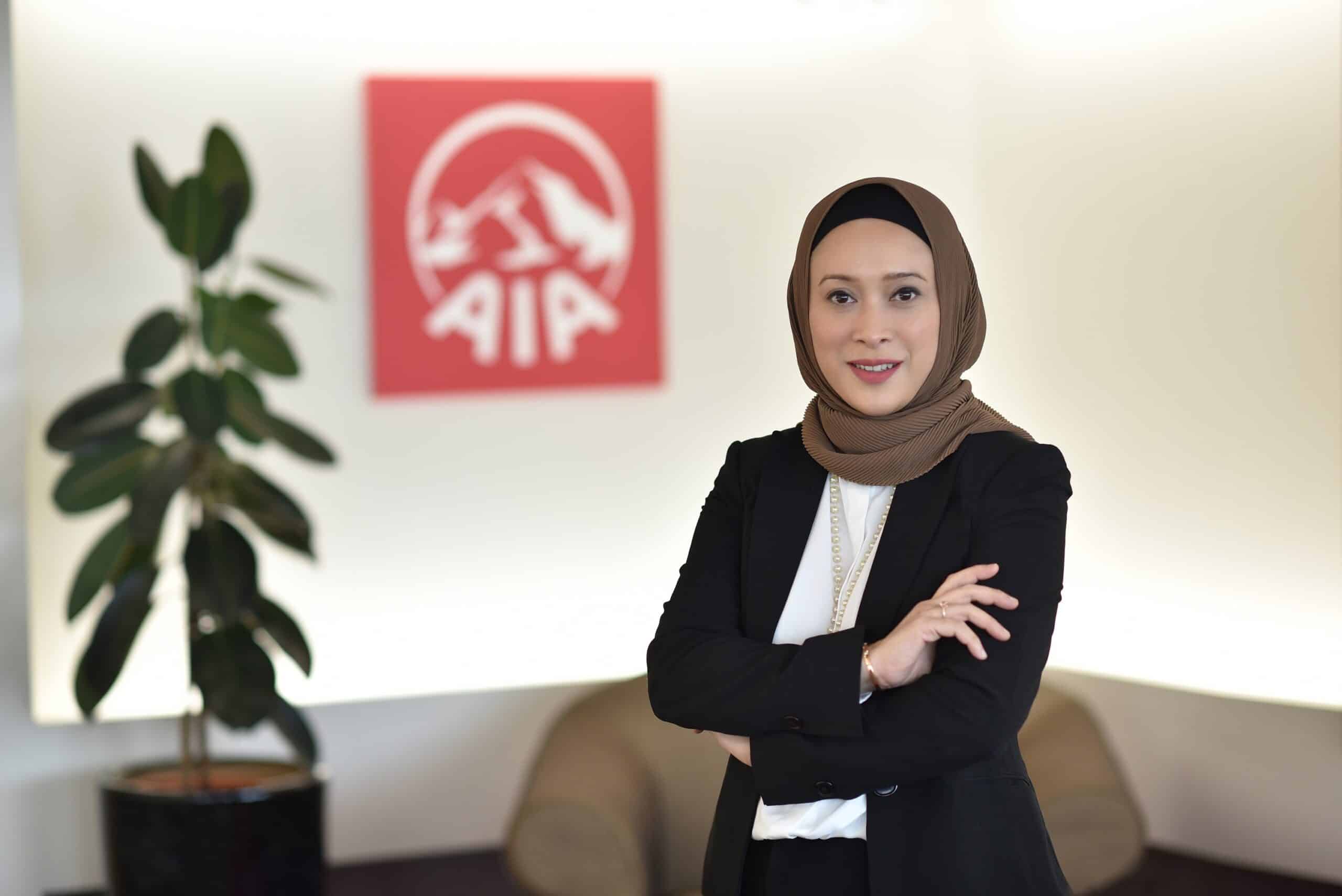
    Nor Daliya Mohd Daud, Director, AIA Pension and Asset Management Sdn Bhd
  • FSMOne Malaysia Is Positive That Investment Opportunities Are Abound In The Current Market

    FSMOne Malaysia Is Positive That Investment Opportunities Are Abound In The Current Market

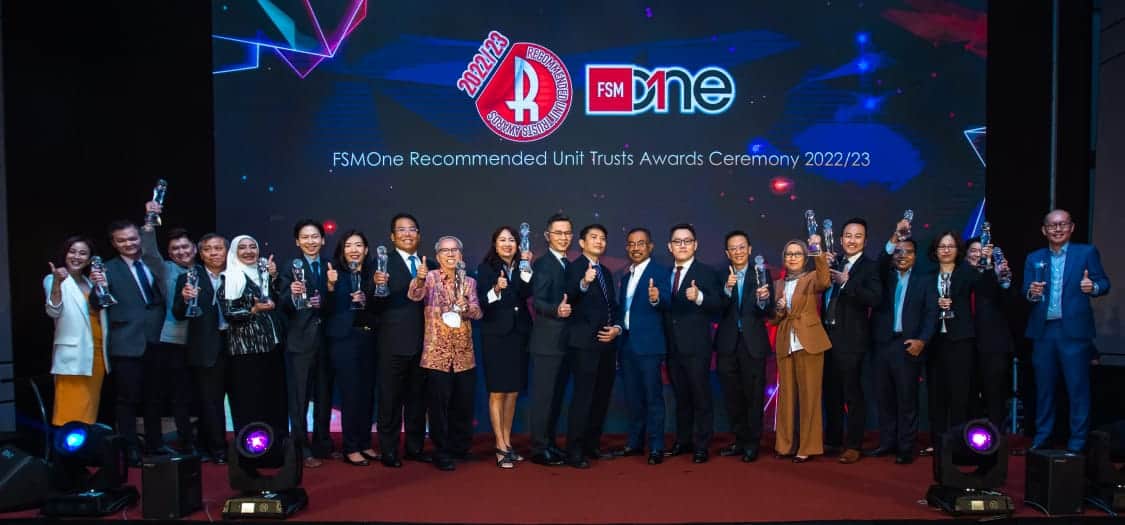
    FSMOne Malaysia, a multi-asset investment platform today assured Malaysian investors that unit trusts are still relevant and viable option that can help them achieve medium to long term financial goals. This assurance was reiterated at the FSMOne’s Recommended Unit Trusts Awards 2022/2023 at Pavilion Hotel, Kuala Lumpur earlier today.

    The Awards, which are distinguished acknowledgements of outstanding fund managers that have produced best-in-category fund performances, saw 44 Recommended Unit Trusts from 17 fund houses, including Affin Hwang Asset Management Berhad, Manulife Investment Management (M) Berhad, Principal Asset Management Berhad, RHB Asset Management Sdn Bhd, Kenanga Investors Berhad, Eastspring Investments Berhad, and AmFunds Management Berhad, to name a few, make it to the list (see appendix for the full list).

    Mr Koh Soo Cheng, General Manager of FSMOne Malaysia during his presentation emphasised that unit trusts continue to be an essential investment vehicle for all investors as they allow investors to build highly personalised and appropriately diversified portfolios to achieve their financial goals.

    “From our analysis, we observed that throughout various market cycles over the years, the performances of our Recommended Unit Trusts have consistently been up to the mark against peers within the same category,” said Mr Koh Soo Cheng.

    “The huge following of our Recommended Unit Trusts is a testament to the trust that our investors have on our selection methodology,” added Mr Koh Soo Cheng.

    The Recommended Unit Trusts were assessed on both quantitative and qualitative parameters. The quantitative parameters included Returns, Risk, and Expense Ratio while the qualitative parameters considered were the consistency of fund managers in their investment approach, stability of the management team, and the departure of key personnel, among others.

    “With an increase in our client base for the past 2 years, I believe that financial literacy among our investors is now more evident than ever. Besides FSMOne Recommended Unit Trusts lists which serves as a good point of departure for new investors, they can also get investment ideas from iFAST TV. It is an investment-focused channel committed to creating relevant, informative and engaging video content which was launched last year.”

    “We are committed to provide the best of wealth management all under one platform.  To that end, FSMOne Malaysia has launched stocks and ETFs trading capabilities supporting Malaysia, US, Hong Kong and Singapore exchanges last year, and will be supporting the China A-Shares exchange on 8 July 2022,” added Mr Koh Soo Cheng.

    On the global economic outlook, Mr Jason Wong, Research Manager of FSMOne Malaysia highlighted that he expects global growth to slow in the second half of 2022 amid persistently elevated inflation and monetary policy tightening by major central banks around the world.

    In terms of the market outlook, he expects volatility to persist as lingering risks such as slowing growth, recession fears, high inflation, aggressive rate hikes and geopolitical tensions to possibly drag on towards the end of 2022.

    “That being said, the market retracement this year has dragged down global equities to much more palatable levels, which could present opportunities for long term investors to take advantage of. With a lot of the negativity priced into markets, we would not rule out a gradual rebound amidst the volatility should things turn out better than expected. Some of the potential catalysts for a swift turnaround include inflation abating, China’s reopening and the end of the Russia-Ukraine war,” Jason Wong added.

    Yet, on the other hand, despite the obvious risks, he thinks that the deep sell-off in Chinese stocks could finally be on the cusp of a turnaround. He expects China to roll out more policy measures to help support the economy. In fact, the government has already been rolling out economic support measures and fighting back against plummeting confidence in recent months. Adding to his optimism is the fact that China is emerging from its worst Covid-19 outbreak in more than two years, with daily Covid-19 cases trending down nationwide in recent weeks.
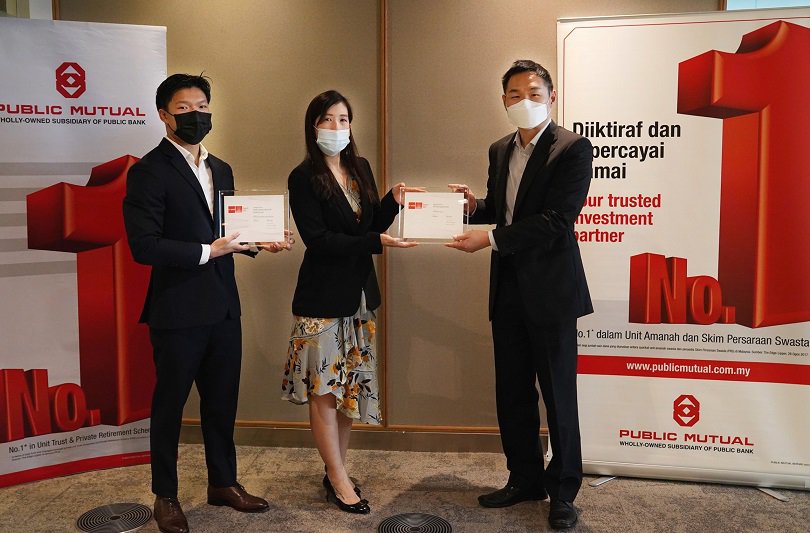
    “Amidst the changes in the macroeconomic environment, fund managers have adjusted their portfolios accordingly towards investments that can better weather rising inflation and interest rates. Hence, we advise everyone not to overlook this opportunity for returns that would contribute to better long term wealth accumulation,” Jason Wong elaborated further.

    This is the 14th year FSMOne Malaysia hosted its FSMOne Recommended Unit Trusts Awards. FSMOne Malaysia has been established in Malaysia since 2008.

    For more information about FSMOne Malaysia and their recommended unit trusts, please visit www.fsmone.com.my.

    About FSMOne Malaysia and iFAST Capital Sdn. Bhd.

    FSMOne Malaysia (previously known as Fundsupermart.com Malaysia) is a Multi-Asset Investment Platform under iFAST Capital Sdn. Bhd. (“iFAST Capital”), established in Malaysia since 2008.

    iFAST Capital is a holder of a Capital Markets Services Licence (CMSL) and is licensed by the Securities Commission to deal in securities (includes Stocks & ETFs, unit trusts and OTC bonds), dealing in private retirement scheme, offer investment advisory services, financial planning services and fund management services in relation to portfolio management.

    iFAST Capital is a Federation of Investment Managers Malaysia (FiMM) registered Institutional Unit Trust Adviser (IUTA) and Institutional Private Retirement Scheme Adviser (IPRA). It is also an approved Financial Adviser licensed by the Central Bank of Malaysia to conduct financial advisory business and also a Participating Organisation of Bursa Malaysia Securities Berhad.

    iFAST Capital is a subsidiary of iFAST Malaysia Sdn. Bhd. which is wholly owned by iFAST Corporation Ltd. (“iFAST Corporation”). iFAST Corporation is headquartered in Singapore and the iFAST group of companies are also present in Hong Kong, Malaysia and China. The company was incorporated in Singapore on 10 January 2000.

    iFAST Corporation was listed on the Singapore Exchange Mainboard in December 2014.

  • The Benefits Of Unit Trusts Investment In Malaysia

    The Benefits Of Unit Trusts Investment In Malaysia

    In previous articles, we already touched on what a unit trust is and how it works. Most probably, you will have rough ideas of how unit trust works in Malaysia and what unit trust is. How about the benefits of unit trusts?

    Let us now take a closer look at the benefits of a unit trust investment. You may consider investing in a unit trust after being well informed about this product.

    If you don’t follow what unit trust is, please have a read first at Unit Trusts, The ‘Safest’ Investments For Beginners In Malaysia?

    Benefits Of Investing In Unit Trust

    What are the benefits of investing in a unit trust? ASB is one kind of unit trust investment. Keep in mind that ASB is only for the Bumiputera. How about the others? Does investing in unit trust profitable enough?

    1. Managed By The Professionals

    benefits of unit trusts

    You know what? An expert is looking after your investment. Worry not, it’s better to have someone professional to take care of our investment portfolio rather than most of us who know nothing when it comes to investing.

    Fund managers are responsible for managing and investing the pool of money from the investors. They’re skilled investors who understand the market, spending a lot of time analysing shares as well as the industry and economy at large.

    They’re always on the market to be as fast as they can to take advantage of the market price movement. Would you be able to do that?

    2. Diversification Of Portfolio

    unit trust diversification

    You have a small amount of money, but there are so many potential things that can be profited from your investment. Well, unit trust can help you diversify your investment portfolio. Diversification will help you to reduce your investment risk.

    Let’s say you have 10 eggs. Would you place all your eggs in one basket or place them into a few different baskets? If anything happens to one basket, then what about the rest of the eggs?

    The same goes for investment. If anything happens to one or more of these shares while you put everything in the same stock or industry, your investment portfolio will be affected. To reduce the risk, diversify your investment!

    3. Liquidity

    liquidity money cash unit trust

    Most investors prefer their investment to be liquid. It means that the investment can be easily converted to cash. Unit trusts provide this feature. Any unit can be bought or sold easily. Some of the funds can return your investment to cash within the same day.

    This option will help those in their emergency time to gain cash by liquifying their investment easily.

    Unit trusts may be the best investment, especially for beginners but it will not suit every investor’s appetite. Make sure that you understand your risk and also the investment products before making any investment decision.

  • Unit Trusts, The ‘Safest’ Investments For Beginners In Malaysia?

    Unit Trusts, The ‘Safest’ Investments For Beginners In Malaysia?

    Are you new to investing? Well, a lot of choices out there that can be used as your investment platform. But in this article, we will look more into one of the investments offered in Malaysia which is unit trusts.

    Do you know what unit trust is? Maybe we heard it before but do we know how unit trust works? Is it better than any other investment scheme or is unit trust the safest investments for beginners?

    Maybe this article will help you to understand more about this product, unit trust. Be advised that investment goals vary for each one of us. It also depends on our investment goals to decide on which type of product or platform suit us well.

    What Are Unit Trusts?

    Unit trust investment stock chart

    Unit trusts can be simply said as mutual funds that will be invested in various places. It holds assets that will turn into profits which will be given to the investors. It pools money from various investors to invest in assets such as bonds and equities. Fund managers will manage the investments for you. All you need to do is just relax and enjoy your daily life.

    But hey! You should understand that investing has its own risk. Your investment may be profitable or you may face some losses.

    It’s good that we know and understand a few basic things in unit trusts.

    1. Unit Trust
      Have you heard about Amanah Saham Bumiputera (ASB)? The concept is about the same. ASB is one of the funds in unit trust but it’s only for the Bumiputera. ASB will give you bonuses and dividends as your profit while you will gain profit from unit trusts via dividends and the increment of the funds’ price per unit.
    2. Unit Trust Management Company (UTMC)
      Malaysia Security Commission (SC) monitored UTMC. For UTMC to operate in Malaysia, it will need approval from the Central Bank of Malaysia and the Ministry of Finance. Based on the report by SC, there are 39 approved unit trust management companies in Malaysia as of March 2022.
    3. Fund
      Based on the same report from SC, there are 761 authorized funds and 279 of them are shariah-compliant funds.

    Is It Safe To Invest In Unit Trusts?

    Unit trust investment stock chart

    As what being said before, any investment will have its own risks. Depending on our risk appetite, we can choose our investment that can cater to our needs in investment. Unit trusts make it easy to diversify our portfolio but different funds will have different risks and rewards. I’m sure that you’ve heard this before, but a high-risk investment will provide you with a high return. Be in mind that not only you’ll be served by a high return but there’s a chance your investment might not work well and prepare for your losses (most probably with high losses too!).

    What Are The Fees Incurred In Unit Trusts Investment?

    Unit trusts investment use fund managers to manage our pool of money to invest. There are fees that need to be paid even if the investment are not profitable.

    1. Management Fee
      Charged once a year
    2. Trustee Fee
      Charged once a year
    3. Switching Fee
      Charged when switched to another fund
    4. Redemption Fee
      Charged when unit sold
    5. Sales Charge
      Charged for each ‘buy’ transaction

    Safest Investment For Beginners?

    Unit trust investment stock chart

    Have you understood what unit trust is now? At least, you get a rough idea of what and how unit trusts work.

    Do you think that unit trusts are the safest investment for beginners? Well, the answers are yes and no. Each one of us has a different risk appetite. Before you make any investment decision, make sure that you’ve studied and understand on how things work.

    Don’t rush and jump into something that you’re not well of. Investment is a journey. It’s not some kind of Skim Cepat Kaya.

  • 5 Drawbacks Of Unit Trusts Investment That You Should Know Before Investing

    5 Drawbacks Of Unit Trusts Investment That You Should Know Before Investing

    We’ve gone through unit trusts investment in few articles before. You may get the ideas of having unit trusts investment will help clear your mind on investing but there are some drawbacks that need to be considered.

    Well, if you never heard of unit trusts investment, maybe you should read Unit Trusts, The ‘Safest’ Investments For Beginners In Malaysia?

    If you want peace of mind, you may consider unit trust as one of your investments. You just sit back, relax and let professionals do their job. You just have to wait for the results of your investment. How’s that?

    Like there’s no light without the darkness, there is also its downside. It’s up to us how to manage our investment settings. Unit trusts investment may not suit us, but it may suit somebody else well.

    5 Drawbacks of Unit Trust Investment

    1. The Fees

    unit trusts investment

    Investing hassle free will cost you some fee. As we all know, your funds will be managed by professionals who are the fund manager. As the fund manager trying their best to get the most profit from your investment fund, you will need to pay for their expertise.

    Your returns may be lower than the market due to this fee. Besides, other fees may also be applicable, such as administration fees etc.

    2. Less Control of Your Investment

    Yeah, that’s your money, but you don’t have control. The fund managers will manage it for you. You won’t be able to select the exact assets or specific stocks to buy. But no worries, as an investor, you can still choose trusts that align with your risk appetite or your investment goals.

    Other than that, your fund manager will help you manage the fund based on your goals and preferences. You must trust their expertise in managing your fund!

    3. Brain Dead Portfolio

    There are also unit trusts known as brain dead portfolios. Fund managers will buy various types of investment instruments as an investment method, but there is no portfolio reconstruction process implemented by them (not all).

    Your investment will be passive and wait for time to pass until the value of the stock increases in the future. This will be detrimental to investors as it will cause the profit taking period to be longer. A good fund manager will review their portfolio, sell unprofitable stocks, and replace them with more potential holdings.

    Read : Best Mutual Fund In Malaysia During The Pandemic

    4. Lower Returns Than ASB & Tabung Haji

    Not everyone has the privileged to subscribe to ASB and Tabung Haji. They opt for other investments like unit trusts. Believe it or not, there are times when ASB and Tabung Haji returns were better than unit trusts.

    Typically, these low return of unit trusts was due to too many funds being put into low-risk products such as government bonds that only will give you around 3% – 5% per year. If it’s too low, the investors have to wait for at least 2-3 years to get the original working capital (don’t forget about the other charges incurred).

    5. Not Suitable For Short-Term Investment

    unit trusts investment

    Most of the unit trusts are not suitable for short term investment. That is what often touted by agents or principals. The acquisition of profits takes time. It’s not a one-night rodeo and you can just enjoy your profits. It takes time!

    Want to know what unit trust investment can offer you? Please read The Benefits Of Unit Trusts Investment In Malaysia.

    Unit trusts are a very good investment but it will not suit every investors. Make sure that you understand your investment preferences and needs before investing.

  • 5 Easiest Investments You Can Start With In Malaysia

    5 Easiest Investments You Can Start With In Malaysia

    An ‘easy investment’ can be a bit of a misnomer. It might be more accurate to regard them as ‘assessable points of entry’ into investing. What makes most of these investments ‘easy’ are largely their low-risk points.

    But the first thing you should know as you start your investment journey, is that there is no such thing as low-risk with high-rewards. Neither does choosing to opt for something high-risk so that you can automatically reap high rewards. Whichever choice you make, any type of investment requires additional thought, research and (some) professional advice.

    Essentially, an investment is the decision to park your money at a spot with the intention that placing it there will grow your money, preferably in value and quicker than inflation. In Malaysia, here are five options you can explore, especially if you are completely at the beginning of your investment journey.

    1. Fixed Deposits

    This is usually the first point of entry for most people as there is almost no risk and promises guaranteed returns; and also, no broker fees. A fixed deposit means parking your money in this account for a set amount of time, and upon maturity, you’ll receive returns calculated on the interest rates.

    The tenure of a fixed deposit ranges from short-term (one month) to long-term (five months). Usually, the longer the term, the higher the interest rate. However, if you withdraw your deposit before the duration and maturity is up, it will result in less returns.

    2. Unit Trusts

    A unit trust is a portfolio of assets made up of different investments which include shares (ETFs, REITs, etc), bonds, gold and others. You, as an investor would then be buying a ‘unit’ of this portfolio. This would be a long-term investment and returns come in the form of dividends or any increase in the value of investments.

    Unit trust investments usually earn and have higher returns than fixed deposits, but are also riskier. The point of entry for this investment is easy as it does not require a lot of capital and can be tailored to your risk appetite. The risk is dependent on the performance of the investments in the portfolio and the Net Asset Value (NAV) of the unit when you purchase it. Like most investments, other things to note is that this will incur transaction and management fees and sales charges.

    3. Investment-Linked Insurance Plans

    Insurance plans usually range from the coverage you are looking for. For those that are investment-linked, a portion of the premiums paid for your insurance plan is invested, while the remainder covers the usual insurance premium.

    The pull for this investment is usually its flexibility, and its dual service as insurance. If you are paying for insurance, you might as well set aside an amount for investment. This, however, does not guarantee returns like the first two investment options, as it is still dependent on the fund’s performance in the market.

    4. Robo-Advisor

    If you do not know where to start when it comes to the stock market, and if you are overwhelmed by the myriad of investment vehicles there are out there, robo-advisors are now a popular mode of entry for investing. The appeal of a robo-advisor is that it utilises data and algorithms to automate your investments, to ensure returns. It also requires a low point of entry and can be tweaked to suit your risk profile.

    They also do away with the traditional need to lock in funds for a set amount of time. Its user-friendliness is a positive for beginner investors, and would be a good place to learn how investing works and to understand your personal risk profile and appetite, before moving onto more hands-on and advanced investing.

    5. Private Retirement Scheme (PRS)

    Best known as a privatised alternative to the government-run EPF (Employee Pension Fund), PRS provides flexibility and also has a variety of retirement funds to invest in. Managed by asset management companies, PRS offers multiple schemes and you have the option to invest in more than one fund.

    The different funds are available based on risk appetite, age eligibility and asset allocation breakdown of investment. Another plus point of investing in PRS is a tax relief of RM3,000. However, funds in PRS cannot be withdrawn at any time, much like EPF. It is your retirement fund, after all. But if you are going to invest in saving for your retirement, the best your money can do is make more money while you do too.

  • Tax For The 6 Common Investments In Malaysia

    Tax For The 6 Common Investments In Malaysia

    Most investors swear by the saying “Never put all your eggs in one basket”. They usually invest in various types of investment vehicles by putting more money into safer types of investments rather than the riskier ones. Previously, most Malaysians chose shares, unit trusts, real estates, fixed deposits and bonds as the main vehicle to grow their money.

    Over the last few years, a range of new investment vehicles have emerged in Malaysia, namely, cryptocurrencies, peer-to-peer (P2P) financing, robo-advisors and equity crowdfunding.

    As the saying goes, there are two things you cannot avoid in life – death and taxes. This article aims to explore the tax concerns when investing into certain types of investment vehicles in Malaysia, with a greater focus on these popular, emerging investment vehicles:

    1. Shares

    Over the shoulder view of and stock broker trading online while accepting orders by phone. Multiple computer screens ful of charts and data analyses in background.

    When investing in shares or stocks, investors may focus on investing either for dividend yields or capital gains. Any capital gains on shares are not subject to tax under the Malaysian Income Tax Act, 1967 (ITA).

    However, if the activity of trading in shares is frequent enough, the Malaysian Inland Revenue Board (IRB) may treat the gain as a revenue gain which will be taxable. Alternatively, dividends distributed by a company is taxed at the company’s level as a final tax. Hence, dividend yields are exempted from tax in the hands of the shareholders.

    2. Unit Trusts

    The return on investment for unit trust holders is usually in the form of income distribution or capital appreciation which is derived from the pool of assets supporting the unit trust fund. Generally, unit holders are subject to tax on their share of the total taxable income of the unit trust.

    The distribution received by the unit holders are net of tax. In this regard, unit holders are advised to check their dividend statements to identify the Section 110 tax credit. Unit holders are entitled to utilise this tax credit to offset against any income tax payable by them. In the event the tax credit exceeds the tax liability of the unit holder, the excess will be refunded to the unit holders.

    3. Equity Crowdfunding

    Happy young Asia businessmen and businesswomen meeting brainstorming some new ideas about project to his partner working together planning success strategy enjoy teamwork in small modern home office.

    Start-ups and small-to-medium enterprises often use equity crowdfunding to raise funds from the public. The term “angel investor” is usually related to equity crowdfunding. An angel investor is generally a high net-worth individual who invests in start-ups.

    In Malaysia, angel investors are accorded tax incentives in terms of a tax exemption of up to RM500,000 per year in the second year of assessment following the year of assessment in which an investment is made. Prospective angel investors are required to apply to the Malaysian Business Angel Network (MBAN) to ensure that the eligibility criteria are met and to accredit them as angel investors (see Public Ruling 12/2020, IRB).

    4. Cryptocurrencies

    The IRB has mentioned that all cryptocurrency transactions will fall within the ambit of the ITA. The IRB referred to Section 3 of the ITA where any gains from trading in cryptocurrencies will be taxed if it is revenue in nature for the investor.

    Therefore, gains made by occasional trading in cryptocurrencies should be viewed as capital gains and under the local tax law, capital gains are not taxed.

    With that said, the Malaysian tax authorities have recently updated its Guideline on Taxation of Electronic Commerce Transactions in 2019 to include digital currency under its scope of charge. This now effectively allows the IRB to collect revenues generated by cryptocurrency trading.

    With the absence of any provisions in the Malaysian tax law on taxing virtual assets, investors involved in digital currency activities are strongly advised to keep their transaction records and any relevant documents for seven years in case of a tax audit.

    5. P2P Financing

    Millennial Asia businessmen and businesswomen having conference video call meeting brainstorming ideas about new project colleagues working together planning strategy enjoy teamwork in modern office.

    P2P financing is akin to traditional borrowing with the exception of a financial intermediary such as a bank or financial institution. Therefore, the subject of concern in P2P financing will be the interest earned. So will the interest income be subject to tax? Yes, the interest earned is taxable for both Malaysian resident and non-resident investors.  

    What is the tax treatment on your P2P interest earned? While Malaysian resident investors will need to declare the interest earned as interest in their annual income tax returns, the P2P financing operators will directly deduct 15% withholding tax at source for non-resident investors.

    6. Robo-Advisors

    Certain investors prefer to simply let a third party handle the investment aspect of their money. This is possible with the existence of robo-advisory platforms which use algorithms to allow an investor’s portfolio management to be automated.

    Robo-advisor platforms typically invest in exchange traded funds (ETFs) which are a compilation of stocks, bonds and other investments. Furthermore, most robo-advisor platforms in Malaysia tend to focus on foreign ETFs.

    Investors should be aware that the dividend yields from trading in foreign ETFs may be subject to withholding tax depending on the jurisdiction of the ETF. The distributions received from the foreign ETFs will be exempted from tax in Malaysia as it is considered a foreign source of income.

    About the Author

    Shanthini Parama Dorai is a Tax Senior Manager at Crowe Malaysia PLT. Crowe Malaysia PLT is a member firm of the Crowe Global network of independent accounting and advisory services firms. She can be contacted at shanthini.dorai@crowe.my.

  • Here’s The Reason Why Kenanga Investors Won This Coveted Morningstar Award

    Here’s The Reason Why Kenanga Investors Won This Coveted Morningstar Award

    Congratulations to Kenanga Investors Berhad for winning the Best Malaysia Large-Cap Equity Fund. In a tough market last year, Kenanga manages to put in a stellar performance and outperform all others.

    We spoke to Lee Sook Yee, Chief Investment Officer of Kenanga Investors Berhad to share more about their secret for success.

    Key Factors Behind The Success Of This Fund?

    We are honoured to have received this award from Morningstar. This award reflects our team’s dedication and perseverance to continuously go above and beyond for our clients.

    As a bottom up stock picker, our investment is underpinned by comprehensive fundamental research combined with a relative value approach to create superior risk adjusted returns.

    In formulating a company’s investment thesis, we usually run channel checks on the company’s competitive advantages and also attempt to model out the growth drivers. Some of the key areas we look at include management quality, sustainable business model, industry dynamics and balance sheet strength.

    By consistently applying this strategy, our funds have achieved continuously outperforming returns throughout the last 3,5 and 10 years.

    Strategies To Maximise The Chance Of Success For The Fund

    Half recovering from the pandemic-stricken crisis, 2021 presented both challenges and opportunities. One of the biggest challenges was having to grapple with the lingering impact of the pandemic, as persistent waves of Covid resurgence triggered intermittent lockdowns and containment measures, which when happened pulled the markets down with them.

    Although such corrections became less intense as vaccination gathered pace, new sources of fear took shape in the form of worries over rising inflationary pressure attributed to severe supply chain disruption, talent and component shortage, power rationing which impacted our investments in varying degree.

    We navigated through these speed bumps by constantly reviewing our investment theses to make sure they stayed relevant, identified the “relative winners” from sectors which were deemed resilient, consistently-growing and reasonably priced. Tech sector was one key sector which ticked most boxes and contributed immensely to our outperformance last year.

    Can We Expect New Investment Products By Kenanga Investors?

    We look forward to expanding our Kenanga Sustainability Series, a suite of multi-asset class products rooted in sustainability considerations to advance long-term financial growth for investors and to generate social and financial value for surrounding communities, in 2022. We introduced the first fund under this series in 2021 which was the Kenanga Sustainability Series: Frontier Fund. It provides investors with a range of opportunities in boosting not only the future development curve through the reduction of carbon emissions, new medical discoveries that may propel patient empowerment, and greater societal benefits while driving sustainable returns.

  • PB Asia Equity Fund (PBAEF) and Public Islamic Alpha-40 Growth Fund (PIA40GF) Wins It Again For Public Mutual

    PB Asia Equity Fund (PBAEF) and Public Islamic Alpha-40 Growth Fund (PIA40GF) Wins It Again For Public Mutual

    Congratulations to Public Mutual for another double win for the second successive year. It is no easy feat to achieve, considering the tough market in 2021.

    On hand to share more insights on their success, we spoke to Chiang Kang Pey, Deputy Chief Executive Officer of Public Mutual.

    Key Factors Behind These Two Wins?

    Our key strategy behind both wins is our adherence to a fundamental investment approach of focusing on companies with sustained earnings, strong financial positions and proven track records. Despite the elevated levels of market volatility in 2021, the portfolios of our winning funds – PB Asia Equity Fund (PBAEF) and Public Islamic Alpha-40 Growth Fund (PIA40GF) – were rebalanced accordingly in line with the changing trends in the respective markets, sectors and industries that the funds were invested in.

    Steps Taken For Best Chance Of Continued Growth?

    In 2021, PBAEF, which focuses its investments in the Asian markets, locked in profits from selected growth stocks and positioned in semiconductor-related stocks within the Asian region which benefitted from the shortage of chips amid supply chain disruptions and China’s localisation trend. In addition, the fund’s performance was lifted by its holdings of North Asian technology and electric vehicle-related stocks which ride on the structural trends of digitalisation and the increased focus on cleaner energy solutions.

    Meanwhile, PIA40GF, which focuses its investments in the domestic market, continued to capitalise on technology and basic materials stocks which stood to benefit from the long-term digitalisation trend as well as the strength in commodity prices. The fund also locked in gains from selected technology stocks at the end of 2021 amid concerns over the potential rise in global interest rates.

    To ensure the long-term growth of our funds, we constantly assess and monitor the long-term prospects of our investee companies’ business models and strategies – including their pricing power, market dominance, growth potential as well as the competitive landscape. These strategies have proven to work well for the performance of our funds.

    Strategies That Have Shifted In Line With Market Forces?

    Despite the decline in the severity of symptoms for the newer Covid-19 Omicron variant, the evolving nature of this virus could mean that potentially new and unpredictable variants may emerge. Nevertheless, barring unforeseen circumstances, the global economy is anticipated to continue on its path towards recovery amid the easing of movement restrictions and the re-opening of international borders as governments increasingly transition towards policies to ‘live with Covid’.

    Tightening monetary policies by global central banks, global supply chain disruptions as well as sanctions triggered by the current geopolitical conflict between Russia and Ukraine have also led to elevated levels of volatility in global financial markets this year.

    That said, the domestic and Asian markets – which PIA40GF and PBAEF focus their investments on – are less exposed to the geopolitical risks in Europe. As such, both funds will continue to invest in selected recovery plays within the local and regional markets such as the financial, energy and commodities sectors, as well as selected consumer discretionary and leisure stocks.

    The funds will also continue to position for the long-term growth potential of the technology sector which will benefit from the increasing adoption of digital products and services as well as the rise of automation, online shopping and hybrid/ remote working arrangements.

    Upcoming Trends For Investors?

    Global markets may continue to experience volatility and uncertainties in the short term amid the normalisation of monetary policies by major central banks in response to elevated inflation levels, as well as the current Russia-Ukraine conflict which has exacerbated global supply chain disruptions and inflationary pressures. Meanwhile, the performance of the China stock market will depend on whether the Chinese government will continue to implement policies on sectors such as technology and real estate which may impact their profitability or earnings visibility.

    In addition to the recovery plays which will benefit from the re-opening of international borders and the lifting of social-distancing restrictions, investors are expected to focus on sectors that are more defensive such as utilities and consumer staples amidst the uncertainty surrounding the global economic outlook. Sectors that will benefit from the impact of high inflation such as the commodity, basic materials and energy sectors which have staged a strong performance compared to the broader markets thus far this year may also continue to outperform if inflationary pressures remain elevated.

    Over the longer term, sectors that possess structural growth prospects such as those driven by the trends of digitalisation and the push towards greener energy solutions are also expected to do well. The rising adoption of cloud computing, artificial intelligence, cybersecurity, e-commerce, electric vehicles and lower-carbon solutions is expected to drive sustainable earnings growth for companies in these segments in the years ahead. The valuations of such growth-oriented stocks have also fallen on profit-taking activities amid higher bond yields; thus providing buying opportunities for investors who have a longer-term investment horizon.

    Plans And Strategies For 2022?

    We will remain committed to our fundamental-based approach and long-term investment strategies which have served us well in delivering consistent returns to our unitholders over the long term. Given the volatile markets amid uncertainties surrounding the Russia-Ukraine conflict and its impact on global growth and inflation, we have adopted a portfolio comprising growth and value stocks.

    We will continue to monitor developments in the global markets so as to re-deploy our funds’
    cash holdings when opportunities arise.


  • Morningstar Announces Winners for 2022 Morningstar Fund Awards Malaysia

    Morningstar Announces Winners for 2022 Morningstar Fund Awards Malaysia

    KUALA LUMPUR, 7 April 2022 — Morningstar Asia Limited, a subsidiary of Morningstar, Inc. (NASDAQ: MORN), a leading provider of independent investment research, has announced the winning funds for its 2022 Morningstar Fund Awards Malaysia.

    The annual Morningstar Malaysia Fund Awards recognise retail funds that have added the most value for investors within the context of their relevant peer group in 2021 and over longer time periods. Morningstar selects the winners using a quantitative methodology, along with a qualitative overlay. Weightings to one-, three-, and five-year risk-adjusted performance are factored into the methodology.

    Wing Chan, Morningstar’s Head of Manager Research, Europe and Asia Pacific, remarked: “Our 2022 winners have proven themselves to be excellent stewards of investors’ capital. They have demonstrated their abilities to navigate through market volatility and deliver excellent returns over the longer term. We applaud all winners for their outstanding achievements.”

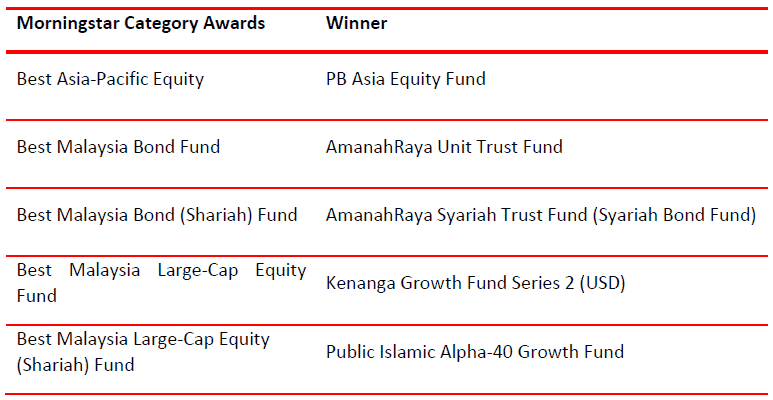
    The 2022 Morningstar Awards winners in Malaysia are:

    Methodology

    The Morningstar fund category awards are based on Morningstar fund data as of 31 December 2021. The awards methodology emphasises the one-year period, but funds must also have delivered strong three- and five-year returns after adjusting for risk within the awards peer groups in order to obtain an award. In selecting winners, fund returns are adjusted for risk using the Morningstar Risk, a measure which imposes a higher penalty for downside variation in a fund’s return than it does for
    upside volatility. For the full methodology, please click here. The full methodology for the awards is available here.

    Morningstar Asia Limited is a subsidiary of Morningstar, Inc., a leading provider of independent investment research in North America, Europe, Australia, and Asia. The Company offers an extensive line of products and services for individual investors, financial advisors, asset managers and owners, retirement plan providers and sponsors, and institutional investors in the debt and private capital markets. Morningstar provides data and research insights on a wide range of investment offerings, including managed investment products, publicly listed companies, private capital markets, debt securities, and real-time global market data. Morningstar also offers investment management services through its investment advisory subsidiaries, with approximately US$265 billion in assets under advisement and management as of Dec, 31. 2021. The Company has operations in 29 markets.

    For more information, visit www.morningstar.com/company. Follow Morningstar on Twitter @MorningstarInc.

    ©2022 Morningstar, Inc. All Rights Reserved.