Category: business

  • Luno, Halogen Capital and Kenanga Investors explore Ringgit-pegged stablecoin for tokenised fund settlement

    Luno, Halogen Capital and Kenanga Investors explore Ringgit-pegged stablecoin for tokenised fund settlement

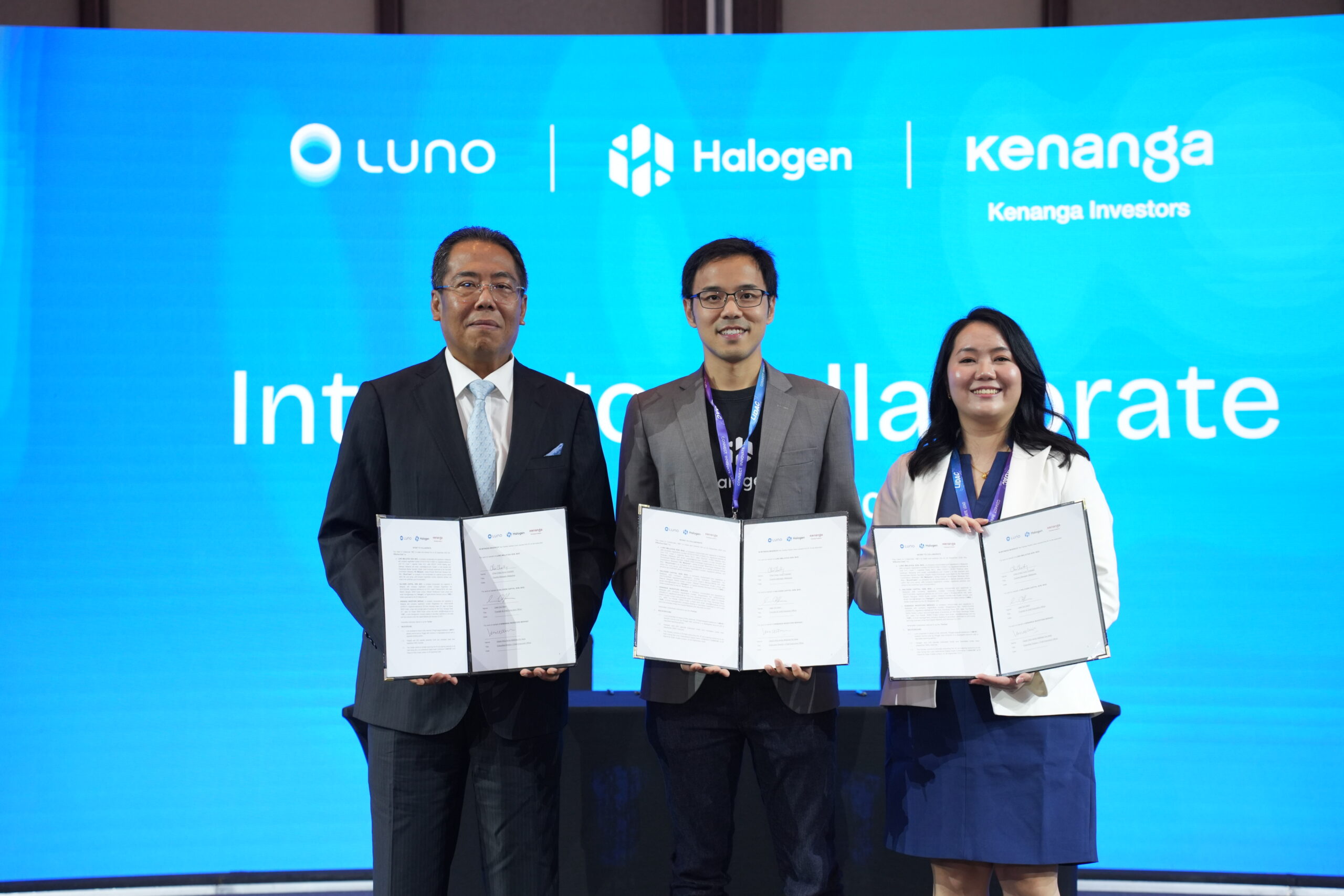
    Malaysia’s leading digital asset exchange, Luno Malaysia Sdn. Bhd. (Luno) is collaborating with Halogen Capital Sdn. Bhd. (Halogen Capital) and Kenanga Investors Berhad (Kenanga Investors) to explore the use of a fully reserved, Ringgit-pegged stablecoin (UMYR) as an on-chain settlement instrument for tokenised money market funds.

    The collaboration brings together three entities licensed by the Securities Commission Malaysia (SC): Luno, a registered Recognised Market Operator (Digital Asset Exchange), and Halogen Capital and Kenanga Investors, both Capital Markets Services Licence (CMSL) holders operating tokenised funds and mandates.

    The initiative aims to demonstrate real-time Delivery-versus-Payment (DvP) settlement for fund subscriptions and redemptions, reducing the settlement windows that currently apply on conventional rails.

    UMYR is proposed to be issued by a dedicated, ring-fenced issuance entity within the Luno group, and backed one-for-one by Ringgit held onshore in a segregated account with a regulated banking partner.

    Under the proposed initiative:

    • Luno (Issuer) will mint and burn UMYR on a strict 1:1 basis against Ringgit received or disbursed, manage institutional onboarding and wallet whitelisting, and provide daily reserve reconciliations supported by independent third-party reserve attestations.
    • Halogen Capital and Kenanga Investors (Fund Partners) will participate as use-case fund managers, accepting UMYR for subscription and redemption settlements into their tokenised money market funds, while retaining sole responsibility for fund management, unit registry and investor obligations under their CMSL licences.

    The initiative is designed as a closed-loop, business-to-business arrangement among whitelisted institutional participants. No retail clients will be onboarded, involved or served during the stablecoin initiative.

    Scarlett Chai, Country Manager (Malaysia), Luno said, “With Malaysia’s digital asset ecosystem moving from foundational setup to institutional capability, infrastructure like UMYR is essential. By providing a 1:1 Ringgit-backed, fully segregated settlement instrument, we are showing how on-chain liquidity and real-time DvP settlement can operate seamlessly and responsibly within Malaysia’s existing regulatory framework alongside licensed industry leaders.”

    Hann Liew, Founder and CEO, Halogen Capital, said, “As an early adopter of tokenised funds in Malaysia, we see settlement as the next piece of the puzzle, and testing UMYR as a dedicated settlement instrument aligns perfectly with our vision for modern fund management. Working within a regulated framework alongside SC-licensed partners ensures we can deliver faster, safer fund operations for institutional participants.”

    Datuk Wira Ismitz Matthew De Alwis, Chief Executive Officer, Kenanga Investors Berhad, said, “This will further complement our asset tokenisation efforts. Paired with next-generation settlement infrastructure, we believe that the initiative will bring the industry much closer to unlocking the full benefits of tokenisation, building on the foundations we established with the launch of Myrra and Malaysia’s first tokenised funds. As we explore this opportunity, our fiduciary obligations remain unchanged, and we will continue to engage closely with regulators.”

    The collaboration marks a step towards testing regulated digital asset infrastructure alongside Malaysia’s existing fund management ecosystem. Key features of the proposed initiative include:

    • Faster settlement: Real-time DvP settlement for fund subscriptions and redemptions, compared with conventional settlement windows.
    • Full reserve backing: UMYR is designed to be backed 1:1 by Ringgit held onshore in segregated accounts, with daily reconciliation and independent attestation.
    • Responsible innovation: By testing UMYR with regulated Parties, it ensures future development of on-chain settlement in Malaysia rests on tested controls rather than untested assumptions.

    The initiative builds on Luno’s track record as the first digital asset exchange regulated by the Securities Commission Malaysia, trusted by over 1 million Malaysians and offering the country’s largest SC-approved list of digital assets. By bringing a fully reserved, Ringgit-backed settlement instrument together with tokenised funds managed by licensed capital markets institutions, the Parties aim to show how blockchain settlement can operate within, rather than around, Malaysia’s regulatory framework.

    It records the Parties’ commercial intent to collaborate and does not itself constitute a commitment to launch UMYR or the initiative. Participation remains subject to regulatory engagement and the execution of definitive agreements.
  • Meta and KUSKOP launch Small Business Growth Academy

    Meta and KUSKOP launch Small Business Growth Academy

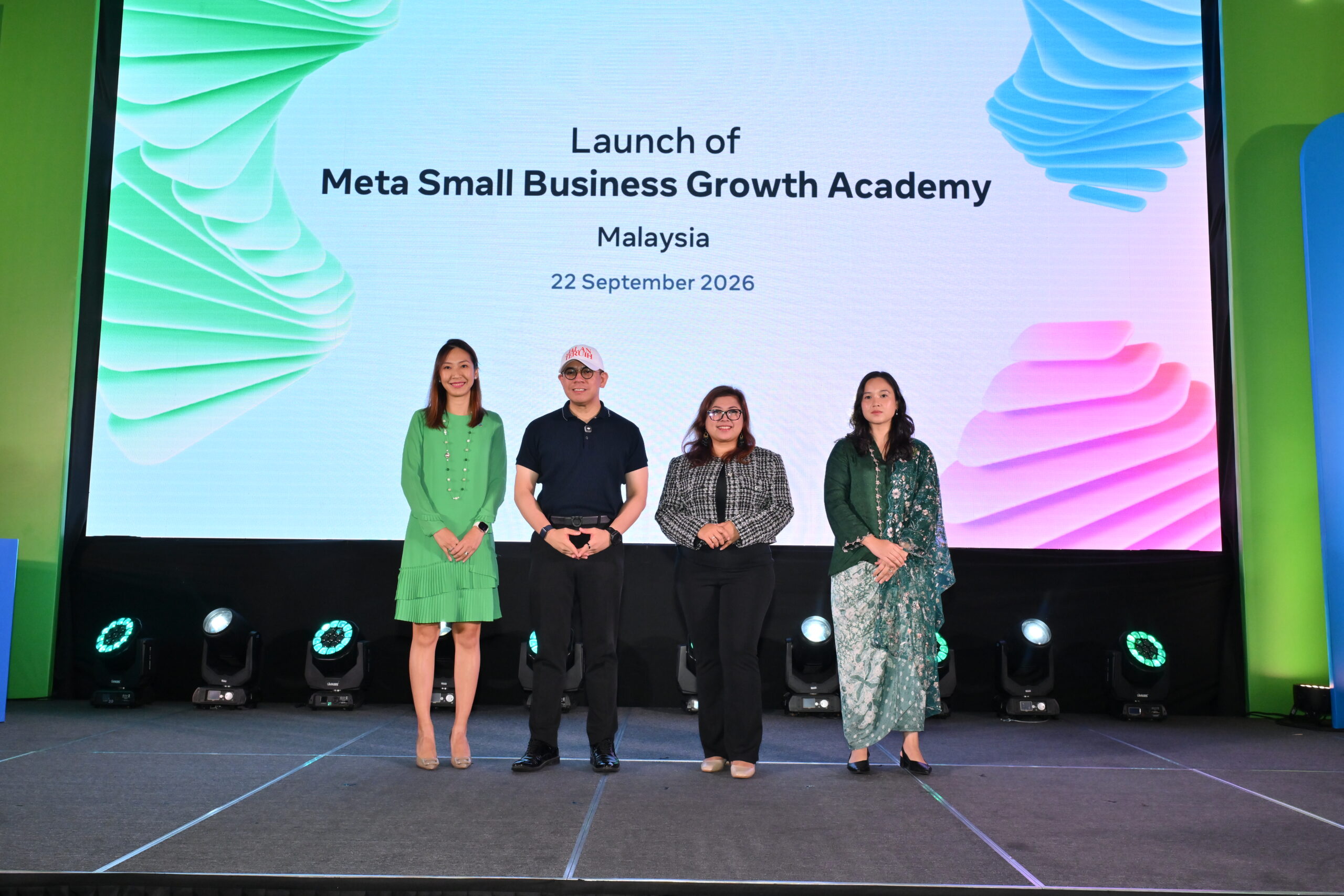
    Meta has launched the Small Business Growth Academy (SBGA) in partnership with the Ministry of Entrepreneurship & Cooperatives Development (KUSKOP) to help micro, small and medium enterprises (MSMEs) use AI-enabled tools and WhatsApp for Business to find and connect with customers, improve productivity, and grow across borders.

    Research finds that 8 in 10 Malaysians prefer messaging to reach a business, and the SBGA supports MSMEs in meeting that demand. The SBGA delivers free webinars and in-person workshops on AI-enabled advertising, high-performing Instagram Reels, WhatsApp for Business, cross-border commerce, and the newly launched Meta Business Agent – an AI agent that helps businesses respond to customers 24×7, directly within their existing chat threads. All SBGA training content is also available for free on the Meta Blueprint online learning platform, so more Malaysian small businesses can access it.

    The payoff for getting these tools right is already measurable. Businesses in Malaysia earned an average return on ad spend (ROAS) of MYR 2.98 for every MYR 1 invested on Meta platforms – and those using AI-driven features such as Advantage+ see a further 17% lift in ROAS2. SBGA is designed to close exactly that gap: from basic usage to AI-driven growth.

    SBGA is the next chapter of Meta’s MSME upskilling programmes with government partners – including the National Entrepreneurship Institute (INSKEN), SME Corp, Malaysia Digital Economy Corporation (MDEC), and Majlis Amanah Rakyat (MARA) – which has reached over 6,500 Malaysian businesses since 2022.

    YB Steven Sim, Minister of Entrepreneur Development and Cooperatives (KUSKOP), said, “Today we launched the Small Business Growth Academy (SBGA) in Malaysia, with INSKEN as the lead implementation agency. SBGA supports our PowerUp10K initiative to build the capacity of 100,000 entrepreneurs nationwide. MSMEs make up 97% of our businesses and nearly half of our workforce. When a local seller in Penang or Sarawak is empowered with WhatsApp Business and AI tools, we are not just helping one enterprise scale – we are moving closer to our goal of MSMEs contributing half of Malaysia’s GDP by 2030.”

    Sook Ping Lau, Country Director, Meta Malaysia, said “80% of Malaysians prefer messaging to reach a business3, and WhatsApp is already where Malaysians talk to the businesses they rely on. That makes it the fastest route to growth for any Malaysian business – from the country’s largest brands to a seller with just a few employees. With the Meta Business Agent, they can now respond to every customer instantly, around the clock, turning those conversations into leads and sales. Our role is to make sure that capability reaches businesses of every size, not just the largest – and Meta’s Small Business Growth Academy, with our government partners, is how we do it.”

    Viviantie Sarjuni, Chief Executive Officer of the National Entrepreneurship Institute (INSKEN) said, “What Malaysian MSMEs need is structured capability-building on AI, so they can move from basic usage to real business growth. INSKEN and Meta brings practical AI tools directly to our MSMEs – through hands-on workshops that help them move from experimenting with technology to building scalable businesses.”


  • IFC and Affin Bank to advance financial inclusion for MSMEs

    IFC and Affin Bank to advance financial inclusion for MSMEs

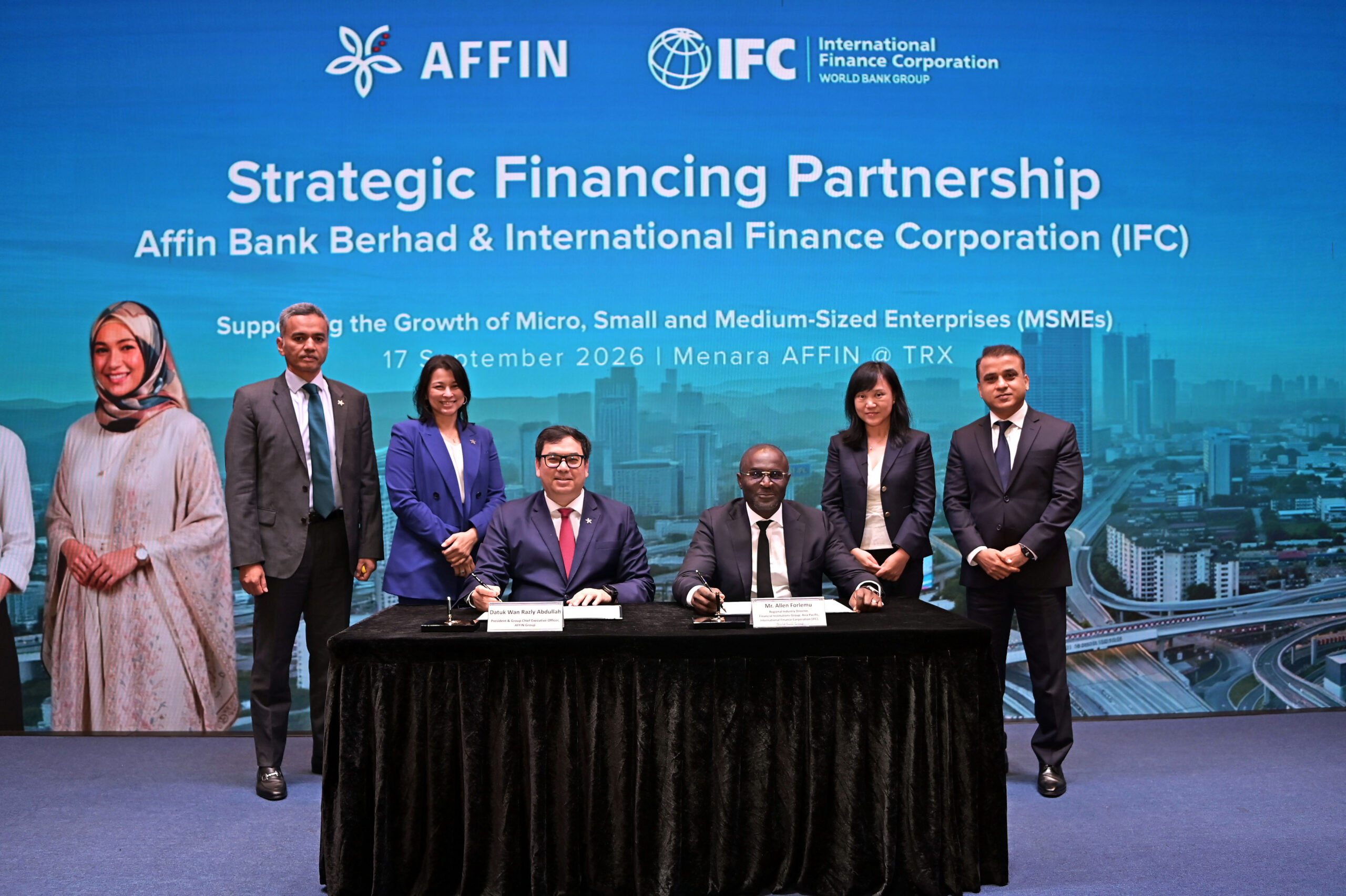
    International Finance Corporation (IFC), a member of the World Bank Group, and Affin Bank Berhad (AFFIN BANK/the Bank) has partnered to expand access to finance for micro, small and medium enterprises (MSMEs) across Malaysia, with a particular focus on women-owned businesses and enterprises operating in regions where financing gaps continue to constrain growth and economic participation.

    At the centre of the partnership is a US$400 million financing package for AFFIN BANK, aimed at broadening access to capital and strengthening support for MSMEs and other underserved business segments. Under the agreed framework, the Bank will channel funding to eligible MSMEs to promote productive investment, enhance business competitiveness and contribute to more inclusive economic development.

    “Small businesses are a vital driver of jobs and economic opportunity in Malaysia. We estimate that this partnership could create at least 42,000 jobs across Malaysia over the next five years, while expanding access to finance for women entrepreneurs and enterprises operating outside major urban centers, especially the ones where the financing gaps are wider. We welcome working with a partner of AFFIN BANK’s focus, experience, and expertise and appreciate their visionary leadership in supporting the growth of Malaysian MSMEs, including those owned by women, and uplifting underserved communities in places like Sarawak and Sabah,” said Allen Forlemu, IFC Regional Industry Director, Financial Institutions Group, Asia Pacific.

    Datuk Wan Razly Abdullah, President & Group Chief Executive Officer of AFFIN Group, said, “MSMEs are at the heart of Malaysia’s economy, creating jobs, driving innovation and supporting communities across the country. Through this collaboration with IFC, we are expanding our ability to support businesses that have the potential to grow, particularly women-owned enterprises and businesses in regions where access to financing remains more limited. We believe greater access to capital is essential to advancing socio-economic development, strengthening local economies and creating opportunities for more Malaysians to participate in the nation’s growth.”

    “Our partnership with IFC broadens AFFIN’s access to international capital and development finance expertise, enabling us to expand financing for Malaysian businesses. It brings together IFC’s international investor network with our deep understanding of the Malaysian market, creating opportunities to expand our customer base and deploy capital into productive sectors of the economy. Guided by our AFFIN Axelerate 2028 (AX28) Plan, this partnership propels our journey towards becoming the Most Creative and Innovative Financial Company in Malaysia.”

  • Rework.com’s Agentic OS to help Malaysian businesses enter the intelligence age

    Rework.com’s Agentic OS to help Malaysian businesses enter the intelligence age

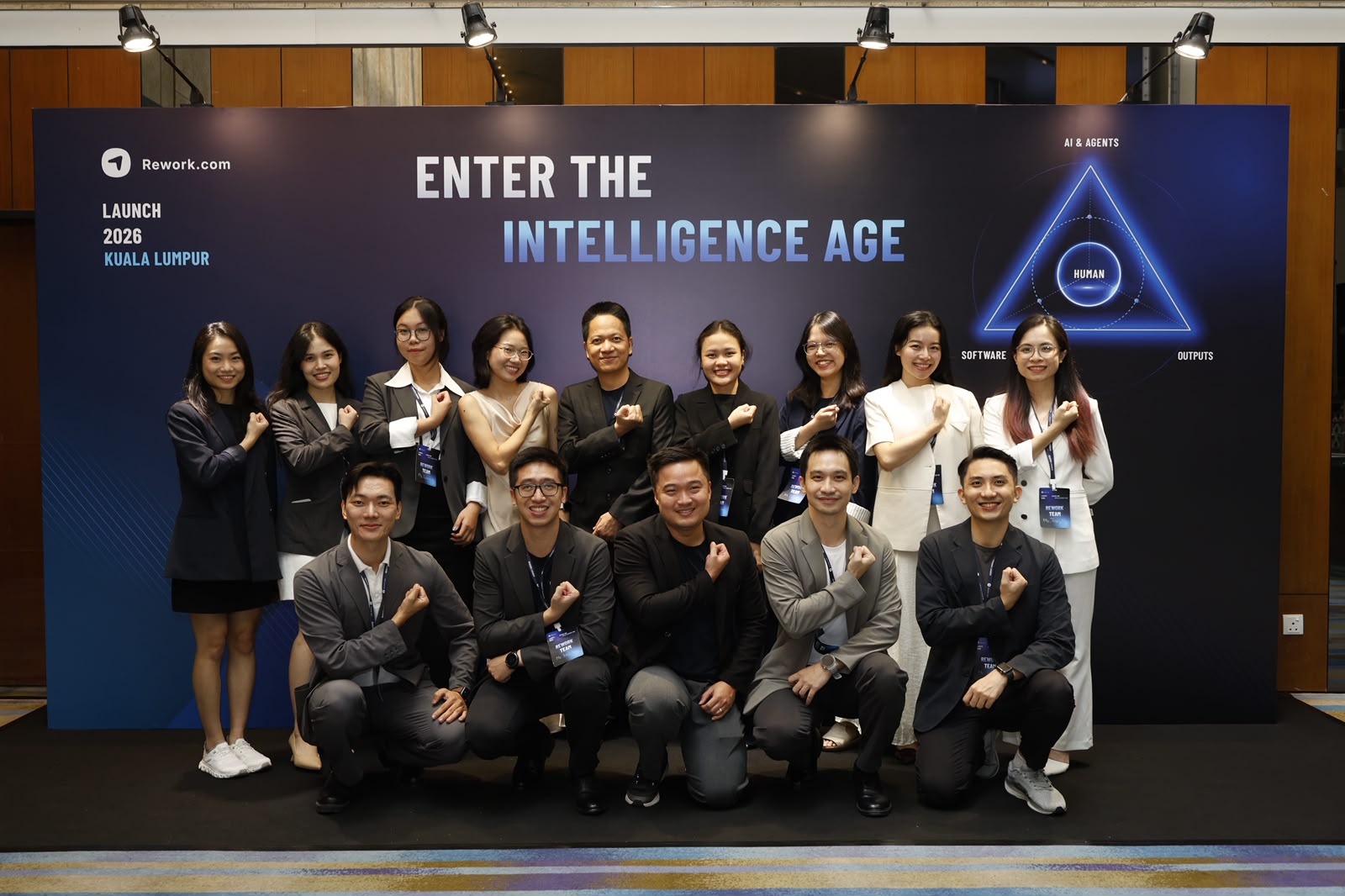
    Rework.com (Rework), a global technology company with over one million users across 12,000 companies, unveils an Agentic Operating System (Agentic OS) for Business that aims to help organisations move beyond isolated AI experiments by bringing people, AI agents, business data and operational workflows together in a single connected platform.

    As AI becomes capable of executing work, modern organisations need to restructure responsibilities between people and AI. Rework’s Agentic OS is built around the idea that humans and AI agents can and will synergise across interconnected business services, helping businesses execute faster, improve operational efficiency, reuse organisational context and knowledge, as well as build intelligence that compounds over time.

    From a Malaysian perspective, this will be critical given the nation’s heavy investment in its digital future, with MDEC recording RM87.4 billion in digital investments in 2025. This is contrasted by the AI adoption and usage gap currently faced by many Malaysian businesses, with a Strand Partners report indicating that 67% of AI adopters in Malaysia still rely primarily on basic applications such as chatbots, and only 19% have a formal strategy to scale AI across multiple functions

    Elaborating on the topic, Eric Pham, Founder & CEO, Rework.com said, “Malaysian businesses’ AI adoption gap is not due to lack of investment or large language model; it is a lack of business infrastructure that lets AI move beyond isolated tools into the way work actually gets done. Rework’s Agentic OS for Business represents the next generation of operating systems that will close that gap, helping businesses move from fragmented AI-powered individuals to a truly agentic business.”

    With AI models and capabilities advancing rapidly, Rework believes that AI may increasingly become commoditised. The organisation envisions that in the near future competitive advantage will depend less on access to a particular AI model and more on how effectively a business applies AI to its own operations & know-how.

    “Agentic OS for Business provides a shared operating environment for humans and AI that allows businesses to capture and reuse their operating knowledge, decisions, processes, customer history and accumulated experience. This is what we call organisational intelligence,” Eric added.

    Rework’s Agentic OS for Business consist of two core layers:

    • Intelligence Architecture: the underlying intelligence layer that connects and powers the entire business, including centralized business outputs, compounding business knowledge, and a multi-AI-agent stack spanning Service AI, AI Assistant, AI Desktop, and Workflow AI.
    • Business Services: hundreds of interconnected, ready-to-use operating services organized across key business functions:

    Combined these layers allow the Agentic OS to bring together hundreds of interconnected business services across key functions, including:

    • Marketing Operating Services: lead monitoring and nurturing, prospect engagement, customer messaging, campaign monitoring, partner management, event services, and more.
    • Sales Operating Services: pipeline management, opportunity-to-revenue workflows, quotes, orders, invoices, field sales, distribution management, and more.
    • Work Operating Services: requests, projects, business processes, datasets, cross-functional work orchestration, and more.
    • People Operating Services: employee services, leave management, timesheets, payroll, and more.
    • Communication Services: chat, town halls, meetings, and other organization-wide communication.

    And many more services designed to support the day-to-day operations of the business. Together, the Intelligence Architecture and Business Services give AI agents the context, knowledge, and capabilities to understand the business, execute work, and coordinate operations across the organisation.

    Commenting on the overall vision for Agentic OS for Business and the opportunity it provides, Brian Trinh, Co-Founder & COO, Rework.com, said, “Rework believes businesses should be able to continuously improve how work is performed. We want to build great products—every year, every day. The opportunity in the AI era is not simply to add another AI tool to an existing software stack. Businesses need to rethink how work is designed, how context is captured, and how people and AI agents operate together. Rework Agentic OS for Business gives organisations a foundation for making that transition practically.”

  • Penang International Travel Exchange 2026 returns to connect Malaysia’s tourism industry with global buyers

    Penang International Travel Exchange 2026 returns to connect Malaysia’s tourism industry with global buyers

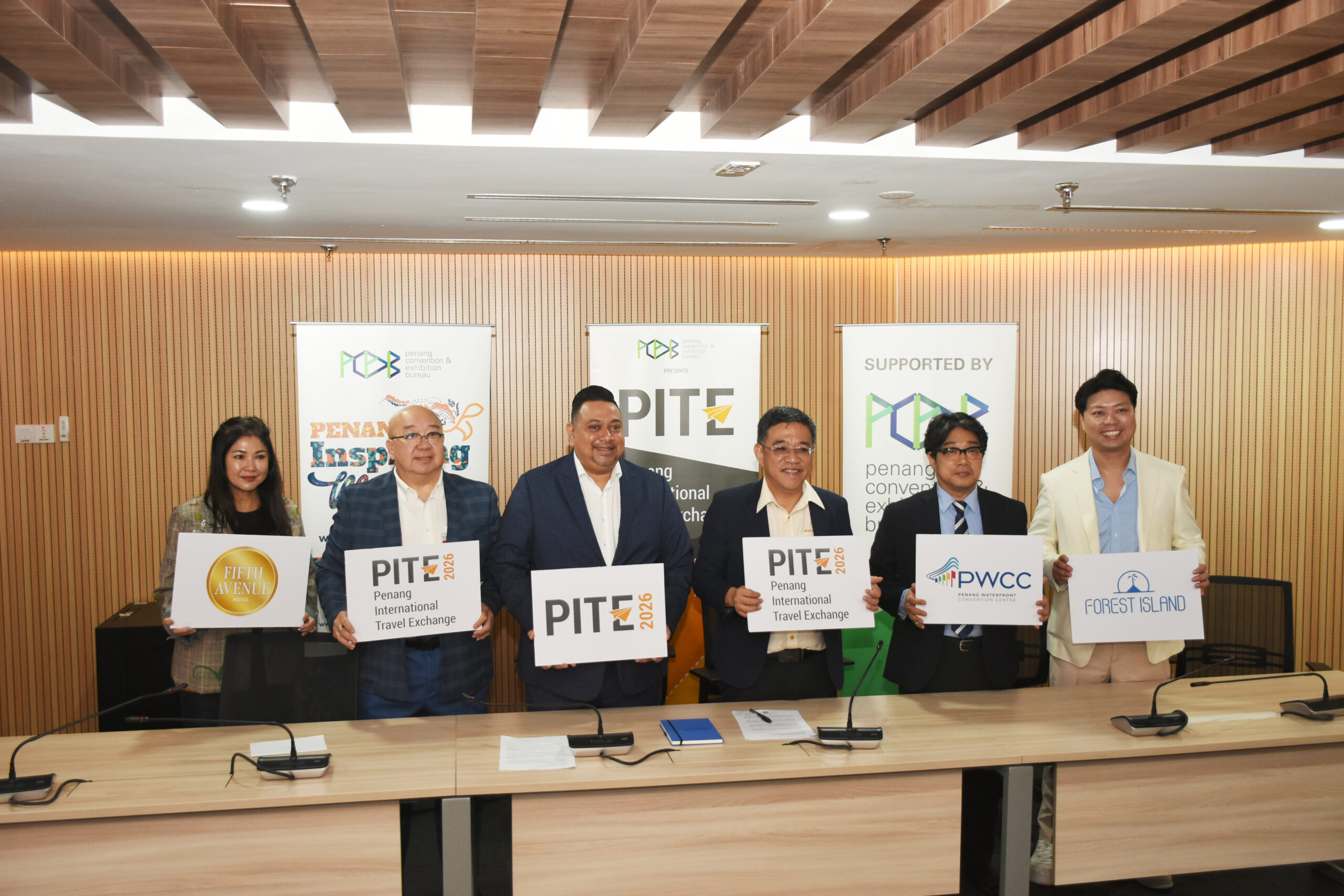
    The 9th Penang International Travel Exchange (PITE) 2026 is set to return from 27 to 29 October 2026, bringing together key players from the global travel trade and Malaysia’s tourism industry for three days of business networking, meaningful B2B engagements and immersive destination experiences in Penang. PITE 2026 will take place at the Penang Waterfront Convention Centre (PWCC), with the programme combining 1.5 days of structured B2B appointments with a further 1.5 days of familiarisation activities and networking opportunities across Penang.

    This year’s edition is expected to welcome approximately 100 buyers, representing a diverse range of travel trade segments including corporate, incentive and association buyers. The international buyer delegation will comprise representatives from key markets across China, India, Indonesia, Thailand, Vietnam, Singapore, Bangladesh, Australia, Romania and South Korea, alongside participants from other international markets. The diversity of participating buyers reflects PITE’s objective of creating meaningful business connections between Malaysian tourism suppliers and international decisionmakers seeking new destinations, products and experiences for their clients and markets.

    “PITE has evolved into an important platform for the tourism industry to connect, exchange ideas and create new business opportunities across borders. This year, we are particularly pleased to welcome a diverse group of buyers from both established and emerging markets, alongside Malaysian tourism industry players who are ready to showcase the breadth of products and experiences available across the country,” said YB Wong Hon Wai, Penang State Executive Councillor for Tourism and Creative Economy.

    The B2B component will provide exhibitors and buyers with dedicated opportunities to explore potential partnerships, develop new business leads and strengthen existing relationships through pre-arranged business appointments. PITE 2026 is expected to feature approximately 50 exhibitors from across Malaysia, representing a broad spectrum of the tourism ecosystem. These include hoteliers, destination management companies (DMCs), professional conference organisers (PCOs), attractions and other tourism-related businesses, offering buyers a comprehensive platform to discover Malaysia’s diverse tourism and business events offerings.

    Beyond the B2B sessions, the second half of PITE will take participants beyond the convention floor through a series of familiarisation trips around Penang. The programme will provide international buyers with first-hand exposure to Penang’s tourism products, hospitality offerings, cultural heritage, culinary experiences, and destination appeal. The familiarisation programme is designed to enable buyers to experience the destination directly and gain a deeper understanding of the products and experiences they can subsequently recommend and package for their respective markets.

    The event will also welcome approximately 10 international media representatives, who will have the opportunity to experience Penang and discover its latest tourism offerings, further strengthening international destination awareness and generating wider exposure for the state. With its combination of business-to-business engagement, destination familiarisation and networking, PITE 2026 aims to create an environment where commercial opportunities can extend beyond the event itself. As international travel continues to evolve, PITE provides a platform for Malaysian tourism stakeholders to better understand market needs, strengthen international relationships and position their products to a wider network of global buyers.

  • Rakuten Trade keeps KLCI target at 1,770, sees grid spending driving year-end upside

    Rakuten Trade keeps KLCI target at 1,770, sees grid spending driving year-end upside

    Rakuten Trade is maintaining its end-2026 FBM KLCI target at 1,770, despite around RM2 billion of net foreign selling in August, as it sees power and grid-related earnings providing clearer visibility into year-end than renewed semiconductor optimism ahead of Budget 2027.

    The FBM KLCI has traded largely within the 1,700-1,740 range since late August, slipping below 1,710 in the first week of September. Rakuten Trade Research noticed that foreign investors were net sellers of around RM2 billion in August, reversing the buying trend seen in July. Local retail investors, meanwhile, remained net buyers for a fourth consecutive month.

    “The market is being held up by domestic money, that largely follows earnings visibility rather than announcements. We are keeping our 1,770 target because recent results season depicted growth remains intact with utilities being one of the contributors and — they sit in the grid, not in the chip cycle,” said Kenny Yee, Head of Research at Rakuten Trade.

    Grid investment offers clearer earnings visibility

    Rakuten Trade sees Malaysia’s ongoing investment in power infrastructure as a key earnings catalyst into year-end and beyond.

    Tenaga Nasional’s grid capital expenditure program rises to RM43 billion for 2025-2027, compared with RM21 billion spent across 2022-2024. Further investment is expected through 2030 as the national grid is upgraded to support renewable energy, battery storage and rising electricity demand, including those from data centres.

    The government has also identified energy transition as one of five priority sectors for Budget 2027, alongside semiconductors, the digital economy, artificial intelligence and Islamic finance.

    “A semiconductor order book can turn within a quarter. A grid programme running to 2030 cannot. The money is committed and the work is sequenced. Earnings are then showed up within the companies involved usually within the utility and construction segments,” said Yee.

    Rakuten Trade believes the opportunity extends beyond traditional renewable-energy plays, with grid expansion requiring sustained investment in transmission, substations, electrical systems and related engineering works.

    Three preferred beneficiaries

    Rakuten Trade’s preferred exposure to the theme spans the utility operator and companies further down the infrastructure value chain.

    Tenaga Nasional (TENAGA): Target Price: RM17.00

    As the owner and operator of Malaysia’s electricity transmission and distribution network, Tenaga Nasional is positioned to benefit directly from continued grid investment and rising electricity demand. Growing data center capacity provides an additional long-term demand driver, while stock offers an estimated dividend yield of around 3.5%.

    Kee Ming Group (KEEMING): Target Price: RM1.30

    Kee Ming Group provides mechanical and electrical engineering services and has an unbilled order book of approximately RM151.9 million. Its strategic shareholder relationship with Solarvest Holdings provides additional exposure to Malaysia’s developing energy infrastructure.

    Gamuda (GAMUDA): Target Price: RM5.30

    Gamuda’s RM55.4 billion outstanding order book provides multi-year earnings visibility across domestic infrastructure and its overseas operations, positioning the group to benefit from continued infrastructure investment.

    “We would rather own the people building the network than guess which technology wins on top of it,” said Yee.

    Budget 2027 is the next key test

    Rakuten Trade’s 1,770 KLCI target assumes that Budget 2027, to be tabled on 9 October, confirms rather than materially defers planned energy-transition spending.

    “If the Budget pushes energy-transition spending into the back half of the plan period, or the grid allocation comes in materially below what has been signaled, we would revisit the number,” said Yee.

    The firm also highlighted risks from weaker-than-expected Budget allocations, delays in large infrastructure tenders and project execution, continued foreign fund outflows and volatility in global interest rates.

    For investors, Rakuten Trade believes the period ahead of Budget 2027 will be less about chasing the latest market headline and more about identifying sectors where earnings visibility is supported by committed investment programmes.

  • FedEx appoints Richard Morgan as Senior Vice President,  Sales & Solutions, Asia Pacific

    FedEx appoints Richard Morgan as Senior Vice President, Sales & Solutions, Asia Pacific

    Federal Express Corporation (FedEx) has appointed Richard Morgan as Senior Vice President, Asia Pacific Sales and Solutions, effective September 1, 2026. In this role, Morgan will lead the company’s sales and solutions strategy across the Asia Pacific region, strengthening customer relationships. He will oversee a team of over 1,600 professionals focused on helping businesses unlock value through integrated transportation, logistics, and supply chain.

    Morgan brings more than three decades of leadership experience across transportation, logistics, freight forwarding, and supply chain management. He has deep Asia Pacific experience from his tenure as Chief Commercial Officer for the region at Damco, Maersk’s freight forwarding and logistics business. Most recently, he served as Senior Vice President and Regional Managing Director for Maersk’s India, Middle East, and Africa region, where he led commercial growth, business transformation, and strategic initiatives across more than 65 markets.

    In his new role, Morgan will accelerate expansion of the company’s customer-centric solutions and strengthen the focus on high-value industry verticals, including aerospace, AI and Data Center infrastructure, automotive, healthcare, and other strategic sectors. He will play a key role in helping customers navigate increasingly complex supply chains, enhance resilience and capitalize on new opportunities that drive profitable growth across the region.

    Throughout his career, Morgan has successfully led large-scale organizations across Europe, Asia, the Middle East and Africa. He has built a reputation for building high-performing teams, deepening customer engagement and accelerating revenue growth. His proven track record and leadership approach will be instrumental in advancing FedEx growth ambitions and reinforcing its position as a trusted logistics partner in the dynamic Asia Pacific region.

  • PCCW Global and Druid Technology to deliver one-stop IoT solutions

    PCCW Global and Druid Technology to deliver one-stop IoT solutions

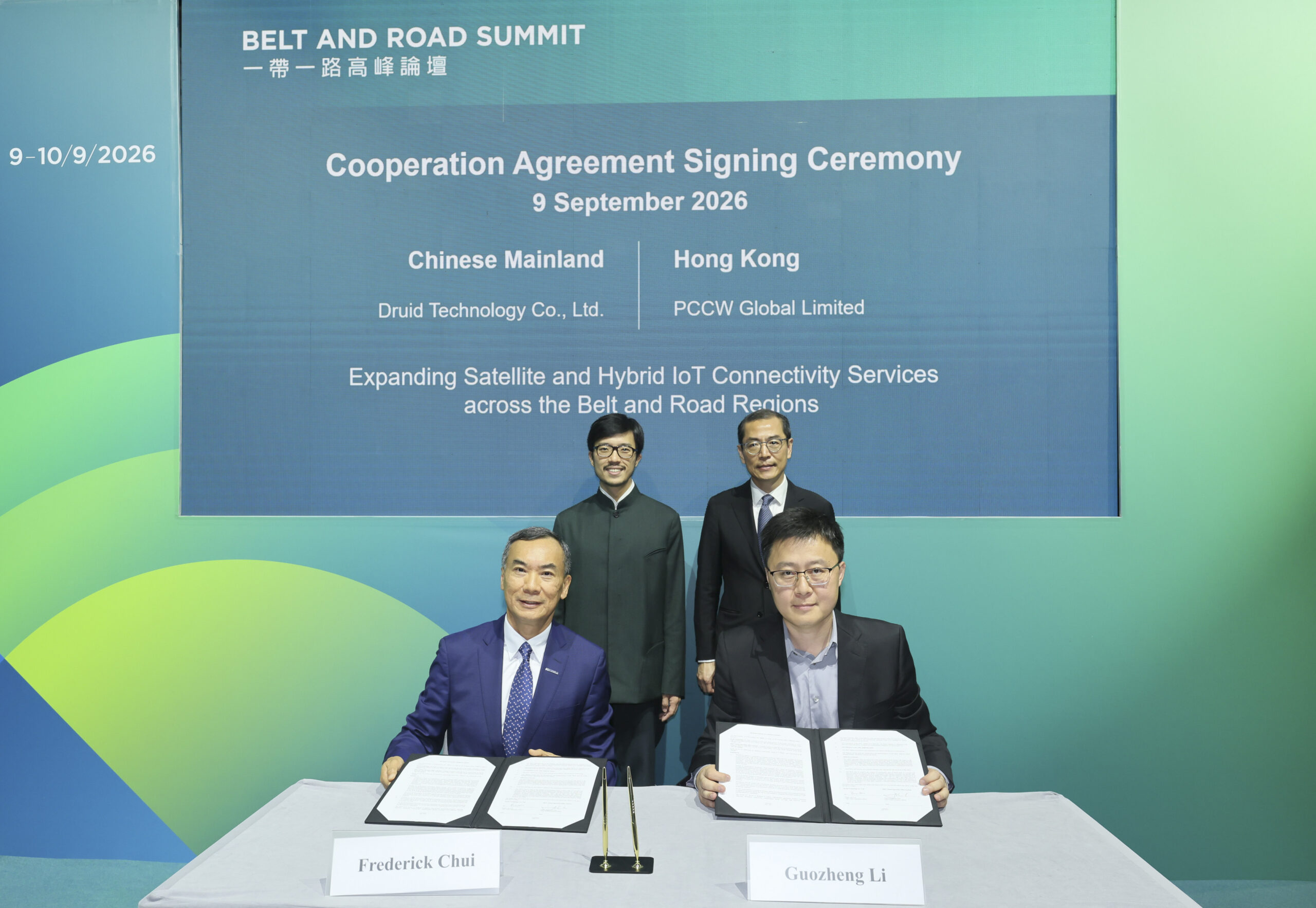
    PCCW Global, the international telecommunications service provider under HKT, and Druid Technology Co., Ltd. (Druid Technology), a Chinese mainland provider of intelligent IoT solutions, has signed a Memorandum of Understanding (MoU) at the 11th Belt and Road Summit in Hong Kong. Under the MoU, the two companies plan to jointly deliver one-stop IoT solutions that combine satellite and hybrid connectivity in the Chinese Mainland, Hong Kong, Macao, and Belt and Road regions.

    As a provider of intelligent IoT terminals and solutions, Druid Technology will leverage its expertise in device design, multi-network adaptation, data processing and platform integration, together with PCCW Global’s worldwide network services including roaming and cellular IoT to deliver one-stop, ready-to-deploy IoT solutions based on satellite and hybrid (satellite and cellular) connectivity. These solutions will support IoT applications such as remote tracking and monitoring for sectors including transportation, logistics, livestock farming and environmental management in remote locations and areas beyond the reach of conventional terrestrial networks.

    Frederick Chui, CEO of PCCW Global, said: “PCCW Global is committed to delivering reliable connectivity and technology solutions through our extensive global network infrastructure. We are delighted to collaborate with Druid Technology and combine its expertise in intelligent IoT solutions with our own capabilities to strengthen our offering of one-stop IoT solutions for enterprise customers in both public and private sectors. Through this collaboration, we look forward to advancing the adoption of satellite and hybrid IoT solutions across Belt and Road markets, helping to meet the growing demand for reliable IoT connectivity and end-to-end solutions in remote and cross-border environments.”

    Li Guozheng, Founder and CEO of Druid Technology, said: “We are pleased to become an integrated solutions provider for PCCW Global. By combining Druid Technology’s full-stack capabilities in intelligent IoT terminals, multi-system integration and physical world AI with PCCW Global’s leading global network infrastructure, we will provide customers with more comprehensive one-stop IoT solutions. We believe this collaboration will enable customers to deploy intelligent IoT applications more quickly and reliably, even in remote locations and other challenging environments.”

    The solutions will cover terminal devices, network connectivity, data management and technical support. Leveraging its extensive global operational experience, PCCW Global will help accelerate the deployment of the solution across Chinese Mainland, Hong Kong, Macao, the Belt and Road regions and global markets.


  • Banks’ asset quality stays robust amid headwinds

    Malaysian banks’ asset quality remains resilient despite a slight deterioration amid heightened uncertainties arising from the Middle East conflict and ongoing US trade tensions. The banking system’s gross impaired loan (GIL) ratio edged up to 1.43% as at end-June 2026 (end-December 2025: 1.37%). Nevertheless, overall credit fundamentals remain sound, supported by healthy loss-absorption buffers and banks’ proactive credit risk management. RAM expects the GIL ratio to remain broadly stable at around 1.4% by end-2026.

    “While we are seeing higher delinquencies in certain loan segments, overall asset quality remains robust by historical standards. Encouragingly, most banks have not reported any material increase in requests for repayment assistance. Favourable labour market conditions, as reflected in the low unemployment rate of 3%, will help mitigate further deterioration in asset quality,” said Wong Yin Ching, RAM Ratings’ Senior Vice President of Financial Institution Ratings. RAM remains watchful of SMEs and lower-income borrowers, given their greater vulnerability to an economic downturn.

    The annualised average credit cost ratio of eight selected local banks stayed largely stable at 18 bps in 2Q 2026 (1Q 2026: 19 bps). Most banks continue to maintain management overlays, with several institutions increasing provisions during the quarter in view of macroeconomic uncertainties. Meanwhile, the average GIL coverage ratio (including regulatory reserves) remained healthy at 139%, well above the pre-pandemic level of 107% as at end-2019.

    Banking sector loan growth strengthened to 5.5% y-o-y in 1H 2026 (2025: 4.8%), driven primarily by business loans (6.1%), while household lending moderated to 5.0%. Growth in business financing was largely attributable to corporate borrowers rather than SMEs. Meanwhile, growth in residential mortgages – the largest subsegment of household loans – continued to decelerate over the past two to three years, easing to 5.4% in 1H 2026 (2025: 5.9%; 2024: 6.9%).

    Net interest margins contracted by 3 bps q-o-q to 2.01%, reflecting intense competition for deposits and loans, and are expected to remain under pressure for the rest of the year. Nevertheless, stronger non-interest income and improved cost efficiency more than offset margin compression, lifting the average pre-tax return on assets of eight selected local banks to 1.39% in 2Q 2026 (1Q 2026: 1.33%).

    The banking system’s common equity tier-1 ratio declined to 13.9% as at end-June 2026 (end-June 2025: 14.7%), primarily due to stronger loan growth, lower securities valuations and higher dividend distributions. Capitalisation, however, remains healthy and provides ample loss-absorption capacity. In addition, banks adopting the Standardised Approach for credit risk are anticipated to benefit from capital savings following the implementation of the Basel reforms on 1 July 2026.

    The eight selected banks in RAM’s roundup are AFFIN Bank Berhad, Alliance Bank Malaysia Berhad, AMMB Holdings Berhad, CIMB Group Holdings Berhad, Hong Leong Bank Berhad, Malayan Banking Berhad, Public Bank Berhad and RHB Bank Berhad.

  • Malaysia’s RM35 billion bet on becoming a global meetings hub

    Malaysia’s RM35 billion bet on becoming a global meetings hub

    The latest International Congress and Convention Association (ICCA) GlobeWatch Country and City Rankings 2025 has ranked Malaysia 32 out of 142 ICCA-qualified destinations globally, while Kuala Lumpur ranked 29th worldwide with 73 qualifying meetings in a year when competition among Asian meetings destinations intensified.

    Robert Hatton-Jones, Deputy General Manager of the Kuala Lumpur Convention Centre, sees the ranking as more than a statistic. “The ICCA rankings are an important endorsement of Malaysia’s ability to deliver world-class international association meetings that create lasting value beyond the event itself. Every congress brings together global experts, researchers, policymakers and industry leaders, creating opportunities for knowledge exchange, collaboration, and economic growth,” said Robert.

    Malaysia’s business events sector generated an estimated RM4.07 billion in economic impact from 393 business events in 2025, according to the Malaysia Convention & Exhibition Bureau (MyCEB). That momentum has continued into 2026: at Malaysia Business Events Week 2026 in August, Tourism, Arts and Culture Minister Datuk Seri Tiong King Sing said MyCEB spearheaded 194 business events nationwide in the first half of the year, attracting more than 341,000 delegates and generating an estimated RM 1.81 billion in economic impact. As of 30 June, MyCEB has also secured 416 international business events for the 2026-2030 period, projected to bring in RM8.27 billion and lift the sector’s cumulative economic impact to an estimated RM 34.97 billion by 2030.

    Kuala Lumpur Convention Centre alone accounted for a significant share of the 2025 total, welcoming 756,721 delegates, including 59,013 international delegates, and generating an estimated RM1.5 billion in economic impact for Malaysia.