Category: business

  • CPO prices to stay firm Above RM4,600 in September despite tightening supply and geopolitical disruptions

    Malaysia’s palm oil production rose by 9.4% month-on-month to 1.79 million tonnes in July 2026, an increase of 154,000 tonnes. However, production in July 2026 remained below last year’s level, marking the fifth consecutive month of year-on-year decline since March 2026.

    Export performance strengthened further in July, with shipments rising by 14.5% month-on-month to 1.39 million tonnes. The improvement was mainly driven by stronger buying from India ahead of Diwali, as well as continued strong demand from the Sub-Saharan Africa region.

    Meanwhile, palm oil stocks continued to increase in July, reaching 2.62 million tonnes. However, the stock build-up in Malaysia is not a major concern, as strong biodiesel demand and front-loading of exports in Indonesia have kept Indonesian palm oil stocks relatively low.

    The price rally following MPOB’s release of its supply and demand data on 10 August further reinforced the view that current palm oil stock levels are not excessive, although overall supply remains comfortable for the time being.

    The global vegetable oil market continued to be supported by biofuel demand and geopolitical uncertainty in August, with palm oil leading the gains. Malaysian crude palm oil prices rose by 3.9% during the month, compared with increases of 2.7% for sunflower oil and 1.1% for soybean oil in Argentina. Meanwhile, rapeseed oil prices in Europe declined marginally by 0.8%.

    Malaysia’s palm oil production typically peaks in September or October before declining in the fourth quarter. Production growth in the first seven months of 2026 was largely supported by an improvement in the oil extraction rate (OER) of fresh fruit bunches (FFB).

    Malaysia’s OER from January to May 2026 was significantly above the 10-year average, supported by favourable rainfall conditions 6 months earlier. However, OER fell below the 10-year average in June and July 2026 and is projected to remain below the average for the rest of the year.

    As production enters its seasonal downtrend in the fourth quarter and OER eases from the high levels recorded between January and May, palm oil production is expected to decline year-on-year in Q4 2026, tightening supply towards the end of the year.

    At the same time, ongoing geopolitical disruptions are reshaping global vegetable oil trade flows. Shipping through the Bab al-Mandeb Strait and the Red Sea has been disrupted, while traffic through the Strait of Hormuz has declined following the expiry of the 60-day ceasefire between the US and Iran on 17 August.

    Operations at several major ports and crushing plants in the Black Sea region have also been suspended following the renewed escalation of the Russia-Ukraine conflict, adding further uncertainty to sunflower oil export availability over the next 1-2 months.

    These disruptions are shifting vegetable oil demand in major importing markets such as India towards palm oil, particularly ahead of the festive season. This trend was already evident in July, when India’s palm oil imports increased by 49.8% month-on-month and soybean oil imports rose 31.0%, while sunflower oil imports increased by only 3.6% amid tighter supply availability.

    Biodiesel economics have also remained broadly supportive relative to vegetable oils since the start of the West Asia conflict in February, supporting biodiesel blending demand and margins. This is particularly the case in Indonesia, where domestic CPO prices are trading well below gasoil prices.

    Looking ahead, crude palm oil prices are expected to remain firm above RM4,600 per tonne in September, supported by tightening supply fundamentals and continued geopolitical disruptions to global trade flows.

    Crude palm oil futures (FCPO) forward contracts for 2027 traded on Bursa Malaysia Derivatives (BMD) were also above RM5,000 per tonne as of mid-August, reflecting market concerns over the potential impact of El Nino. Indonesia’s palm oil demand for B50 biodiesel blending could also strengthen further as the three-month transition period to clear the remaining B40 biodiesel stocks ends in September.

    However, downside risks remain. An easing of Black Sea logistical bottlenecks, the arrival of new-crop sunflower oil supplies in the export market and lower energy prices as geopolitical tensions improve could lead to a correction in vegetable oil prices.
  • Beyond Insights is built on turning knowledge into results

    Beyond Insights is built on turning knowledge into results

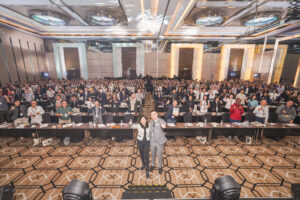
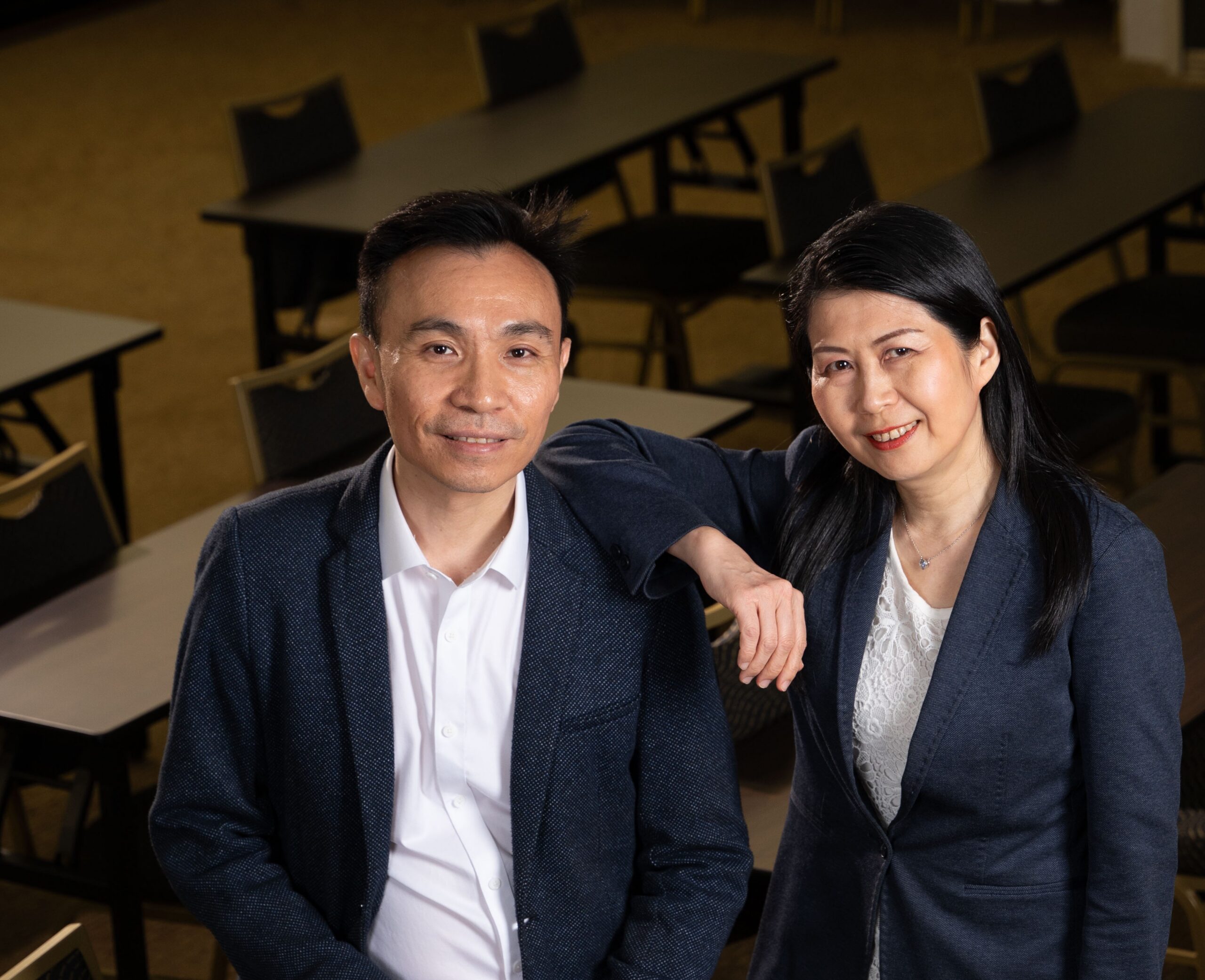
    In 2007, Kathlyn Toh took the bold step of leaving a promising career at a global multinational organisation to pursue trading, full-time on her own. A year later, she went on to embrace her entrepreneurial calling by launching Beyond Insights, an investment and training education academy. Joined by her supportive spouse, Terence Teoh, the formidable couple has built an academy of 30 trainers and coaches, seeing more than 7,000 students through their doors. TSI speaks to Kathlyn, Founder and Terence, Co-Founder of their journey in this competitive industry.

    What are your respective roles in growing the business?
    Terence: On top of her position as Founder, Kathlyn is the Chief Trainer, Chief Analyst, Chief Product Officer and Chief Financial Officer. A master in the field of investing and trading, she’s naturally, the content expert for creating and designing most of the education programmes.

    I, on the other hand, is the CEO and undertakes marketing, sales, student affairs, technology and human capital. This comes from my experience in working with the founders of one of Malaysia’s most successful online companies, as well as managing two startups prior to Beyond Insights.

    Kathlyn and Terence, helming one of the country’s prominent investment and training education academy.

    It’s been quite a journey for Beyond Insights, what do you think is the academy’s measurable impact in shaping Malaysia’s financial literacy landscape?

    Kathlyn: Beyond Insights has played a meaningful role by addressing the widest gap: practical investing and trading capability. Over the past decade, we’ve trained retail investors and professionals with a structured curriculum that covers the full spectrum of investing—from long-term portfolio building to trend trading, intraday trading, options and even trading psychology. What we’ve done is shift people from “awareness” to actual competence.

    We empower Malaysians to make smarter, more disciplined market decisions while managing risk effectively. By building a team of real practitioners and introducing Asia’s first Trading Psychology Bootcamp, the brand has reshaped trading behaviour and emotional management. Through initiatives like the annual Beyond Insights Symposium, we have brought megatrends, macro cycles and market analysis into mainstream conversations, fostering a more informed, resilient and opportunity-ready investing community.

    In a competitive industry, there’s a thin line between empowerment and hype. Your thoughts?
    Kathlyn: Skepticism toward trading academies is valid—too many players have overpromised and underdelivered. The best way to counter this is through transparency, track record and professionalism. At Beyond Insights, we make no guarantees, we teach no shortcuts and we publish exactly what students can expect: a structured curriculum, real practitioners as coaches, multi-year support and a heavy focus on psychology and risk management.

    We draw a very clear line: we empower through competence, not promises. In financial education, hype sells fast but harms long-term trust—and trust is the foundation of our business. So, we’ve built our commercial strategy around authenticity and integrity, not sensationalism. We tell students upfront that trading is a skill, not a shortcut; that risk is real; and that consistency comes from discipline, not magic formulas. When people see our longevity and the depth of our ecosystem, the difference becomes obvious: we’re not about hype, we’re in the skill-building and character-building business.

    Our coaches are real practitioners, which means they teach the realities of losses, drawdowns, and psychological pressure—not just the upside. We structure our programmes with prerequisites and multi-year support to help people progress patiently, not speed them up prematurely. Internally, we reject any marketing that hints at guaranteed outcomes. We grow commercially by sticking to principles—not by inflating expectations.

    Let’s cover something bigger, the country’s financial literacy landscape. How in touch are our policymakers?
    Terence: Malaysia’s policymakers understand the importance of financial education, but the ecosystem isn’t yet designed for agile, skills-based programmes that change investor behaviour. Much of the current structure is built around compliance, certification and formal financial planning—important, but not sufficient.

    Kathlyn: The demand for practical, market-ready skills is rising much faster than the pace of policy evolution. The challenge isn’t a lack of intention; but the frameworks were built for a different era—one where financial education meant avoiding scams and understanding basic products. Today, Malaysians are trading U.S. equities, tech megatrends, options and leveraged instruments at scale. They need agility, not bureaucracy.

    Being successful comes with a price, Beyond Insights was a target for impersonation earlier this year.
    Terence: The impersonation was widespread on social media, riding on Kathlyn’s credibility and our programmes. While our reputation stands firm, it has affected our ability to reach our audiences, and we’ve suffered loss of business. For immediate damage control, we distributed circulars to alert stakeholders.

    Our key takeaway from this ordeal was three points: radical transparency because people can sense exaggeration instantly, so we are glad that our integrity paid off. Secondly, consistency at every touchpoint—ads, content, customer service and product delivery must tell the same story. Finally, our community has been the best support as they vastly carry our credibility. In this digital age, nothing beats real people sharing real experiences.

    Thousands of investors and traders empowered by Beyond Insights.

    Continuing the digital conversation, do you think that AI will one day replace human trainers?
    Kathlyn: AI will transform learning experiences, but it won’t replace human trainers. As a matter of fact, it will expose the replaceable. If a “trainer” is just reading slides, repeating generic content, or teaching tactics they don’t apply… yes, AI will do that better, faster and cheaper.

    But the kind of training we do—personalised coaching, behavioural rewiring, decision-making under pressure, emotional management, personalised feedback, that’s fundamentally human. Markets are uncertain, emotions are messy and people need guidance from someone who has lived through wins, losses, crises and recoveries.

    We see AI as an amplifier, not a substitute. It can handle the heavy lifting: content delivery, personalised drills, data analysis, simulations and real-time market explanations. That frees our trainers to do the one thing AI can’t: build conviction, challenge limiting beliefs and coach transformation.

    The next phase for Beyond Insights?
    Terence: In the immediate horizon, we are launching our first version of mobile application in 2026 to enrich its students’ experience. As for maintaining programme quality, we have designed a long-term tech roadmap to help learners make clearer, faster and more confident investing decisions.

    Final words, what would Beyond Insights be always known for?
    Kathlyn: A brand that holds onto our values and beliefs because we know that it is the only sustainable way to earn and retain the trust of our stakeholders. Today, our students trust us in delivering education that enables them to invest in a systematic, versatile and safe manner. This ultimately empowers them to grow their wealth with peace of mind.

    Full interview available at The SmartInvestor’s Jan/Feb 2026 issue.

  • Dato’ Ch’ng Huck Theng upholds Penang’s living heritage

    Dato’ Ch’ng Huck Theng upholds Penang’s living heritage

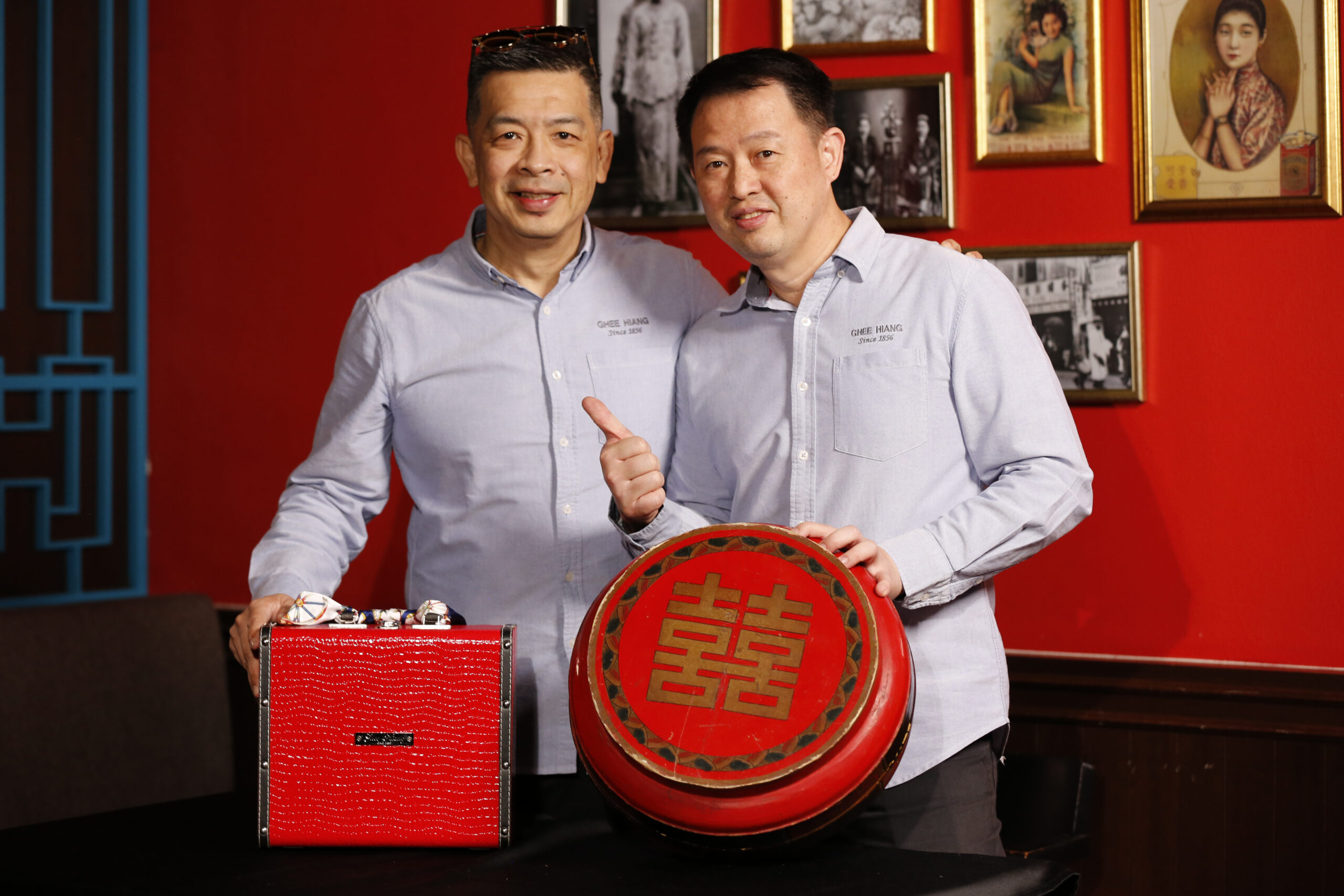
    If the brand Ghee Hiang doesn’t ring a bell in a flash, its pure fragrant sesame oil product that reminds you of home as well as time-honoured treats that are rooted in Penang’s culinary heritage. In the spirit of its 170th anniversary, TSI uncovers a different side of Ghee Hiang with Dato’ Ch’ng Huck Theng, Executive Director of Ghee Hiang Manufacturing Co. Sdn. Bhd., on surviving changing times, keeping the business alive and anchored by age-old traditions.

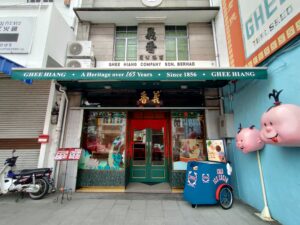
    Ghee Hiang’s humble beginnings at Beach Street.

    Ghee Hiang is Penang’s pride and vice versa, what does that really mean?

    It has always been closely tied to Penang’s identity because we’re not just a brand, we’re part of Penang’s story. For many families, our biscuits and sesame oil are tied to their personal memories of home. This special bond we have with our customers keeps us grounded and continues to shape our identity, especially in today’s fast-moving and competitive world.

    On top of heritage, we are proud to be a contributor to the local economy and take additional pride in preserving traditional skills. It’s our way of putting Penang and Malaysia on the global map as our sesame oil and biscuits are often brought overseas as gifts so this is where our role in tourism come into play.

    Today, our products are present in Indonesia, Singapore, Hong Kong, Thailand and Australia, each step helping to carry a piece of Malaysia to the world. Many have asked why we are still in Penang? It’s simple, because Penang remains our home—it’s where we are rooted and our stories continue to unfold.

    Ghee Hiang is a union of two families, and we often hear of family businesses struggling when values clash. How has Ghee Hiang managed to turn this into a success story?

    The two families share the same core belief—this brand is bigger than us. It’s about respect, integrity, and continuity. As a team, we protect the legacy and the community who has grown with Ghee Hiang. This shared sense of responsibility is one that drives us to make strategic decisions for the long run as opposed to short-term wins. Both the Ch’ngs and the Ooi’s believe that as a partnership-run entity, it’s equally important to lead by example and we expect the same commitment by the younger generation.

    Ch’ng Pok Lye and family.

    Are there some values to discard by the next generation?

    Being outdated and confined to rigidity. The next generation of leaders must adopt the mindset of thinking differently—they should feel confident enough to experiment while protecting the brand’s soul.

    This is the biggest challenge for the brand, preserving it while staying relevant and without losing our soul. Shopping habits continues to evolve, additionally, we face the constant task of maintaining customer expectations, harmony within the families and management.

    We’ve been speaking about heritage and traditions, what about innovation, where does it sit in Ghee Hiang’s equation?
    Tradition is staying true to our recipes and methods that made the brand and its products what it is today. We must evolve with the times, so instead of short-cuts to cater demands, we have increased our product lines by introducing new creations. Our chocolate cookies, pineapple shortcakes and matcha crisps are appealing to our younger target audience.

    As health awareness too increase over the years, we play our part by highlighting the health benefits of our product. For example, we run our sesame oil through research on its antibacterial, anti-inflammatory and antioxidant properties.

    Innovation doesn’t stop at products; we’re also looking at marketing innovation. One of our most recognisable brand initiatives would be our Legendary Babies that was created in the early 2000s to represent our line of products, appeal to the younger target audiences and attract tourists. If you were to go to any of our outlets, you’d see tourists taking pictures with these adorable characters which we strategically placed at the front of the stores.

    Let’s drill down to what’s performing well for the business, product wise and sale platforms as well as rising costs.

    Our original pastries still carry the biggest weight, making most sales. New products have been steadily growing, especially among younger consumers, but the classics remain our foundation. With younger customers who are discovering us through new products and digital platforms, we’ve seen encouraging double-digit growth in that segment, which tells us our innovation strategy is working.

    Meanwhile, our brick-and-mortar still leads because visiting our store is an experience itself—the liveliness of the atmosphere, the engaging service and the variety of products all in one place. But we are glad to see that online sales have soared too, especially after the pandemic. It has opened doors for us in reaching out to overseas customers. Both channels are important and serve different needs.

    A common concern for many is that rising costs are heavily weighing down on business so for us, the key is for production as well as retail is smart management. We focus on sourcing efficiently and reducing wastage, without sacrificing our product quality. Most importantly, we keep our growth steady and sustainable, making sure every decision strengthens the brand in the long run.

    There are other long-standing brands that offer the same products and experience as Ghee Hiang, what is your take on competition?

    Competition keeps us sharp. Anyone can make similar products, but our competitive advantage lies in heritage and authenticity. We are laser focus on what we do best and trust that this is wholeheartedly felt by customers through our products. We take product consistency very seriously; it’s what customers expect from us.

    Staying ahead of the game, we have invested in scientific research and technology. This is to ensure that the narratives behind our products are backed by proper research papers. While technology plays a growing role, from production to packaging, but we balance it with craftsmanship, just like the final steps of crafting our pastries, some things simply can’t be automated.

    Let’s wrap this conversation with the next 100 years.

    For future leaders, we believe they need to understand both the heart and the mechanics of the business. With that, comes early exposure to day-to-day operations, from production to retail, not just the boardroom.

    Doing justice to the brand, Ghee Hiang must always be remembered as a brand of trust, authenticity, and tradition. For Malaysia, we hope to serve as an ambassador of Malaysian heritage, so that when people think of Penang or Malaysia, they’ll also think of Ghee Hiang.


  • Grace Low on defying gravity and keeping brands afloat

    Grace Low on defying gravity and keeping brands afloat

    Accomplished marketing specialist and digital content creator, Grace Low has built her career at the intersection of strategy, innovation and brand growth. As Malaysia’s first to secure a verified blue badge for a RedNote business account, she later went to launch Malaysia’s first RedNote influencer marketing strategy. Today, her role in the hospitality industry further sharpens her expertise, as she shares on how to survive management change and defy gravity with sound turnaround strategies.

    Grace’s journey into branding and marketing was shaped by her exposure to media, storytelling, and audience behaviour across multiple platforms. “I come from a commercial production background where storytelling was never just about aesthetics—it had to move audiences and deliver results,” reminiscing of her early days in television production.

    As the media landscape changed, Grace was one of the early movers that understood the forthcoming digital wave. Observing China’s rapid consumption of digital storytelling and how brands can gain maximum exposure, Grace made the leap and never looked back.

    Years spent in creating tourism and hospitality content for clients paid off—she found niche in the industry itself and in 2023, started serving reputable hotel establishments. She also moved beyond her capacity as a digital content creator, a growth phase that saw her portfolio moving into integrated marketing and communication strategies.

    Grace strongly feels that during a change in management, even small shifts can feel destabilising, so a good leader is crucial. She narrates her way of dealing with the situation, “My first step is to align expectations and simplify systems during the thick of things—it’s focusing on clarifying roles, defining the decision-making authority and setting pragmatic goals for the team. Stability follows with transparency and realism, rather than blindly following outdated habits.”

    Low, presenting digital insights at Bursa Malaysia.

    For her recent case study at an international hotel chain located in Malaysia, Grace points out that whether it is a management change or a turnaround strategy needed, she resets three things immediately to ensure continuity in the hotel’s marketing:

    1. Brand narrative
    2. Channels to focus on
    3. Performance benchmarks

    “When you need to quickly turnaround, pull out data and digest the patterns. An example—if engagement is strong but conversion is weak, it’s often execution. If awareness is low despite investment in ads, it’s positioning. If traffic is high but sentiment is poor, then messaging and experience is misaligned. Data is your north; it tells the truth faster than opinions!”
    From a digital perspective, she focused on addressing digital noise by inviting a wider range of content creators to visit, share reviews, and generate fresh conversations across social media platforms, helping to sustain visibility and public interest.

    “During one leadership transition, I proactively invited major media to visit and review the hotel, especially during the hotel’s anniversary promotion, creating visibility and excitement. I also led initiatives that secured various prestigious awards, strengthening the hotel’s reputation and digital presence among competitors. By taking decisive action and maintaining marketing momentum, even amidst organisational change, I ensured that both the brand and the business continue to thrive, supporting teams across sales, operations and communications.

    Missteps are common and Grace notes that overacting too quickly is a downfall, especially changing the narratives too rapidly, without a clear and strategic rationale.

    On contrary to popular belief, chasing trends or surface-level credibility without understanding if it supports the brand’s long-term positioning or business immediate priorities can be detrimental.

    Sparking insightful conversations on air, Low often shares her thoughts
    with the public.

    “I also see organisations undervaluing the marketing department during critical times. Although it may be only a minor brand enhancement exercise, other departments are consulted instead of the marketing personnel who are responsible for shaping demand, guiding customers decisions and protecting brand equity. Marketing is not about revenue conversion only; we contribute meaningfully to business outcomes and long-term value”

    Shifting the conversation to women’s empowerment at the workplace, Grace says that while her leadership is decisive and structured which are critical traits in high-pressure, result-driven environments, being a mother of two also taught her to balance assertiveness and empathy. “

    She concluded by giving her advice to emerging women leaders—cultivate a mindset of ownership, confidence, curiosity and humility. “Put your ego away, true leadership is about serving the team, the business and stakeholders, it’s not about proving yourself. Be confident in your expertise but listen actively, learn quickly and most importantly, be willing to admit what you don’t know.”

  • RHB and Bursa Malaysia expand investor outreach in Melaka

    RHB and Bursa Malaysia expand investor outreach in Melaka

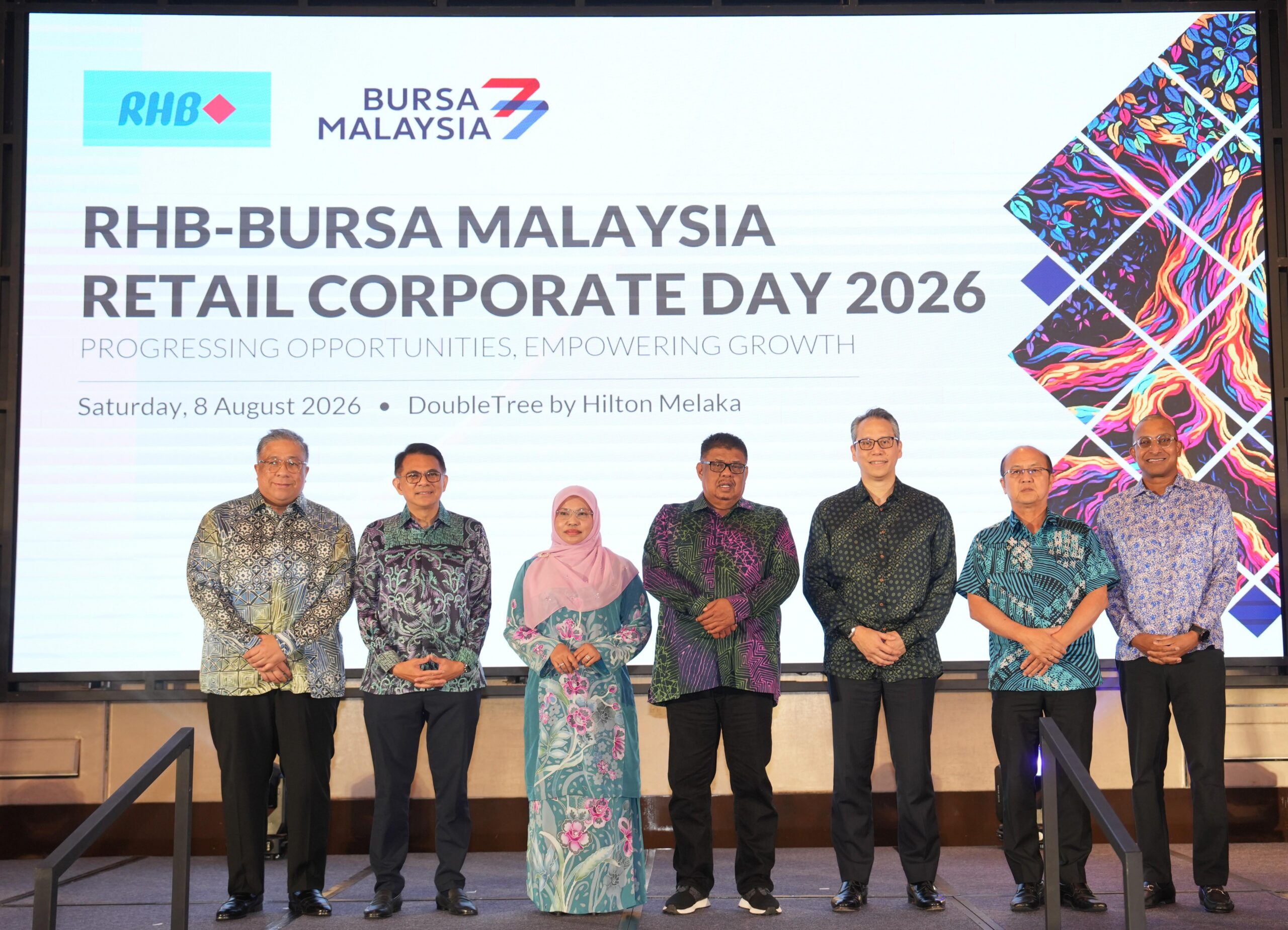
    Earlier this month, RHB Banking Group, in collaboration with Bursa Malaysia Berhad convened investors, listed company representatives, market practitioners and business leaders at the RHB-Bursa Malaysia Retail Corporate Day 2026 in Melaka, reaffirming their shared commitment to strengthening investor engagement and broadening participation in Malaysia’s capital market. The event was officiated by YAB Datuk Seri Utama Ab Rauf bin Yusoh, Chief Minister of Melaka, and attended by more than 200 participants from across the investment community.

    Dato’ Mohd Rashid Mohamad, Group Managing Director/Group Chief Executive Officer of RHB Banking Group said, “Investors today have access to an unprecedented amount of information. The challenge is making sense of that information and understanding what matters most. At RHB, we see value in creating platforms where investors can engage directly with businesses and market practitioners, gain deeper insights and build greater confidence in their investment decisions. These conversations play an important role in fostering a more informed investing community and supporting the continued growth of Malaysia’s capital market.”

    The Melaka edition forms part of RHB’s broader efforts to engage stakeholders across Malaysia through programmes tailored to the needs and interests of different communities and market segments, in line with the Group’s PROGRESS27 corporate strategy.

    Julian Mahmud Hashim, Chief Regulatory Officer of Bursa Malaysia Berhad said, “A strong capital market is built on participation, accessibility and trust. As the marketplace connecting investors and businesses, Bursa Malaysia remains committed to widening access to investment opportunities and strengthening engagement with the investing public. This collaboration with RHB reflects our shared commitment to broadening participation and ensuring that more Malaysians can benefit from the growth potential offered by the capital market.”

    The programme featured discussions on Malaysia’s economic outlook, market developments and emerging investment opportunities, alongside engagements with representatives from RHB, Bursa Malaysia and participating corporates. Additionally, participants were also introduced to RHB’s latest digital banking innovations, including RHB PAY, Malaysia’s first bank-owned unified payment gateway solution, and RHB Reflex 2.0, an enhanced corporate internet banking platform.

    YAB Datuk Seri Utama Ab Rauf bin Yusoh said, “Melaka’s economic transformation continues to gain momentum, with the state’s Gross Domestic Product (GDP) increasing by 3 per cent to RM50.2 billion last year from RM48.8 billion in 2024. This growth has been supported by strong investment activity, business expansion and the implementation of strategic development initiatives across the state.

    “This positive trajectory has been further strengthened by Melaka’s achievement of RM14.68 billion in investments in 2025, representing the state’s highest investment performance in more than two decades,” said Ab Rauf.

    In advancing the aspirations of the Melakaku Maju Jaya 2035 agenda, Ab Rauf added, “Partnerships between the government, businesses and financial institutions will continue to play a vital role in creating opportunities, strengthening economic resilience and delivering meaningful benefits for the people of Melaka.”

    Malaysia’s capital market reached a record RM4.3 trillion in 2025, reflecting its growing role in supporting capital formation, business expansion and economic growth. Retail investors accounted for almost one-third of trading activity on Bursa Malaysia, highlighting the increasing importance of investor education and informed participation.

  • Green financing remains unfamiliar to SMEs – MBSB Research

    Research on Malaysian SMEs found that green financing remains unfamiliar to many smaller businesses and is often viewed as something intended for large corporations. Limited resources, insufficient technical knowledge, misconceptions about green financing and the complexity of securing suitable funding continue to slow adoption.

    MBSB Research noted that sustainability requirements are also reaching Malaysian exporters and smaller suppliers through their customers. Although proposed European Union changes could reduce the number of non-European groups directly covered, affected companies may still request carbon data, labour information and product traceability from suppliers. Electronics, palm oil, rubber and chemical manufacturing are among the sectors potentially exposed.

    This makes early preparation increasingly important. Once an SME identifies which machine, process or business premise needs improvement, financing becomes part of the decision. MIDF’s Sustainable Green Biz Financing supports eligible local manufacturing and services businesses seeking to adopt green technology or undertake energy efficiency projects.

    The scheme offers financing up to RM10 million with low financing rate of 3% per annum for purchase of energy-saving machinery and equipment and other fixed assets. Applications remain subject to MIDF’s credit evaluation and approval.

  • Maybank participates in Monetary Authority of Singapore’s BLOOM initiative

    Maybank Singapore confirms its participation in the Monetary Authority of Singapore’s (MAS) BLOOM initiative, reinforcing its commitment to advancing next-generation, best-in-class cross-border payments and transaction banking infrastructure.

    BLOOM — Borderless, Liquid, Open, Online, Multi-currency — is an industry initiative that seeks to enhance cross-border settlement through tokenised bank liabilities and regulated stablecoins, enabling a more interoperable, seamless financial ecosystem.

    This builds on a series of tokenisation milestones for Maybank in ASEAN, including its role in anchoring the inaugural tokenised sukuk issuance by Malaysian sovereign wealth fund, Khazanah Nasional Berhad, and in completing the first on-chain Malaysian Ringgit–Singapore Dollar FX conversion and cross-border payment for Yinson Holdings Berhad in real time, under Bank Negara Malaysia’s Digital Asset Innovation Hub.

    Alvin Lee, Country CEO and CEO, Maybank Singapore, said: “Through BLOOM, Maybank aims to help shape the common standards and infrastructure principles needed to enable the future of digital finance in Singapore, in collaboration with MAS and industry participants including fintech players. This aligns with ROAR30, our five-year strategic plan to deliver values-based offerings, making banking more efficient and accessible especially for small and medium enterprises (SMEs).”

    Maybank’s digital investments in tokenisation forms part of its ROAR30 commitment to invest RM10 billion (SGD3.2 billion) over five years in technology, data and artificial intelligence (AI).
    Separately, Euromoney’s Awards for Excellence 2026 has recognised Maybank as the World’s Best Bank for Corporate Responsibility, Asia’s Best Bank for ESG, and ASEAN’s Best Bank for Large Corporates.

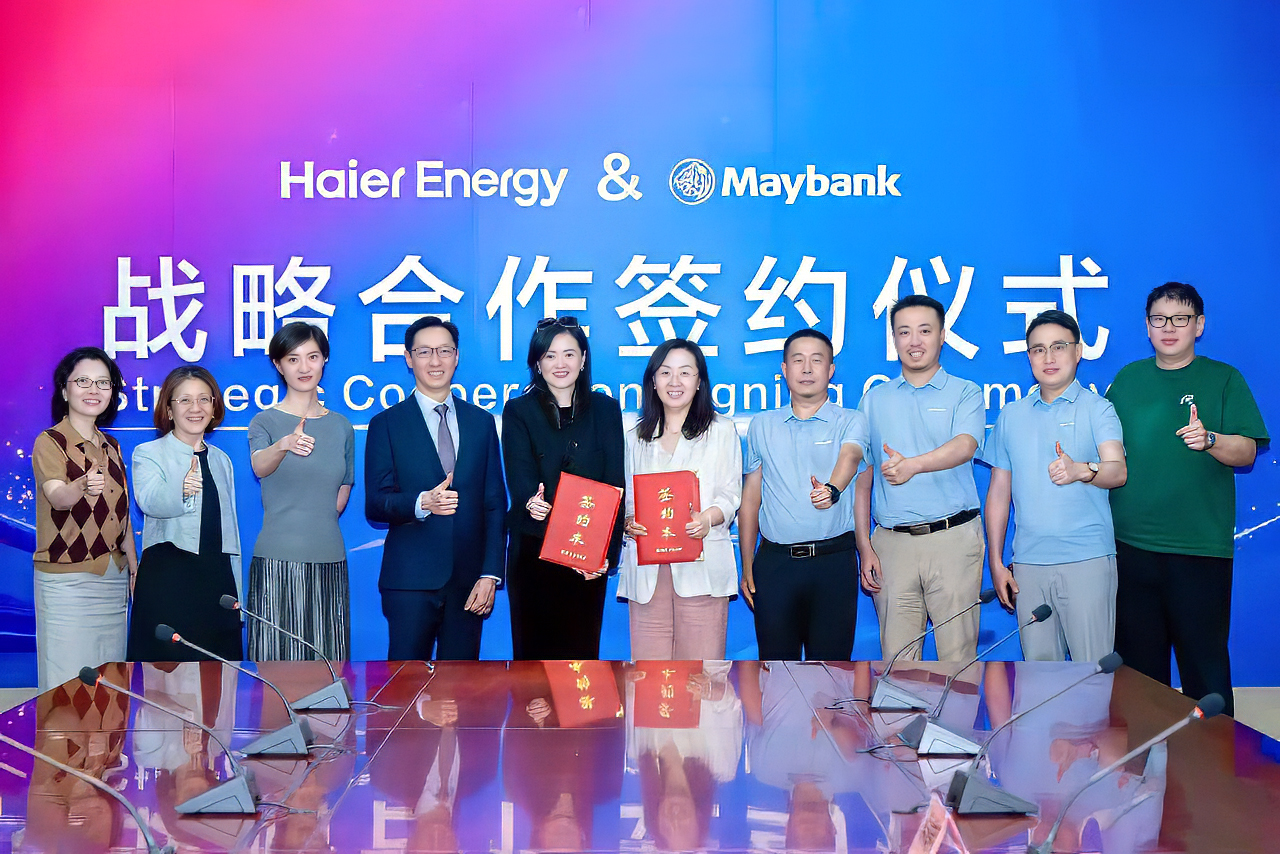
  • Maybank and Haier partner to drive Smart Energy Adoption across ASEAN

    Maybank and Haier partner to drive Smart Energy Adoption across ASEAN

    Maybank and Haier Energy Sdn Bhd, a subsidiary of Haier Group headquartered in China, have entered into a Heads of Agreement (HoA) to form a strategic partnership to accelerate the growth of Haier’s new energy platform and ecosystem.

    The partnership will initially focus on Malaysia, with plans to expand into selected markets in the ASEAN region.

    Haier Energy’s platform combines AI-enabled technologies and advanced solar photovoltaic solutions, energy storage, and smart energy systems to deliver efficiencies, and reduce emissions and energy costs for customers.

    Serving more than one billion households globally, Haier group is backed by a footprint of 133 manufacturing facilities and 71 research and development centres, highlighting its scale, innovation capabilities and commitment to advancing sustainable energy solutions.

    Under the HoA, Maybank will leverage its regional business banking platform, Maybank2E and its comprehensive suite of products and services to support Haier Energy’s expansion and facilitate supply chain agility.

    Specifically, the collaboration will encompass integrated transaction banking, payments and financing solutions, including credit card partnerships and financing facilities for retail clients, Islamic financing, sustainability finance, supply chain financing, cash management, trade finance, treasury and foreign exchange services.

    Dato’ John Chong, Group Chief Executive Officer, Global Banking, Maybank said, “The partnership with Haier Energy aligns with Maybank’s commitment to playing a bigger role in ASEAN’s energy transition and the China-ASEAN economic corridor, where China is one of ASEAN’s top investors and trading partners. We expect the China+1 stratedy to continue with companies seeking to diversify and expand into new markets in ASEAN. Coupled with demand for investments to strengthen regional energy resilience, this partnership with Haier Energy presents exciting opportunities.”

    Ji Xiaojian, General Manager of Haier Energy, Haier Energy Technology Co. Ltd said, “With roots in China and market presence in Europe, the Middle East and Asia Pacific, one of our strategies has been to grow via open collaborations. Having a strong banking partner like Maybank is critical to supporting our cross-border expansion. We see ASEAN as strategically important. It is dynamic, expanding faster than the global average, and offers growth opportunities in smart energy generation, storage and infrastructure.”

  • Foreign funds return to Malaysia’s transport and utilities sectors, investors turn more selective – MBSB Research

    Foreign funds return to Malaysia’s transport and utilities sectors, investors turn more selective – MBSB Research

    Foreign investors returned to Malaysian equities in July, with buying concentrated in Financial Services, Transportation and Logistics, and Utilities, according to MBSB Research’s latest Weekly Fund Flow Report.

    Foreign institutions recorded RM300.9 million in net inflows on Bursa Malaysia during the month, ending two consecutive months of net selling. Financial Services attracted the largest inflow at RM1.11 billion, followed by Transportation and Logistics at RM367.2 million and Utilities at RM305.6 million.

    The recovery was not broad based. Industrial Products and Services recorded RM759.7 million in net foreign outflows, while Technology saw outflows of RM484.9 million. Consumer Products and Services also registered RM212.8 million in net selling.

    The pattern continued during the final week of July. Foreign institutions recorded RM11.1 million in net buying, with Transportation and Logistics receiving RM107.4 million in inflows. Financial Services and Healthcare led the weekly sector inflows at RM216.5 million and RM148 million respectively.

    Imran Yassin Yusof, Head of Research at MBSB Research, said the distribution of the inflows offered a more useful indication of investor sentiment than the overall figure alone.

    “The return of foreign buying is a constructive signal, but the composition of the flows is more telling than the headline figure. Inflows were concentrated in Financial Services, Transportation and Logistics, and Utilities, while Technology and Industrial Products and Services continued to see selling.

    “In our view, this reflects a more selective allocation of capital towards sectors offering clearer earnings visibility, stronger domestic relevance and more defensive characteristics. Even so, one month of inflows does not establish a durable trend. Elevated producer prices, softer leading indicators and uncertainty over global interest rates could continue to shape investor appetite in the coming months.”

    The July inflows came against a mixed economic backdrop. Malaysia’s producer price inflation accelerated to 9.2 per cent year on year in June, its strongest annual increase since June 2022, driven largely by supply chain disruptions linked to the Middle East conflict.

    At the same time, Malaysia’s Leading Index declined 0.5 per cent month on month in May, with annual growth moderating to 0.8 per cent. MBSB Research said this pointed to a softer near-term economic outlook.

    Global monetary conditions also remain uncertain. The United States Federal Reserve, Bank of England and Bank of Japan kept their respective policy rates unchanged in July, although dissenting policymakers at each central bank favored tighter policy.

    This indicates that inflation risks remain part of the global investment outlook despite some moderation in price pressures.

    The broader regional picture remains cautious. Across the eight Asian markets monitored by MBSB Research, foreign investors were net sellers for a sixth consecutive week, recording USD1.19 billion in outflows. Malaysia was among the markets receiving inflows, alongside India, South Korea, Indonesia, Thailand and the Philippines.

    Against this backdrop, the renewed interest in Transportation and Logistics and Utilities provides a timely signal for industries connected to trade, mobility, energy and industrial development.
    The sector classifications used in the fund flow report do not correspond directly with individual financing programmes. They nevertheless indicate where foreign investors are finding relative confidence within the Malaysian market.

    MBSB Bank has committed RM1 billion each to rail, aerospace, automotive and solar. These commitments are intended to support the wider development of industries that require investment in equipment, technology, working capital and capacity expansion.

    Through its wider collaboration with industry bodies and development agencies, the Bank is also working to identify credible projects and connect companies with the support required to move from planning to commercial execution.

    This includes a separate RM1 billion financing line for eligible businesses, investors and strategic projects across the Northern Corridor Economic Region. The allocation is intended to support companies establishing operations, expanding capacity and participating in major supply chains.

    The Northern Corridor partnership also provides a platform for businesses across advanced manufacturing, electrical and electronics, logistics, agribusiness and the digital economy.

    The wider economic activity generated by these investments can create opportunities for contractors, suppliers, transport providers, professional services firms and SMEs seeking to enter more sophisticated supply chains.

    MBSB Research said the return of foreign buying was encouraging but should be assessed over a longer period before being regarded as a sustained reversal.

    The July data suggest that foreign investors are again examining selected areas of the Malaysian market. Whether that interest develops into a more durable trend will depend on earnings delivery, economic conditions and the ability of strategic industries to convert capital interest into productive investment and business growth.

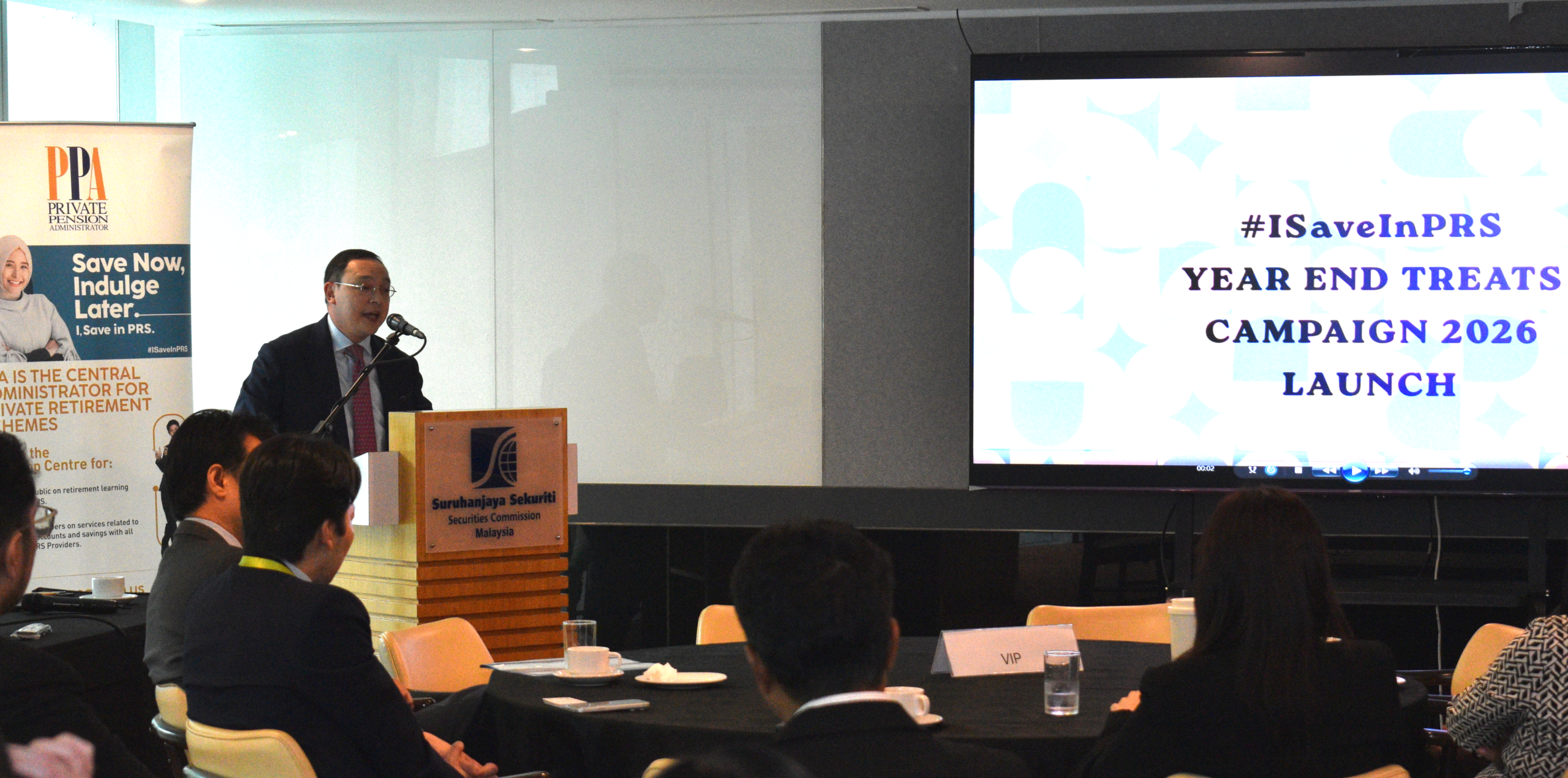
  • PPA Launches #ISaveInPRS Year-End Treats 2026

    PPA Launches #ISaveInPRS Year-End Treats 2026

    More than half of PPA’s contributing members did not make a PRS contribution in a given year between 2020 and 2025, with an average dormancy rate of 59.4% over the six-year period.

    The trend highlights that pausing contributions is a common part of the retirement savings journey, reinforcing the importance of returning to the habit and staying consistent over time.

    In response, the Private Pension Administrator Malaysia (PPA) launches the #ISaveInPRS Year-End Treats 2026 campaign, running from 11 August to 31 December 2026, to encourage PRS members to restart, continue, and strengthen their retirement savings.

    Open to PRS members aged 54 and below, including new enrollees, the campaign rewards members based on their individual contributions during the campaign period.

    Taufiq Iskandar, CEO of PPA, emphasizes the necessity of embracing change and evolving to keep pace with modern demand and an ever-changing landscape.

    “Retirement savings is a long-term journey, and contribution patterns may change as individuals navigate different financial priorities. What matters is continuing to take steps towards building retirement savings. Through this campaign, we hope to encourage Malaysians to restart where they have paused and make saving more consistent over time,” said Taufiq Iskandar.

    Under the campaign, eligible members will receive one draw entry for every RM1,000 in accumulated gross contributions. Dormant members — those who registered before 1 January 2025 and have not made any contributions since then — will receive an additional two entries per RM1,000 contributed.

    Members who contribute through PRS Online will receive a further one entry per RM1,000 contributed, allowing those who qualify for both incentives to earn up to four entries per RM1,000.
    PPA’s data also shows that members who have made at least one contribution in 2026 have, on average, almost twice the lifetime savings of inactive members. Regular contributions can help members build savings progressively, benefit from cost averaging across different market conditions, and make better use of the RM3,000 annual tax relief for PRS contributions, subject to applicable tax rules.

    As of 30 June 2026, PRS had 695,869 members and approximately RM11 billion in assets under management (AUM). From 2018 to 30 June 2026, members’ net contributions totalled RM5 billion, while PRS funds collectively generated RM3.7 billion in investment returns, representing a 74% uplift on member contributions.

    For the period of 1 August 2025 to 31 July 2026, the top five performing PRS funds recorded an average one-year return of 49.3% versus 14.6% across 79 PRS funds. These were Public Mutual PRS Islamic Strategic Equity, Principal Islamic PRS Plus Asia Pacific Ex Japan Equity, Public Mutual PRS Islamic Growth, Principal Islamic PRS Plus Growth, and Hong Leong PRS Asia Pacific Fund.