Category: business

  • Global Survey Reveals Trust Deficit in Tax Systems, Including in Malaysia

    Global Survey Reveals Trust Deficit in Tax Systems, Including in Malaysia

    A groundbreaking global survey, Public Trust in Tax 2024, revealed that while most taxpayers believe in the principle of paying taxes as a contribution to society, trust in how governments utilise tax revenues remains low. Conducted by the Association of Chartered Certified Accountants (ACCA), the International Federation of Accountants (IFAC), and the Organisation for Economic Co-operation and Development (OECD), the survey gathered responses from over 10,000 individuals in 26 countries, including Malaysia.

    The survey underscores a significant gap between the theory and practice of tax systems worldwide:

    • Taxes as a Contribution: 52% see taxes as a contribution to the community, while 25% disagree.
    • Public Good: Only 33% of global respondents feel tax revenues are spent for the public good, while 46% disagree.
    •  Fair Return on Taxes Paid: Just 32% believe public services and infrastructure provide a fair return for their taxes, while 50% disagree.

    Helen Brand OBE, chief executive of ACCA, said: “Trust in tax systems is crucial for sustainable development and prosperity, and the findings of this survey highlight the challenges that many governments across the world face in building it. We look forward to using this important work to engage with policymakers, tax authorities and civil society to drive evidence-based policy initiatives to build effective and trusted tax systems.”

    Commenting on the finding that tax accountants are the most trusted source of information on tax, and politicians the least, Lee White, CEO of IFAC, said: “Consumer and investor protection is the foundation for economic prosperity, which aligns with building trust in the tax ecosystem. As the survey confirms, and in line with previous editions, professional tax accountants are the most trusted source of tax information globally. This trust places an enormous responsibility on our profession to act with integrity, to bridge the gap between governments and taxpayers, and to uphold the highest standards of ethics.”

    Manal Corwin, Director of the OECD Centre for Tax Policy and Administration, said: “We are pleased to join with ACCA and IFAC on this key research. The findings in this report highlight that support for the fiscal contract remains strong in theory, but it’s not being delivered in practice for many. We can use these findings to identify how to rebuild trust in both the theory and practice of tax across the globe.”

    Malaysia’s results revealed more optimism than many other countries in the survey, though challenges persist:

    • A Positive Contribution: 56% of Malaysians believe taxes are a contribution to the community, above the global average.
    • Spending for Public Good: 43% of Malaysian respondents agree tax revenues are spent for the public good, outperforming the global average but leaving room for improvement.
    • Fair Return: 40% of Malaysians feel they receive a fair return in public services and infrastructure for the taxes they pay, compared to the global average of 32%.
    • Ease of Compliance: Malaysians rank tax processes as relatively efficient, with 60% saying it is easy to file returns and make payments, surpassing the global average of 52%.
    • Trust in Accountants: Malaysian tax accountants are the most trusted globally, with an 80% trust rating, reflecting a high level of confidence in the profession.

    Andrew Lim, Portfolio Head of ACCA Maritime SEA, remarked, “Malaysia’s stronger-than-average results highlight the potential for further trust-building measures. Transparency, fairness, and engagement remain vital to strengthening the fiscal contract.”

    Despite relatively positive perceptions, concerns about corruption and the equitable distribution of tax burdens persist in Malaysia, mirroring broader regional and global trends. Addressing these issues will be key to fostering greater public trust in tax systems.

    The full report, Public Trust in Tax 2024, is available at ACCA’s website: https://www.accaglobal.com/gb/en/professional-insights/global-economics/public-trust-tax-2024.html

  • Funding Societies extends partnerships with CGC Digital

    Funding Societies extends partnerships with CGC Digital

    Modalku (Funding Societies), the largest unified digital finance platform for micro, small and medium enterprises (MSMEs) in Southeast Asia, has expanded its digital guarantee products in partnership with CGC Digital, the FinTech subsidiary of Credit Guarantee Corporation Malaysia Berhad, following the success of last year’s Proof of Concept programme on digital supply chain financing (DSCF).

    The expansion of the partnership marks a key milestone following CGC Digital’s investment in Funding Societies earlier this year. It represents a major step forward in providing critical support to Malaysia’s MSMEs, positioning them for greater success amidst a competitive and dynamic economy. Funding Societies together with CGC Digital have developed two new digital credit guarantee products: Digital Term Financing and Micro Credit Line. These products not only provide access to financing but also offer micro and small businesses profit rate savings of up to 2% per annum.

    In addition to Digital Term Financing and Micro Credit Line, Funding Societies and CGC Digital have expanded its DSCF programme to include a broader range of industries and suppliers with longer tenors, as part of the joint continuous effort to bridge the gap and address the challenges in micro and small businesses in accessing financing.

    As at publication, since the launch of the two new programmes in September, more than RM10 million has been disbursed, benefiting over 200 creditworthy micro and small enterprises. This further underscore both organisation’s commitment to fostering financial inclusion and growth for Malaysia’s MSMEs and validates the demand for such financing solutions among micro and small businesses.

    These initiatives align with the broader goal of focusing on inclusivity, digital growth, and sustainability, as well as enhancing MSMEs’ long-term resilience and competitiveness both domestically and internationally.

    Chai Kien Poon, Country Head of Funding Societies Malaysia, remarked, “This partnership with CGC Digital represents a shared vision of empowering underserved businesses in Malaysia. We are committed to creating a more inclusive financing ecosystem that supports the growth of micro and small businesses across Malaysia. By combining CGC Digital’s extensive expertise in credit enhancement with Funding Societies’ state-of-the-art digital financing platform, our digital financing solutions allow business owners to access the capital they need to expand, employ, and contribute to the economy enabling improved access to capital and fostering financial inclusion.”

    Yushida Husin, Chief Executive Officer, CGC Digital said, “I am delighted with the extended partnership, which has already made a profound impact on the financial accessibility for Malaysian MSMEs. This extension is a testament to our unwavering dedication to financial inclusion and product innovation. Furthermore, I am also excited for the expansion of our partnership, where we continue to push boundaries through product innovation. By breaking new ground, we are not just providing access to financing; we are enabling dreams and driving economic growth. Our joint efforts are paving the way for a future where every business has the opportunity to succeed and thrive”.

    MSMEs make up more than 97% of businesses in Malaysia, contribute 39% to Malaysia’s Gross Domestic Product (GDP) and employ a substantial portion of the workforce. However, these businesses are often constrained by limited access to financing options. By joining forces, Funding Societies and CGC Digital aim to strengthen the financial backbone of the Malaysian economy, fostering resilience and economic growth through improved access to capital.

  • Tune Protect Enhances Customer Experience with Hassle-Free Instant Travel Claims Payout

    Tune Protect Enhances Customer Experience with Hassle-Free Instant Travel Claims Payout

    Tune Protect Malaysia has launch of its Travel Easy Instant Travel Claims Payout feature, now accessible through the Tune Protect mobile app. This feature simplifies the claims process, offering travellers a fully digital and hassle-free experience with instant payouts via DuitNow upon claim approval.

    Travel Easy is a travel insurance product which provides coverage for flights across all airlines. The Instant Travel Claims Payout feature is the latest innovation that is introduced to expedite the claims process, particularly for the Travel Delay benefit. By eliminating unnecessary documentation such as travel itineraries and delay confirmations for delays between 3 hours to under 9 hours, the claims submission process is also completely paperless and fully digital. Travellers can submit claims via the app, and payouts are processed on the day of approval through DuitNow, providing instant reimbursement.

    Travellers purchasing the individual Travel Easy policy can receive RM200 for the first complete three hours of delay, followed by an additional RM200 for every subsequent six hours. This feature redefines the new norm for convenience and efficiency, delivering a faster and more seamless claims experience.

    “Travellers today demand faster, more convenient solutions, and our Instant Travel Claims Payout feature is designed to meet those needs. We have integrated cutting-edge digital solutions to offer the speed, convenience, and security they deserve. By leveraging real-time flight data for claim verification and using DuitNow for instant payments, we ensure that the claims process is as seamless and expedited as possible,” said Jubin Mehta, Chief Executive Officer, Tune Protect Malaysia.

    He added, “Our fully digital and paperless process allows travellers to submit claims efficiently and easily, from anywhere at any time. This ensures a seamless, stress-free experience, especially when it is needed most. By leveraging advanced technologies like Robotic Process Automation (RPA), we have automated the entire claims assessment process, from registration to payment. This not only eliminates tedious paperwork but also significantly accelerates approvals and payouts, delivering an enhanced insurance journey to our customers.”

    Tune Protect has a 3:3:3 commitment where customers can buy in 3 minutes, receive a response in 3 hours, and get their claims paid in 3 working days[2]. The introduction of the Travel Easy Instant Travel Claims Payout further enhances this commitment by reducing the overall turnaround time for those opting for DuitNow as their reimbursement method, shortening the payout to within same day upon approval.

  • New Manulife Global Retirement Report Sheds Light on the Preparedness and Financial Resilience of People in Asia as Longevity Increases

    New Manulife Global Retirement Report Sheds Light on the Preparedness and Financial Resilience of People in Asia as Longevity Increases

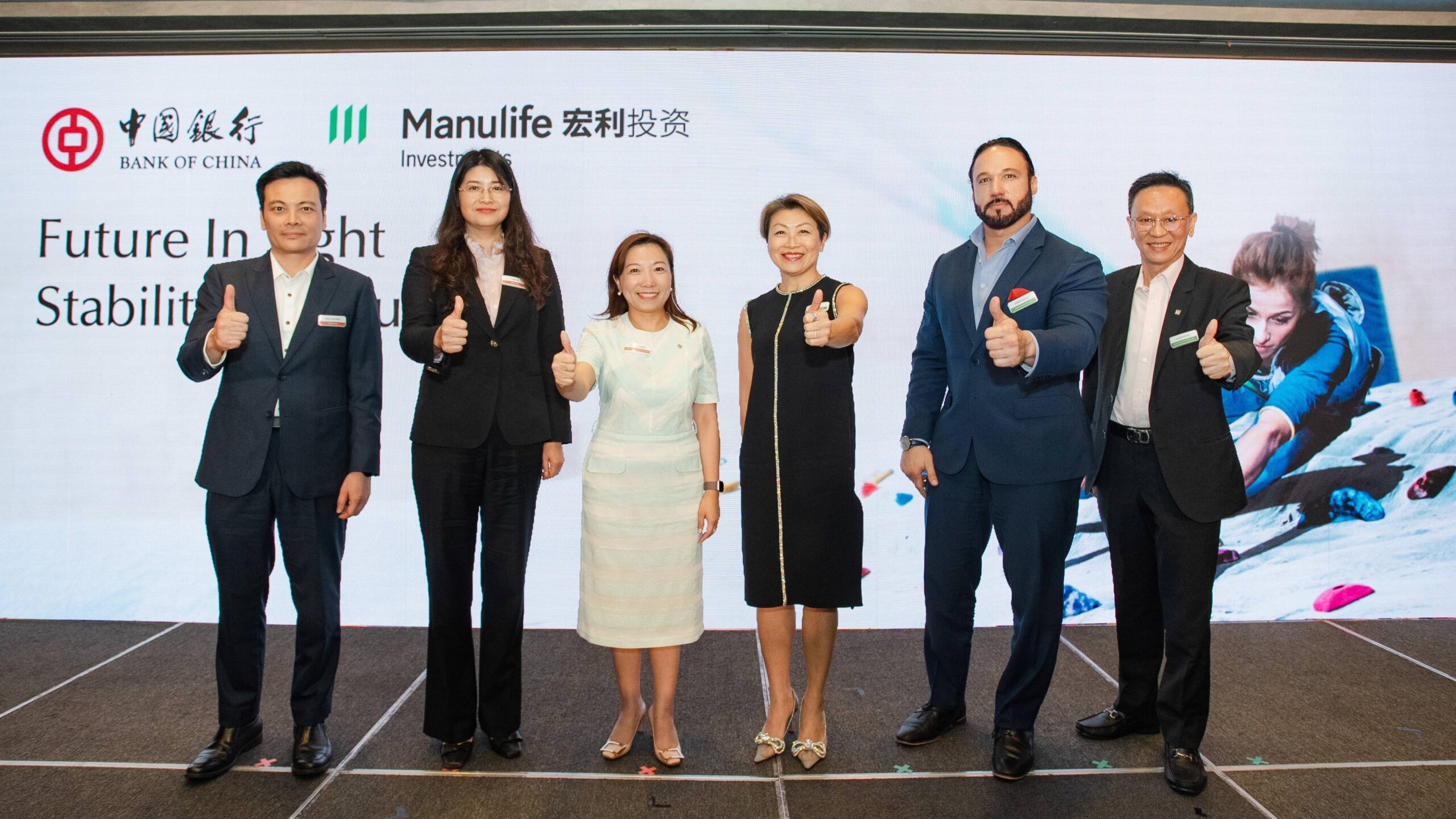
    Kuala Lumpur, 25 October 2024 — Manulife Investment Management globally released its
    Financial Resilience and Longevity Report. Findings in Asia, which includes Mainland China, Hong
    Kong, Japan, Singapore, Malaysia, Indonesia, Philippines, and Vietnam, revealed that consumers
    across the region continue to face financial challenges, despite some markets and demographics
    faring better than others. More than two-thirds of people in Asia are confident they will be able to
    achieve their top financial goal, which varies across markets and includes having enough saved for
    emergencies, managing or maintaining their current lifestyle, and enjoying financial freedom or
    security after retirement., but the older generations are in slightly worse shape, with those in their 50s
    and 60s less likely to have that confidence than their younger cohorts.

    Amid rising life expectancy across Asia, the report explored the need to enhance financial resilience
    during working years, potentially allowing individuals to save more for retirement. Longevity trends are
    placing pressure on traditional family support systems, healthcare, and financial stability, especially as
    changing family structures leave many older adults without the multigenerational support that was
    once common.

    Calvin Chiu, Head of Asia Retirement, Manulife Investment Management said, “With life
    expectancy rising throughout the region, it’s imperative that consumers begin planning earlier and
    more comprehensively. The report sheds light on how individuals in different markets can build
    financial resilience and prepare for a secure future. The retirement industry, along with governments
    and employers, play a critical role in supporting an aging population and helping consumers save and
    invest for their extra years of longevity.”

    Financial Resilience Varies Across Asia

    The report revealed that financial resilience is essential to navigating common obstacles such as
    debt, healthcare costs, and emergencies. Consumers across Asia recognized the importance of
    saving for retirement, yet many struggle to balance short-term financial needs with long-term goals.

    On average only 39% of people across all age groups feel good about their finances today, but an
    average of 52% of respondents feel the situation could improve in 10 years’ time. However, top
    concerns that may affect their ability to build financial resilience include lack of or insufficient savings,
    unexpected medical expenses, and lack of or reduced income.

    Other key findings in the Asia region include:
    • Rising healthcare costs, inflation, and economic slowdown are top concerns, with over 70% of
    consumers in Japan and Singapore concerned with these external factors affecting their
    ability to build financial resilience.
    • Most people in Asia rely on cash savings and bank deposits (63% – 71%), more than other
    financial products, to achieve their financial goals.
    • Nearly two-thirds of consumers in Asia feel children are great investments who will provide for
    them as they get older. This causes concern for those who do not have family to care for
    them as they age, especially those closest to retirement.

    Retirement Delays and Family Responsibilities

    Similar to global trends, consumers in Asia expect to delay their retirement, especially as they
    continue to support both children and aging parents. Changing family dynamics in Asia, including
    declining birth rates and fewer multigenerational households, have added pressure to their financial
    planning.

    Across all age groups, an average of 62% of people in Asia are afraid they will need to postpone their
    retirement because of financial responsibility for their family.

    That said though, an average of 57% respondents who don’t plan to marry or have children are
    concerned about growing old without a spouse or children to look after their financial and well-being
    needs. To fill the potential financial gap, an average of 75% of people said they will save as much
    money as possible, and only 28% said they will invest in different financial products.

    Digital Engagement and Financial Planning

    Consumers in Asia are increasingly interested in digital solutions and financial planning tools to help
    them manage their finances. Engagement with digital platforms correlates strongly with better
    financial outcomes, with those who frequently check their retirement plan or engage with financial
    content online more likely to report being in good financial shape.

    “Technology is playing a critical role in helping consumers in Asia better understand and manage their
    financial futures. For example, in Hong Kong Manulife has piloted a robo-advisory service to
    Mandatory Provident Fund (MPF) members. This service is designed to help them better understand
    their retirement investment and risk profiles, and make more informed decisions about their MPF
    choices,” said Chiu. “By leveraging personalized tools and data-driven insights, we aim to empower
    individuals to feel more secure about their financial lives, in partnership with plan sponsors, advisors,
    and third-party administrators.”

    Financial Priorities and Passive Income Approaches in Asia

    While pension schemes provide some level of financial support in retirement, people need to consider
    the longevity and inflation factors to assess whether their pensions could last their lifetime. A way to
    create a better safety net is through investments that could generate a steady stream of income even
    in retirement. For example, they can consider retaining their pension accounts after reaching
    retirement age and continue investing in the scheme.

    For markets that have pension schemes:
    • 35% in Hong Kong expect to rely on the Mandatory Provident Fund (MPF).
    • 52% in Singapore expect to rely on the Central Provident Fund (CPF), a mandatory program.
    • 36% in Indonesia expect to rely on the Financial Institution Pension Funds (DPLK), a
    voluntary program.

    Some pension scheme providers offer income funds that regularly distribute dividends, allowing
    investors to receive an income every month while remaining invested in dividend-paying funds.
    There are also retail funds offering monthly distributions, where investors can gradually invest in suitable
    income funds before retirement based on their individual needs and risk tolerance.

    Methodology

    The Asia findings of the Manulife Financial Resilience and Longevity Report was from the

    Manulife Asia Care Survey 2024 that was conducted in January and February 2024 via online self-
    completed questionnaires in eight markets, including Mainland China, Hong Kong, Japan, Singapore,

    Malaysia, Indonesia, Philippines, and Vietnam. A total of 8,400 people, evenly split between men and
    women, aged 25 to 60 years old were surveyed. The 2024 Financial Resilience and Longevity Report
    for Asia is available online.

  • Hong Leong Investment Bank Enhances Digital Capabilities with Online Onboarding for its Shariah Trading Account

    Hong Leong Investment Bank Enhances Digital Capabilities with Online Onboarding for its Shariah Trading Account

    KUALA LUMPUR, 15 OCTOBER 2024 – Customers can now enjoy a fully online
    onboarding experience when applying for Hong Leong Investment Bank (“HLIB” or the
    “Bank”) accounts and products, including for the Shariah Trading Account which allows
    customers to access, buy, and trade stocks which are Shariah-compliant.

    This is in line with the Bank’s commitment to making investments more accessible and
    convenient for customers. By enhancing its digital investment platforms and optimizing its
    onboarding processes, HLIB is taking another step forward to ensure that our investors can
    start and grow their investment portfolios with ease from anywhere, at any time.

    The Shariah Trading Account is designed to cater to the growing demand for Shariah-
    compliant investment solutions. The comprehensive trading account enables investors to
    trade in a wide range of Shariah-compliant securities on the Bank’s digital trading platforms,
    including HLeBroking and HLeBroking Mobile, and is equipped with Shariah indicators for
    Shariah-compliant stocks.

    Lee Jim Leng, Group Managing Director of HLIB, commented, At HLIB, we are
    committed to providing our customers with an end-to-end investment experience which
    provides widespread access to a variety of investment options. Ensuring a fully digital
    onboarding experience, especially for our Shariah Trading Account, is a testament to our
    ongoing efforts to enhance our digital capabilities and build solutions around the needs of
    our customers. We believe that this will provide our customers with greater convenience and
    accessibility, allowing investors to start and grow their Shariah or conventional portfolios
    from anywhere, at any time.”

    In line with the Bank enhancing its digital investment offerings for customers, HLIB has also
    announced the launch of HLeBroking Flexi Trade. Flexi Trade offers customers additional
    trading limits based on cash or shares on hand, while enabling customers to enjoy attractive
    brokerage rates of as low as 0.08% when trading with cash upfront. For trading limits in
    excess of cash upfront, customers can also enjoy brokerage fees of 0.18% for contracts
    worth RM100,000 and above, and 0.38% for contracts below RM100,000.

    This flexible trading feature provides other exciting benefits, including a limit that is double
    the cash pledged and up to three times the share value pledged as collateral. It also offers
    customers immediate trade confirmation and online settlement, while providing
    complimentary access to HLIB’s industry-leading trading tools and market research.

    Online onboarding for the Shariah Trading Account and HLeBroking Flexi Trade are now
    available to all HLIB customers.

  • Driving Fair Wages: Finance Professionals Urged to Address Inequality for a Sustainable Future

    Driving Fair Wages: Finance Professionals Urged to Address Inequality for a Sustainable Future

    KUALA LUMPUR, 1 October 2024: A new report highlights the need for finance professionals to champion  living wages as a key factor in reducing inequality, advancing human rights, and promoting sustainability.  Produced by ACCA, Shift, and Forvis Mazars, the report also reinforces findings that paying a living wage  not only boosts productivity and reduces staff turnover but also enhances economic stability. 

    The report, ‘A living wage – Crucial for sustainability’, urges finance and accountancy professionals to  address wage inequality and play a pivotal role in driving sustainable business practices. It stresses that  without prompt intervention, wage disparities will continue to undermine economic and social systems  globally, including in the Asia-Pacific (APAC) region. 

    Using the insights from over 1,000 survey respondents across 93 countries and discussions with more  than 50 finance and business professionals, the report provides compelling evidence for the socio economic multiplier effect of living wages. It finds that paying a living wage benefits not only workers but  also employers, economies, and governments.  

    Paying workers below a living wage is inconsistent with preserving and enhancing the value of human  capital. Business and investor initiatives involving leaders from across all regions are increasingly  highlighting the importance of paying living wages to reduce inequalities and the related risks to societies,  economies and financial systems. Yet only 33% of Malaysia-based respondents felt that it was a  responsibility which extended to their first-tier suppliers and even less beyond this. 

    The report highlights the undeniable link between living wages and sustainability, with 87% of Malaysia based survey respondents recognising this connection. Living wages reduce inequality, boost economic  stability, enhance business resilience, support human rights, strengthen supply chains, and meet growing  regulatory and investor demands for socially responsible practices. 

    Helen Brand OBE, Chief Executive of ACCA, stated: “Accountancy and finance professionals are held  to the highest ethical standards. The right of all employees and contractors to a living wage is an ethical  responsibility and as a result finance professionals have a unique role and opportunity to drive it as a core  part of their sustainability activities.” 

    Caroline Rees, President and Co-founder of Shift, emphasised: “A living wage is a fundamental human  right. Organisations’ responsibility under international standards to respect human rights means paying  workers in their own organisation adequately, and using their purchasing practices and business  relationships to advance living wages also for workers in their value chains. Change doesn’t happen  overnight, but chief financial officers can and should drive demonstrable progress on this crucial issue.” 

    Richard Karmel, Managing Partner – London, Forvis Mazars, added: “Organisations face significant  transitions as their business models seek to become more sustainable. The inability to pay a living wage  throughout a value chain, including in one’s own organisation, can only bring into question whether that  business model is sustainable. Now is the time to critically appraise the viability of these business models  and to make tough choices with a human capital focus.”

    A Malaysian Perspective 

    In Malaysia, addressing wage disparities is particularly critical, given the country’s commitment to reducing  inequality as envisioned in the Ekonomi Madani framework, which aims to elevate the dignity and status of  the nation with two main focuses: restructuring the economy to make Malaysia a leader in Asian economies  to ensure that the enlarged wealth is benefitted equitably by the Rakyat. By advocating for living wages,  finance professionals in Malaysia can help align business practices with national development goals. 

    The report urges finance professionals across to elevate living wages to board-level discussions, integrate  them into sustainability strategies, and lead by example in their value chains, starting with Tier 1 suppliers. Regulatory frameworks like the European Sustainability Reporting Standards (ESRS) and the Corporate  Sustainability Due Diligence Directive (CSDDD) are increasingly emphasising living wages. Finance  professionals in the APAC region, including Malaysia, must prepare to meet these growing demands for  socially responsible practices, ensuring their organisations are well-positioned for future regulatory  requirements. 

    Full report can be read online here: https://stories.accaglobal.com/living-wage/index.html

  • Smart Tax Planning for Financial Success

    Smart Tax Planning for Financial Success

    By Annie Wong


    Starting 2 January 2022, even zero-income full-time students in Malaysia are required to file their tax returns with the Inland Revenue Board of Malaysia (IRBM). The question arises: How many of us are still unaware of these changes?


    In the ever-evolving economic landscape, staying informed about recent changes that impact our financial lives is crucial. Within this dynamic field of taxation, subject to constant change, it is essential to equip ourselves with effective tax planning strategies.


    Despite being Malaysian citizens, not everyone is aware of their tax obligations. For instance, according to Act 8331, Finance Act 2021, a new section 66A (1)(c) mandates that any citizen aged eighteen and above must have a Tax Identification Number (TIN).


    As of 1 January 2022, even if Malaysians are 18 years old with no income, they are required to report ‘0’ in their BE form. While 7.8 million TINs were automatically generated for eligible citizens, many still believe that being a full-time student with no income exempts them from filing tax returns.


    During the Tax Forum 2023, Abang Ehsan Abang Abu Bakar from the Tax Compliance Department of LHDN suggested that eligible citizens, especially new taxpayers, should complete their tax return filing before 31 May 2024. The IRBM has introduced a Special Voluntary Disclosure Programme 2.0 from 6 June 2023 to 3 May 2024, allowing new taxpayers to file tax returns for YA 2022 and earlier without penalties.


    Consider a working adult earning less than RM30,000. Should they fill out a tax filing? Yes, they should. While it wasn’t necessary previously due to their chargeable income being non-taxable, the amendment, effective 1 January 2022 mandates all citizens aged 18 and older to report and submit their tax filings.


    Why does a full-time student with no income need to report now? IRBM cannot distinguish between zero earnings and substantial income unless it is reported. According to an EY report in November 20222, Malaysia’s shadow economy accounted for 18% of GDP in 2019, approximately RM250 billion. The shadow economy comprises underreported business income, non-registered businesses and illicit activities. Deputy Finance Minister Ahmad Maslan mentioned in an interview on 17 October 2023, that TIN and e-invoicing are expected to shrink Malaysia’s shadow economy. Now we understand; it is part of the government’s strategy to tackle the shadow economy!


    Strategic Tax-Saving Tips

    To legally save on taxes, engaging in proper tax planning at the beginning of the year is essential. One key strategy involves maximising deductions through available tax relief, charitable contributions and tax-exempt investments. Here are some tips categorised into four groups:


    General Tax Relief: According to the Budget 2024 proposal, several beneficial tax reliefs have been added. For instance, expenses incurred for dental and medical check-ups for yourself, your spouse, parents and children are claimable up to RM1,000. Participating in up-skilling courses and retaining the receipt from the organiser can result in a claim of up to RM2,500. Contributions to the Private Retirement Scheme (PRS) offer tax relief up to RM3,000 until YA 2025.


    Additionally, optimising the use of tax-advantaged accounts, such as the Employees Provident Fund (EPF), is crucial. The voluntary contribution initiative of EPF, i-Saraan3, allows self-employed members and gig economy employees to contribute up to RM100,000 per annum, with a special incentive of 15% for the total contribution, up to a maximum of RM500 for the current year. Combining approved scheme contribution relief and voluntary contribution/life insurance relief can result in a maximum tax relief of RM7,000.


    Employee Perquisites: Employees working for a business entity can negotiate a better remuneration package with allowances, benefits-in-kind and perquisites. For example, Joshua, a general manager with over 15 years of experience in a pharmaceutical company, proposed to his boss a daily meal allowance and a travel allowance of RM6,000 per annum, respectively. All these allowances are tax-exempted perquisites, and Joshua doesn’t need to pay a single cent in tax for these benefits. Additionally, Joshua requested a company car.


    Let’s assume the company provides him with a car valued at RM180,0004; his additional taxable income is only RM8,800. After deducting all personal tax reliefs, if Joshua’s tax bracket is 25%, he only needs to pay RM2,200 (RM 8,800 x 25%) per year to enjoy a luxury car with a driver every day. A long-service award is given by the company, and the first RM2,000 is tax-exempted as well. So, if you are a long-service employee, why not consider requesting a substantial award from the company?


    Benefits for Married Employees: Employees who are married with children can explore opportunities for additional benefits. Children’s allowance perquisites were raised from RM2,400 to RM3,000 during the Budget 2024 proposal. Parents with children under 6 years old can claim up to RM3,000 per household by sending them to a JKM-registered kindergarten. Saving RM8,000 into Skim Simpanan Pendidikan Nasional (SSPN) is eligible for each parent until YA 2024.


    Business Owners (LLP or Sdn Bhd): Business owners, particularly those in the Small and Medium Enterprise category, can strategically repackage remuneration to maximise tax savings. Declaring dividends instead of drawing a high salary package or director fees can be a tax-efficient move, especially to keep the total annual chargeable income below RM 100,000 and benefit from lower tax brackets ranging from 15% to 24%.


    These are some practical tips for optimising individual tax returns in 2024. Additionally, starting on 1 August 2024, the government will implement e-invoicing for companies with revenue exceeding RM100 million. This change is set to be a game-changer in the tax landscape. Moreover, it will become mandatory for all taxpayers, including SMEs, from 1 July 2025.


    To learn more strategies for optimising tax returns, minimising liabilities and strategically timing financial transactions, proper tax planning is required. By understanding the taxation framework, one can take control of their financial destiny by making informed choices that align with their long-term goals. May this year be a great and prosperous one for most of us!


    About the Writer


    Annie Wong is a dedicated and accomplished trainer with over a decade of experience in training and SME business consulting. She holds a Bachelor of Science degree from Campbell University, graduating with Summa cum laude honours. Presently, Annie is globally recognised as a Certified Financial Planner (CFP CERT TM Professional) and a Certified Professional Trainer (CPT, IPMA, UK). She is licenced as a CMSRL Financial Planner by the Securities Commission Malaysia, and her expertise has positively impacted numerous individuals and businesses.


    Sources

    (1) Act 833, Financial Act 2021.

    (2) Shadow Economy: www.freemalaysiatoday.com/category/highlight/2023/10/17/governments-grand-plan-to-tackle-shadow-economyClick here to enter text.

    (3) i-saraan: www.kwsp.gov.my/en/member/contribution/i-saraan

    (4) Benefits-in-kind: http://lampiran1.hasil.gov.my/pdf/pdfam/PR_11_2019.pdf

  • Understanding Your Relationship with Money for Better Financial Health

    Understanding Your Relationship with Money for Better Financial Health

    By Kevin Neoh

    Have you ever wondered if money were a person? What kind of relationship would you have with this ‘person’? Will this be a person who gives you a lot of stress each time you think about them or one with whom you enjoy having a quality and mutually beneficial relationship?

    Why Your Relationship with Money Matters

    Like many other things, such as our car, house or devices, money is also a tool that we use to help us accomplish specific goals or meet various needs. Other than being a tool we use to buy things, it is also a reflection of your values, beliefs and emotions. How you think and feel about money can affect your financial health, your happiness, and your wellbeing. That is why it is important to have a good relationship with money, one that is based on awareness, understanding and empowerment.

    How Your Beliefs Shape Your Behaviour

    “We begin learning about money indirectly from a young age, observing how adults handle or act around money, starting as young as three years old.”

    Our relationship with money is influenced by our beliefs, which are formed through our past experiences, culture, family and personality. We begin learning about money indirectly from a young age, observing how adults handle or act around money, starting as young as three years old.

    Our beliefs can be supportive or non-supportive, conscious or unconscious, rational or irrational. The truth is that they can either help us or hinder us from achieving our goals.

    For example, if you grow up in a family where money is often a scarce resource, you might develop a focus on saving money and have difficulty spending, even though, as an adult, your situation allows you to live comfortably. Likewise, another person who had a similar childhood might grow up believing that there will always be insufficient money and one should spend while it’s there, or that because one is deprived of many things growing up, one should enjoy them whenever they can. Similar experiences may have produced an opposite belief and thus, different behaviours around money.

    This is why our beliefs about money can shape our financial health. For instance, if a person grew up constantly believing that money is bad, that it causes pain, and that it leads to arguments in the family rooted in money issues, this person may feel uneasy having money and thus will find ways to spend it without consciously wanting to. As a result, this person will hardly have savings, may have debts and may be unable to plan their future with confidence.

    As another example, a person who witnessed their loved ones lose most of their wealth due to a stock market crisis might grow up thinking that investing in the stock market is too risky, to the point that one might lose everything. Hence, this person might stay away from investing in the stock market without consciously realising why.

    It is worth noting that there are no right or wrong beliefs; they are all part of us. Our beliefs are what help keep us comfortable and safe. However, as our circumstances, economy and way of life change, certain things that used to be true or worked in the past may no longer be the same. Therefore, it is sometimes worthwhile for us to examine our beliefs and discuss them with someone who can be impartial.

    How to Examine and Change Your Beliefs

    The first step in improving our relationship with money is becoming aware of our beliefs and understanding how they influence our behaviours. This awareness can be achieved by paying attention to our thoughts, feelings and actions when dealing with money.

    You can also ask yourself questions, such as:
    • What did I learn about money from my parents, friends or society?
    • What are the benefits and drawbacks of my beliefs?
    • How do they align with my values and goals? In what ways may they limit me?

    The second step is to challenge and change your beliefs if they are limiting or harmful. This can be done by seeking evidence that contradicts your beliefs, finding alternative explanations or adopting new perspectives. Additionally, you can use affirmations, visualisation or meditation to reinforce positive beliefs.

    Relationship with Money & Financial Health

    When we have a better relationship with money, we can make more informed financial decisions, placing us in a position to thrive and flourish. This involves being able to cope with financial stress and work towards achieving our financial goals.

    As we strive to improve our financial health, it’s essential to be mindful that what society or conventional thought considers financially healthy may not be an ideal benchmark.

    Having a substantial amount of money in the bank or earning a high income does not necessarily equate to good financial health. For instance, a person with a high income, lacking an understanding of their money beliefs, and harbouring a non-supportive relationship with money may struggle to retain their income, ending up with significant debts.

    Similarly, someone with a high net worth due to reluctance to spend may miss opportunities to leverage their wealth for an ideal and fulfilling life.

    TL; DR

    If you feel that this article is not something you expected, that’s because it isn’t. In fact, the message I am trying to convey to the reader here is that instead of focusing on growing our wealth, finding the next-best-investment or buying the latest financial product, our focus should shift from a product-oriented to a human-oriented approach. We should give considerable thought to nurturing good financial health.

    Traditional financial advice or practices like budgeting, paying yourself first, investing regularly and spending within your means can help nurture our financial health. We may also benefit from seeking financial education and advice whenever needed. However, if we have not spent some time understanding the relationship we have with money and the beliefs that drive this relationship, all the hard work and efforts we put in might not matter much for our wellbeing in the long run.

    Remember, money is not an end but a means to an end. Money is a tool to serve your needs, not the other way around. Therefore, this is why it makes sense for us to begin by asking, “What kind of relationship do we have here?”

    ABOUT THE WRITER

    Kevin is the Head of Financial Planning at VKA Wealth Planners. As a Certified Financial Planner (CFP) and Certified Financial Coach (CeFC), Kevin works with clients to transform their relationship with money, empowering them to take charge of their lives and live the best life they desire. Kevin can be reached at kevinneoh@vka.com.my.

  • Steering The Malaysia’s ESG Landscape

    As we step into 2024, let’s explore the evolving world of investing, where the buzz around ESG (Environmental, Social, and Governance) principles is gaining momentum. Malaysia is at the forefront, setting ambitious goals for carbon neutrality by 2050. Join us on a journey to discover practical tips for everyday investors to align their portfolios with responsible spending.

    MALAYSIA’S ESG PROGRESS

    Malaysia’s commitment to ESG is evident through its ambitious plans. The nation’s focus on renewable energy, sustainable cities, and a green economy showcases dedication to environmental stewardship. Keep a keen eye on these trends as they can significantly influence your portfolio’s performance.

    GREEN ENERGY AND SUSTAINABLE CITIES

    Major companies in Malaysia are actively adopting green energy, with local giants opting for electricity from renewable sources. Initiatives like the Green Electricity Tariff and the Net Energy Metering Nova program demonstrate a robust commitment to sustainable practices. To support these efforts, Malaysia incentivizes electric vehicles, targets 31% renewable energy in its capacity mix by 2025, and aims for carbon neutrality by 2050. Investors should consider the potential growth of companies aligning with these green initiatives.

    SUSTAINABLE FINANCING

    Malaysia stands out globally in sustainable financing, issuing the world’s first sovereign US-denominated sustainability sukuk. With a focus on eligible social and environmentally friendly projects, the government plans to issue up to RM10 billion of sustainable sukuk in Budget 2022. This move creates unique investment opportunities for those looking to support socially responsible projects. The PwC report on “ESG Deals Creation and Impact Investing in Malaysia” emphasizes how companies listed in FTSE4Good Bursa Malaysia (F4GBM) Index, demonstrating strong ESG business practices, have been able to deliver higher valuation multiples and investment returns.

    CORPORATE ESG PERFORMANCE

    Public-listed companies in Malaysia are outperforming in ESG metrics compared to their ASEAN counterparts. Ranking second on the MSCI All Country Index ESG Leaders Index, Malaysia’s companies demonstrate a commitment to sustainable practices. The FTSE4Good Bursa Index and the FTSE4Good Bursa Malaysia Shariah Index provide valuable insights into companies leading in ESG and Shariah-compliant solutions. Investors can leverage these indices to make informed decisions aligned with their values.

    SECURITIES COMMISSION INITIATIVES

    The Securities Commission (SC) Malaysia is taking significant steps to foster sustainable practices. The introduction of the Leading for Impact Programme and the Principles-Based SRI Taxonomy public consultation paper in 2021 are clear indications of Malaysia’s commitment to advancing ESG principles. The SC’s focus on sustainability risk management, disclosures, and the development of the sustainability index showcases Malaysia’s advanced stage in policy and regulatory actions related to ESG.

    BUDGET 2024: SHAPING THE FUTURE OF ESG

    Budget 2024 is a game-changer for the ESG space in Malaysia. Sustainability is now integrated into economic policies, reflecting the government’s commitment to making Malaysia an investment destination while achieving carbon neutrality by 2050. The budget allocates RM2 billion for the National Energy Transition Roadmap (NETR) and a RM200 million startup fund for the New Industrial Master Plan (NIMP) 2030, reinforcing Malaysia’s dedication to a low-carbon economy. A RM900 million loan fund for SMEs to enhance business productivity through automation and digitalization demonstrates a focus on long-term sustainability through resource optimization and waste reduction. Guarantee funds of up to RM20 billion for SME entrepreneurs, especially in the green economy, technology, and halal fields, further boost investor confidence. Putrajaya’s transformation into Malaysia’s low-carbon city, utilizing solar panels and electric vehicles, sets a benchmark for sustainability, influencing ESG from an investment category to a mainstream strategy.

    EXPERT INSIGHTS ON BUDGET 2024

    Experts highlight Budget 2024’s emphasis on promoting domestic direct investments and attracting venture capital for high-innovation start-ups and green growth. The allocation of funds towards Malaysia’s National Energy Transition Facility (NETF) and encouraging financial institutions to provide up to RM200 billion in financing fosters a favourable environment for foreign climate investors. The focus on green investments is expected to stimulate both local and foreign investments in the renewable energy sector, propelling Malaysia towards a low[1]carbon economy. This aligns with global trends where investments in low-carbon energy technology reached a record level of USD1.1 trillion in 2022.

    ENSURING LONG-TERM SUSTAINABILITY

    Budget 2024 takes mid-term steps to encourage sustainable economic instruments through tax exemptions and deductions up to 2027. This includes tax deductions for companies participating in the voluntary carbon market and increased funding for Ecological Fiscal Transfer for Biodiversity Conservation (EPT). The emphasis on impact investing, supported by tax exemptions for social enterprises, aligns with Malaysia’s goal of becoming a prominent regional SRI hub. These measures aim to drive long-term ESG programs and initiatives.

    BALANCING IMMEDIATE NEEDS AND FUTURE SUSTAINABILITY

    While Budget 2024 focuses on promoting investments into conservation and the transition to a low-carbon economy, there are concerns about capacity enhancement needs and legal infrastructural gaps. Awareness needs to be raised among SMEs about the importance of sound ESG management. The budget lays the groundwork for economic instruments to facilitate Malaysia’s transition towards a low-carbon economy, but there is room for a broader focus on ESG factors to ensure long-term success.

    BLOOMBERG FIRESIDE CHAT – MALAYSIA’S ESG ACCELERATION

    In a recent Bloomberg fireside chat, Muhamad Umar Swift, Bursa Malaysia’s CEO, discussed how COVID-19 has spurred ESG adoption in Asia. Umar shared insights into Malaysia’s sustainability journey, highlighting Bursa Malaysia’s ESG initiation in 2010 with a vision to be ASEAN’s leading sustainable marketplace. ESG evolution in ASEAN focuses on education and Bursa Malaysia’s role in setting ESG transparency standards. Attracting global assets is a priority, aligning with local sustainability mandates and exploring avenues for sustainable investment. Regulatory influences, inspired by the E.U.’s Taxonomy, play a crucial role in attracting capital. Looking forward, public awareness is key to fostering a positive cycle. Bursa Malaysia actively encourages sustainable investment, aspiring to embed ESG values into the broader culture and society.

    GLOBAL COMPARISON

    Compared to ESG-focused budgets in neighbouring countries, Malaysia’s Budget 2024 takes commendable steps. However, lessons from Australia and Singapore highlight the importance of waste management, community education programs, and industry regulation for cohesive ESG practices.

    PRACTICAL TIPS FOR EVERYDAY INVESTORS

    Now, let’s translate these developments into practical tips for everyday investors: 1. Diversify with ESG Funds: Consider allocating a portion of your portfolio to ESG-focused funds. These funds invest in companies meeting high ESG standards. 2. Stay Informed: Regularly check ESG ratings of companies in your portfolio. Websites like FTSE Russell ESG ratings can be valuable resources for this information. 3. Explore Sustainable Sukuk: Keep an eye on opportunities in sustainable sukuk. These investments not only provide financial returns but also contribute to socially and environmentally responsible projects. 4. Engage in Sustainable Initiatives: Support companies actively involved in green initiatives. As consumers, your choices can influence corporate behaviour. 5. Long-Term Vision: Remember, ESG investing is a journey, not a destination. Companies embracing sustainable practices today may offer long-term value.

    LOOKING AHEAD

    As Malaysia advances in its ESG journey, there are exciting prospects for responsible investors. The upcoming trends in energy transition, food security, circular economy, and mobility transformation offer avenues for sustainable investments. Keep an eye on these developments to stay ahead in the evolving landscape of responsible investing. In conclusion, ESG is not just a financial trend; it’s a collective effort to create a better future. As you navigate the world of investments, consider the impact your choices can have on the environment, society, and corporate governance. Together, let’s shape a future where responsible spending is not just a choice but a way of life. Happy investing!

    (Sources: Bloomberg, The Star, PwC)

    This story is a contribution from Sajesh Kumar Paramasivam – Senior Partner at TorchBearer Consulting, a wealth management company that specializes in family wealth building through expert guidance.

  • Securing Your Legacy

    Wealth, often earned through generations of hard work and dedication, can be a double-edged sword when it comes to succession planning. The proverbial saying, “Wealth doesn’t pass through three generations,” underscores the challenges faced by families in preserving their financial legacy. In this article, we delve into the potential pitfalls and time bombs associated with wealth succession and explore viable solutions, with a spotlight on the Labuan Private Foundation – a powerful tool that has been successfully employed by business magnates since the 1980s.

    WEALTH DOESN’T PASS THROUGH THREE GENERATIONS

    The conventional wisdom that wealth typically follows a three-generation cycle adds a layer of complexity to succession planning. The first generation labours to build wealth, the second generation manages and holds it, and the third generation often faces challenges in preserving and growing the inherited fortune. Labuan Private Foundations provides a strategic means to break free from this cycle by establishing a robust structure that safeguards wealth for the long term.

    “By placing assets within the secure confines of a foundation, you create a financial firewall that safeguards the family’s wealth from external threats, ensuring the legacy endures.”

    FRAGMENTATION OF BUSINESS OWNERSHIP

    One common hurdle in wealth succession is the fragmentation of share ownership, particularly in businesses structured as Sendirian Berhad (Sdn Bhd). Passing down a family business can lead to conflicts among heirs, potentially jeopardizing the very foundation of the enterprise. Labuan Private Foundation offers a powerful solution by concentrating business ownership within a perpetual structure. This not only ensures continuity in ownership but also establishes a clear framework for decision-making, mitigating the risk of internal disputes.

    PROTECTION AGAINST CREDITORS AND BANKRUPTCY

    The looming threats of business creditors and bankruptcy claims pose significant risks to the sustained prosperity of a family’s wealth. Labuan Private Foundations may act as a shield, providing a protective layer against potential bankruptcy risks faced by descendants. By placing assets within the secure confines of a foundation, you create a financial firewall that safeguards the family’s wealth from external threats, ensuring the legacy endures.

    CONFLICTS OVER WEALTH DISTRIBUTION

    Wealth distribution can become a battleground, especially when children-in-law become stakeholders. Labuan Private Foundation can be instrumental in resolving such conflicts by offering a structured mechanism for wealth holding and distribution of residual income. With clearly defined rules and regulations, the foundation ensures that only those capable and responsible are entrusted with the management and growth of the family’s wealth, fostering a sense of fairness among heirs.

    TAX EFFICIENCY IN AN EVER-CHANGING LANDSCAPE

    Governments worldwide continually refine tax laws, introducing new challenges for business owners seeking to preserve their wealth. Labuan Private Foundation presents a proactive solution by optimizing tax liabilities. This strategic tool allows families to stay ahead of potential tax law changes, ensuring that the financial legacy remains intact and continues to grow. As governments explore avenues to claim a share of wealth through capital gains tax and other mechanisms, the Labuan Foundation becomes a vital ally in preserving your hard-earned assets.

    THE IKEA FOUNDER’S BLUEPRINT

    The success of the IKEA founder’s wealth-holding structure, established in the 1980s, serves as a useful example for business owners navigating the intricate landscape of succession planning. This family wealth planning strategy, rooted in the structure of a private family foundation, enables the IKEA legacy to endure and thrive across generations. By adopting a similar approach, you, too, can fortify your wealth kingdom and transform it into a legacy for your descendants.

    THE LABUAN PRIVATE FOUNDATION ADVANTAGE

    Labuan, a reputable offshore jurisdiction, provides a conducive environment for the establishment of private family foundations. These foundations offer a unique blend of flexibility, security, and tax efficiency, making them an ideal choice for proactive business owners focused on securing their financial legacy. Key advantages of Labuan Private Foundations include:

    Perpetual Existence: Labuan Private Foundations enjoy perpetual existence, ensuring that the wealth-holding structure remains intact across generations. This longevity is a crucial element in breaking the three-generation wealth cycle.

    Concentration of Control: By concentrating control within the foundation, business owners can ensure that only competent and trustworthy individuals manage the family’s business interests. This concentration minimizes the risk of mismanagement and internal conflicts.

    Creditor Protection: Labuan Private Foundation provides a robust shield against business creditors and potential bankruptcy risks faced by heirs. The separation of assets within the foundation acts as a protective barrier, preserving the family’s wealth.

    Transparent Succession Planning: Clear and transparent rules within the foundation’s structure facilitate smooth succession planning. This minimizes the likelihood of conflicts among heirs and promotes a sense of fairness in wealth distribution.

    Tax Efficiency: Labuan’s favourable tax environment, coupled with the other benefits afforded to private foundations, ensures that families can proactively manage and optimize their tax liabilities. This is especially crucial in the face of evolving tax laws.

    In the intricate realm of wealth succession, Labuan Private Foundation can be a powerful tool for business owners aiming to transform accumulated wealth into a legacy. By adopting a proactive approach and establishing a robust wealth-holding structure, akin to the successful blueprint employed by the IKEA founder, families can navigate the challenges associated with wealth transfer and ensure the preservation and growth of their financial legacy for generations to come. The Labuan Foundation, with its unique advantages, stands as a testament to the efficacy of strategic planning and foresight in securing the prosperity of your ‘wealth kingdom’.

    Lee Khee Chuan holds a B.A. from the National University of Singapore and is a Chartered Financial Consultant (ChFC), Chartered Life Underwriter (CLU), CFP professional, and Fellow of Life Management Institute (FLMI) USA. He is also a licensed financial adviser representative with more than 25 years of experience in estate planning. He shares a lot of valuable insights at: www.estateplanningmalaysia.com