Category: lifestyle

  • Malaysia faced 27.9 million online threats in 2024

    Malaysia has moved up the global rankings for web threats, a stark reminder of the escalating cyber dangers lurking online. According to the latest Kaspersky Security Network (KSN) report, Malaysia now ranks 30th worldwide, with a staggering 27.9 million web threats detected and blocked by the global cybersecurity company in 2024, a 4% increase compared to the previous year. This alarming data underscores the critical need for enhanced cybersecurity measures to protect individuals and businesses in the country.

    “The rise in web threats detected in Malaysia is a serious concern. Our latest data shows us the growing sophistication of cybercriminals and the urgent need for individuals and businesses to continuously enhance they safeguards against cyberthreats. Neglecting cybersecurity best practices can have severe consequences, from data breaches and financial losses to reputational damage, and event disruption of critical services,” says Yeo Siang Tiong, General Manager for Southeast Asia at Kaspersky.

    The Digital Communications Ministry highlighted that no single entity could address the cybersecurity challenges that Malaysia faces today. The threats are complex, multifaceted and evolve at a pace that demands collective action. The ministry views public and private partnerships as an important synergy to address the cybersecurity concerns.

    Malaysia is the current overall coordinator of the ASEAN Regional Computer Emergency Response Team (ASEAN Regional CERT), with the aim to build a more resilient digital ecosystem for all. The country is also in the midst of joining the Budapest Convention and the United Nations Convention Against Cybercrime, demonstrating the country’s commitment to combat cybercrime both locally and internationally.

    “The Malaysian government’s ongoing efforts to combat cyberthreats are commendable. These steps are crucial in raising public awareness and strengthening the country’s cyber defenses. Staying safe online requires a multi-layered approach, strong passwords, updating software, being vigilant against phishing attempts are just the first steps. You need to utilize robust cybersecurity solutions, so you can significantly enhance your protection against cyberthreats. It is troubling to learn that approximately RM5 billion in losses occurred due to cybercrimes from 2020 to 2024. We urge Malaysians to continue to prioritize online safety and take proactive measures as soon as possible,” adds Yeo.

    Kaspersky experts advice the following for users to reduce some of the online risks:

    • Use strong and unique passwords. The weakest link is often the entry point to the platform, which is the password. This should be unique and not one that you re-use on multiple social media platforms. If you struggle to come up with a unique password, consider using a password manager to generate a unique and strong password.
    • Two-factor authentication. While many people choose to use SMS or email as the source of the second verification, Kaspersky recommend using an authenticator app.
    • People you do not know, do not click to read the direct message. There is no reason for you to assume that you should click on any link sent from people you do not know. It may be a goal to chase the influencer wagon and make fast cash, if something sounds too good to be true, it probably is.
    • Talk to your kids on basic safety on social media networks.

  • SC launches SARANA to widen financing options for MSMEs and small contractors

    The Securities Commission Malaysia (SC) today announced SARANA, an alternative financing scheme offered by nine SC-registered peer-to-peer financing (P2P) platform operators under the Government e-procurement system.

    Effective immediately, this alternative financing option aims to address the working capital needs of Micro, Small and Medium Enterprises (MSMEs), and small contractors, participating in Government contracts under the scope of supplies, services or works.

    SARANA offers two primary financing options, namely:

    • Invoice financing, which supports cash flow post-contract delivery; and
    • Financing for contract implementation (pre-financing), to bridge contractors’ initial working capital needs before a project is executed.

    The participating P2P platform operators are as follows:

    1. Bay Smart Capital Ventures Sdn Bhd*
    2. B2B Finpal Sdn Bhd
    3. Capsphere Services Sdn Bhd*
    4. Crowd Sense Sdn Bhd*
    5. P2P Nusa Kapital Sdn Bhd*
    6. FBM Crowdtech Sdn Bhd
    7. MicroLEAP PLT*
    8. Modalku Ventures Sdn Bhd*
    9. Moneysave (M) Sdn Bhd*

    *Offers Shariah financing 

    With the Government’s support for P2P financing as announced at the Budget 2025 tabling, SARANA provides a viable alternative to bridge critical funding gaps, particularly for companies facing challenges in assessing traditional financing.

    This initiative of enabling access to the capital market through P2P platform operators is also in line with the SC’s Catalysing MSME And MTC Access to the Capital Market: 5-Year Roadmap (2024-2028).

    Since the introduction of the P2P regulatory framework by the SC in 2016, registered P2P platform operators have played a pivotal role in addressing the financing needs of locally incorporated companies. As of 30 September 2024, P2P financing has raised a total of RM7.9 billion.

    For more information on SARANA, visit www.sc.com.my/sarana.

  • microLEAP Strengthens MSME Support Through SC’s Sarana Scheme

    microLEAP, a Securities Commission (SC)-registered P2P financing platform participates in the newly launched Sarana alternative financing scheme and is scaling its efforts to empower Malaysia’s micro, small, and medium enterprises (MSMEs) and small contractors by offering innovative Shariah-compliant financing options.

    In 2024, 207 out of 208 investment notes issued by microLEAP were fully Shariah-compliant, underlining its commitment to promoting ethical, sustainable, and transparent financing solutions.

    Through the Sarana financing scheme, microLEAP leverages on technology to offer SMEs and government contractors faster, more flexible financing options, such as invoice financing and contract pre-financing, enabling businesses to meet their working capital needs effectively.

    With RM125 million in financing disbursed in 2024 alone, marking an exceptional 101% year-on-year growth, microLEAP’s impact on the SME landscape is undeniable. Tunku Danny Nasaifuddin Mudzaffar, Founder & CEO of microLEAP, emphasised the critical role of alternative financing in building resilience within Malaysia’s SME sector.

    “SMEs are the backbone of Malaysia’s economy, but many still face barriers to securing the capital they need to grow. Platforms like microLEAP are not just filling a gap, but transforming the way businesses access financing. Through Shariah-compliant and online solutions, we are fostering a more inclusive financial ecosystem that drives sustainable growth,” said Tunku Danny. “Through the Sarana scheme, we’re not just providing financing—we’re empowering businesses to grow, scale, and compete in an increasingly demanding environment. Invoice financing, in particular, is a game-changer for SMEs and contractors. It turns their unpaid invoices into immediate cash flow, ensuring they have the working capital needed to fulfil contracts, pay suppliers, and seize new opportunities.”

    microLEAP’s innovative approach is built on a foundation of robust risk management, ensuring the confidence of both borrowers and investors. The platform achieved a default rate of just 0.63% in 2024, a 41.1% improvement from 2023, reinforcing its reputation for reliability. Meanwhile, investor confidence surged, with a 61.2% increase in new investors joining the platform last year.

    As the only P2P financing platform with offices in Sabah, Sarawak, Johor, Penang, and Perak, microLEAP ensures SMEs across Malaysia can access financing tailored to their needs, regardless of location. This strategic reach is critical to advancing financial inclusion, particularly in rural areas, where businesses often struggle to secure funding.

  • Shopee expands range of Shariah compliant financial services with Takaful IKHLAS

    Shopee expands range of Shariah compliant financial services with Takaful IKHLAS

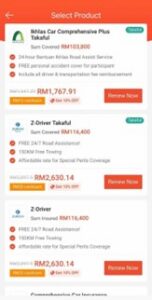
    Leading digital payments and financial services provider SeaMoney, has partnered with Takaful Ikhlas General Berhad (Takaful IKHLAS) to offer Motor Takaful protection on the Shopee app. The latest addition to Shopee’s growing suite of digital insurance and takaful offerings, IKHLAS Private Car Comprehensive Plus Takaful, aims to provide holistic, Shariah compliant motor takaful protection to users.

    IKHLAS Private Car Comprehensive Plus Takaful provides the following coverage:

    • Third party bodily injury and death;
    • Third party property loss or damage;
    • Loss or damage to your own vehicle due to accidental fire or theft; and
    • Loss or damage to your own vehicle due to accidents.

    Additionally, participants can enjoy complimentary benefits that include:

    • Waiver of Compulsory Excess for Unnamed Driver
    • Complimentary Personal Accident cover for Participant
    • Transportation Fee Reimbursement

    IKHLAS Private Car Comprehensive Plus Takaful also provides complimentary roadside assistance with 24-Hour Bantuan IKHLAS Road Assist. This includes a 24-Hour Accident and Breakdown towing service that also covers Singapore, South Thailand, and Brunei within a 25km radius of the Malaysian border, as well as locksmithing and battery delivery services.

    In conjunction with the launch of IKHLAS Private Car Comprehensive Plus Takaful, Shopee is offering an RM15 voucher on top of a 10% discount for all Takaful IKHLAS insurance and takaful products.

    Here’s how you can purchase IKHLAS Private Car Comprehensive Plus Takaful on Shopee:

    Step 1: From the Shopee app home page, access the “Finance” circle, located right below the search bar. Once in the Finance page, click on “Insurance”.

    Step 2: Here, click on “Car” and proceed to fill in your vehicle details to receive an insurance quotation.

    Step 3: After receiving your quotation, select your preferred IKHLAS Private Car Comprehensive Plus Takaful and proceed to complete your purchase.


  • TCS Global Study: 64% of consumers likely to choose EV

    TCS Global Study: 64% of consumers likely to choose EV

    A new study by Tata Consultancy Services (TCS) (BSE: 532540, NSE: TCS), reveals that more than six out of 10 (64%) consumers are likely or very likely to consider an electric vehicle (EV) for their next purchase. The TCS Future-Ready eMobility Study 2025, a comprehensive report on how EVs are shaping the future of sustainable mobility, also highlights that while 60% of consumers said charging infrastructure was a major challenge, 56% were ready to pay up to $40K for an EV.

    This study surveyed over 1,300 anonymous respondents across North America (USA, Canada), United Kingdom & Ireland, Continental Europe (Belgium, Denmark, Finland, France, Germany, Netherlands, Norway, Sweden, Switzerland) and APAC (China, India, Japan, ANZ). The respondents for the survey included transport manufacturers, charging infrastructure players, fleet adopters, consumers and EV adoption influencers.

    Sustainability and lower operational costs were key factors driving EV adoption, according to the study. While consumers and influencers highlighted a clear motivation for EV adoption as ‘environmental sustainability’, the environmental benefits did not match the expectations of many EV influencers. Nearly 48% EV influencers said EVs increase the overall carbon output just as much as they reduce it, with 10% even saying EV adoption is negatively impacting the environment. Commercial fleets maintain a positive outlook towards electric mobility, with a sizable percentage—53%—pointing to reducing operational costs as a primary motivation. Fleet adopters were willing to pay a premium for EVs than for traditional internal combustion engine (ICE) vehicles.

    Despite the growing interest in EVs among consumers, significant challenges remain, particularly in the areas of charging infrastructure and technological advancements. While 74% of EV manufacturers said the lack of appropriate charging infrastructure remains the biggest obstacle limiting growth in the EV market, 55% have already started investing in innovation for battery technology advancements. Nearly 78% are making investments to reduce vehicle costs to cater to growing demand for EVs.

    Anupam Singhal, President, Manufacturing, TCS, said, “The EV industry is at a defining crossroad, navigating the complexities of scale and transformation. While nearly two-thirds of consumers are open to choosing electric for their next vehicle, manufacturers face challenges like advancing battery technology, complex vehicle designs, and production economics. At TCS, our Future-Ready Mobility vision focuses on creating an interconnected ecosystem powered by AI and Gen AI to drive smarter decision-making, enhanced customer experiences, and deliver scalable, sustainable solutions. By addressing these critical challenges, we are accelerating the global shift toward electrified and sustainable transportation.”

    The survey indicates that 90% of manufacturers believe that improvements in battery technology will enhance range and charging speed and will significantly impact the design and performance of EVs in the near term compared to other technological advancements.

    Key results from the survey, which can be found at TCS Future-Ready eMobility Study 2025, include-

    • 90% EV manufacturers and 84% of EV Influencers said battery technology improvements to optimise range and charging speed will have a large impact on design and performance of EVs
    • 74% of manufacturers believed charging infrastructure remains the biggest obstacle limiting EV market growth
    • 72% of EV charging infrastructure players are expecting significant mergers in the EV space driven by financial viability and scaling challenges
    • 41% consumers said that an acceptable EV range on a single charge is 200-300 miles, followed by 31% respondents who felt 300-400 miles is a better deal
    • 63% EV influencers said their primary motivation for EV adoption is to achieve net-zero goals and reduce carbon footprint
    • 55% of EV manufacturers are investing in R&D for battery technology advancements, while 78% are investing in vehicle cost reduction
    • 72% US consumers are likely or very likely to purchase an EV as their next vehicle, compared to less than 31% of Japanese consumers

    In a world quickly moving towards electric mobility, TCS’ vision for future-ready mobility combines technological innovation, strategic collaboration, and deep expertise to empower manufacturers and EV stakeholders to navigate change. TCS drives change across the mobility value chain, from vehicle design and gigafactory planning to digital platforms, generative AI, and personalised customer experiences. Focused on sustainable mobility and measurable value, it partners with customers to shape a bold, sustainable future.

  • Alibaba Cloud unveils ACS for international customers to revolutionise workload deployment

    Alibaba Cloud unveils ACS for international customers to revolutionise workload deployment

    Alibaba Cloud, the digital technology and intelligence backbone of Alibaba Group announces the international debut of its innovative Alibaba Cloud Container Compute Service (ACS), designed to simplify and optimise workload deployment using container technology. ACS will be available for international customers starting from January 2025.

    ACS, which uses Kubernetes as its interface, offers a serverless container service that provides compute resources compliant with container standards. This new product eliminates the need for users to manage underlying nodes and clusters, significantly reducing costs and technical barriers associated with container deployment. It also allows customers to pay-as-you-go, helping them avoid over allocated, and scale on demand, enabling the optimisation of costs during periods of high and low usage.

    “As the deployment of workloads on container technology becomes increasingly prevalent, we developed a more accessible solution that would anticipate the evolving needs of our customers,” said Jiangwei Jiang, General Manager of Infrastructure Products, Alibaba Cloud. “ACS represents a big step forward in how businesses can utilise container technology, offering cost-efficiency and ease of use to support businesses unleashing productivity.”

    Container technology, a form of virtualisation that bundles programmes with everything they need to run, makes it easy to deploy applications consistently across different hardware and systems. The benefits in terms of efficiency and resource optimisation have made containers a mainstream development method.

    According to Gartner, the container management market has experienced over 20% growth in the past year, with projections indicating a market value of US$4.5 billion by 2028. Gartner also predicts that by 2027, more than 75% of all AI deployments will utilise container technology as the underlying compute environment.

    ACS is designed to overcome the complexities associated with Kubernetes configuration, resource management, and on-demand elasticity. By integrating containers and resources based on Alibaba Cloud’s Shenlong architecture to allow maximum scaling of computing resources, ACS offers a solution capable of reducing computing power costs by up to 55%.

    “ACS has transformed the container orchestration service into a comprehensive computing product. Users benefit by paying only for the compute capacity that they use,” Jiang added.

    This product is fully compatible with Kubernetes technologies and supports seamless migration to the cloud for both open-source ecosystems as well as self-developed products. This is notable in that users can continue using familiar Kubernetes management methods and file formats. There is also no need to pre-purchase nodes so users can simply declare their workload requirements and ACS will match them with the necessary underlying compute resources. This minimises the demand for additional costs and human resources in infrastructure maintenance.

    Alibaba Cloud Container Service supports different architectures and can be deployed in multiple cloud environment including public cloud, private cloud and hybrid cloud. Currently, Alibaba Cloud Container Service has been applied across a wide range of industries.

  • Key trading trends to watch in 2025

    Key trading trends to watch in 2025

    Developments such as Forex market volatility, rising commodity prices, and Southeast Asia’s economic growth are poised to reshape the trading landscape in 2025. Market participants need to be aware of these trends to develop strategic approaches and mitigate risks. Kar Yong Ang, a financial market analyst at Octa broker, highlights key trading trends to expect in 2025.

    Currency markets are bracing for heightened volatility in 2025, driven by shifting global economic conditions and monetary policy adjustments. According to S&P Global’s Economic Outlook, slowing global growth, rising inflation, and divergent interest rate policies among major central banks are expected to weigh heavily on currency pairs like EURUSD and GBPUSD. These factors, combined with trade uncertainties, could disrupt Forex market liquidity, increasing short-term volatility and widening spreads.

    The U.S. dollar is expected to maintain its status as a safe-haven asset amid continued global uncertainties. Emerging markets, however, face potential pressure as currency depreciation risks rise, particularly in regions reliant on external financing. As a result, traders are likely to focus on hedging strategies and closely monitor monetary policy decisions from the U.S. Federal Reserve, European Central Bank, and Bank of England.

    Commodity markets are set for dynamic shifts in 2025, shaped by inflationary pressures, geopolitical risks, and the global energy transition. Gold, which saw strong demand in 2024 as a safe-haven asset, is projected to maintain its upward trajectory as global economic uncertainty persists. Analysts point to ongoing geopolitical tensions and a slowdown in economic growth as key drivers of gold’s appeal in the coming year.

    Meanwhile, oil markets are likely to experience continued volatility. Supply constraints, coupled with shifts in energy demand, could push prices higher. Additionally, green energy-related commodities like lithium, copper, and nickel are increasingly valuable as governments accelerate their renewable energy initiatives. Reports highlight that commodities essential for electric vehicle production and energy storage will see sustained demand growth, creating new opportunities for commodity traders.

    Southeast Asia remains a focal point for global trade and investment, driven by strong economic fundamentals and rapid digital transformation. Countries like Indonesia, Malaysia, and Singapore are leading the charge, with the region’s GDP growth forecasted to outpace global averages in 2025.

    Indonesia’s digital economy continues to expand, supported by strong consumer adoption and increased investments in infrastructure. By 2025, Southeast Asia’s internet economy is expected to reach $330 billion, reflecting a steady rise in e-commerce, fintech, and online services. Malaysia, on the other hand, remains a significant player in electronics and renewable energy, with government policies aimed at enhancing infrastructure and attracting foreign investment. Singapore, as a financial hub, maintains its strategic role in driving innovation and green technology adoption.

    While trading opportunities are abundant, 2025 brings its share of challenges. Rising global debt levels, coupled with higher borrowing costs, present risks to both developed and emerging economies. Bain & Company’s 2024 report highlights concerns over potential recessions in major markets, which could disrupt trade flows and investor sentiment.

    Geopolitical conflicts and protectionist trade policies also remain key risks. Tensions in global supply chains, particularly between the U.S. and China, could impact commodity prices and currency markets. Traders must rely on robust risk management strategies, incorporating both technical and fundamental analysis to navigate these uncertainties.

    Trading in 2025 will be defined by the volatility of the Forex market, rising demand, and the strength of Southeast Asian economies. Traders are advised to acknowledge these and other trends in advance to adjust their long-term strategies accordingly. To facilitate trend watching, market players can rely on advanced tools that allow for faster and more accurate decision-making. Such tools include Space from OctaTrader, which provides predictive insights and expert strategies for traders. Such an approach allows for improved risk management amidst volatile markets.

  • Funding Societies and foodpanda offer 2% per annum financing rates for Bumiputera merchants

    Funding Societies and foodpanda offer 2% per annum financing rates for Bumiputera merchants

    Funding Societies, Southeast Asia’s largest unified small and medium enterprise (SME) digital finance platform, has extended its partnership with Delivery Hero (M) Sdn Bhd [fka Foodpanda (M) Sdn Bhd] to offer exclusive financing for Bumiputera merchants. Eligible foodpanda merchants can access financing up to RM100,000 at a competitive 2% annual rate with a flexible financing tenor of up to 24 months. This limited-time initiative aims to empower local entrepreneurs with the capital to grow and succeed in a challenging market.

    Chai Kien Poon, Country Head, Funding Societies Malaysia, remarked, “The Department of Statistics Malaysia (DOSM) reported that Malaysia’s services sector achieved a total revenue of RM2.3 trillion in 2023, an 8.4% increase from RM2.1 trillion in 2022. Despite this growth, sub-sectors such as food and beverage (1.4%) have yet to recover to their pre-pandemic (2019) revenue levels. To support these businesses, particularly MSMEs, access to cash flow is crucial. We are hopeful that this partnership between Funding Societies and foodpanda can better assist and scale underserved, creditworthy SMEs in this industry.”

    “Furthermore, we are confident that this affordable financing can help food sellers to better restock supplies and prepare for upcoming seasonal growth amidst a potential surge in staple vegetable costs as a result of the recent floods and ahead of the festive season.”

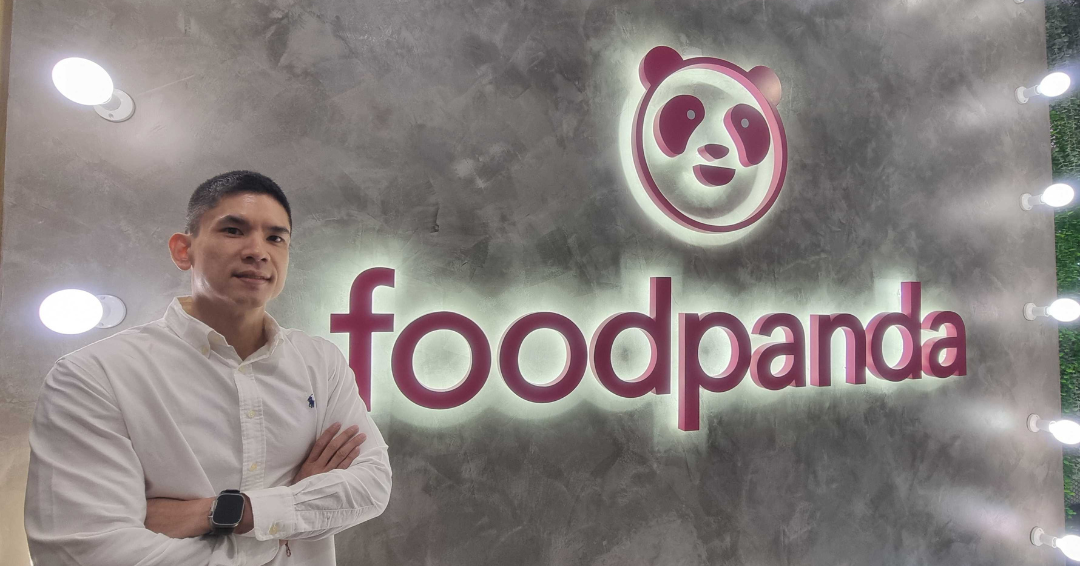
    “We are thrilled to extend our partnership with Funding Societies to offer this exclusive financing opportunity to our Bumiputera merchants. At foodpanda, we believe in empowering our merchants with the tools and resources they need to thrive in today’s challenging market. This initiative not only provides access to much-needed capital at an affordable rate but also reinforces our commitment to supporting local entrepreneurs, especially as they prepare for the upcoming festive season. Together, we aim to drive meaningful growth and resilience for our foodpanda merchant community,” said Tan Ming Luk, Managing Director, foodpanda Malaysia.

    Under this offer, Bumiputera SMEs can apply for Shariah-compliant financing with just two initial documents: identification documents (for directors and the company) and six months of bank statements. The application is fully digital, with decisions provided within days.

    Together, Funding Societies and foodpanda have assisted 500 foodpanda merchants and the latest collaboration aims to build on the momentum. Besides providing essential cash flow and growth capital, by lowering the cost of financing, the collaboration aims to level the playing field and support more underserved micro and small businesses to grow their business within the foodpanda network.

  • Southeast Asia’s crypto revolution: Venkate exchange surpasses 1 million users

    Southeast Asia’s crypto revolution: Venkate exchange surpasses 1 million users

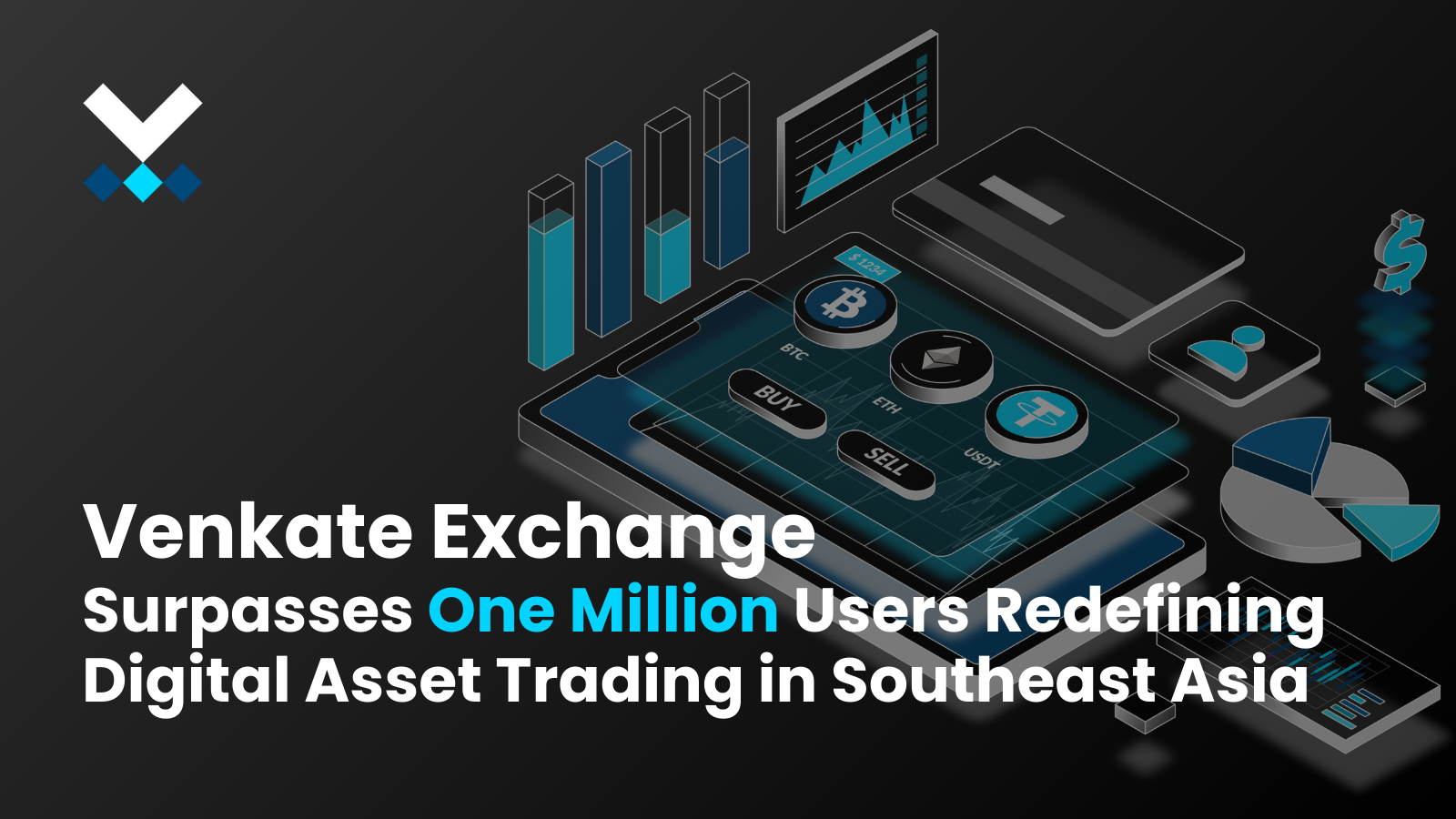
    In a significant milestone that underscores its dominance in the blockchain and cryptocurrency sectors, Venkate Exchange has proudly announced that its user base has exceeded one million. Venkate serves a rapidly growing community with a daily trading volume surpassing $1 billion.

    Security and advanced technology remain at the core of Venkate’s operations, with features including:

    • Advanced Custody Solutions: Leveraging Multi-Party Computation (MPC) wallet technology alongside partnerships with top-tier custodians.
    • Robust Risk Controls: Implementing on-chain monitoring systems and stringent KYC/AML compliance to ensure a secure trading environment.
    • Decentralised Insurance Protocols: Protecting users against contract risks and cyberattacks, thereby enhancing trading confidence.

    Venkate Exchange continues to use its extensive global network and deep regional insights to significantly boost the success of Web3 projects:

    • Global Partnerships: Collaboration with over 1,000 key opinion leaders and hundreds of media outlets maximise visibility and impact.
    • Localised Community Building: Customised community initiatives in Southeast Asia boost project recognition and engagement.
      • Proven Results: Partner projects report up to a 300% increase in exposure and a staggering 1,000% growth in user engagement within the region.

    Venkate remains dedicated to propelling the digital economy in the region forward with a focus on:

    • Diversity: Offering a broad array of assets for tailored investment strategies.
    • Sustainability: Fostering impactful and ethical investment practices.
    • Transparency and Reliability: Ensuring open communication and consistent, robust asset protection

    With achievements ranging from monumental user growth to pioneering the tokenisation of meteorites, Venkate continues to deliver unparalleled value and innovation to its users.

  • Global Survey Reveals Trust Deficit in Tax Systems, Including in Malaysia

    Global Survey Reveals Trust Deficit in Tax Systems, Including in Malaysia

    A groundbreaking global survey, Public Trust in Tax 2024, revealed that while most taxpayers believe in the principle of paying taxes as a contribution to society, trust in how governments utilise tax revenues remains low. Conducted by the Association of Chartered Certified Accountants (ACCA), the International Federation of Accountants (IFAC), and the Organisation for Economic Co-operation and Development (OECD), the survey gathered responses from over 10,000 individuals in 26 countries, including Malaysia.

    The survey underscores a significant gap between the theory and practice of tax systems worldwide:

    • Taxes as a Contribution: 52% see taxes as a contribution to the community, while 25% disagree.
    • Public Good: Only 33% of global respondents feel tax revenues are spent for the public good, while 46% disagree.
    •  Fair Return on Taxes Paid: Just 32% believe public services and infrastructure provide a fair return for their taxes, while 50% disagree.

    Helen Brand OBE, chief executive of ACCA, said: “Trust in tax systems is crucial for sustainable development and prosperity, and the findings of this survey highlight the challenges that many governments across the world face in building it. We look forward to using this important work to engage with policymakers, tax authorities and civil society to drive evidence-based policy initiatives to build effective and trusted tax systems.”

    Commenting on the finding that tax accountants are the most trusted source of information on tax, and politicians the least, Lee White, CEO of IFAC, said: “Consumer and investor protection is the foundation for economic prosperity, which aligns with building trust in the tax ecosystem. As the survey confirms, and in line with previous editions, professional tax accountants are the most trusted source of tax information globally. This trust places an enormous responsibility on our profession to act with integrity, to bridge the gap between governments and taxpayers, and to uphold the highest standards of ethics.”

    Manal Corwin, Director of the OECD Centre for Tax Policy and Administration, said: “We are pleased to join with ACCA and IFAC on this key research. The findings in this report highlight that support for the fiscal contract remains strong in theory, but it’s not being delivered in practice for many. We can use these findings to identify how to rebuild trust in both the theory and practice of tax across the globe.”

    Malaysia’s results revealed more optimism than many other countries in the survey, though challenges persist:

    • A Positive Contribution: 56% of Malaysians believe taxes are a contribution to the community, above the global average.
    • Spending for Public Good: 43% of Malaysian respondents agree tax revenues are spent for the public good, outperforming the global average but leaving room for improvement.
    • Fair Return: 40% of Malaysians feel they receive a fair return in public services and infrastructure for the taxes they pay, compared to the global average of 32%.
    • Ease of Compliance: Malaysians rank tax processes as relatively efficient, with 60% saying it is easy to file returns and make payments, surpassing the global average of 52%.
    • Trust in Accountants: Malaysian tax accountants are the most trusted globally, with an 80% trust rating, reflecting a high level of confidence in the profession.

    Andrew Lim, Portfolio Head of ACCA Maritime SEA, remarked, “Malaysia’s stronger-than-average results highlight the potential for further trust-building measures. Transparency, fairness, and engagement remain vital to strengthening the fiscal contract.”

    Despite relatively positive perceptions, concerns about corruption and the equitable distribution of tax burdens persist in Malaysia, mirroring broader regional and global trends. Addressing these issues will be key to fostering greater public trust in tax systems.

    The full report, Public Trust in Tax 2024, is available at ACCA’s website: https://www.accaglobal.com/gb/en/professional-insights/global-economics/public-trust-tax-2024.html