Category: lifestyle

  • Zurich Malaysia collaborates with GXBank to launch cyber protect digital insurance product

    Zurich Malaysia collaborates with GXBank to launch cyber protect digital insurance product

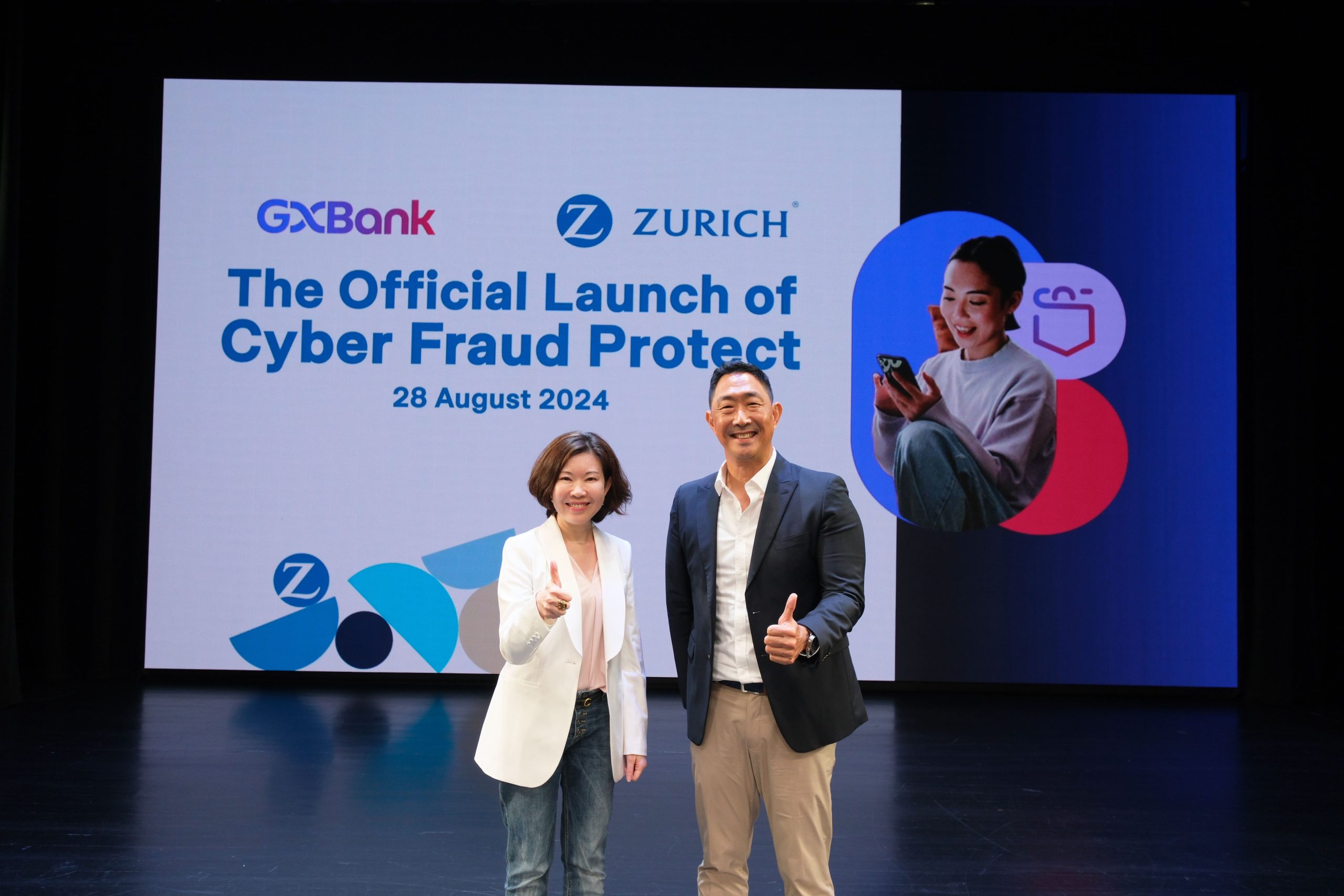
    KUALA LUMPUR, 28 August 2024 – Building on their bancassurance partnership established in May 2024, Zurich General Insurance Malaysia Berhad (Zurich) and GXBank Berhad (GXBank) have announced the launch of Cyber Fraud Protect offered within the GXBank application and powered by Zurich Edge platform. This innovative digital insurance product safeguards Malaysians for financial loss arising from unauthorised electronic transfer resulting from cybercrime or electronic scam messages.

    According to the Federal Commercial Crime Investigation Department, Malaysians lost a staggering RM1.6 billion to online scams over 19 months, from last year up to July 2024. As digitalisation continues to shape our consumption habits and financial activities, the risk of online scams has grown significantly, posing new challenges for consumers and society at large. Cyber Fraud Protect offers coverage for financial losses due to unauthorised electronic transfer from any local bank account, e- wallet, credit or debit cards, providing essential protection against these escalating cyber threats.

    Junior Cho, Country CEO/Head of Zurich Malaysia said, “Since our partnership began in May, we‘ve collaborated closely with GXBank, leveraging Zurich’s risk management expertise and digital capability to launch Cyber Fraud Protect – an innovative online insurance solution for Malaysians. Cyber Fraud Protect embodies our brand promise, ‘Care For What Matters,’ by delivering essential security in an increasingly digital world. We’re confident it will offer Malaysians the robust protection they need in today’s fast-changing digital landscape. In designing and launching this product, our primary focus was ensuring a smooth, positive customer experience, and with the Zurich Edge platform we have been able to do just that, delivering a seamless and convenient in-app purchasing journey for GXBank customers.”

    Pei-Si Lai, Chief Executive Officer, GXBank said, “Since our launch, we have been constantly
    working to provide the best digital banking experience while ensuring the financial literacy,
    accessibility and safety of Malaysians. Co-creating Cyber Fraud Protect with Zurich, this product is
    unique and one-of-a-kind. It not only offers the highest coverage protection of up to RM20,000 against
    losses due to unauthorised transactions from cybercrimes, but also the widest coverage for all local
    bank accounts, debit or credit cards and e-wallets beyond GXBank’s ecosystem. Additionally, our
    collaboration will also see us introduce other insurance products in the future. These are aligned with
    our ongoing mission to build greater financial resilience within reach for Malaysians of all
    backgrounds. “

    As part of the official product launch, a panel of experts gathered for a discussion on addressing the
    heightened concerns around cyber fraud and scams in Malaysia. Moderated by Nazrudin Rahman, a
    well-known Malaysian TV host, writer, producer and actor, the panel included ASP Rahmat Fitri
    Abdullah, Founder/Director of Rahmat Fitri Consultant Sdn Bhd; Ooi Jian Wei, Associate Dean and
    Lecturer at the Department of Social Science, Tunku Abdul Rahman University of Management and
    Technology (TAR UMT); Vincent Mok, Chief Risk Officer of GXBank; and Evelyn Ng, Deputy Chief
    Claims Officer (Property & Casualty) of Zurich Malaysia.

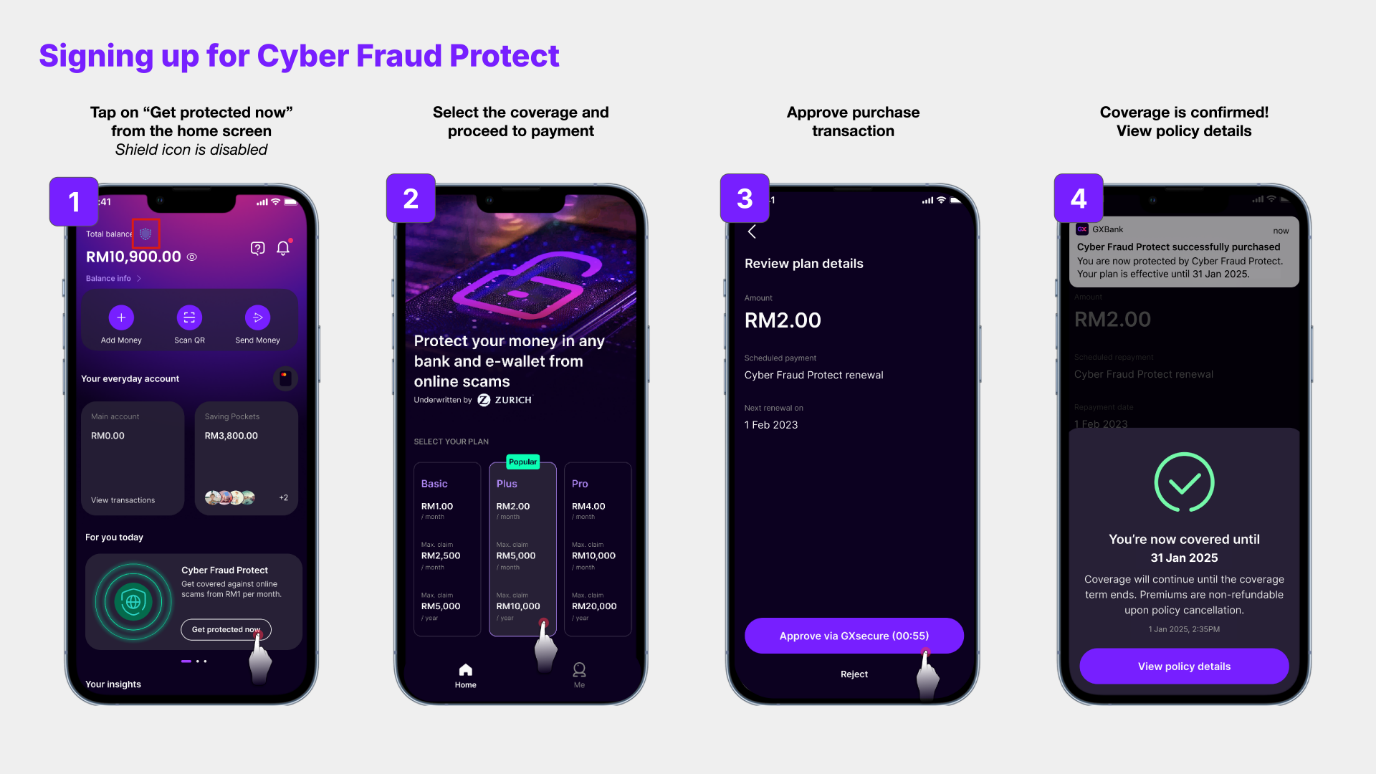
    Get Protected Now with Cyber Fraud Protect 
    Customers interested in securing Cyber Fraud Protect can easily do so via the GXBank mobile app by
    following these simple steps:

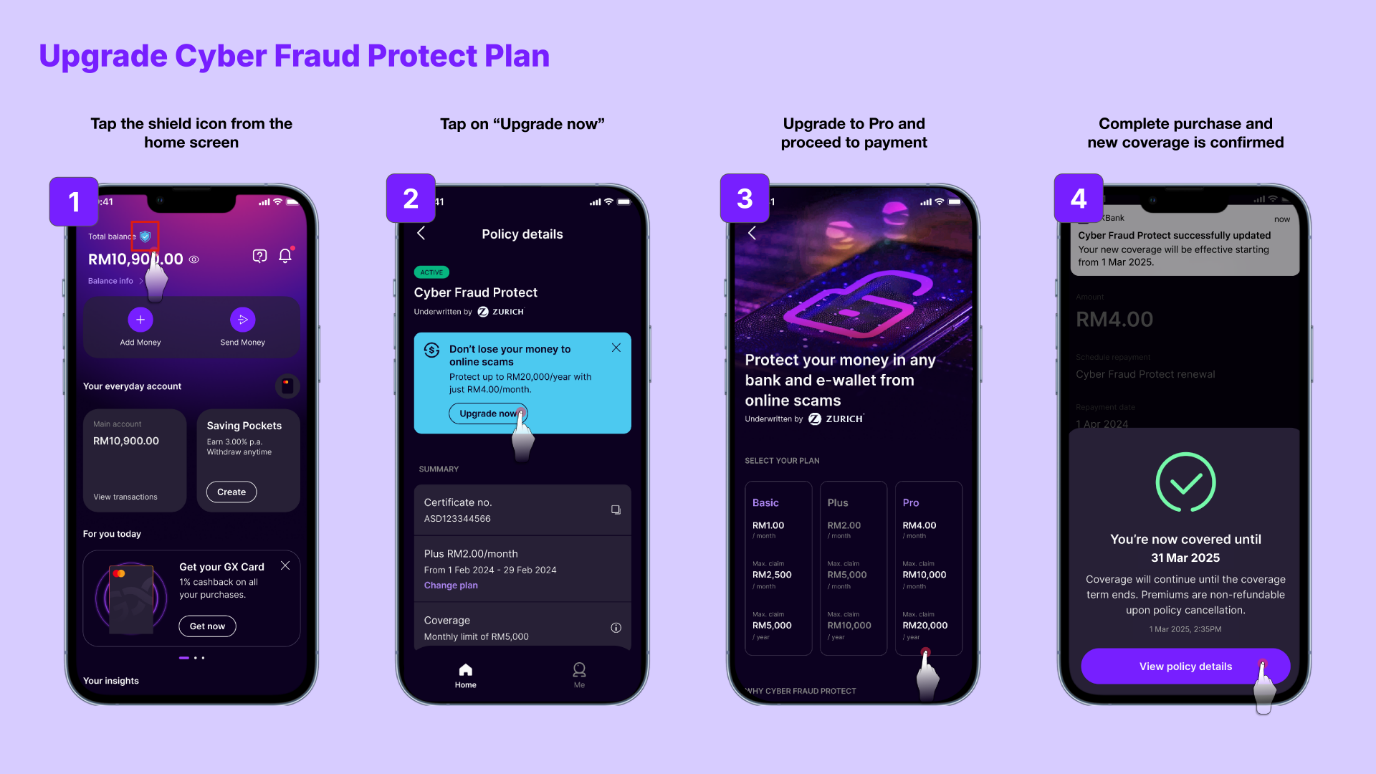
    1. Select a Plan: Choose from three coverage options – Basic (RM1/month), Plus (RM2/month),
    or Pro (RM4/month) – directly within the GXBank mobile app, and click “Get Protected Now”.

    2. Key in Details and Confirm: Verify your email address to ensure receipt of all important
    policy-related communications, and confirm details of the selected plan, including coverage
    terms and premium breakdown.

    3. Authorise and Activate: Approve the transaction through GXSecure, and the policy will be
    activated instantly. Coverage details will be available in the app and a certificate of insurance
    will be sent via email. The monthly premium will then be automatically deducted from the
    customer’s GXBank account.

    For further information on Cyber Fraud Protect, please visit the official website here
    (https://gxbank.my/cyberfraudprotect) for more details.


    Appendix:

  • MDEC-accredited Valtatech integrates with Microsoft to drive Malaysia’s e-invoicing transformation

    MDEC-accredited Valtatech integrates with Microsoft to drive Malaysia’s e-invoicing transformation

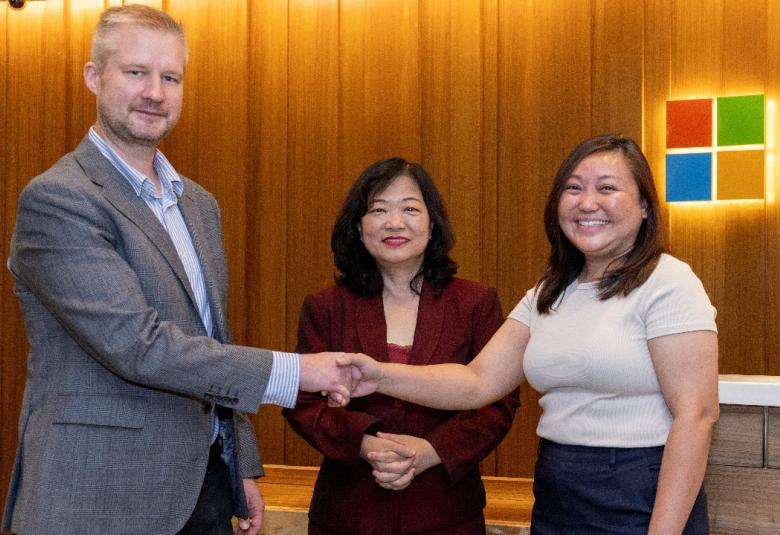
    Kuala Lumpur, 22 August 2024 – Source-to-Pay [S2P] and Procure-to-Pay [P2P] specialist Valtatech has
    made a strong entry into the Malaysian market, by integrating with Microsoft Dynamics 365 and the
    Pax8 marketplace to drive Malaysia’s ongoing e-invoicing transformation. This follows its accreditation
    by the Malaysian Digital Economy Corporation [MDEC] as a pilot e-invoicing service provider for MDEC
    and Lembaga Hasil Dalam Negeri [LHDN].

    With a decade of experience implementing end-to-end procurement solutions across Asia Pacific and
    Europe, Valtatech is uniquely positioned to guide Malaysian businesses through not only the
    complexities of the e-invoicing mandate but also to unlock the strategic value of digital transformation.

    “We applaud the Malaysian Government’s forward-thinking approach to implementing e-invoicing on a
    country-wide scale,” said Jussi Karjalainen, CEO of Valtatech. “We are not just another e-invoicing
    provider; we curate end-to-end ecosystems to improve business procurement processes. Our extensive
    experience in other geographies has demonstrated the effective and efficient implementation of e-
    invoicing as a catalyst for digitizing the entire business procurement ecosystem to drive growth within a
    country and beyond borders.

    “Our decade of experience, combined with our deep understanding of the local market, makes us the
    perfect partner for any Malaysian business to go beyond compliance and drive efficiencies to maximize
    business opportunities. Our collaboration with Microsoft and Pax8 fuels our ambitions to create an end-
    to-end ecosystem to offer companies critical solutions at every business processing touchpoint."

    The integration with Microsoft will enable Valtatech to make its e-invoicing Gateway (SaaS) available on
    Microsoft Azure as well as being integrated with Microsoft Dynamics 365. Valtatech will then work
    closely with Pax8 to market the solution to the 2nd wave of e-invoice prospects, who are targeting to go
    live in January 2025.

    Valtatech’s mature, localized platform seamlessly integrates with existing systems, ensuring a smooth
    and efficient transition for Malaysian businesses. The procurement service provider prioritizes data
    security measures like encryption, secure data storage, regular audits, and proactive firewall
    management, ensuring peace of mind for their clients.

    Leading the Valtatech charge in Malaysia is Country Manager, Malick Aboobakar, a 30-year veteran in
    digital economy.

    ”Having worked with many Malaysian businesses to drive the digitalisation of their businesses, I am
    confident our team will be able to provide the unique combination of leveraging Valtatech’s global
    experience, with strong local insights and understanding," said Malick.

    “We have already onboarded several companies, and are in advanced discussions with other solutions
    providers to add depth and breadth to our business processing solutions ecosystem. The country’s
    positive economic growth and the recent influx of international investments, particularly in tech
    industries, indicate the increasing need to digitise the Malaysian economy. The mandatory
    implementation of e-invoicing is an opportunity for Malaysian companies to make the most of this
    pivotal step. Valtatech aims to be their preferred partner in the business processing automation space,”
    he added.

    Valtatech is a financial process automation provider with 10 years of proven success across Asia Pacific
    and Europe. Trusted by industry leaders like Cycle & Carriage and Konica Minolta, Valtatech offers a
    comprehensive suite of end-to-end e-procurement solutions that include source-to-pay (S2P), Procure-
    to-Pay (P2P), e-invoicing and compliance technology.

    For more information on Valtatech please visit www.valtatech.com/MY

    About Valta Technology Group
    Valta Technology Group is a Source to Pay advisor, Managed Services provider, and e-invoicing and
    compliance technology company specialising in implementing end-to-end solutions. With offices in
    Melbourne Australia, Manila Philippines, Singapore, and Malaysia, Valtatech offers leading managed
    technology solutions, and best practice advisory services assisting organisations across Asia Pacific to
    automate their finance and procurement functions.

  • SC’s Guidelines on Technology Risk Management Take Effect Today

    SC’s Guidelines on Technology Risk Management Take Effect Today

    The Guidelines were initially released in August 2023 for capital market entities to be familiar with risk management practices, which now expand beyond cyber security to include technology risks, among others.

    The revised Guidelines emphasise the significance of strengthening operational reliability, security and resilience against technology disruptions. The Guidelines also set out the SC’s expectations on risk management practices to be adopted by industry.

    The key areas covered include ‘change management’ process, third party service providers, reporting requirements, technology audit, board oversight and accountability over technology risks.

    The CrowdStrike outage highlights the vulnerability of our digital infrastructure and the widespread impact such incidents can have on organisations. It also emphasises the importance of regulations like the Guidelines in strengthening operational resilience practices.

    In light of this incident, it is imperative that all capital market entities recognise the importance of observing the Guidelines. This not only protects against immediate technology risks, but also builds a resilient, secure, and ethical technological landscape for the future.

    This initiative underscores the SC’s ongoing efforts to strengthen Malaysia’s capital market and investor confidence. The SC has updated various related guidelines today following the implementation of the Guidelines. The SC has also made available a list of updated Frequently Asked Questions (FAQs) on the Guidelines to provide further clarity to capital market entities.

    The revised Guidelines are available at https://www.sc.com.my/regulation/guidelines/cyber-risk-and-technology-risk .


  • Malaysia’s Journey Towards Self-sufficiency

    By Jonathan Di Rollo  

    Independence has been cherished by Malaysians for decades but in a rapidly changing world creating sustainability through economic self-sufficiency has become an increasingly important priority. With sustainable independence as a new priority, the questions of how to achieve this and in what time frame are important and need-considered answers.  

    Malaysia’s government has ongoing development plans to address these issues and answer these questions but every nation depends on, and serves, all of its people.  

    Public and private sector decision-makers are faced with leading and managing local talents and global partnerships in different sectors requiring different governance for achieving optimal outcomes. Leaders in each field have diverse experience to offer that can be used to keep independence going in sustainable directions through self-sufficiency that protects the country from global fluctuations and shocks. 

    Malaysia’s Self-sufficiency Milestones 

    1. Early Development (1957-1970)
    • 1957: Independence from British colonial rule. 
    • 1963: Formation of Malaysia, including Malaya, Sabah, Sarawak, and Singapore (until 1965 when Singapore separated). 
    • 1965: Establishment of Bank Negara Malaysia to manage the country’s monetary policy. 
    1. New Economic Policy (1971-1990)
    • 1971: Introduction of the New Economic Policy (NEP) aimed at reducing poverty and restructuring society to eliminate the identification of race with economic function. 
    • 1974: Establishment of Petronas, the national oil and gas company, marking a significant step towards energy self-sufficiency. 
    • 1981: Launch of the Proton car project, Malaysia’s first national car manufacturer, to reduce dependency on imported vehicles. 
    1. Industrialisation and Modernisation (1991-2000)
    • 1991: Introduction of Vision 2020 by Prime Minister Mahathir Mohamad, aiming for Malaysia to become a fully developed nation by 2020. 
    • 1994: Completion of the North-South Expressway, enhancing transportation infrastructure and boosting economic growth. 
    • 1996: Launch of the Multimedia Super Corridor (MSC) to transform Malaysia into a knowledge-based economy. 
    1. Economic Diversification and Innovation (2001-2010)
    • 2001: Implementation of the Third Industrial Master Plan, focusing on strengthening the manufacturing sector and developing new growth areas. 
    • 2005: Malaysia becomes a net exporter of oil and gas, achieving significant energy self-sufficiency. 
    • 2007: Introduction of the Ninth Malaysia Plan, emphasising human capital development and innovation. 
    1. High-Income Economy and Sustainability (2011-2020)
    • 2010: Launch of the Economic Transformation Programme (ETP) with the goal of making Malaysia a high-income economy by 2020. 
    • 2012: Introduction of the National Automotive Policy to further develop the automotive industry and encourage the production of energy-efficient vehicles. 
    • 2015: Implementation of the Goods and Services Tax (GST) to diversify government revenue sources. 
    • 2020: Achievement of several Vision 2020 goals, although not fully reaching high-income status, significant progress in economic development and self-sufficiency. 
    1. Post-2020 Initiatives and Ongoing Efforts
    • 2021: Introduction of the 12th Malaysia Plan, focusing on sustainable growth and enhancing the resilience of the economy post-COVID-19. 
    • 2022: Continued efforts in renewable energy adoption, aiming for 31% renewable energy capacity by 2025. 
    • 2023: Strengthening food security measures to reduce dependency on imported food products. 

     Malaysia’s Brand Ambassadors 

    Ambassadors perform as diplomats for their country all over the world but a country is a brand too and brand ambassadors represent the soul of the nation and embody all points of contact with the rest of the world.  

    Independent countries are still dependent on their people; their politicians, business people, artists, lawyers, scientists and inventors. High profile brand ambassadors for Malaysia include Datuk Lee Chong Wei, the celebrated Olympic medallist turned corporate and educational brand ambassador who embodies how a country will always depend on its people as leaders to carry on global partnerships that benefit themselves as well as the country. Leading in sport then business and education shows connectivity and influence in independence.  

    There are many more worthy Malaysians who have and continue to contribute to brand Malaysia in different ways in different sectors. The influence of these leaders to self-sufficiency is achieved through economic policies, development programs and well-managed resources. These key people are also role models for others showing us that we are always in dependence.  

    Food Security 

    In a country whose economy depends greatly on for agriculture, self-sufficiency in food is a top priority. In 2023 Malaysia’s self-sufficiency rate (SSR) for rice was at 62.6%, vegetables 44.7%, and fruits 78.1%, according to Datuk Chan Foong Hin, Deputy Agriculture and Food Security Minister. These headline figures for food security are just one part of the story in Malaysia’s self-sufficiency journey.  

    Ramly Processing Sdn. Bhd.  the renowned Malaysian frozen and fast-food company, founded by Ramly bin Mokni, tells an equally important story. From humble beginnings starting in 1984 with the aim of developing a clean and good-quality halal Western fast-food chain in Malaysia, Ramly began selling burgers with his wife. He discovered that it was unknown whether most fresh-meat sources were halal or not and decided to produce a halal-certified meat source for all Muslim consumers in Malaysia. With the halal economy expanding they increased production whilst maintaining stringent quality control. The Ramly Burger brand began to gain recognition not only for its halal certification but also for its taste and affordability becoming a national success story before starting to export to neighbouring countries of Singapore, Brunei, and Indonesia.  

    Halal certification contributes towards self-sufficiency by implementing legal frameworks and enforcement to promote the halal industry as a source of economic growth. Integration between halal finance and halal foods can create a new source of growth. Implementing halal standards and obtaining halal certification is crucial for industry players to export their products to Muslim markets and attract Muslim-friendly tourism.  

    Tech: Towards a Knowledge-Based Economy (K-Economy)  

    Malaysia has been embracing digital transformation for decades and continues to transition towards becoming a k-economy. With the government continuing to recognise that self-sufficient economic growth requires innovation, technology, and human capital development, initiatives taken include the Multimedia Super Corridor (MSC) started in 1979, followed by the Malaysia Digital Economy Blueprint. These technological advancements are pivotal for Malaysia to achieve greater self-sufficiency by reducing its dependency on external resources and foster innovation-driven growth. Former MDEC CEO Surina Shukri left a legacy through the development and execution of the Malaysia Digital initiative, which aims to create substantial digital economic spillovers through equitable access to digital tools, knowledge, and income opportunities.  

    “Predicated on a new framework built upon three primary components – Agility, Flexibility, and Relevance – the blueprint is set to enhance Malaysia’s value proposition to attract digital investments, firmly establishing Malaysia as the digital hub of ASEAN,” Shukri said during her tenure.  

    This strategy was validated by attracting major global tech investors, including Alibaba, which established its first regional e-commerce and logistics hub in Kuala Lumpur and more recently award-winning e-wallet provider Boost. These technological advances have also assisted SMEs in reducing transaction costs and expanding marketing enabling more self-sufficient business.  

    Most recently digital services have expanded to include telemedicine and E-Government and policies and strategies for adopting and using technology have also been applied to agriculture, fisheries and renewable energy in Malaysia reflecting the broad reach and impact of technology and its influence on self-sufficiency. 

    Internationalising Malaysia 

    One of the most high-profile Brand Ambassadors in Malaysia, Tan Sri Tony Fernandez, Capital A Sdn Bhd’ CEO, is an aspirational leader for Malaysians and foreigners alike. Air Asia has not only allowed more people to fly to more destinations than ever before but has also contributed to internationalising the nation.  

    Internationalising countries that lead the world can be seen by the boom in the Japanese economy, followed by China, turning them into world leading countries. However, these gains come with costs, and this is now a hot topic for sustainability. The environmental impact of air travel is closely watched by all airlines with transportation companies being major global contributors to carbon emissions. Addressing sustainability, Fernandez recently called on governments and aviation regulators in the region to improve air traffic management at airports so that airlines can burn less fuel instead of mandating them to use green fuel or sustainable aviation fuel (SAF) that are currently low in production. 

    “SAF is not going to change the world any time soon but there are things that we all can do now…SAF is just too expensive at the moment. There has to be a bigger supply…One per cent (of SAF) is not going to change a lot of things and passengers would have to fund this. Every passenger coming in has to pay a surcharge for SAF.”I would urge (the) governments inclusive of the Singapore government to sort out air traffic control. That’ll be a great place to start in terms of conserving fuel,” he said in a recent interview with local newspaper, New Straits Times.  

    The spill-overs from internationalising Malaysia may be difficult to quantify but there are strong arguments towards contributing to self-sufficiency. 

    Energy and the Environment 

    Any economic activity comes with costs as well as benefits and, with Oil & Gas contributing up to 30% of Malaysia’s GDP, strategies for sustainability in the energy sector have become a top priority. Given the importance of the oil price and its instability, the strategies of key energy sector players are influenced by national as well as international governance. Compliance with global sustainability goals has influenced decision-making and the dependence of the energy producing sector on self-sufficiency.  

    Strategies that diversify economic dependence may be equally important on the nation’s journey to self-sufficiency but these now include legal compliance and investor satisfaction which mean that economic independence is not the former only goal and sustainability is now an essential aspect of creating self-sufficiency. 

    Malaysia’s former Minister of Energy, Science, Technology and Climate Change (MESTECC) who did much during her tenure for adopting sustainable elements to Malaysia famously said, “Malaysia will not be the dumping ground of the world” in the Netflix documentary “Broken” that highlighted Malaysia’s plastic dumping problem. Another initiative by the ex-minister included setting-up a pollution monitoring system in Pasir Gudang Johor in 2019, following the incident where 4,000 people there experienced breathing difficulties. It was discovered that the main cause was due to gases released by chemical industries in the area. Lynas, a rare-earth processing company was also regulated after concerns were raised on radioactive waste.  

    These actions highlight that different levels of action on regulation are required even within the same economic sector and that self-sufficiency and independence are deeply intertwined. 

    Future self-sufficiency 

    Despite many milestones and significant progress made to date, Malaysia still faces challenges on its path to self-sufficiency. Economic inequality, regional disparities, and the need for continuous innovation are some of the issues that require ongoing attention.  

    External shocks such as the COVID-19 pandemic have highlighted vulnerabilities in global supply chains, underscoring the importance of building a resilient and self-sufficient economy. Investing in education, technology, and sustainable practices to remain relevant are key as well as managing the impact of these developments on enhancing social safety nets and addressing regional inequalities.  

    The Malaysian government’s commitment to the Shared Prosperity Vision 2030 (SPV 2030) is part of a vision that emphasises inclusivity and sustainability and by focusing on high-value industries, innovation, and human capital development, SPV 2030 can contribute to achieving self-sufficiency for Malaysia.  

    On the journey Malaysia will still rely on its people to make all these actions effective. National strategies, coupled with the contributions of individuals across various sectors, have laid the foundation for a self-sufficient, knowledge-based country that is globally connected.  

    As Malaysia and its people celebrate Merdeka month, reflecting on past achievements can yield lessons for future guidance that help clarify the path to self-sufficiency. The stories of entrepreneurs, educators, and environmentalists illustrate the human power of Malaysia’s economic vitality. Each individual’s contributions must be considered a source of inspiration, embodying the values of independence, innovation, and resilience that define Malaysia’s journey towards a prosperous and self-sufficient future. – (TSI) 

  • Malaysia’s Bold Bet

    By Jeannie Cotter 

    Malaysia is going all in on advanced manufacturing, green tech and automation. The country’s new industrial master plan outlines an ambitious vision to transform key sectors of its economy over the next seven years. Dubbed the New Industrial Master Plan 2030 (NIMP), the strategy bets big on high-potential industries from healthcare to electric vehicles. The aim is to leapfrog Malaysia into the big leagues as a hub for precision engineering, smart manufacturing and sustainable technologies. 

    For international companies and investors, NIMP maps out priority growth areas where government support and partnerships will be directed. By syncing business plans with the master plan’s strategic goals, firms can capitalise on policies and funding that favour innovation, digitisation and supply chain resilience.  

    In essence, the NIMP provides very useful guidance on where Malaysia is headed and which sectors have the most potential over the next few years. Business plans that sync up with the NIMP’s missions will have a definite advantage when it comes to regulatory issues, talent recruitment and access to financing. 

    Healthcare and Medical Technology 

    A top priority under the plan is to develop higher value-added industries like pharmaceuticals and medical devices. Malaysia stands as the ASEAN region’s largest medical device market, with a substantial total market size of US$1.8 billion, according to the Malaysian Investment Development Authority (MIDA). 

    The country has established itself as a major exporter of medical devices, sending over 90% of its domestic production to international markets. Top destinations for Malaysian medical device exports are the United States, Germany, Singapore, Japan, Belgium, China, the Netherlands, Brazil, the United Kingdom and Australia. 

    Emerging as a significant focal point for medical device production, both regionally and globally, Malaysia boasts a flourishing industry with over 200 manufacturing companies. Within this well-connected ecosystem, 30 of these are multinational corporations that have chosen Malaysia as their manufacturing hub. Renowned names in this category include Abbott, Toshiba Medical Systems and B-Braun. The sector provides employment for over 70,000 skilled workers, serving as the backbone of the industry’s human capital. 

    Malaysia’s strategic location, strong manufacturing capabilities and pro-business environment have allowed it to become a key hub for medical device production and export within Asia. Building on existing strong capabilities in electronics and semiconductor fabrication, the aim is to move into more complex manufacturing like biomedical sensors and diagnostics. 

    Policies will incentivise joint ventures and technology transfers with leading multinationals to upgrade production and R&D capabilities. At the same time, training programmes through public-private partnerships will focus on developing the technical workforce required for advanced medical technology manufacturing. Foreign firms bringing experience in precision engineering and complex supply chain integration can benefit tremendously here. 

    Electric Vehicles and Renewable Energy 

    Another major emphasis is on green technologies, from electric vehicles to large-scale solar and wind power projects. NIMP aims to nurture homegrown electric vehicle (EV) manufacturers serving both domestic and export markets. It also outlines plans to phase out internal combustion engine vehicles entirely by 2040. 

    The electric vehicle (EV) market in Malaysia is gaining traction, fuelled by increasing interest from environmentally-conscious and younger consumers. While overall EV sales remain low, making up just 0.4% of total vehicle sales in 2021, the market is expanding rapidly. EV sales jumped 65% in 2021, with 2,717 units sold compared to 1,642 in 2020, according to data from the Malaysian Automotive Association (MAA).  

    The growing reliance on EVs to cut emissions in transport is intensifying the need for a strategic approach to the energy transition. Despite Malaysia’s predominant reliance on coal and natural gas in its energy mix, Tenaga Nasional Bhd reports a 23% lower emission rate from EVs versus ICE vehicles. 

    The current electricity generation mix in Malaysia leans heavily on coal and gas, with renewable energy sources making up only 17.8%. The nation aims for 31% renewable energy in the national installed capacity mix by 2025, escalating to 70% by 2050, as outlined in the National Energy Transition Roadmap. 

    Malaysia’s wealth of lithium, rare earth metals and other critical battery minerals will provide key inputs for EV production. Meanwhile, the EV shift will drive demand for upgraded electric grid infrastructure and renewable energy generation. These developments underscore the huge potential for renewable energy to play a pivotal role in Malaysia’s energy landscape. 

    Under the NIMP’s Net Zero mission, foreign power producers are encouraged to participate in efforts to decarbonise Malaysia’s economy. Opportunities exist across the clean energy spectrum, from utility-scale solar and wind farms to smaller rooftop solar installations. 

    Looking ahead, the Malaysian government has set a goal of having 125,000 EVs on the road by 2030. If this target is realised, Malaysia’s fledgling EV market is poised for massive growth over the next several years. Younger and eco-minded drivers are expected to continue leading the shift towards EVs in Malaysia. 

    Automation and Artificial Intelligence 

    As part of its goal to “tech up” Malaysian industry, NIMP aims to accelerate digital transformation in manufacturing. The plan sets targets for increased adoption of automation, robotics and artificial intelligence to sharply improve productivity and efficiency. 

    Based on Statista’s data, the artificial intelligence market in Malaysia is projected to reach a market size of US$3,859.00 million by the year 2030. The 2022 Oxford Insights Government AI Readiness Index ranks Malaysia 29th out of 181 countries. This ranking is attributed to Malaysia’s robust digital capacity and infrastructure, providing a solid foundation for the development and integration of artificial intelligence. 

    Tax incentives will promote large-scale integration of industrial Internet-of-things systems. Grants are also available to help SME manufacturers implement automation. And factory automation levels will eventually factor into manufacturing licensing requirements. 

    Malaysia wants to leapfrog ahead as a smart manufacturing location. Multinationals adept at applying technologies like predictive maintenance, computer vision and collaborative robots will find open doors here. 

    The Road Ahead 

    The NIMP represents a bold vision and a significant commitment by the Malaysian government to transform key industries. Achieving the goals will require major investments in infrastructure, workforce development and partnerships between government, businesses and academia. 

    Success is not guaranteed. The targets are ambitious and will require effective execution and adaptation along the way. Regional competition will be fierce as other Southeast Asian nations have similar ambitions to move up the manufacturing value chain. Malaysia’s centralised planning approach could give it an edge in marshalling resources. However, neighbours like Thailand and Indonesia are also making big bets on EVs, automation and other advanced manufacturing. 

    If Malaysia can successfully upgrade industries as envisioned, it will solidify its position as a leading manufacturing hub in Asia. This could make the country an attractive launch pad for foreign firms looking to serve regional and global markets. 

    For investors and companies, the time is now to evaluate how the NIMP’s goals align with their own long-term business strategies. Early movers may benefit the most from government incentives and policies aimed at nurturing priority sectors. 

    How Malaysia navigates the tricky transition toward high-tech, green industries bears watching across the region. Its transformation roadmap under the NIMP could provide valuable lessons for other developing nations. 

  • Invest Johor’s Vision Unveiled

    Invest Johor sets its sights on a future where the state stands as a prominent global player, extending its economic reach beyond traditional sectors to embrace new frontiers that will shape the global economic landscape in the coming decade. The focus of these efforts spans a diverse array of industries, ranging from technology and innovation hubs to renewable energy, biotechnology, logistics, tourism, and smart city development. The strategic intent is clear – Johor aims to create an economic landscape that not only attracts global investments but also nurtures sustainable and inclusive growth within the state.

    In the realm of technology and innovation, Johor is positioning itself to become a hub that attracts investments in research and development, technology parks, and startup incubators. The global push towards sustainability is not lost on Johor, as it actively seeks investments in renewable energy, emphasizing solar, wind, and other green technologies as significant drivers of economic growth. With advancements in biotechnology and an ageing global population, investments in healthcare and biotech industries, including research facilities and pharmaceutical manufacturing, are gaining prominence.

    The rise of e-commerce has reshaped supply chain dynamics, and Johor, with its well-developed logistics networks, is poised to attract investments in efficient logistics and distribution centres. Additionally, the state’s strategic location and natural attractions make it an attractive destination for tourism and hospitality investments, including hotels, resorts, and infrastructure development to support the burgeoning tourism industry.

    Education and training facilities are not overlooked in Johor’s economic vision. Recognizing the long-term benefits of a skilled workforce, the state is actively investing in universities, vocational training centres, and programs that align with emerging industries. The concept of smart cities, integrating technology to enhance the quality of life for residents, is also part of Johor’s forward-thinking approach, focusing on sustainability, connectivity, and efficient resource management.

    As technology continues to reshape the financial industry globally, Johor is not lagging. Investments in financial services and fintech are seen as drivers of economic growth, encompassing the establishment of fintech hubs, support for startups, and the adoption of digital financial solutions. Sustainable agriculture practices and agribusiness investments are also part of Johor’s strategy for economic diversification, involving precision farming, agro-processing, and the development of agricultural technology.

    However, the success of these visionary investments depends on various factors, including government policies, infrastructure development, regulatory frameworks, and the ability to attract and retain talent. Johor recognizes the need to create an environment that fosters innovation, collaboration, and sustainable practices to ensure the realization of its economic aspirations.

    “The concept of Invest Johor is rooted in creating a dynamic economic landscape that not only attracts investors but also nurtures sustainable and inclusive growth in the state.”

    Beyond the strategic economic initiatives, Invest Johor is keenly focused on leveraging the state’s rich heritage. From a historical gateway to a modern economic powerhouse, Johor’s journey reflects resilience and adaptation. Invest Johor places a strong emphasis on strategic infrastructure development, enhancing transportation networks, logistics hubs, and technology parks to attract businesses involved in cutting-edge industries.

    Facilitating collaboration between industries and creating specialized clusters is another strategy to enhance competitiveness. The idea is to build ecosystems where companies, research institutions, and startups can collaborate and benefit from each other’s expertise. To attract investments in disruptive technologies, Invest Johor, in collaboration with MIDA, offers targeted incentives for companies involved in sectors such as biotechnology, information technology, and advanced manufacturing. These incentives may include tax breaks, grants, and other financial incentives to encourage businesses to establish and expand their operations in Johor.

    Talent development and retention play a crucial role in sustaining Johor’s economic momentum. Invest Johor collaborates with Unit Modal Insan Negeri Johor to focus on developing and retaining a skilled workforce. This involves collaborating with educational institutions to ensure that the local workforce is equipped with the necessary skills for emerging industries. The establishment of training programs and partnerships with universities and vocational schools is part of this long-term vision.

    Digital transformation is recognized as a key driver for staying at the forefront of economic development. Invest Johor supports businesses in adopting digital transformation strategies, including e-commerce, Industry 4.0 technologies, and smart city initiatives. This commitment to embracing digital technologies aligns with the global trend towards Industry 4.0 and the increasing reliance on digital solutions across various sectors.

    Sustainable development is a core principle guiding Invest Johor’s initiatives. The organization actively promotes sustainable practices in industries such as renewable energy, eco-tourism, and green infrastructure development. This commitment aligns with the region’s dedication to responsible and future-oriented economic growth. The emphasis on sustainability reflects a global shift towards environmentally conscious practices and resonates with investors who prioritize Environmental, Social, and Governance (ESG) factors in their decision-making.

    Invest Johor’s efforts extend beyond economic growth to actively engaging with the younger generation and entrepreneurs. The emphasis on attracting young talent and fostering a thriving millennial ecosystem is seen as a critical component of Johor’s economic strategy. Concrete examples of successful initiatives and stories showcase how the state leverages the dynamism of the youth to fuel economic growth and innovation.

    The responsible investor of today prioritizes ESG factors, and Invest Johor recognizes this shift. The organization takes measures to ensure that development in Johor is sustainable and environmentally responsible. This includes prioritizing green infrastructure development, supporting renewable energy initiatives, and ensuring compliance with environmental regulations. The role of investors in contributing to a green and equitable future is highlighted, encouraging them to be part of the sustainability journey in Johor.

    Johor’s embrace of disruptive technologies like AI and biotech positions it as an attractive destination for global tech giants and innovative startups. The article highlights some of the most exciting tech-driven projects or initiatives that are drawing attention from the global tech community. It also provides insights into how investors can contribute to building Johor’s tech ecosystem and harness its potential for future growth.

    The human element is not overlooked in this economic narrative. Real-life success stories of local entrepreneurs and foreign investors who found their dreams and profits in Johor are shared. These stories serve to resonate with readers, offering tangible examples of the opportunities and support provided by Invest Johor. The inclusion of investors’ testimonial videos adds a personal touch to the narrative, bringing the success stories to life.

    Invest Johor’s commitment to “Building a Better Johor Together” emphasizes active engagement with local communities. The organization recognizes the importance of inclusive and equitable growth, and this involves understanding the unique needs, challenges, and aspirations of the local community. The article provides insights into how investors can actively engage with local communities, building partnerships, measuring, and reporting impact, seeking input and feedback, and committing to long-term collaboration.

    To differentiate itself from other regional investment hubs like Singapore or Vietnam, Invest Johor leverages specific strengths, advantages, and strategic initiatives. The strategic location and connectivity of Johor, particularly its proximity to Singapore, provide a significant advantage. The focus on enhancing transportation and logistics infrastructure enhances connectivity and facilitates the movement of goods and people. Cost-competitiveness is highlighted as a key proposition, with lower operational costs compared to Singapore being an attractive factor for investors.

    Invest Johor further distinguishes itself through the development of special economic zones and industrial parks with tailored incentives for specific industries. The organization promotes a diversified approach, highlighting specific industries or sectors where Johor has a competitive advantage or is experiencing rapid growth. The focus on innovation and technology, with the promotion of research and development centres, technology parks, and partnerships with tech-focused organizations, positions Johor as a forward-thinking investment destination.

    “Johor’s economic strength lies in its strategic location, cost-competitiveness, and a diversified approach to industries. We envision a future where Johor stands out as a hub for innovation, sustainability, and vibrant economic activity, contributing significantly to Malaysia’s overall growth.”

    Sustainable development and a commitment to ESG factors are emphasized as differentiators for Johor. The integration of sustainable practices, including green infrastructure, renewable energy initiatives, and compliance with environmental regulations, aligns with the global trend towards responsible business practices. The ease of doing business and a supportive regulatory environment, along with a skilled workforce and education initiatives, are additional factors that contribute to Johor’s appeal as an investment destination.

    Looking ahead, Invest Johor envisions bold and audacious possibilities for Johor’s economic landscape in the next 5-10 years. While predicting the future is inherently challenging, envisioning transformative trends involves considering visionary scenarios. These include the emergence of Johor as a global innovation hub, a sustainable smart city with green infrastructure, a biotech and healthcare hub, a pioneer in renewable energy, a digital transformation epicentre, a global logistics and trade hub, a cultural and creative economy hub, and an integrated sustainable tourism destination.

    To prepare for disruptions and unexpected developments, Invest Johor outlines strategic measures to ensure adaptability and resilience. These include scenario planning, diversification of industries, maintaining an agile policy framework, investment in education and skills, international collaboration, digital infrastructure resilience, community engagement, environmental stewardship, crisis preparedness and response, and regular stakeholder consultation.

    Invest Johor’s vision for the future is comprehensive, spanning a diverse range of industries and focusing on sustainability, innovation, and inclusivity. The organization’s strategic initiatives and collaborative approach position Johor as a dynamic and forward-thinking investment destination. As the state navigates the complexities of a changing global landscape, Invest Johor remains committed to building a better future for Johor and contributing significantly to Malaysia’s overall economic growth.
  • Exploring the Ethics of Artificial Intelligence and Machine Learning


    Artificial Intelligence and Machine Learning (AI & ML) have continued to shape the future, making ethical considerations surrounding these technologies increasingly important. On November 8, 2023, the MFPC Virtual Platform (Hubilo) played host to the “Virtual Industry: Professionalism & Ethics Forum 2023,” centered around the theme “Ethical Considerations in Artificial Intelligence & Machine Learning.” This comprehensive event brought together renowned speakers, experts, and a thought-provoking roundtable discussion, providing invaluable insights into the evolving landscape of AI & ML ethics.

    Mr. Andy Ng Yen Heng, President of the Malaysian Financial Planning Council (MFPC), eloquently summed up the forum’s essence by stating, “I believe that our ‘Virtual Industry: Professionalism & Ethics Forum 2023’ has illuminated the path toward a future where Artificial Intelligence and Machine Learning thrive alongside human values and ethics, shaping a better world for all.”

    The forum commenced with an engaging session that delved into personal perspectives on AI & ML. Mr. Shamsul Izhan Abdul Majid, Chief Technology and Innovation Officer of the Malaysian Communications and Multimedia Commission (MCMC), a highly respected figure in the industry, shared his insights on how individuals perceive AI and ML. This session was an opportunity for attendees to explore and discuss their own understanding and perceptions of these transformative technologies during the subsequent Q&A.

    Following this, Mr. Ahmad Fairuz Ali, Head of Data Science at Bank Islam Malaysia Berhad, provided valuable insights into the corporate world’s experiences with AI & ML and the ethical challenges that have emerged. The ensuing Q&A session encouraged participants to delve deeper into the ethical solutions adopted by businesses to address these challenges.

    The third session featured Prof. Ts Dr. Yau Kok Lim, who took the virtual stage to discuss how humans and AI can coexist harmoniously. As a Professor at Universiti Tunku Abdul Rahman (UTAR), his academic perspective added depth to the crucial discussion on how to work together with Artificial Intelligence without humans being replaced. The Q&A session that followed allowed attendees to explore strategies for maintaining human relevance in an increasingly automated world.

    The Round Table session served as the forum’s centerpiece, with Mr. Raevendren Ramachandran, Co-Founder of Cashku, moderating a discussion that featured prominent industry leaders and experts. Panelists, including Mr. Desmond Foo, Director, Head of Data, Analytic, and AI at AIA Bhd, Mr. Goh Joon Koon, Head of IT for Malaysia and Singapore at Principal Malaysia, and Ms. Adilah Junid, Director of Legal & Government Affairs at Microsoft Malaysia, shared their real-world experiences, insights, and perspectives on the ethical considerations within their respective domains. This interactive session, followed by a Q&A, allowed participants to engage directly with the panelists, providing a deeper understanding of the practical aspects of AI & ML ethics.

    The forum concluded with closing remarks from Mr. S.K. Samy, Chairman of the Ethics and Compliance Board at the Malaysian Financial Planning Council (MFPC). His remarks underscored the critical importance of ethics in the implementation and deployment of AI & ML technologies, offering attendees valuable takeaways from this insightful event.

    In a rapidly evolving world where AI & ML continue to transform industries, this forum provided a deeper understanding of the ethical considerations necessary to navigate the ever-changing landscape. Participants had the opportunity to explore personal perspectives, corporate experiences, and strategies for harmonious collaboration between humans and AI, ensuring that these transformative technologies serve the greater good while upholding ethical standards.

  • 2023 Investor Day of icapital.biz Berhad (ICAP, 5108)


    icapital.biz Berhad’s annual Investor Day has long been a celebrated event in the financial world. With a strong commitment to empowering investors and fostering a better investing community, this year’s event promises to be nothing short of remarkable. The 2023 edition, scheduled to be the most innovative yet, brings together a lineup of accomplished speakers to share their insights and expertise.

    About the event

    To be held on Sunday, 5 November 2023 at the KL Convention Centre, the 2023 Investor Day of icapital.biz Berhad will feature three program tracks. Track 1 is for experienced investors and will include presentations from key management of public-listed companies including OCK Group, Unisem, Kelington Group, MKH, APM Automotive, Hibiscus Petroleum, and EUPE Corporation. A top finance lecturer from the University of Technology Sydney will present an independent assessment of  icapital.biz Berhad’s net asset value and share price performance in Track 1. Mr. Tan Teng Boo, the Designated Person of icapital.biz Berhad, who is also the visionary behind this only listed closed-end fund on Bursa Malaysia, will also present his longer-term investment outlook through a very rare integrated multi-sector case study under the title “Why Now is the Right Time to Invest in Malaysia”, which is also the theme of the 2023 Investor Day.

    Track 2, designed for would-be investors, will involve distinguished speakers discussing principles of compounding, stock-picking strategies, economic literacy, financial independence, and how to become a successful investor. To name some of the distinguished speakers: Dr. Selina Dang and Felix Neoh, both are licensed financial planners; Hann Liew, co-founder of Ringgitplus; Noor Amy Ismail, COO of MAVCAP; Lee Swee Lin, Forbes 30 under 30 Entrepreneur; and Capital Dynamics team of fund managers and analysts.Track 3 is the i Capital Talent Show, where talented university students will present creative performances. The event aims to educate the public about sound investing practices and promises to be a valuable and insightful experience for participants.

    The annual Investor Day of  icapital.biz Berhad is not merely an event; it’s a testament to the company’s commitment to empowering investors and fostering a better global community. This year’s edition, scheduled to be the most innovative yet, brings together a lineup of accomplished speakers who, through their insights and expertise, highlight the strengths and benefits of this remarkable event.

    Strengths and Benefits of 2023 Investor Day of icapital.biz Berhad

    Diverse Speaker Lineup

    The event boasts a diverse lineup of speakers, each representing a unique facet of the financial industry. From CEOs of thriving corporations to senior finance lecturers and industry experts, attendees gain insights from a wide spectrum of voices.

    Comprehensive Learning

    Investor Day offers a holistic view of investment-related topics. From understanding stock picks and market strategies to principles of compounding and economic literacy, participants receive a comprehensive education on investment.

    Panel Discussions

    Panels such as “Death by F.I.R.E.” (Financial Independence, Retire Early) and “All is Fair in Love and Career: How choosing a Career is Similar to Choosing a Spouse” offer well-rounded discussions, enabling participants to engage with experts and gain insights into how one should plan for their finance and career.

    About icapital.biz Berhad

    icapital.biz Berhad exists for one simple reason: to allow long-term shareholders, or, as they are more aptly called, share owners, to benefit from value investing and to allow the power of compounding to work for investors. There are presently more than 3,200 share owners.  icapital.biz Berhad has been consistently outperforming Bursa Malaysia, even during turbulent times. Since its inception in 2005 with an asset size of RM140 million, its net asset value (NAV) has grown to RM497 million as of October 18, 2023.

    icapital.biz Berhad  is the only closed-end fund listed on Bursa Malaysia. It is managed by Capital Dynamics Asset Management Sdn Bhd, a licensed fund manager, and advised by Capital Dynamics Sdn Bhd, Malaysia’s first independent investment adviser. Capital Dynamics is well known for its superior investment performance based on its famous “Intelligently Eclectic” value investing philosophy. As a result of its consistent superior performance and sound investment philosophy, Capital Dynamics has gained a large following of investors.

    Investor Day is an extension of this commitment. It serves as a platform to share knowledge and empower individuals with the right attitude in business, investment, and life. Through this event, Mr. Tan and  icapital.biz Berhad aim to make Malaysia and the world a better place, one informed investor at a time.

    In conclusion, 2023 Investor Day is not just about investment education; it’s about empowerment and a commitment to fostering a better global community. The event’s strengths and benefits, coupled with the insights into  icapital.biz Berhad and its team, exemplify the company’s vision of making the world a better place through education and values. It’s an opportunity to learn, connect, and be part of a movement dedicated to creating a brighter future through informed investment decisions.

    For more information and to register for the 2023 Investor Day of icapital.biz Berhad, visit https://events.icapital.biz/landing-page/2023-investor-day-of-icapitalbiz-berhad/


  • Cradle Circle: Bridging Visionary Startups and Investors in Second Series Event

    The second series of Cradle Circle, hosted by Cradle Fund Sdn Bhd (Cradle), witnessed a vibrant convergence of more than 180 startups, investors, and venture capitalists. This annual event was meticulously designed to serve as a dynamic platform for budding founders to pitch their ideas, while also acting as a nexus for potential investors and key stakeholders within the startup sphere to forge connections and exchange invaluable insights.

    Norman Matthieu Vanhaecke, the Acting Group CEO of Cradle, underlined the event’s overarching goal, emphasizing its dual role in facilitating pitching sessions and cultivating a collaborative atmosphere that fosters networking and synergy among diverse stakeholders. Beyond the stage of pitching, Cradle Circle also extends its nurturing embrace to empower startups in presenting their innovative business solutions. The event additionally availed startups the invaluable opportunity to glean wisdom from seasoned industry experts.

    The inaugural session, spearheaded by Cradle’s Legal team, bore the title “From Legal Limbo to Investor Bingo: Cracking the Code for Startup Success.” It delved into the intricate challenges that startups grapple with in areas spanning funding, regulatory compliance, and investor engagement. The session not only shed light on these hurdles but also provided a comprehensive roadmap to navigate these complexities and optimize fundraising endeavours. The second session, aptly named ‘Failures among Startups’, witnessed the participation of startup founders who candidly shared their personal entrepreneurial journeys, encompassing experiences and obstacles overcome.

    “Cradle Circle epitomizes an exceptional conduit for startups to unveil their products within a collaborative and hospitable ambiance, thereby nurturing growth and nurturing nascent concepts,” elaborated Norman. “We anticipate this event to wield the potency of a potent growth catalyst, connecting businesses with the contacts and recommendations imperative for thriving in today’s fiercely competitive business arena.”

    Juliana Jan, the Senior Vice President of Grant and Investment at Cradle, expressed deep gratitude for the overwhelming support and engagement witnessed during the second iteration of Cradle Circle. This year’s event served as a catalytic force for fostering more profound collaborations across diverse stakeholders within the startup ecosystem—a mission resonating with Cradle’s core objective of fostering robust relationships and dismantling obstacles that frequently beset startups.

    “We take immense delight in witnessing the tangible positive influence that this event has imprinted on participating entrepreneurs. By facilitating fundraising pitches alongside access to legal and HR counsel, we aim to fortify the vibrant startup community further. Anticipating the next round of Cradle Circle, we eagerly look forward to enriching this experience with more empowering initiatives,” Juliana affirmed.

    Participating in the pitching session were ten dynamic startups: Heytech Sdn Bhd, ACS Pentas (Asia) Sdn Bhd, ODESI ECOB Sdn Bhd, Nonivasi Care Sdn Bhd, Pandai Education Sdn Bhd, Valuing IP Sdn Bhd, BlueDuck Sdn Bhd, Life Origin Sdn Bhd, CoKeeps Sdn Bhd, and SpaceIn Sdn Bhd.

    Buoyed by the triumph of the second edition, Cradle pledges to steadfastly continue its commitment to steering the next generation of startups onto the path of success. With a holistic approach, Cradle remains dedicated to offering indispensable guidance and mentorship, nurturing the growth and resilience of these aspiring ventures.

    For more insights into Cradle and its avenue for funding, startups and ecosystem participants are encouraged to visit www.cradle.com.my

  • MDDA Celebrates 30 Years of Industry Excellence

    The Malaysian Direct Distribution Association (MDDA) marked its 30th anniversary recently with a gala dinner held at EQ Hotel, Kuala Lumpur. Datuk Azman Mohd Yusof, Secretary General from the Ministry of Domestic Trade and Cost of Living (KPDN) kicked off the event with opening remarks and the gala dinner was attended by leading industry players and delegates from Direct Distribution Associations regionally.

    In his opening speech, Datuk Azman Mohd Yusof congratulated MDDA on their milestone and lauded the association for its various achievements throughout the years.

    “MDDA holds a crucial position in Malaysia’s direct selling industry, playing a vital role in its growth and development,” said Datuk Azman.

    He added that through extensive training programs and knowledge-sharing platforms, MDDA has empowered individuals and businesses, fostered innovation and improved the skills of many direct selling industry players.

    MDDA’S commitment to professionalism, adherence to high standards, and efforts in promoting ethical practices and transparency has elevated the industry’s reputation. Even amidst the challenges of the COVID-19 pandemic, the direct selling industry in Malaysia has shown resilience, he said.

    According to Dato Sri Dr. Barani Karunakaran, President of MDDA, the association has embarked on a determined course to become the top direct selling association in the country, setting its sights on solidifying Malaysia’s position on the global stage of the direct selling industry.

    He said that MDDA’s ambitious plan aligns with the surge of revenue from the direct selling industry in Malaysia valued at RM25 billion in 2020 to RM27 billion in 2021, signalling a strategic shift toward this growing business model globally. The initiative is expected to generate substantial economic benefits, increase the country’s Gross Domestic Product (GDP), promote entrepreneurial growth, and create significant regional job opportunities.

    Since its establishment in 1993, MDDA has grown to include 105 member companies, fostering a close relationship with KPDN in addressing industry challenges. The association has been actively amending the Direct Sales and Anti-Pyramid Scheme Act 1993 and resolving unauthorised selling and price markdowns on third-party platforms. MDDA is also continuously working together with KPDN enforcement team on eradicating issues in the Direct Selling Industry like the get-rich-quick schemes, money games and pyramid schemes by educating the public through its series of MDDA Straight Talk in Malay, English and Mandarin. Panels including industry leaders, KPDN officials and Royal Malaysia Police (RMP).

    The event also saw the signing of the Regional Association Memorandum of Understanding (MoU) between MDDA, AP2LI Indonesia, and FDSA India. The MoU signifies a collaborative effort to strengthen the direct selling industry across the region. Dato Sri Dr. Barani Karunakaran, MDDA President, Mr. Andrew Susanto (AP2LI), and Mr. A P Reddy (FDSA) represented their respective organisations during the signing ceremony. The memorandum of understanding (MoU) will assist all MDDA members in expanding their markets globally and promoting Malaysian products in the global market.

    In addition, MDDA presented the MDDA Intrapreneur Program, endorsed by the Direct Selling Unit of KPDN. The program aims to enhance professionalism in the direct selling sector and is claimable under the Human Resources Development Fund (HRDF). Certificates were handed over to 20 recipients, acknowledging their participation in the program.

    The gala dinner included the presentation of various awards, honouring companies that have demonstrated excellence, innovation, and social responsibility. Among the winners were Meganet4U Sdn Bhd, ShoppyMore Global Sdn Bhd, GMJ Konsortium Sdn Bhd, VKids Trend Sdn Bhd, Destina 1 International Sdn Bhd, M-Plan Sdn Bhd, Melilea (M) Sdn Bhd, Asia MLM Solutions Sdn Bhd, Bio-Science Marketing Sdn Bhd, Jeunesse Global Sdn Bhd, Netturul Resources Sdn Bhd, Era Edar Marketing Sdn Bhd and RCC Worldwide (M) Sdn. Bhd.

    The MDDA 30th Anniversary Gala Dinner provided an ideal platform to honour achievements, strengthen industry alliances, and set the stage for a promising future in the direct selling sector. As MDDA continues to champion professionalism and excellence, the industry can anticipate even greater advancements in the years ahead.