Category: Technology

  • CelcomDigi unveils MobileSHIELD to safeguard customers online

    CelcomDigi unveils MobileSHIELD to safeguard customers online

    As part of its commitment to protecting Malaysians in the digital space, CelcomDigi Berhad (CelcomDigi) today introduced MobileSHIELD, an AI-powered mobile security app that gives customers full control over their digital safety. MobileSHIELD helps customers to stay protected from digital threats like scams, malicious apps, identity leaks, and privacy threats.

    Developed in partnership with F-Secure, MobileSHIELD provides comprehensive, always-on protection through a single, easy-to-use app:

    • Scam & Security Protection: Blocks fake websites and scam SMS, secures Wi-Fi connections, and protects devices during browsing, banking, shopping, or downloading.
    • Identity Monitoring: Alerts users when personal data is leaked online, enabling timely action.
    • Device Protection: Detects and shields against malware and risky apps.
    • Privacy VPN: Encrypts Internet activity to ensure private browsing, especially on public Wi-Fi.

    Customers can subscribe to MobileSHIELD via the Celcom Life or MyDigi apps and download MobileSHIELD from the app store.

    The launch of MobileSHIELD reflects CelcomDigi’s ongoing efforts to protect its customers in the digital space. It complements a series of educational programmes such as the S.A.F.E. Internet campaign, nationwide scam awareness and reporting efforts, and the annual Trust Circle Forum — all designed to empower Malaysians with tools and knowledge to stay safe online.

  • Chin Hin Group partners with HK-listed Kingdee for digital transformation

    Chin Hin Group partners with HK-listed Kingdee for digital transformation

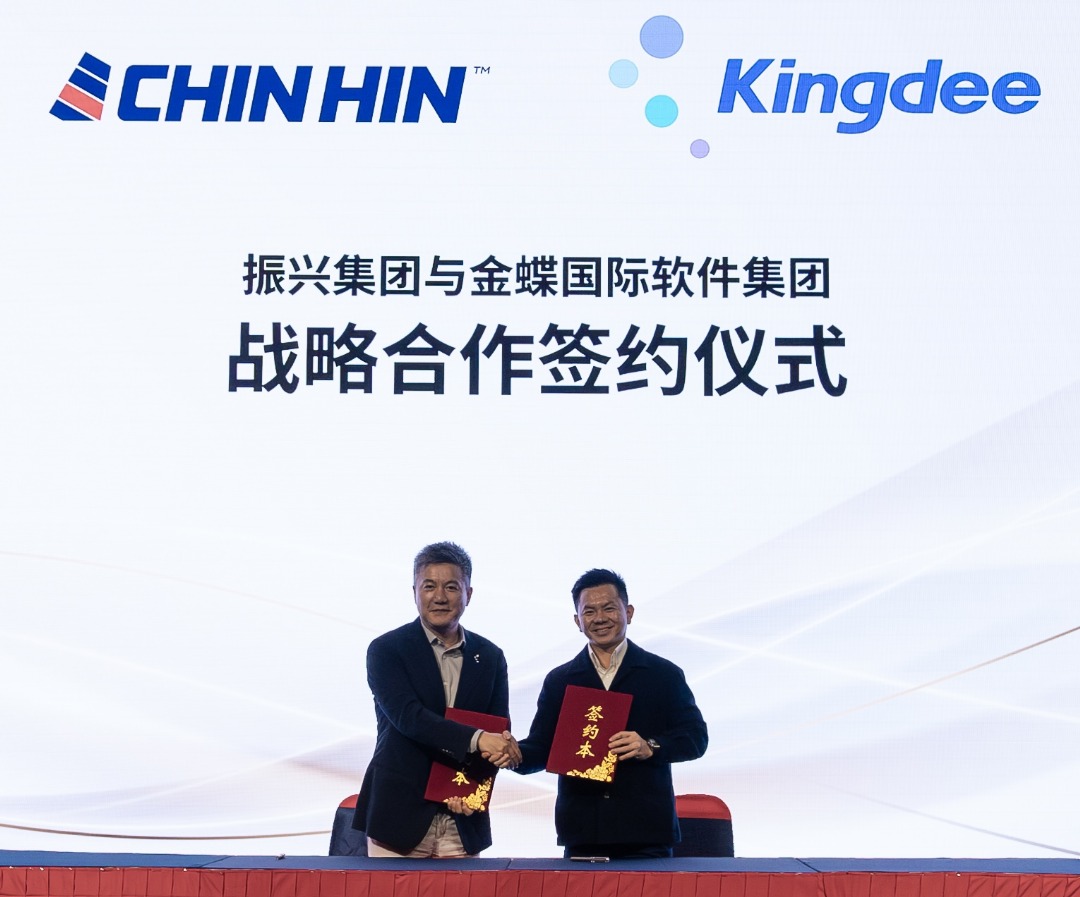
    Chin Hin Group Berhad (Chin Hin Group) announces its  Strategic Customer Cooperation Agreement on with Kingdee International Software Group Company Limited (Kingdee), a leading provider of digital management solutions listed on the Main Board of the Hong Kong Stock Exchange and headquartered in Shenzhen, China. This landmark partnership marks a pivotal leap in Chin Hin Group’s digital transformation journey, uniting two market leaders with a shared commitment to set the highest standards, learn from global exemplars, and execute with decisive speed and precision. It aligns with a broader regional vision to set the benchmark for the adoption of digital and AI-driven enterprise solutions across Southeast Asia.

    “This is more than a partnership; it is the convergence of vision, ambition, and a shared determination to shape the future of enterprise in Southeast Asia,” said Mr. Chiau Haw Choon, Group Managing Director of Chin Hin Group Berhad. “With Kingdee as our strategic partner and its next-generation ecosystem platform as the foundation of our Enterprise Resource Management (ERM), we are ready to lead boldly into the GenAI era.”

    Kingdee, with more than 30 years of expertise and a global customer base exceeding 7.4 million enterprises and organisations, has established itself as a pioneer in cloud-native enterprise management software. The company has been ranked the No. 1 SaaS ERM Cloud vendor in China (IDC, 2020-2024) for consecutive years and continues to push the boundaries of AI innovation.

    At the signing ceremony, Mr. Jason Zhang, President of Kingdee Group, acknowledged that today’s agreement is the result of months of close collaboration and strategic alignment. This is a strong alliance that will set a new benchmark for digital transformation in Southeast Asia. We look forward to combining Kingdee’s rapid development with Chin Hin Group’s operational excellence, and to jointly developing AI-enabled capabilities in Kingdee Cosmic AI Service Cloud, making this project Kingdee’s overseas flagship reference.”

    The new platform will seamlessly integrate Chin Hin Group’s entire value chain — from building materials, construction engineering, to property development and home living — onto a single, reliable, and intelligent backbone of finance, procurement and supply chain that cohesively links with respective industry-leading front-end operational modules. Built on this foundation, embedded AI workflows and AI agents elevate operations into a fully connected, data-driven ecosystem that powers smarter decisions, sharper efficiency, and accelerated growth.

    “This partnership leapfrogs conventional transformation cycles, positioning Chin Hin as a frontier firm in the era of intelligent management, where agility, foresight, and sustainable impact redefine how a diversified group thrives.” said Abel Saw, Group Transformation Officer of Chin Hin Group.

    Together, Chin Hin Group and Kingdee are shaping the next chapter of AI-driven digital transformation. This strategic cooperation goes beyond operational synergy — it reflects a high-conviction investment in digital leadership. By fusing Chin Hin Group’s diversified strengths with Kingdee’s AI-native platforms, the partnership is poised to unlock scalable efficiencies, future-proof growth, and set new standards for long-term value creation.

  • Binghatti establishes Malaysia as gateway to Dubai projects

    Binghatti establishes Malaysia as gateway to Dubai projects

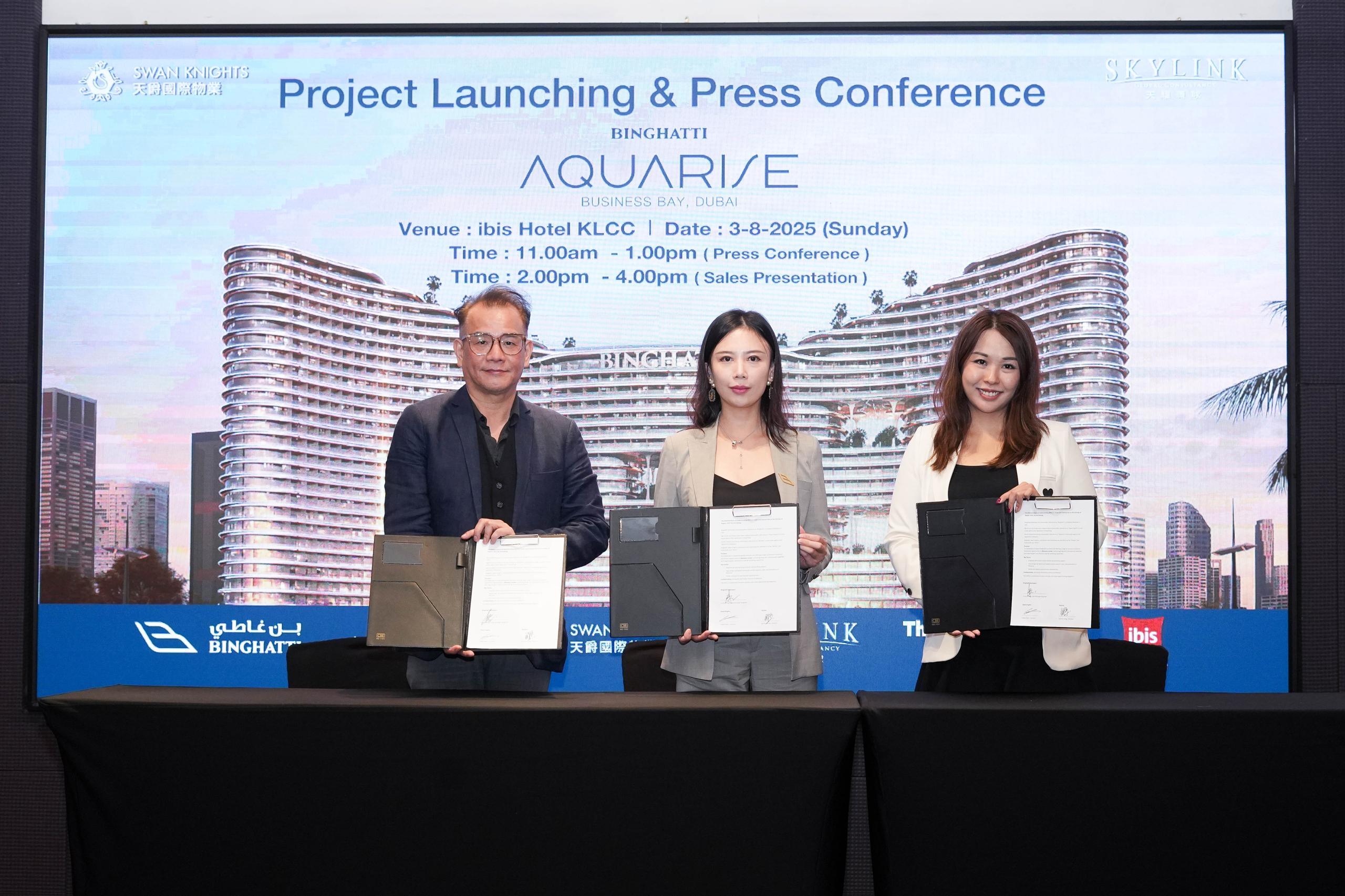
    Binghatti, a leading property developer based in the United Arab Emirates (UAE), has officially designated Malaysia as its Southeast Asia investment hub to drive regional interest in its expanding portfolio of premium residential developments in Dubai.

    With a development portfolio exceeding AED50 billion (approx. RM58 billion) of more than 80 projects, and over 11,000 residential units delivered across Dubai, Binghatti brings a proven track record of architectural innovation and execution to international markets.

    This move comes amid sustained momentum in Dubai’s real estate sector, which recorded transactions worth over AED 431 billion (approx. RM 498 billion) in the first half of 2025—a 25% year-on-year increase. Foreign demand for real estate, strengthened bilateral and multilateral ties, and the UAE’s safe haven status continue to fuel rapid growth in housing prices and rental rates, while contributing to ample domestic liquidity.

    As the appointed hub, Malaysia will serve as a launchpad for investor engagement across Southeast Asia, with a specific focus on reaching Malaysian and regional buyers through dedicated previews, advisory services and after-sales support. This strategic move builds on Malaysia’s strong appetite for international real estate—driven by a growing base of high-net-worth individuals, with its ultra-high-net-worth population projected to grow by 35% over the next five years, one of the fastest growth rates in Asia. Its well-developed financial infrastructure facilitates seamless cross-border transactions, while direct flight connectivity to Dubai further strengthens Malaysia’s role as a gateway for regional investors seeking access to tax-friendly and high-growth markets like the UAE.

    The initiative spotlights Binghatti’s latest off-plan development, Aquarise—an ultra-luxury waterfront tower currently under construction and scheduled for handover between late 2026 and mid-2027. Featuring sculptural, water-inspired architecture, smart-home technology, and resort-style amenities, Aquarise is located in Business Bay, one of Dubai’s most sought-after districts known for its proximity to Downtown Dubai, the Burj Khalifa, and the Dubai Canal. Units start from AED1 million (approx. RM1.16 million). Other developments, including Skyhall and Skyrise, are also underway, further expanding Binghatti’s portfolio and offering a range of premium residential investment opportunities.

    “Our presence in Malaysia marks the next chapter in Binghatti’s global investment platform—bringing world-class Dubai real estate closer to Southeast Asian investors,” said Lucky Zhang, Sales Manager of Binghatti. “With Swan Knights and Skylink as our partners, this alliance reflects our shared commitment to delivering a seamless investment experience—rooted in trust, design excellence, and long-term value.”

    Binghatti is renowned for its architectural distinction and global partnerships, having launched several record-breaking branded residences—including the Bugatti Residences, Mercedes-Benz Places, and Burj Binghatti Jacob & Co. Residences, set to become the world’s tallest branded residential tower.
    Investor engagement activities will commence in the coming months, including exclusive previews, briefings, and personalised consultations for interested buyers.

  • ZTE unleashes AI-First future

    ZTE unleashes AI-First future

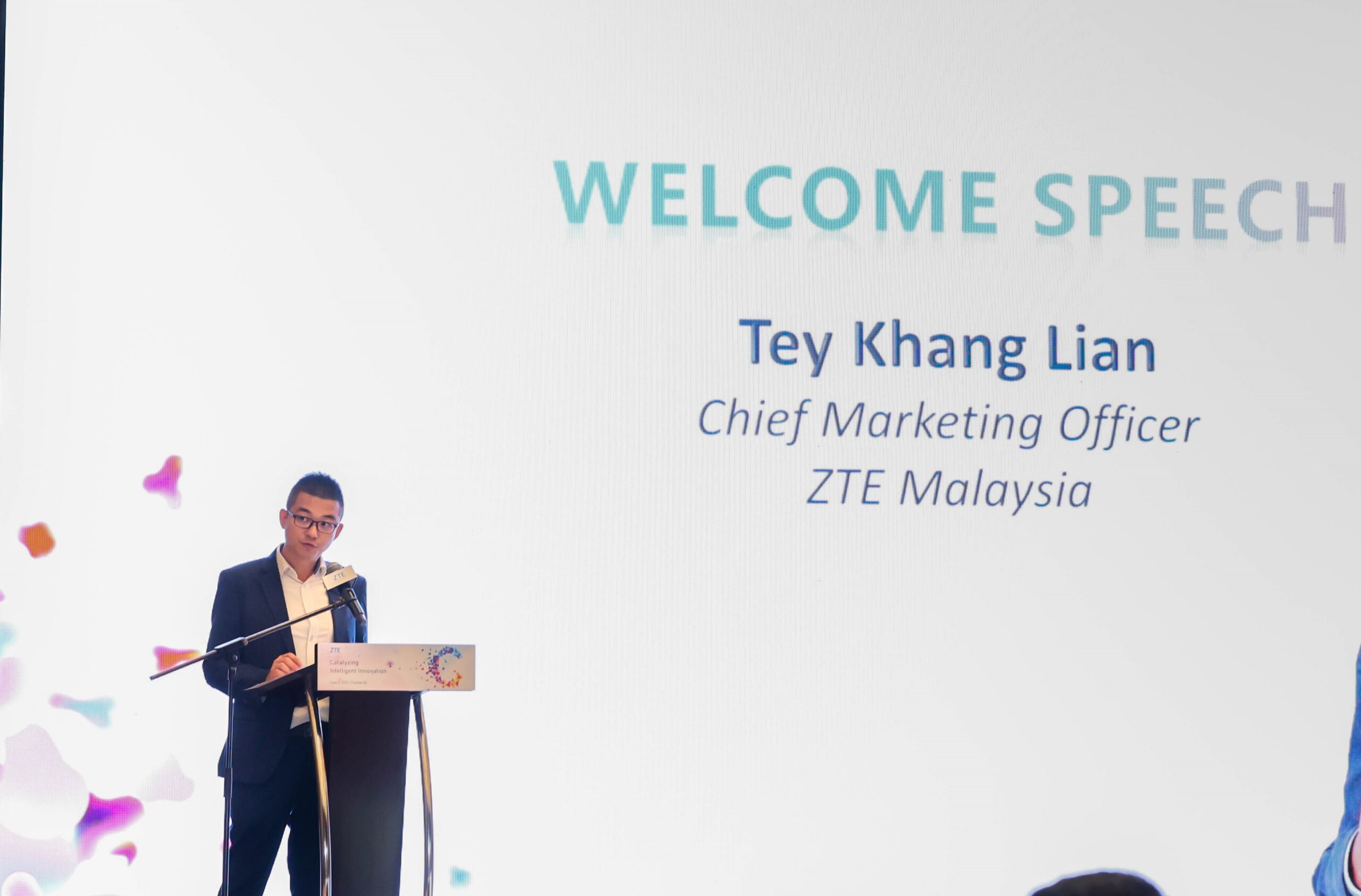
    ZTE Corporation (0763.HK / 000063.SZ), a global leading provider of integrated information and communication technology solutions, unveils its latest AI-powered innovations at the “Catalyzing Intelligent Innovation” showcase in Kuala Lumpur, bringing highlights from Mobile World Congress (MWC) 2025 to Malaysia. The event reinforced ZTE’s commitment to helping Malaysia lead in next-generation digital infrastructure and intelligent transformation.

    At the heart of the showcase was ZTE’s vision for building ultra-efficient mobile networks, led by its cutting-edge Ultra Band Radio (UBR) technology. Designed for simplified deployment and green energy usage, UBR enables highly compact, power-efficient sites that reduce environmental impact while improving network performance. Key innovations included 5G-A solutions like 4K AR live broadcasting with ultra-low latency and high reliability, as well as real-world applications for drone logistics and smart waterways. To bridge the digital divide, ZTE introduced solar-powered and modular rural connectivity solutions like the Eco Radio and Rural Pilot, designed for sustainable and scalable deployment in remote areas.

    The event also highlighted ZTE’s advancement in All-Optical Networks, where high-speed fiber connectivity meets AI-driven intelligence. ZTE introduced its latest smart home ecosystem, including a next-generation AI Home Media Center, 4K AI Soundbar, the industry’s first AI screen-equipped FTTR (Fiber-To-The-Room), and its high-performance LinkPro Wi-Fi 7 series. These solutions offer seamless, intelligent connectivity for households and SMEs, supporting Malaysia’s broadband and digital lifestyle goals.

    Taking AI integration even further, ZTE presented the AIR DNA Future Network, a pioneering solution that re-engineers the foundational “genetics” of mobile networks. This AI-native infrastructure empowers operators to automate network operations, improve efficiency, and build more dynamic service models in a hyper-connected era. Complementing this was the debut of AiCube, ZTE’s full-stack intelligent computing solution that supports full-version DeepSeek deployment. Engineered to flexibly serve large data centers, edge computing facilities, and enterprise-grade systems, AiCube delivers high-performance AI processing across diverse scenarios—powering everything from smart cities to intelligent factories.

    ZTE is expanding its consumer-focused ‘nubia’ brand in Malaysia, introducing a strong focus on gaming through the nubia Neo 3 series. It is named Official Co-Branded Gaming Smartphone for Free Fire, bringing together its “Born to Win” and Free Fire’s “BOOYAH” spirit to provide an accessible esports-grade gaming experience for everyone. The new lineup features gaming oriented enhancement such as shoulder triggers and an expansive 4083mm² VC liquid cooling system. The nubia Neo 3 series also integrates cutting-edge AI features, including Demi, an AI gaming companion, and AI-powered tools for photography and voice interaction. The co-branding partnership between nubia Neo 3 series and Garena’s hit mobile game Free Fire. ZTE also highlighted its role in global policy leadership through GSMA forums, with potential to collaborate more closely with local regulators in shaping Malaysia’s digital future.

    Steven Ge, Managing Director of ZTE Malaysia, said during his keynote speech, “ZTE Malaysia has proudly spearheaded several landmark achievements, including setting a Malaysia Book of Records title for the fastest 5G-Advanced speed reaching 30.8 Gbps during a live test in Sarawak. Furthermore, ZTE is deeply committed to bridging Malaysia’s digital divide. Through active support of national initiatives like JENDELA, we have modernized and expanded coverage especially in rural and underserved areas.”
    The event drew participation from key Malaysian stakeholders including Axiata, CelcomDigi, Digital Nasional Berhad (DNB), EdotCo, Maxis, Telekom Malaysia, U Mobile, YTL Corporation, and the Malaysian Communications and Multimedia Commission (MCMC). Through this showcase, ZTE extended a call for deeper collaboration with ecosystem players to co-build a smarter, more inclusive digital future.
    ZTE has filed over 93,000 global patent applications, and has approximately 48,000 patents in total, as well as a proven track record of supporting national infrastructure—having modernized over 10,000 sites and delivered more than half of the nationwide JENDELA rollout—ZTE continues to support Malaysia’s long-term digital agenda.

    The “Catalyzing Intelligent Innovation” event demonstrates ZTE’s position as a global driver of digital progress. By empowering operators, developers, and policymakers with the tools to build intelligent infrastructure, ZTE is enabling Malaysia to accelerate its position as a regional digital leader and future-ready economy.

  • Alibaba Cloud’s new whitepaper shows how AI can power sustainable business transformation

    Alibaba Cloud’s new whitepaper shows how AI can power sustainable business transformation

    A new whitepaper released by Alibaba Cloud, Driving Sustainability with AI: A Guide to Partnering with Technology Service Providers, offers a forward-looking blueprint for how organisations can harness digital infrastructure — particularly AI and cloud computing — to accelerate their sustainable journey.

    Based on insights from the Tech-Driven Sustainability Trends and Index 2024, which surveyed 1,300 business leaders across Asia, Europe, and the Middle East, the report combines industry data, actionable recommendations, and real-world case studies to explore how emerging technologies can close the gap between aspiration and execution.

    The State of Sustainability: Progress, Gaps and Opportunity

    The whitepaper highlights the growing urgency for businesses to act on sustainability, with 80% of surveyed organisations setting green targets. Yet only one-third of these have committed to science-based net-zero goals. Many companies still struggle to move from commitment to impact, citing gaps in technical understanding, measurement tools and concerns about the energy footprint of digital technologies.

    Despite these barriers, a strong majority — 76% — see AI and cloud computing as essential tools to achieve sustainability outcomes. At the same time, 82% say it is critical that these technologies themselves are developed sustainably.

    From Insight to Impact: Green AI in Action

    Alibaba Cloud is helping organisations bridge this gap through platforms like Energy Expert, which uses AI to measure emissions and energy consumption in real time. The platform has already served over 3,000 organisations globally.

    One standout case is its collaboration with Covestro, a polymer material company. Working together, the two helped Chinese beverage brand Nongfu Spring trace the full lifecycle emissions of its recycled water barrels — later repurposed into gel pens – offering supply chain transparency from production to reuse.

    The whitepaper also showcases Alibaba Cloud’s commitment to low-carbon AI innovation. Its open-source Qwen series models are designed for efficiency and accessibility. Japanese AI start-up Lightblue, for example, used Qwen to build a localized high-performance Japanese-language model with lower development costs and energy use.

    Five Strategies to Drive Recommendations for Sustainable Digital Transformation

    The whitepaper identifies five strategic actions that businesses can take to align digital transformation with sustainability outcomes. First, organizations are encouraged to link their adoption of AI and cloud technologies with specific sustainability KPIs—for example, using predictive tools to optimise operations or monitor emissions across supply chains. Second, companies should partner with transparent, green technology providers that publish energy usage and emissions data, operate on renewable energy, and invest in energy-efficient infrastructure. Third, the paper highlights the importance of embedding security into sustainability strategies, noting that cybersecurity concerns remain a key barrier to wider adoption of digital sustainability tools.

    Fourth, it recommends embracing open and trustworthy AI, such as open-source models that reduce costs, improve energy efficiency, and allow for localized applications. Finally, the paper calls for stronger public-private collaboration, with 82% of surveyed executives supporting more active government involvement to accelerate the adoption of sustainable technologies through policy, incentives, and education.

    A Roadmap for Business Leaders

    More than a guide, the whitepaper is a call to action. It emphasizes that sustainability is no longer a nice-to-have but rather a competitive differentiator and a catalyst for growth.

    For companies navigating climate and digital transformation simultaneously, the message is clear: success depends on choosing the right partners, tools, and strategies to deliver measurable progress. With the right foundation, AI and cloud can power a greener, smarter, and more resilient future.

  • TikTok Shop collaborates with ASEAN Foundation and ASEAN-BAC to empower MSMEs

    TikTok Shop continues its commitment to empower Micro, Small and Medium Enterprises (MSMEs) through its latest collaboration with the ASEAN Foundation and the ASEAN Business Advisory Council (ASEAN-BAC) through the SOAR Together Program (Supporting Our Artisans and Retailers).

    The collaboration aims to leverage on relevant expertise to drive digital transformation and economic inclusion for MSMEs, providing tailored support and resources to help participating MSMEs rapidly advance their businesses and creative endeavors on TikTok Shop within their own markets as well as regionally, enabling growth and sustainable development.

    MSMEs play a crucial role in employment generation, income contribution, and local economic resilience. Across ASEAN, there are approximately 70 million MSMEs, accounting for between 97.2% and 99.9% of total establishments. Despite their significant presence, MSMEs often face challenges such as limited access to finance, inadequate business skills, and insufficient market linkages, which can hinder their growth and sustainability.

    TikTok Shop gives people a place to translate the excitement of discovering unique products and sellers into impactful transactions that spark joy for both buyers and sellers, all without leaving the app. The ASEAN SOAR Together programme is another major step in TikTok’s ongoing efforts to address the unique needs of small businesses and creators in Southeast Asia.

    The ASEAN SOAR Together programme is also aligned with the ASEAN Strategic Action Plan for SME Development 2016-2025 that aims to transform SMEs from domestic players into globally competitive and innovative enterprises by 2025, as well as the ASEAN Economic Community Blueprint 2025 that recognises Information and Communications Technology (ICT) as a key driver in ASEAN’s economic and social transformation.

    More details of the ASEAN SOAR Together programme can be found at this link: https://www.aseanfoundation.org/call_for_application_asean_soar_together

  • Alibaba Cloud strengthens AI capabilities with for international customers

    Alibaba Cloud strengthens AI capabilities with for international customers

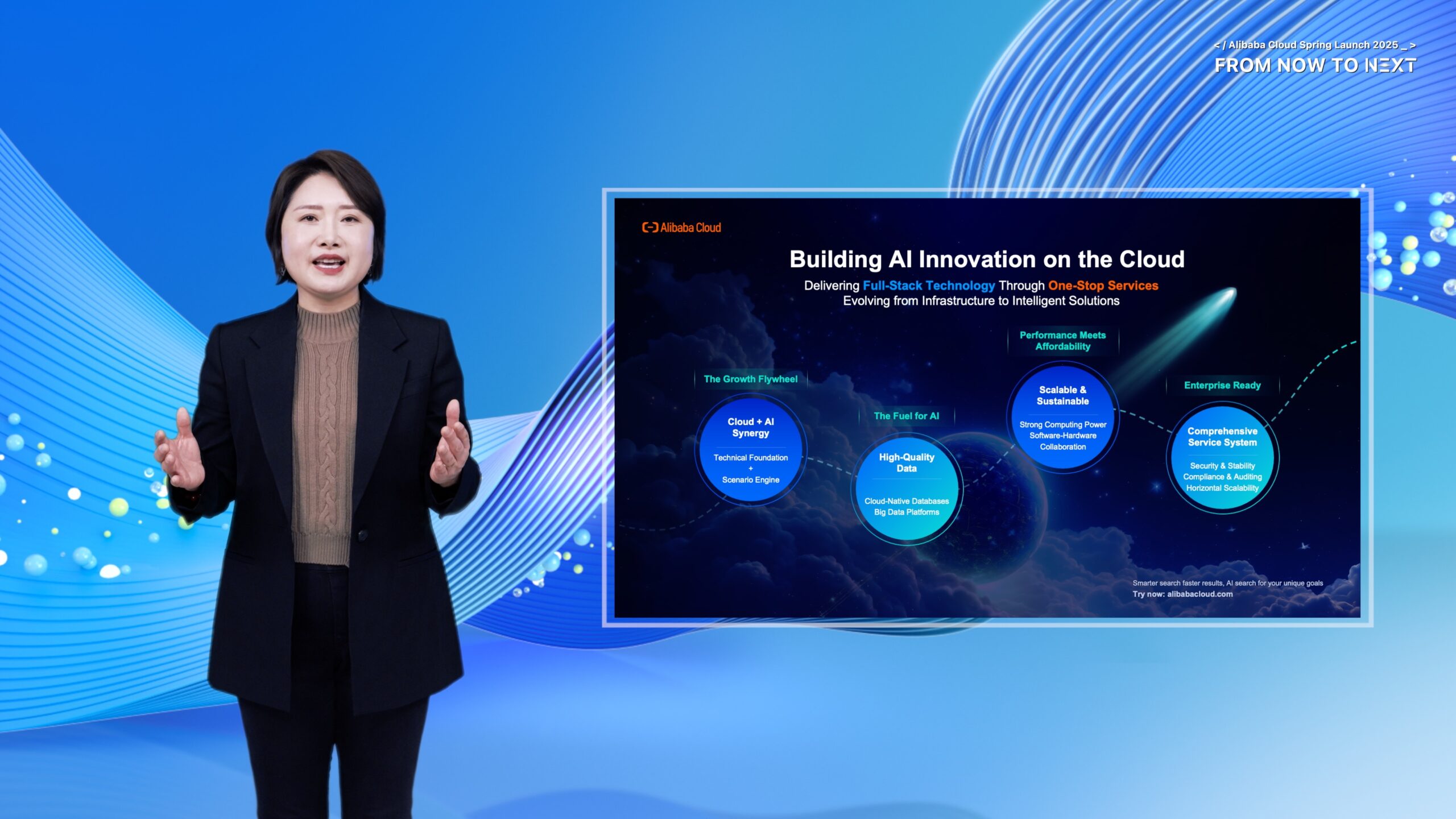
    Alibaba Cloud, the digital technology and intelligence backbone of Alibaba Group, unveils new AI models, tools and infrastructure upgrades for its international customers, underscoring its ongoing commitment to driving AI innovation worldwide.

    “We are launching a series of Platform-as-a-Service(PaaS) and AI capability updates to meet the growing demand for digital transformation from across the globe. These upgrades allow us to deliver even more secure and high-performance services that empower businesses to scale and innovate in an AI-driven world,” said Selina Yuan, President of International Business, Alibaba Cloud Intelligence.

    Alibaba Cloud announced new offerings to international customers by expanding access to its foundational models and upgrading infrastructure products. Available through the company’s availability zones in Singapore, these models include the latest from its proprietary large language model (LLM) series, Qwen, such as the large-scale Mixture of Experts (MoE) model Qwen-Max, the reasoning model QwQ-Plus, the visual reasoning model QVQ-Max and the end-to-end multimodal model Qwen2.5-Omni-7b.

    QwQ-Plus is an advanced reasoning model specialising in deep analytical thinking, tackling complex challenges like sophisticated QA tasks and expert-level math problems with precise, algorithm-driven solutions. Meanwhile, QVQ-Max is a visual reasoning model that effectively addresses complex multimodal problems with high accuracy and extended reasoning capabilities, supporting visual input and chain-of-thought output.

    To further support the AI models on the PaaS front, Alibaba Cloud’s Platform for AI (PAI) has rolled out major enhancements to support scalable, cost-effective, and user-friendly solutions for generative AI and LLMs. PAI-Elastic Algorithm Service (EAS) debuts distributed inference capabilities with a multi-node architecture to satisfy the growing demands of super-large models fueled by the rise of MoE structure and ultra-long-text processing, addressing the limitations of traditional single-node architecture. To further boost performance and reduce costs, PAI-EAS introduces the prefill-decode disaggregation function which has led to a 92% increase in concurrency and a 91% boost in tokens per second (TPS) when deployed with the Qwen2.5-72B model, greatly improving scalability and efficiency.

    PAI-Model Gallery has been upgraded to provide a comprehensive selection of nearly 300 cutting-edge open-source models, including the full range of Alibaba Cloud’s proprietary open-source models Qwen and Wan series, all accessible through a seamless, no-code deployment and management experience. It offers diverse deployment methods with underlying computing resources, along with new features like model evaluation for performance insights and model distillation, which reduces deployment costs by transferring knowledge from large to small models.

    To enhance data management efficiency in the AI era, Alibaba Cloud has integrated its native AI inference capabilities – powered by Qwen – into its flagship cloud-native relational database PolarDB. With in-database machine learning capabilities, it eliminates data shifting typically required for inference workflow, significantly reducing processing latency while boosting efficiency and data security. Engineered for text-centric workloads, the new feature is ideal for scenarios including conversational RAG (Retrieval-Augmented Generation) agent development, text embedding generation, and semantic similarity search.

    It also integrates its data warehouse AnalyticDB into Model Studio, Alibaba Cloud’s generative AI model and application development platform, as the recommended vector database for RAG solutions. This enhancement connects organizations’ proprietary knowledge bases directly to AI models and tools available on Model Studio, streamlining development of context-aware applications.

    Alibaba Cloud also launched a new AI search function on its official website. Powered by Qwen, this AI assistant is designed to help potential enterprise clients, especially SMEs, speed up their solution discovery and gain key insights to facilitate strategic decision-making. It also offers access to cost-effective and scalable cloud solutions, along with free AI and cloud computing training resources.
    Upgraded partner incentive policies were also introduced to better support resellers and distributors by providing increased flexibility, higher commission rates, and more rewarding opportunities for mutual growth. This commitment to empowering partners is further reinforced by enhanced training and support resources, designed to strengthen their capabilities and drive success within evolving ecosystem.

    In February 2025, Alibaba Group announced an investment of US $53 billion (RMB 380 billion) over the next three years to advance its cloud computing and AI infrastructure, reinforcing its commitment to long-term technological innovation. This historic investment, which exceeds Alibaba’s total AI and cloud spending over the past decade, underscores the company’s ongoing dedication to AI-driven growth and its role as a leading global cloud provider. Alibaba Cloud now operates a global infrastructure network with 87 availability zones across 29 regions.

  • CelcomDigi-Ericsson’s strategic partnership to accelerate O&G sector

    CelcomDigi-Ericsson’s strategic partnership to accelerate O&G sector

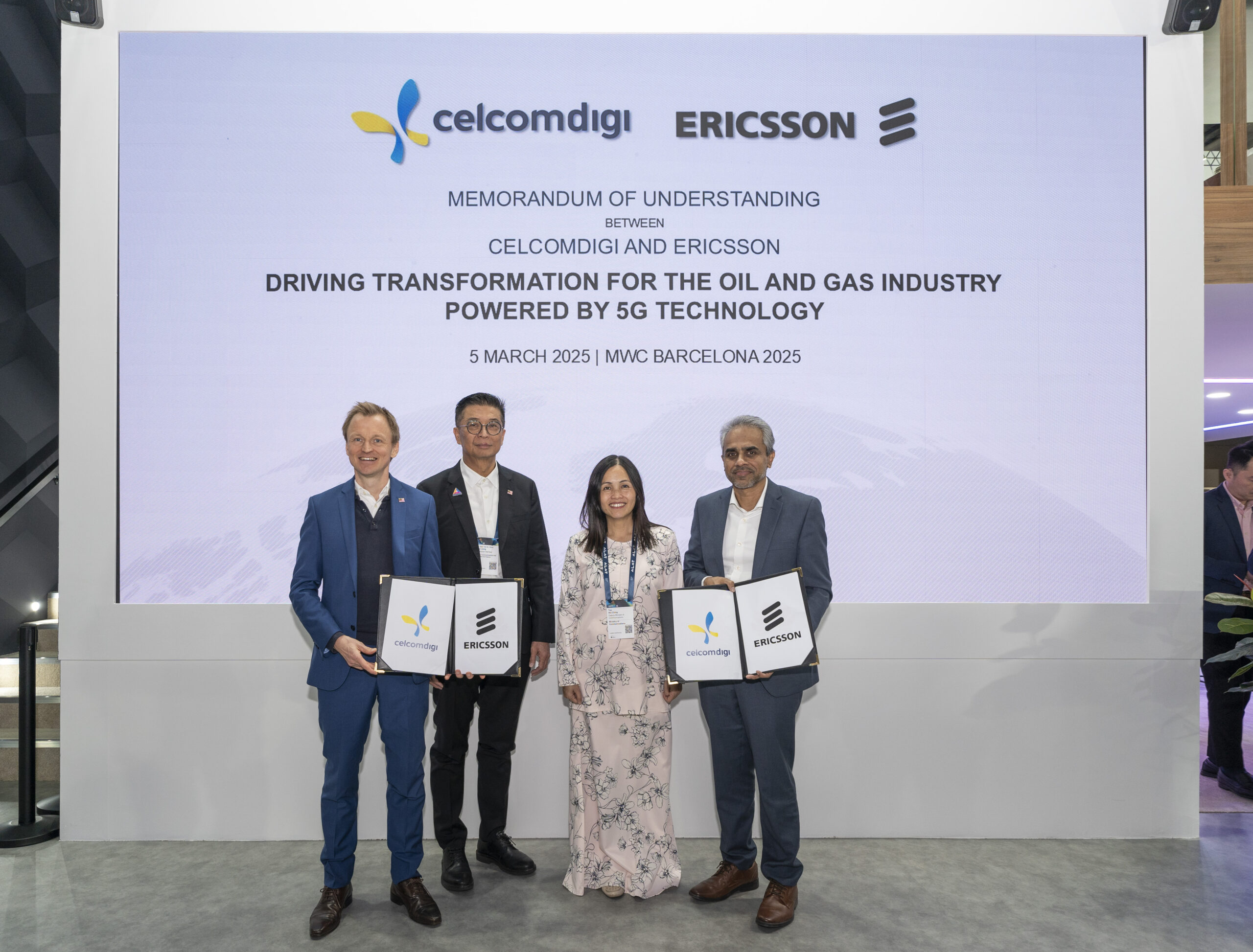
    CelcomDigi Berhad (“CelcomDigi”) and Ericsson (Malaysia) Sdn Bhd (“Ericsson”) signed a Memorandum of Understanding (MoU) to boost Malaysia’s digital transformation by accelerating 5G adoption in Malaysia’s oil and gas (O&G) industry, advancing the nation’s key sector to the forefront of industrial digitalisation.

    By combining CelcomDigi’s robust network infrastructure and deep local expertise with Ericsson’s global leadership in 5G technology, the partnership will drive the creation of 5G-powered solutions tailored to the unique demands of the O&G sector. Through CelcomDigi’s newly established 5G Standalone (SA) test lab, both companies will develop and deploy 5G use cases, focusing on:

    • Enhanced safety – Deploying 5G-enabled solutions to improve worker safety and hazard detection in high-risk environments
    • Advanced tracking – Utilising 5G technology for real-time asset and personnel tracking to optimise operational efficiency
    • Digitalisation and automation – Empowering O&G operations with real-time data analytics and automation for seamless decision-making
    • Mission-critical connectivity – Delivering reliable, ultra-fast 5G connectivity to support critical functions and industrial applications

    This partnership marks a pivotal step in modernising Malaysia’s O&G sector to a smarter, safer, and more efficient industrial ecosystem powered by next-generation connectivity solutions.

    The MoU was signed at the Mobile World Congress (MWC) in Barcelona, Spain by CelcomDigi’s Deputy CEO, Albern Murty and Head of Ericsson Malaysia, David Hagerbro, witnessed by the Deputy Minister of Communications, YB Teo Nie Ching.

    Commenting on the partnership, CelcomDigi’s Deputy CEO, Albern Murty said, “As CelcomDigi evolves beyond connectivity into a telco-tech company, we recognise that the key to unlocking the full potential of 5G-AI lies in strong industry partnerships. Collaborations like this allow us to co-create meaningful solutions that go beyond technology, directly addressing industry challenges and transforming operations. We look forward to shaping a safer, more efficient, and future-ready O&G sector, as well as accelerating 5G adoption across industries as we continue to drive the nation’s development into a 5G-AI digital society.”

    David Hagerbro, Head of Ericsson Malaysia, Sri Lanka, and Bangladesh, commented, “We stay committed to ensuring that Malaysia remains at the forefront of digital innovation. This collaboration with CelcomDigi is a strategic leap forward in the digital transformation of Malaysia. Our partnership in the O&G sector will drive real-time solutions in terms of enhanced efficiency, safety and digitalising operations that will redefine how industries operate in the country.”

    As Malaysia accelerates its 5G adoption, this strategic collaboration underscores CelcomDigi and Ericsson’s shared vision of pioneering innovative solutions that elevate industries, empower businesses, and contribute to the nation’s digital economy aspirations.

  • Alibaba Cloud unveils AI offerings to advance Malaysia’s AI agenda

    Alibaba Cloud unveils AI offerings to advance Malaysia’s AI agenda

    Alibaba Cloud, the digital technology and intelligence backbone of Alibaba Group, has unveiled its latest AI models, solutions, upgraded infrastructure offerings, and AI empowerment program at its inaugural AI Tech Day in Malaysia. These advancements aim to empower businesses and developers in Malaysia to build innovative AI applications more cost-effectively and drive a thriving generative AI ecosystem in the region.

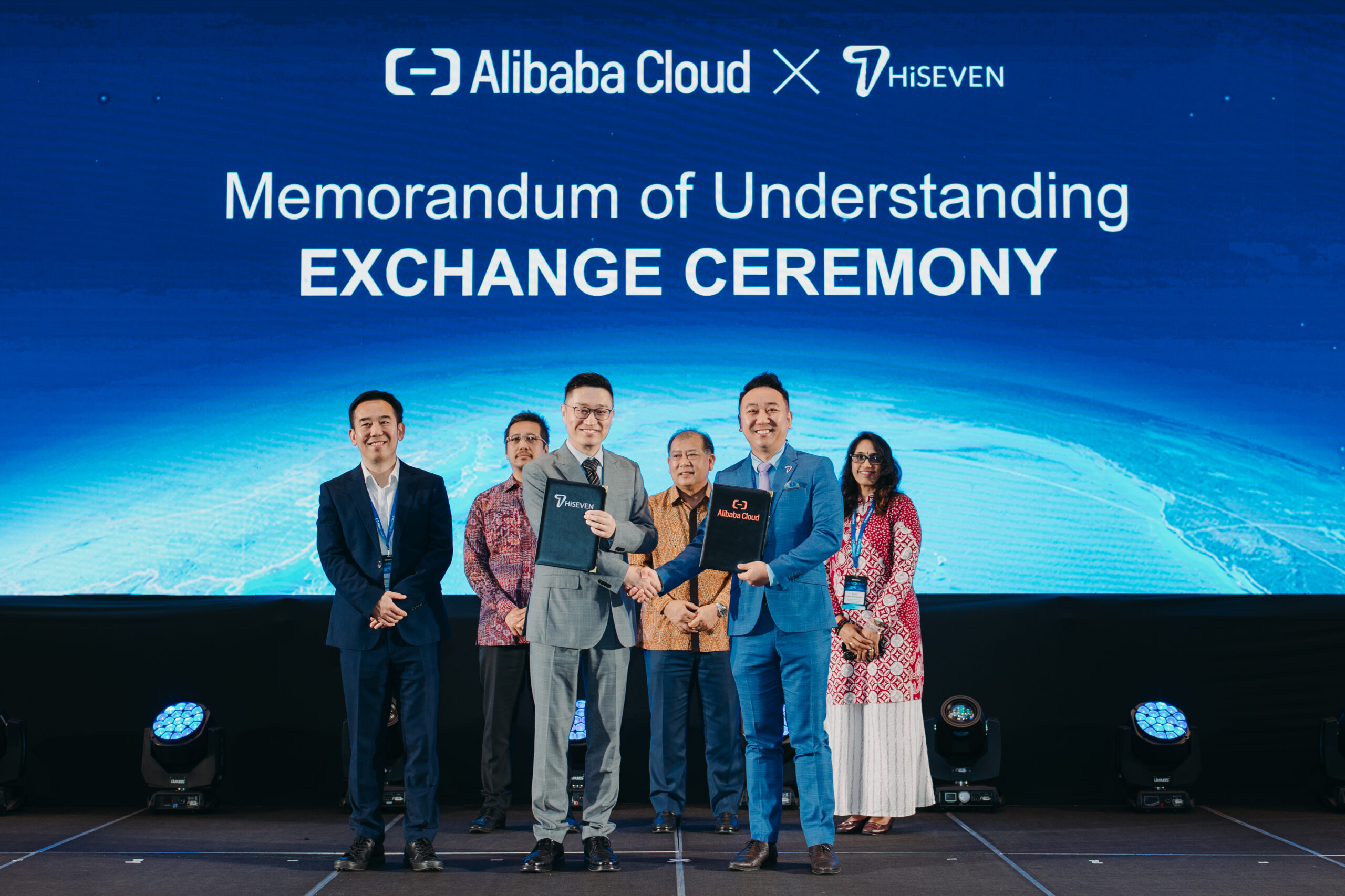
    The event, officiated by YB Datuk Wilson Ugak Anak Kumbong, Deputy Minister of Digital, also marked Alibaba Cloud’s announcement of key collaborations with leading Malaysian enterprises including YTL Power International Bhd’s artificial intelligence (AI) innovation unit, YTL AI Labs , Malaysia’s leading fund management company, Permodalan Nasional Berhad (PNB), and Malaysia’s digital marketing service provider HiSEVEN reinforcing Alibaba Cloud’s role as a trusted technology partner in the country’s AI ecosystem.

    In his address, the Deputy Minister commended the spirit of collaboration, stating “Malaysia is committed to leveraging AI for digital transformation and economic growth. With initiatives like Alibaba Cloud’s AI advancements and industry collaborations, we are strengthening our AI ecosystem and empowering local businesses. Together, we can build a Malaysia that is not just a participant but a leader in the global digital economy—one that is innovative, inclusive, and prosperous.”

    “At Alibaba Cloud, we are committed to driving AI innovation in Malaysia by providing cutting-edge models, scalable infrastructure, and dedicated support for customers, partners and developers. Our latest advancements will empower local talents and businesses to enhance efficiency, scale AI applications, and contribute to Malaysia’s digital future powered by AI,” said Kun Huang, General Manager of Malaysia, Alibaba Cloud Intelligence.

    Powering AI Innovation with Advanced Offerings

    Next-Generation Computing and AI Infrastructure – To support growing AI demands, Alibaba Cloud announced the global rollout of its 9th Generation Enterprise Elastic Compute Service (ECS) instances, set to be available in mid of 2025 in Malaysia. The latest generation of ECS instances has notable performance enhancements compared to its previous iteration, including a 20% increase in computing efficiency. Additionally, by accelerating networks through eRDMA (elastic Remote Direct Memory Access), its performance in supporting high-performance computing, search recommendations, and Redis databases can be further improved by up to 50%.

    Cutting-Edge AI Models and Multimodal Capabilities – Alibaba Cloud introduced the Qwen2.5 series, its latest generation of large language models (LLMs), available in parameter sizes ranging from 7 billion to 72 billion. These models are now accessible via API on its generative AI development platform, Model Studio for businesses and developers to build and deploy AI applications efficiently across various industries, from finance and retail to healthcare and education.

    Alibaba Cloud has also unveiled its latest visual-language model, Qwen2.5-VL, representing a significant enhancement over its predecessor, Qwen2-VL. This open-source, multimodal model is offered in various sizes, ranging from 3 billion, 7 billion to 72 billion parameters, and includes both base and instruction-tuned versions. The flagship model, Qwen2.5-VL-72B-Instruct, is now accessible through the Qwen Chat platform, while the entire Qwen2.5-VL series is available on Hugging Face and Alibaba’s open-source community Model Scope.

    To further support developers, Alibaba Cloud has also unveiled its proprietary AI-powered coding assistant, which will be available for developers in April 2025. The AI Programmer offers features such as code completion and optimisation, debugging assistance, code snippet search and batch unit test generation. It provides developers with an efficient and seamless coding experience, significantly enhancing productivity and creativity.

    AI Solutions for Business and Enterprise Applications – Alibaba Cloud’s AI-driven solutions are designed to help businesses improve operational efficiency, improve customer engagement, and drive digital transformation:

    • AI Doc: An intelligent document processing tool designed to help enterprises manage and utilize their knowledge more efficiently, flexibly, and cost-effectively through converting unstructured documents into structured data, streamlining workflows and reducing operational costs. It leverages Large Language Models (LLMs) to provide a range of functionalities, including document parsing, core content extraction, knowledge base Q&A, content comparison, and report generation.
    • Voice Insight: A multilingual voice recognition and analytics tool that enhances quality inspections, customer interactions, and service monitoring with AI-driven audio and video analysis.
    • Smart Studio: A next-generation content creation platform powered by AI, enabling seamless text-to-image and text-to-video applications to enhance marketing and creative outputs.
    • SmartQ: An AI-driven data analysis module of Quick BI, Alibaba Cloud’s Business Intelligence (BI) platform solution. Powered by Alibaba Cloud’s proprietary large language model Qwen, this innovative chat-based BI solution allows even non-technical users to generate insights by asking questions in plain language, greatly simplifying enterprise analytics experience.

    In addition, to further accelerate the local AI innovation and talent development in the region, the leading cloud service provider has launched its inaugural Alibaba Cloud Malaysia AI Hackathon 2025 in partnership with Malaysia’s digital solutions specialist Agmo Holdings Berhad during the event, inviting innovators, developers, and tech enthusiasts in the region to collaborate, create, and showcase their AI expertise. The program will be open for local registration from February 27 until April 30, 2025, providing local talent with an opportunity to leverage cutting-edge AI technologies and compete on a global stage.

  • ASEAN Foundation and Google.org drive AI literacy forward

    ASEAN Foundation and Google.org drive AI literacy forward

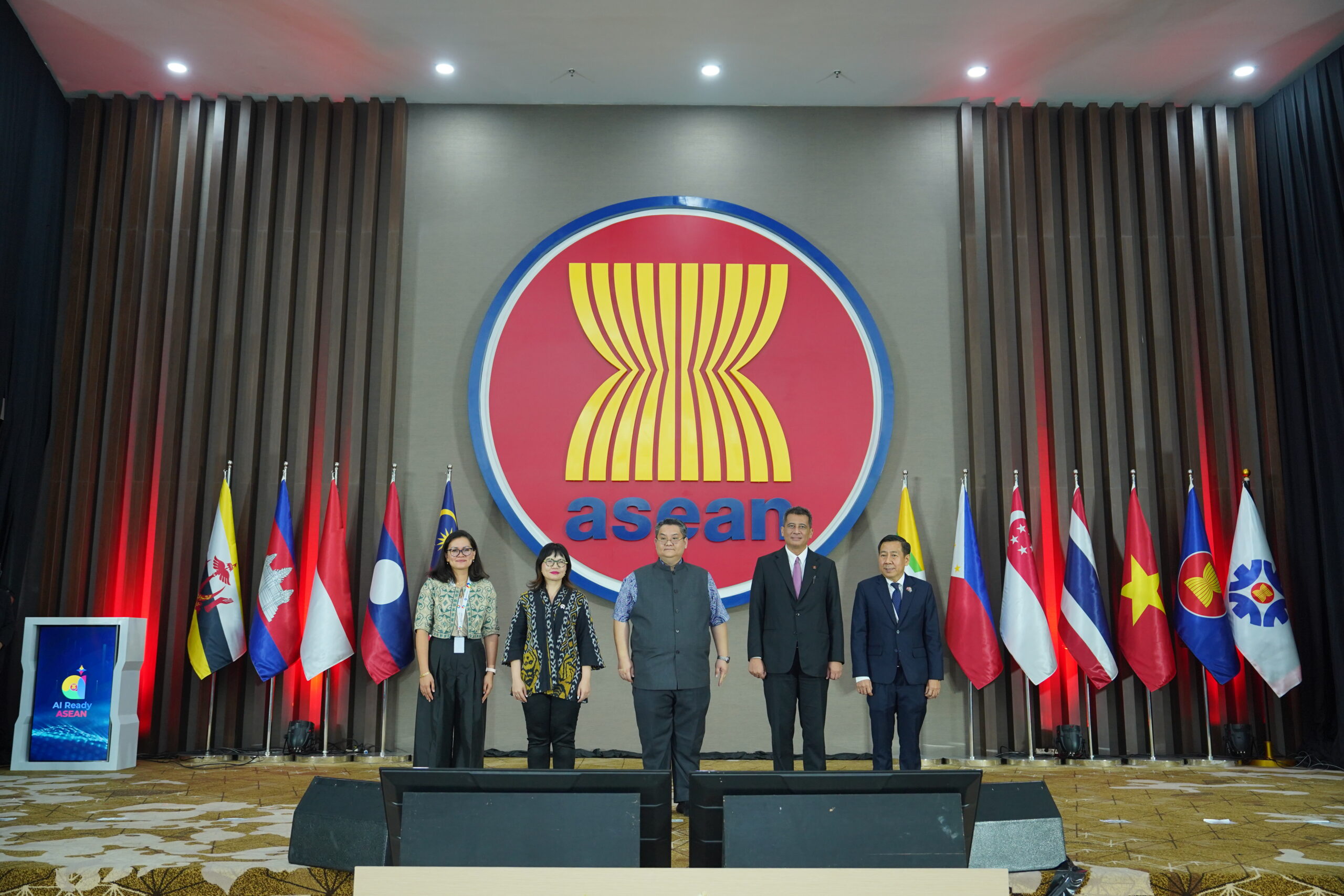
    The ASEAN Foundation, supported by Google.org, successfully hosted the 1st Regional Policy Convening of AI Ready ASEAN at ASEAN Headquarters/ASEAN Secretariat, Jakarta, Indonesia, on 12 February 2025. This event marked a significant milestone in the implementation of the AI Ready ASEAN initiative, a programme that aligns with Malaysia’s ongoing efforts to enhance artificial intelligence (AI) literacy and innovation.

    At the convention, policymakers, AI practitioners, and local implementing partners (LIPs) from across ASEAN explored collaborative approaches to developing regulatory frameworks and policy initiatives aimed at accelerating responsible AI adoption, bridging AI literacy gaps, and unlocking opportunities in Southeast Asia, which align with Malaysia’s National AI Roadmap.

    The LIPs from Malaysia are Universiti Teknologi Petronas’ ASEAN Student Association and Kolej Tingkatan Enam Tun Fatimah. Through AI Awareness Campaigns, Training Sessions, Workshops, and Policy Discussions, they aim to empower students, educators, and professionals with the necessary skills to thrive in an AI-driven future. In response to what they hope to achieve through their involvement in the programme, the LIPs shared that they also seek to advocate for AI-friendly policies that align with Malaysia’s national digital transformation goals and ASEAN’s broader AI development framework.

    Ultimately, their goal is to establish Malaysia as a regional leader in AI innovation, ensuring that AI is leveraged for economic growth, social impact, and sustainable development. Wong Soon Ping, a representative from Universiti Teknologi Petronas’ ASEAN Student Association said: “Through initiatives like the AI Ready ASEAN programme, young people, particularly from underserved communities, gain exposure to AI concepts, coding, and hands-on learning, which opens up new career pathways in fast-growing tech industries such as robotics, data science, and automation. For educators, AI training not only enhances their teaching methods but also allows them to incorporate innovative technology into their classrooms, making lessons more engaging and relevant to the digital age. A key focus is ensuring that underserved communities, including rural populations, indigenous groups, and women, have equitable access to AI education, fostering a more inclusive and diverse AI ecosystem.”

    The event featured panel discussions that explored ASEAN’s AI landscape, the importance of ethical frameworks, and strategies to deliver AI programmes in local communities. In Malaysia, AI literacy is expanding through government initiatives and private sector collaborations. The AI untuk Rakyat (AI for the People) programme, a free online course to increase AI literacy, and the Cikgu Juara Digital programme, which empowers teachers with the skills to teach AI and coding, are central to Malaysia’s commitment to bridging the digital divide and driving inclusive AI adoption nationwide. The Ministry of Education also promotes Hour of Code, a worldwide programme introducing students to basic coding and AI concepts, encouraging computational thinking and problem-solving skills among young learners.

    The convention proved timely, as the growth of AI and the adoption of digital technologies will triple ASEAN’s digital economy, growing from approximately USD 300 billion to almost USD 1 trillion by 2030. Policies in the Digital Economy Framework Agreement (DEFA) are expected to double the projection, boosting the economy to USD 2 trillion.

    Despite the momentum, AI’s maturity in the region remains polarised. In Malaysia, AI literacy is unevenly distributed across different demographics, with many underserved communities, including rural students, indigenous groups, and lower-income populations, still facing limited access to AI training. The digital divide poses challenges such as poor internet connection and lack of digital literacy programs, slowing down the region’s ambitions to become a premier AI hub. This manifests in the region’s varying levels of AI readiness among member states. Singapore leads the ASEAN region and ranks second globally in the Government AI Readiness 2024 Index. Malaysia follows closely, ranking second in ASEAN and 24th globally, a notable improvement from its 29th spot in 2022. In contrast, Lao PDR, Cambodia, and Myanmar remain in the early stages of AI adoption, ranking at 136th, 145th, and 149th, respectively.
    The Regional Policy Convention on AI Readiness marks a pivotal step toward democratising AI across ASEAN. By fostering collaboration, knowledge-sharing, and the development of essential policies, the initiative aims to bridge the AI divide and pave the way for a more inclusive and innovative future.
    This convention marked the official commencement of the AI Ready ASEAN initiative, launched in October 2024, which aims to enhance AI literacy in ASEAN member states. With a USD 5 million grant funded by Google.org, the 2.5-year programme aims to equip 5.5 million individuals with essential AI skills, with Malaysia being a key player in this transformative initiative.

    Over the two-day convention, the LIPs participated in a hands-on masterclass led by Code.org, which explored foundational AI concepts and practical strategies to overcome challenges in AI education. The experience was further enriched by a visit to Google Indonesia’s office, where participants witnessed real-world AI applications, gaining valuable insights and deepening their technical understanding of machine learning.

    Key stakeholders include H.E. Prof. Stella Christie, the Vice Minister of Higher Education, Science and Technology of Indonesia, H.E. Nararya S. Soeprapto, Deputy Secretary-General of ASEAN for Community and Corporate Affairs, H.E. Ambassador Bovonethat Douangchak, Chair of the Board of Trustees of the ASEAN Foundation and Permanent Representative of Lao PDR to ASEAN, Dr. Piti Srisangnam, Executive Director of the ASEAN Foundation, and Putri Alam, Director of Government Affairs and Public Policy at Google Indonesia.