Category: What’s News Asia

Corporate News from Media OutReach Newswire

  • HKCSS Releases Inaugural Data on Caring Business Practices in Hong Kong

    HKCSS Releases Inaugural Data on Caring Business Practices in Hong Kong

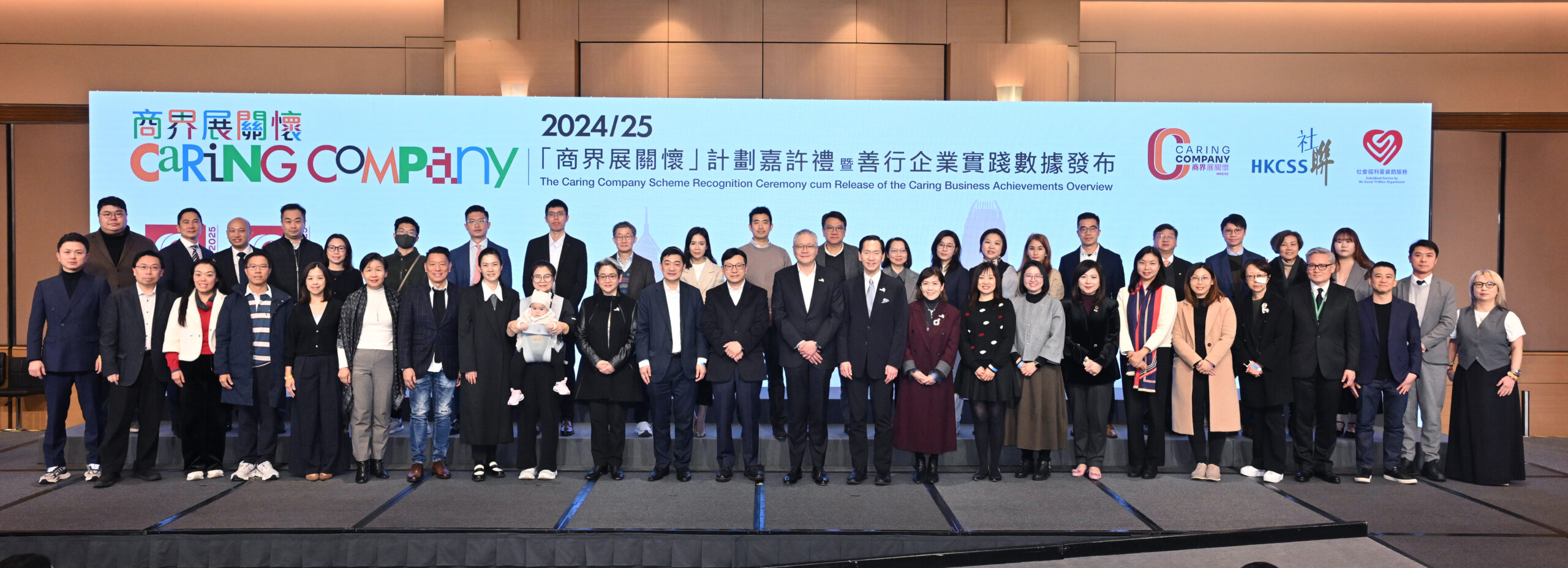
    The Hong Kong Council of Social Service (HKCSS) held the 2024/25 Caring Company Scheme Recognition Ceremony today at the Hong Kong Convention and Exhibition Centre. Mr. Chris SUN Yuk-han, JP, Secretary for Labour and Welfare of the Hong Kong Special Administrative Region, attended as the Guest of Honour. This year, a total of 3,500 caring companies and organisations were recognised.

    For the first time, HKCSS released the major findings from the Caring Business Achievements Overview, providing an in-depth look at corporate trends in addressing social issues such as population ageing, workforce challenges, and climate change across four key pillars: Partnership, Social, Economic, and Environmental Sustainability.

    Mr. Chris SUN Yuk-han, JP, Secretary for Labour and Welfare of the Hong Kong Special Administrative Region, congratulated the businesses and organizations recognized by the Caring Company Scheme. He emphasized that building a compassionate society requires collaboration with the business community, which plays a vital role alongside government and non-governmental efforts. By prioritizing employee welfare, employers not only uplift families but also drive growth, attract talent, and foster mutual benefits. Mr. SUN called upon the business sector to engage more proactively in this initiative, fostering a collective commitment to building a more caring society for all.

    24 Years of Deep-Rooted Partnership: 28% of Collaborations Last 10 Years or More

    The Caring Company Scheme has been running for 24 years. The Revd Canon the Hon. Peter Douglas KOON, SBS, JP, Chairman of HKCSS, stated in his speech: “The Scheme underwent a significant revamp recently to localise international sustainability frameworks. Through our inaugural data analysis, we can observe the business sector’s overall performance in tackling challenges like population ageing and climate change. We hope these trends will guide companies to transform a culture of care into concrete business decisions.”

    Data indicates that business-social partnerships have built a solid foundation. Over 70% of companies have maintained partnerships with community partners for three years or more, while 28% have sustained collaborations for over a decade, reflecting a commitment to long-term stability in cross-sectoral collaboration.

    New Frontier in the Workplace: Support for Working Caregivers Emerges as a Key Focus

    Corporate performance in supporting caregivers has become a focal point. Data reveals that over 80% of companiess have popularised flexible work arrangements, and 104 companies received special “Caregiver-Friendly” commendations for their outstanding support measures this year.

    Hon Grace CHAN Man-yee, Chief Executive of HKCSS, observed several innovative cases: “Some companies have implemented eight weeks of fully paid adoption leave, five days of leave for only-child caregivers, and even ‘Grandchild Leave’. Others provide patient companion service. Supporting caregivers does not necessarily require massive financial investment; as long as it starts from the employees’ needs, the possibilities for caring business are endless.”

    Five Key Recommendations: From “Ad Hoc Actions” to “Policy Integration”

    While companies excel in charitable donations and active participation, there is room for improvement in environmental data tracking (currently at approximately 30%) and workplace diversity. Consequently, HKCSS proposes five key recommendations:

    1. Deepen Caring Standards: Treat the Caring Company Scheme indicators as operational benchmarks to establish a systematic socially responsible business model.
    2. Promote Professional Sharing and Responsible Procurement: Encourage management to join NGO boards as volunteers to provide professional support and integrate NGO products into corporate procurement supply chains.
    3. Build Diverse and Inclusive Workplaces: Actively employ disadvantaged groups to tap into new talent pools and implement flexible work to support working caregivers.
    4. Sustain Investment in Talent Development: Recognize talent as a driver of economic growth, enhance staff training, and strengthen mental health support.
    5. Initiate Data-Driven Management: We recommend that companies immediately start tracking data related to sustainability performance to ensure that social initiatives are measurable and sustainable.

    In 2024/25, the Caring Company Scheme received over 4,300 applications. Ultimately, 3,500 companies and organisations were recognised the Caring Company and Caring Organisation logos, comprising large corporations (42%), SMEs (51%), and organisations (7%). HKCSS emphasised that the data release aims to establish a long-term mechanism to guide the business sector in finding room for improvement and addressing future social challenges through collaboration.


  • Asian Financial Forum concludes successfully in Hong Kong, gathering over 4,000 global business leaders and officials

    Asian Financial Forum concludes successfully in Hong Kong, gathering over 4,000 global business leaders and officials

    HONG KONG SAR – Media OutReach Newswire – 28 January 2026 – The Asian Financial Forum (AFF), Asia’s flagship annual financial event, successfully wrapped up its 19th edition yesterday (January 27), following two days of high-powered discussions and intelligence sharing involving more than 4,000 business leaders and officials from over 60 countries and regions.

    Jointly organised by the Hong Kong Special Administrative Region (HKSAR) Government and the Hong Kong Trade Development Council (HKTDC) under the theme of “Co-creating New Horizons Amid an Evolving Landscape”, the AFF welcomed more than 150 distinguished speakers from around the world.

    image-1.jpeg

    A new Global Business Summit was held throughout day-two of the AFF yesterday, to further integrate finance with key industries and drive innovation and economic development.

    Co-organised by the Financial Services and the Treasury Bureau of the HKSAR Government, the HKTDC, and the Office for Attracting Strategic Enterprises, the summit explored how finance empowers businesses. It also examined how Hong Kong can support Chinese Mainland enterprises to “go global”, and the prospects for foreign enterprises entering the Mainland market.

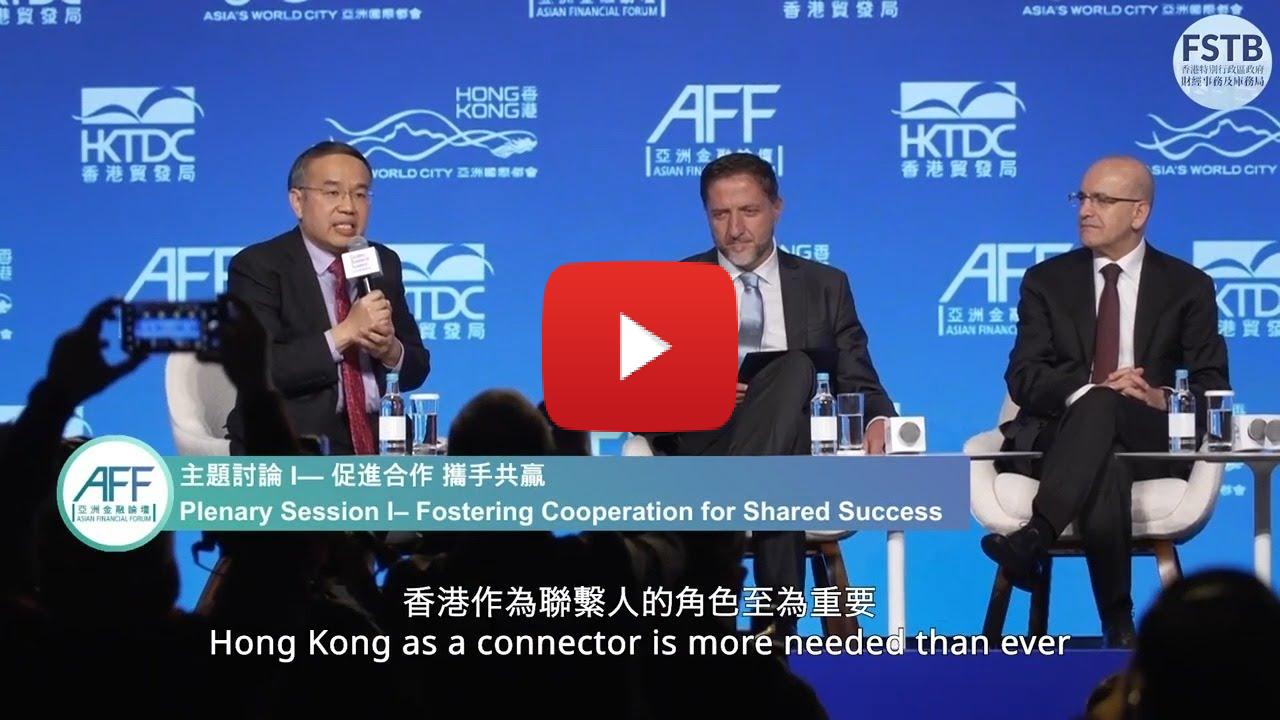
    In his opening remarks at the summit, Paul Chan, Financial Secretary of the HKSAR Government, highlighted trade, finance and innovation and technology as the three principal drivers of future economic growth.

    “Hong Kong is not just a platform that connects capital, market, projects, talent and opportunity. Hong Kong is willing to be a strategic partner to help you grow, scale up and go global,” Mr Chan said.

    On building a more vibrant tech ecosystem, Mr Chan said the HKSAR Government is determined to attract the world’s leading frontier-technology enterprises to establish a presence in Hong Kong.

    “We welcome technology and industrial enterprises to establish a presence in the Northern Metropolis. Where justified, we are prepared to tailor incentive packages, which may include land grants, premium concessions, tax incentives and other facilitation measures. Everything is negotiable,” he said.

    image-1.jpeg

    Prof Frederick Ma, Chairman of the HKTDC, in his welcome remarks at the summit, said: “In these unpredictable times, working together on shared goals adds to the agility and resilience of our economies, our industries and businesses, and our communities. Hong Kong, under the ‘one country, two systems’ arrangement, is perfectly suited to host these conversations and promote cross-sector collaboration, as a super connector, super value-adder and super collaborator.”

    A series of plenary sessions held during the summit included the Business Plenary I – Chinese Mainland Enterprises Going Global, and Business Plenary II – Strategic Collaboration for Shared Growth, focusing on the latest opportunities in global market expansion and inbound foreign investment.

    The Global Business Summit also featured a series of discussion sessions covering high‑growth, high‑value sectors, including biomedicine and healthcare, green energy, new consumer trends, artificial intelligence and robotics.

    Speakers included representatives of prominent enterprises in the respective fields, such as Banking Circle, Infineon AG, Investcorp, JP Morgan, Revolut, Triton Partners, Amgen, Merck, DexForce Technology, JD.com, Pictet Group, AI² Robotics, Galbot and Tencent.

    Paul Polman, a business leader, investor and philanthropist who is dedicated to advocating for systemic change, climate action, and social equality, delivered the Keynote Luncheon speech (January 27). He shared his “Net Positive” corporate sustainability strategy, which he has championed in recent years, focusing on advancing sustainable development.

    Meanwhile, this year’s AFF Deal-making session, co-organised by the HKTDC and the Hong Kong Venture Capital and Private Equity Association, attracted over 280 investors and over 600 investment projects, resulting in more than 800 one-on-one meetings that successfully connected global capital with investment opportunities.

    The AFF also marked the start of this year’s International Financial Week, featuring14 industry events that span a wide range of globally watched financial and business topics, including ASEAN opportunities, digital finance, green finance, family offices, private equity and alternative investments. Together, these events underscore Hong Kong’s unique role as the region’s most comprehensive and diversified international financial centre.

    Hashtag: #hongkong #brandhongkong #AFF #Finance #Business #Economic


    The issuer is solely responsible for the content of this announcement.

  • CGTN: Europe on its Own Terms: Adapting a New Global Reality

    CGTN: Europe on its Own Terms: Adapting a New Global Reality

    CGTN’s special feature focuses on Europe’s push for strategic autonomy amid global shifts.

    BEIJING, CHINA – Media OutReach Newswire – 28 January 2026 – In an era defined by geopolitical recalibration, Europe stands at a pivotal juncture, grappling with the urgent need for strategic autonomy and reassessing its alliances. A chorus of European policymakers, thought leaders, and international observers analyzed the continent’s pathway forward as it adapts to a new global reality marked by evolving external dynamics.

    CGTN: Europe on its Own Terms: Adapting a New Global Reality

    The call for European independence has never been more pronounced. Ursula von der Leyen, President of the European Commission, has declared that this is Europe’s Independence Moment, highlighting the need for Europe to ensure its own defense. Hillary Mann Leverett, CEO of STRATEGA echoes that “Europe is going through a very difficult time”, noting the need for patience and effort to navigate current crises.

    The quest for autonomy is driven by multifaceted challenges. An ongoing energy crisis, caused by the conflict in Ukraine, has seen electricity prices in major European economies soar to several times those in the US, straining industrial production and daily life.

    image-1.jpeg

    Europe is even more tested as transatlantic relations shift. French Senator Thierry Meissen says that “today, we must accept that the United States will prioritize its own interests.” European Council President Antonio Costa also acknowledged this new reality, stating “we already know that Europe and the United States do not share the same vision of the international order.”

    In response, Europe is mobilizing resources to build self-reliance. The EU has committed substantial investment to develop its defense. Ursula von der Leyen outlines plans enabling up to 800 billion euros in defense investment by 2030. And analysts from the Bruegel think tank estimate that true strategic autonomy would require an additional 250 billion euros annually and 300,000 more troops. Additionally, the EU’s High Representative for Foreign Affairs Kaja Kallas identified joint procurement as a critical hurdle to overcome.

    Facing this strategic shift, Europe is actively exploring diversified global partnerships to ensure stability and growth. Former Italian Prime Minister Romano Prodi also highlighted that “China and Europe together make more than one-third of all world trade.” He warned against isolation, stating “if we don’t stick together…we go into a certain depression.”

    The potential for cooperation spans critical domains. In science, collaboration has evolved into a two-way street between China and European peers. The EU’s ‘Choose Europe’ package, a 500-million-euro incentive to attract global scientific talent, also contrasts with funding uncertainties in the United States, creating new avenues for scientific talents. On the green transition, synergies are evident. China’s leadership in clean-energy industries complements Europe’s Green Deal ambitions, presenting a vast cooperative canvas.

    Yet, this reorientation is complex. Europe needs to balance its deep historical and economic ties with the United States with the opportunities presented by a rising China. Professor Cui Hongjian of Beijing Foreign Studies University noted the EU’s dilemma, finding it “very difficult to make a clear choice between China and the US.” Jens Eskelund, President of the European Union Chamber of Commerce in China, advocated for a relationship judged on its own merits. “We shouldn’t let our relationship be defined by a third party.”

    The path to act on its own terms is further complicated by new economic realities. China’s rapid advancement has altered dynamics. “The perspective on who is learning from whom has been dramatically changing,” said Professor Eberhard Sandschneider of the Free University of Berlin. This new reality has spurred debates on “derisking”, which leaders caution could fragment supply chains, increase costs, and forsake mutual benefits. Alex Frederiksen, CEO of Vivino, advised focusing on long-term practical matters over short-term headlines, saying China is “unbeatable” in terms of density of high-quality companies.

    Ultimately, European leaders are tasked with navigating a fundamental strategic question. Romano Prodi argued that the relationship must evolve from being neither enemies nor brothers toward becoming “equal partners and almost brothers.”

    https://news.cgtn.com/news/2026-01-27/Europe-on-its-own-terms-Adapting-a-new-global-reality-1Khw2WpZ2Fy/p.html
    Hashtag: #CGTN

    The issuer is solely responsible for the content of this announcement.

  • UnionPay Enables 25 International Wallets to Support Weixin Pay QR Code in China’ Mainland

    SHANGHAI, CHINA – Media OutReach Newswire – 28 January 2026 – When Thai tourist Naree visited Shanghai, she paid easily for coffee at a neighborhood café by scanning a Weixin Pay QR code using the same K PLUS mobile wallet as she used at home, because her mobile wallet was linked to her Thai UnionPay card.

    Now international visitors from 11 countries and regions travelling to China’s mainland can enjoy the same seamless mobile payment experience just as Naree. The collaboration between UnionPay International and Weixin Pay (also known as WeChat) now supports 25 UnionPay-partnered international wallets. Users only need to link the local UnionPay cards or activate digital UnionPay cards in one of their digital wallets. Then they can make payments at restaurants, shops, and public transport systems across China’s mainland by scanning Weixin Pay or UnionPay QR codes. The funds will be automatically converted from their home currency into RMB, eliminating the need to download additional apps.

    The 25 supported international wallets by country / region
    The 25 supported international wallets by country / region

    Since launching in December 2024, the program’s coverage has steadily broadened. As more UnionPay-Partnered international digital wallets join the network, a growing number of visitors to China can enjoy a smoother payment experience.

    A Milestone In UnionPay’s Project Excellence

    The cooperation between UnionPay International and Weixin Pay marks the latest milestone in UnionPay’s Project Excellence. Under Project Excellence, over 200 e-wallets across 37 countries and regions outside China’s mainland can link to locally issued UnionPay cards.

    To further enhance the payment experience for overseas visitors to China, UnionPay has also launched the SplendorPlus Card, a product specially designed to meet inbound travelers’ unique needs.

    In 2025, the number of QR code transactions made in China’s mainland using UnionPay-partnered e-wallets issued outside the Chinese mainland increased by 100% year on year, while the value of these transactions increased by 75%.
    Hashtag: #UnionPay

    The issuer is solely responsible for the content of this announcement.

  • HKCERT发表”香港网络安全展望2026″ 网安事故年升27%创新高

    HKCERT发表”香港网络安全展望2026″ 网安事故年升27%创新高

    AI应用与供应链风险成关注 近三成企业仍无人手负责网安

    香港 – Media OutReach Newswire – 2026年1月28日 – 香港生产力促进局(生产力局)辖下的香港网络安全事故协调中心(HKCERT今日举行传媒简介会,发表年度香港网络安全展望2026″。报告指出,随着人工智能(AI)技术迅速普及,网络攻击变得更具自动化、针对性和破坏力,威胁企业营运及信息安全。2025年本港录得15,877宗网安事故,按年上升27%,创下历年新高。报告同时预测2026年将有五大网络安全风险浮现,主要分为AI应用及供应链风险两大类。

    HKCERT同日发表”香港企业网络安全现况”研究结果,分析本地企业在面对网络风险时的防御能力与资源分配现况。本次研究涵盖622间企业(包括544间中小企及78间大企业),并访问50间网络安全服务供货商,评估本地企业选择网络安全服务时的重要因素。研究显示,七成企业有设网络安全人手,反映本地企业对网络防御的重视程度逐步提升。当中不少中小企亦已着手加强保安部署,展现积极应对威胁的意识,惟在技术应用层面及资源投放方面,与大型企业相比仍存在一定差距。另外,35%使用AI的企业表示会输入公司数据至AI工具,显示本地整体防御能力及AI管治意识仍有进一步提升的空间。

    香港生产力促进局首席数码总监黎少斌先生表示:“AI技术普及可以推动创新,但亦可成为黑客的利器,使网络威胁更趋隐蔽且规模更大。报告显示,企业在使用AI工具方面普遍缺乏清晰规范,特别是中小企在资源和认知上的限制,令他们未必充分了解当中潜在风险。此外,供应链攻击已成为企业安全防线中最脆弱的一环,即使企业本身的防护措施完善,单一合作方的漏洞足以引发连锁危机。面对这些挑战,企业必须从被动应对转向主动部署,着手制定 明确的AI使用规范与审核机制,深度整合至企业的整体网络安全策略之中。”

    2025年网安事故概况:

    钓鱼攻击占近六成事故宗数破纪录

    根据HKCERT最新统计,2025年共录得15,877宗网安事故,其中网络钓鱼攻击持续成为最主要的威胁来源,占整体事故近六成(57%)。由于生成式AI令钓鱼讯息更具真实感,亦更难辨识,进一步加剧网络安全风险。钓鱼攻击场景亦正由传统电邮蔓延至社交媒体或实时通讯平台(如WhatsApp)(34%加密货币平台(18%等。

    同时,易受攻击系统的个案亦显着增加(2,328宗,占整体事故15%),较去年上升超过3.5倍,显示系统配置错误及未及时修补漏洞,已形成网络安全缺口。 殭尸网络(Botnet)则与去年相约(18%),虽然呈不变趋势,但殭尸网络本身极难彻底清除,是长期潜伏的威胁来源。

    2026年五大网络安全风险

    据行业专家分析及香港生产力促进局对本地企业环境的持续研究,综合业界趋势与技术发展,HKCERT预测以下五大网络安全风险将于2026年对企业构成重大挑战:

    1. AI驱动的网络攻击与代理式AI风险(Agentic AI)
    2. 随着AI技术日益进步,黑客亦开始利用AI进行更高阶的攻击。尤其是具备自主学习与执行能力的代理式AI,能够在无需人手介入的情况下自行判断并采取实际行动,一旦被黑客入侵,将自动执行潜在恶意指令,令攻击更难预测与防范。

    3. 企业AI规管薄弱加剧数据外泄影响
    4. 在缺乏内部AI管治框架的情况下,企业敏感数据(如客户信息、合约内容等)可能因员工误用公共AI平台而外泄。常见情况包括:员工使用未经授权工具,且对平台隐私声明理解不足,误判数据安全性,继而输入敏感内容,造成实际泄漏。

    5. 供应链漏洞及第三方安全缺口
    6. 企业在业务过程中愈来愈依赖外判服务及第三方平台处理业务流程。然而当这些合作伙伴遭受网络攻击或安全系统有漏洞时,亦会严重影响企业的网络安全。即使企业本身的防御措施完善,也可能因合作方出现漏洞而间接受害。

    7. 过度依赖云端基础设施导致单一故障点
    8. 云端平台已成为企业日常营运的基础设施,包括数据储存、应用部署、通讯及备份等。然而,过度依赖单一云端供货商而缺乏备援方案,将令企业在遇上平台故障或供货商中断服务时无法运作。

    9. 具AI功能设备的新兴威胁
    10. 随着智能设备(如语音助理、办公或客服机械人等)广泛应用于营运环节,这些具AI功能的设备开始暴露出潜在的安全风险。这些设备通常会配置大型语言模型以协助理解与解析人类指令。然而,随着大型语言模型被嵌入实体系统,其原本存在于数字环境中的安全漏洞,也可能进一步延伸并影响现实世界。若缺乏严谨的验证机制,极易受到错误指令或语音欺骗影响,而执行危险动作。


    近三成企业仍无人手负责网安
    中小企防御力与投资有待加强

    “香港企业网络安全现况”结果显示,超过七成(71%)企业有设立网安人员,反映整体对网安工作的重视程度正逐步提升。按企业规模划分,67%的中小企有员工负责网络安全,而大企则有超过九成(95%)。其中,26%中小企设有专职网安人员,与大企业的59%相比仍有差距,反映不同规模企业在资源分配与专业支持方面存在不同挑战。

    不少中小企已部署基本防护措施,例如有48%中小企采用电邮保安方案,但相比大企业的79%,仍有进一步提升空间。至于特权存取管理(PAM)方面,中小企的采用率为29%,亦低于大企业的60%。进阶防护技术如数据保护措施(中小企39%,大企72%)方面,亦反映中小企在推动技术升级方面仍需支持,尤其在数据安全日益重要的今天,大中小企的防护同样不可忽视。

    在资源投放方面,虽然中小企整体投入较为审慎,但已有部分企业逐步加强网安投资与培训。过去一年,13%的中小企增加了网安相关资源(人手、设备等),而在网安培训方面,亦有12%的中小企加大投入。相对而言,大企业的比例分别为41%及50%。展望未来12个月,中小企在增聘网安人手(中小企5%,大企15%)、培训(中小企13%,大企38%)、预算(中小企13%,大企36%)等方面的规划较为保守,但随着威胁形势演变,相信企业将逐步提升相关投入,以强化整体防御能力。

    HKCERT 五大建议:助企业建立有效网安防御机制

    HKCERT提出五项建议,涵盖政策制定、技术实施及员工参与三大范畴,协助企业建立全面防御机制﹕

    1. 指派人手负责网安﹕企业应指派具备基本网安知识的员工负责日常监察与应变工作,有清晰职责分工,确保能及时应对突发情况。
    2. 推行AI治理及规范﹕随着AI工具及第三方平台的应用日益普及,企业应制定相关政策与操作指引,清楚列明可使用的工具、数据输入范围,以及供货商出现事故时的应变流程,降低技术应用带来的营运风险。
    3. 全体员工共同合作防范钓鱼攻击:企业应同时采取技术措施(如电邮过滤、多重认证)与全员参与的安全文化,共同防范钓鱼攻击,提升每位员工辨识可疑邮件与连结的能力,减少数据外泄风险。
    4. 提高全体员工网安意识﹕网络安全是全体员工的共同责任。企业应定期为各部门提供针对性的安全培训,特别是涉及敏感数据的岗位,并透过仿真演练与实例学习,加强应变能力,降低人为错误。
    5. 强化技术保护措施企业应落实关键的网络安全技术,包括:
      • 电邮保安与访问权限管控
      • 数据保护措施(如加密与备份)
      • 远程访问保安机制(如VPN、身份验证)
      • 主动式安全方案(如入侵检测、防火墙监控)

    在面对日益复杂的网络威胁及不断演进的攻击技术时,协助中小企业有效部署网络安全防护已成为社会各界的重要责任。除设有24小时事故报告及支持热线外,HKCERT亦负责持续监测本地网络活动,并于侦测到针对香港的网络攻击时,主动追踪及打击源头并适时发放公众警报,近年来,HKCERT更运用自身研发的AI系统,预先打击钓鱼网站,防患于未然。为加强中小企的预防措施及推广教育,HKCERT针对新兴科技风险发布多份安全指引,协助技术人员了解并采取合适的保安策略;同时,透过专题网页详细解析严重的钓鱼及勒索软件攻击,每年举办大型公众活动及参与超过三十场研讨会,积极推广网络安全意识。

    去年起, HKCERT更进一步担任中小企业与业界网安服务供应商之间的桥梁,携手香港特区政府数字政策办公室推出”网络安全服务供应商联动计划“。该计划透过一站式平台,汇聚21家通过审核的网安服务商,提供防护、评估、应变及培训四大范畴的网安服务,有效协助中小企快速配对最合适的解决方案,提升其整体防御能力。未来,该计划将持续优化服务内容,推动资源共享,与业界携手构建更安全的数码营商环境。
    Hashtag: #HKCERT

    The issuer is solely responsible for the content of this announcement.

    关于香港网络安全事故协调中心

    由香港生产力促进局管理的香港网络安全事故协调中心,是本港的信息保安事故协调中心,为本地企业及互联网用户提供信息保安事故的消息和防御指引、事故响应及支持服务,及提高保安意识。

    本中心联络本地的组织,负责收集、发放讯息及协调保安事故应变行动。HKCERT 亦是全球保安事故协调中心组织 (Forum of Incident Response and Security Teams, FIRST) 及亚太区计算机保安事故协调中心组织 (Asia Pacific Computer Emergency Response Teams, APCERT) 的成员,与其他协调中心在跨境信息保安事故上,交换情报和保持联系。

    关于香港生产力促进局
    香港生产力促进局是于1967年成立的香港法定机构,致力以世界级的应用研发、科技服务与综合制造服务推动香港企业提升生产力与竞争优势。作为以市场为导向的国际新型研发机构,香港生产力促进局凭借在人工智能、先进制造、生命健康、绿色科技及新能源等前沿领域的深厚实力和丰富产业经验,以创新科技引领新型工业化,推动新兴及未来产业发展。

    香港生产力促进局以解决企业痛点和产业发展技术需求为核心,推动科技创新与产业创新深度融合,通过技术转移、产品创新、知识产权保护及研发成果商品化,强化与工商界及国际顶尖研发机构的协作,为产业创优增值,促进新质生产力发展。多年来,香港生产力促进局的卓越研发成果屡获本地、内地及海外奖项殊荣,持续助力香港成为国际创新科技中心及智慧城市。

    为协助企业善用香港的国际化优势拓展全球市场,香港生产力促进局提供产品、技术、制造及管理等关键需求的综合出海服务,助力企业通过香港成功出海。

    香港生产力促进局也致力为中小企和初创企业提供实时和适切的支持,协助企业善用政府资助计划,并通过未来技能发展课程,促进企业及学界掌握最新数码及STEM技术,为香港培育具竞争力的未来人才。

    如欲了解更多详情,请浏览生产力局网页:

  • HKCERT發表「香港網絡安全展望2026」 網安事故年升27%創新高 AI 應用與供應鏈風險成關注 近三成企業仍無人手負責網安

    HKCERT發表「香港網絡安全展望2026」 網安事故年升27%創新高 AI 應用與供應鏈風險成關注 近三成企業仍無人手負責網安

    香港 – Media OutReach Newswire – 2026年1月28日 – 香港生產力促進局(生產力局)轄下的香港網絡安全事故協調中心(HKCERT今日舉行傳媒簡介會,發表年度「香港網絡安全展望2026。報告指出,隨著人工智能(AI)技術迅速普及,網絡攻擊變得更具自動化、針對性和破壞力,威脅企業營運及資訊安全。2025年本港錄得15,877宗網安事故,按年上升27%,創下歷年新高。報告同時預測2026年將有五大網絡安全風險浮現,主要分為AI 應用及供應鏈風險兩大類。

    HKCERT同日發表「香港企業網絡安全現況」研究結果,分析本地企業在面對網絡風險時的防禦能力與資源配置現況。是次研究涵蓋622間企業(包括544間中小企及78間大企業),並訪問50間網絡安全服務供應商,評估本地企業選擇網絡安全服務時的重要因素。研究顯示,七成企業有設網絡安全人手,反映本地企業對網絡防禦的重視程度逐步提升。當中不少中小企亦已著手加強保安部署,展現積極應對威脅的意識,惟在技術應用層面及資源投放方面,與大型企業相比仍存在一定差距。另外,35%使用AI的企業表示會輸入公司資料至AI工具,顯示本地整體防禦能力及AI管治意識仍有進一步提升的空間。

    生產力局首席數碼總監黎少斌先生表示:「AI技術普及可以推動創新,但亦可成為黑客的利器,使網絡威脅更趨隱蔽且規模更大。報告顯示,企業在使用AI工具方面普遍缺乏清晰規範,特別是中小企在資源和認知上的限制,令他們未必充分了解當中潛在風險。此外,供應鏈攻擊已成為企業安全防線中最脆弱的一環,即使企業本身的防護措施完善,單一合作方的漏洞足以引發連鎖危機。面對這些挑戰,企業必須從被動應對轉向主動部署,著手制定明確的AI使用規範與審核機制,深度整合至企業的整體網絡安全策略之中。」

    2025年網安事故概況:

    釣魚攻擊佔近六成事故宗數破紀錄

    根據HKCERT最新統計,2025年共錄得15,877宗網安事故,其中網絡釣魚攻擊持續成為最主要的威脅來源,佔整體事故近六成(57%)。由於生成式AI令釣魚訊息更具真實感,亦更難辨識,進一步加劇網絡安全風險。釣魚攻擊場景亦正由傳統電郵蔓延至社交媒體或即時通訊平台(如WhatsApp)(34%)、加密貨幣平台(18%)等。

    同時,易受攻擊系統的個案亦顯著增加(2,328宗,佔整體事故15%),較去年上升超過3.5倍,顯示系統配置錯誤及未及時修補漏洞,已形成網絡安全缺口。殭屍網絡(Botnet)個案則與去年相約(18%),雖然呈不變趨勢,但殭屍網絡本身極難徹底清除,是長期潛伏的威脅來源。

    2026年五大網絡安全風險

    根據行業專家分析及生產力局對本地企業環境的持續研究,綜合業界趨勢與技術發展,HKCERT預測以下五大網絡安全風險將於2026年對企業構成重大挑戰:

    1.AI驅動的網絡攻擊與代理式AI風險(Agentic AI
    隨着AI技術日益進步,黑客亦開始利用AI進行更高階的攻擊。尤其是具備自主學習與執行能力的代理式AI,能夠在無需人手介入的情況下自行判斷並採取實際行動,一旦被黑客入侵,將自動執行潛在惡意指令,令攻擊更難預測與防範。

    2. 企業AI規管薄弱加劇資料外洩影響
    在缺乏內部AI管治框架的情況下,企業敏感資料(如客戶資訊、合約內容等)可能因員工誤用公共AI平台而外洩。常見情況包括:員工使用未經授權工具,且對平台隱私聲明理解不足,誤判資料安全性,繼而輸入敏感內容,造成實際洩漏。

    3.供應鏈漏洞及第三方安全缺口
    企業在業務過程中愈來愈依賴外判服務及第三方平台處理業務流程,然而當這些合作夥伴遭受網絡攻擊或安全系統有漏洞時,亦會嚴重影響企業的網絡安全。即使企業本身的防禦措施完善,也可能因合作方出現漏洞而間接受害。

    4.過度依賴雲端基礎設施導致單一故障點
    雲端平台已成為企業日常營運的基礎設施,包括資料儲存、應用部署、通訊及備份等。然而,過度依賴單一雲端供應商而缺乏備援方案,將令企業在遇上平台故障或供應商中斷服務時無法運作。

    5.AI功能設備的新興威脅
    隨着智能設備(如語音助理、辦公或客服機械人等)廣泛應用於營運環節,這些具AI功能的設備開始暴露出潛在的安全風險。這些設備通常會配置大型語言模型以協助理解與解析人類指令。然而,隨著大型語言模型被嵌入實體系統,其原本存在於數字環境中的安全漏洞,也可能進一步延伸並影響現實世界。若缺乏嚴謹的驗證機制,極易受到錯誤指令或語音欺騙影響,而執行危險動作。

    近三成企業仍無人手負責網安中小企防禦力與投資有待加強
    「香港企業網絡安全現況」結果顯示,超過七成(71%)企業有設立網安人員,反映整體對網安工作的重視程度正逐步提升。按企業規模劃分,67%的中小企有員工負責網絡安全,而大企則有超過九成(95%)。其中,26%中小企設有專職網安人員,與大企業的59%相比仍有差距,反映不同規模企業在資源配置與專業支援方面存在不同挑戰。

    不少中小企已部署基本防護措施,例如有48%中小企採用電郵保安方案,但相比大企業的79%,仍有進一步提升空間。至於特權存取管理(PAM)方面,中小企的採用率為29%,亦低於大企業的60%。進階防護技術如資料保護措施(中小企39%,大企72%)方面,亦反映中小企在推動技術升級方面仍需支援,尤其在數據安全日益重要的今天,大中小企的防護同樣不可忽視。

    在資源投放方面,雖然中小企整體投入較為審慎,但已有部分企業逐步加強網安投資與培訓。過去一年,13%的中小企增加了網安相關資源(人手、設備等),而在網安培訓方面,亦有12%的中小企加大投入。相對而言,大企業的比例分別為41%及50%。展望未來12個月,中小企在增聘網安人手(中小企5%,大企15%)、培訓(中小企13%,大企38%)、預算(中小企13%,大企36%)等方面的規劃較為保守,但隨着威脅形勢演變,相信企業將逐步提升相關投入,以強化整體防禦能力。

    HKCERT五大建議:助企業建立有效網安防禦機制

    HKCERT提出五項建議,涵蓋政策制定、技術實施及員工參與三大範疇,協助企業建立全面防禦機制﹕

    1. 指派人手負責網安﹕企業應指派具備基本網安知識的員工負責日常監察與應變工作,有清晰職責分工,確保能及時應對突發情況。
    2. 推行AI治理及規範﹕隨着AI工具及第三方平台的應用日益普及,企業應制定相關政策與操作指引,清楚列明可使用的工具、資料輸入範圍,以及供應商出現事故時的應變流程,降低技術應用帶來的營運風險。
    3. 全體員工共同合作防範釣魚攻擊:企業應同時採取技術措施(如電郵過濾、多重認證)與全員參與的安全文化,共同防範釣魚攻擊,提升每位員工辨識可疑郵件與連結的能力,減少資料外洩風險。
    4. 提高全體員工網安意識﹕網絡安全是全體員工的共同責任。企業應定期為各部門提供針對性的安全培訓,特別是涉及敏感數據的崗位,並透過模擬演練與實例學習,加強應變能力,降低人為錯誤。
    5. 強化技術保護措施 ﹕企業應落實關鍵的網絡安全技術,包括:
      • 電郵保安與存取權限管控
      • 資料保護措施(如加密與備份)
      • 遠端存取保安機制(如VPN、身份驗證)
      • 主動式安全方案(如入侵偵測、防火牆監控)
    同時應定期進行滲透測試與風險評估,涵蓋供應鏈合作夥伴、外判系統及業務平台,持續強化整體防禦能力。

    在面對日益複雜的網絡威脅及不斷演進的攻擊技術時,協助中小企業有效部署網絡安全防護已成為社會各界的重要責任。除設有24小時事故報告及支援熱線外,HKCERT亦負責持續監測本地網絡活動,並於偵測到針對香港的網絡攻擊時,主動追蹤及打擊源頭和適時發放公眾警報,近年來,HKCERT更運用自身研發的AI系統,預先打擊釣魚網站,防患於未然。為加強中小企的預防措施及推廣教育,HKCERT針對新興科技風險發布多份安全指引,協助技術人員了解並採取合適的保安策略;同時,透過專題網頁詳細解析嚴重的釣魚及勒索軟件攻擊,每年舉辦大型公眾活動及參與超過三十場研討會,積極推廣網絡安全意識。

    去年起,HKCERT更進一步擔任中小企業與業界網安服務供應商之間的橋樑,攜手數字政策辦公室推出「網絡安全服務供應商聯動計劃」。該計劃透過一站式平台,匯聚21家通過審核的網安服務商,提供防護、評估、應變及培訓四大範疇的網安服務,有效協助中小企快速配對最合適的解決方案,提升其整體防禦能力。未來,該計劃將持續優化服務內容,推動資源共享,與業界攜手構建更安全的數碼營商環境。

    Hashtag: #HKCERT

    The issuer is solely responsible for the content of this announcement.

    關於香港網絡安全事故協調中心

    由香港生產力促進局管理的香港網絡安全事故協調中心,是本港的資訊保安事故協調中心,為本地企業及互聯網用戶提供資訊保安事故的消息和防禦指引、事故回應及支援服務,及提高保安意識。

    本中心聯絡本地的組織,負責收集、發放訊息及協調保安事故應變行動。HKCERT 亦是全球保安事故協調中心組織 (Forum of Incident Response and Security Teams, FIRST) 及 亞太區電腦保安事故協調中心組織 (Asia Pacific Computer Emergency Response Teams, APCERT) 的成員,與其他協調中心在跨境資訊保安事故上,交換情報和保持聯繫。

    關於香港生產力促進局
    香港生產力促進局(生產力局)是於1967年成立的法定機構,致力以世界級的應用研發、科技服務與綜合製造服務推動香港企業提升生產力與競爭優勢。作為以市場為導向的國際新型研發機構,生產力局憑藉在人工智能、先進製造、生命健康、綠色科技及新能源等前沿領域的深厚實力和豐富產業經驗,以創新科技引領新型工業化,推動新興及未來產業發展。

    生產力局以解決企業痛點和產業發展技術需求為核心,推動科技創新和產業創新深度融合,透過技術轉移、產品創新、知識產權保護及研發成果商品化,強化與本地工商界及國際頂尖研發機構的協作,為產業創優增值,促進新質生產力發展。多年來,生產力局的卓越研發成果屢獲本地、内地及海外獎項殊榮,持續助力香港成為國際創新科技中心及智慧城市。

    為協助企業善用香港的國際化優勢拓展全球市場,生產力局提供產品、技術、製造及管理等關鍵需求的綜合出海服務,助力企業通過香港成功出海。

    生產力局亦致力為中小企和初創企業提供即時和適切的支援,協助企業善用政府資助計劃,並透過未來技能發展課程,促進企業及學界掌握最新數碼及STEM技術,為香港培育具競爭力的未來人才。

    如欲瞭解更多詳情,請瀏覽生產力局網頁:

  • HKCERT Releases “Hong Kong Cybersecurity Outlook 2026”   Security Incidents Hit Record High with 27% Annual Increase

    HKCERT Releases “Hong Kong Cybersecurity Outlook 2026” Security Incidents Hit Record High with 27% Annual Increase

    AI-related Attacks and Supply Chain Risks Emerge as Top Concerns Nearly 30% of Enterprises Lack Dedicated Cybersecurity Personnel

    HONG KONG SAR – Media OutReach Newswire – 28 January 2026 – The Hong Kong Computer Emergency Response Team Coordination Centre (HKCERT), under the Hong Kong Productivity Council (HKPC), today hosted a media briefing to officially release the annual “Hong Kong Cybersecurity Outlook 2026”. The report reveals that cyberattacks have become more automated, targeted, and destructive with the rapid proliferation of Artificial Intelligence (AI) technologies, posing significant threats to business operations and information security. A record high 15,877 cybersecurity incidents were recorded in Hong Kong in 2025, marking a 27% year-on-year increase. The report also highlights five key cybersecurity risks expected to emerge in 2026, mainly under AI-related threats and supply chain vulnerabilities.

    HKCERT also released the findings of the “Hong Kong Enterprise Cybersecurity Landscape”, which analyses the current state of local enterprises’ cybersecurity defences and resource allocation in the face of cyber risks. The study covered 622 enterprises (including 544 SMEs and 78 large enterprises) and interviewed 50 cybersecurity service providers to assess the key factors businesses consider when selecting cybersecurity services. The findings reveal that nearly 70% of enterprises have dedicated cybersecurity personnel, showing the increasing importance local businesses place on cybersecurity. Many SMEs have also begun strengthening their security measures, demonstrating a proactive awareness of cyber threats. However, they were behind large enterprises in terms of technology deployment and resource allocation. Moreover, around 35% of businesses using AI would enter corporate data into AI tools, suggesting that there is still room for improvement in local overall defence capabilities and AI governance awareness.

    Mr Edmond LAI, Chief Digital Officer of HKPC, stated, “The proliferation of AI can drive innovation, but it can also become a powerful tool for hackers, making cyber threats stealthier and more scalable. Our report indicates a lack of governance in corporate use of AI tools. In particular, the limited resources and knowledge of SMEs may limit their full understanding of the potential risks involved. Moreover, supply chain attacks have become the weakest link in enterprise security, where a single vendor’s vulnerability can trigger a chain reaction of crises, even if the enterprises have robust protective measures. To address these challenges, enterprises must shift from passive response to proactive deployment, starting with establishing clear AI usage guidelines and audit mechanisms, and deeply integrating them into the overall cybersecurity strategy”.

    Overview of Cybersecurity Incidents in 2025:

    Phishing Accounts for Nearly 60% – Record-High Number of Cases

    According to the latest statistics from HKCERT, a total of 15,877 cybersecurity incidents were reported in 2025, marking a new record high. Among them, phishing attacks remained the most prominent threat, accounting for nearly 60% (57%) of total cases. The rise of generative AI has made phishing messages increasingly realistic and harder to detect, further amplifying the associated risks. Attack delivery methods have expanded beyond traditional email to social media or instant messaging platforms (such as WhatsApp) (34%) and cryptocurrency platforms (18%).

    In parallel, cases involving vulnerable systems also saw a sharp increase, with 2,328 incidents (15%), representing a more than 3.5-fold rise compared to the previous year. This suggests that attackers are actively exploiting misconfigurations and unpatched system vulnerabilities. Meanwhile, botnet-related incidents remained steady at 18%. While stable in number, botnets are notoriously difficult to eradicate completely, representing a long-term latent threat.

    Top 5 Cybersecurity Risks in 2026

    Based on industry expert analysis and HKPC’s ongoing research into the local business environment, and considering industry trends and technological developments, HKCERT predicts that the following five cybersecurity risks will pose significant challenges to businesses in 2026:

    1. AI-Driven Attacks and Agentic AI Risks
    2. Weak AI Governance of Enterprises Increases Data Leakage Risks
    3. Supply Chain Vulnerabilities and Third-Party Security Gaps
    4. Over-Reliance on Cloud Infrastructure Creates Single Points of Failure
    5. Emerging Threats from AI-Enabled Devices

    30% of Enterprises Lack Dedicated Cybersecurity Staff, SMEs Lag in Defense and Investment

    “The Hong Kong Enterprise Cybersecurity Landscape” reveals nearly 70% of enterprises have dedicated cybersecurity personnel, showing the increasing importance place on cybersecurity. By company size, 67% of SMEs have personnel responsible for cybersecurity, and 95% of large enterprises do. Among them, 26% of SMEs have dedicated cybersecurity personnel, which is lower than the 59% of large enterprises, reflecting different challenges in resource allocation and professional support for companies of different sizes.

    Many SMEs have already implemented basic protective measures, such as 48% of SMEs have adopted email security, but there is still room for improvement when compared to the 79% of large enterprises. For Privileged Access Management (PAM), 29% of SMEs are employed, which is still lower than 60% of large enterprises. The figure on using Advanced cybersecurity practices, such as Remote Access Security Measures (SMEs 31% vs 67%), also reflects that SMEs still need support in promoting technological upgrades, especially when data security is increasingly important today, the protection of SMEs of all sizes cannot be ignored.

    Regarding investment and resource allocation, SMEs are generally cautious in their investment, but some companies have gradually increased their investment in cybersecurity and training. In the past year 13% of SMEs increased cybersecurity-related resources (including staff and tools), and 12% invested more resources in cybersecurity training. In comparison, the proportions for large enterprises were 41% and 50%, respectively. Looking ahead to the next 12 months, SMEs are relatively conservative in their plans for increasing resources — no matter in recruitment of cybersecurity personnel (SMEs 5% vs 15%), training (SMEs 13% vs 38%) and budget (SMEs 13% vs 36%). However, as cyber threats evolve, it is believed that enterprises will gradually increase their related investments to strengthen their overall defense capabilities.

    HKCERT’s Five Key Recommendations: Helping Enterprises Build Effective Cyber Defenses

    HKCERT has outlined five key recommendations to help enterprises strengthen their cybersecurity posture:

    1. Assigning Personnel for Cybersecurity: Enterprises should assign employees with basic cybersecurity knowledge to be responsible for daily monitoring and response work, with clear division of responsibilities to ensure timely response to emergencies.
    2. Promoting AI Governance and Regulation: As the application of AI tools and third-party platforms becomes increasingly widespread, enterprises should formulate relevant policies and operational guidelines, clearly specifying the available tools and scope of data input, as well as procedures for responding to third-party incidents, to minimise operational and reputational risks.
    3. Collaborative Efforts of All Staff to Prevent Phishing Attacks: Enterprises should adopt both technical measures (such as email filtering and multi‑factor authentication) and an organisation‑wide security culture to jointly defend against phishing attacks. This helps enhance each employee’s ability to identify suspicious emails and links, thereby reducing the risk of data leakage.
    4. Enhance Cybersecurity Awareness and Training across all Staff: Cybersecurity is a shared responsibility across the entire organisation. Enterprises should regularly provide targeted security training for different departments—especially for roles that handle sensitive data—and strengthen incident response capabilities through simulation exercises and case‑based learning to reduce human error.
    5. Strengthen Technical Protection Measures: Enterprises should implement essential cybersecurity technologies, including:
      • Email security and access‑rights control
      • Data protection measures (such as encryption and backup)
      • Remote access security measures mechanisms (such as VPNs and identity authentication)
      • Proactive security solutions (such as intrusion detection and firewall monitoring)

    As cyber threats grow increasingly complex and attack techniques become more advanced, enabling SMEs to effectively deploy cybersecurity defences has become a shared responsibility across society. In addition to operating a 24-hour incident reporting and supporting hotline, HKCERT continuously monitors local online activities. When cyberattacks targeting Hong Kong are detected, it proactively traces and disrupts the source and issues timely public alerts. In recent years, HKCERT has also leveraged self‑developed AI systems to take down phishing websites in advance, preventing incidents before they occur. To strengthen preventive measures and promote education among SMEs, HKCERT has published multiple security guidelines addressing emerging technology risks, helping technical personnel understand and adopt appropriate protection strategies. At the same time, HKCERT actively promotes cybersecurity awareness through a dedicated webpage on in‑depth analysis of major phishing and ransomware attacks, as well as by organising large‑scale public events and participating in over 30 seminars annually.

    Since last year, HKCERT further acted as a bridge between SMEs and cybersecurity service providers to launch the Cybersecurity Service Providers Connect Programme with Digital Policy Office. The Programme offers a one-stop platform that brings together 21 vetted cybersecurity service providers, covering four key areas, including Internet Security Solutions, Cybersecurity Assessment Services, Managed Security and Incident Response Services, and Cybersecurity Training Services. It helps SMEs quickly identify suitable solutions and strengthen their cyber defence capabilities. The Programme will continue to enhance its services, promote resource sharing, and collaborate with the industry to build a safer digital business environment.

    Hashtag: #HKCERT

    The issuer is solely responsible for the content of this announcement.

    About Hong Kong Computer Emergency Response Team Coordination Centre

    Managed by the Hong Kong Productivity Council (HKPC), Hong Kong Computer Emergency Response Team Coordination Centre (HKCERT) is the centre for coordination of computer security incident response for local enterprises and Internet Users. Its missions are to facilitate information disseminating, provide advices on preventive measures against security threats and to promote information security awareness.

    HKCERT collaborates with local bodies to collect and disseminate information, and coordinate response actions. HKCERT is also a member of the Forum of Incident Response and Security Teams (FIRST) and the Asia Pacific Computer Emergency Response Team (APCERT). We exchange information with other CERTs and act as a point of contact on cross-border security incidents.

    About the Hong Kong Productivity Council
    The Hong Kong Productivity Council (HKPC) is a statutory body established in 1967, dedicated to enhancing the productivity and competitiveness of Hong Kong enterprises through world-class applied R&D, innovative technology services, and integrated manufacturing solutions. As a market-oriented, international R&D organisation, HKPC leverages its deep expertise and extensive industry experience in key areas such as AI, advanced manufacturing, life and health technology, green technology and new energy to drive new industrialisation and support the growth of emerging and future industries.

    HKPC focuses on addressing businesses challenges and industrial technology needs, promoting the full integration between technological and industrial innovation. Through technology transfer, product innovation, intellectual property protection and commercialisation of R&D outcomes, the Council fosters collaboration with the local business community as well as top global R&D institutions, delivering added value to industries and advancing the development of new productive forces. HKPC’s world-class R&D achievements have been widely recognised over the years, winning an array of local and overseas accolades, reinforcing Hong Kong’s role as an international innovation and technology centre and a smart city.

    To help enterprises capitalise on Hong Kong’s strengths in international connectivity to expand into global markets, HKPC offers comprehensive overseas expansion services tailored to critical areas including product development, technology, manufacturing, and management, enabling businesses to successfully go global from Hong Kong.

    HKPC is also committed to providing timely and practical support to SMEs and startups with timely and practical , assisting them in accessing Government funding programmes. Through its FutureSkills training initiatives, HKPC helps both industry and academia stay ahead in latest digital and STEM technologies, nurturing a future-ready talent pool for Hong Kong.

    For more information, please visit HKPC’s website:

  • IET首届数字孪生及应用国际会议在香港理工大学圆满落幕,彰显数字孪生技术的变革力量

    IET首届数字孪生及应用国际会议在香港理工大学圆满落幕,彰显数字孪生技术的变革力量

    香港 – Media OutReach Newswire – 2026年1月28日 – 英国工程技术学会(The Institution of Engineering and Technology, IET)首届数字孪生及应用国际会议(International Conference on Digital Twins and Applications, DTA APAC 2026)于2026年1月10日至12日在香港理工大学成功举行。大会由 IET 主办,香港理工大学与浙江大学联合主办,赢合科技赞助,汇聚了来自16个国家的逾150位数字孪生领域专家,围绕工程系统、人工智能(AI)、基于仿真的优化、物联网(IoT)、建筑、制造、物流和能源等领域的前沿研究与实际应用展开深入交流。

    与会代表参与了70多场技术报告,并对香港建造学院九龙湾校区的未来建造中心进行了为期半天的技术考察。大会云集多位学术泰斗,包括孙优贤院士、Lorenz Biegler 院士和 Asoke K. Nandi 院士,他们就数字孪生技术的未来发展分享了深刻见解。

    香港理工大学工程学院院长文効忠教授在开幕式致辞,他表示:”非常高兴看到来自世界各地的众多代表齐聚一堂,共同探讨快速发展的数字孪生及其应用。数字孪生正在深刻改变我们理解、设计和管理复杂系统的方式,从制造业和智慧城市,到医疗健康、交通、能源等各个方面。它们体现了物理世界与数字世界的深度融合,也彰显了数据驱动创新的精神,而这一精神正在重塑我们的社会与经济。”

    在 DTA APAC 2026 大会期间,演讲嘉宾从政策、学术界和工业界多维度重点分享了最新进展。中华人民共和国香港特别行政区政府发展局项目策略及管控处处长罗国权先生发表主题演讲,阐述推动香港建造及资产管理综合数字生态系统的相关政策。卡内基梅隆大学的 Lorenz Biegler 院士则介绍了结合数字孪生的信任区域过滤(Trust Region Filter)策略,在基于仿真的优化方面取得的学术突破。中国三峡大学校长黄艳教授以及戴尔科技集团的 PK Gupta 带来的主题演讲,进一步探讨了数字孪生在服务社会经济发展方面的新模式,以及数字孪生技术的演进。

    大会联合主席、浙江大学求是特聘教授王文海在会议期间提到:”在我的团队,我们坚持’理论服务实践’:创办优稳(UWNTEK),推动技术落地;研发多领域平台 NGM,支持建模、仿真、控制与全生命周期管理;致力让数字孪生从实验室走向工厂、物流与智能基础设施,真正创造价值。同时,我们创办了期刊《数字孪生与应用》(DTA),创刊一年半即被 EI Compendex 收录,这是对全球研究活力的有力印证。”

    作为重要国际论坛,IET首届数字孪生及应用国际会议汇聚了来自政府、学术界和企业界代表的最新政策、前沿研究与工业应用。

    大会联合主席、香港理工大学工业及系统工程学系智能制造讲席教授兼先进制造研究院院长黄国全表示:”我谨代表组委会,向 IET、浙江大学以及所有赞助机构和委员会成员致以衷心感谢,感谢大家为本次大会成功举办所付出的巨大努力,以及始终如一的坚定支持。”

    Hashtag: #IET #Digitaltwins #HKPolyU #ZhejiangUniversity

    The issuer is solely responsible for the content of this announcement.

    关于英国工程技术学会

    • 我们激励、启迪并影响全球工程界,以工程之力共建更美好世界。
    • 我们汇聚全球工程与技术领域的多元智慧。这样的广度与深度,使我们能够以独特优势助力行业发展,推动社会进步。
    • 我们致力于提升工程与技术的社会形象,改变过时观念并应对人才缺口。这包括鼓励更多女性投身工程领域,并增加工程学徒数量。
    • 我们的发言人覆盖网络安全、能源、工程技能、创新、制造、技术、交通以及工程多元化等众多工程与技术领域。
    • 欲了解更多信息,请访问

  • IET 首屆「數碼孿生及應用國際會議」假香港理工大學圓滿舉行 彰顯數碼孿生技術的變革力量

    IET 首屆「數碼孿生及應用國際會議」假香港理工大學圓滿舉行 彰顯數碼孿生技術的變革力量

    香港 – Media OutReach Newswire – 2026年1月28日 – 英國工程技術學會(The Institution of Engineering and Technology, IET)首屆「數碼孿生及應用國際會議」(International Conference on Digital Twins and Applications, DTA APAC 2026)已於2026年1月10日至12日假香港理工大學圓滿舉行。會議由 IET 主辦,並由香港理工大學及浙江大學協辦,贏合科技贊助,匯聚來自16個國家的逾150位數碼孿生專家,就工程系統、人工智能(AI)、基於模擬的優化、物聯網(IoT)、建造、製造、物流及能源等範疇的新興研究與實際應用進行分享和交流。

    與會者出席了70多場技術報告,並參與於香港建造學院九龍灣院校「未來建造中心」舉行的半天技術考察。是次會議雲集多位學術泰斗,包括孫優賢院士、Lorenz Biegler 院士及 Asoke K. Nandi 院士,他們就數碼孿生技術的未來發展分享了深刻見解。

    香港理工大學工程學院院長文効忠教授在開幕式致辭,他表示:「非常高興見到來自世界各地的眾多與會者齊聚一堂,在此共同探索迅速發展的數碼孿生及其應用領域。數碼孿生正深刻改變我們理解、設計及管理複雜系統的方式,涵蓋由製造業、智慧城市,以至醫療、運輸、能源等多個層面。它們體現了實體世界與數碼世界的深度融合,亦展現了數據驅動創新的精神,而這種精神正重塑我們的社會與經濟。」

    在 DTA APAC 2026 大會期間,演講嘉賓從政策、學界及業界多個角度重點介紹了最新發展。中華人民共和國香港特別行政區政府發展局項目策略及管控處處長羅國權先生發表主題演講,闡述推動香港建造及資產管理綜合數位生態系統的相關政策。卡內基美隆大學的 Lorenz Biegler 院士則介紹了結合數碼孿生的信任區域過濾(Trust Region Filter)策略,在基於模擬的優化方面取得的學術突破。中國三峽大學校長黃豔教授以及戴爾科技集團的 PK Gupta 帶來的主題演講,進一步探討了數碼孿生在服務社會經濟發展方面的新模式,以及數碼孿生技術的演進。

    大會聯合主席、浙江大學求是特聘教授王文海在會議期間提到:「在我的團隊,我們堅持’理論服務實踐’:創辦優穩(UWNTEK),推動技術落地;研發多領域平臺 NGM,支援建模、模擬、控制與全生命週期管理;致力讓數字孿生從實驗室走向工廠、物流與智慧基礎設施,真正創造價值。同時,我們創辦了期刊《數字孿生與應用》(DTA),創刊一年半即被 EI Compendex 收錄,這是對全球研究活力的有力印證。」

    作為重要國際論壇,IET首屆數碼孿生及應用國際會議匯聚了來自政府、學術界和企業界代表的最新政策、前沿研究與工業應用。

    大會聯合主席、香港理工大學工業及系統工程學系智慧製造講席教授兼先進製造研究院院長黃國全表示:「我謹代表組委會,向 IET、浙江大學以及所有贊助機構和委員會成員致以衷心感謝,感謝大家為本次大會成功舉辦所付出的巨大努力,以及始終如一的堅定支持。」

    Hashtag: #IET #Digitaltwins #HKPolyU #ZhejiangUniversity

    The issuer is solely responsible for the content of this announcement.

    關於英國工程技術學會

    • 我們激勵、啟迪並影響全球工程界,以工程之力共建更美好世界。
    • 我們匯聚全球工程與技術領域的多元智慧。這樣的廣度與深度,使我們能夠以獨特優勢助力行業發展,推動社會進步。
    • 我們致力於提升工程與技術的社會形象,改變過時觀念並應對人才缺口。這包括鼓勵更多女性投身工程領域,並增加工程學徒數量。
    • 我們的發言人覆蓋網路安全、能源、工程技能、創新、製造、技術、交通以及工程多元化等眾多工程與技術領域。
    • 欲瞭解更多資訊,請訪問
    • 在領英(LinkedIn)和 Instagram 上關注 IET:@TheIET /@InstitutionofEngineeringandTechnology

  • IET’s First International Conference on Digital Twins and Applications Concludes at Hong Kong PolyU, Highlighting the Transformative Power of Digital Twin Technology

    IET’s First International Conference on Digital Twins and Applications Concludes at Hong Kong PolyU, Highlighting the Transformative Power of Digital Twin Technology

    HONG KONG SAR – Media OutReach Newswire – 28 January 2026 – The Institution of Engineering and Technology (IET)’s first International Conference on Digital Twins and Applications (DTA APAC 2026) was held from 10–12 January 2026 at The Hong Kong Polytechnic University (PolyU). The conference was hosted by the IET, co-hosted by PolyU and Zhejiang University, and sponsored by Yinghe Technology, bringing together over 150 digital twin experts from 16 countries to share emerging research and real-world deployments of digital twins across engineering systems, Artificial Intelligence (AI), simulation-based optimisation, IoT, construction, manufacturing, logistics, and energy.

    Delegates participated in over 70 technical presentations and a half-day technical visit to the Centre for Future Construction at the Hong Kong Institute of Construction’s Kowloon Bay Campus. The event featured distinguished academicians, including Academician Youxian Sun, Academician Lorenz Biegler, and Academician Asoke K. Nandi, who shared their profound insights into the future of digital twin technology.

    Prof. H.C. Man, Dean of the Faculty of Engineering at The Hong Kong Polytechnic University, said: “It is particularly meaningful to see so many participants joining us from around the world, all converging here to explore the rapidly evolving field of digital twins and their applications. Digital twins are transforming the way we understand, design and manage complex systems, from manufacturing and smart cities to healthcare, transportation, energy and beyond. They exemplify the integration of the physical and digital worlds, and they embody the spirit of data-driven innovation that is reshaping our societies and economies.”

    During the DTA APAC 2026, speakers highlighted the latest advancements across policy, academia, and industry. Joseph Lo, Head of Project Strategy and Governance Office, Development Bureau, HKSAR Government, delivered a keynote speech on policies to drive an integrated digital ecosystem for construction and asset management. Academician Lorenz Biegler from Carnegie Mellon University presented academic breakthroughs in Trust Region Filter strategies with digital twins for simulation-based optimisation. Keynotes by Prof. Yan Huang, President of China Three Gorges University and PK Gupta from Dell Technologies further explored the new service for social-economic development and the evolution of digital twin.

    Prof. Wenhai Wang, Conference co-chair and Qiushi Distinguished Professor at Zhejiang University, remarked: “In my group, we firmly believe that theory must serve practice. We founded UWNTEK to translate advanced research into deployable industrial solutions; We developed the multi-domain platform NGM to support modelling, simulation, control, and lifecycle management across domains; and we are committed to moving digital twins out of the lab and into factories, logistics networks, and smart infrastructures—where they deliver real value. We also launched the journal Digital Twins and Applications, which was indexed by EI Compendex within just 18 months—a strong testament to the global momentum in this field.”

    The DTA APAC 2026 conference serves as a premier forum, converging the latest policies, cutting-edge research, and industrial applications from government, academia, and the corporate sector.

    Prof. George Q. Huang, Conference co-chair and Chair Professor of Smart Manufacturing at The Hong Kong Polytechnic University, expressed: “On behalf of the organising committee, I would like to thank the IET and Zhejiang University, and all the sponsors and members of the committees for all their efforts and commitment to make this conference happen.”

    Hashtag: #IET #Digitaltwins #HKPolyU #ZhejiangUniversity

    The issuer is solely responsible for the content of this announcement.

    About The Institution of Engineering and Technology

    • We inspire, inform and influence the global engineering community to engineer a better world.
    • We are a diverse home for engineering and technology intelligence throughout the world. This breadth and depth mean we are uniquely placed to help the sector progress society.
    • We want to build the profile of engineering and technology to change outdated perceptions and tackle the skills gap. This includes encouraging more women to become engineers and growing the number of engineering apprentices.
    • Interview opportunities are available with our spokespeople from a range of engineering and technology disciplines including cyber-security, energy, engineering skills, innovation, manufacturing, technology, transport and diversity in engineering.
    • For more information, visit
    • Follow the IET on LinkedIn and Instagram @TheIET / @InstitutionofEngineeringandTechnology.